Dark circles, tear trough hollowing, and fine lines under the eyes are often the earliest and most noticeable signs of facial aging. While dermal fillers remain a widely used solution, an increasing number of patients and aesthetic practitioners are turning to a more natural regenerative approach known as Platelet-Rich Fibrin (PRF), especially injectable PRF (i-PRF) for under-eye rejuvenation.
So, what is PRF under eyes, and why is it becoming one of the most discussed treatments in modern aesthetic medicine?
PRF is an autologous blood-derived concentrate prepared entirely from the patient’s own blood, without anticoagulants or synthetic additives. Unlike fillers that provide immediate volume replacement, PRF works through biological regeneration. After injection, it forms a natural fibrin matrix that gradually releases growth factors, supporting collagen synthesis, tissue repair, improved microcirculation, and long-term skin quality enhancement.
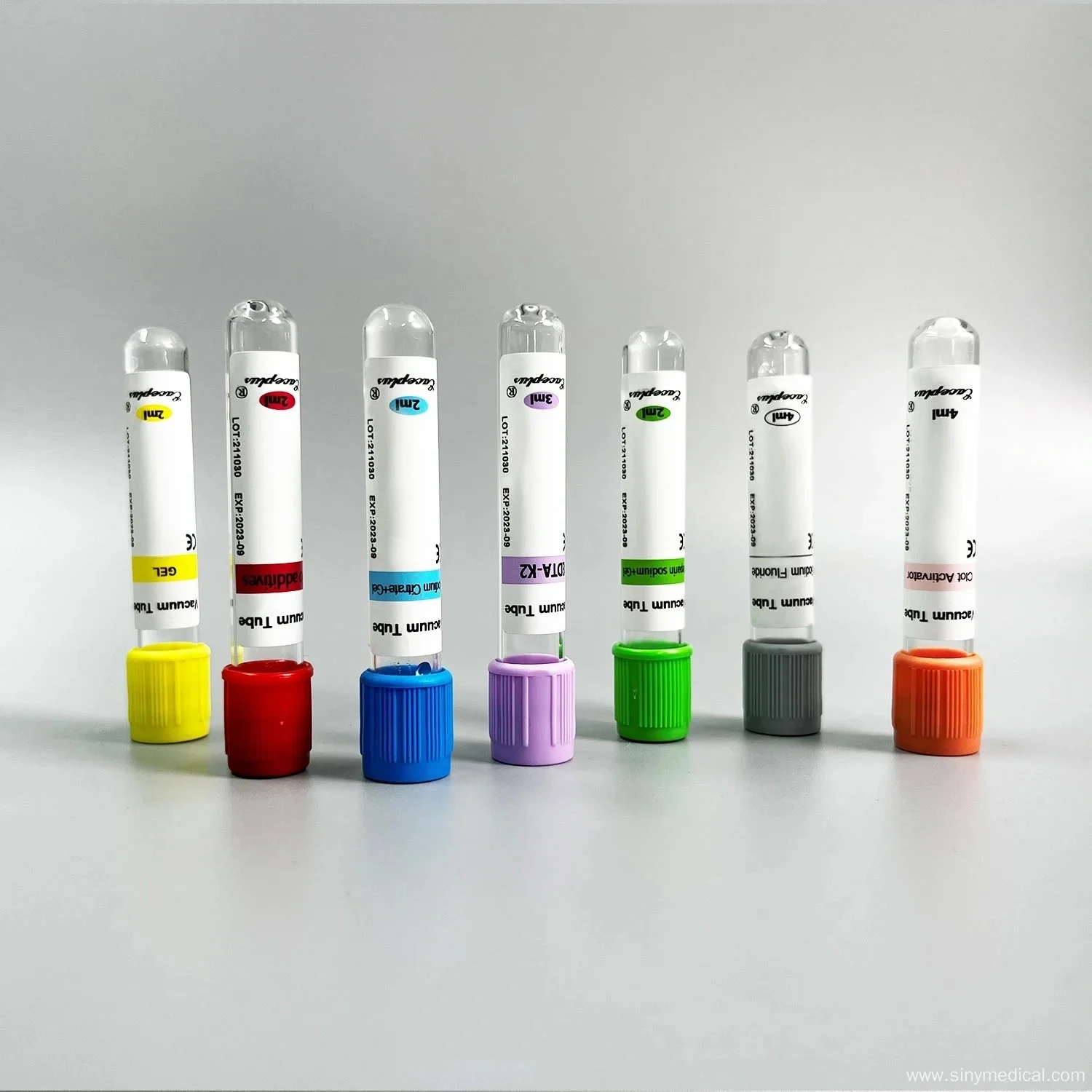
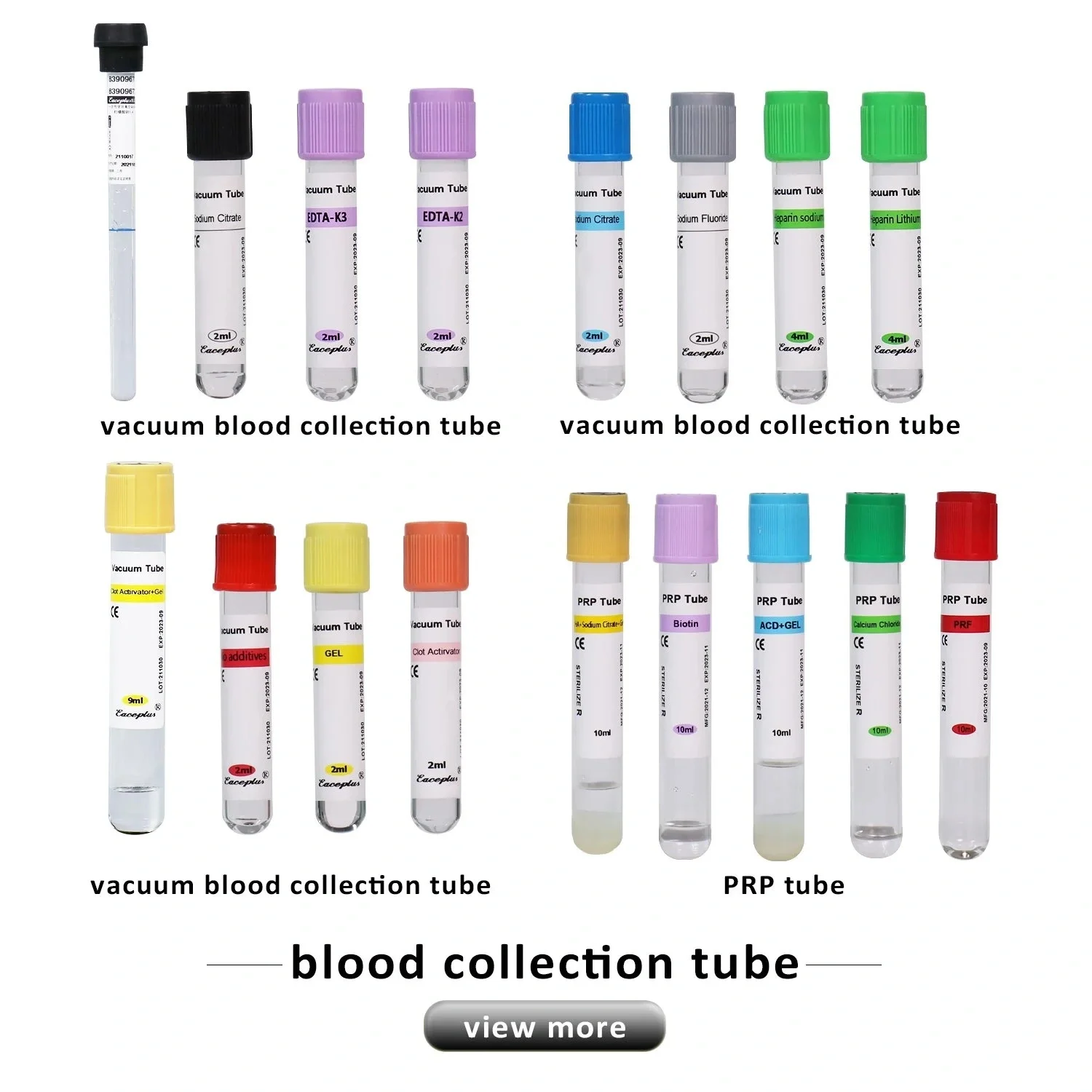
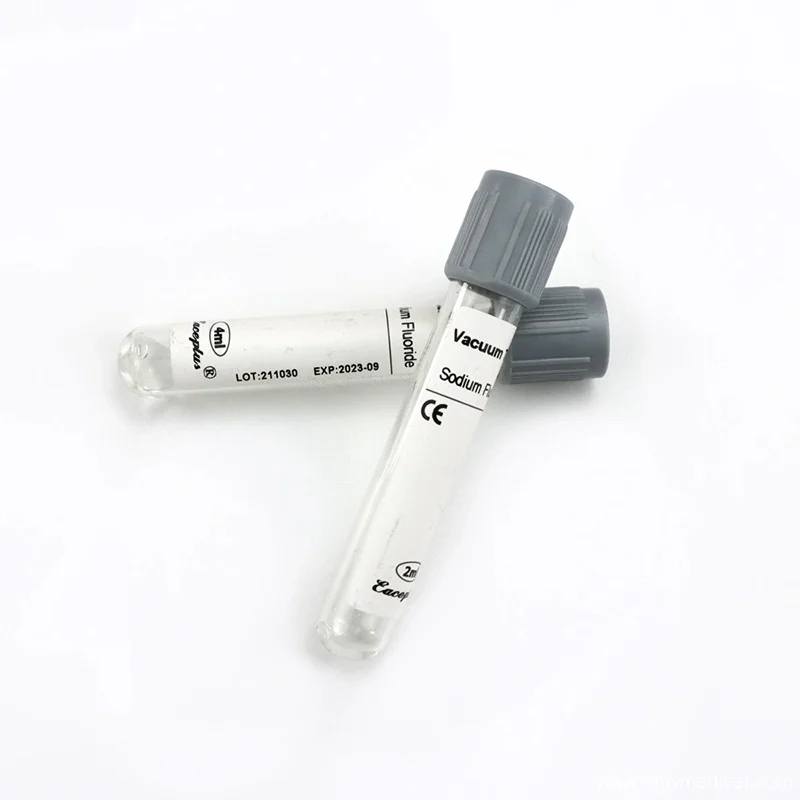
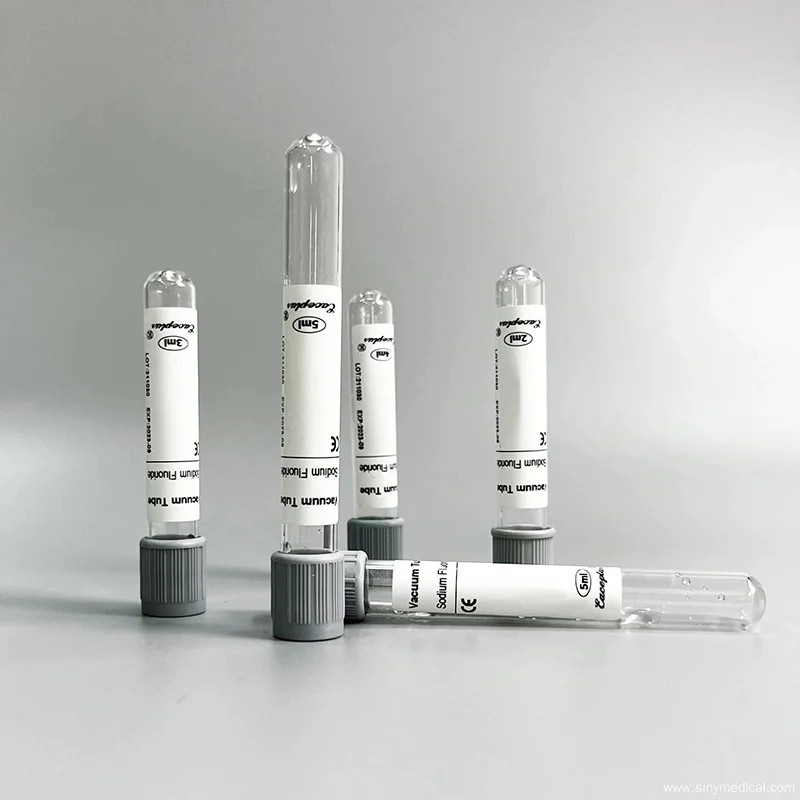
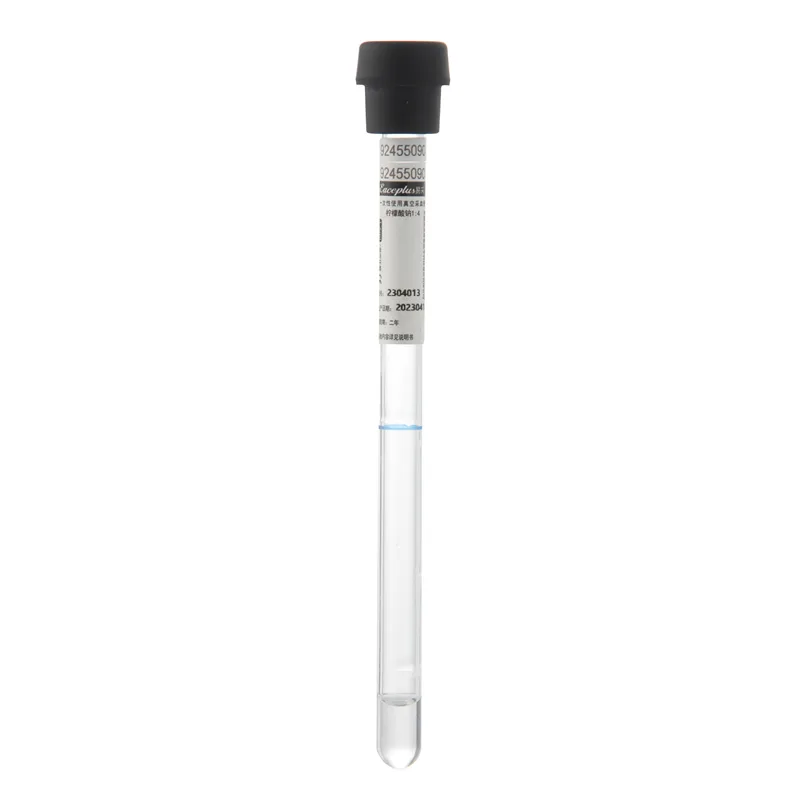
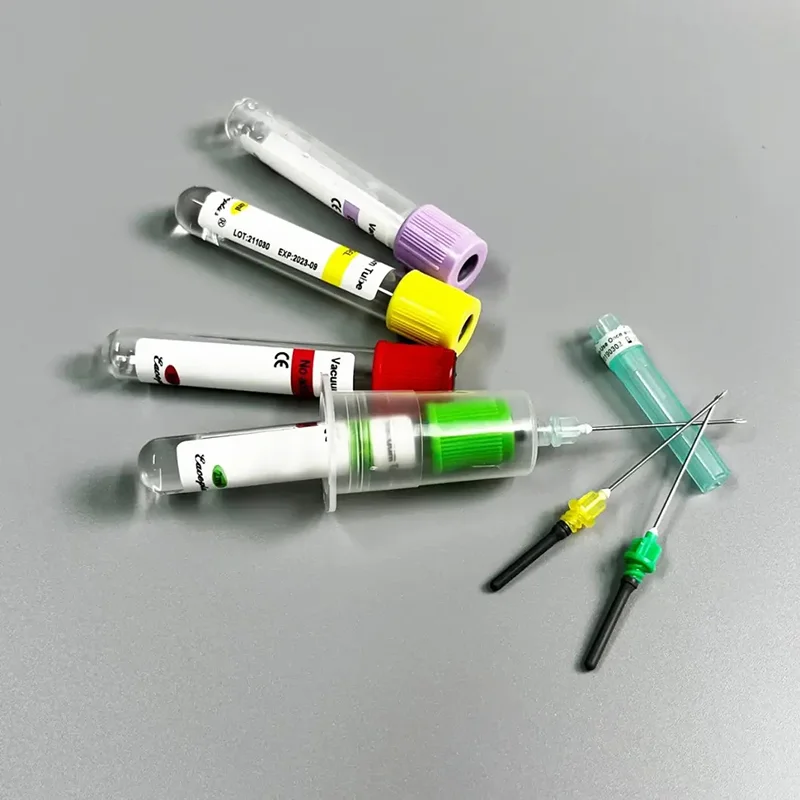
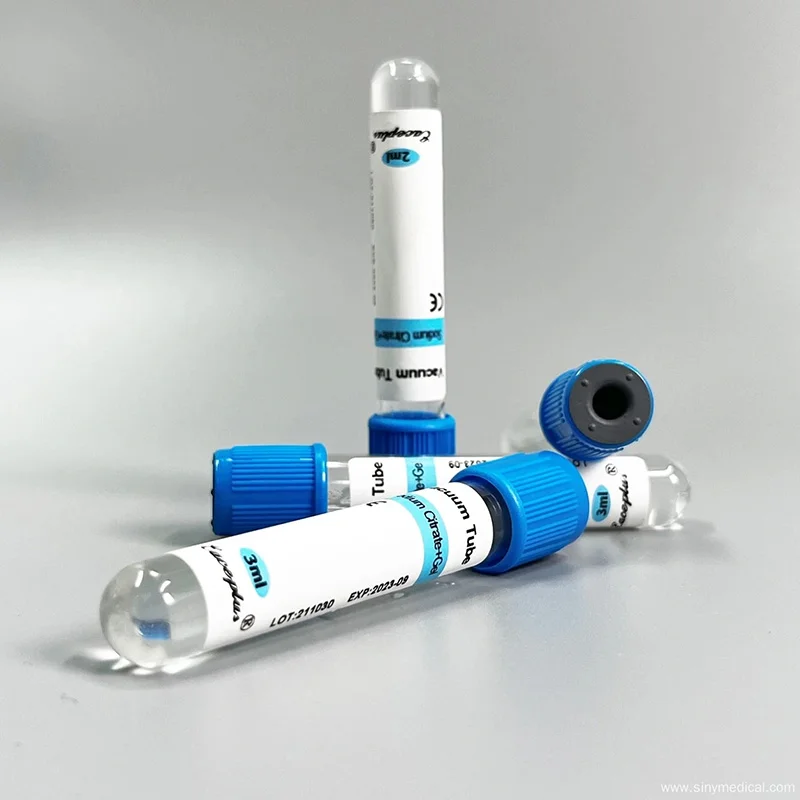
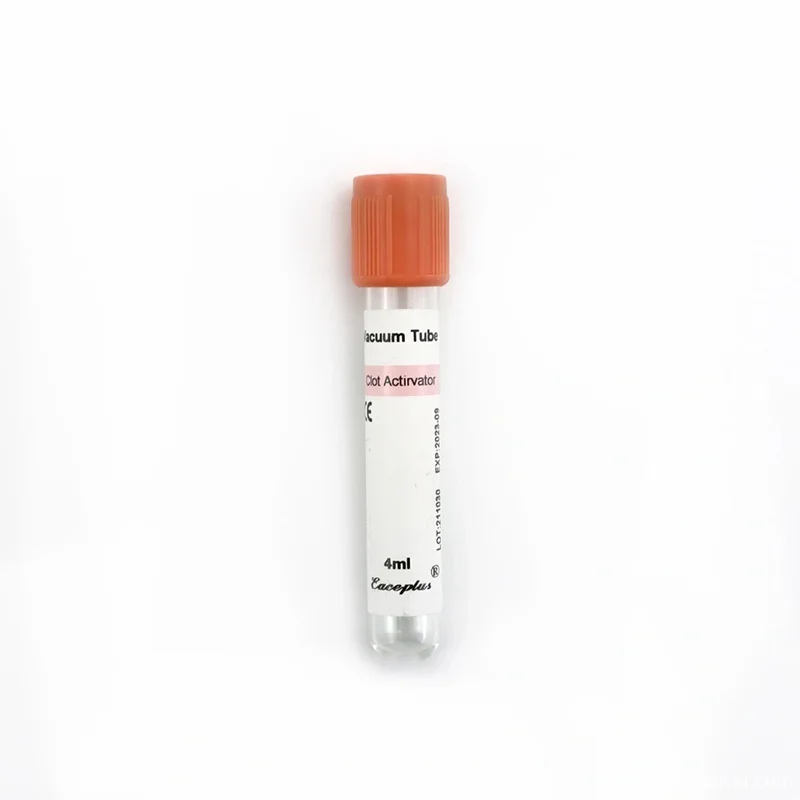
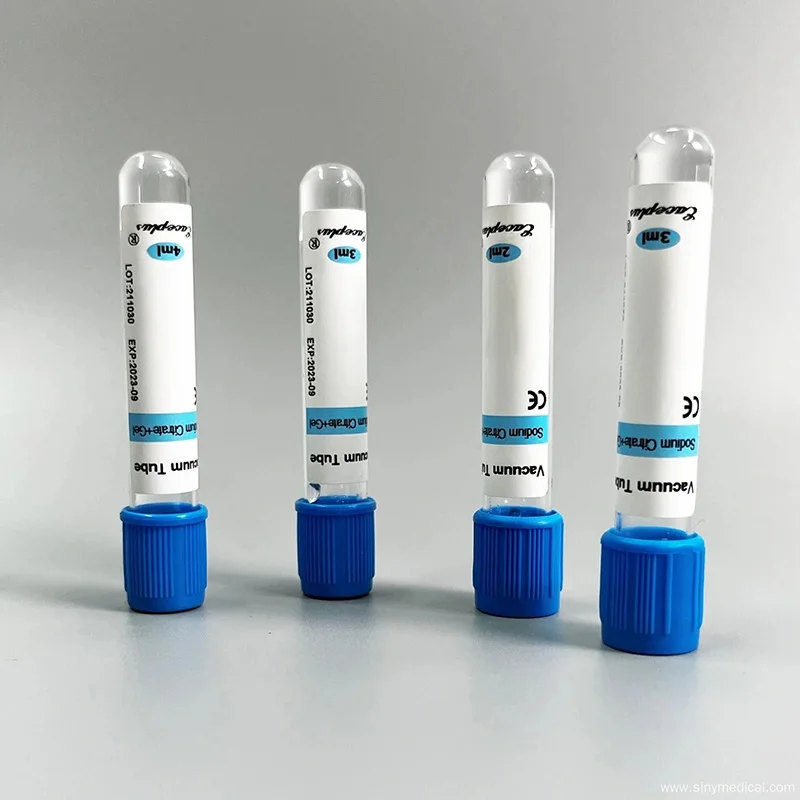
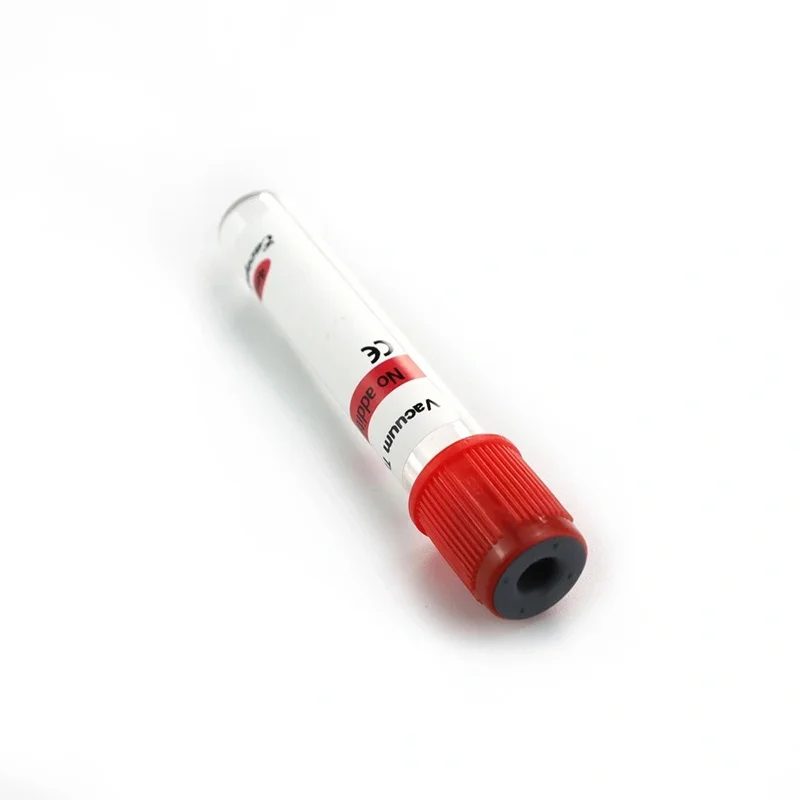
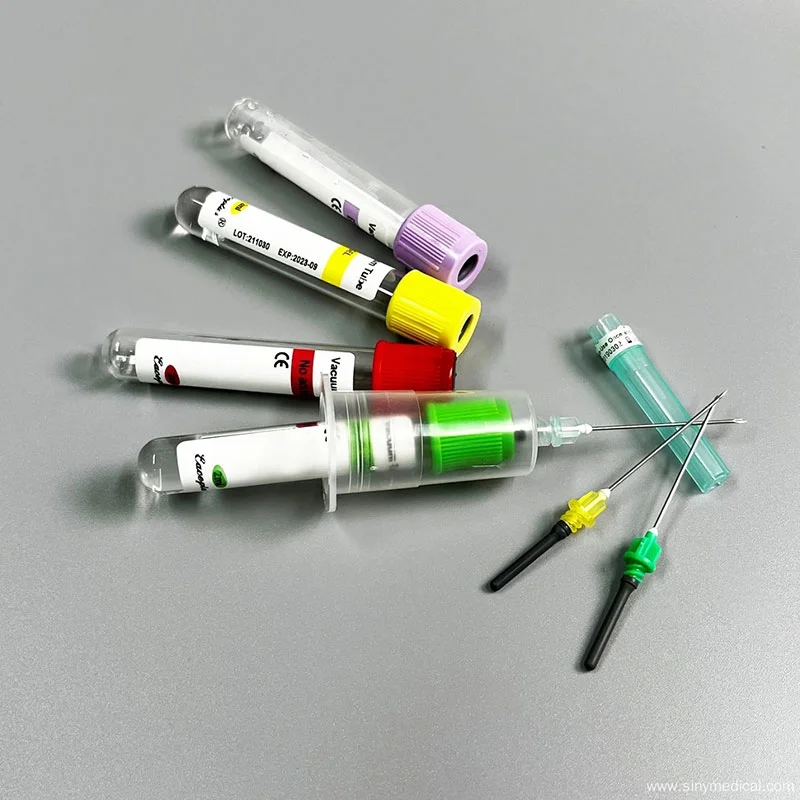
For aesthetic clinics, achieving consistent PRF results depends not only on injection technique, but also on the quality of the preparation system. Blood collection tubes, centrifugation protocols, and handling consistency all directly influence the final PRF product. This is why many clinics rely on standardized solutions from manufacturers like Siny Medical, helping ensure more predictable and reproducible outcomes in regenerative procedures.
Table of Contents
- 1 What Is PRF Under Eyes and Why Is It Different from Other Treatments?
- 2 How Does PRF Under Eyes Work?
- 3 How PRF Improves the Under-Eye Area
- 4 PRF Under Eyes vs PRP vs Dermal Fillers
- 5 What Results Can You Expect and How Long Does PRF Under Eyes Last?
- 6 Why the Right PRF Tube Matters for High-Quality Under-Eye Results
- 7 FAQ About PRF Under Eyes
- 8 Final Summary
What Is PRF Under Eyes and Why Is It Different from Other Treatments?
To understand why PRF has gained significant clinical attention, it is important to first understand the structural changes that occur in the under-eye area during aging.
The periorbital region contains some of the thinnest skin in the human body. Over time, collagen production slows down, fat pads shift downward, and superficial blood vessels become more visible through the skin. These combined changes often result in:
- Dark circles
- Tear trough hollowing
- Fine lines and wrinkles
- Crepey or thin skin texture
- A tired or sunken appearance
The Limits of Traditional Dermal Fillers
Dermal fillers, most commonly based on hyaluronic acid, address under-eye concerns by physically restoring lost volume. They can produce immediate and visible improvement, making them a popular choice for rapid correction.
However, fillers primarily target structural volume loss rather than skin biology. They do not actively improve tissue quality or stimulate long-term regeneration.
In the delicate under-eye region, fillers may also present certain limitations, including:
- Temporary swelling or fluid retention
- Risk of uneven distribution or migration
- The Tyndall effect (bluish discoloration due to superficial placement)
Because of these factors, many practitioners are now seeking treatments that focus not only on volume correction but also on improving underlying skin quality.
How PRF Takes a Regenerative Approach
PRF offers a fundamentally different strategy.
Instead of introducing a synthetic gel, clinicians inject a biologically active concentrate derived entirely from the patient’s own blood. This includes platelets, leukocytes, and liquid fibrinogen.
After injection, the fibrinogen naturally polymerizes into a three-dimensional fibrin network. This network acts as a biological scaffold, slowly releasing growth factors over time and supporting tissue regeneration from within.
Because PRF is completely autologous, it is widely regarded as one of the most biocompatible regenerative options for facial aesthetics.
Rather than simply filling the tear trough, PRF helps improve the quality of the skin itself—making it thicker, healthier, and more resilient over time.

How Does PRF Under Eyes Work?
The effectiveness of injectable PRF (i-PRF) depends heavily on precise and standardized preparation protocols.
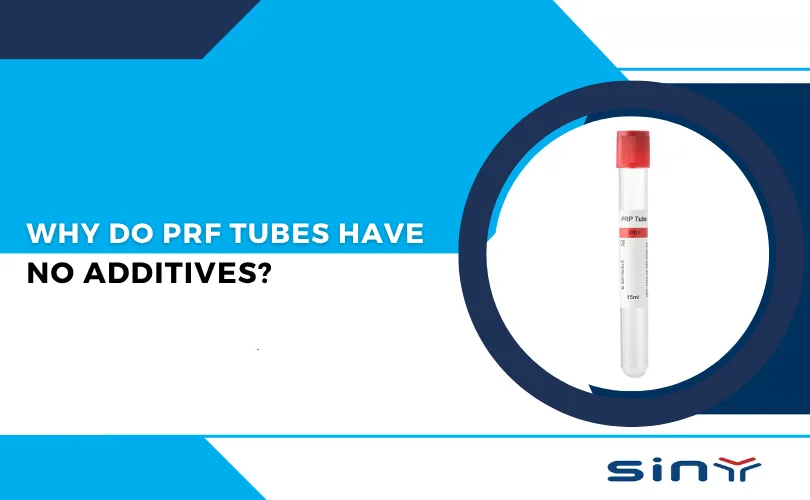
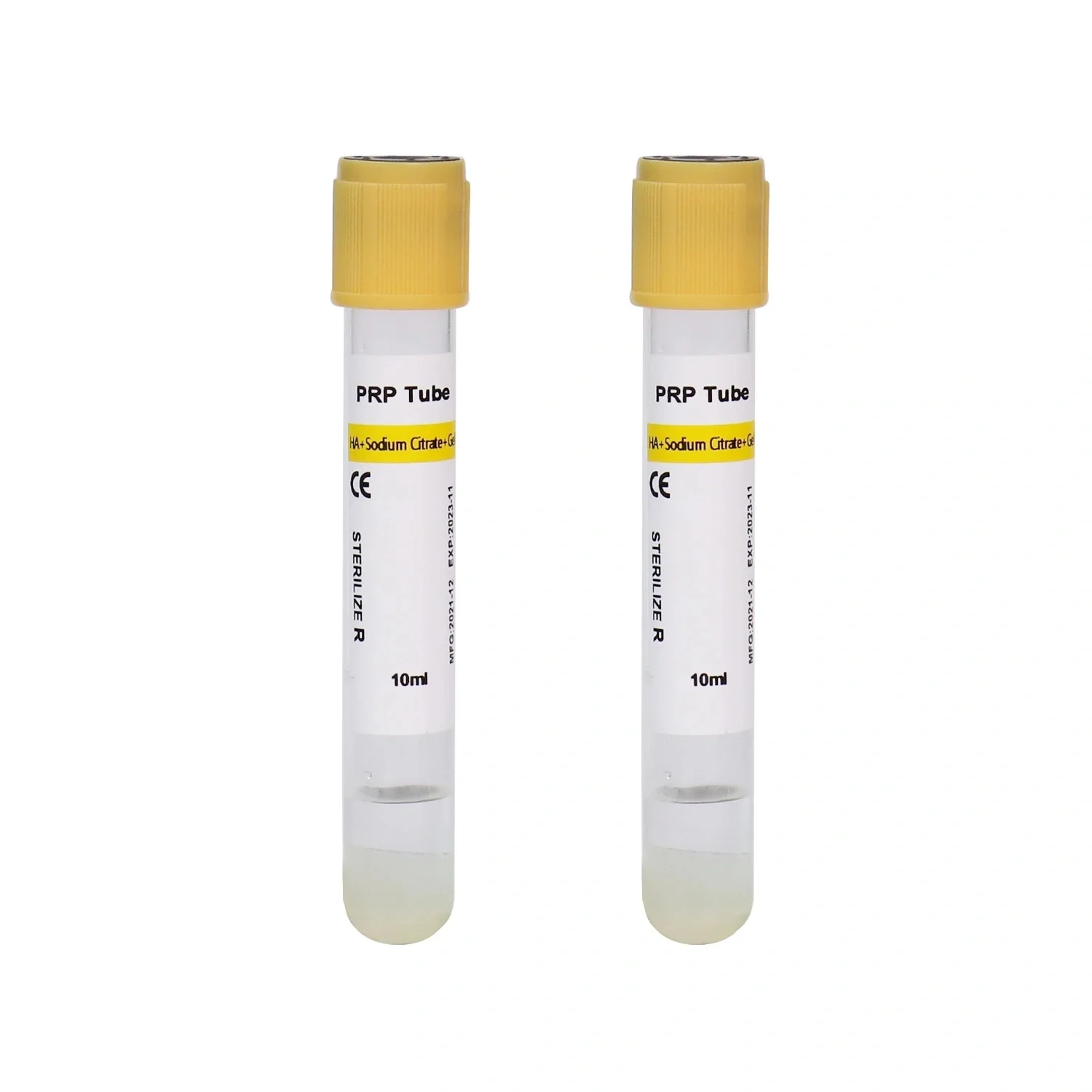
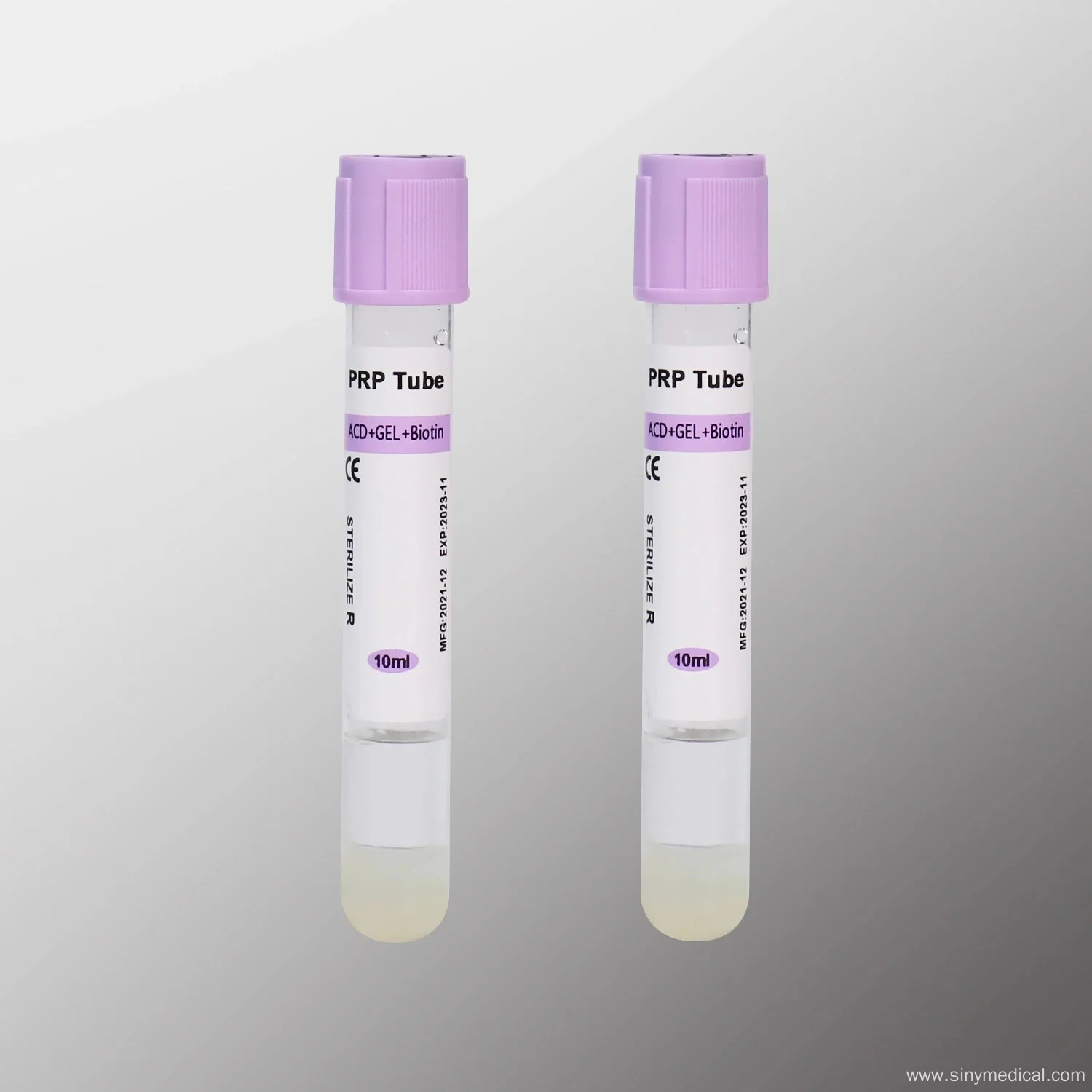
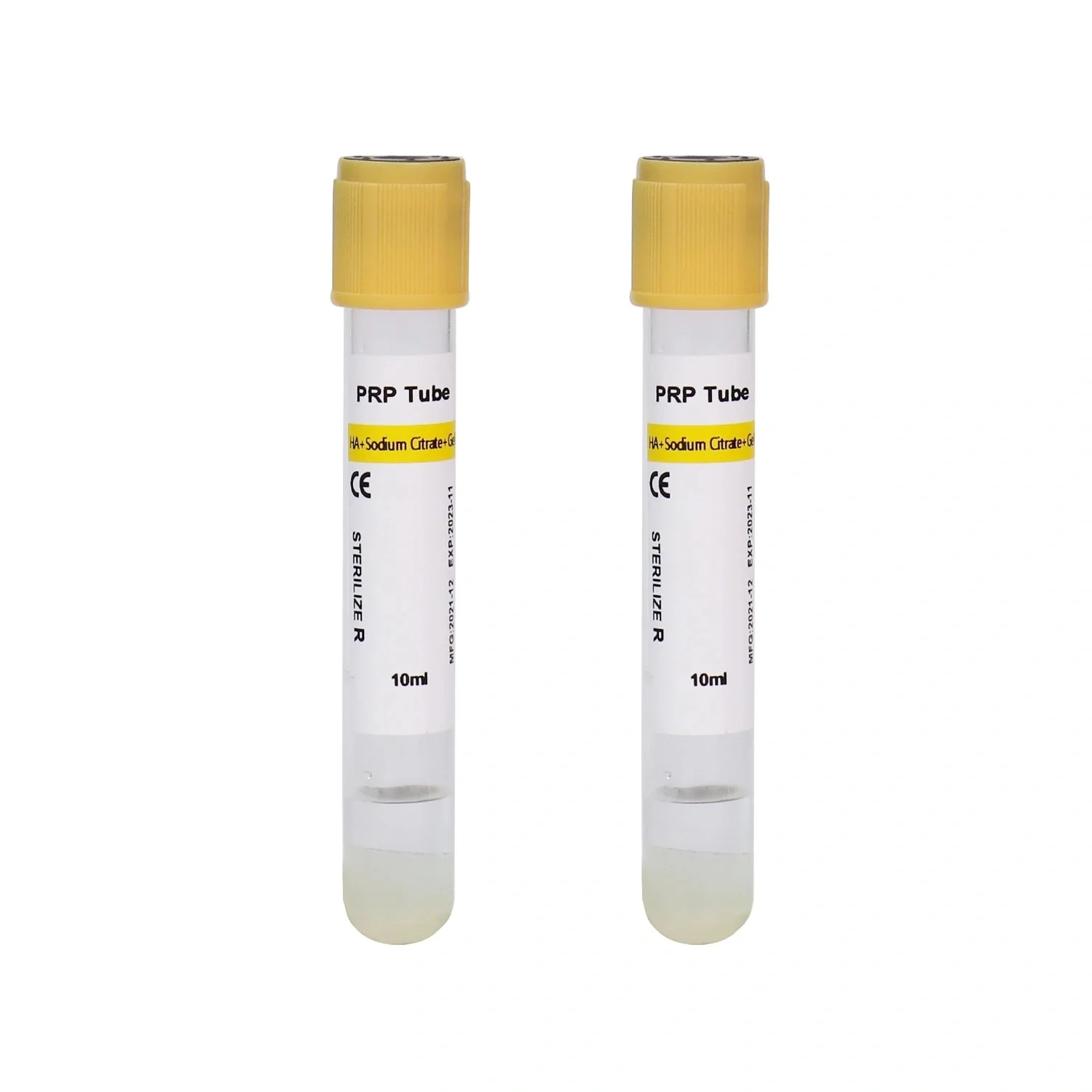
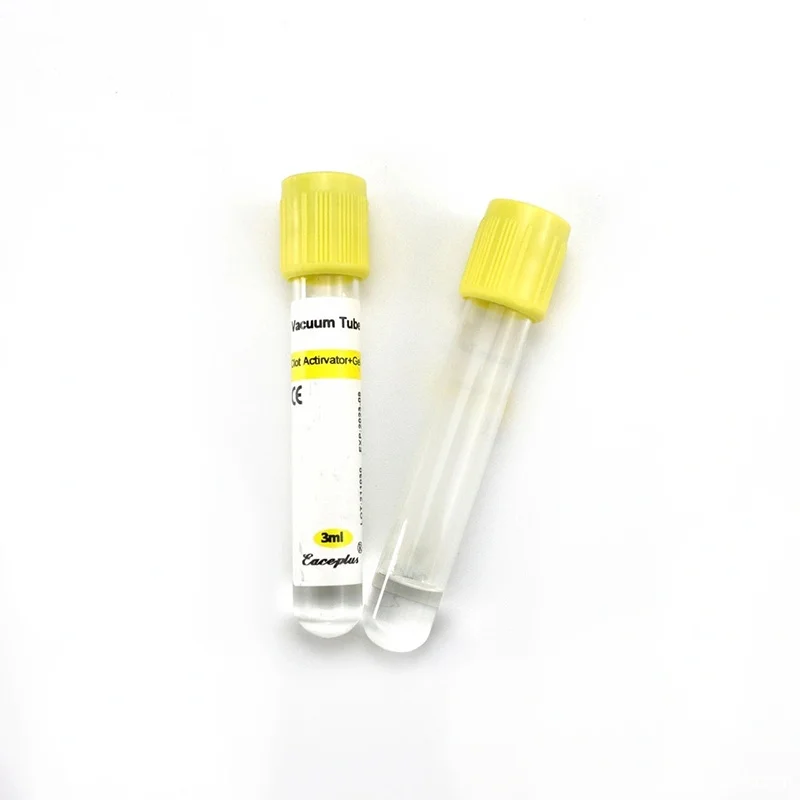
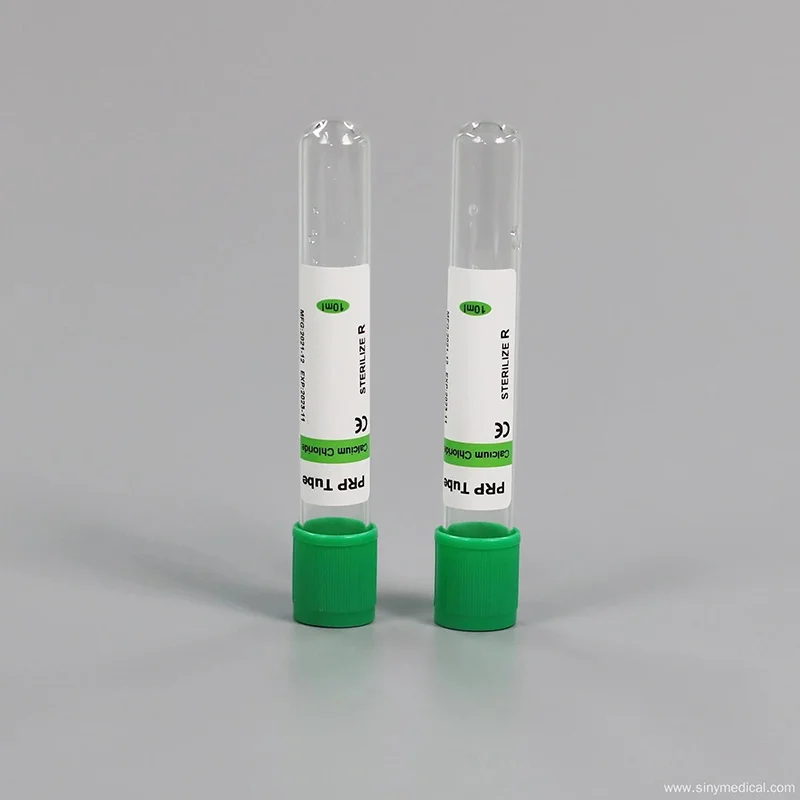
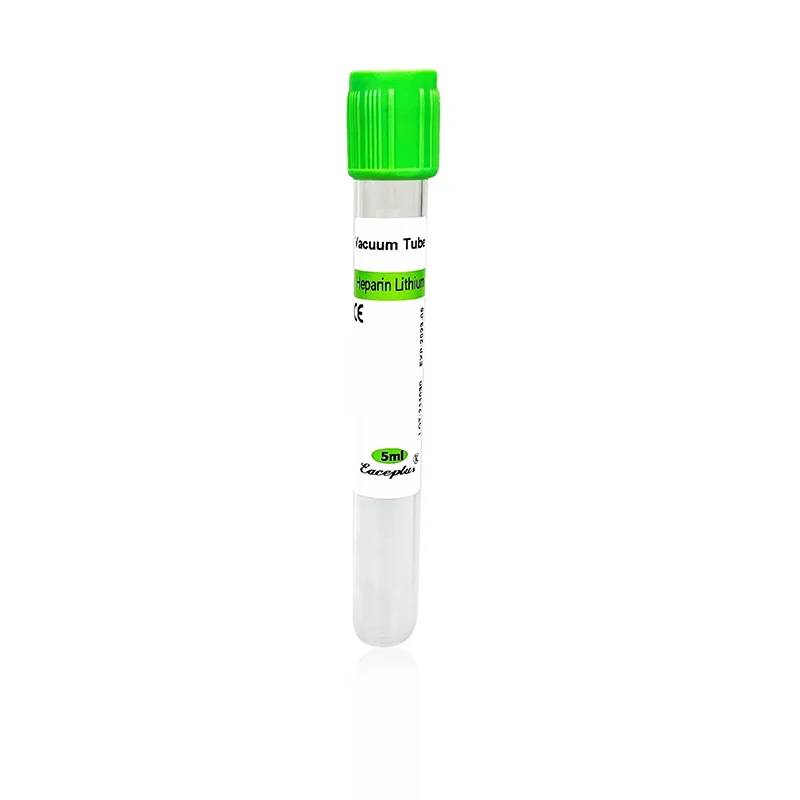
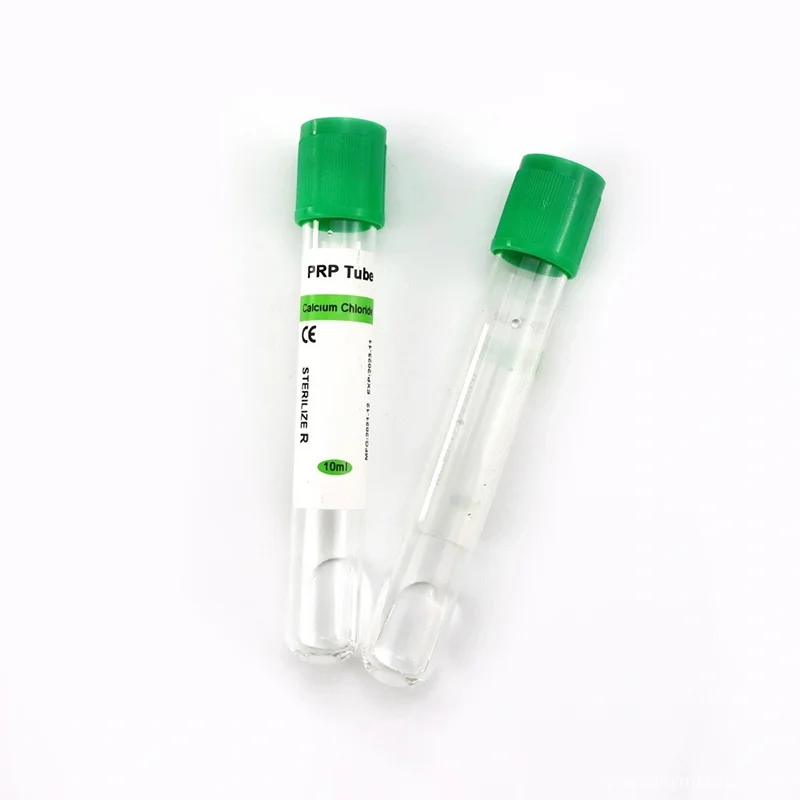
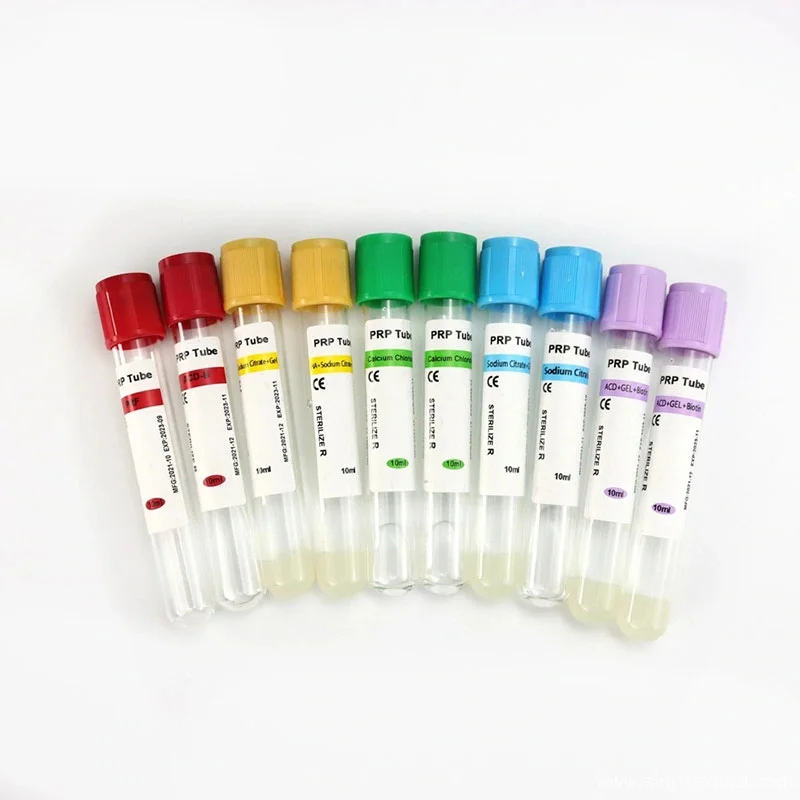
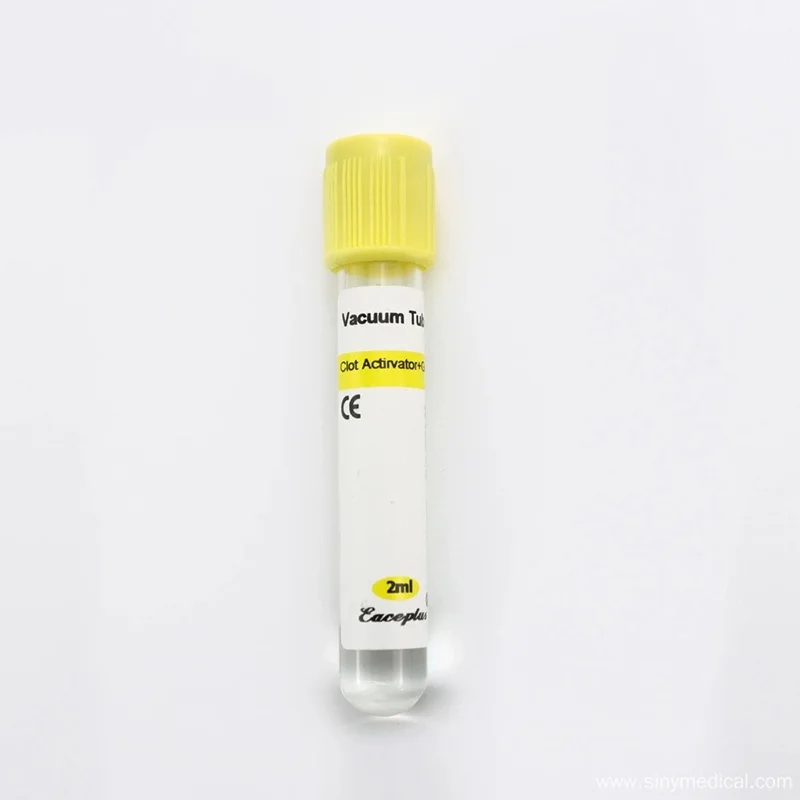
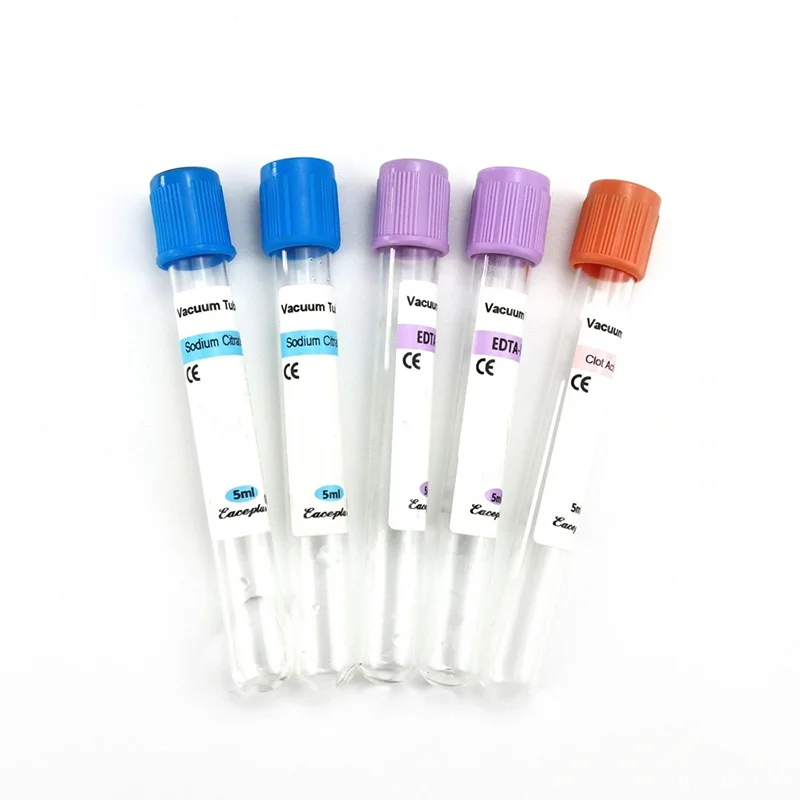
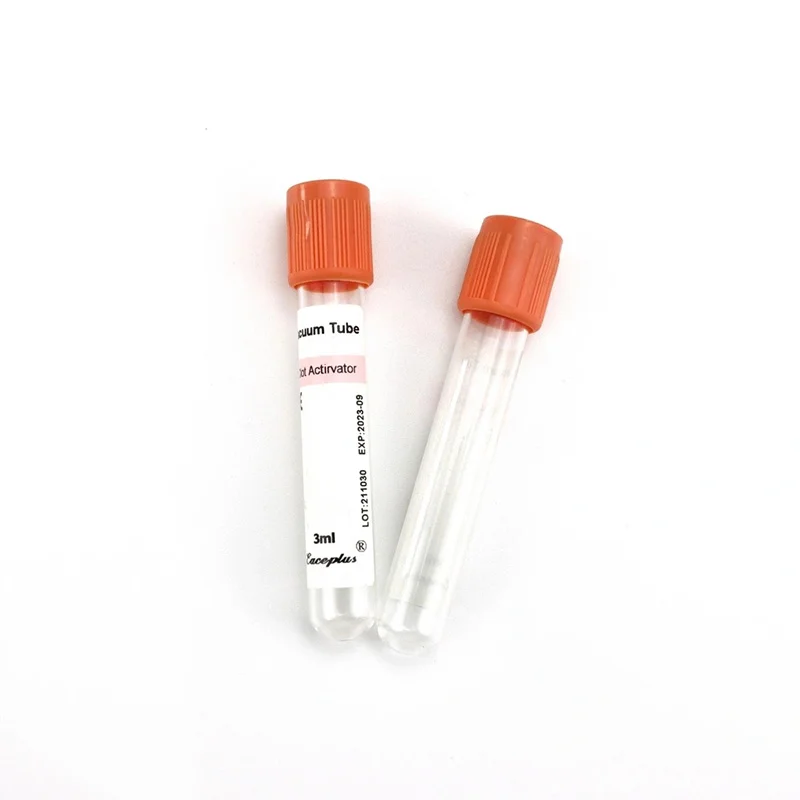
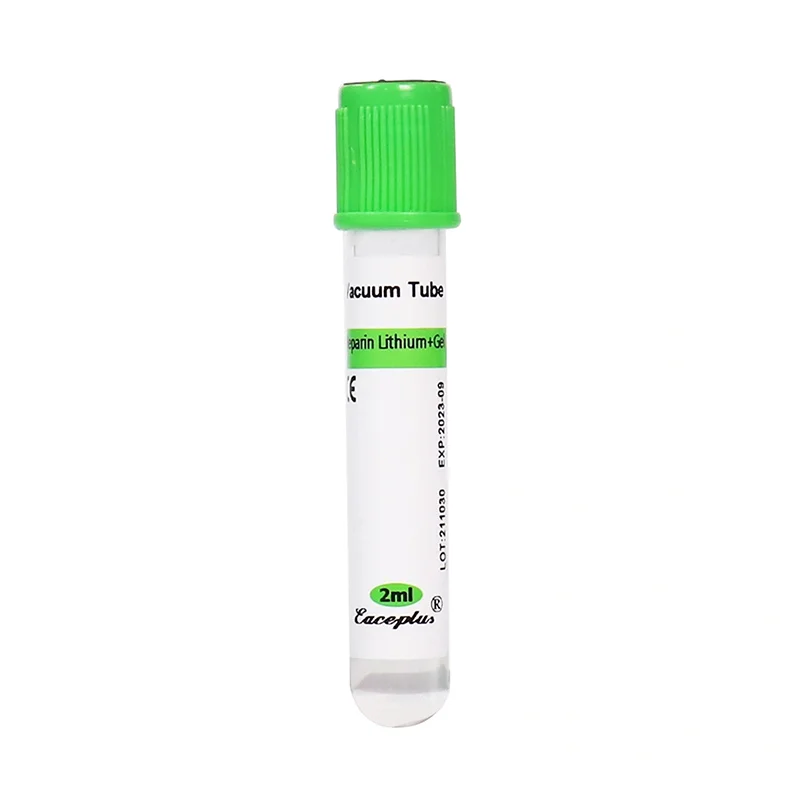
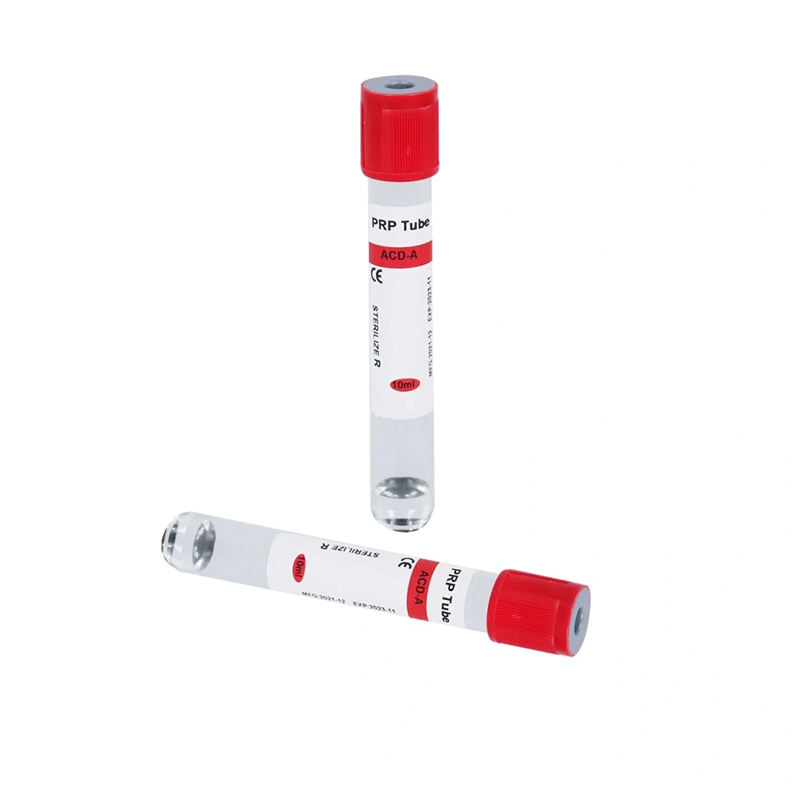
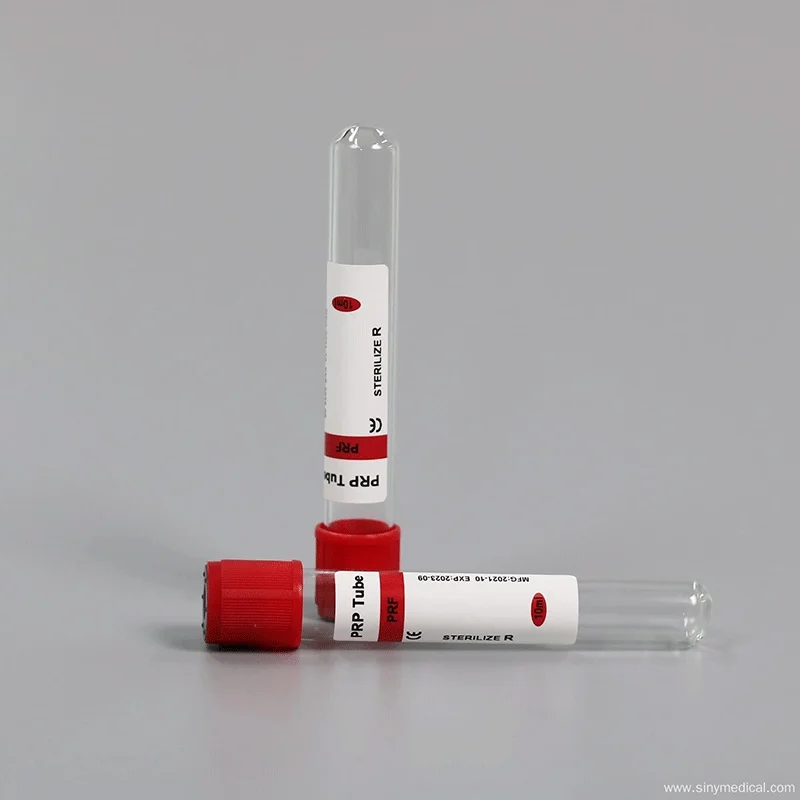
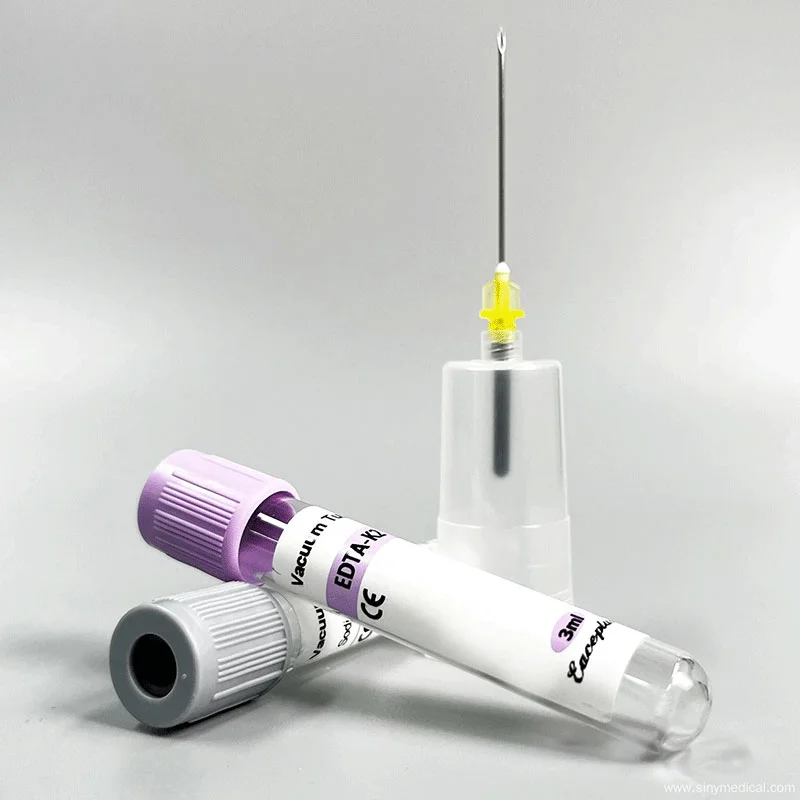
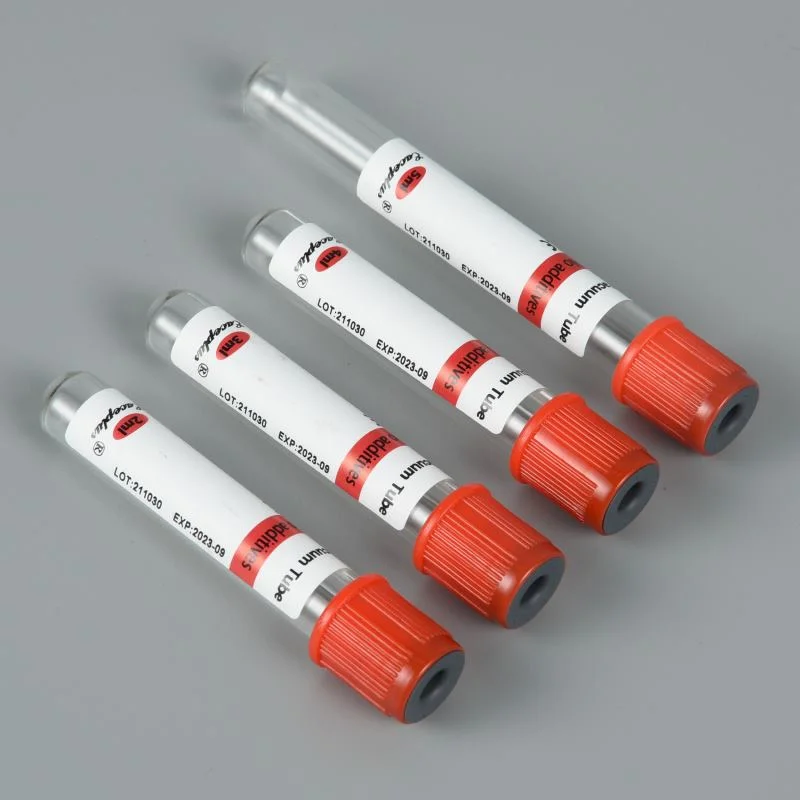
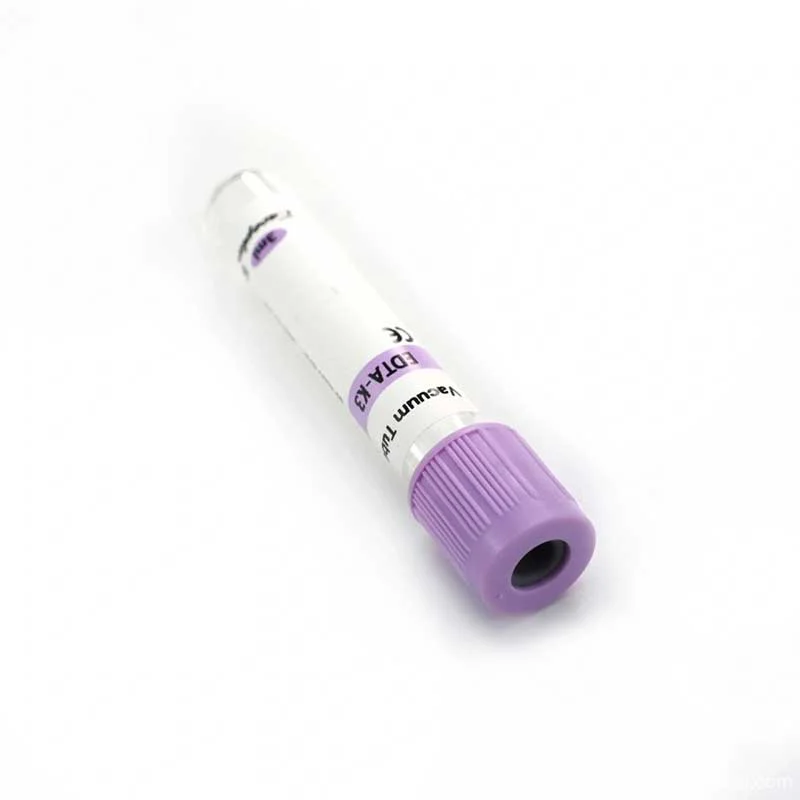
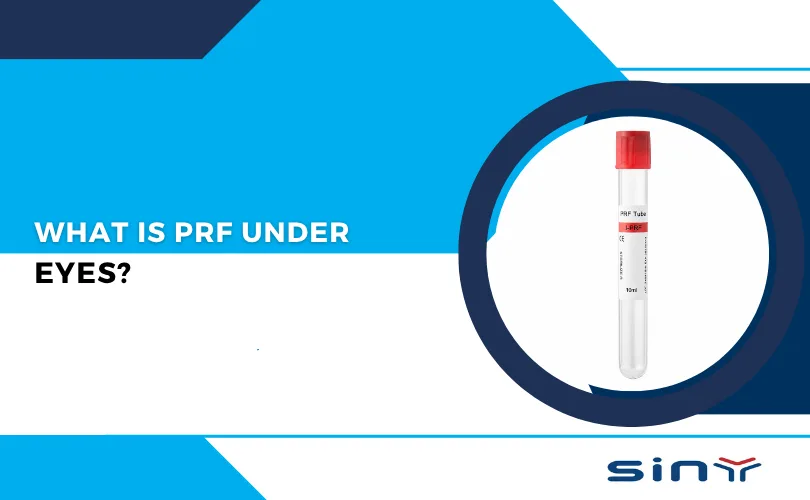
The process begins with a small blood sample collected into a medical-grade, additive-free PRF tube. Unlike conventional laboratory tubes, PRF tubes contain no anticoagulants or chemical clot activators, allowing natural fibrin formation during processing.
The blood sample is then centrifuged using the Low-Speed Centrifugation Concept (LSCC). This gentle protocol is designed to preserve platelet integrity and maintain leukocytes within the plasma layer, rather than forcing complete separation.
The resulting injectable PRF contains several biologically active components:
- Platelets: Release growth factors such as PDGF, TGF-β, and VEGF that support collagen formation and tissue repair
- Leukocytes: Contribute to immune modulation and tissue healing
- Fibrinogen: Forms a natural scaffold after injection, supporting cellular activity
- Cytokines and proteins: Regulate tissue remodeling and cell signaling
Unlike PRP, which releases most growth factors shortly after activation, PRF provides a gradual release over approximately 7–14 days, creating a longer regenerative window for tissue remodeling.
PRF Preparation Workflow
Blood Collection → Low-Speed Centrifugation (LSCC) → Liquid i-PRF Isolation → Under-Eye Injection → Fibrin Scaffold Formation → Sustained Growth Factor Release
This stepwise biological process is one of the key reasons PRF is increasingly preferred for delicate under-eye rejuvenation.

How PRF Improves the Under-Eye Area
PRF does not simply mask under-eye concerns—it promotes gradual biological improvement through multiple regenerative pathways.
Stimulates Collagen and Elastin Production
Growth factors activate fibroblasts, encouraging the production of collagen and elastin. Over time, this leads to firmer, smoother, and more elastic under-eye skin.
Supports Microcirculation Improvement
Some forms of dark circles are linked to visible blood vessels and reduced circulation beneath thin skin. PRF may support the formation of new micro blood vessels (neovascularization), improving oxygenation and tissue health.
Increases Dermal Thickness
As collagen accumulates, the under-eye skin becomes gradually thicker. This added density reduces transparency, making underlying vessels less visible and improving overall tone.
Encourages Natural Tissue Remodeling
Rather than providing instant structural change, PRF supports progressive tissue regeneration. This leads to results that often appear more natural and harmonized with facial expressions.
PRF Under Eyes vs PRP vs Dermal Fillers
When selecting an under-eye rejuvenation treatment, it is important to understand that PRF, PRP, and dermal fillers are not interchangeable. Each works through a completely different biological mechanism and is suited for different types of aging concerns.
Key Comparison Table
| Feature | PRP (Platelet-Rich Plasma) | PRF (Platelet-Rich Fibrin / i-PRF) | Dermal Fillers (Hyaluronic Acid) |
|---|---|---|---|
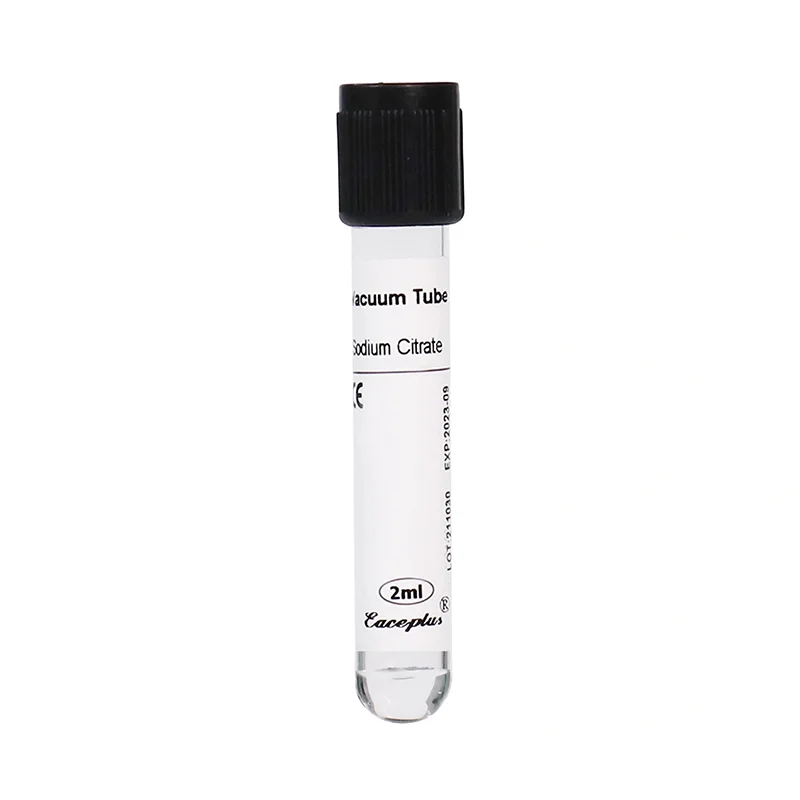
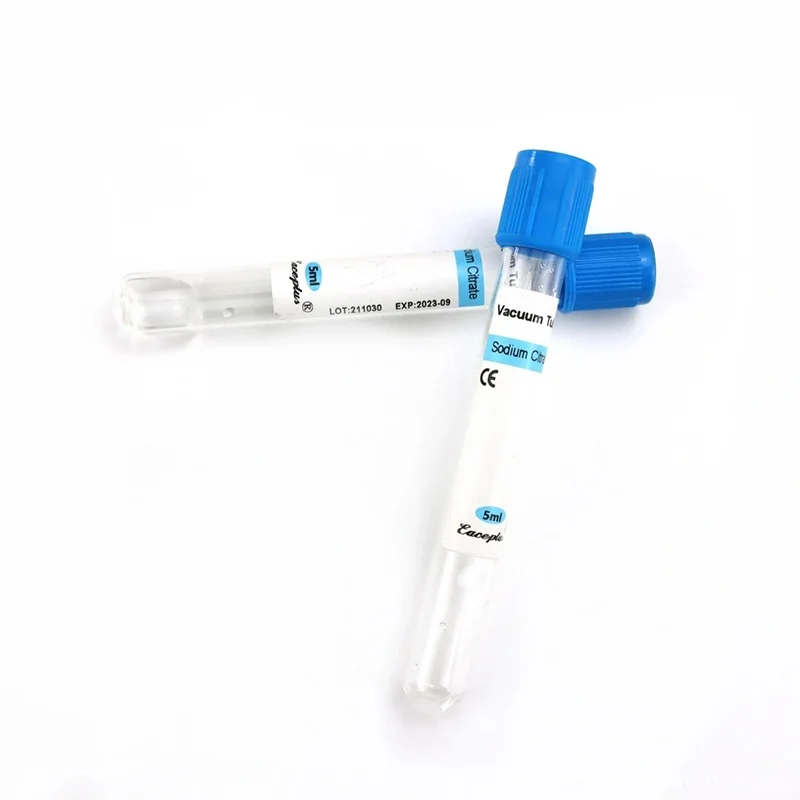
| Blood additives | Requires anticoagulants (e.g., ACD-A, sodium citrate) | No anticoagulants (100% autologous) | Not applicable (synthetic material) |
| Physical structure | Liquid plasma | Natural fibrin matrix (3D scaffold) | Cross-linked gel |
| Growth factor release | Rapid, short-term burst | Sustained release over 7–14 days | No biological activity |
| Main mechanism | Short-term cellular stimulation | Long-term tissue regeneration & collagen synthesis | Immediate volume replacement |
| Under-eye indication | Mild fine lines, early texture issues | Dark circles, thin skin, hollow tear troughs | Deep volume loss & structural deficiency |
| Risk of Tyndall effect | No | No | Yes (if injected too superficially) |
| Duration of effect | Short (weeks–months) | Medium–long biological remodeling (months) | 6–18 months depending on product |
Clinical Interpretation
PRP is primarily used for short-term skin stimulation. It can improve skin texture and support mild rejuvenation, but its effects are relatively limited in deeper tear trough concerns.
PRF, particularly injectable PRF (i-PRF), offers a more advanced regenerative profile. Its fibrin scaffold allows a sustained release of growth factors, making it especially suitable for delicate under-eye areas where gradual collagen remodeling and improved skin quality are desired.
Dermal fillers remain the most effective option for immediate correction of significant volume loss. However, they do not improve skin biology or long-term tissue regeneration.
In modern aesthetic practice, many experienced clinicians combine approaches:
- Fillers → structural volume restoration
- PRF → skin quality improvement and biological regeneration
This combination allows both immediate correction and long-term tissue enhancement.

What Results Can You Expect and How Long Does PRF Under Eyes Last?
PRF does not produce instant volumizing effects. Instead, it works through gradual biological remodeling, meaning results continue to improve over time.
Immediate Phase (0–3 Days)
After treatment, mild swelling or tenderness may appear. This is a normal response and typically resolves within a few days. Early volume improvement seen during this phase is temporary.
Early Recovery Phase (2–4 Weeks)
As swelling subsides, patients often notice:
- Brighter under-eye tone
- Improved hydration
- Softer skin texture
- Subtle reduction in shadowing
These early changes are related to improved microcirculation and initial tissue response.
Collagen Remodeling Phase (1–3 Months)
This is the most important regenerative stage.
Growth factors released from PRF stimulate fibroblast activity, leading to:
- Increased collagen production
- Thicker under-eye skin
- Reduction in fine lines
- Improved elasticity and firmness
- Less visible vascular discoloration
Stabilization Phase (3–6 Months)
Results continue to mature and stabilize, with more noticeable improvements in:
- Skin density
- Tear trough smoothness
- Overall under-eye contour balance
How Long Does PRF Under Eyes Last?
Most patients experience visible results for approximately 6 to 12 months, depending on:
- Age
- Skin quality
- Lifestyle factors (sleep, smoking, UV exposure)
- Metabolic and healing capacity
To maintain optimal results, clinicians typically recommend:
- An initial course of 2–3 sessions, spaced 4–6 weeks apart
- Maintenance treatments every 6–12 months
Because PRF enhances tissue quality rather than simply filling volume, results may improve cumulatively over repeated sessions.
Why the Right PRF Tube Matters for High-Quality Under-Eye Results
Although injection technique and centrifuge settings are often emphasized, the quality of PRF begins much earlier—at the blood collection stage.
The Role of PRF Tubes in Treatment Consistency
PRF tubes are not standard laboratory consumables. They are specifically designed to support controlled fibrin formation and preserve cellular integrity during processing.
Key factors that influence PRF quality include:
- Tube material biocompatibility
- Internal surface treatment
- Vacuum stability and draw consistency
- Sterility and manufacturing precision
- Absence of chemical additives
Even minor variations in these parameters can affect platelet distribution, fibrin structure, and overall regenerative potential.
Risks of Using Non-Specialized Tubes
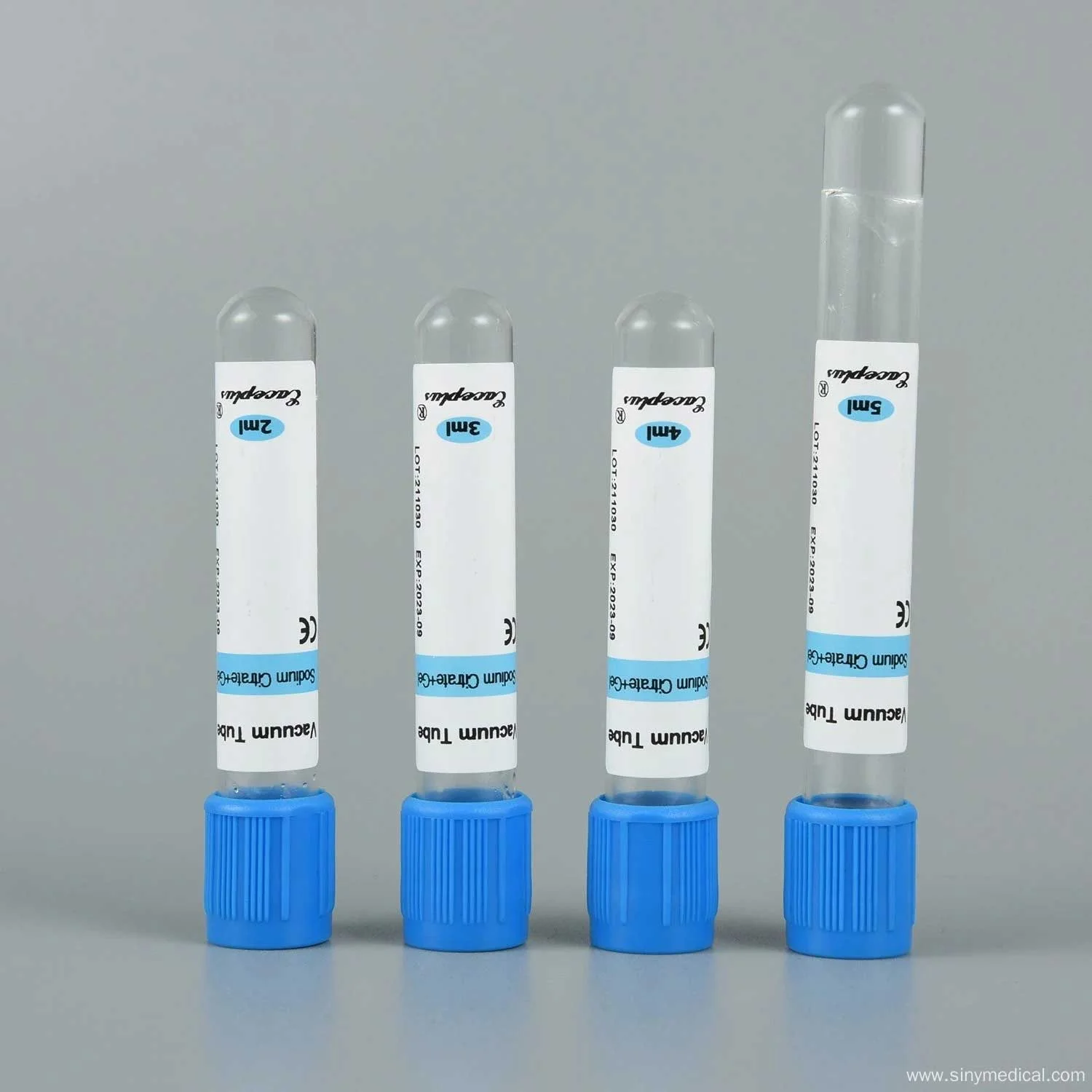
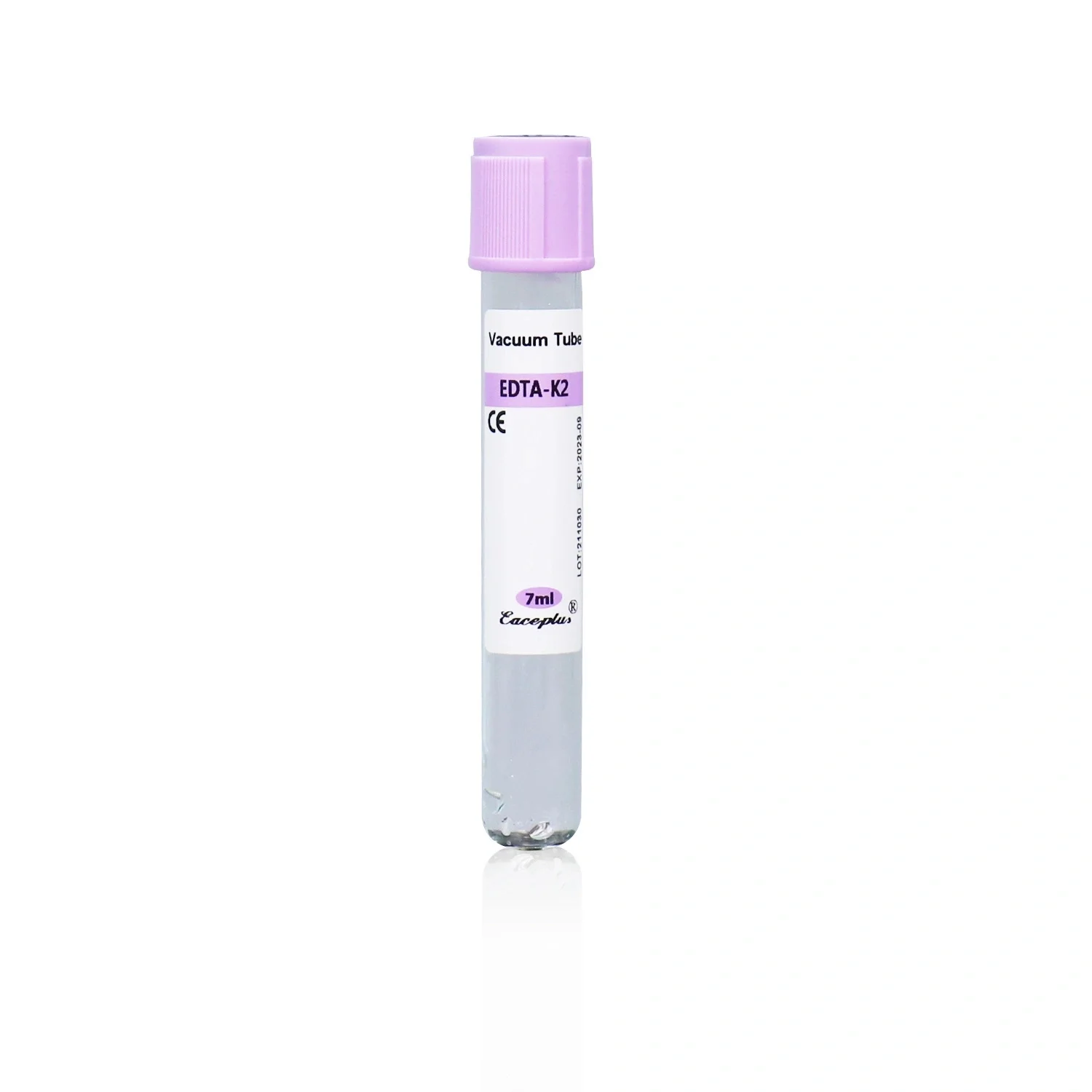
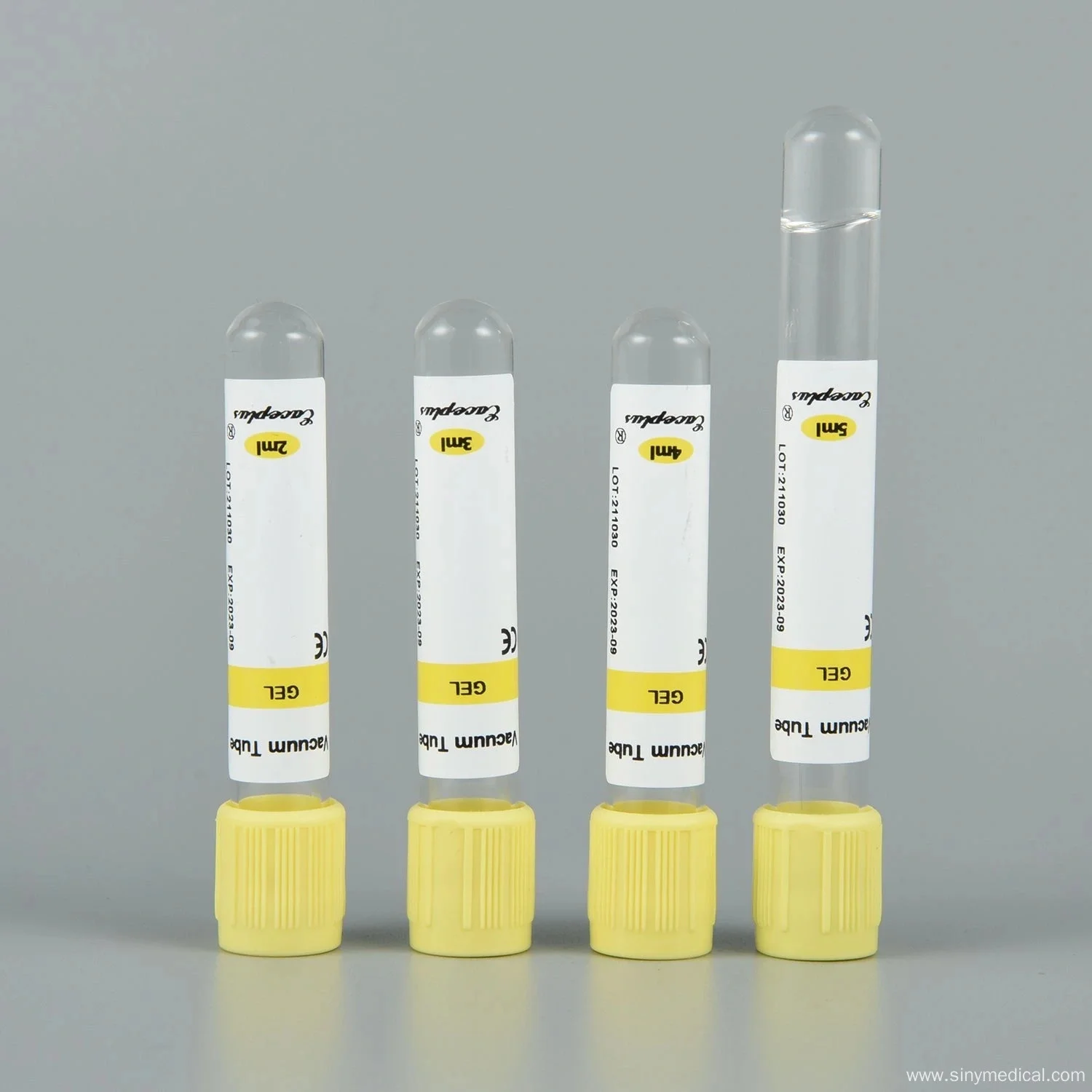
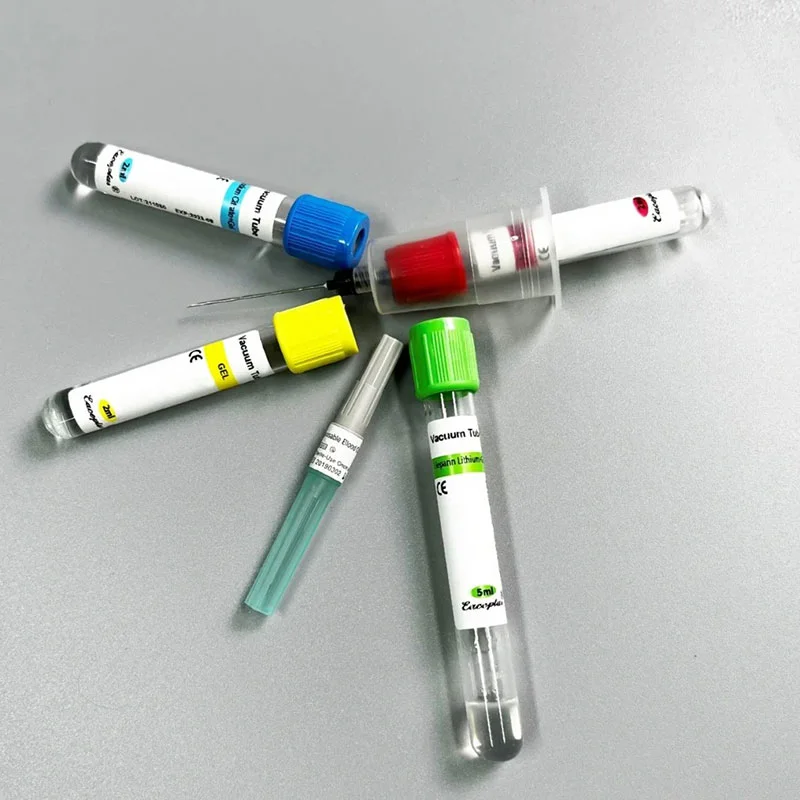
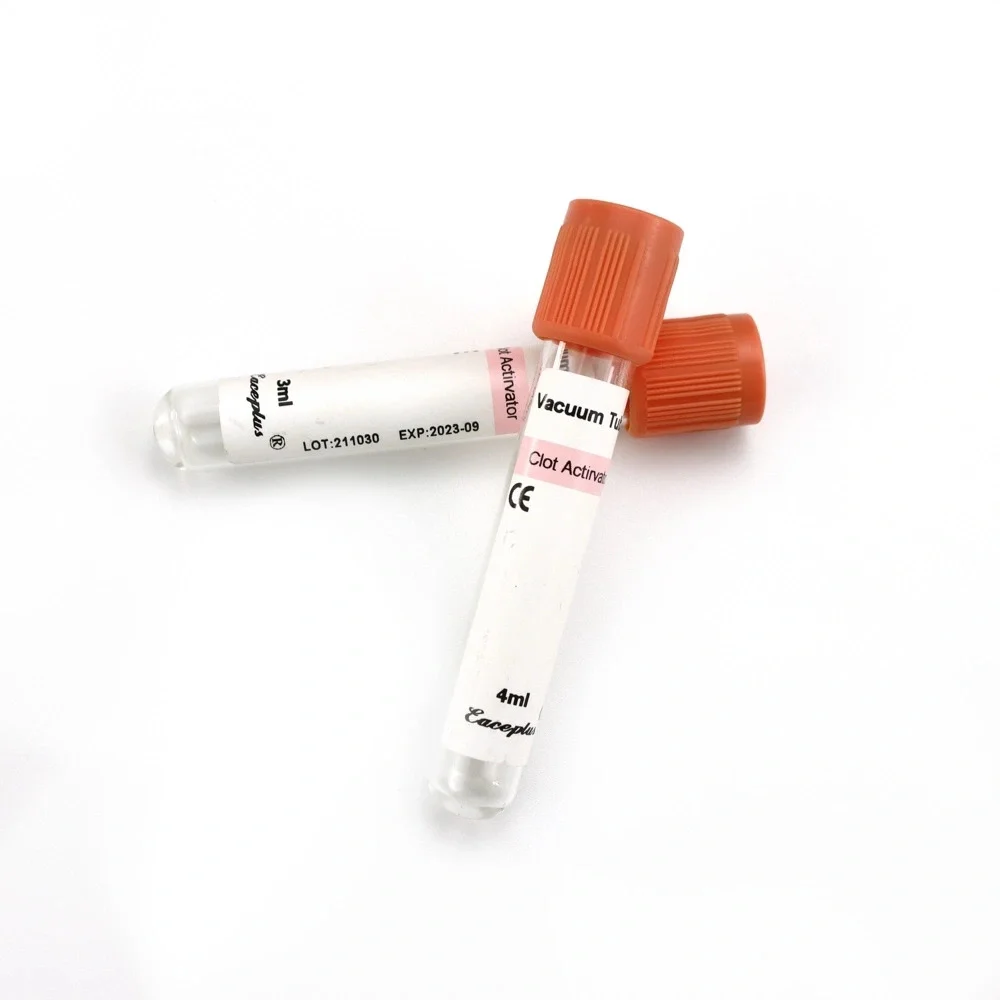
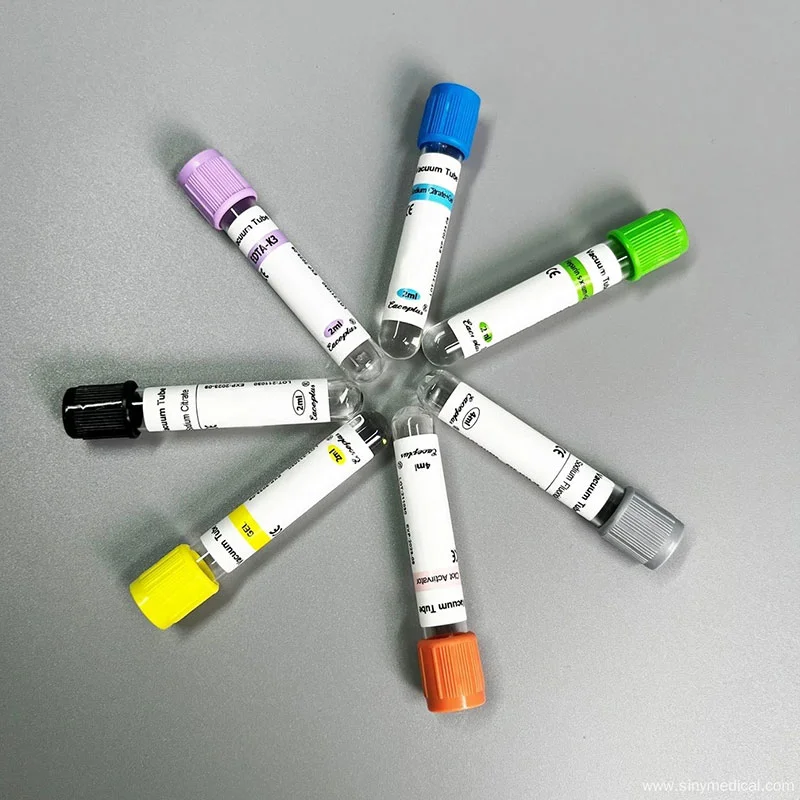
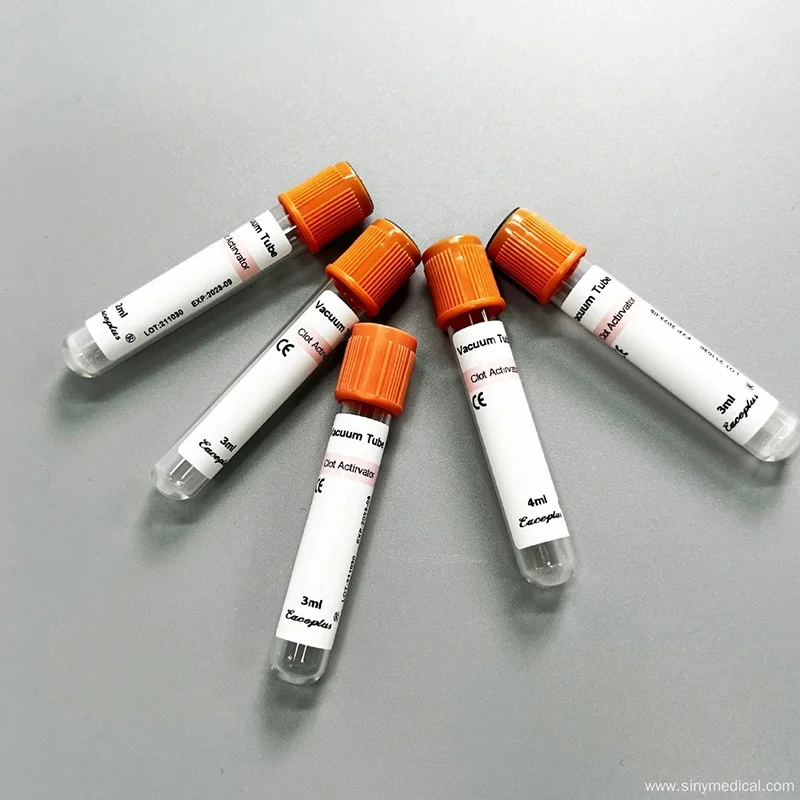
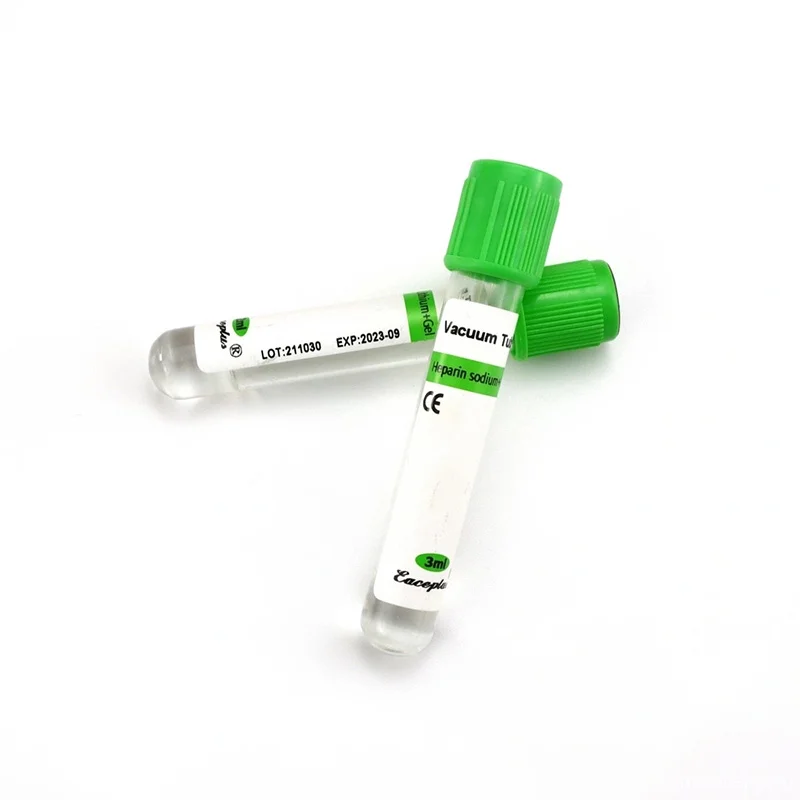
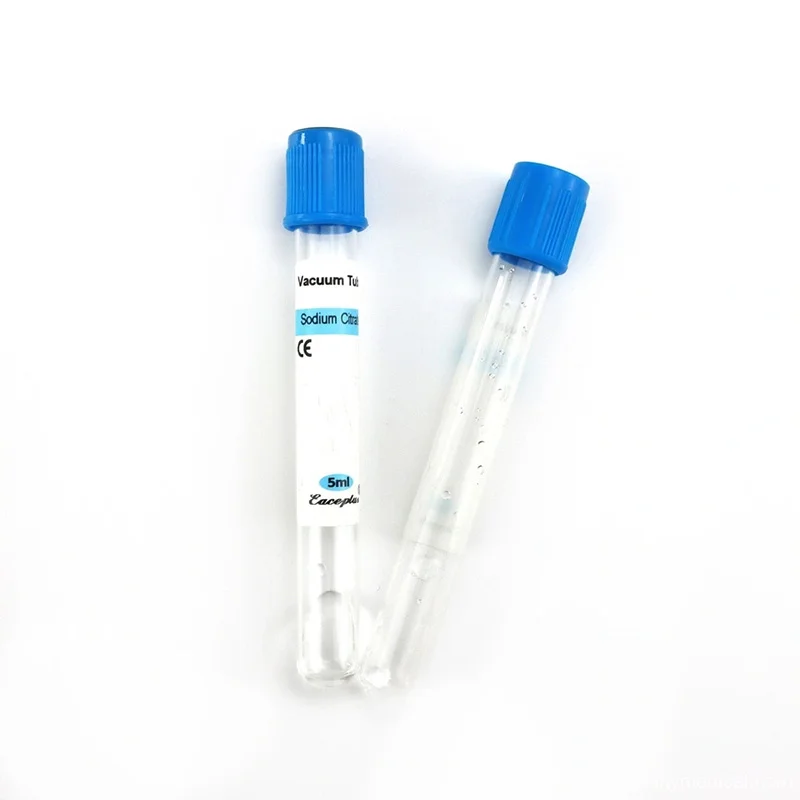
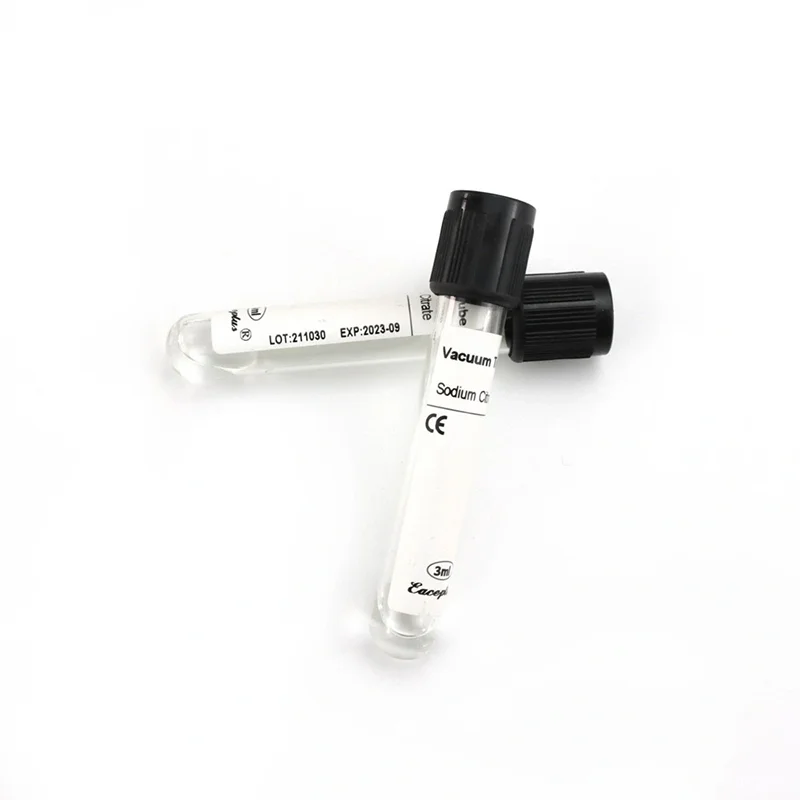
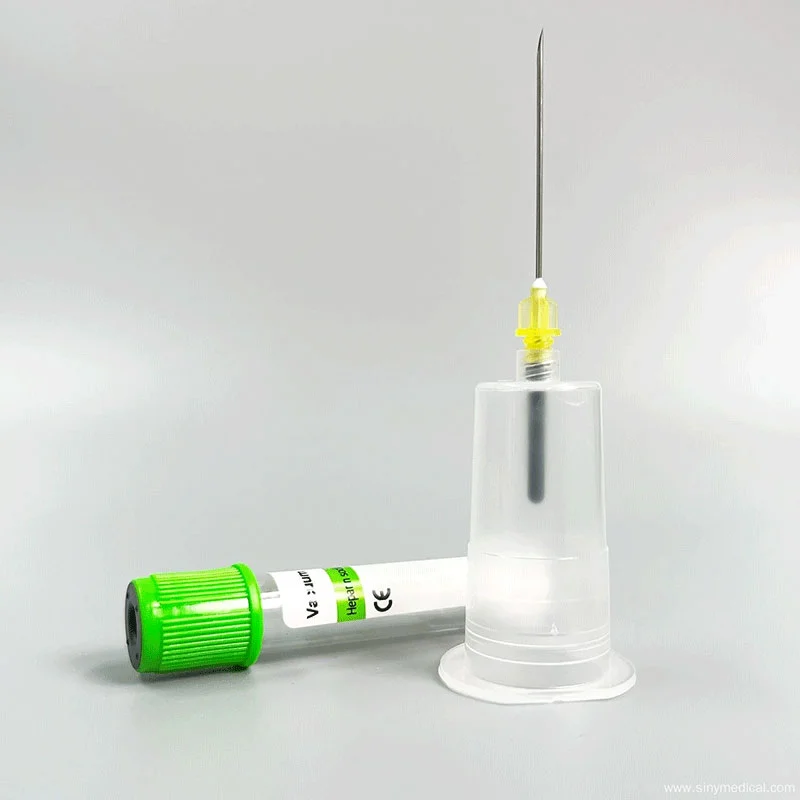
Standard diagnostic blood collection tubes are designed for laboratory testing, not reinjection. Some may contain clot activators or surface coatings intended to stabilize samples for analysis.
When used improperly in PRF preparation, these additives may interfere with natural fibrin formation, and escaping microparticles such as silica can induce cytotoxic effects and cellular apoptosis on surrounding tissues at the injection site.
For this reason, PRF preparation requires dedicated additive-free medical-grade tubes specifically designed for regenerative medicine applications.
Siny Medical PRF Tube Solutions
At Siny Medical, we develop professional PRF tubes designed to support consistent regenerative outcomes across aesthetic, dental, orthopedic, and clinical applications.
Our PRF tube systems are engineered to:
- Maintain completely additive-free conditions for natural clot formation
- Ensure stable and reliable vacuum performance
- Support consistent centrifugation results
- Meet strict medical-grade manufacturing standards
These features help clinicians achieve more predictable PRF quality and more consistent treatment outcomes.
Whether you are building a regenerative aesthetics practice or sourcing a long-term OEM/ODM manufacturing partner, Siny Medical provides standardized PRF tube solutions designed for global clinical requirements.
FAQ About PRF Under Eyes
Is PRF under eyes permanent?
No. PRF does not permanently stop aging. It stimulates natural collagen production, and results typically last between 6 and 12 months depending on individual factors.
Is PRF under-eye treatment painful?
Most patients experience only mild discomfort. A topical anesthetic or local numbing technique is typically used to improve comfort during injection.
How many PRF sessions are needed?
Most treatment plans include 2–3 initial sessions, spaced 4–6 weeks apart, followed by maintenance treatments once or twice per year.
Can PRF completely remove dark circles?
PRF can significantly improve dark circles caused by thin skin or vascular visibility. However, pigment-related dark circles may require additional treatments.
Is PRF safer than dermal fillers?
PRF is autologous, meaning it comes from the patient’s own blood, which reduces the risk of allergic reactions. However, all injectable treatments carry minor risks and should be performed by qualified professionals.
Does the PRF tube really affect results?
Yes. Tube material, additive-free design, and manufacturing precision directly influence fibrin formation and platelet behavior, which can impact final PRF quality.
Final Summary
PRF under-eye treatment represents a shift from traditional volumizing approaches toward biological regeneration. Instead of simply filling hollows, PRF supports collagen production, improves skin quality, and enhances long-term tissue health in a gradual and natural way.
For clinicians, achieving consistent outcomes depends not only on technique but also on standardized preparation systems. High-quality PRF tubes play a critical role in ensuring predictable and reproducible regenerative results.
If you are looking for reliable PRF tube solutions for aesthetic medicine, dentistry, orthopedics, or regenerative applications, Siny Medical offers professionally manufactured blood collection systems designed to support global clinical standards.