
Sciatica is a common condition that causes pain, numbness, tingling, or weakness along the path of the sciatic nerve. This nerve begins in the lower back, passes through the hips and buttocks, and extends down each leg. When the nerve becomes irritated or compressed, patients may experience discomfort that affects walking, exercise, sleep, and daily activities.
Traditional treatments for sciatica may include physical therapy, anti-inflammatory medications, corticosteroid injections, and, in some cases, surgical intervention. While these approaches can help many patients manage symptoms, they may not always address the underlying tissue irritation, inflammation, or degeneration associated with certain types of sciatic pain.
As regenerative medicine continues to develop, platelet-rich plasma (PRP) therapy has attracted increasing attention as a potential treatment option. A common question among patients and healthcare providers is: Does PRP Work for Sciatica?
Current research does not suggest that PRP is a universal solution for every type of sciatica. However, clinical experience and emerging studies indicate that PRP injections may support the body’s natural healing process in selected cases, especially when inflammation, soft tissue injury, or degenerative changes contribute to nerve irritation.
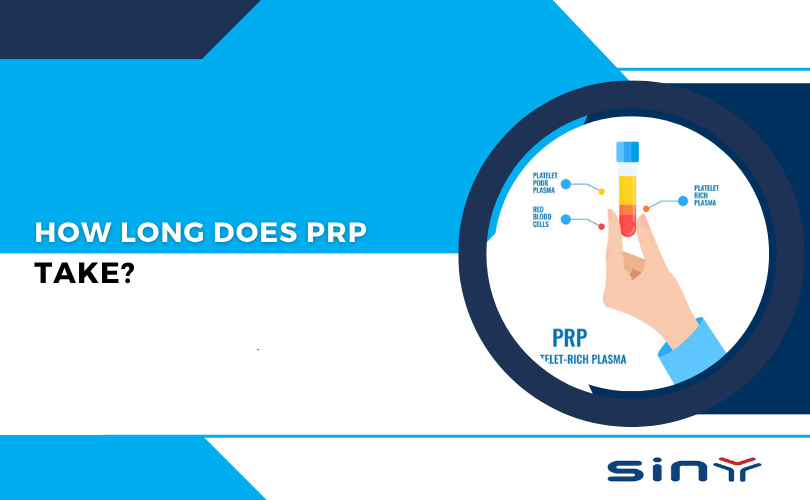
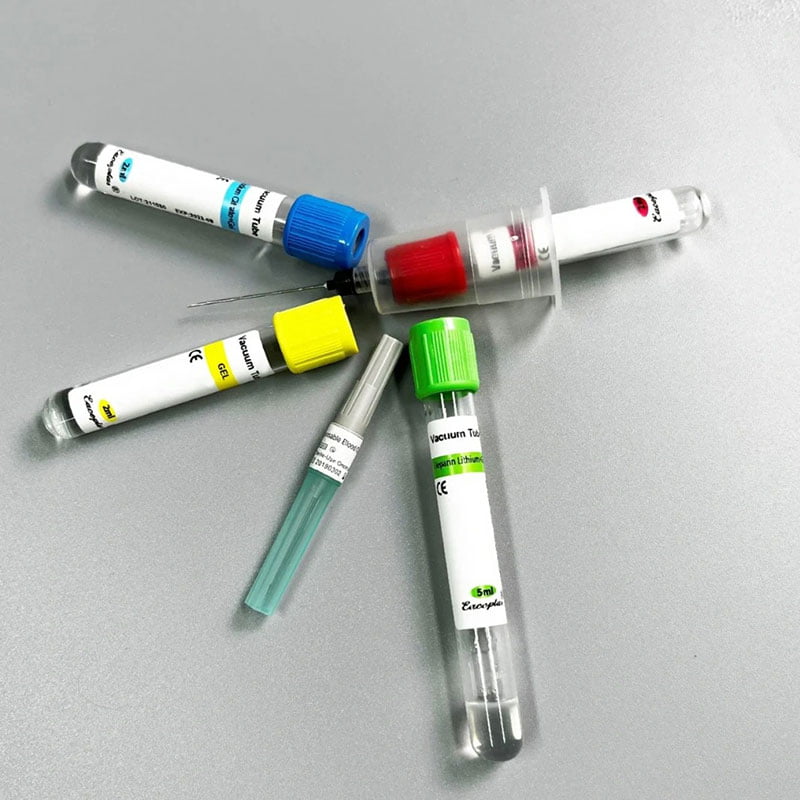
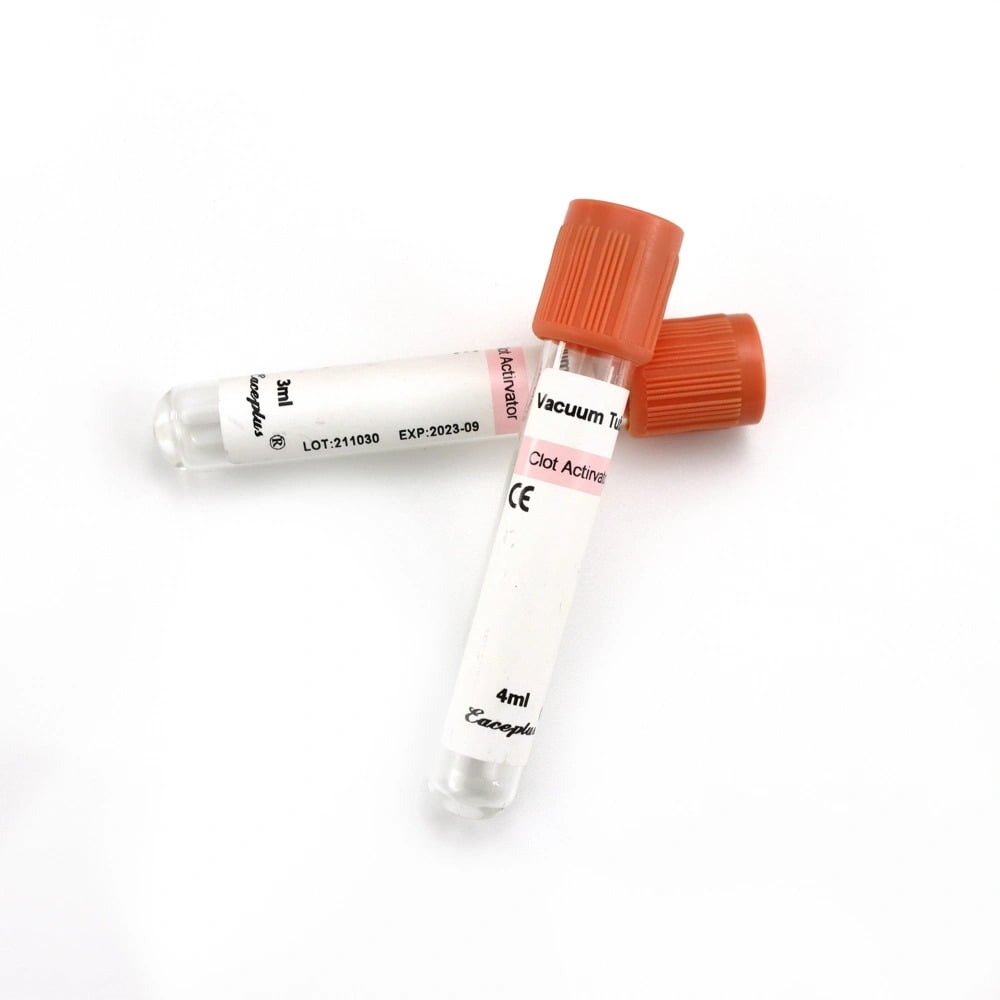
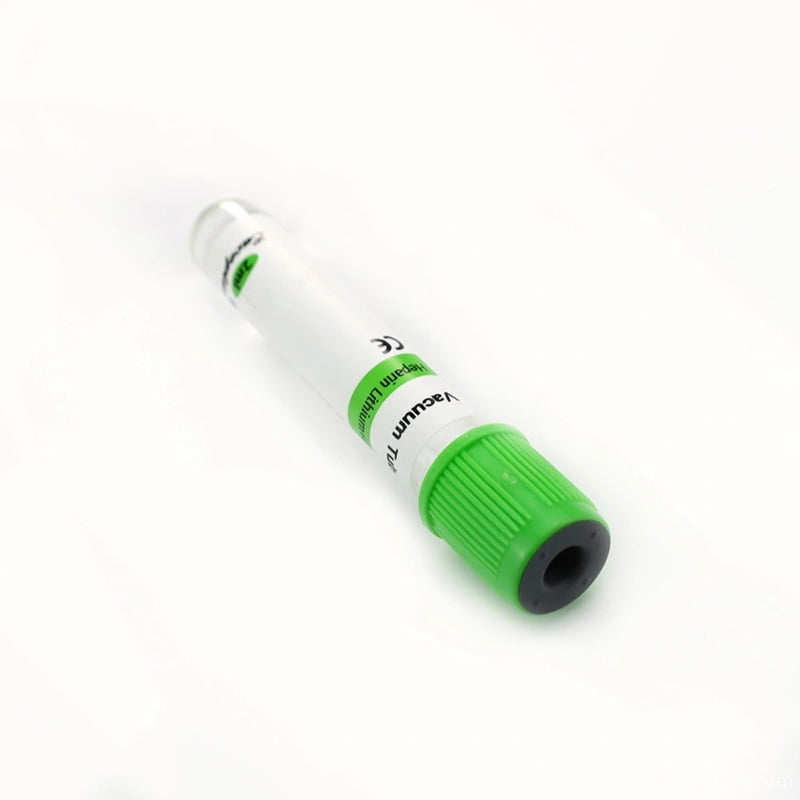
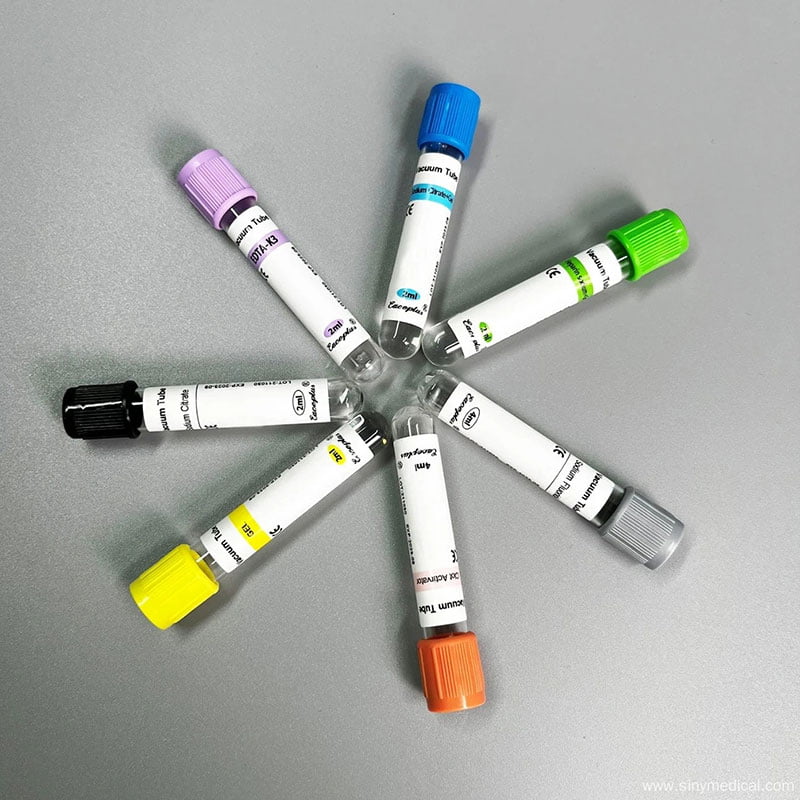
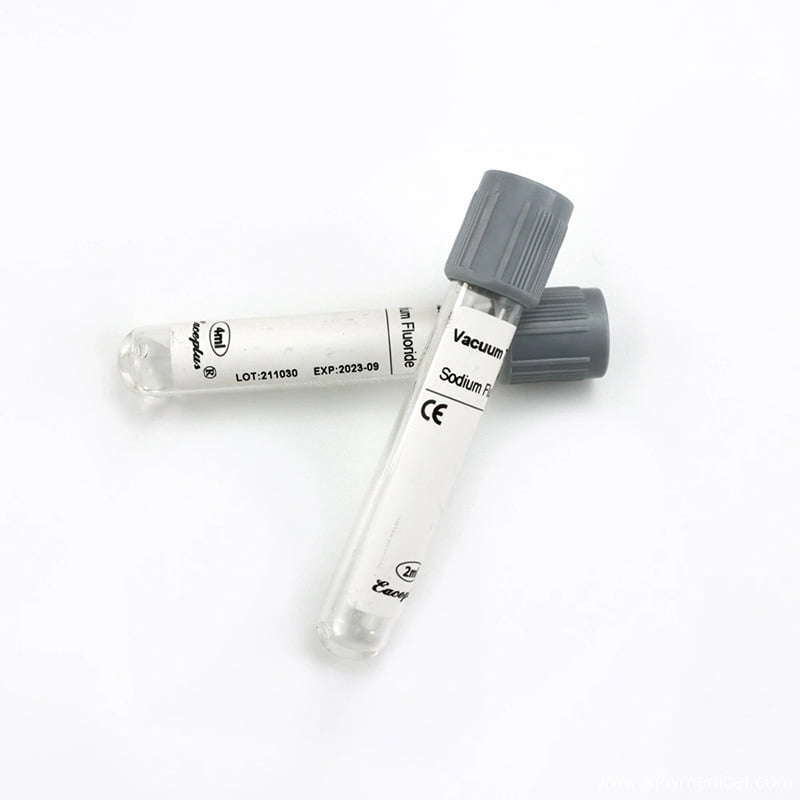
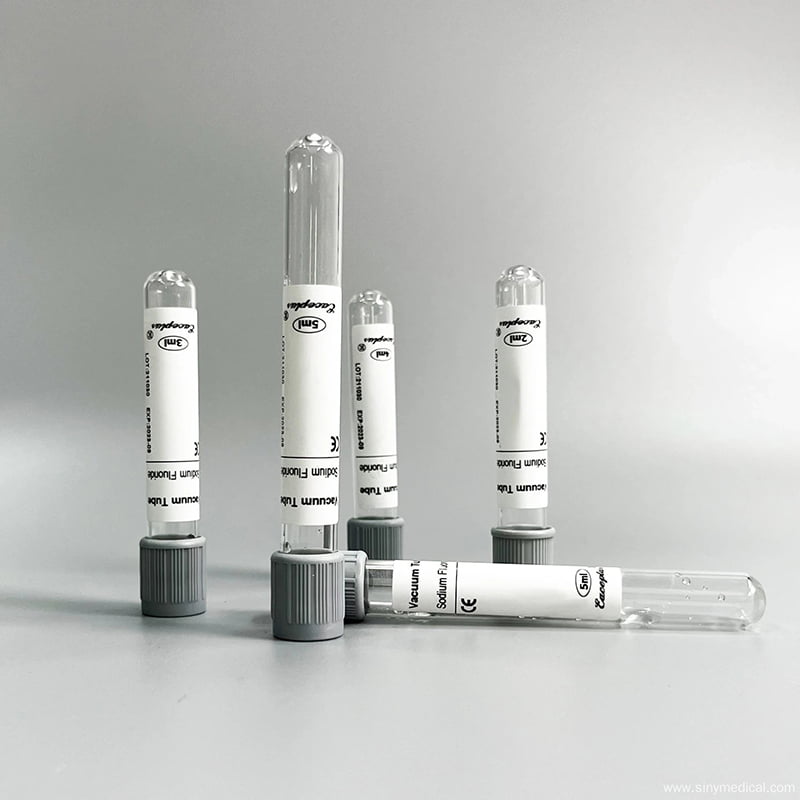
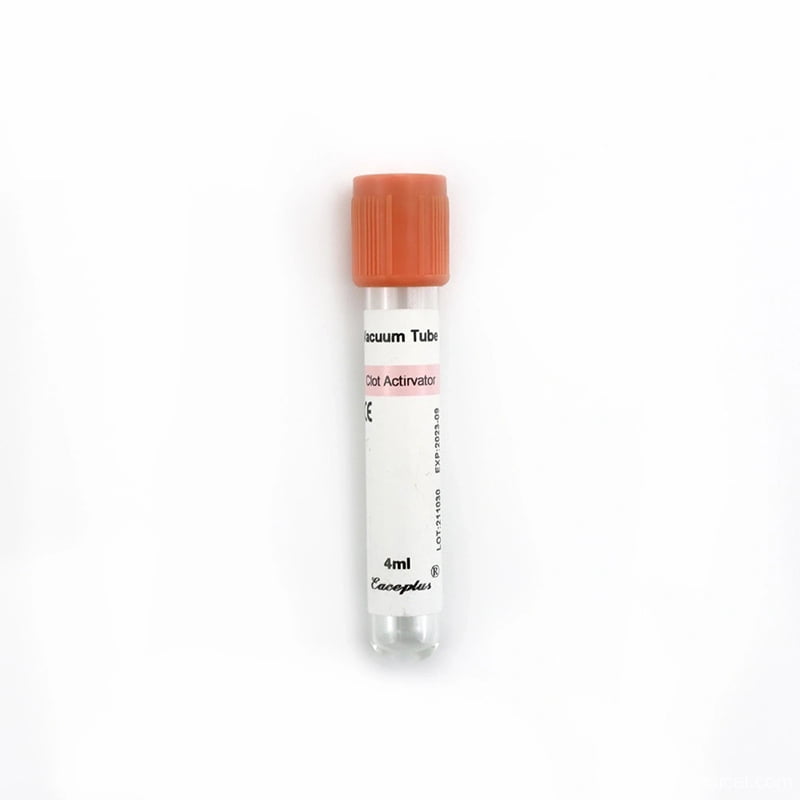
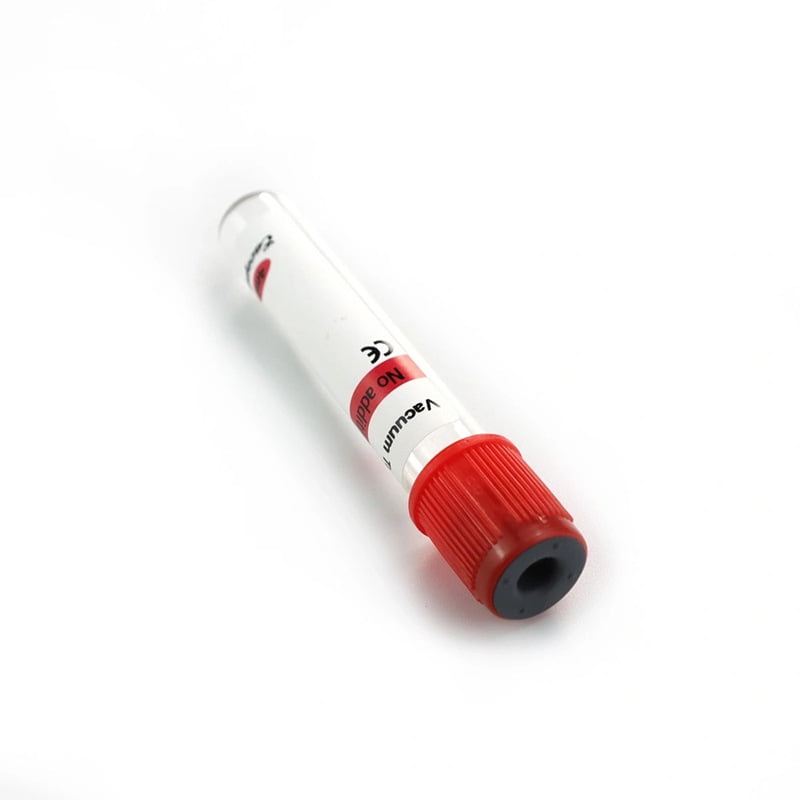
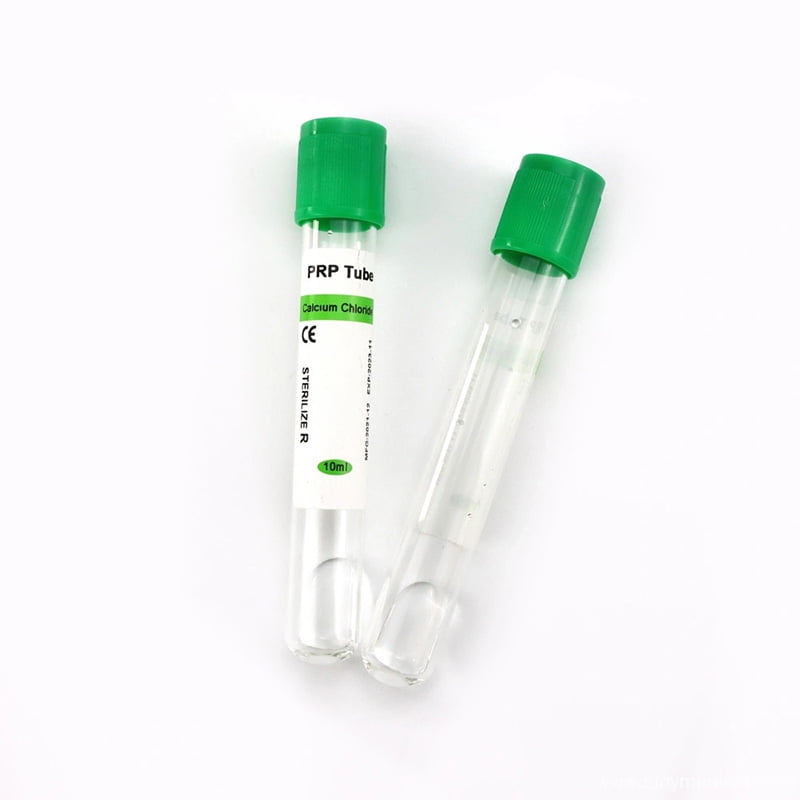
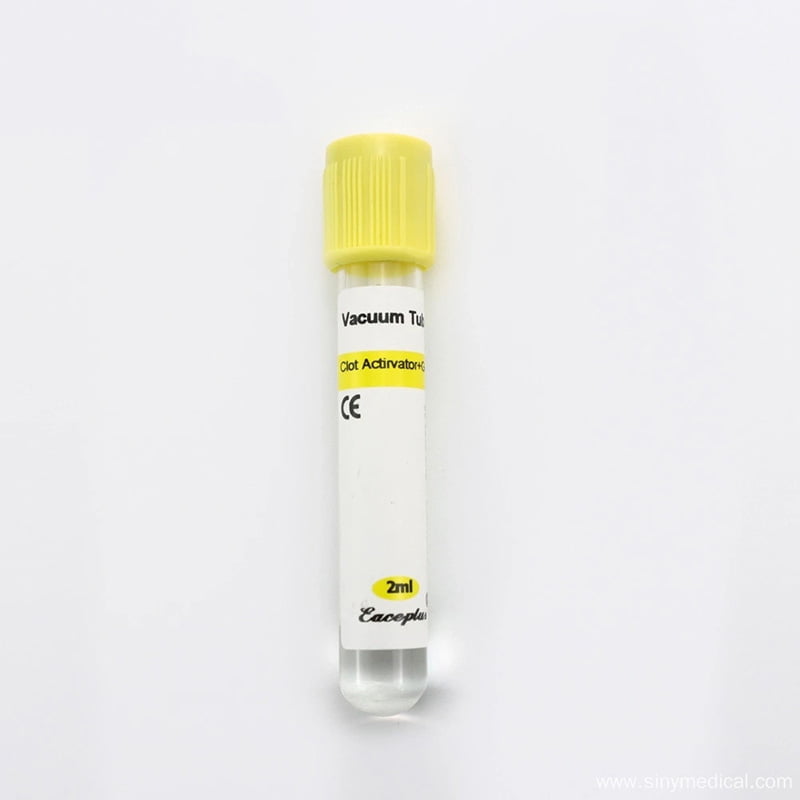
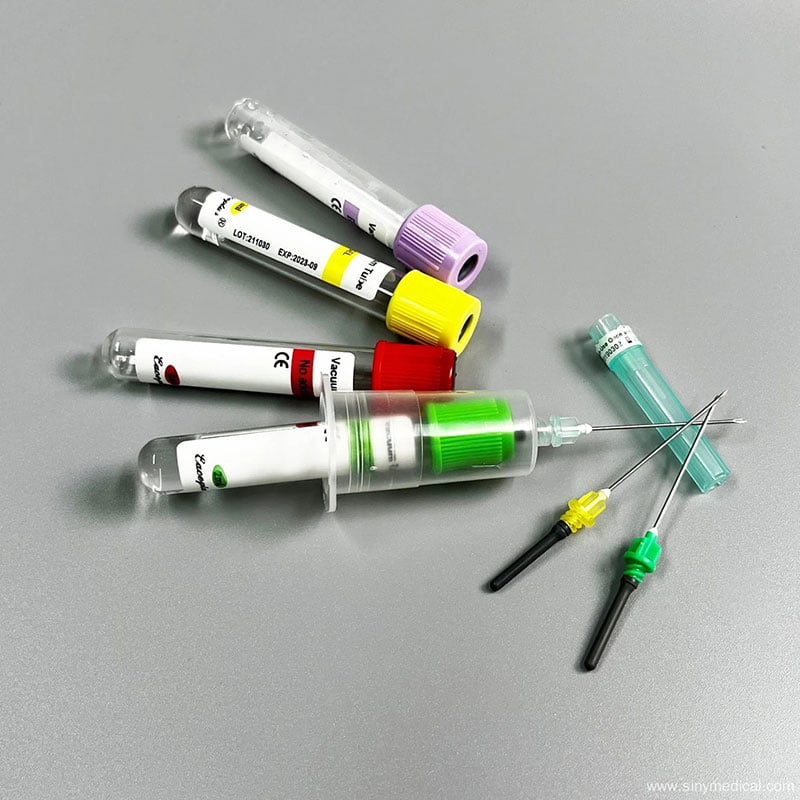
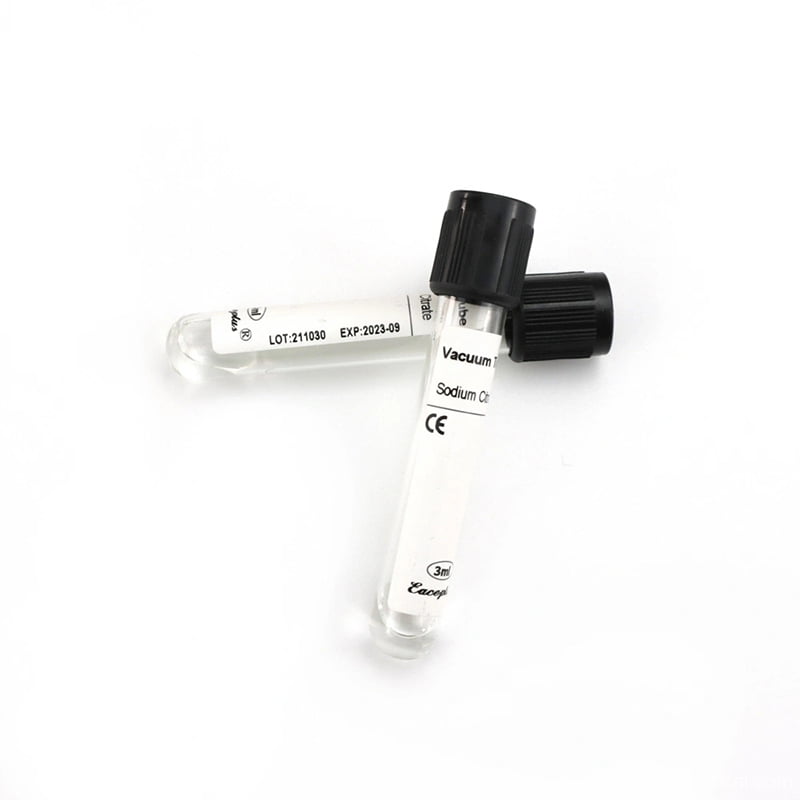
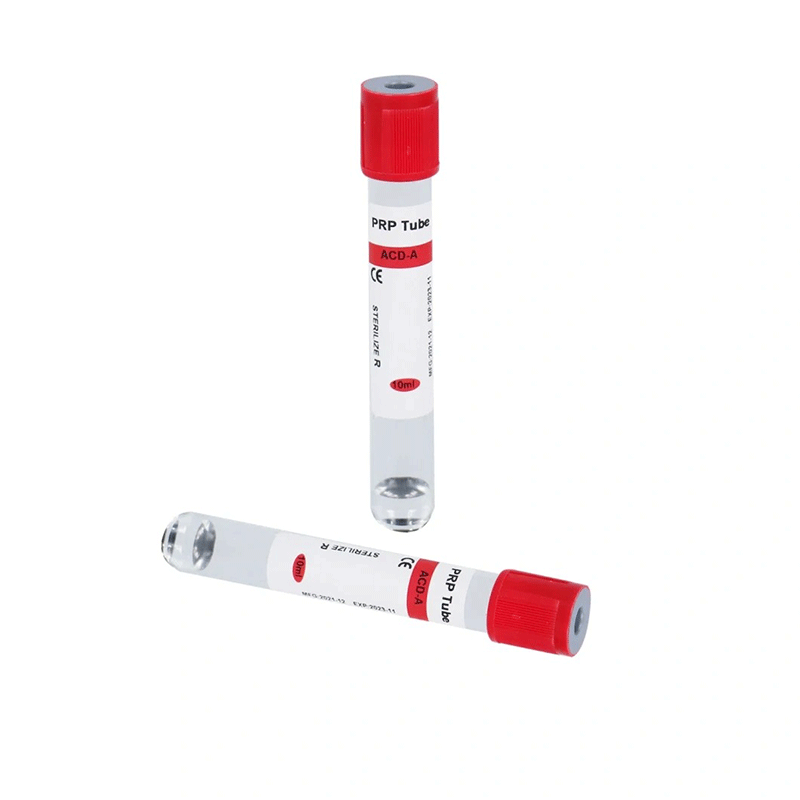
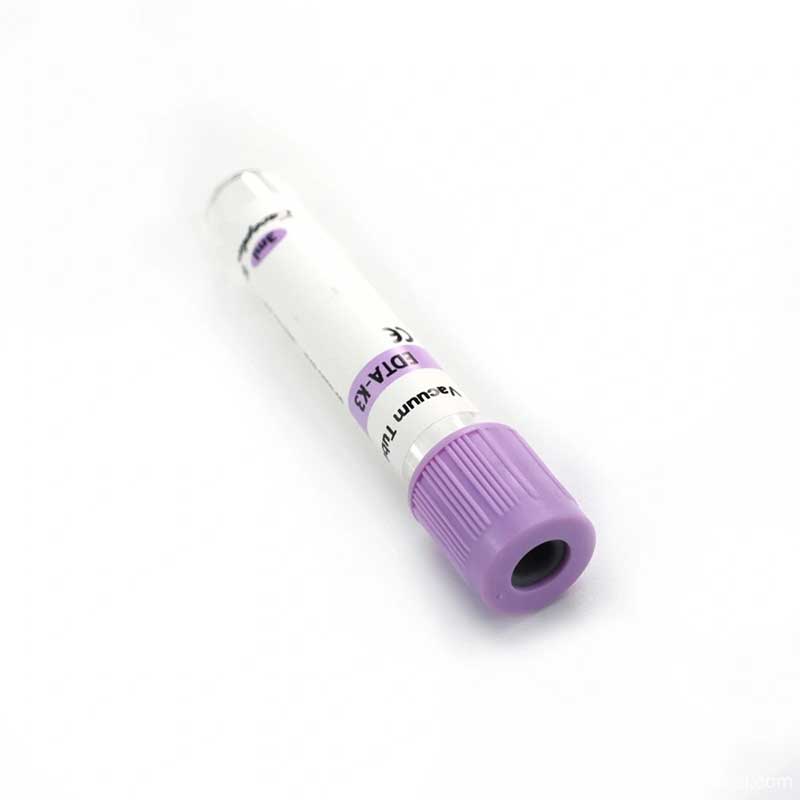
PRP therapy uses a patient’s own blood components to create a concentrated platelet solution. During preparation, blood is collected into specialized PRP tubes and processed through centrifugation to separate and concentrate platelets. These platelets contain growth factors and biological substances involved in tissue repair and healing responses.
For healthcare providers, the quality of PRP preparation is an important part of achieving consistent treatment workflows. Reliable PRP tubes help maintain sample stability, support efficient blood separation, and provide reproducible preparation results. Siny Medical offers professional PRP tube solutions designed for regenerative medicine applications, helping clinics and distributors select products suitable for different clinical protocols.
Table of Contents
- 1 How PRP Therapy Works for Sciatica and Sciatic Nerve Pain
- 2 Can PRP Injection Help with Sciatic Nerve Pain Caused by Inflammation?
- 3 What Factors Affect PRP Results for Sciatica Treatment?
- 4 The Quality of Prepared PRP and Its Role in Sciatica Treatment
- 5 How to Choose the Right PRP Tube for Sciatica Treatment Applications
- 6 PRP Treatment for Sciatica: What Patients Should Expect During the Procedure
- 7 Frequently Asked Questions About PRP for Sciatica
- 8 Final Thoughts: Understanding the Role of PRP in Sciatica Treatment
How PRP Therapy Works for Sciatica and Sciatic Nerve Pain
To understand how PRP may help with sciatica, it is important to first understand why sciatic nerve pain occurs.
Sciatica is usually a symptom caused by irritation or compression of the sciatic nerve or related nerve roots. Common causes include:
- Herniated or bulging lumbar discs
- Degenerative changes in spinal structures
- Inflammation around nerve roots
- Muscle-related nerve irritation, such as piriformis syndrome
- Soft tissue injuries affecting surrounding structures
When tissues become damaged or inflamed, the body naturally activates a repair response. Platelets play an important role in this process because they release growth factors that participate in tissue recovery, collagen formation, and communication between cells.
During PRP preparation, platelets are concentrated above their normal levels in whole blood. When injected into targeted areas, the platelet-rich solution may help create a more supportive environment for natural healing.
PRP therapy may support several biological processes, including:
- Supporting tissue repair around damaged structures
- Helping regulate local inflammatory responses
- Promoting collagen production in connective tissues
- Supporting normal cellular activity involved in recovery
Unlike some traditional injections that mainly focus on temporary symptom relief, PRP is considered a regenerative approach. Its purpose is not simply to block pain signals but to support the biological processes involved in tissue recovery.
However, PRP outcomes can vary significantly between patients. Factors such as the cause of sciatica, severity of nerve irritation, injection technique, overall health condition, and PRP preparation quality can all influence treatment results.
For example, patients with mild sciatic symptoms related to inflammation or soft tissue irritation may respond differently compared with individuals experiencing severe nerve compression caused by advanced spinal conditions. A proper medical evaluation is necessary to determine whether PRP is an appropriate option.

Can PRP Injection Help with Sciatic Nerve Pain Caused by Inflammation?
Inflammation is one of the important factors involved in many cases of sciatic nerve pain. When spinal tissues or surrounding structures become irritated, inflammatory substances may increase nerve sensitivity and contribute to discomfort.
This is one reason why PRP has become an area of interest in orthopedic medicine and pain management. The concentrated platelets in PRP release growth factors that interact with the surrounding tissue environment and may support the body’s natural repair mechanisms.
Research into PRP for lumbar conditions and nerve-related pain is ongoing. Some clinical studies suggest that PRP injections may provide benefits for selected patients, particularly when symptoms are associated with chronic inflammation, disc-related problems, or soft tissue degeneration.
However, PRP should usually be considered as part of a comprehensive treatment plan rather than a standalone solution. Healthcare providers may combine PRP therapy with:
- Physical therapy and targeted exercises
- Core strengthening programs
- Posture and movement adjustments
- Lifestyle modifications
This comprehensive approach helps address both symptoms and the factors that may contribute to recurring discomfort.
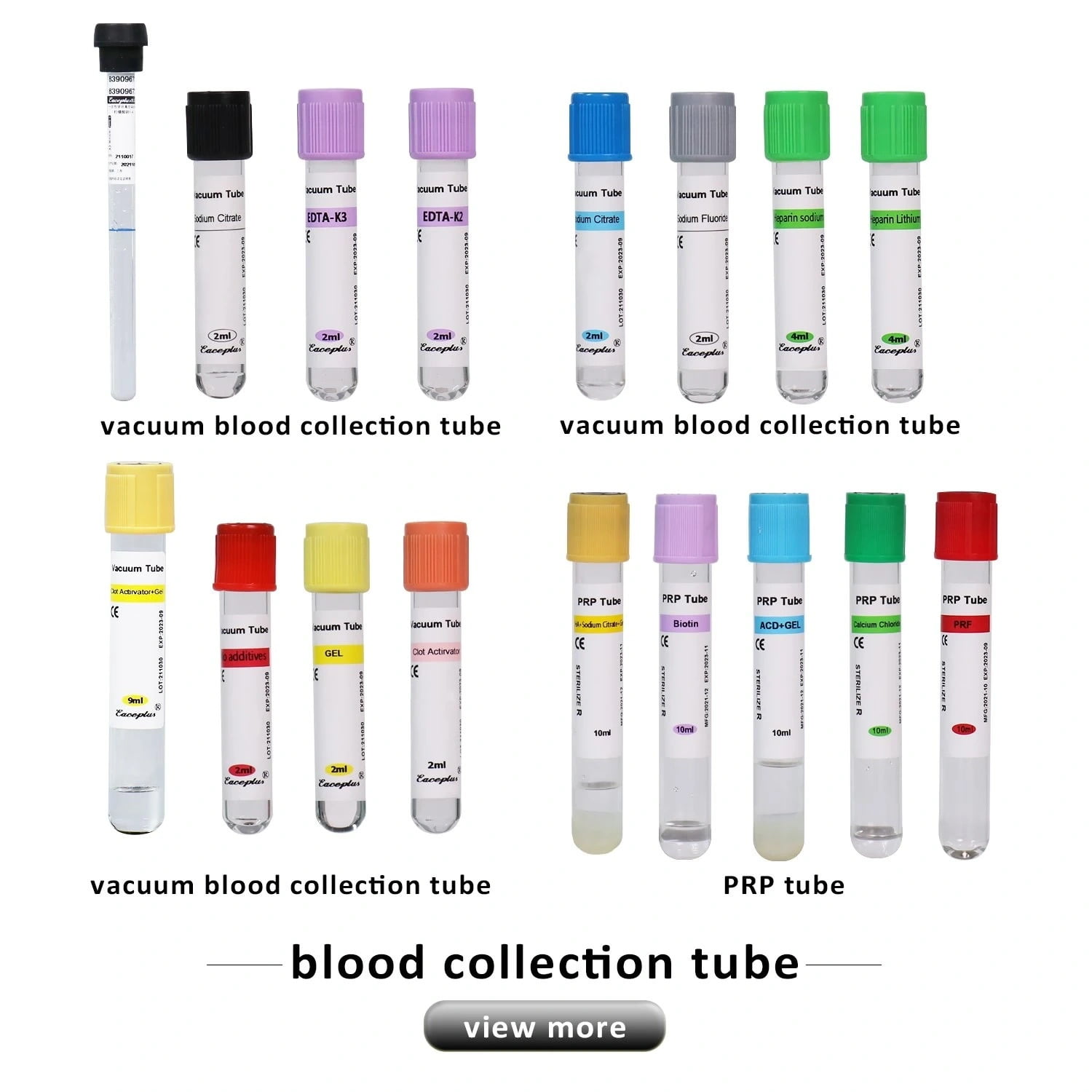
For clinics performing PRP procedures, consistent preparation quality is essential. The type of PRP tube, anticoagulant system, and separation method can influence platelet recovery and preparation efficiency. Siny Medical provides different PRP tube configurations, including sodium citrate and gel separation options, to support various regenerative medicine workflows.
What Factors Affect PRP Results for Sciatica Treatment?
The effectiveness of PRP treatment for sciatica depends on multiple factors. A successful outcome is not determined only by the injection itself but also by patient selection, preparation quality, and clinical technique.
The Cause and Severity of Sciatic Pain
The underlying cause of sciatica is one of the most important considerations before PRP treatment.
PRP may be considered for conditions involving:
- Local inflammation around affected tissues
- Early degenerative changes
- Soft tissue irritation
- Certain disc-related conditions
However, patients with severe structural problems, significant nerve compression, or progressive neurological symptoms may require other treatment approaches.
Before recommending PRP therapy, healthcare providers typically evaluate:
- Patient symptoms and medical history
- Physical examination results
- Imaging findings when necessary
- Previous treatment responses
A detailed evaluation helps determine whether PRP aligns with the patient’s specific condition and treatment goals.
The Quality of Prepared PRP and Its Role in Sciatica Treatment
While patient selection and injection technique are important parts of PRP therapy, the preparation process before injection also plays a significant role in achieving consistent results. The final composition of PRP can vary depending on blood collection methods, centrifugation parameters, and the design of the PRP tube used during preparation.
Not all PRP preparations have the same characteristics. Factors such as platelet concentration, the presence of unwanted blood components, and preparation consistency may influence the quality of the final product.
A reliable PRP preparation process should support:
- Stable blood collection and handling
- Effective separation of platelet-rich plasma
- Preservation of platelet function
- Consistent results between different treatment sessions
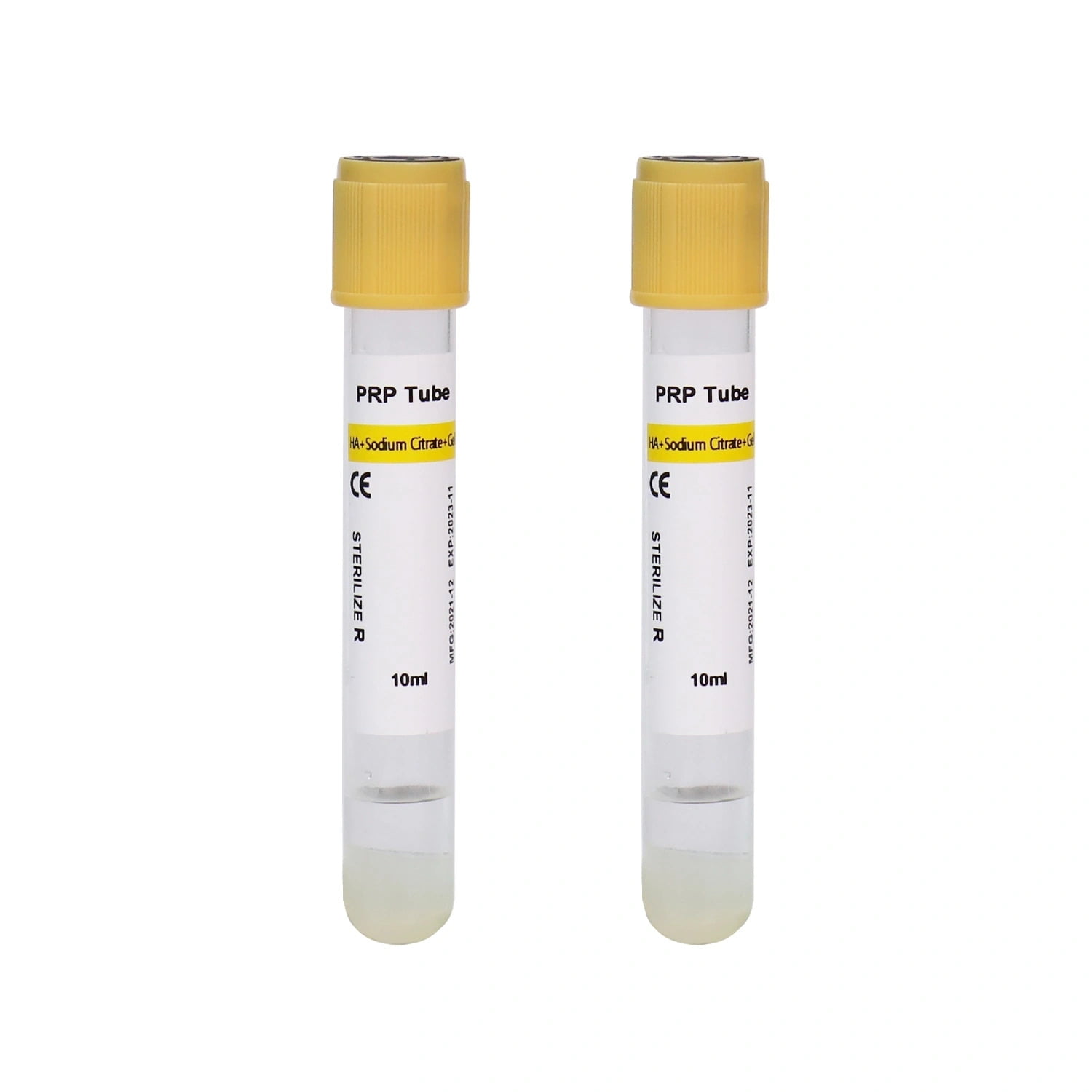
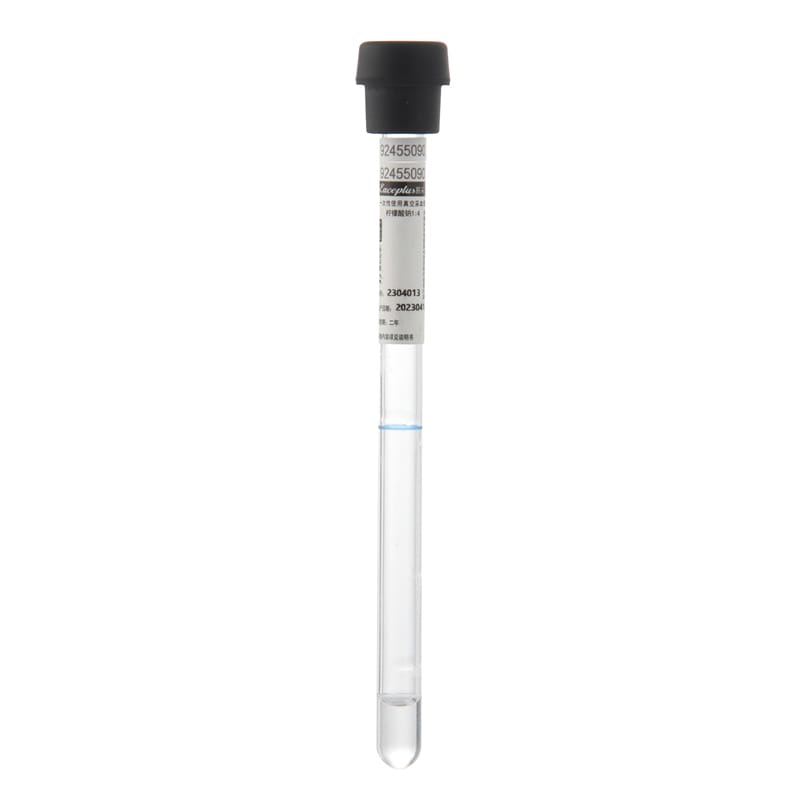
The PRP tube is an important component within this process. Different tubes are designed with different preparation methods in mind. For example, sodium citrate PRP tubes are commonly used because citrate helps prevent premature clot formation while maintaining platelet activity during processing. Gel separation PRP tubes use a physical barrier system that helps separate plasma components from heavier blood cells after centrifugation.
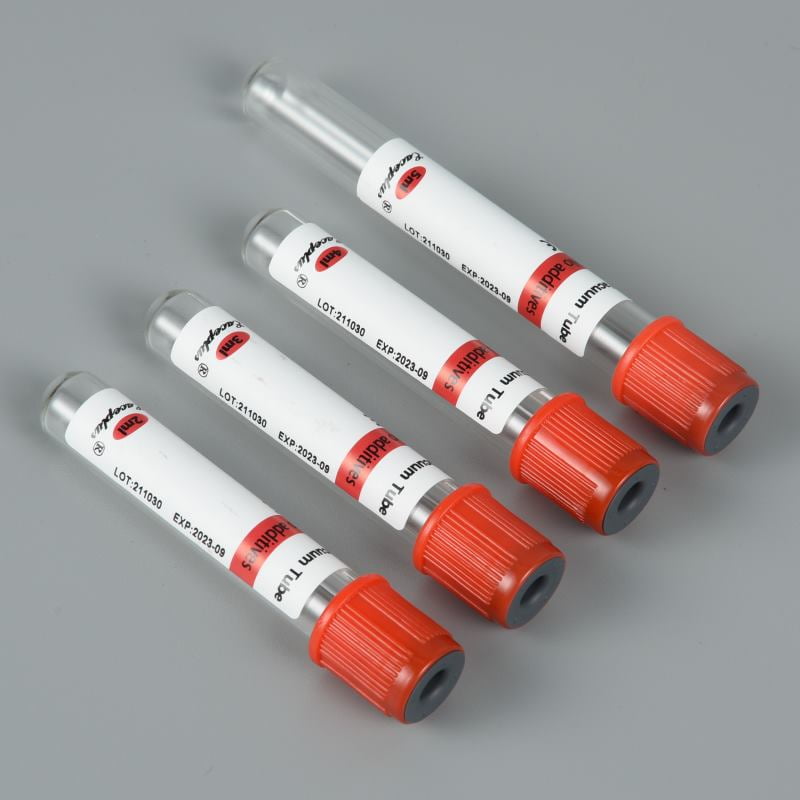
For healthcare providers, selecting suitable PRP tubes is not only related to clinical performance but also to workflow efficiency, product consistency, and long-term supply reliability. Medical facilities and distributors should consider factors such as tube design, manufacturing quality, sterility, and compatibility with their existing PRP protocols.
Siny Medical provides professional PRP tube solutions for orthopedic, sports medicine, aesthetic medicine, and regenerative medicine applications, supporting clinics and distributors that require stable and reliable blood preparation products.

How to Choose the Right PRP Tube for Sciatica Treatment Applications
For medical professionals offering PRP treatment for sciatica and other musculoskeletal conditions, choosing the right PRP tube is an important step in establishing a reliable preparation workflow.
Although PRP tubes may look similar from the outside, their internal design, additives, and separation methods can affect the preparation process. The ideal choice depends on the clinical protocol, centrifugation method, and the practitioner’s requirements.
When selecting PRP tubes for professional use, healthcare providers should evaluate several important factors.
Anticoagulant Type and Platelet Preservation
The anticoagulant system is one of the key differences between PRP tube types.
Sodium citrate is widely used in PRP preparation because it helps prevent blood coagulation while allowing platelets to remain functional during processing. Maintaining platelet quality is important because platelets release growth factors that participate in tissue repair processes.
The appropriate anticoagulant selection allows healthcare professionals to prepare PRP according to their preferred treatment protocols.
Tube Material and Manufacturing Quality
High-quality PRP tubes should be manufactured using suitable medical-grade materials and controlled production processes.
Important considerations include:
- Sterile manufacturing environment
- Consistent tube performance between batches
- Suitable material compatibility with blood samples
- Reliable packaging and transportation conditions
For clinics and distributors, manufacturing stability is especially important because consistent product quality directly affects daily clinical operations.
Compatibility With Clinical Workflows
Different healthcare facilities may use different centrifuges, preparation methods, and injection protocols. Therefore, PRP tubes should be compatible with common clinical workflows and provide predictable separation performance.
Before purchasing PRP tubes in large quantities, distributors and clinics should evaluate:
- Required tube volume
- Anticoagulant formulation
- Separation design
- Packaging requirements
- OEM or customization options
A reliable supplier can help healthcare partners select products that match their application requirements.
PRP Treatment for Sciatica: What Patients Should Expect During the Procedure
Understanding the PRP treatment process can help patients develop realistic expectations before undergoing the procedure.
Although protocols may vary between healthcare providers, a typical PRP procedure usually includes several steps.
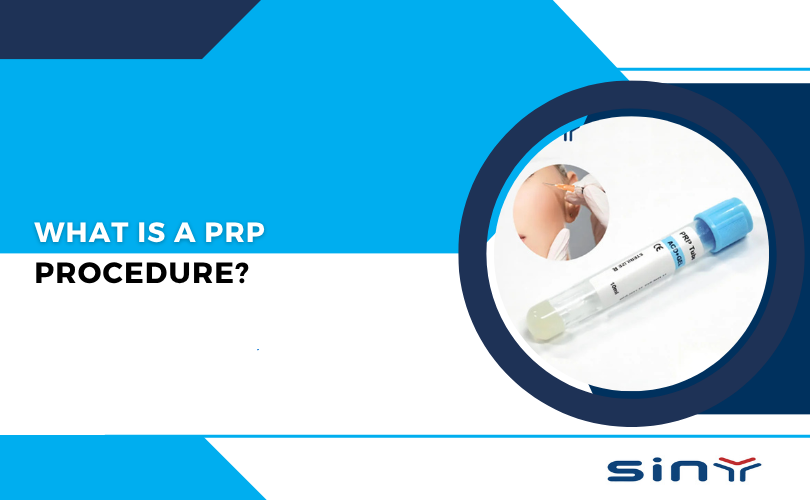
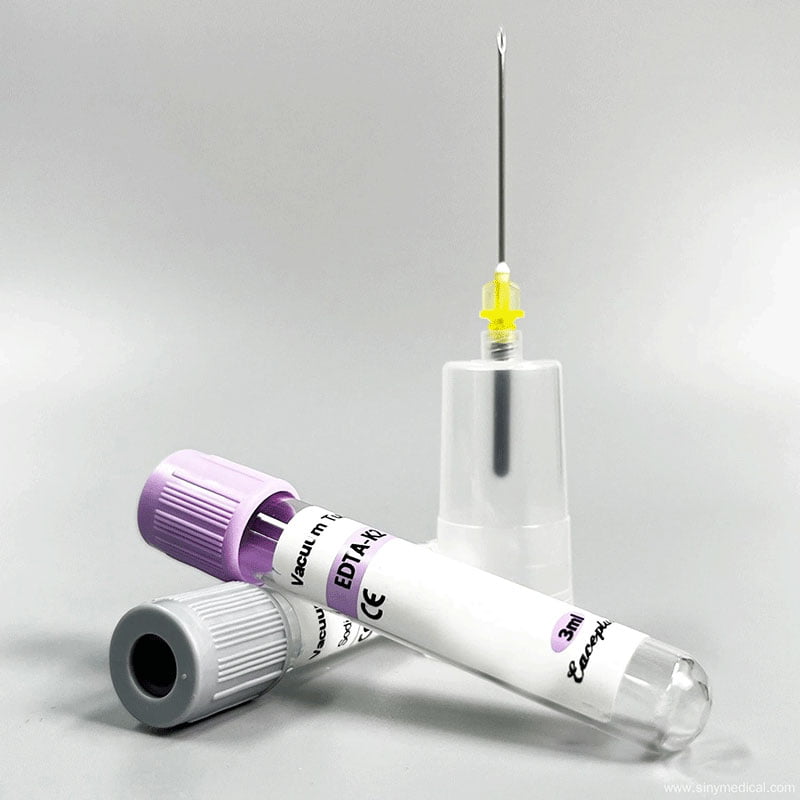
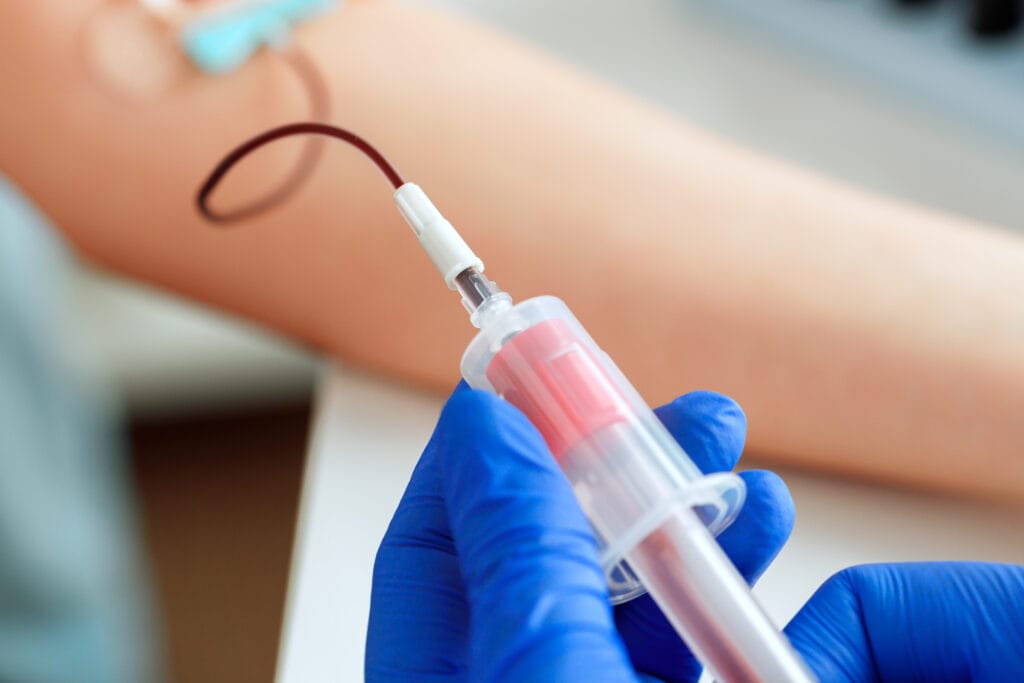
First, a small amount of the patient’s blood is collected using a sterile PRP tube. The sample is then processed through centrifugation, allowing different blood components to separate. The platelet-rich portion is collected and prepared for injection.
After PRP preparation, the healthcare provider injects the solution into the targeted treatment area. Depending on the cause and location of sciatic pain, the injection approach may vary. Some procedures may use imaging guidance, such as ultrasound or fluoroscopy, to help improve accuracy.
Because PRP uses the patient’s own blood components, it is considered an autologous treatment approach. This reduces concerns related to foreign materials and makes PRP an attractive option in regenerative medicine.
However, patients should understand that PRP is not designed to provide immediate pain relief like some traditional medications. Instead, it supports biological healing processes that develop gradually.
The recovery timeline may vary depending on:
- Severity and duration of sciatic symptoms
- Individual healing ability
- The treated tissue area
- Rehabilitation after the procedure
- The healthcare provider’s treatment plan
Some patients may notice changes within several weeks, while others may require a longer period before experiencing meaningful improvement.
Is PRP a Suitable Option for Everyone With Sciatica?
Although PRP has gained attention as a regenerative treatment option, it is not suitable for every patient with sciatic pain.
PRP may be considered for patients whose symptoms are associated with conditions such as inflammation, soft tissue irritation, or certain degenerative changes. However, patients with severe nerve compression, significant neurological problems, or conditions requiring surgical treatment may need alternative approaches.
Healthcare providers typically assess several factors before recommending PRP, including:
- The source of sciatic pain
- Symptom severity and duration
- Imaging results
- Overall health condition
- Previous treatment history
Patients should always receive professional medical evaluation before deciding whether PRP treatment is appropriate.
For healthcare providers, using reliable PRP preparation products is another important part of maintaining treatment quality. Siny Medical supports medical facilities and distributors with professional PRP tube solutions designed for consistent preparation performance in regenerative medicine applications.
Frequently Asked Questions About PRP for Sciatica
Does PRP Work for Sciatica?
PRP may help selected patients with sciatica by supporting natural healing processes and regulating inflammation around affected tissues. However, treatment outcomes vary depending on the cause of sciatic pain, patient condition, and clinical protocol. PRP should be considered a potential regenerative option rather than a guaranteed cure.
How Long Does PRP Take to Work for Sciatic Nerve Pain?
PRP does not usually provide immediate results. Since it works by supporting biological repair processes, improvements may develop gradually over several weeks or months. The response time depends on factors such as tissue condition, treatment area, and individual healing response.
How Many PRP Injections Are Needed for Sciatica?
The number of injections depends on the patient’s condition and the healthcare provider’s treatment plan. Some patients may receive one injection, while others may require multiple sessions based on clinical evaluation and treatment response.
Is PRP Safe for Sciatic Nerve Pain?
PRP is generally considered well tolerated because it uses components collected from the patient’s own blood. Like other injection procedures, potential risks may include temporary soreness, swelling, bruising, or infection at the injection site. Treatment should always be performed by qualified healthcare professionals.
What Type of PRP Tube Is Used for Sciatica Treatment?
The choice of PRP tube depends on the preparation method and clinical requirements. Common options include sodium citrate PRP tubes and gel separation PRP tubes.
Healthcare facilities should consider product sterility, preparation consistency, material quality, and supplier reliability when selecting PRP tubes. Siny Medical provides professional PRP tube solutions designed for orthopedic and regenerative medicine applications.
Final Thoughts: Understanding the Role of PRP in Sciatica Treatment
So, Does PRP Work for Sciatica? Current clinical experience suggests that PRP may provide benefits for selected patients, particularly when sciatic symptoms are associated with inflammation, soft tissue irritation, or certain degenerative conditions.
The success of PRP treatment depends on multiple factors, including accurate patient evaluation, proper injection techniques, rehabilitation, and reliable PRP preparation. For healthcare providers, choosing high-quality PRP tubes is an important step in maintaining consistent preparation standards and supporting professional treatment workflows.
Siny Medical provides a wide range of PRP tube solutions for clinics, medical centers, and distributors worldwide. With professional manufacturing capabilities and customized product options, Siny Medical helps healthcare partners develop reliable regenerative medicine supply solutions.
If you are looking for PRP tubes for orthopedic, pain management, or regenerative medicine applications, contact Siny Medical to discuss product specifications, OEM requirements, and cooperation opportunities.