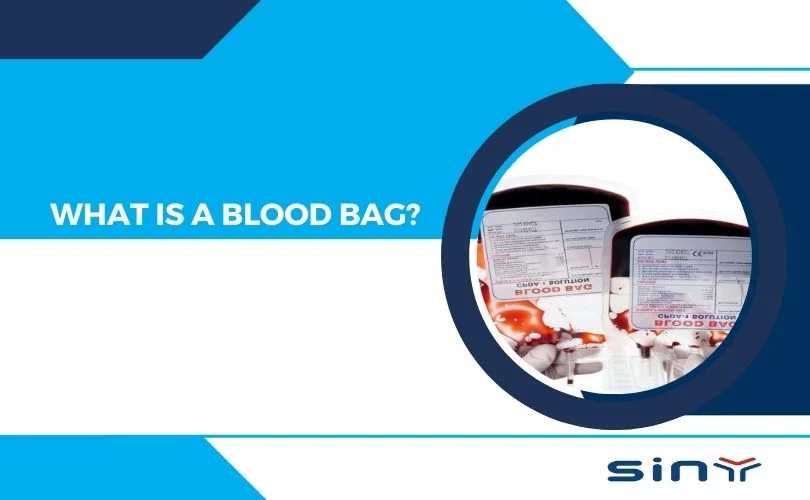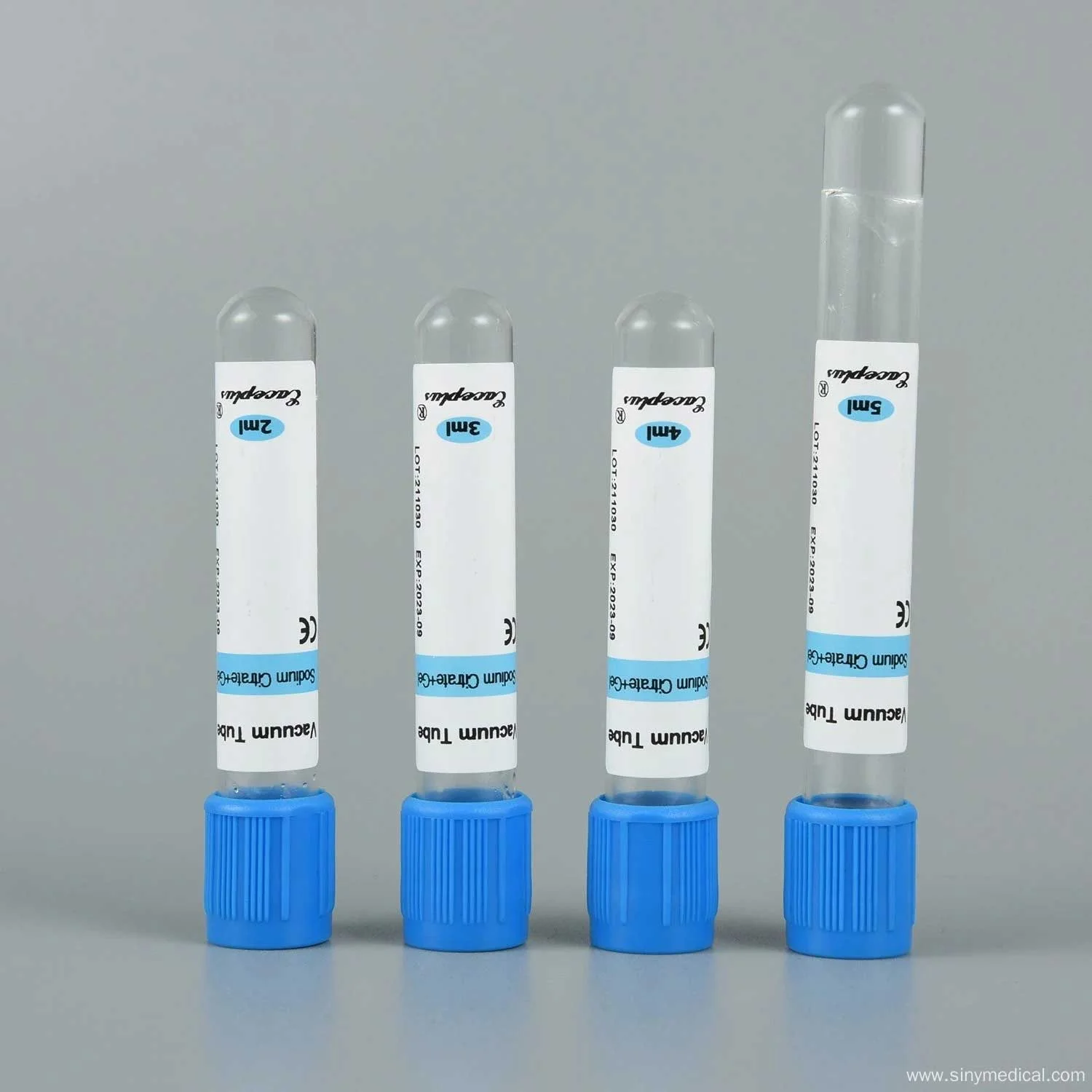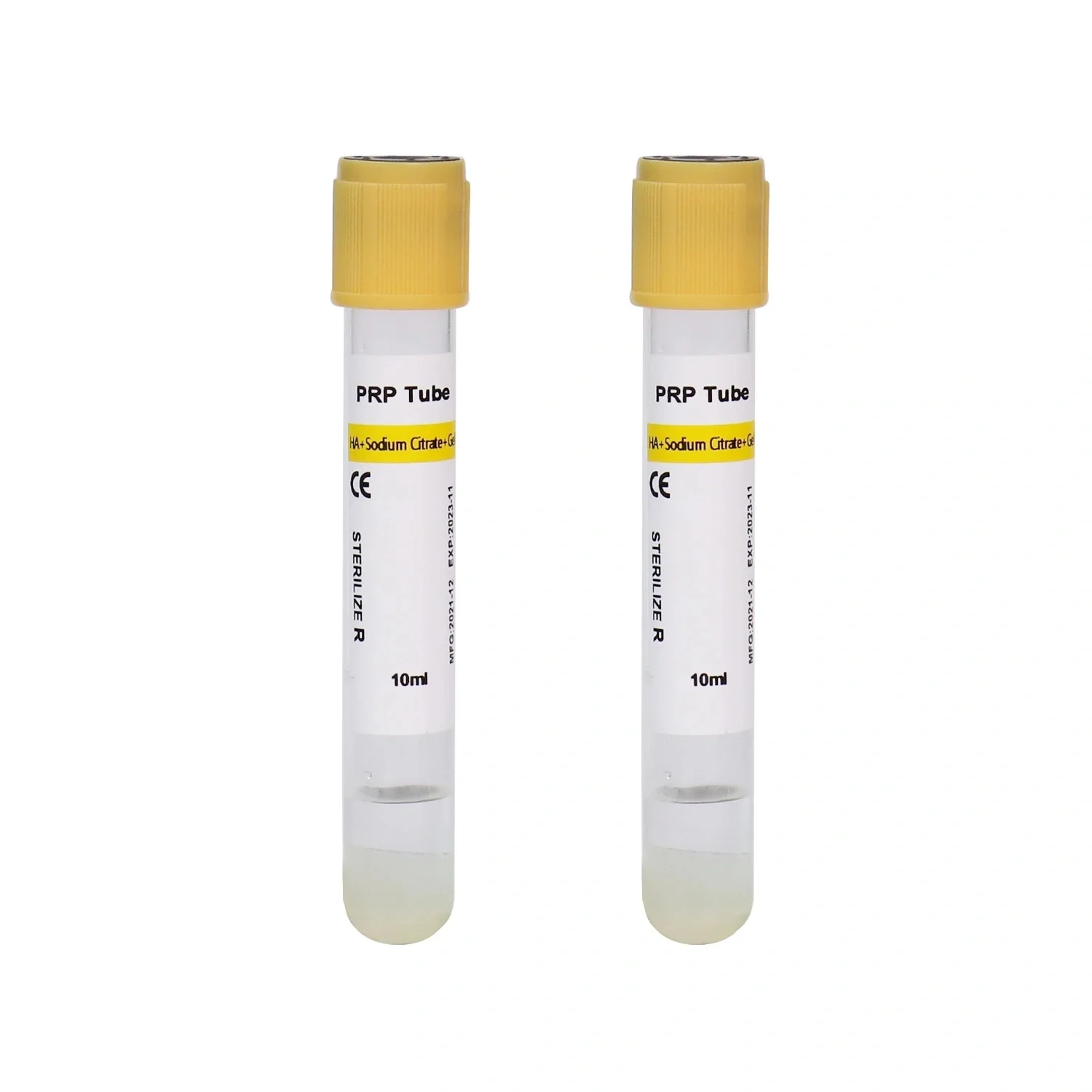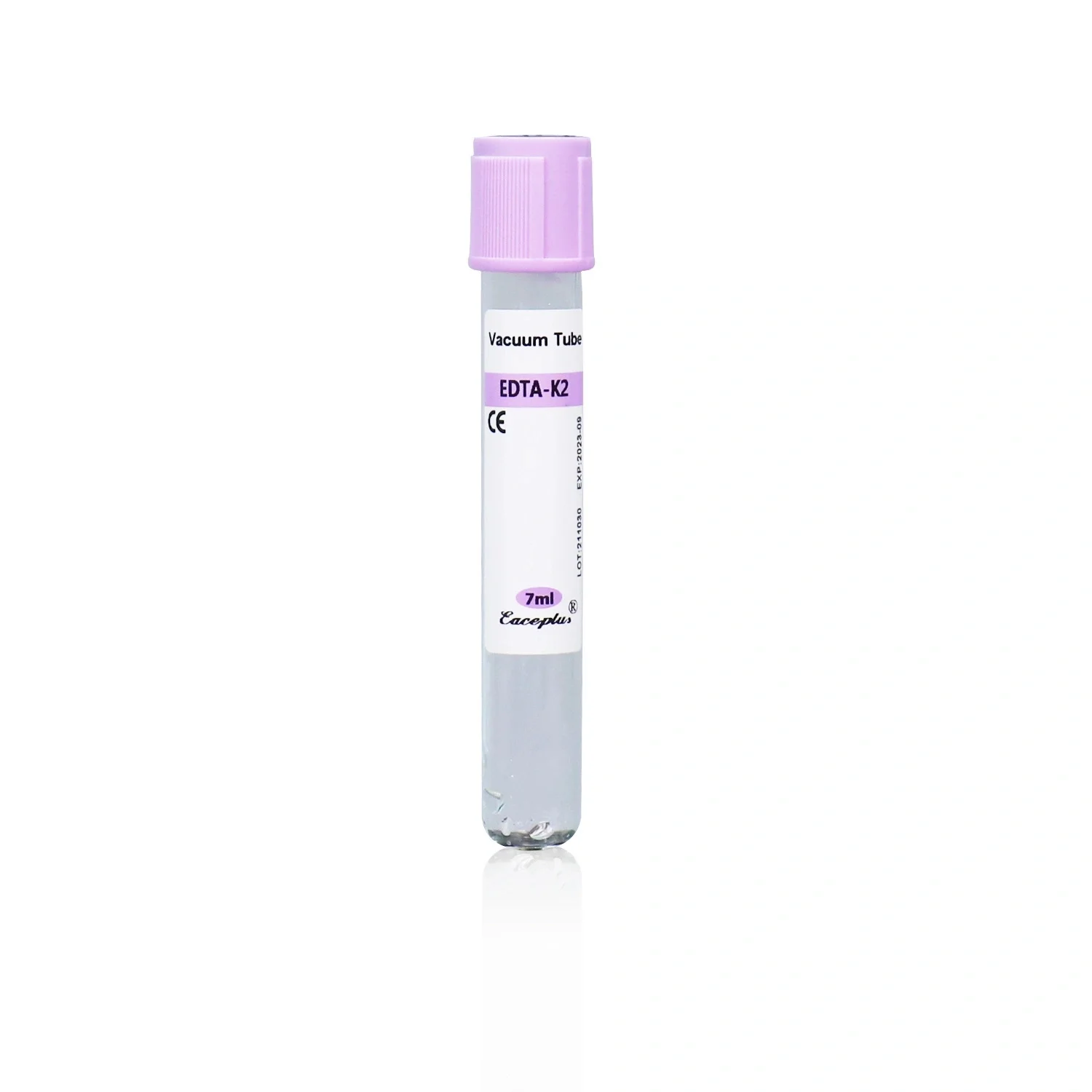
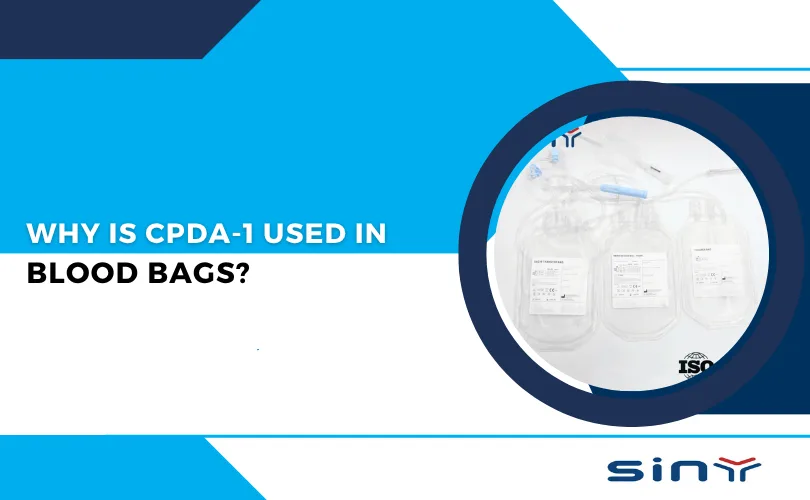
Blood collection is only the first step in transfusion medicine. Once whole blood enters a collection bag, the challenge changes: the blood must remain anticoagulated while red blood cells need an environment that helps preserve their viability during refrigerated storage. This is why CPDA-1 is used in blood bags designed for compatible whole blood collection and red blood cell storage.
CPDA-1 stands for Citrate Phosphate Dextrose Adenine. Rather than acting only as an anticoagulant, it combines anticoagulation with components that help support red blood cells during storage. Citrate prevents collected blood from clotting, while phosphate, dextrose, and adenine help maintain a suitable environment for cellular metabolism and viability.
One practical advantage is storage time. Under appropriate collection, processing, closed-system, and refrigerated storage conditions, compatible blood bag systems containing CPDA-1 can support whole blood or red blood cell storage for up to 35 days at 1–6°C, depending on the validated blood bag system and applicable requirements.
For blood banks, hospitals, distributors, and medical supply companies, however, understanding CPDA-1 involves more than remembering the “35-day” figure. Collection volume, anticoagulant quantity, bag configuration, component-processing workflow, and manufacturing consistency all matter when choosing a suitable blood bag.
Table of Contents
- 1 Why is CPDA-1 Used in Blood Bags? Understanding the Four Components
- 2 CPDA-1 vs. CPD Blood Bags: What Is the Difference?
- 3 How CPDA-1 Helps Preserve Blood During Refrigerated Storage
- 4 Choosing the Right CPDA-1 Blood Bag for Blood Collection
- 5 CPDA-1 Blood Bags in Practical Blood Bank Applications
- 6 FAQ About CPDA-1 Blood Bags
- 6.1 What does CPDA-1 stand for?
- 6.2 Why is CPDA-1 used instead of citrate alone?
- 6.3 How long can blood be stored in a CPDA-1 blood bag?
- 6.4 What is the difference between CPD and CPDA-1?
- 6.5 Does CPDA-1 completely prevent changes in stored blood?
- 6.6 Are all CPDA-1 blood bags the same?
- 6.7 What size CPDA-1 blood bag should I choose?
- 6.8 How do I choose a CPDA-1 blood bag supplier?
- 7 Choosing CPDA-1 Blood Bags with the Right Specifications
Why is CPDA-1 Used in Blood Bags? Understanding the Four Components
The easiest way to understand CPDA-1 is to look at the role of each component. Together, citrate, phosphate, dextrose, and adenine provide both anticoagulation and preservation support for collected blood.
Citrate: Preventing Coagulation
Blood naturally begins the coagulation process after collection unless an anticoagulant interrupts the pathway.
Citrate helps prevent this by binding ionized calcium. Because calcium plays an essential role in the coagulation cascade, reducing available calcium temporarily inhibits clot formation inside the collection bag.
This function is fundamental. A preservation solution cannot maintain a usable blood unit if the collected blood clots soon after donation.
Proper mixing during collection also matters. Blood and anticoagulant need adequate contact as the bag fills, which is why standard blood collection procedures include controlled, gentle mixing.
Phosphate: Supporting the Storage Environment
Red blood cells remain metabolically active after collection, even when stored under refrigeration.
Phosphate contributes to the buffering capacity of the preservation solution and helps maintain a suitable environment as the chemistry of stored blood gradually changes.
No anticoagulant-preservative solution can completely stop storage-related changes, but the correct formulation helps maintain conditions that support red blood cell preservation throughout the defined storage period.
Dextrose: Providing an Energy Source
Mature red blood cells lack mitochondria and rely primarily on glycolysis to produce the energy they need.
Dextrose provides glucose that supports this metabolic pathway and continued production of adenosine triphosphate (ATP). Red blood cells need ATP to support membrane function and cellular integrity during storage.
This is an important distinction: preventing coagulation does not automatically preserve red blood cell quality.
An effective blood preservation solution must address both anticoagulation and the metabolic needs of stored cells.
Adenine: Helping Maintain ATP
Adenine is one of the key differences between CPDA-1 and CPD.
Red blood cells can use adenine to support ATP synthesis. Maintaining cellular energy contributes to the preservation of red cell membrane integrity and post-storage viability.
This additional metabolic support is an important reason CPDA-1 can provide a longer storage period than conventional CPD under specified conditions.
In simple terms, citrate controls coagulation, while phosphate, dextrose, and adenine help support red blood cells during storage.
That combination explains why CPDA-1 remains a practical anticoagulant-preservative solution in blood collection systems.
For organizations sourcing blood bags for blood banks, hospitals, or distribution markets, Siny Medical can provide different blood bag configurations according to collection volume and application requirements.
CPDA-1 vs. CPD Blood Bags: What Is the Difference?
CPD and CPDA-1 have similar names because their formulations are closely related.
CPD stands for Citrate Phosphate Dextrose. CPDA-1 adds adenine and uses a formulation designed to provide additional metabolic support during storage.
The practical differences become clearer when the two are compared side by side.
| Feature | CPD Blood Bag | CPDA-1 Blood Bag |
|---|---|---|
| Citrate | Yes | Yes |
| Phosphate | Yes | Yes |
| Dextrose | Yes | Yes |
| Adenine | No | Yes |
| Main Function | Anticoagulation and preservation | Anticoagulation with extended red cell preservation support |
| Typical Storage Period* | Up to 21 days | Up to 35 days |
| Key Difference | May be paired with a separate additive solution when longer RBC storage is required | Adenine provides additional metabolic support during storage |
*Storage periods depend on the approved blood bag system, processing method, storage conditions, local regulations, and applicable transfusion standards.
Why Does Adding Adenine Matter?
During storage, red blood cells gradually consume available energy resources. ATP levels decrease over time, contributing to changes in membrane properties and cellular viability.
Adenine provides an additional substrate that supports ATP synthesis. CPDA-1 can therefore help maintain cellular energy metabolism for longer than CPD alone, supporting the commonly recognized difference between approximately 21 days for CPD and up to 35 days for compatible CPDA-1 systems.
That additional storage time can be operationally useful.
Blood banks rarely experience perfectly predictable supply and demand. Certain blood groups may remain in inventory longer, while emergencies can suddenly increase demand. A longer defined storage period provides greater flexibility for inventory planning and may help reduce avoidable outdating.
However, this does not mean CPDA-1 is automatically the best option for every blood bank.
Modern component-processing systems may use CPD as the initial anticoagulant and then transfer red blood cells into a separate additive solution, such as SAGM or AS-1, to support a longer storage period.
The choice should therefore depend on the blood bank’s validated collection, processing, component preparation, and storage workflow—not simply on which anticoagulant provides the longest standalone storage period.
How CPDA-1 Helps Preserve Blood During Refrigerated Storage
A common misunderstanding is that refrigeration essentially stops changes inside stored blood.
It does not.
Refrigeration slows cellular metabolism and biological reactions, but red blood cells continue to change throughout storage. These gradual biochemical and structural changes are often described collectively as the red blood cell storage lesion.
During storage, red cells can experience declining ATP levels, changes in membrane properties, electrolyte shifts, changes in pH, and accumulation of metabolic by-products. Some cells may also undergo hemolysis over time.
CPDA-1 does not eliminate these changes.
Instead, its formulation helps create conditions that allow red blood cells to remain suitable for storage for a defined period when collection, processing, and storage procedures meet applicable requirements.
This distinction is important when explaining why CPDA-1 is used in blood bags. It is not simply an anticoagulant added to stop clot formation. It forms one part of a complete blood collection and preservation system.
Several factors work together:
- Correct anticoagulant formulation
- Appropriate blood-to-anticoagulant ratio
- Proper mixing during collection
- Sterile, closed collection system
- Suitable blood bag materials
- Validated component-processing procedures
- Controlled refrigerated storage
A problem with any one of these factors can affect the quality of the final blood component.
For example, even the correct CPDA-1 formulation cannot compensate for an inappropriate collection volume. The amount of anticoagulant inside the bag must correspond to the intended amount of whole blood.
For buyers, this means selecting a blood bag should always involve more than checking whether “CPDA-1” appears on the product specification.
Choosing the Right CPDA-1 Blood Bag for Blood Collection
When comparing blood bags, buyers may initially focus on anticoagulant type and price. In practice, several other specifications can have an equally important effect on everyday blood bank workflows.
Match CPDA-1 Volume to Blood Collection Volume
Blood bags contain a predetermined amount of anticoagulant-preservative solution intended for a specified collection volume.
The relationship between the collected blood and CPDA-1 must remain within the requirements of the blood collection system.
For example, a commonly used configuration contains approximately 63 mL of CPDA-1 for collecting 450 mL of whole blood. Other collection capacities require corresponding anticoagulant quantities.
Buyers should therefore avoid treating all CPDA-1 blood bags as interchangeable.
Instead of asking only:
“Does this blood bag contain CPDA-1?”
A more useful question is:
“Is this CPDA-1 blood bag designed for our required collection volume and processing workflow?”
Choose the Appropriate Blood Bag Configuration
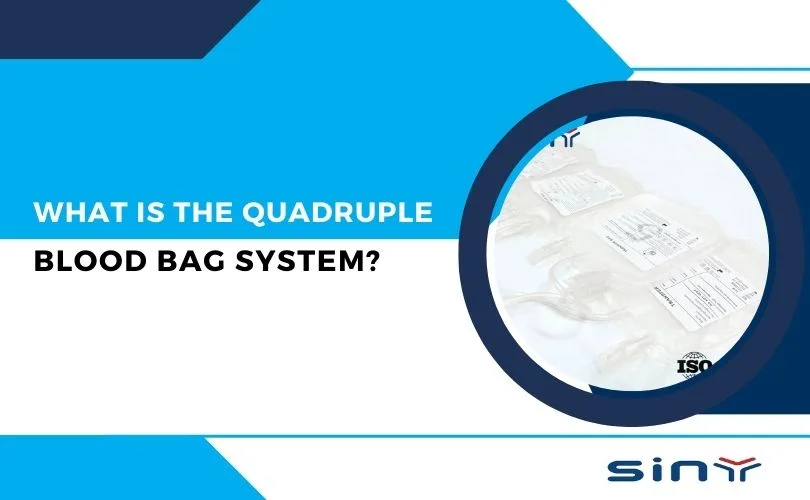
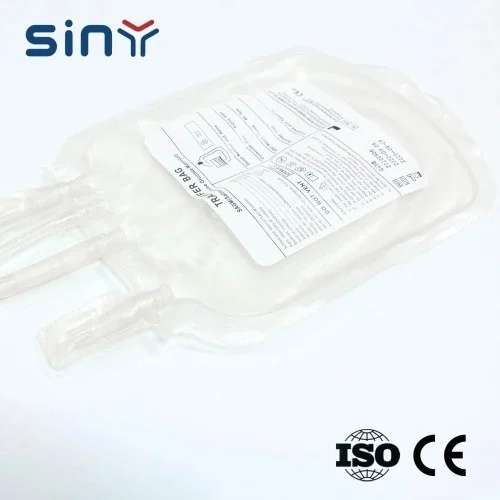
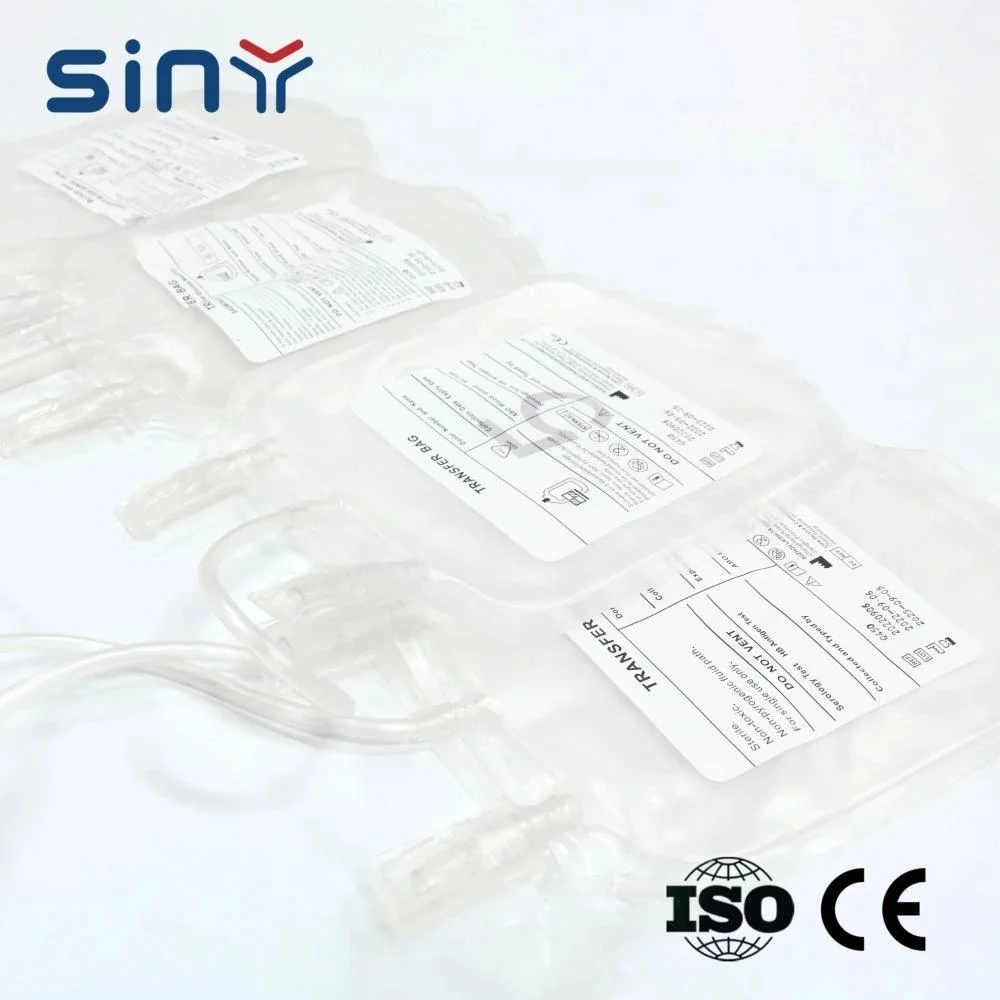
Blood collection systems commonly come in single, double, triple, and quadruple bag configurations.
A single blood bag provides a straightforward solution for whole blood collection.
A double blood bag includes an additional satellite bag, allowing the transfer or separation of selected blood components according to the blood bank’s processing procedure.
Triple systems provide additional flexibility for separating components such as red blood cells, plasma, and platelets.
Quadruple systems support workflows requiring additional component separation, additive solutions, or other processing steps.
The number of bags should match the actual component-processing workflow. More bags do not automatically mean a better blood collection system.
Evaluate the Complete Blood Collection System
The primary collection bag is only one part of the system.
Professional buyers should also evaluate the material and design of the blood bag, tubing, donor needle, ports, transfer bags, sampling options, labeling, and sterile packaging.
Three areas deserve particular attention:
Blood Bag Material and System Integrity:
Materials should be suitable for blood collection and storage while maintaining flexibility, sealing performance, and integrity throughout collection, processing, centrifugation, and refrigerated storage.
Blood Collection System Design:
Needles, tubing, sampling options, transfer bags, and ports should match the blood bank’s normal collection and component-processing workflow.
Quality and Traceability:
Manufacturing controls, sterilization, batch identification, packaging integrity, and product documentation help buyers maintain consistent procurement and traceability across repeat orders.
For importers and distributors, practical commercial factors also matter. Packaging options, labeling support, minimum order quantities, production lead times, OEM requirements, and long-term supply capacity can all influence the final purchasing decision.
Siny Medical supplies blood collection products for professional healthcare and medical distribution markets. Buyers looking for CPDA-1 blood bags can contact our team to discuss collection capacity, bag configuration, packaging, and purchasing requirements.
CPDA-1 Blood Bags in Practical Blood Bank Applications
The advantages of CPDA-1 become easier to understand when viewed from the blood bank’s perspective.
Blood inventory constantly changes. Some units move quickly, while others remain in refrigerated storage waiting for demand. Hospitals may also experience sudden requirements following surgery, trauma, obstetric emergencies, or other clinical situations.
A preservation system with a clearly defined storage window gives blood services greater flexibility in managing this changing inventory.
The commonly recognized up-to-35-day refrigerated storage period associated with compatible CPDA-1 whole blood and red blood cell systems is therefore more than a technical specification. It can influence inventory planning, distribution, and stock management.
At the same time, anticoagulant type should never become the only factor in blood bag selection.
Some facilities mainly collect whole blood. Others routinely separate red cells, plasma, platelets, or other components and may require multi-bag systems or different anticoagulant and additive combinations.
The right blood bag is the one that fits the intended workflow.
A practical purchasing sequence is:
Collection Volume → Anticoagulant → Bag Configuration → Component Processing → Storage Requirement → Quality Requirements
Following this sequence makes it easier to compare blood bag products and suppliers based on actual application needs rather than price or a single specification.
For distributors, blood banks, and healthcare suppliers comparing blood collection systems, Siny Medical can help identify suitable blood bag configurations according to your application and purchasing requirements.
FAQ About CPDA-1 Blood Bags
What does CPDA-1 stand for?
CPDA-1 stands for Citrate Phosphate Dextrose Adenine. It is an anticoagulant-preservative solution used in compatible blood collection bags for whole blood collection and red blood cell preservation.
Why is CPDA-1 used instead of citrate alone?
Citrate mainly provides anticoagulation by binding calcium. CPDA-1 combines citrate with phosphate, dextrose, and adenine, which help create a more supportive storage environment and maintain red blood cell energy metabolism.
How long can blood be stored in a CPDA-1 blood bag?
Compatible CPDA-1 whole blood and red blood cell systems can typically support refrigerated storage for up to 35 days at 1–6°C, provided validated collection, processing, closed-system, and storage requirements are maintained. Users should always follow the instructions for the specific blood bag system and applicable blood banking requirements.
What is the difference between CPD and CPDA-1?
CPD contains citrate, phosphate, and dextrose. CPDA-1 additionally contains adenine, which provides additional support for ATP synthesis and red blood cell preservation.
CPD systems are commonly associated with storage periods of up to 21 days, while compatible CPDA-1 systems can support storage for up to 35 days. CPD may also serve as the initial anticoagulant in systems that use separate red cell additive solutions for longer storage.
Does CPDA-1 completely prevent changes in stored blood?
No. Red blood cells continue to undergo biochemical and structural changes during refrigerated storage. CPDA-1 helps support red cell viability during the defined storage period, but it does not completely prevent the changes associated with red blood cell storage.
Are all CPDA-1 blood bags the same?
No. Blood bags can differ in collection capacity, CPDA-1 volume, material, single/double/triple/quadruple configuration, tubing arrangement, sampling options, satellite bags, packaging, and intended component-processing workflow.
What size CPDA-1 blood bag should I choose?
The appropriate size depends on the intended whole blood collection volume and the corresponding amount of CPDA-1 inside the bag. Common collection capacities include 350 mL and 450 mL systems, but buyers should select the capacity according to their validated collection procedures, processing workflow, and applicable requirements.
How do I choose a CPDA-1 blood bag supplier?
Look beyond price alone. Consider manufacturing consistency, product configuration, quality controls, sterilization and packaging, traceability, documentation, production capacity, customization options, and the supplier’s ability to maintain stable specifications across repeat orders.
Choosing CPDA-1 Blood Bags with the Right Specifications
CPDA-1 remains widely used because it combines effective anticoagulation with metabolic support for stored red blood cells. For buyers, however, selecting the right blood bag requires more than choosing an anticoagulant.
Collection capacity, CPDA-1 volume, bag configuration, component-processing workflow, material requirements, manufacturing consistency, and supplier reliability should all match the intended blood bank application.
Understanding these factors makes it easier to compare products based on actual performance requirements rather than one specification or the lowest unit price.
For blood banks, hospitals, medical distributors, and healthcare suppliers looking for CPDA-1 blood collection bags, Siny Medical provides blood bag solutions for different collection and processing requirements. Contact our team to discuss your required collection capacity, single or multiple bag configuration, packaging, OEM requirements, and supply options