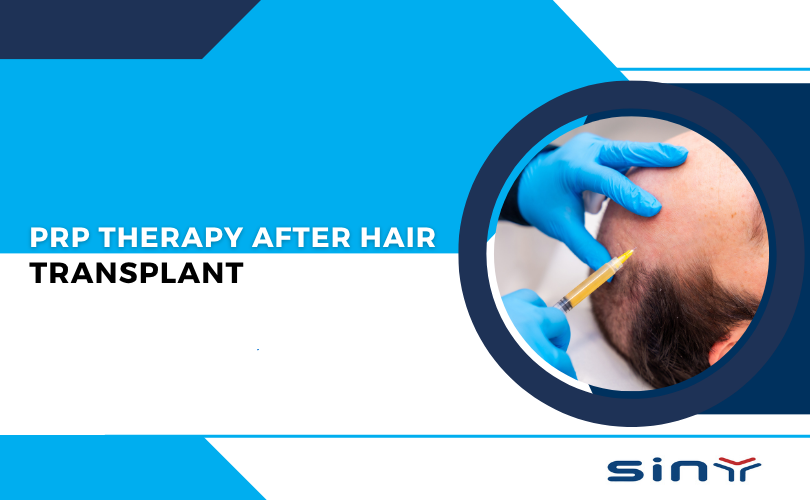
PRP Therapy After Hair Transplant is increasingly used as a supportive treatment in modern hair restoration. Hair transplantation relocates viable follicles into areas affected by hair loss, while platelet-rich plasma (PRP) provides an autologous platelet concentrate that may support the local environment during healing and early follicular growth.
PRP is prepared from the patient’s own blood through controlled blood collection and centrifugation. The resulting platelet-rich fraction contains platelets and bioactive signaling molecules associated with tissue repair and cellular responses. In hair restoration, PRP may be used during transplantation or as part of a postoperative treatment program.
Current evidence is encouraging, but PRP should be considered an adjunct rather than a replacement for appropriate transplantation technique and postoperative care. Clinical studies also show considerable variation in PRP preparation methods, treatment frequency, treatment intervals, and postoperative protocols.
For hair-restoration clinics, this creates an important practical issue. The discussion is not only about whether PRP is used, but also how consistently it is prepared. Blood collection, PRP tube selection, centrifugation, sample handling, and the overall preparation protocol all become part of a repeatable clinical workflow.
How Does PRP Support Hair Transplant Recovery?
Hair transplantation creates numerous small recipient sites, and newly implanted follicles then enter a period of healing and adaptation. During this stage, the condition of the surrounding tissue can influence postoperative recovery.
Platelets contain alpha granules that release signaling molecules such as platelet-derived growth factor (PDGF), vascular endothelial growth factor (VEGF), and transforming growth factor beta (TGF-β). These mediators participate in biological processes related to tissue repair and cellular signaling. This provides the biological rationale for studying PRP as an adjunct to hair transplantation.
Clinical research has reported encouraging outcomes, including earlier hair growth and improvements in some early density measurements. However, study sizes and preparation protocols vary. Results from one PRP protocol should therefore not automatically be applied to another system or patient population.
The key point is that PRP does not make transplanted follicles grow immediately. Transplanted hairs may still pass through temporary shedding before new growth becomes visible. PRP is better understood as biological support for the recovery and growth environment rather than a shortcut around the normal hair cycle.
Clinics developing standardized hair-restoration programs can also explore PRP preparation products from Siny Medical for professional blood collection and platelet-rich plasma workflows.

PRP Therapy After Hair Transplant: When and How Is It Used?
There is no universal schedule for PRP Therapy After Hair Transplant. Published studies and clinical protocols use PRP at different stages, from intraoperative application to follow-up sessions during postoperative recovery.
The appropriate timing should therefore be determined by the treating clinician according to graft stability, scalp healing, patient condition, and the clinic’s established PRP protocol.
| Stage / Timing | Clinical Objective | Focus of PRP Protocol |
|---|---|---|
| Intraoperative (Day 0) | Support newly transplanted grafts and the recipient environment | Consistent PRP preparation and integration with the surgical protocol |
| Early Post-op (Following Weeks) | Support early scalp recovery after transplantation | Consider graft stability, recipient-site healing, and appropriate treatment timing |
| Early Growth Phase (Following Months) | Support follicles as postoperative hair growth develops | Maintain a consistent preparation and treatment protocol |
| Follow-up / Maintenance | Support transplanted areas and, when appropriate, surrounding thinning hair | Evaluate patient response and determine whether additional treatment is appropriate |
This timeline illustrates common stages in which PRP may be incorporated into hair-restoration care. It is not a universal treatment schedule. Timing and treatment frequency vary according to the clinical protocol and individual patient.
Additional PRP sessions may be performed as transplanted follicles progress through their normal growth cycle. However, there is currently no universally established number of sessions or treatment interval for every hair-transplant patient.
For clinics performing PRP regularly, this makes consistency particularly important. Blood collection, tube selection, centrifugation, PRP harvesting, and administration should follow a defined workflow rather than changing unnecessarily from one treatment session to another.
What Benefits May PRP Provide After Hair Transplantation?
Clinical interest in PRP is not based on one single endpoint. Researchers have investigated several potential benefits, including earlier regrowth, postoperative recovery, follicular survival, and changes in hair density.
Earlier Hair Growth and Postoperative Recovery
Some controlled studies have reported earlier appearance of new hair or improvements in early density measurements when PRP was used alongside hair transplantation. These findings provide a reason to explore PRP as a postoperative adjunct, but they should not be translated into promises that PRP will make every transplant grow faster.
Transplanted follicles still need time to recover, shed, and enter their active growth phase. Results can also differ according to patient characteristics, surgical technique, graft handling, postoperative care, and PRP preparation.
Support for Transplanted Follicles
Newly transplanted follicles undergo a vulnerable adaptation period after implantation. Researchers have therefore investigated whether PRP can provide additional biological support around the transplanted area.
Some studies have reported favorable follicular survival or early-growth outcomes in PRP-treated groups. However, graft survival is multifactorial. Surgical technique, recipient-site preparation, graft handling, scalp condition, and postoperative management remain fundamental to transplant success.
PRP should therefore be considered one part of a broader hair-restoration strategy rather than protection against graft failure.
Support for Existing Hair
Hair transplantation redistributes follicles but does not necessarily stop the progression of androgenetic alopecia. Native follicles surrounding the transplanted area may continue to miniaturize over time.
PRP has also been studied independently for androgenetic alopecia, with research suggesting potential improvements in hair density for some patients. For this reason, some postoperative programs may consider both the transplanted area and surrounding native hair when planning PRP treatment.
For clinics, the practical question becomes broader than simply, “Should we offer PRP after transplantation?” It becomes how to establish a repeatable PRP workflow that fits the intended hair-restoration protocol.

Why PRP Preparation Quality Matters in Hair Restoration
Discussions about PRP often focus on injection technique, treatment frequency, and expected hair growth. Yet an equally important part of the procedure happens before the PRP reaches the scalp: preparing the platelet-rich plasma itself.
PRP is not simply blood placed into a centrifuge. The characteristics of the final preparation can vary according to blood collection volume, tube configuration, centrifugal force, spin duration, separation method, and sample handling.
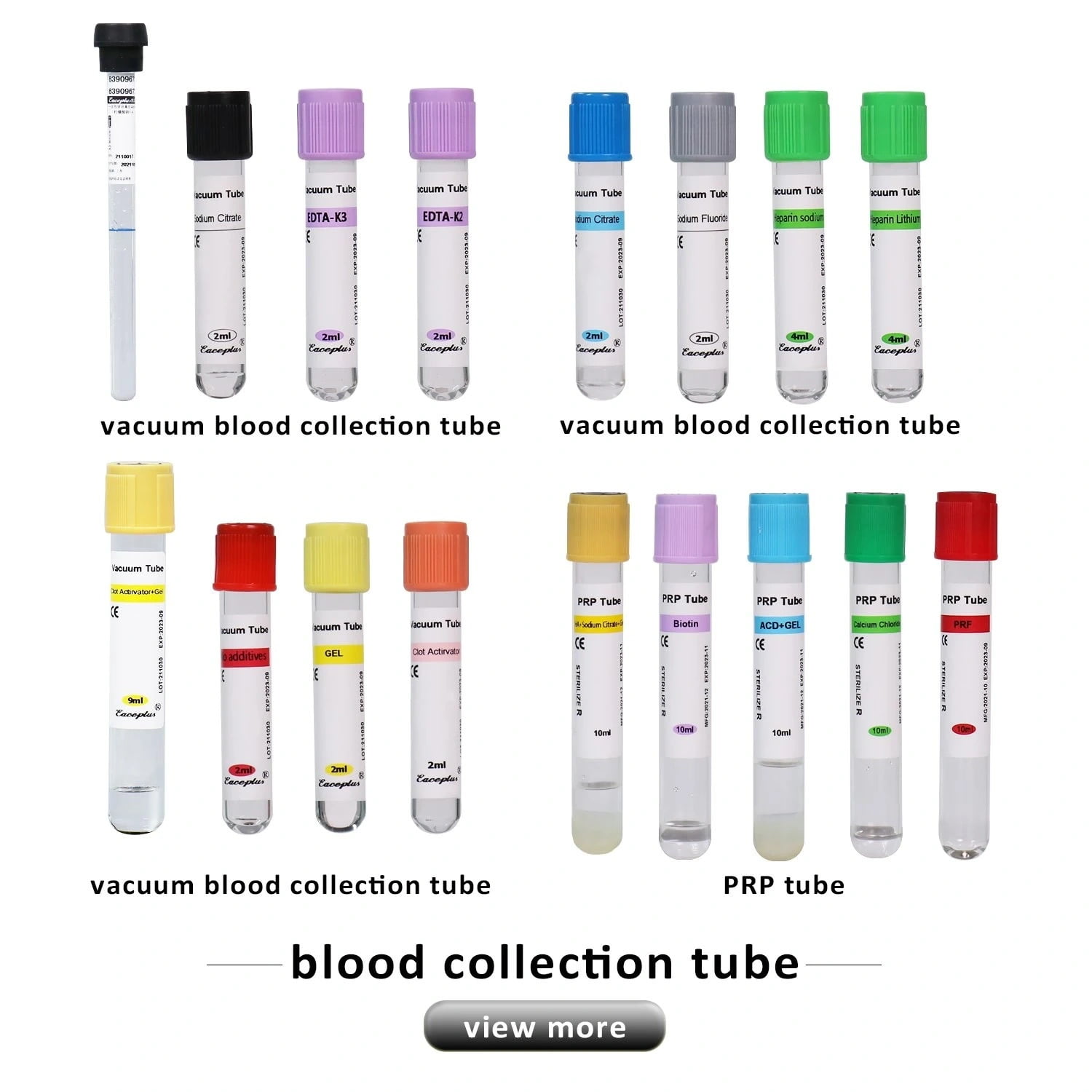
Blood Collection and PRP Tube Selection
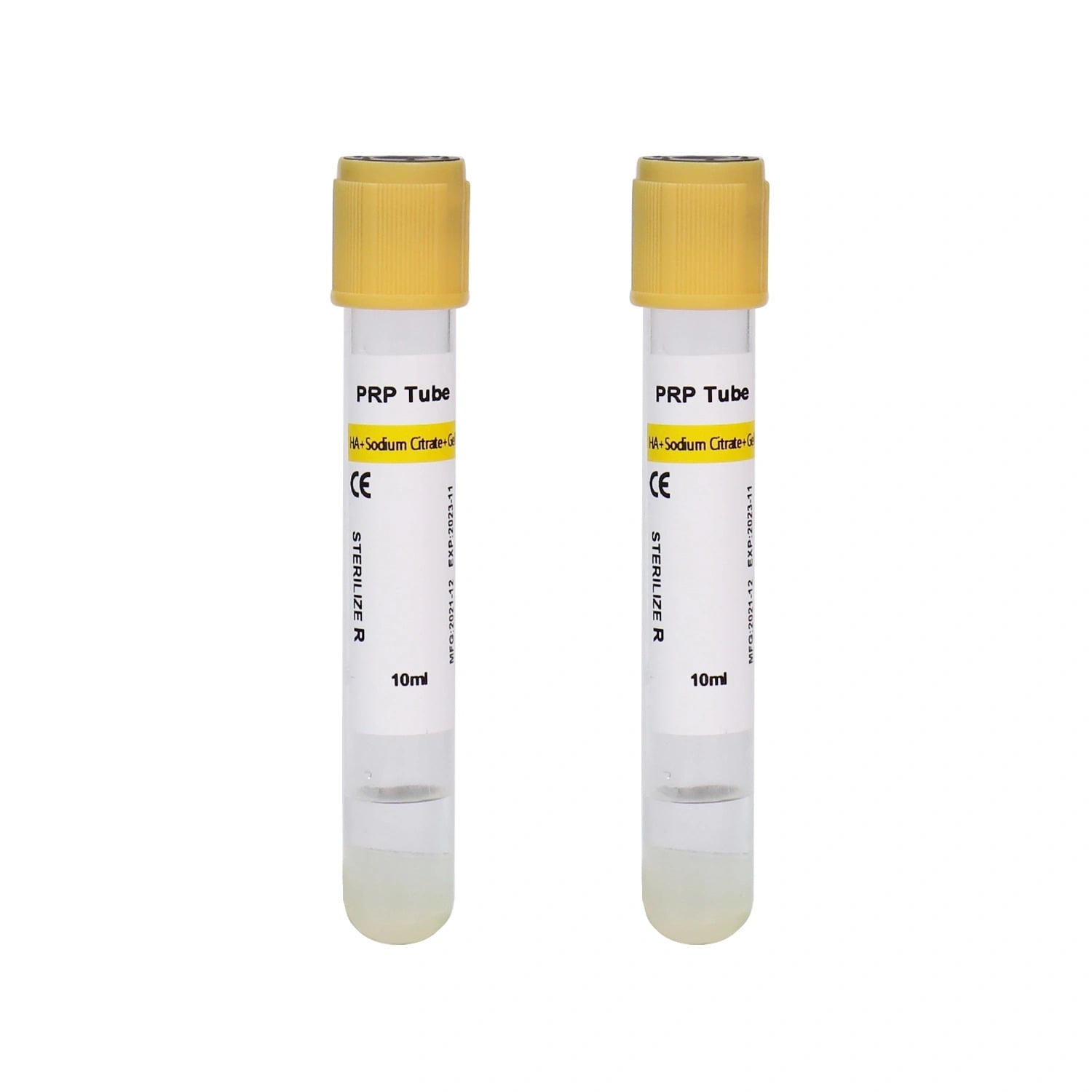
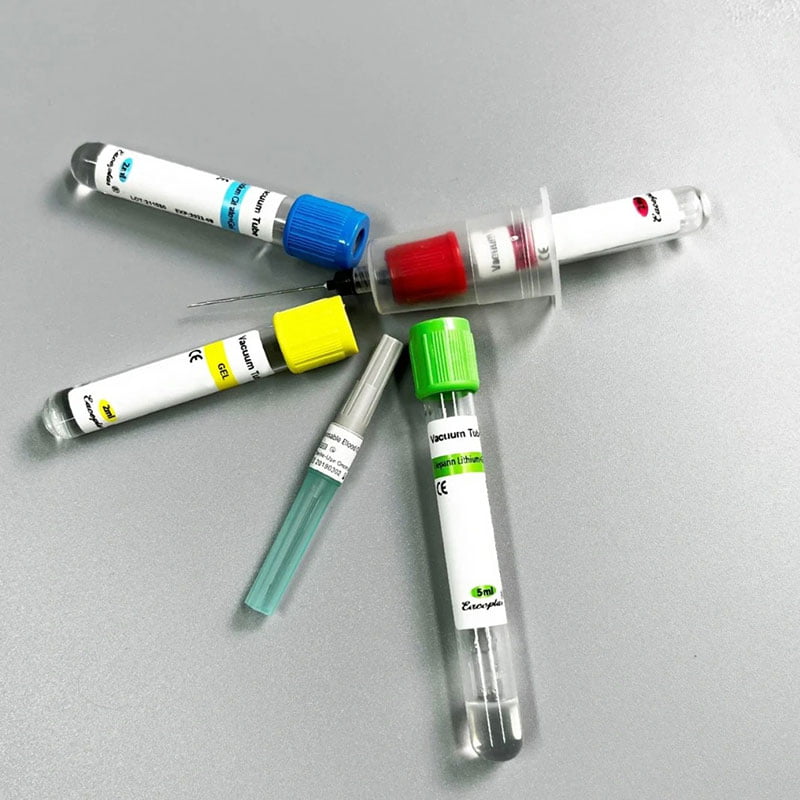
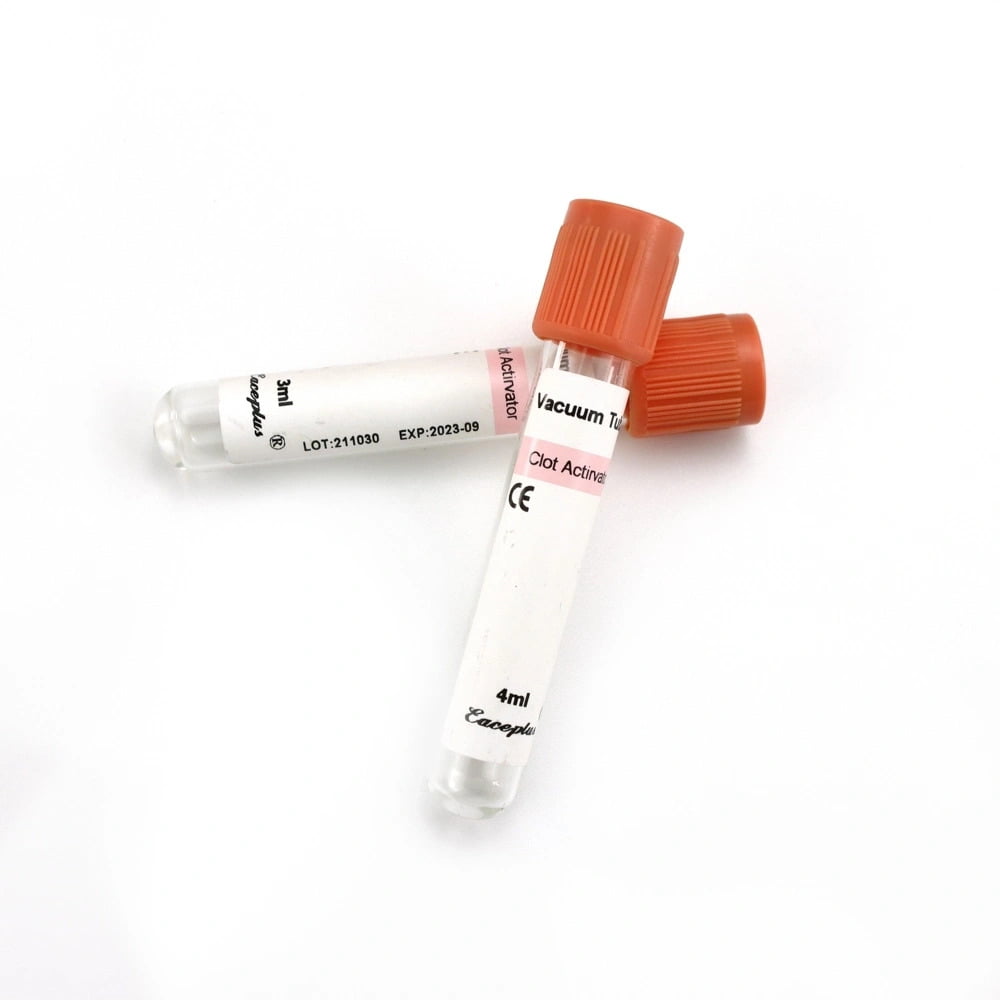
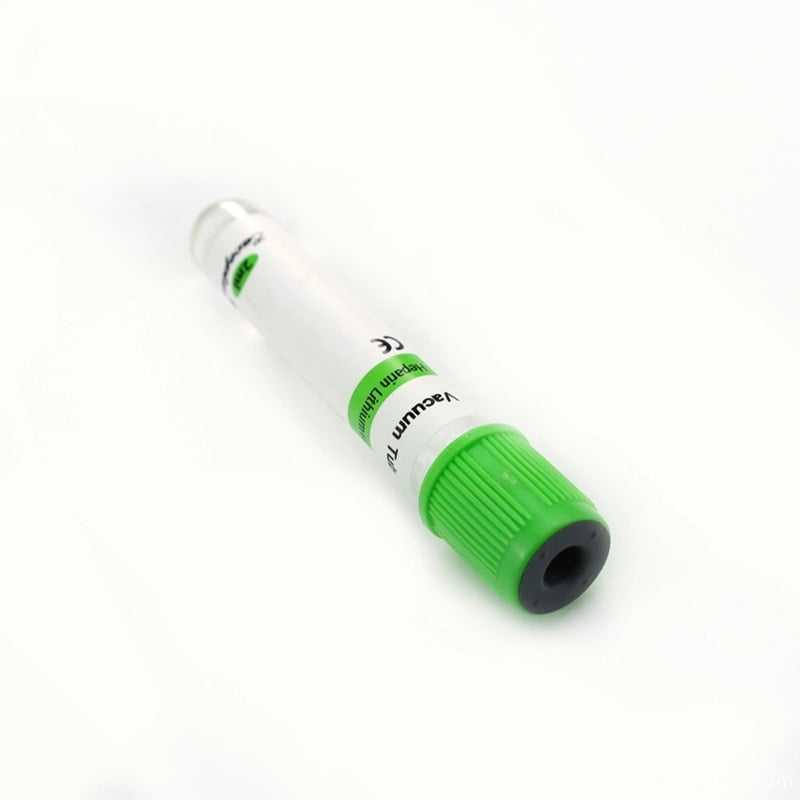
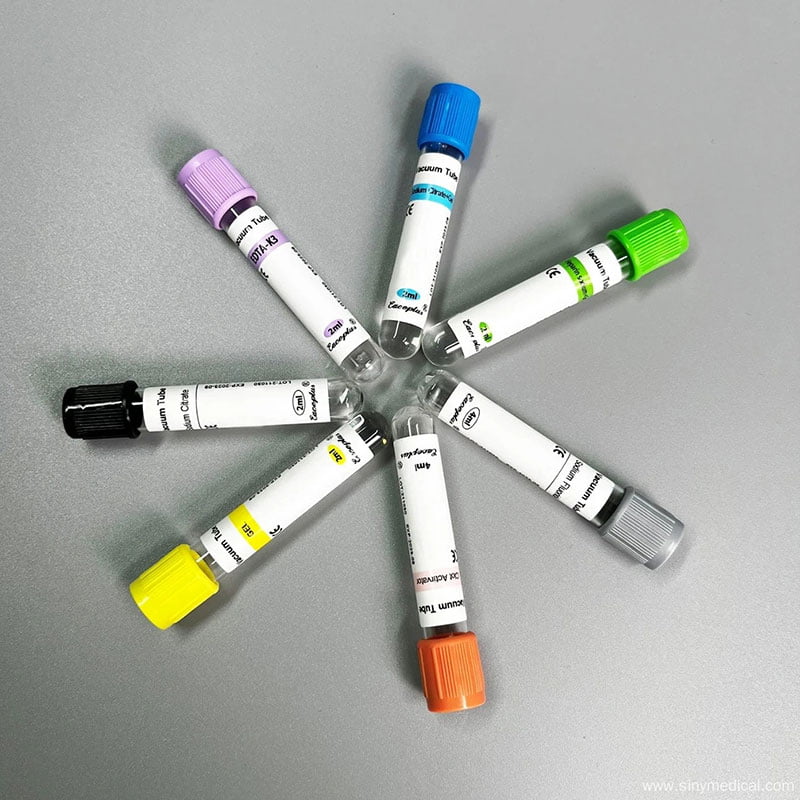
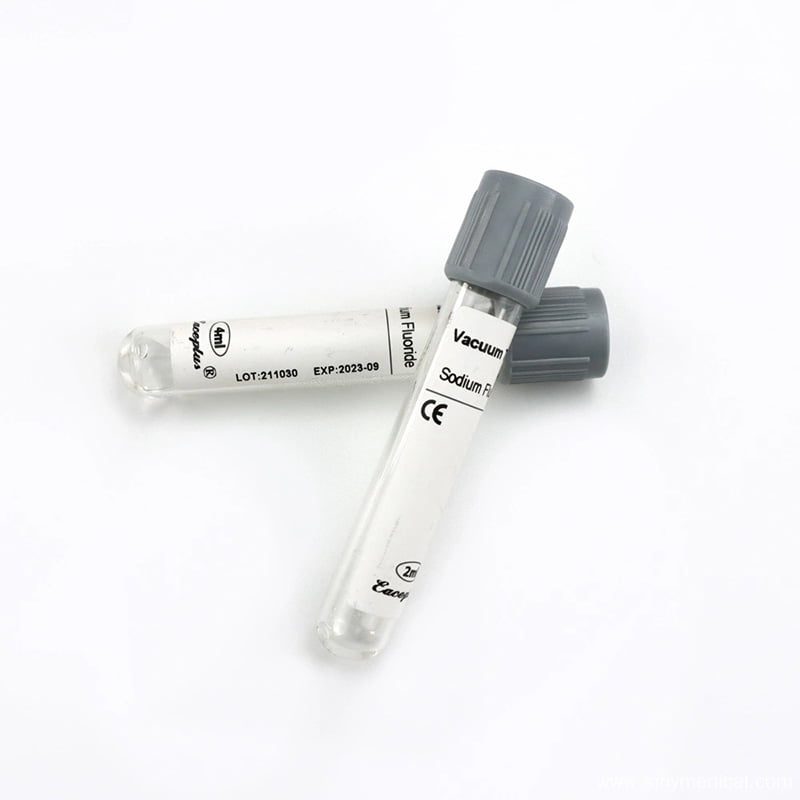
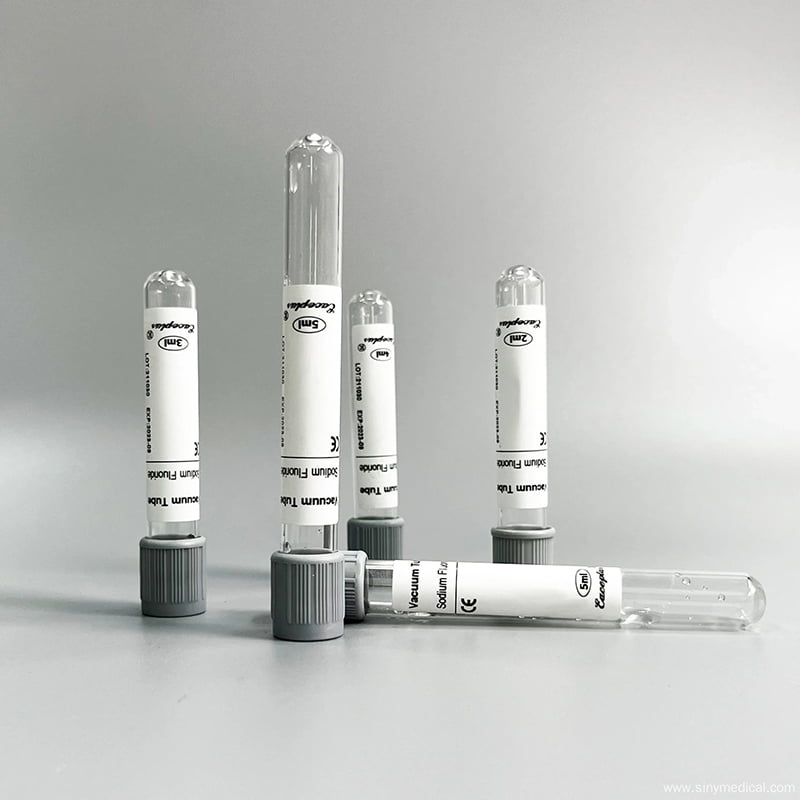
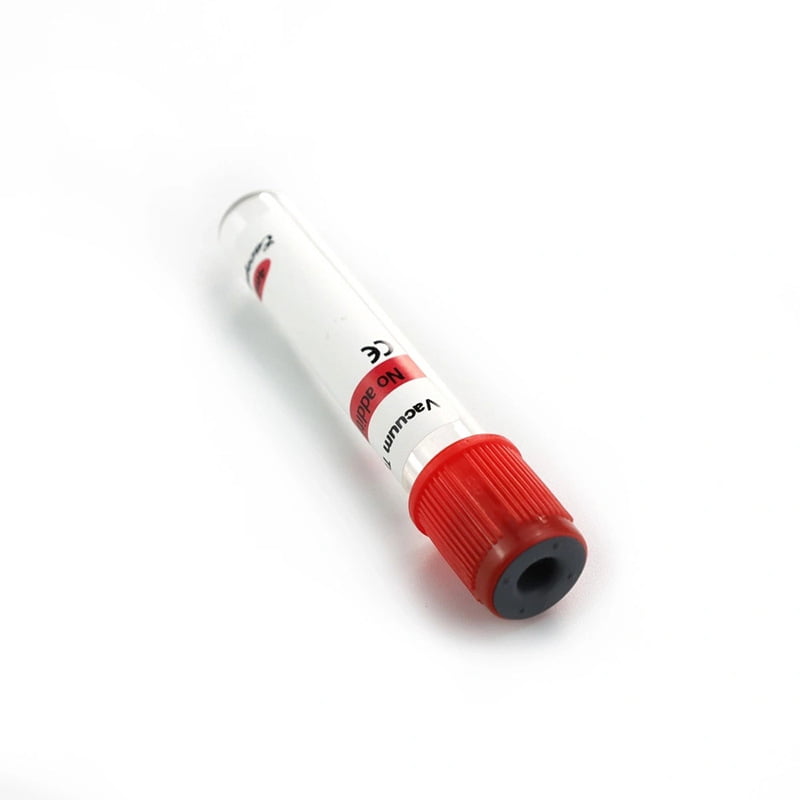
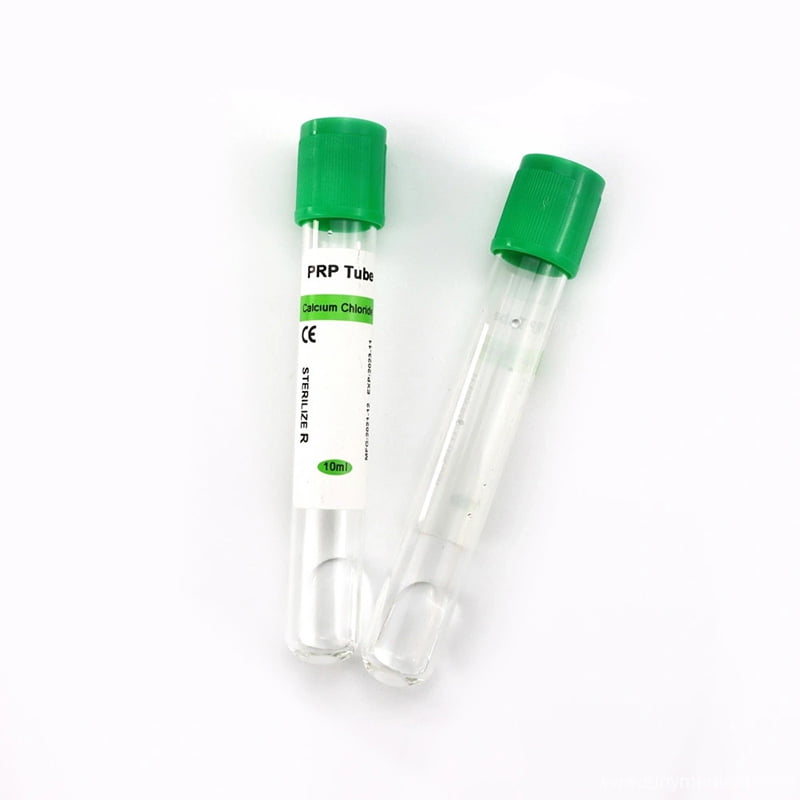
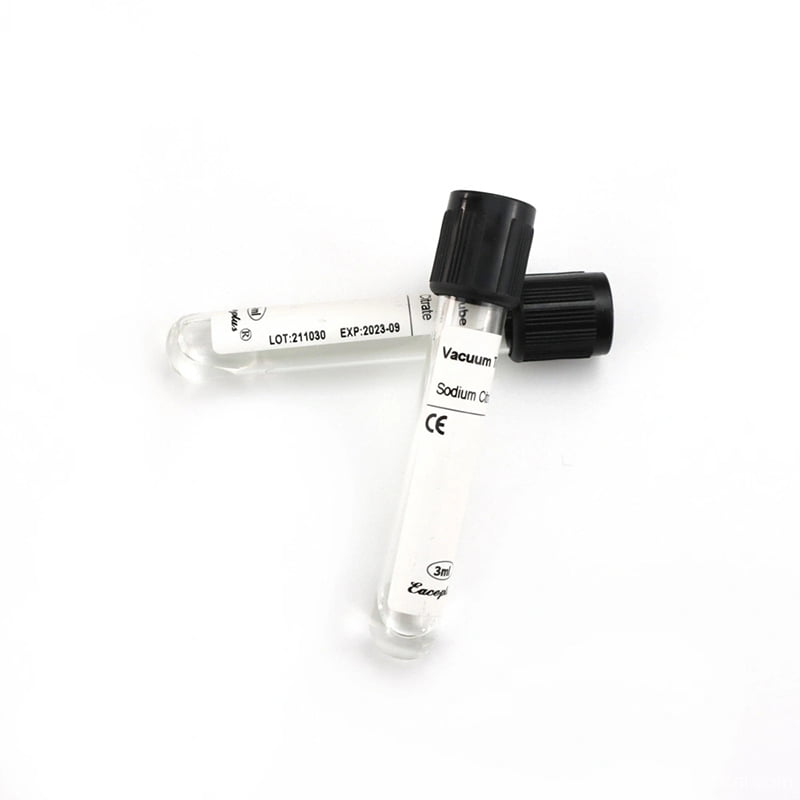
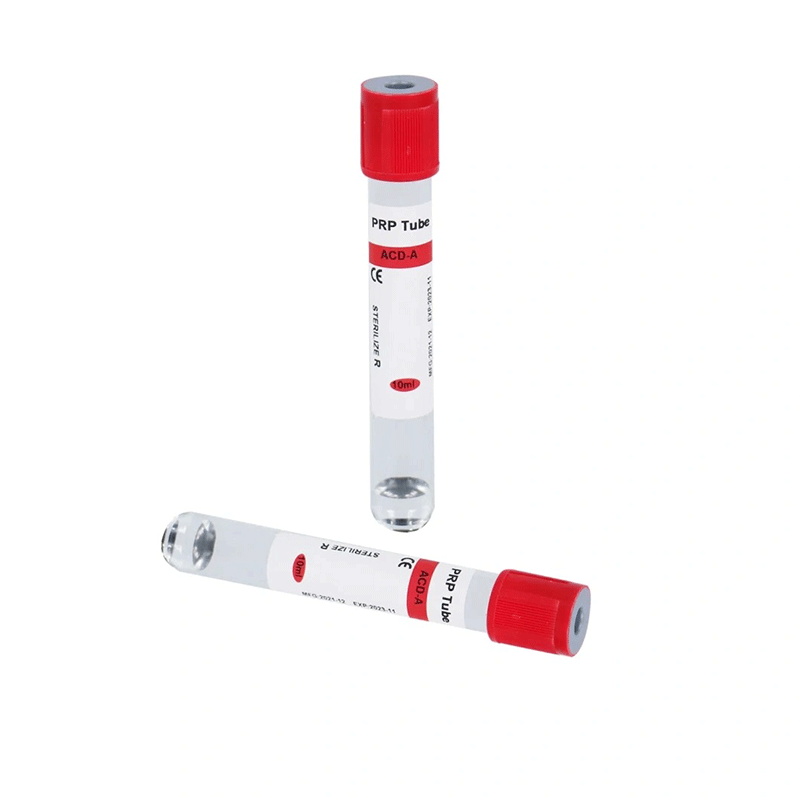
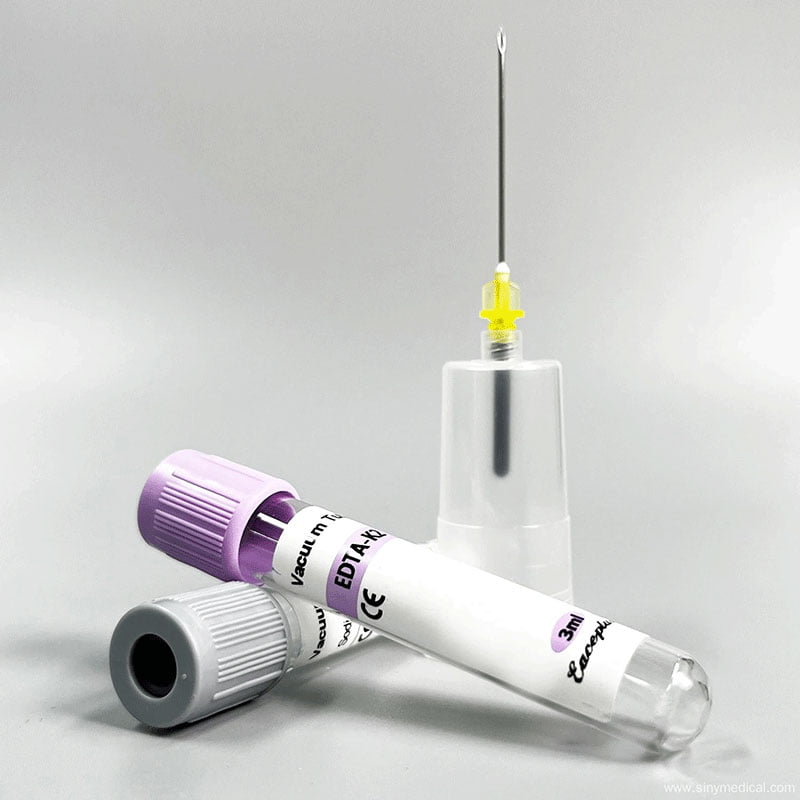
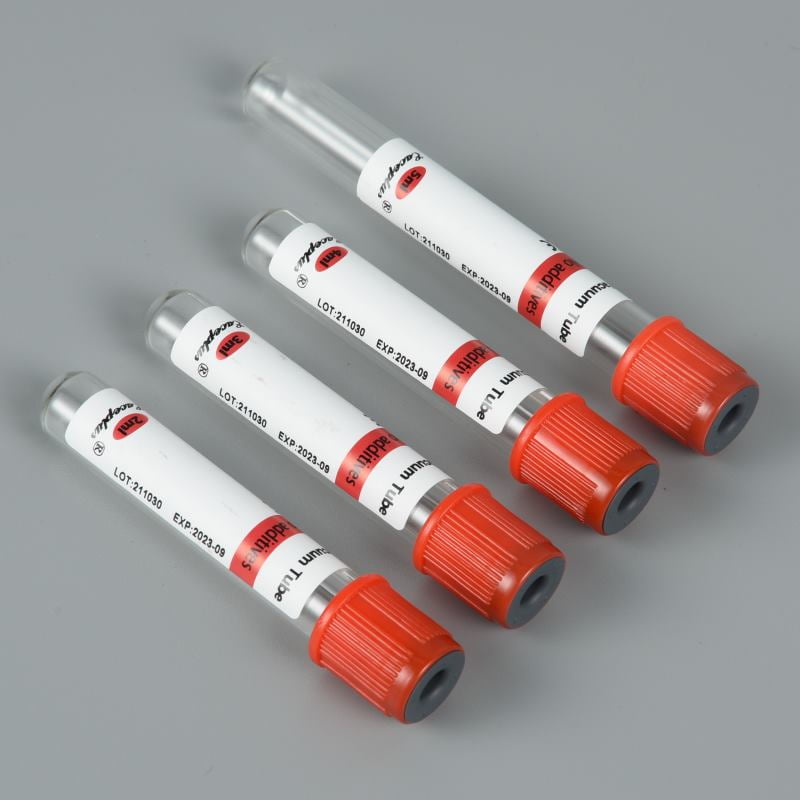
The workflow begins with venous blood collection using a PRP tube appropriate for the intended preparation method. The collection volume and tube configuration should be considered together with the clinic’s centrifuge and preparation protocol.
For professional buyers, the objective is not simply to choose a PRP tube according to volume. The PRP tube, blood collection volume, centrifuge settings, intended platelet fraction, and clinical workflow should be evaluated as a complete preparation system.
Centrifugation and Platelet Separation
Centrifugation separates blood components according to their physical properties. Depending on the preparation method, centrifugal force, spin duration, rotor radius, tube dimensions, and the number of centrifugation steps can influence the separation process.
One important distinction is that RPM alone does not fully describe centrifugal force. Rotor radius affects the relative centrifugal force (RCF) applied to the sample. Clinics should therefore follow centrifugation parameters appropriate for their selected tube and preparation protocol rather than simply copying an RPM value from another system.
The goal is also not to produce the smallest possible plasma volume or assume that a visibly concentrated preparation is automatically better. Different PRP methods can produce different cellular compositions and platelet concentrations.
Consistency Across PRP Treatments
Hair-restoration patients may receive PRP more than once. If blood volume, tube type, centrifugation conditions, or harvesting technique changes substantially between treatments, the resulting preparations may also differ.
Standardization cannot eliminate biological variation between patients. However, it can help reduce avoidable procedural variation and make the clinic’s workflow easier to reproduce.
For Clinics and PRP Buyers
A reliable hair-restoration PRP workflow depends on more than tube volume alone. Consider the PRP tube configuration, blood collection volume, centrifuge compatibility, preparation protocol, and workflow repeatability together when selecting a PRP system.
Siny Medical provides PRP-related blood collection and preparation products for professional applications. Clinics and distributors can contact our team to discuss PRP tube configurations and purchasing requirements for their intended workflows.
How Should Clinics and Distributors Choose a PRP Preparation System?
For B2B buyers, selecting a PRP product should involve more than comparing tube volume or unit price. A PRP tube operates as part of a complete preparation workflow, so purchasing decisions should consider how the different components work together.
| Selection Factor | What Buyers Should Evaluate |
|---|---|
| Intended Application | Whether the system is suitable for the clinic’s intended PRP workflow |
| Blood Collection Volume | Whether the volume meets preparation and treatment requirements |
| Tube Configuration | How the tube supports the intended collection and separation process |
| Centrifuge Compatibility | Whether the tube and preparation protocol match the centrifuge being used |
| Preparation Protocol | Whether collection, centrifugation, and harvesting steps can be standardized |
| Workflow Consistency | Whether the preparation process can be reproduced across treatment sessions |
| Clinical Handling | How easily the system integrates into the clinic’s existing workflow |
| Supply Reliability | Whether stable purchasing requirements can be supported over time |
| Customization Needs | Whether OEM/ODM support is required for distribution or private-label projects |
Most importantly, PRP tubes should not automatically be treated as interchangeable. Two tubes with similar nominal volumes may be intended for different preparation workflows.
For clinics, selection should therefore begin with the intended protocol. Consider how much blood needs to be collected, which centrifuge will be used, how the platelet-rich fraction will be prepared, and how the procedure will be standardized between treatments.
Distributors may need to consider additional factors such as supply continuity, packaging, documentation, customization, and the applications expected by their target customers.
Siny Medical works with clinics, medical suppliers, and distributors requiring PRP-related products for professional applications. Buyers can explore our PRP product range or contact the Siny Medical team to discuss tube configurations, purchasing requirements, and OEM/ODM needs.

FAQ About PRP Therapy After Hair Transplant
Is PRP necessary after a hair transplant?
No. PRP is generally considered an adjunctive treatment, not an essential requirement for successful transplantation. Many hair transplants can heal and grow without PRP. Some clinicians incorporate it to provide additional biological support during postoperative recovery and early growth.
How soon can PRP be used after a hair transplant?
There is no universally accepted schedule. Published protocols include intraoperative PRP as well as treatments performed during later recovery stages. Timing should be determined according to the treating clinician’s protocol, graft stability, scalp healing, and patient condition.
How many PRP sessions are needed after a hair transplant?
There is no universally established number. Treatment frequency and intervals differ between protocols. The number of sessions should therefore be determined according to clinical objectives and patient response rather than applied as a fixed rule.
Can PRP prevent shock loss?
PRP cannot guarantee that temporary postoperative shedding will not occur. Transplanted follicles still pass through their normal hair-growth cycle, and temporary shedding may occur during recovery.
Does PRP make transplanted hair grow faster?
Some controlled studies have reported earlier hair growth in PRP-treated patients. However, this does not mean every patient will experience faster growth. Surgical technique, individual biology, postoperative care, and the PRP protocol can all affect outcomes.
What type of PRP tube is used for hair restoration?
There is no single PRP tube configuration that should automatically be considered appropriate for every hair-restoration protocol. Tube selection should be evaluated together with blood collection volume, centrifuge compatibility, preparation method, desired PRP characteristics, and the clinic’s established workflow.
Are all PRP tubes interchangeable?
No assumption of interchangeability should be made based only on tube volume or appearance. Different tube configurations and preparation methods may produce different workflows and PRP characteristics.
What should clinics consider when purchasing PRP tubes?
Important considerations include intended clinical application, tube configuration, blood collection volume, centrifuge compatibility, preparation protocol, workflow repeatability, supply requirements, and supplier support. Distributors may also need to evaluate packaging and OEM/ODM requirements.
Building a More Consistent PRP Workflow for Hair Restoration
PRP Therapy After Hair Transplant sits at the intersection of hair-restoration surgery and regenerative medicine. Current evidence suggests that PRP may provide useful biological support during postoperative recovery and early hair growth. However, preparation methods and treatment protocols remain heterogeneous, so PRP should be presented as an adjunct rather than a guaranteed way to improve transplantation outcomes.
For professional users, this shifts part of the focus from simply offering PRP to controlling how PRP is prepared. Reliable blood collection, appropriate PRP tube selection, defined centrifugation conditions, consistent sample handling, and a repeatable preparation protocol can help reduce unnecessary procedural variation.
For clinics building a hair-restoration PRP workflow—or distributors sourcing PRP consumables for professional customers—Siny Medical provides PRP-related solutions for medical and aesthetic applications. Explore Siny Medical’s PRP products or contact our team to discuss suitable configurations, procurement requirements, and OEM/ODM options for your market.