Hair loss affects millions of men and women worldwide, and interest in regenerative medicine continues to grow. Among today’s most talked-about options, PRF hair restoration treatment stands out because it uses the patient’s own blood to support healthier hair follicles without synthetic additives. If you’ve been searching “what is PRF hair restoration treatment?”, the short answer is that it is a natural procedure that prepares platelet-rich fibrin (PRF) from a patient’s blood and injects it into the scalp to encourage stronger, healthier hair growth.
Unlike treatments that rely solely on medications, PRF works by improving the biological environment around existing hair follicles. The injectable PRF contains concentrated platelets, white blood cells, fibrin, and naturally occurring growth factors that are gradually released after treatment, helping support tissue repair and follicle activity over time.
For aesthetic clinics and distributors, however, successful outcomes depend on more than injection technique alone. The quality of the PRF preparation—including the collection tube, centrifugation protocol, and handling process—can significantly influence the final injectable product. Understanding these factors helps practitioners deliver more consistent treatments while helping buyers choose PRF tubes that meet professional standards.
What Is PRF Hair Restoration Treatment?
PRF (Platelet-Rich Fibrin) hair restoration is an autologous regenerative treatment that uses a patient’s own blood to produce a concentrated fibrin matrix rich in platelets, leukocytes, and growth factors. The resulting injectable PRF is placed into areas of hair thinning, where it helps create a healthier environment for existing follicles.
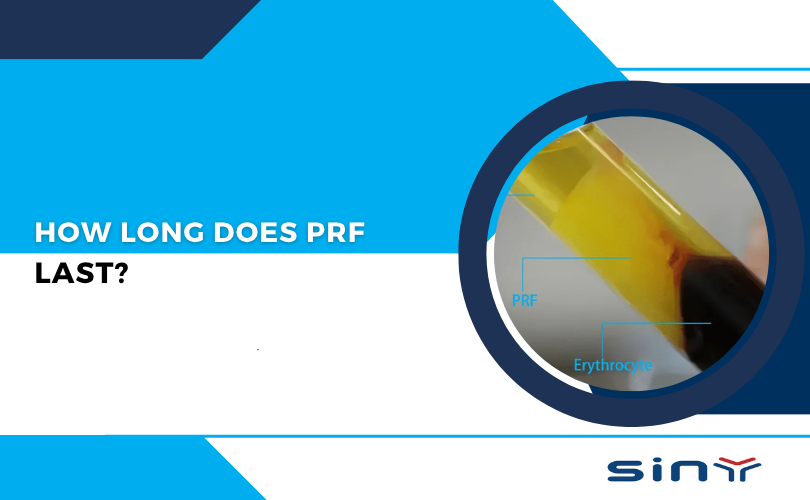
Unlike platelet-rich plasma (PRP), PRF is prepared without anticoagulants or artificial additives. Blood is collected in a specially designed PRF tube and processed using a low-speed centrifugation protocol. Because coagulation begins naturally during centrifugation, a three-dimensional fibrin network forms, trapping regenerative cells within a supportive scaffold.
This fibrin matrix is one of PRF’s defining advantages. Instead of releasing growth factors immediately after injection, it allows them to be delivered gradually over several days, potentially extending biological activity around treated follicles.
Today, PRF hair restoration is commonly used for:
- Early-stage androgenetic alopecia in both men and women
- General hair thinning
- Reduced hair density
- Supportive treatment after hair transplantation
- Patients seeking a natural regenerative alternative to synthetic injectables
Although PRF cannot regenerate hair follicles that have already disappeared, it may improve the function of weakened follicles that remain active. Many clinics therefore combine PRF with nutritional guidance, topical therapies, or other hair restoration treatments to create a more comprehensive treatment plan.

How Does PRF Hair Restoration Treatment Work?
Understanding the preparation process helps explain why PRF has become increasingly popular in regenerative aesthetics.
Every stage—from blood collection to injection—affects the quality of the final injectable PRF. Standardized preparation protocols are therefore just as important as clinical technique.
Step 1: Blood Collection
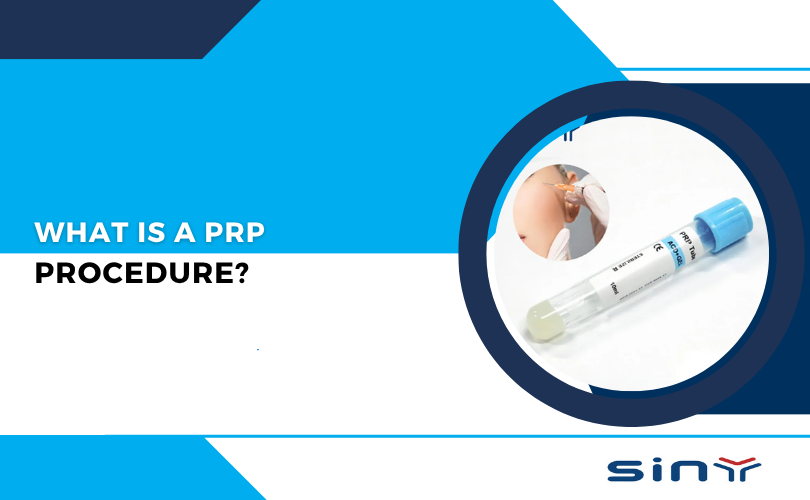
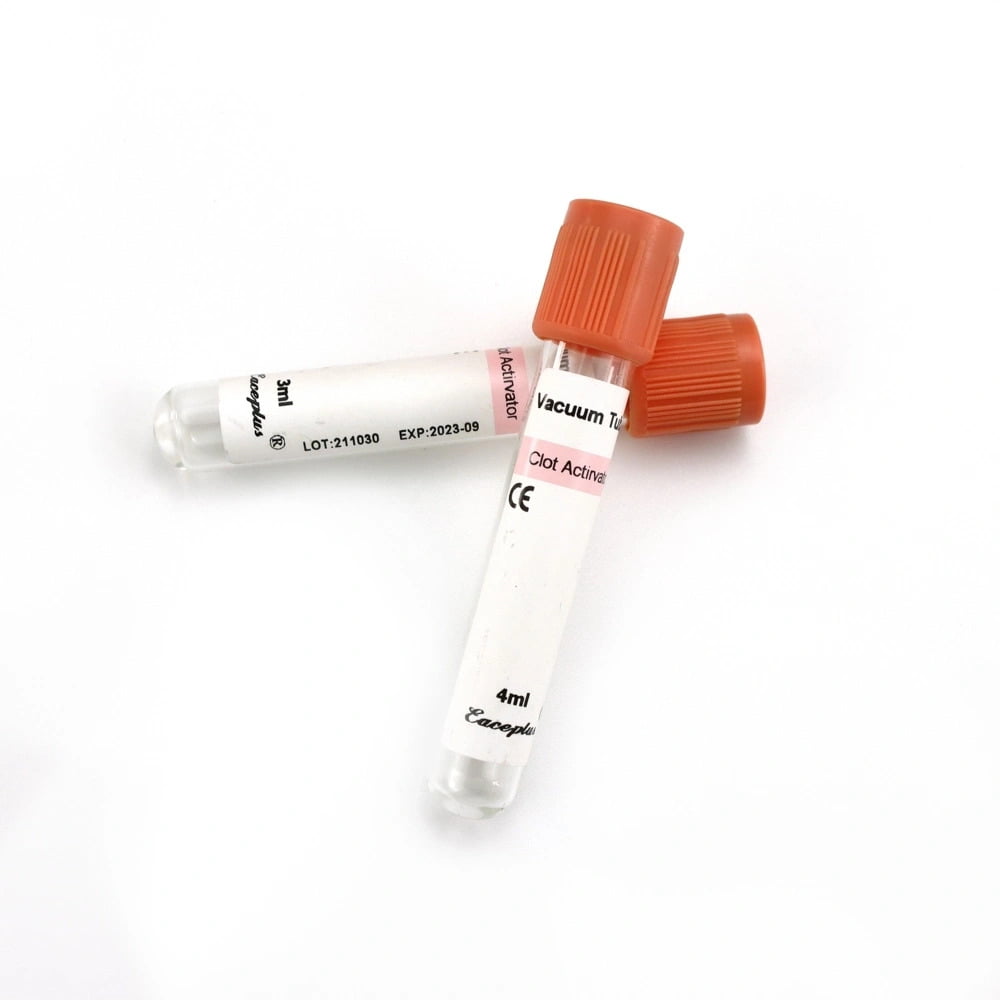
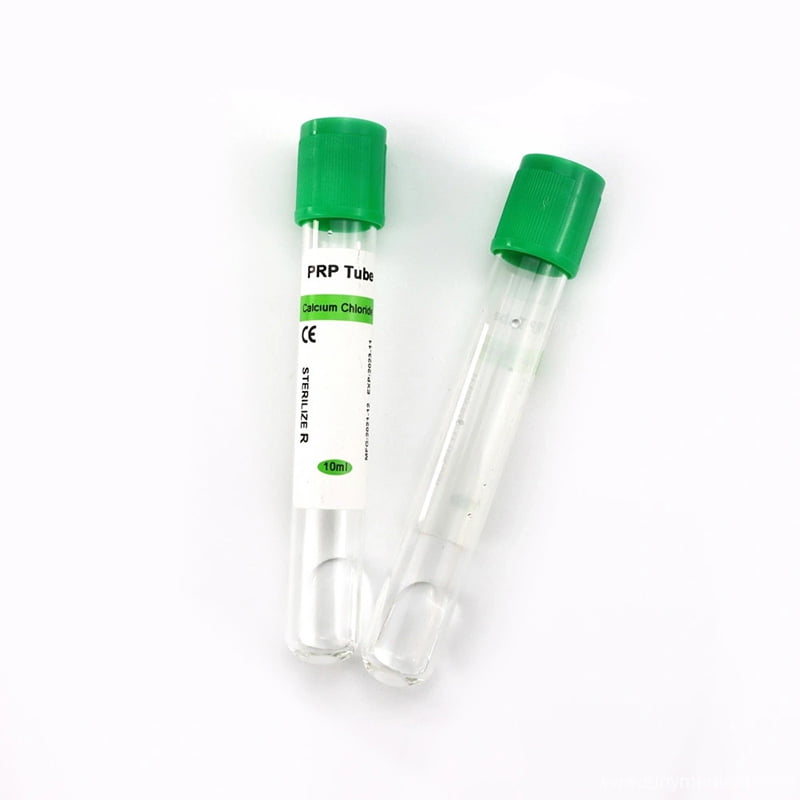
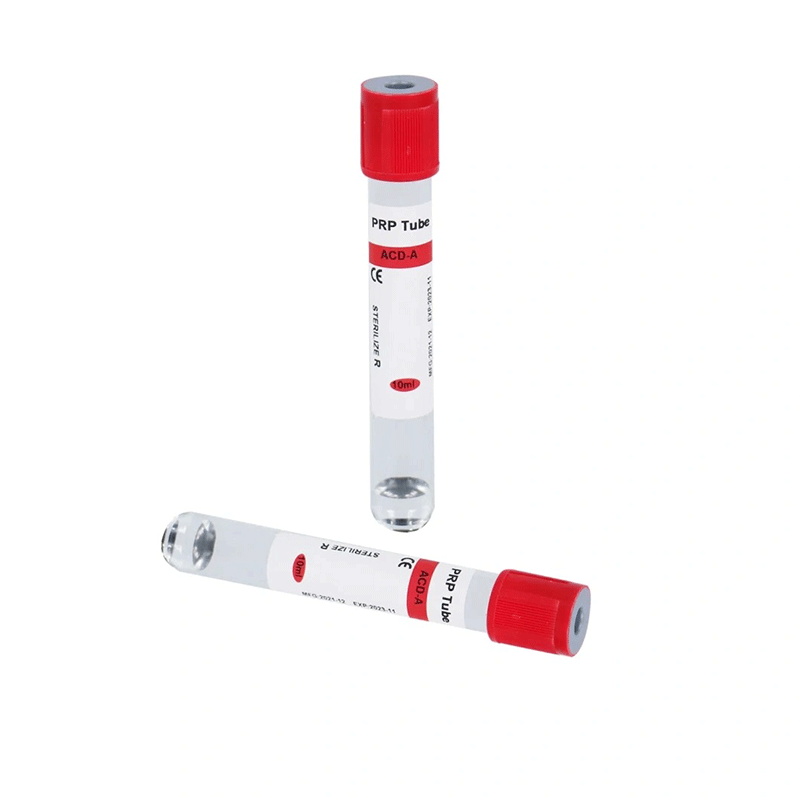
The procedure begins with collecting a small amount of the patient’s blood using sterile PRF collection tubes.
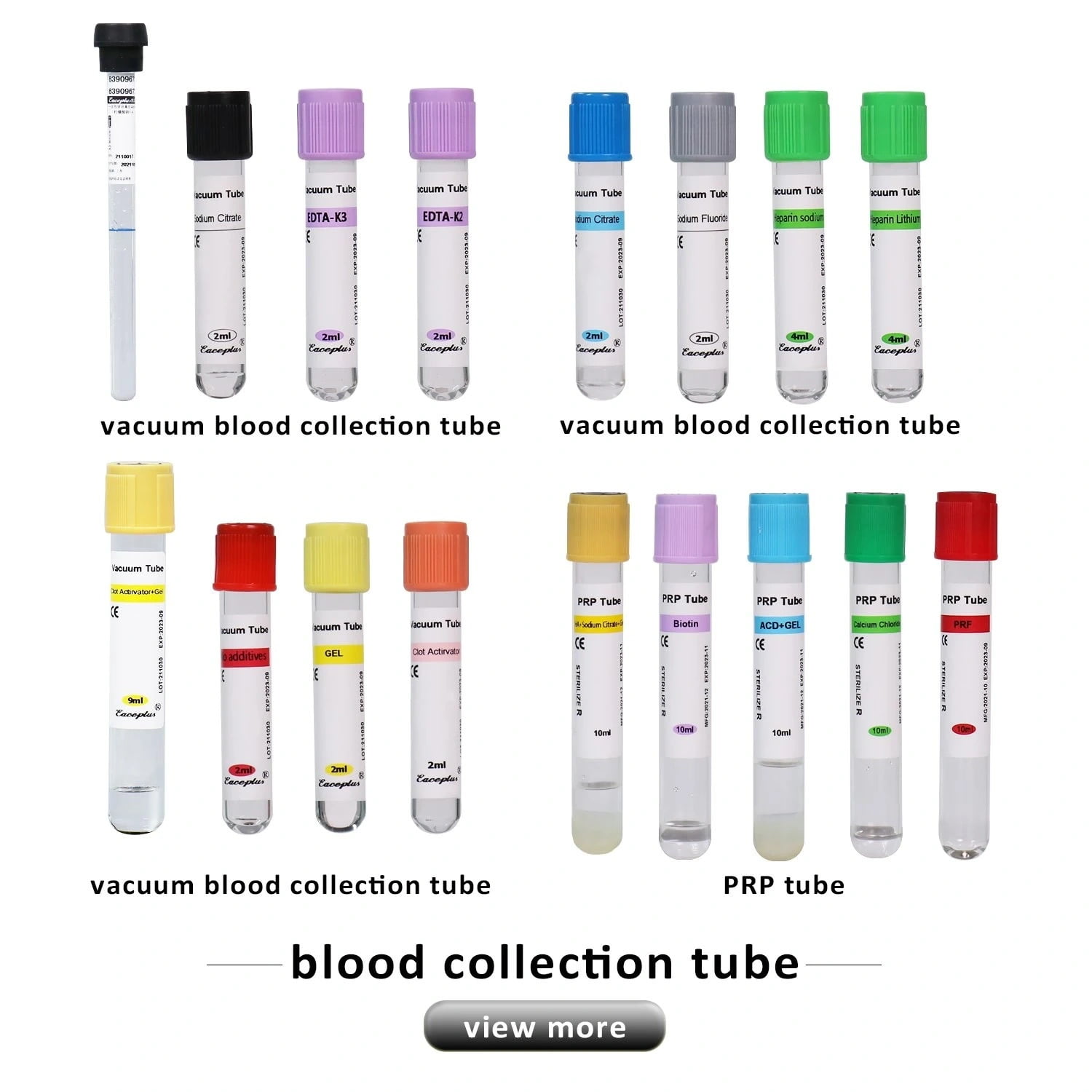
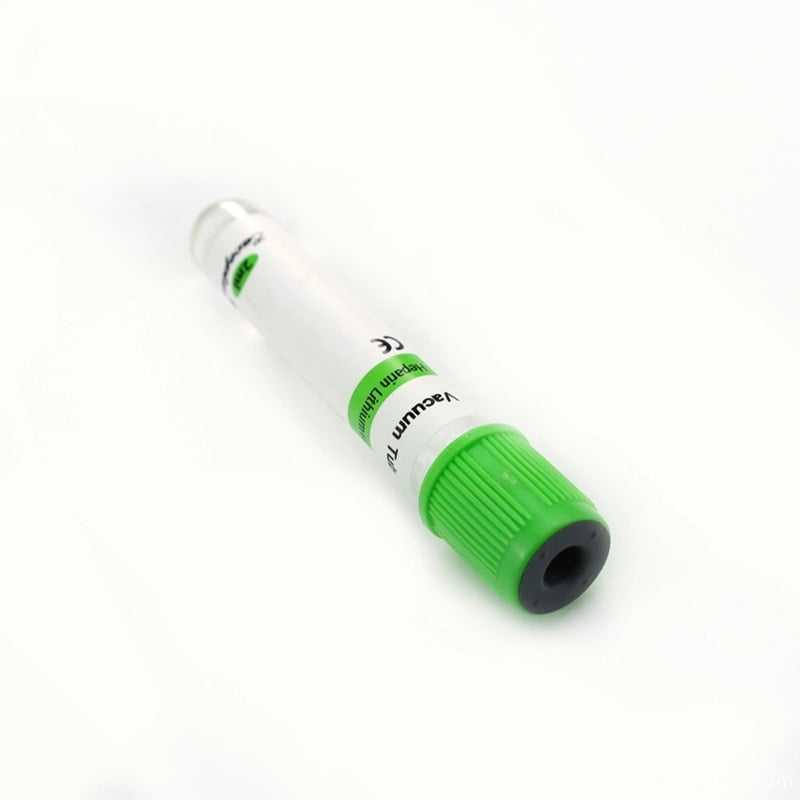
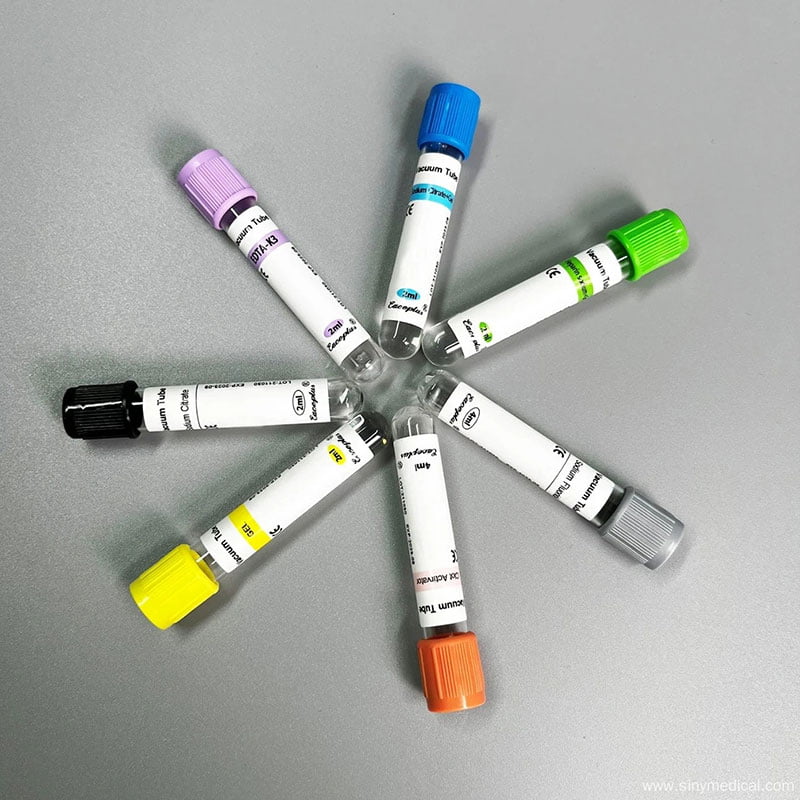
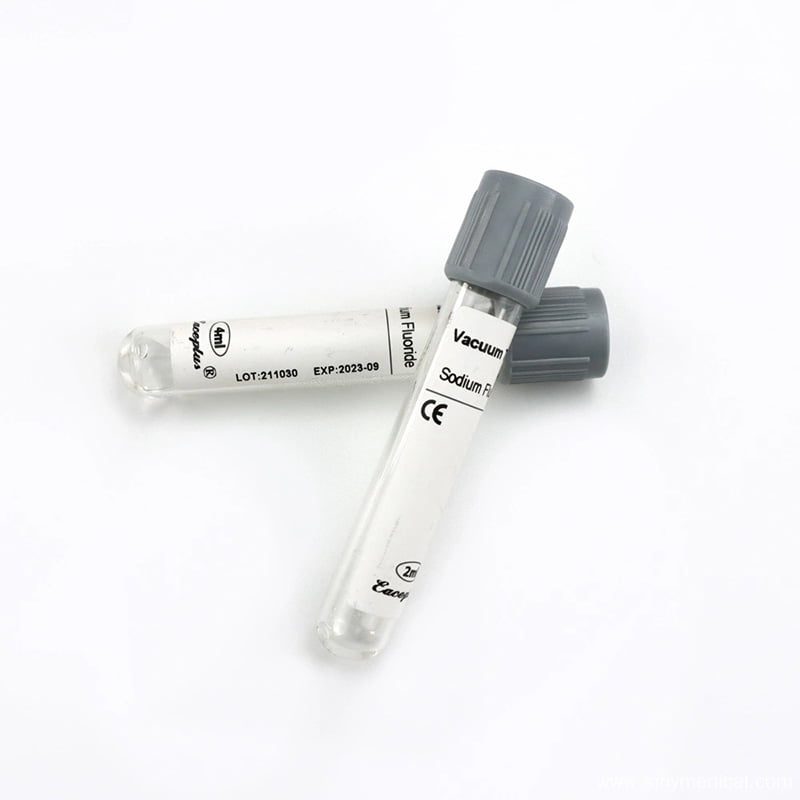
Unlike routine blood collection tubes designed for laboratory testing, PRF tubes are specifically developed for regenerative medicine and should not contain anticoagulants that interfere with natural fibrin formation.
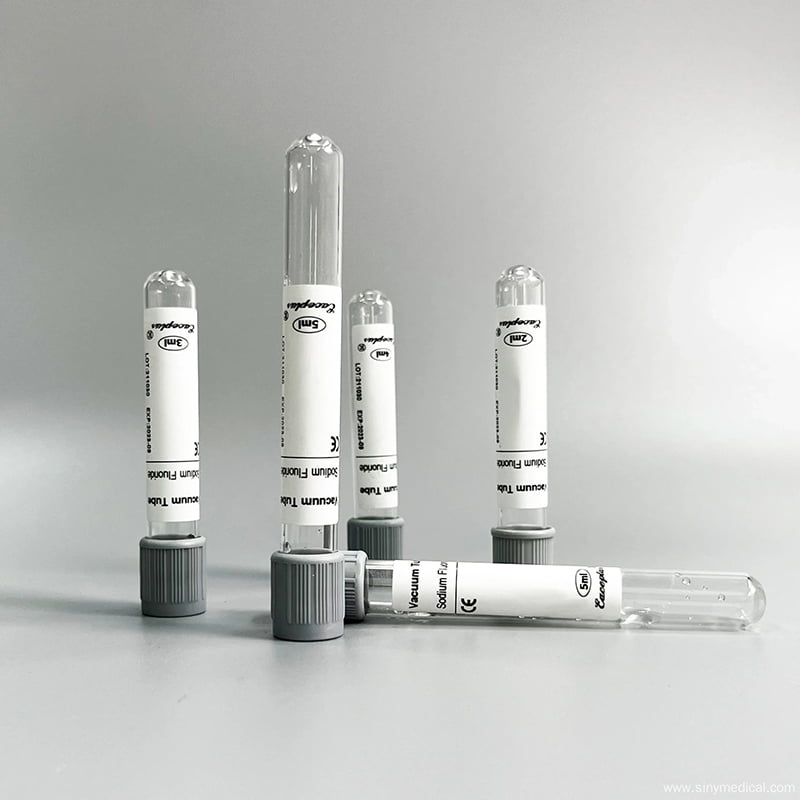
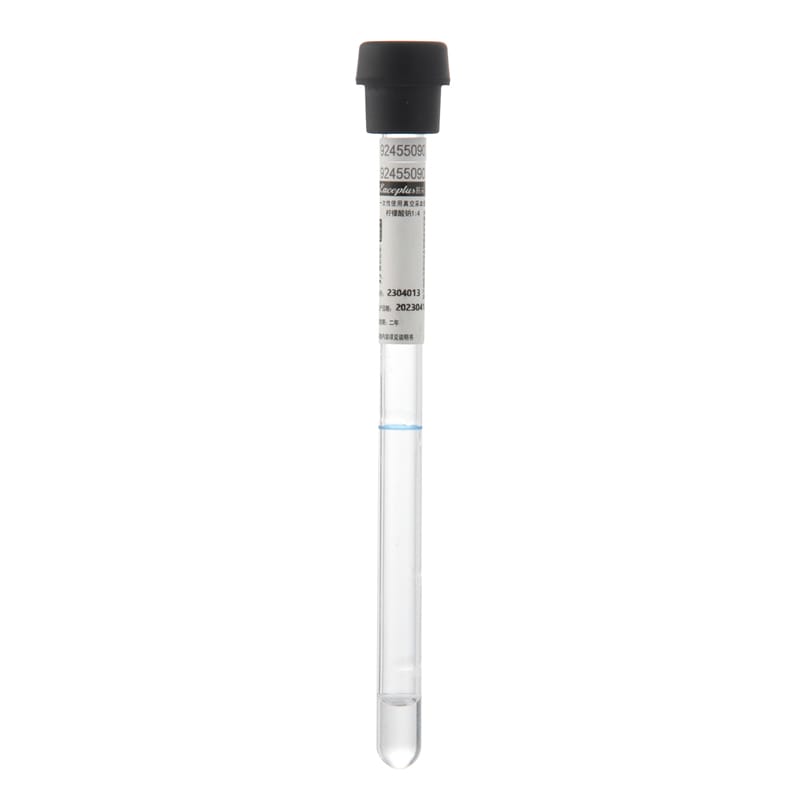
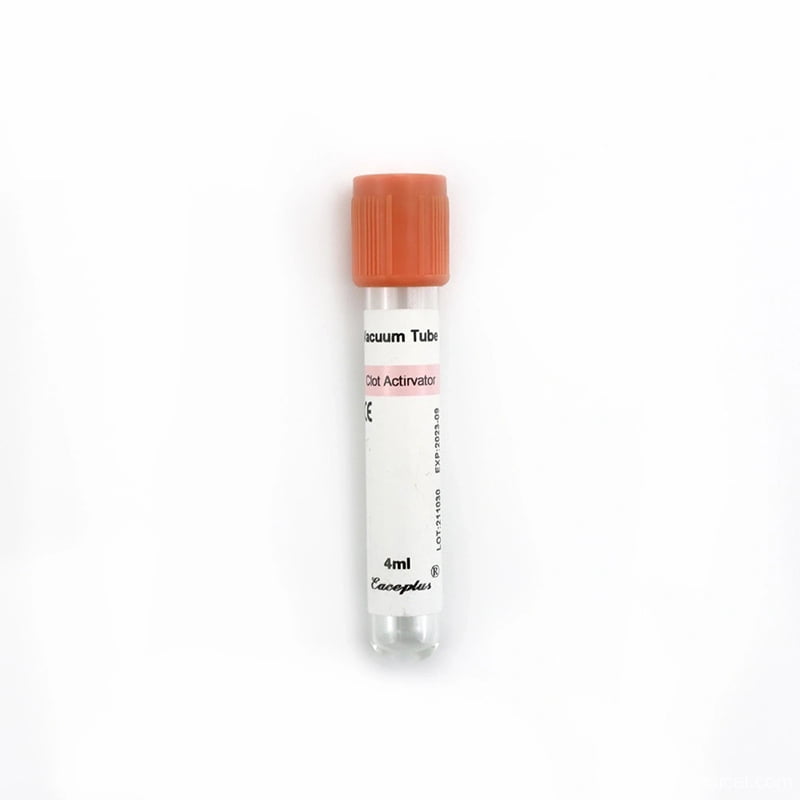
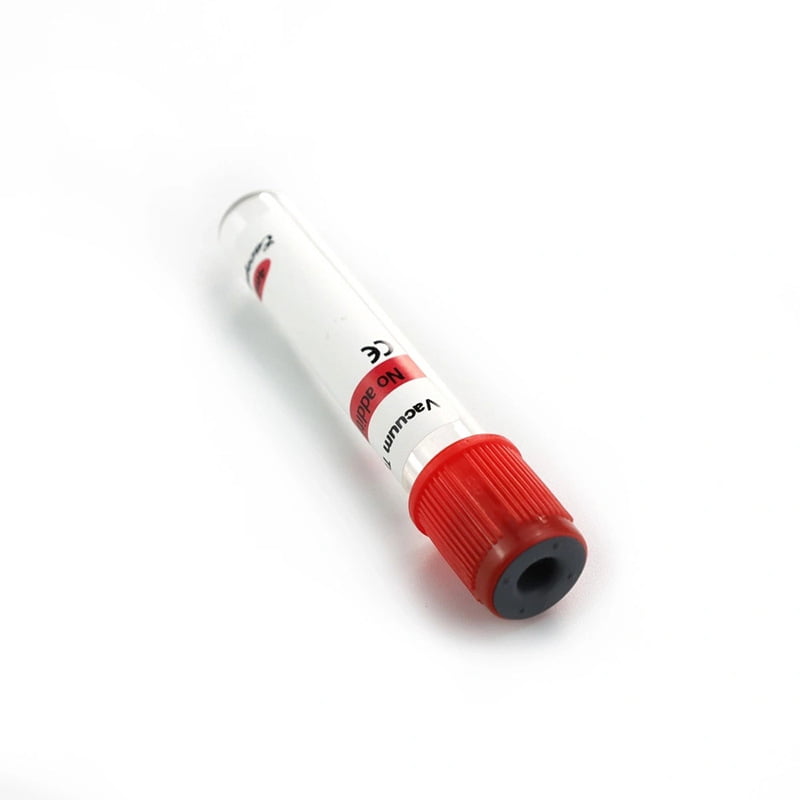
The collection tube itself is more important than many people realize. Tube material, vacuum accuracy, sterility, and manufacturing consistency all influence the preparation process and ultimately affect the quality of the injectable PRF.
Step 2: Low-Speed Centrifugation
Immediately after collection, the blood is placed into a centrifuge using a low-speed protocol recommended by the clinician or tube manufacturer.
Compared with traditional PRP preparation, PRF generally uses lower centrifugal force. This gentler approach helps preserve more platelets and white blood cells within the developing fibrin matrix while reducing unnecessary cellular stress.
The exact protocol varies depending on the centrifuge system and the desired PRF formulation. Even small differences in speed, processing time, or rotor design can influence cell distribution and fibrin architecture, making standardized protocols essential for predictable preparation.
Step 3: Formation of Injectable Liquid PRF
Following centrifugation, the clinician carefully collects the liquid layer containing platelets, leukocytes, fibrinogen, and plasma proteins before complete clot formation occurs.
This liquid PRF remains injectable for only a short period before naturally polymerizing into fibrin. Because no anticoagulants are used, careful timing throughout the preparation process is essential.
Once injected, the material gradually forms a fibrin scaffold within the scalp, helping retain regenerative cells around the treatment area.
Step 4: Scalp Injection
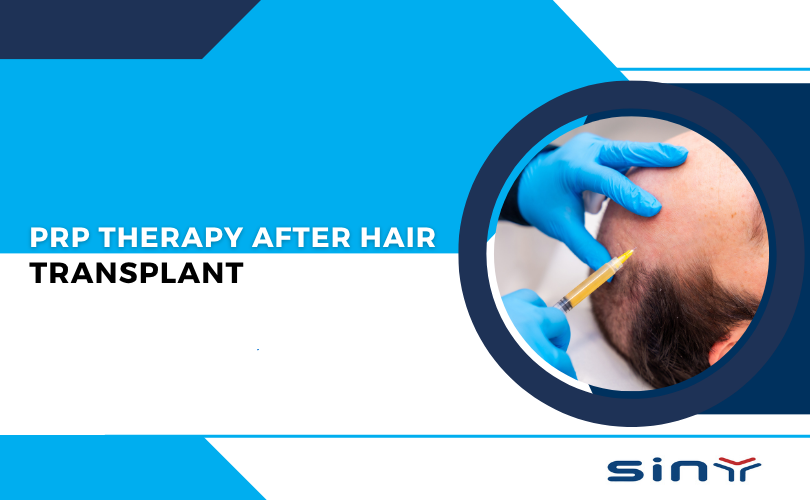
The prepared PRF is injected into targeted areas of hair thinning using multiple small injections across the scalp.
Rather than simply delivering growth factors beneath the skin, injectable PRF creates a biologically active environment that may support:
- Improved blood supply around hair follicles
- Activation of weakened or dormant follicles
- Cellular signaling involved in tissue repair
- Better scalp health
- Sustained release of regenerative proteins
Most treatment sessions are completed within 45 to 60 minutes, including blood collection, centrifugation, and injection.
Partner Highlight: Consistent preparation begins with dependable consumables. Siny Medical supplies high-quality, additive-free PRF tubes designed to support reliable platelet-rich fibrin preparation for aesthetic, orthopedic, and dental regenerative procedures.

Why Is PRF Becoming More Popular Than Traditional PRP for Hair Restoration?
PRP has been used successfully in hair restoration for many years and continues to be an effective treatment option. However, PRF has attracted growing attention because it builds on the same regenerative principles while offering several biological advantages.
The most significant difference is the natural fibrin matrix.
During PRF preparation, fibrin forms naturally because no anticoagulants are added. This fibrin network acts as a biological scaffold that traps platelets and white blood cells, allowing growth factors to be released gradually instead of all at once. Emerging clinical evidence suggests this sustained release may create a longer-lasting regenerative environment around treated hair follicles.
Another distinguishing feature is the higher concentration of leukocytes. These immune cells contribute to tissue repair and cellular communication during healing. Although research into their exact role in hair restoration is still evolving, many clinicians consider their presence one of the key biological differences between PRF and conventional PRP.
PRF also appeals to patients seeking a more natural treatment. Because the preparation process avoids synthetic anticoagulants, the final product consists entirely of the patient’s own biological components.
It is important to remember, however, that no regenerative treatment succeeds through biology alone. Clinical outcomes are influenced by appropriate patient selection, standardized preparation techniques, injection accuracy, and the quality of the consumables used throughout the procedure.
Even the most advanced centrifuge cannot fully compensate for inconsistent collection tubes or variable manufacturing quality. High-quality PRF tubes help practitioners prepare injectable PRF more consistently, supporting standardized treatment protocols and reproducible clinical workflows.
For clinics planning to expand their regenerative hair restoration services, investing in dependable preparation systems is just as important as selecting the right treatment protocol.
PRF Hair Restoration vs. PRP: What’s the Difference?
Although both PRF and PRP are prepared from a patient’s own blood, they differ in how they are processed and how they support tissue regeneration. Understanding these differences helps practitioners select the most appropriate protocol while helping distributors and buyers evaluate the right PRF tube for their applications.
| Feature | PRF Hair Restoration | PRP Hair Restoration |
|---|---|---|
| Anticoagulant | None | Required |
| Fibrin Matrix | Natural fibrin scaffold | Minimal fibrin formation |
| Growth Factor Release | Gradual, sustained release | Rapid release after activation |
| White Blood Cells | Higher concentration | Usually lower concentration |
| Preparation Protocol | Low-speed centrifugation | Standard or higher-speed centrifugation |
| Biological Support | Platelets, fibrin, and leukocytes work together | Primarily platelet-derived growth factors |
Neither treatment is universally superior. PRP remains a well-established option with years of clinical application, while PRF has become increasingly popular because its fibrin matrix supports a slower and more sustained release of regenerative signals.
For many aesthetic clinics, the discussion is no longer simply PRF versus PRP. Instead, the focus has shifted toward producing high-quality PRF consistently. Reliable preparation depends on standardized centrifugation protocols, experienced clinicians, and professionally manufactured PRF tubes that deliver repeatable performance from one procedure to the next.
Who Is a Good Candidate for PRF Hair Restoration Treatment?
PRF hair restoration is generally recommended for individuals experiencing early to moderate hair loss, when hair follicles are still present but have become weakened or less active. Since PRF works by supporting existing follicles rather than creating new ones, patients who begin treatment earlier often experience better outcomes than those with advanced baldness.
Suitable candidates commonly include:
- Men with early-stage androgenetic alopecia
- Women experiencing diffuse hair thinning
- Patients noticing increased daily hair shedding
- Individuals with reduced hair density caused by aging, stress, or hormonal changes
- Patients seeking supportive therapy after hair transplantation
- People looking for a natural regenerative treatment without synthetic fillers or medications
Before recommending PRF, clinicians typically evaluate the patient’s medical history, scalp condition, and pattern of hair loss. In many practices, PRF is incorporated into a broader treatment strategy that may also include lifestyle guidance, nutritional support, topical therapies, or prescription medications.
Setting realistic expectations is equally important. PRF is intended to improve scalp health and support healthier follicle function over time. It is not an overnight solution, and the degree of improvement varies according to age, genetics, overall health, and the stage of hair loss.
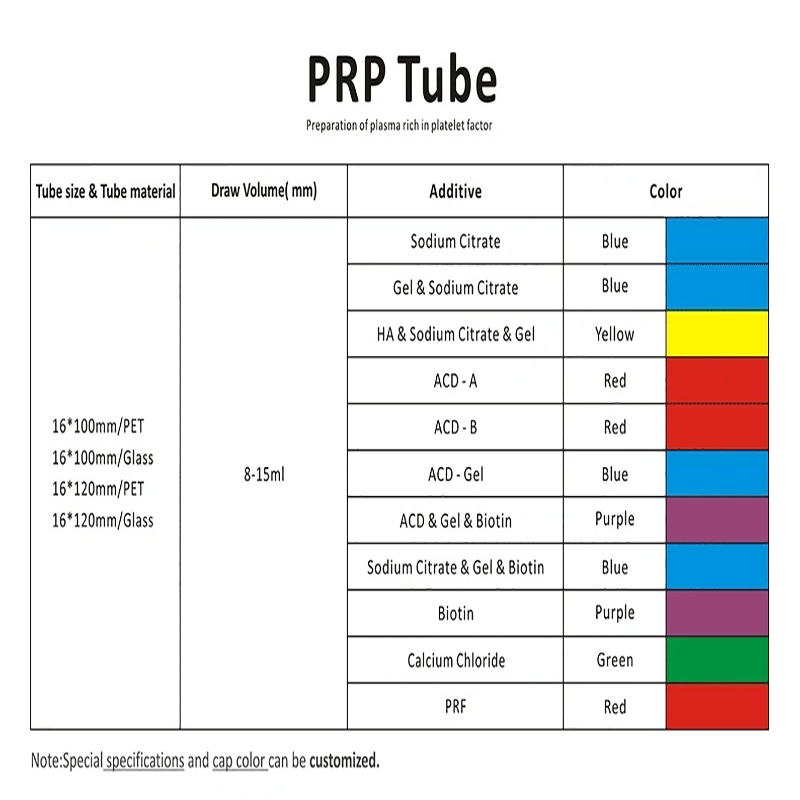
How to Choose the Right PRF Tube for Hair Restoration
One of the most overlooked factors in PRF preparation is the quality of the collection tube. Even when clinics use the same centrifuge and follow identical protocols, differences in tube design and manufacturing quality can influence the characteristics of the final PRF.
A dependable PRF tube should help preserve the biological components needed for regenerative therapy while delivering consistent performance across every batch.
When evaluating PRF tubes, pay close attention to the following factors.
Tube Material
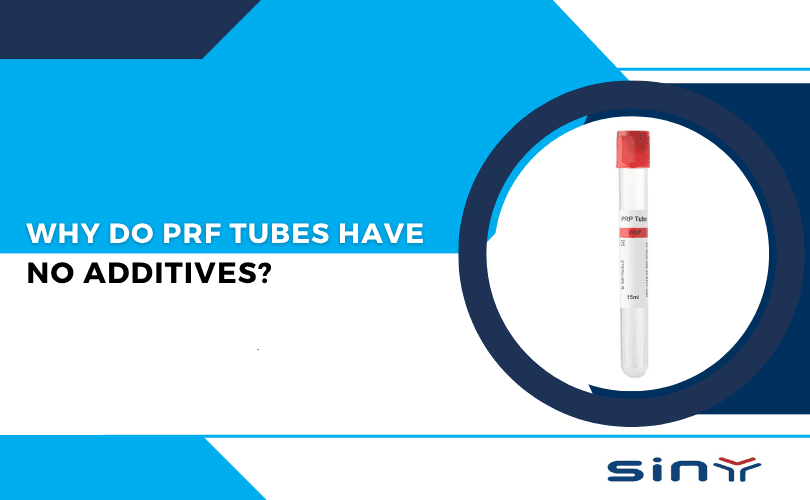
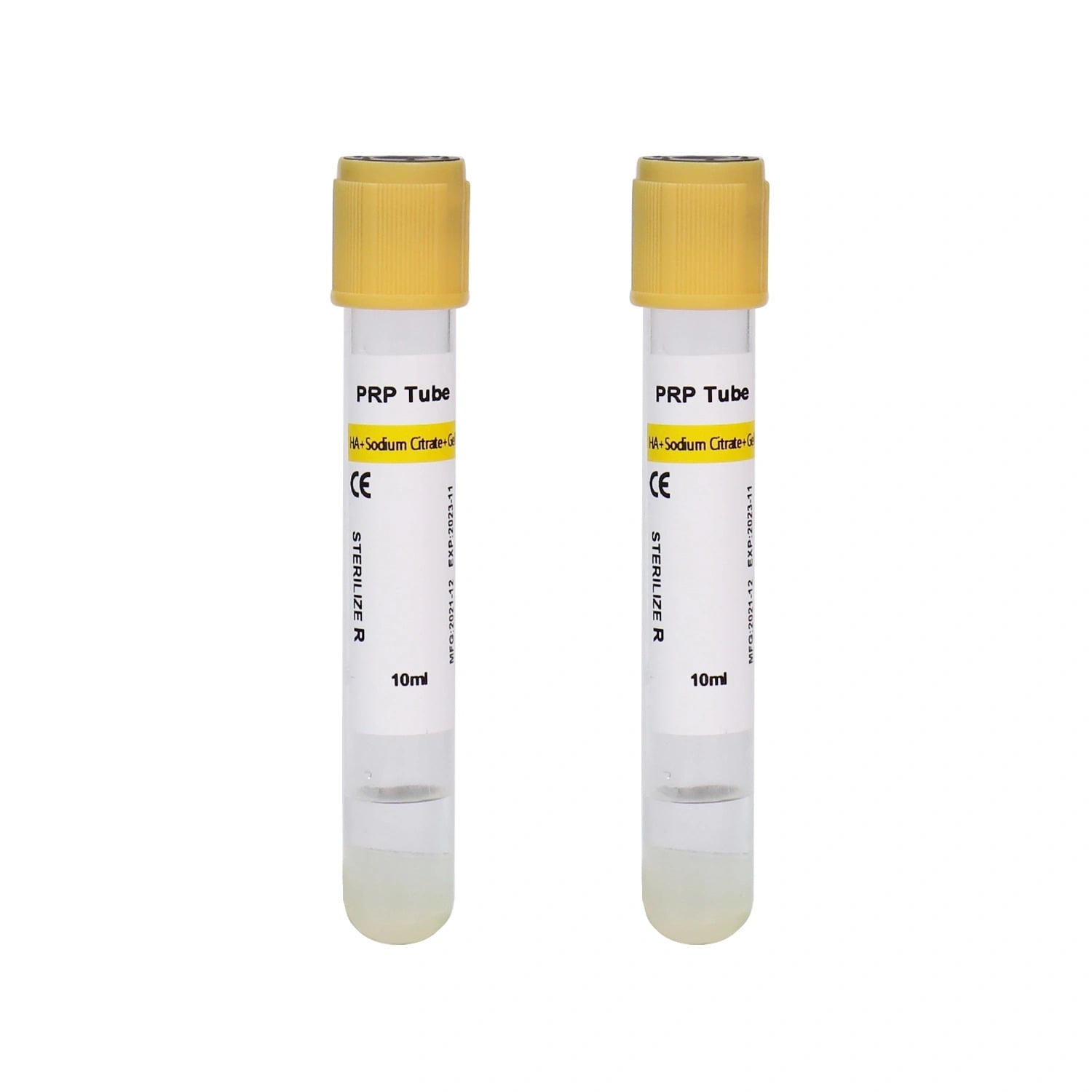
Medical-grade tube materials are essential for reliable PRF preparation. For injectable PRF used in hair restoration, additive-free PET tubes are often preferred because their hydrophobic surface naturally delays clot formation.
This extra working time allows clinicians to collect and inject liquid PRF before polymerization begins.
By comparison, glass tubes typically accelerate coagulation because of their surface characteristics. While this makes them an excellent choice for producing solid PRF membranes in dental surgery or wound healing, they are generally less suitable when clinicians need injectable liquid PRF.
Additive-Free Design
Natural fibrin formation is the foundation of PRF therapy.
For this reason, PRF tubes should not contain anticoagulants or chemical additives that interfere with the body’s natural coagulation process.
Stable Vacuum Performance
Consistent blood collection begins with accurate vacuum control.
Stable vacuum pressure helps ensure the intended blood volume is collected for every procedure, reducing preparation variability and improving workflow standardization.
Manufacturing Consistency
Every production batch should meet strict quality standards.
Consistent dimensions, material properties, and vacuum performance help clinics reproduce preparation protocols with greater confidence, especially when treating large numbers of patients.
Sterility and Quality Control
PRF tubes should be manufactured in clean, controlled production environments using validated sterilization processes. Strong quality management systems help minimize contamination risks while supporting product reliability.
Centrifuge Compatibility
The tube should be compatible with commonly used PRF centrifuges and validated preparation protocols. Proper tube dimensions and balanced performance contribute to safer operation and more predictable PRF preparation.
Distributor & OEM Solutions: Whether you operate an aesthetic clinic, distribute regenerative medicine products, or develop your own private-label brand, Siny Medical supplies professionally manufactured, medical-grade PRF tubes designed for dependable platelet-rich fibrin preparation. We also provide OEM and private-label services to support distributors worldwide.
What Results Can Patients Expect?
Most practitioners recommend a series of treatment sessions rather than a single injection. While treatment plans vary, many clinics begin with three to four sessions spaced several weeks apart, followed by maintenance treatments when appropriate.
Patients may gradually notice:
- Reduced hair shedding
- Stronger existing hair
- Improved hair thickness
- Healthier scalp condition
- Increased overall hair density over time
Because hair grows in natural cycles, visible improvements usually appear gradually over several months rather than immediately after treatment. Follow-up appointments allow clinicians to evaluate progress and determine whether additional sessions are beneficial.
It is also important to understand what PRF is designed to achieve. Rather than reversing advanced baldness overnight, PRF aims to strengthen existing follicles, improve the scalp’s regenerative environment, and support healthier hair growth over time. Patients who begin treatment during the early stages of hair loss often achieve more noticeable improvements because more viable follicles remain available for stimulation.
Ultimately, successful outcomes depend on several interconnected factors, including patient selection, preparation protocol, injection technique, and the quality of the PRF produced. Using dependable PRF tubes helps clinics standardize one of the most important steps in the entire workflow.
If your clinic is searching for high-quality PRF tubes for hair restoration, Siny Medical provides sterile, dependable solutions trusted by distributors and medical professionals worldwide. Contact our team to learn more about our regenerative medicine product portfolio and OEM capabilities.
FAQ About PRF Hair Restoration Treatment
Is PRF better than PRP for hair restoration?
Both PRF and PRP have demonstrated clinical value. PRF offers a natural fibrin matrix and sustained growth factor release, while PRP has a longer clinical history. The most appropriate choice depends on the patient’s condition, treatment goals, and the clinician’s preferred protocol.
How many PRF hair restoration sessions are usually needed?
Many clinics recommend an initial series of three to four sessions performed several weeks apart. Maintenance treatments may be suggested depending on the patient’s long-term response.
Is PRF hair restoration painful?
Most patients experience only mild discomfort. Fine needles are typically used, and many practitioners apply a topical anesthetic beforehand to improve patient comfort during the procedure.
How long does it take to see results?
Hair restoration is a gradual process. Some patients notice reduced hair shedding within a few weeks, while improvements in hair thickness and density generally become more visible after three to six months.
Is there any downtime after PRF hair restoration?
Downtime is usually minimal. Mild redness, swelling, or tenderness at the injection sites often resolves within one or two days, allowing most patients to return to normal activities shortly after treatment.
Why does the PRF tube matter?
The collection tube is a critical part of the preparation process. Tube material, vacuum accuracy, manufacturing quality, and additive-free design all influence fibrin formation and the quality of the final injectable PRF. Selecting professionally manufactured PRF tubes helps clinics achieve more consistent preparation and standardized clinical workflows.
Final Thoughts
If you were searching “what is PRF hair restoration treatment?”, you now have a clearer understanding of how this regenerative procedure works and why it has become an increasingly popular option for both patients and aesthetic practitioners.
Successful PRF therapy depends on much more than the injection itself. Every step—from blood collection and centrifugation to PRF preparation and clinical technique—contributes to the quality of the final treatment. Standardized protocols and dependable consumables help practitioners produce injectable PRF with greater confidence and reproducibility.
For clinics, distributors, and OEM partners seeking professional PRF tubes for hair restoration and other regenerative medicine applications, Siny Medical provides high-quality manufacturing, strict quality control, and flexible global supply solutions. Whether you are launching a new PRF hair restoration program or expanding your regenerative medicine product portfolio, our team is ready to help you find the right PRF tube solution for your clinical and business needs.