Regenerative medicine has become an increasingly important area in modern healthcare, with platelet-rich plasma (PRP) therapy gaining attention across orthopedics, sports medicine, aesthetics, dentistry, and hair restoration. However, many patients and healthcare providers still have questions about the treatment process, especially what is a PRP procedure and how does it work?
A PRP procedure is a regenerative treatment that uses a patient’s own blood to prepare a concentrated solution containing a higher level of platelets and growth factors. After processing, this platelet-rich plasma is injected into a specific area of the body to support the natural healing process, improve the local biological environment, and encourage tissue recovery.
Unlike treatments that rely on external substances, PRP uses autologous components collected directly from the patient. Because of this, PRP has become a popular option for clinicians looking for minimally invasive approaches that work together with the body’s own repair mechanisms.
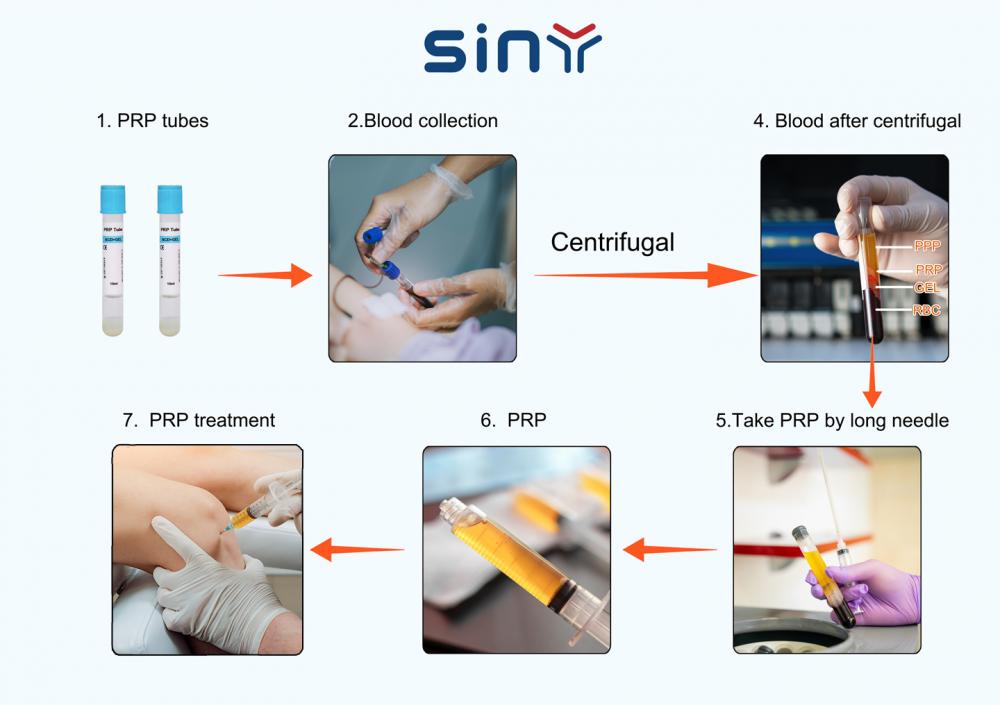
Although the concept of PRP appears simple, the actual procedure involves several carefully controlled steps, including blood collection, centrifugation, platelet separation, and injection. Each stage can influence the characteristics of the final PRP preparation.
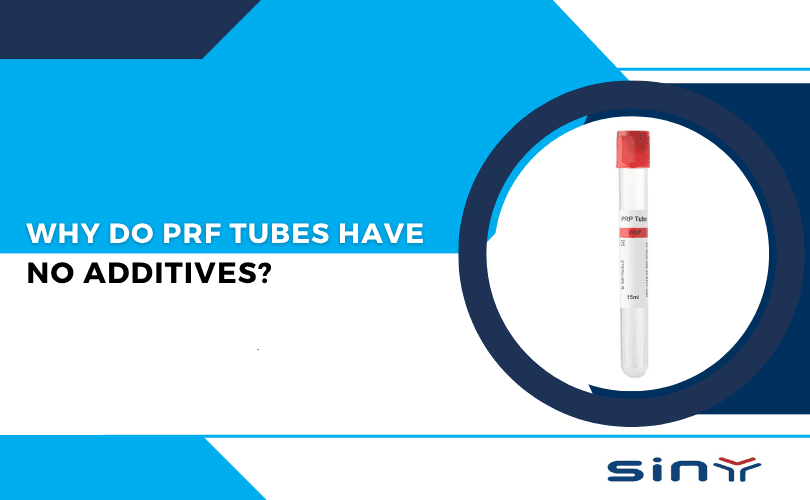
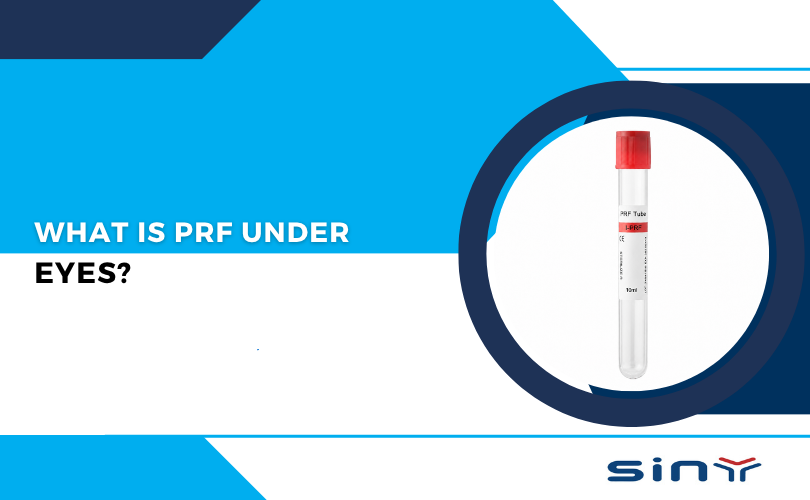
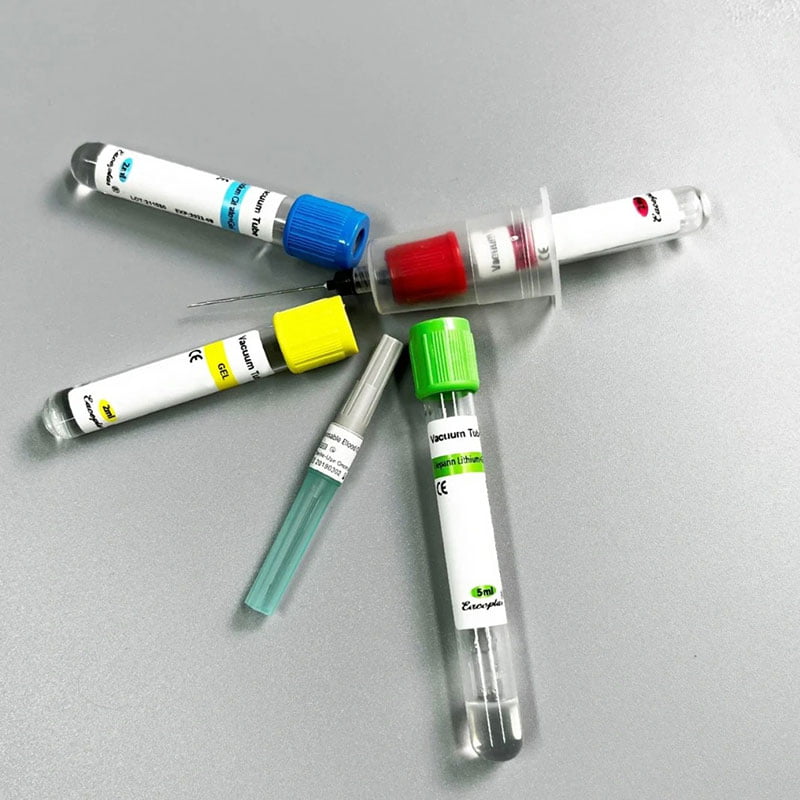
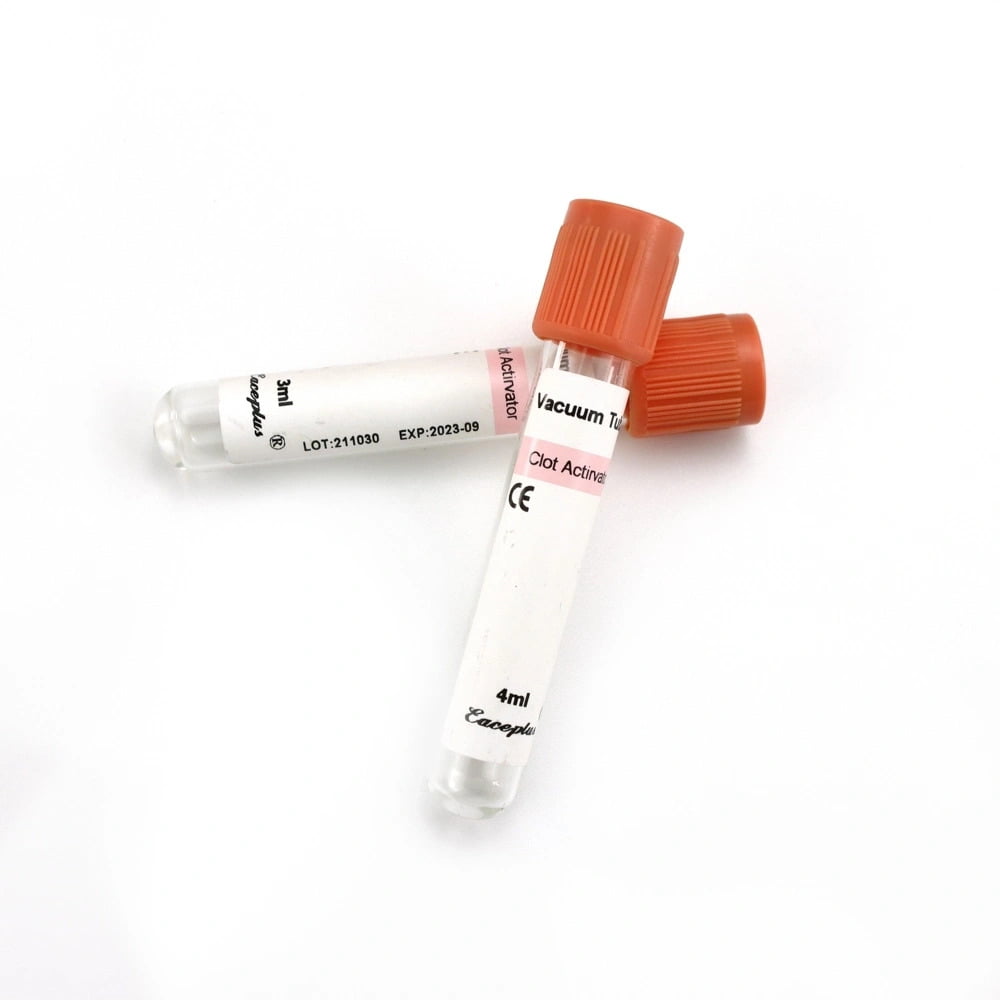
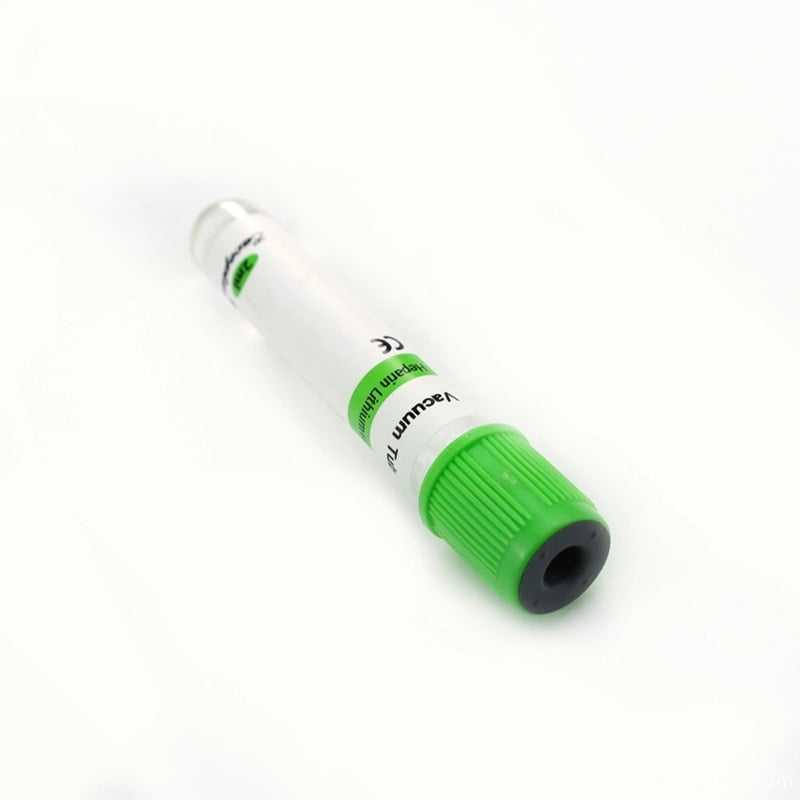
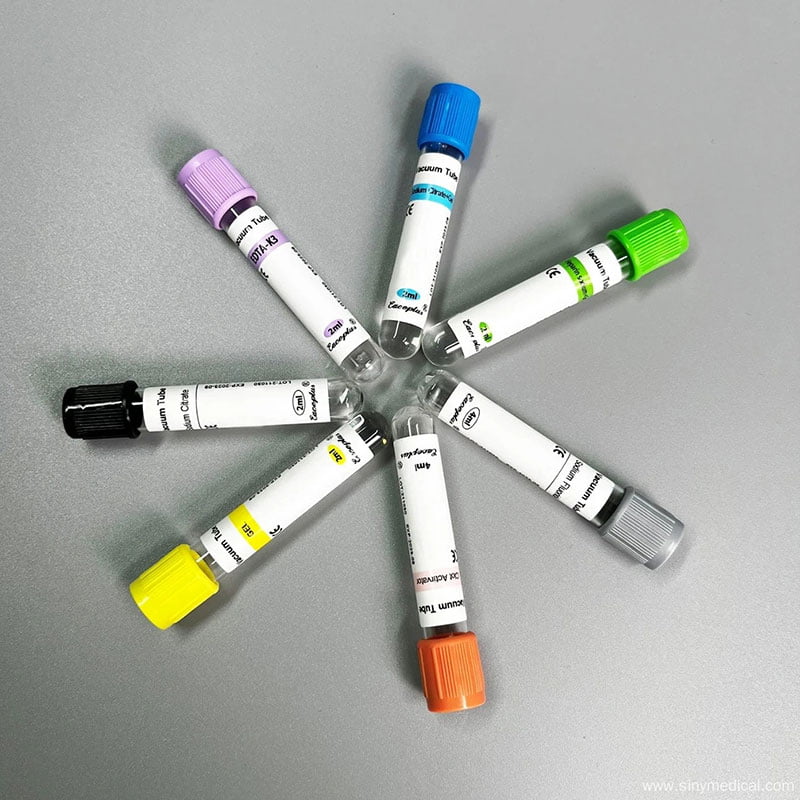
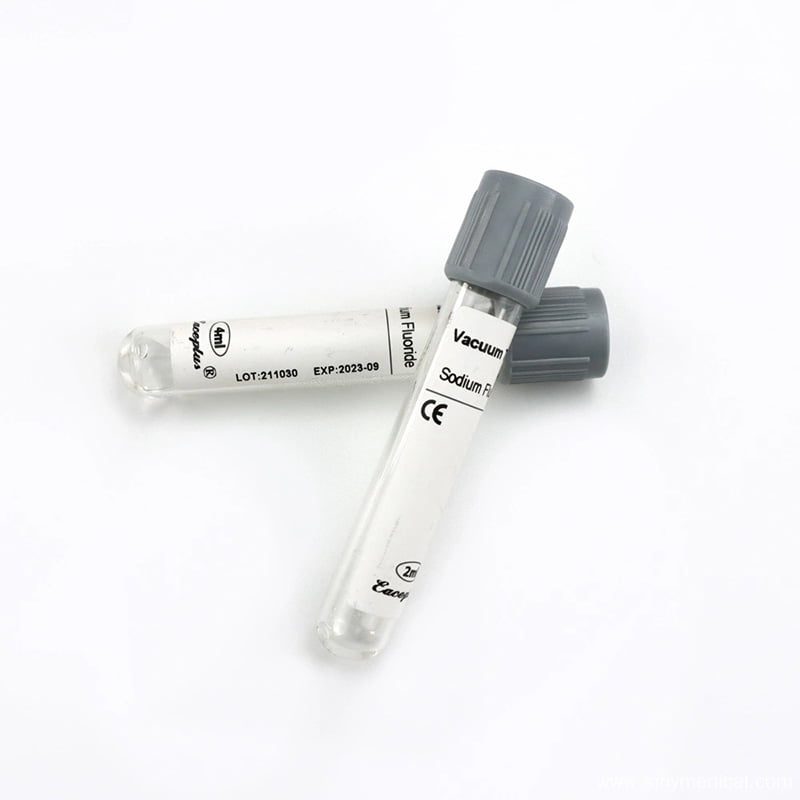
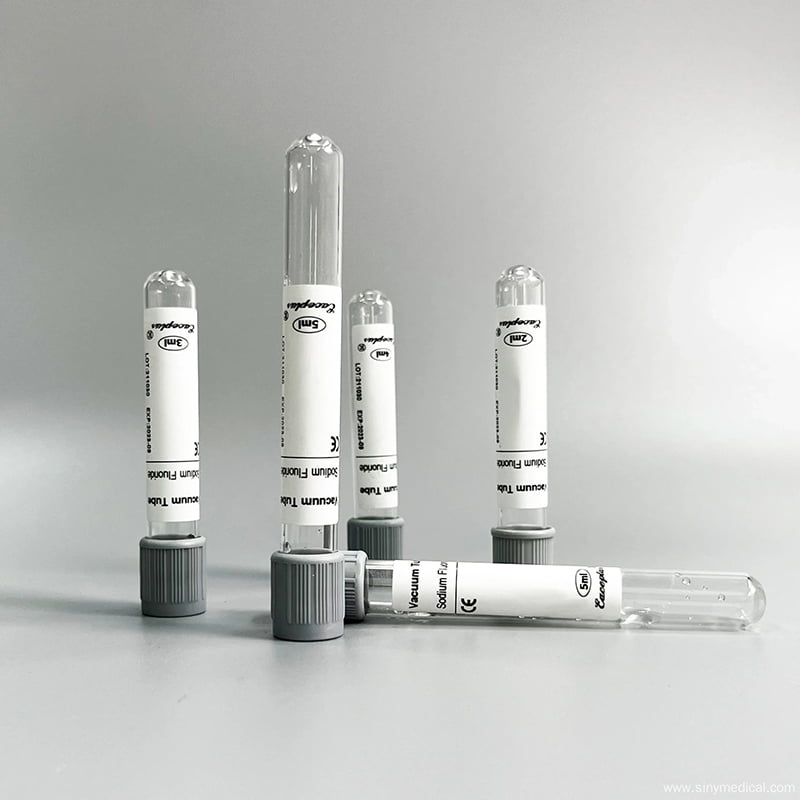
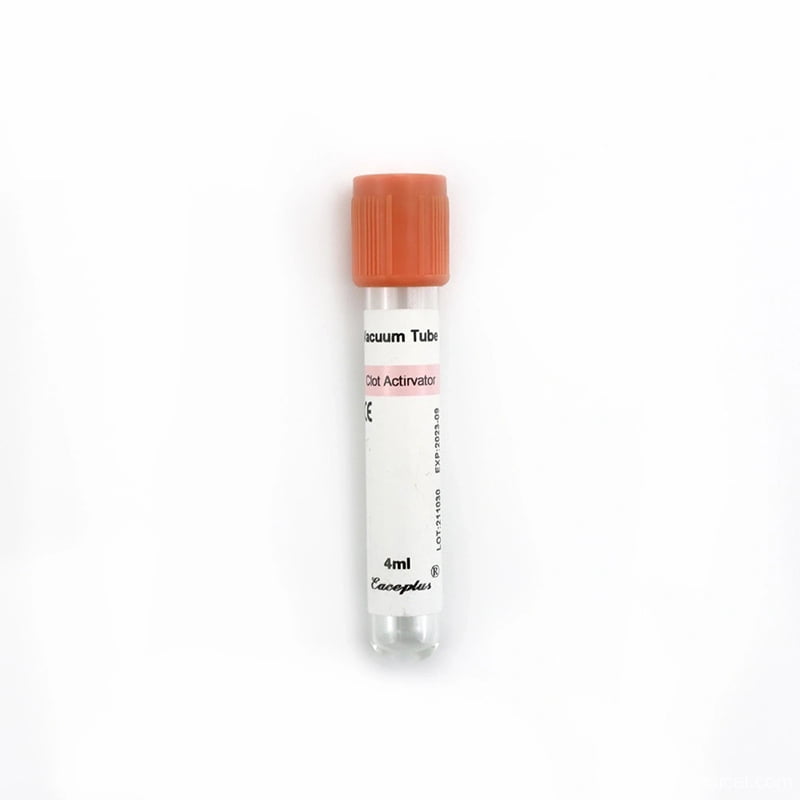
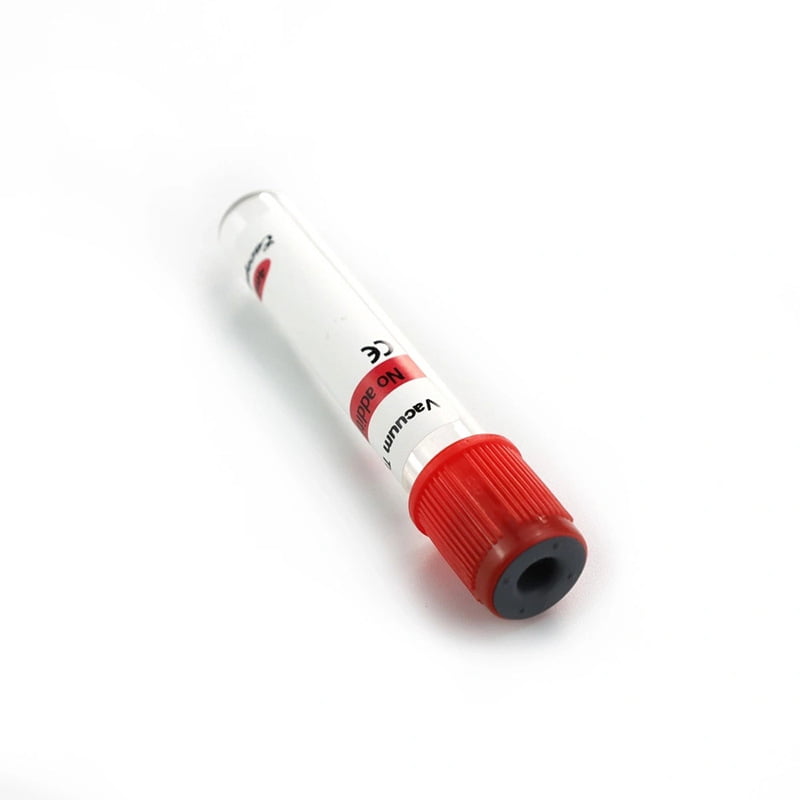
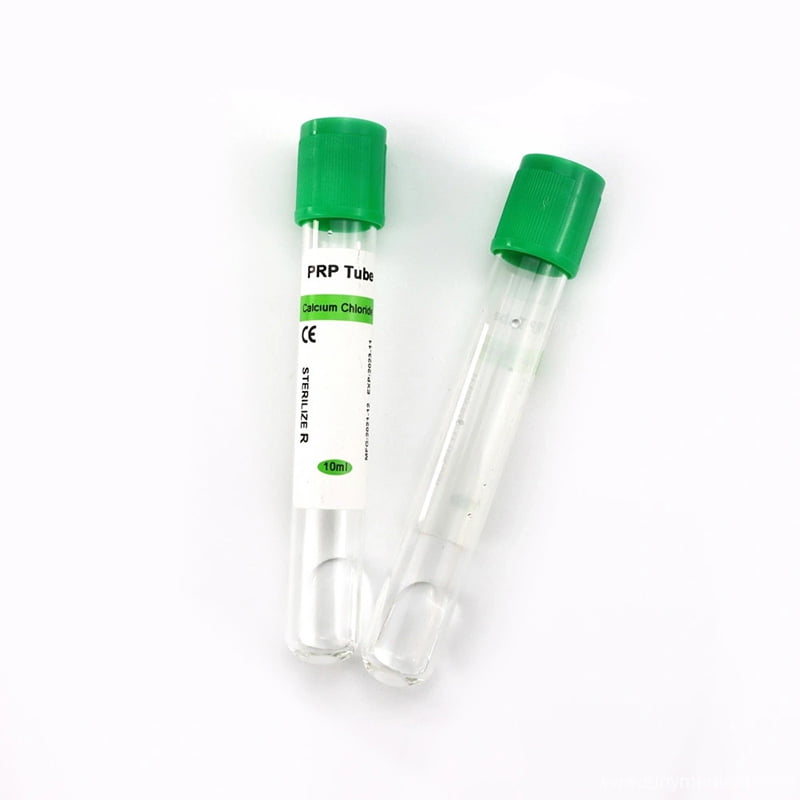
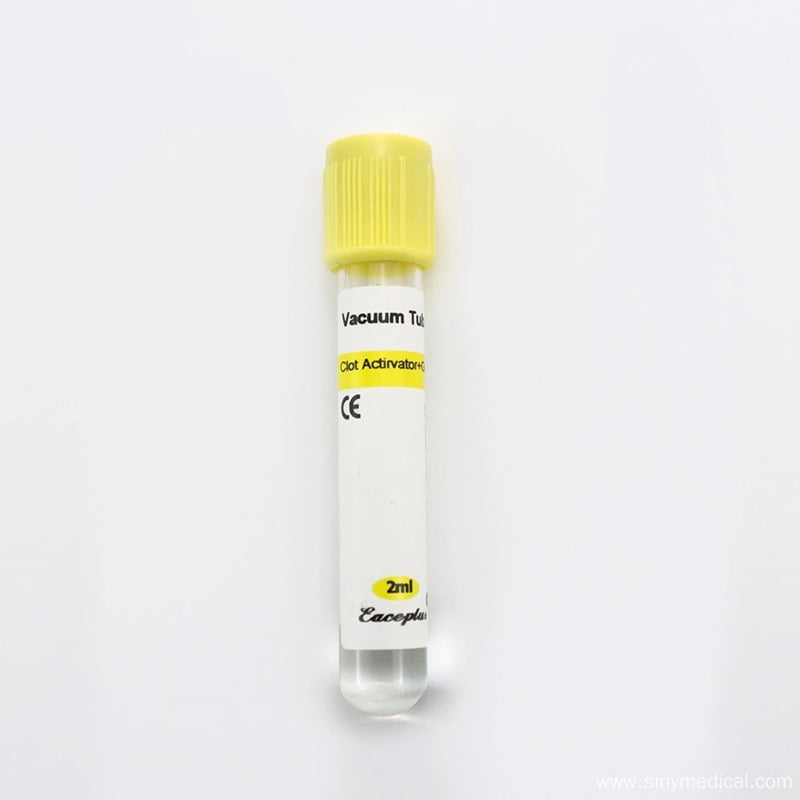
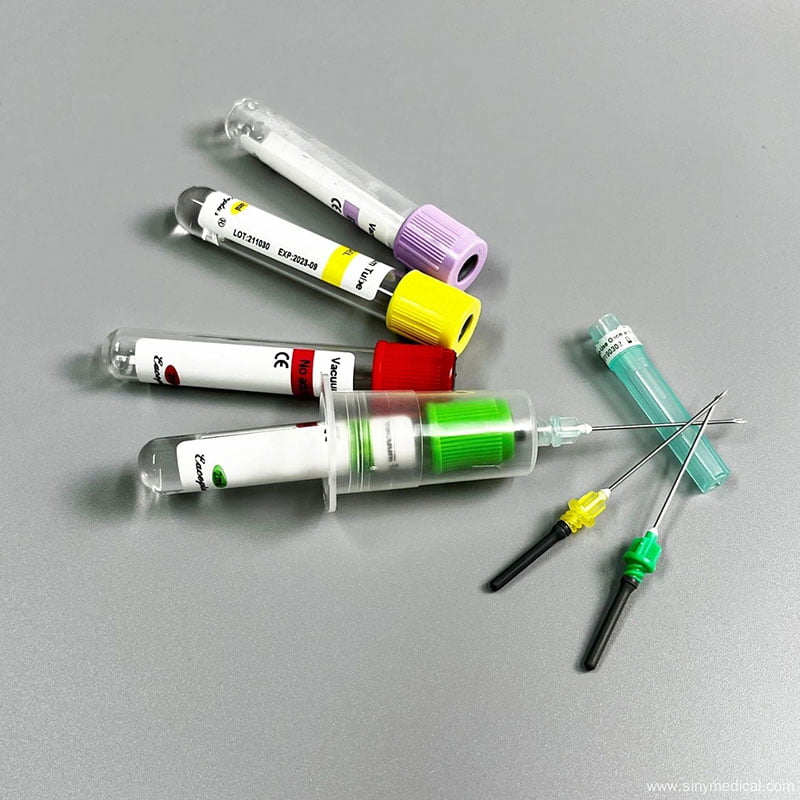
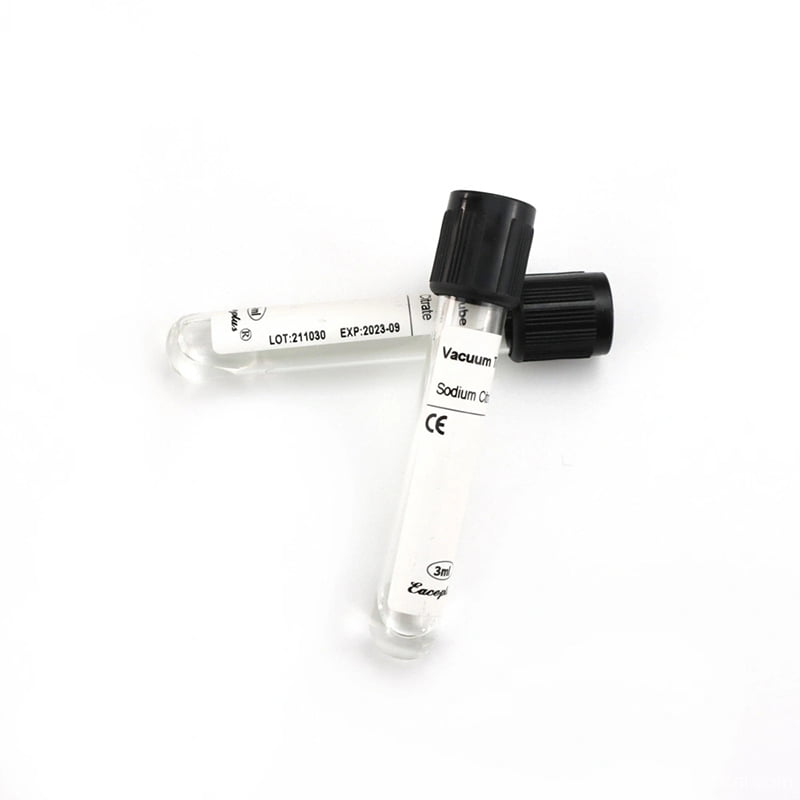
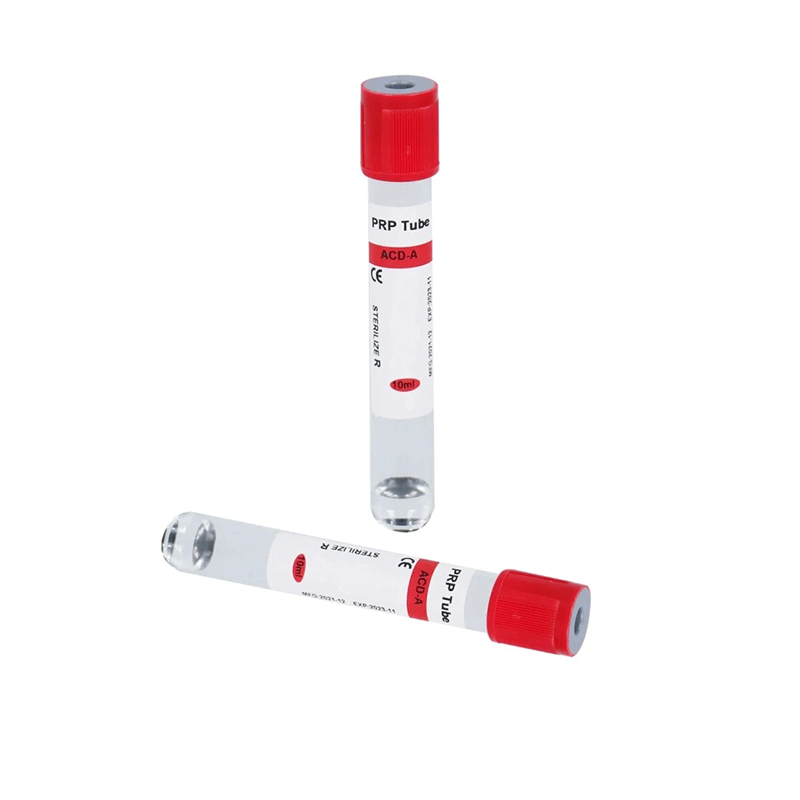
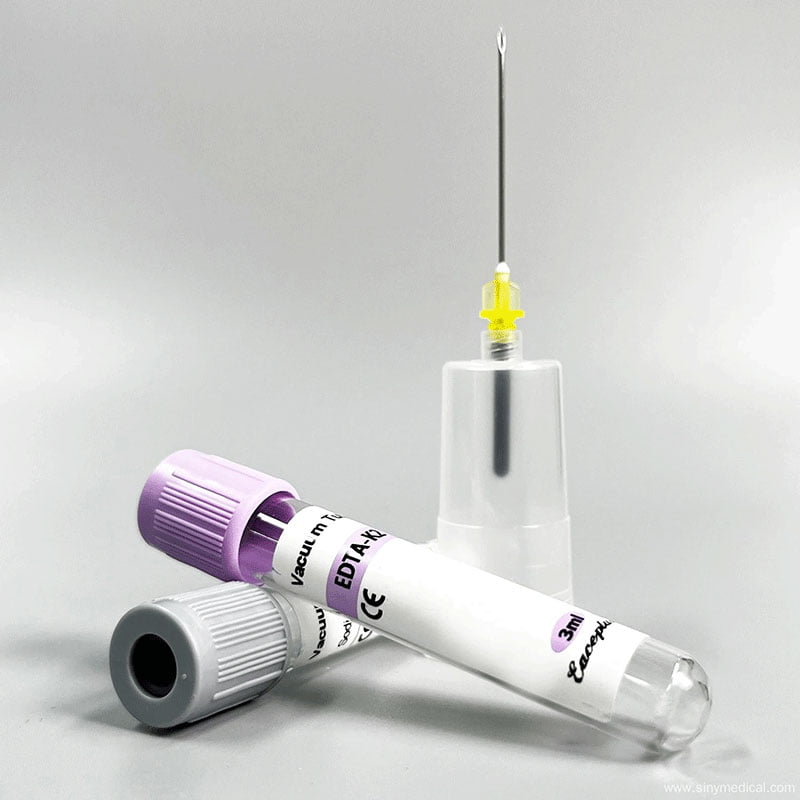
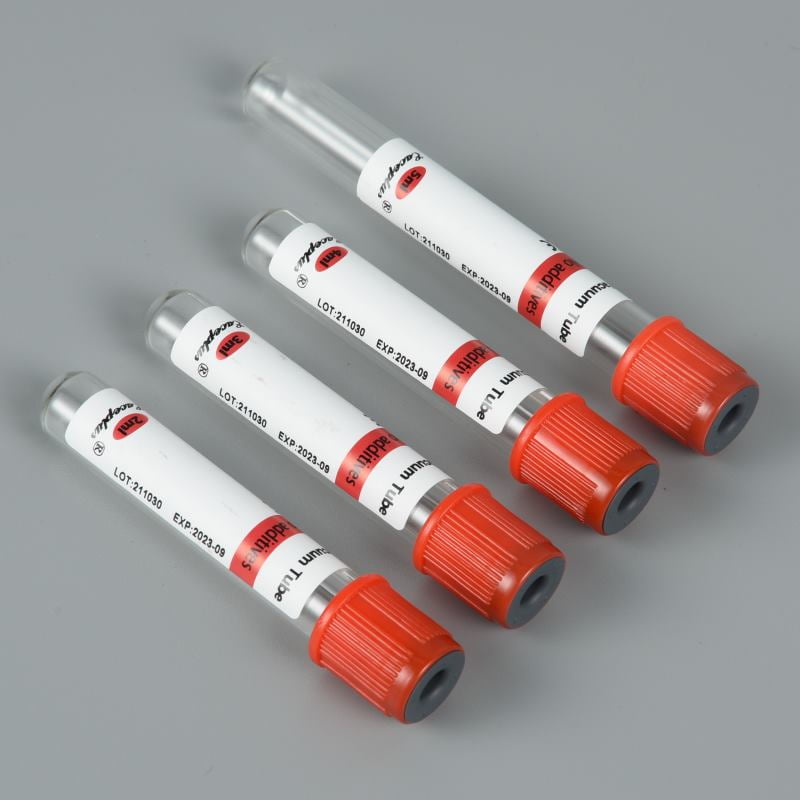
Among these steps, blood collection plays a particularly important role. The PRP tube used during the procedure affects how blood components are separated, how platelets are recovered, and how consistently the final preparation can be produced. Factors such as tube materials, anticoagulants, and separation technology all contribute to the quality of PRP preparation.
For clinics, distributors, and medical suppliers, choosing a reliable PRP tube is not only about collecting blood—it is about establishing a stable preparation process that supports consistent clinical workflows. Siny Medical provides different PRP tube solutions designed for various regenerative medicine applications, helping healthcare professionals select suitable options for their specific requirements.
The Science Behind a PRP Procedure: Why Platelets Matter
To fully understand a PRP procedure, it is important to understand why platelets are the key component of this therapy.
Many people associate platelets only with blood clotting. However, platelets also contain various growth factors and signaling proteins that participate in tissue repair and regeneration. When activated, platelets release these biological signals, which interact with surrounding cells and support processes such as collagen production, vascular formation, and tissue remodeling.
The goal of PRP treatment is not simply to inject blood back into the body. Instead, the procedure concentrates platelets from whole blood to create a preparation with a higher platelet level than normal circulation.
The final characteristics of PRP can vary depending on several factors, including:
- The patient’s blood composition
- The centrifugation protocol, including speed and time
- The design and materials of the PRP tube
- The use of additives such as anticoagulants or gel separators
- The efficiency of platelet separation
This explains why PRP preparations produced by different systems may not always have identical characteristics. A well-designed PRP system should support efficient separation, maintain platelet quality, and minimize unnecessary contamination from other blood components.
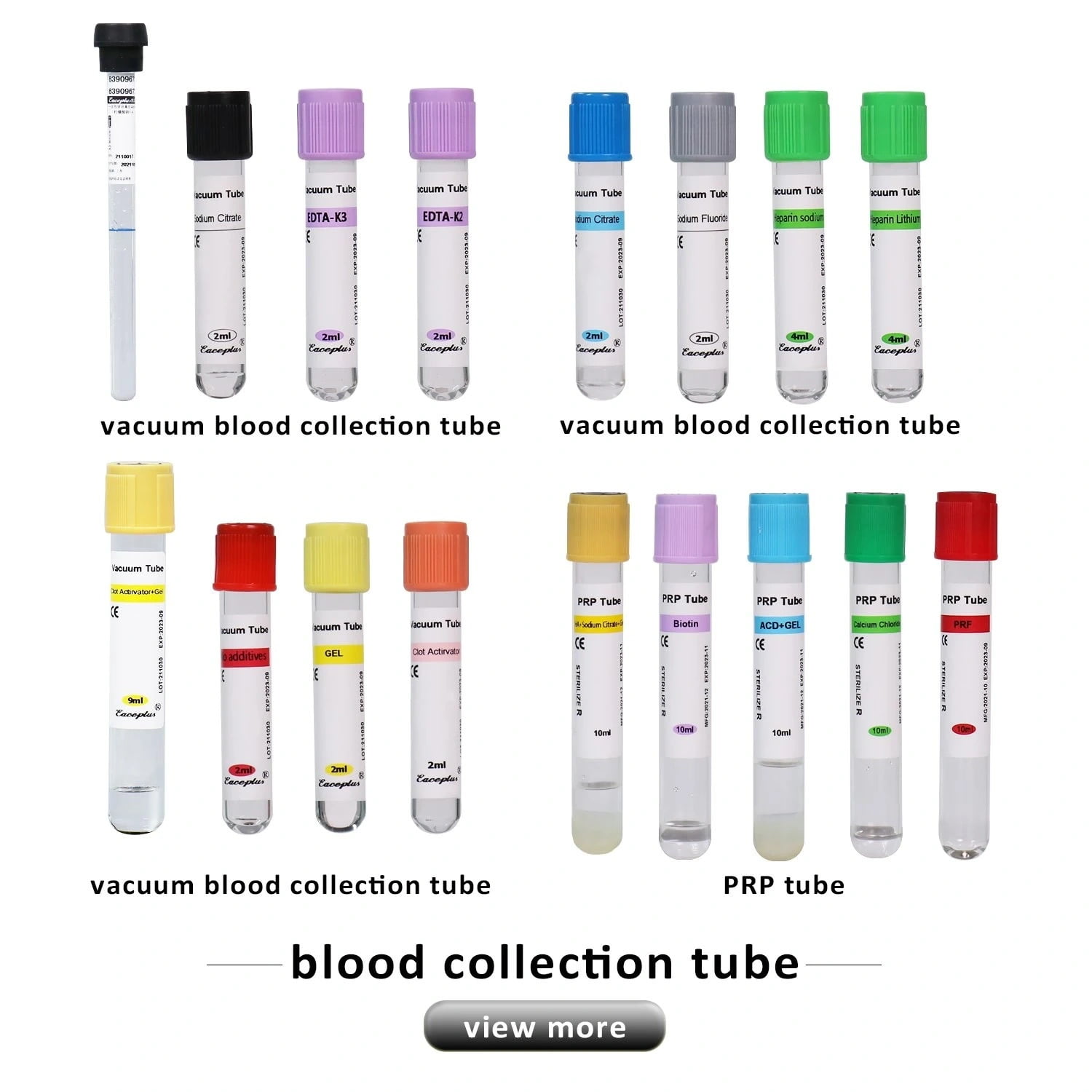
For healthcare providers selecting PRP supplies, the collection tube is an important part of the overall preparation system. Different PRP tubes may use different anticoagulants, gel technologies, or specialized formulations depending on the intended application. Selecting the right tube helps maintain consistency from blood collection through the final injection process.
Is a PRP Procedure the Same as a PRP Injection?
Although the terms are sometimes used interchangeably, a PRP procedure and a PRP injection describe different parts of the treatment process.
A PRP injection refers specifically to the final step where prepared platelet-rich plasma is delivered into the target area. In contrast, a complete PRP procedure includes the entire workflow:
- Blood collection from the patient
- Centrifugation to separate blood components
- PRP extraction and preparation
- Injection into the treatment site
Understanding this difference is important because the quality of the final injection depends on everything that happens before it. Proper blood collection, suitable PRP tubes, and optimized preparation protocols all contribute to producing a consistent PRP product.
For medical facilities, this means selecting appropriate PRP consumables is an important part of maintaining treatment quality—not just the injection technique itself.
Step 1: Blood Collection in a PRP Procedure
The first stage of a PRP procedure is collecting the patient’s own blood. The required blood volume depends on the treatment purpose and the amount of PRP needed, but the process is generally similar to routine blood collection.
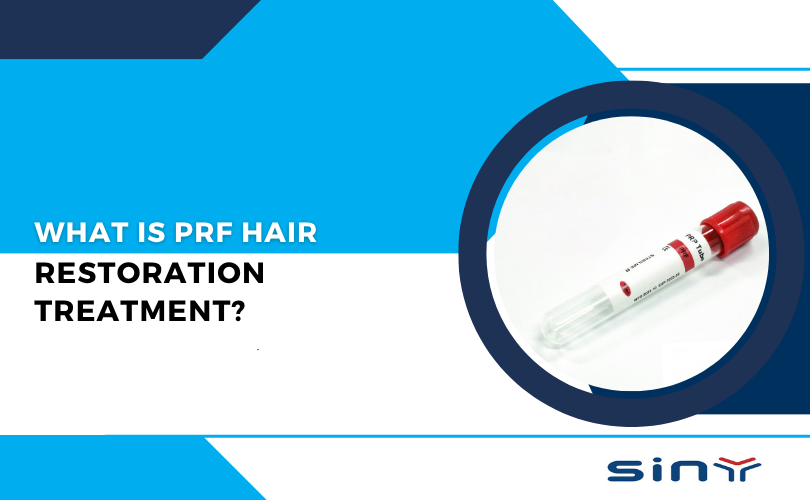
Unlike standard laboratory testing, PRP preparation requires tubes specifically designed to preserve and separate platelet components. These tubes are developed to support the preparation of platelet-rich plasma during the centrifugation stage.
A high-quality PRP tube should provide several important advantages:
1. Proper Anticoagulant Selection
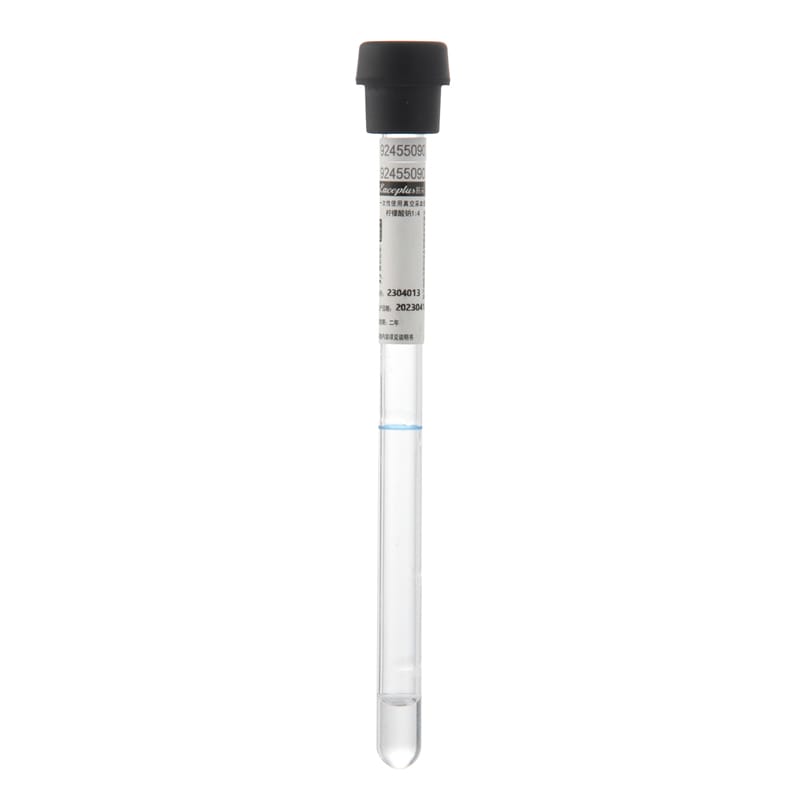
Blood naturally begins to clot after collection. To prepare liquid PRP, many systems use anticoagulants such as ACD-A (Acid Citrate Dextrose Solution A) or sodium citrate to prevent premature clot formation while helping maintain platelet function.
The choice of anticoagulant can influence platelet preservation, activation characteristics, and the overall quality of the final PRP preparation.In clinical practice, deciding between ACD-A vs. Sodium Citrate remains a common discussion.
2. Reliable Tube Material and Manufacturing Quality
The physical properties of the tube are also important. PRP tubes need to withstand centrifugation forces while maintaining sample stability.
High-quality materials such as medical-grade PET, glass, or transparent polymer materials can provide reliable structural performance during processing. Consistent manufacturing quality also helps reduce variations between different batches.
3. Efficient Separation Performance
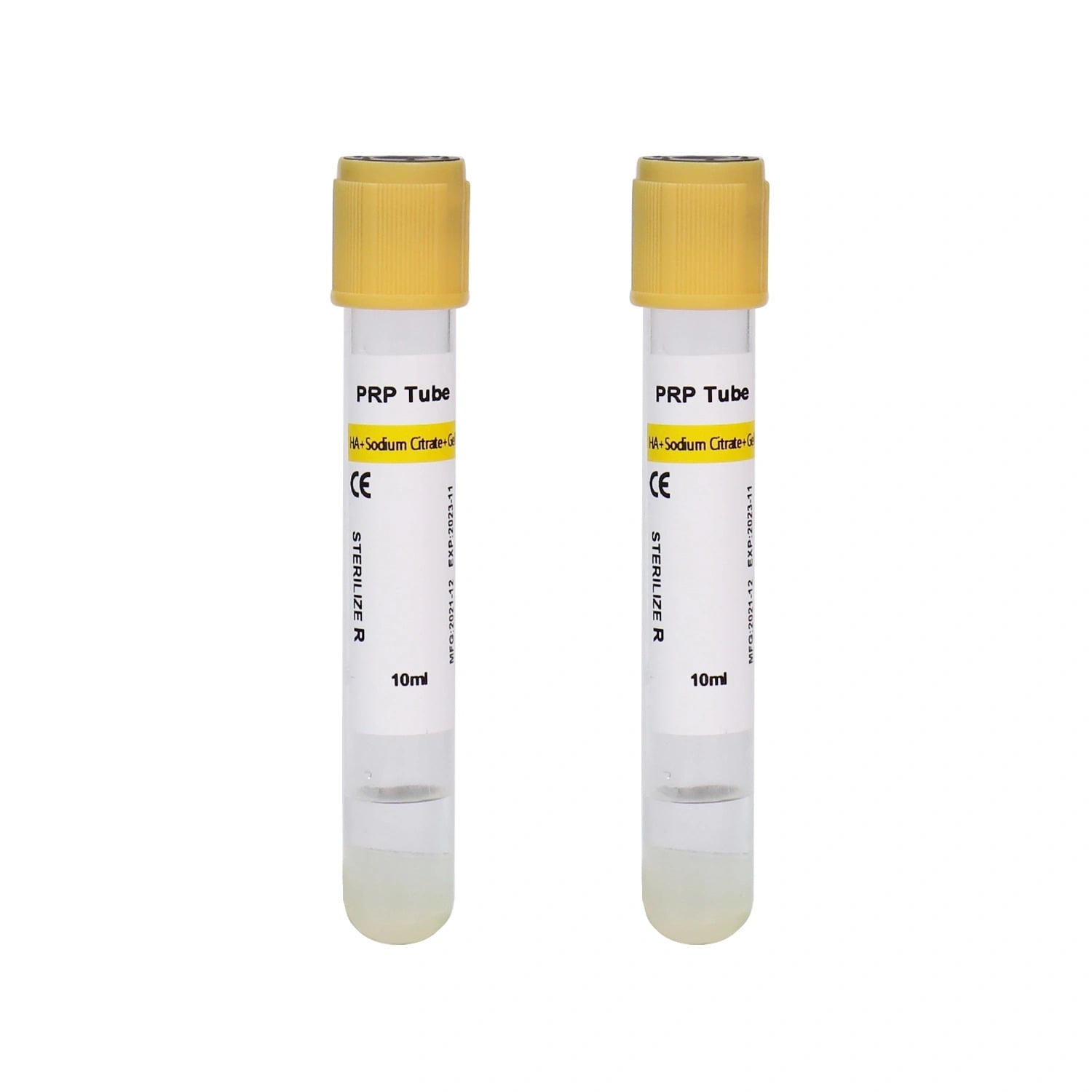
Many advanced PRP tubes include gel separator technology that creates a clear barrier between blood components after centrifugation. This allows healthcare providers to collect the platelet-rich plasma layer more efficiently while reducing unwanted contamination from other components.
For clinics, distributors, and healthcare organizations, selecting the appropriate PRP tube is an important step toward improving preparation consistency and workflow efficiency. Siny Medical offers PRP tube configurations with different additives, sizes, and designs to support various regenerative medicine applications.
Step 2: Centrifugation Process During a PRP Procedure
After blood collection, the next important stage of a PRP procedure is centrifugation. This step determines how effectively the different blood components are separated and directly influences the characteristics of the final platelet-rich plasma preparation.
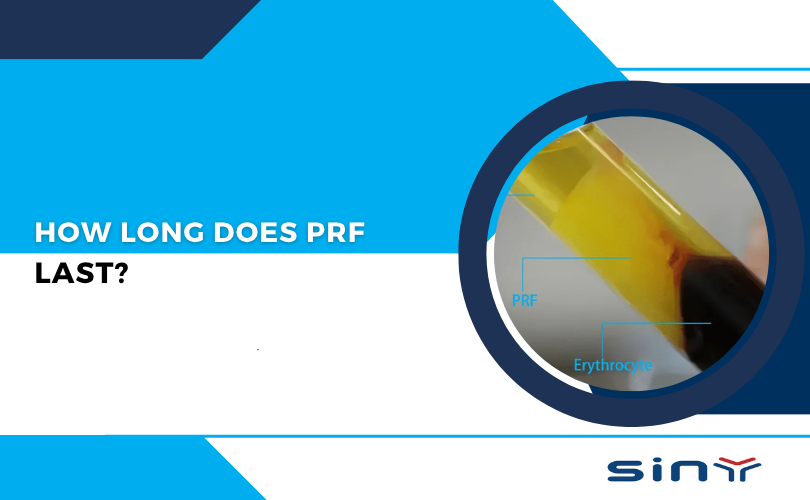
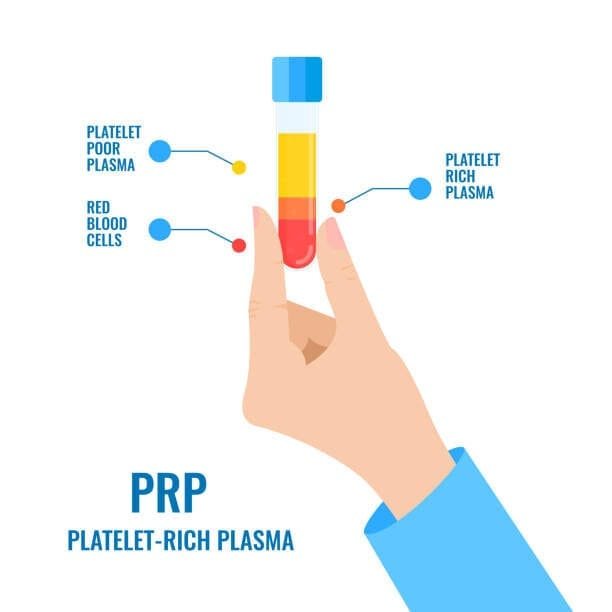
A centrifuge uses controlled centrifugal force to separate blood components based on their different densities. During this process, whole blood is divided into several layers:
- Red blood cells (RBCs): The heaviest components, which move toward the bottom of the tube.
- Buffy coat layer: A thin layer located between red blood cells and plasma that contains a high concentration of platelets and white blood cells.
- Plasma layer: The upper liquid portion that contains plasma proteins and platelets.
Depending on the PRP preparation method, clinicians may collect different portions of the plasma layer to achieve the desired platelet concentration and cellular composition.
The centrifugation protocol, including speed, time, and relative centrifugal force (RCF), plays an important role in determining PRP quality. A protocol that applies excessive force may affect platelet structure, while insufficient separation may result in lower platelet recovery.
For this reason, PRP preparation is not simply about spinning blood at a higher speed. The centrifuge settings, tube design, anticoagulant selection, and separation technology must work together as a complete system.
For healthcare providers and distributors, choosing PRP tubes that are compatible with established centrifugation protocols helps create a more stable and repeatable preparation process.
Step 3: PRP Extraction and Injection During the PRP Procedure
After centrifugation separates the blood components, the next stage of the PRP procedure involves collecting the platelet-rich plasma layer and preparing it for injection.
This step requires careful handling to maintain sample quality and minimize contamination. Depending on the PRP system being used, healthcare providers may extract the plasma layer manually with a syringe or use specially designed tubes that simplify the separation process.
PRP tubes with advanced gel separator technology can create a physical barrier between red blood cells and plasma after centrifugation. This separation helps clinicians collect the target plasma layer more efficiently while improving preparation consistency.
Once the PRP preparation is ready, the healthcare provider injects it into the selected treatment area. The injection technique depends on the purpose of the therapy and the tissue being treated.
Common applications include:
- Orthopedic treatments: PRP may be injected into joints, tendons, or soft tissues as part of regenerative treatment plans.
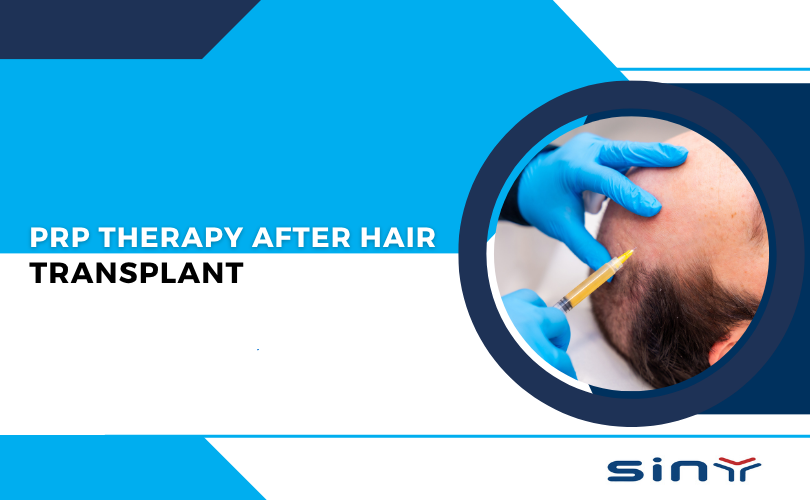
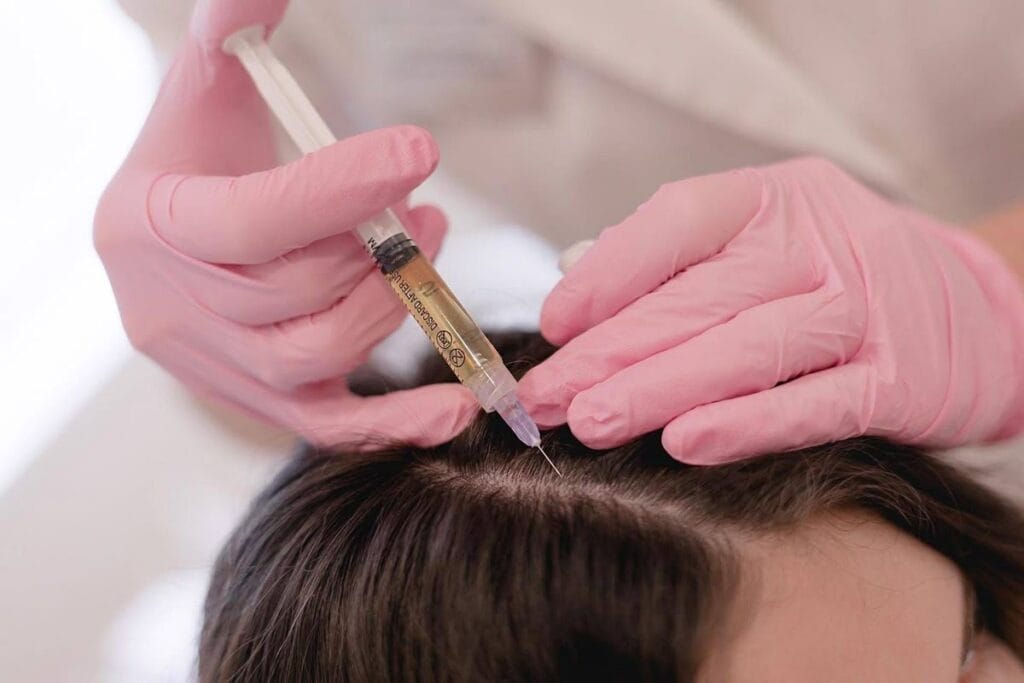
- Hair restoration: PRP is injected into the scalp to support the environment around hair follicles.
- Aesthetic treatments: PRP may be applied to facial areas to support skin rejuvenation procedures.
- Dental procedures: PRP can be used as an adjunct during certain oral and surgical applications.
Although injection technique is an important part of treatment, the quality of the PRP preparation created before injection also plays a significant role. A consistent preparation process begins with reliable blood collection and suitable PRP consumables.
For clinics and distributors evaluating PRP supplies, selecting tubes designed for stable separation and consistent performance can help improve workflow efficiency. Siny Medical provides PRP tube solutions for different regenerative medicine applications, including aesthetic, orthopedic, dental, and hair restoration fields.
Different Applications of the PRP Procedure in Modern Medicine
The use of platelet-rich plasma has expanded significantly because the PRP procedure can be adapted for multiple medical applications. While the preparation process follows similar basic principles, the treatment approach varies depending on the target tissue and clinical goals.
PRP Procedure for Hair Restoration
PRP hair restoration is one of the most recognized applications of platelet-rich plasma therapy. During this treatment, concentrated platelets are injected into areas of the scalp where additional biological support is desired.
Many clinics use PRP as part of comprehensive hair restoration programs because the procedure is minimally invasive and uses the patient’s own biological materials.
For hair-related applications, preparation consistency is particularly important. The PRP system needs to support reliable platelet recovery while maintaining the quality of the final injectable preparation.
PRP Procedure for Joint and Sports Injuries
PRP therapy is widely used in sports medicine and orthopedic practices. Common treatment areas include joints, tendons, ligaments, and soft tissues.
Athletes and active patients may choose PRP as part of a broader recovery strategy designed around supporting the body’s natural repair mechanisms.
Since orthopedic applications often involve deeper tissue treatment, clinicians typically pay close attention to preparation quality, platelet concentration, and injection protocols.
PRP Procedure in Aesthetic Medicine
In aesthetic medicine, PRP is often used for skin rejuvenation treatments. Some procedures combine PRP with other cosmetic techniques to support skin quality and collagen-related processes.
Because aesthetic clinics frequently perform high volumes of treatments, consistent PRP preparation is especially important. Reliable PRP tubes can help providers maintain standardized workflows and predictable preparation results.
What Happens After a PRP Procedure?
After completing a PRP procedure, most patients can return to normal daily activities relatively quickly. Since PRP uses the patient’s own blood components, recovery is generally different from procedures that involve major surgery or external biological materials.
However, PRP is not an immediate treatment. The injected platelets gradually release biological signals, and the body requires time to respond. The recovery timeline depends on the treatment area, individual health conditions, and the purpose of the therapy.
Common experiences after PRP treatment include:
Mild Swelling or Tenderness
Some patients may experience temporary swelling, soreness, or sensitivity around the injection area. This is usually associated with the injection process and the body’s natural response.
Gradual Improvement Over Time
Unlike treatments that provide immediate symptom relief, PRP works through biological mechanisms. Improvements often develop gradually over several weeks or months.
Multiple Sessions May Be Recommended
The number of treatments varies depending on the application and individual response. Some patients may require multiple sessions to achieve their desired results.
For healthcare providers, maintaining consistent PRP preparation quality is an important part of supporting patient experience. Reliable PRP tubes and standardized protocols help create a more controlled treatment workflow.
How to Choose the Right PRP Tube for a Reliable PRP Procedure
For clinics, hospitals, and distributors, selecting the right PRP tube is an important purchasing decision. Although many products may appear similar, differences in design and formulation can influence the final PRP preparation.
When evaluating PRP tubes, consider the following factors:
Anticoagulant Type
Different PRP systems may use anticoagulants such as ACD-A or sodium citrate. The choice affects how blood is preserved during preparation and can influence platelet behavior during the process.
Separation Technology
A well-designed gel separator can improve the separation between blood components and make plasma collection more efficient.
For example, some advanced PRP tubes combine anticoagulant, gel separator, and additional formulations such as hyaluronic acid (HA) to meet specific application requirements in aesthetic and regenerative medicine.
Tube Material and Manufacturing Consistency
PRP tubes need to maintain structural stability during centrifugation while supporting safe clinical preparation.
Manufacturing consistency is especially important for distributors and healthcare groups that require reliable supply across multiple batches.
Sterility and Quality Standards
Because PRP is prepared for injection, suppliers should maintain strict quality control systems. Certifications such as ISO 13485 and other applicable quality standards can help demonstrate manufacturing reliability.
Supplier Experience and Support
For B2B buyers, a supplier’s production capability, customization options, technical support, and long-term stability are important factors when selecting a PRP tube partner.
Siny Medical specializes in medical consumables and provides a range of PRP tube configurations for different regenerative medicine applications. With options including various sizes, additives, and tube designs, Siny Medical helps clinics and distributors identify suitable solutions for their target markets.
FAQs
How long does a PRP procedure take?
Most PRP procedures can be completed within approximately 30 to 60 minutes. The total time depends on blood collection, centrifugation, PRP preparation, and injection requirements.
Is a PRP procedure painful?
Patients may experience mild discomfort during blood collection and injection. The level of discomfort depends on the treatment area and individual sensitivity. Many healthcare providers use appropriate methods to improve patient comfort.
How long does it take to see results after a PRP procedure?
PRP results usually appear gradually because the treatment works by supporting the body’s natural biological processes. Some patients notice changes within several weeks, while others may require several months.
How many PRP treatments are usually needed?
The recommended number of treatments depends on the clinical application, patient condition, and treatment goals. Some cases may require multiple sessions.
Is the PRP procedure safe?
PRP generally has a favorable safety profile because it uses the patient’s own blood components. However, the procedure should always be performed by trained healthcare professionals using appropriate sterile techniques.
Does the PRP tube affect the quality of the final PRP preparation?
Yes. The PRP tube can influence platelet recovery, plasma separation, and preparation consistency. Tube materials, additives, and separator technology all contribute to the characteristics of the final PRP product.
What should clinics consider when purchasing PRP tubes?
Clinics and distributors should evaluate factors such as tube design, anticoagulant type, separation technology, manufacturing quality, supplier reliability, and customization capabilities. Choosing a suitable PRP tube helps create a stable preparation workflow for different clinical applications.
Final Thoughts: Understanding the Complete PRP Procedure
The PRP procedure involves much more than simply collecting blood and injecting it into the body. It is a carefully controlled process that includes blood collection, centrifugation, platelet separation, and precise injection techniques.
Every stage contributes to the quality and consistency of the final PRP preparation. For healthcare providers, selecting reliable PRP tubes is an important part of maintaining standardized workflows and supporting dependable treatment processes.
As regenerative medicine continues to expand, clinics and distributors need PRP solutions that match different clinical requirements. Siny Medical provides a variety of PRP tube options designed for regenerative medicine applications, helping healthcare professionals and distributors select suitable products for their markets.
Contact Siny Medical to explore PRP tube solutions and find the right configuration for your clinical or distribution needs.