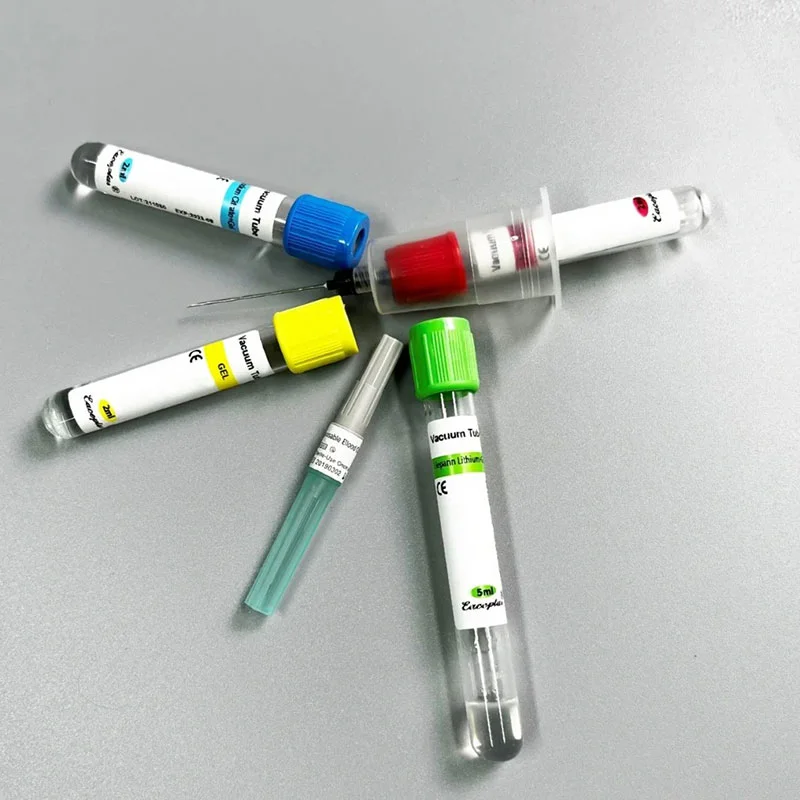

What is a centrifuge? A centrifuge is a machine that spins samples at a controlled speed to separate their components. Instead of waiting for materials to settle naturally under gravity, centrifugation speeds up the separation process.
Centrifuges are widely used in hospitals, clinical laboratories, research facilities, biotechnology, and blood processing. They can separate blood cells from plasma or serum, concentrate particles, prepare laboratory samples, and support platelet-rich plasma (PRP) preparation.
The basic idea sounds simple: place tubes in a rotor and spin them. However, successful centrifugation depends on much more than speed.
Relative centrifugal force (RCF), revolutions per minute (RPM), rotor design, processing time, tube compatibility, acceleration, braking, and correct balancing can all affect separation.
These factors are particularly important for blood and PRP. In these applications, the goal is not simply to spin a sample quickly. Instead, the centrifuge must create controlled and repeatable separation.
Table of Contents
- 1 What Is a Centrifuge and How Does It Work?
- 2 What Is a Centrifuge Used For?
- 3 Main Types of Centrifuges Used in Laboratories
- 4 RPM vs. RCF: Key Centrifuge Parameters Explained
- 5 How to Choose a Centrifuge for Blood and PRP Applications
- 6 FAQ About Centrifuges
- 6.1 What is a centrifuge in simple terms?
- 6.2 What is a centrifuge used for in a laboratory?
- 6.3 What is the difference between RPM and RCF?
- 6.4 Which is better, a fixed-angle or swing-out rotor?
- 6.5 What centrifuge is used for PRP?
- 6.6 Does higher centrifuge speed mean better separation?
- 6.7 Why do centrifuge tubes need to be balanced?
- 6.8 How long should blood or PRP be centrifuged?
- 7 Understanding What a Centrifuge Does in Sample Preparation
What Is a Centrifuge and How Does It Work?
A centrifuge rotates samples around a central axis. During rotation, particles in a liquid respond differently according to their density, size, and the centrifugal conditions applied.
Whole blood provides a good example.
Blood contains red blood cells, white blood cells, platelets, plasma, and other components. Before centrifugation, these components remain mixed within the sample.
During centrifugation, denser components generally sediment farther outward in the rotating system. Less dense components remain closer to the axis of rotation. As a result, a blood sample can form visibly different layers.
A simplified workflow looks like this:
Sample preparation → Tube loading → Balancing → Controlled rotation → Deceleration → Separation → Sample collection
The rotor plays an important role because it controls how the tubes sit during centrifugation.
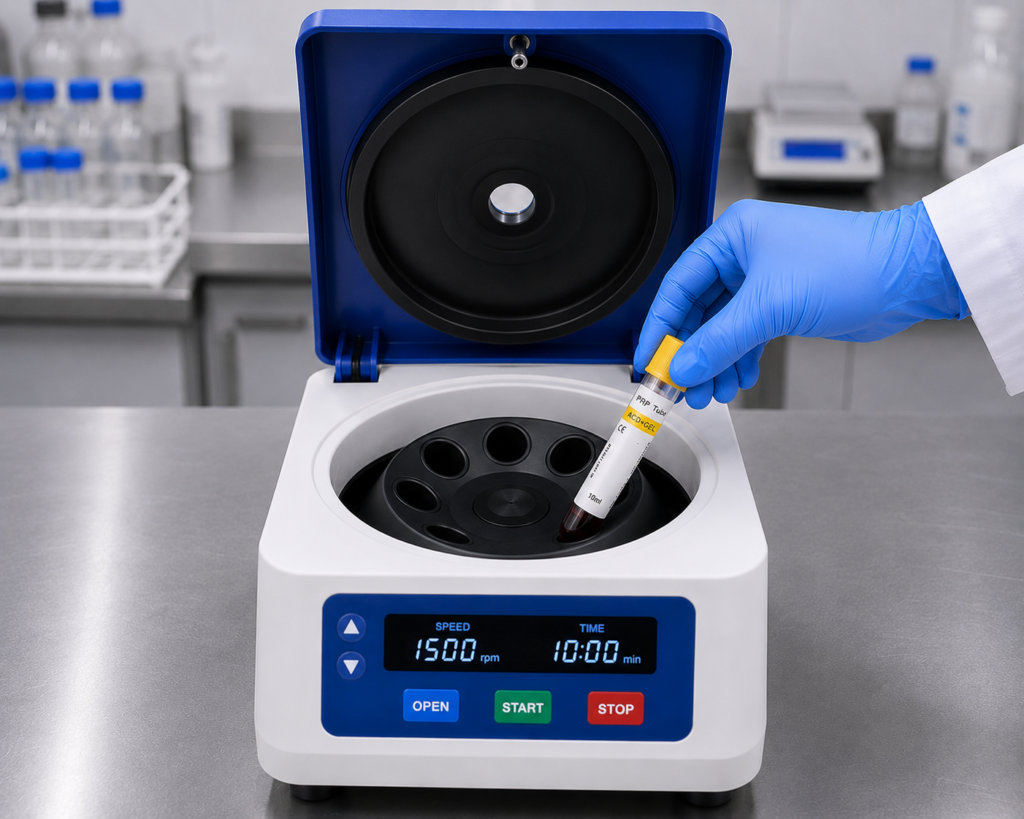
Fixed-Angle vs. Swing-Out Centrifuge Rotors
Two common designs are fixed-angle rotors and swing-out rotors.
A fixed-angle rotor holds tubes at a constant angle. During centrifugation, particles tend to move toward the outer and lower wall of the tube.
A swing-out rotor works differently. As speed increases, the tube holders swing outward toward a horizontal position. This produces a different separation pattern.
| Feature | Fixed-Angle Rotor | Swing-Out Rotor |
|---|---|---|
| Tube Position | Held at a fixed angle | Moves toward horizontal during rotation |
| Separation Pattern | Sediment forms along the outer/lower side | Layers tend to form across the tube cross-section |
| Common Applications | Cell pelleting, microtubes, molecular biology | Blood processing, clinical tubes, density-based separation |
| Typical Advantage | Efficient sedimentation and compact design | Clear horizontal layering in many liquid samples |
| PRP Application | Used in some PRP systems | Used in some PRP and blood-processing systems |
| Selection Principle | Follow the validated protocol | Follow the validated protocol |
It can be tempting to assume that one rotor is always better for PRP. However, PRP systems can use different rotor configurations.
Therefore, users should evaluate the complete preparation method. The rotor, PRP tube, RCF, time, acceleration, and deceleration settings must work together.
What Is a Centrifuge Used For?
A centrifuge has many uses in medical, clinical, and research laboratories. In general, centrifugation helps separate or concentrate different components of a sample.
Blood and Clinical Sample Separation
Blood processing is one of the most common medical applications.
Depending on the collection tube and intended test, centrifugation can help prepare serum, plasma, or other blood fractions.
For example, after centrifugation, a blood sample may form distinct cellular and liquid layers. Laboratory staff can then collect the required portion for further processing or analysis.
The collection tube also matters.
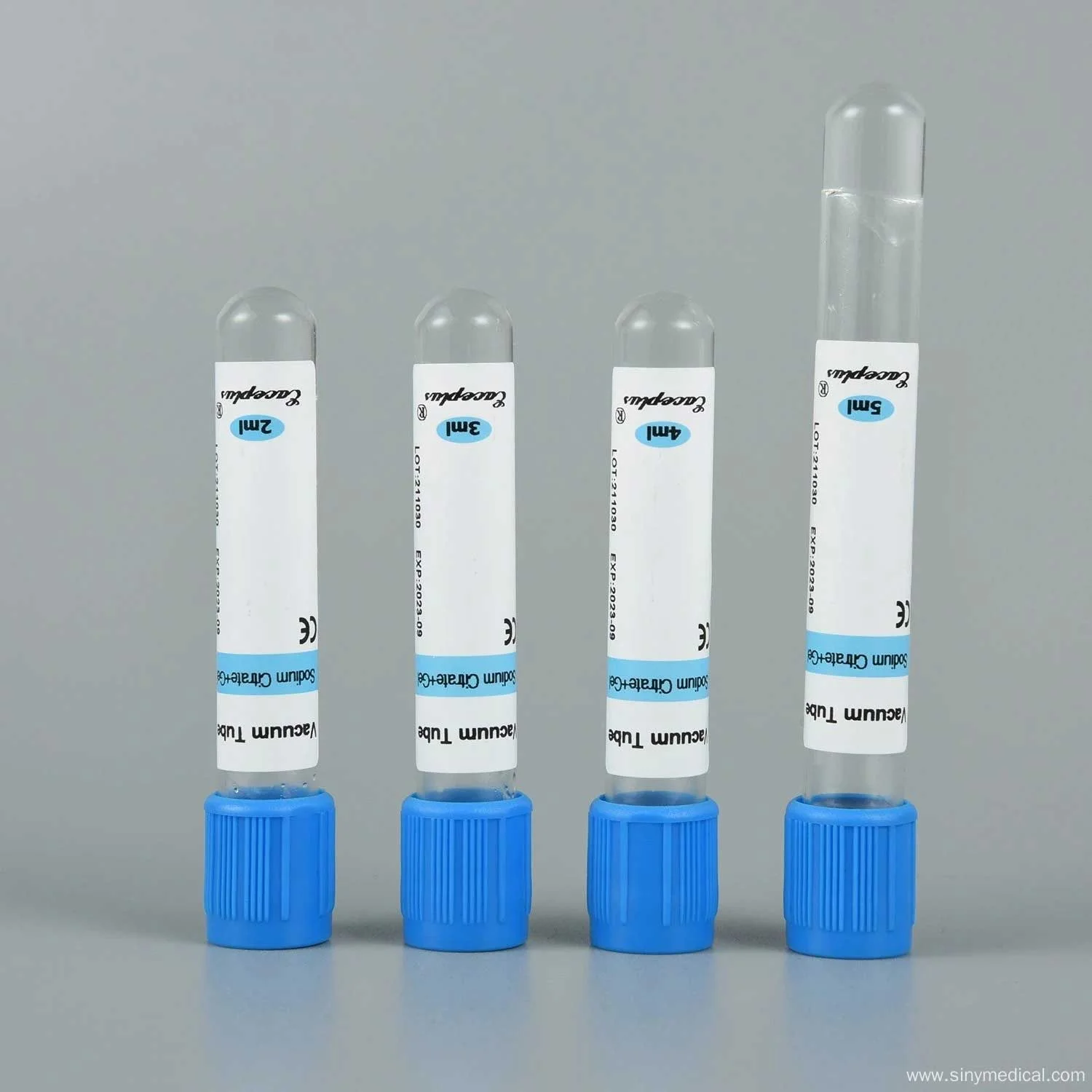
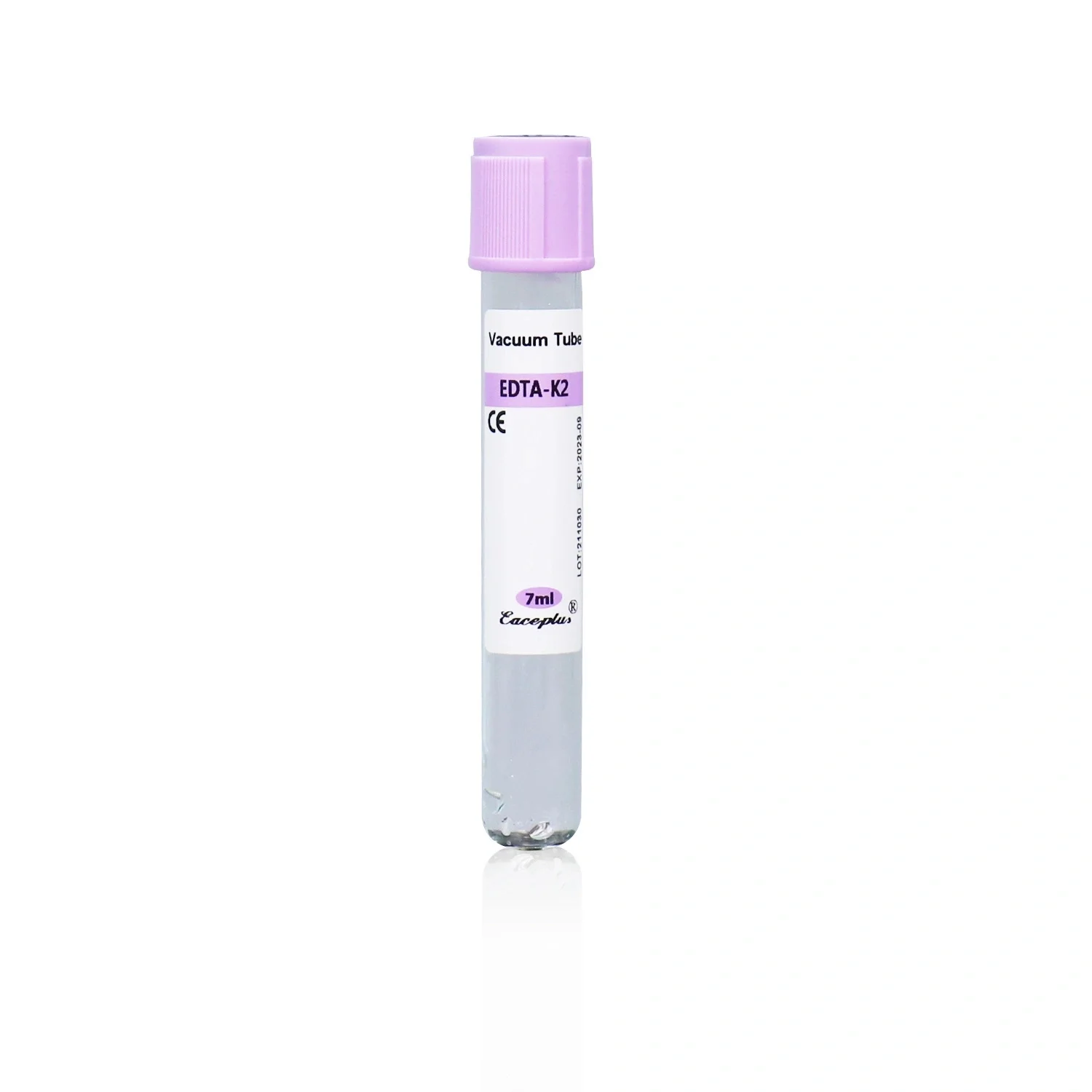
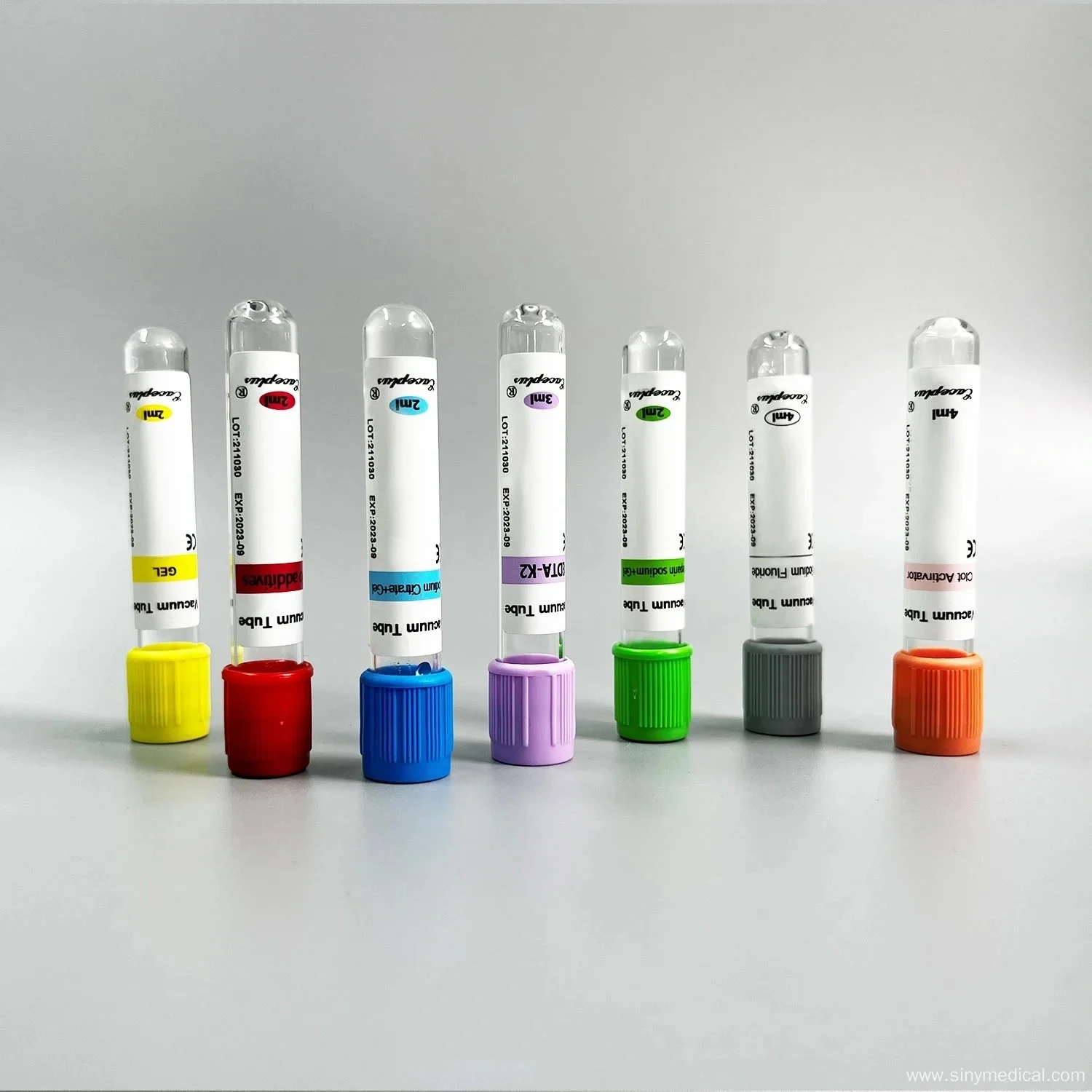
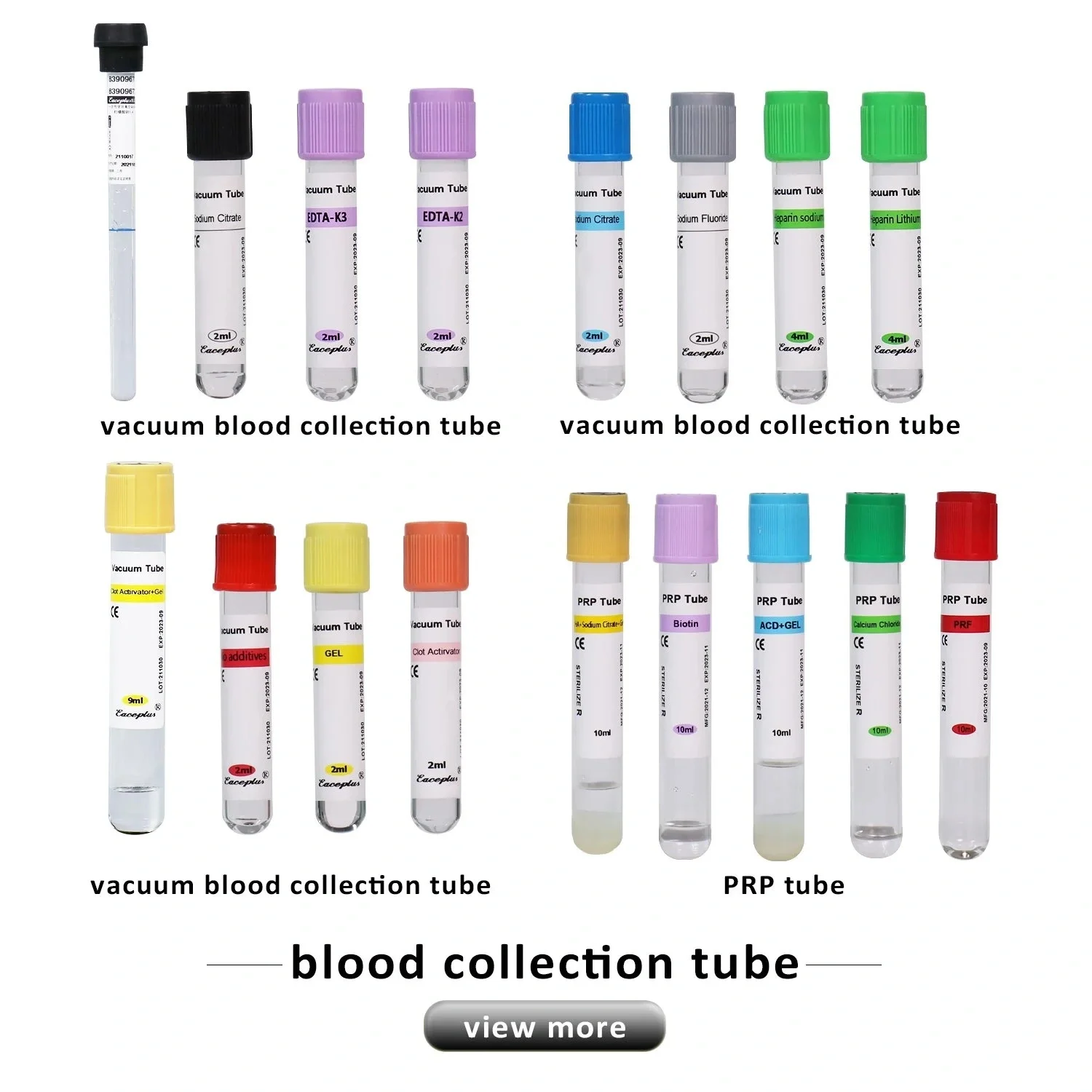
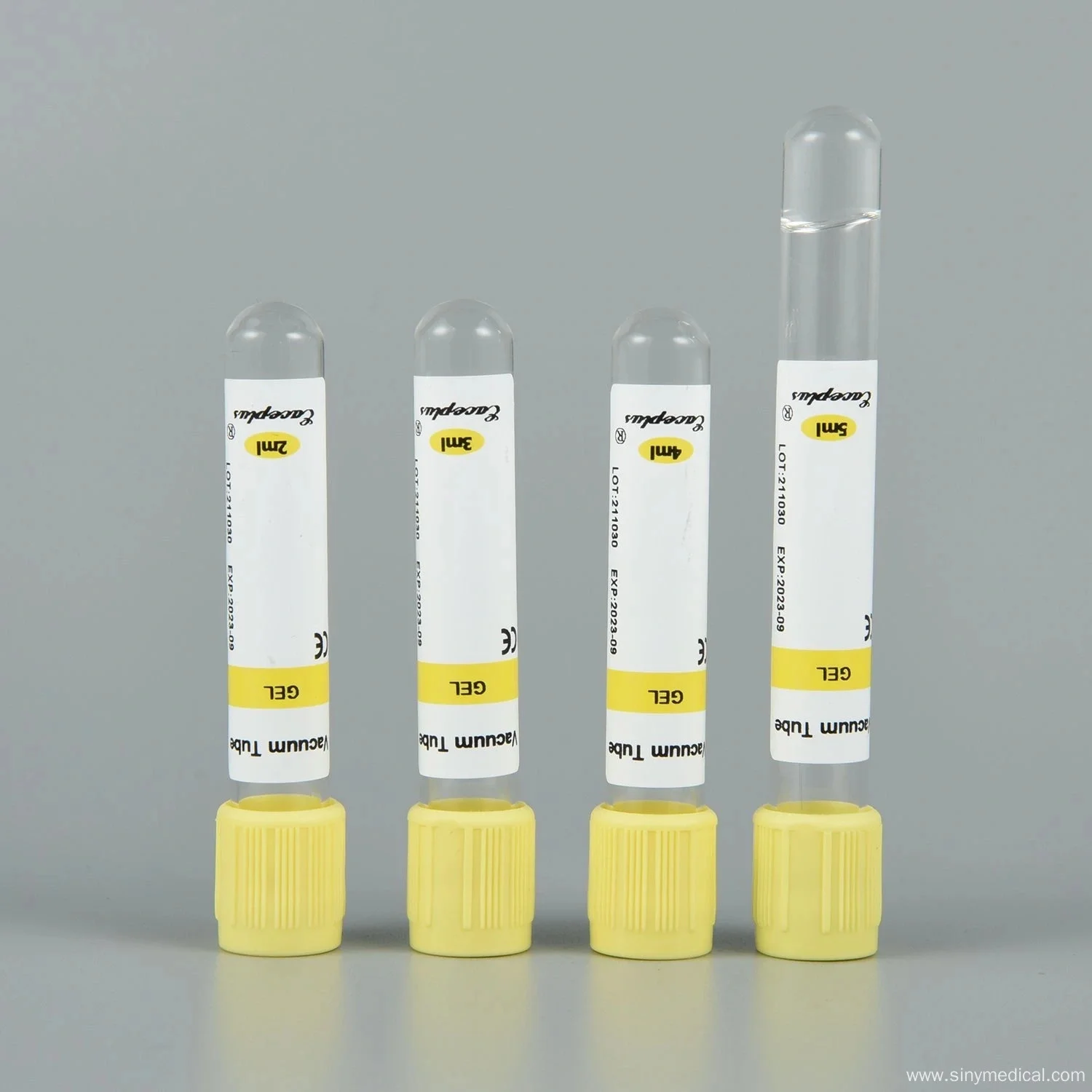
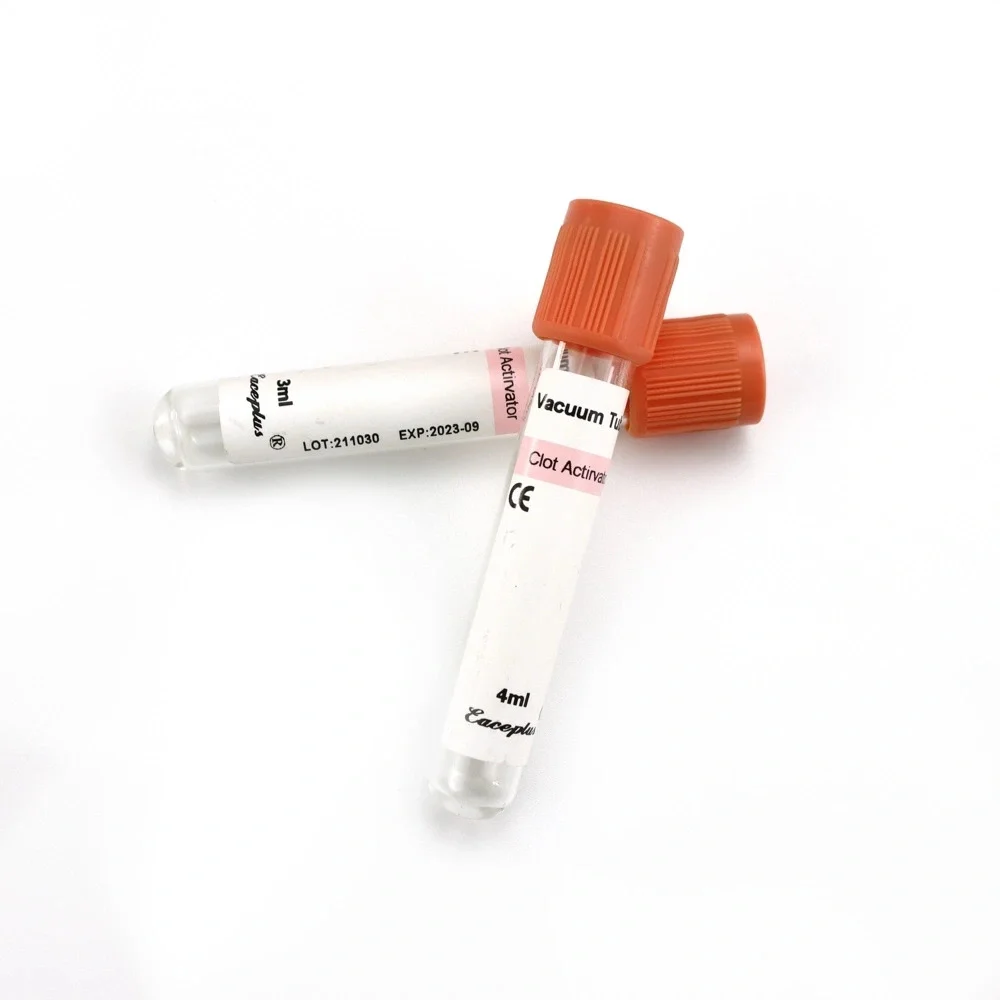
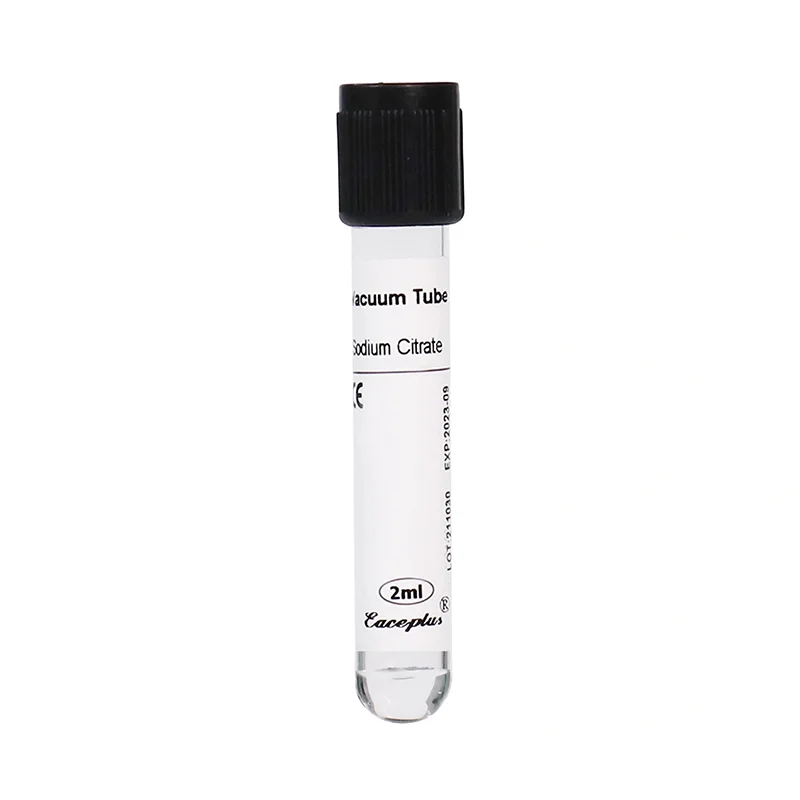
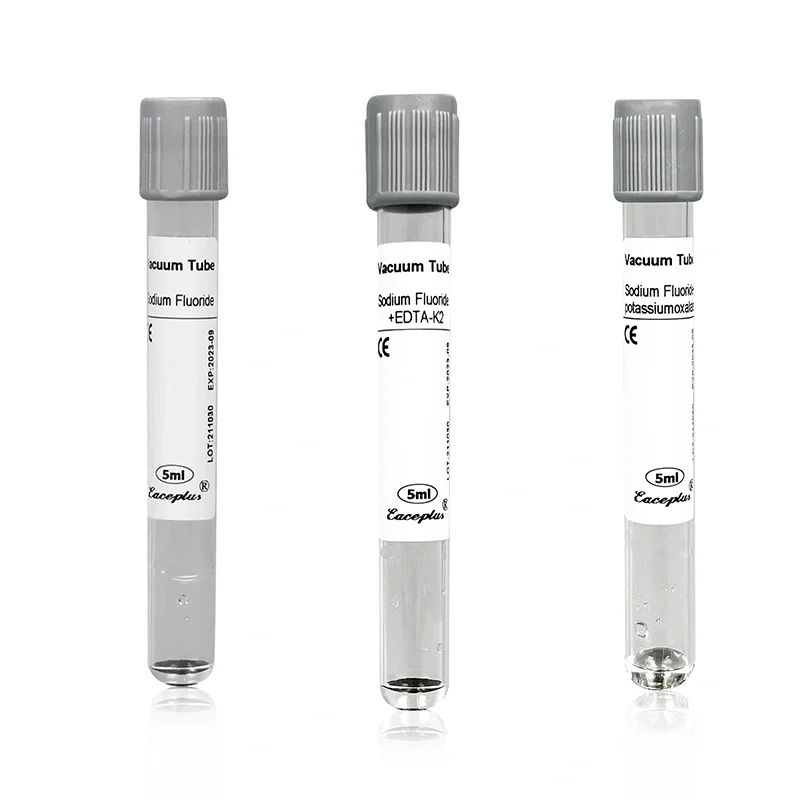
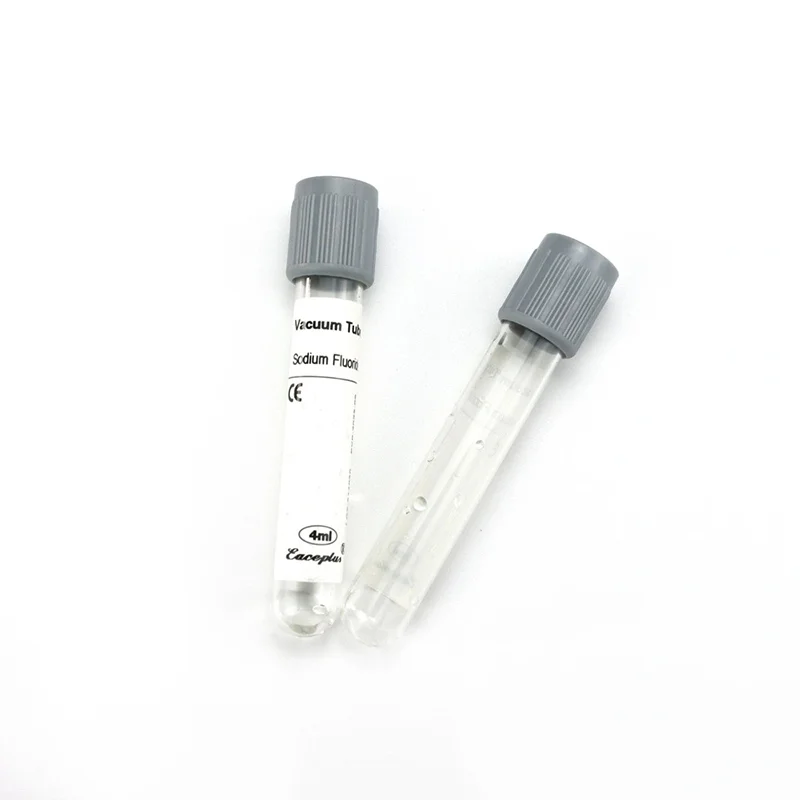
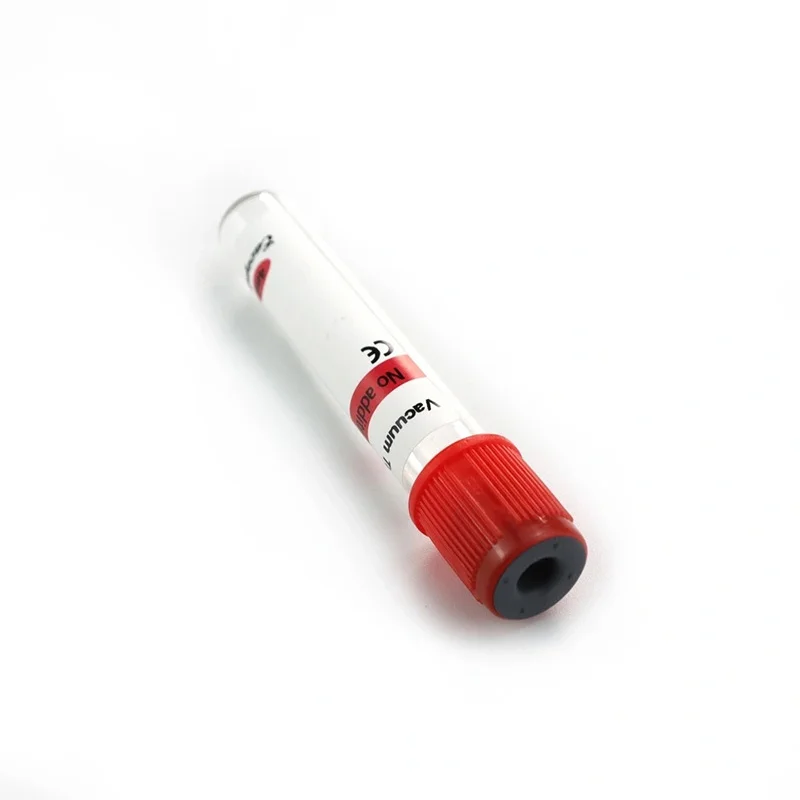
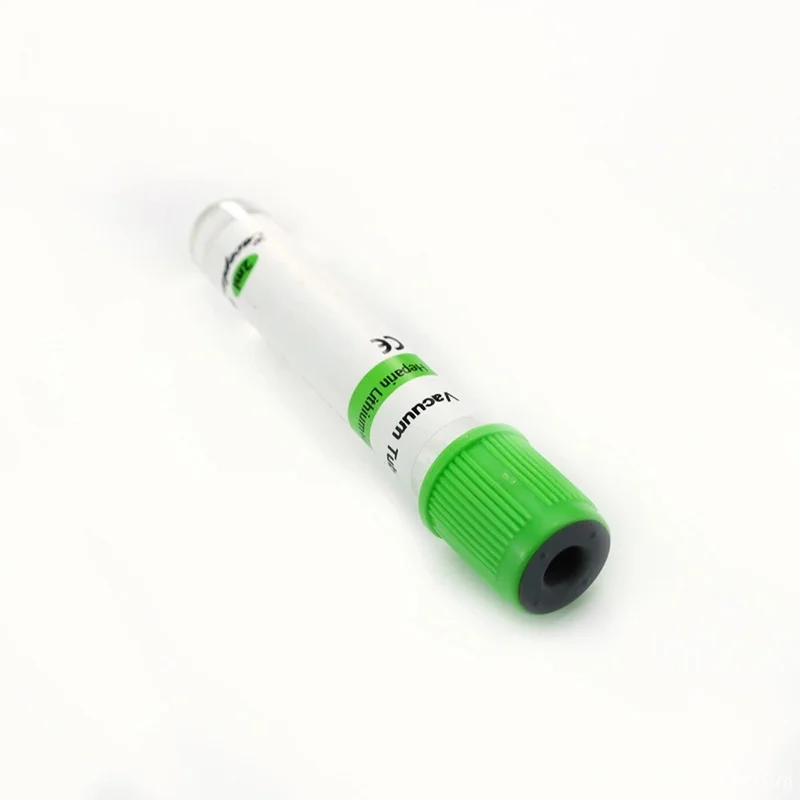
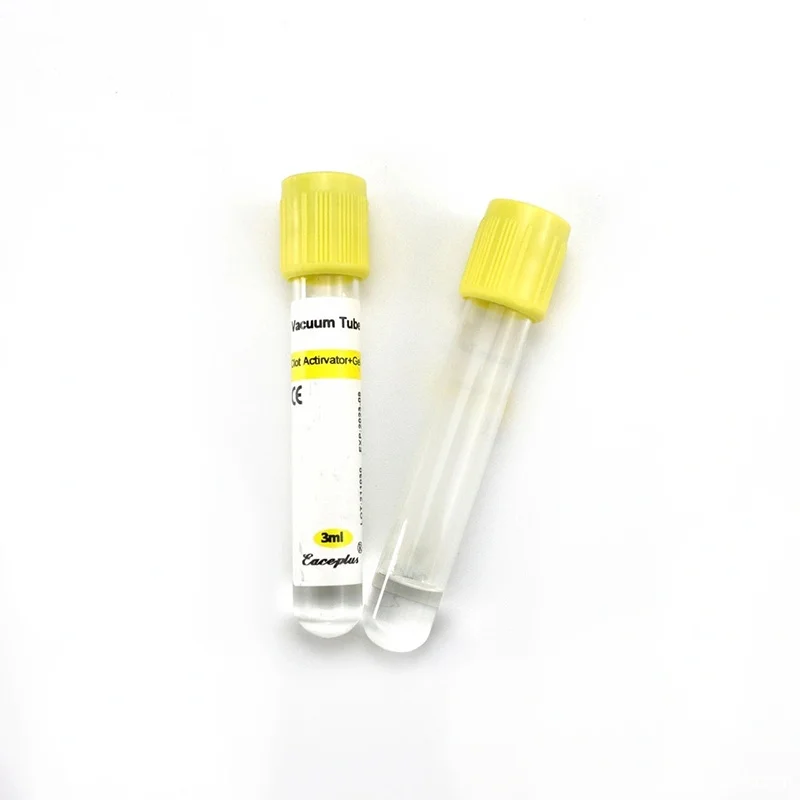
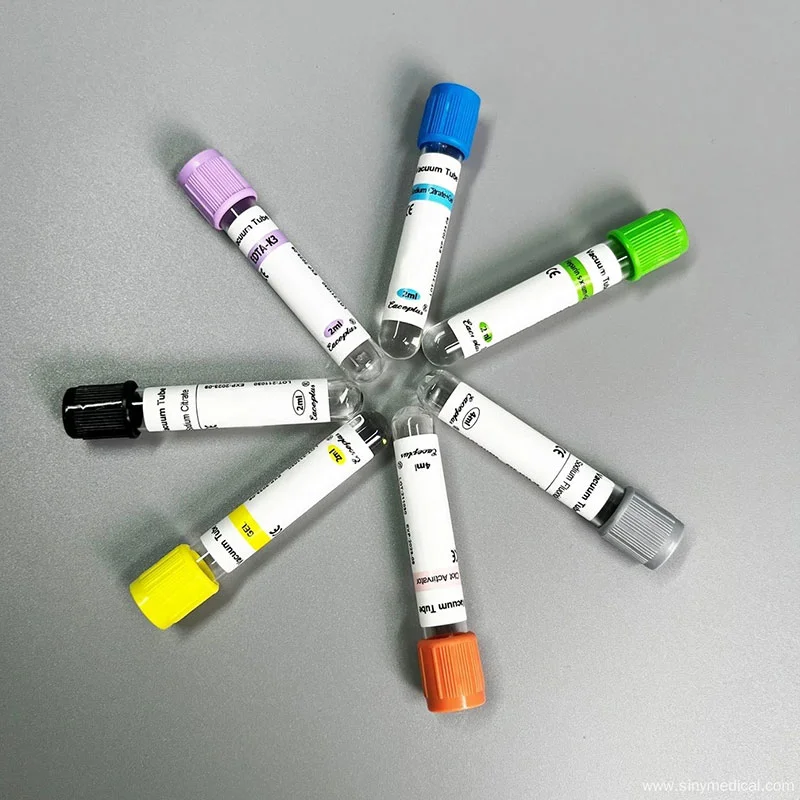
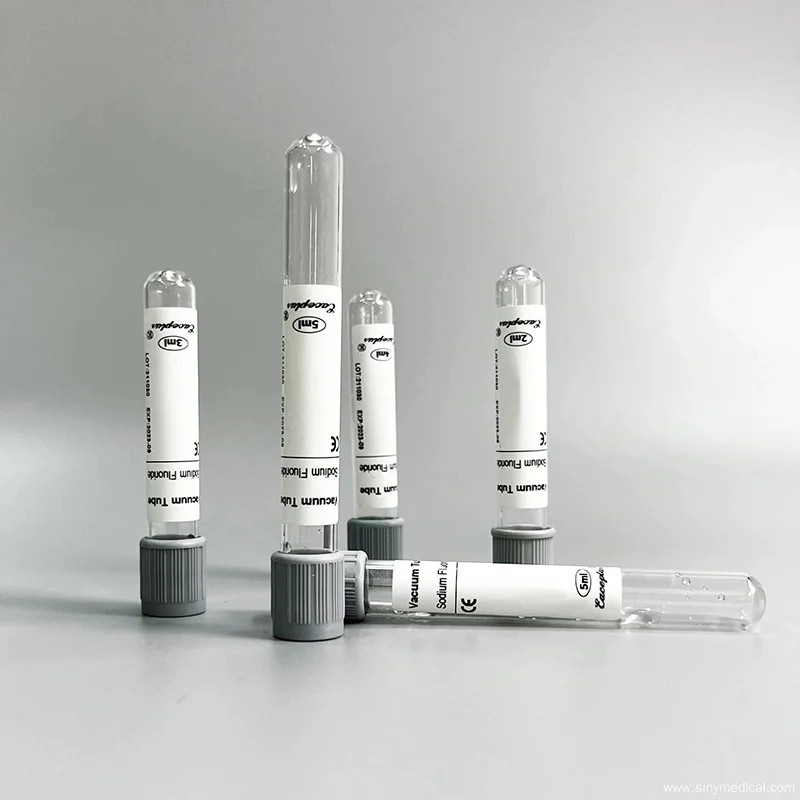
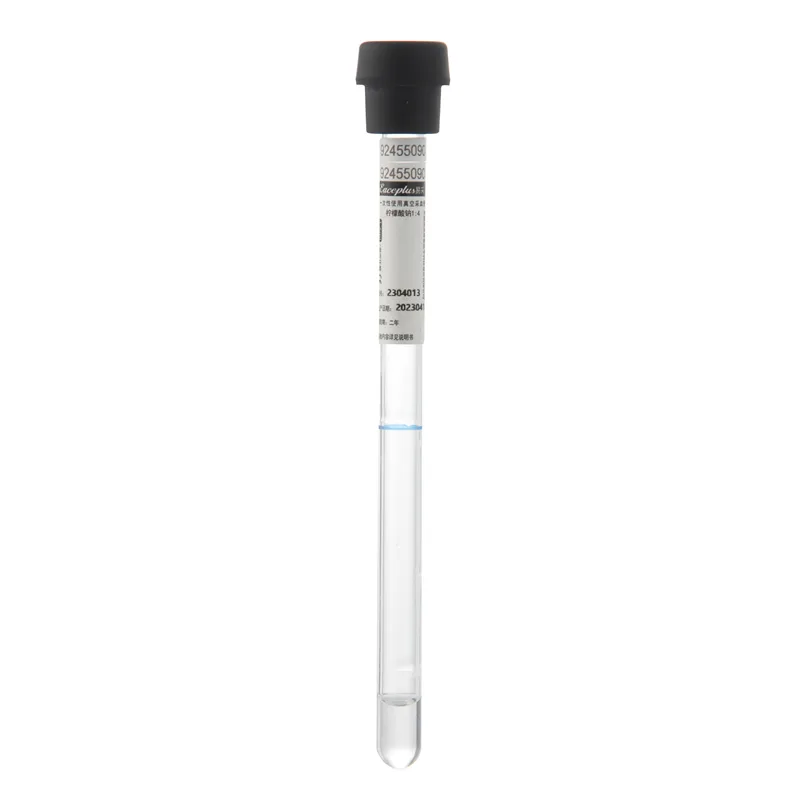
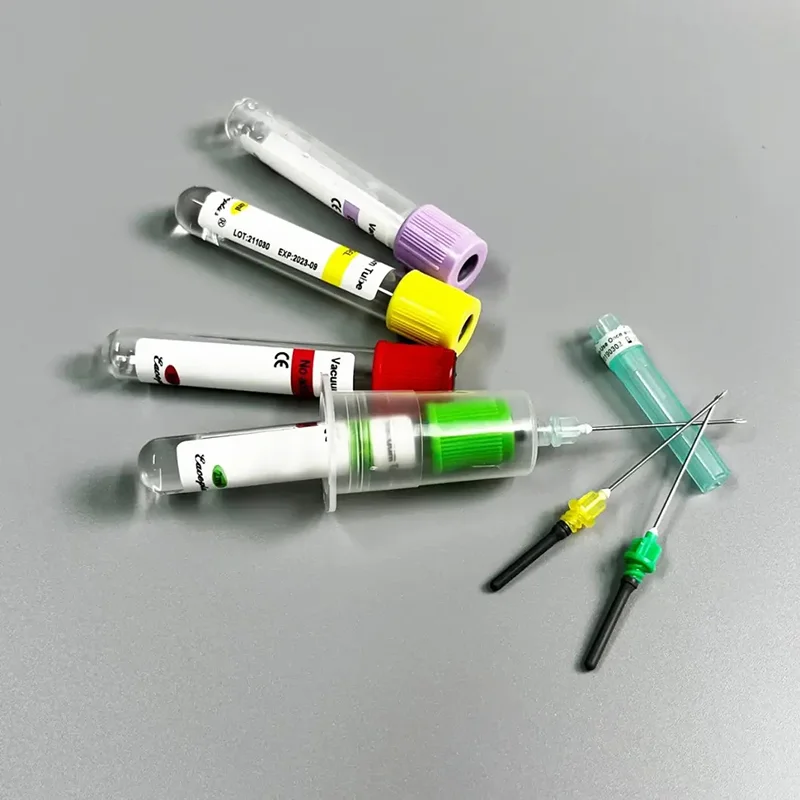
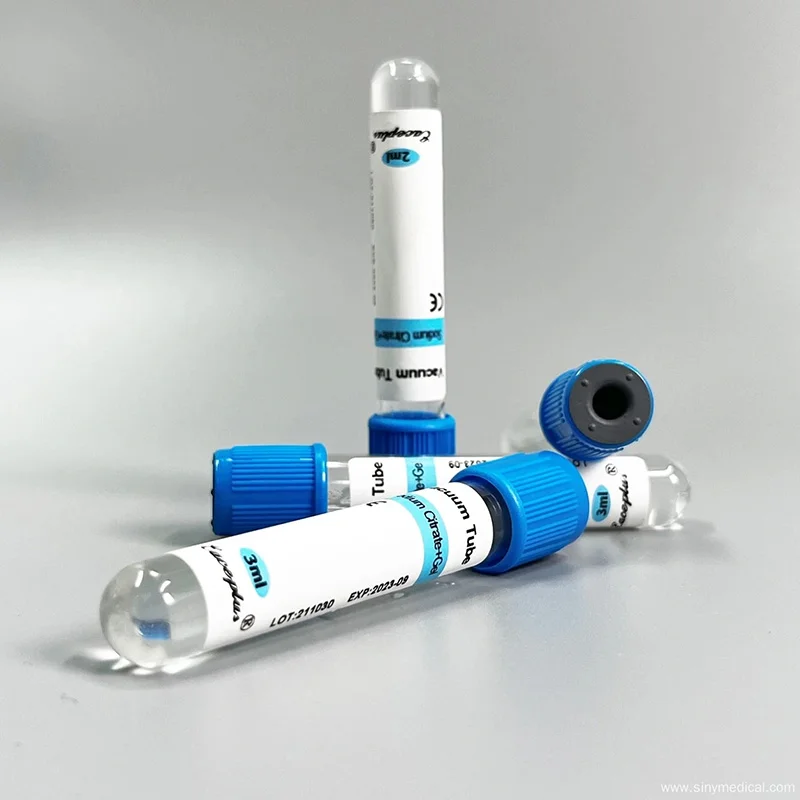
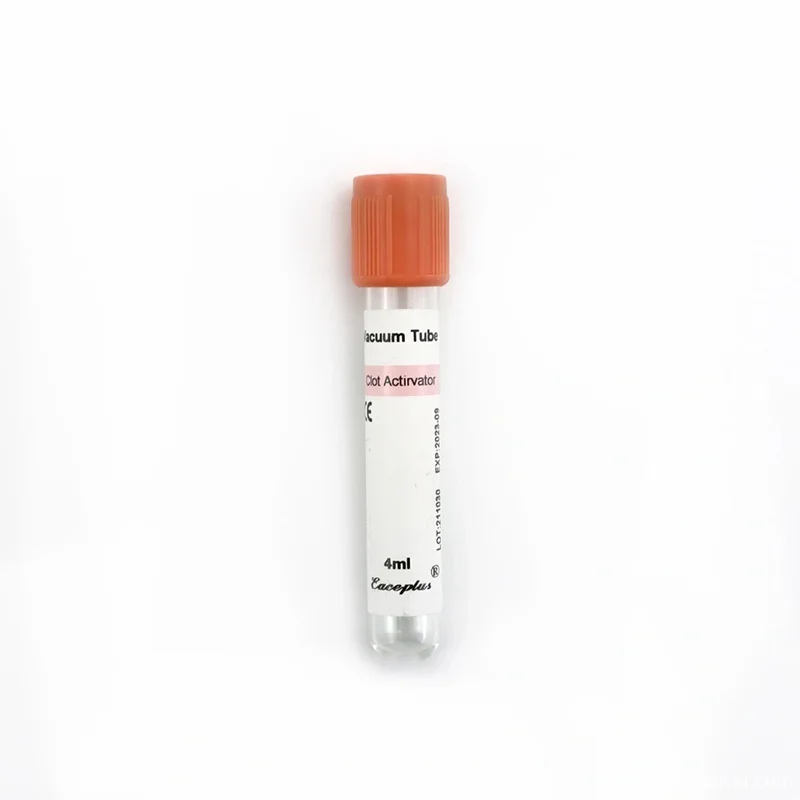
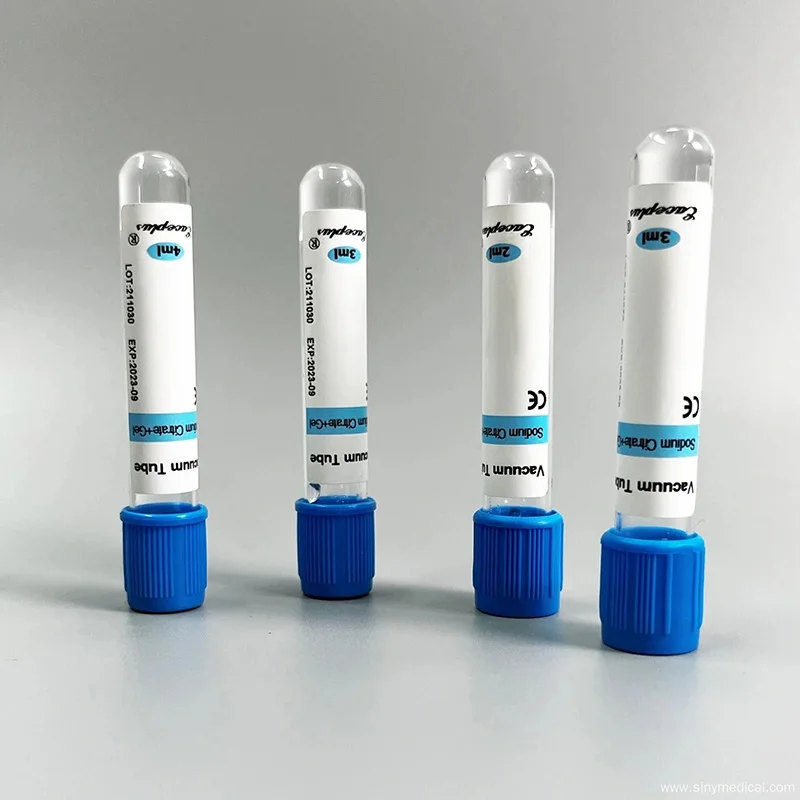
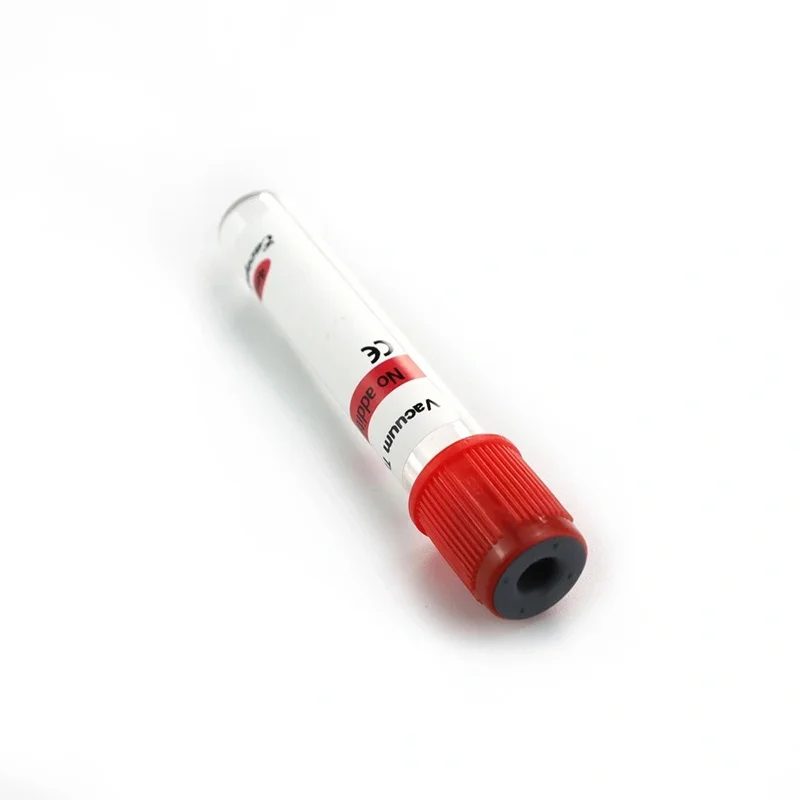
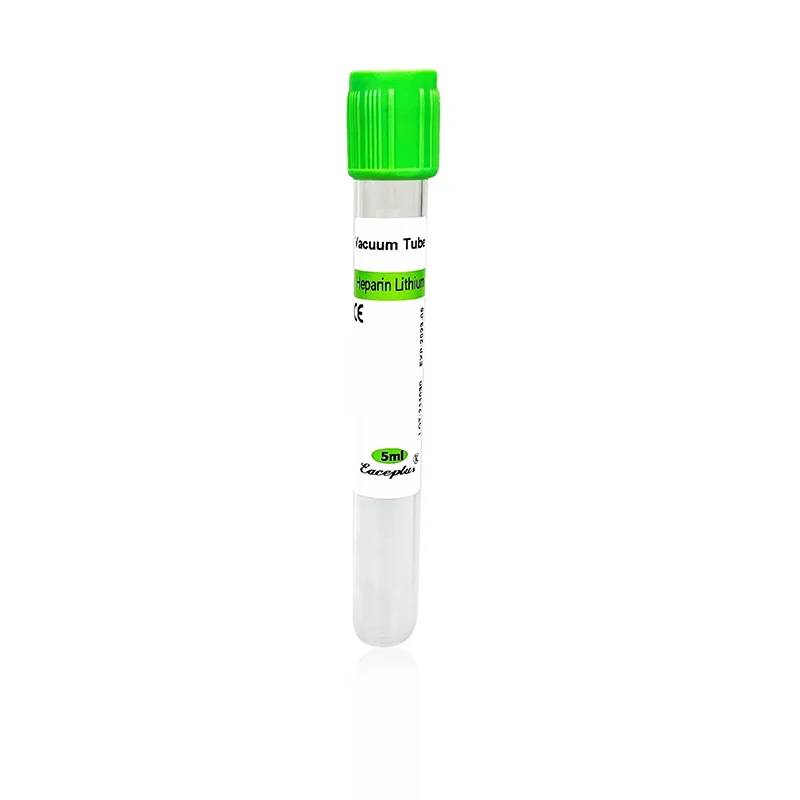
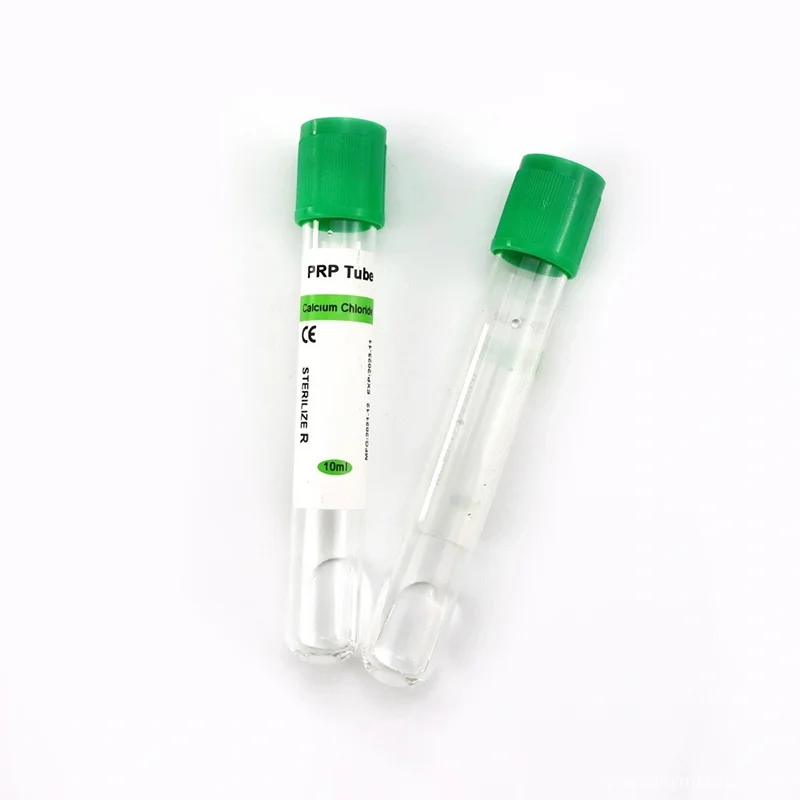
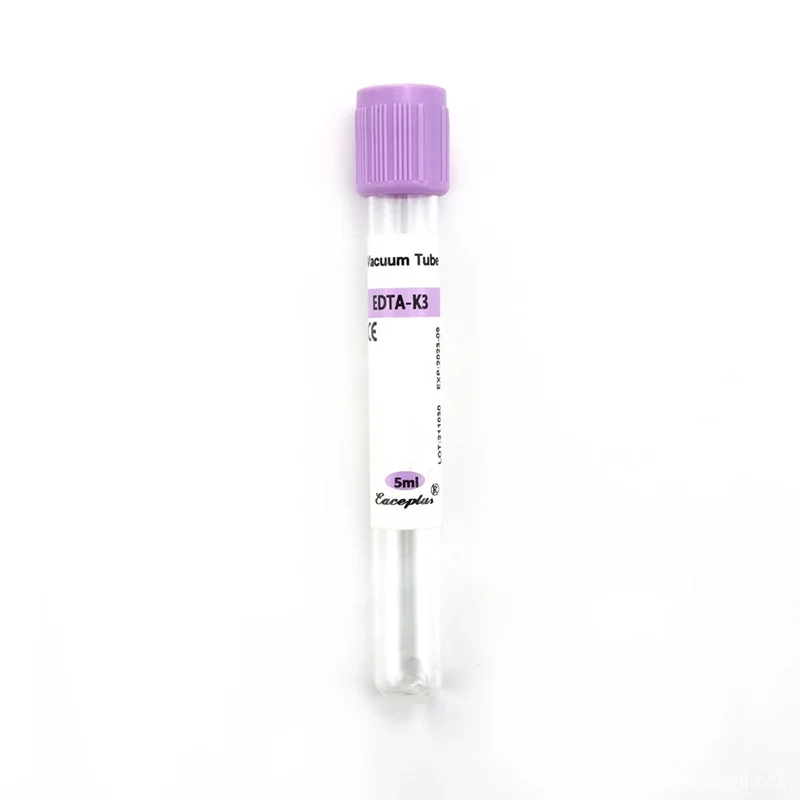
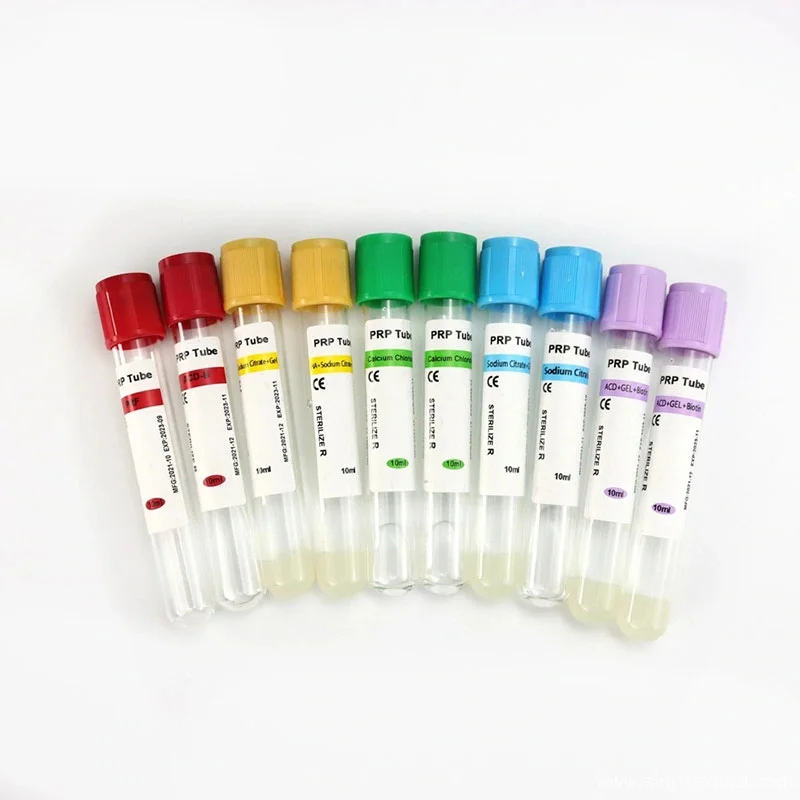
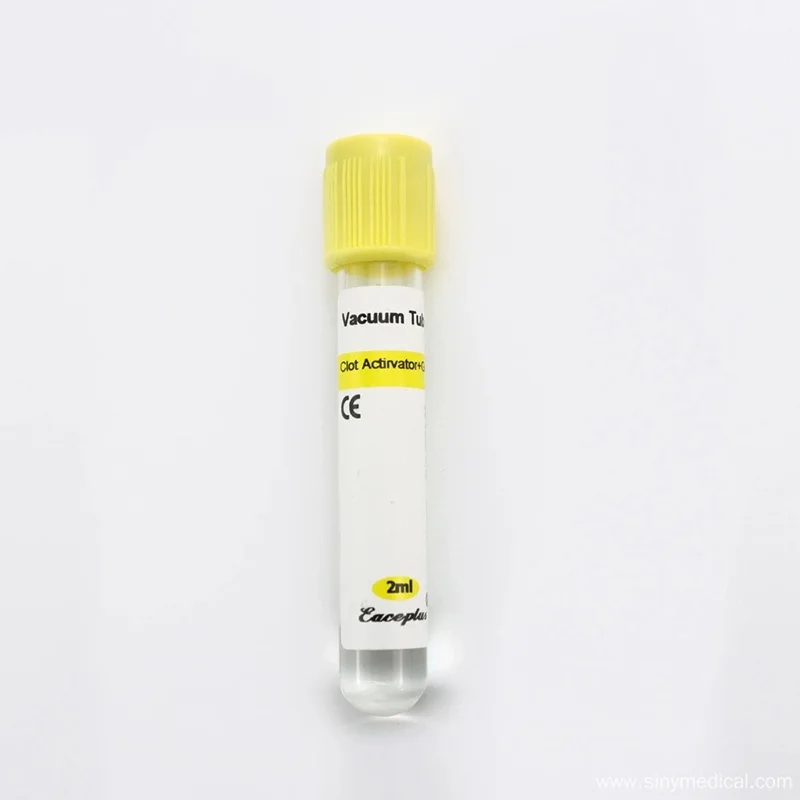
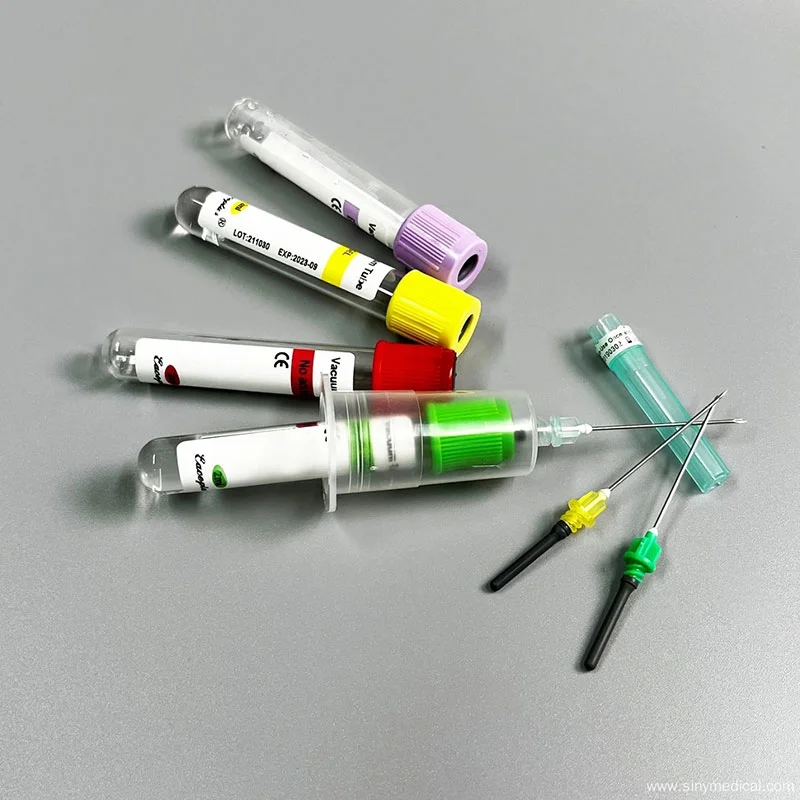
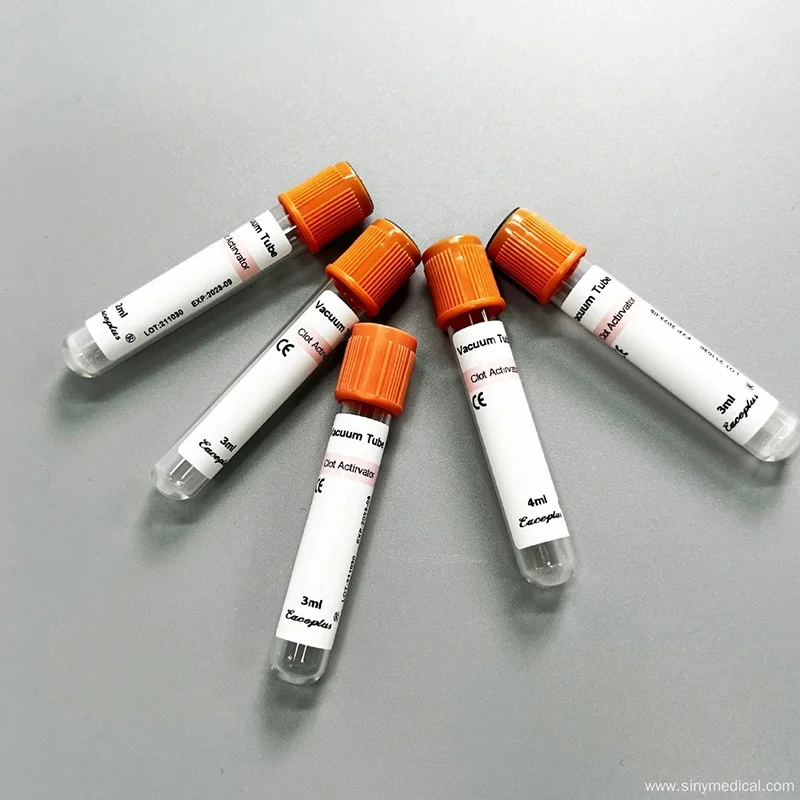
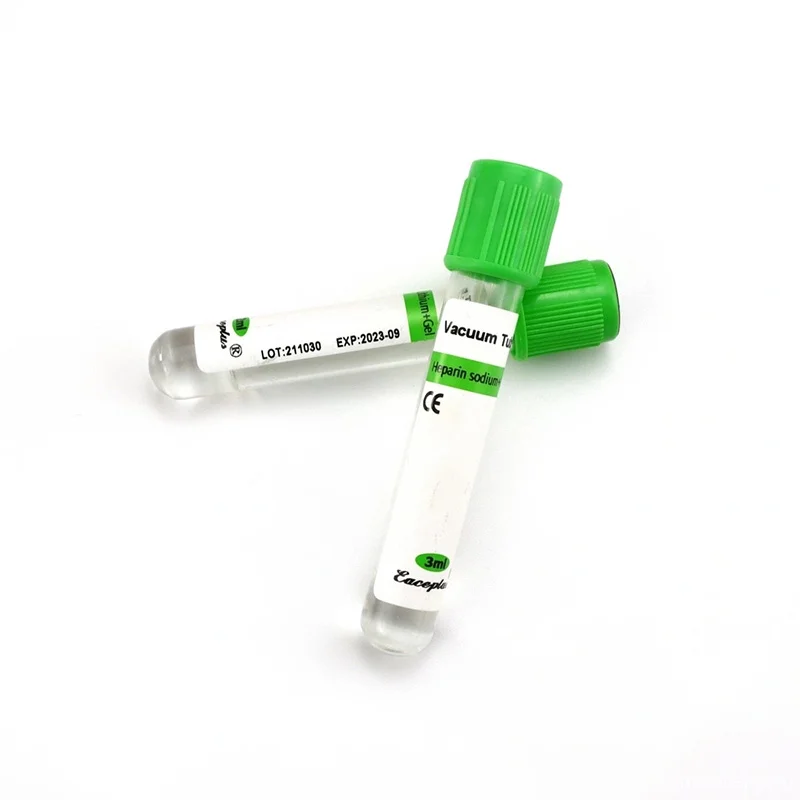
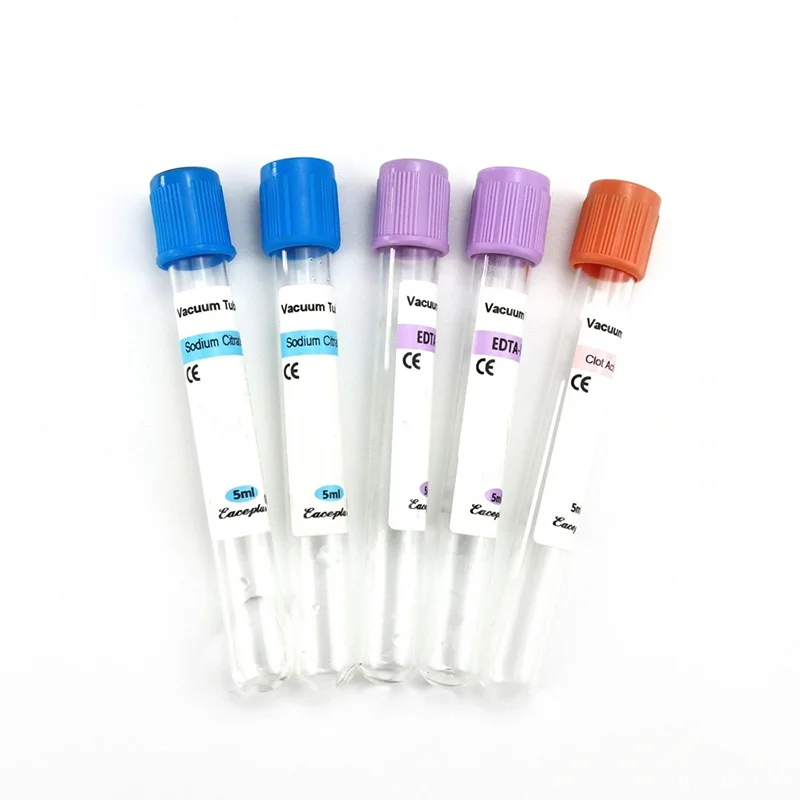
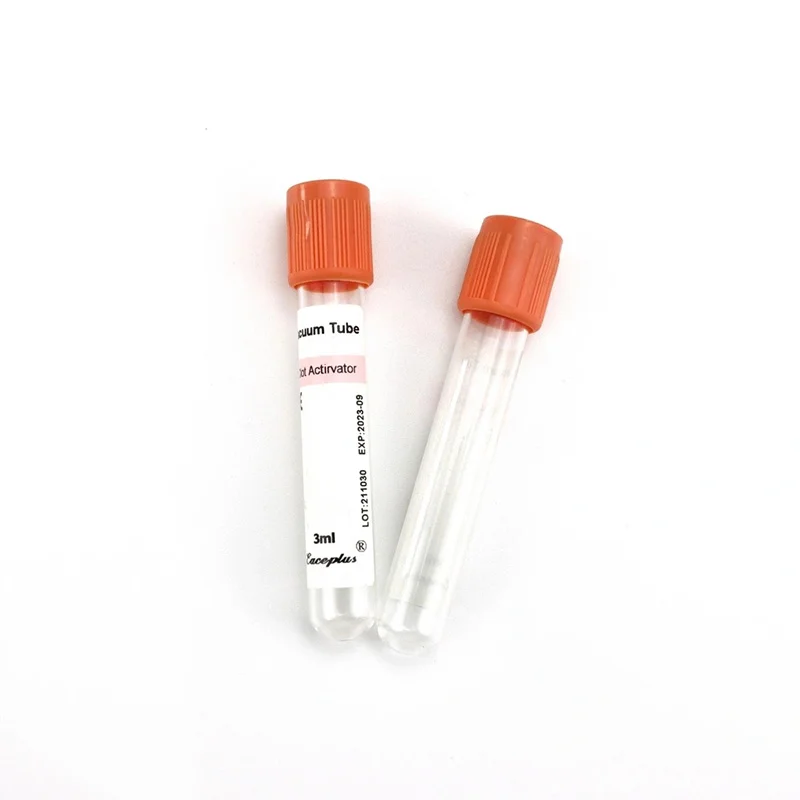
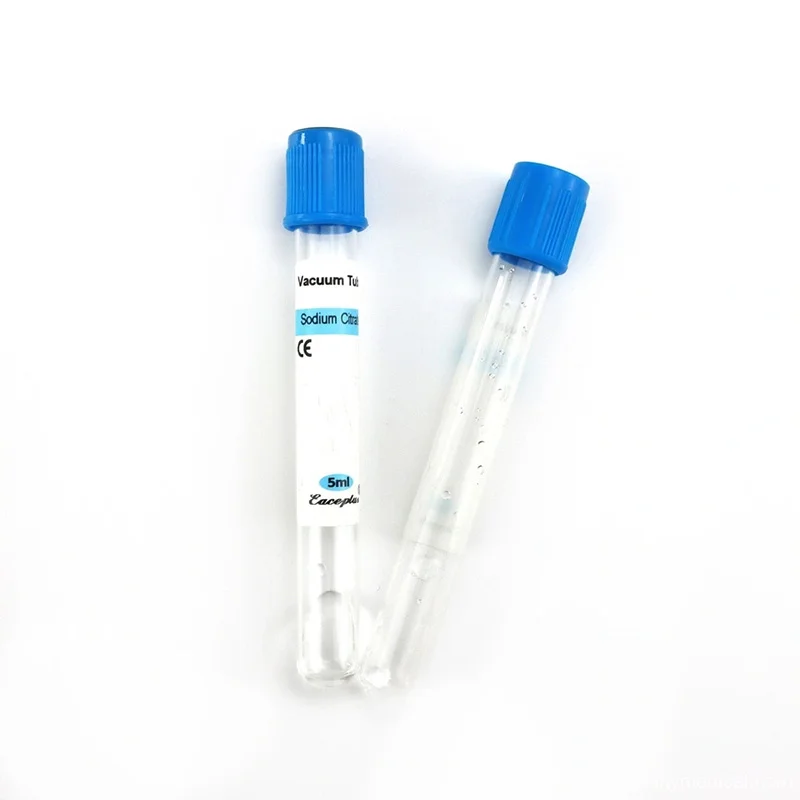
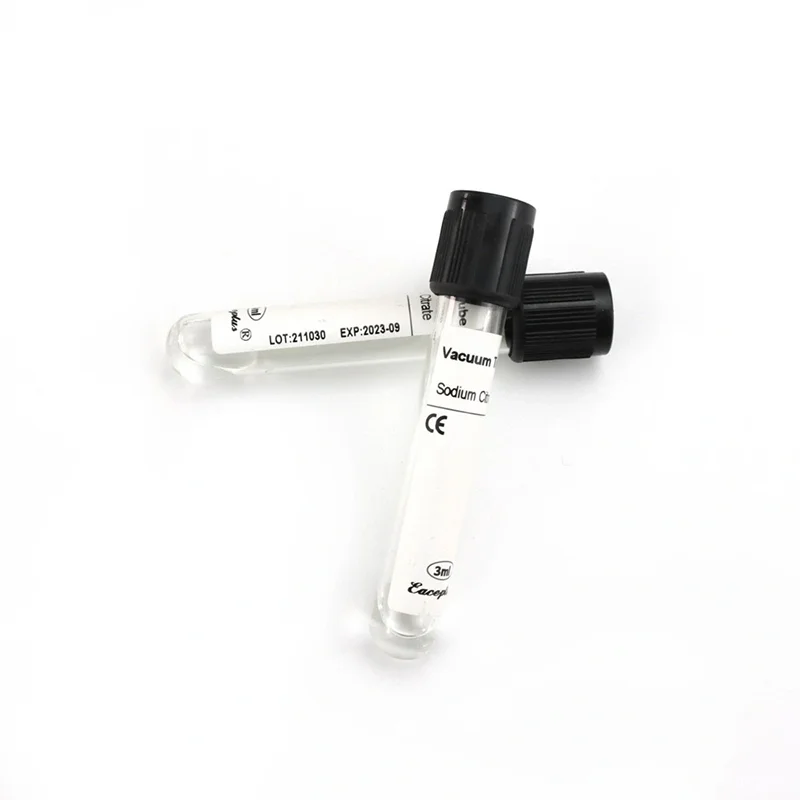
Tube material, anticoagulants, clot activators, separation gel, sample volume, and centrifugation conditions can all affect the workflow. Therefore, laboratories should consider the collection tube and centrifuge together.
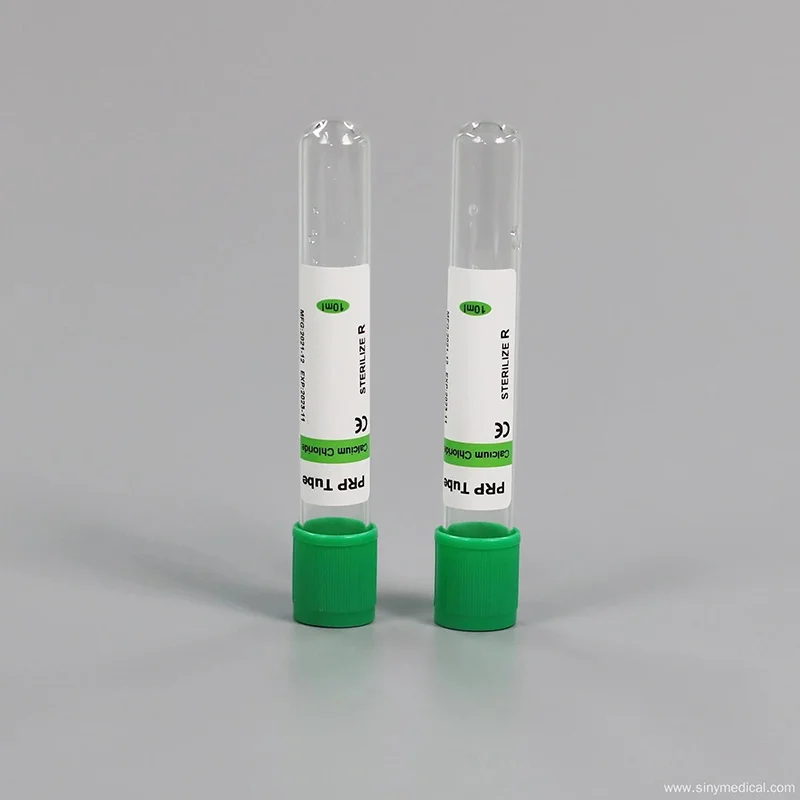
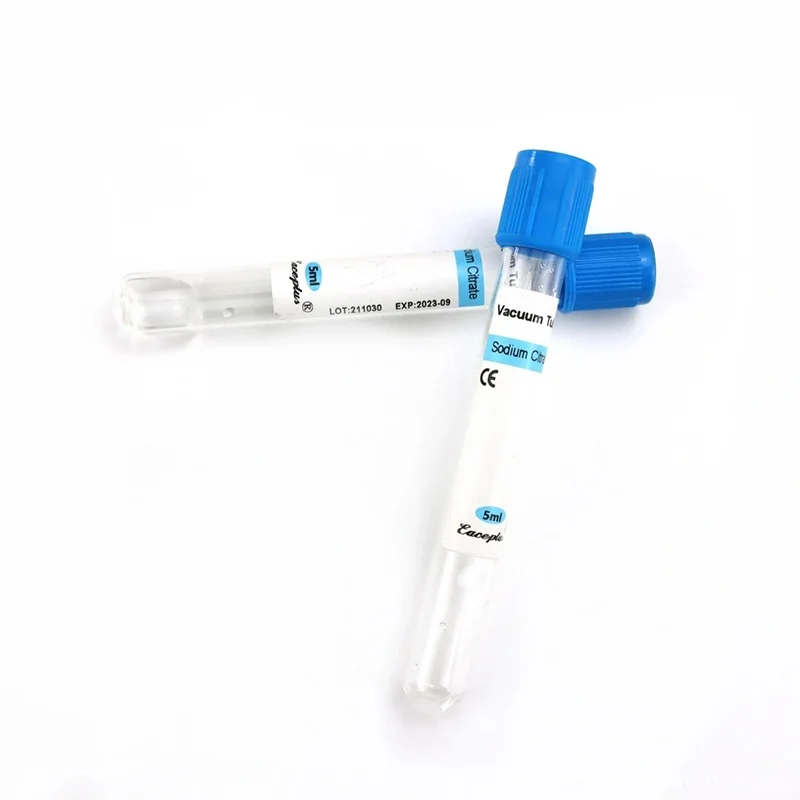
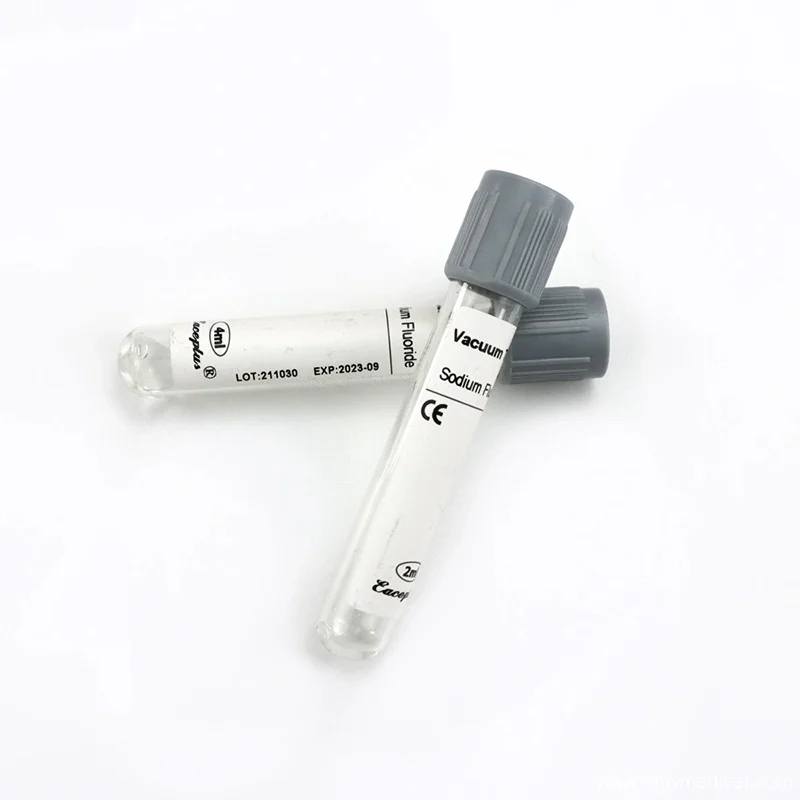
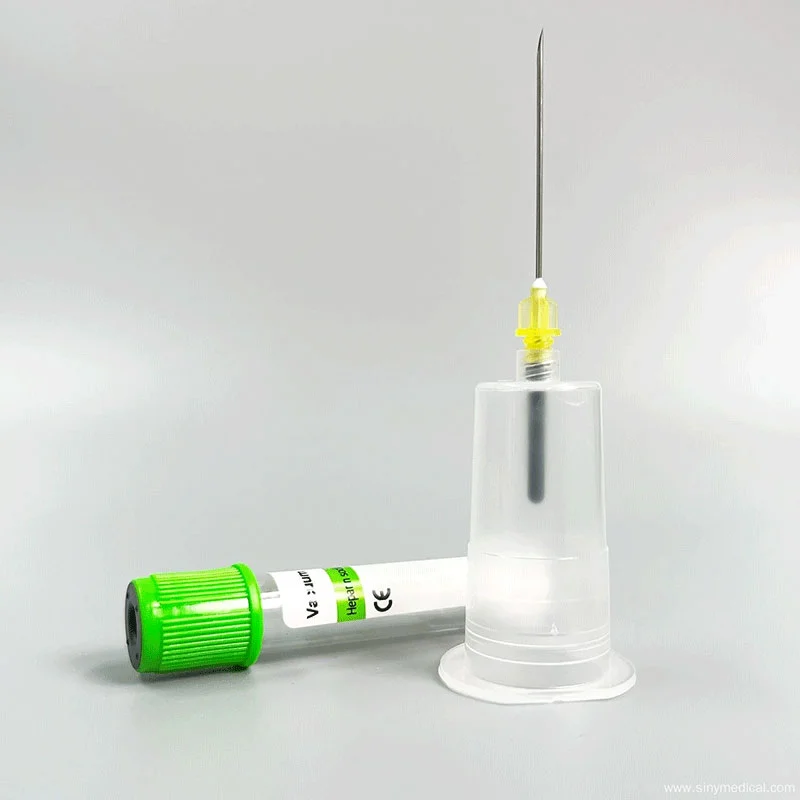
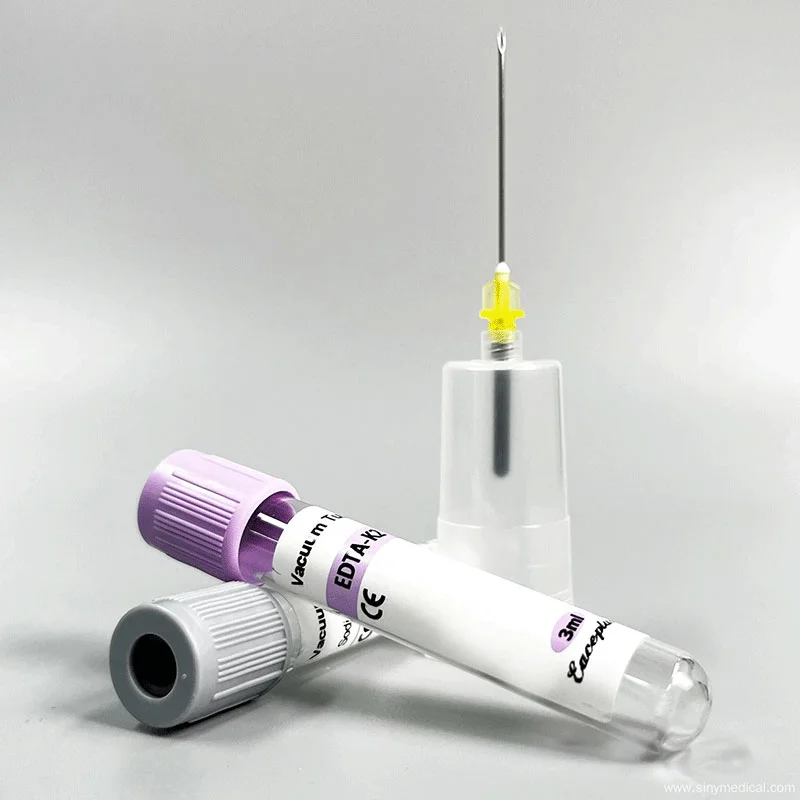
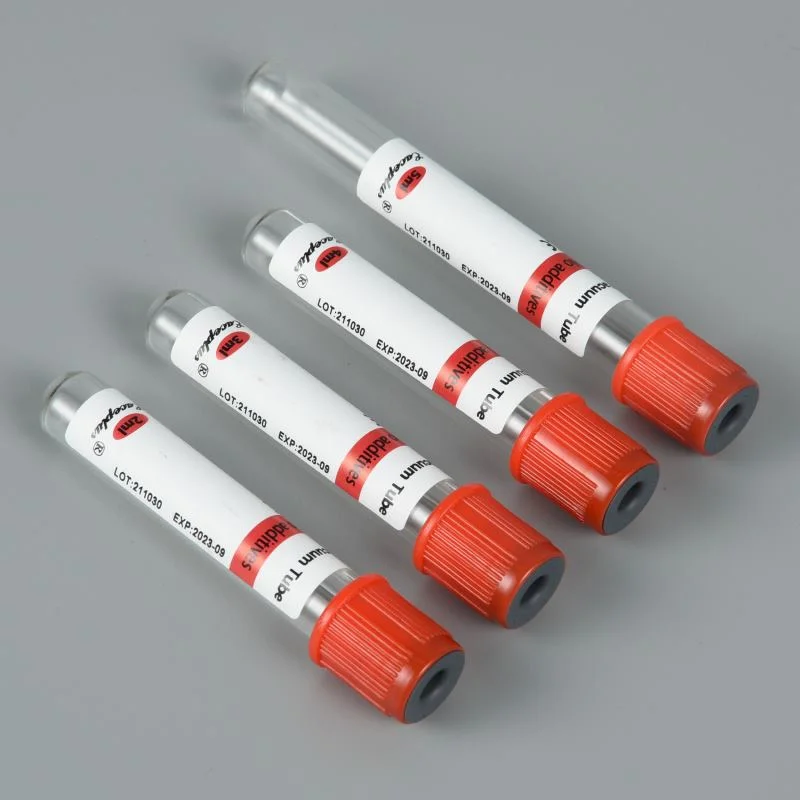
Siny Medical provides blood collection tubes and related laboratory consumables for different sample preparation workflows.
PRP Centrifuge Applications
Centrifugation plays a central role in platelet-rich plasma preparation.
PRP comes from a patient’s own blood. After blood collection, controlled centrifugation separates the blood components. The required platelet-containing plasma fraction can then be collected according to the selected preparation method.
A PRP centrifuge supports this process.
However, faster centrifugation does not automatically produce better PRP. The final preparation depends on several variables, including:
- RCF
- Centrifugation time
- Rotor geometry
- Rotor radius
- Blood volume
- Tube design
- Acceleration
- Deceleration or braking
- Preparation protocol
Different PRP systems may use different centrifugal conditions. For example, some methods use one centrifugation step, while others use multiple stages.
For this reason, users should not automatically copy centrifuge settings from one PRP system to another.
Why Braking Matters in PRP Centrifugation
Stopping the rotor is another important part of PRP preparation.
At the end of a cycle, the centrifuge must slow down. Some machines reduce speed gradually, while others use stronger braking.
In some PRP protocols, abrupt braking may disturb the separated layers. This can cause partial remixing around the interfaces.
However, this does not mean users should always disable the brake. Instead, acceleration and deceleration settings should follow the validated PRP preparation method or system instructions.
Therefore, when evaluating a PRP centrifuge, users should look beyond maximum RPM.
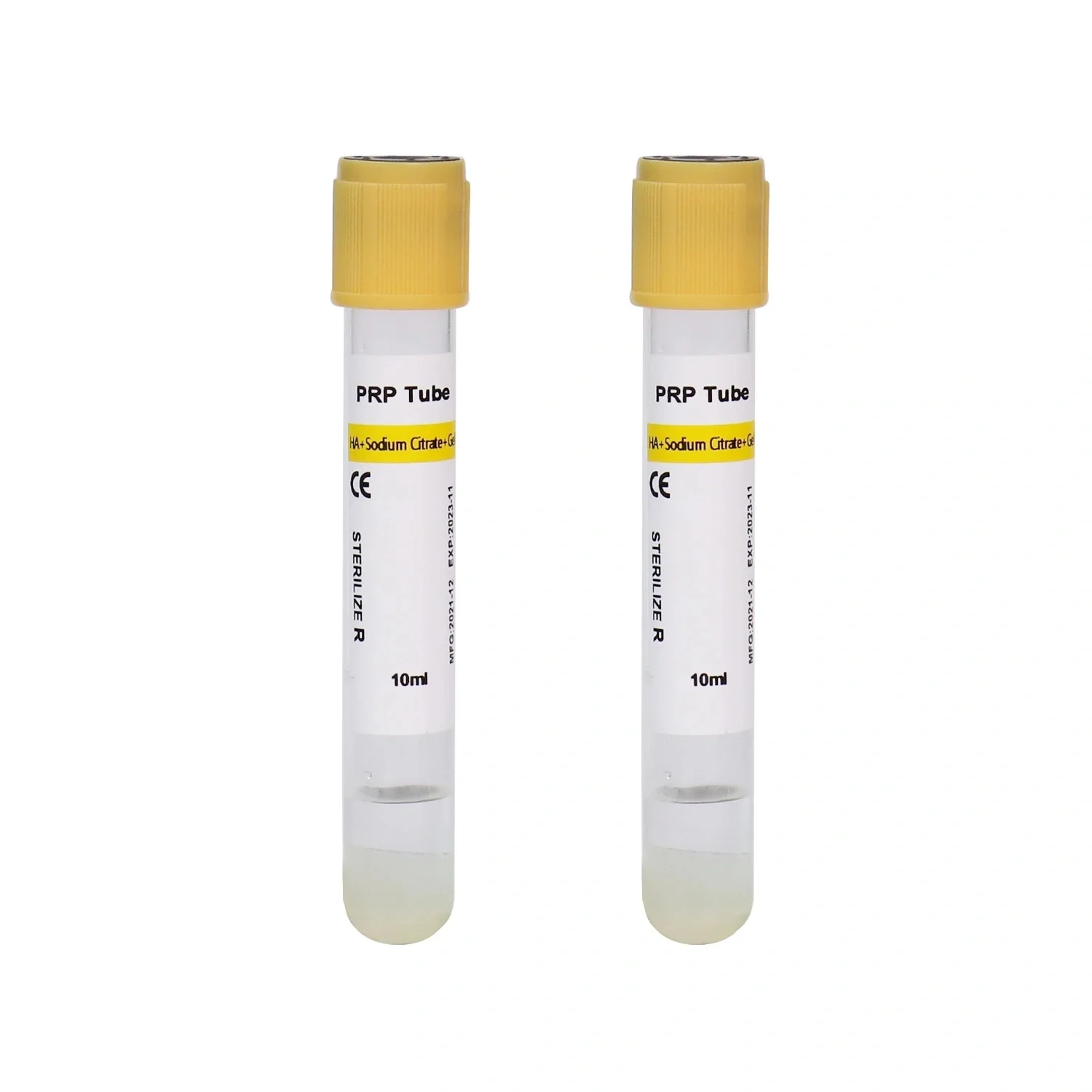
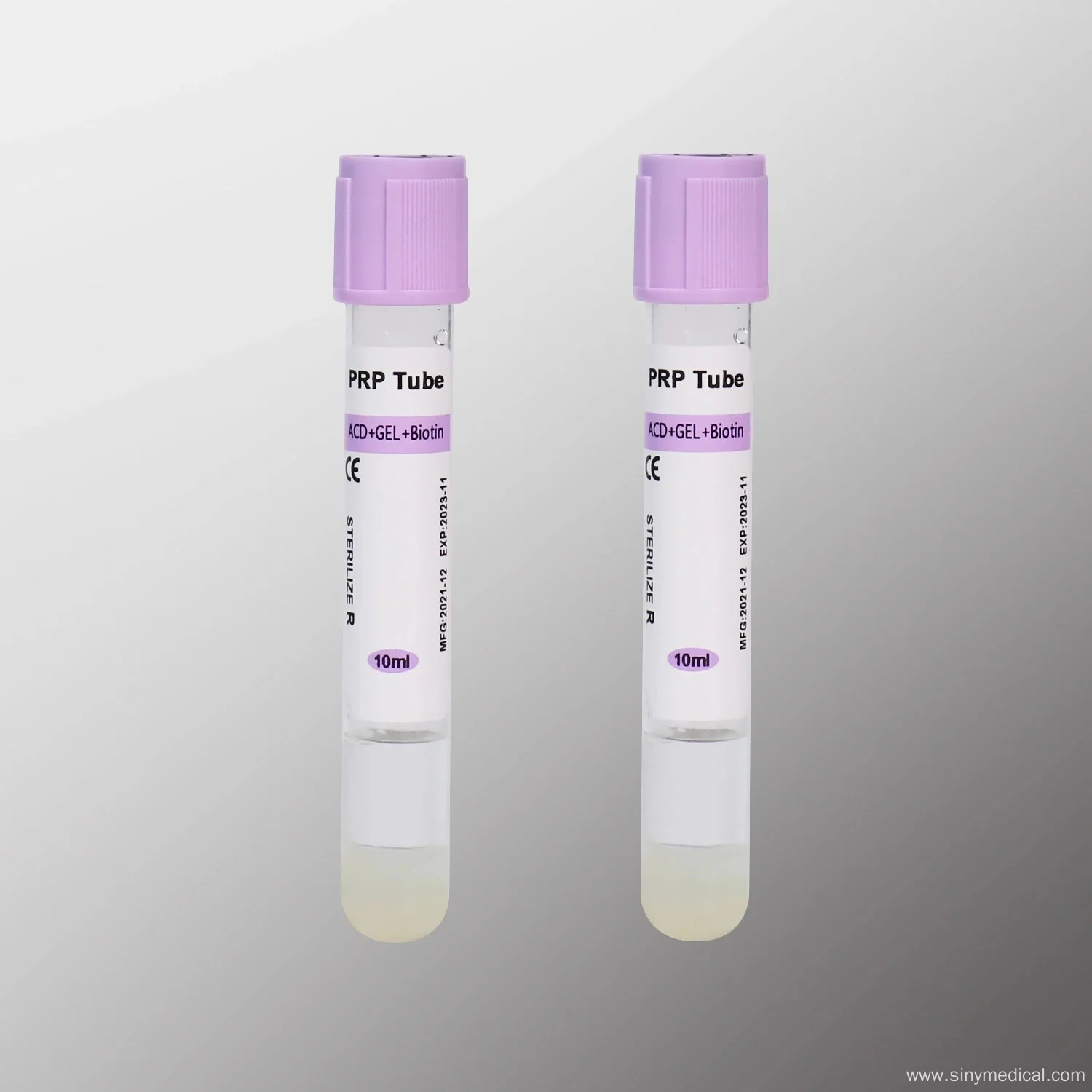
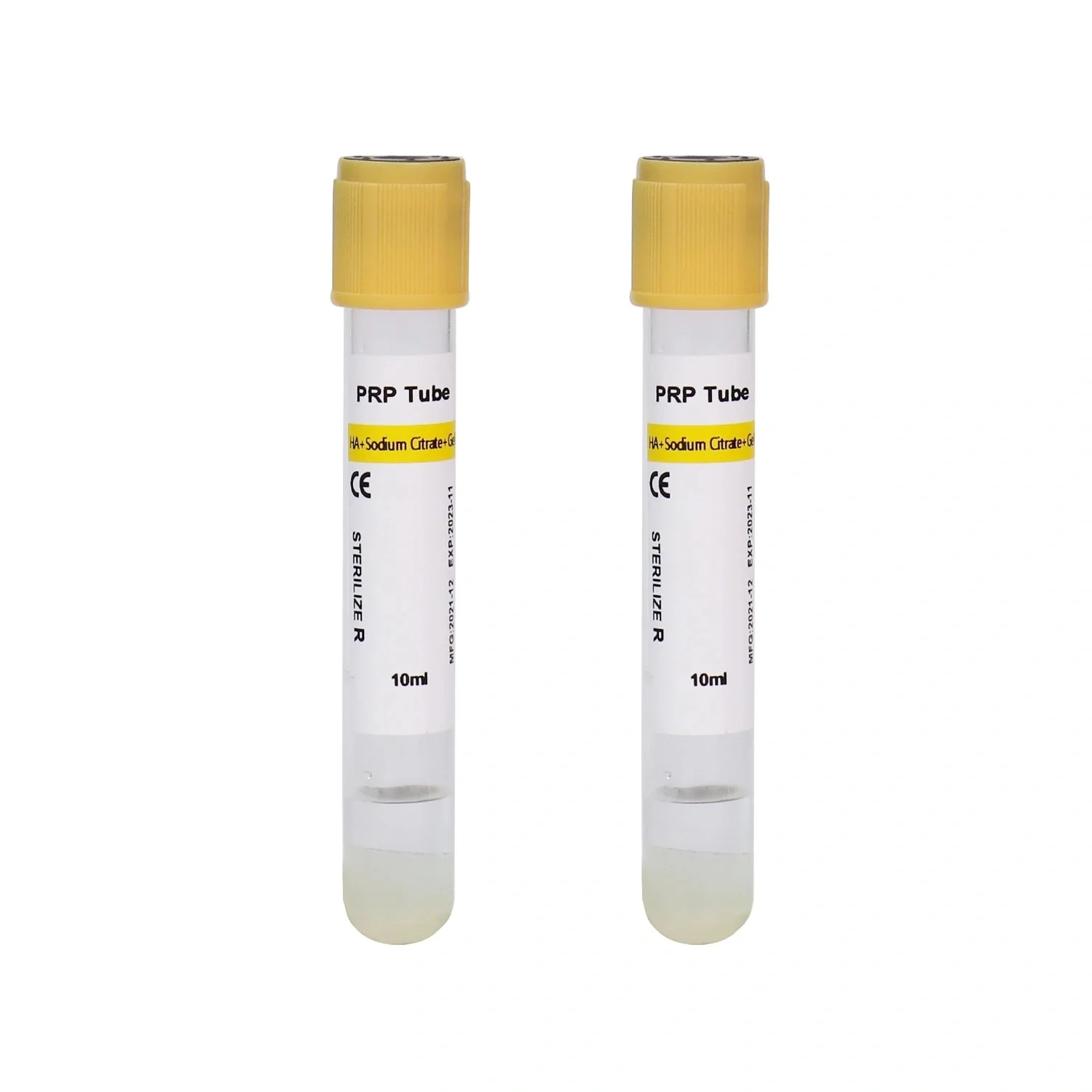
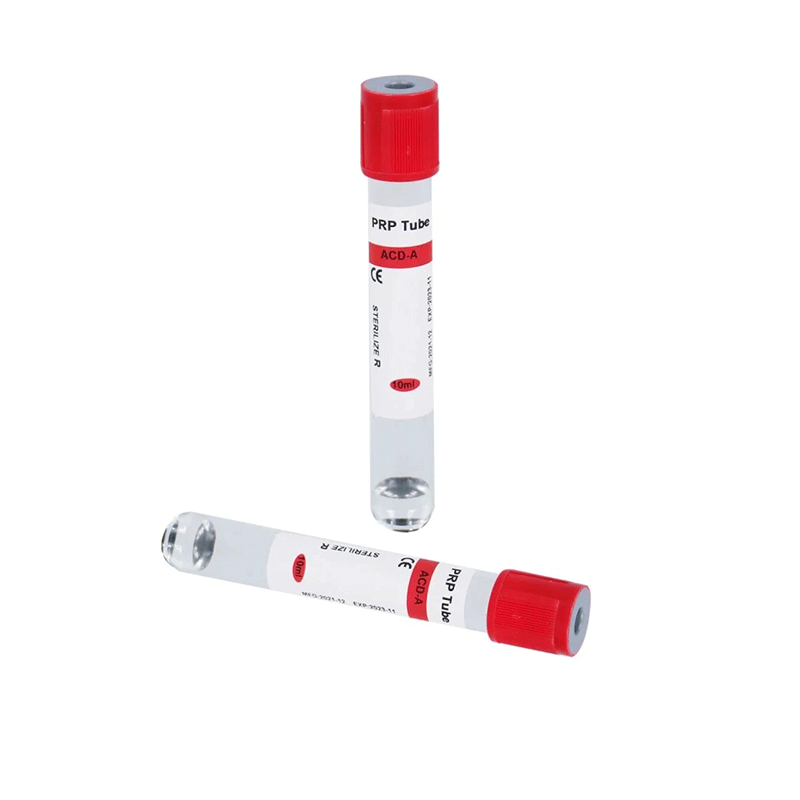
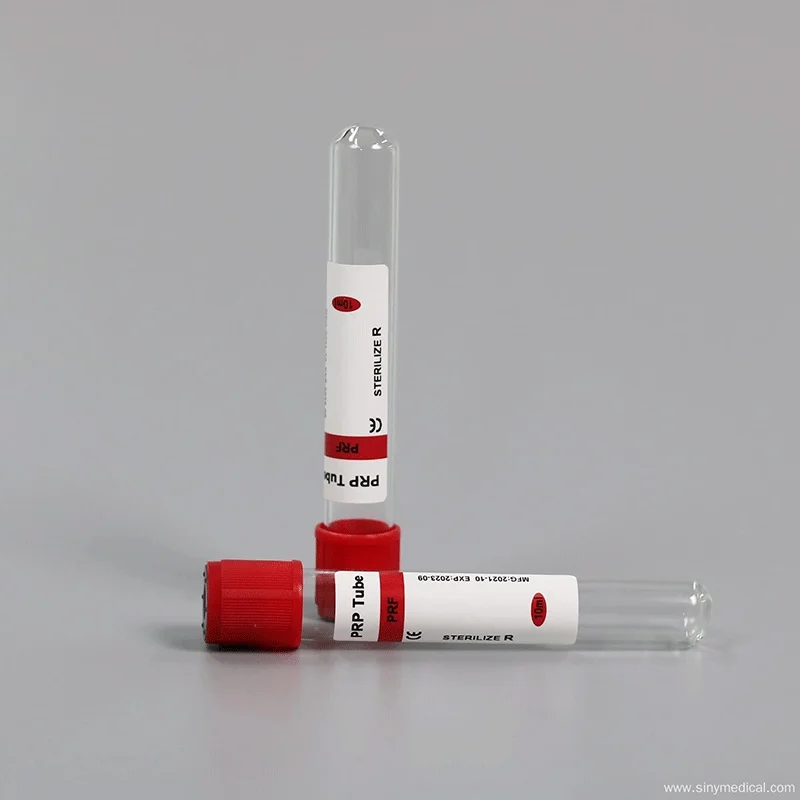
Siny Medical supplies PRP tubes and related blood collection consumables for professional PRP preparation workflows.
Other Laboratory Uses of Centrifuges
Laboratories also use centrifugation for:
- Cell separation and concentration
- Serum and plasma preparation
- DNA and RNA workflows
- Protein isolation
- Microbiology
- Pharmaceutical research
- Sample clarification
- Sediment collection
- Biotechnology research
The equipment required for these applications varies considerably.
For example, a small microcentrifuge used for molecular biology has different requirements from a clinical centrifuge designed for blood tubes. Specialized high-speed systems serve different purposes again.
For routine blood processing or typical PRP preparation, however, extremely high speed is usually not the main requirement. Compatibility with the intended protocol matters more.
Main Types of Centrifuges Used in Laboratories
Several types of centrifuges are available for medical and laboratory applications. Each type serves a different purpose.
Benchtop Centrifuge
A benchtop centrifuge is a compact machine designed for a laboratory work surface.
These centrifuges are common in clinical laboratories, medical facilities, research centers, and educational settings. Depending on the rotor, they may accommodate blood collection tubes and other sample containers.
For many routine workflows, benchtop models offer a useful balance of capacity, footprint, and performance.
Clinical Centrifuge
Clinical centrifuges commonly process blood, serum, plasma, urine, and other clinical samples.
When comparing machines, laboratories should consider tube compatibility, rotor capacity, RCF range, timer control, braking, and operating consistency.
Maximum RPM alone does not provide enough information.
PRP Centrifuge
A PRP centrifuge supports platelet-rich plasma preparation.
However, not every machine marketed for PRP works with every PRP tube or protocol.
Important factors include RCF, rotor configuration, tube dimensions, sample volume, time control, acceleration, and braking.
Therefore, it is useful to think of the:
Centrifuge + rotor + PRP tube + preparation protocol
as one connected system.
Microcentrifuges and Specialized Centrifuges
Microcentrifuges usually handle small sample volumes. They are common in molecular biology and biochemical research.
Other specialized machines include refrigerated, high-speed, and ultracentrifuges. Refrigerated systems control temperature during operation. Meanwhile, high-speed and ultracentrifuges provide greater centrifugal forces for specialized research.
These machines serve important purposes. However, their requirements differ from those of routine blood processing or standard PRP preparation.
RPM vs. RCF: Key Centrifuge Parameters Explained
One of the most important concepts when learning what is a centrifuge is the difference between RPM and RCF.
Although these terms are related, they measure different things.
What Does RPM Mean?
RPM means revolutions per minute.
It describes how many complete rotations a rotor makes in one minute. For example, a centrifuge running at 3,000 RPM completes 3,000 revolutions every minute.
Therefore, RPM describes rotational speed.
However, RPM alone does not tell you the exact centrifugal acceleration acting on the sample.
What Does RCF Mean?
RCF means relative centrifugal force. It is usually expressed as ×g.
RCF describes the centrifugal acceleration acting on a sample relative to Earth’s gravitational acceleration.
A commonly used equation is:
RCF = 1.118 × 10⁻⁵ × r × RPM²
Here, r represents the rotational radius in centimeters. For maximum RCF calculations, this distance is commonly measured from the center of rotation to the bottom of the tube in its operating position.
Why does this matter?
Imagine two centrifuges running at the same RPM. If they have different rotor radii, the samples can experience different RCF values.
Therefore:
Same RPM ≠ necessarily the same RCF
This explains why users should not simply copy an RPM setting from one machine to another.
Why RCF Matters for PRP
The difference between RPM and RCF is particularly important in PRP preparation.
If a protocol specifies a particular RCF, users need to consider the rotor radius before converting that value into RPM.
In addition, rotor geometry, tube position, acceleration, braking, and sample characteristics can influence separation.
For this reason, buyers should look beyond the maximum RPM on a centrifuge specification sheet.
How to Choose a Centrifuge for Blood and PRP Applications
Choosing a centrifuge should start with the intended sample and workflow.
A machine with a higher maximum speed is not automatically the better choice.
Start With Tube Compatibility
First, determine which tubes the machine needs to accommodate.
Check factors such as:
- Tube diameter
- Tube length
- Sample volume
- Number of tubes per cycle
- Tube material
- Required adapters or holders
A centrifuge may offer excellent performance but still be unsuitable if its rotor cannot safely hold the intended tubes.
Compare RCF, Not Only RPM
Next, identify the centrifugal force required by the procedure.
If a protocol specifies RCF, check whether the centrifuge and selected rotor can reliably achieve that value.
Do not automatically substitute an RPM value from another centrifuge. Rotor radius can change the resulting RCF.
This point is especially important in PRP preparation.
Consider Rotor Type and Capacity
Capacity should match the actual workload.
For example, a small clinic processing several tubes per cycle has different requirements from a busy laboratory handling many samples throughout the day.
Rotor design also matters. Fixed-angle and swing-out rotors position tubes differently during operation.
Therefore, select the rotor according to the intended sample and protocol rather than a general claim that one design is always better.
Evaluate Acceleration, Braking, and Safety Controls
Reliable control is often more useful than extremely high maximum speed.
Useful centrifuge features may include:
- RPM and RCF display
- Digital speed adjustment
- Programmable timer
- Acceleration control
- Adjustable braking
- Program memory
- Lid locking
- Imbalance detection
For PRP applications, pay particular attention to acceleration and deceleration when the preparation protocol specifies these parameters.
Balance Centrifuge Tubes Correctly
Correct balancing is essential for safe centrifuge operation.
Uneven weight distribution can cause vibration and additional mechanical stress. In severe cases, it may damage the rotor or machine.
Therefore, users should always position and balance tubes according to the centrifuge manufacturer’s instructions.
Consider the Complete Workflow
Finally, do not evaluate the centrifuge in isolation.
For blood and PRP applications, the workflow may include:
Blood collection → Tube selection → Centrifugation → Layer separation → Sample collection → Downstream use
Each step can affect the next.
Siny Medical specializes in blood collection tubes, PRP tubes, and related laboratory consumables. You can explore our existing sample collection solutions or contact our team to discuss tube requirements for blood and PRP workflows.
FAQ About Centrifuges
What is a centrifuge in simple terms?
A centrifuge is a machine that rapidly spins samples to separate their components. Medical and laboratory facilities commonly use centrifuges for blood separation, serum and plasma preparation, cell processing, and other sample preparation procedures.
What is a centrifuge used for in a laboratory?
Laboratories use centrifuges to separate blood components, prepare serum and plasma, concentrate cells, clarify samples, and support molecular biology, microbiology, biotechnology, and pharmaceutical research.
What is the difference between RPM and RCF?
RPM measures rotor speed. RCF describes the centrifugal acceleration acting on the sample.
Because RCF depends on RPM and rotor radius, two centrifuges operating at the same RPM can produce different RCF values.
Which is better, a fixed-angle or swing-out rotor?
Neither is universally better.
Fixed-angle and swing-out rotors position tubes differently and can produce different separation patterns. The appropriate choice depends on the sample, tube, desired separation, and preparation protocol.
What centrifuge is used for PRP?
PRP preparation requires a centrifuge that can safely accommodate the intended PRP tubes and provide the centrifugal conditions required by the preparation protocol.
Important factors include RCF, rotor configuration, rotor radius, capacity, time control, acceleration, and braking.
Does higher centrifuge speed mean better separation?
No. Higher speed does not automatically mean better separation.
The appropriate centrifugal force depends on the sample and separation objective. Excessive or unsuitable centrifugation can produce a different result from the intended protocol.
Why do centrifuge tubes need to be balanced?
Correct balancing distributes the rotor load evenly.
An unbalanced centrifuge may vibrate excessively and place additional stress on the rotor and machine. Proper balancing supports safer and more stable operation.
How long should blood or PRP be centrifuged?
There is no universal centrifugation time for every blood or PRP sample.
The correct conditions depend on tube design, sample volume, rotor, RCF, intended separation, and preparation protocol. Users should follow the validated procedure or instructions for the selected preparation system.
Understanding What a Centrifuge Does in Sample Preparation
Understanding what is a centrifuge involves more than knowing that the machine spins tubes.
Effective centrifugation depends on the sample, collection tube, rotor, RCF, RPM, time, acceleration, and braking conditions. For blood processing and PRP preparation, controlling these variables is often more important than choosing the highest possible speed.
Therefore, laboratories should consider centrifuge selection and tube selection as connected decisions.
Siny Medical provides blood collection tubes, PRP tubes, and related laboratory consumables for professional sample preparation. Explore our blood collection and PRP solutions or contact Siny Medical to discuss the tube requirements for your laboratory workflow.