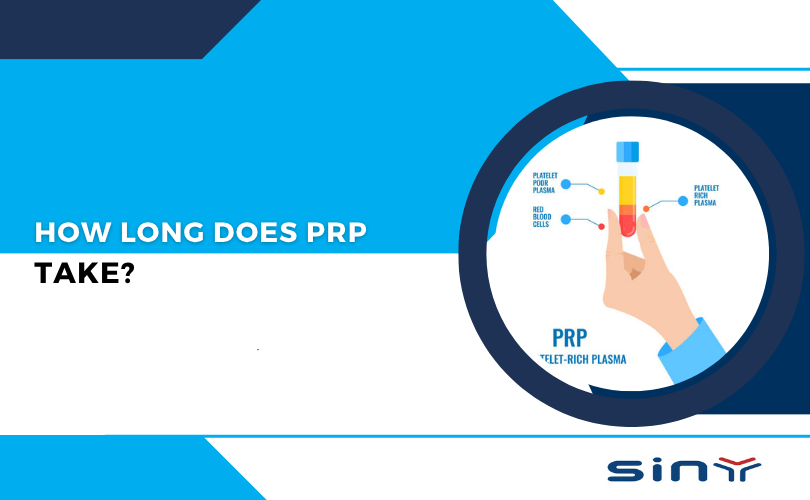
Platelet-Rich Plasma (PRP) therapy has become one of the most discussed regenerative treatments in recent years. Whether for hair restoration, facial rejuvenation, sports injuries, or orthopedic applications, patients often ask the same question: how long does PRP take?
The answer depends on what part of the process you’re referring to. The PRP procedure itself is relatively quick, often completed within an hour. However, the timeline for seeing noticeable results can range from several weeks to several months depending on the treatment area and individual healing response.
For clinics and practitioners, understanding the complete PRP timeline is also important when selecting collection systems and PRP preparation equipment. The quality of the PRP tube, anticoagulant formulation, and separation efficiency can directly influence treatment consistency and patient outcomes.
This guide explains every stage of the PRP process—from blood collection to visible results—so you know exactly what to expect.
How Long Does PRP Take During the Procedure?
When people search for how long does PRP take, they are often referring to the treatment appointment itself.
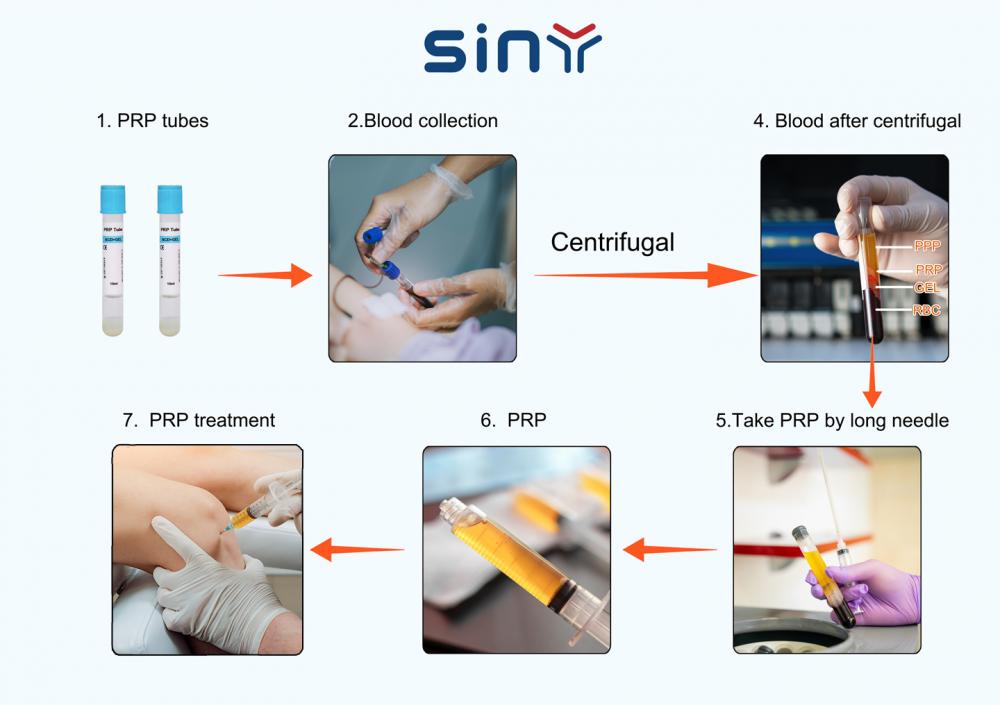
A typical PRP session usually lasts between 30 and 60 minutes. The process can be broken down into several simple steps:
Step 1: Blood Collection (5–10 Minutes)
The procedure begins with drawing a small amount of the patient’s blood, typically between 10 ml and 60 ml depending on the application.
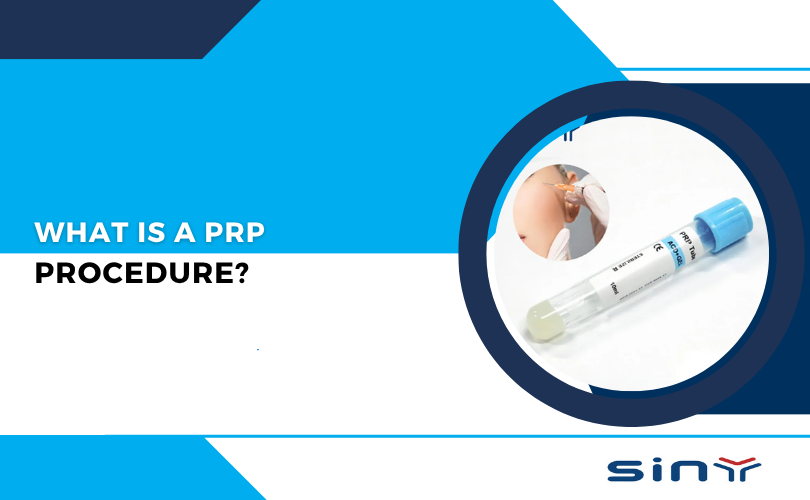
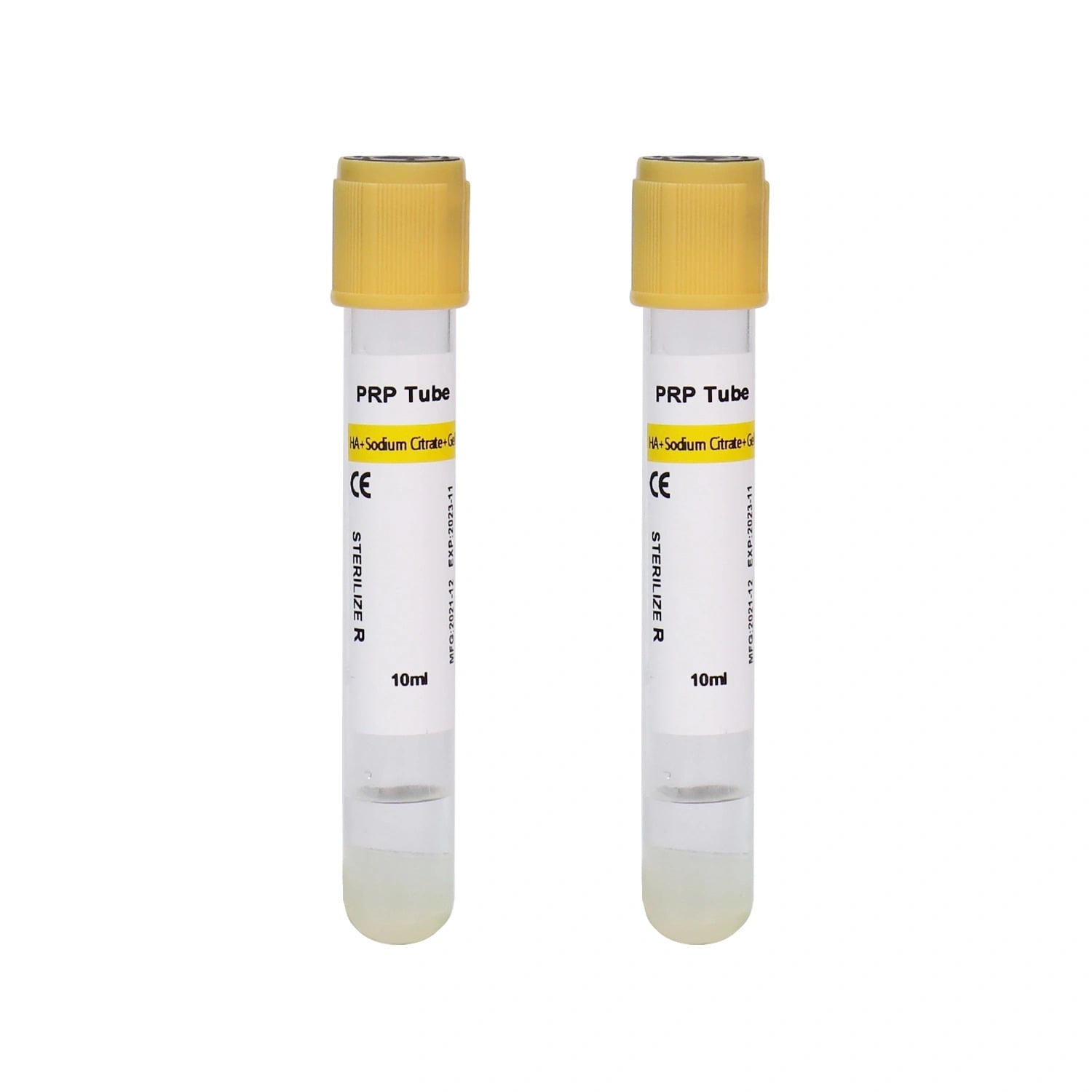
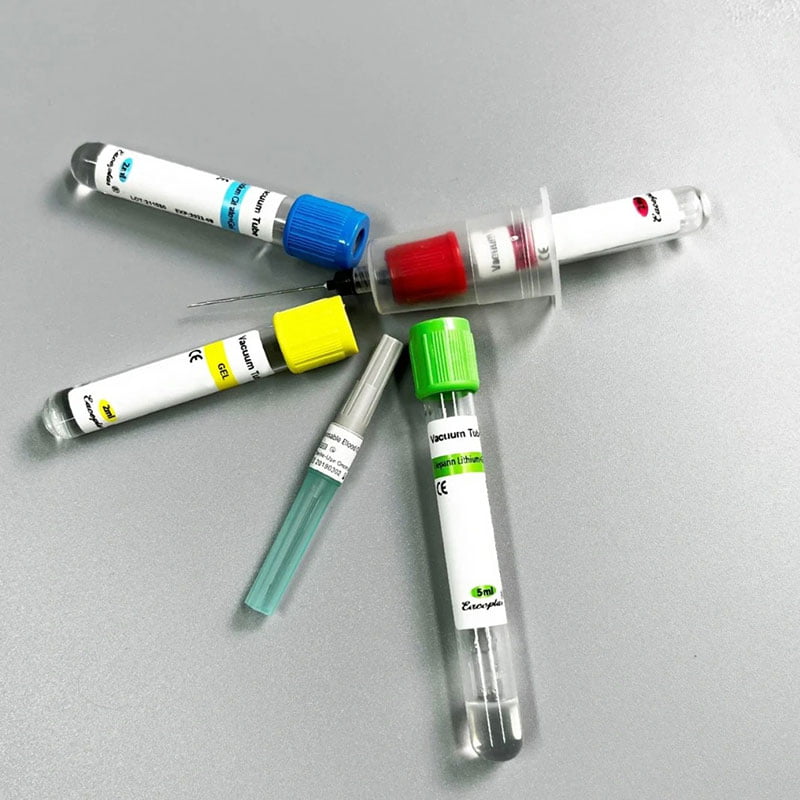
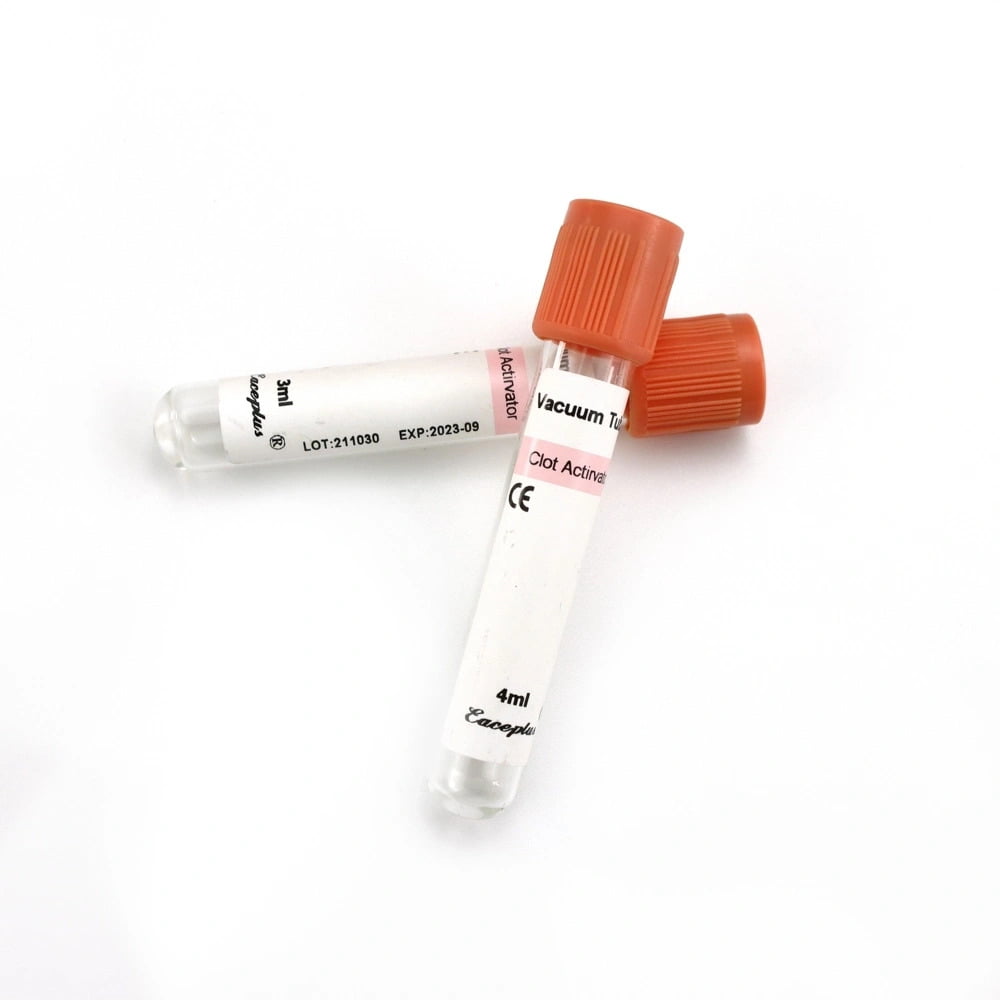
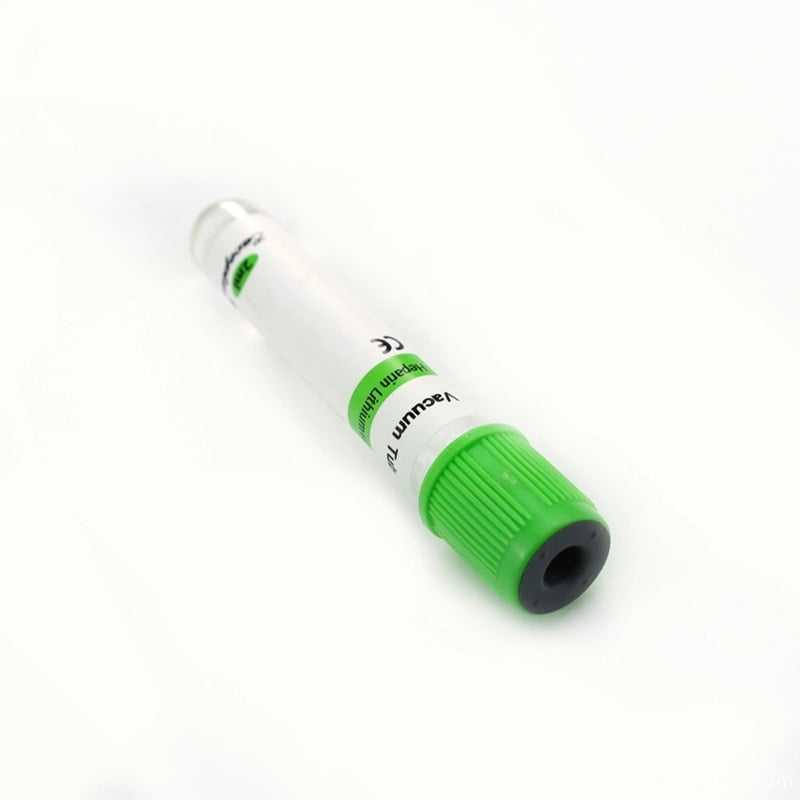
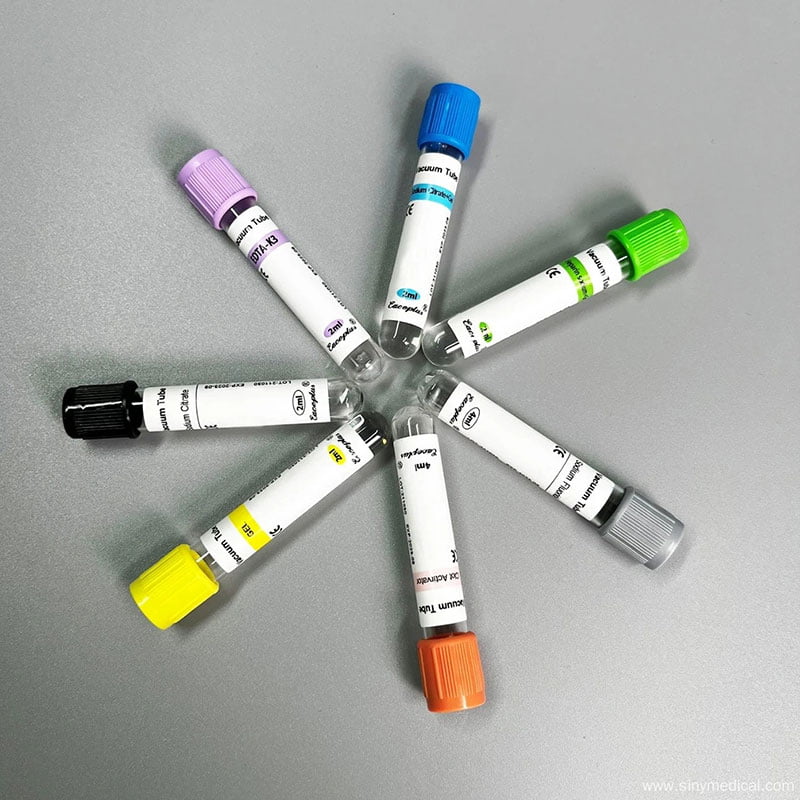
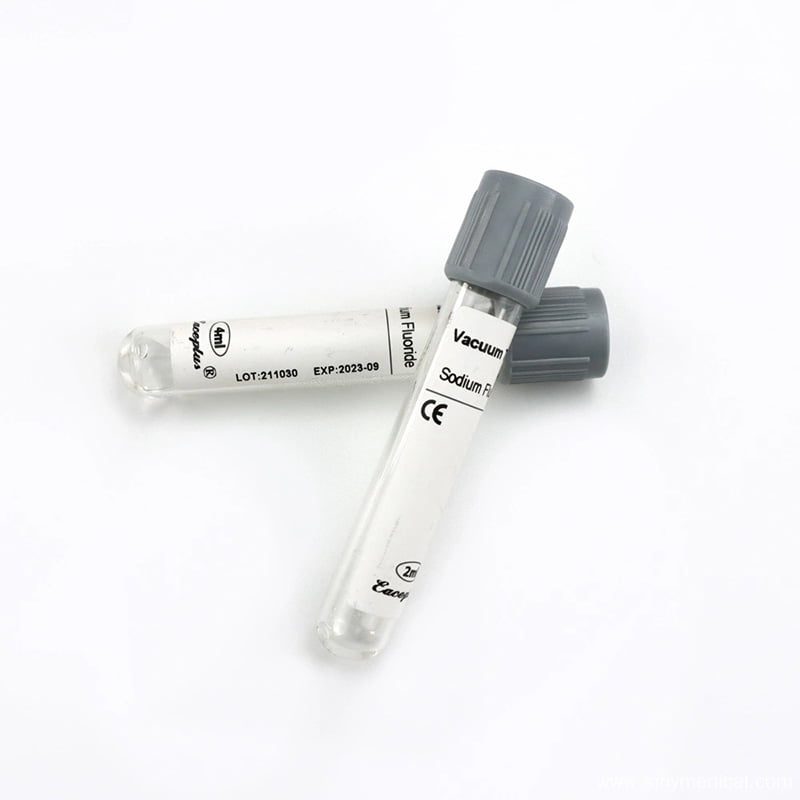
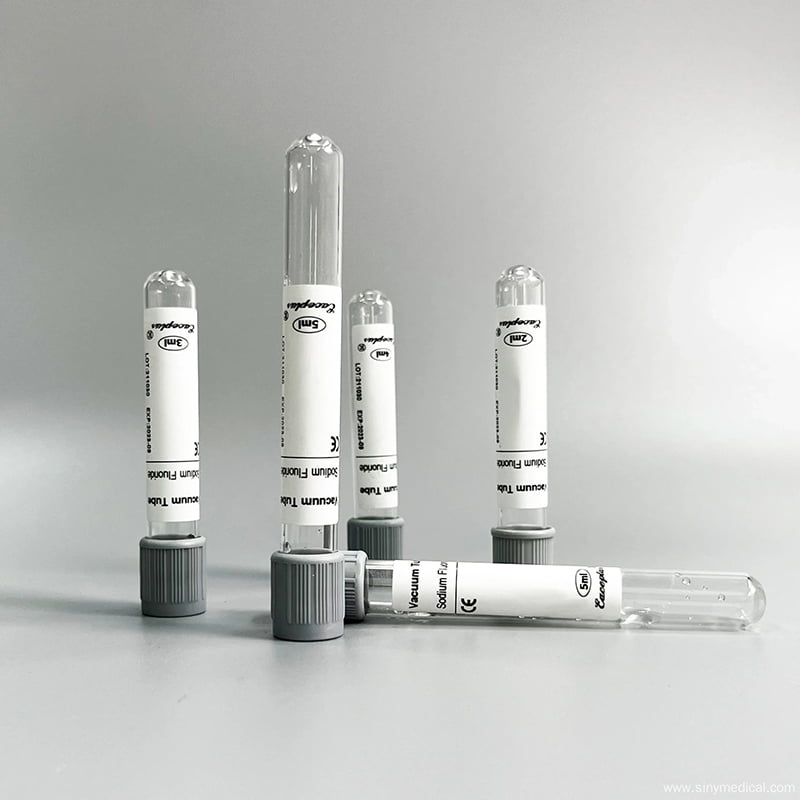
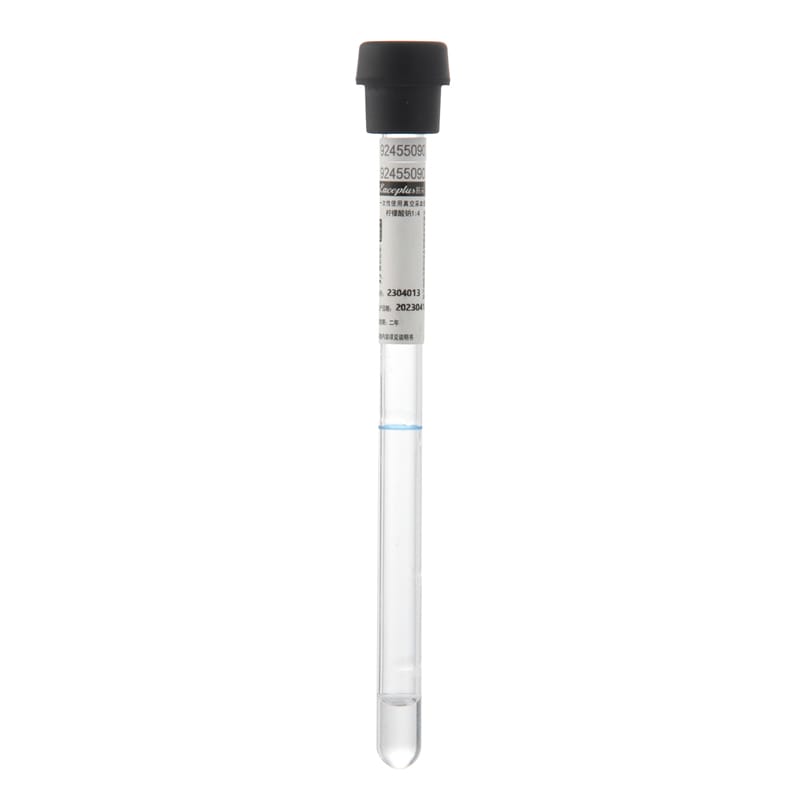
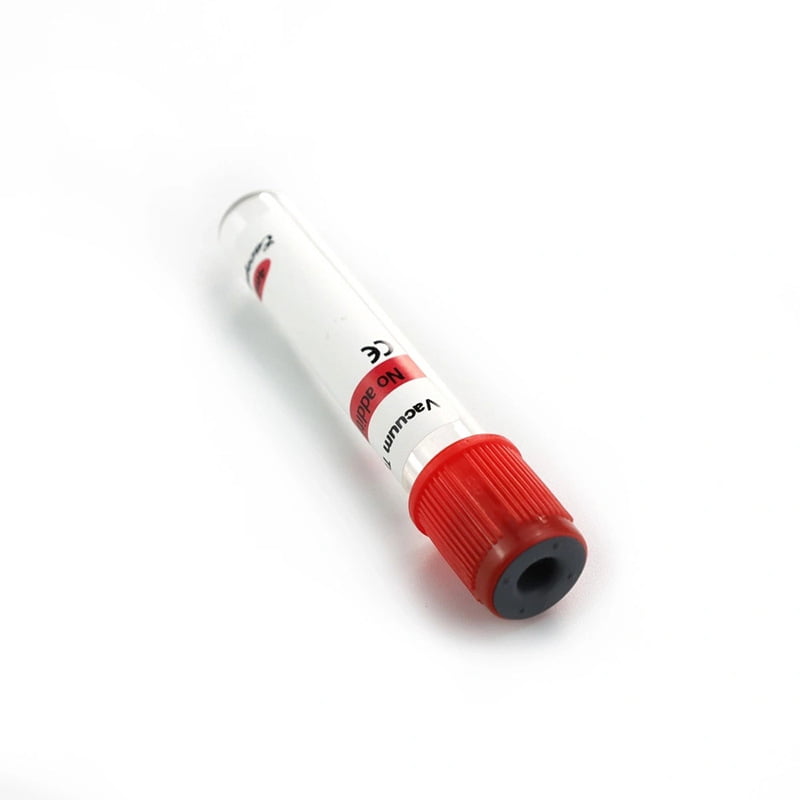
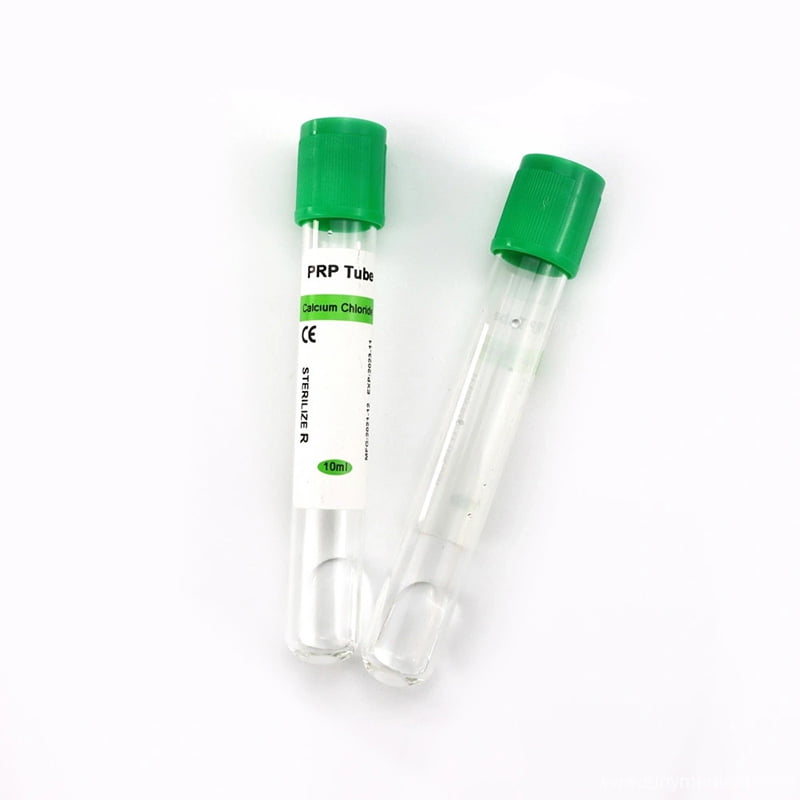
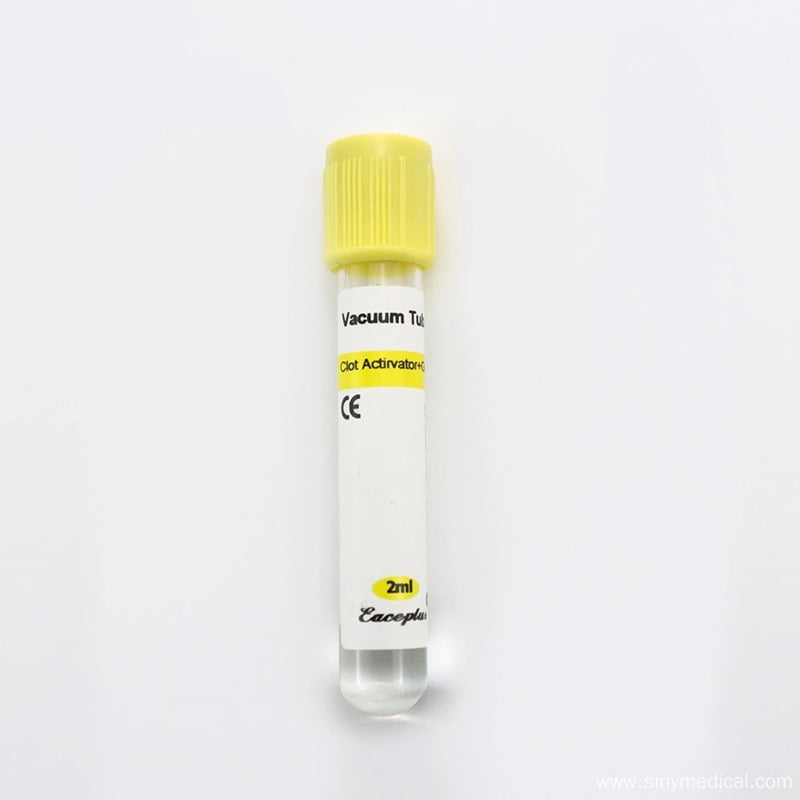
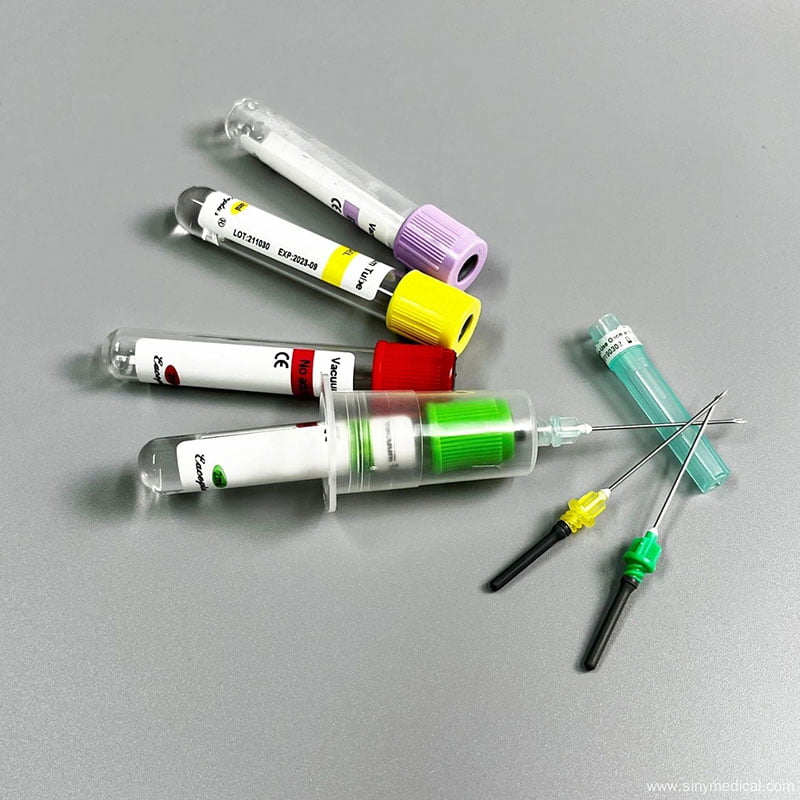
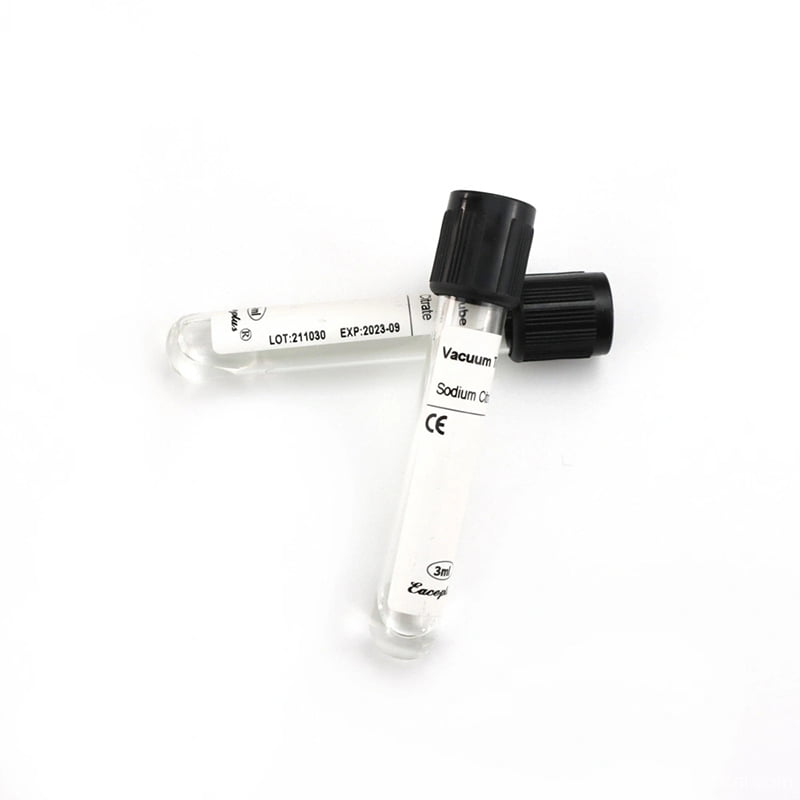
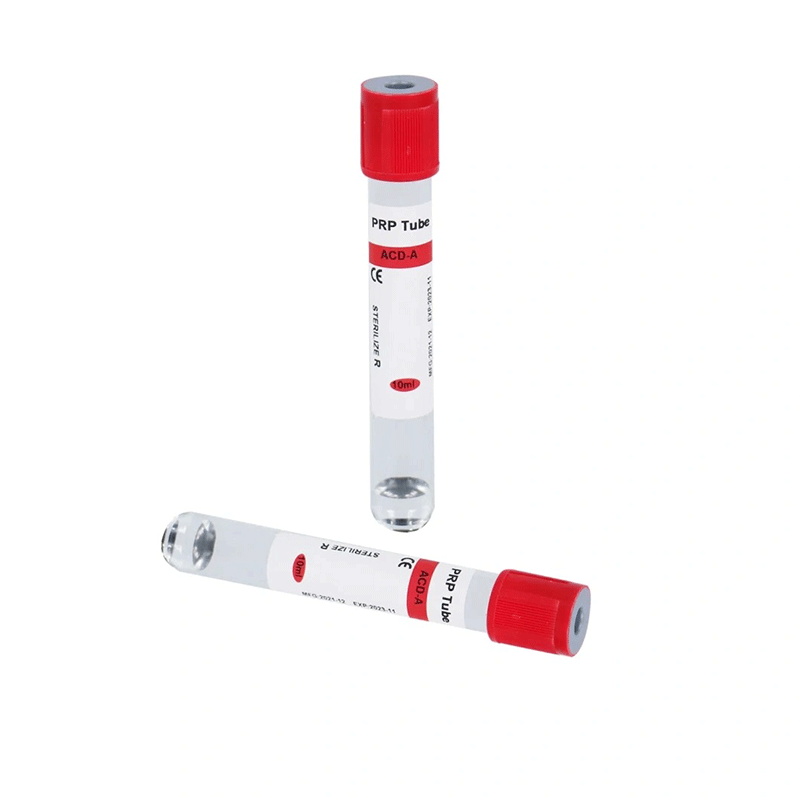
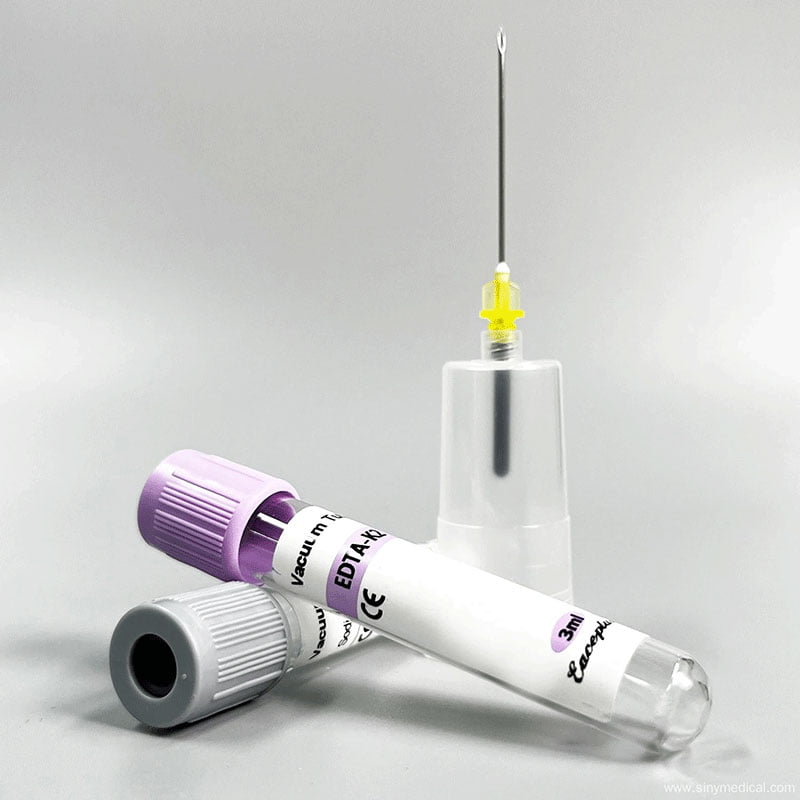
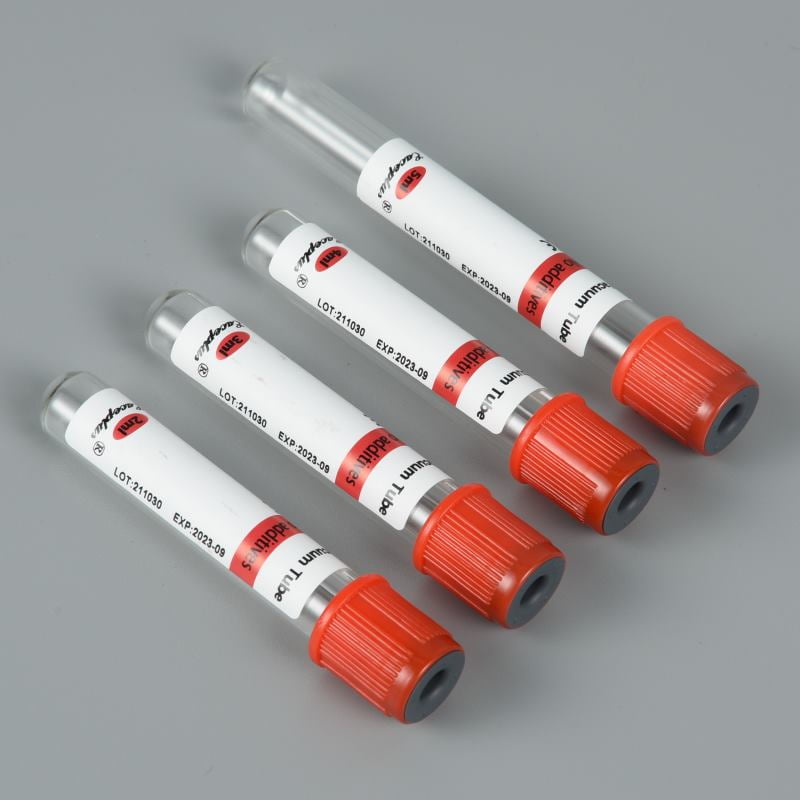
The collected blood is placed into specialized PRP tubes that contain either anticoagulants, separation gel, or other proprietary formulations designed to isolate platelet-rich plasma efficiently.
Step 2: Centrifugation (20–30 Minutes)
The blood-filled tubes are processed in a centrifuge.
During centrifugation, blood components separate into layers:
- Red blood cells
- Platelet-rich plasma
- Platelet-poor plasma
The exact spin time varies according to the PRP protocol being used, but most systems require approximately 20–30 minutes.
Step 3: PRP Extraction (5 Minutes)
After centrifugation, the clinician extracts the platelet-rich portion using sterile techniques.
The quality of separation at this stage largely depends on the tube design and centrifugation protocol.
Step 4: Injection or Application (10–20 Minutes)
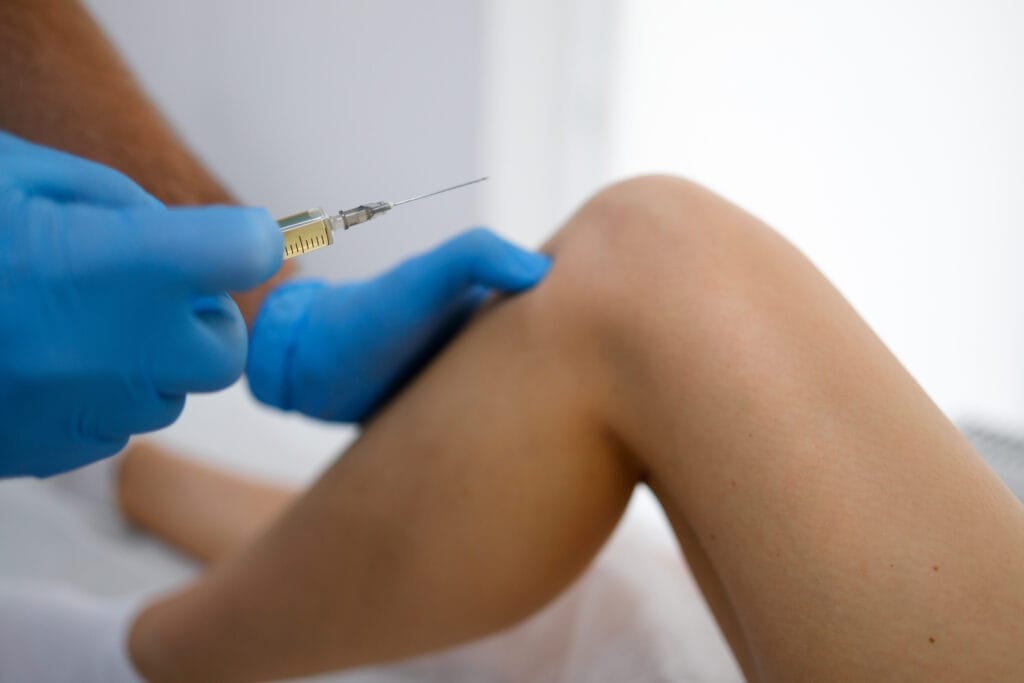
The prepared PRP is injected into the treatment area, whether it is the scalp, face, joints, tendons, or soft tissues.
Overall, most patients spend less than one hour in the clinic.
If your clinic is looking for reliable Platelet-rich plasma preparation solutions, choosing high-quality PRP tubes can improve separation consistency and simplify workflow. Siny Medical provides a range of PRP collection tubes designed for regenerative medicine applications worldwide.
How Long Does PRP Take to Start Working?
Although the procedure itself is quick, biological healing takes more time.
Platelet-rich plasma works by delivering concentrated growth factors and signaling proteins that stimulate tissue repair and regeneration. These processes occur gradually rather than instantly.
First Week
During the first few days after treatment, patients may experience:
- Mild swelling
- Tenderness
- Redness
- Temporary soreness
This is a normal part of the body’s healing response.
Weeks 2–4
Growth factors begin activating cellular repair mechanisms.
Many patients report subtle improvements such as:
- Reduced inflammation
- Less pain
- Improved tissue quality
Hair restoration patients may not notice visible changes yet, as hair follicles require additional time to respond.
Months 1–3
This is typically when visible improvements begin appearing.
Depending on the treatment indication, patients may observe:
- New hair growth
- Improved skin texture
- Better joint mobility
- Reduced chronic pain
Most practitioners consider the 1–3 month period the beginning of measurable results.
How Long Does PRP Take to Show Full Results?
The complete answer to how long does PRP take depends heavily on the treatment type.
PRP for Hair Loss
Hair restoration usually requires patience.
Typical timeline:
- 1 month: Minimal visible changes
- 2–3 months: Reduced shedding
- 3–6 months: Early hair thickening
- 6–12 months: Maximum visible improvement
Hair follicles operate in growth cycles, which explains why results develop slowly.
PRP for Facial Rejuvenation
Aesthetic treatments often produce faster visible effects.
Typical timeline:
- 2–4 weeks: Improved skin brightness
- 1–2 months: Enhanced texture
- 3 months: Increased collagen production
Patients frequently describe their skin as looking healthier and more refreshed rather than dramatically altered.
PRP for Orthopedic Treatments
Joint and tendon applications vary according to injury severity.
Many patients notice:
- Initial relief within several weeks
- Significant improvement within 2–3 months
- Continued healing for up to 6 months
Because tissue regeneration continues over time, results can keep developing long after the procedure.
What Factors Affect How Long PRP Takes to Work?
Not every patient experiences the same timeline.
Several factors influence both treatment speed and overall effectiveness.
Platelet Concentration
Higher-quality platelet concentrates generally provide stronger regenerative signaling.
However, more platelets do not always guarantee better results. Proper balance and preparation remain critical.
Patient Age and Health
Younger individuals often heal faster.
Factors that may slow response include:
- Smoking
- Diabetes
- Chronic inflammation
- Poor nutrition
- Certain medications
Treatment Area
Different tissues regenerate at different rates.
For example:
- Skin responds relatively quickly
- Hair follicles require months
- Tendons and ligaments heal more slowly
PRP Preparation System
The collection tube and preparation method play an important role in obtaining consistent platelet recovery.
Clinics increasingly focus on selecting reliable Platelet-rich plasma tube systems because variability during blood processing can impact final PRP quality.
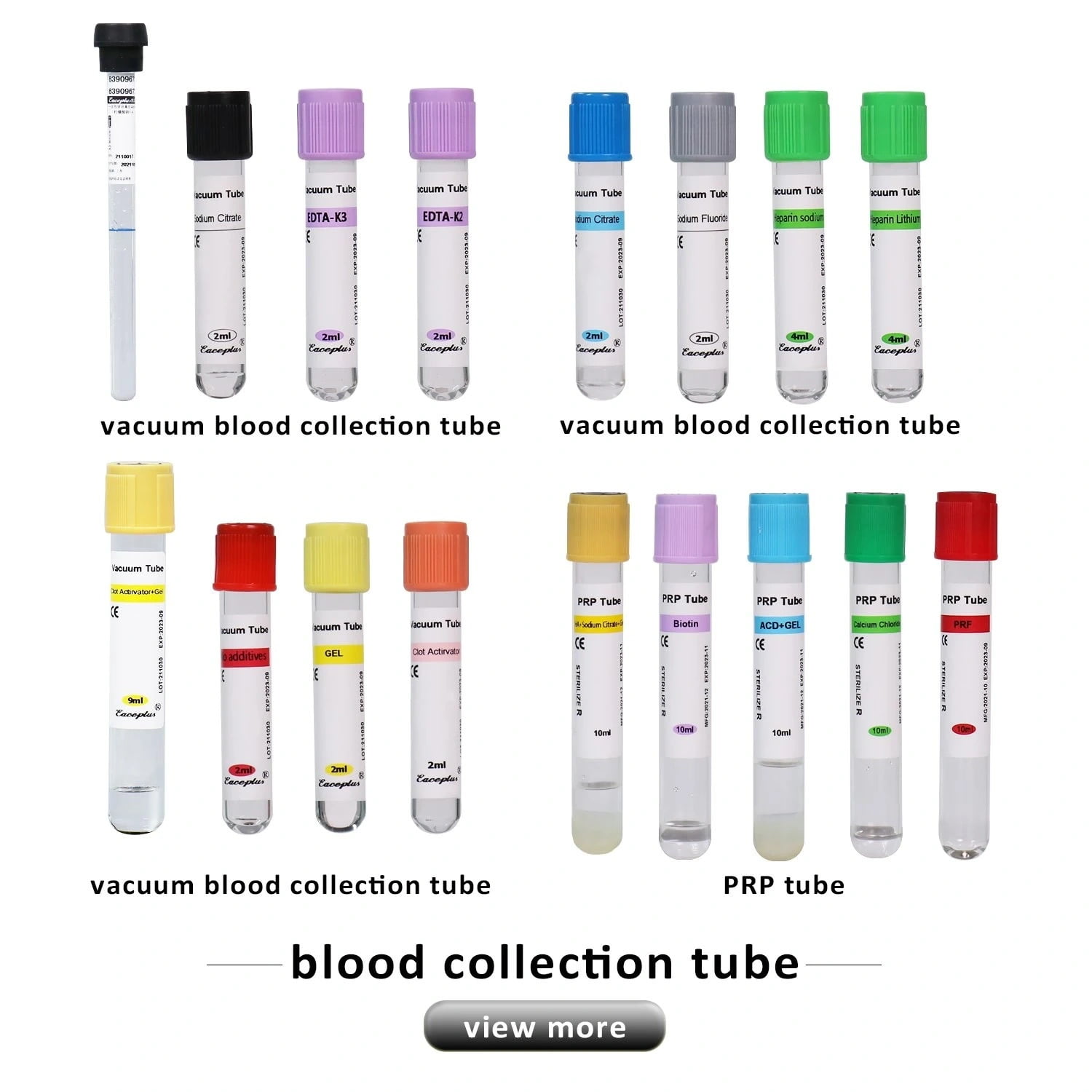
For healthcare providers seeking dependable Platelet-rich plasma consumables, Siny Medical offers various PRP tube configurations including gel-based, non-gel, sodium citrate, ACD-A, HA-enhanced, and biotin-enhanced options tailored to different clinical applications.
How Many PRP Sessions Are Usually Needed?
Many patients assume a single treatment is sufficient.
In reality, multiple sessions often deliver better outcomes.
Common treatment schedules include:
Hair Restoration
- 3–4 sessions initially
- 4–6 weeks apart
- Maintenance every 6–12 months
Facial Rejuvenation
- 2–3 treatments
- 4–6 weeks apart
Orthopedic Applications
- 1–3 treatments
- Based on injury severity
Because Platelet-rich plasma stimulates biological repair rather than masking symptoms, cumulative treatments often produce stronger and longer-lasting benefits.
Why PRP Processing Time Matters for Clinics
While patients focus on recovery timelines, clinics must also consider processing efficiency.
A well-designed PRP workflow can:
- Reduce preparation errors
- Improve platelet recovery consistency
- Shorten chair time
- Enhance patient satisfaction
Modern Platelet-rich plasma tubes are engineered to simplify plasma separation and improve reproducibility. This is particularly important for clinics performing large numbers of Platelet-rich plasma procedures each month.
If you’re evaluating Platelet-rich plasma systems for your practice, exploring professional-grade Platelet-rich plasma collection tubes from Siny Medical can help optimize treatment consistency while maintaining workflow efficiency.

FAQ About How Long Does PRP Take
Does PRP treatment hurt?
Most patients report only mild discomfort. Topical anesthetics or local anesthesia may be used depending on the treatment area.
Can I return to work after PRP?
Yes. Most individuals resume normal activities on the same day or the following day.
How long does PRP take for hair growth?
Visible hair improvements generally begin around 3 months, while full results often require 6–12 months.
How long does PRP take to reduce joint pain?
Some patients notice improvement within a few weeks, while others require several months for significant symptom relief.
Can PRP results be permanent?
Platelet-rich plasma is not usually permanent. Maintenance treatments may be recommended depending on the condition being treated.
Does the type of PRP tube affect results?
The preparation system can influence platelet concentration and plasma purity. For clinical procedures requiring a sustained-release scaffold, practitioners often compare Platelet-rich plasma therapy timelines to how long PRF lasts relative to standard Platelet-rich plasma.
Summary
So, how long does PRP take? The actual procedure typically takes less than one hour, making it a convenient option for both patients and clinics. However, the body’s regenerative processes require more time. Early improvements may appear within a few weeks, while full results often develop over several months.
The exact timeline depends on the treatment indication, patient health, platelet quality, and Platelet-rich plasma preparation method. For healthcare providers, selecting dependable Platelet-rich plasma collection systems is an important step toward achieving consistent outcomes. As regenerative medicine continues to grow, reliable Platelet-rich plasma tubes and standardized preparation protocols remain key components of successful PRP therapy.