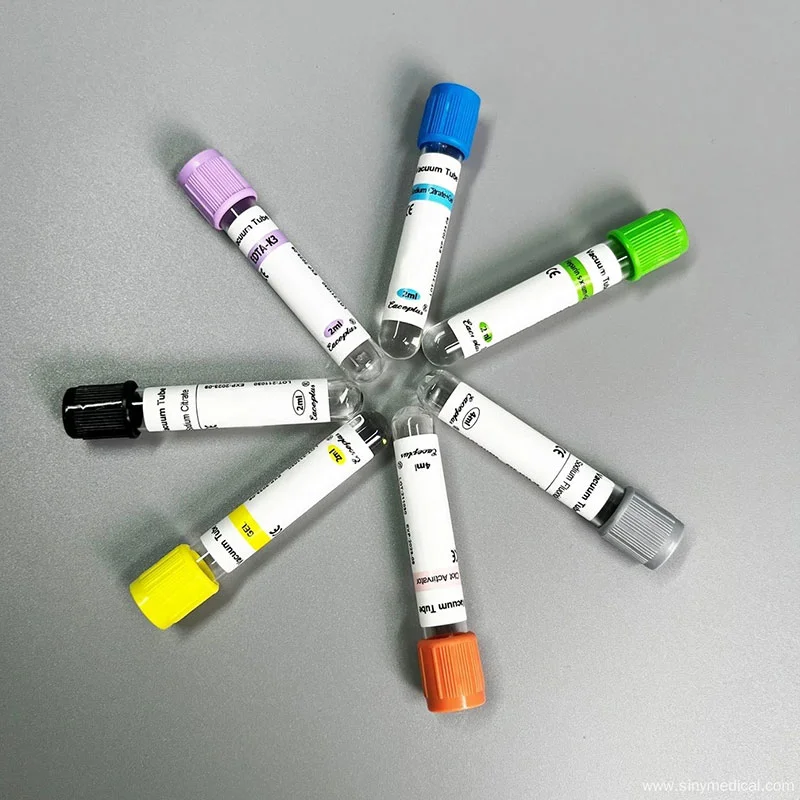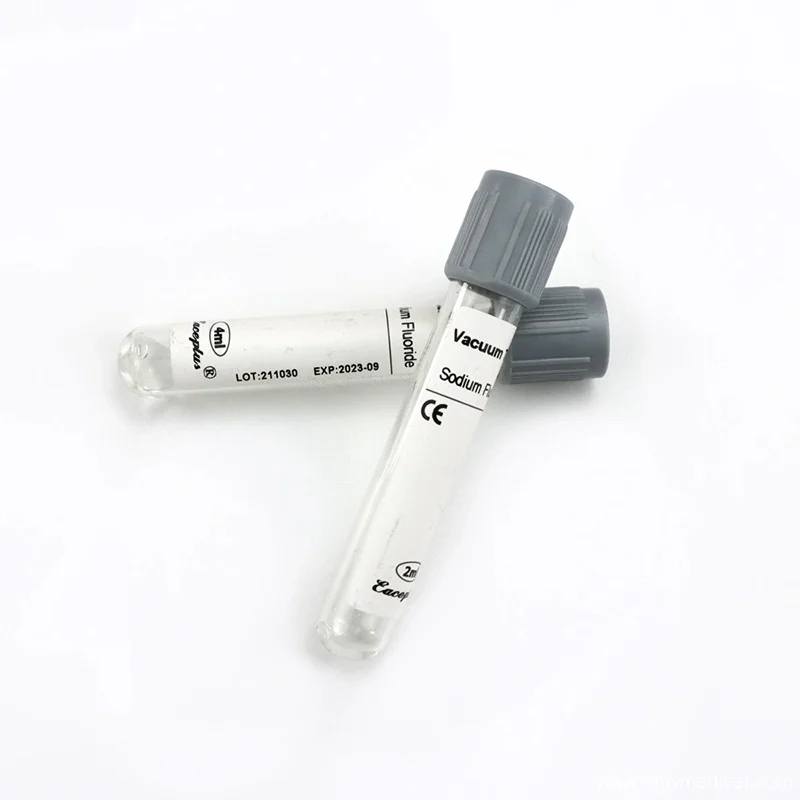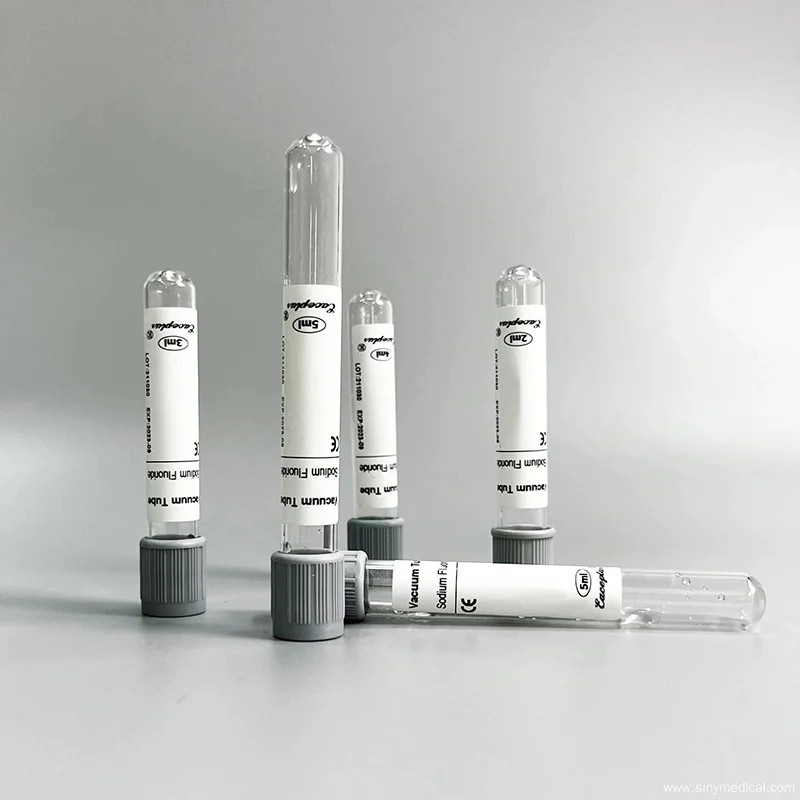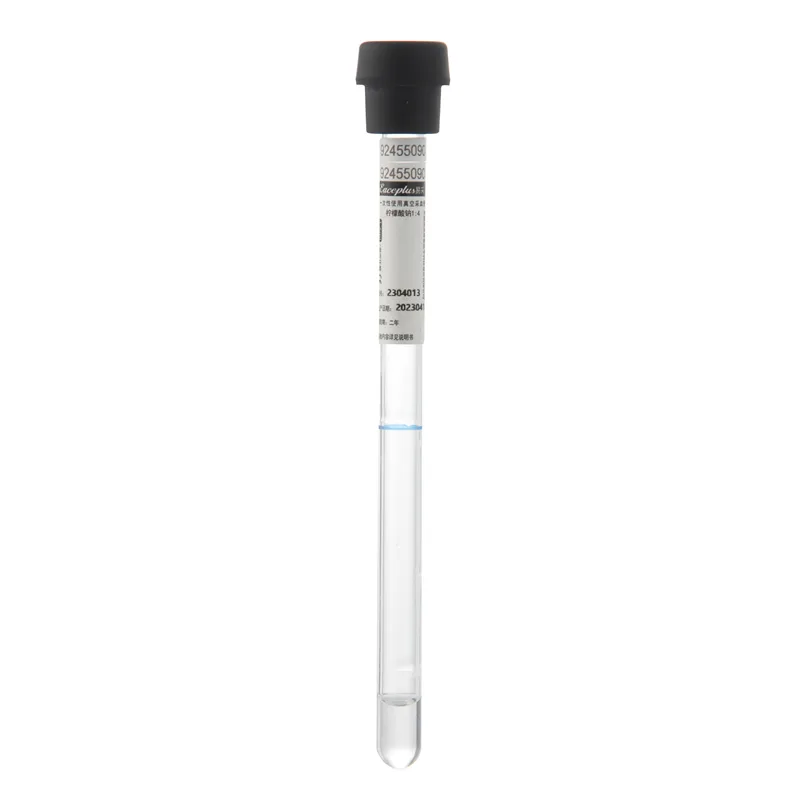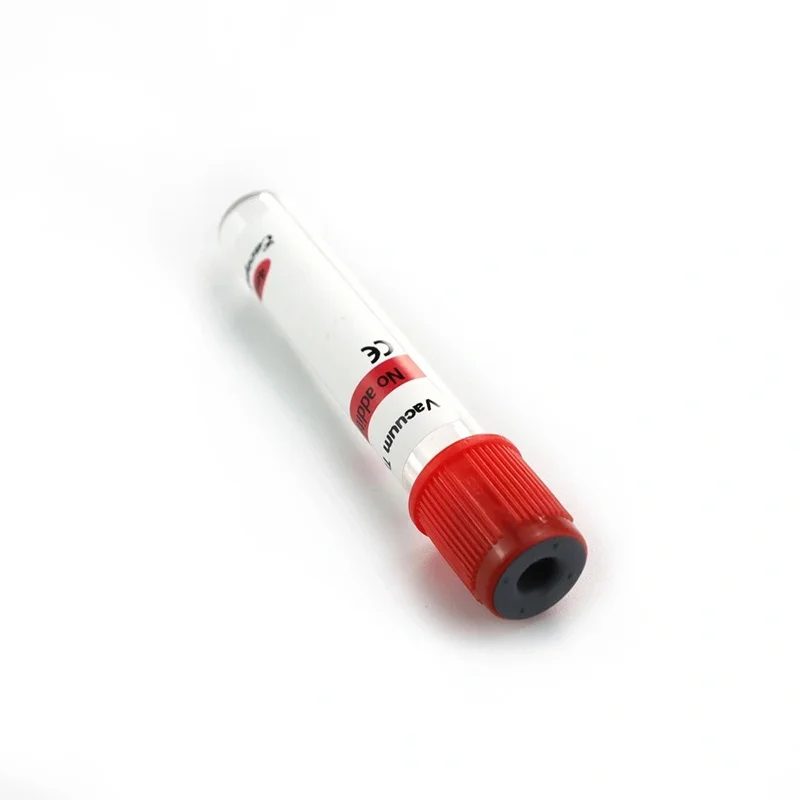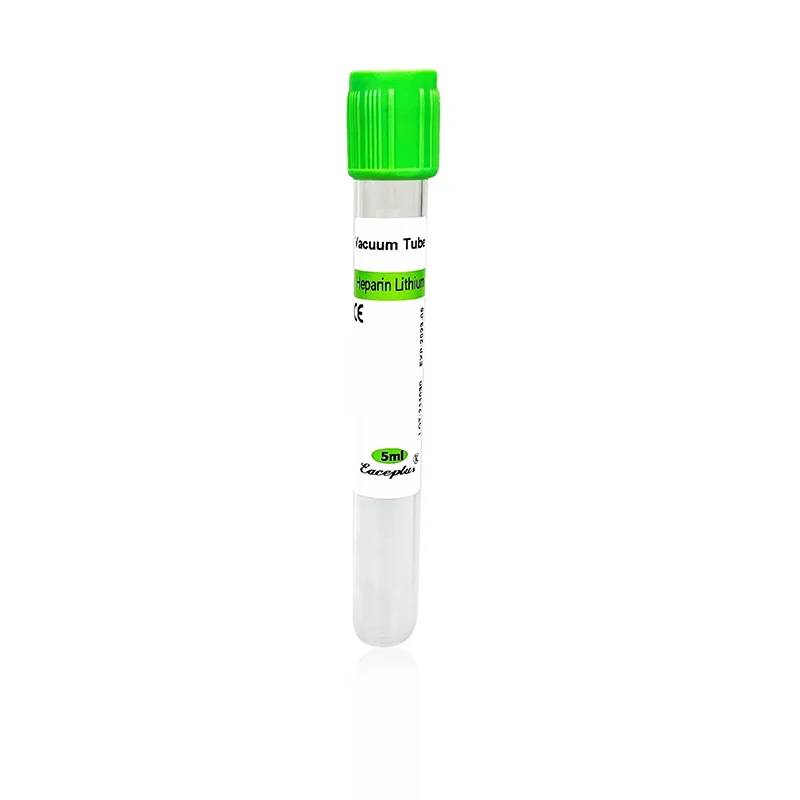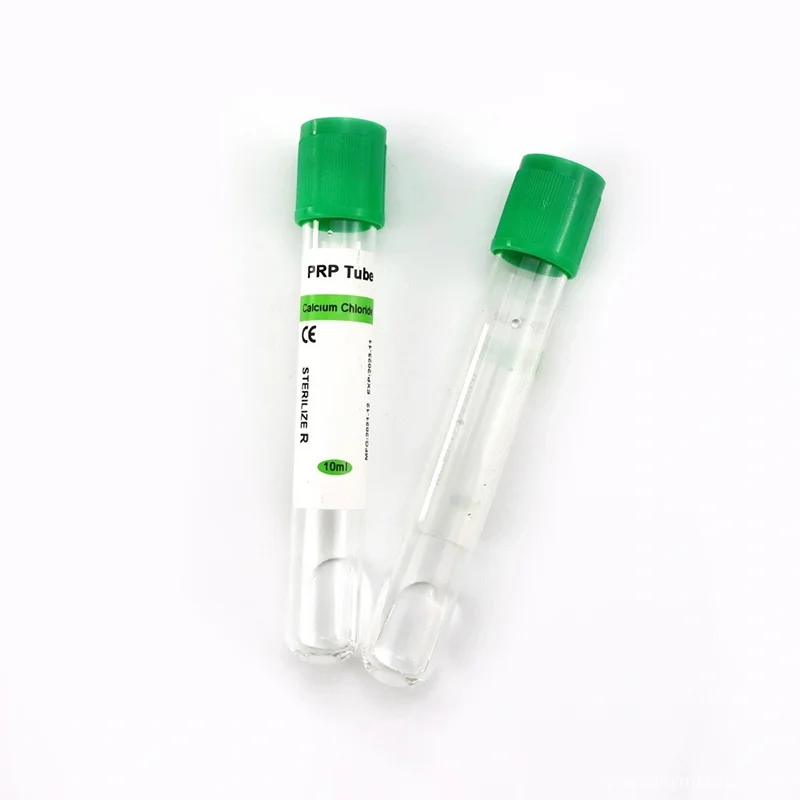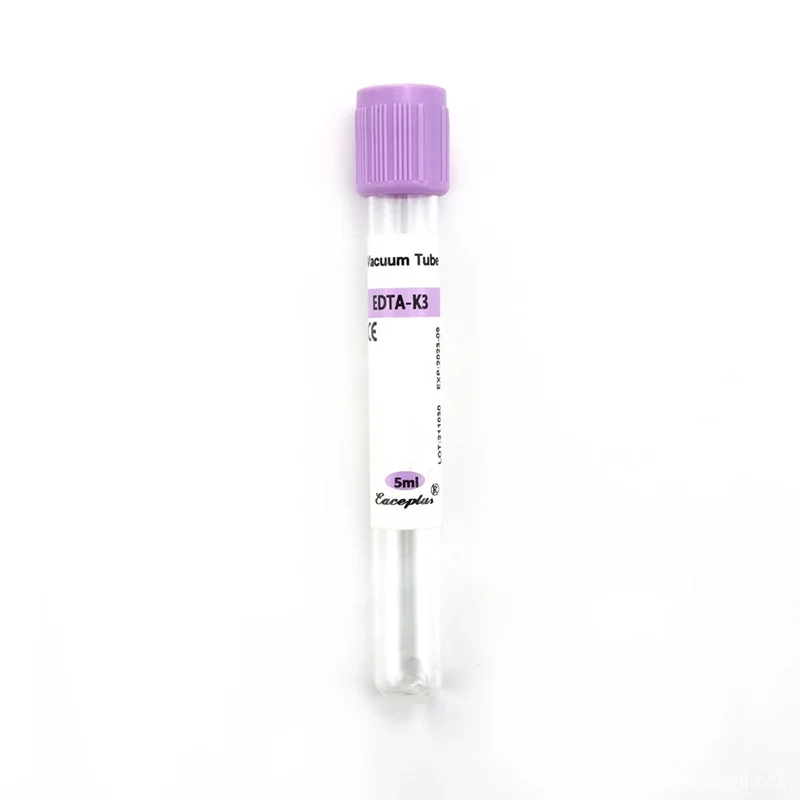
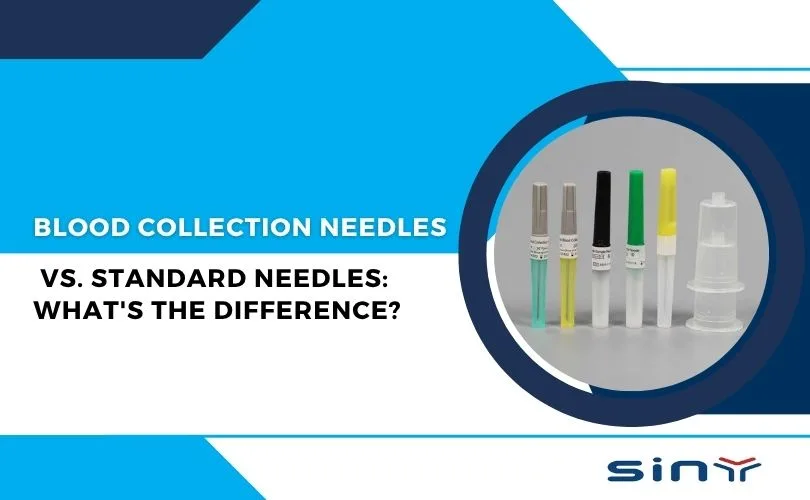
When it comes to medical procedures involving needles, understanding the differences between blood collection needles and standard needles is crucial for healthcare professionals and patients alike. Both types of needles serve distinct purposes, and choosing the right one can significantly impact the efficiency and safety of medical procedures. In this comprehensive blog, we’ll delve into the specifics of blood collection needles, compare them with standard needles, and explore their unique features, applications, and benefits.
Table of Contents
- 1 Understanding the Basics: What Are Blood Collection Needles?
- 2 What Are Standard Needles?
- 3 Differences Between Blood Collection Needles and Standard Needles
- 4 Types of Blood Collection Needles
- 5 Specialized Needles
- 6 Specifications and Gauge Selection in Blood Collection Needles
- 7 How Blood Collection Needles Work
- 8 Summary
- 9 FAQs
Understanding the Basics: What Are Blood Collection Needles?
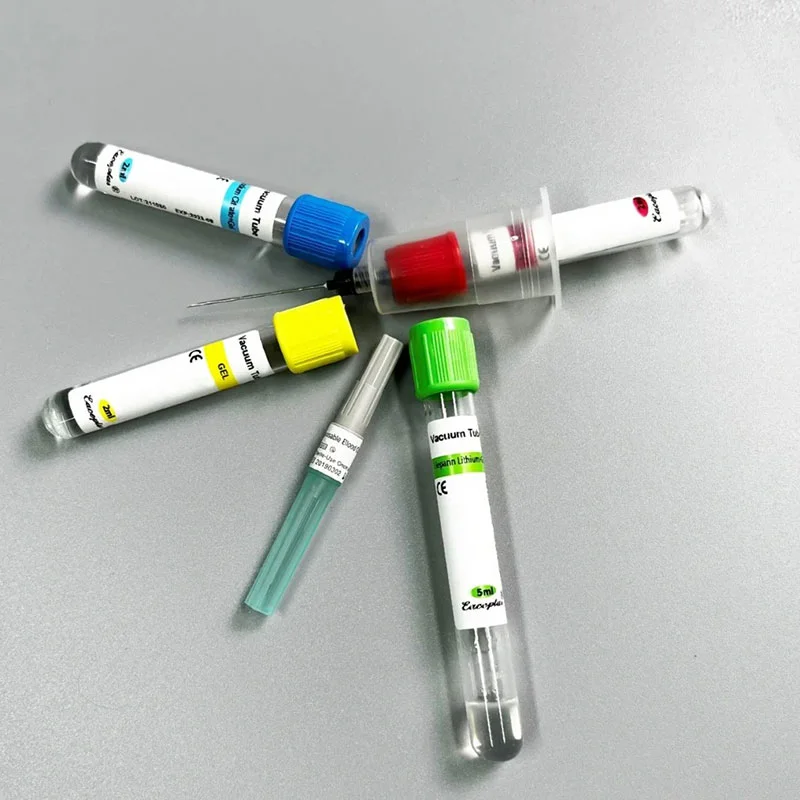
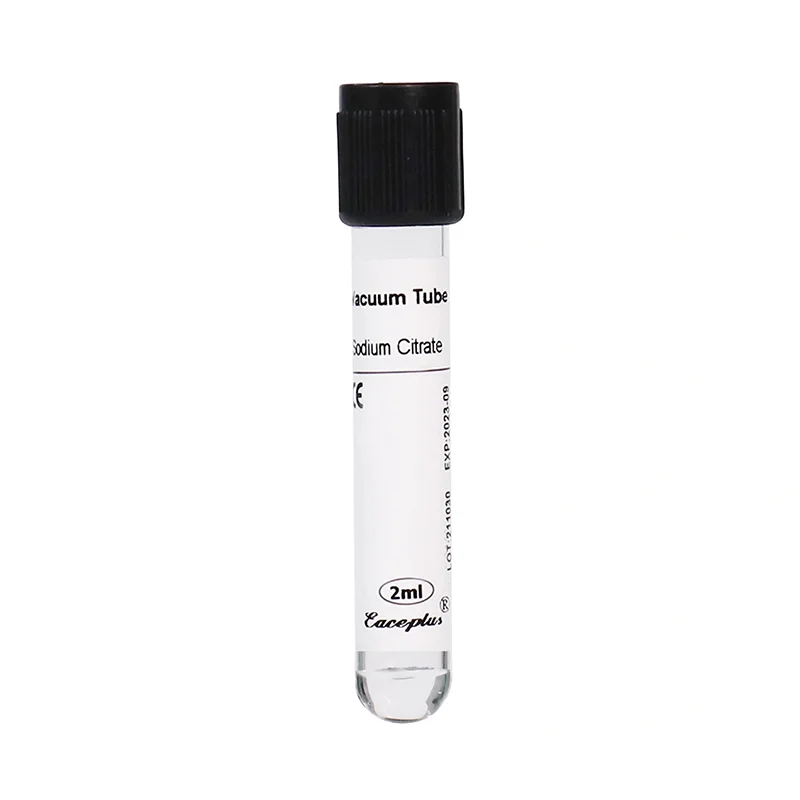
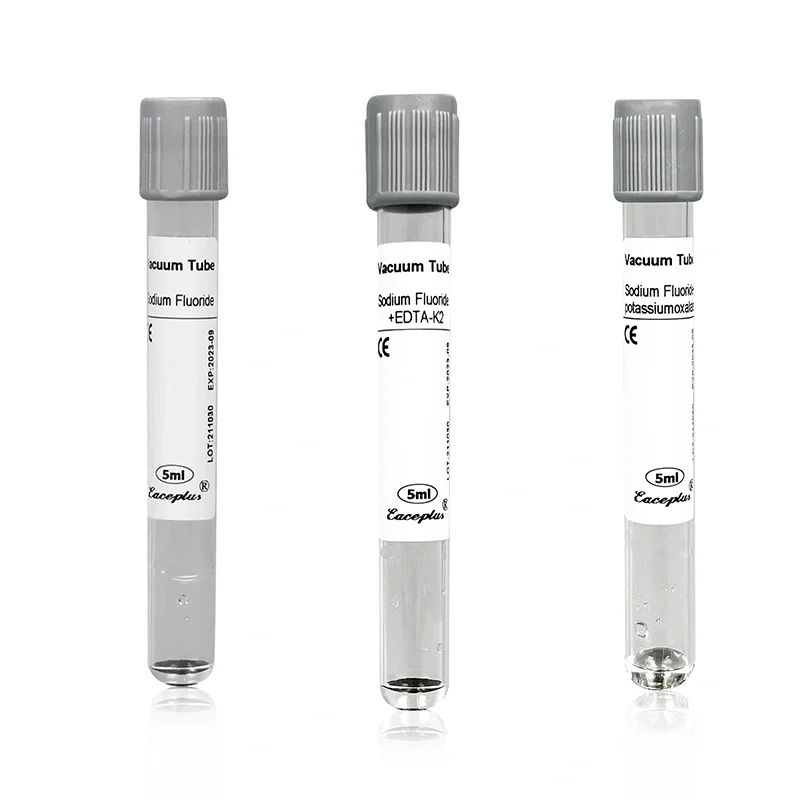
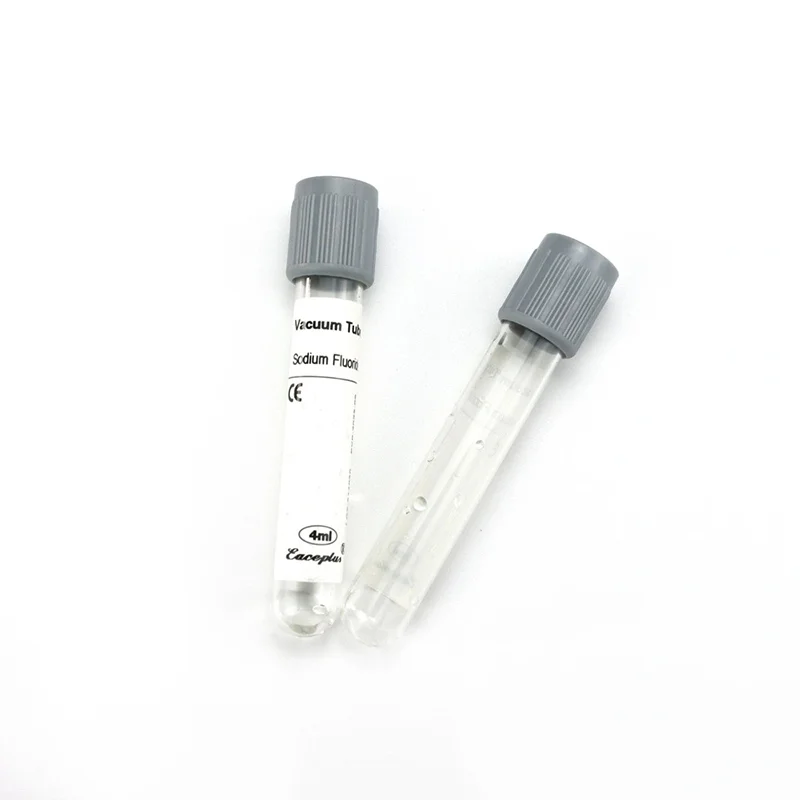
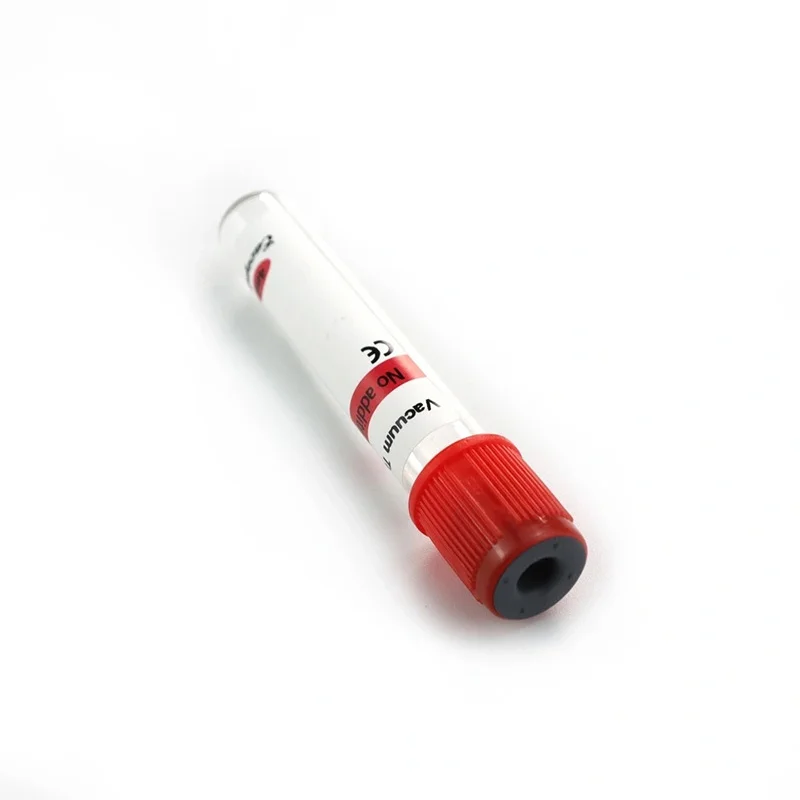
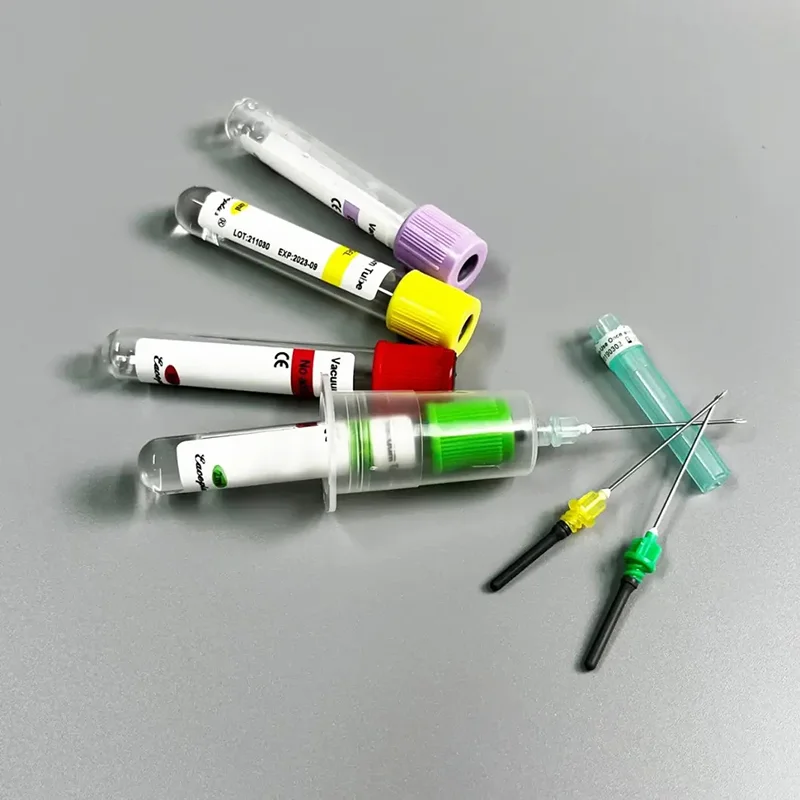
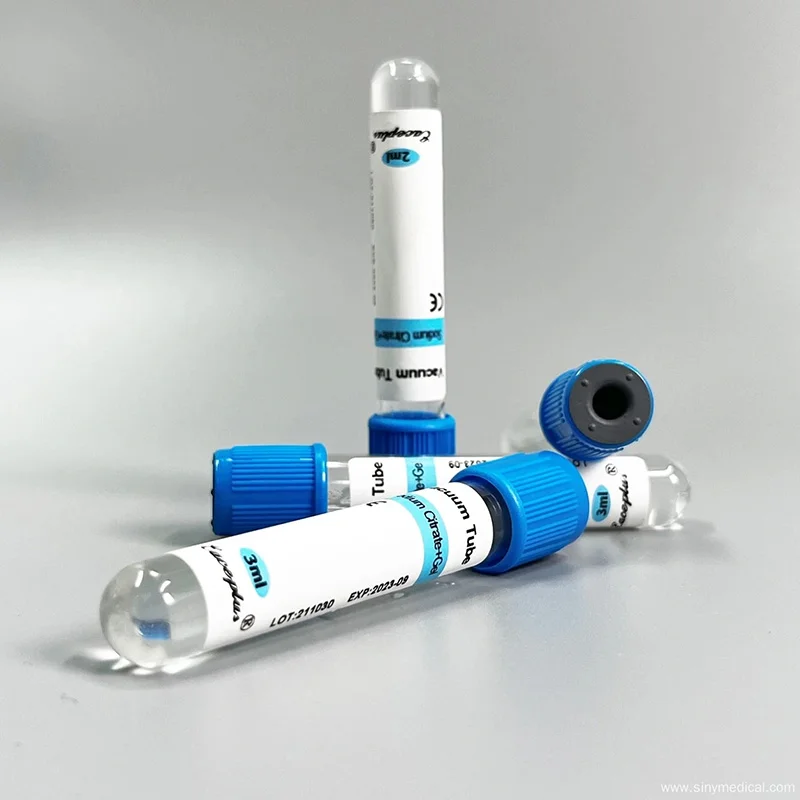
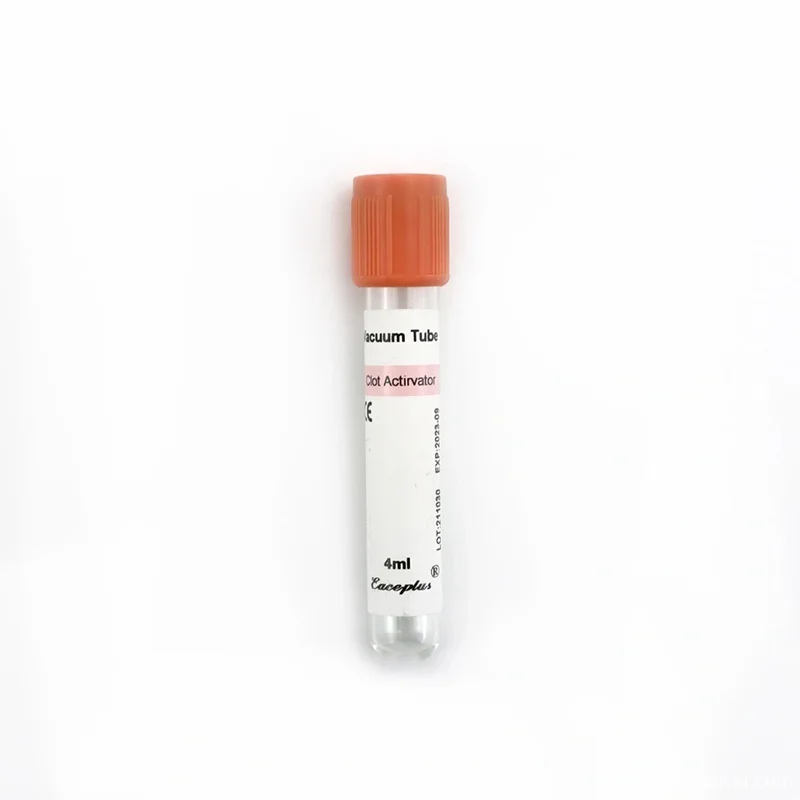
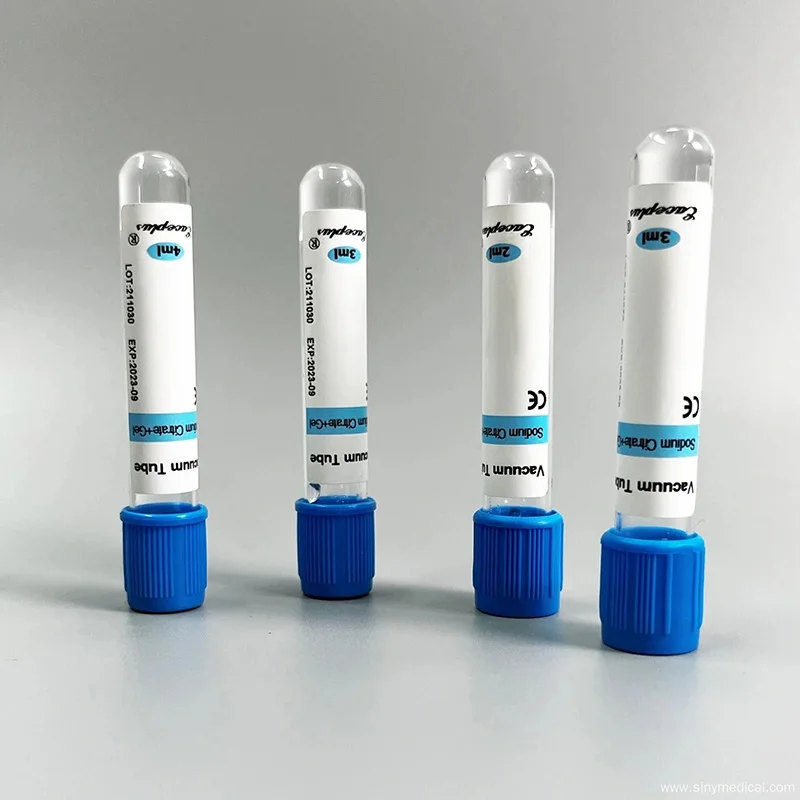
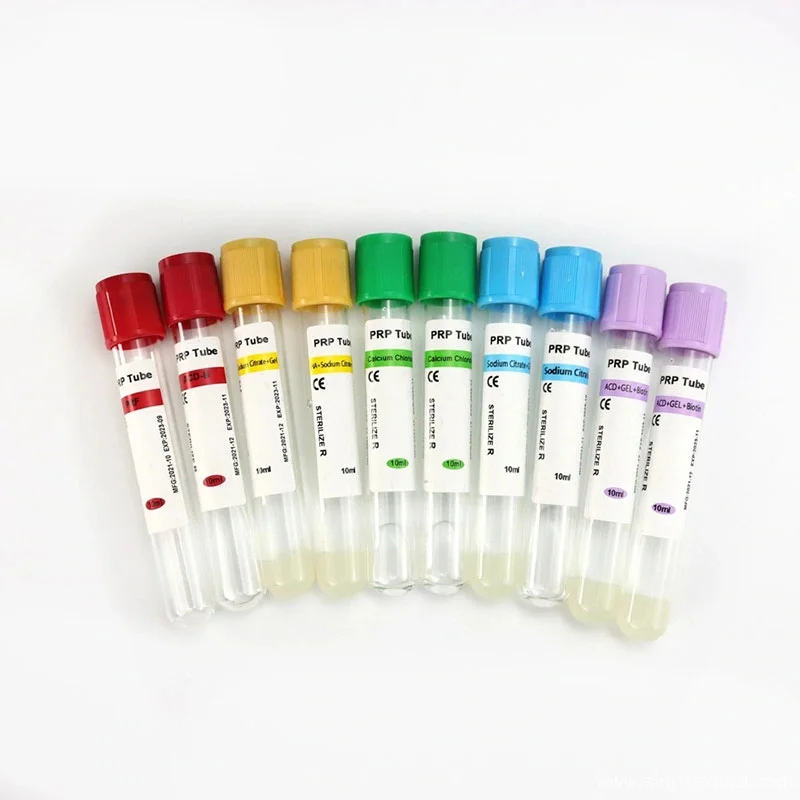
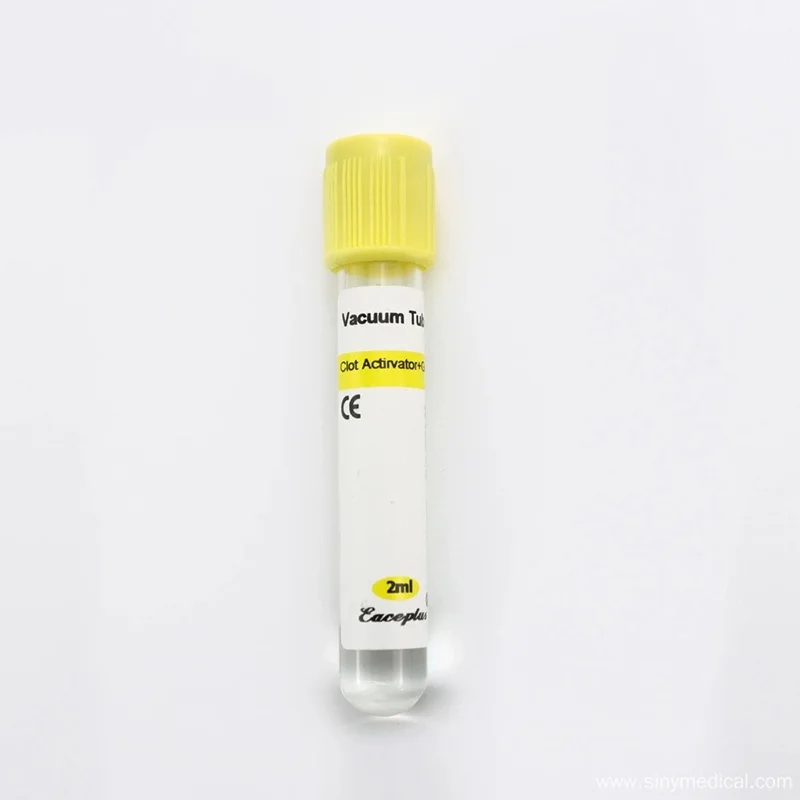
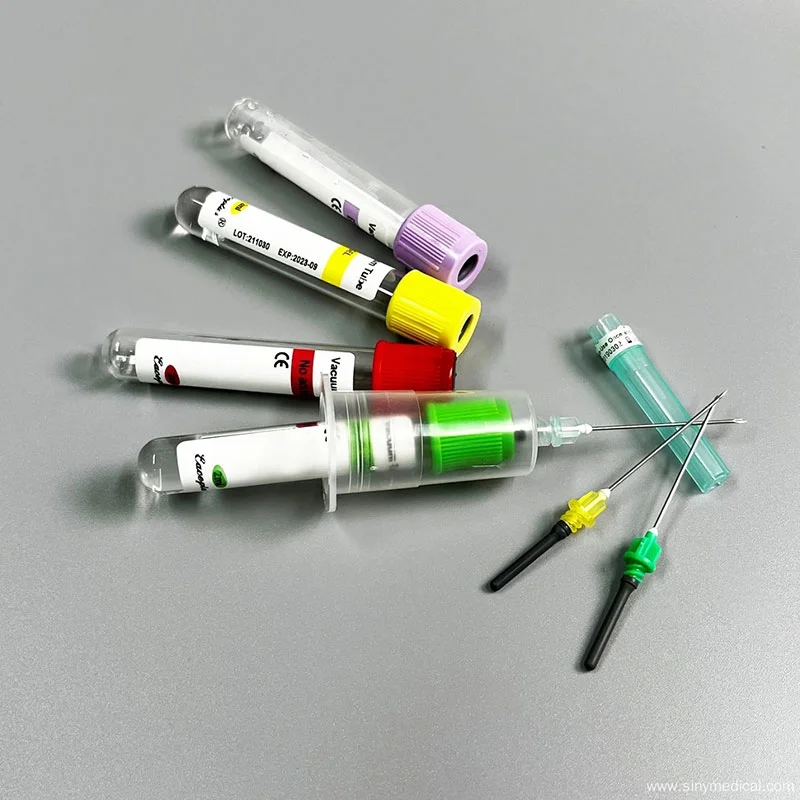
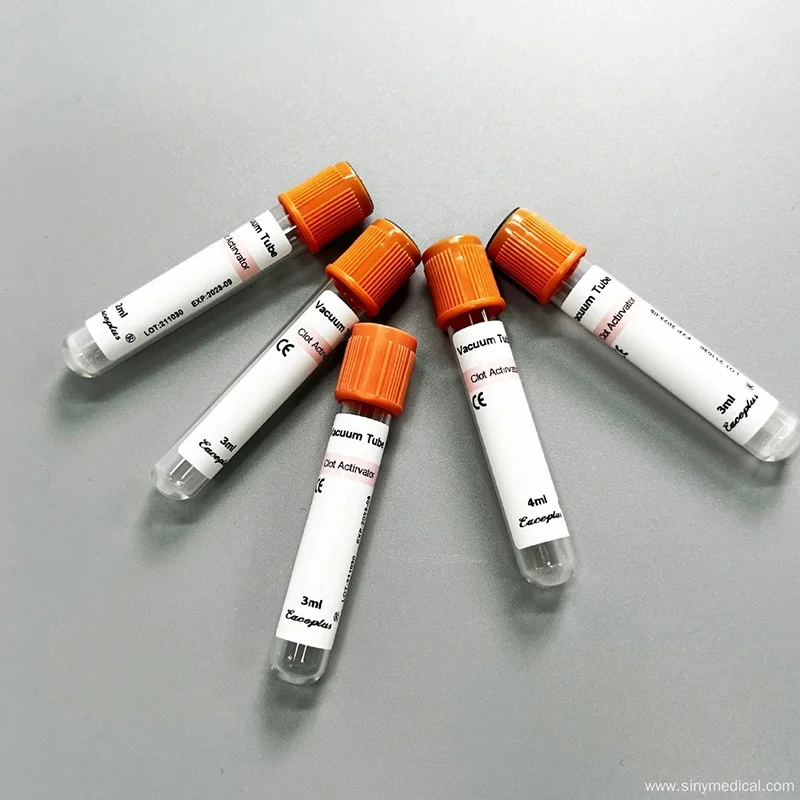
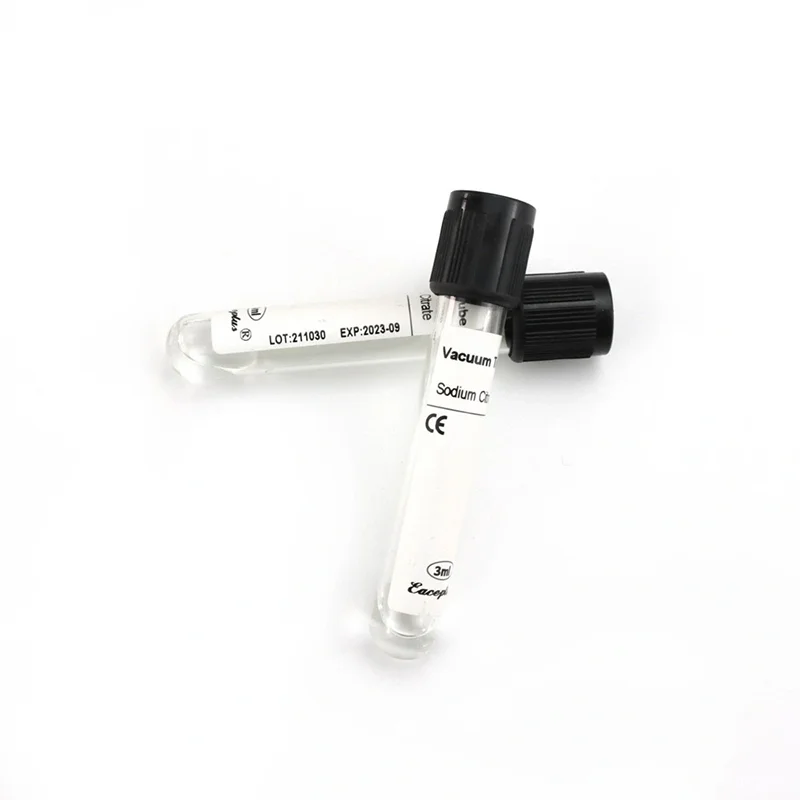
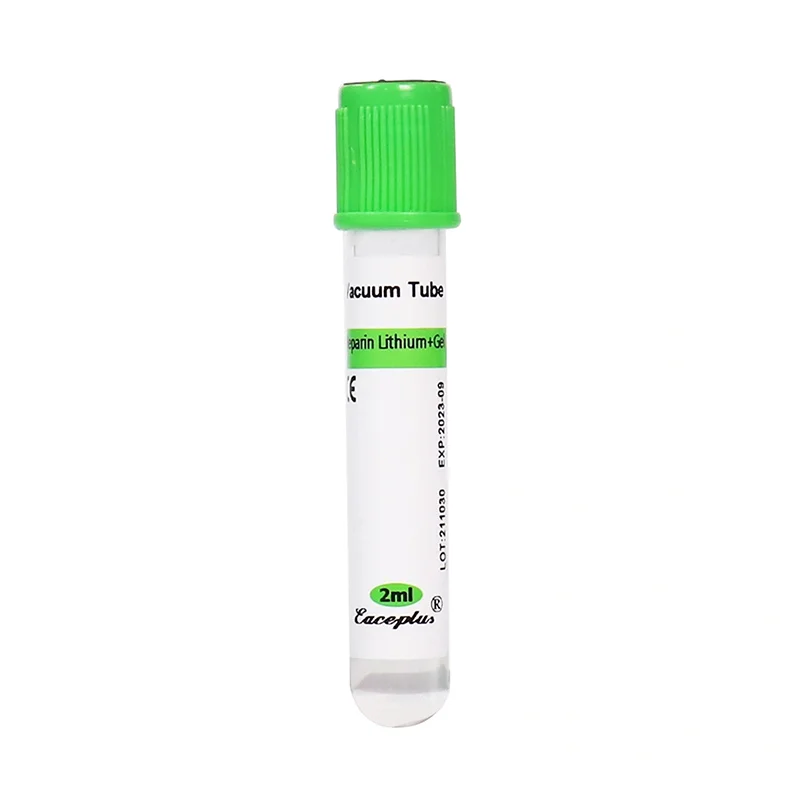
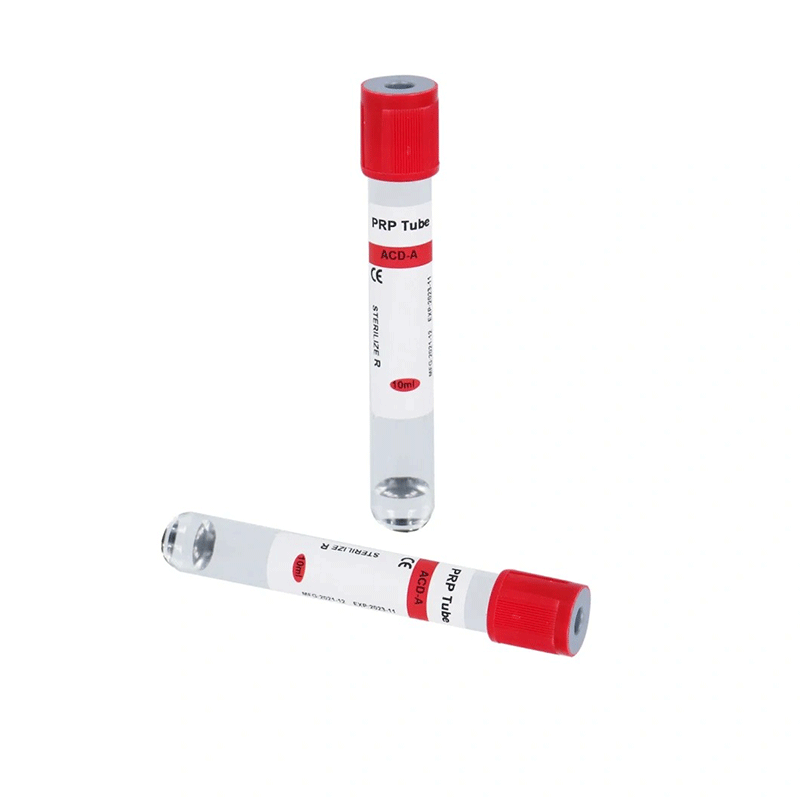
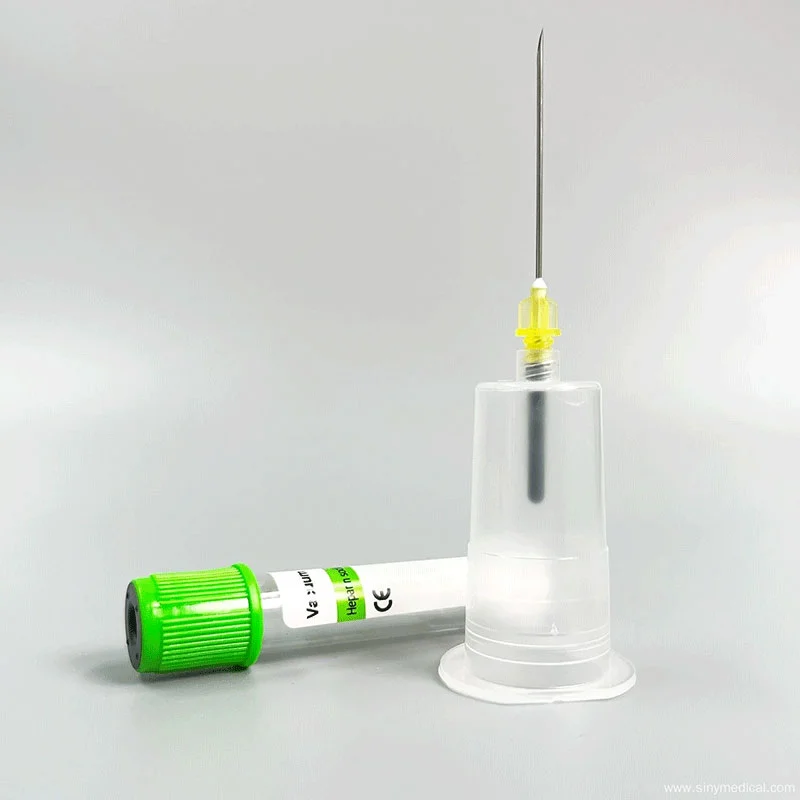
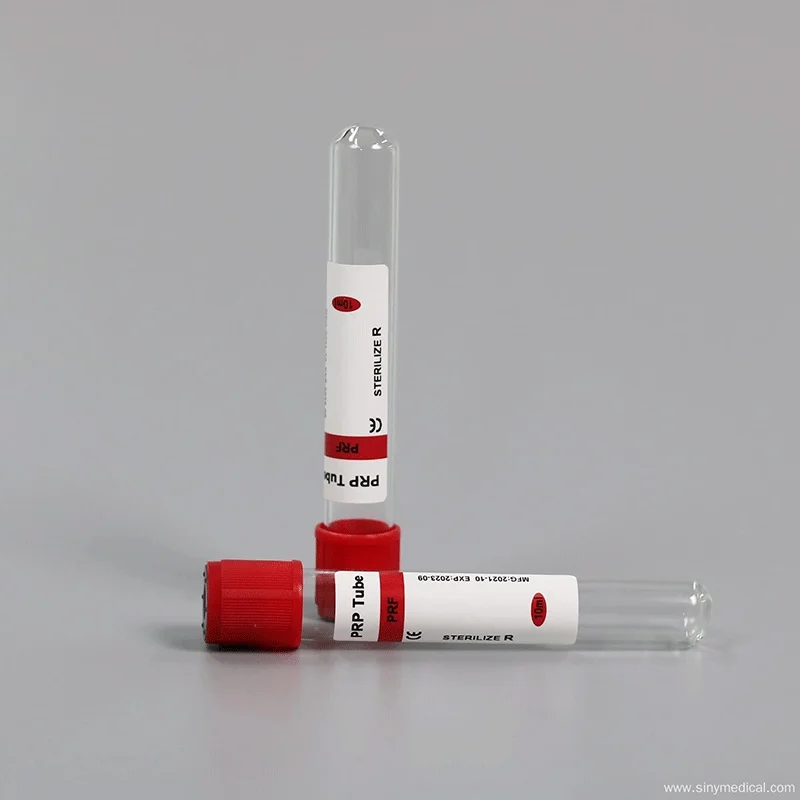
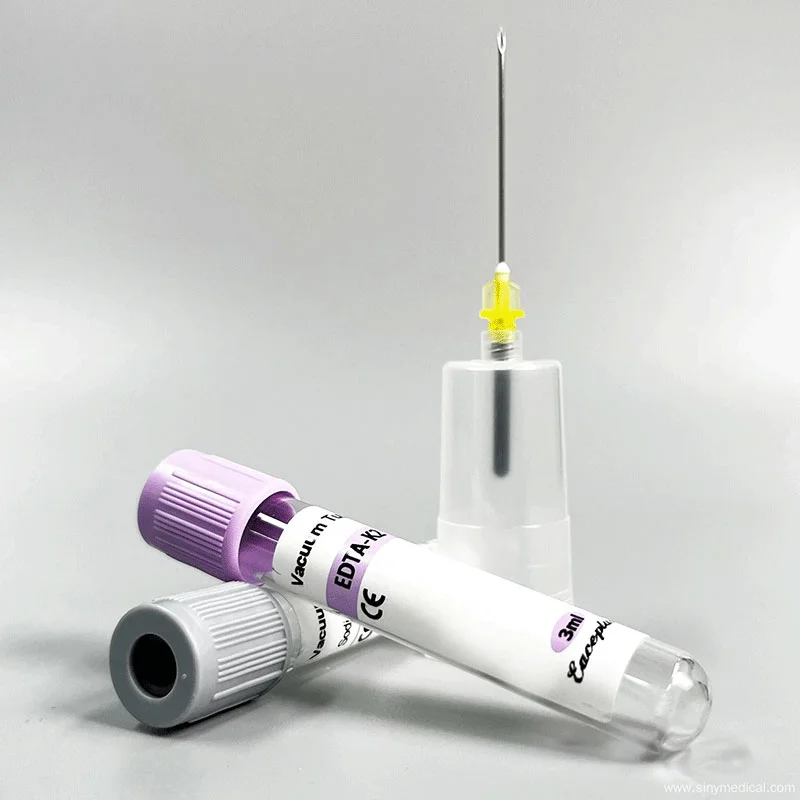
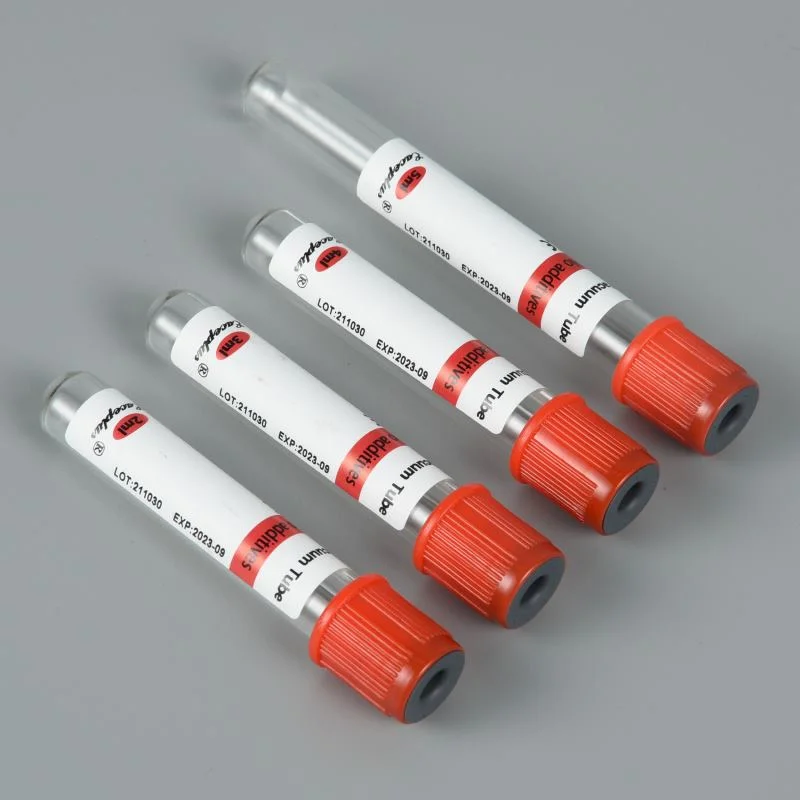
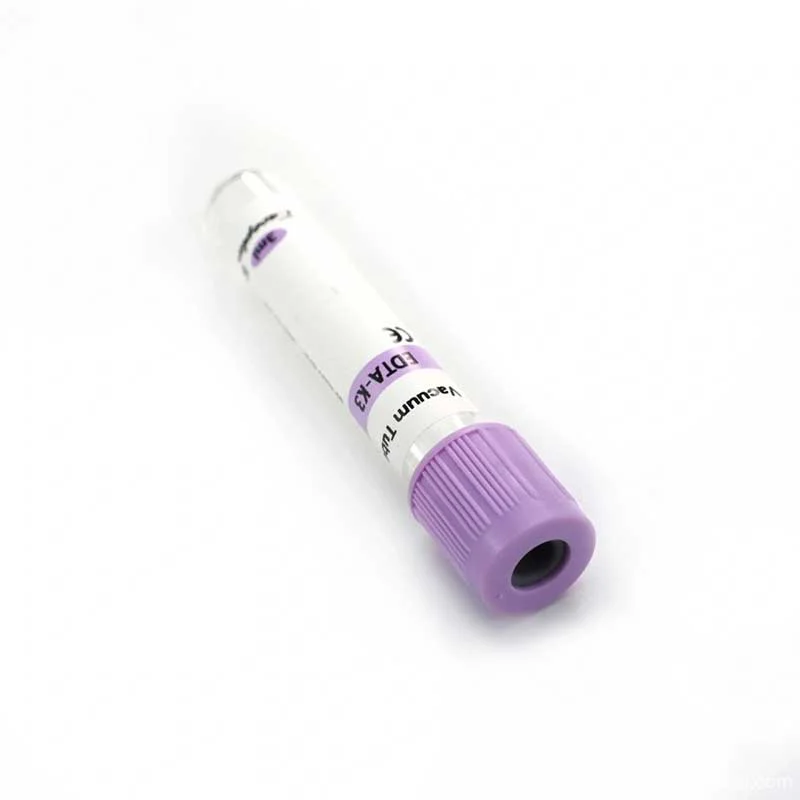
Blood collection needles are specially engineered medical devices that healthcare professionals use to extract blood samples safely and efficiently. Standard needles, which healthcare providers may use for injections or infusions, these needles are designed explicitly for venipuncture—the process of puncturing a vein to collect blood into vacuum-sealed tubes. This specialized design ensures precision, minimizes discomfort, and reduces the risk of contamination during blood collection procedures.
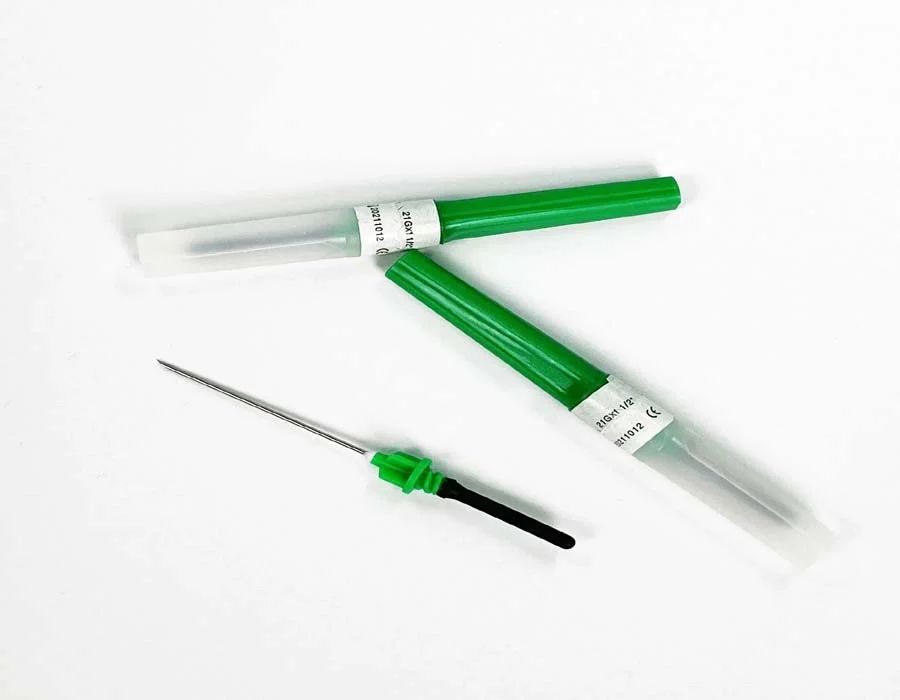
At SINY Medical, these needles are built with precision engineering, ensuring smooth penetration, minimal pain, and accurate blood flow into collection tubes.
Key Design Features Include:
- Dual-ended needle design: One end pierces the patient’s vein, while the other connects to a collection tube.
- Silicone-coated tips: Reduce friction for a smooth and nearly painless insertion.
- Safety mechanisms: Integrated shields prevent accidental needle-stick injuries.
- Sterile and single-use materials: Maintain hygiene and prevent cross-contamination.
You can check various models of blood collection needles under SINY’s Product Category.
What Are Standard Needles?
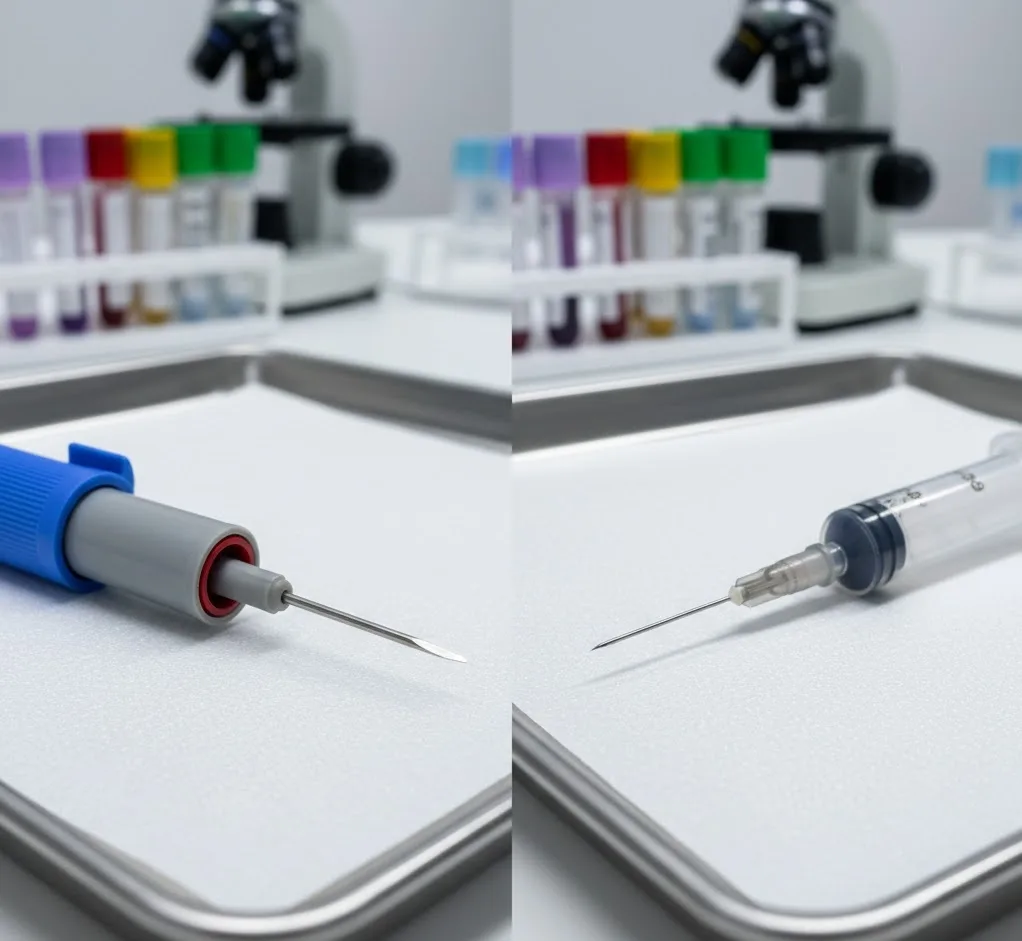
Standard needles, on the other hand, are multi-purpose instruments used for injecting medications, drawing small fluid samples, or delivering vaccines. They usually feature a single-bevel tip and a simple hollow shaft attached to a syringe.
While standard needles are versatile, they aren’t optimized for the precision and safety demands of blood collection.
For example, during a standard blood draw, healthcare professionals must manually control suction with a syringe—a process that can lead to vein collapse, blood contamination, or patient discomfort if not done correctly.
Learn more about standard and safety injection needles at Siny Medical.
Differences Between Blood Collection Needles and Standard Needles
| Feature | Blood Collection Needles | Standard Needles |
|---|---|---|
| Primary Use | Venipuncture and blood sample collection | Injections, vaccinations, medication delivery |
| Design | Designed to fit vacutainer tubes; often double-ended | Single-ended; designed for syringe attachment |
| Blood Collection Efficiency | Facilitates automatic blood draw using vacuum-sealed tubes | Requires manual suction to withdraw blood |
| Patient Comfort | Minimized discomfort with ultra-sharp, beveled tips | Can cause more discomfort during blood draws |
| Safety Features | Often includes safety shields, retractable mechanisms | Generally fewer safety features |
| Sample Quality | Reduces hemolysis and ensures consistent sample volume | Higher risk of sample damage due to manual collection |
| Use in Multi-Sample Collection | Supports multi-sample collection without multiple vein punctures | Typically used once per withdrawal |
This table highlights why blood collection needles serve as specialized tools that healthcare professionals consider essential in diagnostic settings compared to the more generalized standard needles.
Types of Blood Collection Needles
Butterfly Needles (Winged Infusion Set)
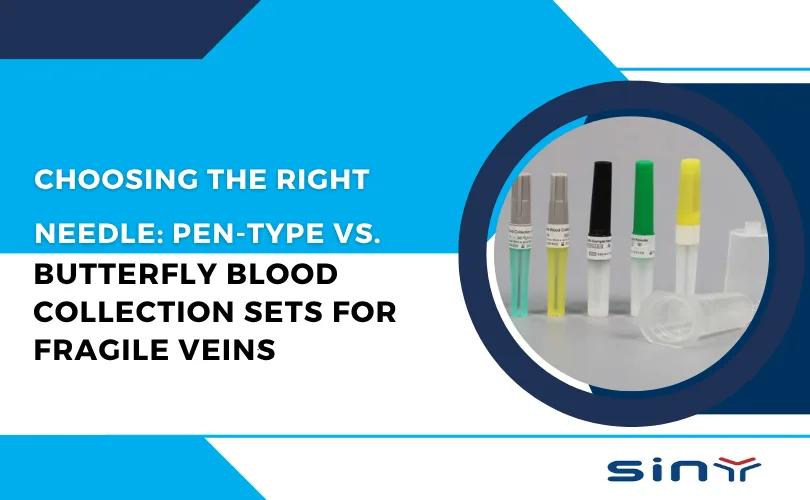
These have small, wing-like handles and flexible tubing that provide precision and better control during blood draws. Butterfly needles are favored for patients with small, fragile, or difficult veins, such as children or elderly patients. The wings facilitate easier needle insertion and secure positioning.
Butterfly needles allow smoother blood flow due to their smaller gauge and flexible design, reducing vein trauma and improving patient comfort. Siny Medical offers a range of butterfly blood collection needles designed for various clinical needs.
Vacutainer Needles
Vacutainer needles integrate with vacuum-sealed tubes that automatically draw blood when inserted into the vein. The multi-sample system enables the filling of several tubes with just one needle insertion, significantly boosting efficiency and minimizing patient discomfort.
These needles are color-coded for different gauges and ensure sample consistency. They minimize exposure risks by eliminating the need for manual aspiration, reducing hemolysis and sample contamination.
Explore detailed specifications of blood collection needles on the Siny Medical website.
Straight Needles
Straight needles are rigid needles that healthcare professionals typically connect directly to syringes. They are ideal for adults with easily accessible veins, allowing for quick blood withdrawal. However, their limited adaptability makes them less suitable for multi-sample collection compared to other types of needles.
Their straightforward design makes them cost-effective but may cause more discomfort for sensitive patients.
Safety Needles
Safety needles incorporate built-in safety features like retractable needles or protective shields to prevent needlestick injuries after use. These designs protect healthcare workers and reduce cross-contamination risks.
Siny Medical promotes safety features of pen-type blood collection needles for enhanced occupational safety.
Specialized Needles
- Arterial Blood Gas (ABG) Needles: Designed for arterial blood sampling with sharper tips and longer lengths.
- Lancet Needles: Used for capillary blood sampling through finger or heel sticks.
Specifications and Gauge Selection in Blood Collection Needles
The gauge of a needle corresponds to its diameter; inversely, a smaller gauge number indicates a larger diameter. Typical blood collection needles range from 18G to 25G, with 21G and 22G being the most common for adults. Selection depends on patient vein size, blood flow rate, and test requirements.
| Gauge (G) | Diameter (mm) | Common Use | Color Coding Example |
|---|---|---|---|
| 18G | 1.27 | Blood donation, rapid flow | Pink |
| 20G | 0.91 | Venipuncture, thick fluids | Yellow |
| 21G | 0.82 | Standard adult blood collection | Green |
| 22G | 0.70 | Pediatric/elderly patients | Black |
| 23G | 0.64 | Very small or fragile veins | Blue |
Correct gauge selection optimizes sample integrity and reduces patient discomfort.
How Blood Collection Needles Work
The process of using blood collection needles involves precise coordination between needle insertion and vacuum pressure.
Here’s a simple step-by-step breakdown:
- Insertion: The phlebotomist inserts the needle into the patient’s vein.
- Tube Connection: A vacuum-sealed blood collection tube is attached to the needle holder.
- Blood Flow Initiation: The vacuum draws blood naturally without manual suction.
- Tube Change: When one tube fills, another can be replaced without removing the needle.
- Removal & Disposal: After collection, the safety cover is activated, and the needle is discarded.
For visual learners, check out SINY Medical’s YouTube channel for demonstrations and product tutorials.
Summary
Blood collection needles differ significantly from standard needles by design, purpose, and safety features. Specifically engineered for venipuncture and sample integrity, these needles enhance patient comfort and healthcare worker safety. From butterfly to vacutainer needles, various specialized types cater to different clinical needs. Selecting the right gauge, safety features, and needle type is critical for effective blood sampling and accurate diagnostics.
For quality and reliable blood collection needles tailored to modern healthcare needs, Siny Medical provides a comprehensive range optimized for performance and safety.
For more insights, check out our YouTube Channel and Made-in-China Profile.
FAQs
Q1. Are blood collection needles reusable?
No, SINY Medical’s blood collection needle are strictly single-use and disposable, ensuring patient safety and preventing cross-contamination.
Q2. What sizes are available for blood collection needle?
They come in various gauge sizes, typically ranging from 18G to 25G. You can view specifications here.
Q3. What’s the main difference between butterfly and pen-type needles?
Butterfly needles are flexible and ideal for delicate veins, while pen-type needles are designed for vacuum-assisted blood draws.
Q4. Can these needles be used for children or elderly patients?
Absolutely! SINY offers models with smaller gauges and gentle penetration tips, making them suitable for sensitive veins.
Q5. Where can I learn more or order these products?
Visit the Contact Page or explore the SINY Medical Product Catalog.