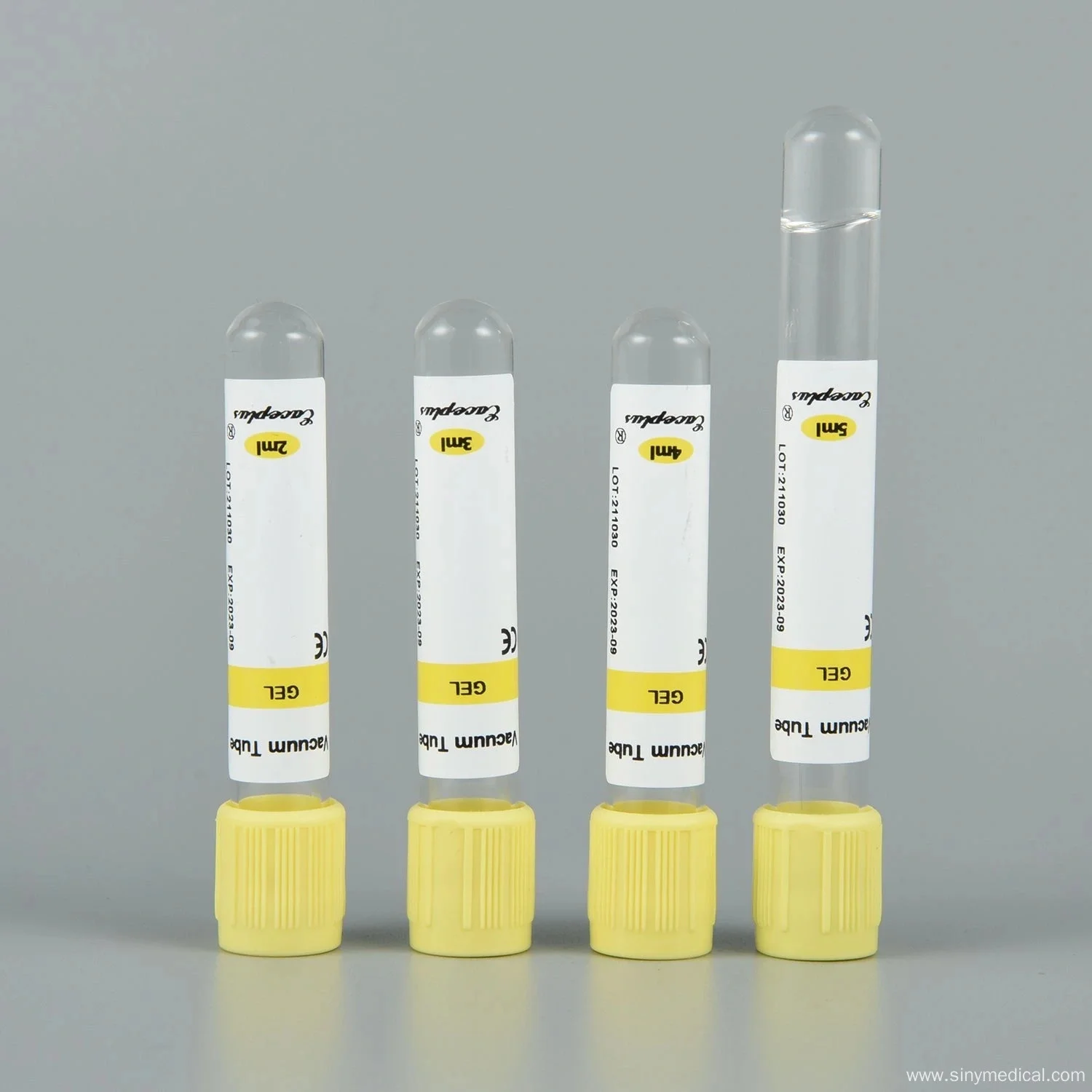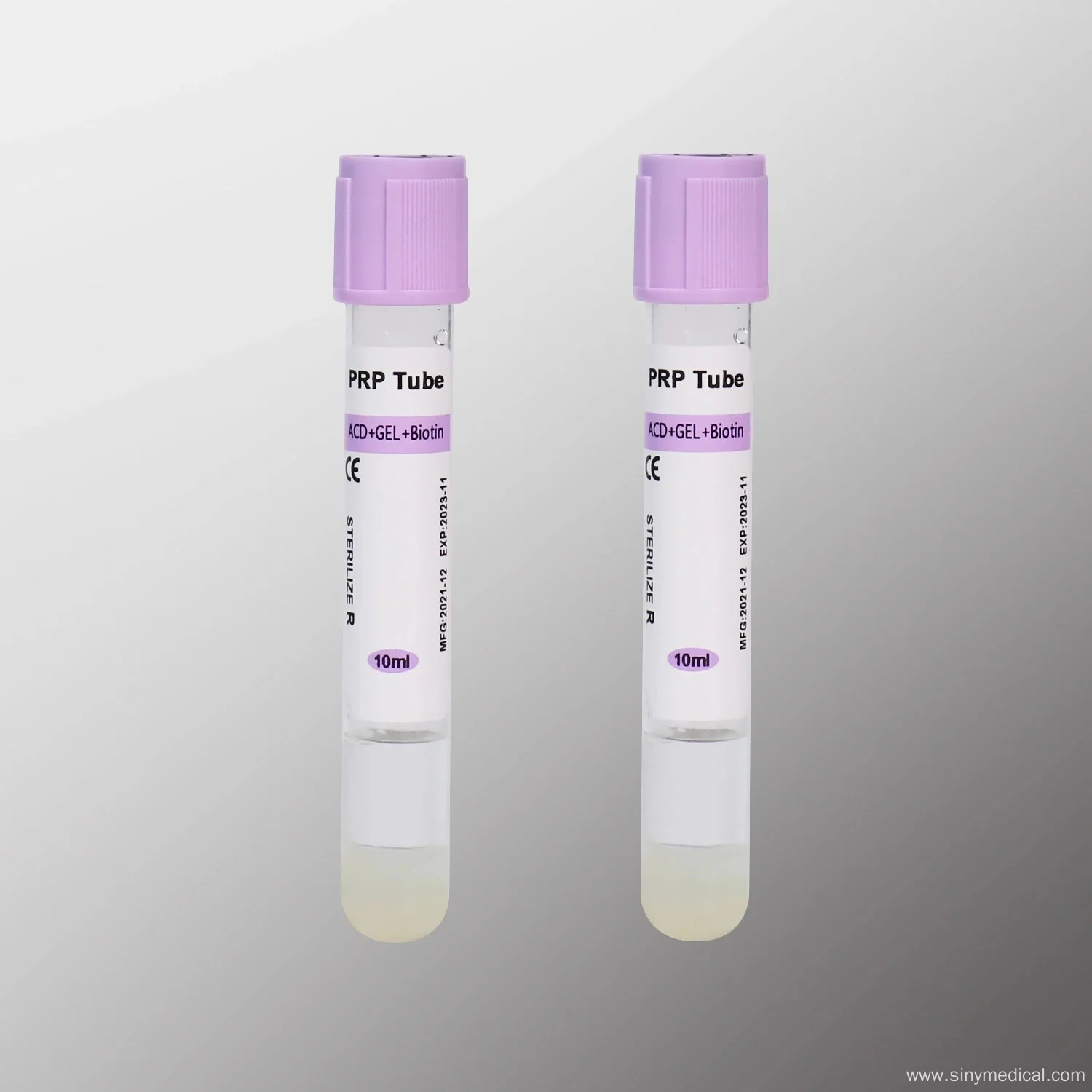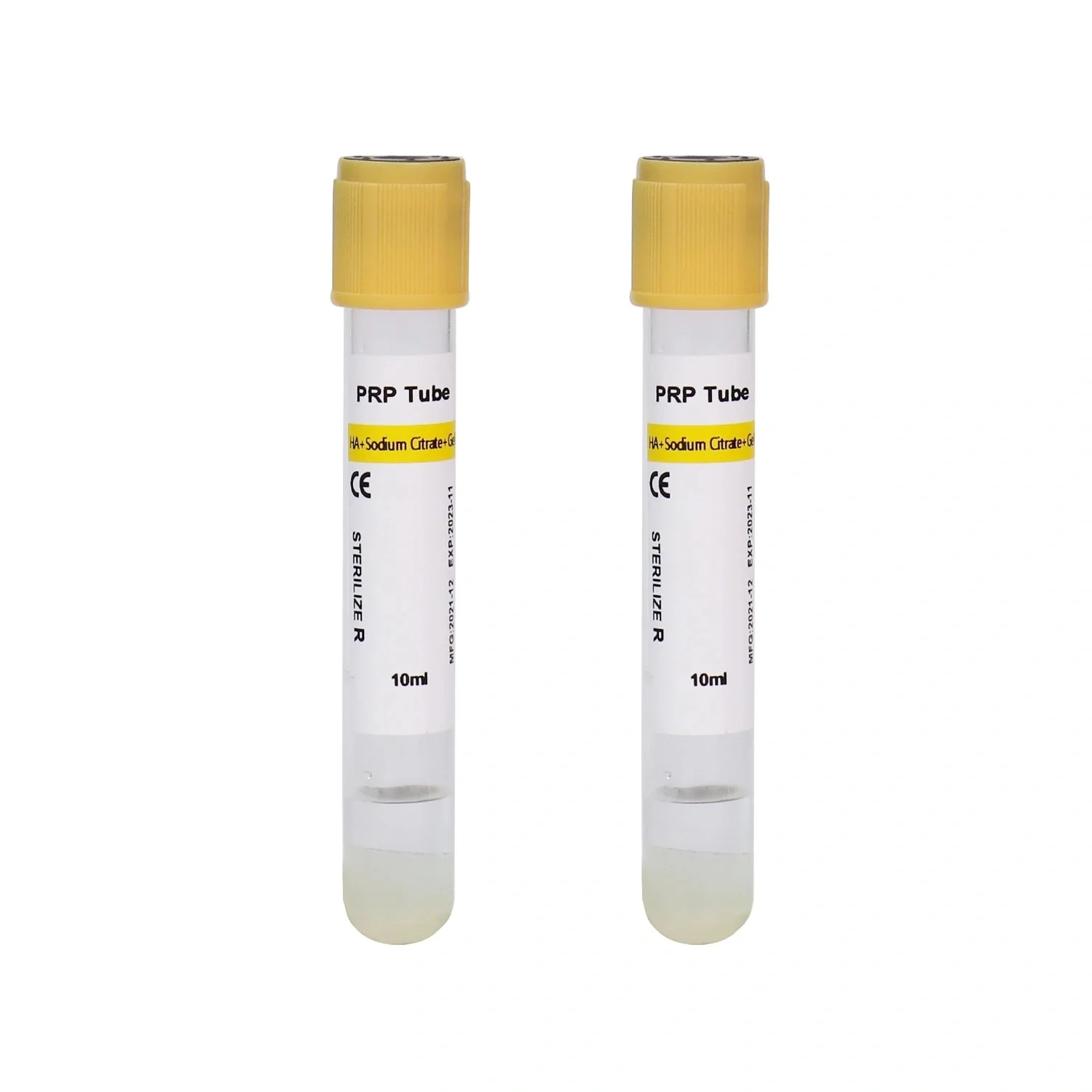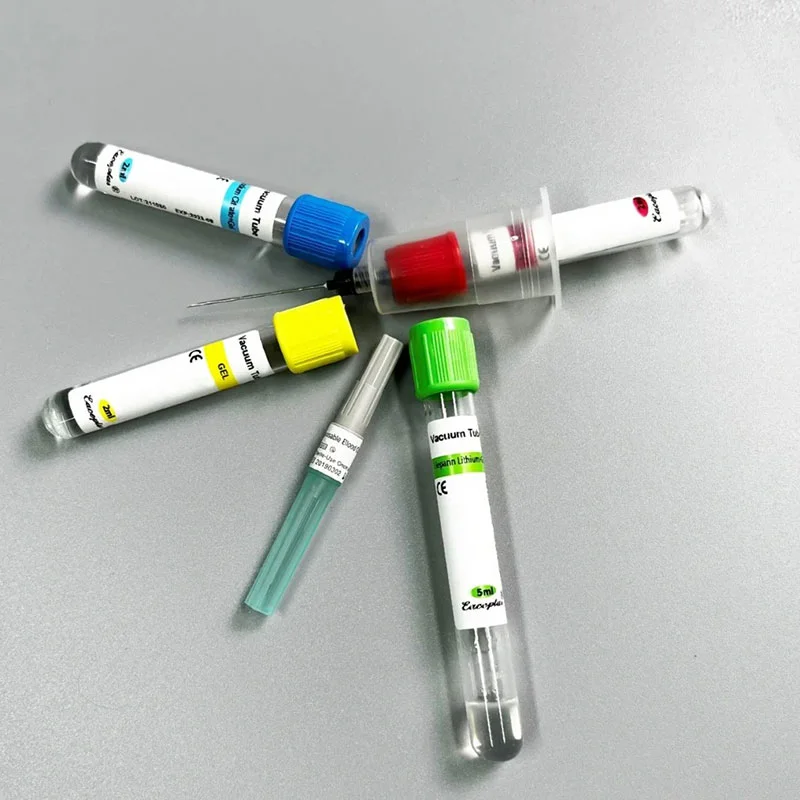
In clinical diagnostics, proper specimen collection is just as important as laboratory testing itself. Choosing the right Urine and Fecal Specimen Container Selection strategy can directly affect sample integrity, transportation safety, contamination control, and ultimately the accuracy of diagnostic results. Hospitals, laboratories, and distributors often focus heavily on analytical instruments while overlooking a basic but critical component: the specimen container.
Today’s healthcare facilities face increasing pressure to improve biosafety standards, reduce specimen rejection rates, and ensure smooth transportation between collection sites and laboratories. As a result, selecting high-quality urine and fecal specimen containers has become more important than ever. With hundreds of container styles available on the market, buyers often struggle to determine which products truly provide leak-proof performance and reliable clinical handling.
This guide explains how modern specimen containers are designed, what features matter most during transportation, and how clinics can reduce risks associated with sample leakage and contamination.
Table of Contents
- 1 Why Urine and Fecal Specimen Container Selection Matters in Clinical Diagnostics
- 2 Key Features of Leak-Proof Urine and Fecal Specimen Containers
- 3 How Specimen Transportation Impacts Diagnostic Accuracy
- 4 Comparing Urine Containers and Fecal Specimen Containers
- 5 Common Mistakes Buyers Make During Urine and Fecal Specimen Container Selection
- 6 FAQ
- 6.1 What is the best material for urine and fecal specimen containers?
- 6.2 Are sterile specimen containers always necessary?
- 6.3 Why do stool specimen containers use wide-mouth designs?
- 6.4 How can laboratories reduce specimen leakage during transportation?
- 6.5 What container sizes are most common?
- 6.6 Can specimen containers support OEM branding?
- 7 Summary
Why Urine and Fecal Specimen Container Selection Matters in Clinical Diagnostics
Urine and stool samples are among the most commonly collected specimens in hospitals, diagnostic laboratories, and outpatient clinics. These samples are routinely used for:
- Urinalysis
- Urine culture testing
- Pregnancy testing
- Drug screening
- Fecal occult blood testing
- Parasitology examinations
- Gastrointestinal infection analysis
Although the testing methods may differ, they all depend on one factor: the sample arriving at the laboratory in stable condition.
Improper specimen containers can create several problems during transportation:
- Leakage during shipping
- Cross-contamination between samples
- Exposure risks for medical staff
- Evaporation or degradation of specimens
- Label damage caused by moisture
- Increased specimen rejection rates
For laboratories processing hundreds or thousands of samples daily, even a small leakage rate can create operational delays and biosafety concerns.
This is why modern Urine and Fecal Specimen Container Selection standards focus heavily on sealing performance, material durability, and transport stability rather than simply choosing the lowest-cost option.
Many healthcare buyers now prefer containers that comply with leak-resistance requirements while also supporting automated laboratory workflows. Choosing a dependable supplier can help reduce long-term operational issues and improve consistency across specimen collection procedures. Laboratories looking for stable supply and customizable specimen collection products often explore solutions available through Siny Medical.
Key Features of Leak-Proof Urine and Fecal Specimen Containers
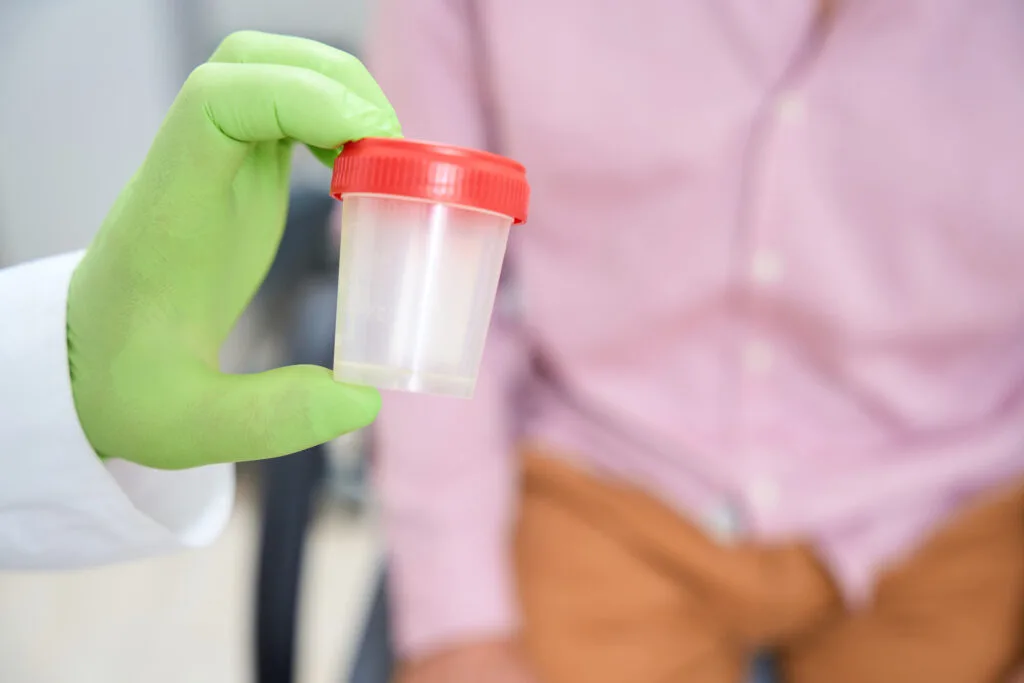
Not all specimen containers are manufactured to the same standard. A container may appear sealed during routine handling but still fail during transportation, centrifugation, or temperature fluctuation.
Several design features play a major role in preventing leakage.
Screw Cap Sealing System
The cap design is usually the first line of defense against leakage. High-quality specimen containers typically use precision screw caps with tight thread engagement to reduce accidental loosening during transport.
Poorly manufactured caps may create microscopic gaps that allow fluid leakage when pressure changes occur during shipping.
Many advanced containers also include:
- Inner sealing rings
- Ribbed cap surfaces for easier gripping
- Tamper-evident sealing structures
These improvements help medical staff secure the cap properly, even while wearing gloves.
Material Strength and Chemical Resistance
Most modern urine and stool specimen containers are produced from polypropylene (PP) or medical-grade polyethylene (PE). These materials provide:
- Good chemical resistance
- Impact resistance
- Lightweight transportation
- Low breakage risk compared with glass
For fecal specimen containers, especially, material durability matters because samples may contain preservatives or reagents that interact with lower-quality plastics.
Containers used in refrigerated transport must also maintain structural integrity under low temperatures without cracking.
Wide Mouth Design for Safer Collection
Fecal specimen collection can be difficult for both patients and healthcare workers. A wide-mouth design improves usability and reduces accidental contamination during sample transfer.
Urine containers may also include graduated markings for volume monitoring, which is useful in pediatric care and quantitative testing procedures.
Leak-Proof Validation Testing
Professional manufacturers often conduct transportation simulation tests to evaluate:
- Vibration resistance
- Pressure resistance
- Drop resistance
- Cap sealing reliability
These tests help verify whether the container can maintain integrity during shipping between clinics, laboratories, and distribution centers.

How Specimen Transportation Impacts Diagnostic Accuracy
Specimen transportation is one of the most overlooked stages in laboratory diagnostics. Even if collection procedures are performed correctly, transportation failures can compromise the entire testing process.
Leakage creates more than a cleanliness issue. It can directly affect test reliability.
For example:
- Urine concentration may change due to evaporation
- Stool samples may dry out before analysis
- Bacterial overgrowth may occur if contamination happens
- Labels may become unreadable due to fluid exposure
In some cases, laboratories must reject compromised specimens entirely, forcing patients to repeat collection procedures.
This becomes particularly problematic in:
- Long-distance transportation
- Centralized laboratory systems
- Home specimen collection programs
- Rural healthcare networks
Modern healthcare systems increasingly rely on specimen transport efficiency. As a result, buyers are now prioritizing containers specifically designed for transport stability rather than generic sample cups.
Another important factor is secondary packaging compatibility. Leak-proof specimen containers should fit safely inside biohazard transport bags and laboratory racks without instability.
Clinics and distributors sourcing specimen collection products often prefer manufacturers that offer matching accessories such as transport bags, absorbent pads, and barcode labeling options to streamline laboratory handling procedures.
Comparing Urine Containers and Fecal Specimen Containers
Although both products are used for biological specimen collection, urine and stool containers are designed differently based on clinical handling requirements.
| Feature | Urine Specimen Container | Fecal Specimen Container |
| Typical Capacity | 30ml–120ml | 20ml–60ml |
| Opening Design | Medium or wide mouth | Extra wide mouth |
| Common Material | Polypropylene | Polypropylene |
| Additional Tools | Graduated markings | Collection spoon/spatula |
| Main Focus | Leak-proof transport | Contamination reduction |
| Typical Testing | Urinalysis, culture | FOB, parasitology |
Fecal specimen containers often include integrated collection spoons attached to the cap. This helps standardize sample collection and reduces direct contact during handling.
Urine containers, meanwhile, are more likely to emphasize:
- Clear visibility
- Accurate volume markings
- Sterility options
- Automated analyzer compatibility
When choosing between suppliers, buyers should evaluate whether the containers match their actual clinical workflow instead of relying solely on pricing.
For example:
- Hospitals may require sterile, individually packed urine containers
- Laboratories may prioritize bulk non-sterile versions
- Home testing programs may need user-friendly packaging
- Distributors may need OEM labeling support
This is where experienced manufacturers can provide more flexible customization options based on different market requirements.
Common Mistakes Buyers Make During Urine and Fecal Specimen Container Selection
Many procurement teams focus mainly on unit cost while ignoring transportation performance and laboratory compatibility. This often creates hidden operational costs later.
Here are some common purchasing mistakes:
Choosing Containers Without Leak Testing
Some low-cost specimen cups may appear identical visually but lack proper sealing validation. Small leakage issues become major problems during bulk transportation.
Ignoring Cap Thread Quality
Cap thread precision directly affects sealing performance. Poor thread alignment can lead to partial closure and unnoticed leakage.
Overlooking Sterility Requirements
Not every application requires sterile containers, but certain urine culture tests do. Using non-sterile products in sterile workflows may compromise diagnostic accuracy.
Selecting Incompatible Container Sizes
Oversized containers increase transportation volume and storage costs. Undersized containers may not meet laboratory sample volume requirements.
Forgetting Labeling and Traceability
Smooth labeling surfaces and barcode compatibility are increasingly important in automated laboratories. Poor label adhesion can create specimen identification risks.
Professional suppliers typically help customers select appropriate configurations based on:
- Testing purpose
- Transportation distance
- Sterility requirements
- Packaging preferences
- Regulatory expectations
Healthcare distributors and laboratories that require stable OEM specimen container solutions frequently evaluate manufacturers with broader diagnostic consumable experience, such as Siny Medical, especially when long-term consistency and export packaging standards are important.
FAQ
What is the best material for urine and fecal specimen containers?
Polypropylene (PP) is commonly preferred because it offers strong chemical resistance, durability, and low leakage risk during transportation.
Are sterile specimen containers always necessary?
No. Sterile containers are mainly required for microbiological testing, such as urine culture analysis. Routine testing may use non-sterile containers depending on laboratory protocols.
Why do stool specimen containers use wide-mouth designs?
Wide-mouth designs help patients collect samples more easily and reduce the risk of contamination during transfer.
How can laboratories reduce specimen leakage during transportation?
Using high-quality screw-cap containers, proper secondary packaging, and validated leak-proof transport systems can significantly reduce leakage incidents.
What container sizes are most common?
Common urine specimen containers range from 30ml to 120ml, while fecal specimen containers are usually between 20ml and 60ml.
Can specimen containers support OEM branding?
Yes. Many manufacturers provide OEM services, including customized labels, cap colors, packaging, and barcode printing for distributors and healthcare brands.、
Summary
Choosing the right urine and fecal specimen container is far more important than many buyers initially realize. In clinical diagnostics, leak-proof performance, material quality, cap sealing reliability, and transportation stability all directly influence specimen integrity and testing accuracy. A poorly designed container can lead to contamination, sample rejection, transportation accidents, and unnecessary operational costs for laboratories and healthcare facilities.
When evaluating Urine and Fecal Specimen Container Selection, clinics and distributors should focus on real clinical performance rather than price alone. Factors such as screw cap precision, wide-mouth usability, sterility options, labeling compatibility, and transportation durability all play a role in building a safer and more efficient diagnostic workflow.
As laboratory systems become more automated and biosafety standards continue to increase worldwide, healthcare providers are placing greater emphasis on dependable specimen collection products that support consistent handling from collection to analysis. Working with experienced manufacturers can help buyers reduce supply risks while ensuring product consistency across different healthcare applications.
For healthcare organizations, distributors, and laboratory suppliers looking for reliable urine and fecal specimen container solutions, Siny Medical provides a range of medical specimen collection products designed for clinical transportation safety and daily laboratory use.