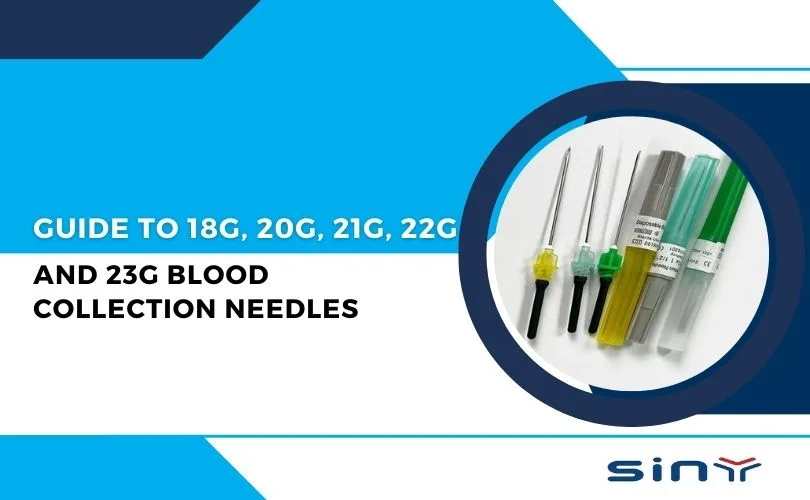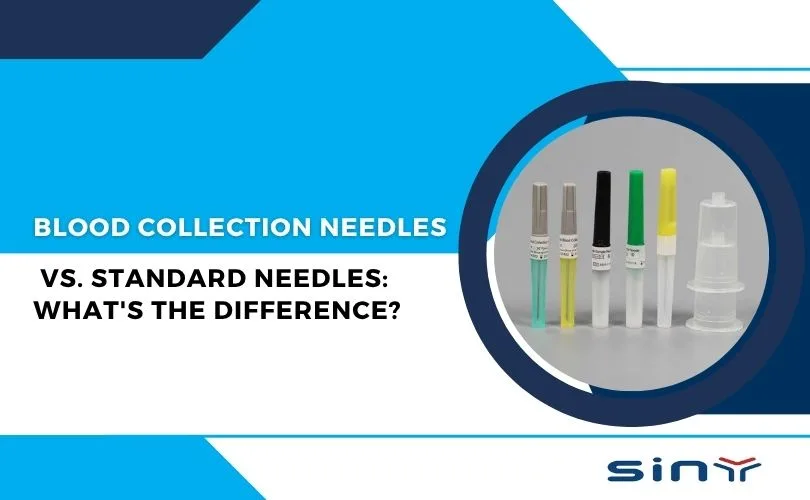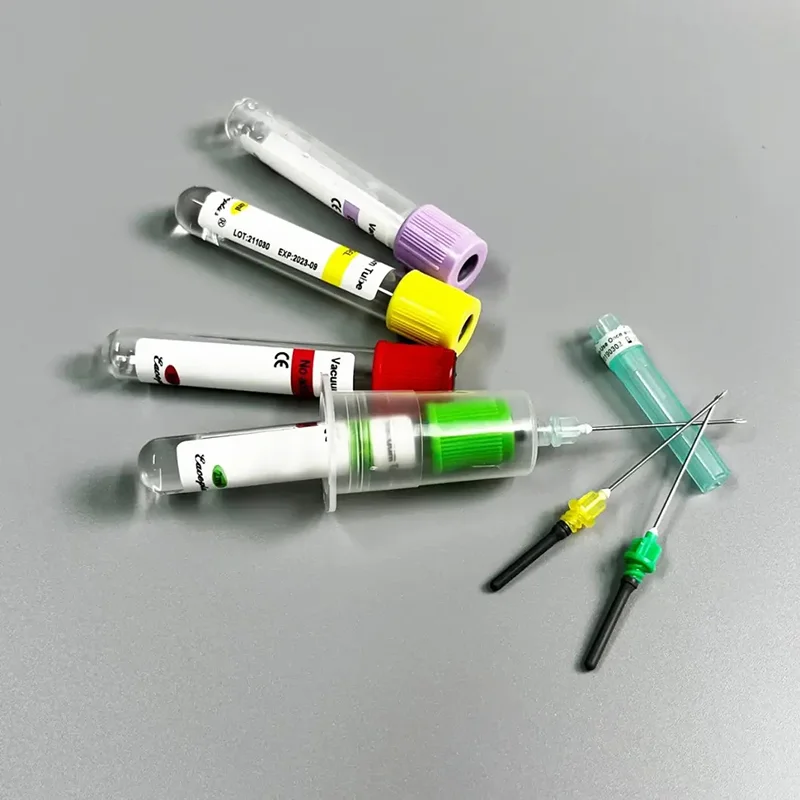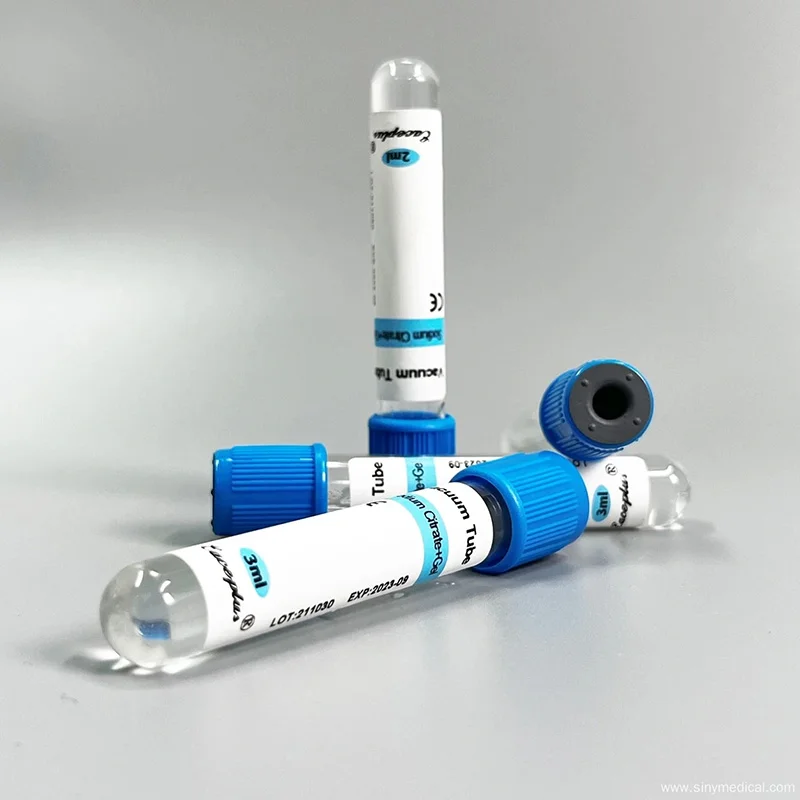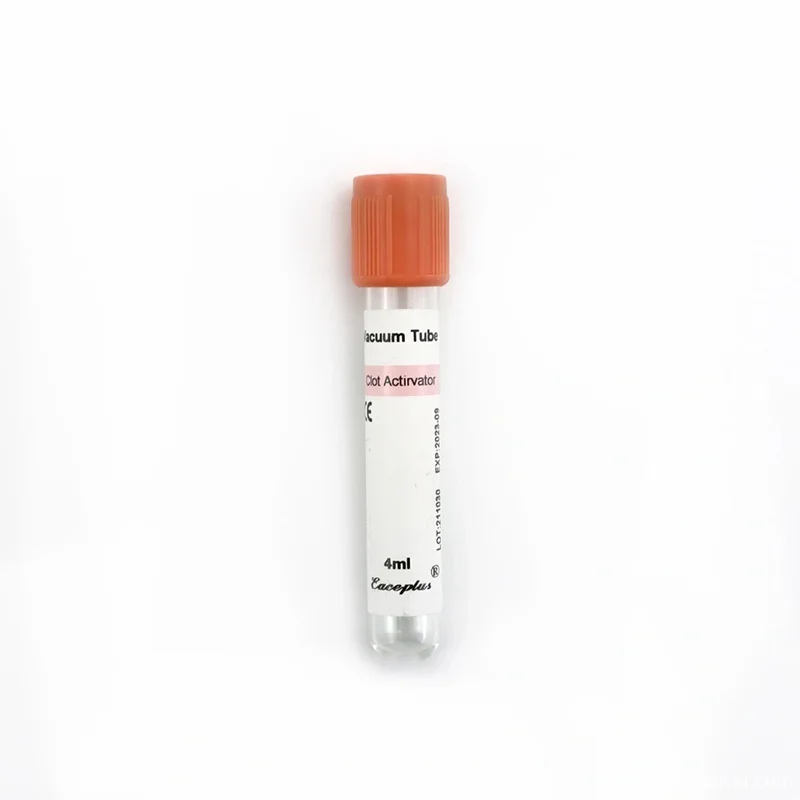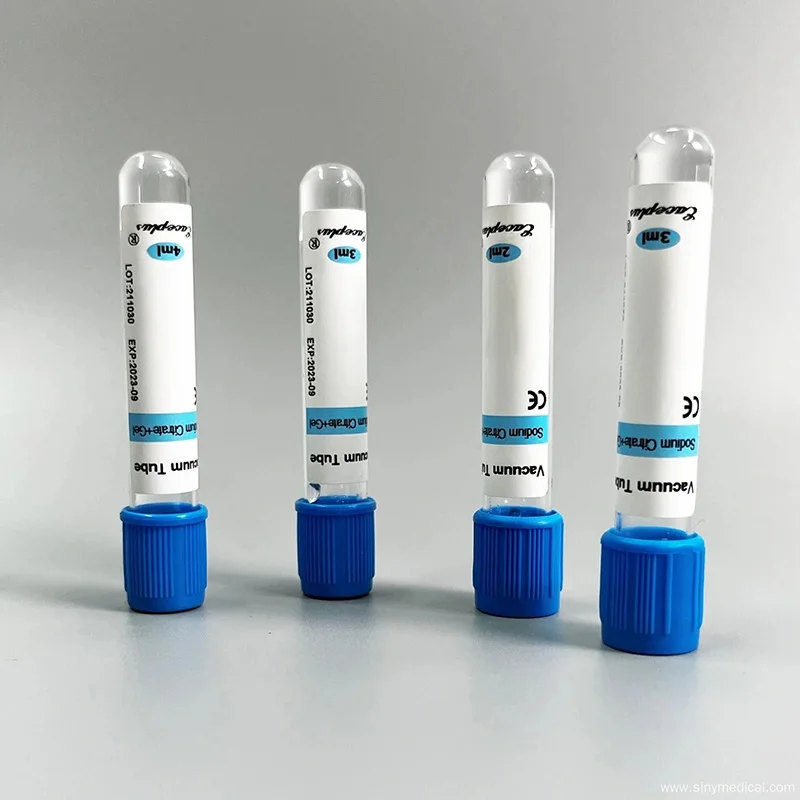
Fragile veins are one of the biggest challenges in daily blood collection practice. Elderly patients, pediatric patients, oncology patients, dialysis patients, and individuals with chronic illnesses often present veins that are small, rolling, thin, or difficult to stabilize. In these situations, choosing the correct device becomes more than a matter of preference—it directly affects patient comfort, sample quality, and first-stick success rates. That is why understanding the differences between Pen-Type vs. Butterfly Blood Collection Sets for Fragile Veins has become increasingly important for hospitals, laboratories, and clinics looking to improve phlebotomy performance.
Today’s healthcare facilities have access to a wide range of blood collection devices, yet many procurement teams still struggle to determine which option fits their patient population best. Some facilities prioritize workflow speed, while others focus on reducing bruising, hematoma formation, or hemolysis risks. The reality is that both pen-type blood collection needles and butterfly blood collection sets offer advantages, but they are designed for different clinical scenarios.
Many high-performing phlebotomy departments now use both systems strategically rather than relying on a single universal solution. Understanding where each needle performs best can help clinics reduce patient complaints, improve vein preservation, and lower recollection rates.
Table of Contents
- 1 Why Fragile Veins Require Specialized Blood Collection Needles
- 2 Pen-Type Blood Collection Needles: Advantages and Limitations
- 2.1 Advantages of Pen-Type Blood Collection Needles
- 2.2 Better Workflow Efficiency
- 2.3 Lower Dead Space
- 2.4 Improved Tube Filling Speed
- 2.5 Cost-Effective for Large Facilities
- 2.6 Limitations for Fragile Veins
- 2.7 Reduced Flexibility During Insertion
- 2.8 Higher Risk of Vein Collapse
- 2.9 Less Control in Difficult Angles
- 3 Butterfly Blood Collection Sets: Why They Are Often Preferred for Fragile Veins
- 3.1 Key Benefits of Butterfly Blood Collection Sets
- 3.2 Enhanced Needle Stability
- 3.3 Better for Small or Rolling Veins
- 3.4 Flexible Tubing Reduces Movement
- 3.5 Improved Patient Experience
- 3.6 Potential Drawbacks of Butterfly Blood Collection Sets
- 3.7 Higher Product Cost
- 3.8 Slightly Slower Blood Flow
- 3.9 Additional Dead Volume
- 4 Pen-Type vs. Butterfly Blood Collection Sets for Fragile Veins: Which Should Clinics Choose?
- 5 How Safety Features and Needle Design Affect Blood Collection Performance
- 6 Choosing a Reliable Blood Collection Needle Supplier
- 7 FAQ About Pen-Type and Butterfly Blood Collection Sets
- 7.1 Are butterfly needles always better for fragile veins?
- 7.2 What gauge is best for fragile veins?
- 7.3 Do butterfly blood collection sets cause more hemolysis?
- 7.4 Why do some facilities still prefer pen-type needles?
- 7.5 Can butterfly sets be used with vacuum blood collection tubes?
- 7.6 Which patients benefit most from butterfly blood collection sets?
- 8 Summary
Why Fragile Veins Require Specialized Blood Collection Needles
Fragile veins behave differently from healthy, elastic veins. They collapse more easily under vacuum pressure, move during insertion, and may rupture when punctured with excessive force or improper angles. In many cases, unsuccessful blood draws are not caused by technician skill alone, but by selecting the wrong blood collection device.
Common characteristics of fragile veins include:
- Thin vessel walls
- Low blood pressure flow
- Increased rolling or movement
- Easy bruising
- Reduced vein visibility
- Scarred or damaged access points
- Small vein diameter
These issues are commonly seen in:
- Geriatric patients
- Pediatric patients
- Chemotherapy patients
- Long-term hospitalized patients
- Patients with dehydration
- Individuals with chronic vascular disease
For these patient groups, needle control and blood flow stability matter significantly. Excessive vacuum force or unstable needle positioning can lead to vein collapse, pain, hematoma formation, or incomplete sample collection.
This is where the comparison between pen-type and butterfly blood collection systems becomes highly relevant.
Healthcare providers searching for reliable blood collection consumables often evaluate not only the needle design itself, but also tubing flexibility, bevel sharpness, safety features, and compatibility with vacuum blood collection tubes. Clinics handling a high volume of difficult draws frequently benefit from working with experienced manufacturers such as Siny Medical that offer multiple phlebotomy configurations for different patient conditions.
Pen-Type Blood Collection Needles: Advantages and Limitations
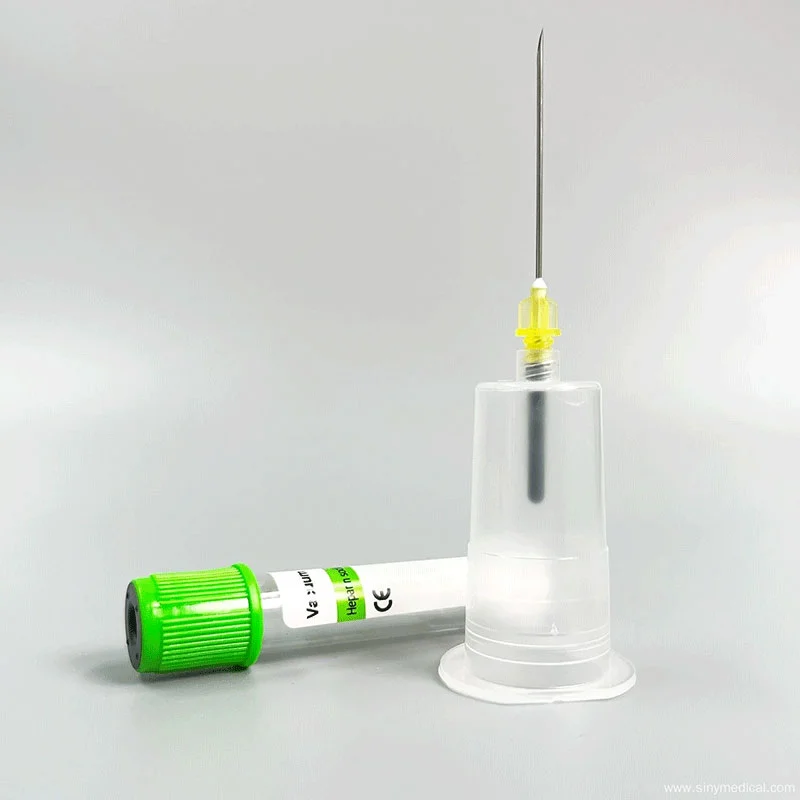
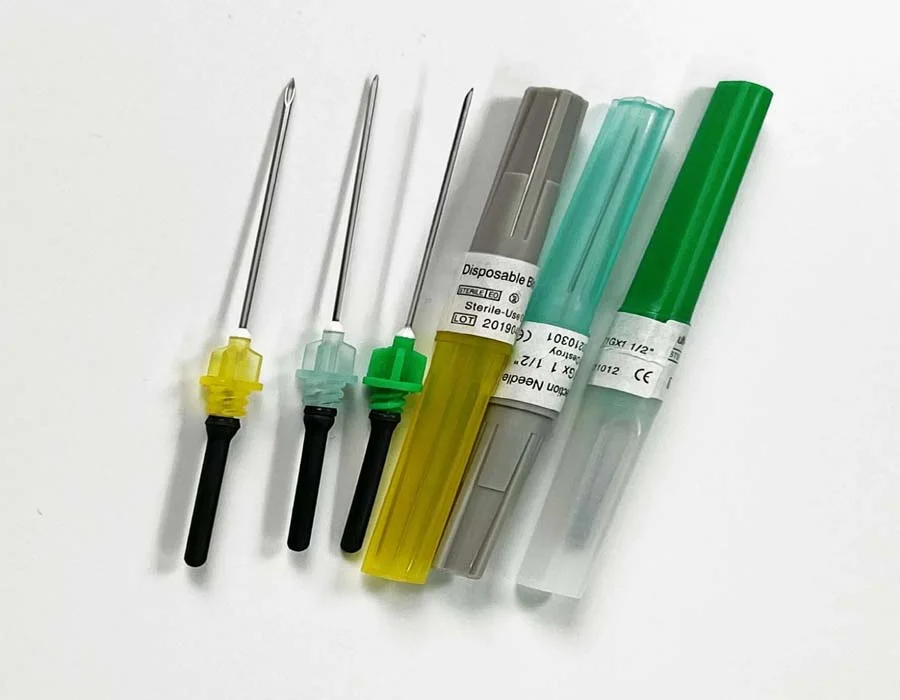
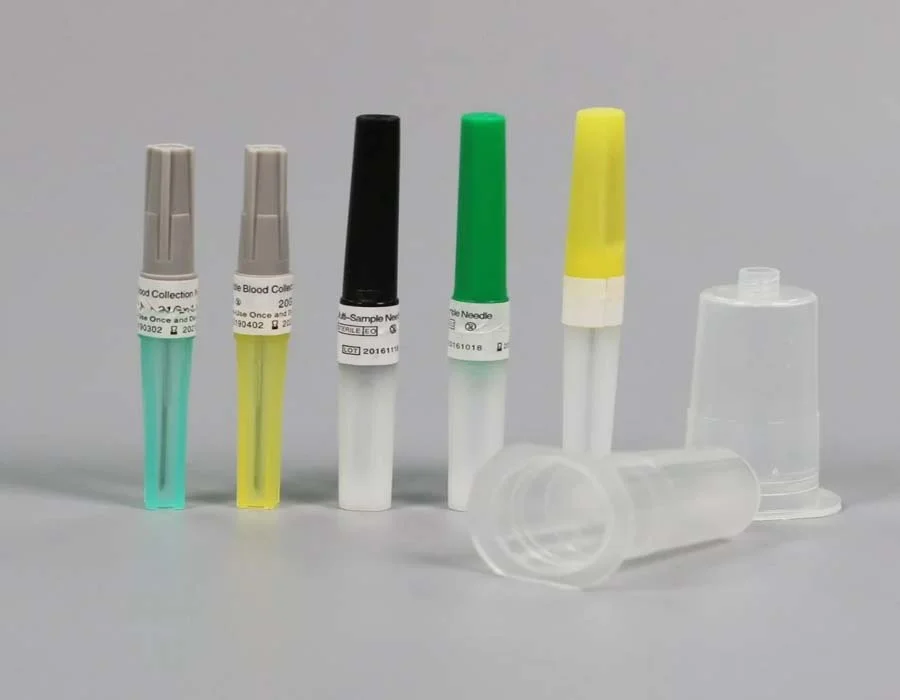
Pen-type blood collection needles are widely used in routine venipuncture because of their simplicity, speed, and cost efficiency. These devices are directly connected to the holder, creating a compact structure that many experienced phlebotomists prefer for standard adult blood collection.
Advantages of Pen-Type Blood Collection Needles
Better Workflow Efficiency
Pen-type systems are fast to assemble and easy to operate during high-volume collection sessions. In outpatient laboratories and busy hospital departments, this can improve throughput considerably.
Lower Dead Space
Because there is no extension tubing between the needle and collection tube, pen-type needles reduce dead space and support more direct blood flow.
Improved Tube Filling Speed
The direct connection allows vacuum pressure to transfer efficiently, often leading to faster tube filling times in patients with healthy veins.
Cost-Effective for Large Facilities
For facilities processing thousands of samples daily, pen-type blood collection needles can offer lower operating costs compared with butterfly sets.
Limitations for Fragile Veins
Despite their efficiency, pen-type systems may not be ideal for all difficult venipuncture situations.
Reduced Flexibility During Insertion
Without extension tubing, the entire holder moves together with the needle. This can increase vein movement during collection, especially in small or rolling veins.
Higher Risk of Vein Collapse
Fragile veins sometimes cannot tolerate the direct vacuum pressure associated with standard pen-type collection systems.
Less Control in Difficult Angles
In pediatric or geriatric patients, maintaining needle stability at shallow insertion angles can become more challenging.
As a result, many clinicians reserve pen-type needles primarily for patients with stable, visible veins and straightforward blood collection requirements.
Butterfly Blood Collection Sets: Why They Are Often Preferred for Fragile Veins
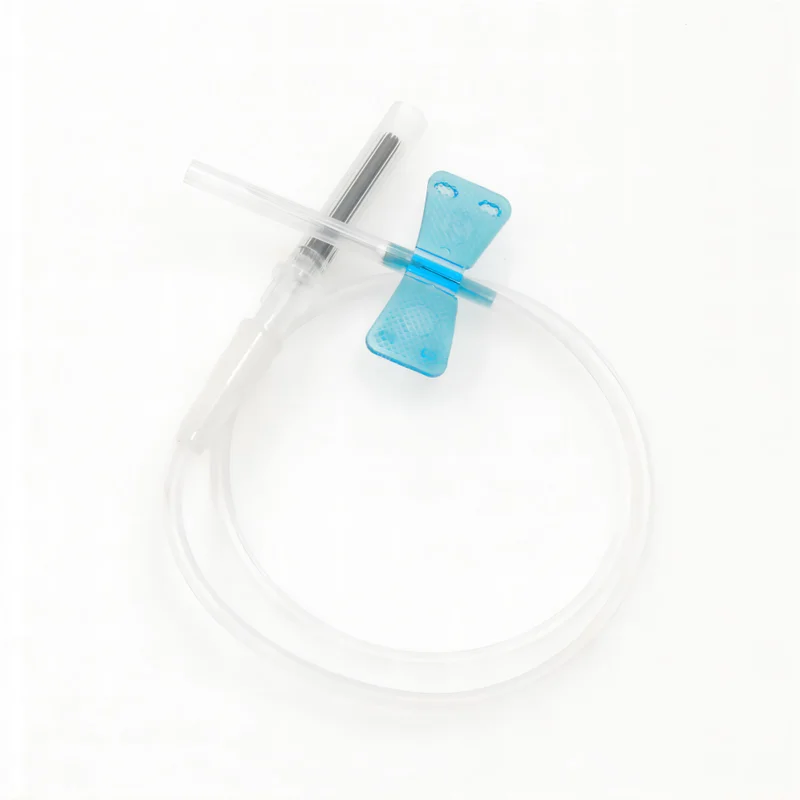
Butterfly blood collection sets are specifically designed to improve control and reduce vein trauma during difficult blood draws. Their flexible tubing and winged structure provide greater stability, making them highly popular in fragile vein applications.
Key Benefits of Butterfly Blood Collection Sets
Enhanced Needle Stability
The winged grips allow phlebotomists to stabilize the needle more effectively during insertion and throughout collection. This reduces accidental vein movement and improves patient comfort.
Better for Small or Rolling Veins
Butterfly sets are especially useful for:
- Hand veins
- Pediatric veins
- Elderly patients
- Oncology patients
- Difficult-access veins
The shorter, thinner needle profile often makes insertion smoother and less traumatic.
Flexible Tubing Reduces Movement
The extension tubing separates the needle from the tube holder, minimizing movement caused by tube exchange. This feature is particularly valuable when collecting multiple tubes from delicate veins.
Improved Patient Experience
Many patients perceive butterfly needles as less painful because of the controlled insertion process and reduced tissue pulling during collection.
Potential Drawbacks of Butterfly Blood Collection Sets
Although butterfly systems offer excellent control, they also come with considerations that procurement teams should understand.
Higher Product Cost
Butterfly sets generally cost more than standard pen-type needles because of their additional tubing and safety components.
Slightly Slower Blood Flow
The tubing can modestly reduce blood flow speed compared with direct needle systems.
Additional Dead Volume
Some butterfly systems require discard tubes for coagulation testing because of the tubing dead space.
Even with these limitations, butterfly blood collection sets remain one of the most reliable options for fragile vein management.
Facilities focused on patient-centered care often consider butterfly systems a worthwhile investment because they can reduce repeat punctures, improve patient satisfaction, and lower specimen rejection rates.
Pen-Type vs. Butterfly Blood Collection Sets for Fragile Veins: Which Should Clinics Choose?
The debate surrounding Pen-Type vs. Butterfly Blood Collection Sets for Fragile Veins does not have a single universal answer. The best option depends largely on patient demographics, clinical workflow, and staff experience.
When Pen-Type Needles Are the Better Choice
Pen-type systems are typically suitable when:
- Patients have healthy veins.
- Blood collection volume is high.
- Fast workflow is required.
- Cost control is a priority.
- Multiple routine collections occur daily.
These needles are commonly used in:
- Routine hospital laboratories.
- Occupational health screenings.
- Standard diagnostic centers.
- Blood chemistry testing departments.
When Butterfly Blood Collection Sets Perform Better
Butterfly systems are generally preferred when:
- Veins are fragile or difficult to access.
- Patients are elderly or pediatric.
- Precision insertion is critical.
- Multiple failed venipuncture attempts must be avoided.
- Patient comfort is highly prioritized.
They are frequently used in:
- Oncology departments.
- Pediatric clinics.
- Geriatric care facilities.
- Intensive care units.
- Specialty infusion centers.
Many modern healthcare facilities adopt a mixed procurement strategy. Instead of replacing one system entirely, they maintain both options to match varying patient conditions.
For example, some hospitals standardize pen-type needles for routine outpatient blood collection while reserving butterfly sets for difficult-access patients. This balanced approach can improve efficiency while still supporting high-quality patient care.
Facilities reviewing blood collection supply vendors should also pay attention to needle sharpness consistency, silicone coating quality, tubing durability, sterility standards, and compatibility with vacuum tube systems. Reliable manufacturing quality plays a major role in reducing failed draws and maintaining clinical safety standards.
At Siny Medical, many clinics and distributors source both pen-type blood collection needles and butterfly blood collection sets to create more flexible phlebotomy workflows tailored to different patient populations.
| Elderly, pediatric, and oncology patients | Pen-Type Needle | Butterfly Blood Collection Set |
| Best For | Routine blood draws | Fragile or difficult veins |
| Patient Comfort | Standard | Higher comfort |
| Needle Stability | Moderate | Excellent |
| Blood Flow Speed | Faster | Slightly slower |
| Risk of Vein Collapse | Higher | Lower |
| Cost | More economical | Higher cost |
| Common Patients | Healthy adult veins | Elderly, pediatric, oncology patients |
| Flexibility During Collection | Limited | Better control with tubing |
How Safety Features and Needle Design Affect Blood Collection Performance
Modern blood collection systems are no longer evaluated only by needle gauge. Safety engineering and ergonomic design now influence purchasing decisions heavily.
Needle Gauge Selection Matters
Common gauges include:
- 21G: Standard adult collections
- 22G: Smaller veins
- 23G: Pediatric or fragile veins
Using an oversized needle on fragile veins may increase bruising risk, while excessively small gauges can slow collection and increase hemolysis potential.
Safety Mechanisms Reduce Needlestick Injuries
Hospitals increasingly prefer safety-engineered blood collection sets that include:
- Retractable needles
- Push-button activation
- Sliding safety shields
- One-handed activation systems
These features help facilities comply with occupational safety standards and reduce accidental exposure risks for healthcare workers.
Bevel Quality Influences Patient Comfort
High-quality bevel polishing creates smoother skin penetration and reduces insertion resistance. Poorly manufactured needles can increase discomfort and vein trauma even when proper technique is used.
Tubing and Connector Quality Affect Blood Flow Stability
For butterfly blood collection sets, tubing flexibility and secure luer connections are critical. Inferior tubing may kink or interrupt blood flow during multi-tube collection procedures.
Because blood collection devices directly affect both patient experience and laboratory sample integrity, clinics increasingly evaluate products based on long-term reliability rather than price alone.
Choosing a Reliable Blood Collection Needle Supplier
Selecting the right needle design is only part of the purchasing process. Supplier consistency is equally important for hospitals, laboratories, and distributors managing daily blood collection operations.
A dependable supplier should provide:
- Stable production quality
- ISO and CE compliance
- Sterile manufacturing environments
- Consistent needle sharpness
- Reliable packaging integrity
- Multiple gauge and configuration options
- OEM or private label support if required
Clinics serving mixed patient populations often benefit from suppliers capable of providing complete blood collection solutions, including vacuum blood collection tubes, butterfly sets, pen-type needles, holders, and safety accessories under one procurement channel.
Working with experienced manufacturers can also simplify inventory management and improve compatibility across blood collection workflows.
FAQ About Pen-Type and Butterfly Blood Collection Sets
Are butterfly needles always better for fragile veins?
Not always, but they are often preferred because they provide greater control and stability during difficult venipuncture procedures. For fragile or rolling veins, butterfly sets usually improve first-stick success rates.
What gauge is best for fragile veins?
22G and 23G needles are commonly used for fragile veins because they reduce vein trauma while maintaining adequate blood flow for laboratory testing.
Do butterfly blood collection sets cause more hemolysis?
Improper technique can contribute to hemolysis with any needle type. However, modern high-quality butterfly systems designed for vacuum collection generally perform well when used correctly.
Why do some facilities still prefer pen-type needles?
Pen-type needles are efficient, cost-effective, and work extremely well for routine blood collection in patients with healthy veins.
Can butterfly sets be used with vacuum blood collection tubes?
Yes. Most butterfly blood collection sets are specifically designed to work with vacuum tube holders and standard laboratory collection systems.
Which patients benefit most from butterfly blood collection sets?
Butterfly sets are commonly recommended for elderly patients, pediatric patients, oncology patients, and individuals with small or difficult-access veins.
Summary
Choosing between Pen-Type vs. Butterfly Blood Collection Sets for Fragile Veins ultimately depends on balancing patient comfort, clinical efficiency, and specimen quality. Facilities that understand the strengths of each system are better positioned to improve phlebotomy success rates while reducing unnecessary repeat collections.
As patient populations become increasingly diverse, flexible blood collection strategies are becoming more valuable than ever. Whether a clinic prioritizes routine high-volume testing or specialized difficult-access venipuncture, selecting the right blood collection device can make a measurable difference in both workflow performance and patient satisfaction.