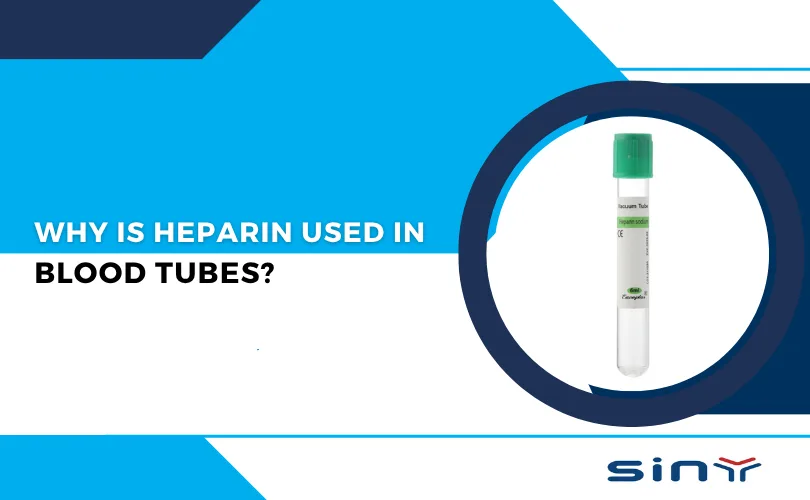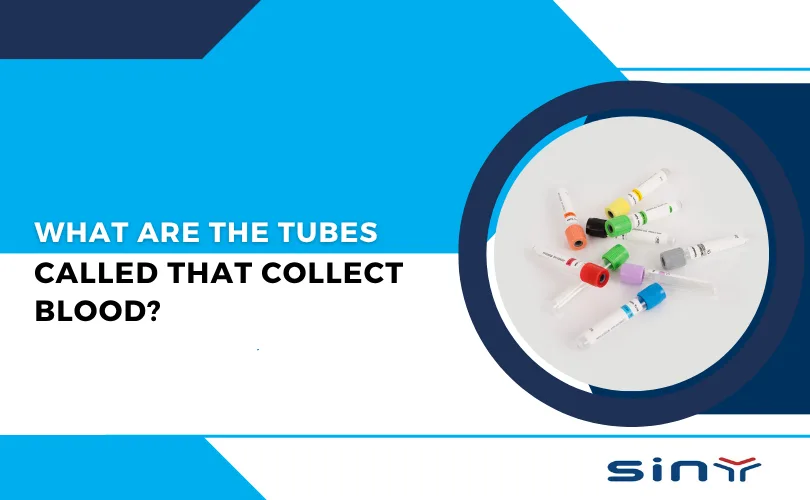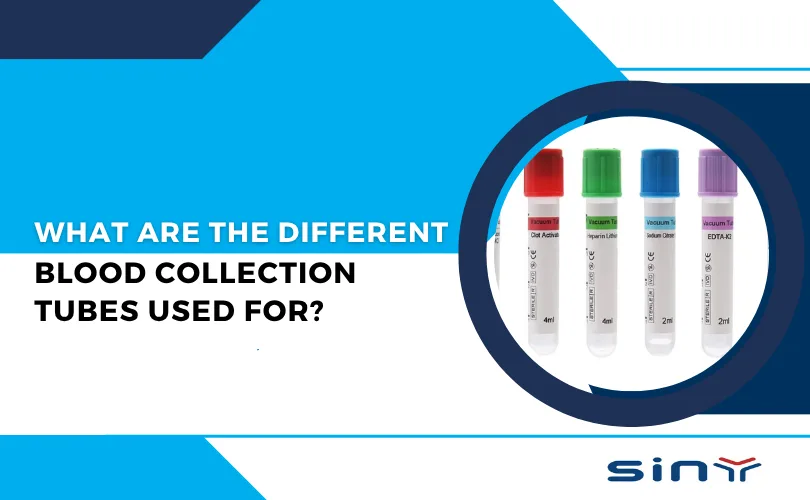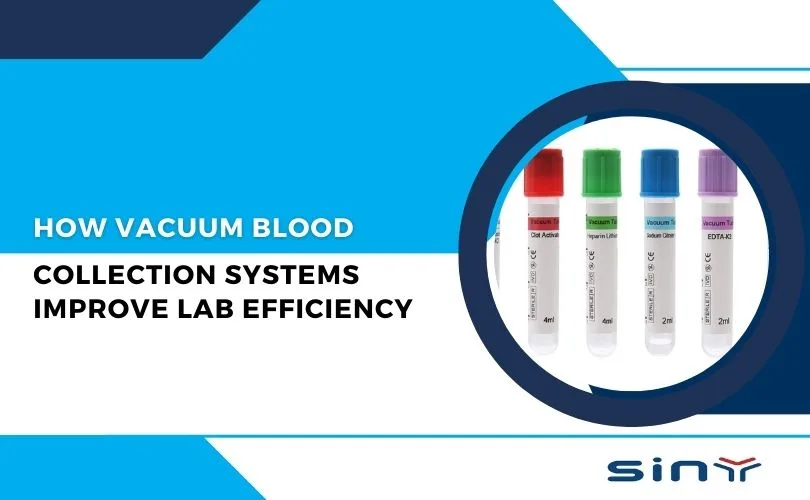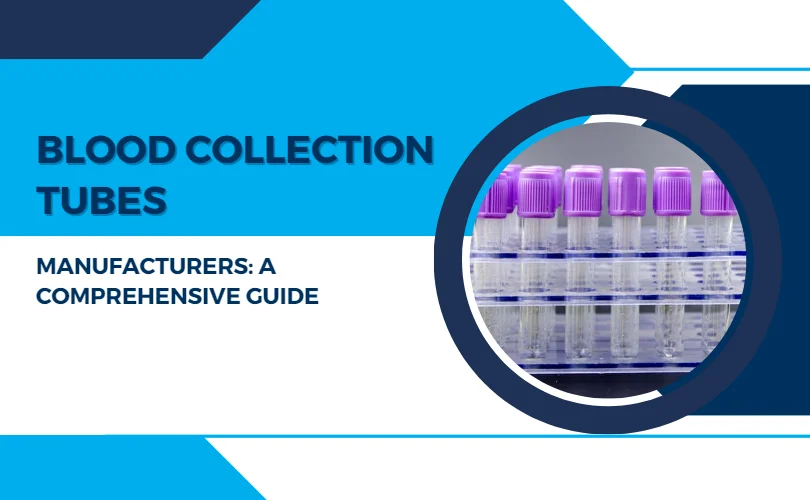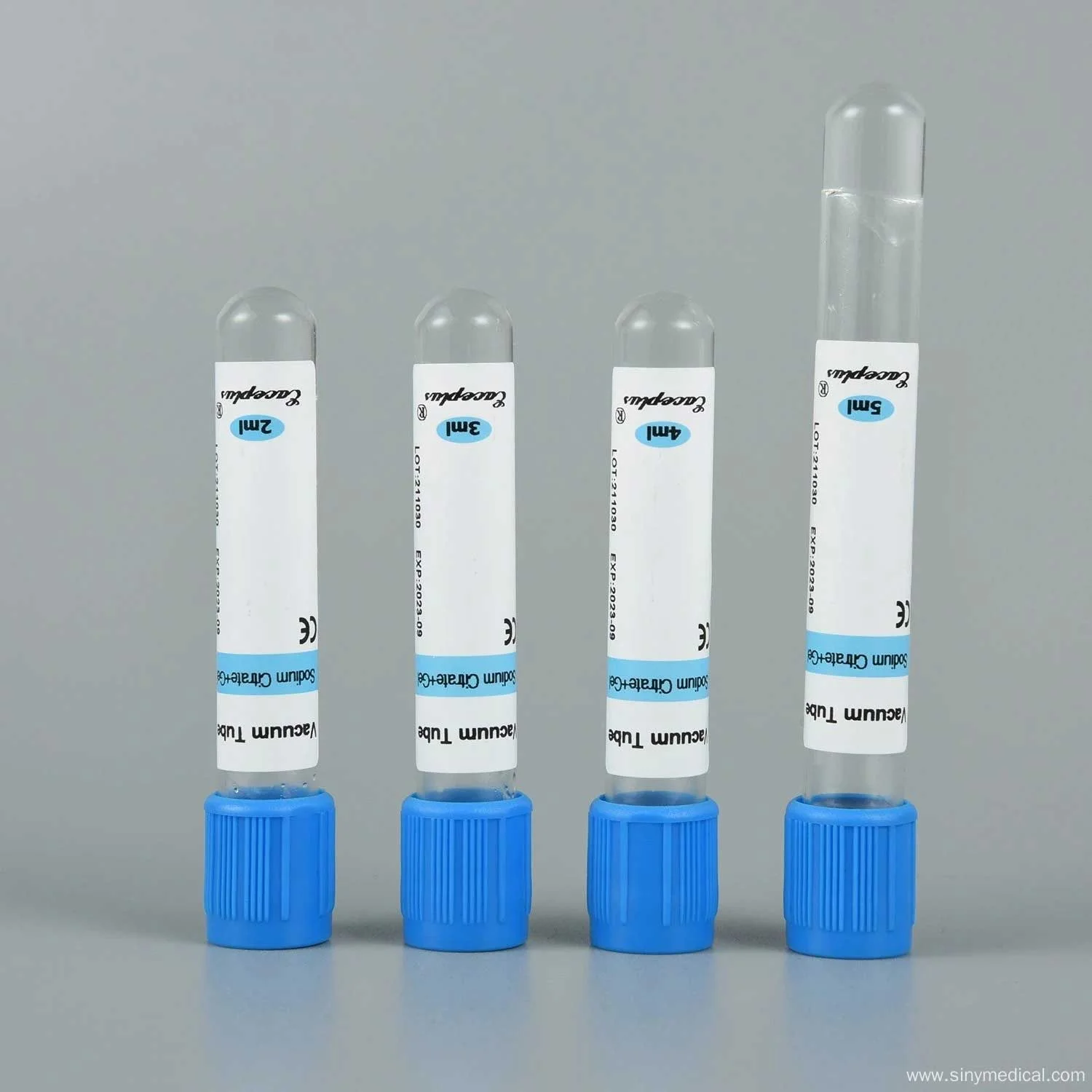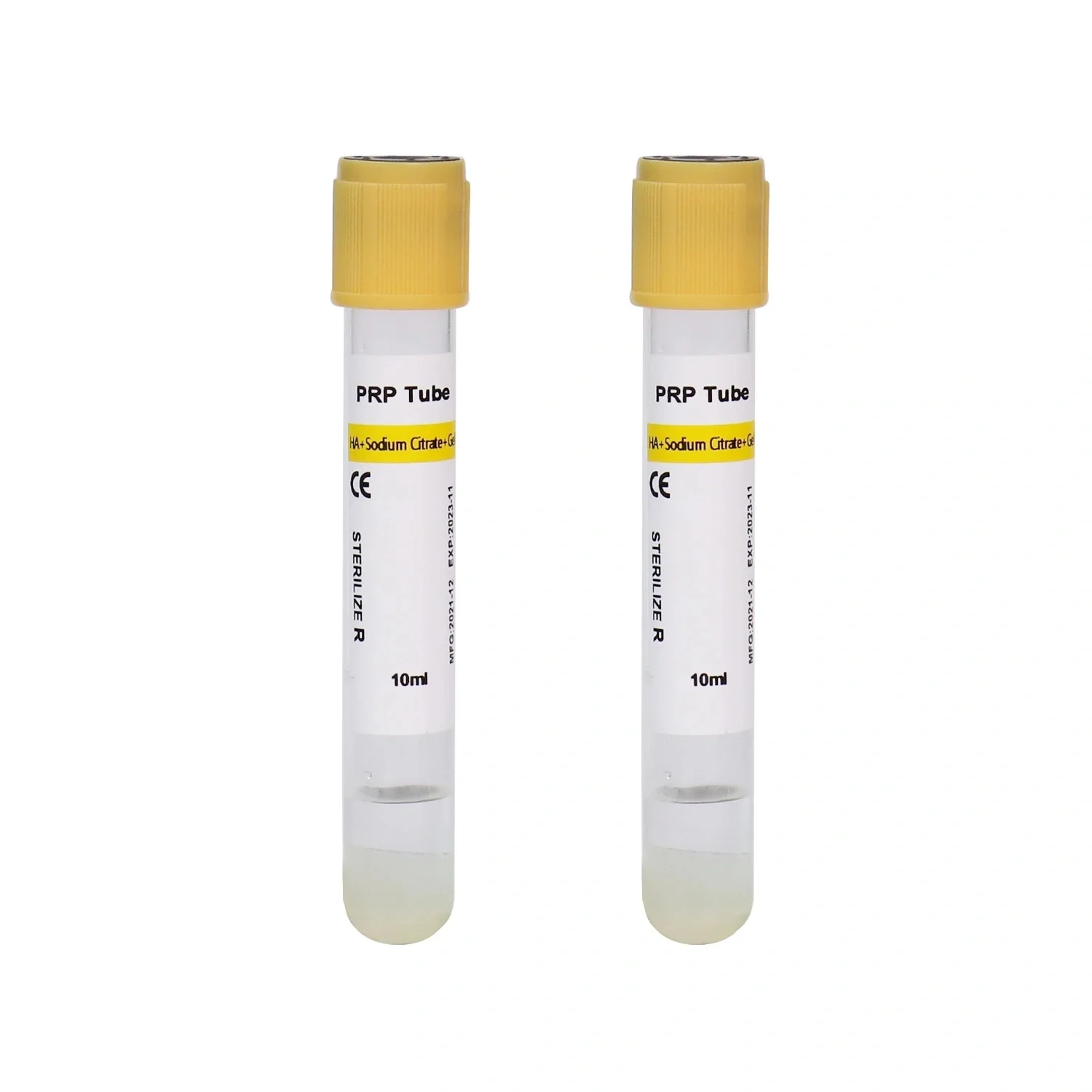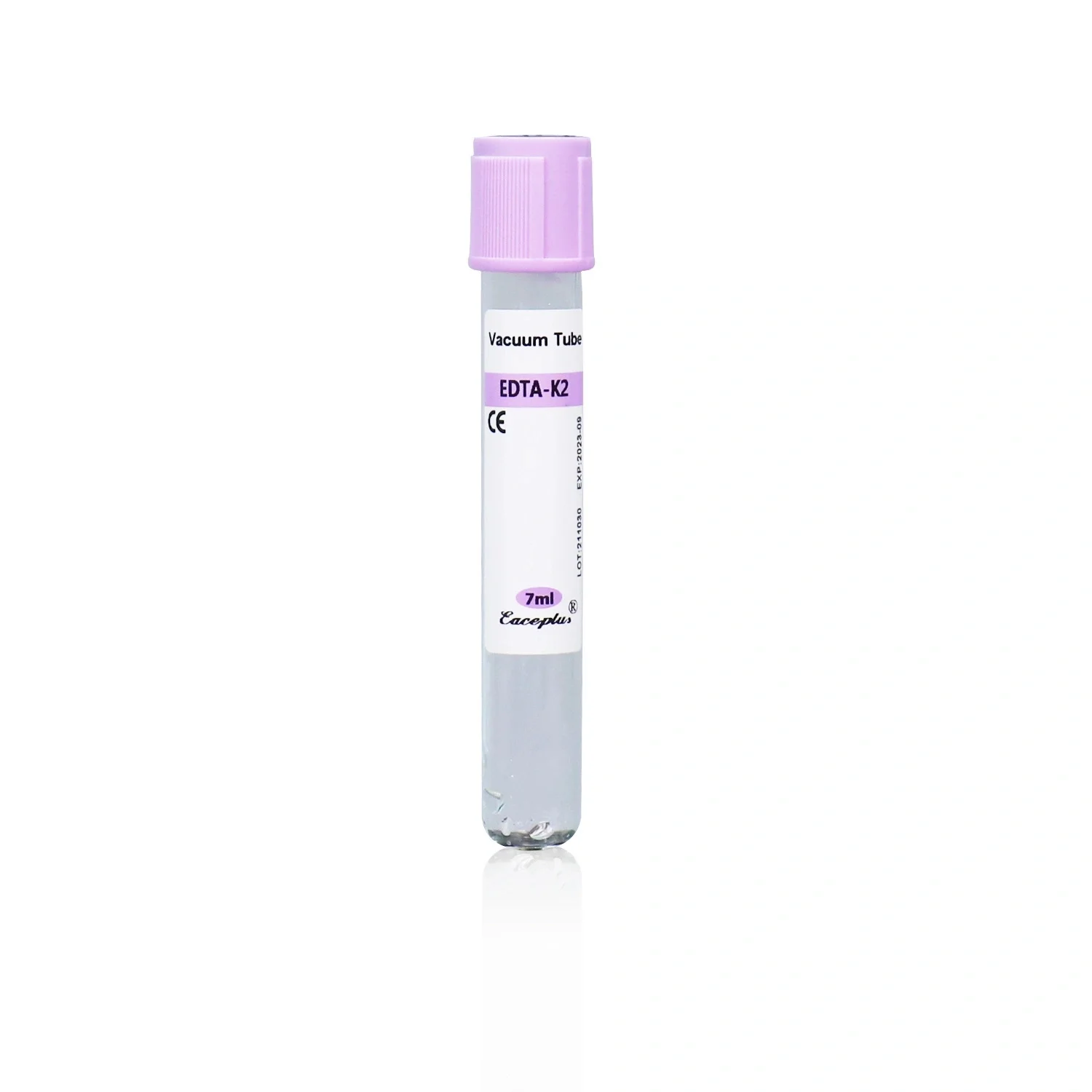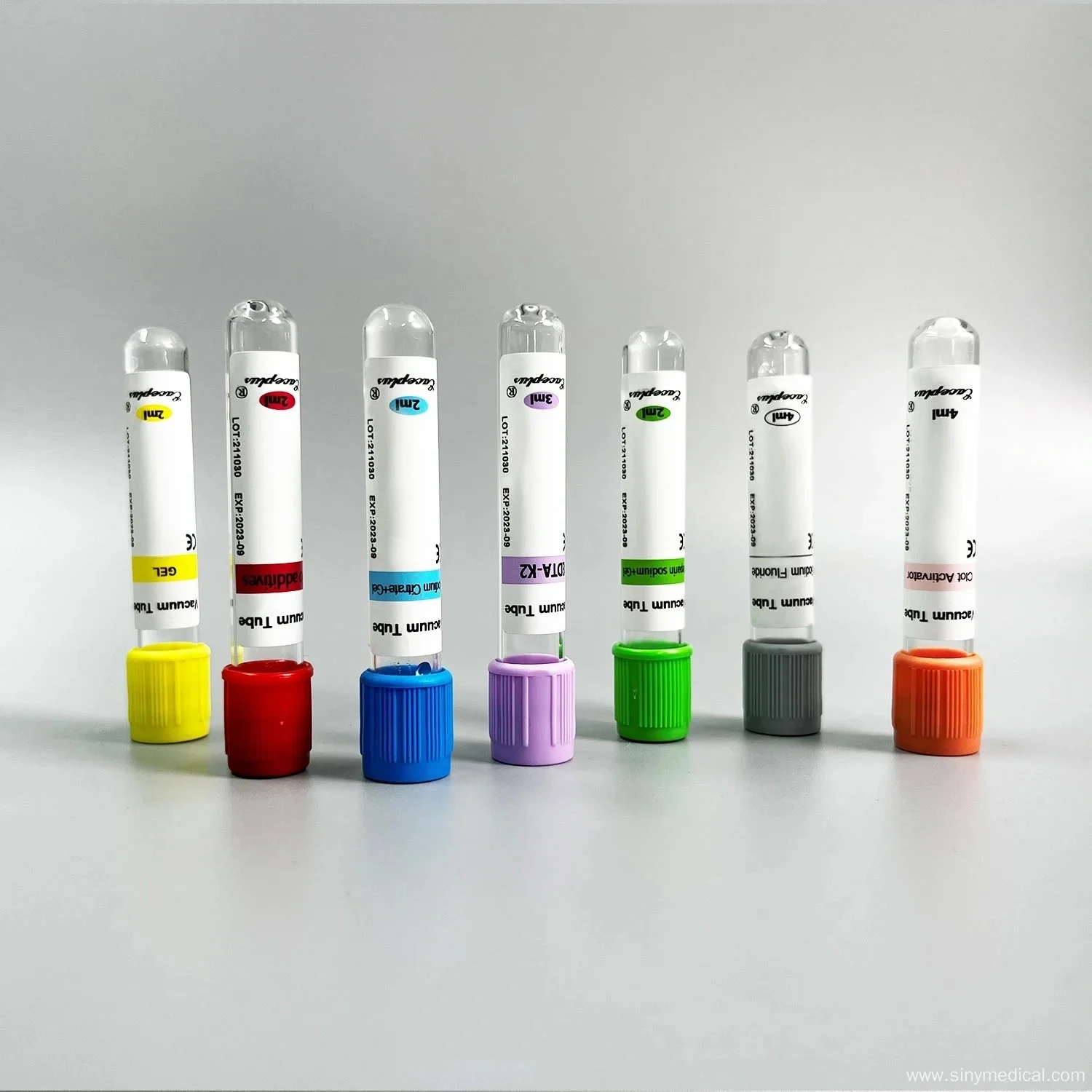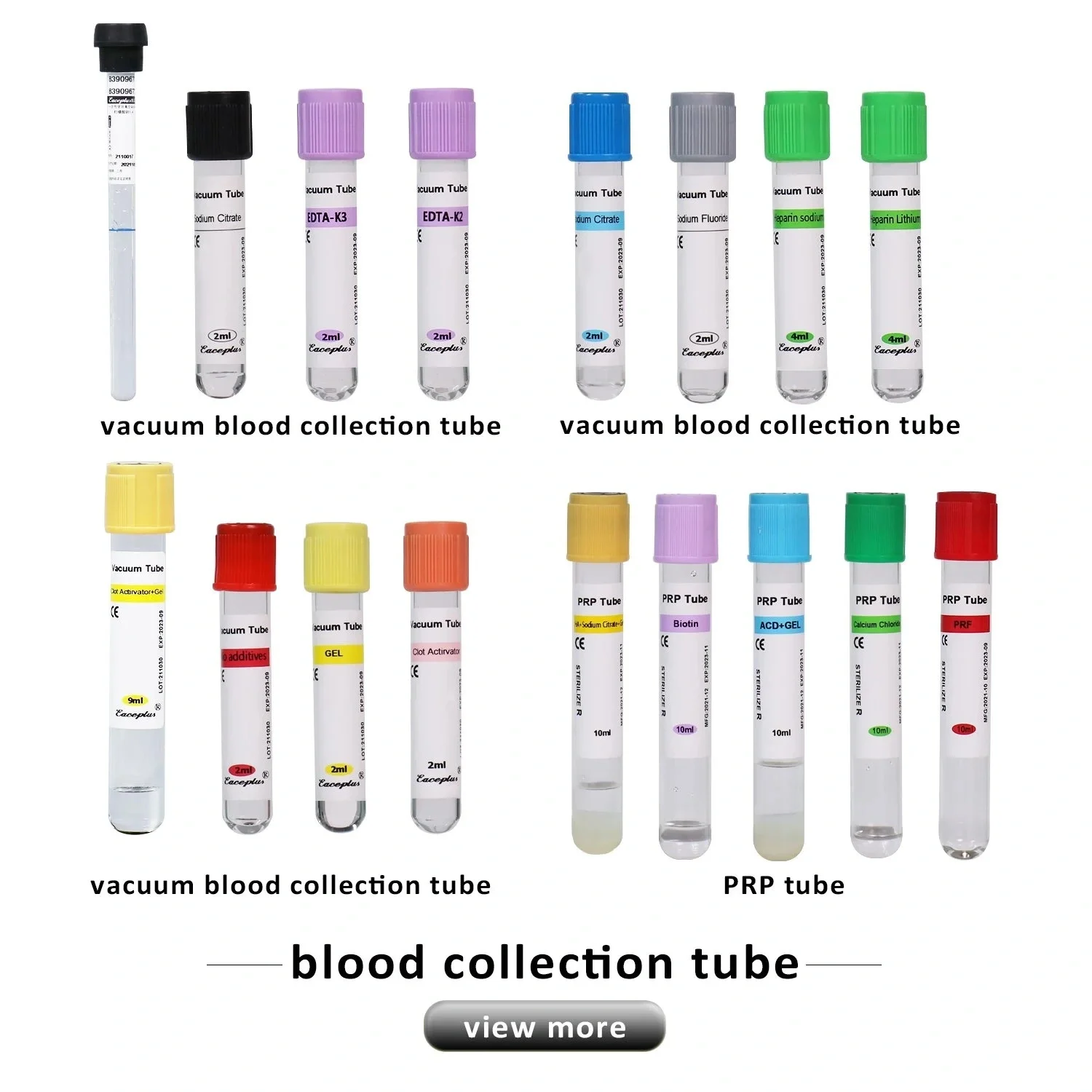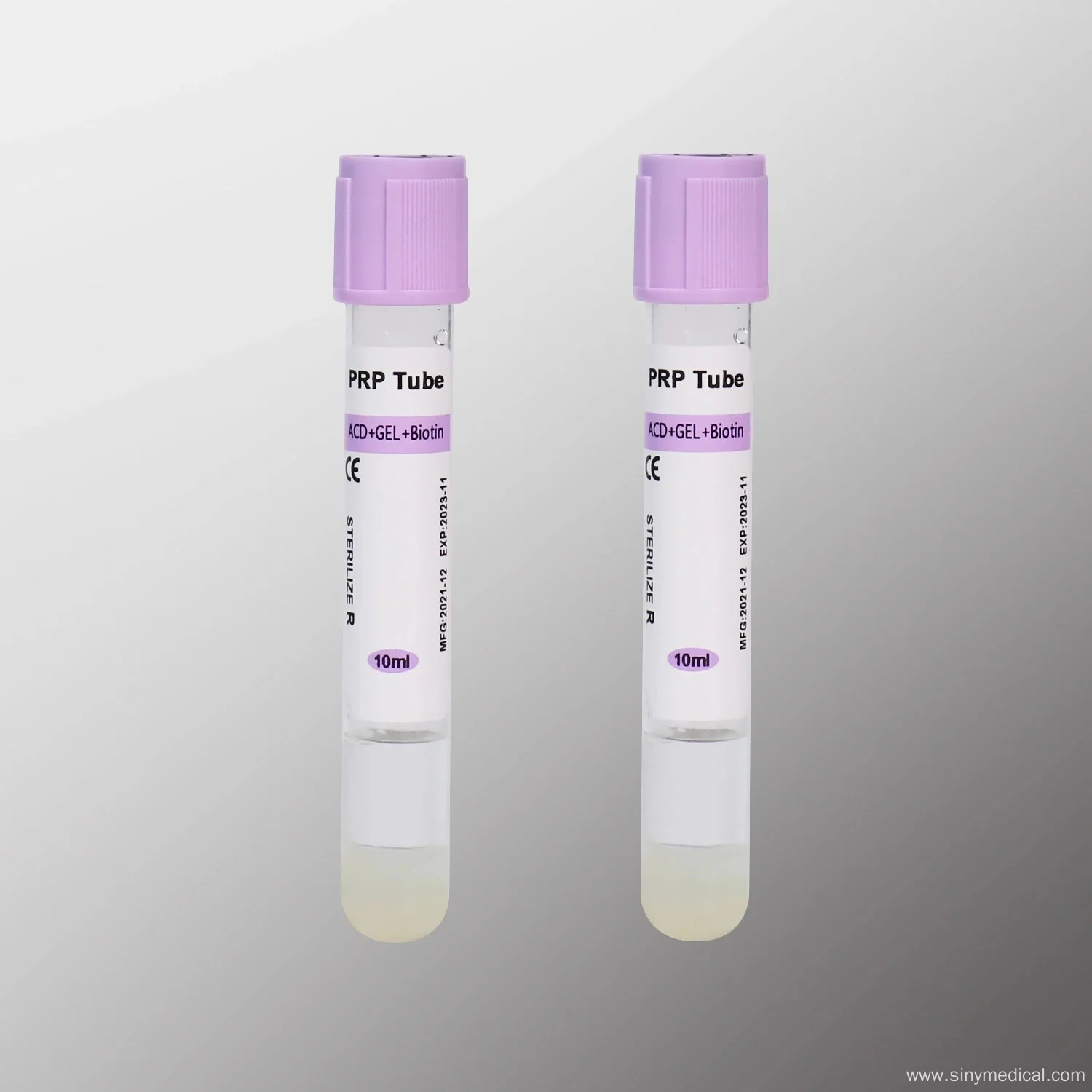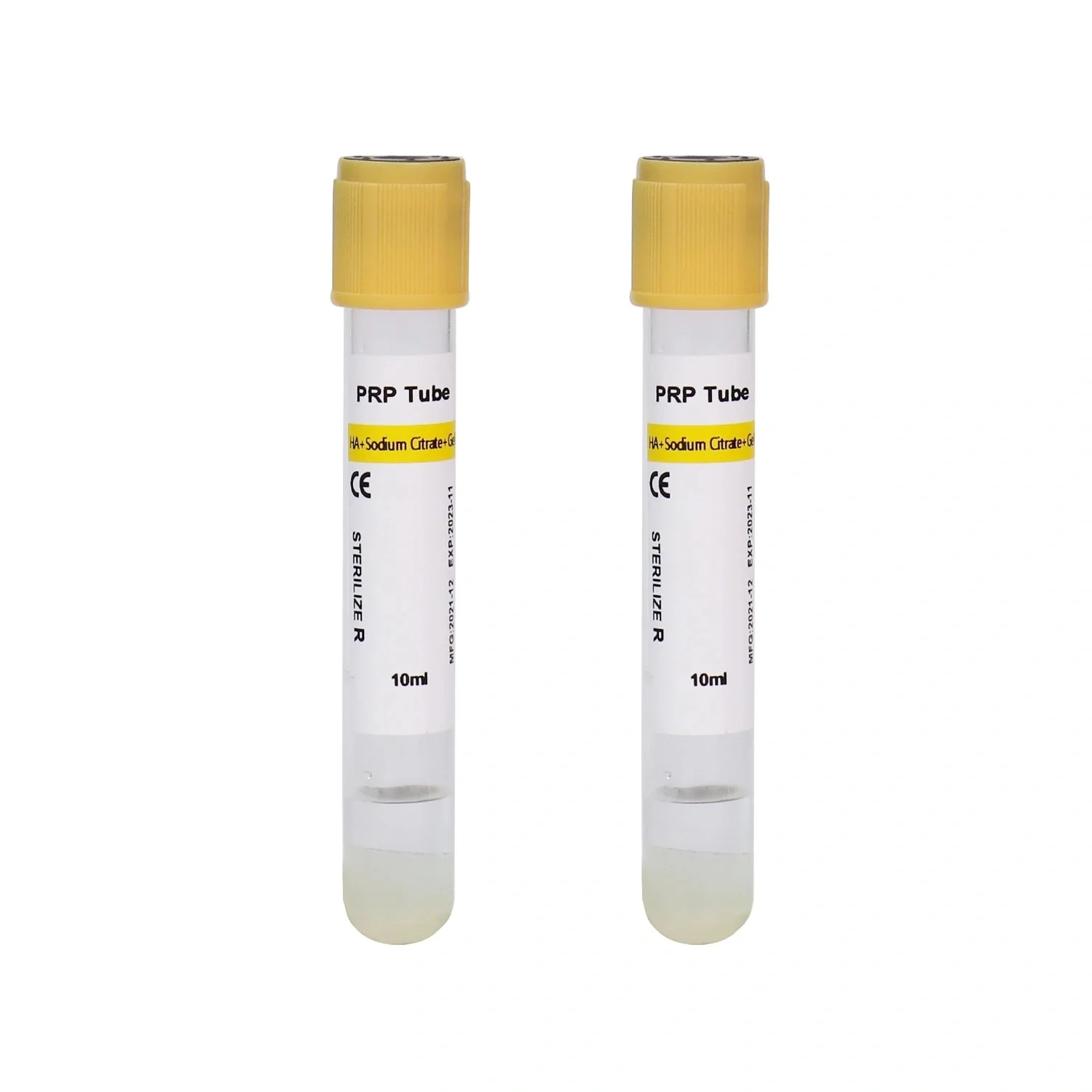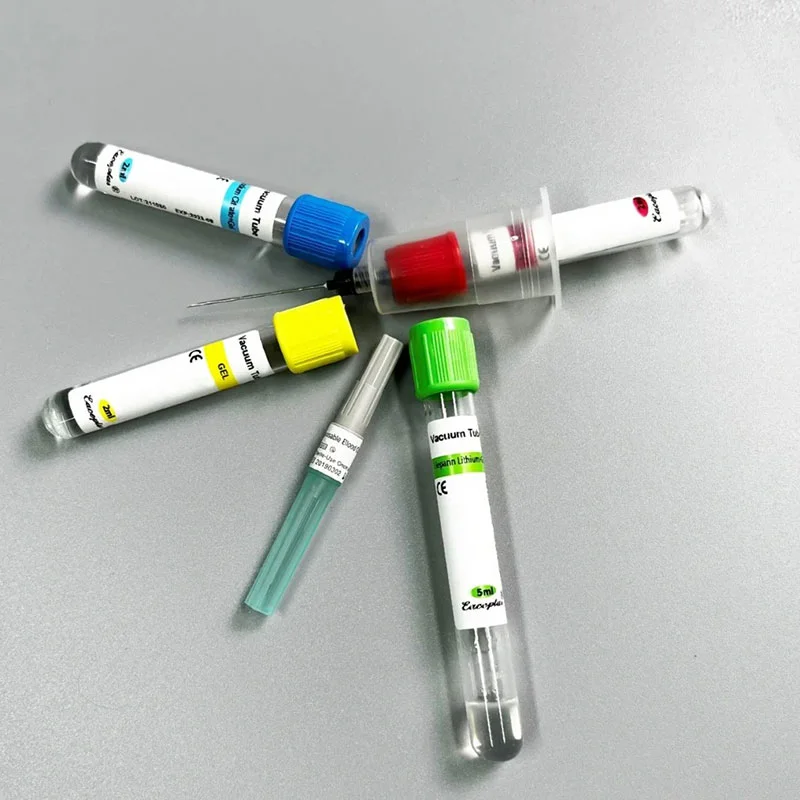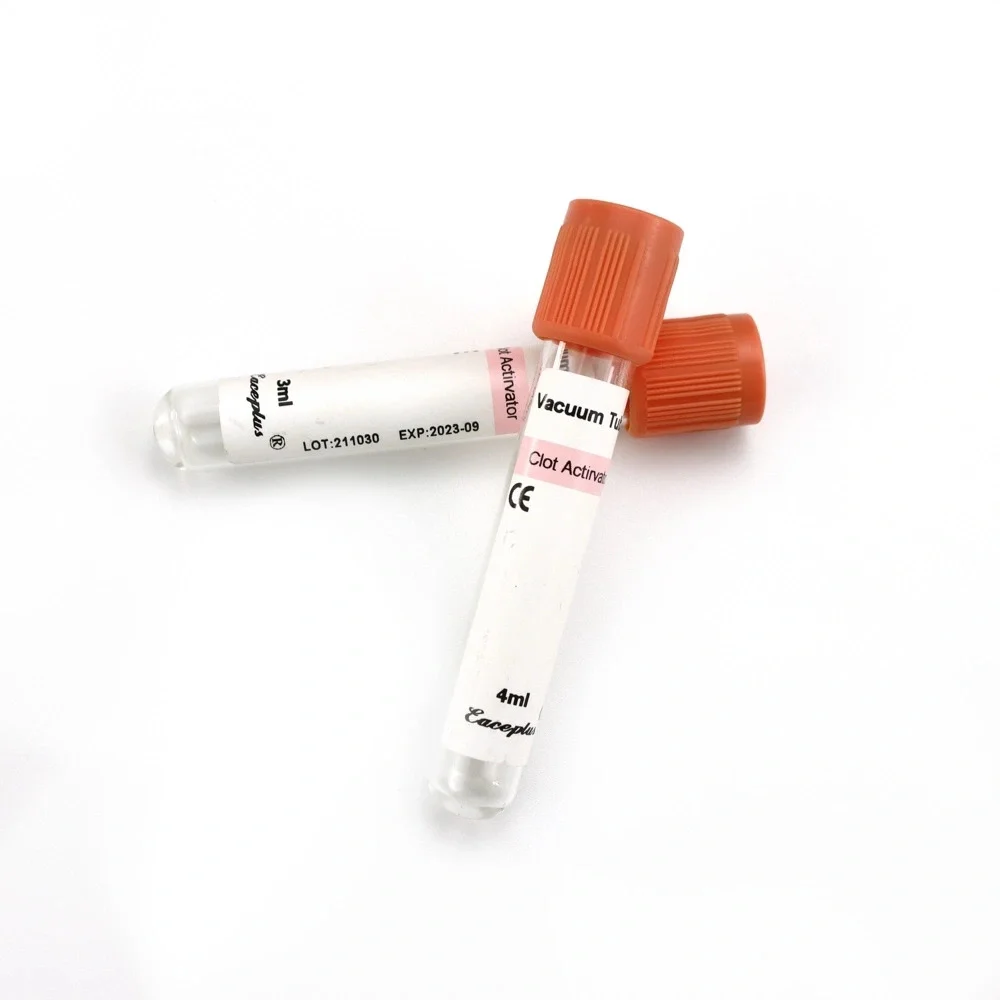
Cell-free DNA (cfDNA) testing is now widely used in liquid biopsy, prenatal screening, cancer research, and other molecular testing workflows. But reliable analysis does not begin with sequencing or DNA extraction. It starts much earlier—when the blood sample is collected.
This is why the question “Why Use cfDNA Tubes Over EDTA Tubes?” is an important one for laboratories developing a cfDNA workflow.
Standard EDTA blood collection tubes can be suitable for cfDNA analysis when plasma is separated promptly after collection. The challenge appears when whole blood must remain unprocessed for longer periods. During this interval, blood cells can become unstable and release genomic DNA (gDNA), changing the DNA background eventually present in plasma.
Dedicated cfDNA blood collection tubes are intended for workflows where greater pre-analytical sample stability may be needed between collection and plasma preparation. This becomes particularly relevant when blood is transported to a central laboratory, collected across multiple sites, or cannot be centrifuged immediately.
The key difference, therefore, is not simply cfDNA tube vs EDTA tube. The right choice depends on what happens to the blood between collection and analysis.
Table of Contents
- 1 cfDNA Tubes vs EDTA Tubes: What Is the Main Difference?
- 2 Why cfDNA Tubes Perform Better When Processing Is Delayed
- 3 How cfDNA Blood Collection Tubes Help During Sample Transportation
- 4 cfDNA Tube vs EDTA Tube for Liquid Biopsy, NIPT, and NGS
- 5 When Should You Choose a cfDNA Tube Instead of an EDTA Tube?
- 6 FAQs About cfDNA Tubes and EDTA Tubes
- 6.1 Can EDTA Tubes Be Used for cfDNA Testing?
- 6.2 What Is the Difference Between a cfDNA Tube and an EDTA Tube?
- 6.3 Why Is White Blood Cell Lysis a Problem for cfDNA?
- 6.4 Are cfDNA Tubes Suitable for Liquid Biopsy and NIPT?
- 6.5 How Long Can Blood Remain in a cfDNA Tube Before Processing?
- 6.6 Should Laboratories Replace EDTA Tubes With cfDNA Tubes?
- 7 Find the Right Blood Collection Tube for Your Workflow
cfDNA Tubes vs EDTA Tubes: What Is the Main Difference?
Both EDTA and cfDNA tubes collect venous whole blood and help prevent clot formation. Their differences become more important after the sample enters the tube.
What Does an EDTA Tube Do?
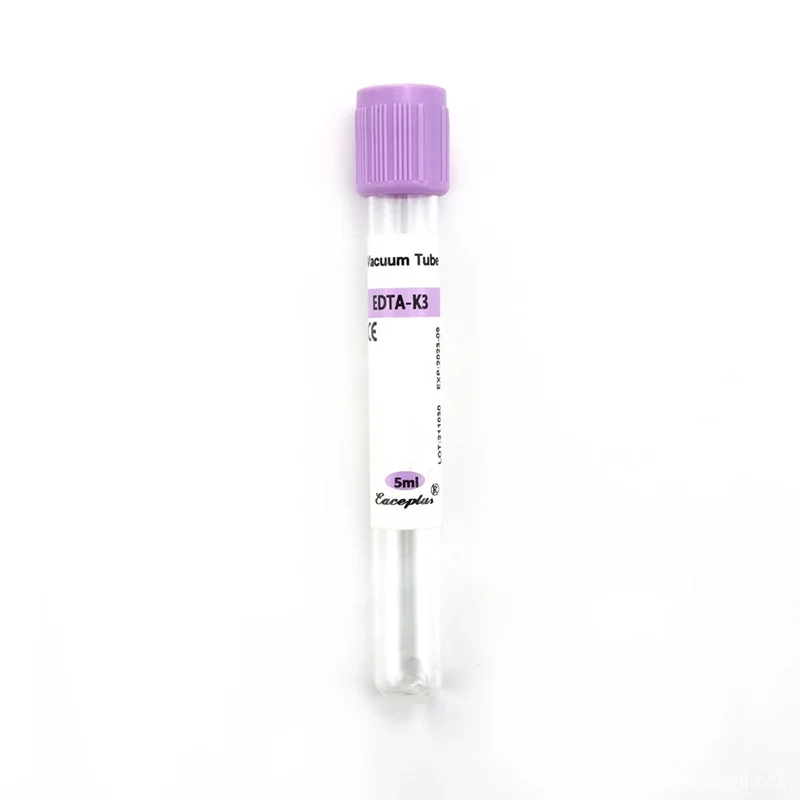
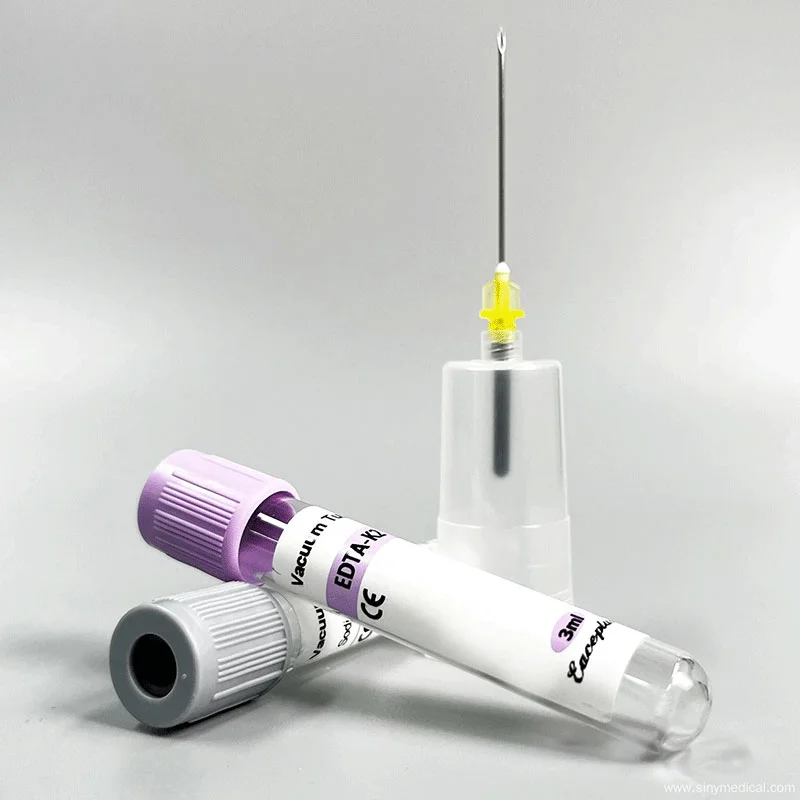
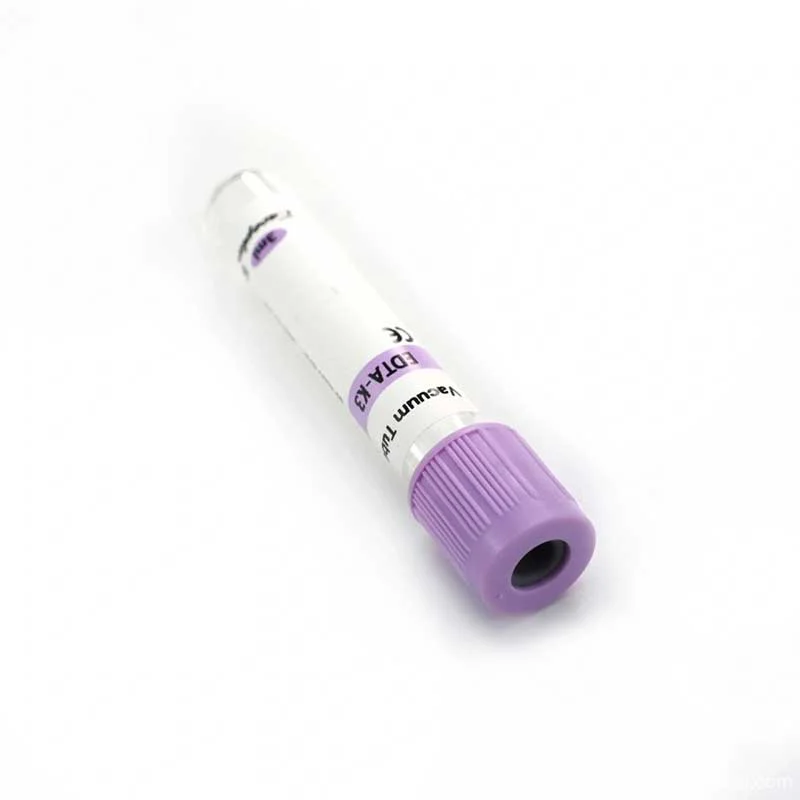
EDTA is one of the most widely used anticoagulants in clinical blood collection. It binds calcium ions required for the coagulation process, helping keep the collected blood anticoagulated.
This makes EDTA tubes useful across many laboratory applications. They are commonly associated with hematology and can also be incorporated into molecular testing workflows.
For cfDNA analysis, an EDTA tube can be a practical choice when the laboratory has a controlled workflow and can separate plasma soon after blood collection.
The important limitation is that EDTA primarily addresses coagulation. It does not automatically address every change that can occur when whole blood remains unprocessed for an extended period.
What Is Different About a cfDNA Collection Tube?
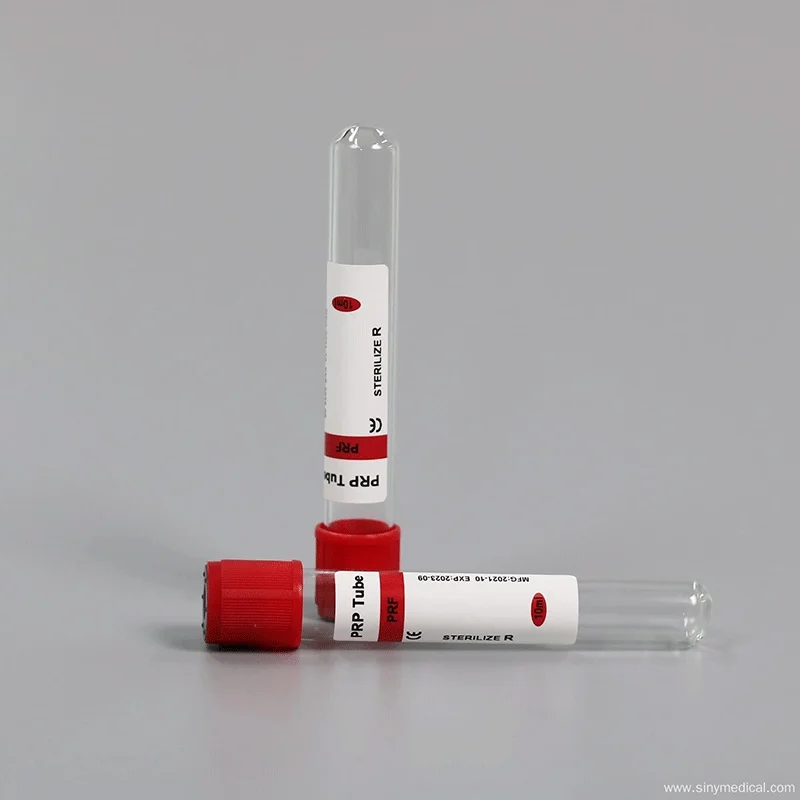
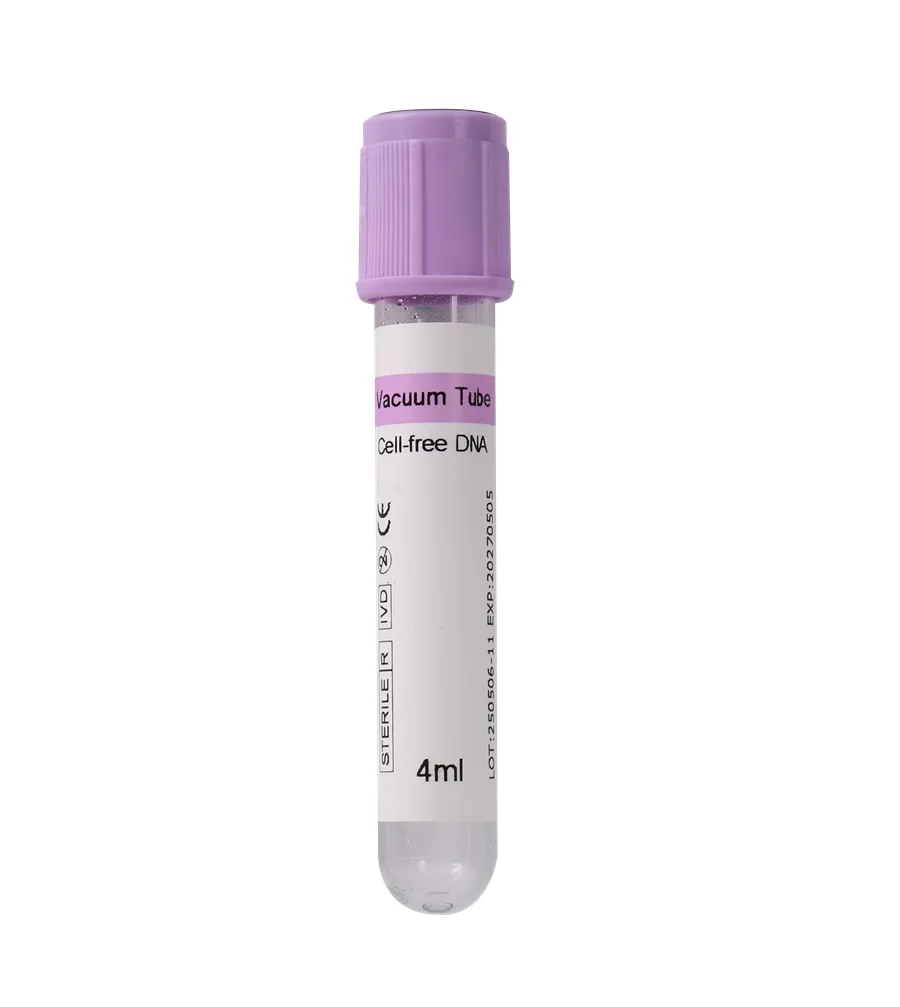
A dedicated cfDNA collection tube is intended specifically for the pre-analytical requirements of cell-free DNA testing. Depending on the formulation, these tubes may provide additional sample-stabilization characteristics during the interval between blood collection and plasma preparation.
That matters because cfDNA testing is not simply about collecting as much DNA as possible.
cfDNA consists of extracellular DNA fragments circulating in plasma. In applications such as circulating tumor DNA (ctDNA) analysis, the target DNA may represent only a small fraction of the total DNA background. Maintaining the composition of the original plasma sample therefore becomes particularly important.
A Quick cfDNA Tube vs EDTA Tube Comparison
EDTA Tube: A practical option when plasma can be separated promptly and the laboratory has a validated EDTA-based workflow.
cfDNA Tube: More suitable when samples may require transportation, delayed processing, or greater control of pre-analytical sample stability.
Neither tube is universally better. A more useful question is how long the whole-blood sample will remain unprocessed after collection.
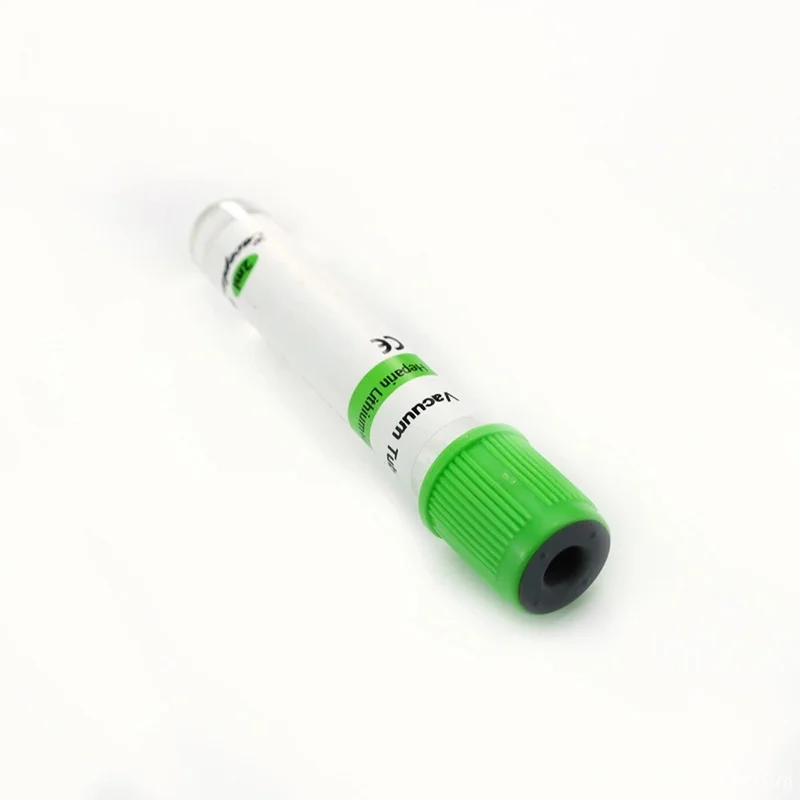
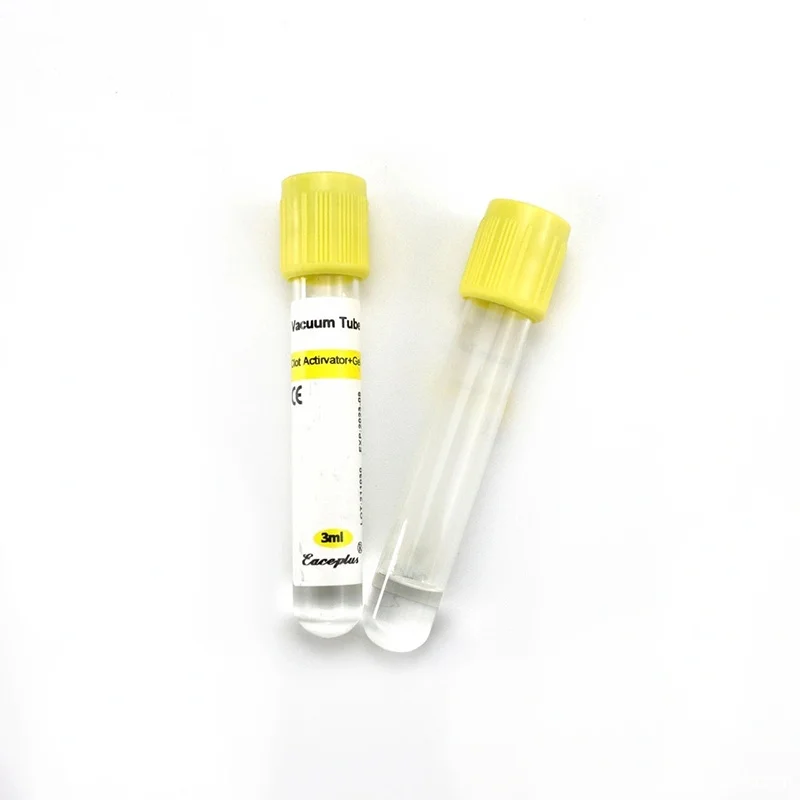
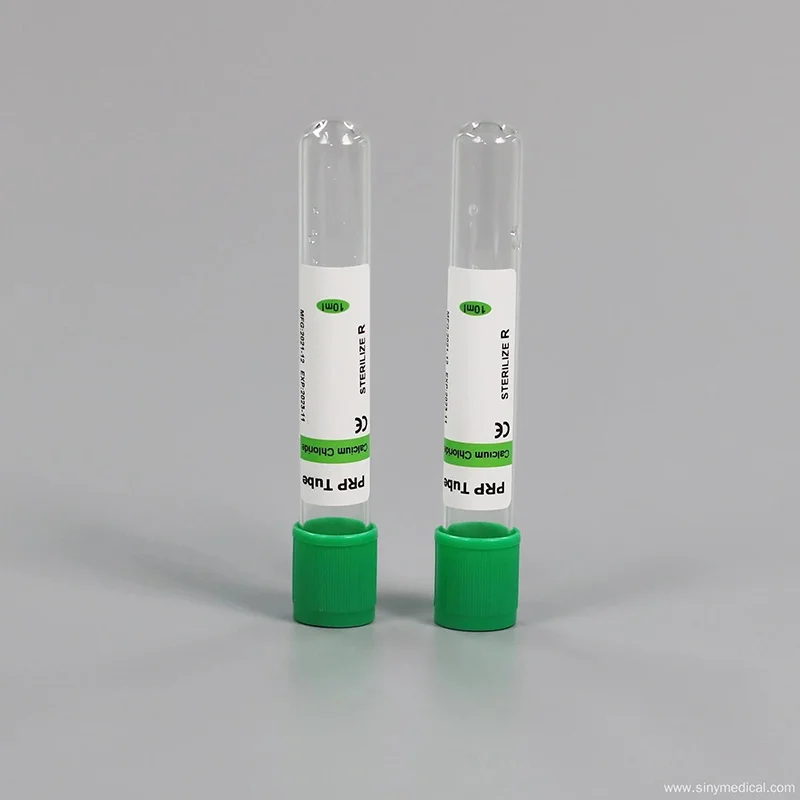
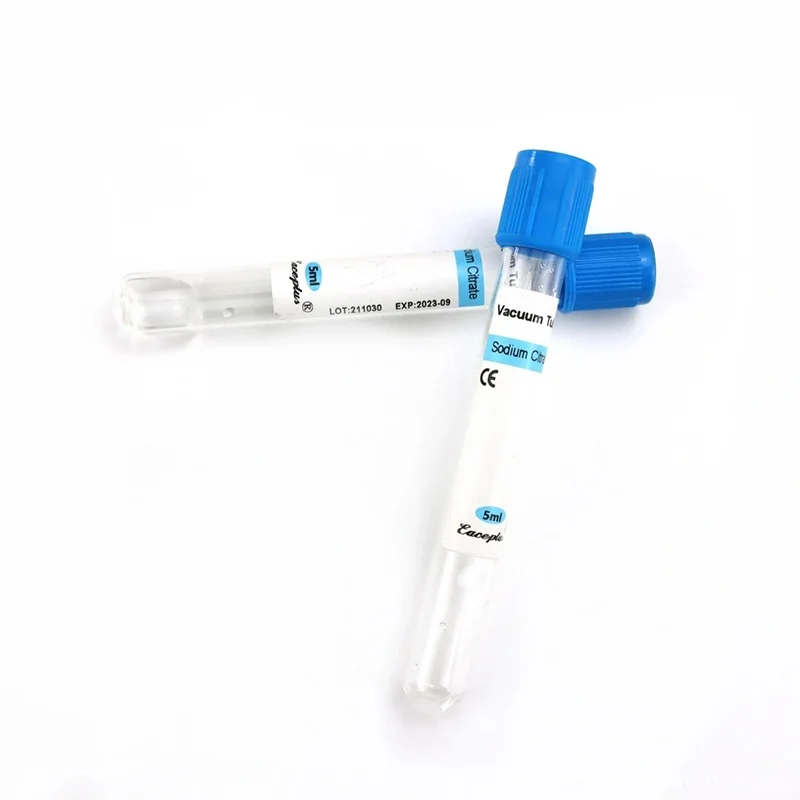
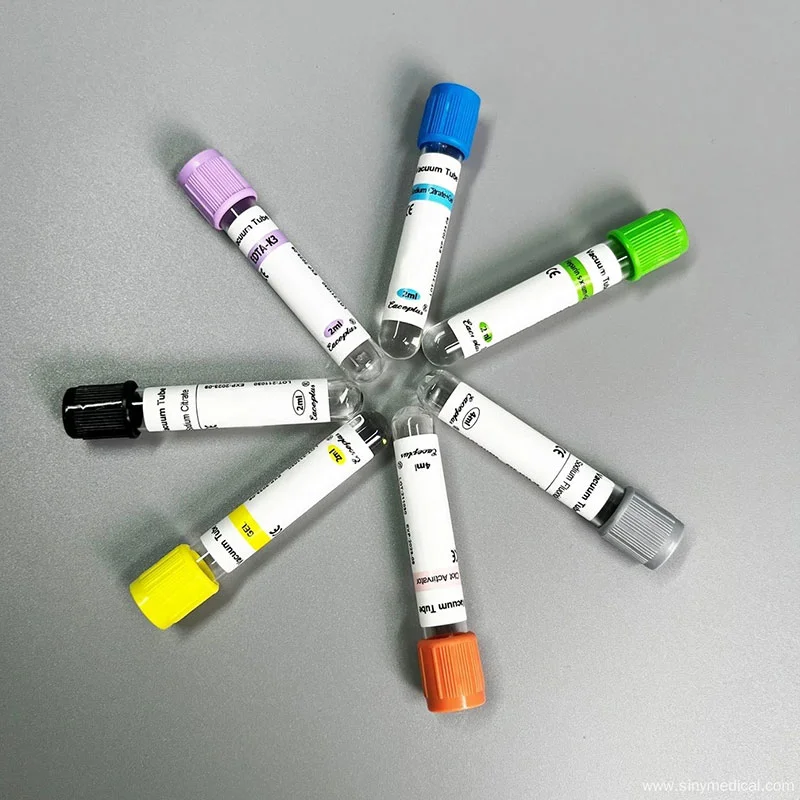
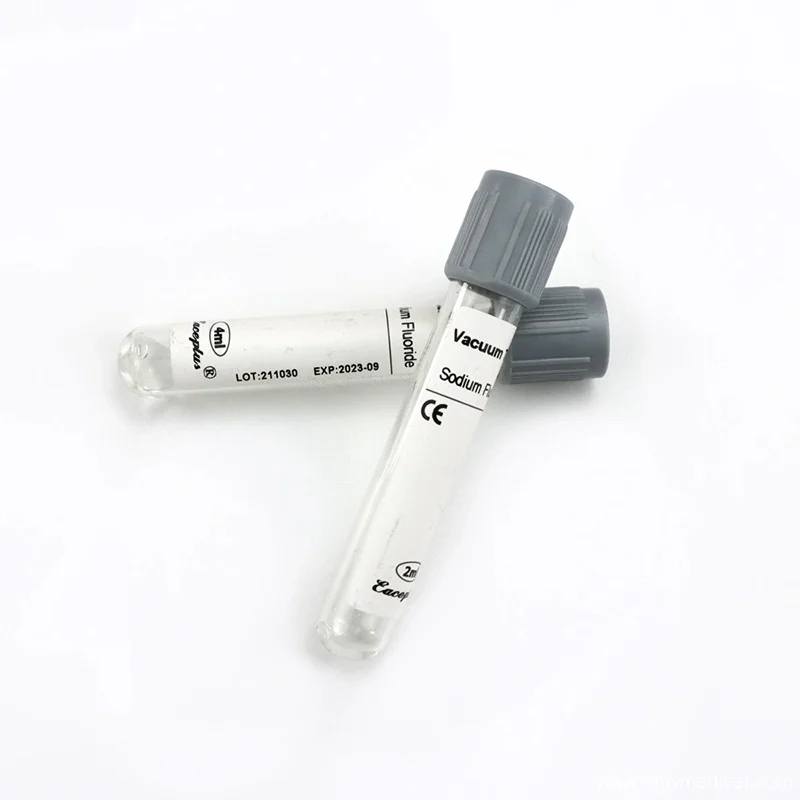
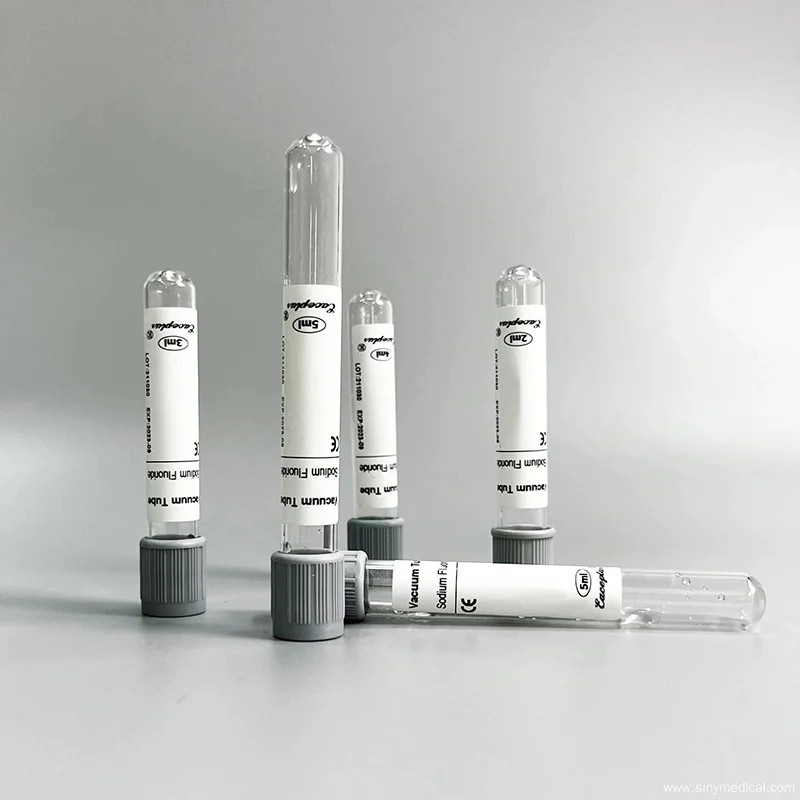
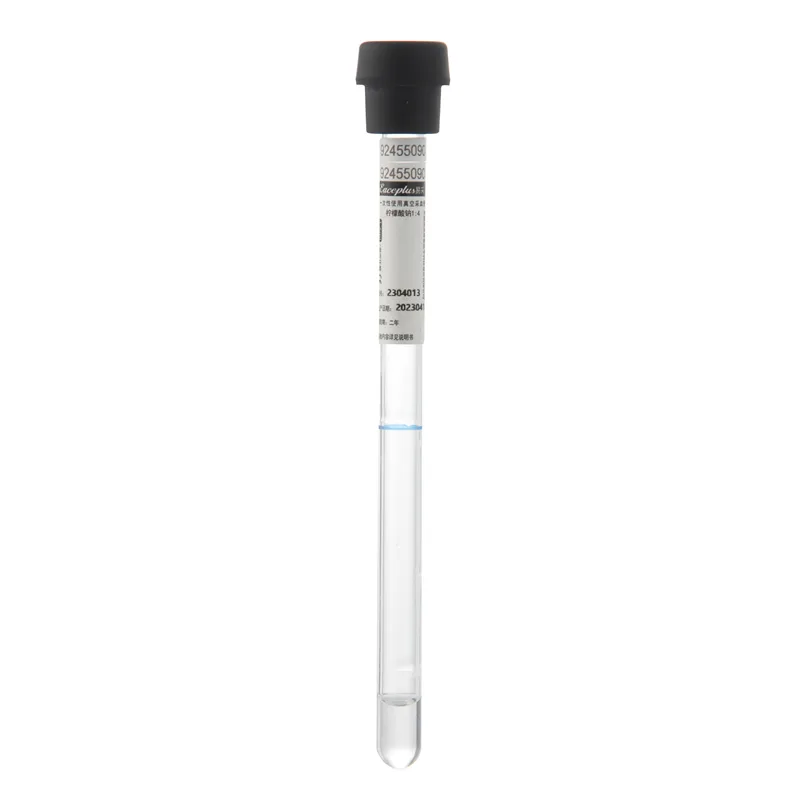
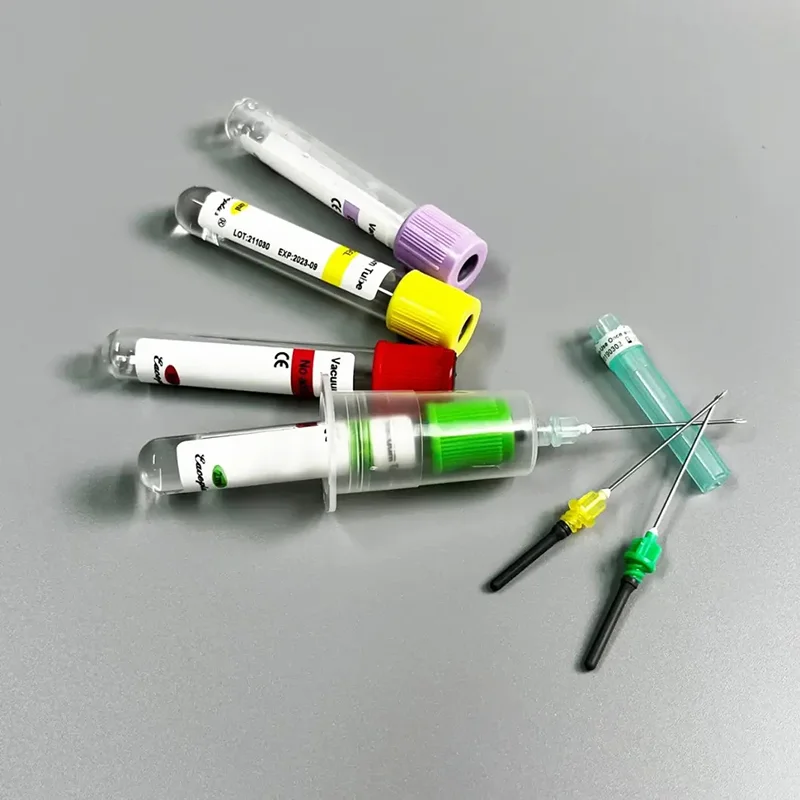
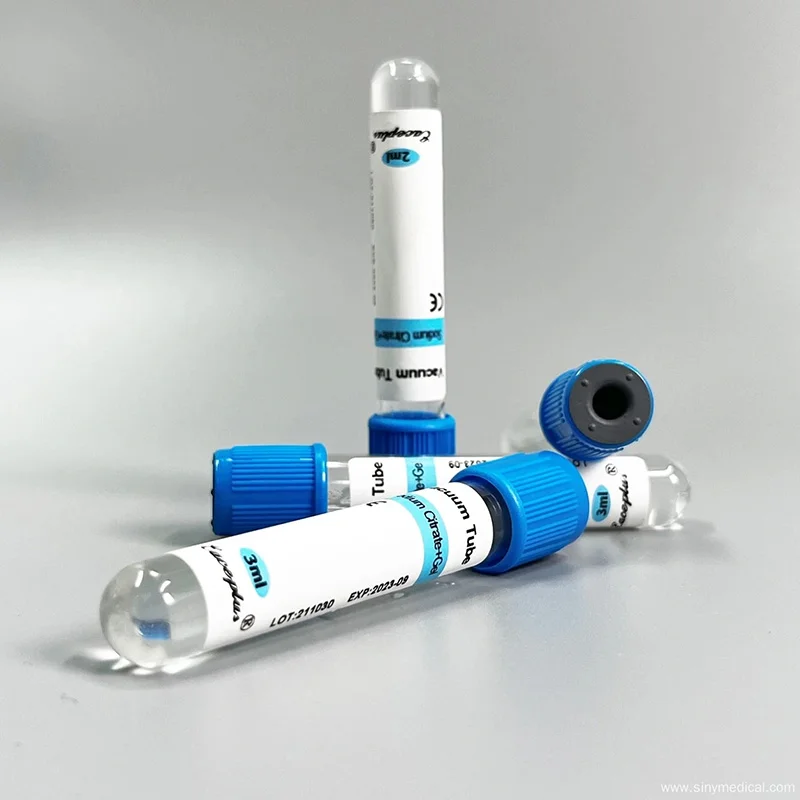
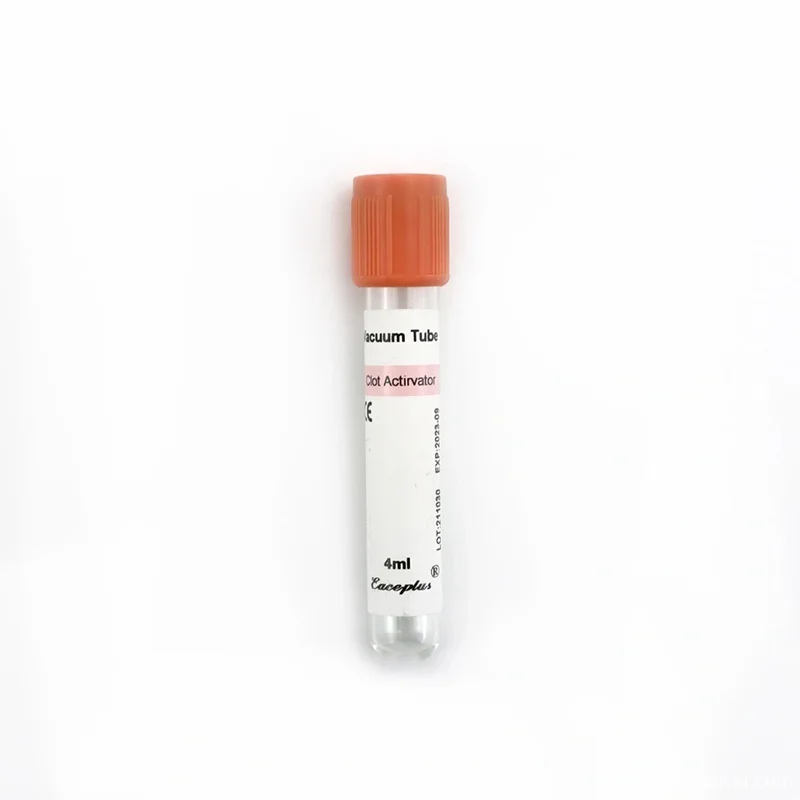
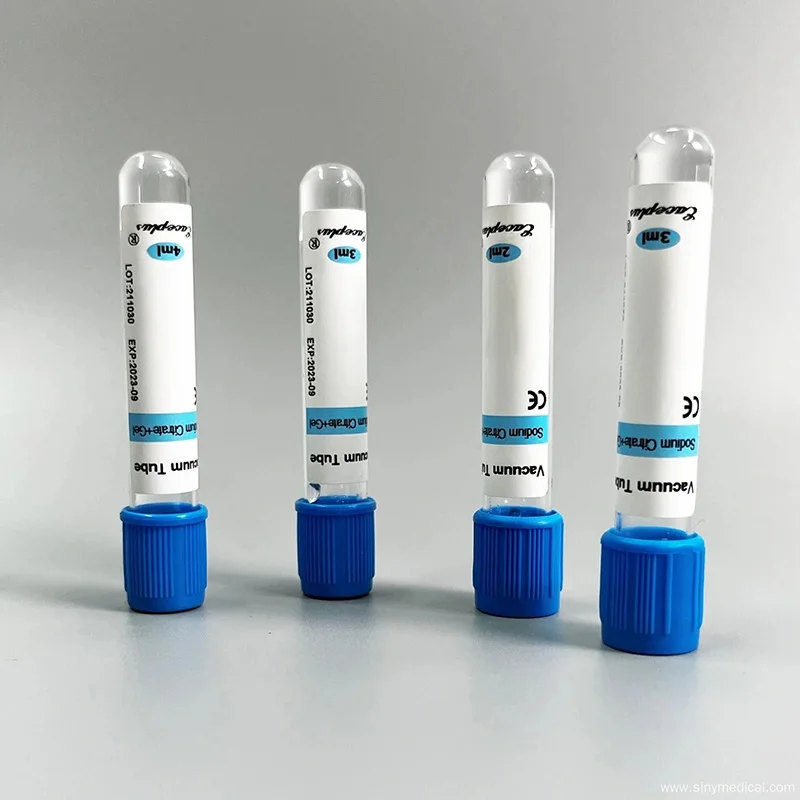
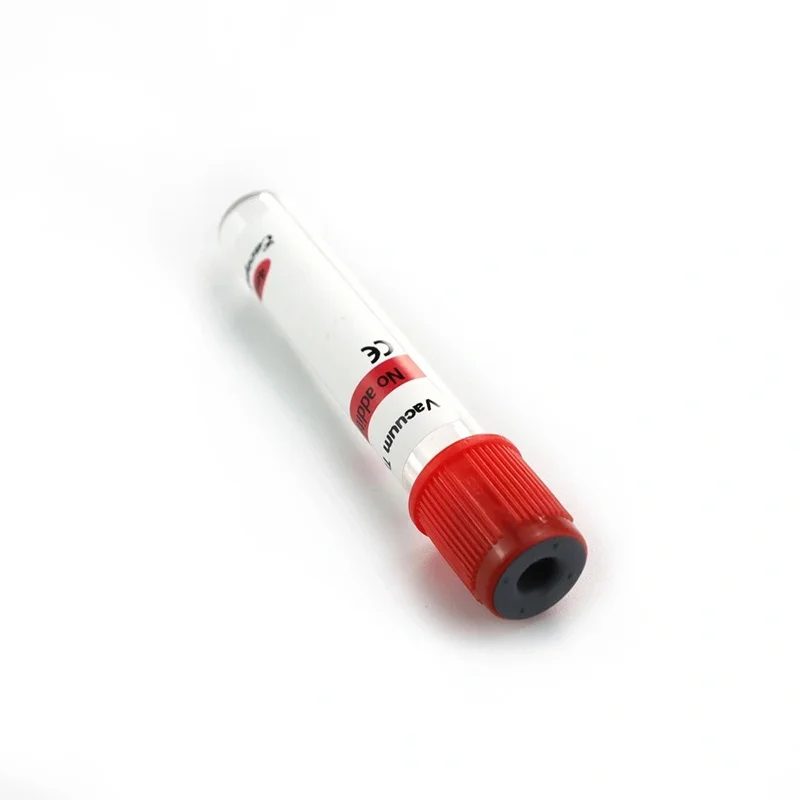
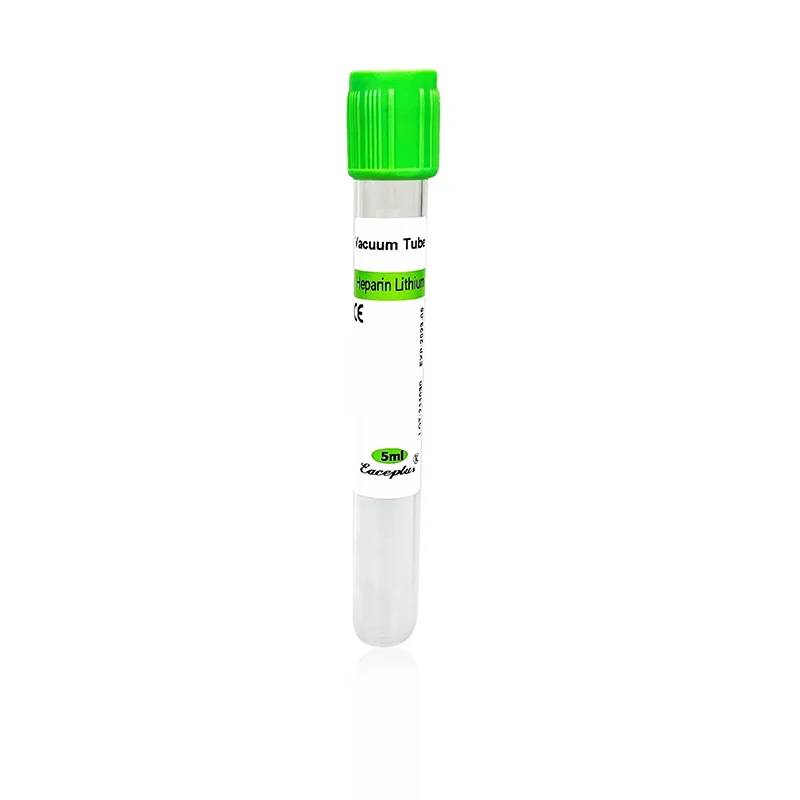
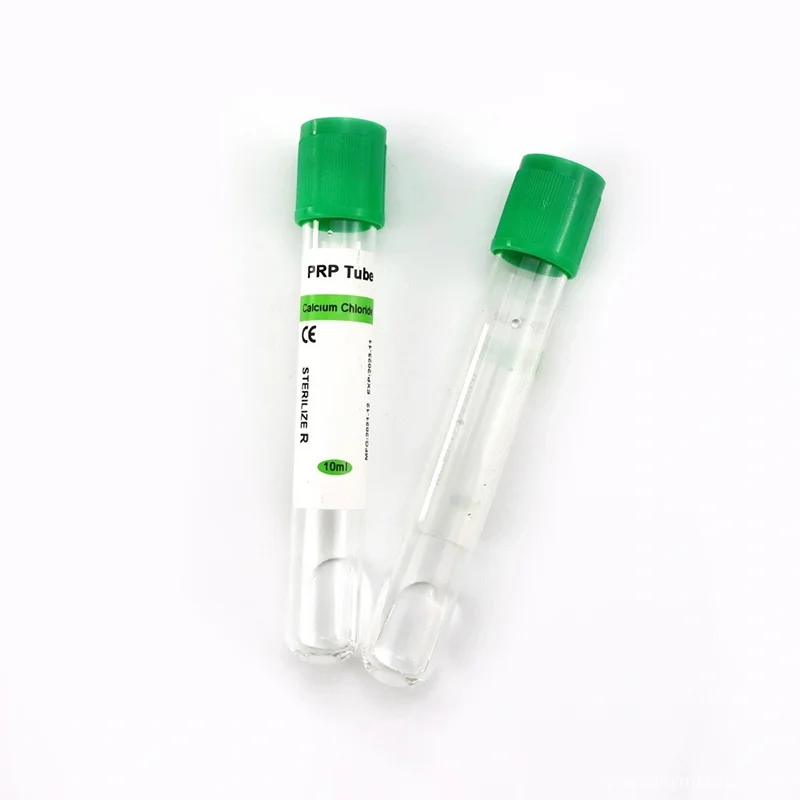
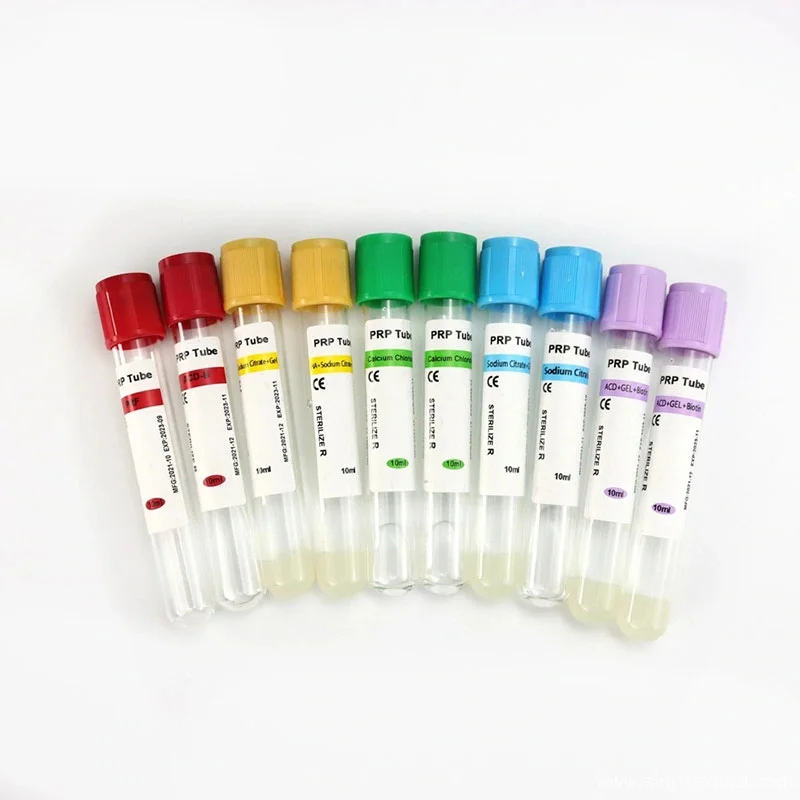
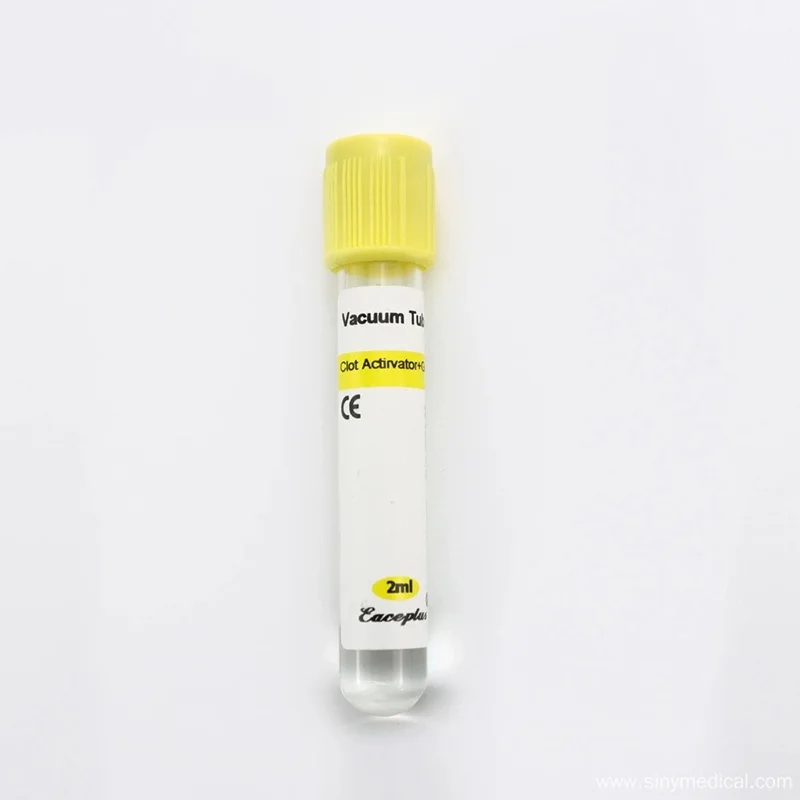
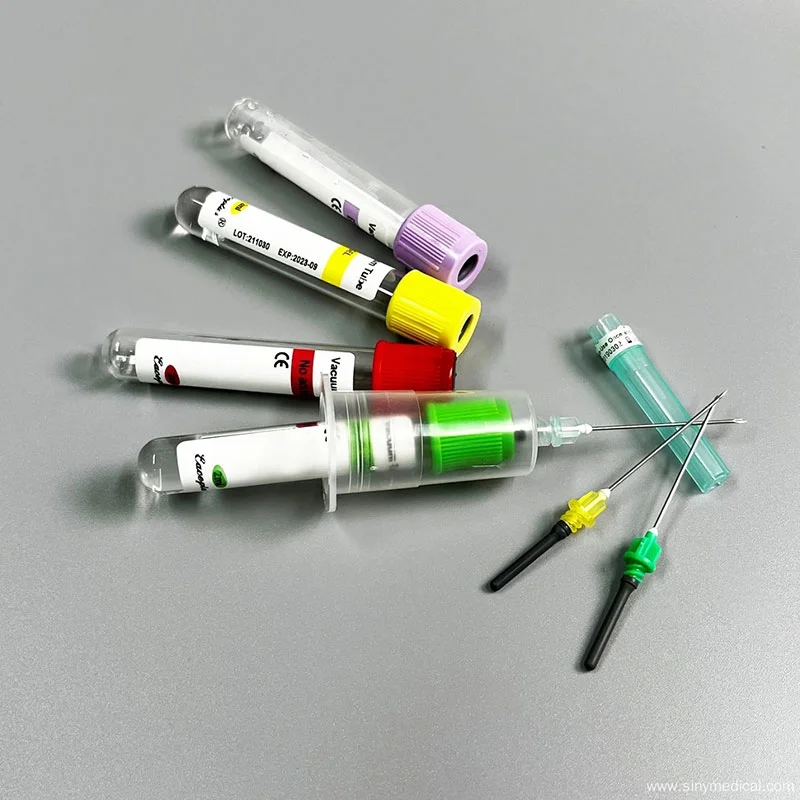
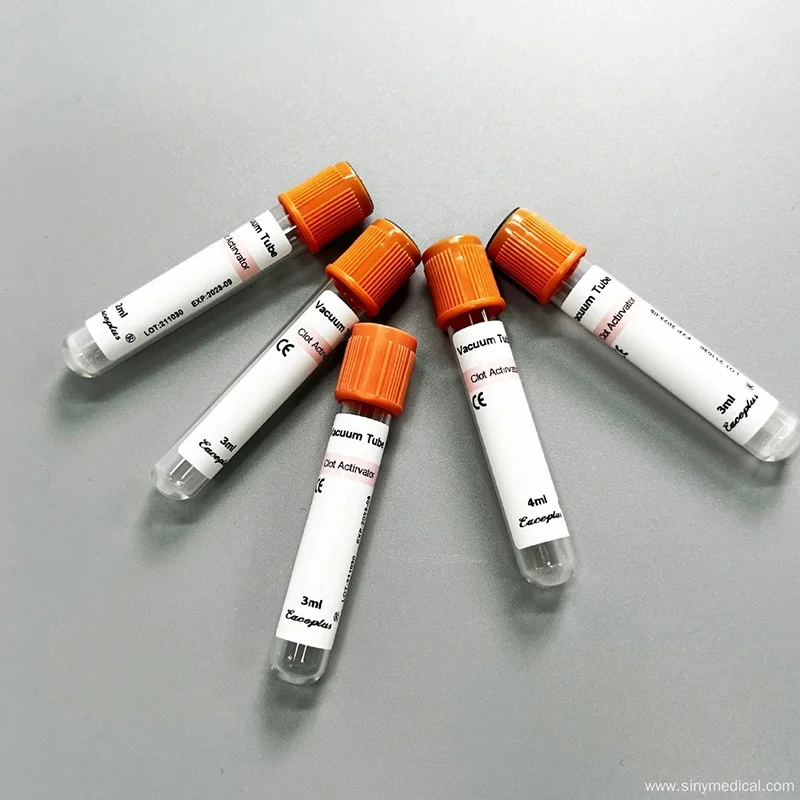
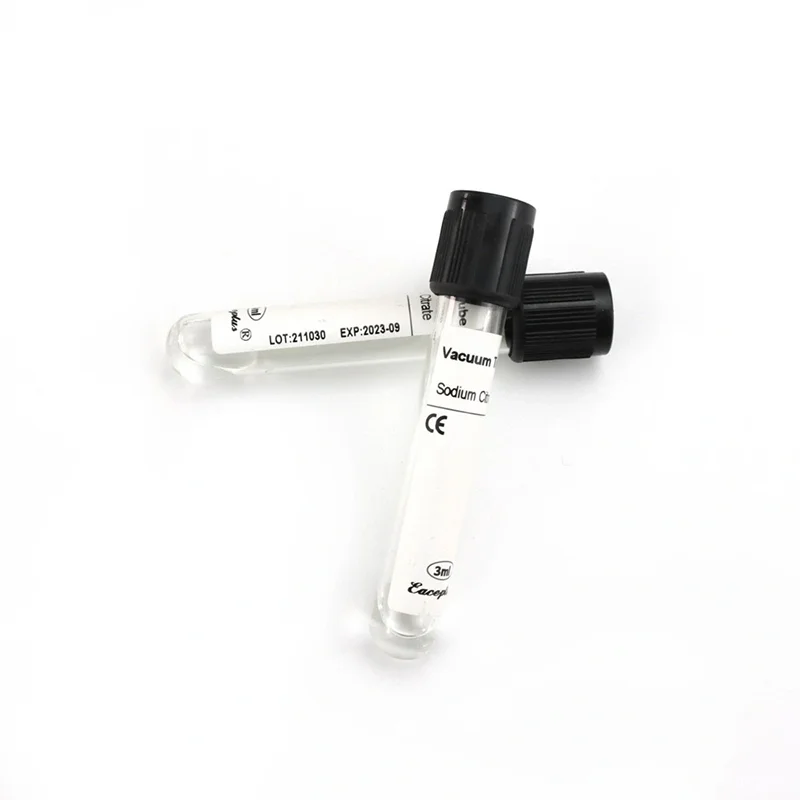
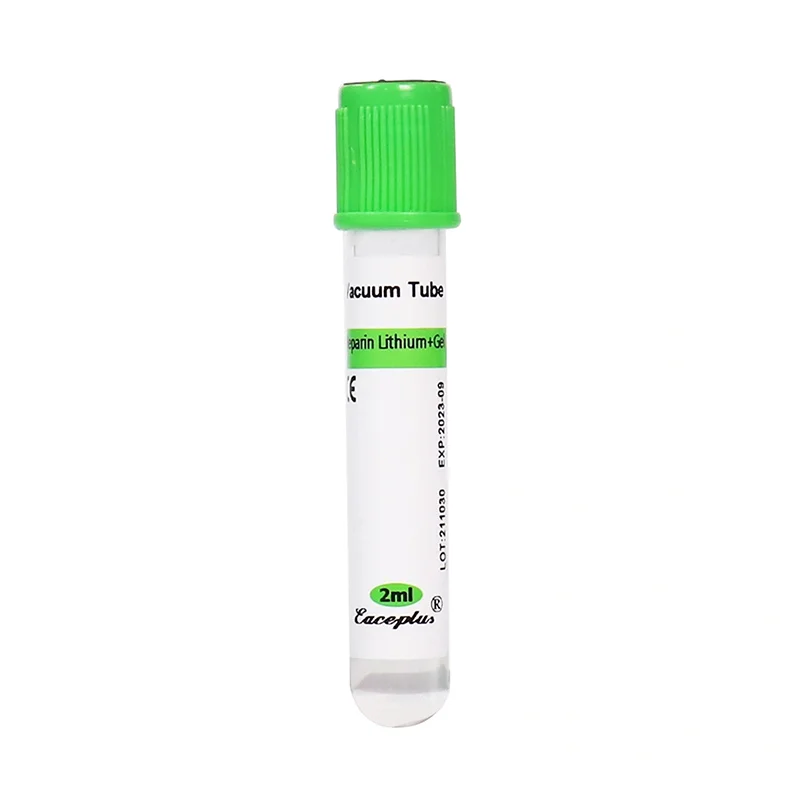
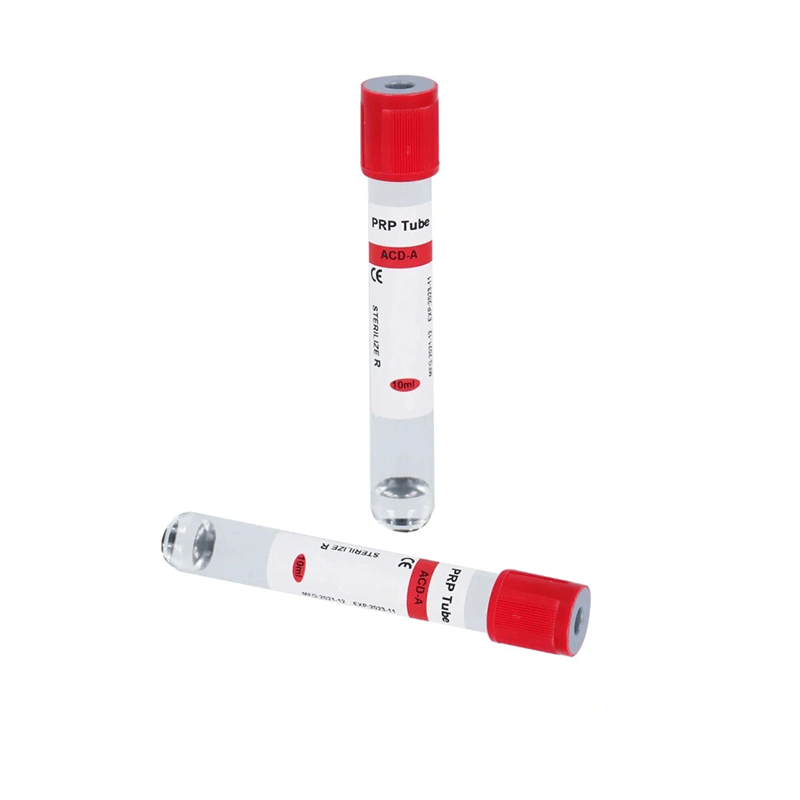
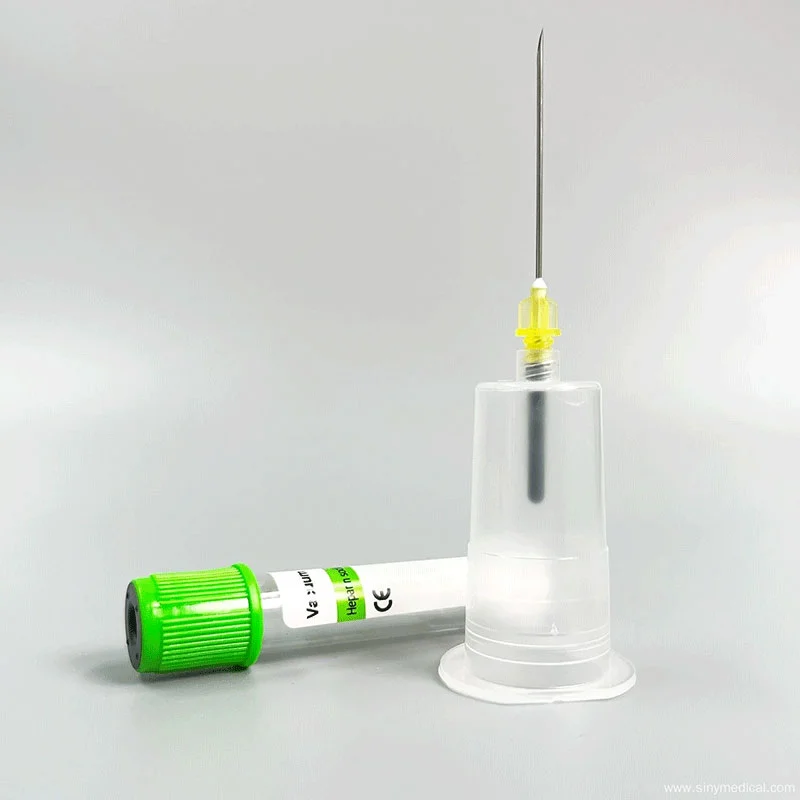
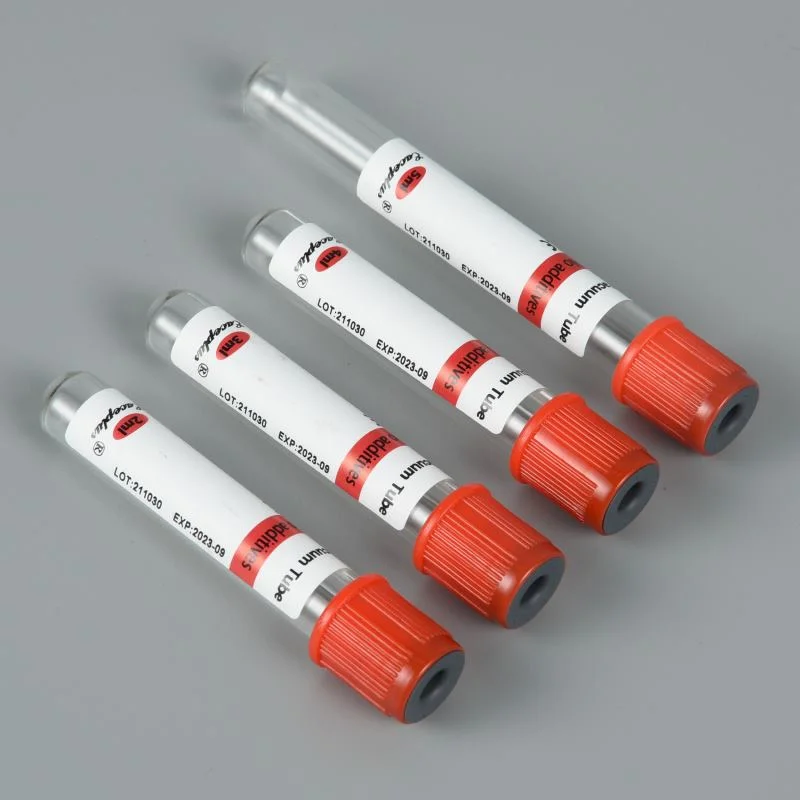
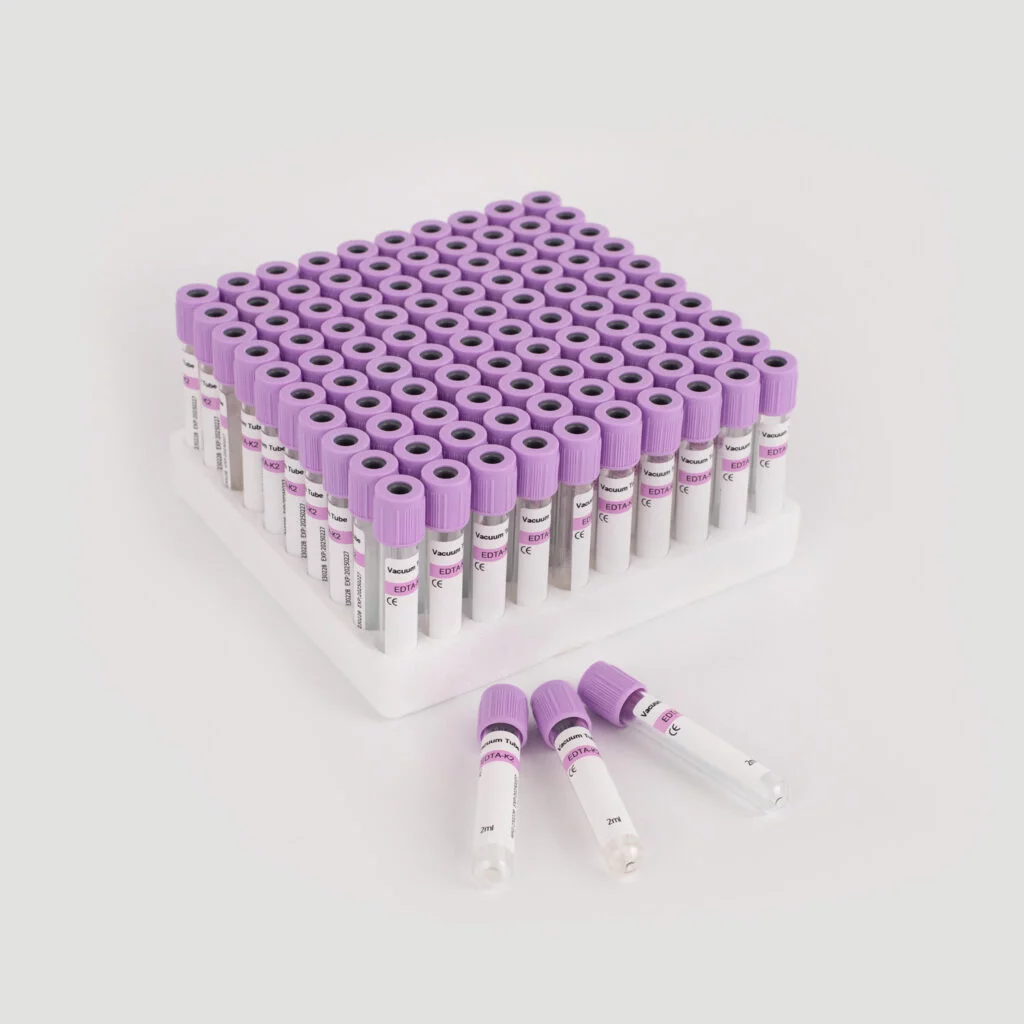
For laboratories, diagnostic companies, and distributors sourcing both collection formats, Siny Medical supplies EDTA blood collection tubes and cfDNA collection tube options for different laboratory workflows.
Why cfDNA Tubes Perform Better When Processing Is Delayed
The time between venipuncture and plasma separation is one of the most important factors when deciding between these collection systems.
Immediately after collection, blood contains plasma together with red blood cells, white blood cells, platelets, and other cellular components. These cells do not necessarily remain unchanged while whole blood waits for processing.
White blood cells are particularly relevant to cfDNA analysis.
If leukocytes become unstable or lyse before plasma separation, intracellular genomic DNA can enter the surrounding sample. When the blood is eventually centrifuged, some of this additional DNA may become part of the plasma DNA background.
That creates an important analytical problem:
The DNA profile measured after delayed processing may no longer reflect the same plasma DNA composition that existed at the time of collection.
Why Genomic DNA Contamination Matters
Imagine that a laboratory is trying to detect a small amount of target cfDNA against a much larger DNA background.
As cellular DNA enters the plasma, the total DNA concentration may increase. At first glance, a higher DNA yield might sound like a better result.
It is not necessarily better.
For cfDNA testing, sample quality is not about obtaining the highest possible DNA concentration. The goal is to preserve a plasma DNA profile that remains as close as possible to its condition at the time of blood collection.
Genomic DNA released from blood cells can increase background DNA, alter fragment-size profiles, and introduce additional pre-analytical variability. This becomes particularly important when laboratories are trying to detect a relatively small target fraction.
Sensitive molecular workflows can include:
- Liquid biopsy
- Circulating tumor DNA analysis
- Non-invasive prenatal testing (NIPT)
- Next-generation sequencing (NGS)
- Rare variant detection
- Molecular oncology research
This is also why an EDTA tube should not simply be described as unsuitable for cfDNA.
If blood is collected close to the processing laboratory and plasma separation takes place promptly under a validated protocol, an EDTA tube may work well.
The decision changes when rapid processing cannot be guaranteed.
For laboratories and diagnostic companies dealing with delayed sample processing, contact Siny Medical to explore cfDNA blood collection tube options for your intended molecular testing workflow.
How cfDNA Blood Collection Tubes Help During Sample Transportation
One of the strongest reasons for choosing a dedicated cfDNA collection system often has little to do with the analyzer itself.
It is logistics.
Modern molecular testing frequently uses centralized laboratories. Blood may be collected in a hospital, clinic, research facility, or satellite collection center while DNA extraction and analysis take place somewhere else.
This creates a pre-analytical chain:
Blood collection → Transportation → Plasma separation → DNA extraction → Molecular analysis
The longer and more complicated this chain becomes, the harder it can be to keep every sample under identical conditions.
Consider a molecular laboratory receiving blood from multiple collection centers. Some specimens may arrive within a few hours. Others may travel farther, encounter courier delays, or be collected outside normal laboratory processing hours.
With a conventional EDTA workflow, these differences become more important when rapid plasma separation is required.
A dedicated cfDNA collection system may provide greater control over this interval between collection and processing, depending on the tube formulation and validated protocol.
Why Centralized Testing Makes Sample Stability Important
Standardization becomes increasingly valuable as the number of collection locations increases.
A laboratory may have excellent control over DNA extraction, sequencing, and bioinformatics while having much less control over exactly when each remote sample reaches the centrifuge.
The collection system can therefore become part of the laboratory’s pre-analytical quality strategy rather than simply a disposable container.
This does not mean every cfDNA tube can tolerate unlimited storage or arbitrary shipping conditions.
Validated stability time, temperature range, transportation conditions, centrifugation procedures, and downstream compatibility depend on the specific product. Laboratories should evaluate the manufacturer’s specifications and validate the collection system within their own testing workflow.
For procurement teams building molecular diagnostic supply programs, Siny Medical supports inquiries for cfDNA and conventional EDTA blood collection tubes, including bulk purchasing and OEM requirements.
cfDNA Tube vs EDTA Tube for Liquid Biopsy, NIPT, and NGS
The practical value of cfDNA sample stability becomes easier to understand when we look at specific molecular applications.
Liquid Biopsy and ctDNA Analysis
Liquid biopsy is one of the most important applications involving plasma cfDNA.
Certain liquid biopsy methods analyze tumor-associated material circulating in blood rather than relying entirely on a tissue specimen. Circulating tumor DNA may represent only a small fraction of the total cfDNA present in plasma.
If genomic DNA from white blood cells enters the plasma before separation, the target ctDNA can represent an even smaller proportion of the total DNA pool.
For sensitive mutation analysis, controlling pre-analytical variation therefore becomes an important part of the workflow.
Non-Invasive Prenatal Testing
NIPT is another established application involving circulating cell-free DNA.
Maternal plasma contains maternal cfDNA together with a smaller fetal or placental-derived fraction. Because analytical interpretation depends on this mixture, consistent collection and pre-analytical handling are important.
The collection system should therefore match the validated protocol of the testing laboratory, particularly when samples need to travel before plasma preparation.
Next-Generation Sequencing
NGS platforms can identify very small genetic differences, but highly sensitive downstream technology cannot completely compensate for inconsistent upstream sample handling.
Collection, storage, transportation, centrifugation, DNA extraction, and sequencing all form part of the same analytical chain.
Choosing an appropriate blood collection tube is one way laboratories can improve standardization before the sample ever reaches the sequencing platform.
Multicenter Studies and Centralized Laboratories
This issue becomes especially relevant when multiple hospitals, clinics, or research sites contribute samples to one central laboratory.
If one site separates plasma rapidly while another sends whole blood over a longer distance, differences in pre-analytical handling may introduce unwanted variability.
Standardized collection procedures and an appropriate blood collection system can help laboratories build a more consistent workflow across different locations.
The purchasing principle is straightforward:
Do not choose a cfDNA tube only by price, volume, or appearance. Choose it according to the complete path the sample will follow from blood collection to molecular analysis.
When Should You Choose a cfDNA Tube Instead of an EDTA Tube?
So, Why Use cfDNA Tubes Over EDTA Tubes?
The answer depends on the workflow rather than on one tube being universally superior.
Choose an EDTA Tube When:
The sample is collected close to the processing laboratory, plasma can be separated promptly, transportation is minimal, and the molecular assay has already been validated using EDTA blood collection.
For these workflows, EDTA remains a familiar and practical collection solution.
Consider a Dedicated cfDNA Tube When:
Samples need to travel from collection sites to centralized laboratories, immediate centrifugation cannot always be guaranteed, processing times vary between sites, or the molecular workflow requires greater control of pre-analytical sample conditions.
This can be particularly relevant for organizations developing:
- Liquid biopsy programs
- Molecular oncology testing
- NIPT workflows
- Genetic testing services
- Multicenter clinical research
- Centralized molecular laboratories
What Should Buyers Ask Before Purchasing cfDNA Tubes?
The price of the collection tube is only one part of the procurement decision.
Before choosing a product, buyers should discuss the actual sample workflow with the laboratory:
- How soon after collection will plasma normally be separated?
- Does whole blood need to be transported?
- What storage and transport temperatures are expected?
- How consistent is the courier schedule?
- Which DNA extraction method will be used?
- What downstream molecular assay will analyze the cfDNA?
- Has the collection system been validated for that workflow?
These questions often reveal whether a dedicated cfDNA tube provides a meaningful advantage.
A specialized collection tube can be valuable when it solves a real pre-analytical or logistical problem. Conversely, there is little reason to add unnecessary complexity when a validated EDTA workflow already delivers the required sample quality.
Use a cfDNA collection tube when the workflow requires greater control between blood collection and plasma separation. Use an EDTA tube when rapid processing is practical and the analytical workflow has been appropriately validated.
FAQs About cfDNA Tubes and EDTA Tubes
Can EDTA Tubes Be Used for cfDNA Testing?
Yes. EDTA blood collection tubes can be used in certain cfDNA workflows, particularly when plasma can be separated promptly after blood collection and the laboratory has validated the procedure.
The concern is not that EDTA makes cfDNA testing impossible. Rather, prolonged delays before plasma separation can increase the opportunity for cellular DNA to enter the plasma.
What Is the Difference Between a cfDNA Tube and an EDTA Tube?
An EDTA tube primarily provides anticoagulation by binding calcium ions involved in coagulation.
A dedicated cfDNA blood collection tube is intended for cell-free DNA workflows and, depending on its formulation, may provide additional sample-stabilization characteristics during the pre-analytical period.
Exact additives and validated stability conditions vary by product.
Why Is White Blood Cell Lysis a Problem for cfDNA?
White blood cells contain genomic DNA. When these cells become unstable and break down before plasma separation, intracellular DNA can enter the plasma.
This additional genomic DNA can increase the background DNA concentration and alter the composition of the sample used for cfDNA extraction.
Are cfDNA Tubes Suitable for Liquid Biopsy and NIPT?
Dedicated cfDNA collection systems are commonly associated with applications such as liquid biopsy and NIPT because both can benefit from careful control of pre-analytical sample conditions.
However, laboratories should select and validate the collection tube according to their assay, extraction procedure, transportation conditions, and testing protocol.
How Long Can Blood Remain in a cfDNA Tube Before Processing?
There is no universal stability period that applies to every cfDNA blood collection tube.
The validated processing window depends on the tube formulation, storage temperature, transportation conditions, and manufacturer’s specifications. Laboratories should follow the instructions and validation data for the specific product being used.
Should Laboratories Replace EDTA Tubes With cfDNA Tubes?
Not necessarily.
EDTA tubes remain highly useful across clinical laboratories and can also be suitable for cfDNA workflows when plasma is processed promptly.
Dedicated cfDNA tubes make more sense when they solve a specific pre-analytical challenge, such as sample transportation, variable processing times, or centralized testing.
Find the Right Blood Collection Tube for Your Workflow
The best collection tube is not necessarily the most specialized one. It is the tube that fits the way your samples are actually collected, transported, processed, and analyzed.
Looking for a reliable cfDNA tube supplier? Siny Medical supplies cfDNA blood collection tubes and EDTA blood collection tubes for laboratories, diagnostic companies, medical distributors, and OEM buyers. Contact our team for product details, packaging options, sample inquiries, private-label requirements, or a bulk quotation.