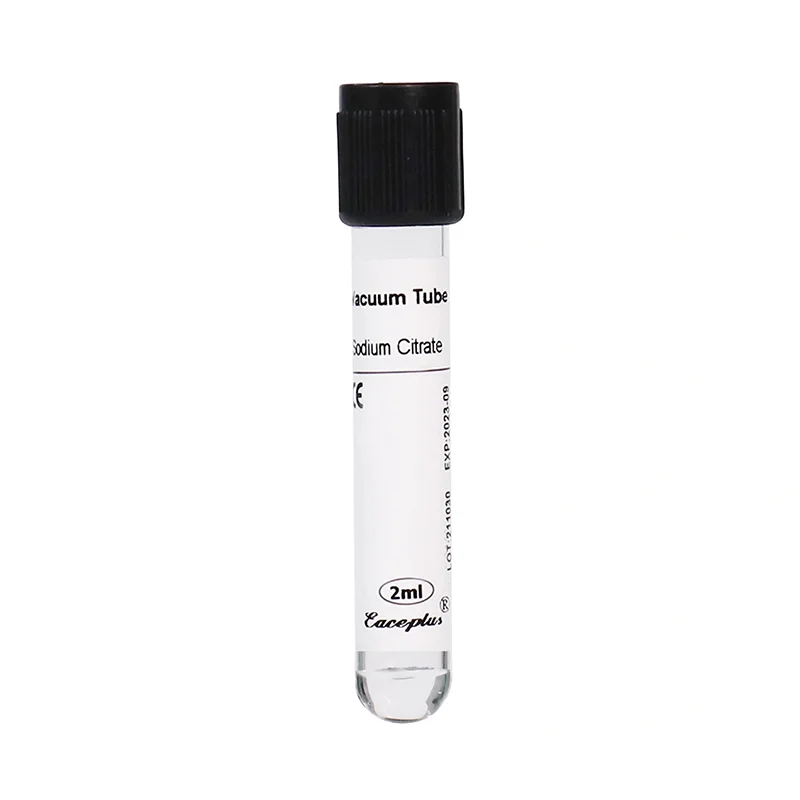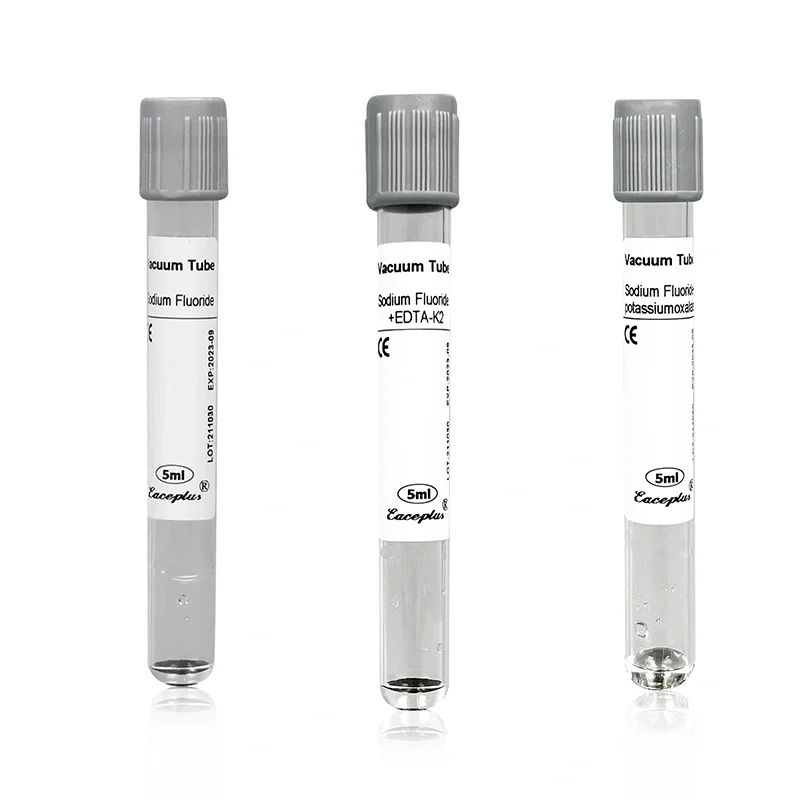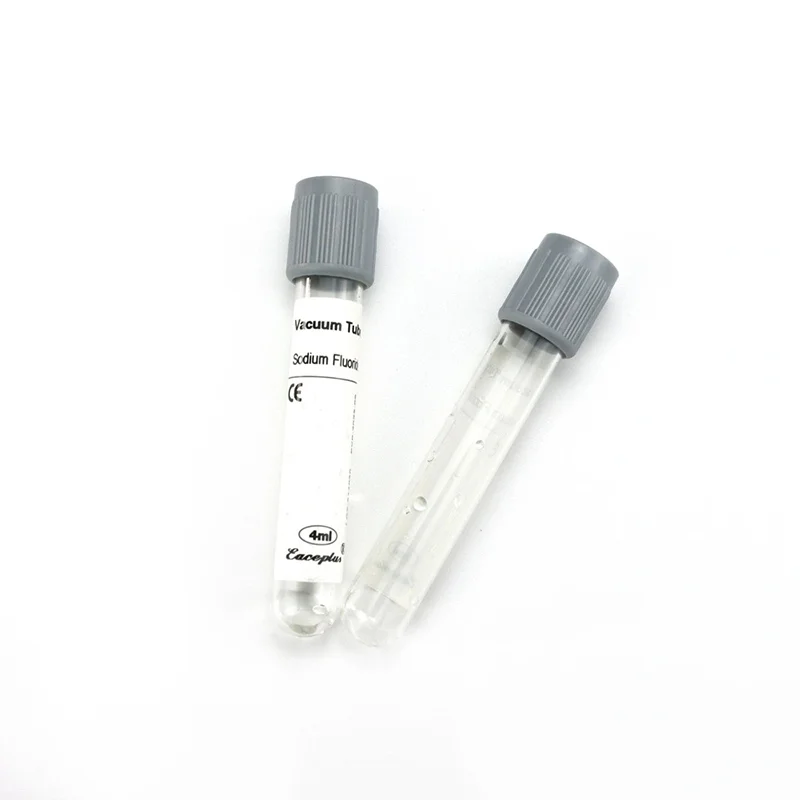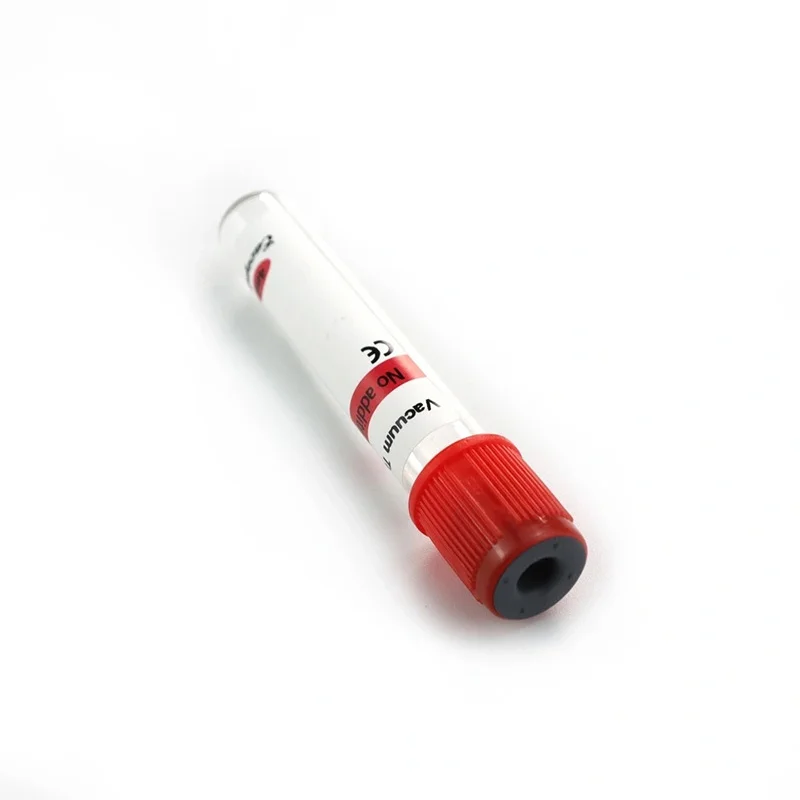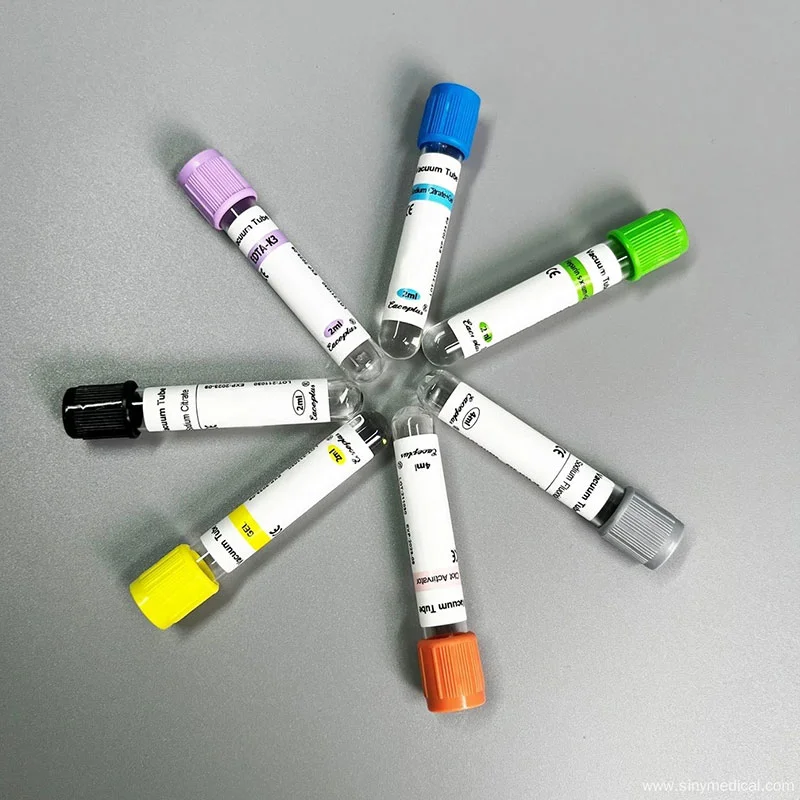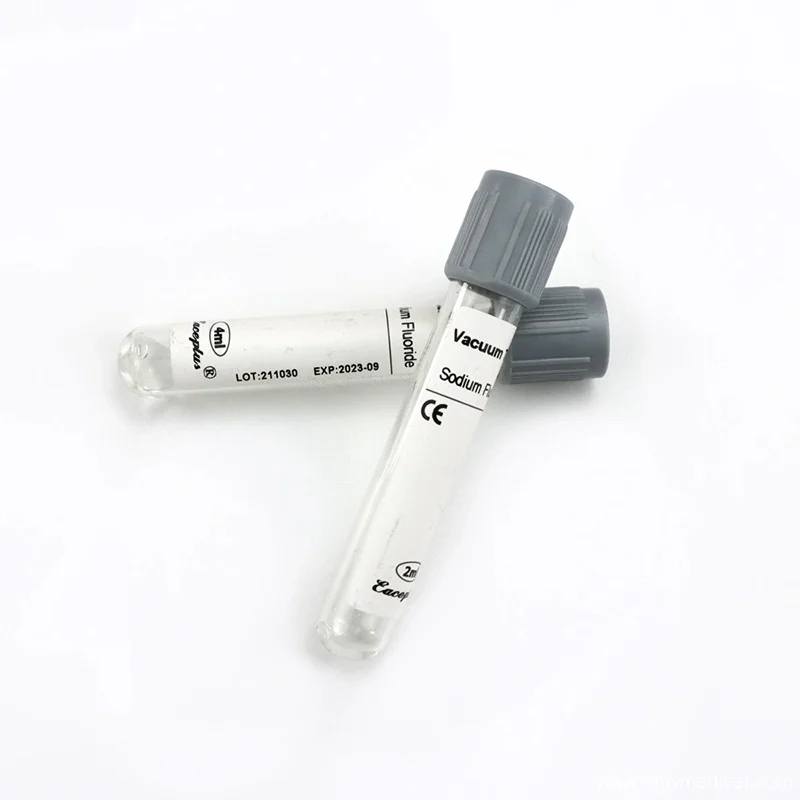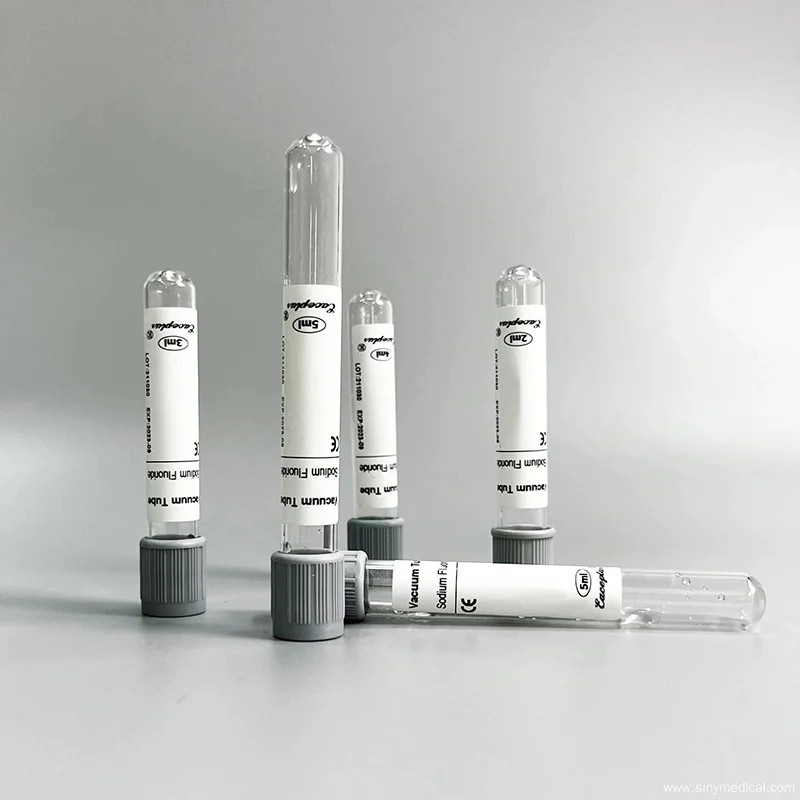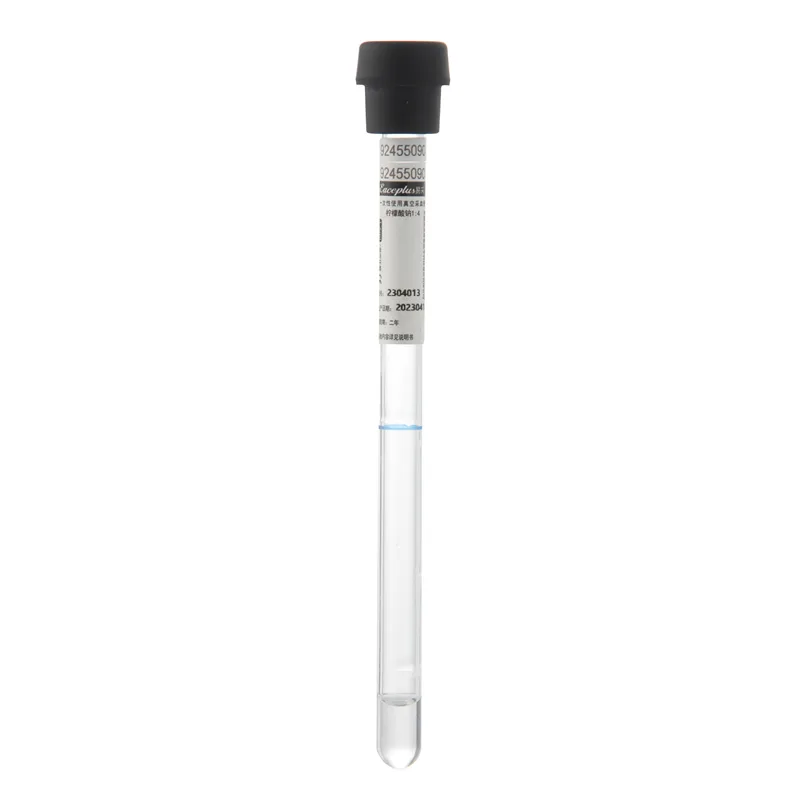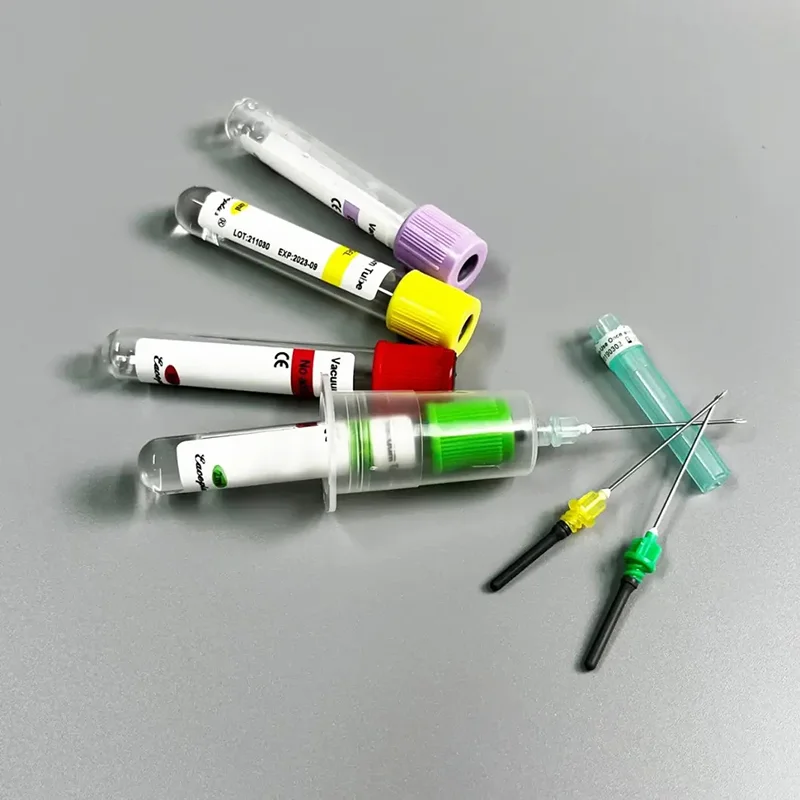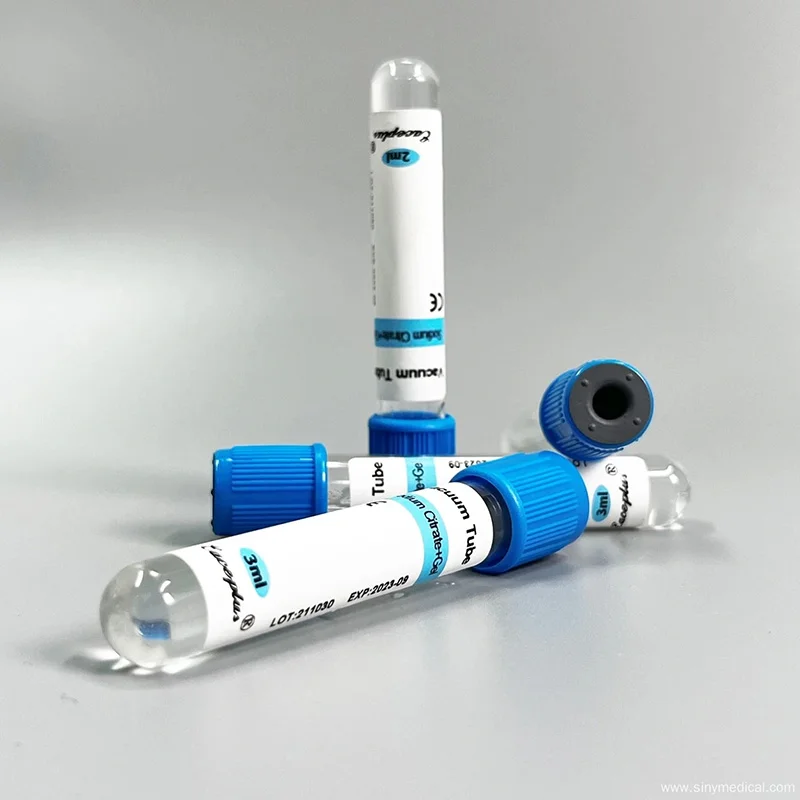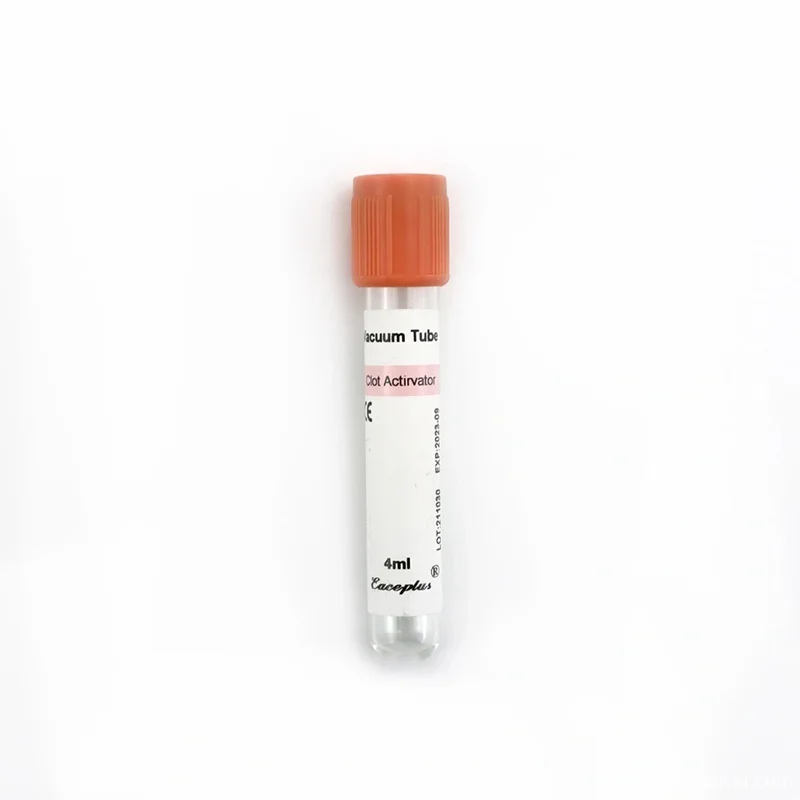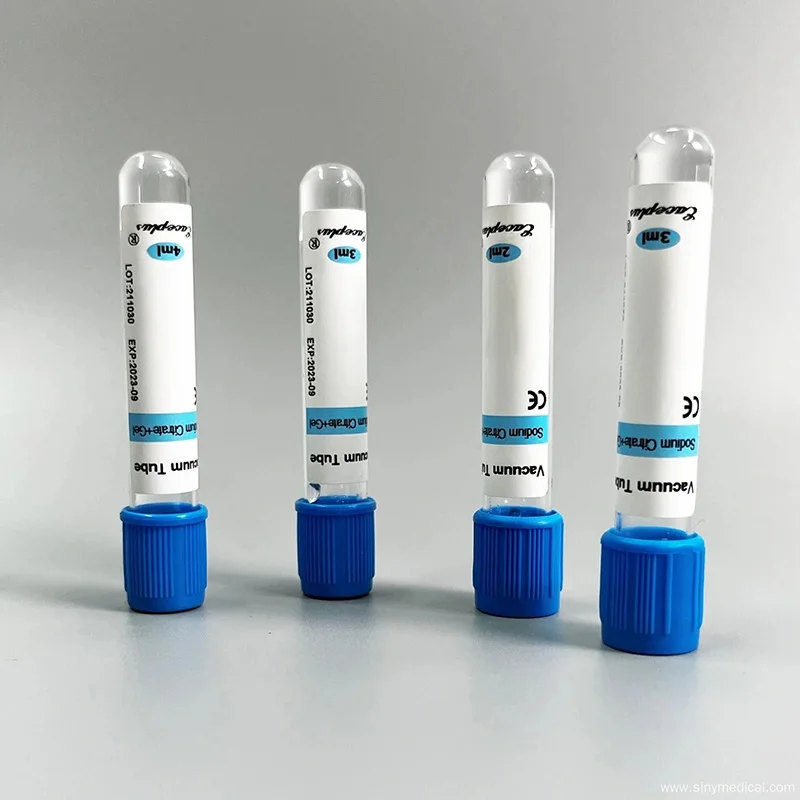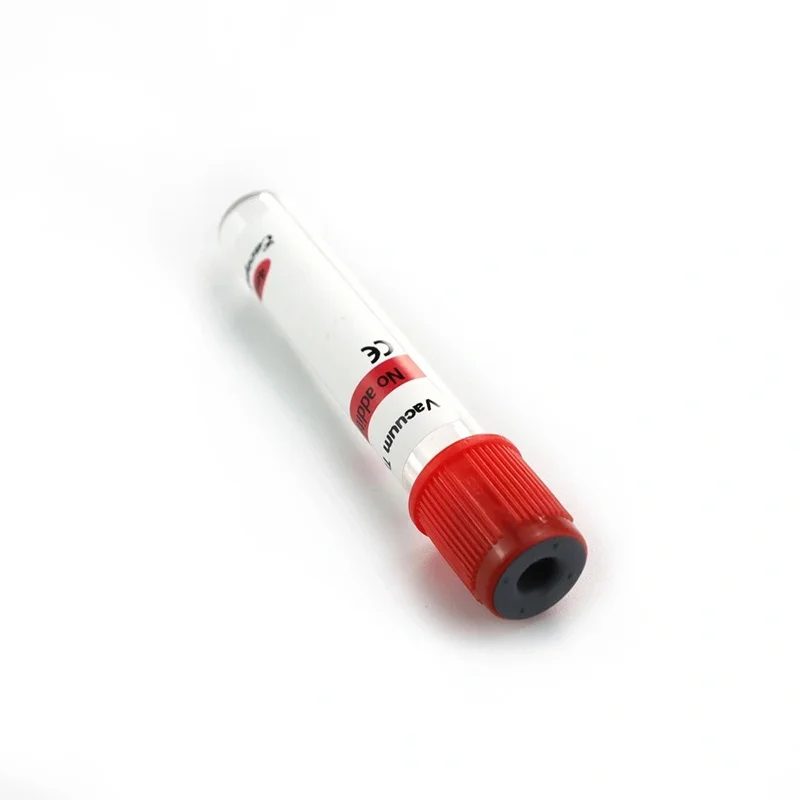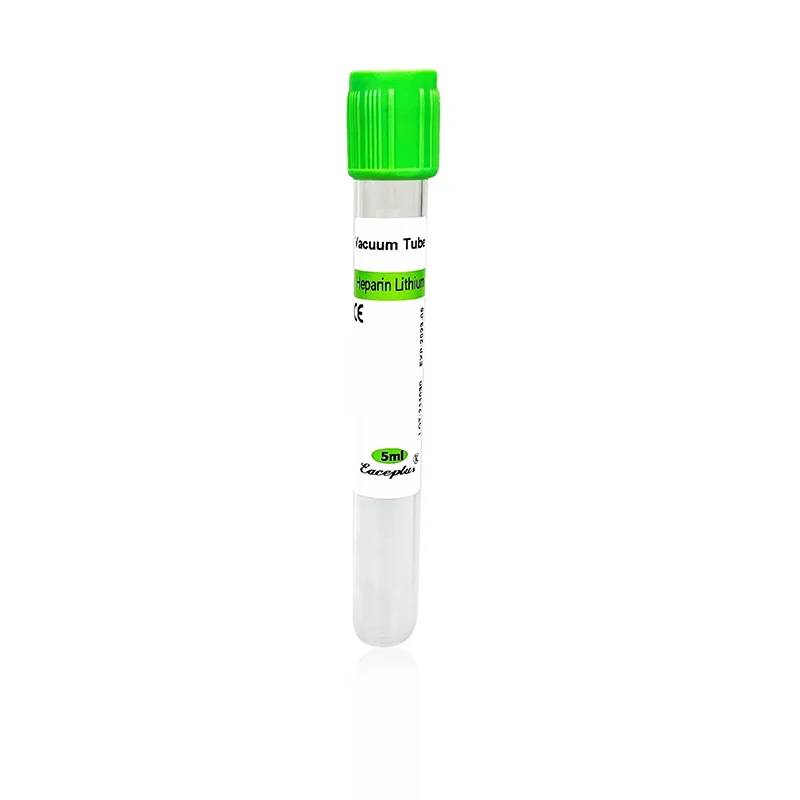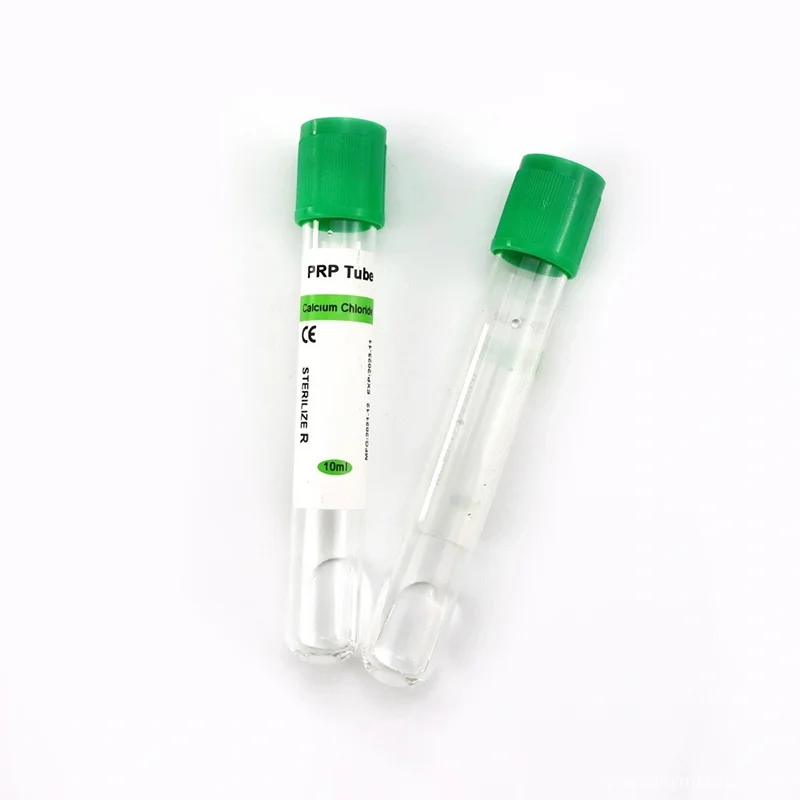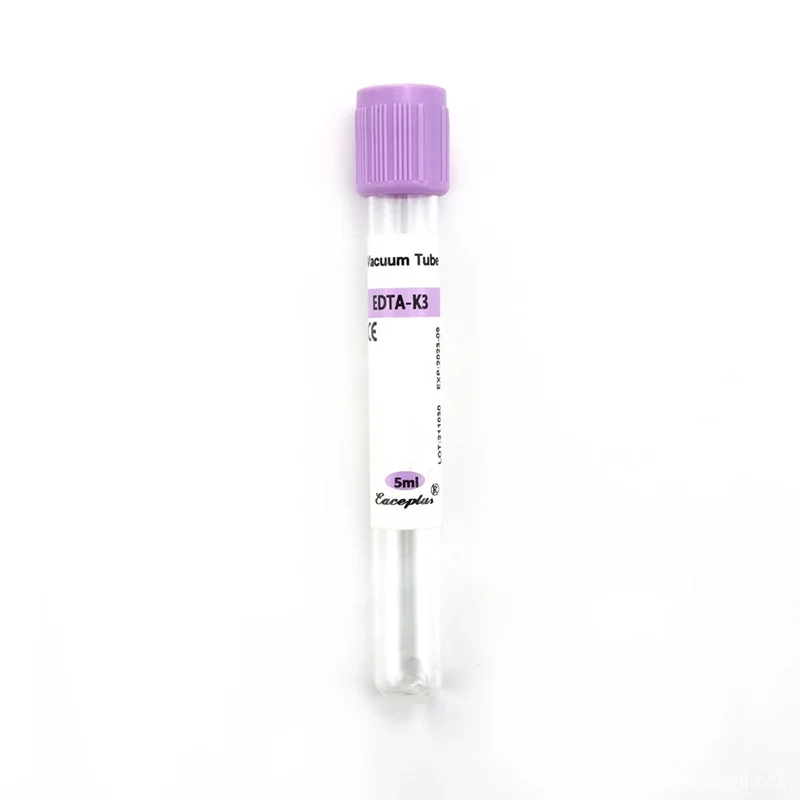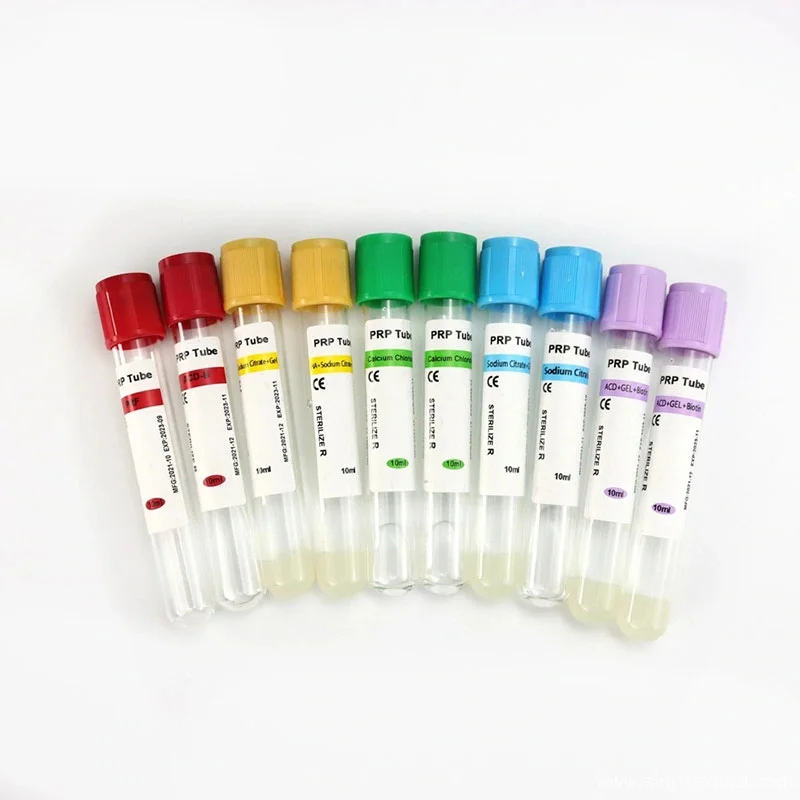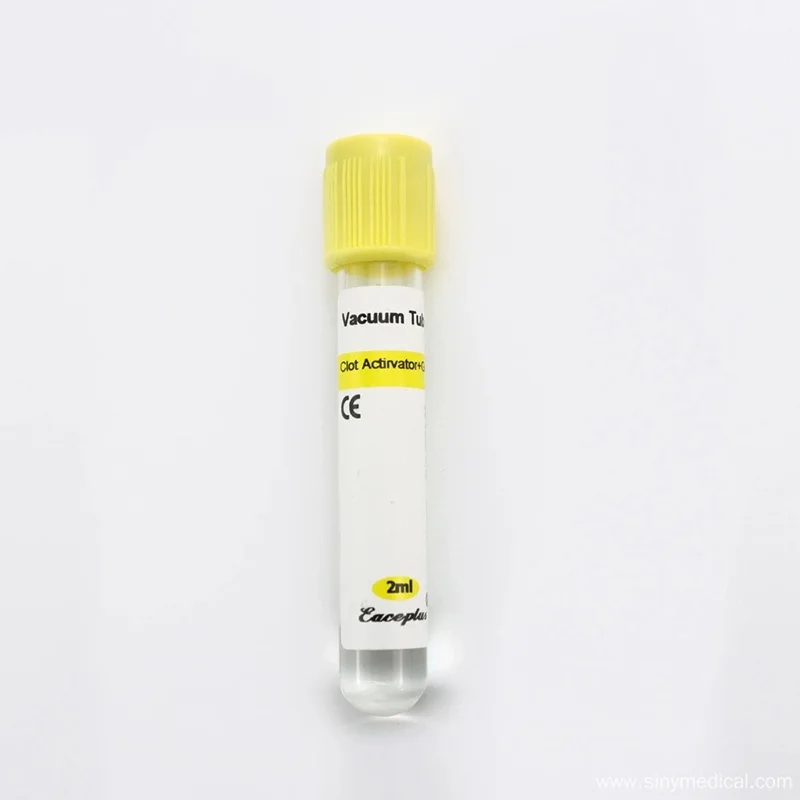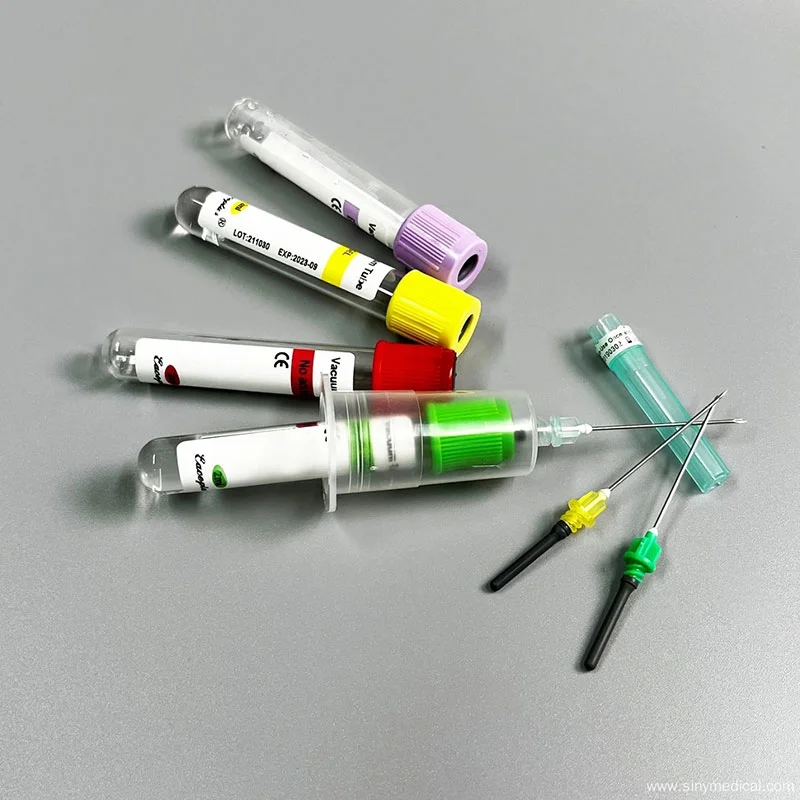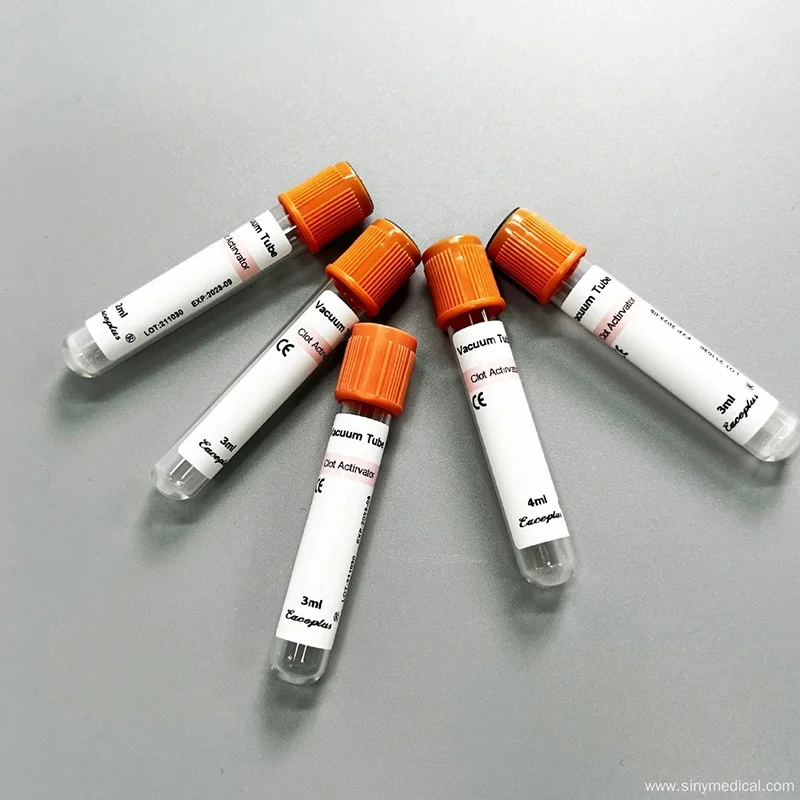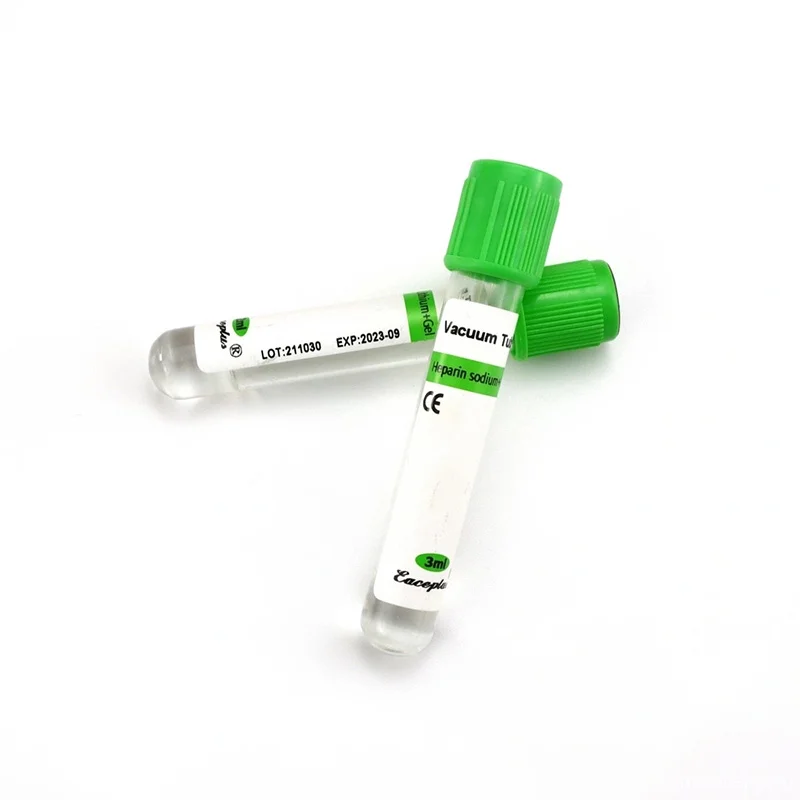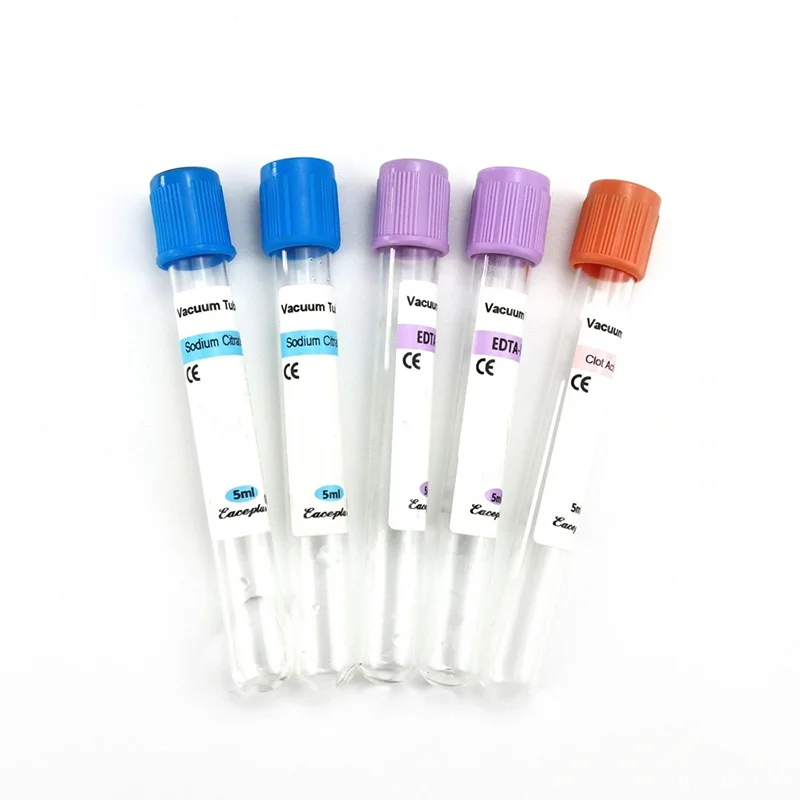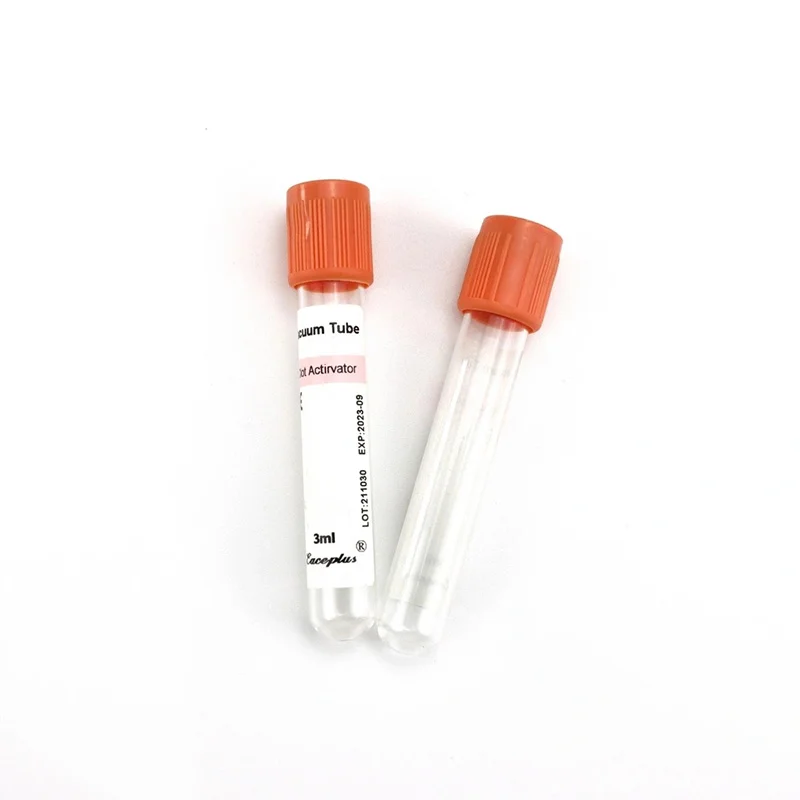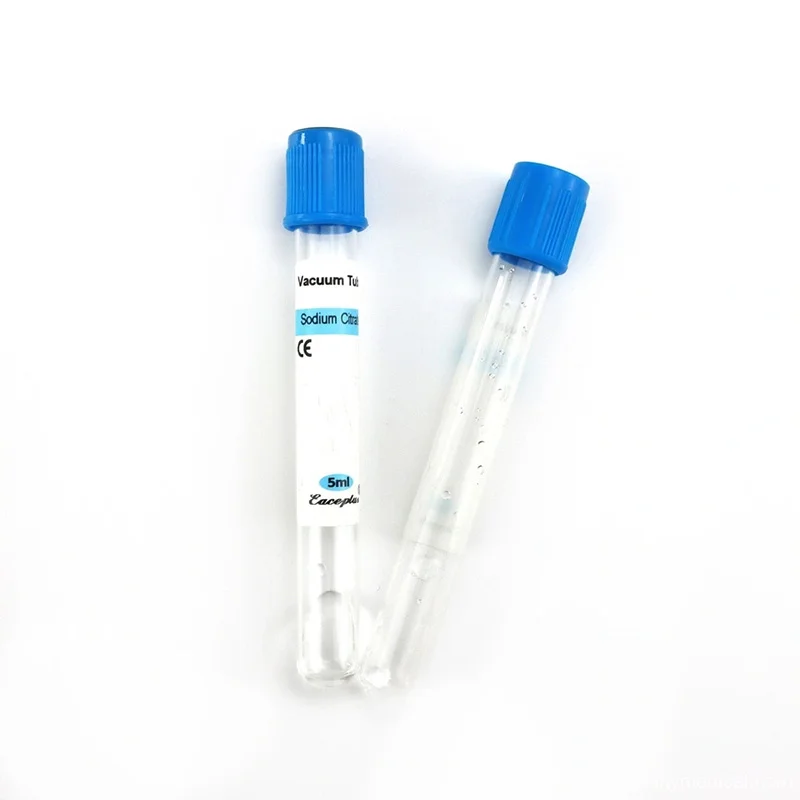
In modern clinical laboratories, biotechnology companies, and research institutions, efficient blood cell separation has become increasingly important. This is one reason why the Cell Preparation Tube(CPT) is now widely used in immunology studies, molecular diagnostics, vaccine development, and cell therapy workflows. Laboratories need reliable methods to isolate mononuclear cells while reducing contamination risks and simplifying processing steps.
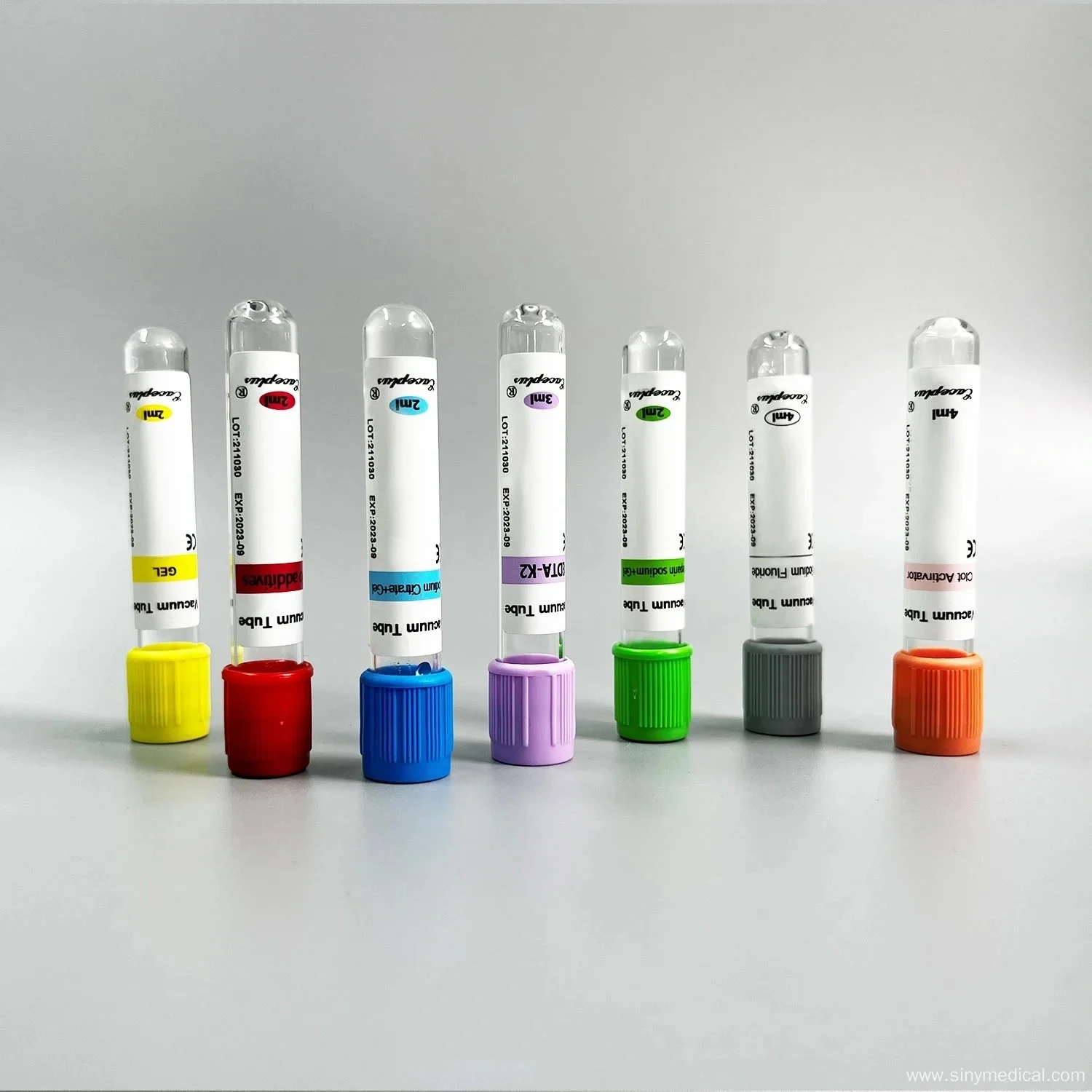
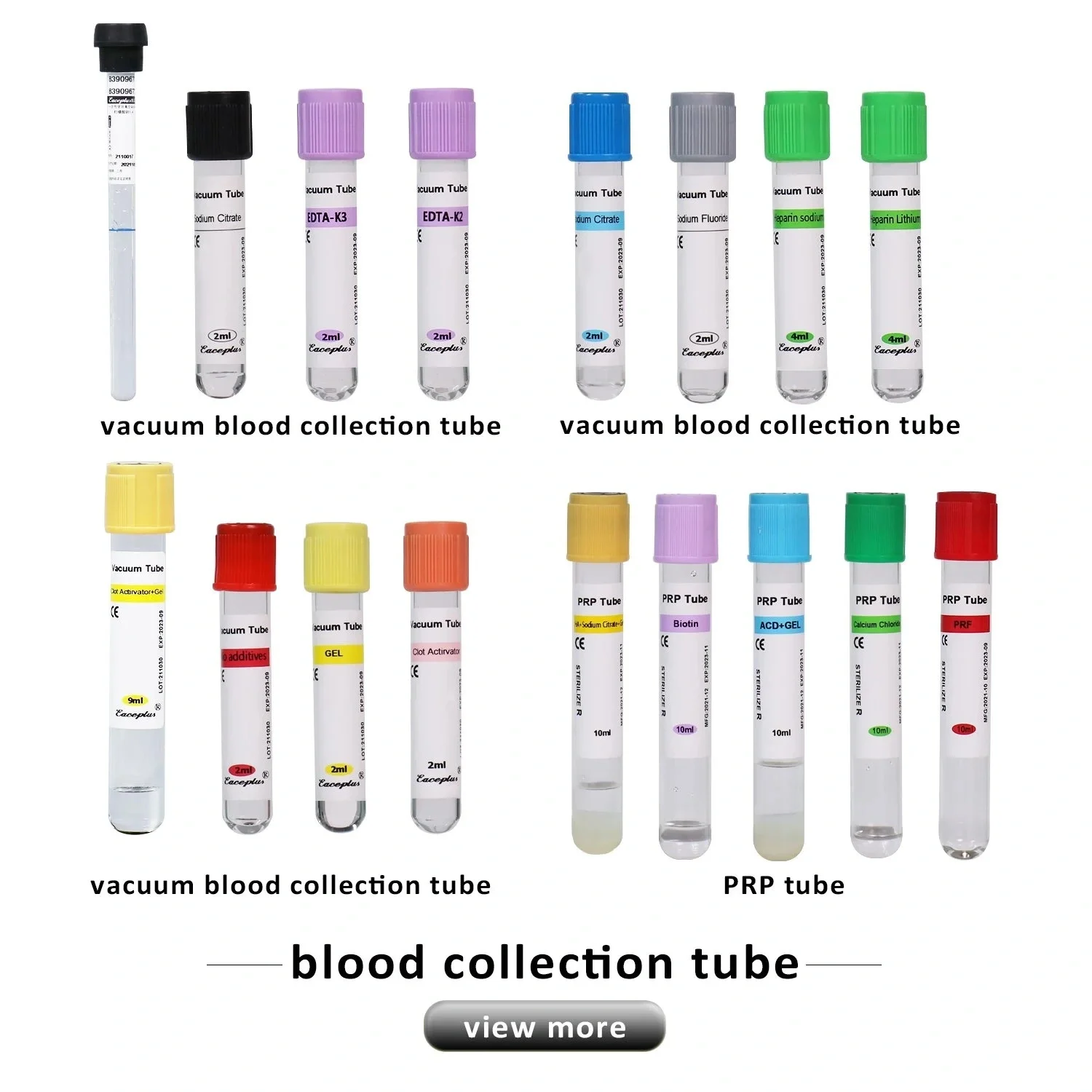
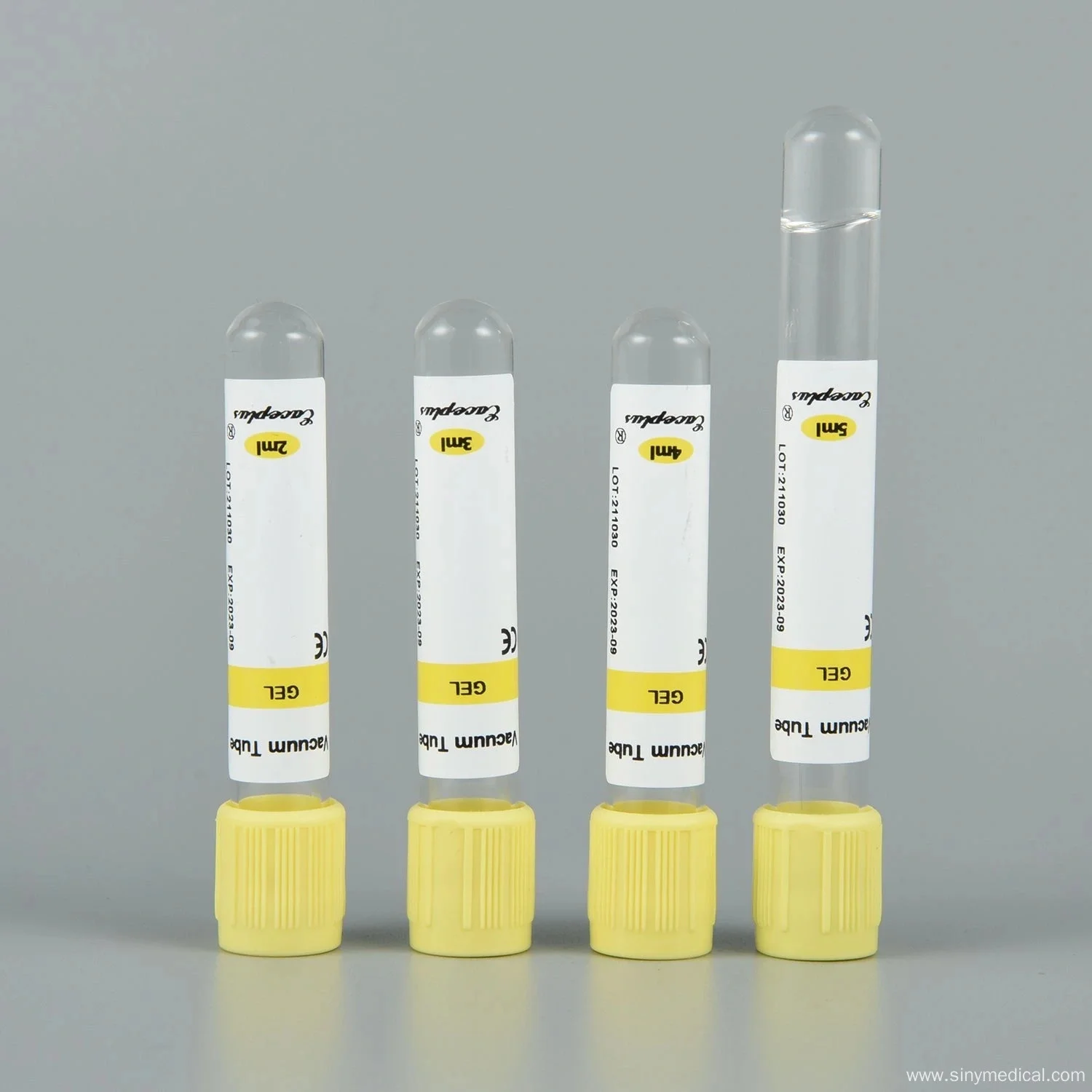
However, many buyers encounter a common problem when sourcing these products: there are many blood collection tube options on the market, but not all of them provide stable separation performance, consistent vacuum quality, or reliable cell recovery rates. Choosing the wrong tube may lead to poor sample quality, unstable experimental results, or increased laboratory workload.
This guide explains what a Cell Preparation Tube is, how it works, its major applications, and what laboratories should evaluate before purchasing one.
Table of Contents
- 1 What Is a Cell Preparation Tube?
- 2 How Does a Cell Preparation Tube Work?
- 3 Main Applications of Cell Preparation Tubes
- 4 Advantages of Using a Cell Preparation Tube
- 5 How to Choose the Right Cell Preparation Tube Supplier
- 6 Common Problems Laboratories May Encounter
- 7 FAQ About Cell Preparation Tubes
- 8 Final Thoughts
What Is a Cell Preparation Tube?
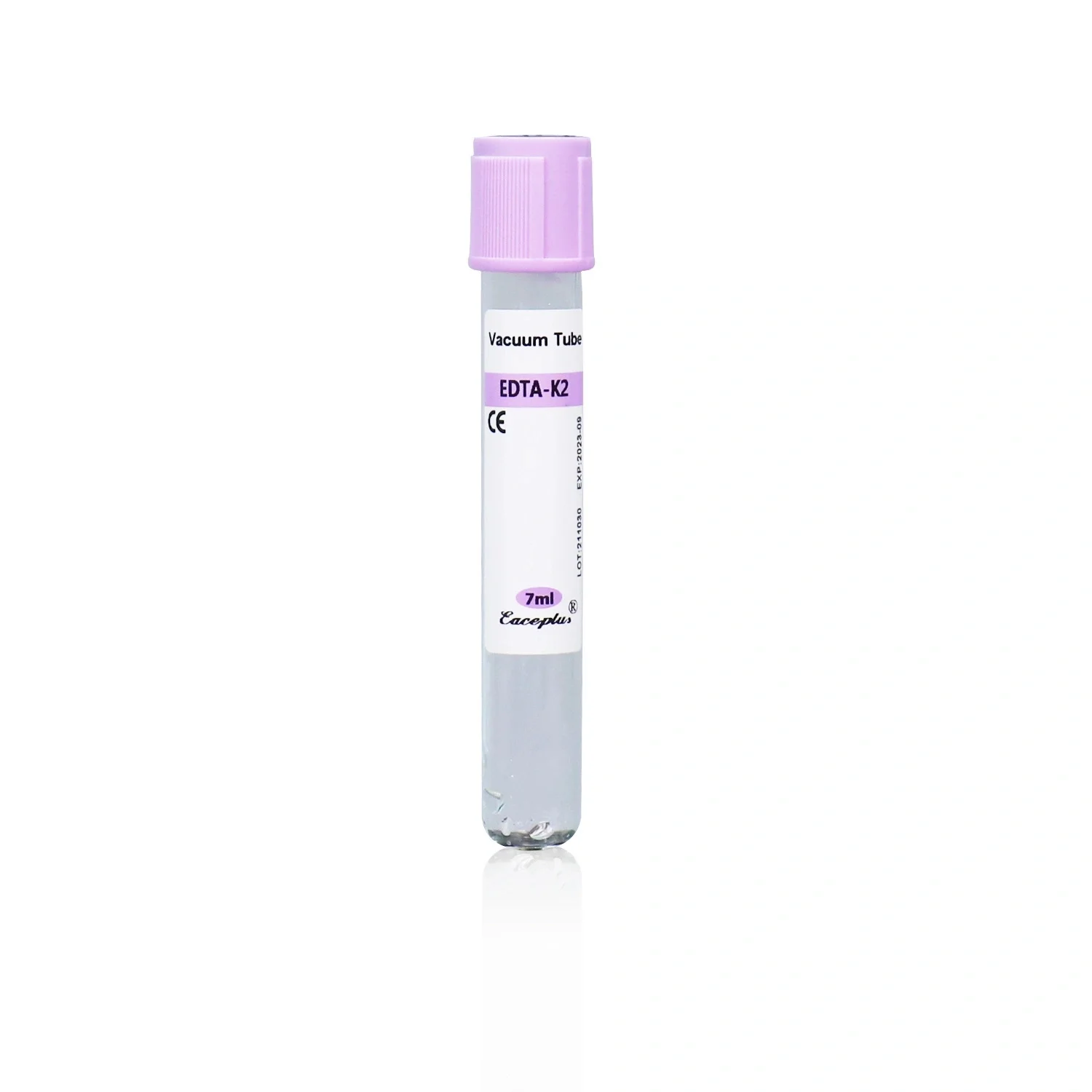
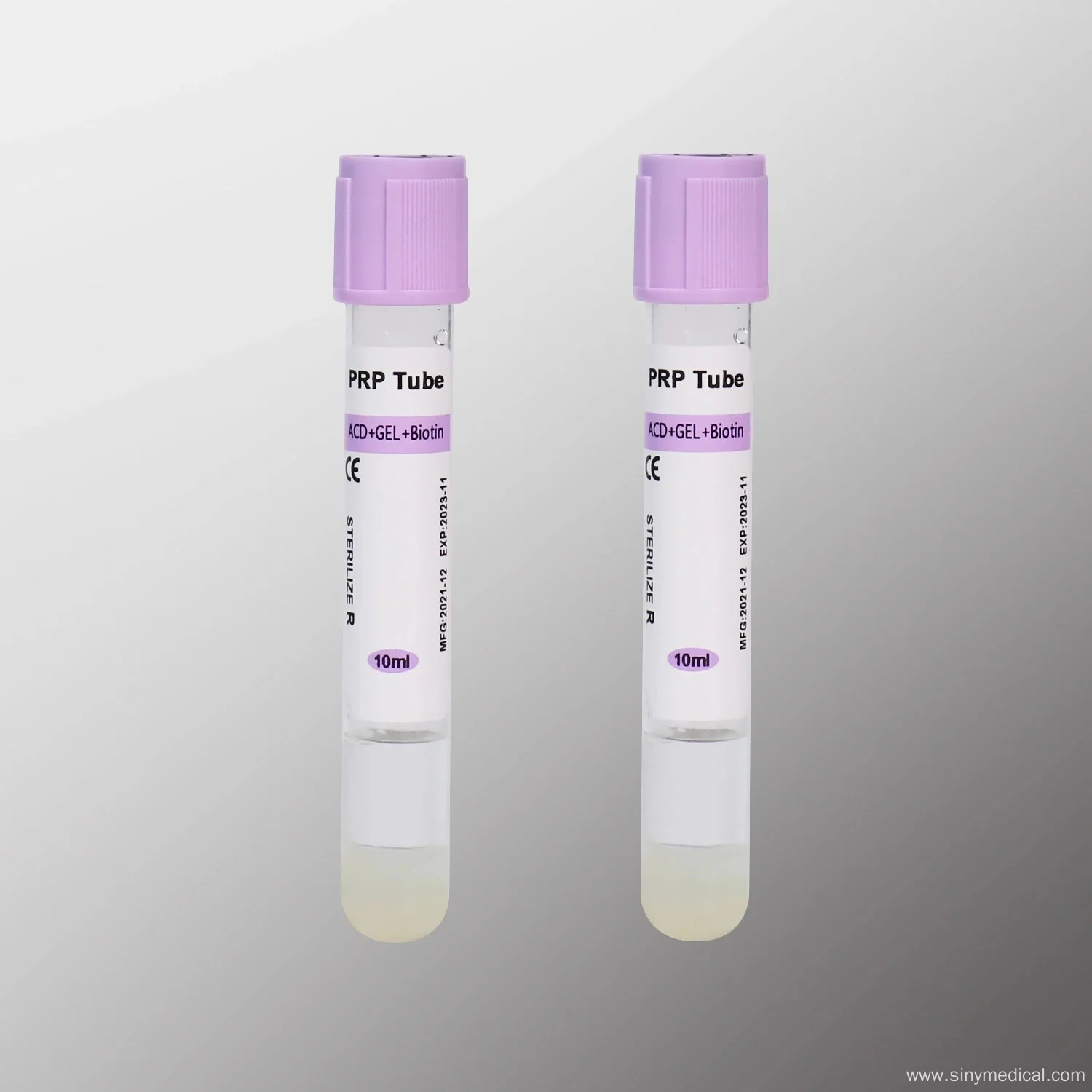
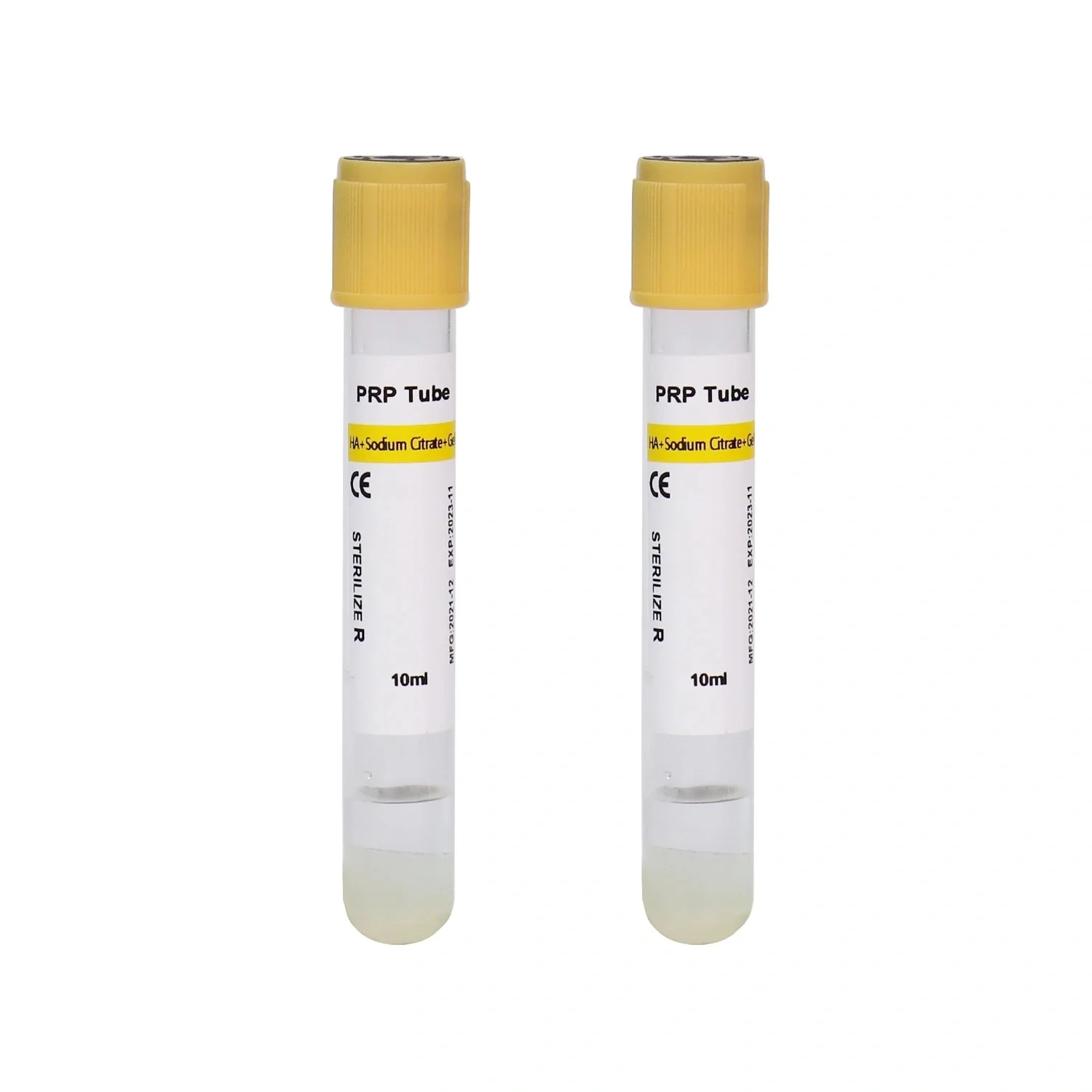
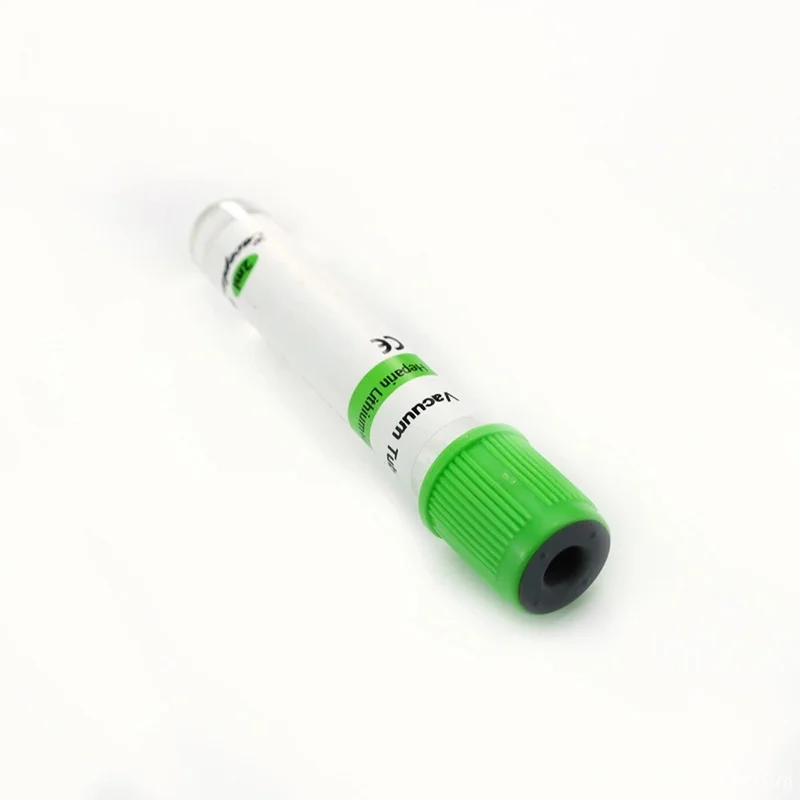
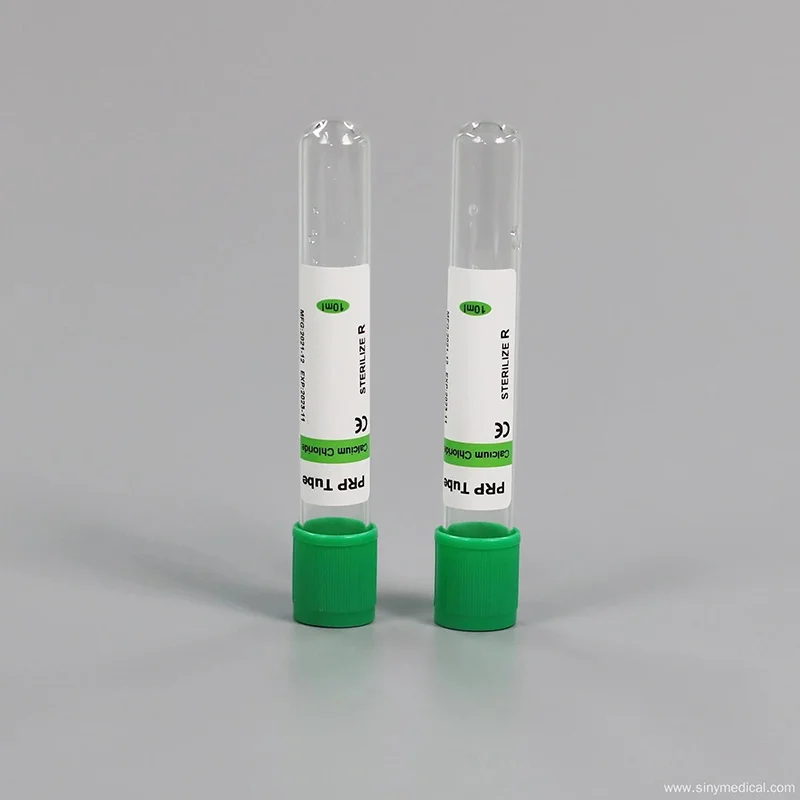
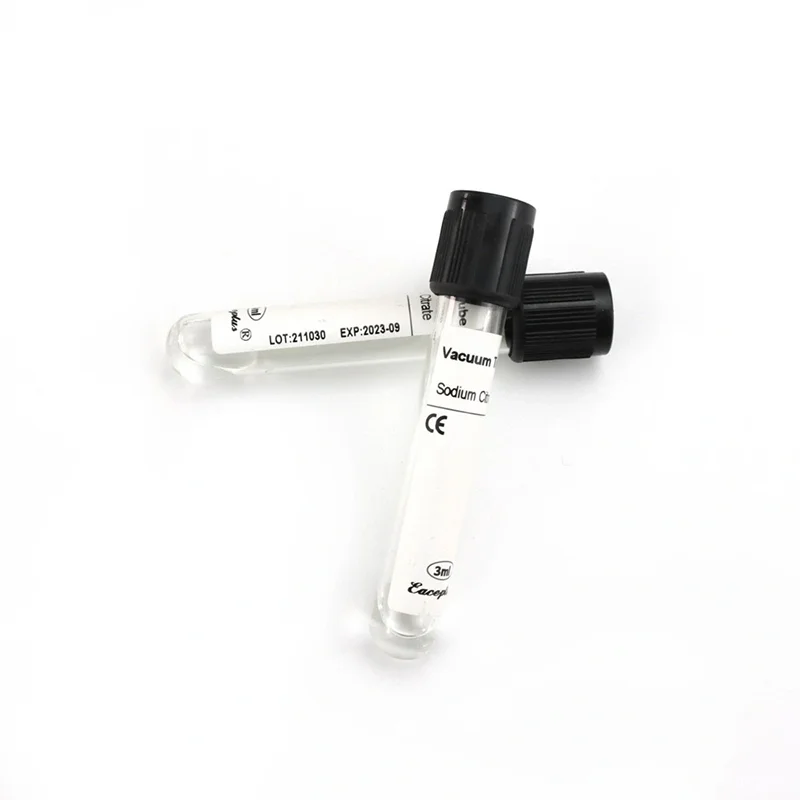
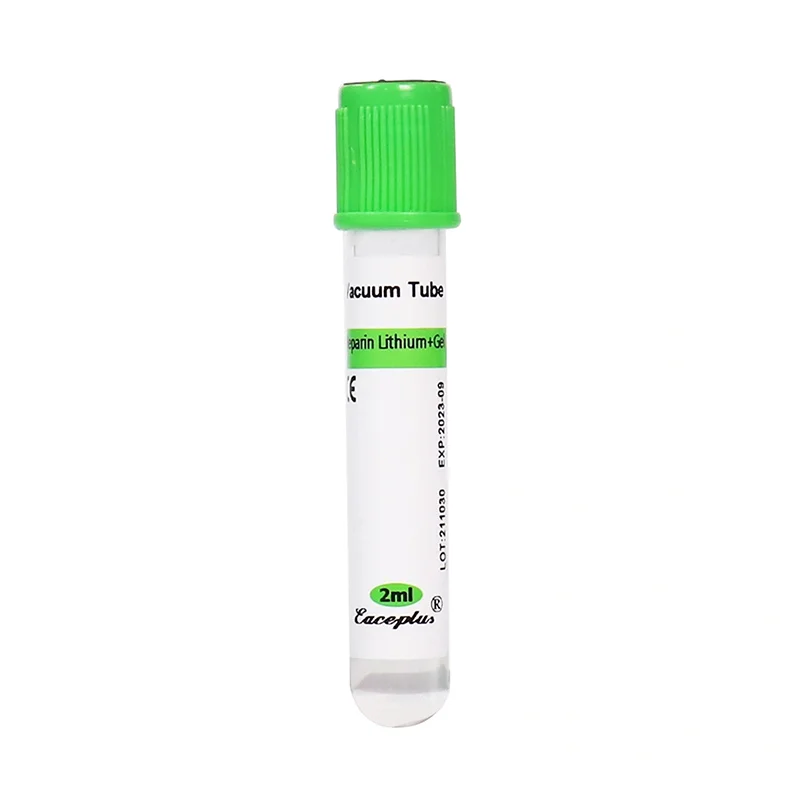
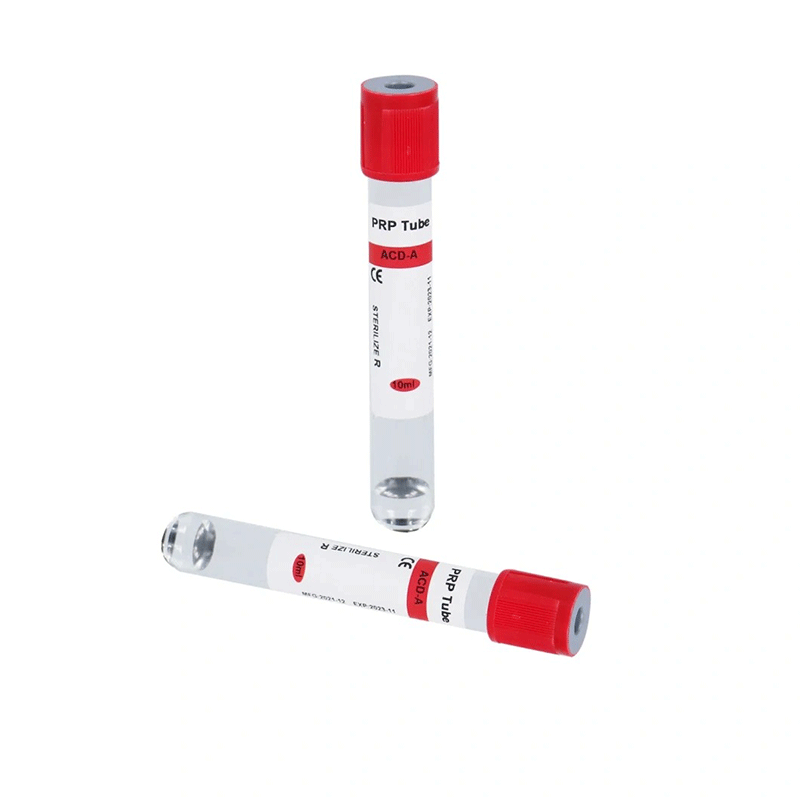
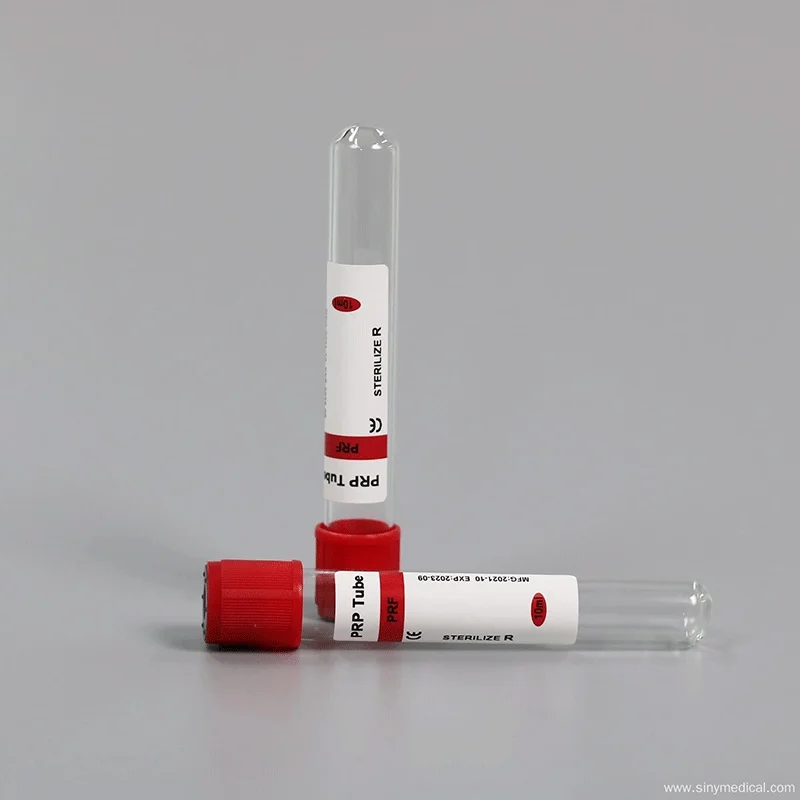
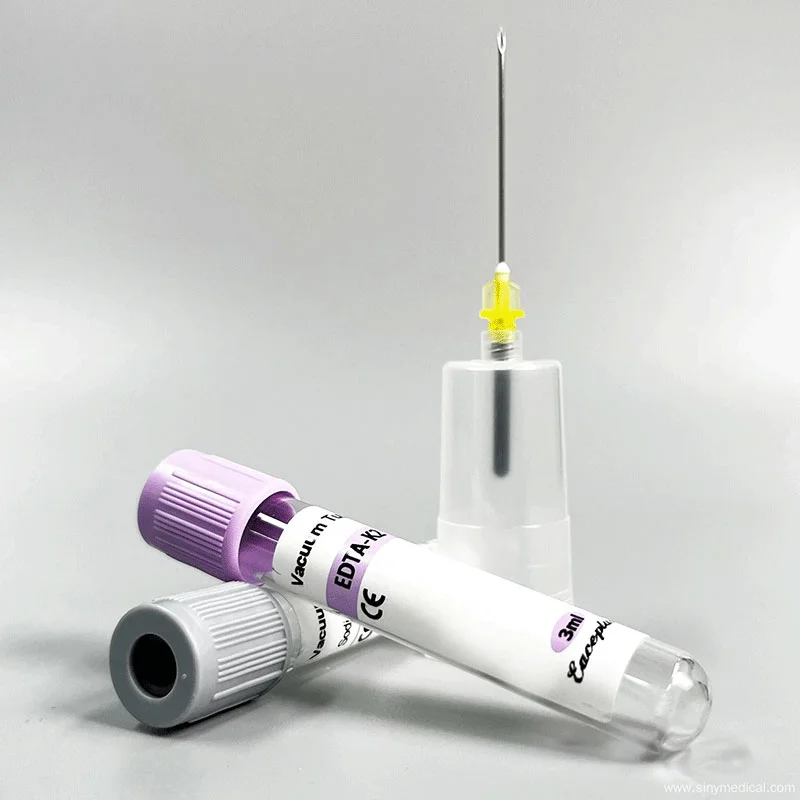
A Cell Preparation Tube(CPT) is a specialized blood collection tube designed to separate peripheral blood mononuclear cells (PBMCs) from whole blood through density gradient centrifugation. These mononuclear cells mainly include lymphocytes and monocytes, which are commonly used in immune system analysis, infectious disease research, oncology studies, and cell therapy applications.
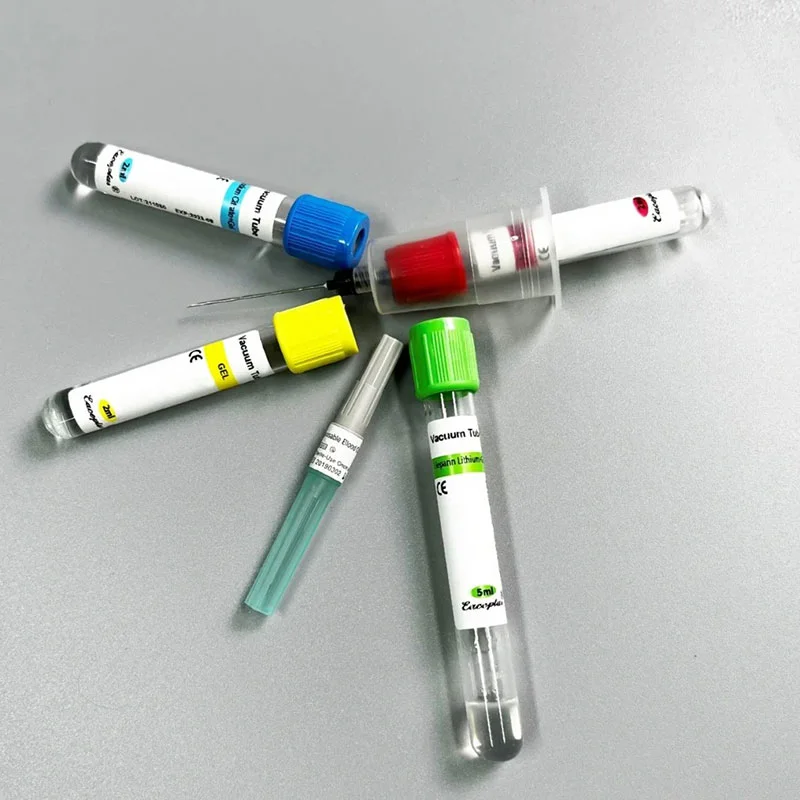
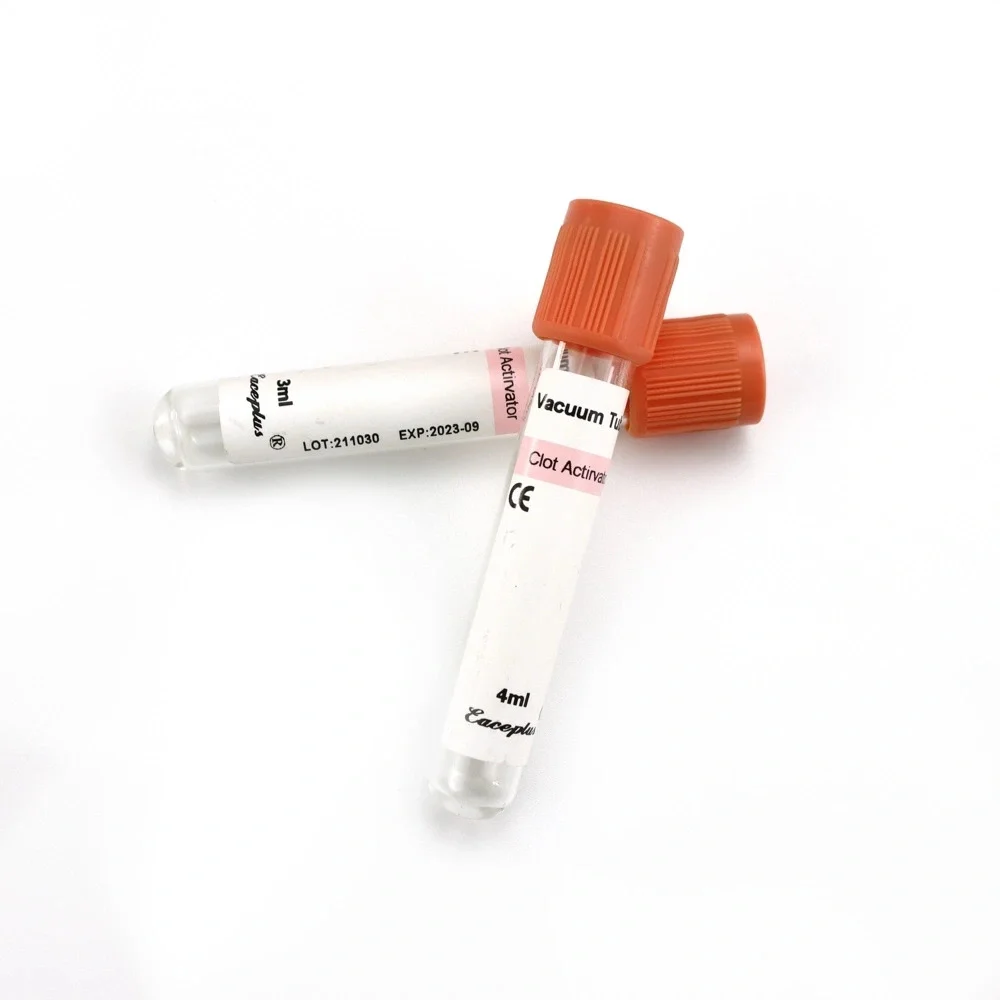
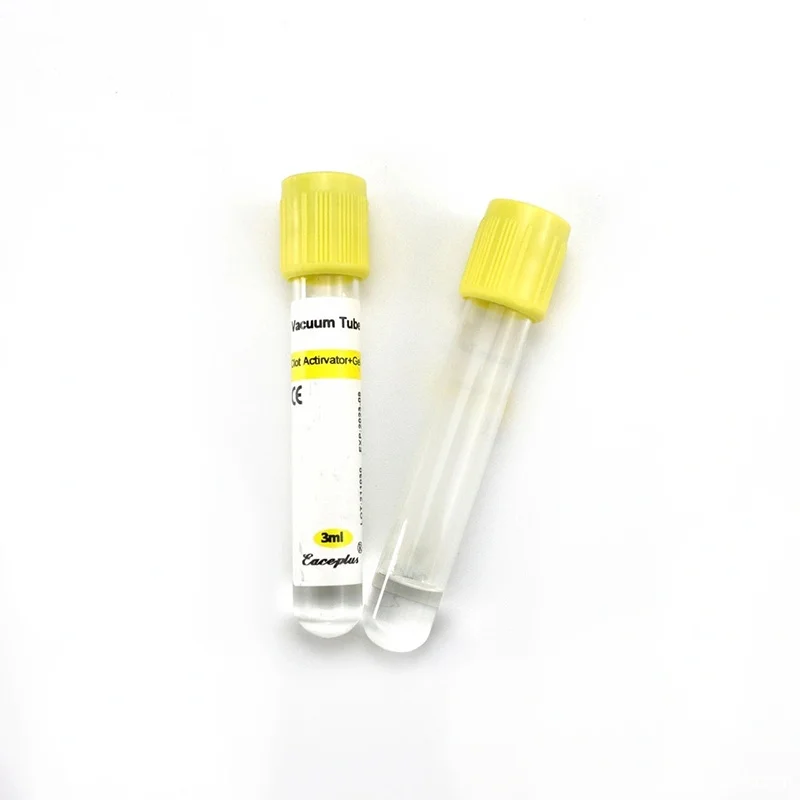
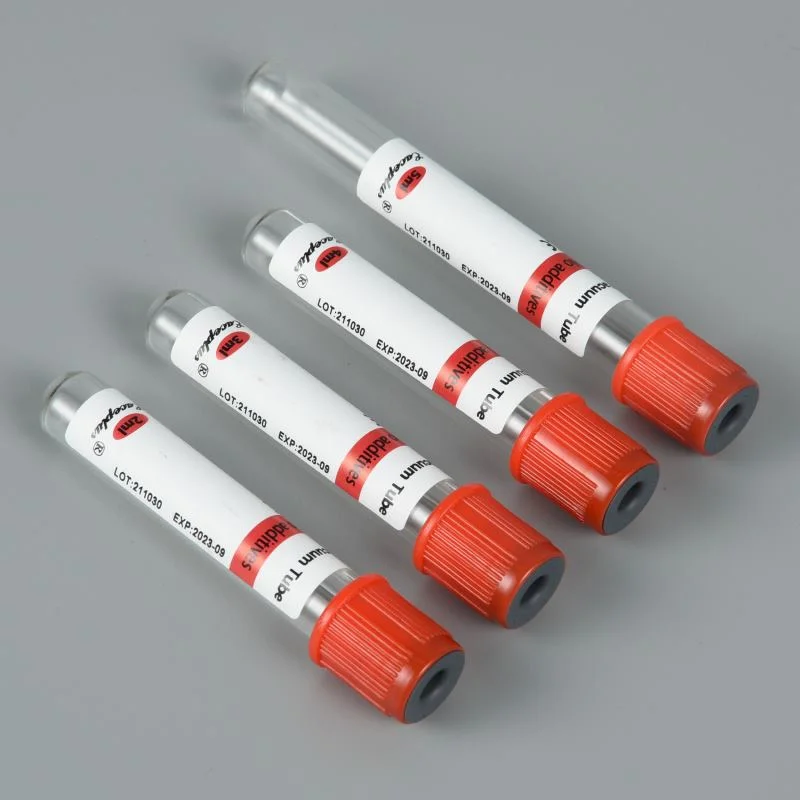
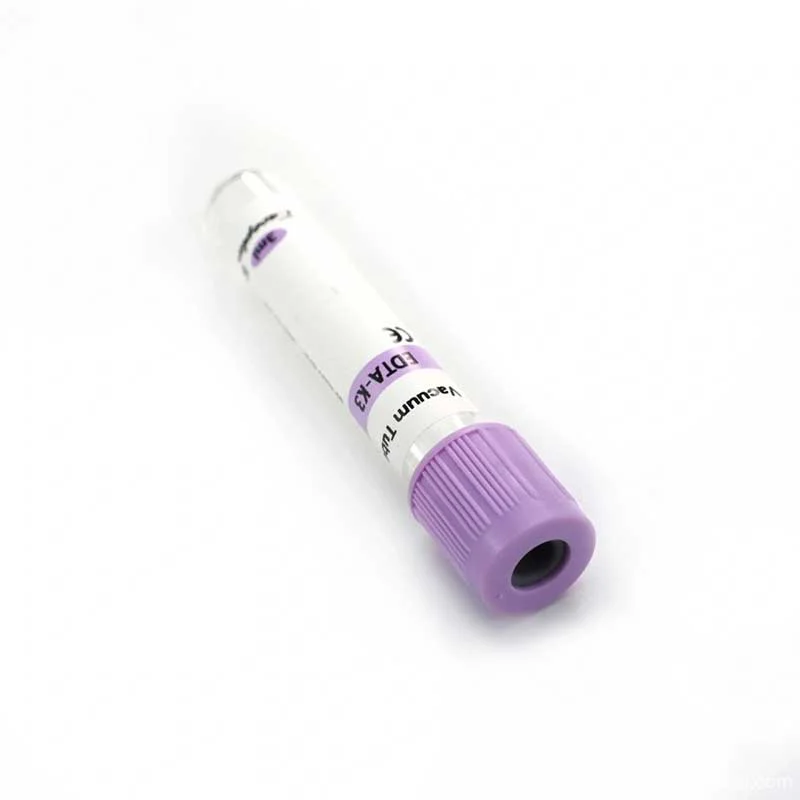
Unlike standard vacuum blood collection tubes, a Cell Preparation Tube contains a separation medium and anticoagulant inside the tube. After centrifugation, the blood components separate into distinct layers, allowing laboratory personnel to collect PBMCs more efficiently.
Most Cell Preparation Tubes typically include:
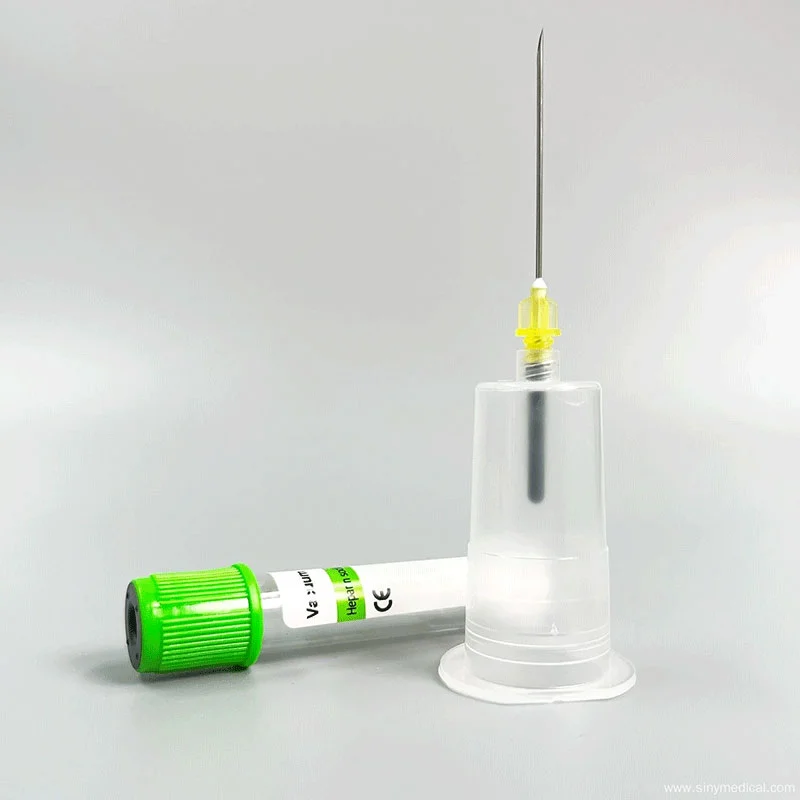
- Vacuum blood collection design
- Density separation gel or liquid medium
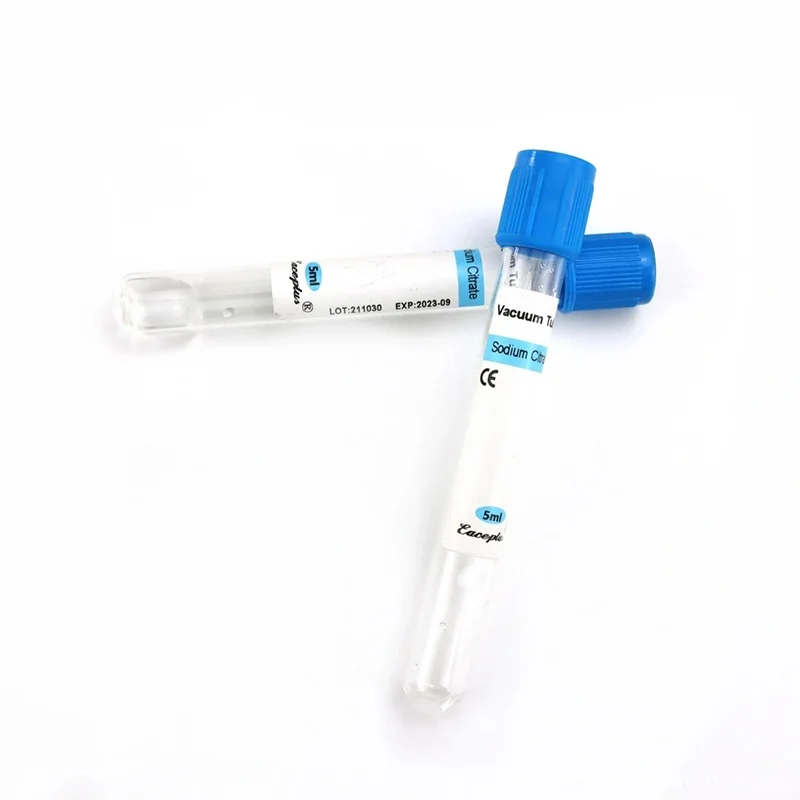
- Anticoagulant additives such as sodium citrate or heparin
- Sterile PET or glass tube body
- Leak-resistant safety cap
The purpose of this design is to simplify blood cell isolation while improving workflow consistency and reducing manual handling.
Today, Cell Preparation Tubes are widely used in:
- Clinical laboratories
- Research hospitals
- Pharmaceutical companies
- Biotechnology laboratories
- Vaccine development centers
- Cell therapy and immunology laboratories
As precision medicine and immune-based diagnostics continue to expand, the demand for reliable PBMC separation consumables is also increasing rapidly.
How Does a Cell Preparation Tube Work?
The working principle of a Cell Preparation Tube is based on density gradient separation during centrifugation. The internal separation medium creates a physical barrier that helps isolate mononuclear cells from other blood components.
The overall process is relatively straightforward.
Blood Collection
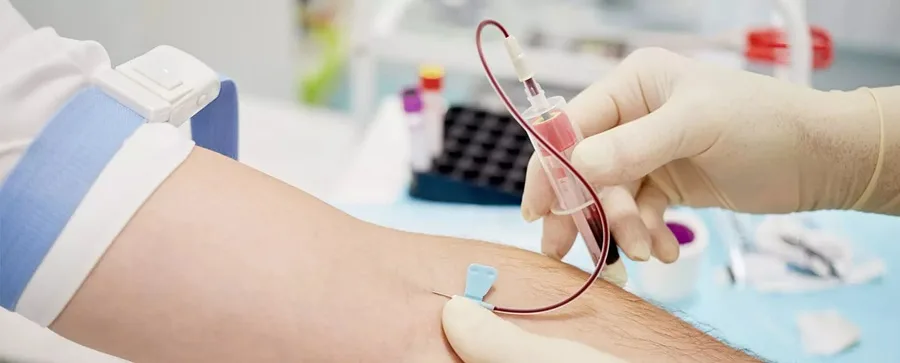
Whole blood is directly collected into the tube using vacuum pressure. The anticoagulant prevents clot formation and helps preserve cell integrity during transportation and processing.
Centrifugation
The filled tube is placed into a laboratory centrifuge according to recommended settings. During centrifugation:
- Red blood cells move to the bottom.
- Plasma remains near the top.
- The separation medium forms a barrier layer.
- PBMCs accumulate between the plasma and the separation medium.
This layered structure allows laboratory staff to isolate target cells more easily.
Cell Harvesting
After centrifugation, the mononuclear cell layer can be carefully extracted for downstream laboratory procedures such as:
- Flow cytometry
- Cell culture
- DNA and RNA extraction
- Molecular diagnostics
- Immune monitoring
- Stem cell research
Compared with traditional manual Ficoll separation methods, Cell Preparation Tubes reduce handling complexity and help improve reproducibility between operators.
For laboratories processing large numbers of samples, this efficiency can significantly reduce overall workload.
Some laboratories sourcing blood collection consumables from manufacturers like Siny Medical often prioritize stable separation performance, reliable additive quality, and consistent production standards when selecting Cell Preparation Tubes.
Main Applications of Cell Preparation Tubes
The growing popularity of the Cell Preparation Tube is closely connected to the development of immune diagnostics and cell-based medicine. Many modern laboratory procedures require stable mononuclear cell preparation to ensure accurate downstream analysis.
Immunology Testing
Cell Preparation Tubes are frequently used to isolate lymphocytes for immune response studies and cytokine analysis.
Oncology Research
PBMC isolation plays an important role in cancer immunotherapy research and biomarker development.
Vaccine Development
Immune cell monitoring is critical during vaccine studies, and consistent PBMC separation helps researchers obtain more reliable data.
Infectious Disease Research
Many viral and immune-related disease studies require mononuclear cell analysis during laboratory testing.
Cell Therapy and Regenerative Medicine
Cell-based therapies often rely on viable mononuclear cell preparation for culture and expansion workflows.
Molecular Diagnostics
PBMCs isolated using Cell Preparation Tubes are commonly used in PCR testing, sequencing, and molecular biomarker analysis.
Because these applications involve highly sensitive laboratory work, buyers usually focus on:
- Sterility validation
- Cell recovery efficiency
- Additive consistency
- Vacuum stability
- Transportation safety
- Batch-to-batch manufacturing consistency
These factors often influence whether a laboratory can maintain stable testing quality over time.
Advantages of Using a Cell Preparation Tube
Compared with traditional manual blood separation methods, Cell Preparation Tubes offer several operational advantages that make them attractive to clinical and research laboratories.
Simplified Workflow
Since the separation medium is prefilled, laboratories can reduce multiple transfer and pipetting steps.
Reduced Contamination Risk
Fewer manual operations help minimize contamination exposure during processing.
Improved Reproducibility
Standardized tube design helps maintain consistent separation performance between samples.
Higher Laboratory Efficiency
Large laboratories handling high sample volumes often benefit from reduced technician workload and faster processing times.
Better Sample Stability
Integrated anticoagulants and separation systems help maintain cell integrity during transportation and temporary storage.
Easier Standardization
Cell Preparation Tubes help laboratories establish more standardized operating procedures, which is especially important for clinical studies and multicenter research projects.
For buyers evaluating suppliers, operational stability is often more valuable than simply choosing the lowest-cost option.
At Siny Medical, many customers focus on product consistency, sterile production standards, and centrifugation compatibility when selecting laboratory blood collection consumables.
How to Choose the Right Cell Preparation Tube Supplier
Because laboratory testing quality depends heavily on consumable consistency, selecting the right supplier is extremely important.
Here are several factors laboratories should carefully evaluate.
Tube Material
High-quality PET or medical-grade glass helps maintain vacuum stability and transportation safety.
Anticoagulant System
Different applications may require different additives, such as sodium citrate or heparin.
Manufacturing Standards
Suppliers with ISO certifications generally provide more standardized production environments.
Separation Performance
A reliable Cell Preparation Tube should maintain clear separation layers after centrifugation without excessive mixing.
Sterility Control
Sterile manufacturing and endotoxin control are especially important for sensitive laboratory workflows.
Export and Packaging Capability
International distributors often require strong packaging protection and stable logistics support.
OEM and Customization Support
Many distributors prefer manufacturers capable of providing private label services and customized packaging.
Experienced manufacturers like Siny Medical can usually provide technical documentation, production consistency, and export support for laboratories and distributors worldwide.
Common Problems Laboratories May Encounter
Even high-quality Cell Preparation Tubes require proper handling and storage. Several issues are commonly seen in laboratory environments.
Incomplete Cell Separation
Incorrect centrifuge settings or delayed sample processing may affect separation quality.
Hemolysis
Improper blood collection or rough transportation may damage red blood cells.
Mixed Separation Layers
Moving the tube too aggressively after centrifugation can disturb the separation interface.
Reduced Cell Viability
Improper storage temperatures may negatively affect PBMC integrity.
Vacuum Instability
Low-quality manufacturing or damaged packaging may reduce blood collection performance.
Following proper SOPs and sourcing products from experienced manufacturers can help minimize these risks.
FAQ About Cell Preparation Tubes
What is a Cell Preparation Tube used for?
It is mainly used for isolating PBMCs from whole blood for laboratory research and diagnostic applications.
What cells are isolated using a Cell Preparation Tube?
The tube is designed to isolate mononuclear cells such as lymphocytes and monocytes.
What anticoagulants are commonly used?
Sodium citrate and heparin are among the most common anticoagulants used in these tubes.
Are Cell Preparation Tubes sterile?
Yes. Most medical-grade products are manufactured under sterile conditions and supplied ready for laboratory use.
Can Cell Preparation Tubes improve laboratory efficiency?
Yes. Their integrated separation design reduces manual handling and simplifies PBMC isolation workflows.
How should Cell Preparation Tubes be stored?
They should generally be stored in a cool, dry environment away from direct sunlight, following the manufacturer’s instructions.
Final Thoughts
The Cell Preparation Tube has become an important consumable in modern laboratory workflows involving PBMC isolation and immune cell analysis. By combining blood collection, anticoagulation, and density gradient separation into one integrated system, these tubes help laboratories improve consistency, reduce contamination risk, and simplify sample processing.
As demand for molecular diagnostics, immunotherapy, and precision medicine continues to grow, laboratories increasingly require stable and high-quality blood collection consumables capable of supporting sensitive research and clinical applications.
If your laboratory or distribution business is searching for reliable Cell Preparation Tube solutions, Siny Medical can provide professional support, stable manufacturing quality, and customized blood collection consumables solutions for global markets.