Blood collection tubes are among the most commonly used consumables in hospitals, clinics, laboratories, and diagnostic centers. Yet many buyers, distributors, and even healthcare professionals often ask the same question: What are the different blood collection tubes used for?
At first glance, blood collection tubes may look very similar. However, each tube contains specific additives, anticoagulants, or clot activators designed for particular laboratory tests. Choosing the wrong tube can lead to inaccurate results, sample rejection, delayed diagnosis, and increased laboratory costs.
For procurement managers and distributors, understanding the purpose of different blood collection tubes is equally important. With dozens of tube types available on the market, selecting the right products can be challenging. This guide explains the major blood collection tube categories, their additives, common applications, and how to choose the best option for your facility.
Table of Contents
- 1 What Are the Different Blood Collection Tubes Used For in Clinical Testing?
- 2 Serum Blood Collection Tubes: The Most Common Tube Type
- 3 EDTA Blood Collection Tubes for Hematology and Molecular Testing
- 4 Sodium Citrate and Heparin Tubes: Specialized Blood Collection Solutions
- 5 Glucose, ESR, and Specialized Blood Collection Tubes
- 6 How to Choose the Right Blood Collection Tube
- 7 FAQs
- 7.1 What is the most commonly used blood collection tube?
- 7.2 Why do blood collection tubes have different colors?
- 7.3 Can the wrong blood collection tube affect test results?
- 7.4 What tube is used for CBC testing?
- 7.5 What tube is used for coagulation testing?
- 7.6 Are specialized blood collection tubes necessary for molecular diagnostics?
- 8 Summary
What Are the Different Blood Collection Tubes Used For in Clinical Testing?
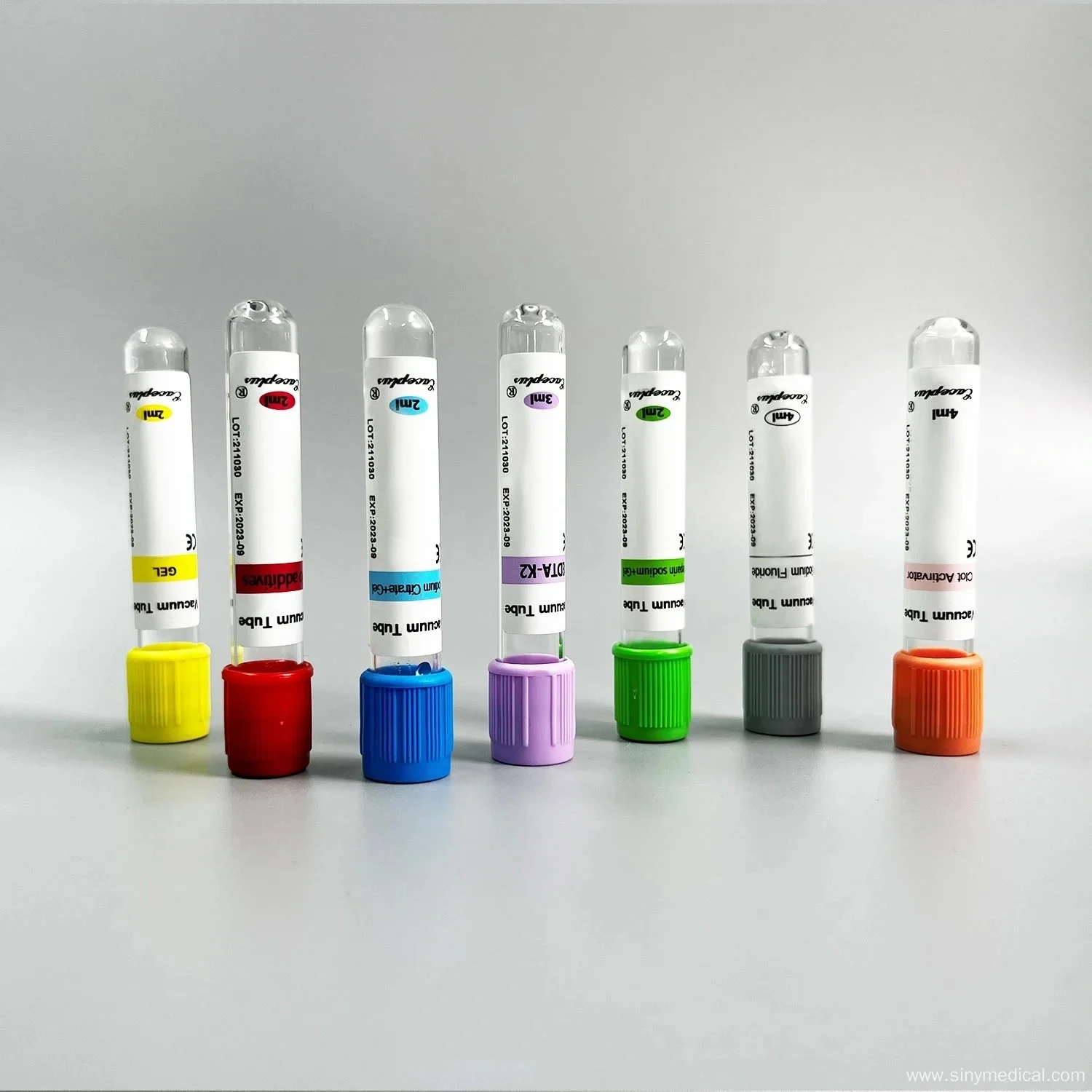
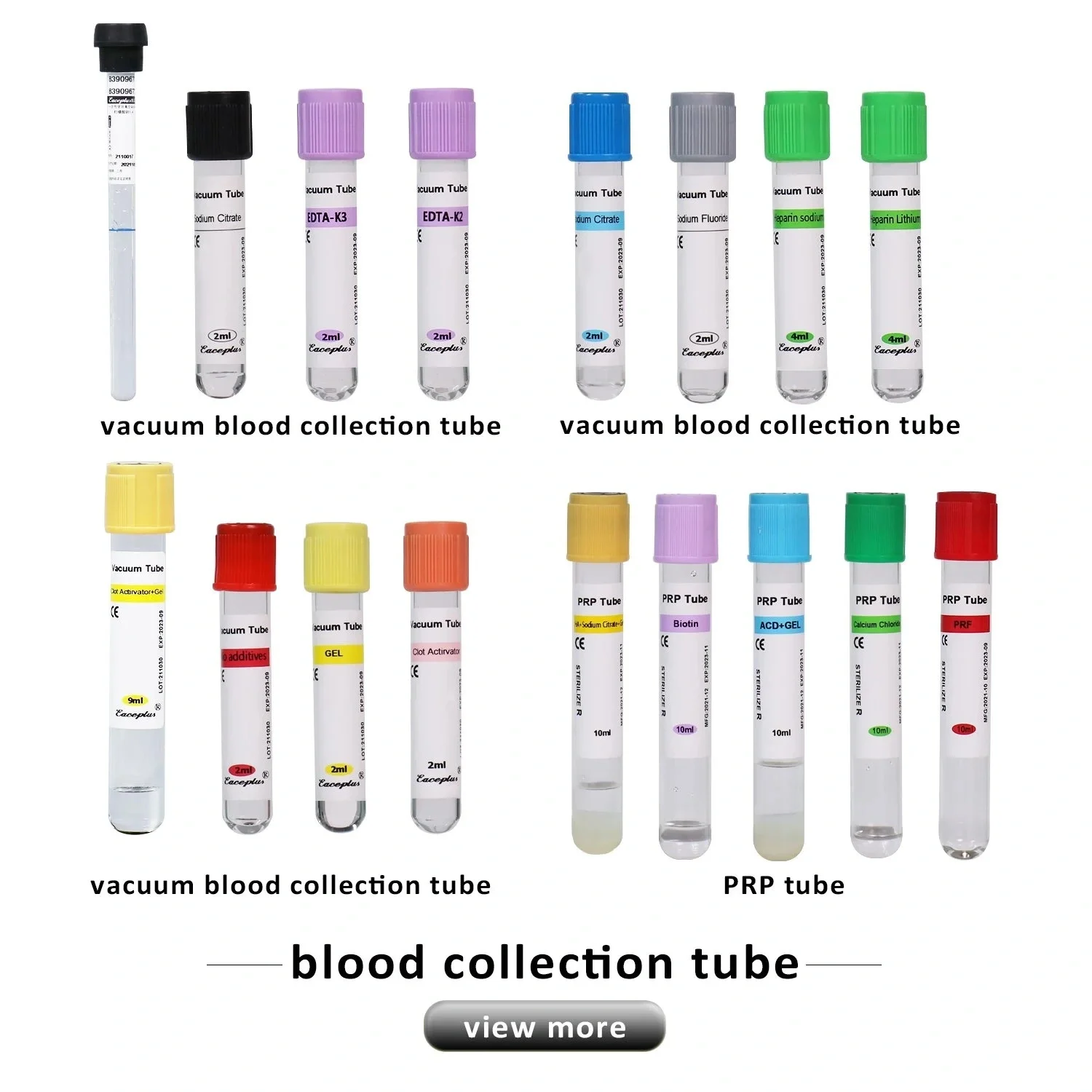
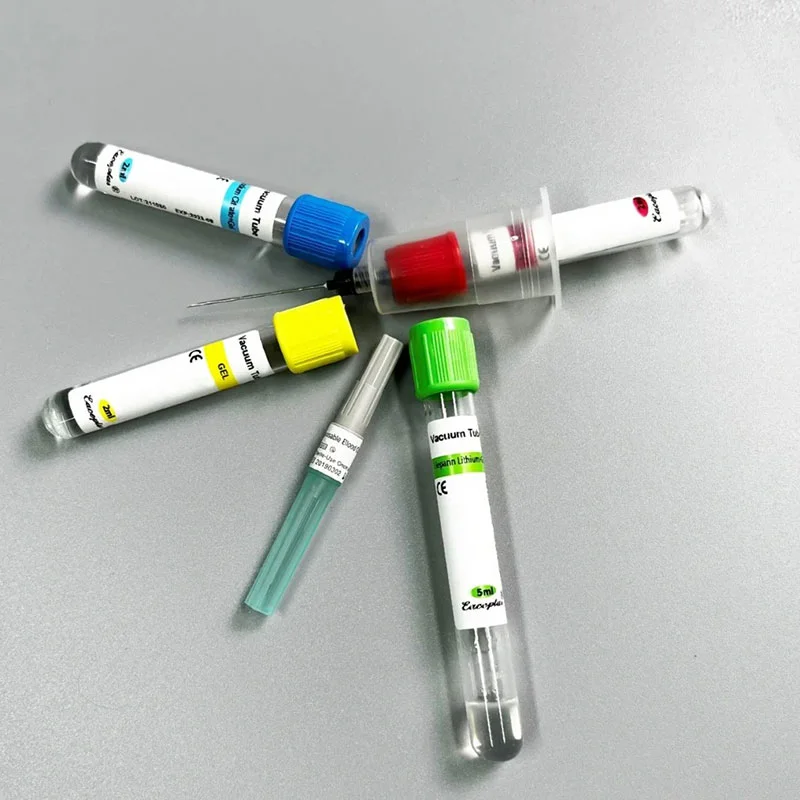
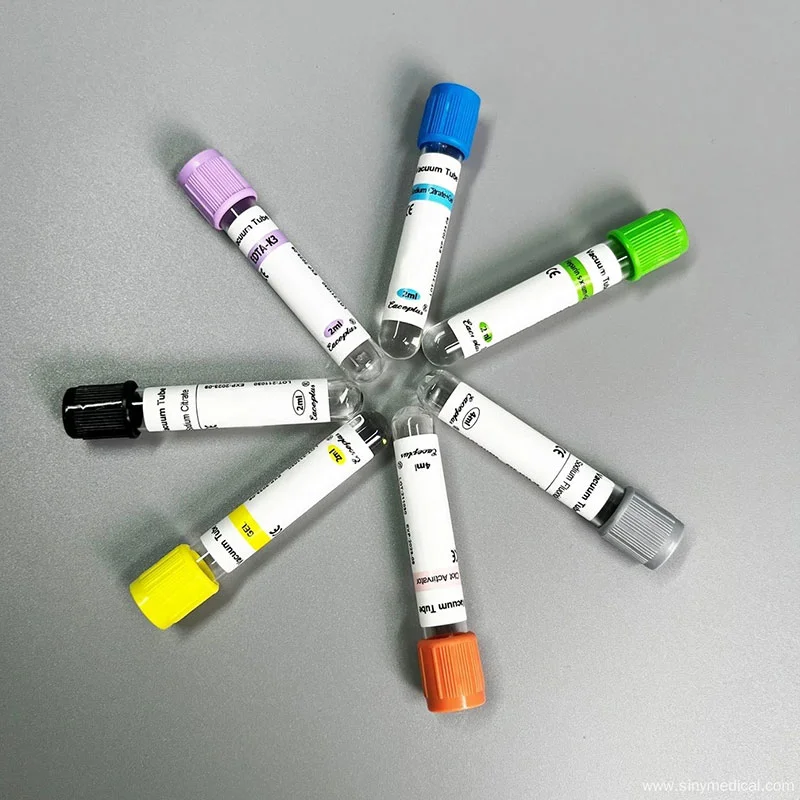
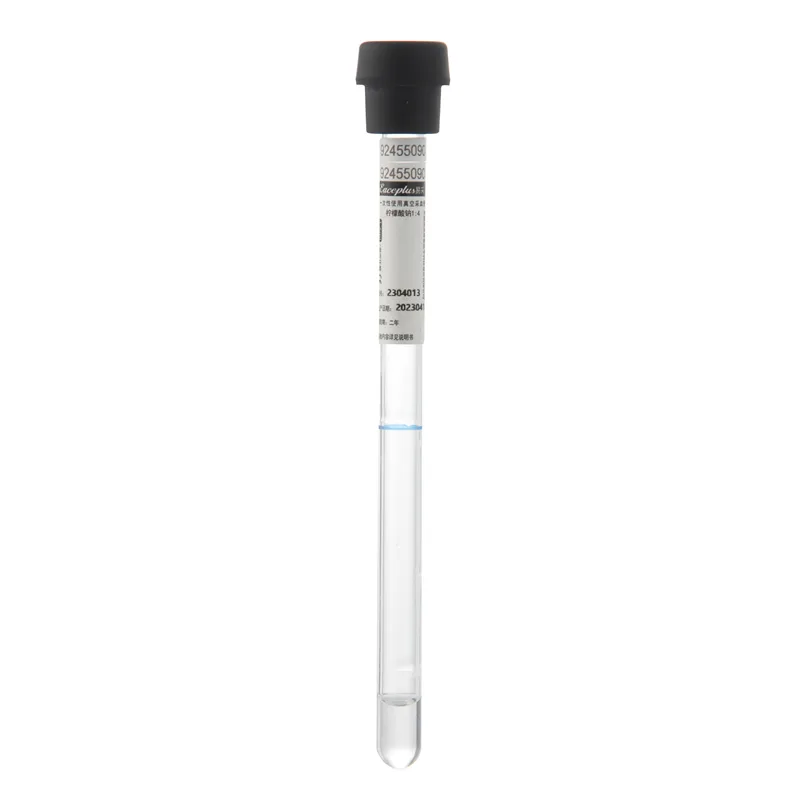
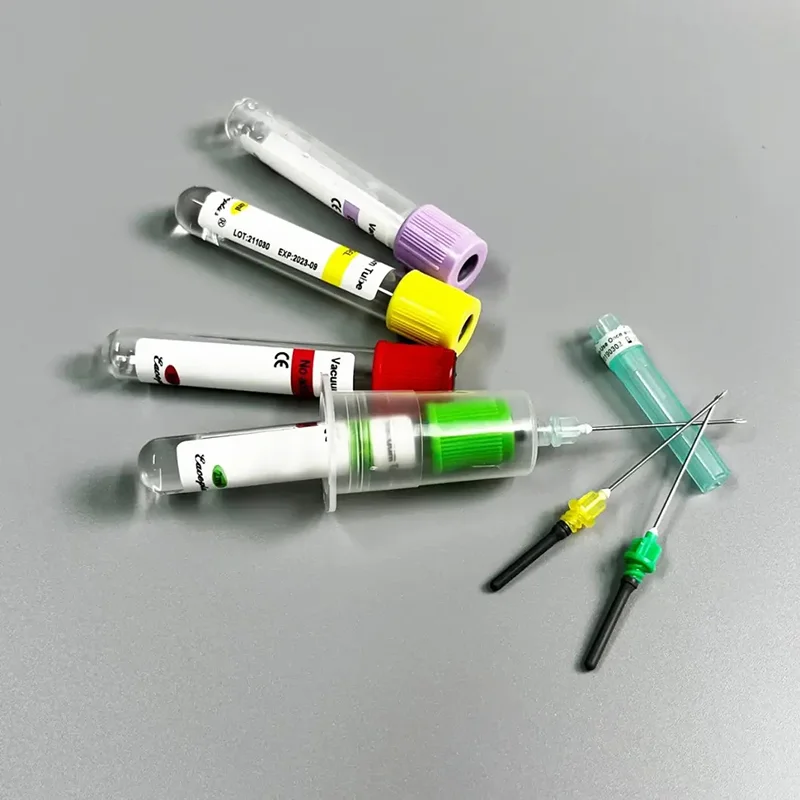
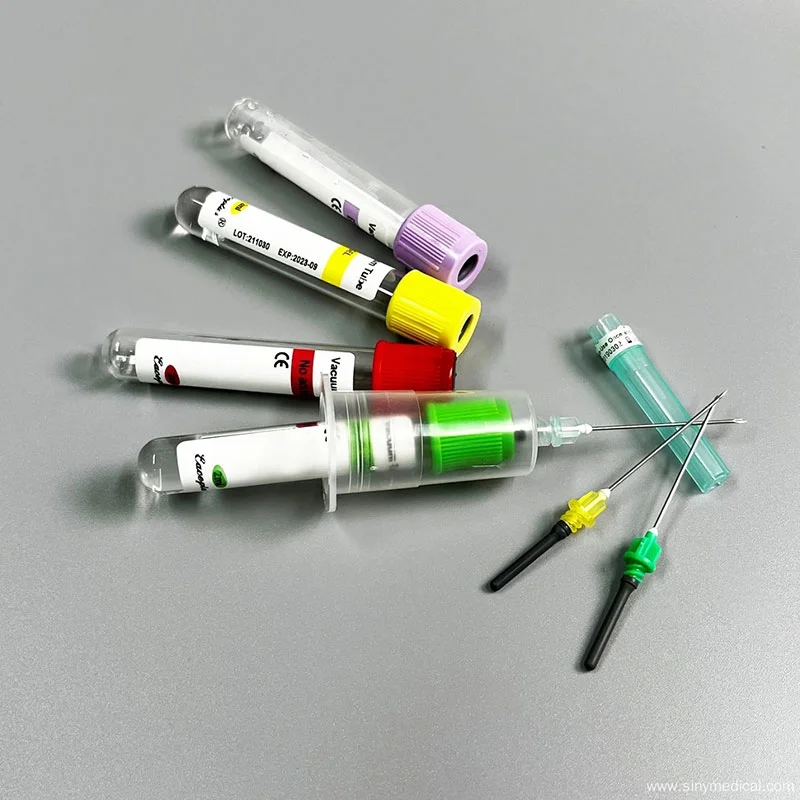
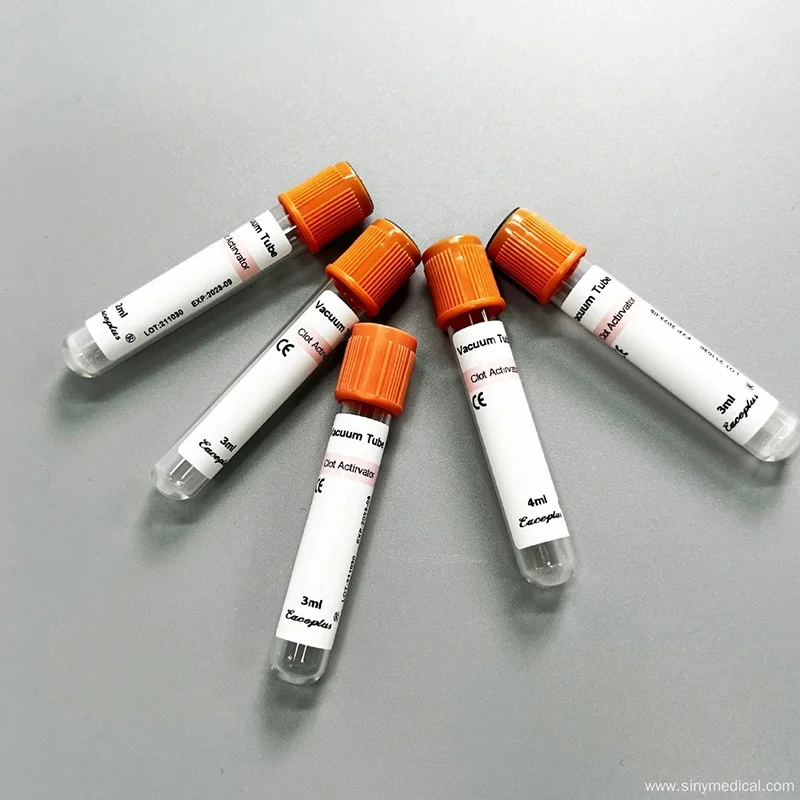
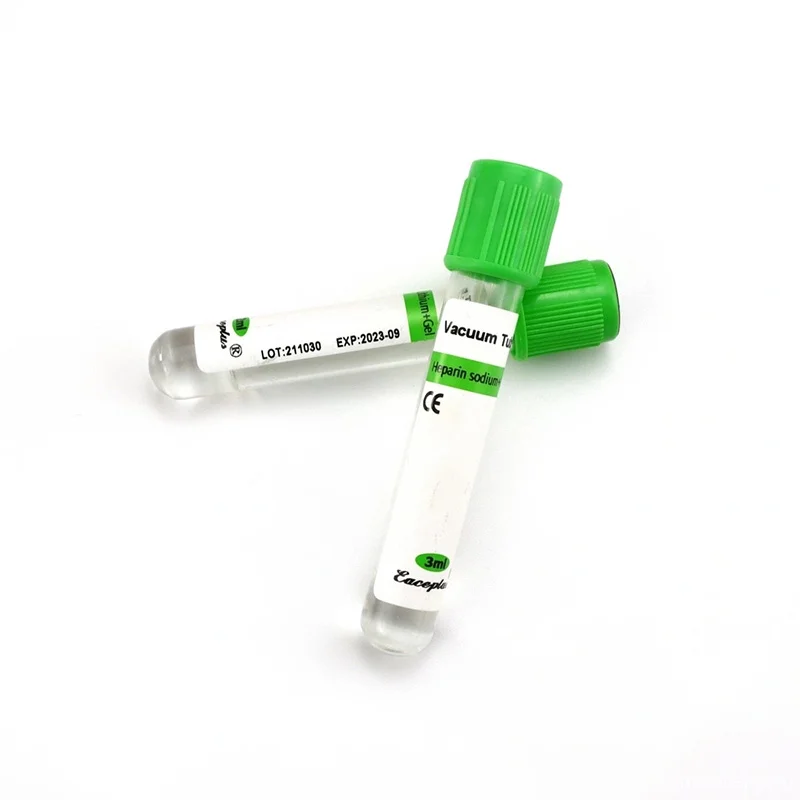
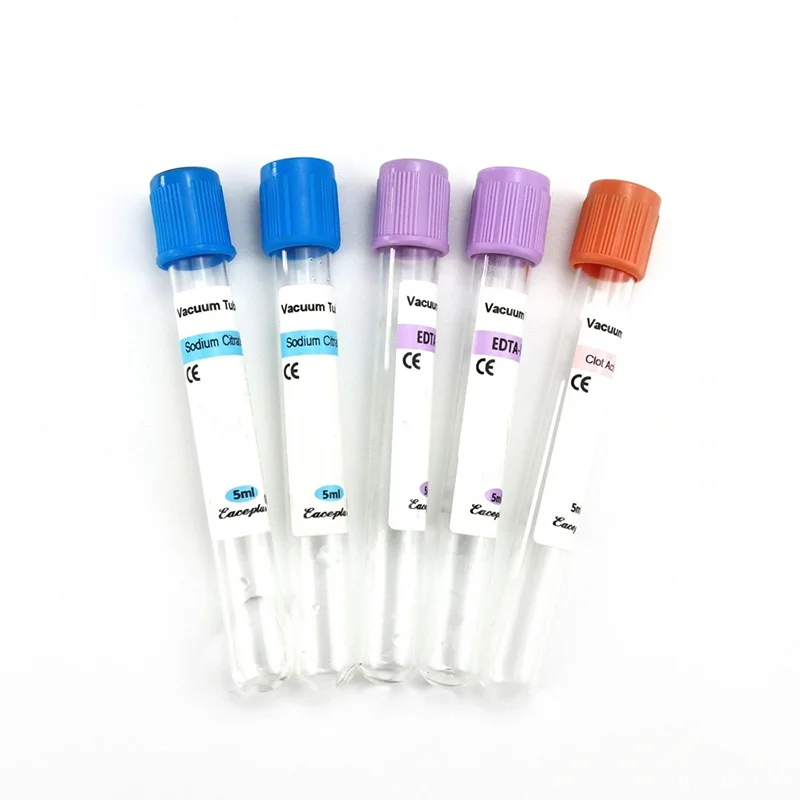
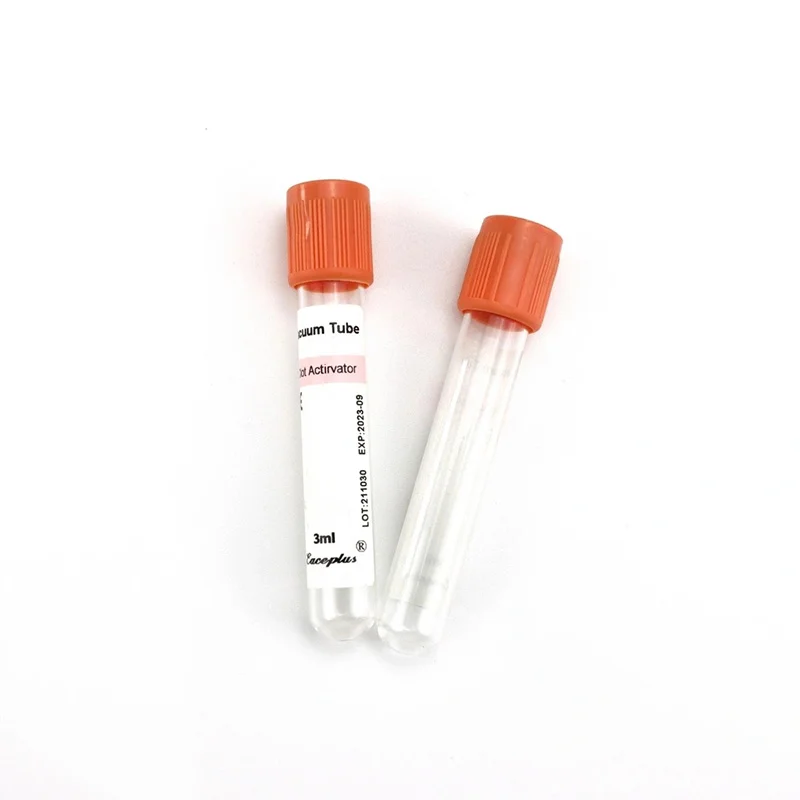
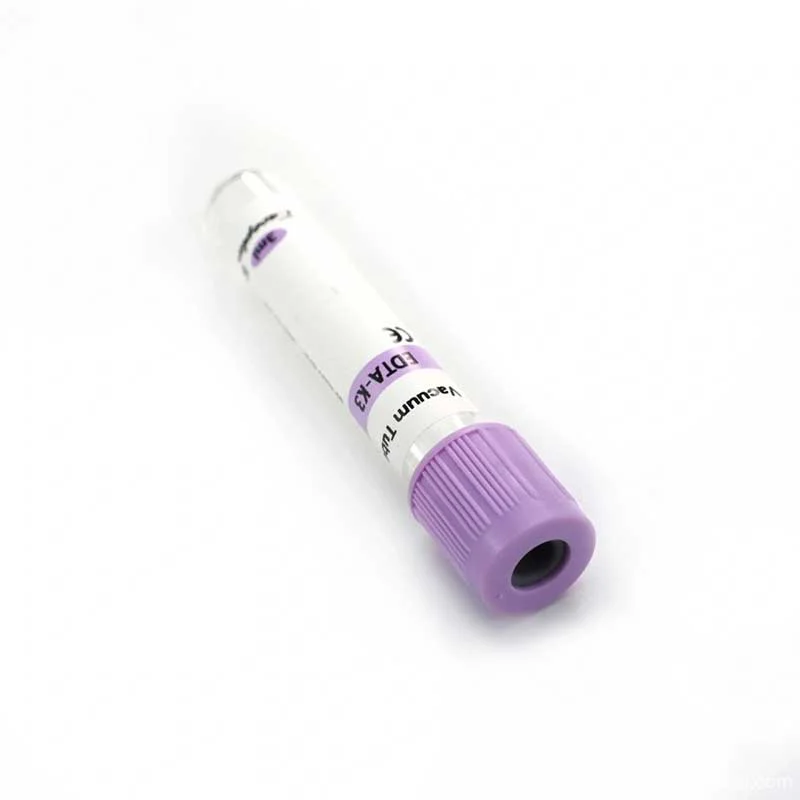
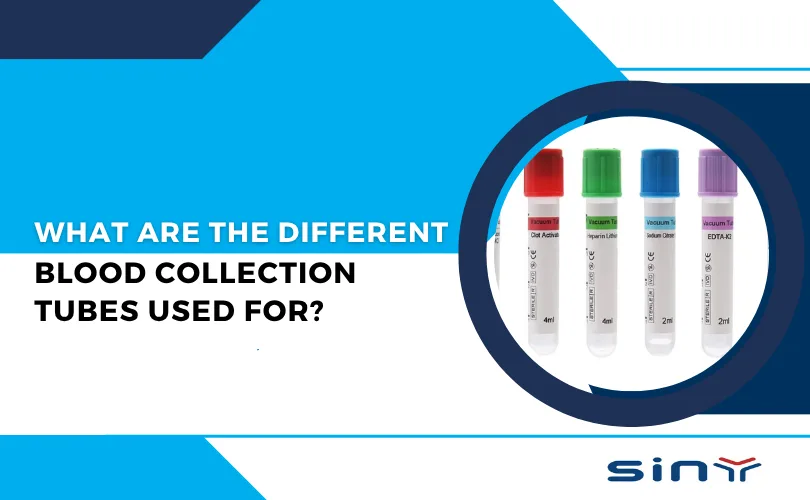
The easiest way to identify blood collection tubes is by their cap color. Each color typically indicates a specific additive inside the tube.
Different additives either prevent clotting, accelerate clot formation, preserve blood cells, or stabilize certain analytes. These functions directly influence how laboratories process and analyze blood samples.
The most common blood collection tube categories include:
- Serum tubes
- EDTA tubes
- Sodium citrate tubes
- Heparin tubes
- Glucose tubes
- ESR tubes
- Specialized molecular diagnostic tubes
Understanding these categories helps laboratories improve sample quality, adhere to standardized blood drawing guidelines, and reduce pre-analytical errors.
For healthcare distributors looking to expand their diagnostic product portfolio, having a complete range of blood collection tubes can significantly improve customer satisfaction and purchasing convenience.
Looking for a reliable supplier of vacuum blood collection tubes? Siny Medical offers a comprehensive range of collection tubes designed for clinical diagnostics worldwide.
Serum Blood Collection Tubes: The Most Common Tube Type
When discussing what are the different blood collection tubes used for, serum tubes are often the first category mentioned because they account for a large portion of routine blood testing.
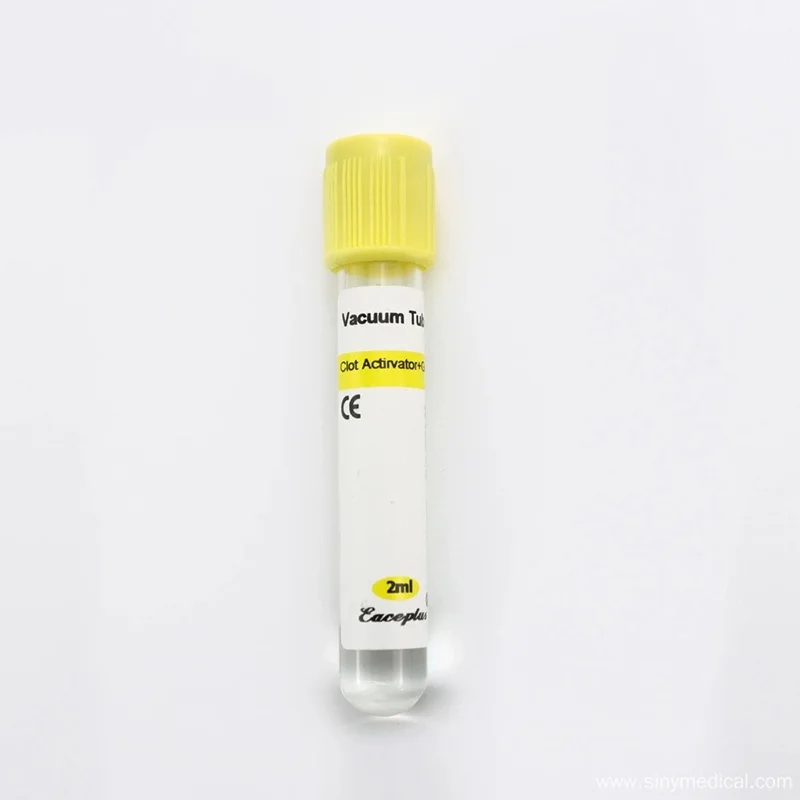
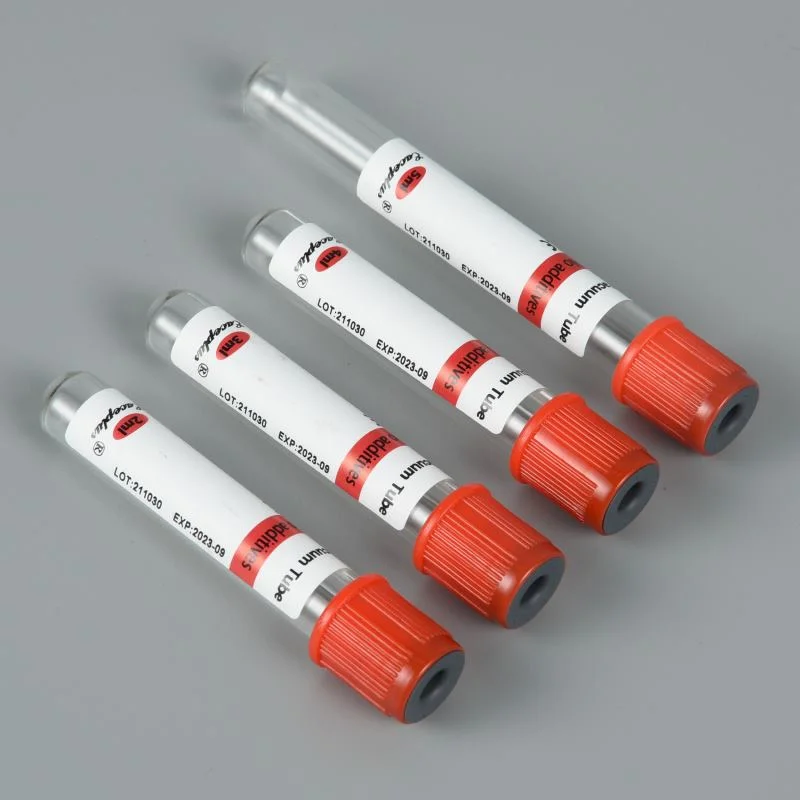
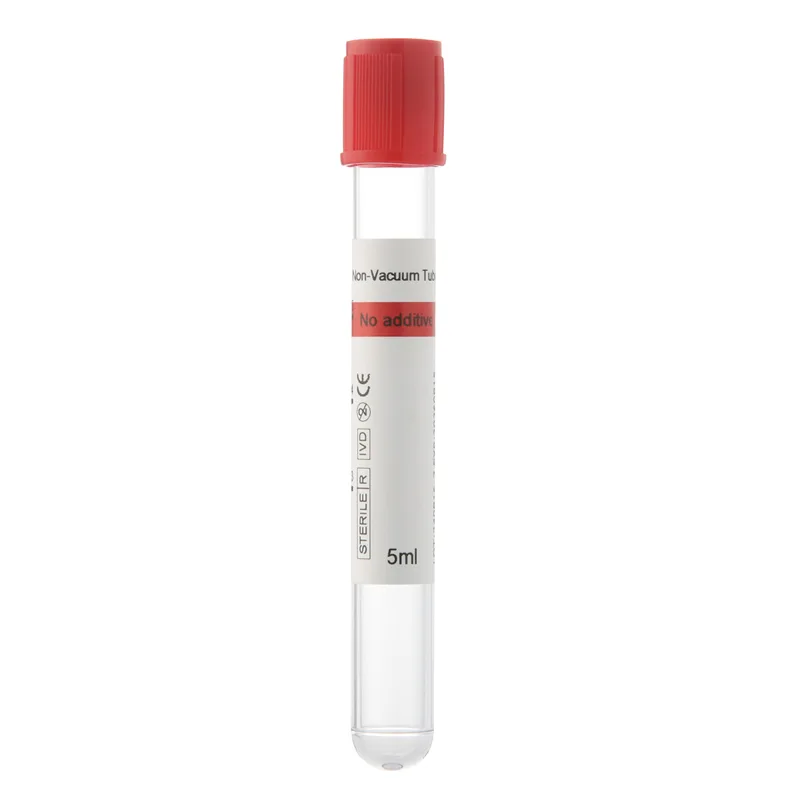
Serum tubes generally contain either:
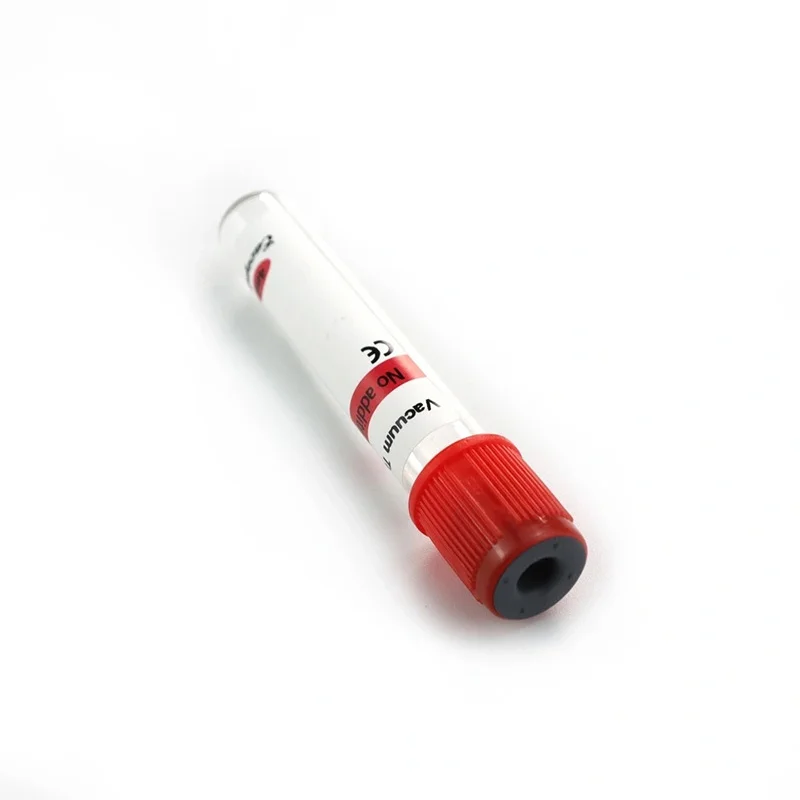
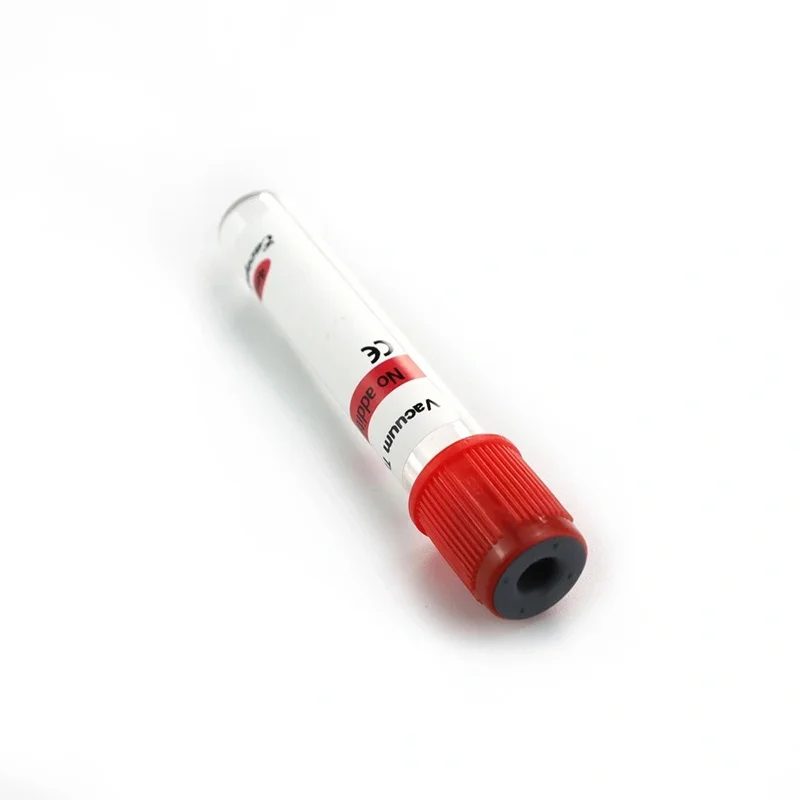
- No additive (Plain Tube)
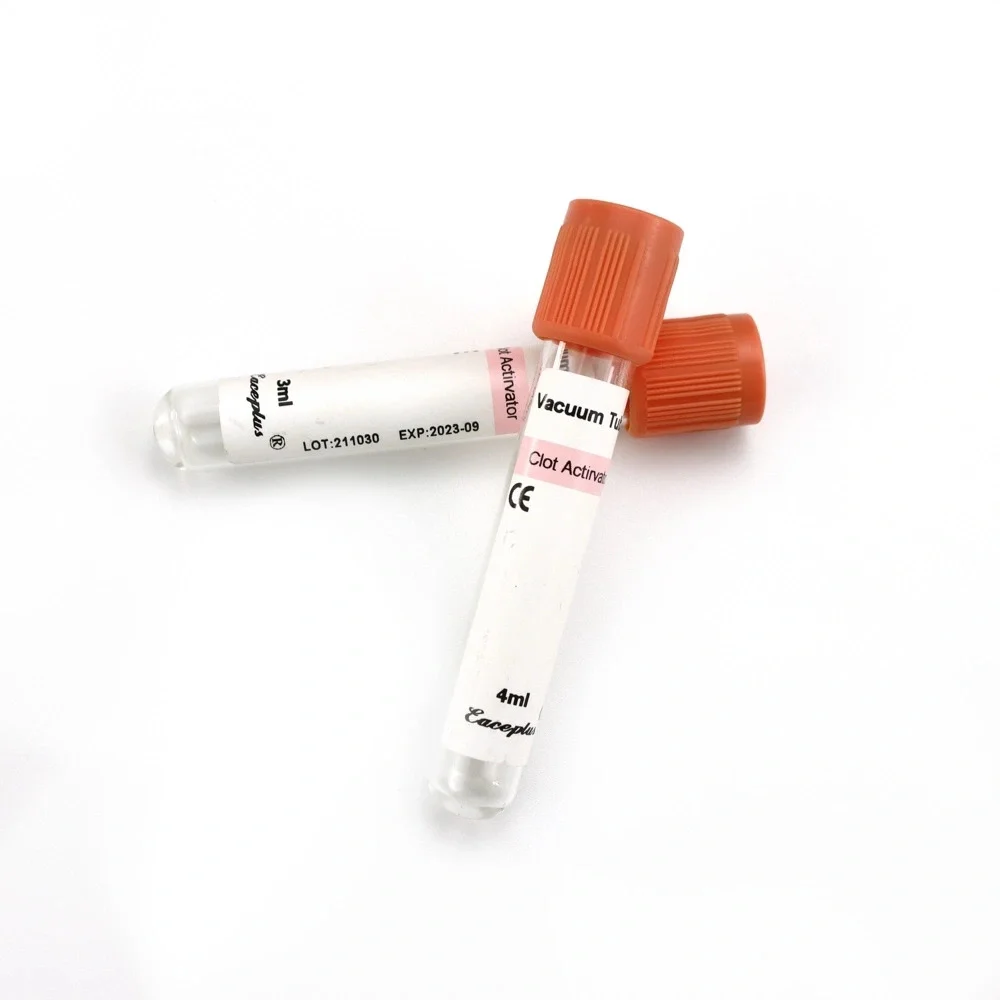
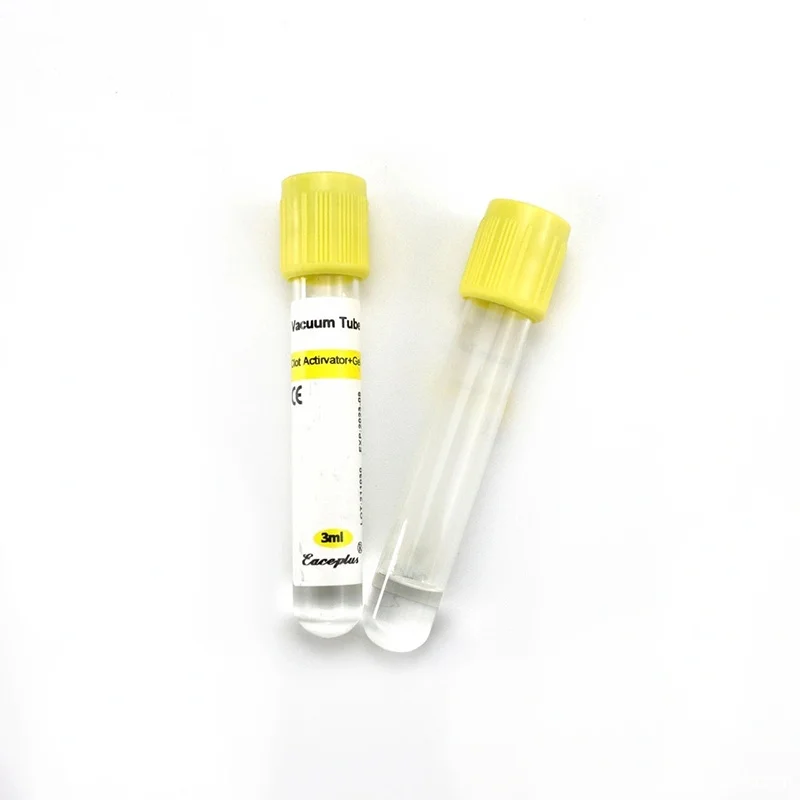
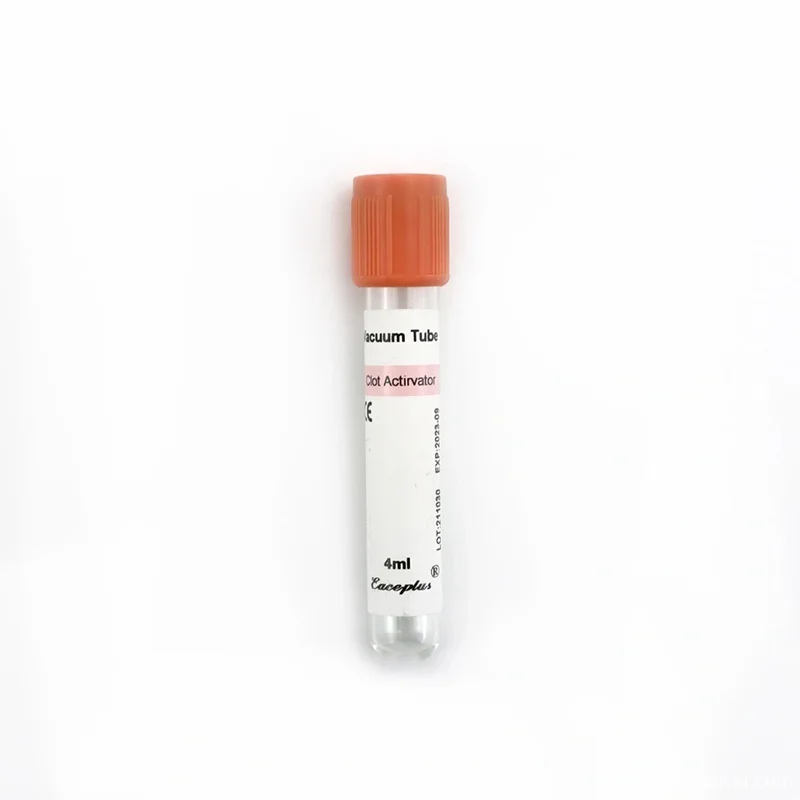
- Clot activator
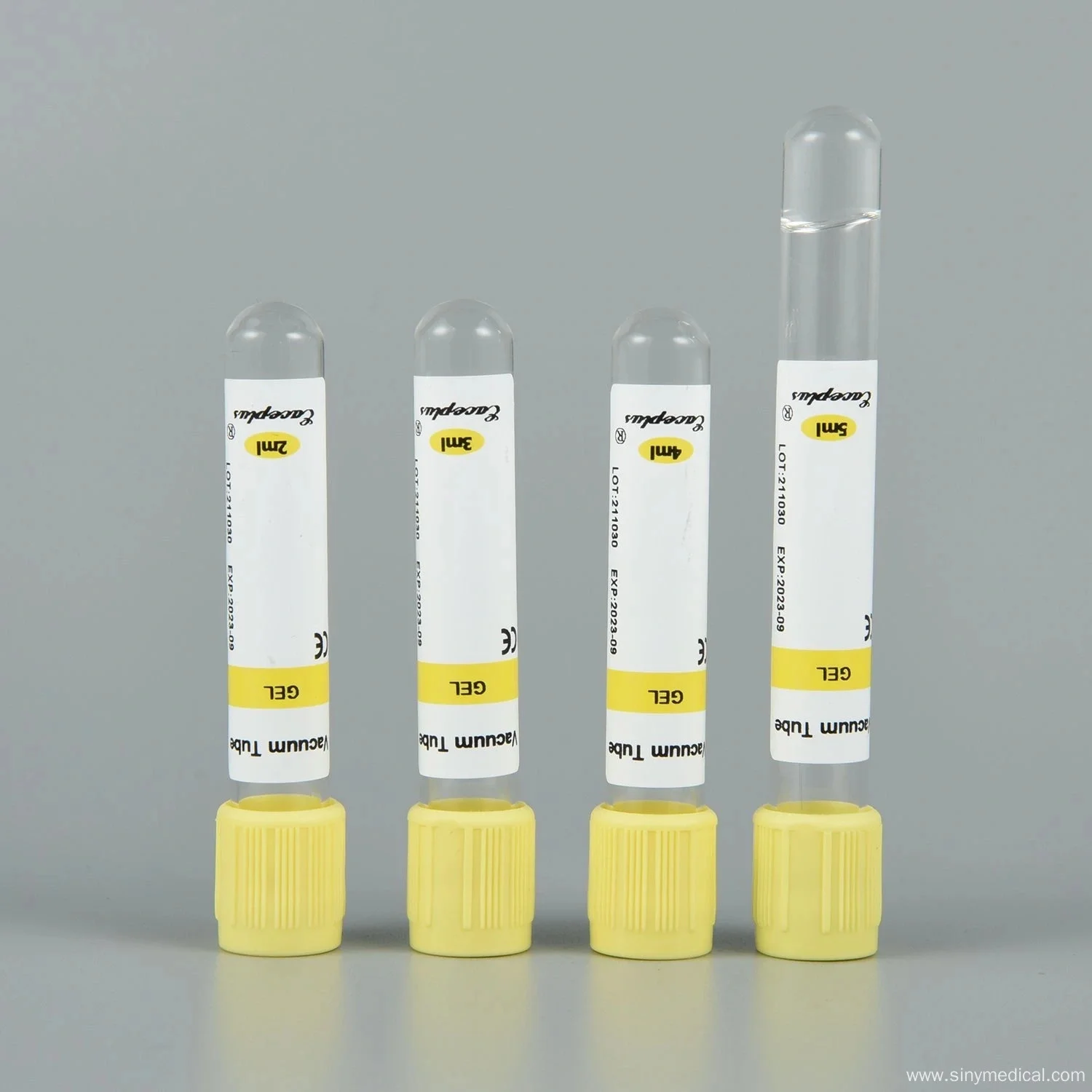
- Clot activator with separation gel
These tubes allow blood to clot naturally before centrifugation separates the serum from blood cells.
Common Applications
Serum tubes are widely used for:
- Biochemistry testing
- Liver function tests
- Kidney function tests
- Hormone analysis
- Serology testing
- Immunology assays
Advantages
- High-quality serum separation
- Excellent sample stability
- Reduced cellular contamination
- Suitable for automated laboratory analyzers
Gel separator tubes are particularly popular because they create a physical barrier between serum and blood cells after centrifugation, helping maintain sample integrity during transportation and storage.
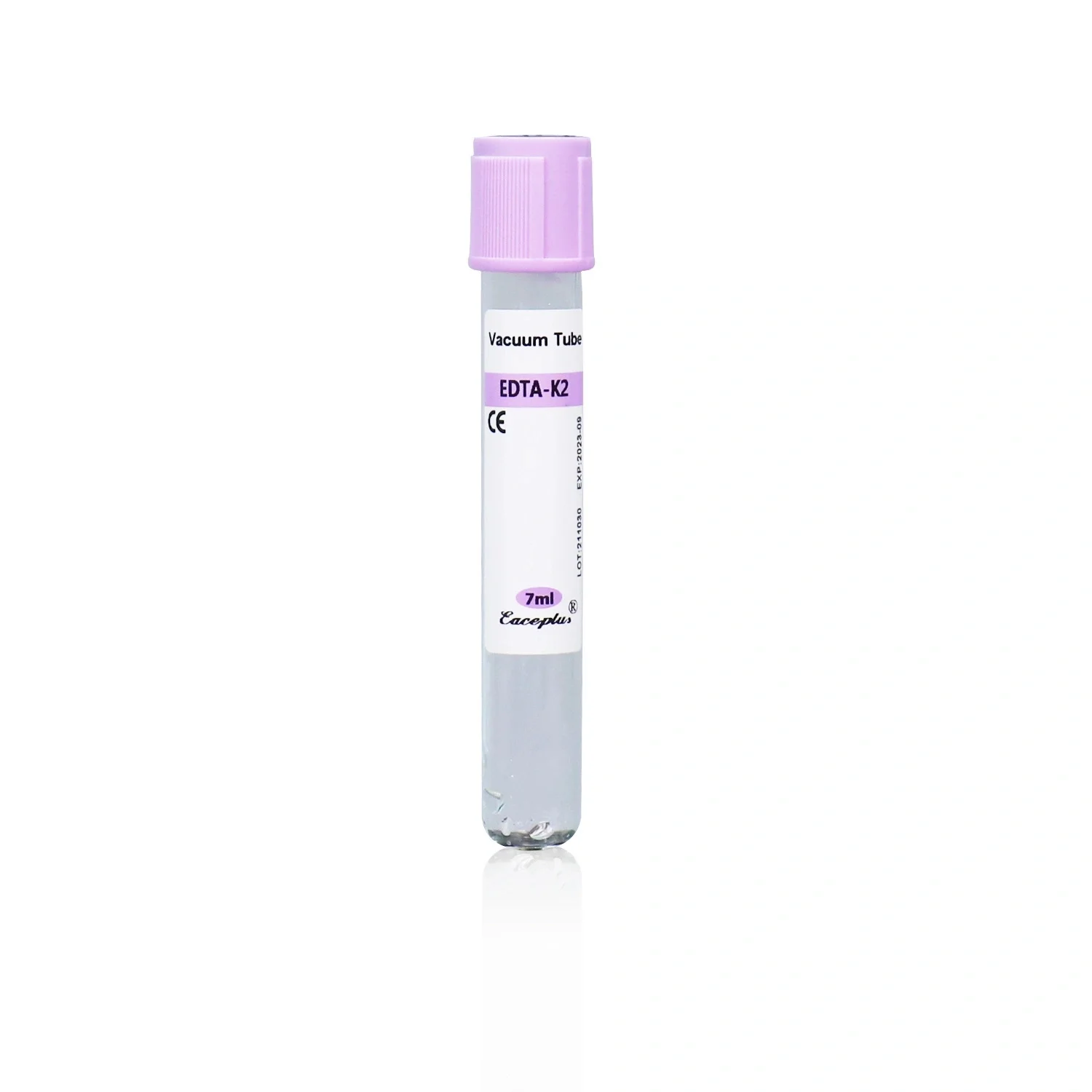
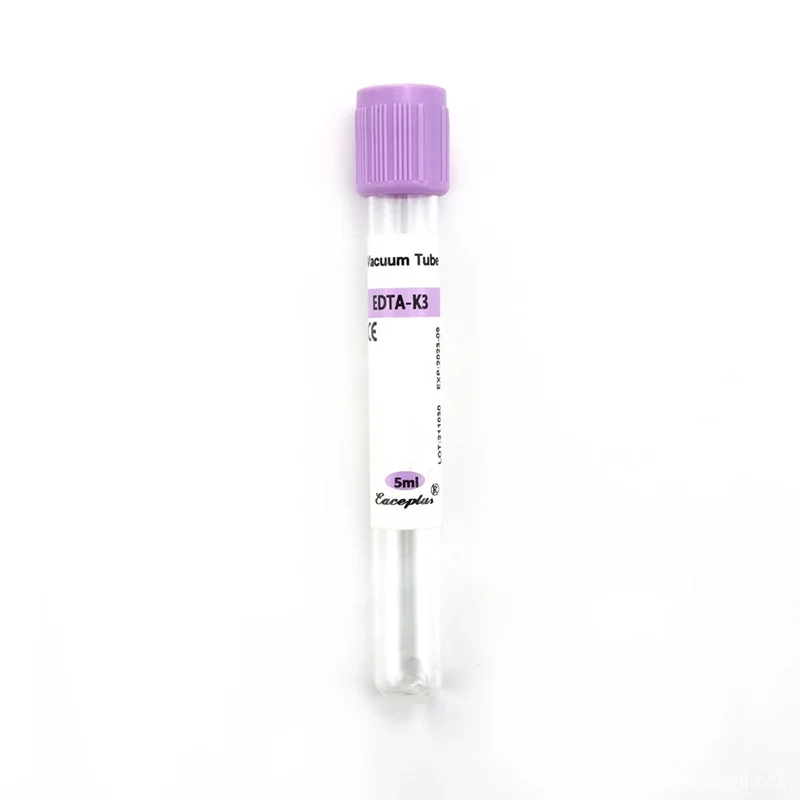
EDTA Blood Collection Tubes for Hematology and Molecular Testing
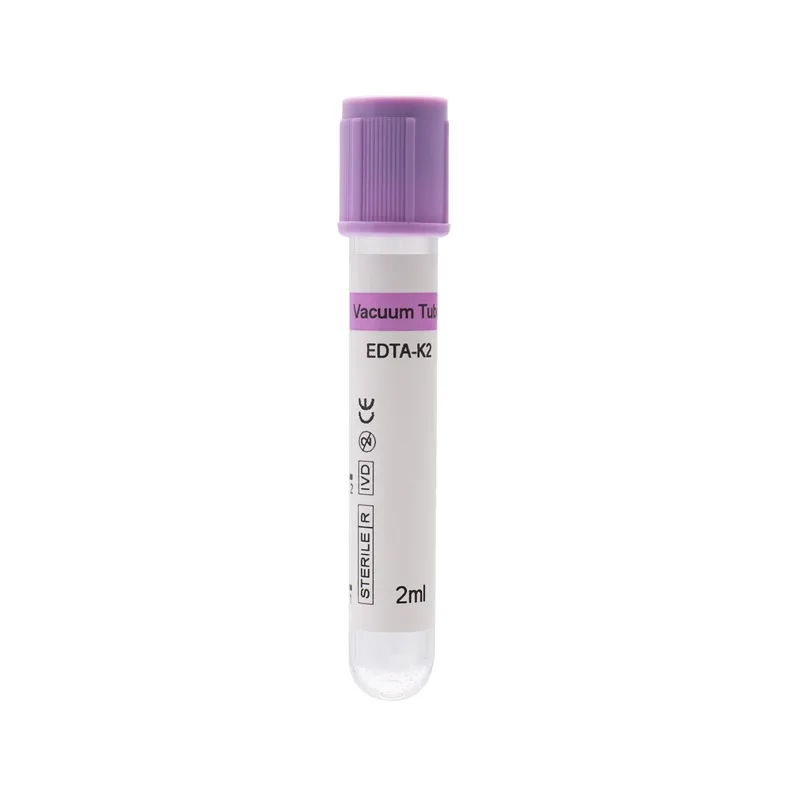
EDTA tubes are among the most important anticoagulant tubes in laboratory medicine.
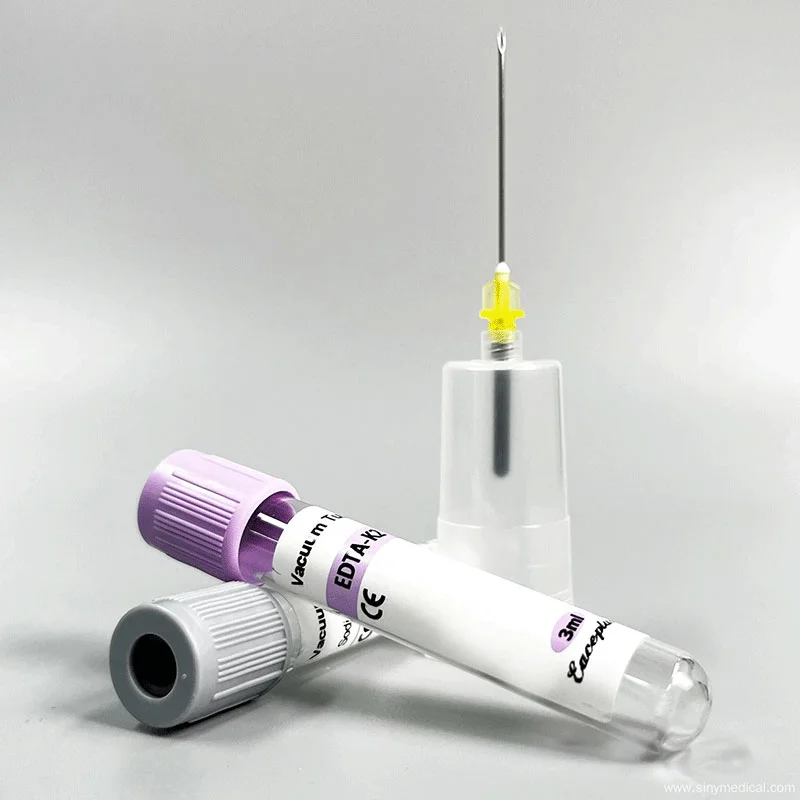
They typically contain:
- K2 EDTA
- K3 EDTA
EDTA works by binding calcium ions, effectively preventing blood clotting while preserving cellular morphology.
Common Applications
EDTA blood collection tubes are primarily used for:
- Complete Blood Count (CBC)
- Hematology analysis
- Blood typing
- HbA1c testing
- Molecular diagnostics
- DNA analysis
Why Laboratories Prefer EDTA Tubes
The anticoagulant preserves red blood cells, white blood cells, and platelets exceptionally well. This preservation makes EDTA tubes the preferred choice for cell-based analysis.
Because hematology testing represents a significant portion of daily laboratory workloads, EDTA tubes often become one of the highest-volume products purchased by hospitals and diagnostic laboratories.
For distributors serving clinical laboratories, maintaining consistent quality in EDTA tube manufacturing is critical because even minor additive variations can affect test accuracy.
Sodium Citrate and Heparin Tubes: Specialized Blood Collection Solutions
Another important answer to what are the different blood collection tubes used for involves sodium citrate and heparin tubes.
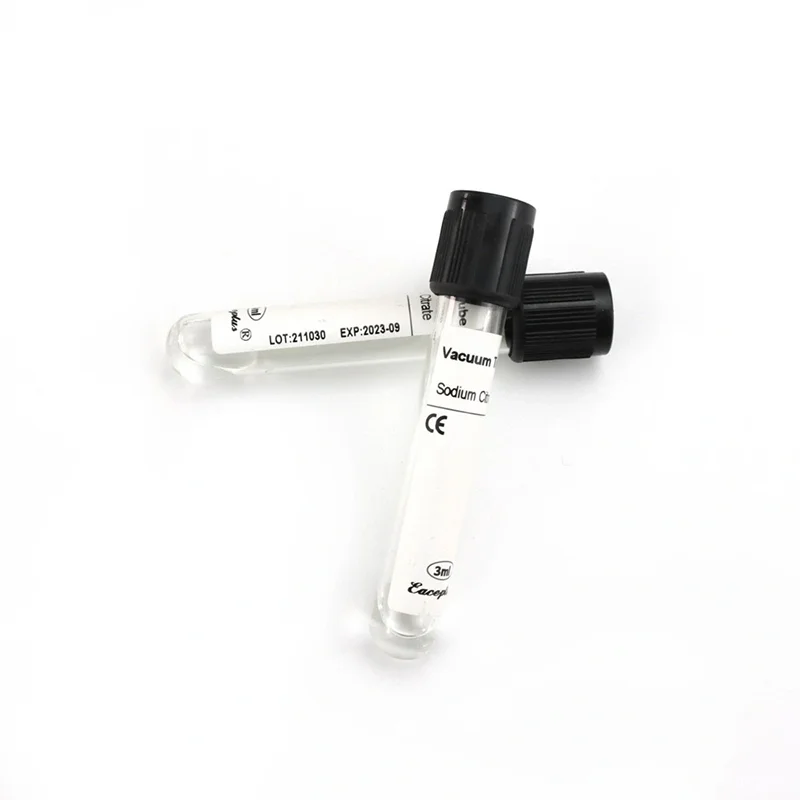
Sodium Citrate Tubes
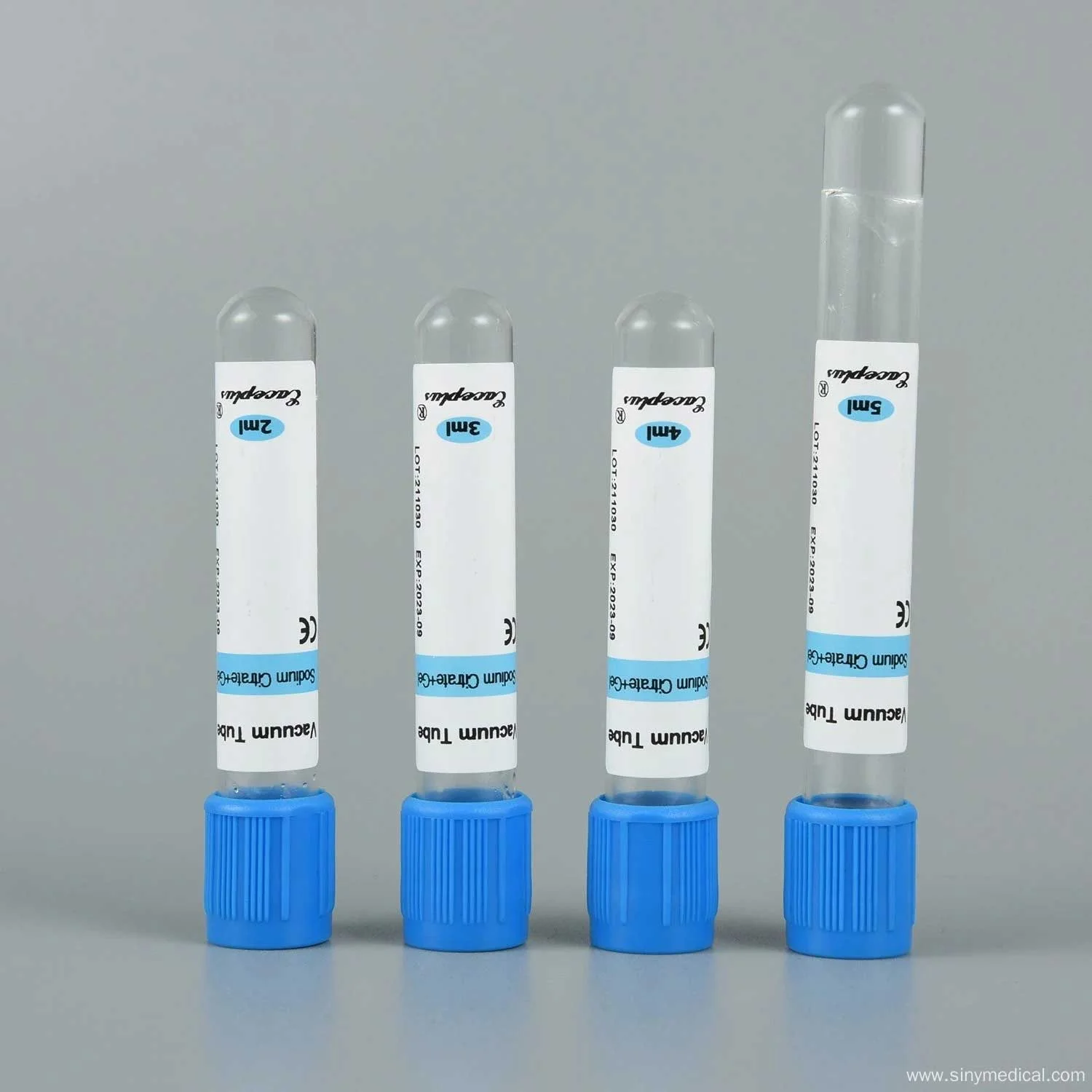
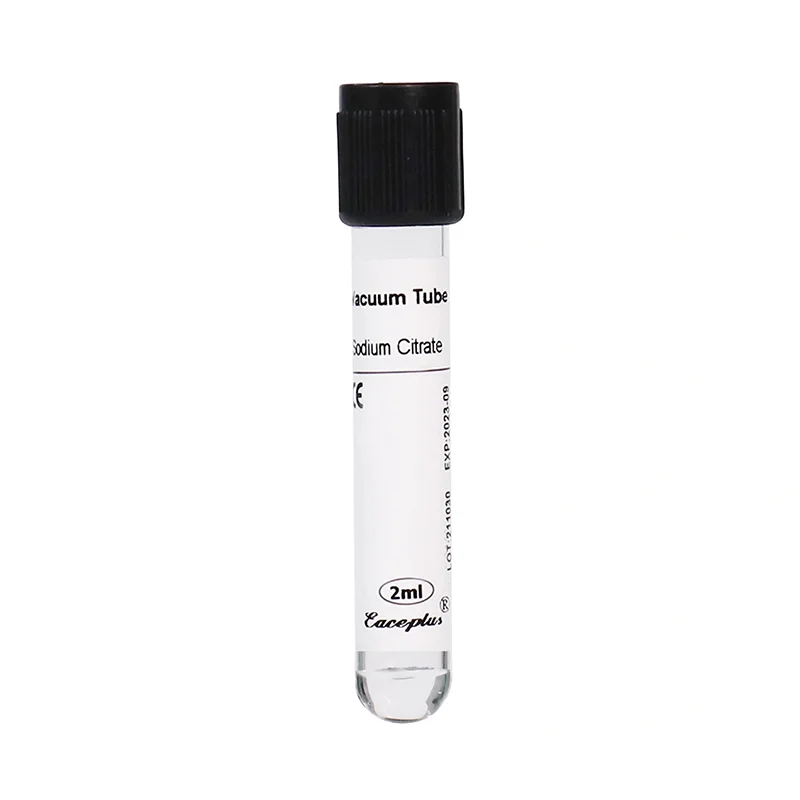
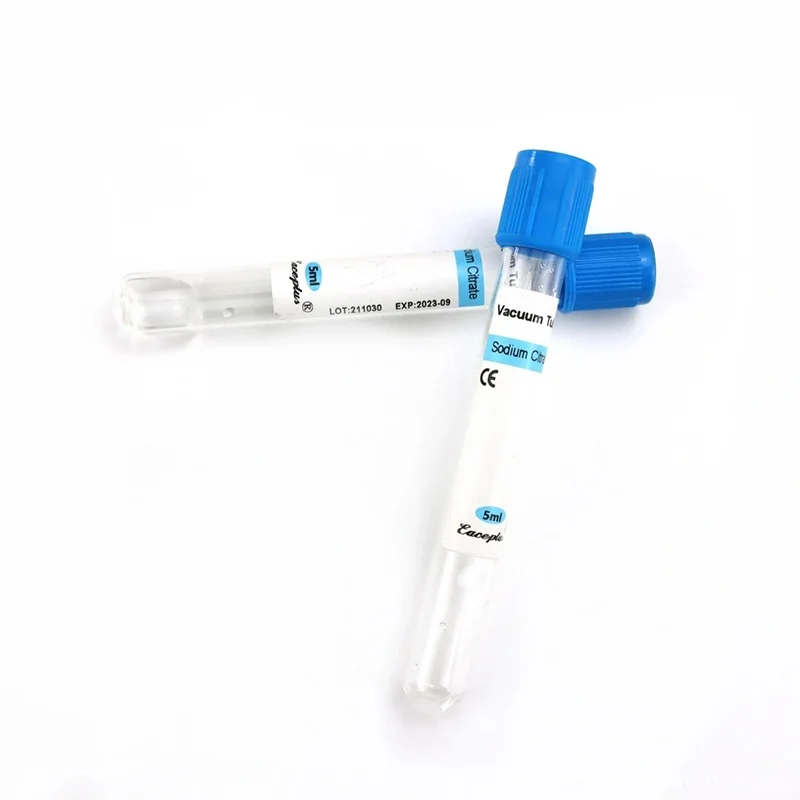
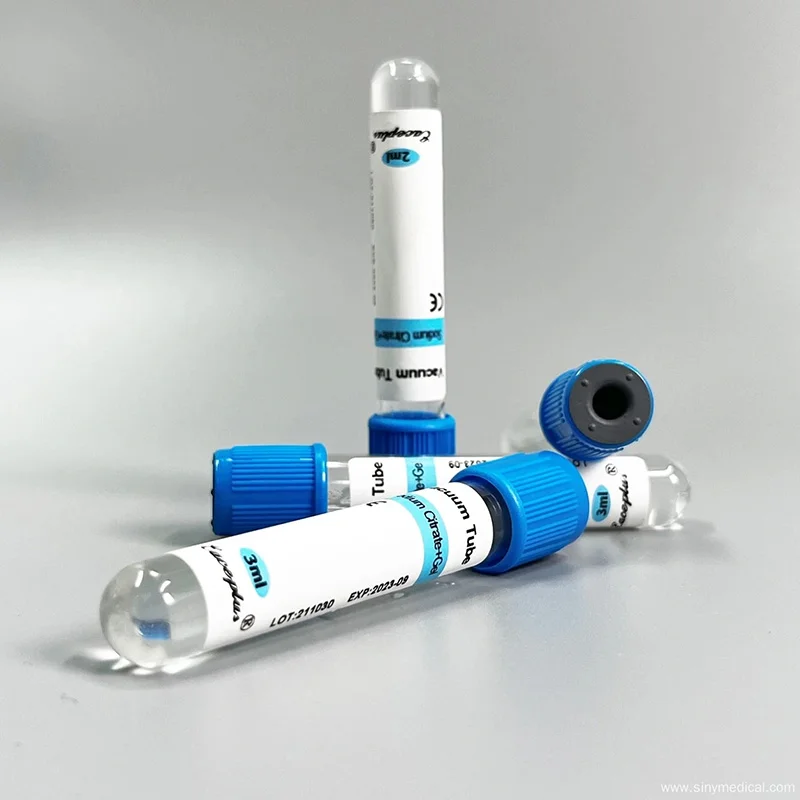
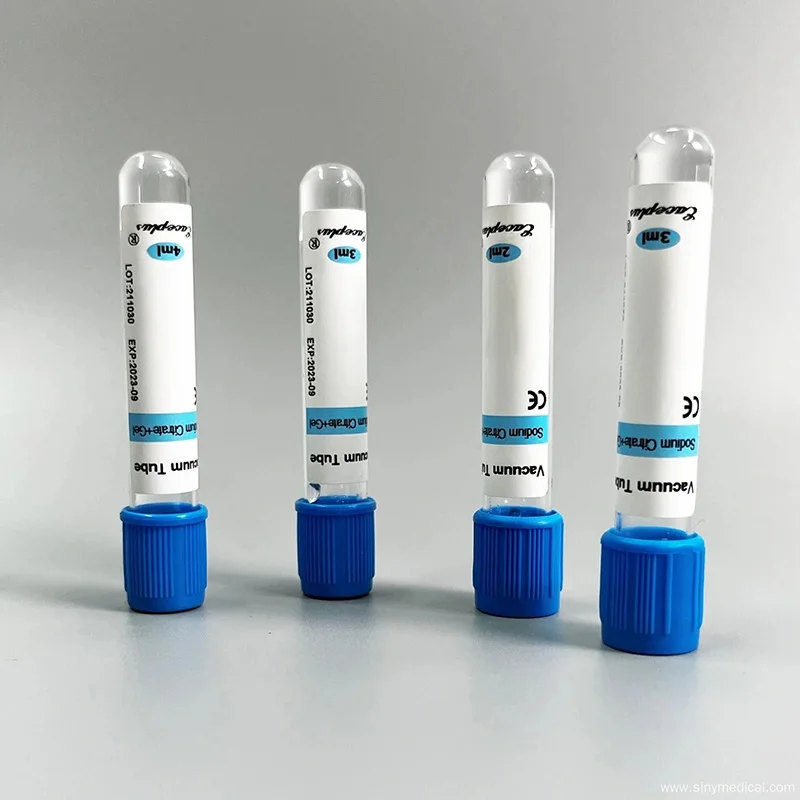
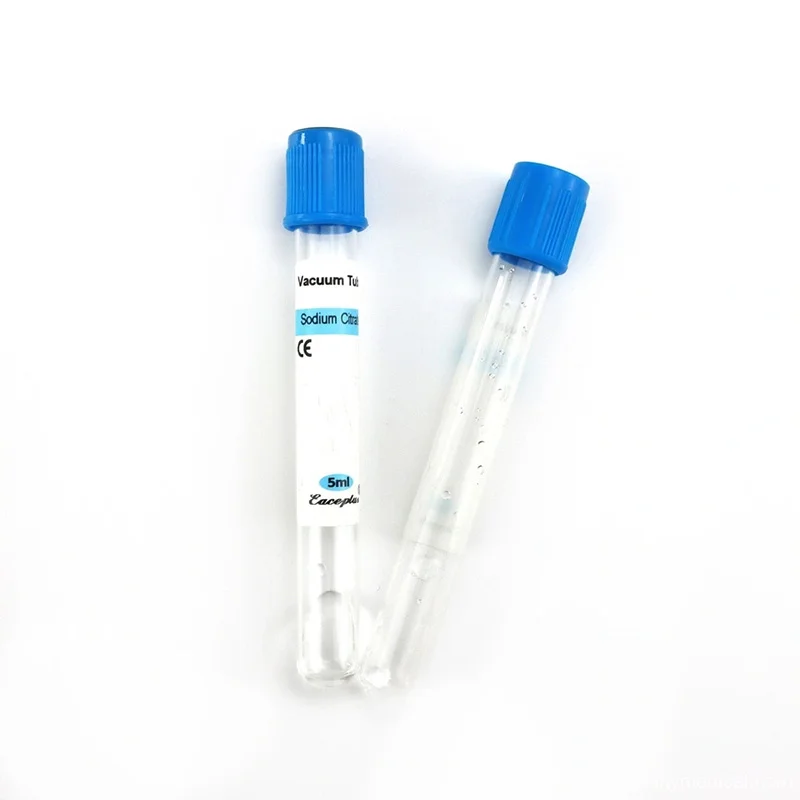
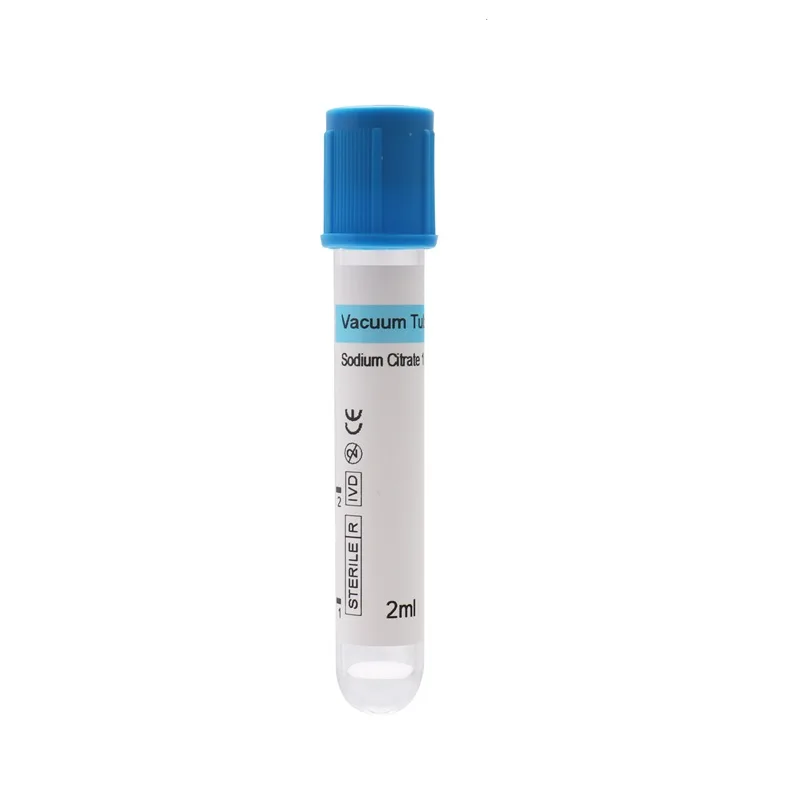
Light blue-top tubes contain sodium citrate anticoagulant.
Their primary function is to preserve coagulation factors while preventing clot formation.
Common Applications
- PT (Prothrombin Time)
- APTT
- D-Dimer
- Coagulation screening
- Thrombosis monitoring
Accurate blood-to-additive ratios are essential for citrate tubes. Even slight deviations can influence coagulation test results.
Heparin Tubes
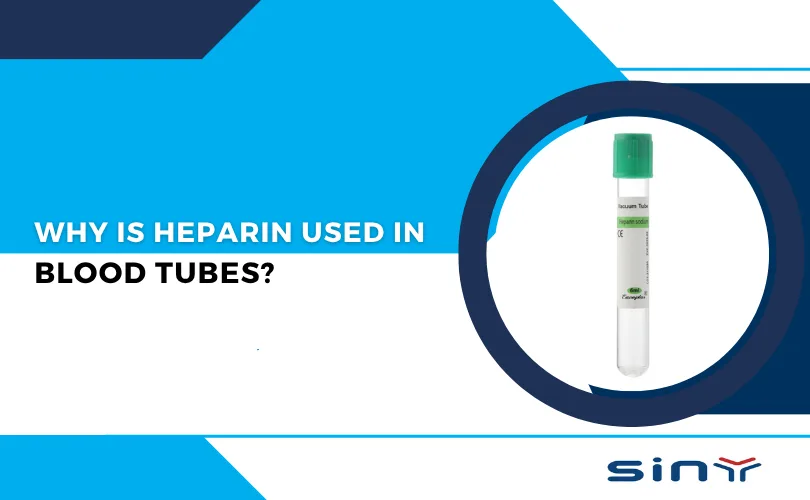
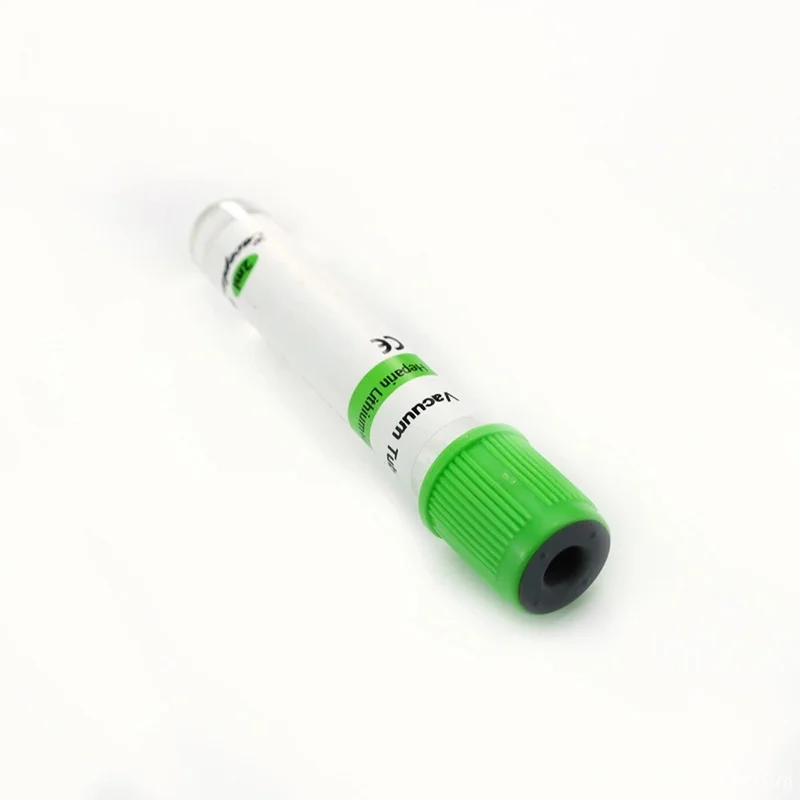
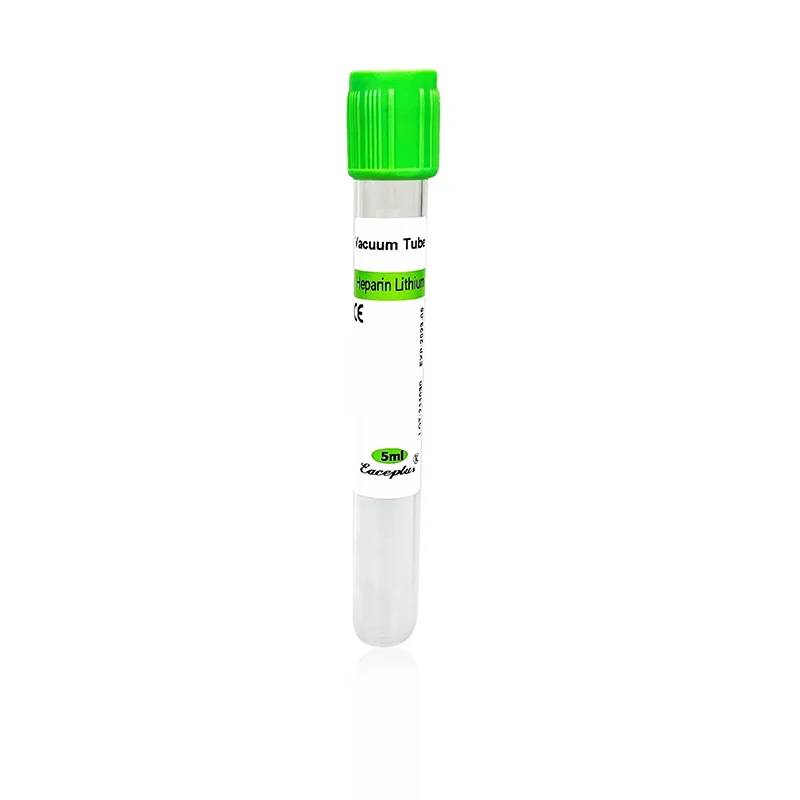
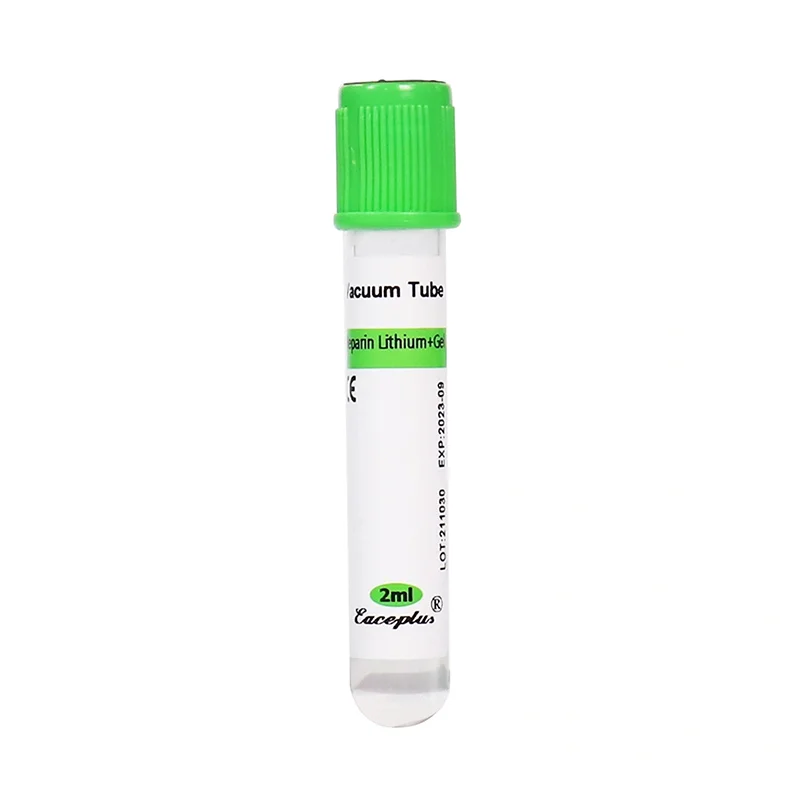
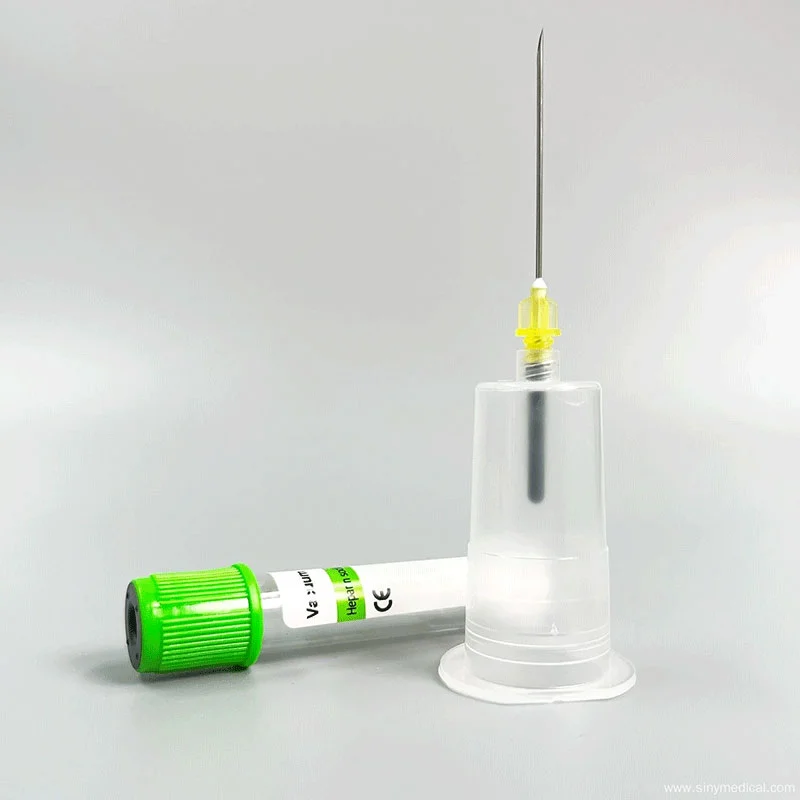
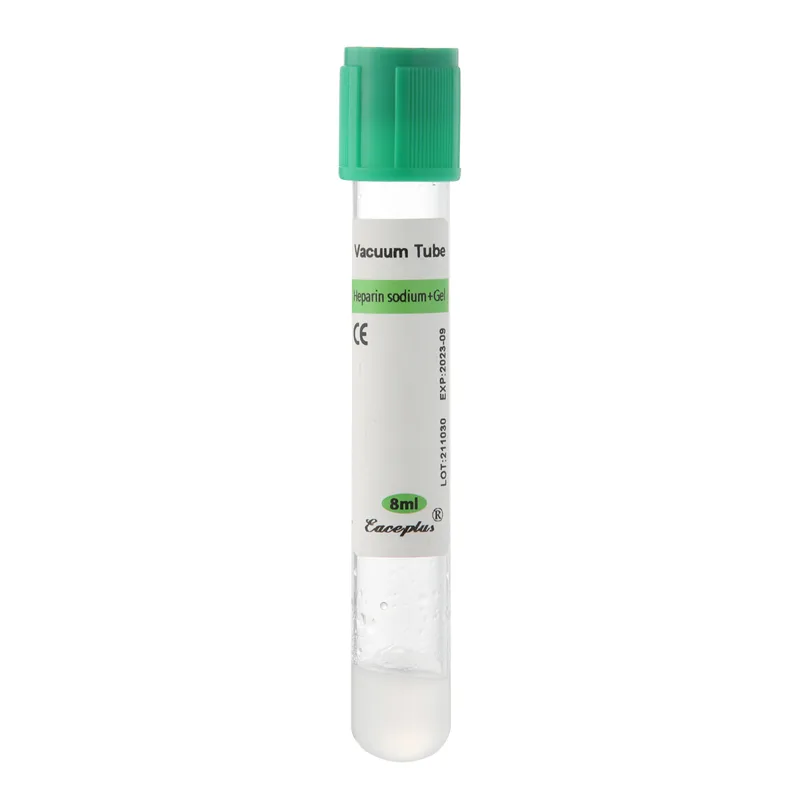
Green-top tubes contain:
- Lithium Heparin
- Sodium Heparin
Heparin inhibits thrombin activity, preventing blood clotting while preserving plasma components.
Common Applications
- Emergency chemistry testing
- Plasma biochemistry
- Electrolyte analysis
- Blood gas testing
Because plasma can be obtained rapidly without waiting for clot formation, heparin tubes are frequently used in emergency departments and critical care settings where speed matters.
Glucose, ESR, and Specialized Blood Collection Tubes
Modern laboratories increasingly require specialized blood collection tubes designed for specific testing purposes.
Glucose Tubes
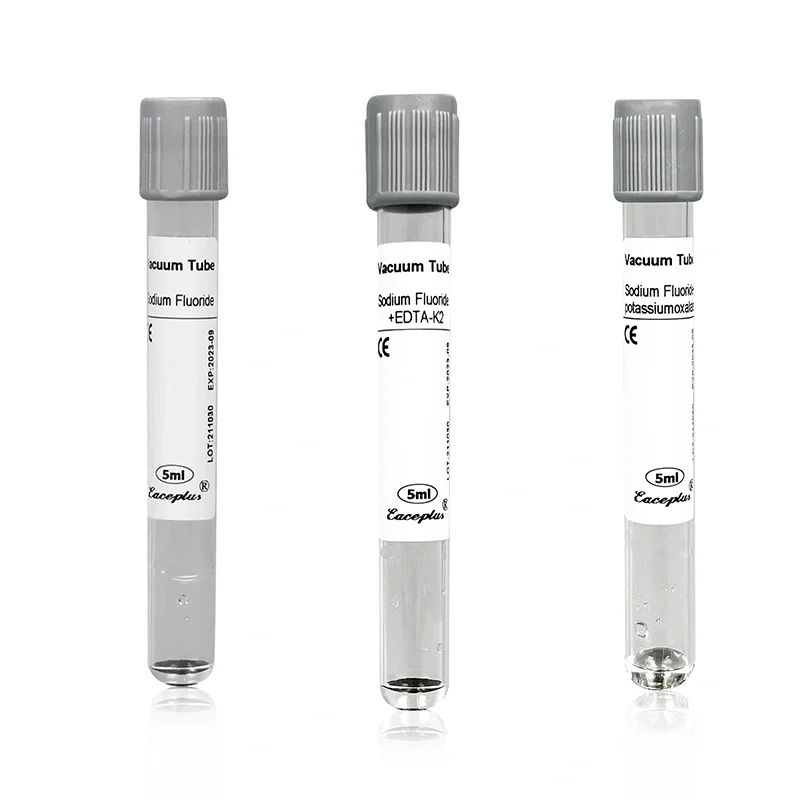
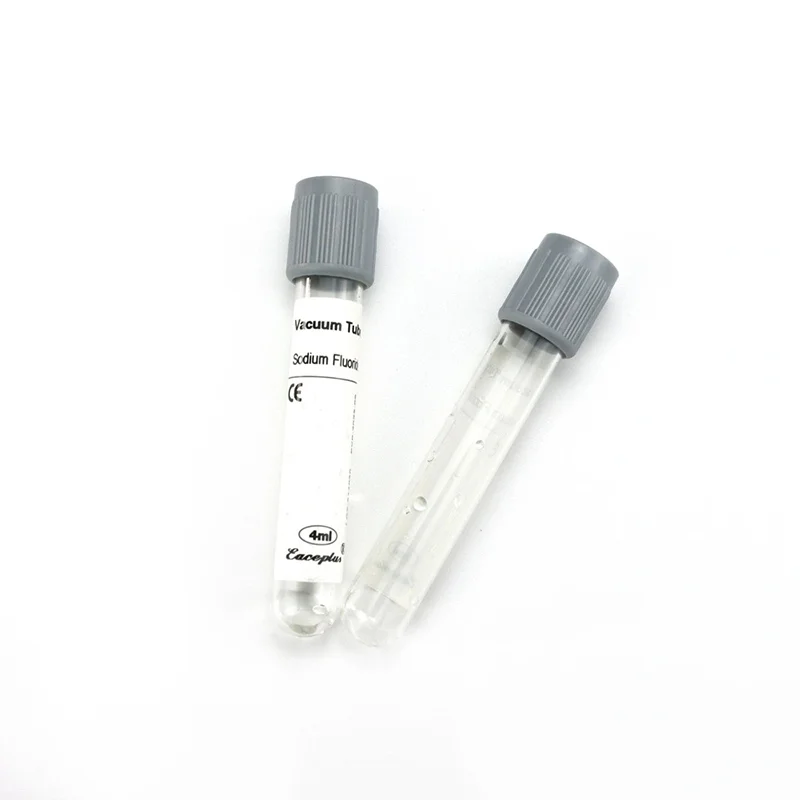
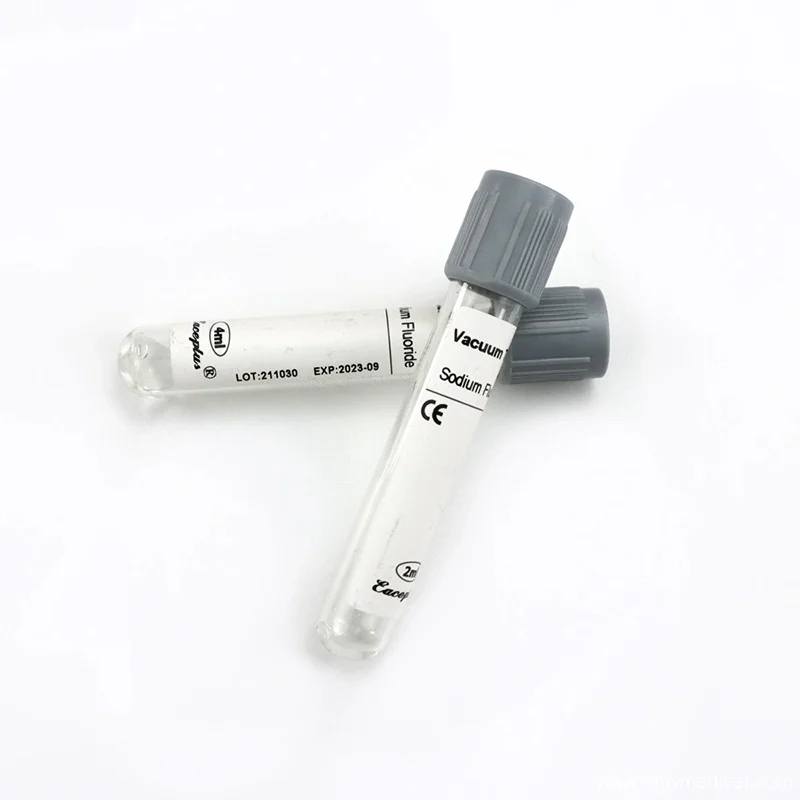
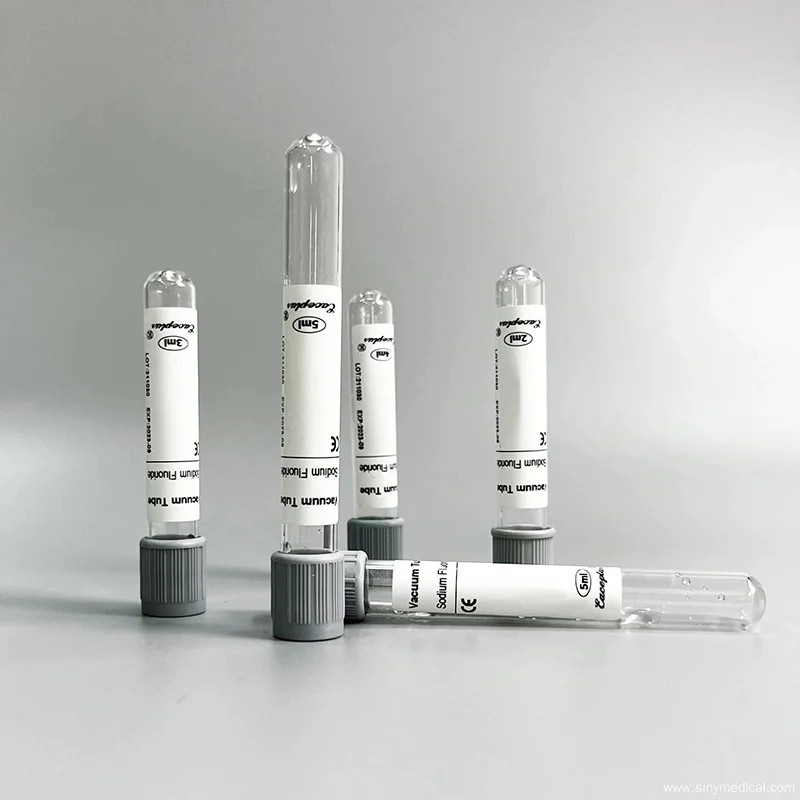
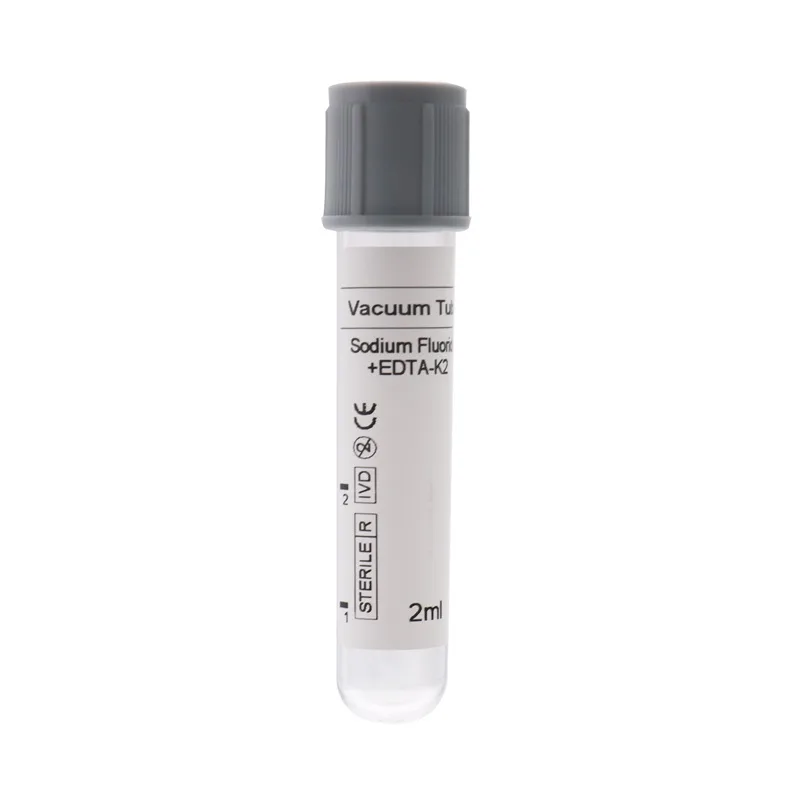
Gray-top tubes usually contain:
- Sodium fluoride
- Potassium oxalate
These additives inhibit glycolysis, preventing blood cells from consuming glucose after collection.
Common Applications
- Blood glucose testing
- Diabetes monitoring
- Glucose tolerance testing
ESR Tubes
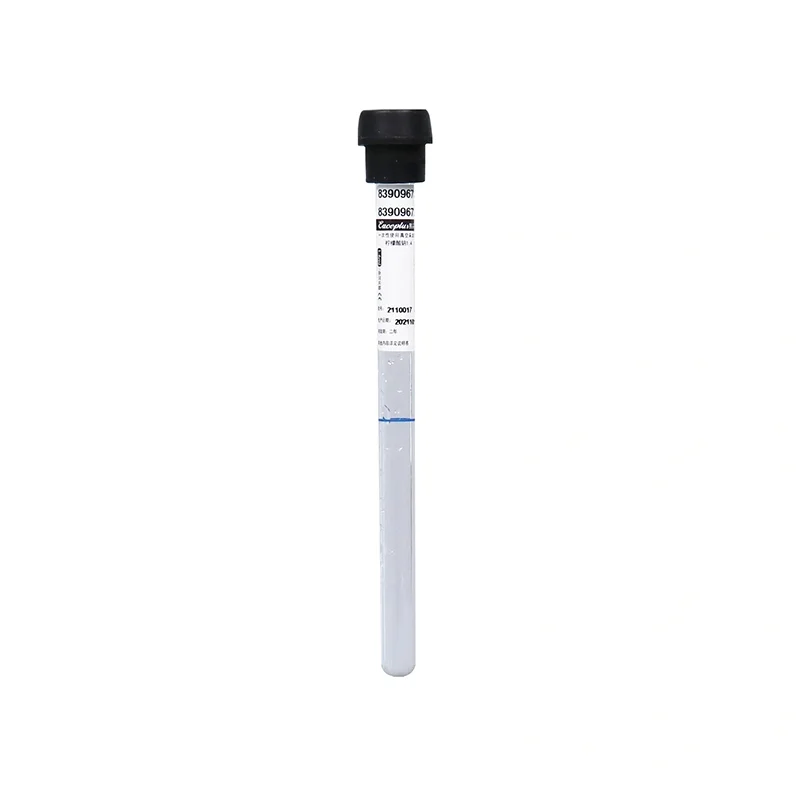
ESR tubes contain sodium citrate formulated specifically for erythrocyte sedimentation rate testing.
Common Applications
- Inflammation assessment
- Autoimmune disease monitoring
- Infection evaluation
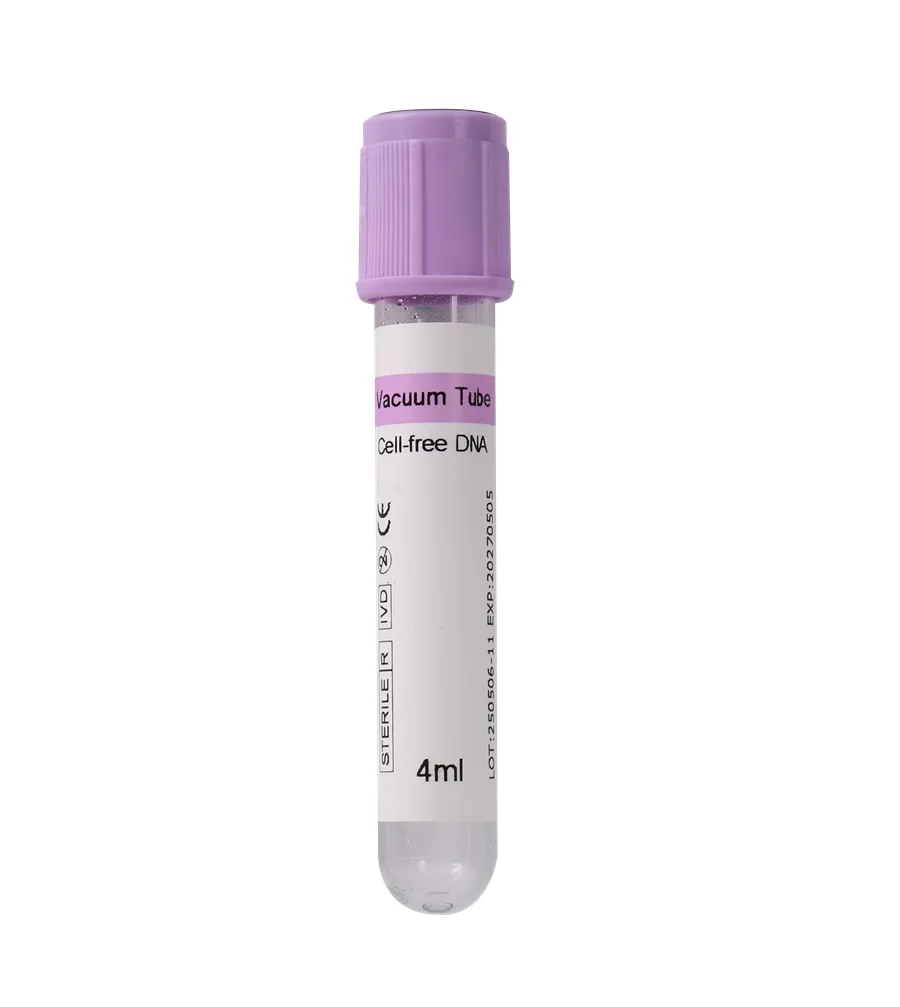
Cell-Free DNA Collection Tubes
As precision medicine continues to grow, specialized blood collection tubes have become increasingly important.
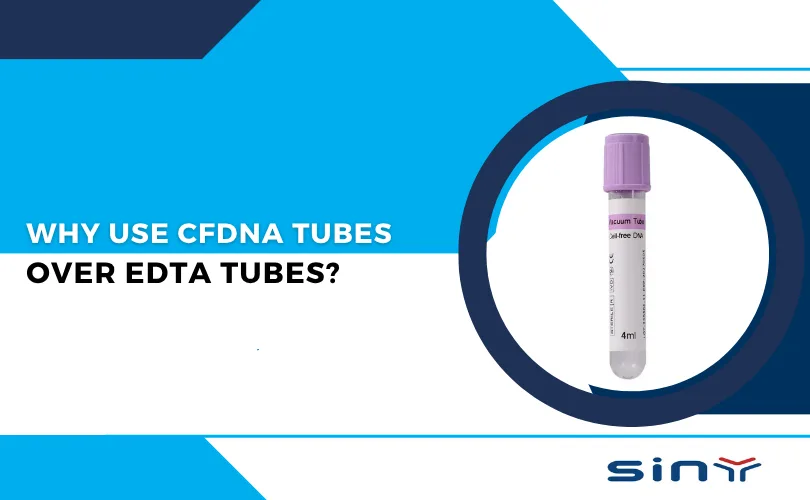
Cell-free DNA (cfDNA) collection tubes stabilize circulating nucleic acids and reduce cellular degradation during transportation.
Common Applications
- Liquid biopsy
- Oncology testing
- Prenatal screening
- Genetic analysis
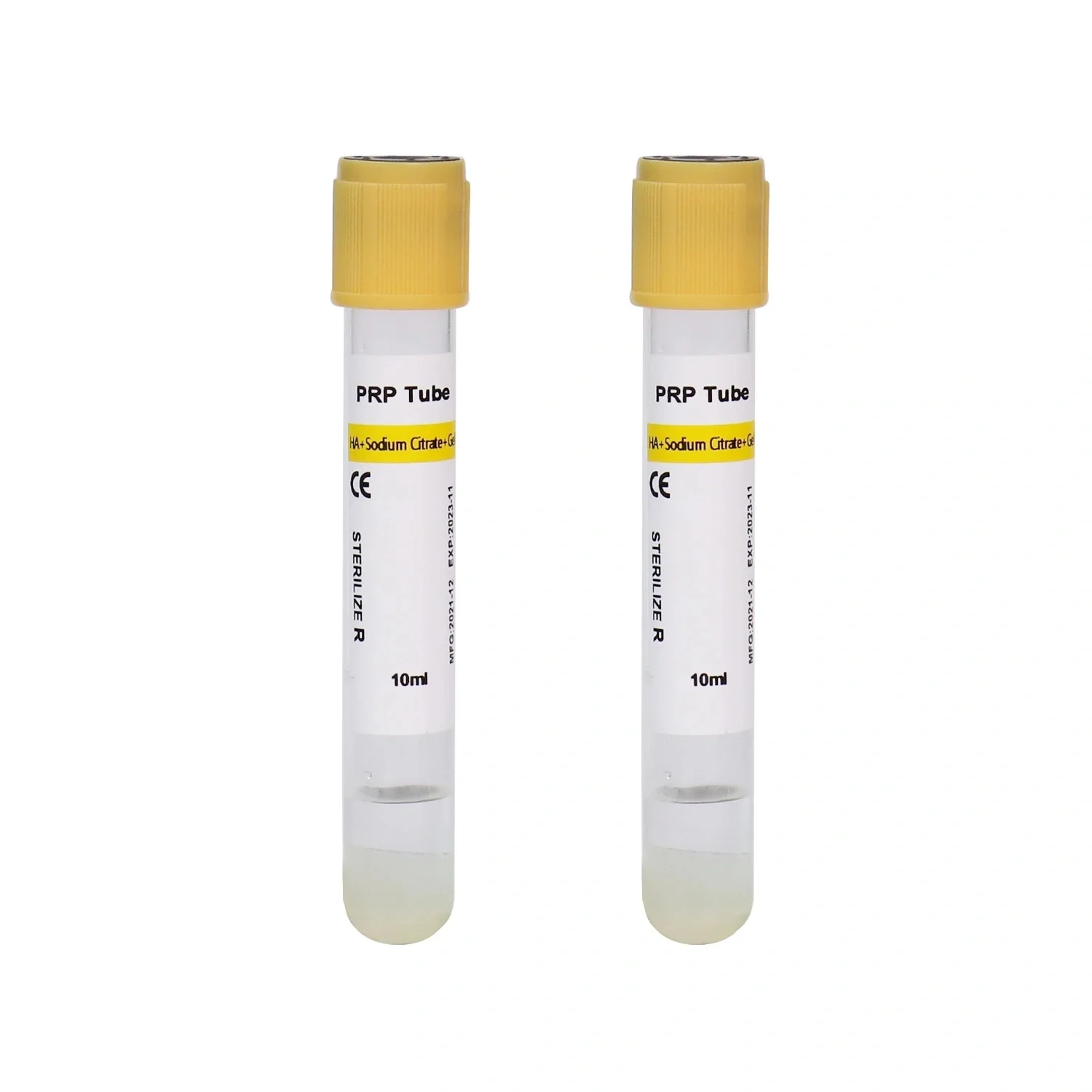
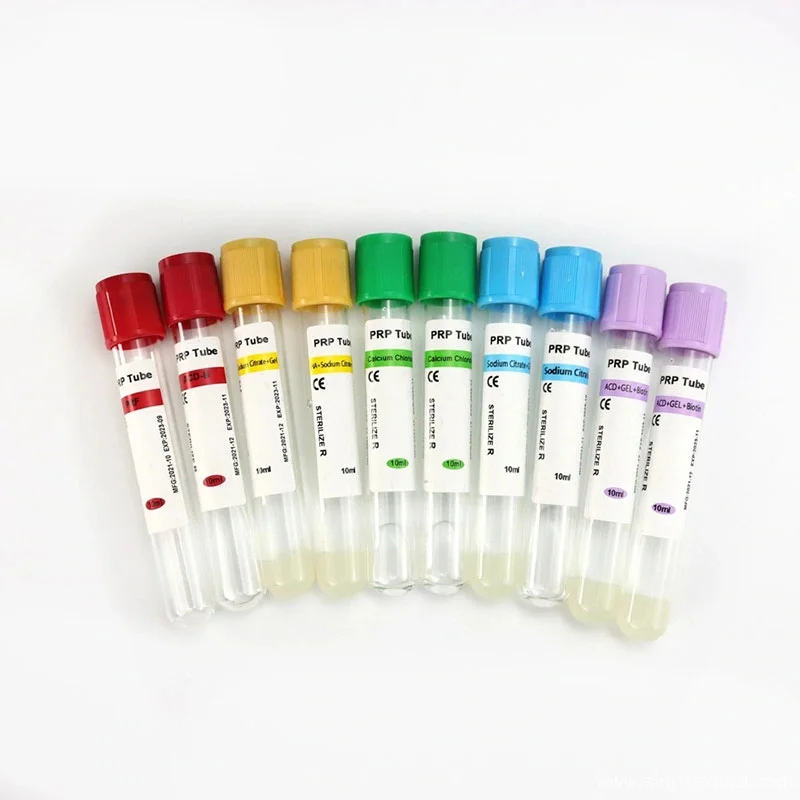
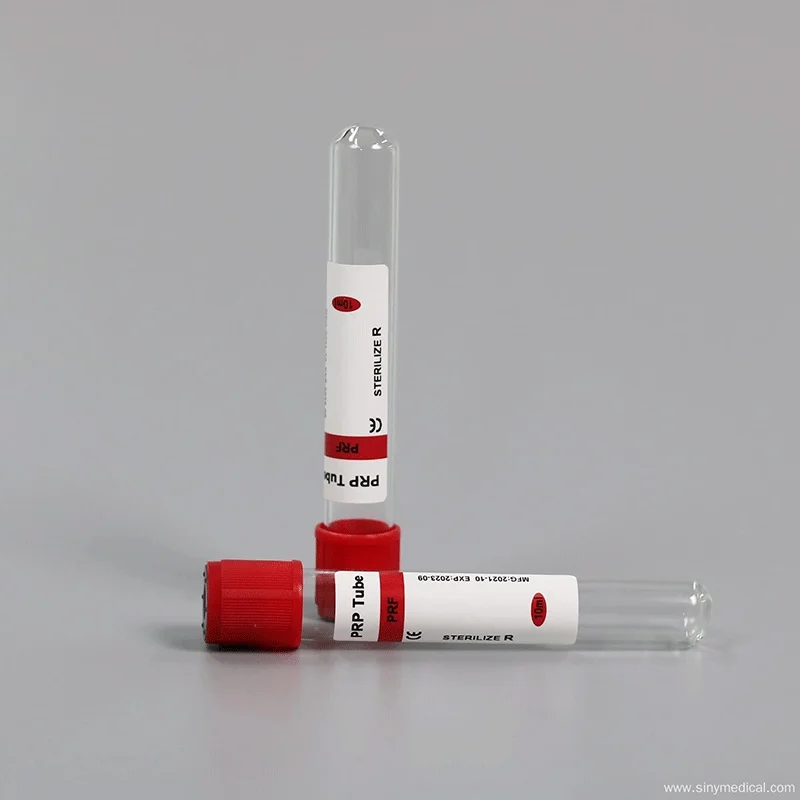
PRP and Regenerative Medicine Tubes
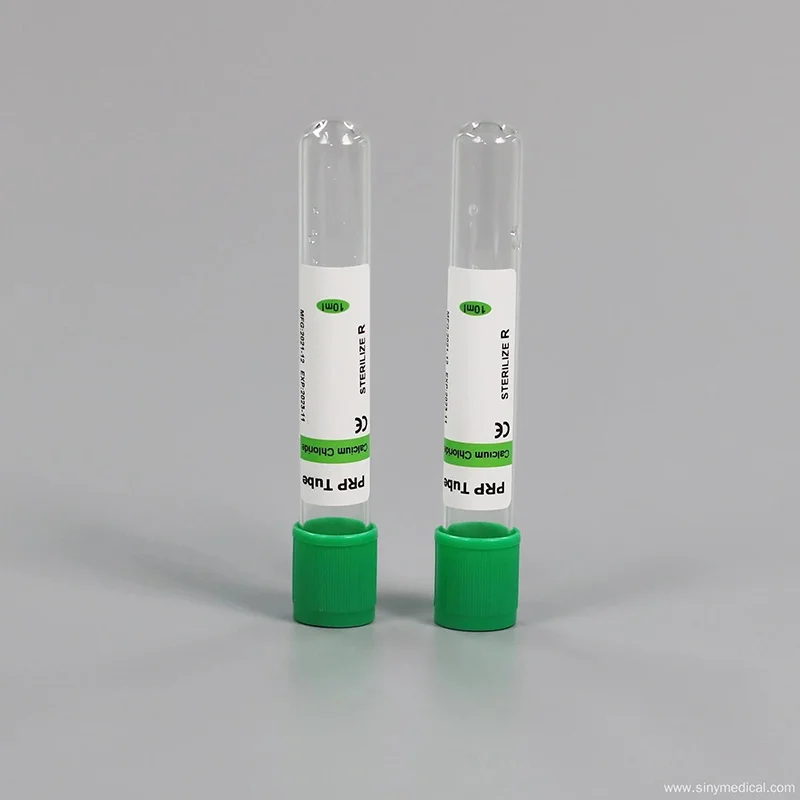
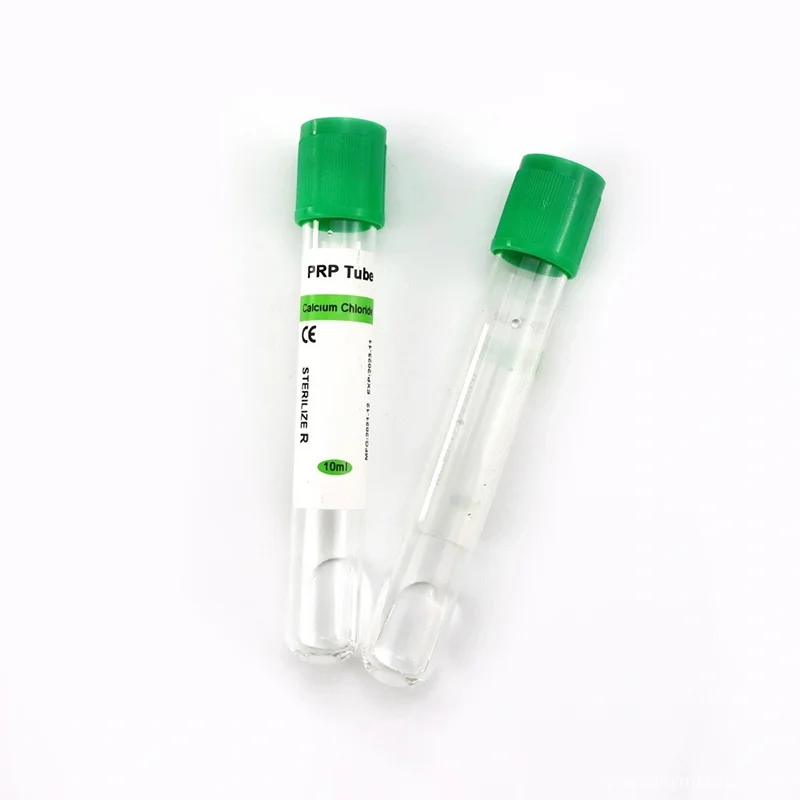
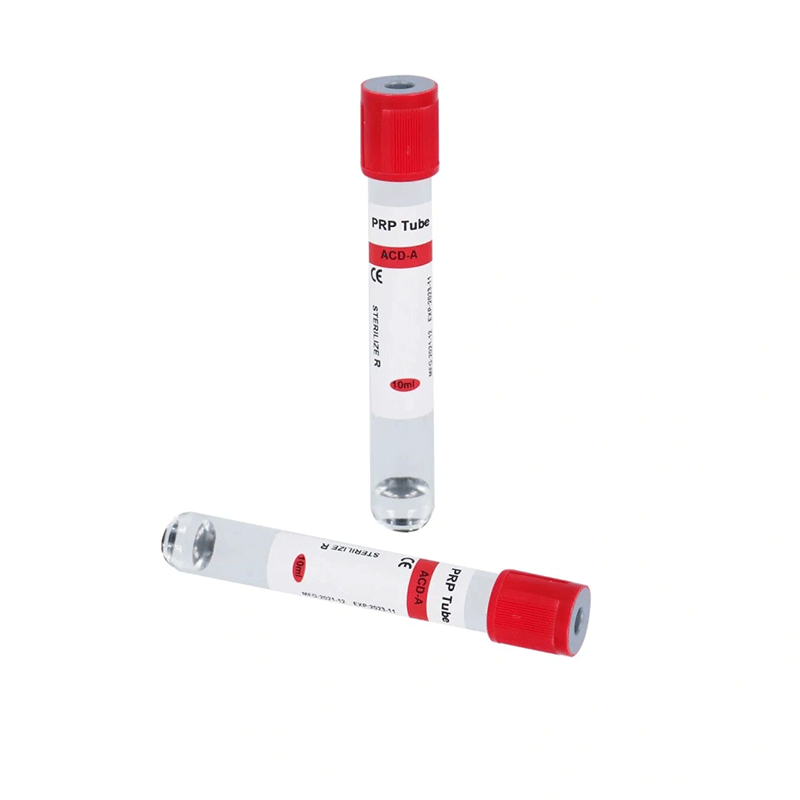
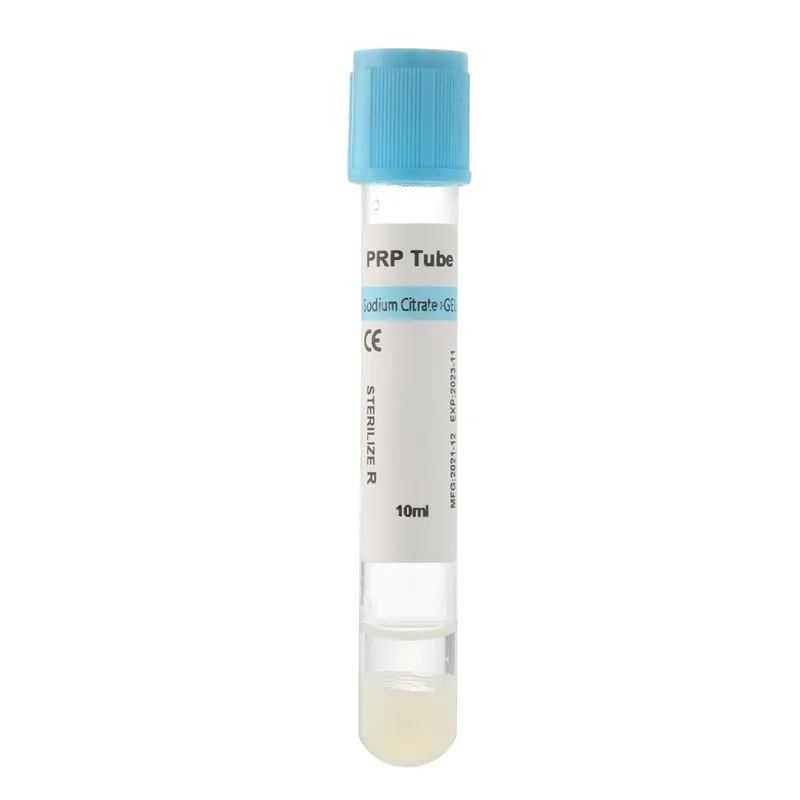
Another rapidly growing category includes PRP and regenerative medicine tubes.
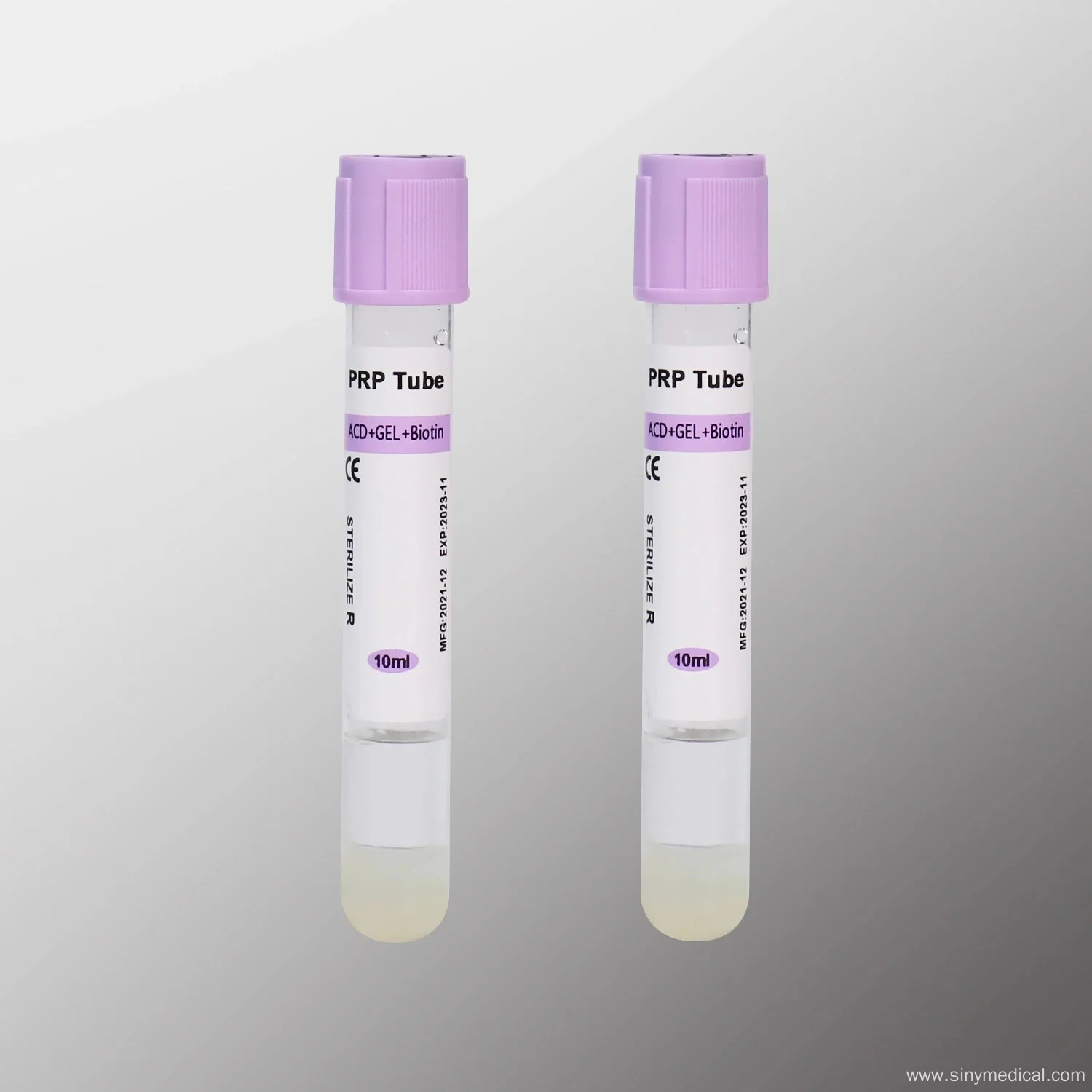
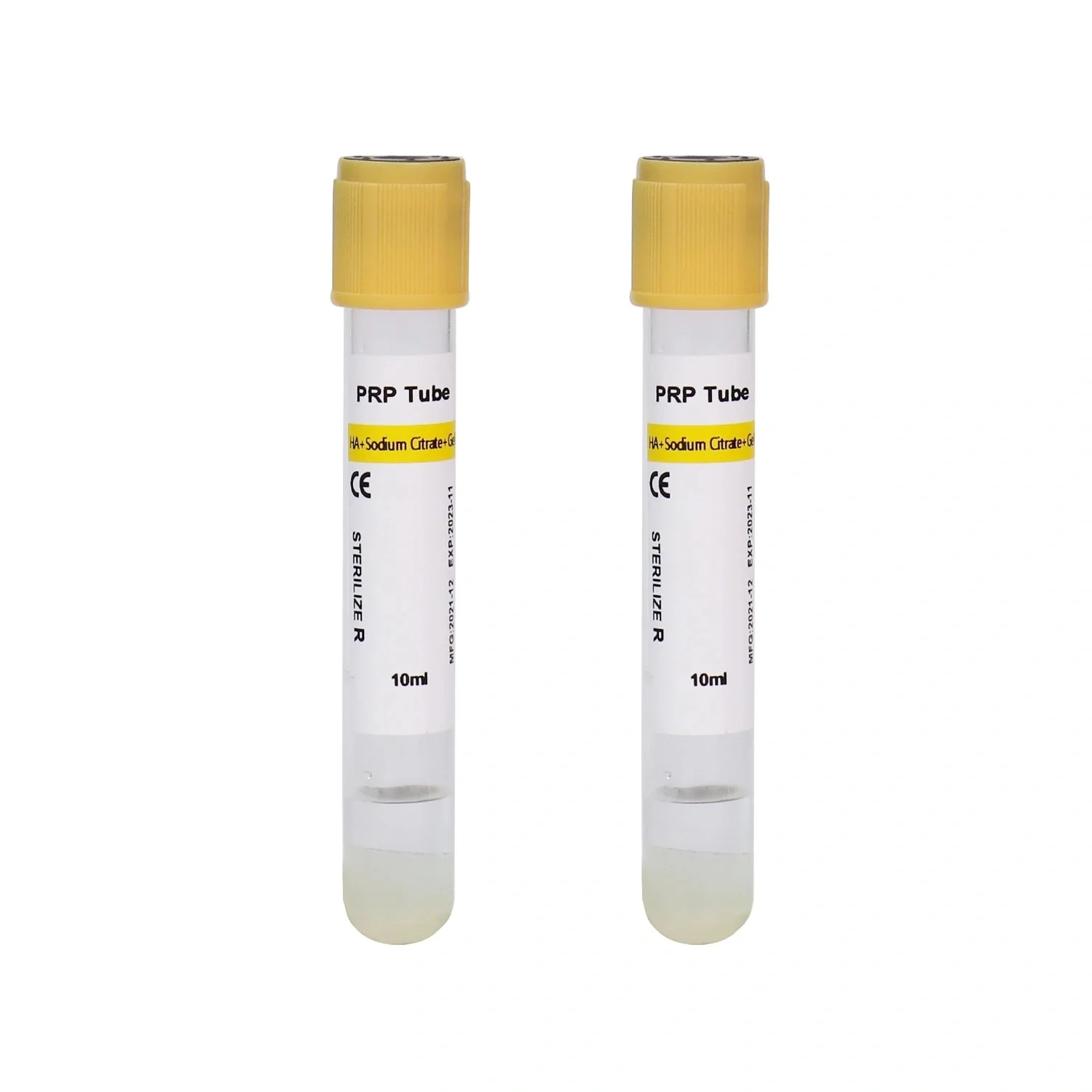
These tubes may contain:
- Sodium citrate
- ACD-A
- Separation gel
- Specialized regenerative additives
They support the preparation of Platelet-Rich Plasma (PRP), Platelet-Rich Fibrin (PRF), and Growth Factor Concentrates used in aesthetic medicine, orthopedics, sports medicine, and hair restoration.
How to Choose the Right Blood Collection Tube
Understanding what are the different blood collection tubes used for is only part of the equation. Choosing the right supplier and product specifications is equally important.
When evaluating blood collection tubes, buyers should consider:
Additive Accuracy
Precise additive formulation directly affects testing performance and reproducibility.
Vacuum Stability
Consistent vacuum levels ensure accurate blood draw volumes.
Sterility Assurance
Medical-grade manufacturing processes help reduce contamination risks.
Tube Material
Both PET plastic and glass tubes remain widely available. Selection often depends on laboratory preferences, transportation requirements, and regional regulations.
Regulatory Compliance
Verify that products comply with applicable quality standards and documentation requirements in your target market.
Supplier Reliability
A stable manufacturing partner helps ensure an uninterrupted supply, especially for high-volume healthcare facilities.
Working with an experienced manufacturer can simplify procurement while improving laboratory efficiency and patient care outcomes.
FAQs
What is the most commonly used blood collection tube?
Serum tubes and EDTA tubes are generally the most frequently used blood collection tubes in clinical laboratories because they support a wide range of routine diagnostic tests.
Why do blood collection tubes have different colors?
The cap color indicates the additive inside the tube. Different additives serve different testing purposes, helping healthcare workers quickly identify the correct tube for each procedure.
Can the wrong blood collection tube affect test results?
Yes. Using an incorrect tube may alter blood chemistry, interfere with analytes, damage blood cells, or invalidate laboratory results.
What tube is used for CBC testing?
CBC (Complete Blood Count) testing typically requires a lavender-top EDTA tube because EDTA preserves blood cell morphology effectively.
What tube is used for coagulation testing?
Light blue sodium citrate tubes are the standard choice for coagulation studies such as PT, APTT, and D-Dimer testing.
Are specialized blood collection tubes necessary for molecular diagnostics?
Yes. Advanced molecular tests such as liquid biopsy and cell-free DNA analysis often require dedicated stabilization tubes to preserve nucleic acid integrity during transportation and storage.
Summary
If you’ve ever wondered what are the different blood collection tubes used for, the answer lies in the additives they contain and the laboratory tests they support. Serum tubes, EDTA tubes, citrate tubes, heparin tubes, glucose tubes, ESR tubes, and specialized molecular diagnostic tubes each play a unique role in modern healthcare.
Selecting the correct blood collection tube improves diagnostic accuracy, reduces laboratory errors, and enhances patient outcomes. For distributors, hospitals, and diagnostic laboratories, understanding these differences is essential when building an effective blood collection product portfolio.
At Siny Medical, we manufacture a comprehensive range of vacuum blood collection tubes, including serum tubes, EDTA tubes, citrate tubes, heparin tubes, ESR tubes, PRP tubes, and specialized collection solutions. If you are looking for reliable blood collection products or OEM/ODM manufacturing support, contact Siny Medical to discuss your requirements and receive professional assistance from our team.