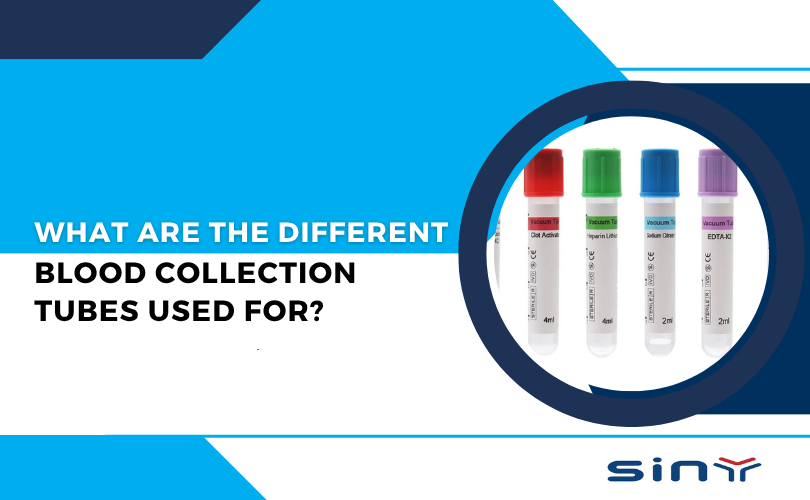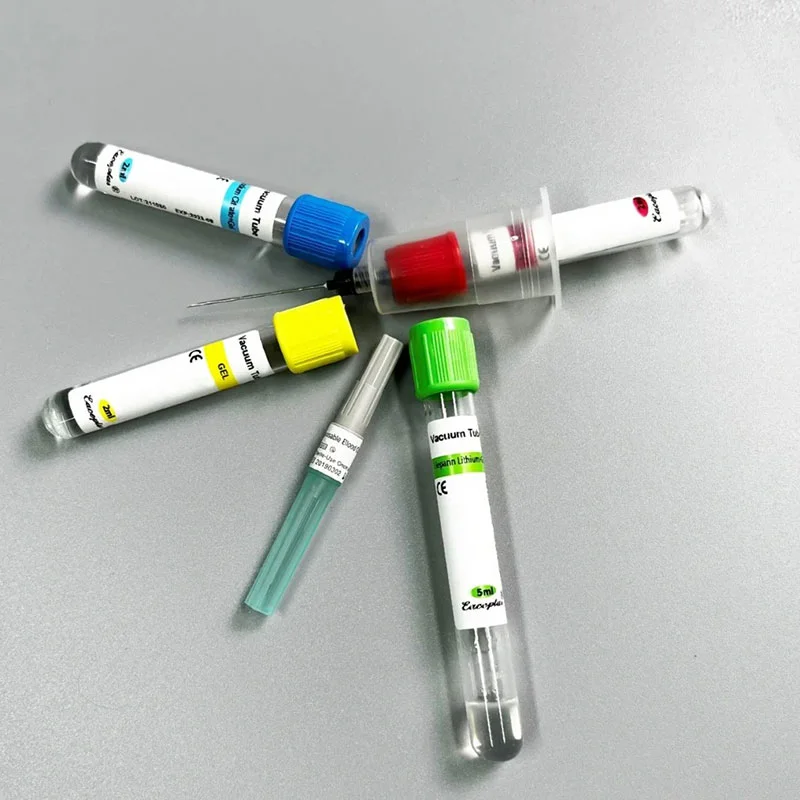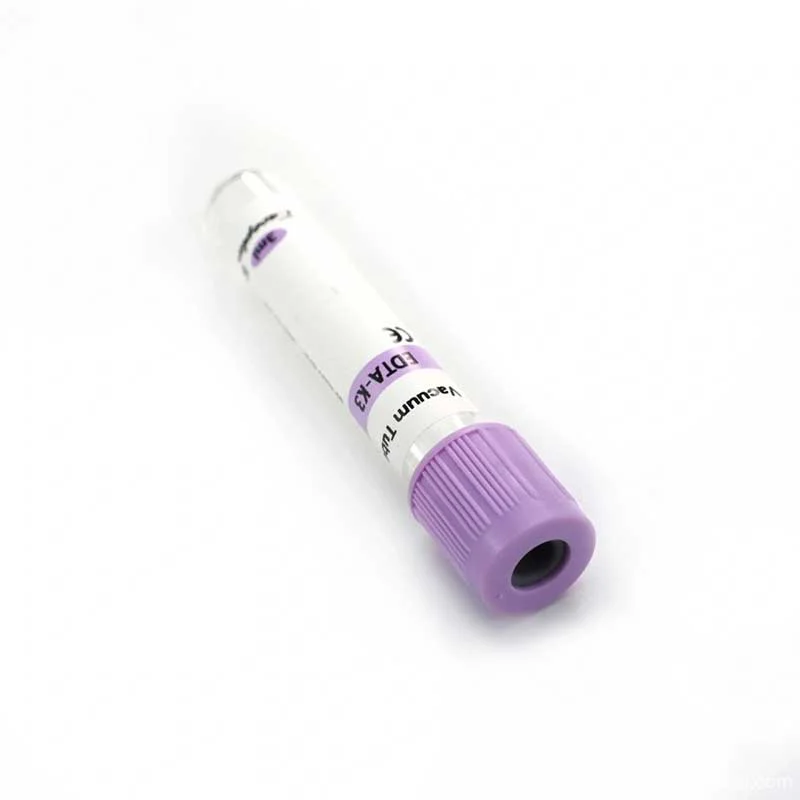

When patients undergo laboratory testing, one of the first medical devices healthcare professionals use is a blood collection tube. Many people ask, What are the tubes called that collect blood? The answer is simple: they are commonly known as blood collection tubes, vacuum blood collection tubes, or blood draw tubes. While the name may sound straightforward, this product category includes a wide range of specialized tubes designed for different laboratory tests and diagnostic applications.
Modern healthcare relies heavily on accurate specimen collection. The color of the tube cap, the additives inside the tube, the tube material, and even the order in which samples are collected can influence test accuracy. For hospitals, diagnostic laboratories, distributors, and procurement teams, understanding these differences is essential when selecting blood collection products.
This guide explains what blood collection tubes are called, how they work, the various types available, and what buyers should consider when choosing a reliable supplier.
Table of Contents
- 1 What Are the Tubes Called That Collect Blood and How Do They Work?
- 2 What Are the Tubes Called That Collect Blood? Understanding Different Tube Types
- 3 Why Do Blood Collection Tubes Have Different Colors?
- 4 Why Order of Draw Matters During Blood Collection
- 5 What Materials Are Blood Collection Tubes Made From?
- 6 How to Select High-Quality Blood Collection Tubes
- 7 Common Problems Caused by Using the Wrong Blood Collection Tube
- 8 FAQ About What Are the Tubes Called That Collect Blood
- 8.1 What are the tubes called that collect blood?
- 8.2 Why do blood collection tubes have different colored caps?
- 8.3 What is the most commonly used blood collection tube?
- 8.4 What is the difference between serum and plasma tubes?
- 8.5 Are blood collection tubes sterile?
- 8.6 Can using the wrong blood collection tube affect test results?
- 8.7 What is the purpose of an ESR tube?
- 9 Summary
What Are the Tubes Called That Collect Blood and How Do They Work?
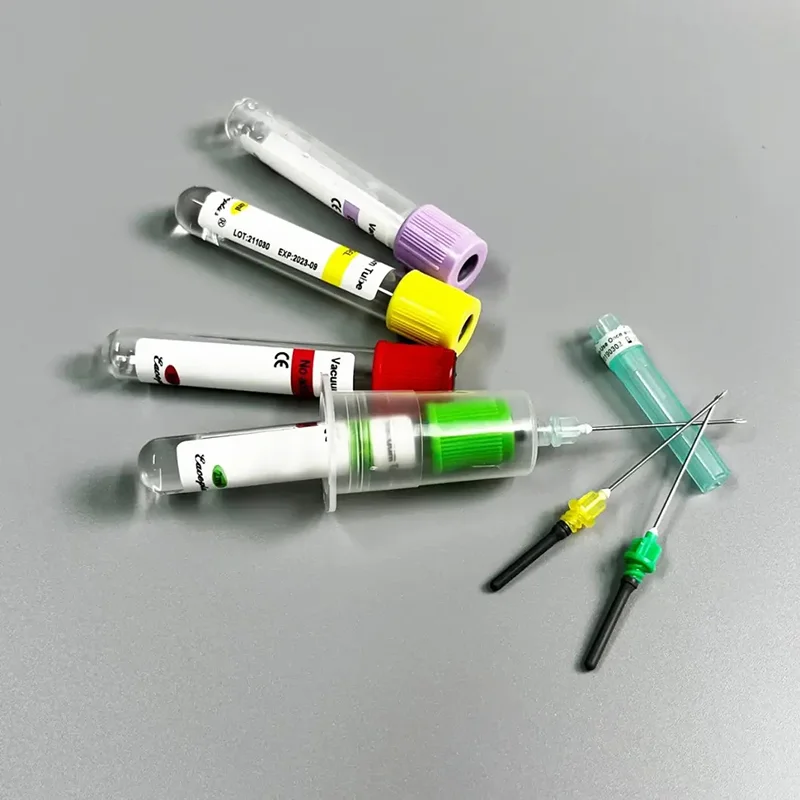
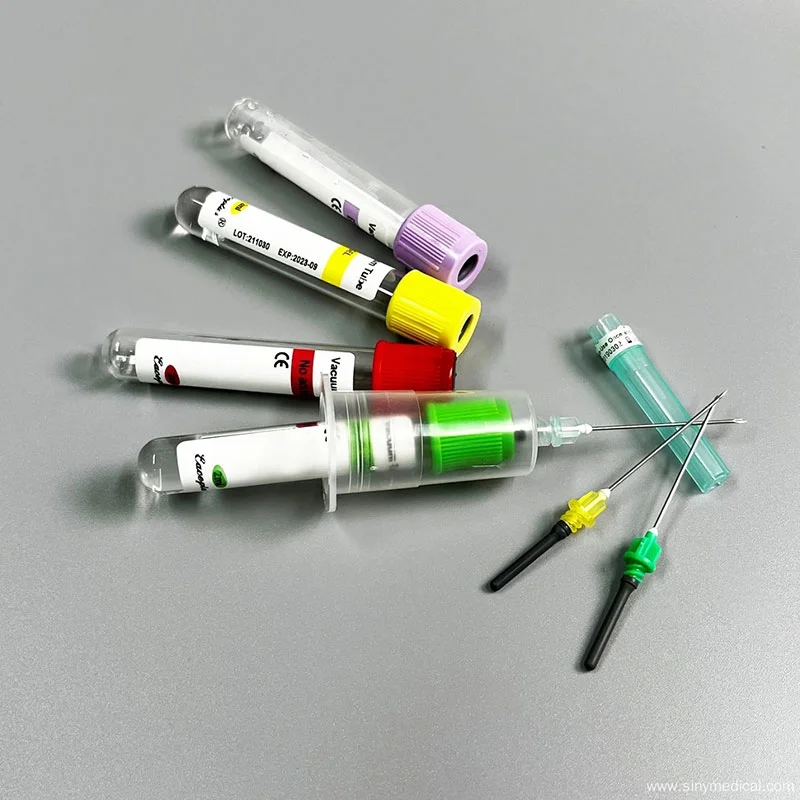
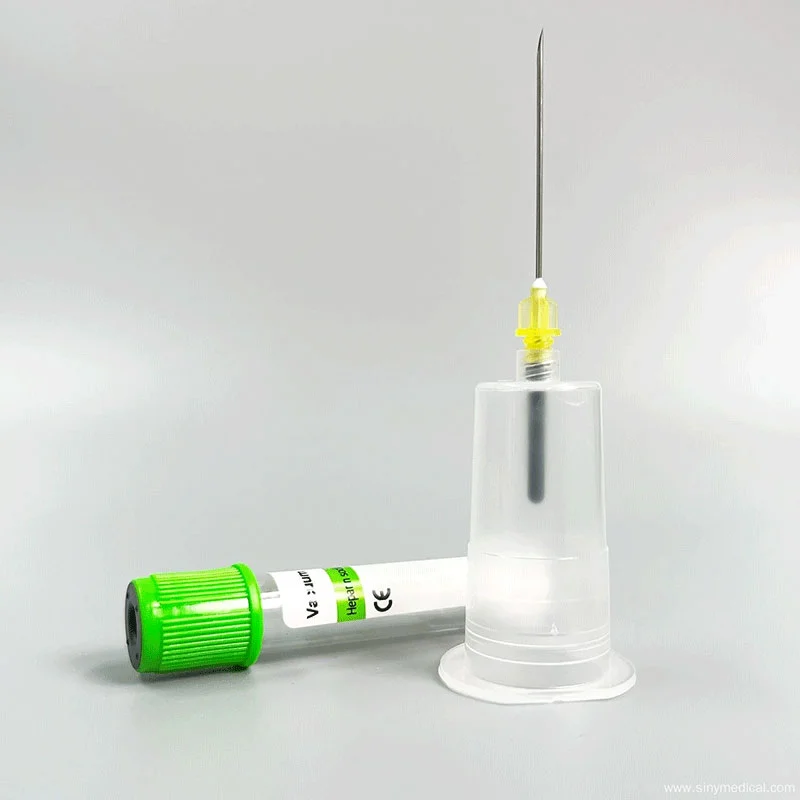
The tubes used to collect blood are generally called blood collection tubes. Most modern healthcare facilities use a vacuum blood collection system that consists of three components:
- Blood collection needle
- Tube holder
- Vacuum blood collection tube
The vacuum inside the tube automatically draws a predetermined volume of blood after venipuncture. This controlled collection process helps improve sample consistency while reducing contamination risks.
Most blood collection tubes fall into two main categories:
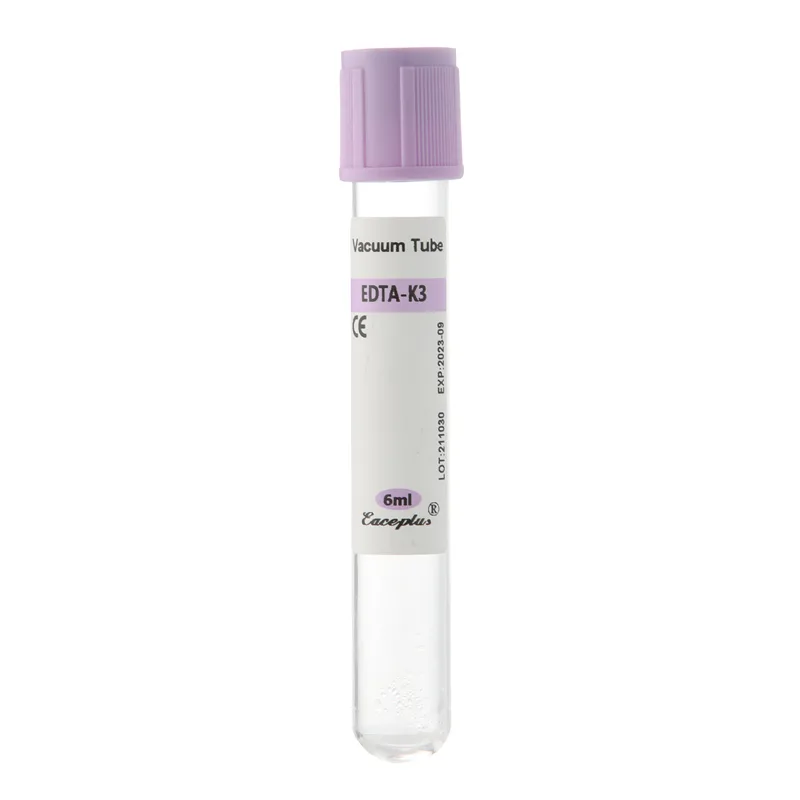
Vacuum Blood Collection Tubes
These tubes contain a precisely controlled vacuum that automatically fills the tube with the correct volume of blood.
Key benefits include:
- Accurate fill volumes
- Faster collection procedures
- Reduced risk of hemolysis
- Improved laboratory standardization
- Better safety for healthcare workers
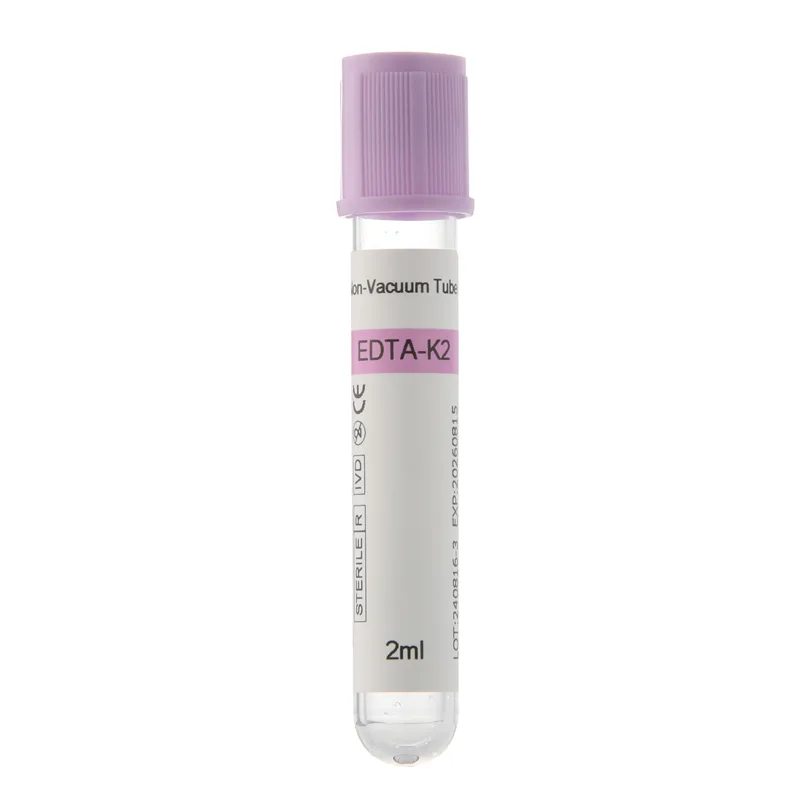
Non-Vacuum Blood Collection Tubes
These tubes are typically used in specialized applications where blood is manually transferred into the collection container.
Although both types remain available, vacuum tubes dominate modern laboratory environments because they offer greater efficiency and consistency.
The tubes themselves are usually manufactured from either PET plastic or glass. PET tubes have become increasingly popular because they are lightweight, shatter-resistant, and safer to transport.
For buyers evaluating suppliers, understanding tube construction, vacuum stability, and additive compatibility is just as important as comparing pricing. High-quality blood collection tubes help preserve sample integrity from collection through final analysis.
What Are the Tubes Called That Collect Blood? Understanding Different Tube Types
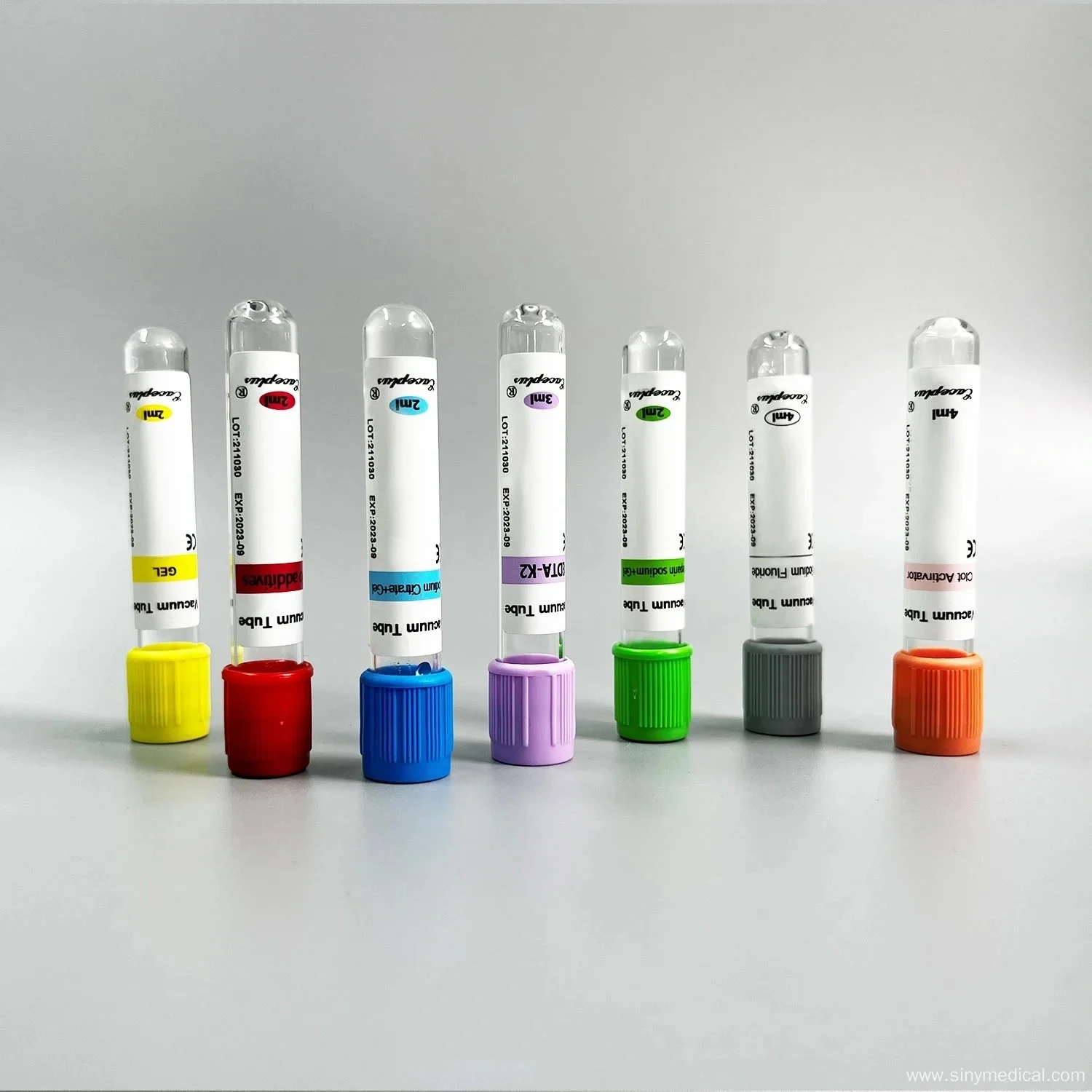
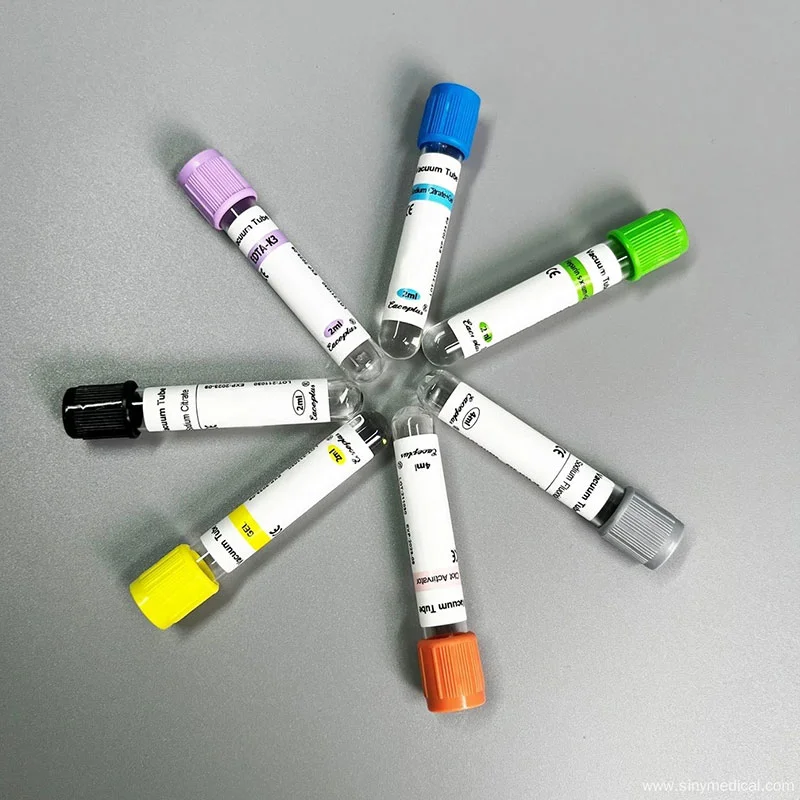
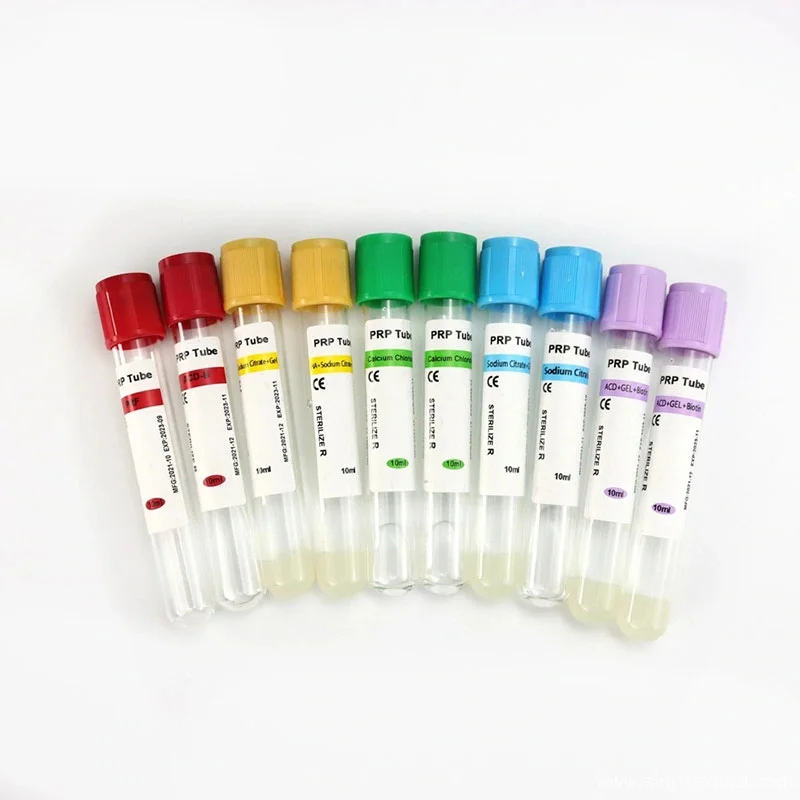
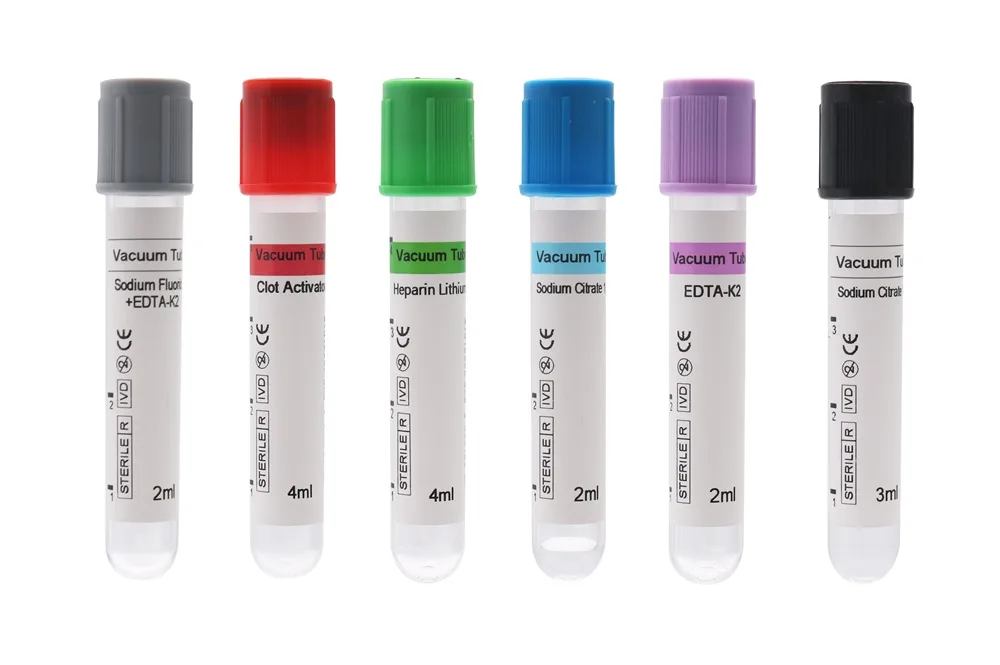
One reason people often ask what are the tubes called that collect blood is because they see multiple cap colors during a blood draw. Each color represents a specific additive and testing purpose.
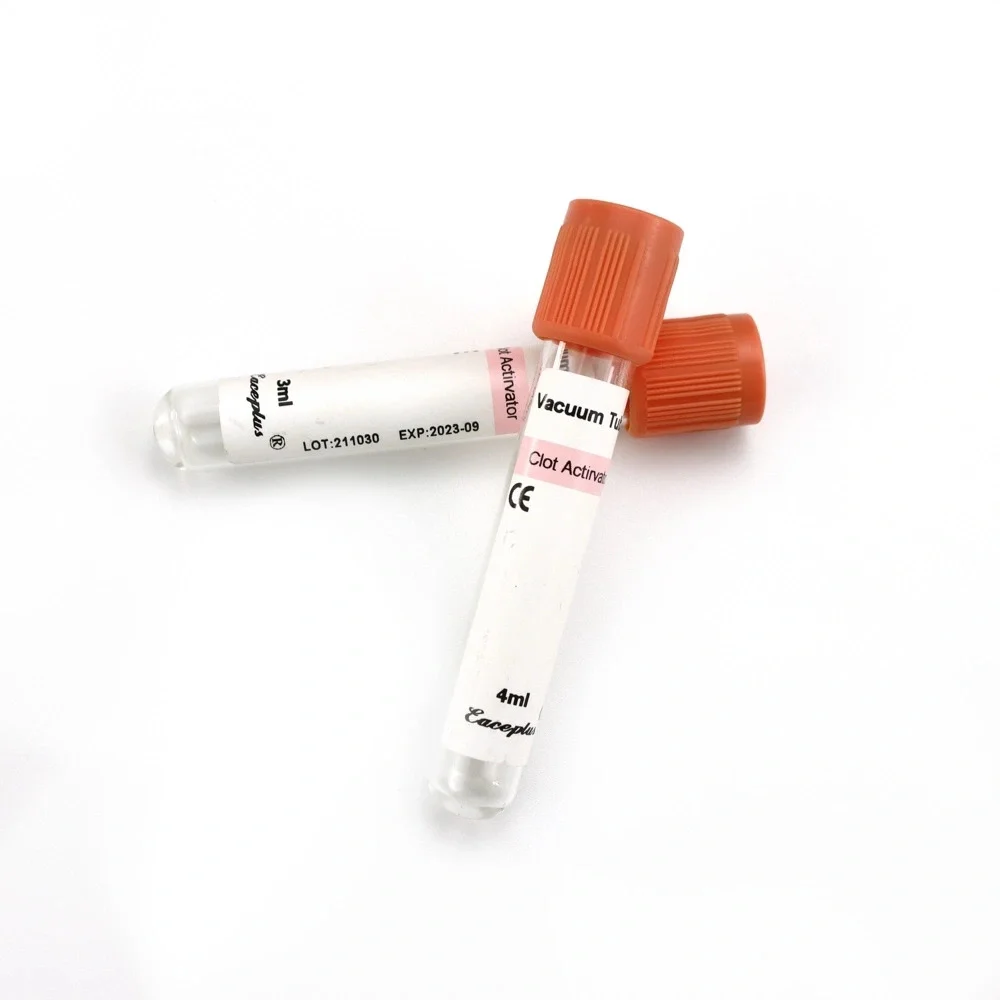
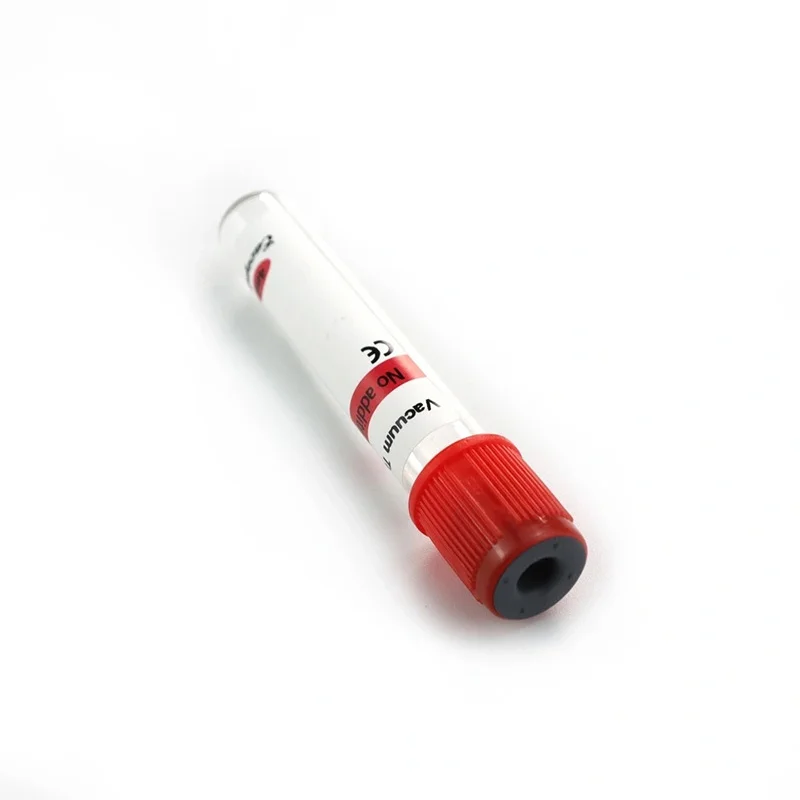
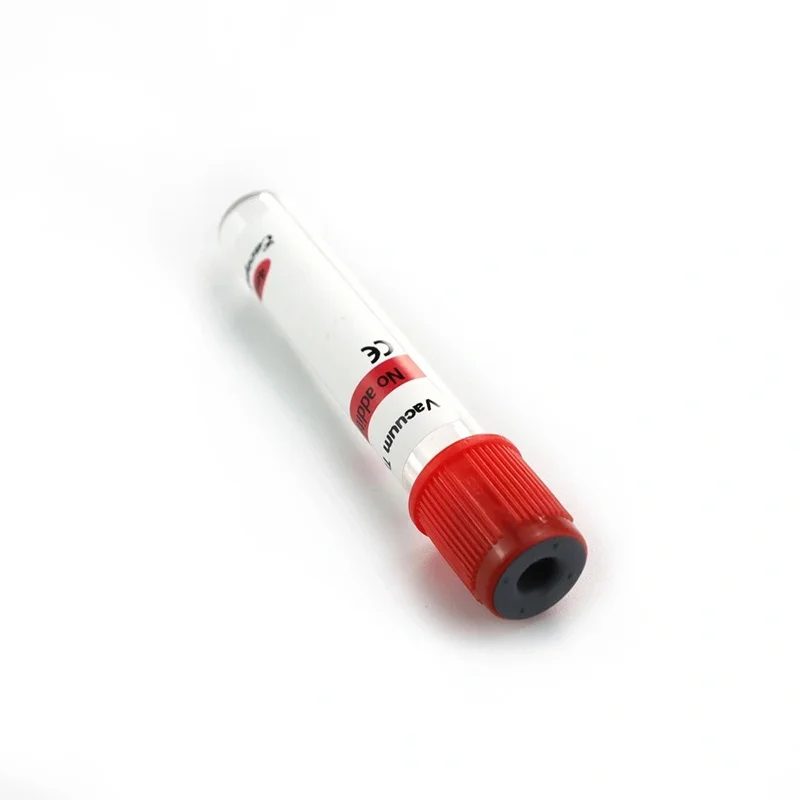
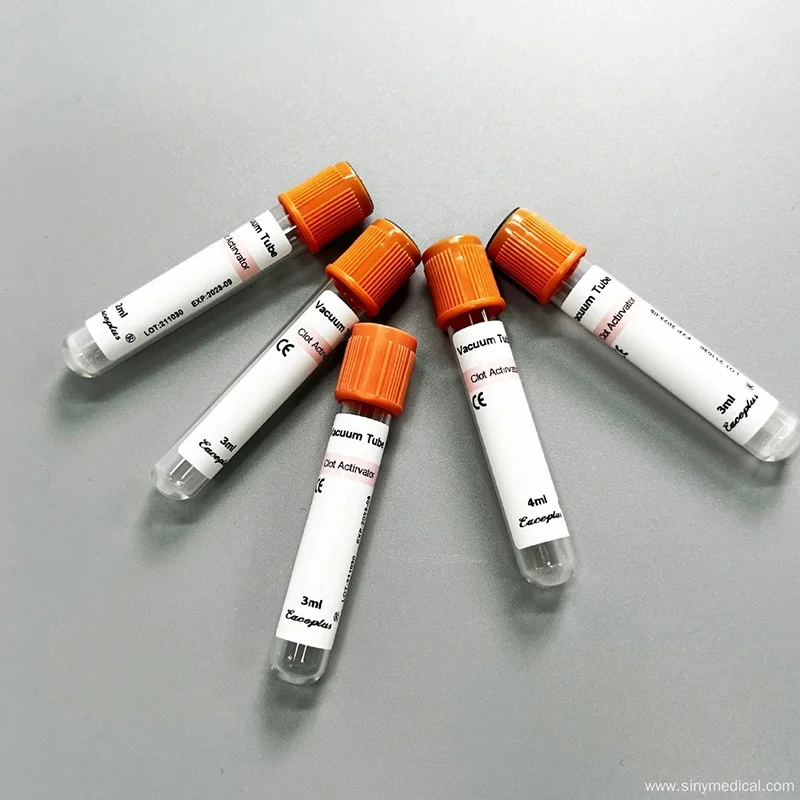
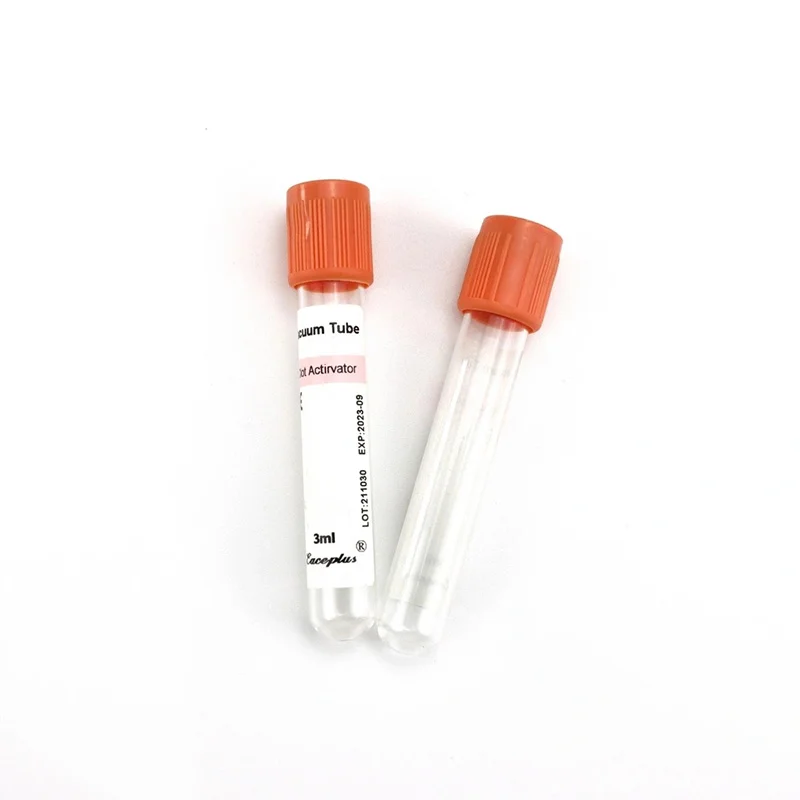
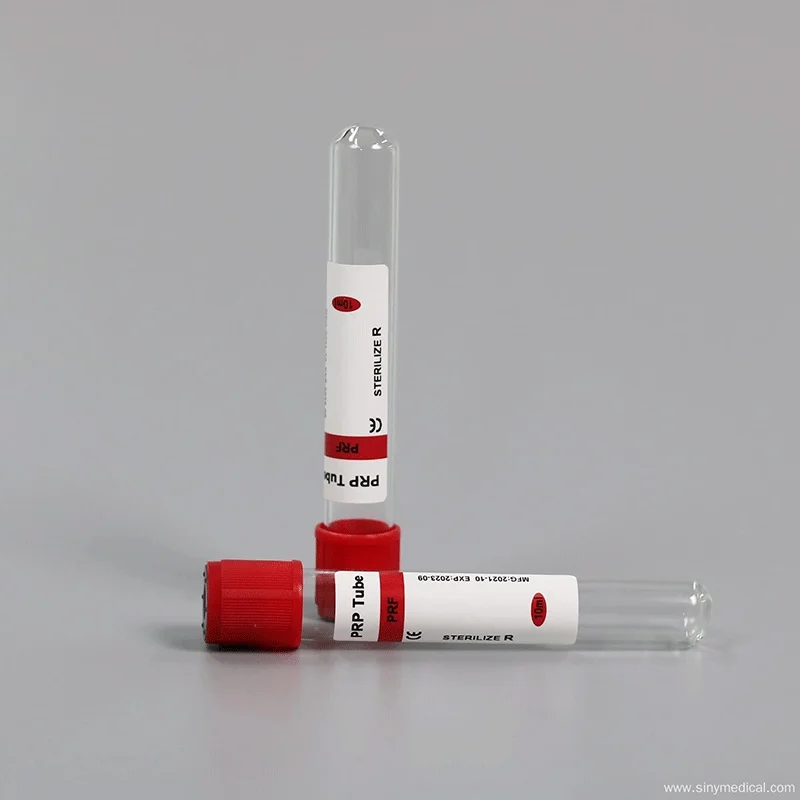
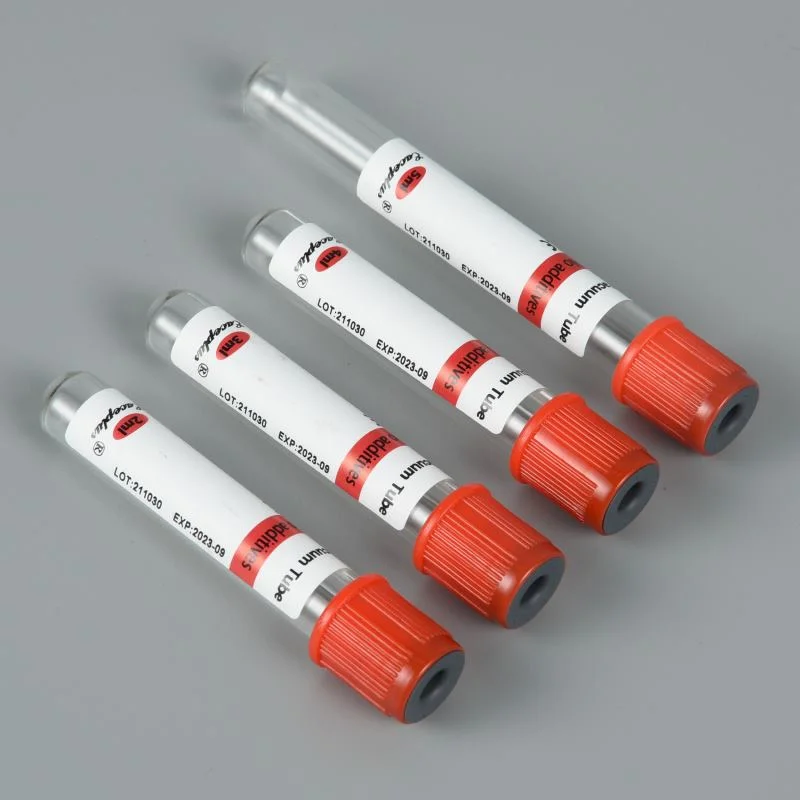
Red Top Tube (Plain or Clot Activator Tube)
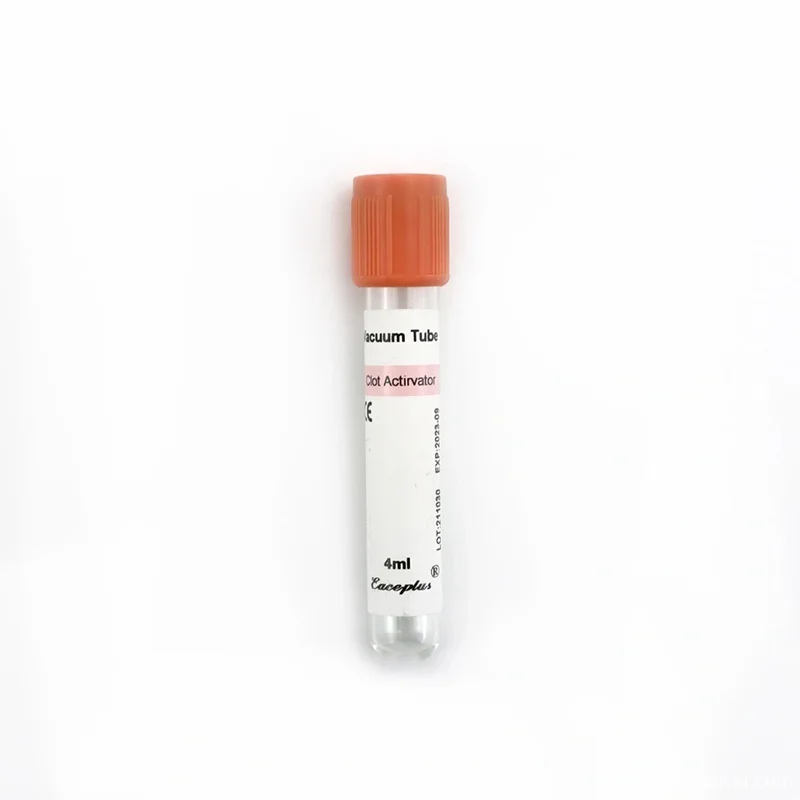
Red top tubes contain either no additive or a clot activator that accelerates coagulation.
Common applications:
- Serology testing
- Immunology testing
- Blood donor screening
- Routine clinical chemistry
Sample type: Serum
These tubes allow blood to clot before centrifugation separates the serum from blood cells.
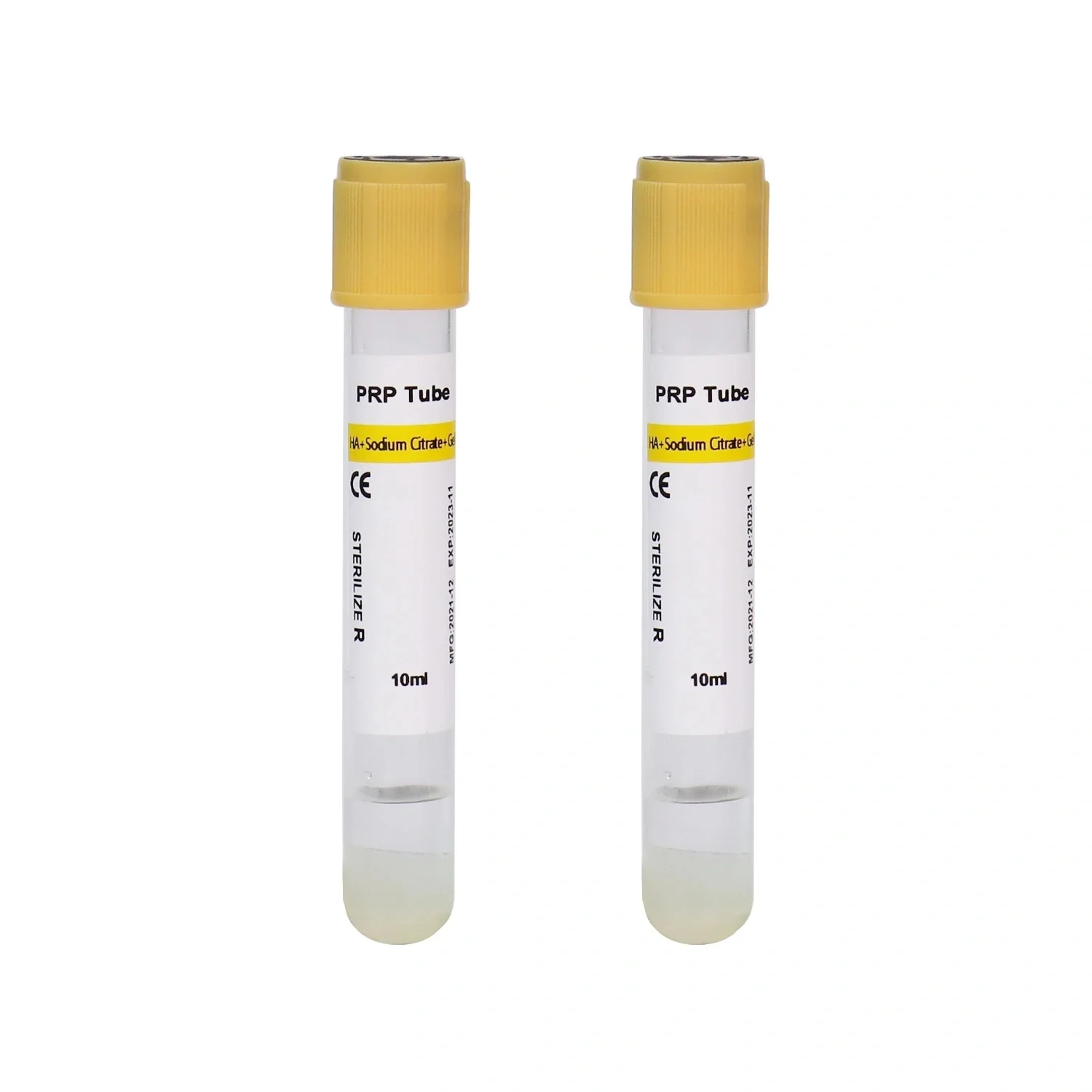
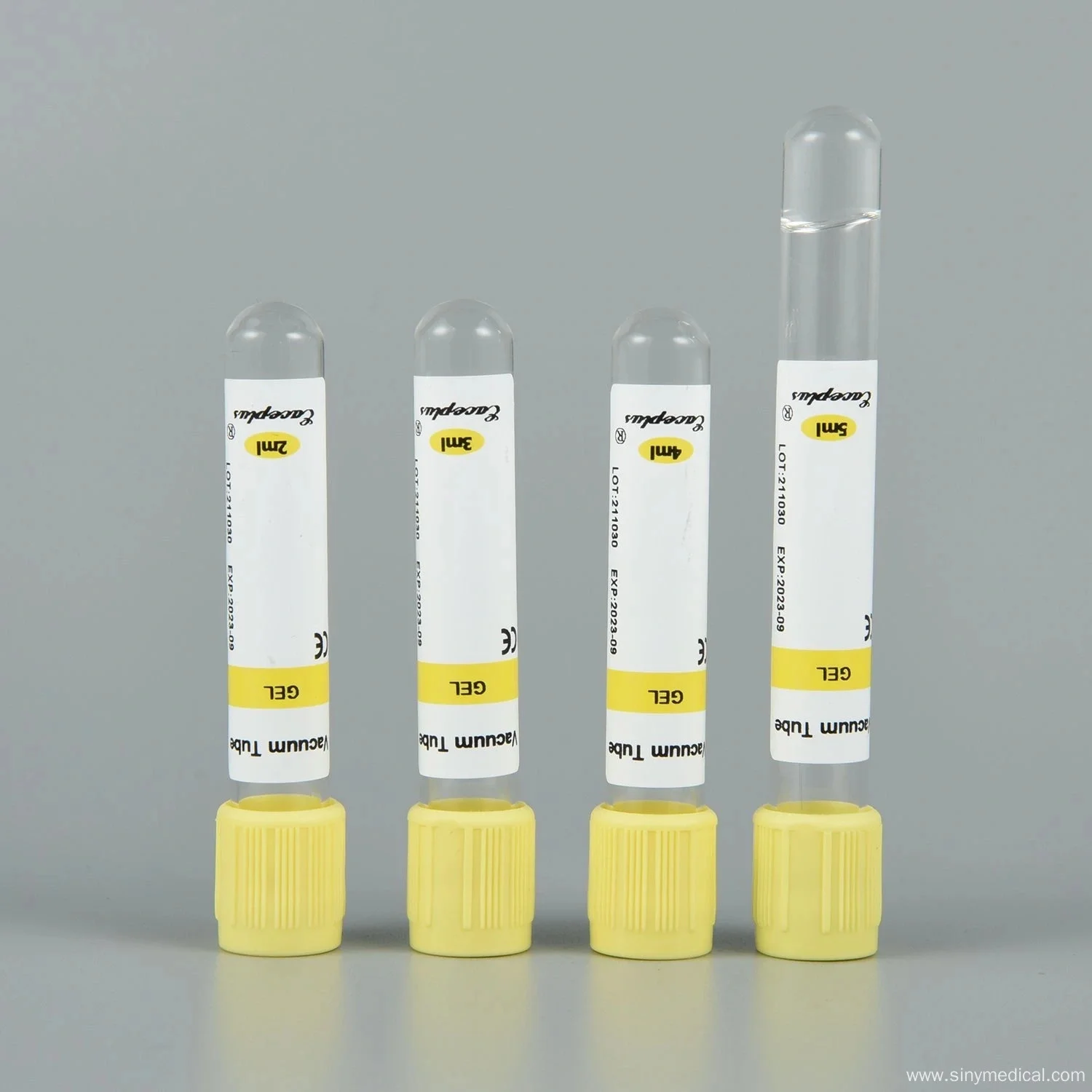
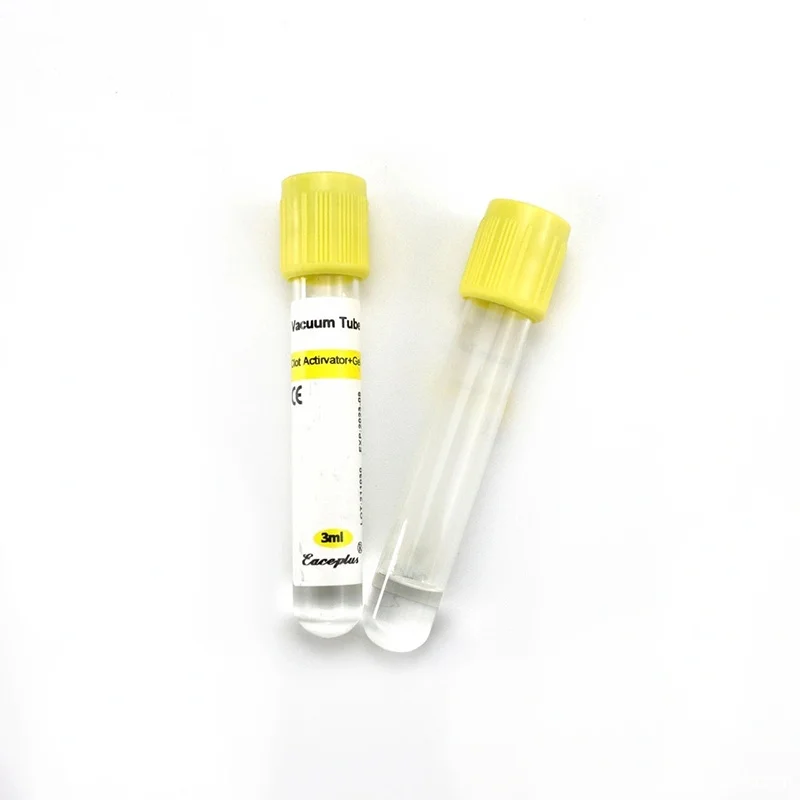
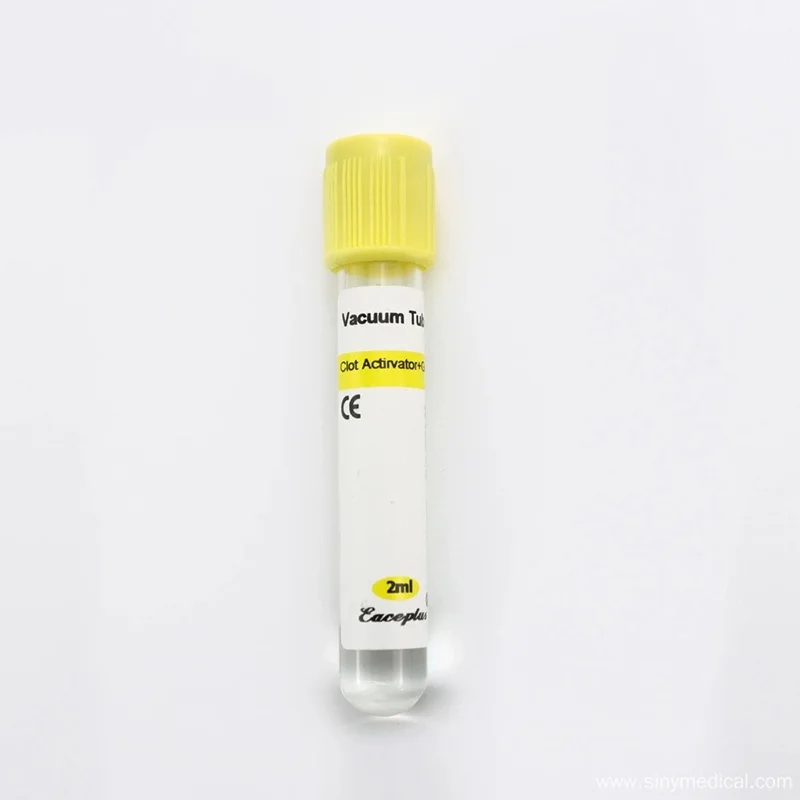
Yellow Top Tube (SST – Serum Separator Tube)
Yellow tubes typically contain a clot activator and a polymer gel separator.
Common applications:
- Clinical chemistry testing
- Hormone analysis
- Thyroid profiles
- Therapeutic drug monitoring
Sample type: Serum
During centrifugation, the gel forms a barrier between blood cells and serum, helping maintain sample quality during storage and transportation.
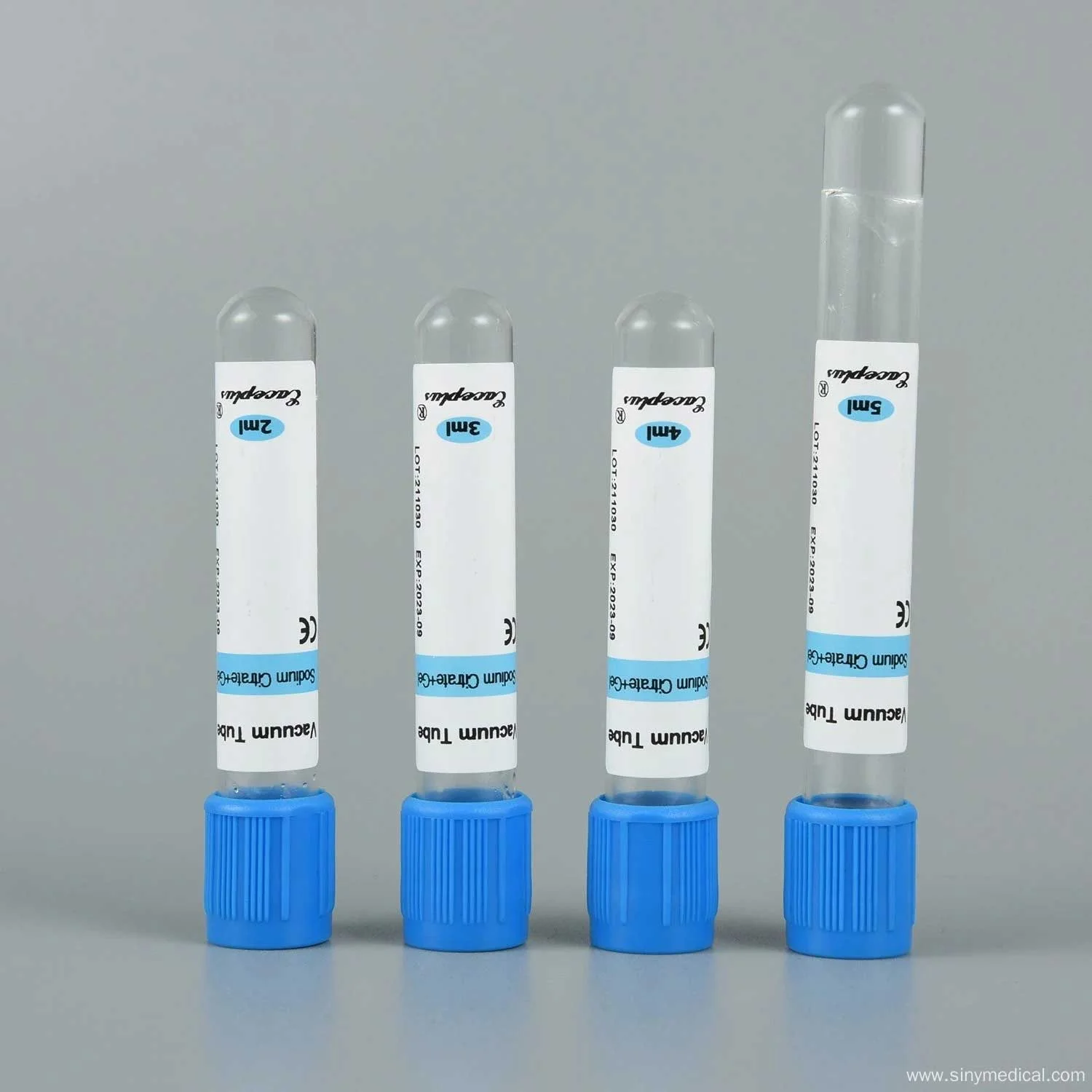
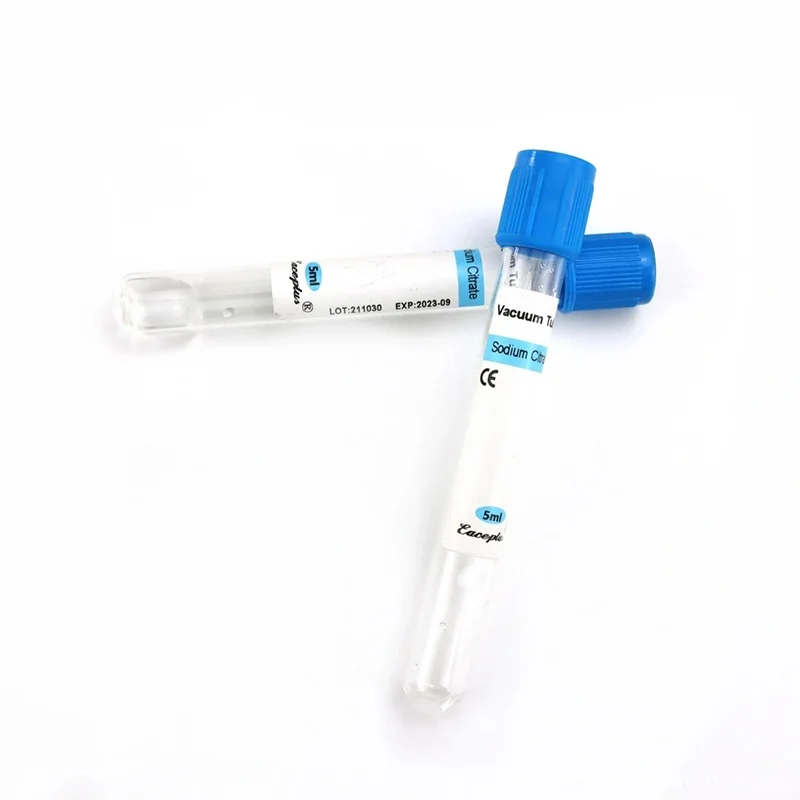
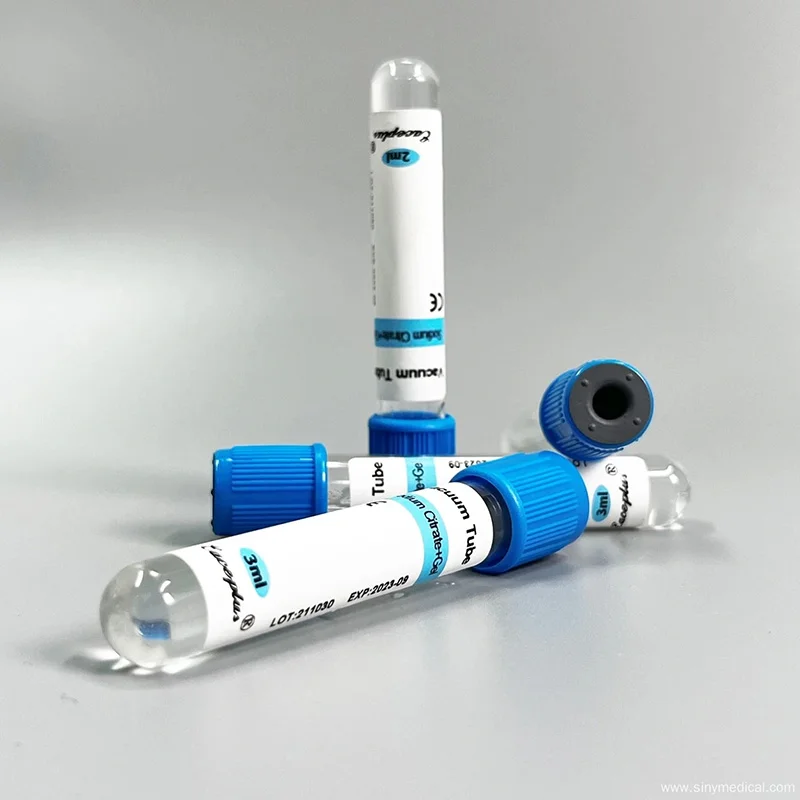
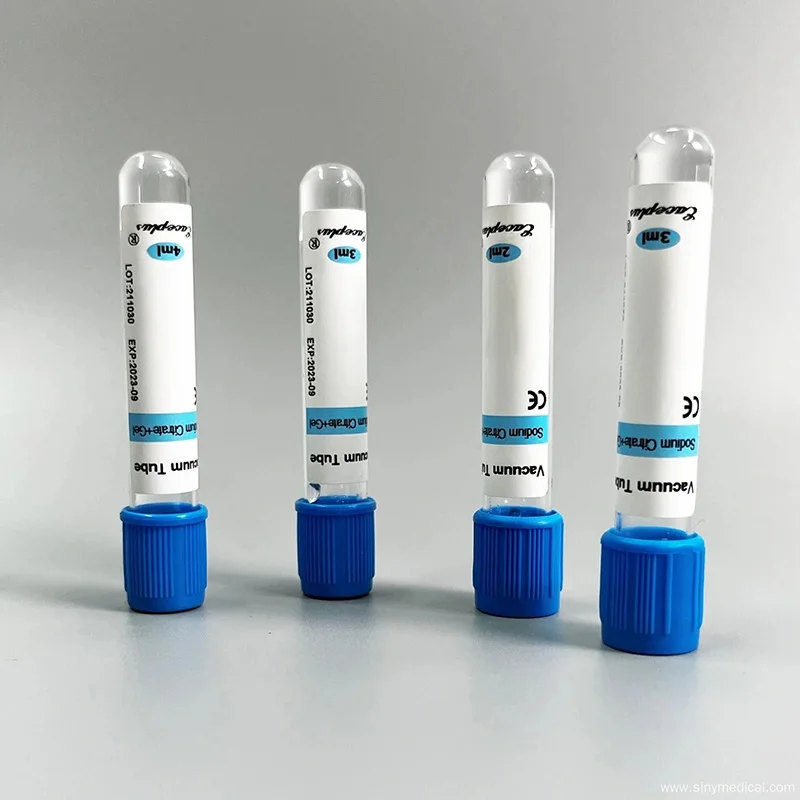
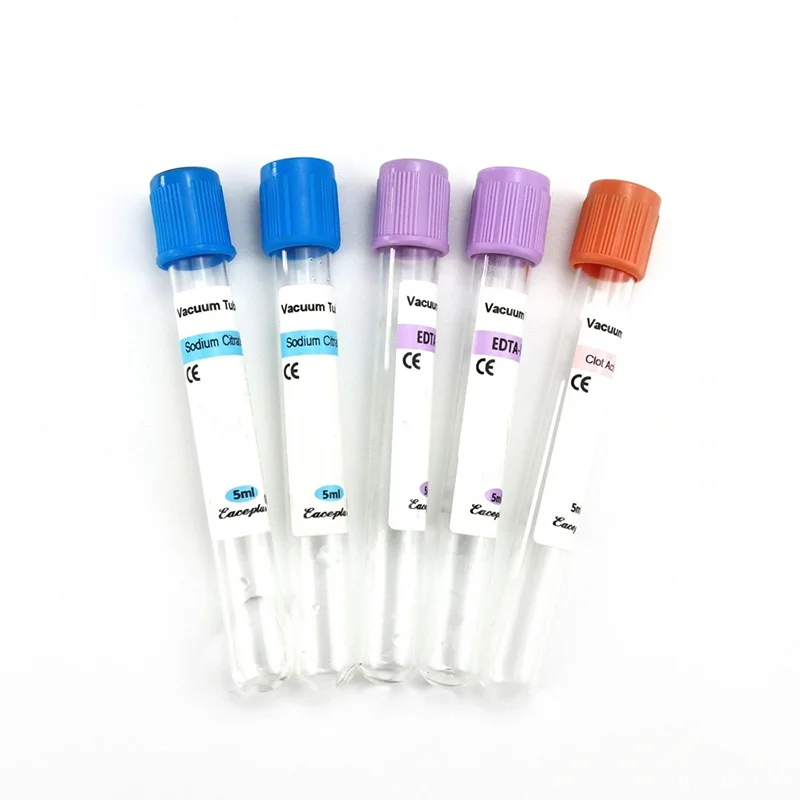
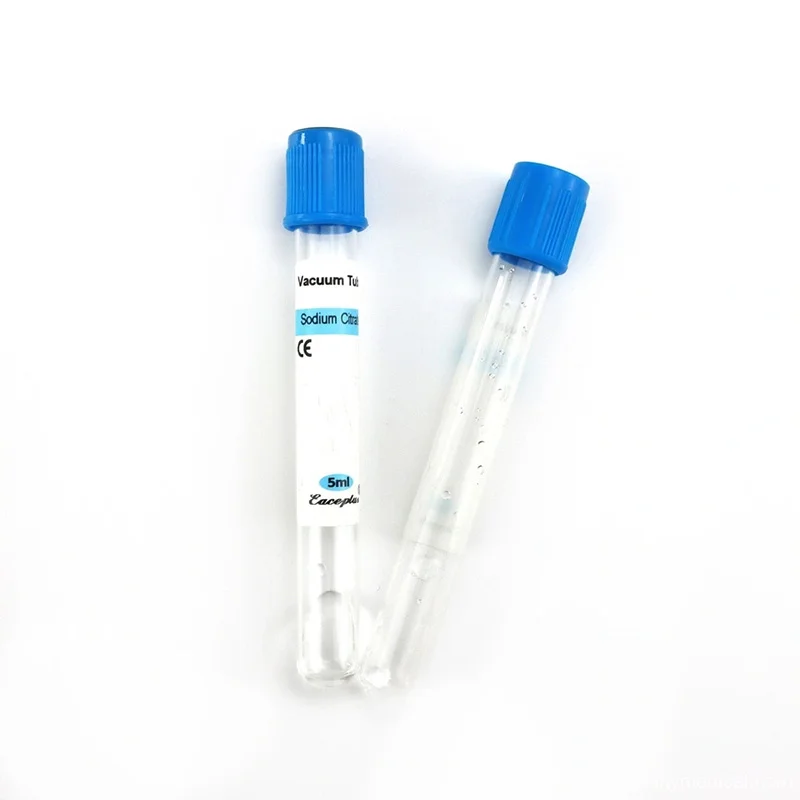
Light Blue Top Tube (Sodium Citrate Tube)
Light blue tubes contain buffered sodium citrate, a reversible anticoagulant.
Common applications:
- PT testing
- aPTT testing
- D-dimer testing
- Coagulation studies
Sample type: Plasma
Maintaining the correct blood-to-additive ratio is critical for accurate coagulation results.
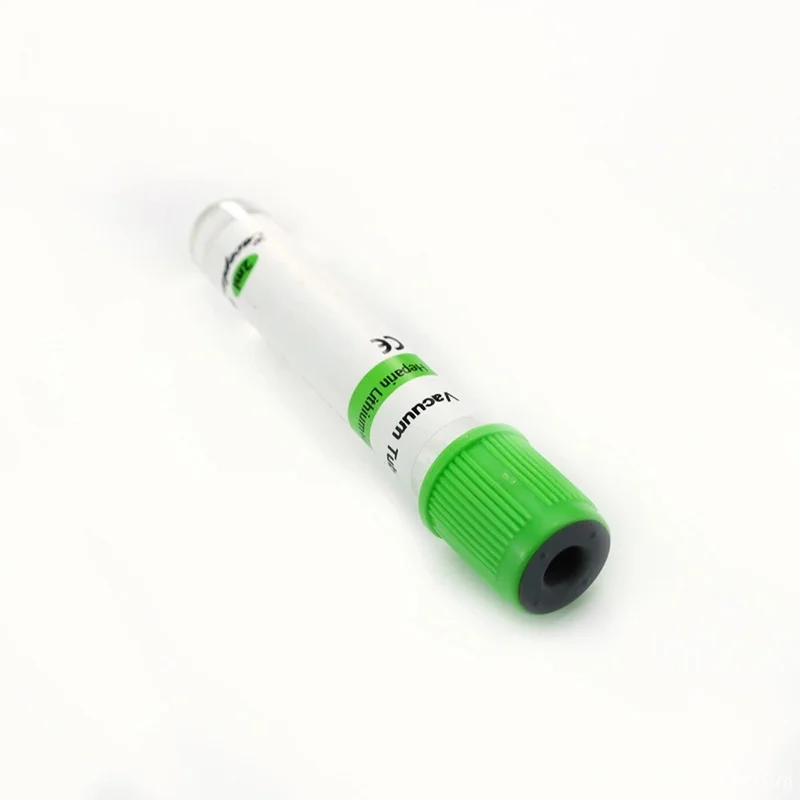
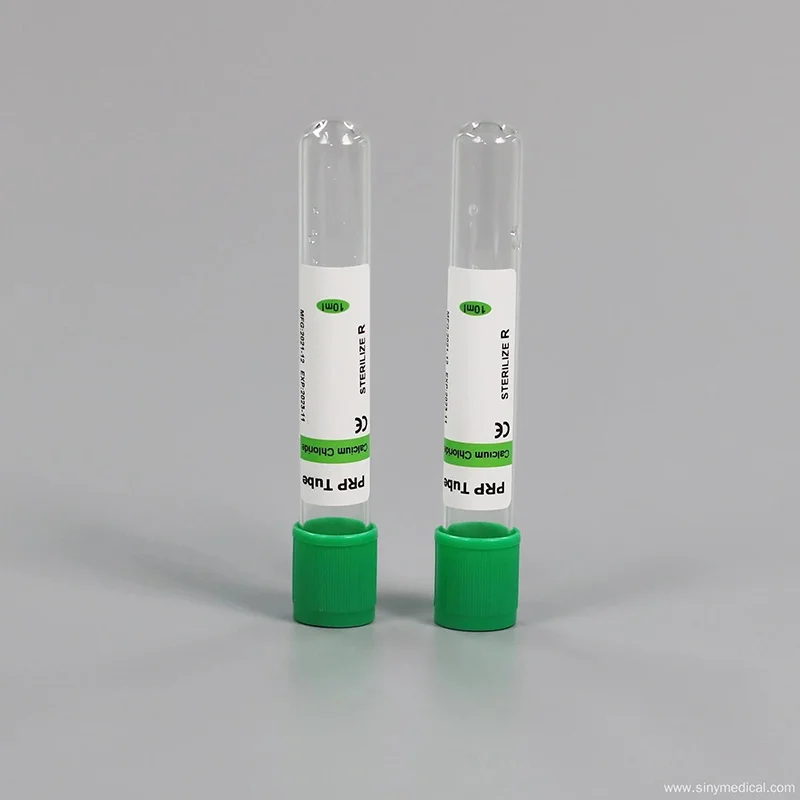
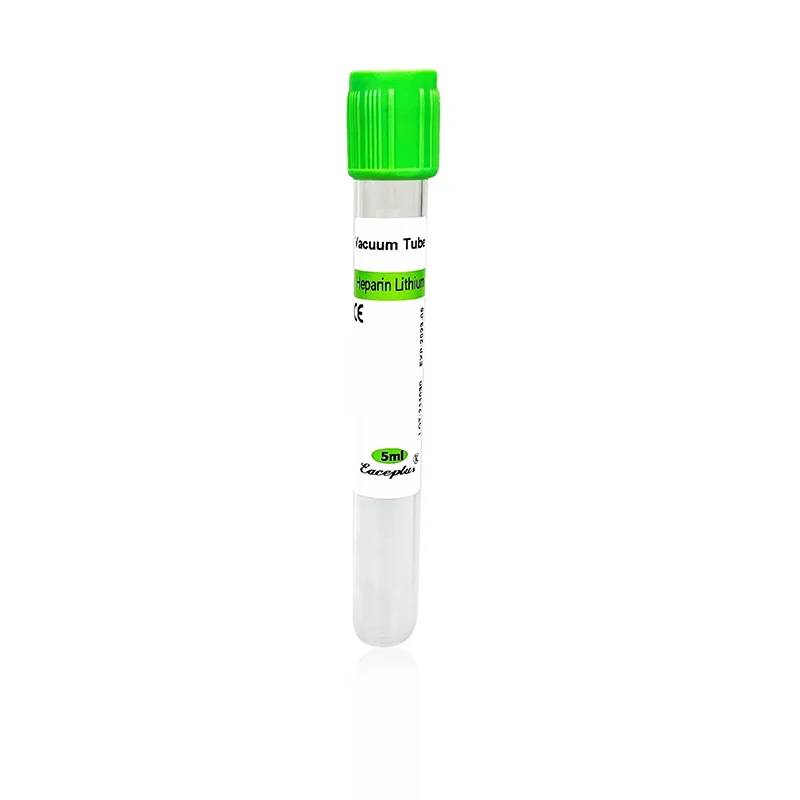
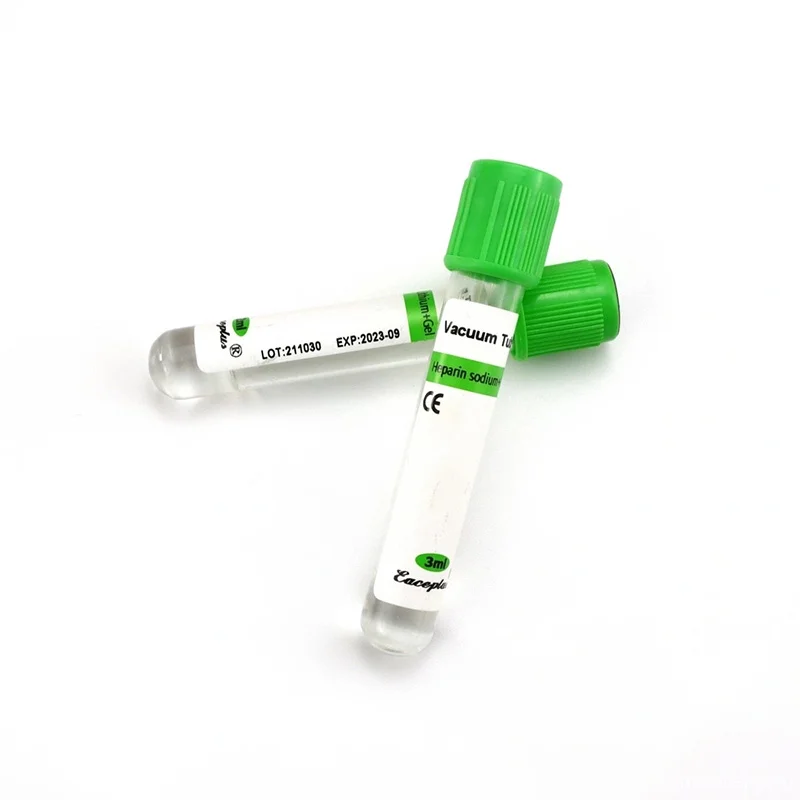
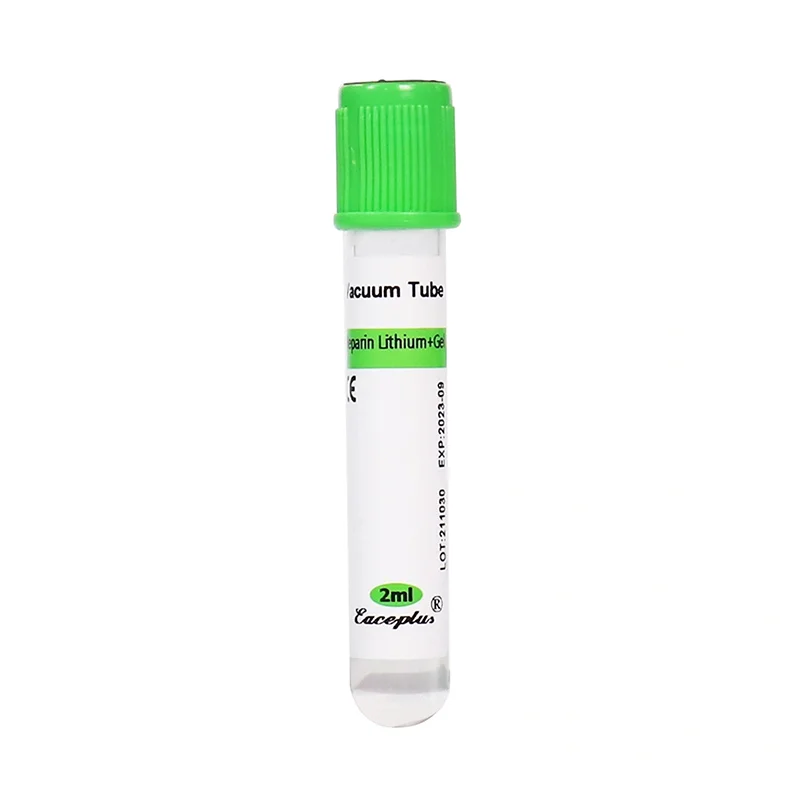
Green Top Tube (Heparin Tube)
Green tubes contain sodium heparin or lithium heparin.
Common applications:
- Clinical chemistry testing
- Emergency diagnostics
- Electrolyte analysis
Sample type: Plasma
Heparin prevents clot formation while preserving many biochemical analytes.
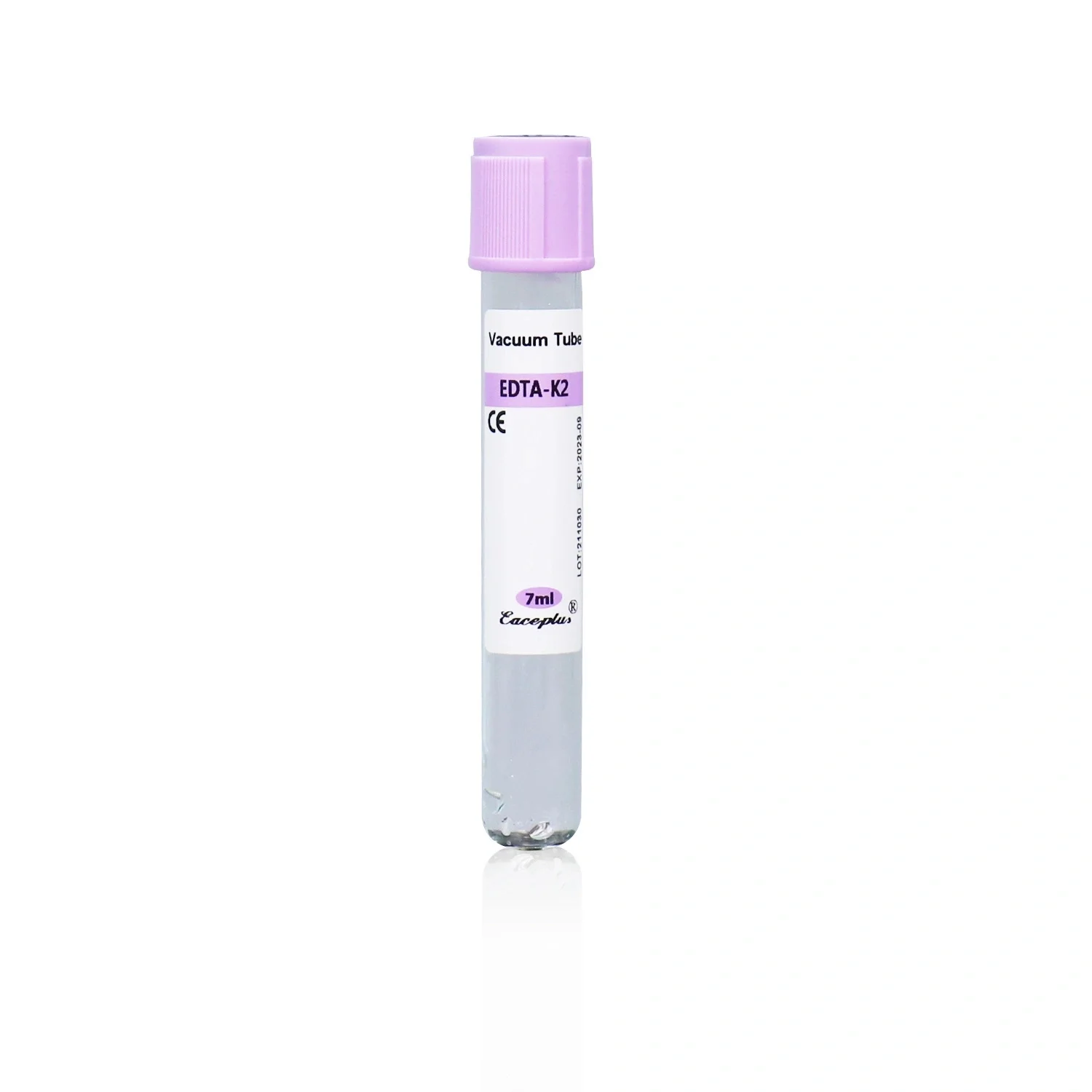
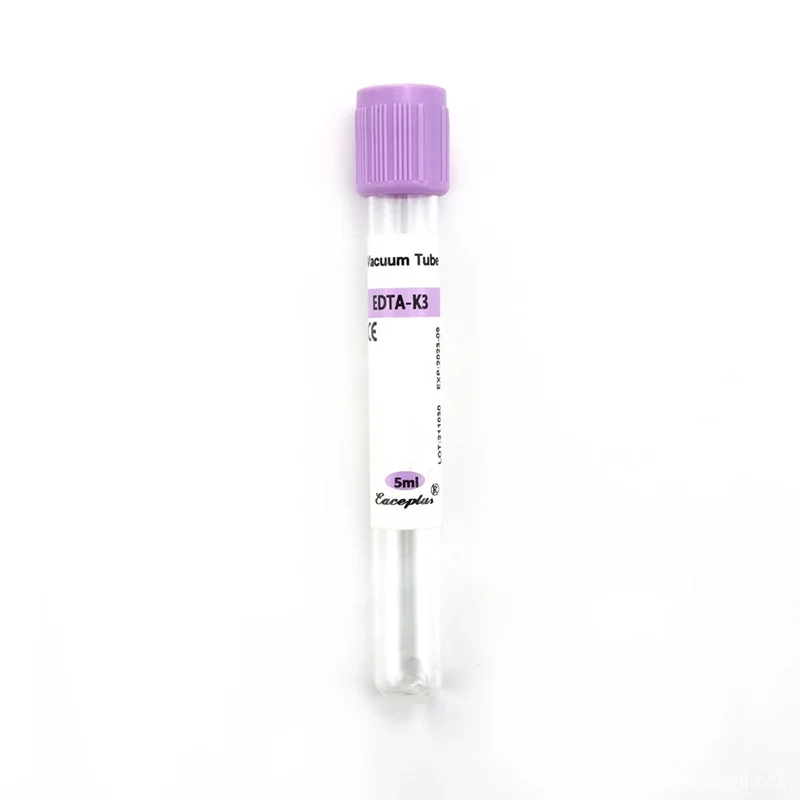
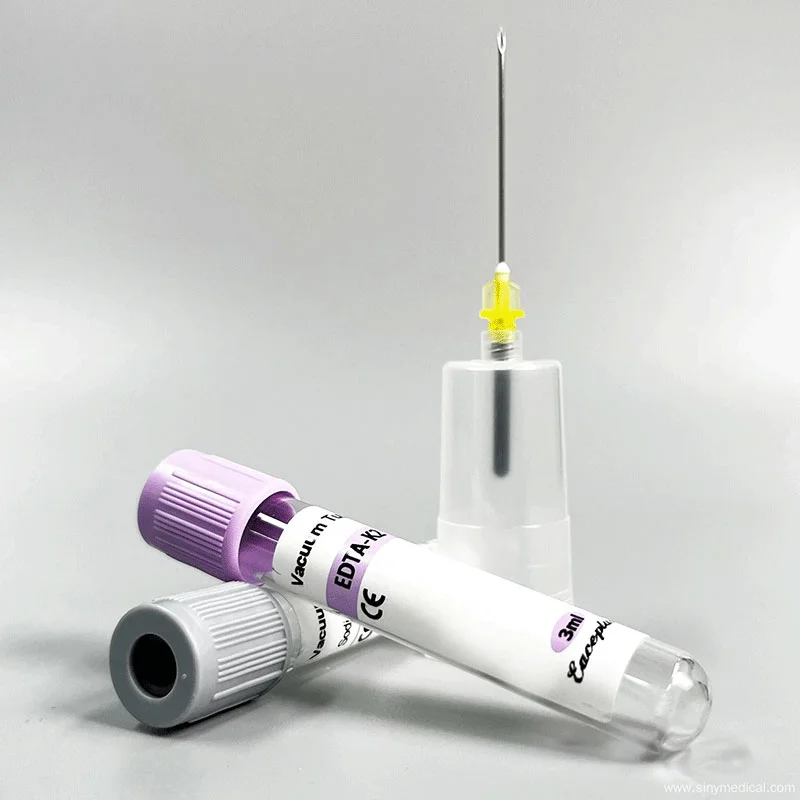
Lavender Top Tube (EDTA Tube)
Lavender tubes contain EDTA anticoagulant.
Common applications:
- Complete Blood Count (CBC)
- Hematology testing
- Blood grouping
- Cell morphology studies
Sample type: Whole blood or plasma
EDTA preserves blood cell structure and prevents clot formation.
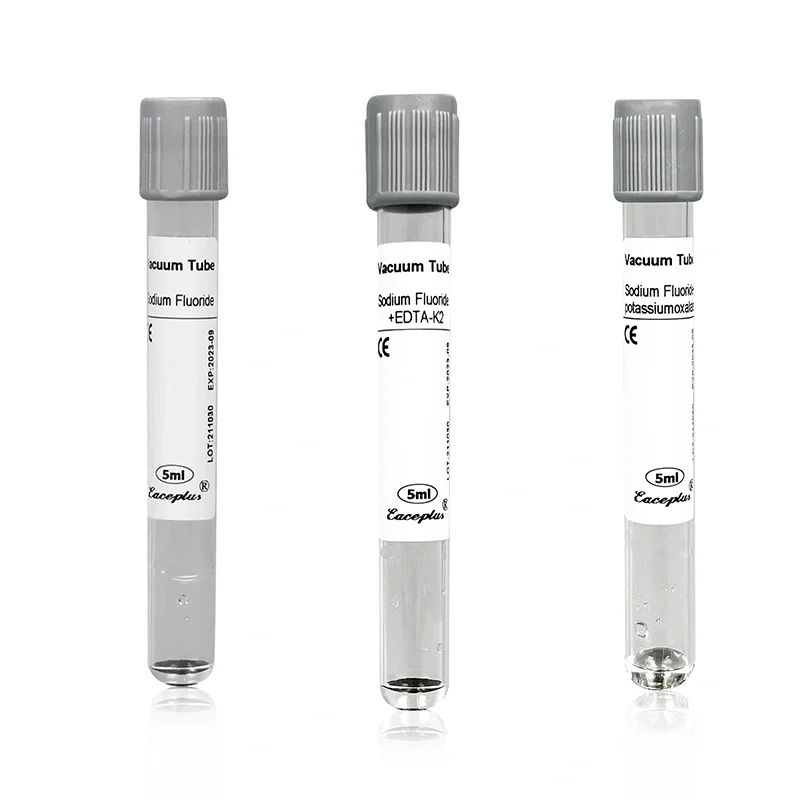
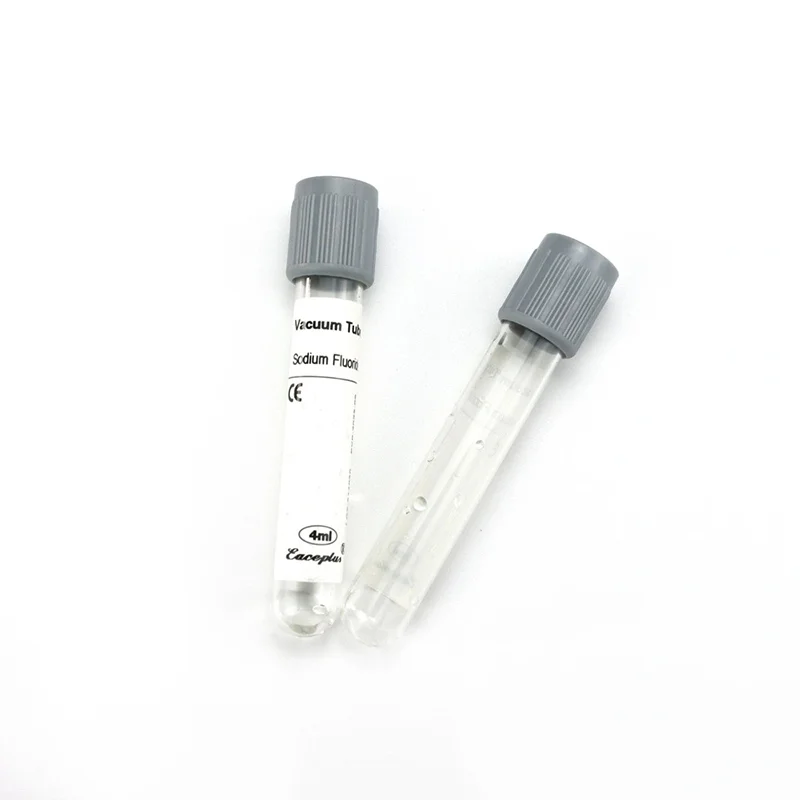
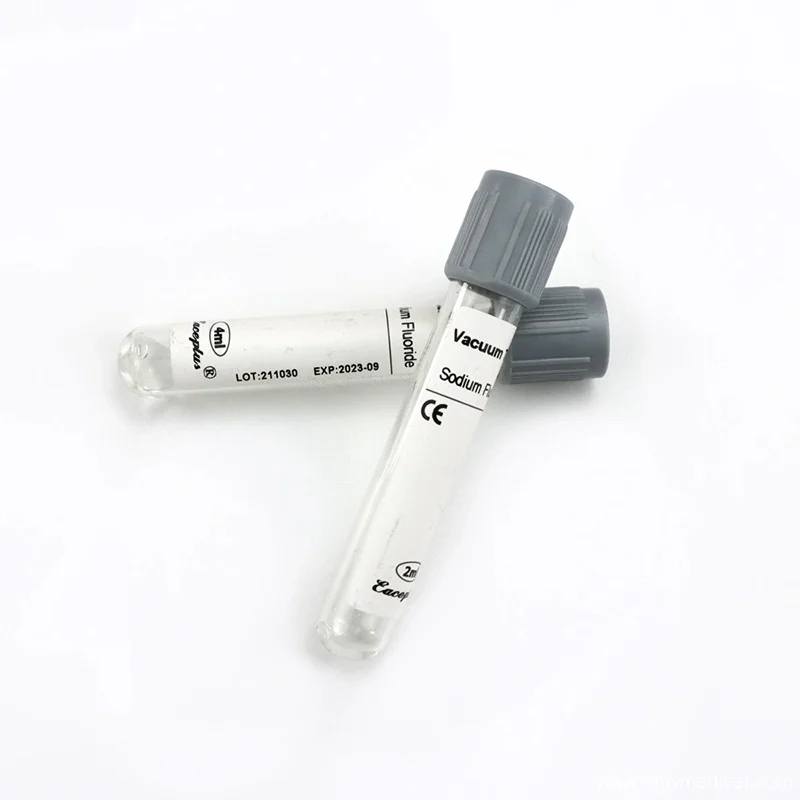
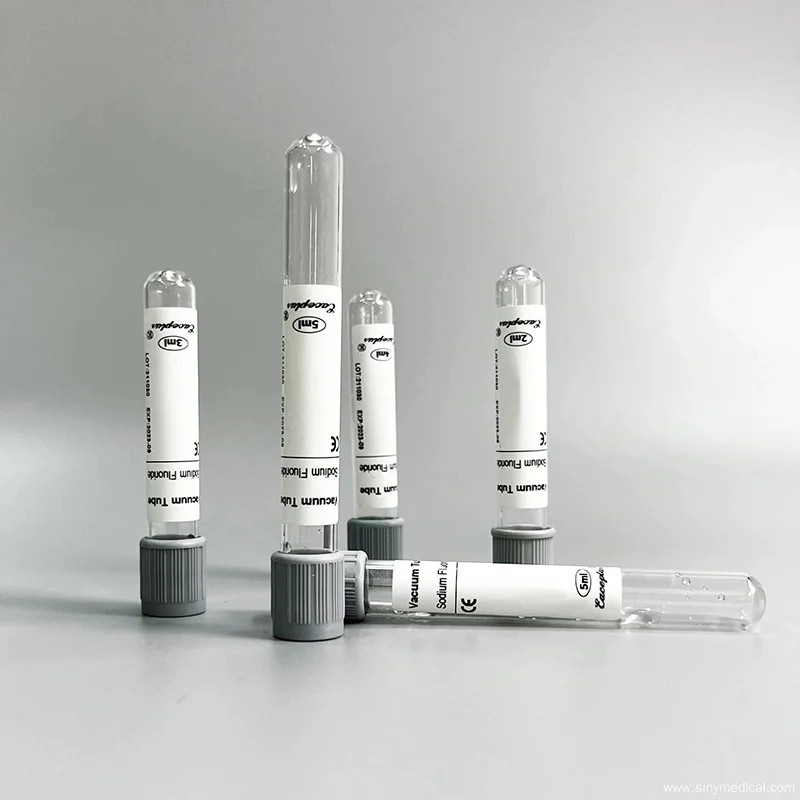
Gray Top Tube (Glucose Tube)
Gray tubes contain sodium fluoride and potassium oxalate.
Common applications:
- Glucose testing
- Diabetes monitoring
- Lactate testing
Sample type: Plasma
These additives prevent glycolysis and help preserve accurate glucose measurements.
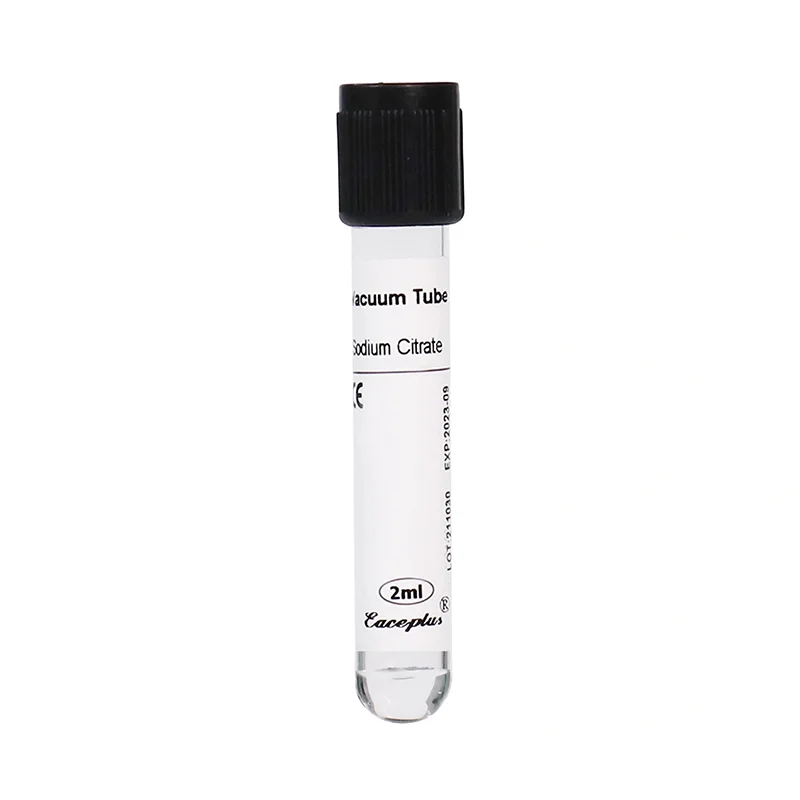
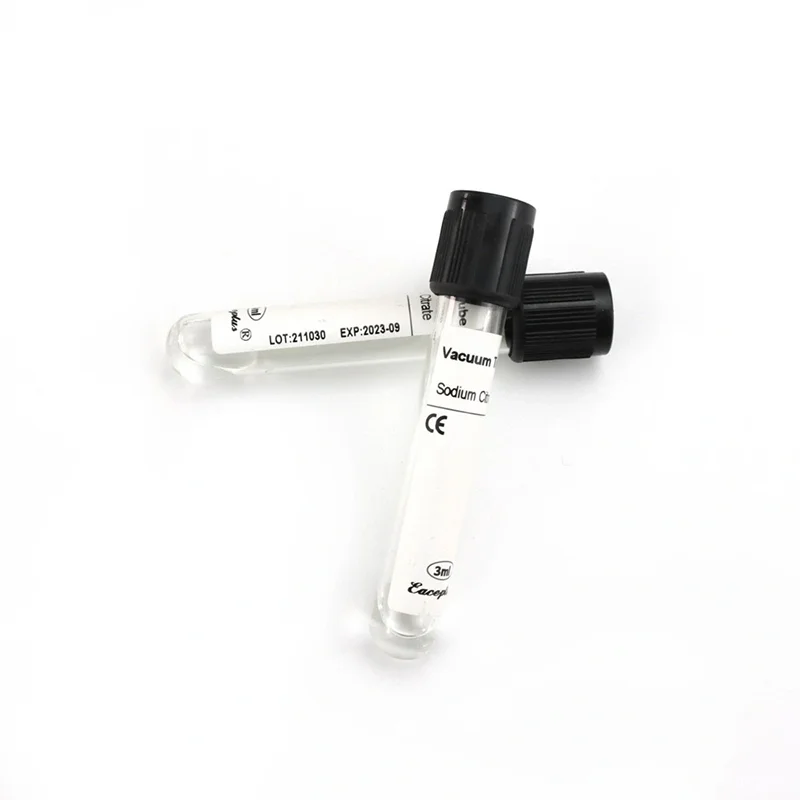
Black Top Tube (ESR Tube)
Black top tubes contain sodium citrate at a 4:1 blood-to-additive ratio.
Common applications:
- Erythrocyte Sedimentation Rate (ESR) testing
- Inflammatory disease monitoring
Sample type: Whole blood
These tubes are specifically designed for sedimentation rate analysis.
Each tube type serves a unique purpose. Using the wrong tube can lead to inaccurate results, specimen rejection, and repeat blood collection procedures.
Why Do Blood Collection Tubes Have Different Colors?
The color-coding system helps healthcare professionals quickly identify the correct tube during specimen collection.
The additive inside each tube determines:
- Whether blood clots or remains liquid
- Whether serum or plasma is produced
- Sample stability duration
- Appropriate laboratory applications
Blood Collection Tube Color Guide
| Red | None or Clot Activator | Serum | Serology & Immunology |
| Yellow | Clot Activator + Gel | Serum | Clinical Chemistry |
| Light Blue | Sodium Citrate | Plasma | Coagulation Testing |
| Green | Heparin | Plasma | Clinical Chemistry |
| Lavender | EDTA | Whole Blood | Hematology |
| Gray | Sodium Fluoride + Potassium Oxalate | Plasma | Glucose Testing |
| Black | Sodium Citrate (4:1) | Whole Blood | ESR Testing |
International color-coding standards help laboratories reduce errors and improve workflow efficiency. For distributors and procurement teams, sourcing products that follow recognized color conventions simplifies staff training and inventory management.
If you are sourcing blood collection tubes for hospitals or laboratories, selecting a manufacturer that offers a complete range of color-coded tubes can help ensure consistent quality and reliable supply.
Why Order of Draw Matters During Blood Collection
Many discussions about what are the tubes called that collect blood focus on tube colors, but another critical factor is the order of draw.
When multiple blood samples are collected during a single venipuncture, additives from one tube can contaminate another if the collection sequence is incorrect.
The generally accepted order of draw is:
- Blood Culture Tubes
- Light Blue Tubes (Sodium Citrate) & Black Tubes (ESR)
- Red and Yellow Tubes (Serum Tubes)
- Green Tubes (Heparin)
- Lavender Tubes (EDTA)
- Gray Tubes (Glucose Tubes)
Following the correct sequence helps prevent additive carryover and protects laboratory accuracy.
For example, EDTA contamination may affect calcium measurements, while citrate contamination can interfere with coagulation studies. Even small amounts of additive transfer can compromise test results.
This is why healthcare facilities place significant emphasis on phlebotomy training and standardized collection procedures.
What Materials Are Blood Collection Tubes Made From?
Modern blood collection tubes are primarily manufactured from either glass or PET plastic.
Glass Blood Collection Tubes
Glass tubes served as the industry standard for many years.
Advantages include:
- Excellent transparency
- High chemical stability
- Minimal gas permeability
However, glass tubes are more susceptible to breakage during transportation and handling.
PET Plastic Blood Collection Tubes
Today, many healthcare organizations prefer PET tubes because they offer several practical advantages.
Benefits include:
- Lightweight construction
- Shatter resistance
- Improved transportation safety
- Lower shipping costs
- Better protection for healthcare workers
High-quality PET tubes maintain excellent vacuum performance while reducing breakage risks throughout the supply chain.
How to Select High-Quality Blood Collection Tubes
Understanding what are the tubes called that collect blood is only the first step. For distributors and laboratory buyers, selecting the right supplier directly affects product quality, laboratory efficiency, and customer satisfaction.
Vacuum Accuracy
Consistent vacuum levels ensure proper blood collection volume and accurate additive ratios.
Additive Consistency
Reliable additive formulations help preserve specimen quality and improve test accuracy.
Sterility Assurance
Manufacturers should use validated sterilization processes and controlled cleanroom production environments.
Regulatory Compliance
Look for suppliers that provide:
- ISO 13485 certification
- CE certification where applicable
- Local regulatory registrations
Product Portfolio
A comprehensive manufacturer should offer:
- Serum tubes
- EDTA tubes
- Heparin tubes
- Sodium citrate tubes
- ESR tubes
- Specialized blood sampling tubes
OEM and Private Label Services
Many distributors require:
- Private labeling
- Custom packaging
- Regional language labeling
- OEM and ODM support
If you are building a long-term procurement strategy, partnering with an experienced manufacturer such as Siny Medical can help reduce supply chain risks while maintaining consistent product quality.
Common Problems Caused by Using the Wrong Blood Collection Tube
Using an incorrect blood collection tube can create significant laboratory challenges.
Potential consequences include:
- Blood clotting when anticoagulation is required
- Incorrect coagulation results
- Sample degradation
- Hemolysis
- Laboratory rejection
- Delayed diagnosis and treatment
For example, collecting a CBC sample in a serum tube instead of an EDTA tube may cause clot formation, making accurate blood cell counting impossible.
Similarly, using an EDTA tube for certain chemistry tests may interfere with calcium, magnesium, and enzyme measurements.
Proper tube selection protects both patient safety and laboratory efficiency.
FAQ About What Are the Tubes Called That Collect Blood
What are the tubes called that collect blood?
They are commonly called blood collection tubes, vacuum blood collection tubes, or blood draw tubes. These tubes are specifically designed to collect, preserve, and transport blood samples for laboratory testing.
Why do blood collection tubes have different colored caps?
The cap color identifies the additive inside the tube and indicates which laboratory tests the sample is intended for.
What is the most commonly used blood collection tube?
Laboratories worldwide use EDTA tubes (lavender top) and serum separator tubes (yellow-top SST tubes) more frequently than most other blood collection tubes.
What is the difference between serum and plasma tubes?
Serum tubes allow blood to clot before centrifugation, while plasma tubes contain anticoagulants that prevent clotting.
Are blood collection tubes sterile?
Yes. Medical-grade blood collection tubes undergo validated sterilization processes to meet clinical diagnostic requirements.
Can using the wrong blood collection tube affect test results?
Yes. Incorrect tube selection can alter sample composition, interfere with laboratory assays, and lead to inaccurate diagnostic results.
What is the purpose of an ESR tube?
Laboratories specifically use ESR tubes to measure the erythrocyte sedimentation rate, a commonly used indicator of inflammation.
Summary
If you have ever wondered what are the tubes called that collect blood, the answer extends far beyond a single product category. Blood collection tubes include a wide variety of specialized devices designed to support accurate laboratory diagnostics. From EDTA and sodium citrate tubes to SST, heparin, glucose, and ESR tubes, each plays an important role in preserving specimen quality and ensuring reliable test results.
For hospitals, laboratories, distributors, and healthcare providers, selecting the right blood collection tube involves much more than choosing a cap color. Factors such as vacuum accuracy, additive consistency, material quality, regulatory compliance, and supplier reliability all contribute to successful sample collection and laboratory performance.
As global demand for diagnostic testing continues to grow, healthcare organizations increasingly seek dependable suppliers capable of delivering consistent quality and comprehensive product portfolios. Whether you need standard vacuum blood collection tubes, specialized blood sampling tubes, or OEM manufacturing support, Siny Medical offers a complete range of blood collection solutions designed to meet the needs of modern laboratories and international distributors. By choosing high-quality collection systems from a trusted manufacturer, laboratories can improve testing reliability, streamline procurement, and maintain confidence in every blood sample collected.