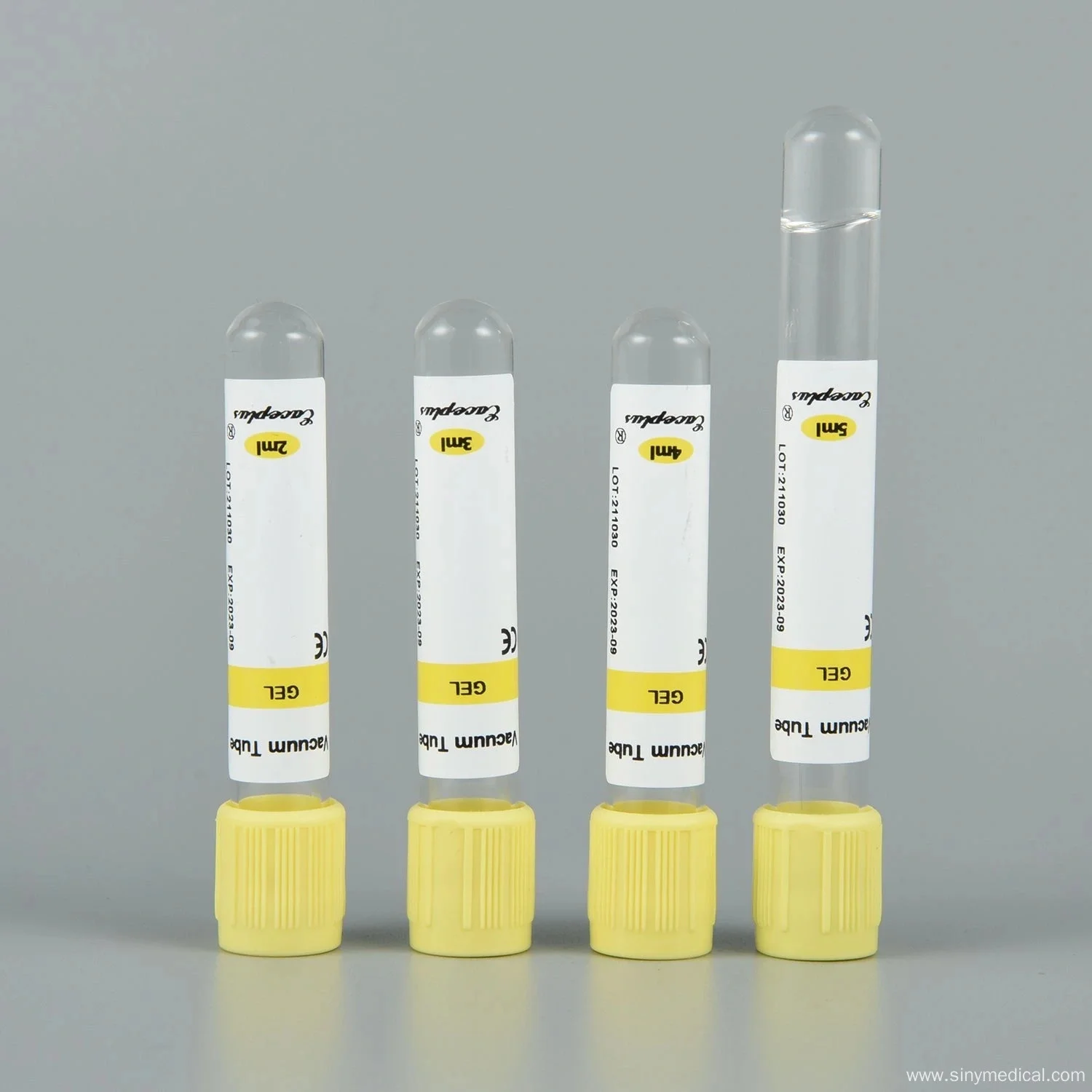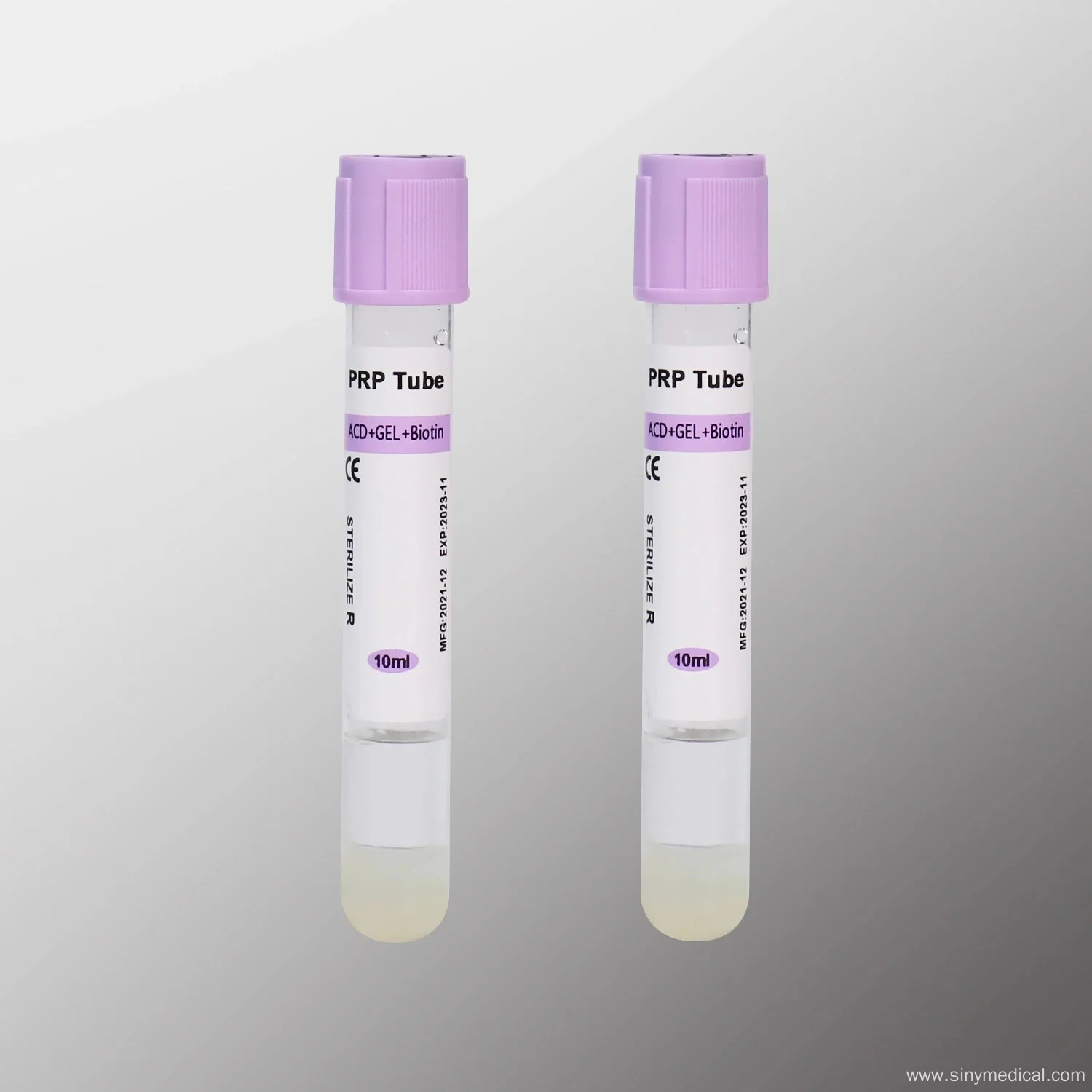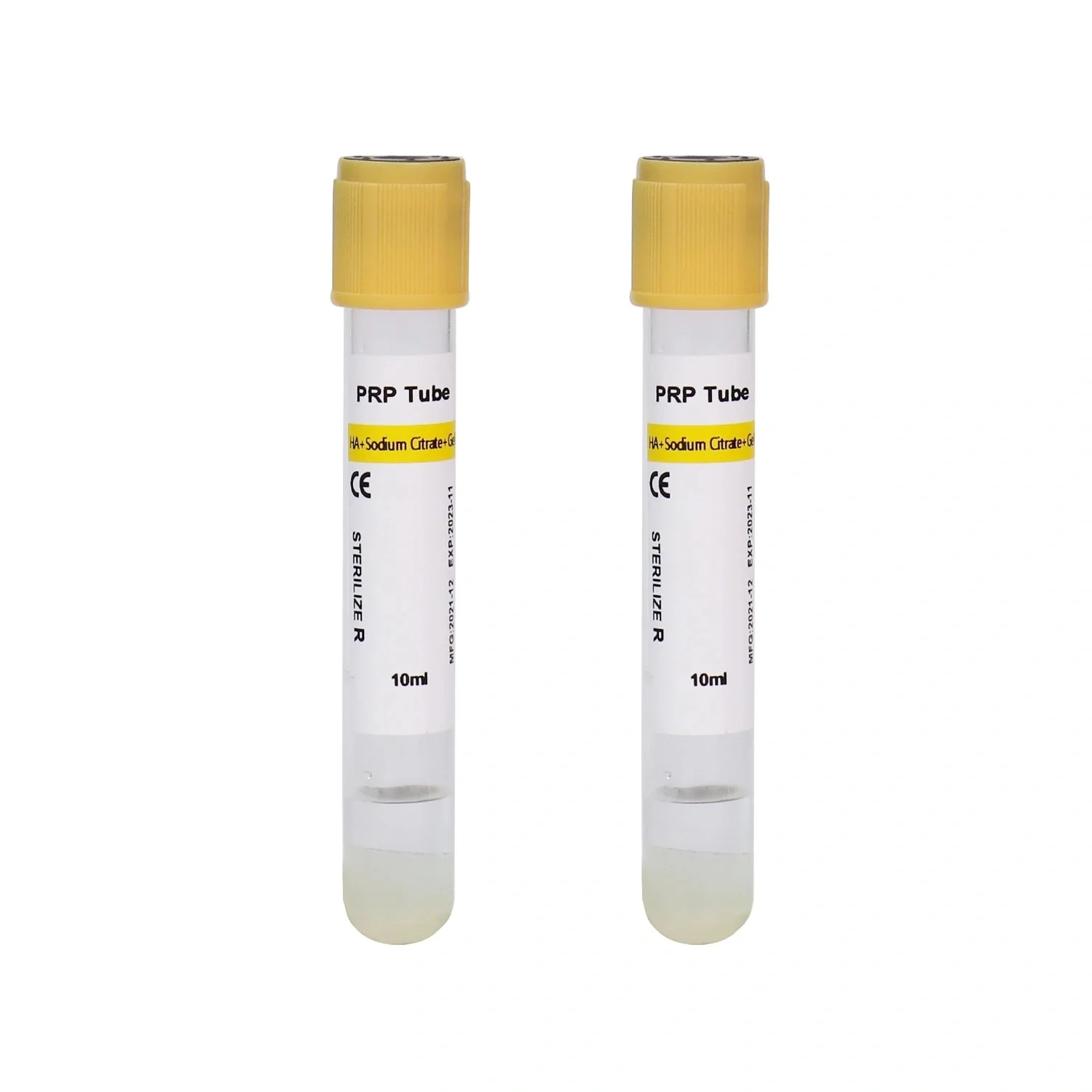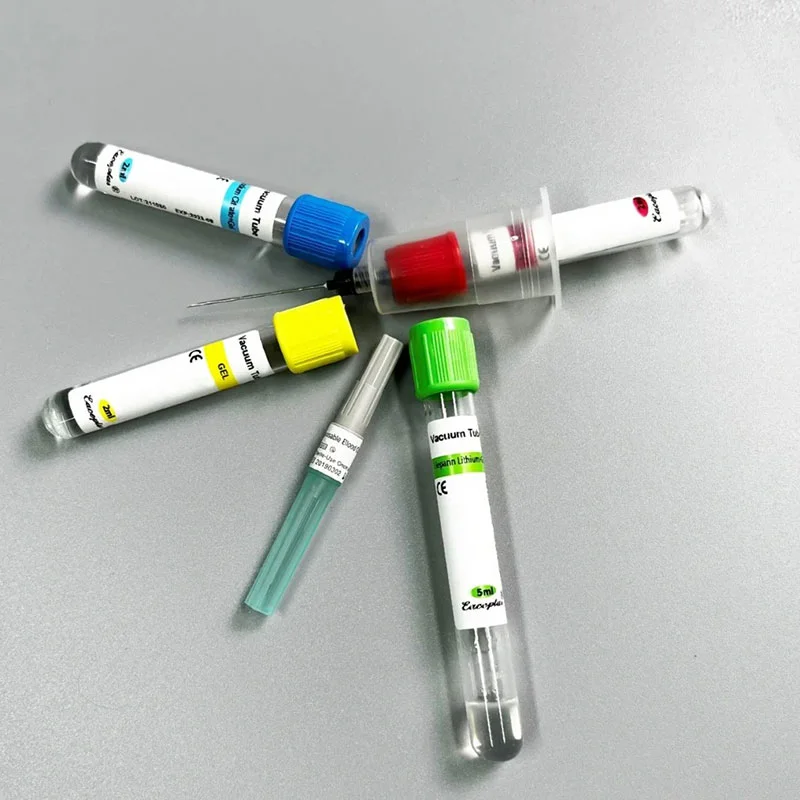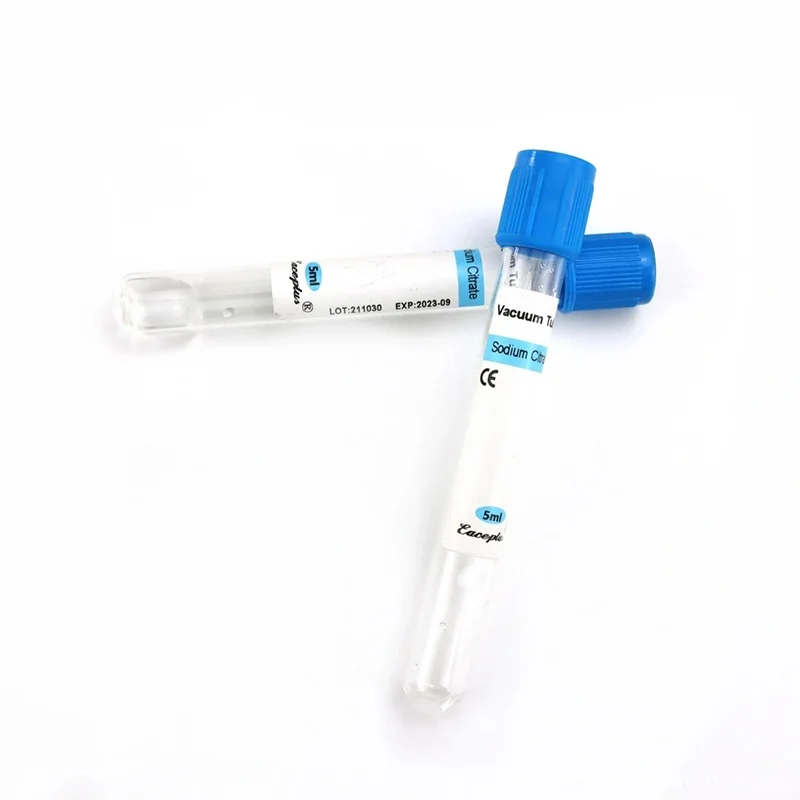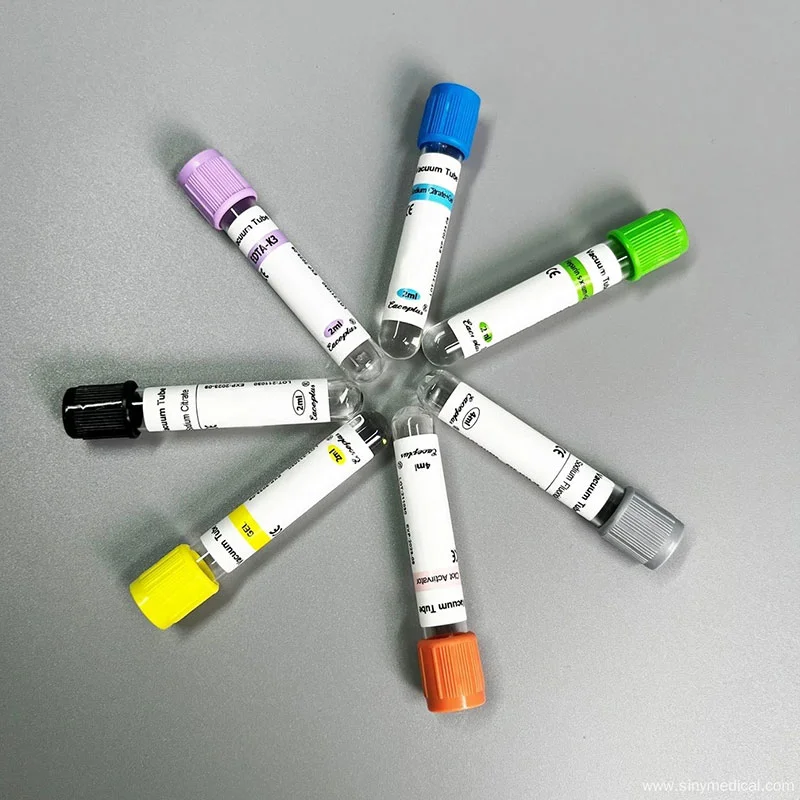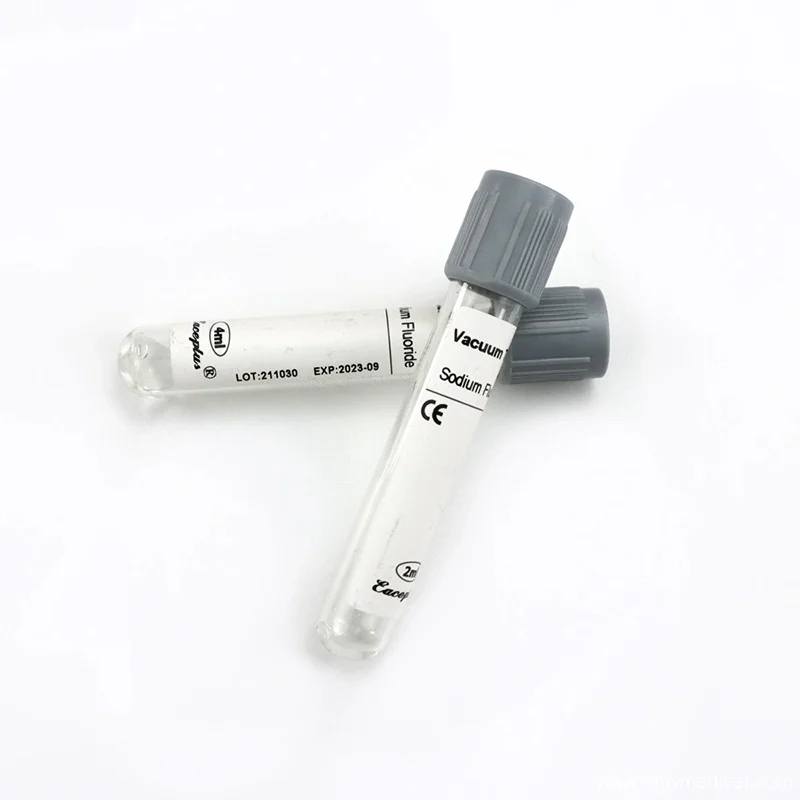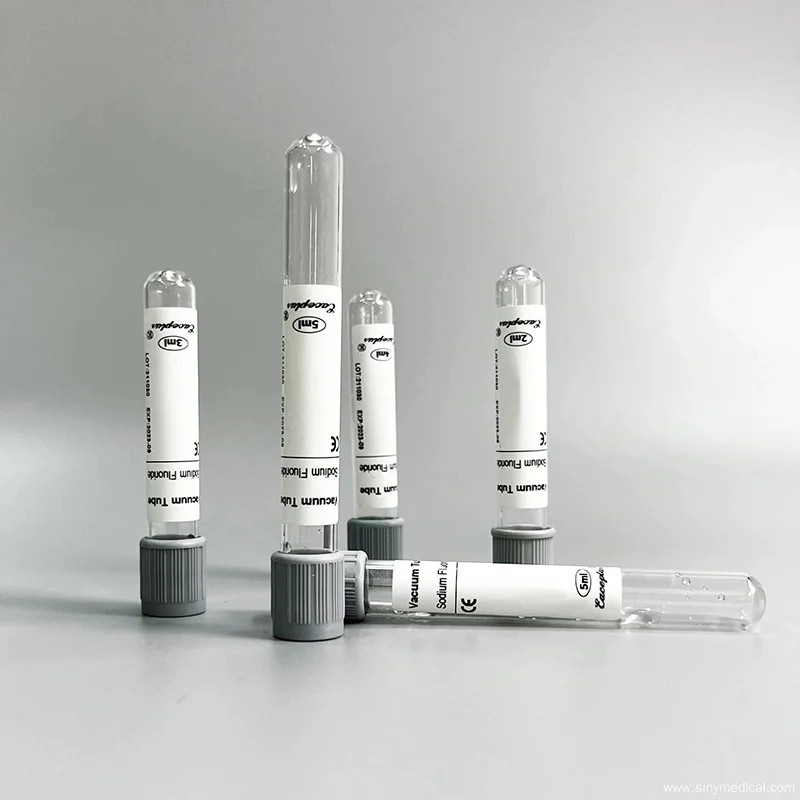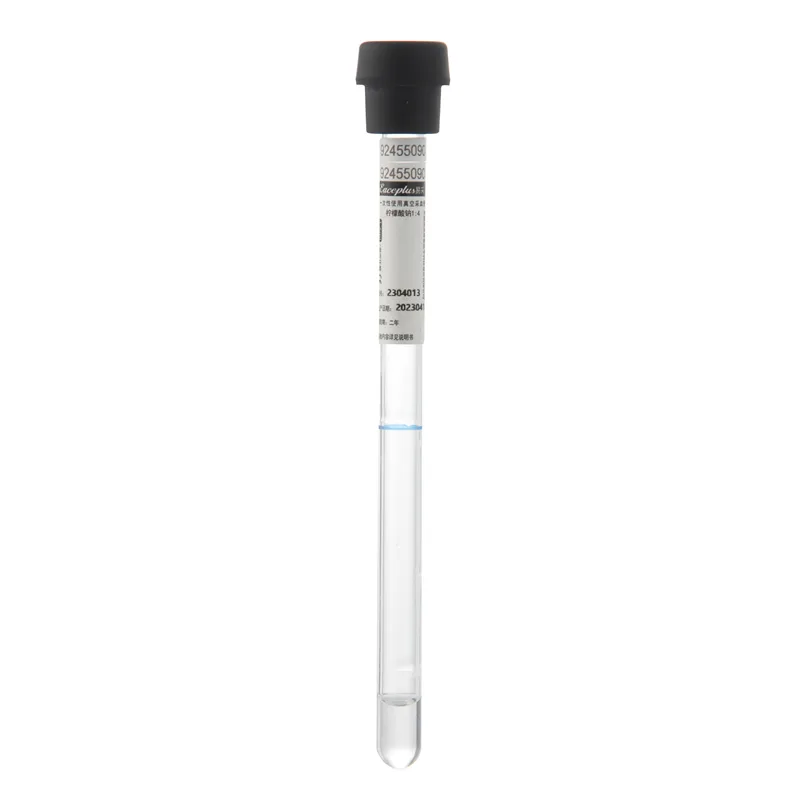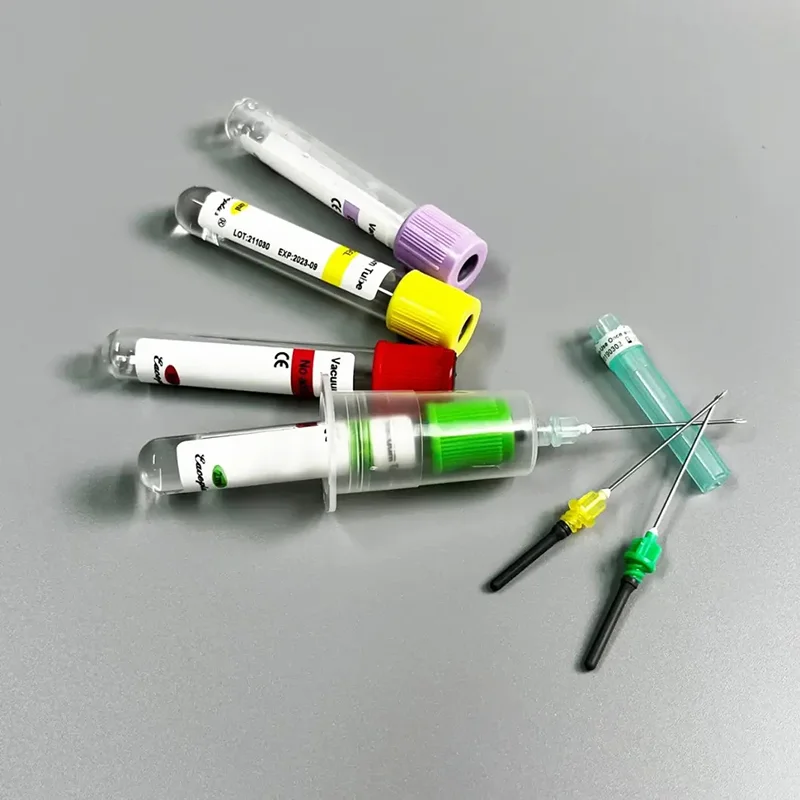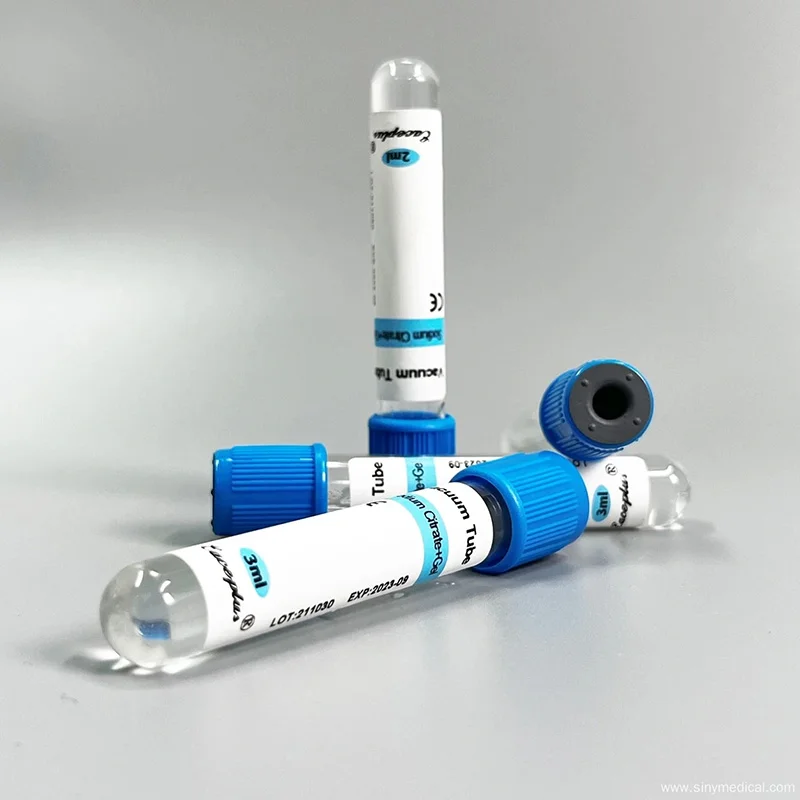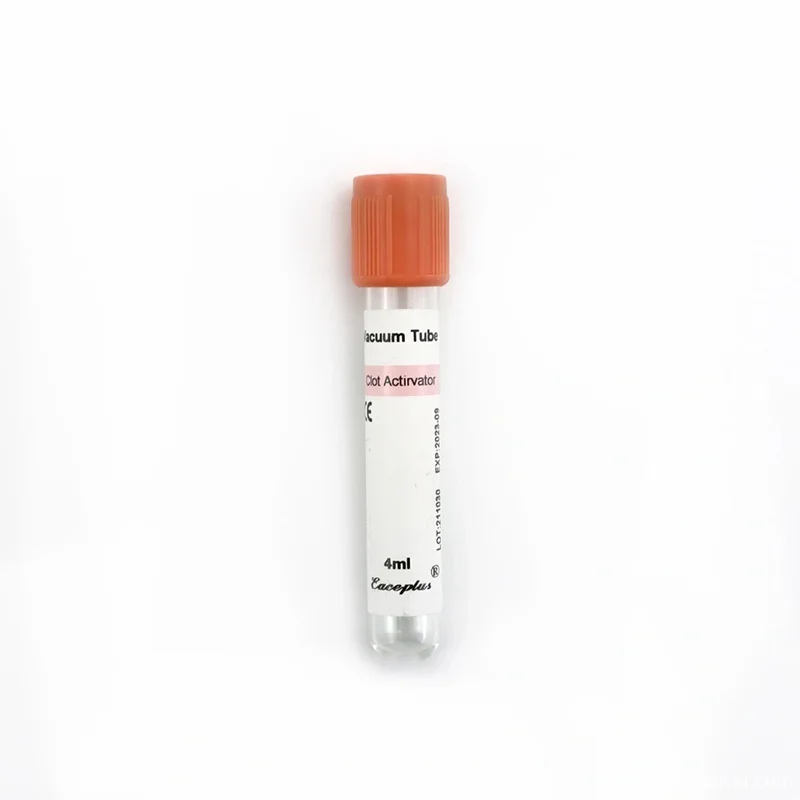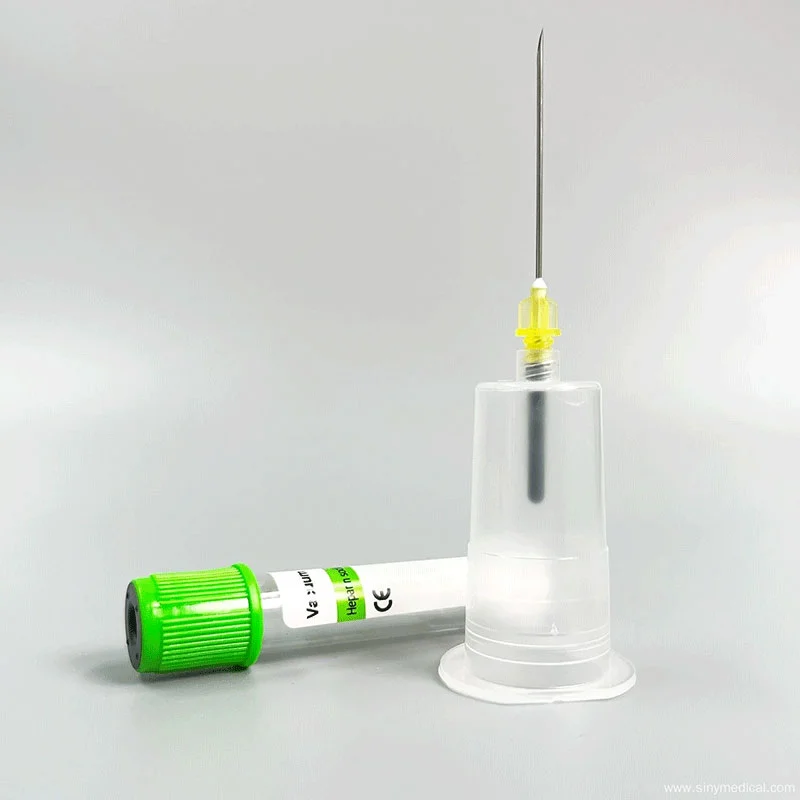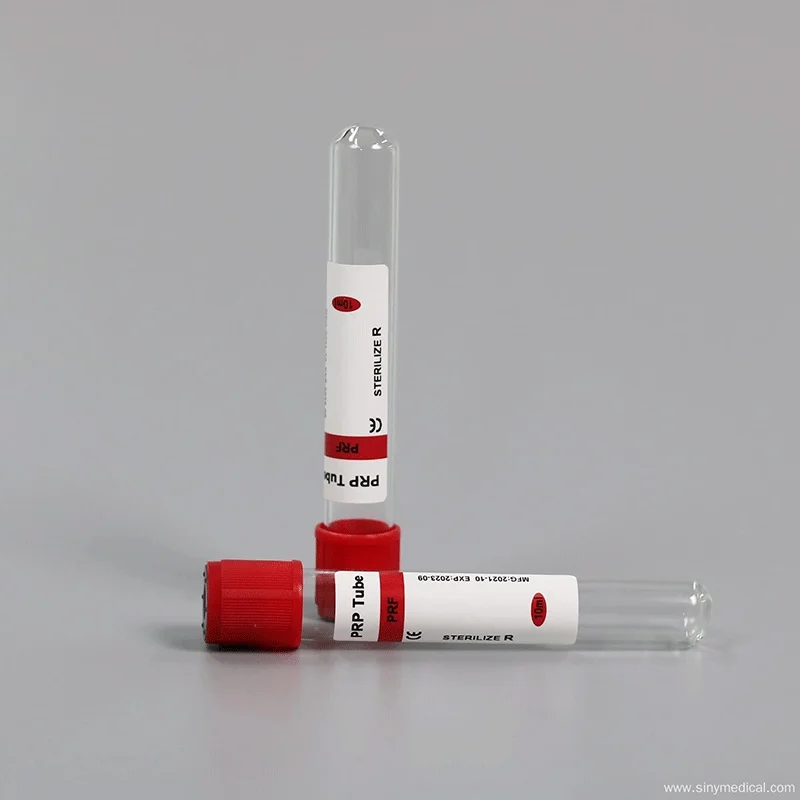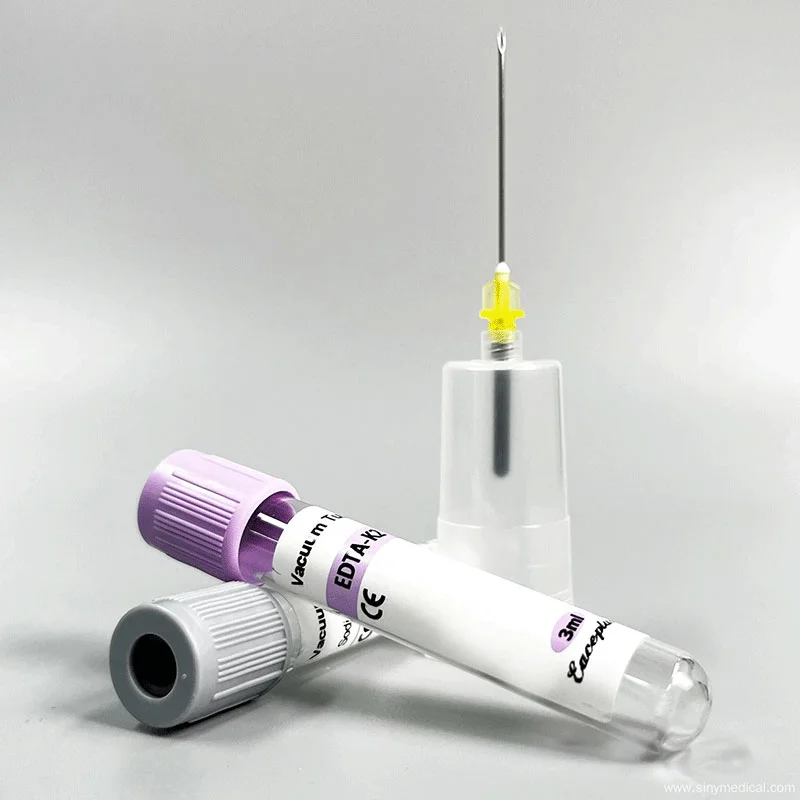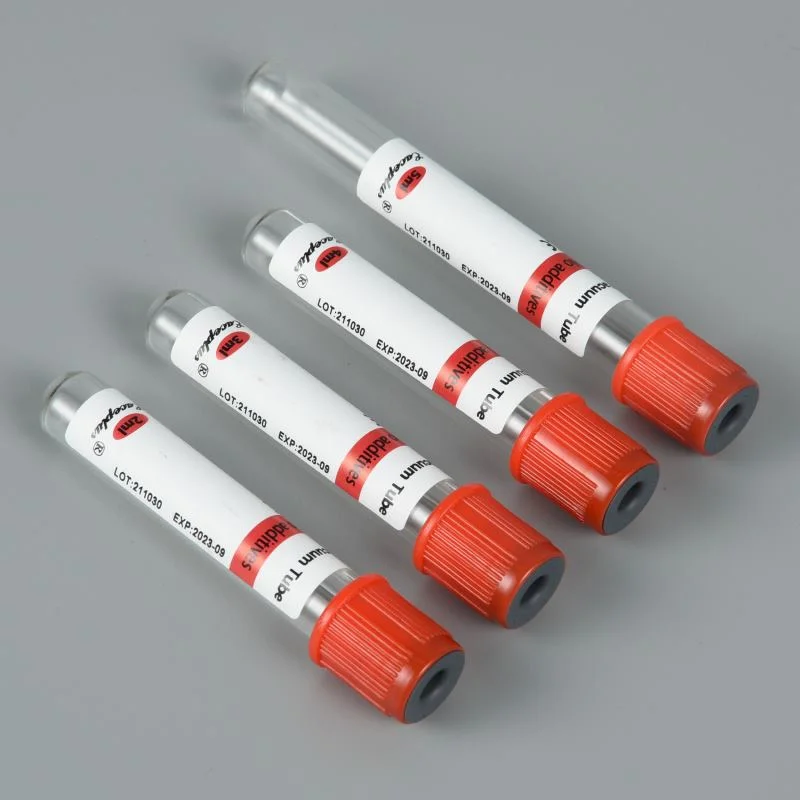
Blood collection tubes are an essential part of modern laboratory workflows because sample quality directly affects the reliability of diagnostic results. One common question among healthcare professionals, laboratories, and medical supply buyers is why is heparin used in blood tubes. The answer is closely related to the need for stable plasma samples that can be processed efficiently while maintaining important biological components.
Heparin is one of the most commonly used anticoagulants in blood collection systems. By helping prevent blood clot formation, heparin allows laboratories to obtain plasma samples for various testing procedures, including clinical chemistry, emergency diagnostics, and specialized laboratory applications.
For hospitals, laboratories, and medical distributors, understanding how heparin tubes work is important when selecting suitable blood collection products. Factors such as anticoagulant type, tube material, additive quality, and manufacturing consistency can all influence sample performance. Choosing a reliable supplier helps ensure stable product quality and supports efficient laboratory operations.
Siny Medical provides professional blood collection tube solutions for global healthcare providers and distributors, offering different anticoagulant tube options to meet various laboratory requirements.
Table of Contents
- 1 What Is Heparin and How Does It Work in Blood Collection Tubes?
- 2 Why Is Heparin Used in Blood Tubes for Plasma Collection?
- 3 Lithium Heparin Tubes vs Sodium Heparin Tubes: What Is the Difference?
- 4 How Do Heparin Blood Tubes Compare with Other Anticoagulant Blood Collection Tubes?
- 5 How to Select the Right Heparin Blood Tube for Laboratory Requirements?
- 6 Factors That Affect the Performance of Heparin Blood Tubes
- 7 FAQs About Heparin Blood Tubes
- 7.1 1. Why is heparin used in blood tubes?
- 7.2 2. What tests are performed using heparin blood tubes?
- 7.3 3. What is the difference between lithium heparin and sodium heparin tubes?
- 7.4 4. Can heparin tubes be used for complete blood count (CBC) testing?
- 7.5 5. How should laboratories choose a reliable heparin blood tube supplier?
- 7.6 6. Can heparin blood tubes be customized for OEM orders?
- 7.7 7. What should buyers check before importing heparin blood tubes?
- 8 Choosing the Right Heparin Blood Tube Solution for Your Laboratory
What Is Heparin and How Does It Work in Blood Collection Tubes?
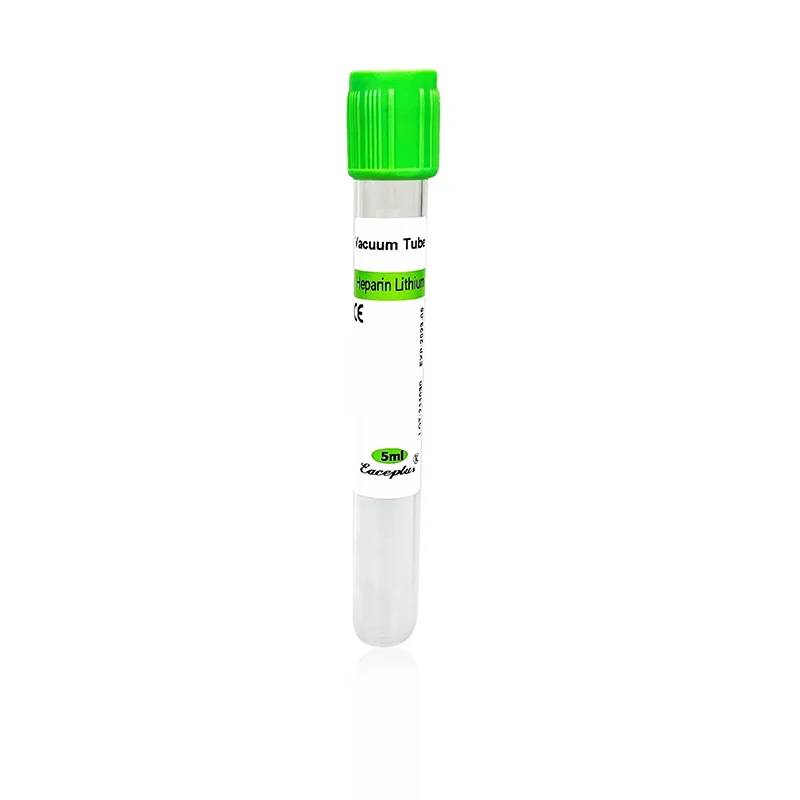
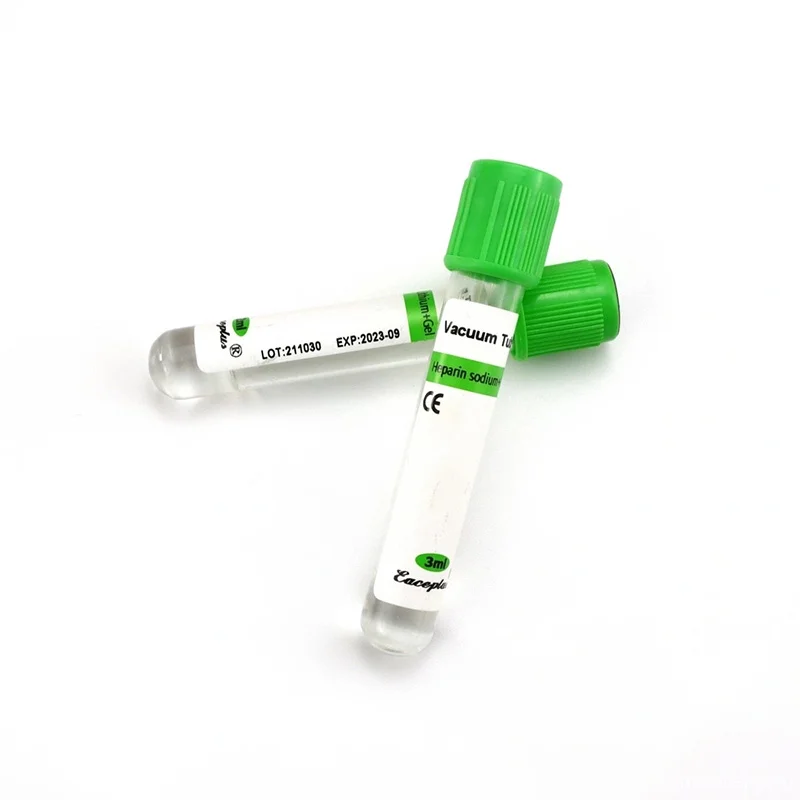
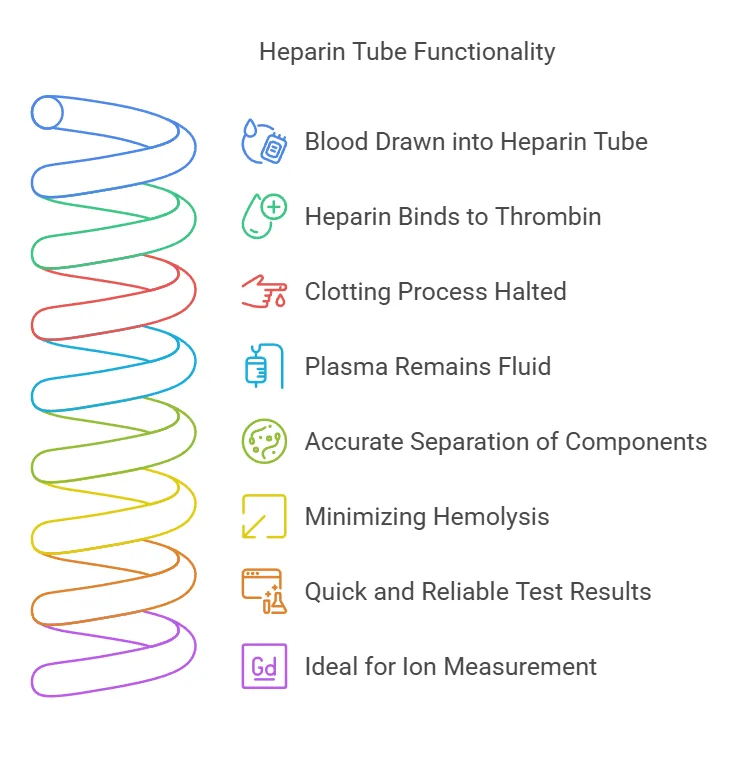
Heparin is a natural anticoagulant that helps regulate blood clotting in the human body. In blood collection tubes, heparin works as an additive that keeps collected blood in a liquid state, allowing laboratories to separate plasma without waiting for clot formation.
After blood leaves the body, the coagulation process begins naturally. A series of reactions activate clotting factors, eventually leading to fibrin formation and blood clot development. While this mechanism is essential for normal wound healing, it can affect laboratory testing because many procedures require plasma samples rather than clotted blood.
Heparin helps slow this coagulation process by enhancing the activity of antithrombin, a natural protein that reduces the activity of certain clotting factors, including thrombin and factor Xa. This helps maintain the sample condition and allows laboratories to obtain suitable plasma for analysis.
Common types of heparin used in blood collection tubes include:
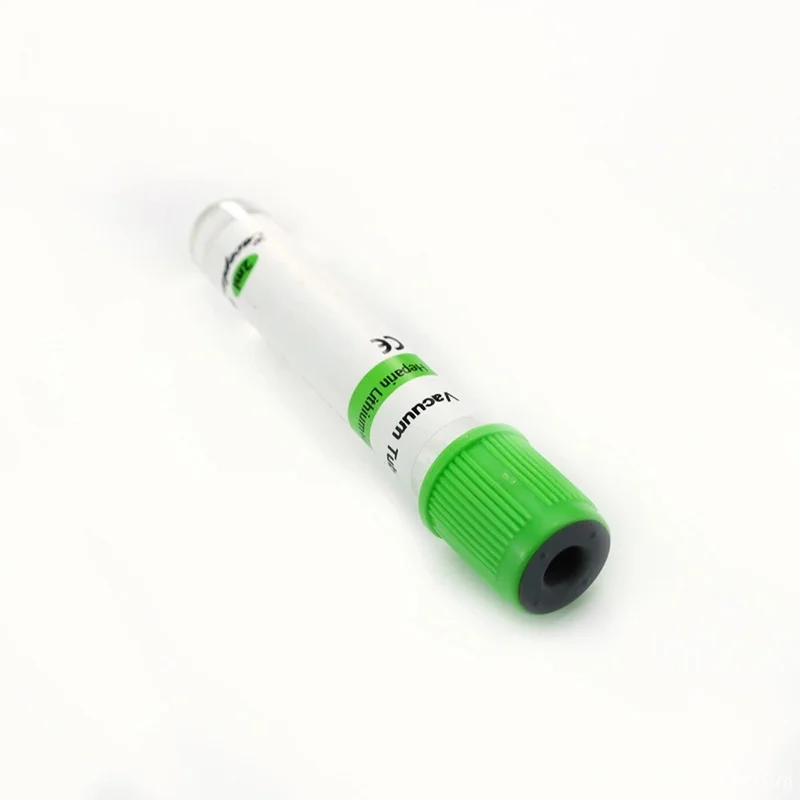
- Lithium heparin
- Sodium heparin
- Ammonium heparin
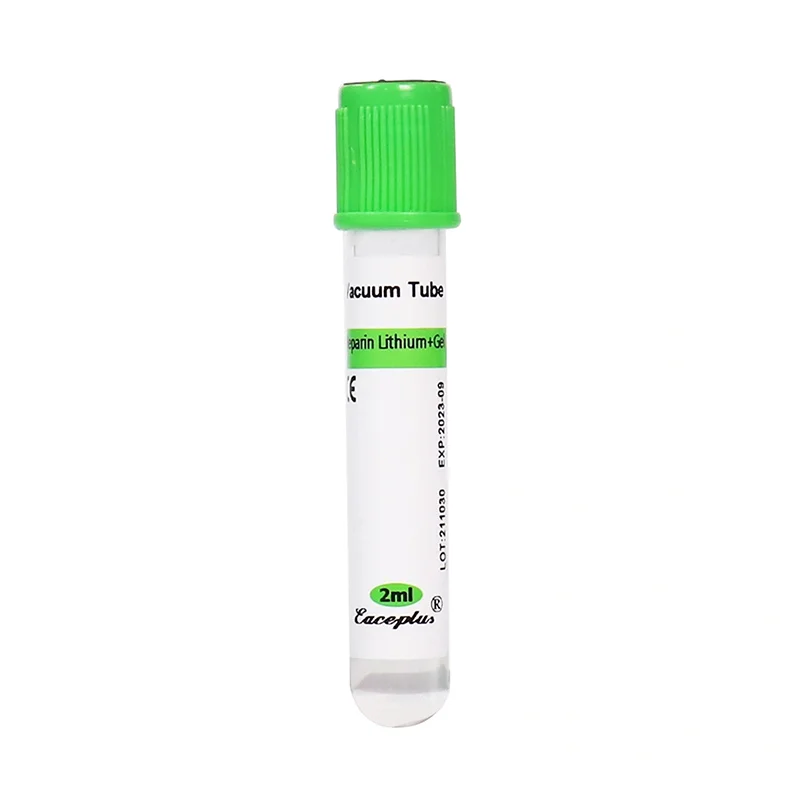
Among these options, lithium heparin tubes are widely used for routine plasma chemistry testing because lithium generally creates fewer concerns in standard biochemical analysis. Sodium heparin tubes may be selected for specific applications, but laboratories need to consider whether sodium-related measurements could be affected by the additive.
The performance of a heparin blood tube depends not only on the anticoagulant itself but also on factors such as additive distribution, tube material, vacuum stability, and manufacturing control. For laboratories and distributors purchasing these products in large quantities, consistent production quality is essential to maintaining reliable testing workflows.

Why Is Heparin Used in Blood Tubes for Plasma Collection?
If you are wondering why is heparin used in blood tubes, the main reason is that heparin allows laboratories to collect plasma samples quickly while preventing unwanted clot formation.
Unlike serum tubes, which require blood to clot before centrifugation, heparin tubes contain an anticoagulant that keeps blood fluid after collection. This allows plasma separation to begin sooner and makes heparin tubes particularly useful for situations where rapid laboratory results are required.
In emergency departments, intensive care units, and routine diagnostic laboratories, fast sample processing can improve workflow efficiency. Heparin plasma samples are commonly used when laboratories need timely biochemical information while maintaining reliable sample quality.
Common applications of heparin blood tubes include:
| Application | Why Heparin Tubes Are Used |
|---|---|
| Clinical chemistry testing | Provides plasma samples suitable for many biochemical analyses |
| Electrolyte testing | Supports rapid sample preparation for electrolyte measurement |
| Blood gas analysis | Helps maintain sample conditions for analysis |
| Emergency testing | Allows faster plasma preparation when quick results are needed |
| Specialized laboratory procedures | Provides suitable plasma samples for selected applications |
Although heparin is widely used, it is not suitable for every laboratory test. Different blood collection tubes are designed for different testing requirements.
For example:
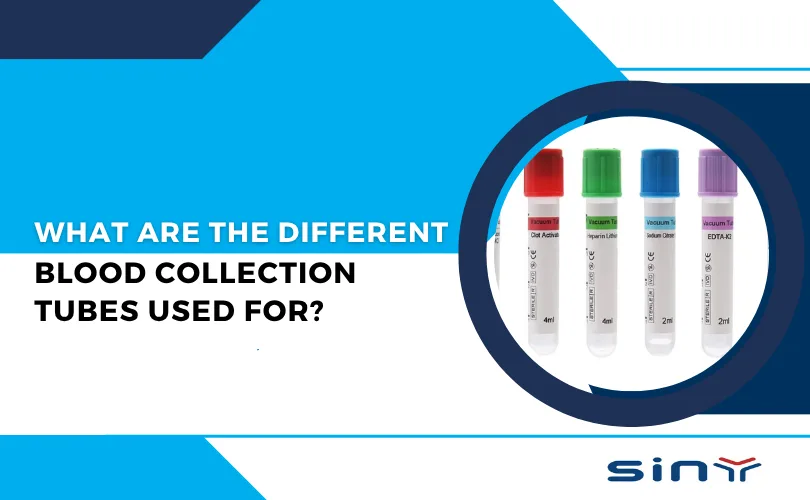
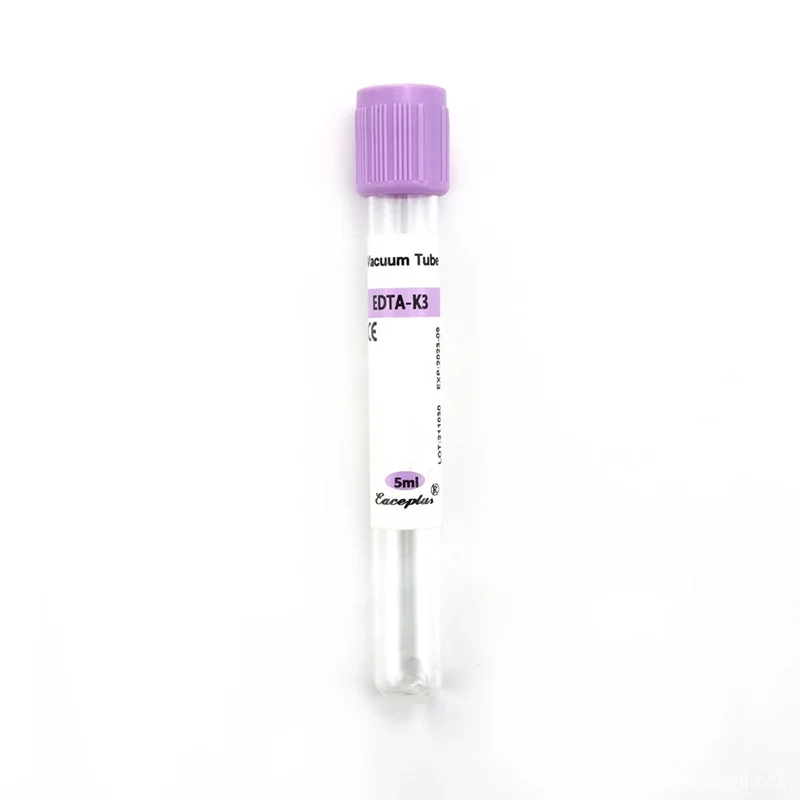
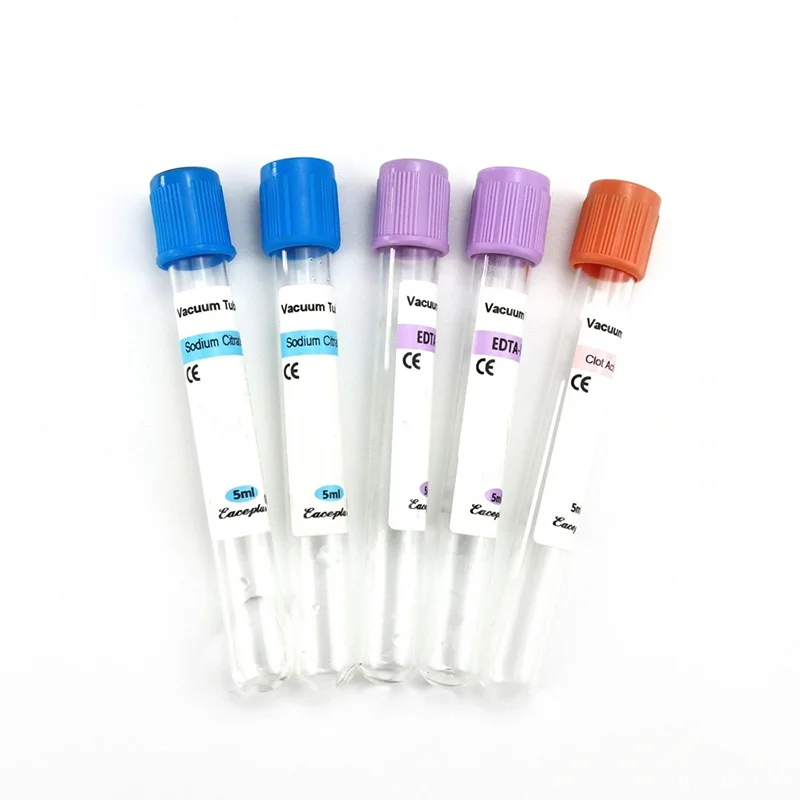
- EDTA tubes are commonly used for hematology testing because they help preserve blood cell morphology.
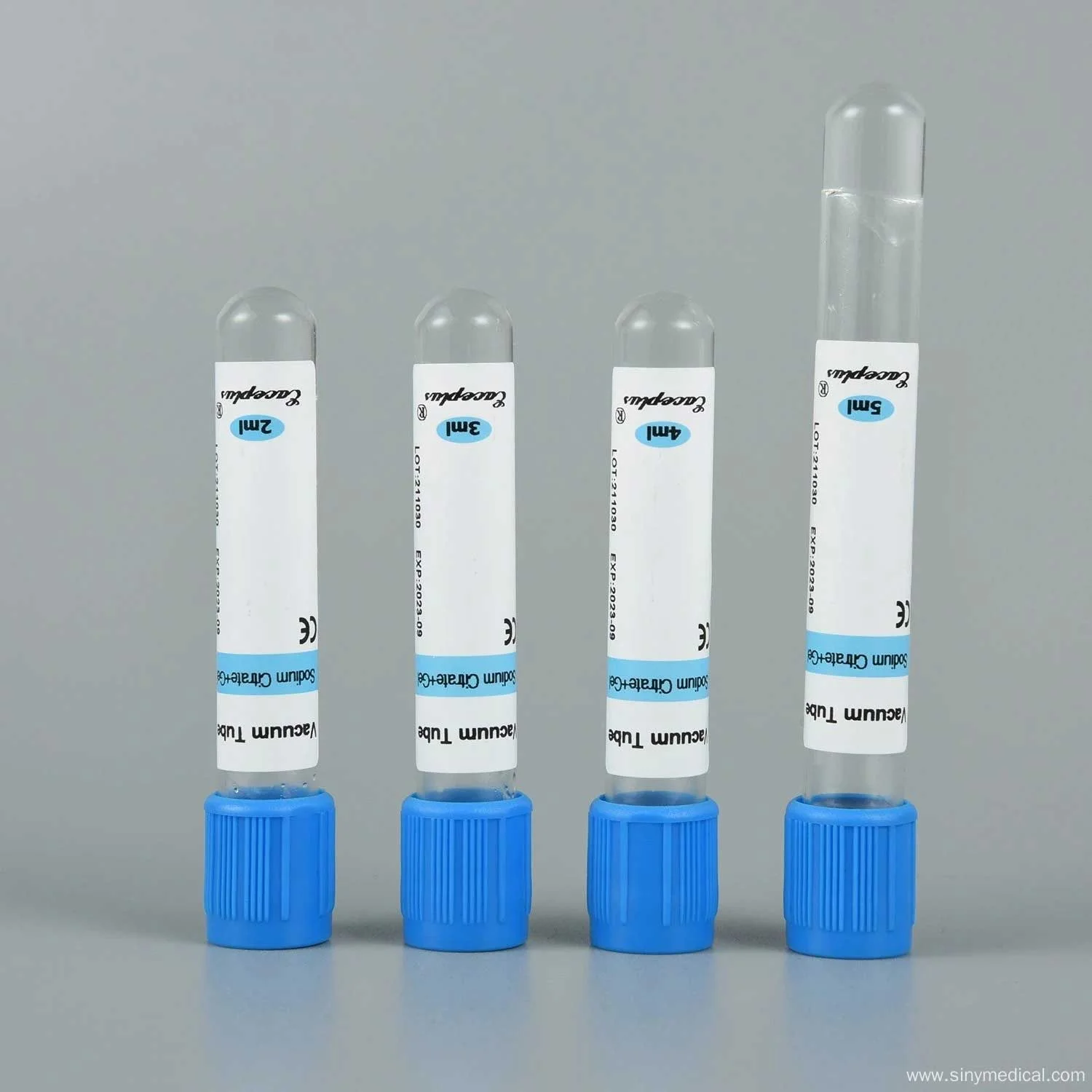
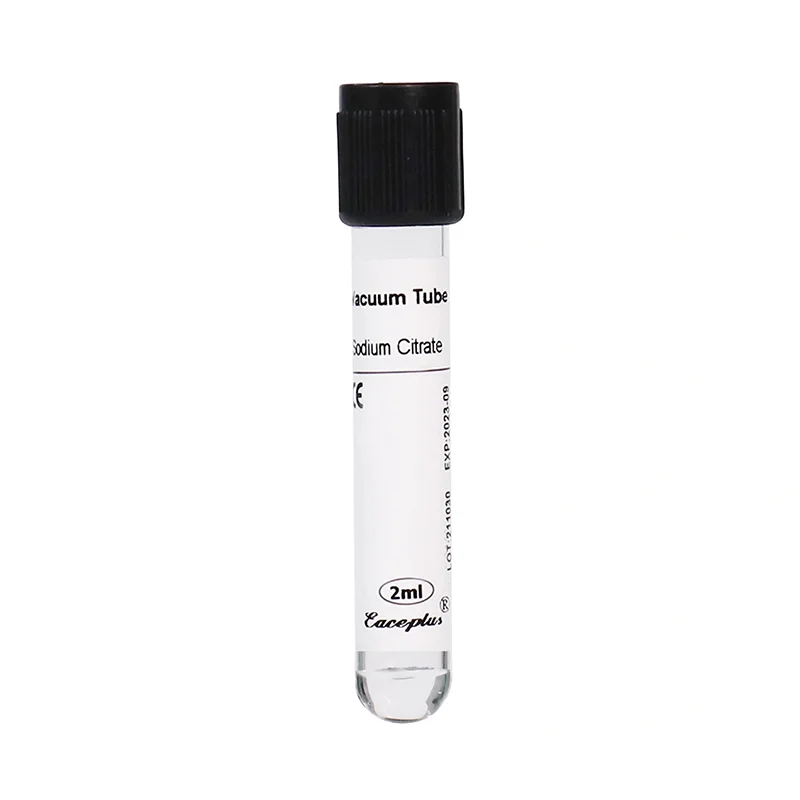
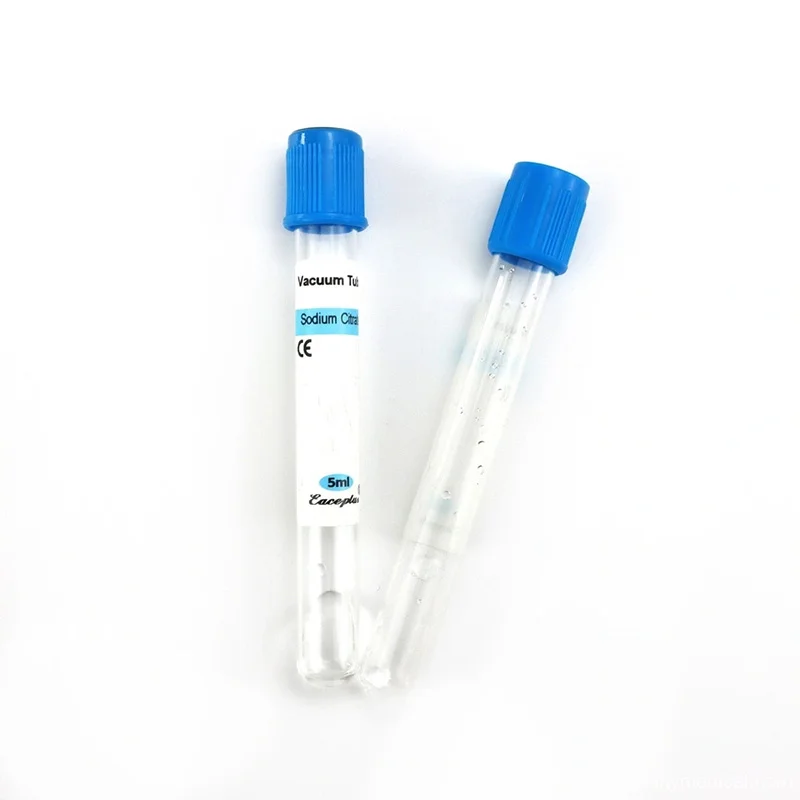
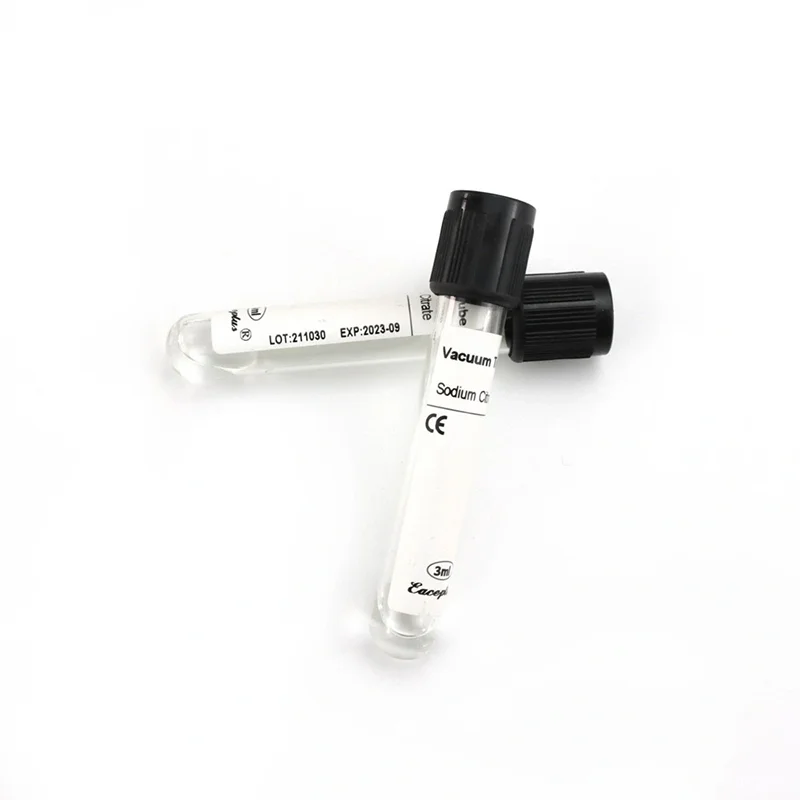
- Sodium citrate tubes are preferred for coagulation testing because citrate provides controlled calcium binding.
- Heparin tubes are commonly selected for plasma-based chemistry applications.
Selecting the correct tube according to the testing purpose is essential for maintaining accurate laboratory results. A professional supplier should provide different anticoagulant blood collection options rather than a single universal solution.
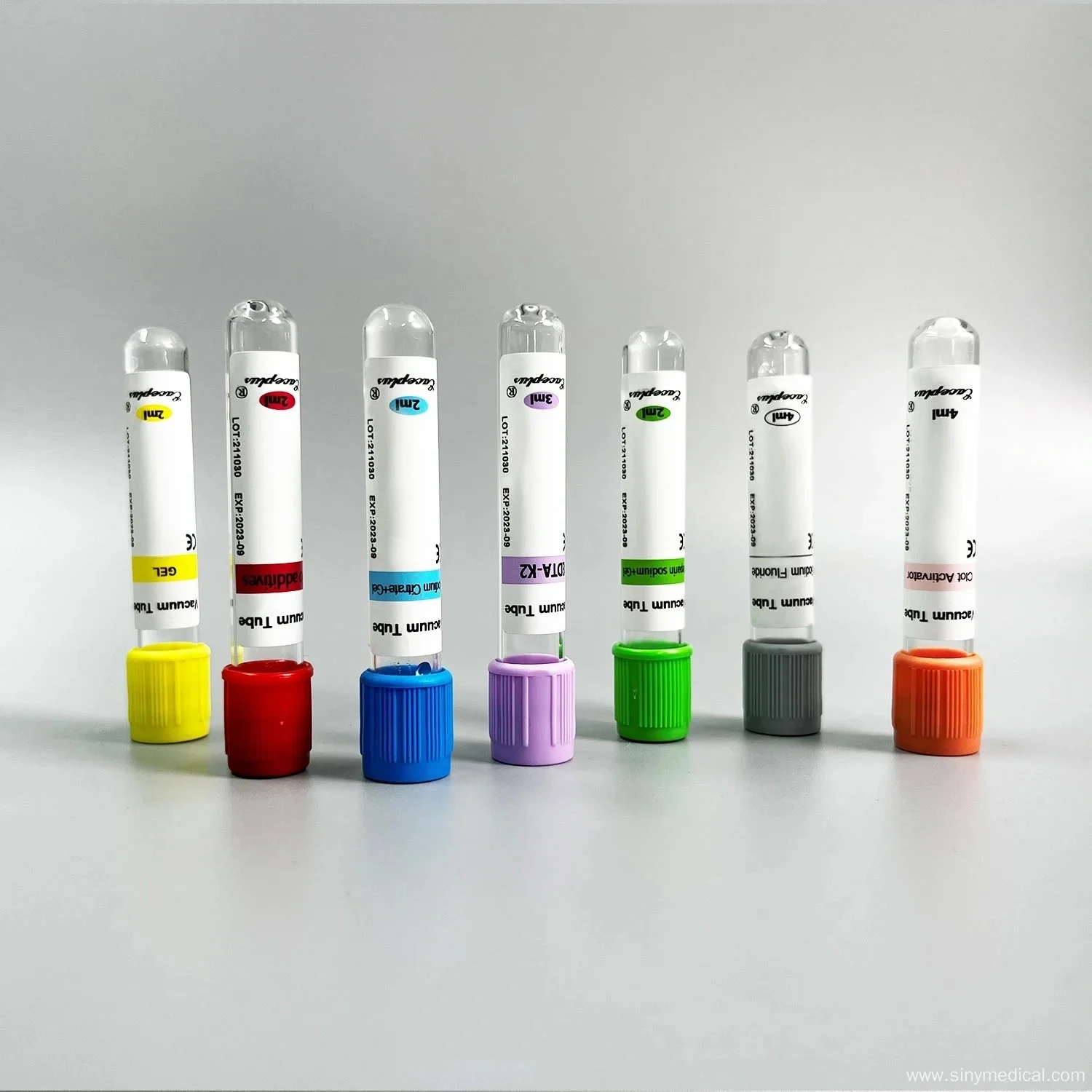
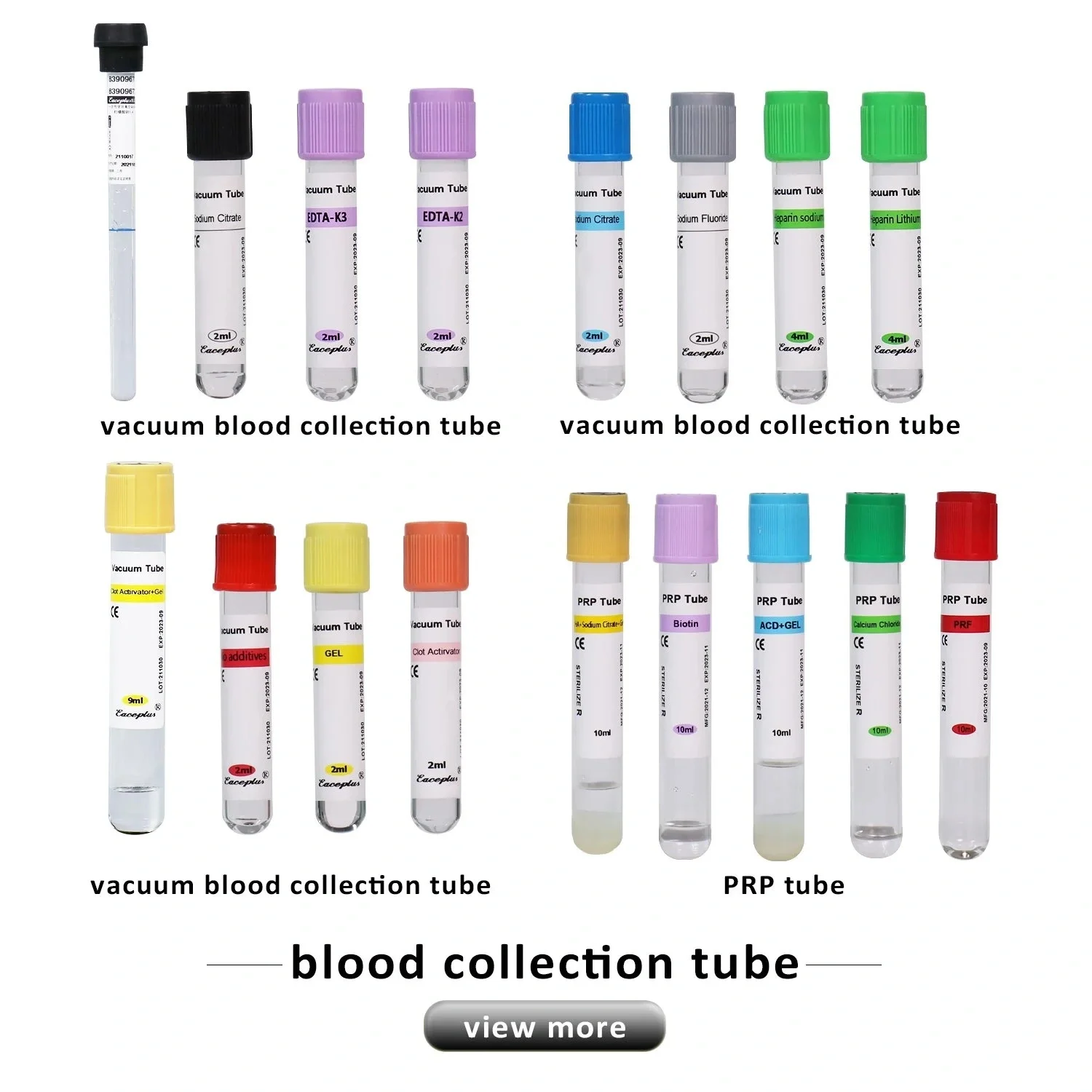
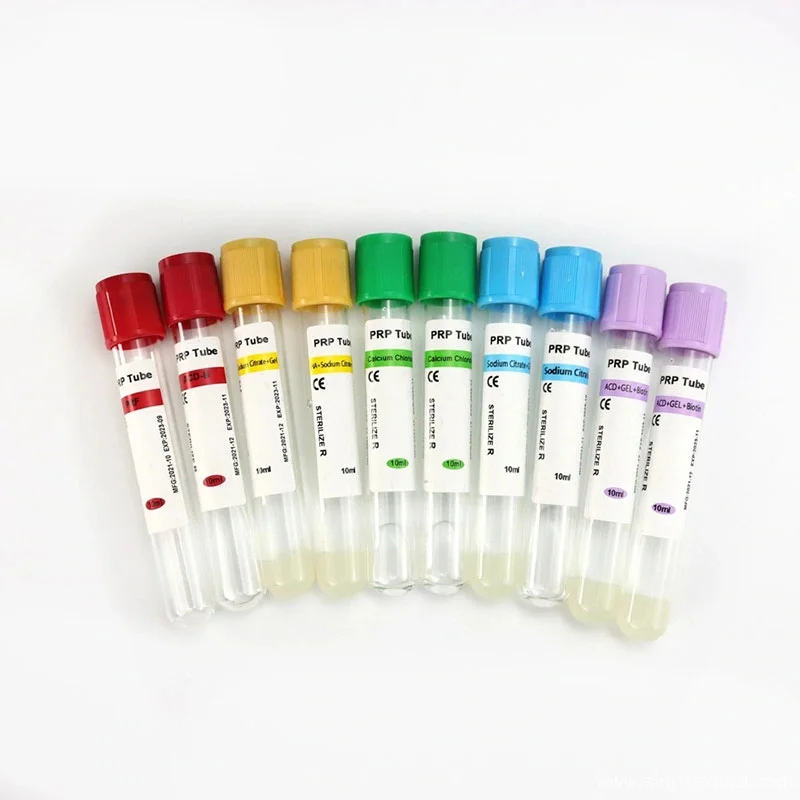
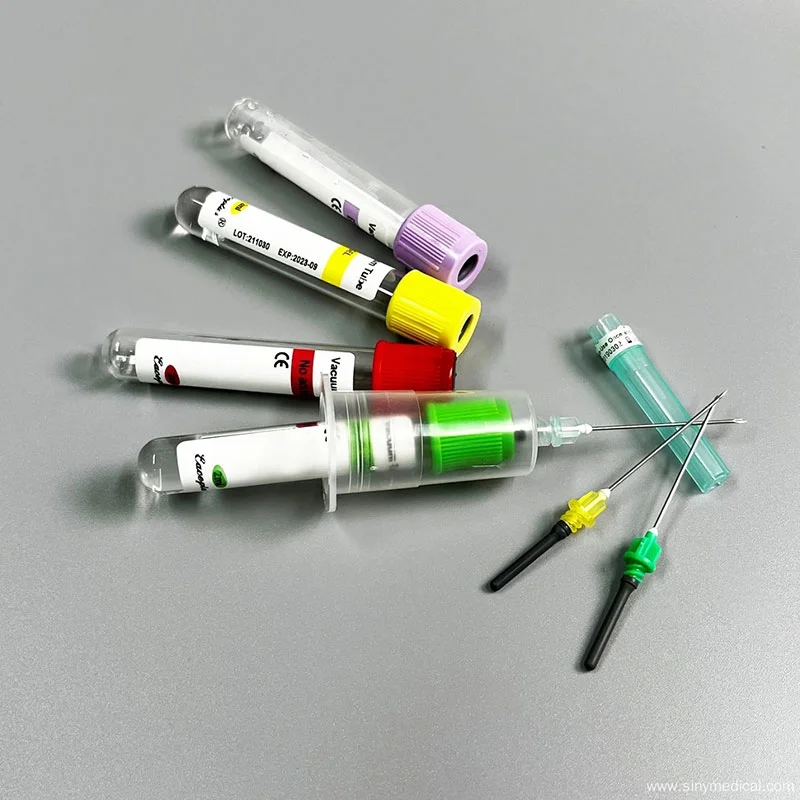
Siny Medical supplies a range of blood collection tubes, including lithium heparin tubes, sodium citrate tubes, and EDTA tubes, helping healthcare organizations and distributors select suitable products according to their laboratory needs.
Lithium Heparin Tubes vs Sodium Heparin Tubes: What Is the Difference?
Although lithium heparin tubes and sodium heparin tubes both use heparin as an anticoagulant, their applications may differ depending on laboratory requirements.
Lithium Heparin Tubes
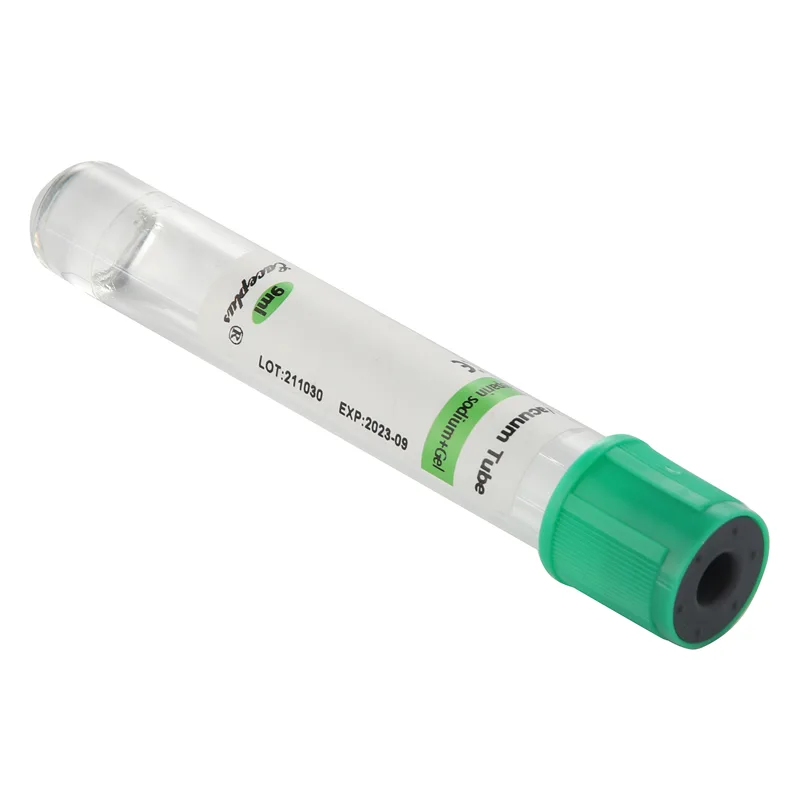
Lithium heparin tubes are commonly used for routine plasma chemistry testing. They are widely selected because lithium usually has less impact on many standard biochemical measurements.
Typical applications include:
- Routine biochemistry tests
- Plasma chemistry analysis
- Electrolyte testing
- Emergency diagnostic procedures
Lithium heparin tubes are a practical choice for laboratories that require efficient plasma preparation and consistent sample quality.
Sodium Heparin Tubes
Sodium heparin tubes also provide effective anticoagulation and can be used for various plasma collection applications. However, laboratories should consider the potential influence of sodium ions when performing certain electrolyte-related analyses.
Common applications include:
- Plasma sample collection
- Specific biochemical testing
- Specialized laboratory workflows
The choice between lithium heparin and sodium heparin tubes depends on the testing method, analyzer requirements, and laboratory protocols.
For medical distributors and healthcare facilities, selecting the right heparin tube is not only about the anticoagulant type. Tube specifications, production quality, packaging, and supplier reliability are also important factors that affect long-term supply stability.
How Do Heparin Blood Tubes Compare with Other Anticoagulant Blood Collection Tubes?
Different laboratory tests require different types of blood samples, which is why manufacturers provide various anticoagulant blood collection tubes. Although heparin is one of the most widely used anticoagulants, it is not designed for every testing purpose.
Understanding the differences between tube additives helps laboratories, hospitals, and medical distributors select the most suitable products for their applications.
| Tube Type | Main Additive | Sample Type | Common Applications |
|---|---|---|---|
| Heparin Tube | Lithium Heparin / Sodium Heparin | Plasma | Clinical chemistry, emergency testing, plasma analysis |
| EDTA Tube | K2 EDTA / K3 EDTA | Whole Blood | Complete blood count (CBC), hematology testing |
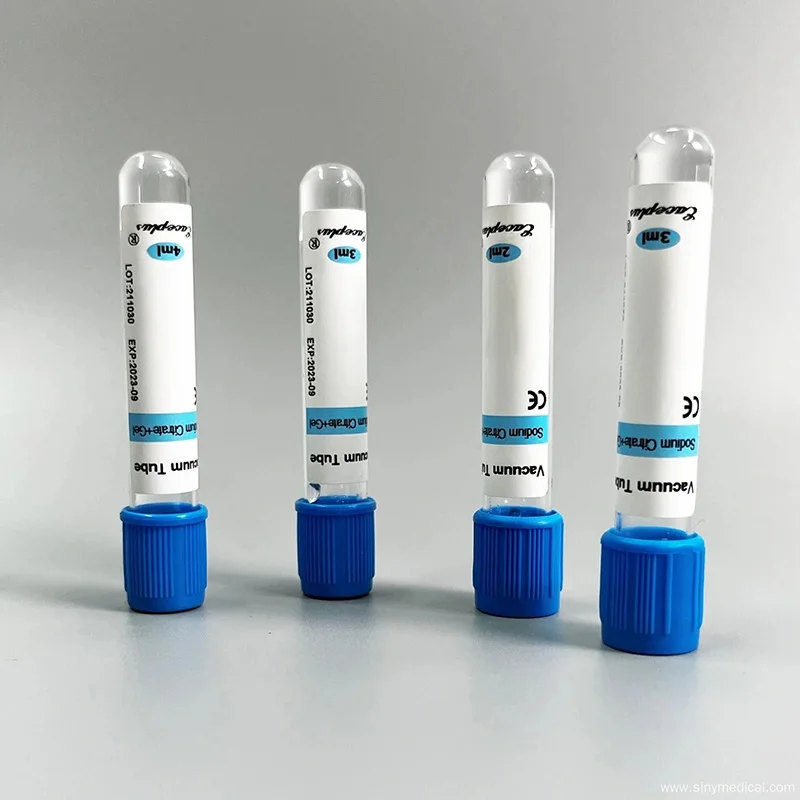
| Sodium Citrate Tube | Sodium Citrate | Plasma / Whole Blood | Coagulation testing, ESR analysis |
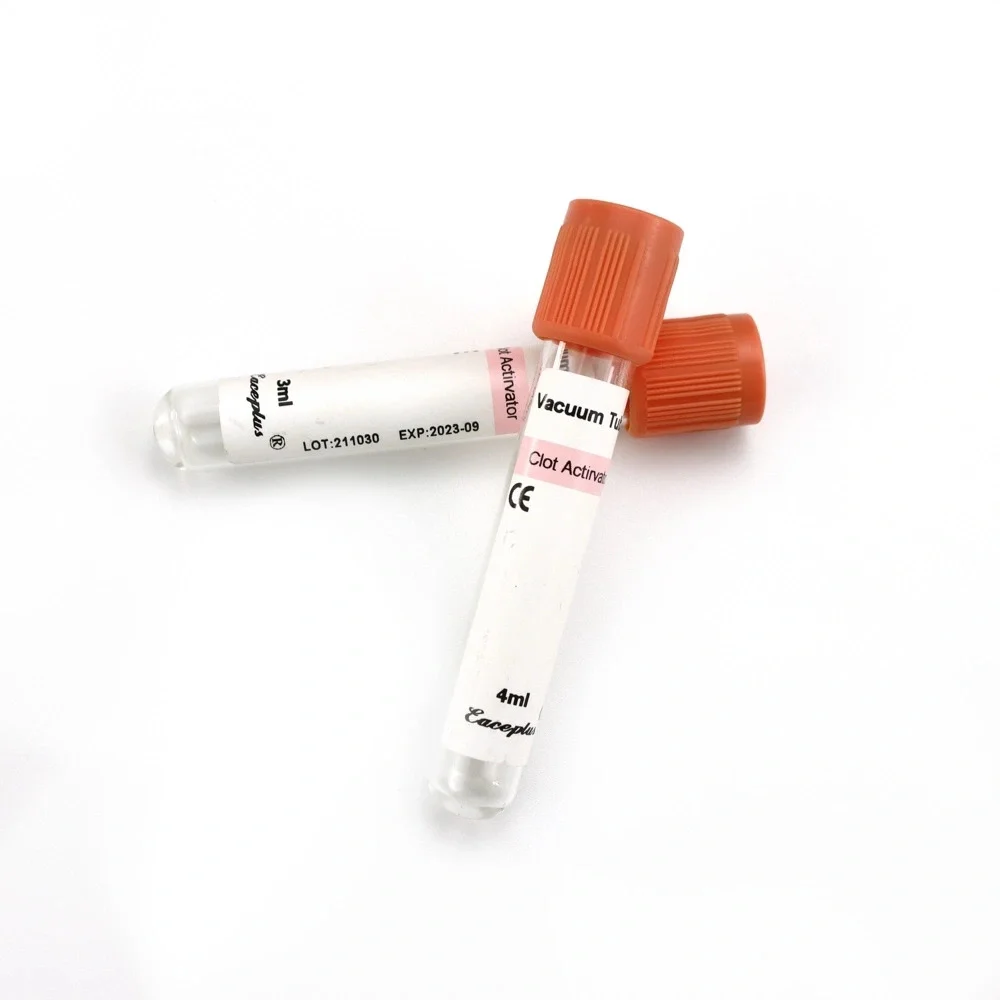
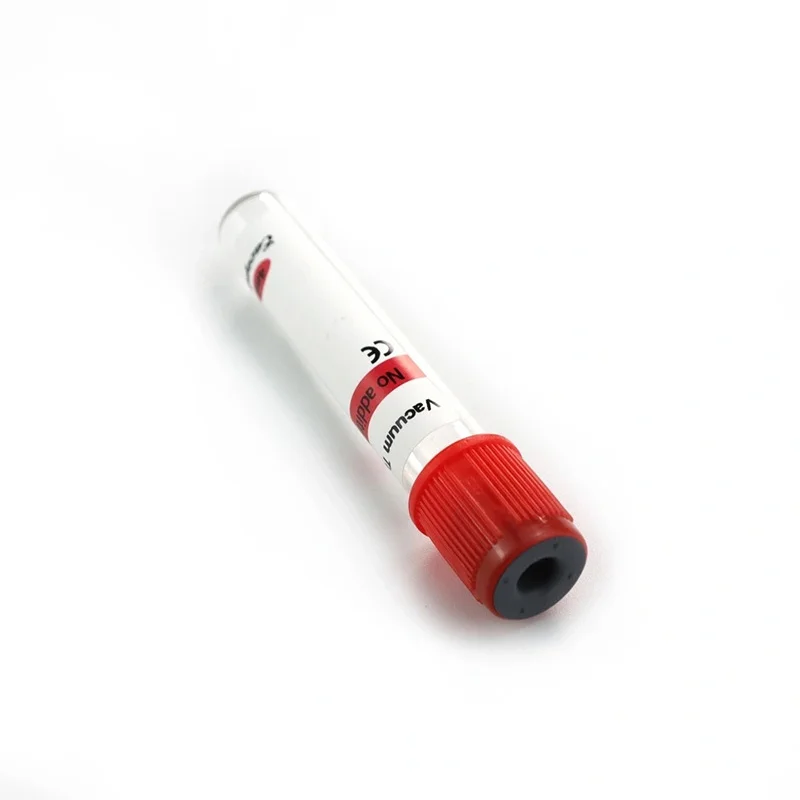
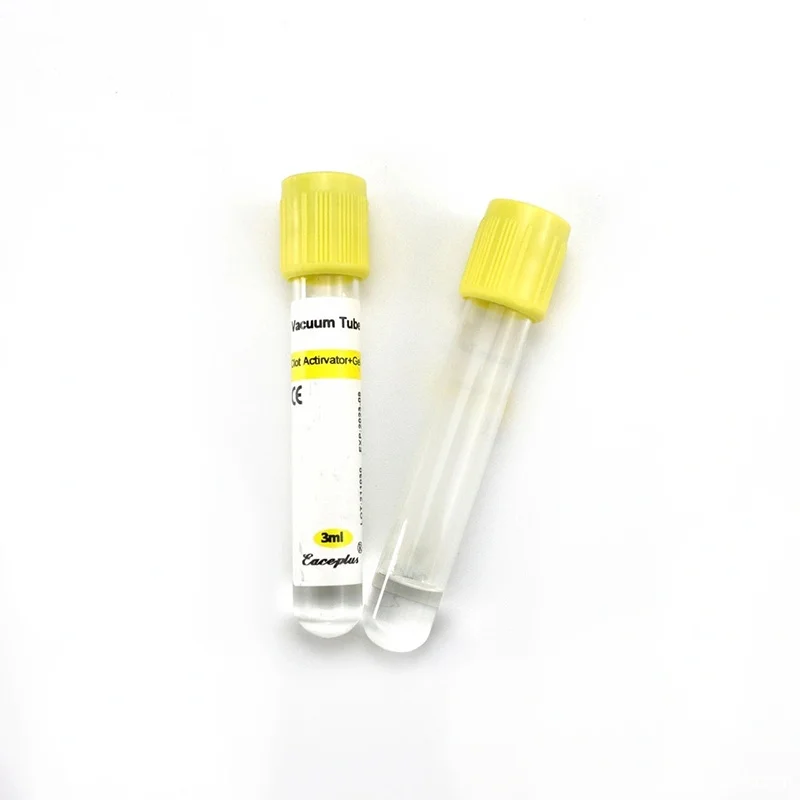
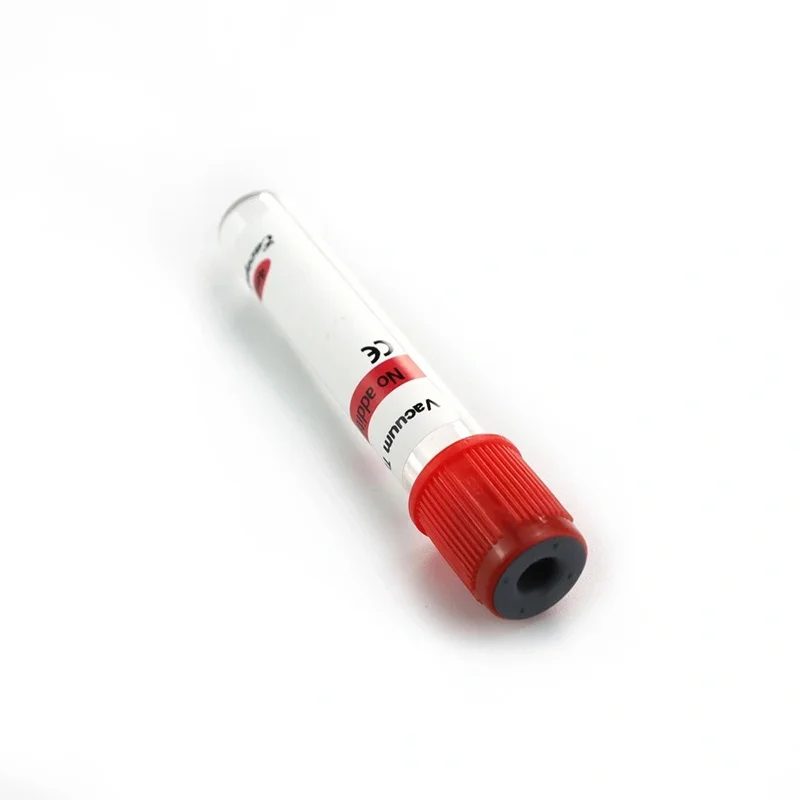
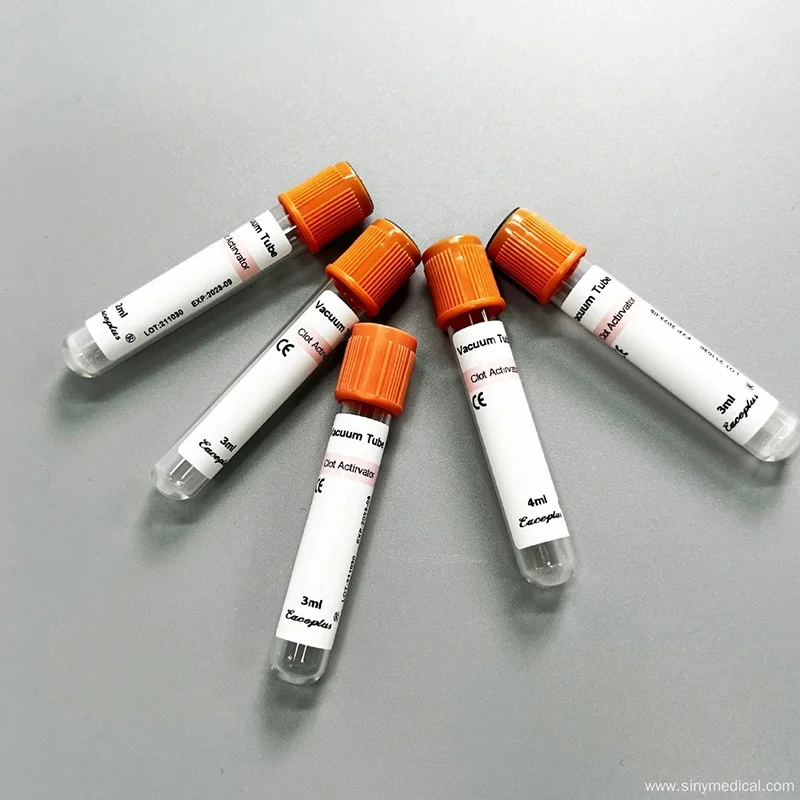
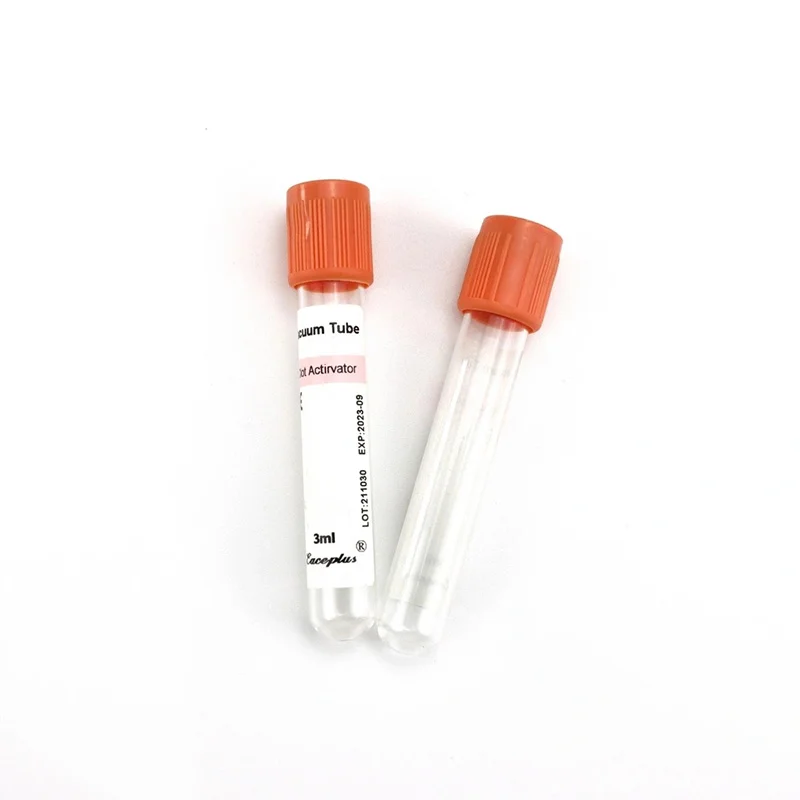
| Serum Tube | Clot Activator / Gel | Serum | Biochemistry, immunology testing |
Heparin Tubes
Heparin tubes are mainly used when laboratories need plasma samples for analysis. Because heparin prevents clot formation without significantly affecting many plasma components, it supports efficient sample preparation for biochemical testing.
They are especially useful in workflows where rapid plasma separation is important, such as emergency laboratory procedures and routine chemistry analysis.
EDTA Tubes
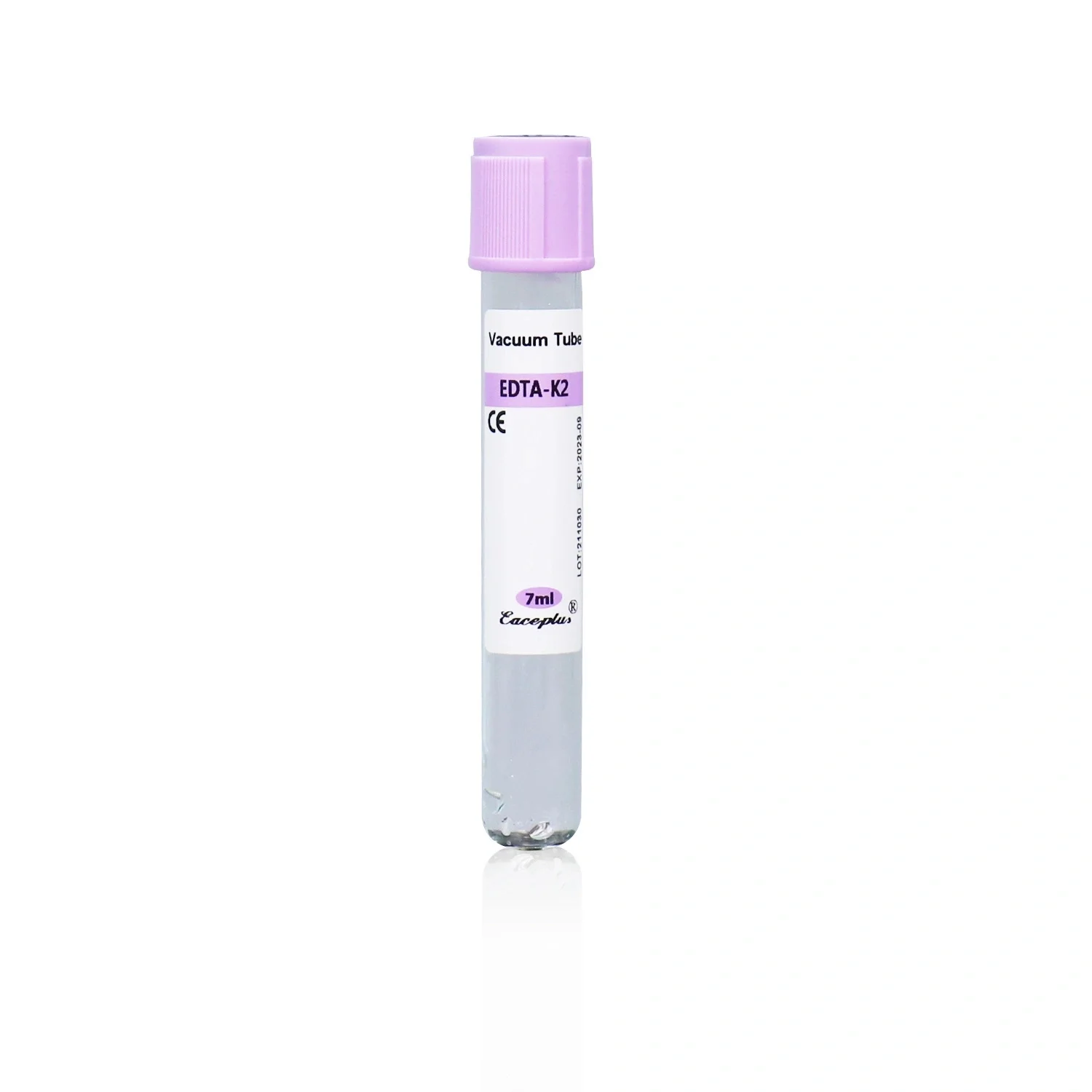
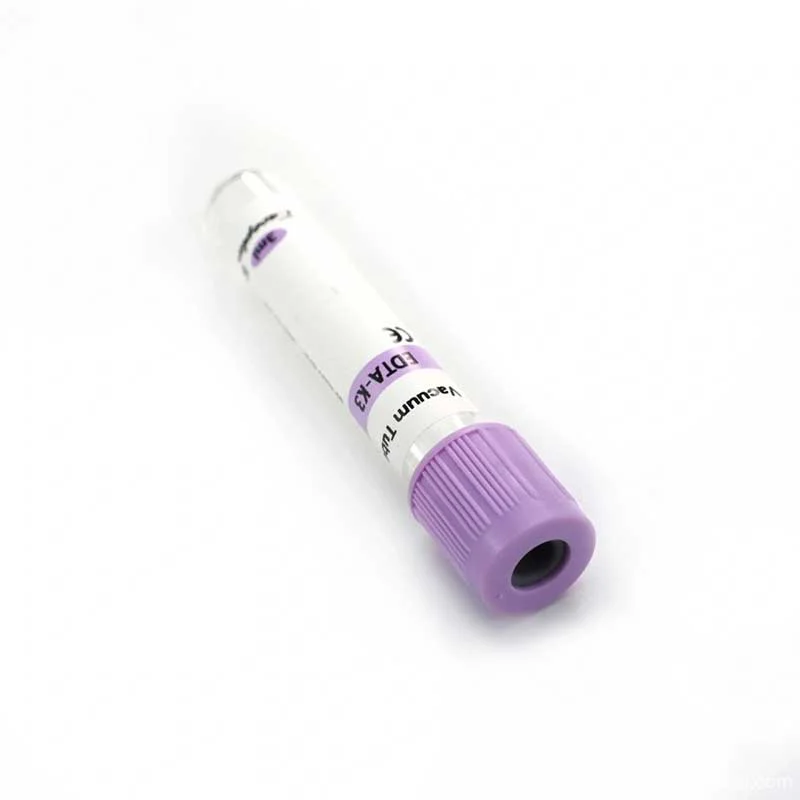
EDTA tubes work by binding calcium ions, which are necessary for blood coagulation. This anticoagulant mechanism helps preserve blood cells, making EDTA tubes the preferred option for hematology applications.
Common uses include:
- Complete blood count (CBC)
- Blood cell analysis
- Hematological examinations
However, EDTA is generally not suitable for many biochemical tests because it may interfere with certain analytes.
Sodium Citrate Tubes
Sodium citrate tubes use a reversible anticoagulation mechanism by binding calcium ions in the blood sample. This allows laboratories to evaluate coagulation-related parameters while maintaining the natural characteristics of the coagulation system.
Common applications include:
- Coagulation testing
- Prothrombin time (PT)
- Activated partial thromboplastin time (APTT)
- Erythrocyte sedimentation rate (ESR)
Serum Tubes
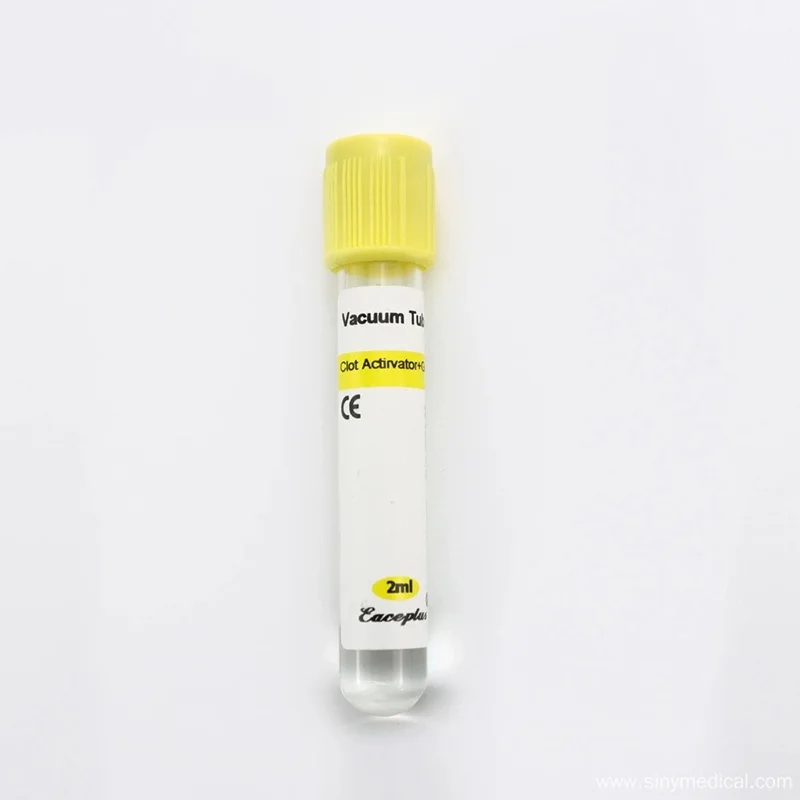
Unlike anticoagulant tubes, serum tubes allow blood to clot before separating the liquid portion. The resulting serum sample is commonly used for immunology and chemistry testing.
For laboratories purchasing blood collection tubes, choosing the correct additive is essential. Using an unsuitable tube may affect sample integrity and lead to inaccurate analytical results.
How to Select the Right Heparin Blood Tube for Laboratory Requirements?
For laboratories and medical distributors, selecting a heparin blood tube involves more than choosing between lithium heparin and sodium heparin. Product specifications, manufacturing quality, and supply capability all influence the overall performance of the collection system.
Before purchasing heparin tubes, buyers should consider the following factors:
1. Choose the Appropriate Tube Volume
Different laboratory procedures require different sample volumes. Common heparin tube sizes include small-volume tubes for routine testing and larger-volume options for applications requiring more plasma.
Selecting the correct tube volume helps ensure:
- Sufficient sample collection
- Proper blood-to-anticoagulant ratio
- Efficient laboratory processing
Manufacturers with flexible production capabilities can provide different tube sizes according to laboratory requirements and regional market needs.
2. Evaluate Anticoagulant Quality and Stability
The quality of heparin inside the tube directly affects anticoagulation performance. A reliable heparin tube should provide consistent additive distribution to prevent clot formation and maintain sample stability.
Important considerations include:
- Uniform heparin coating
- Stable additive concentration
- Reliable anticoagulation performance
- Consistent performance between batches
For medical distributors importing blood collection products, stable quality is especially important because product consistency affects customer satisfaction and long-term business relationships.
3. Consider Tube Material and Manufacturing Quality
Blood collection tubes are commonly produced using PET or glass materials. Each material has different characteristics depending on transportation conditions and laboratory preferences.
PET tubes are widely used because they offer:
- Good impact resistance
- Lightweight transportation
- Lower risk of breakage
- Convenient handling during distribution
Glass tubes may be selected for applications where specific material properties are required.
Regardless of material choice, manufacturers should maintain strict control over production processes, including tube molding, vacuum control, additive application, sterilization, and final inspection.
4. Check Supplier Experience and Customization Capability
For hospitals, distributors, and healthcare companies, supplier capability is an important part of purchasing decisions.
A professional heparin blood tube manufacturer should be able to provide:
- Different tube specifications
- OEM packaging solutions
- Private label support
- Customized product requirements
- Stable production capacity
Working with an experienced supplier helps buyers maintain reliable supply and adapt products to different market requirements.
Siny Medical provides various blood collection tube solutions, including heparin tubes and other anticoagulant collection products, supporting global medical distributors and healthcare organizations with customized supply options.
Factors That Affect the Performance of Heparin Blood Tubes
Although heparin is an effective anticoagulant, the final performance of a blood collection tube depends on several additional factors.
Anticoagulant Ratio
The balance between blood volume and heparin concentration is important for maintaining proper anticoagulation.
Too little anticoagulant may increase the risk of clot formation, while an unsuitable concentration may affect certain laboratory measurements.
Professional manufacturers carefully control additive levels according to tube specifications and intended applications.
Proper Mixing After Blood Collection
After blood enters a heparin tube, gentle mixing helps distribute the anticoagulant throughout the sample.
Following recommended handling procedures helps:
- Improve anticoagulant effectiveness
- Reduce the risk of microclot formation
- Maintain sample quality before testing
Healthcare professionals generally use gentle inversion rather than vigorous shaking because excessive force may contribute to hemolysis and affect sample quality.
Storage and Transportation Conditions
Blood collection tubes may travel through different environments before reaching the final user. Temperature changes, humidity, and transportation conditions can influence product stability.
Reliable manufacturers use appropriate packaging methods and quality control procedures to help maintain product performance during storage and international shipment.
Tube Design and Production Consistency
The design and manufacturing process of the tube also influence collection performance.
Important factors include:
- Vacuum accuracy
- Tube dimensions
- Material quality
- Additive distribution
- Packaging protection
For medical supply buyers, these details directly affect laboratory efficiency and the reliability of daily testing workflows.
FAQs About Heparin Blood Tubes
1. Why is heparin used in blood tubes?
The main reason why is heparin used in blood tubes is that heparin helps prevent blood clot formation and allows laboratories to obtain stable plasma samples for testing. By maintaining blood in a liquid state, heparin tubes support efficient sample preparation for clinical chemistry, emergency testing, and other plasma-based laboratory procedures.
Compared with serum collection methods, heparin tubes can reduce processing time because the blood does not need to complete the clotting process before centrifugation. This makes them a practical choice for laboratories that require faster sample handling.
2. What tests are performed using heparin blood tubes?
Heparin blood tubes are commonly used for applications that require plasma samples, including:
- Clinical chemistry testing
- Electrolyte analysis
- Blood gas testing
- Emergency laboratory procedures
- Selected specialized diagnostic applications
However, the appropriate tube depends on the testing method. Laboratories should always select the collection tube according to validated testing requirements because different additives are designed for different analytical purposes.
3. What is the difference between lithium heparin and sodium heparin tubes?
Both lithium heparin and sodium heparin tubes use heparin as the anticoagulant, but their applications may vary.
Lithium heparin tubes are commonly selected for routine chemistry testing because lithium usually creates fewer concerns in many standard biochemical analyses. Sodium heparin tubes can also provide effective anticoagulation but may not be suitable for certain sodium-related measurements.
The best choice depends on the laboratory workflow, analyzer requirements, and specific testing parameters.
4. Can heparin tubes be used for complete blood count (CBC) testing?
Generally, heparin tubes are not the preferred choice for complete blood count testing.
EDTA tubes are commonly used for CBC analysis because EDTA helps maintain blood cell structure and supports accurate evaluation of hematological parameters.
Heparin tubes are mainly designed for plasma-based applications rather than routine blood cell morphology analysis.
5. How should laboratories choose a reliable heparin blood tube supplier?
When selecting a heparin blood tube supplier, laboratories and distributors should evaluate several factors, including:
- Manufacturing experience
- Product quality consistency
- Anticoagulant stability
- Tube material options
- Production capacity
- OEM and customization support
- Documentation and quality control systems
A reliable supplier should provide stable products that meet different laboratory requirements and support long-term supply needs.
6. Can heparin blood tubes be customized for OEM orders?
Yes. Many medical distributors and healthcare companies require customized blood collection tubes based on their local market requirements.
OEM customization may include:
- Tube volume selection
- Label design
- Packaging options
- Private branding
- Product specifications
Working with an experienced manufacturer allows buyers to develop suitable heparin tube solutions while maintaining consistent quality and supply reliability.
7. What should buyers check before importing heparin blood tubes?
Before purchasing heparin blood tubes in bulk, buyers should evaluate more than just product pricing.
Important factors include:
- Whether the supplier has stable manufacturing capability
- Whether product specifications match market requirements
- Whether quality control procedures are established
- Whether packaging is suitable for international transportation
- Whether the supplier can provide continuous supply support
For distributors, choosing a dependable manufacturer can help reduce supply risks and maintain customer confidence.
Choosing the Right Heparin Blood Tube Solution for Your Laboratory
Understanding why is heparin used in blood tubes helps laboratories, hospitals, and medical distributors make better purchasing decisions. Heparin tubes provide effective anticoagulation, support rapid plasma preparation, and remain an important part of modern diagnostic workflows.
However, selecting the right blood collection tube requires more than choosing the correct anticoagulant. Tube material, additive quality, production consistency, packaging, and supplier experience all influence the final performance of laboratory sample collection.
For medical distributors and healthcare organizations, working with an experienced manufacturer can provide additional advantages, including customized product solutions, stable supply capacity, and professional technical support.
Siny Medical provides a range of blood collection tube solutions, including lithium heparin tubes, sodium heparin tubes, EDTA tubes, and sodium citrate tubes. With professional manufacturing experience and flexible OEM capabilities, Siny Medical supports laboratories, distributors, and healthcare partners worldwide.
If you are looking for reliable heparin blood tubes or need assistance selecting suitable blood collection products for your market, contact Siny Medical for professional support and customized solutions.