
When people ask “what are microscope slides used for?”, they’re usually thinking about basic lab work. But for professionals and procurement teams, the answer goes much deeper. Microscope slides are not just simple glass pieces—they are essential tools that directly impact diagnostic accuracy, sample integrity, and laboratory efficiency.
From clinical diagnostics to biological research, microscope slides serve as the foundation for sample observation under a microscope. Choosing the right type can make a noticeable difference in clarity, staining quality, and long-term storage performance. If you’re sourcing for a lab or medical facility, understanding how they’re used—and how they differ—is critical.
Table of Contents
What Are Microscope Slides Used For in Different Fields?
Microscope slides are thin, flat pieces of glass (or sometimes plastic) used to hold specimens for examination under a microscope. Their primary role is to provide a stable, transparent surface that allows light to pass through the sample.
1. Clinical Diagnostics
In hospitals and diagnostic laboratories, slides are widely used for:
- Blood smears (CBC analysis support)
- Histology tissue sections
- Cytology samples (e.g., Pap smears)
In these applications, slide quality directly affects staining consistency and diagnostic reliability. Even slight imperfections can lead to misinterpretation.
If you’re supplying to clinical labs, it’s worth checking standardized products like Microscope Slides for Blood Smear Analysis or Pre-cleaned Glass Slides for Pathology Use on Siny Medical to ensure consistency.
2. Biological and Scientific Research
In research environments, microscope slides are used to:
- Observe microorganisms
- Analyze cell structures
- Conduct staining experiments
Researchers often require specialized slides, such as coated or adhesion slides, to ensure samples stay fixed during complex procedures.
3. Education and Training
In schools and training labs, slides are used for:
- Teaching microscopy basics
- Demonstrating biological samples
Here, durability and cost-effectiveness are usually more important than advanced coatings.
Types of Microscope Slides and Their Uses
Understanding different slide types is key when deciding what to purchase.
Plain Microscope Slides
These are standard, untreated slides used for general observation. They are ideal for routine lab work where no special adhesion is required.
Frosted Microscope Slides
These slides have a roughened area for labeling. They are widely used in clinical environments because they allow clear identification of samples.
Coated or Adhesion Slides
Coated slides are treated with substances like poly-L-lysine to improve sample adherence. These are essential for:
- Histology
- Immunohistochemistry (IHC)
- Tissue sectioning
Specialized Slides
Some applications require:
- Charged slides
- Silane-coated slides
- Color-coded slides for workflow management
If your customers are running pathology labs, exploring options like Adhesion Microscope Slides for Histology can help reduce sample loss and improve workflow efficiency.
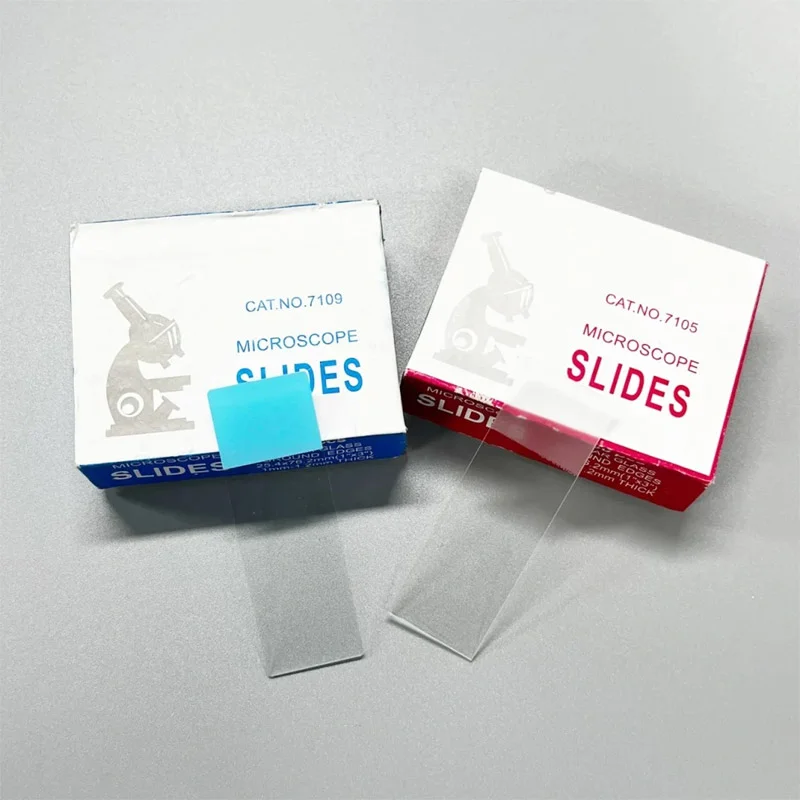
Why Slide Quality Matters More Than You Think
Not all microscope slides are created equal. For procurement professionals, the biggest mistake is treating them as a commodity product.
Here are key quality factors:
Glass Material
- Soda-lime glass: cost-effective, widely used
- Borosilicate glass: higher chemical resistance and clarity
Surface Cleanliness
Pre-cleaned slides reduce contamination risk and improve staining outcomes.
Edge Processing
- Ground edges: safer handling, reduced breakage
- Cut edges: lower cost but higher risk of injury
Thickness Consistency
Uniform thickness ensures consistent focusing and imaging.
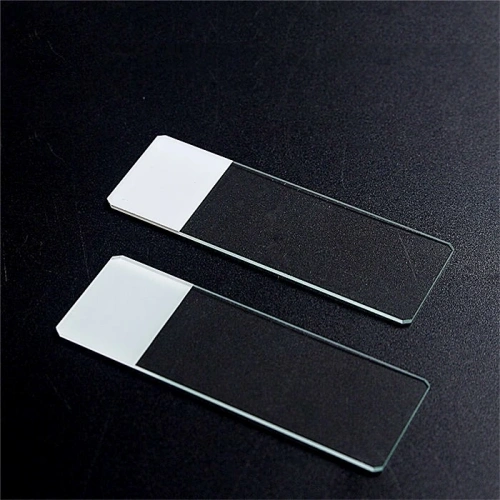
How to Choose the Right Microscope Slides for Your Needs
When evaluating microscope slides, think beyond price. A cheaper slide that compromises results can cost more in the long run.
Consider These Factors:
- Application type (diagnostic vs research)
- Sample type (blood, tissue, microorganisms)
- Staining requirements
- Volume usage
- Regulatory standards (CE, ISO)
For example:
- Clinical labs → Frosted + pre-cleaned slides
- Histology labs → Adhesion-coated slides
- Teaching labs → Standard plain slides
If you’re unsure which specification fits your project, it’s always a good idea to consult with a manufacturer like Siny Medical for tailored recommendations.
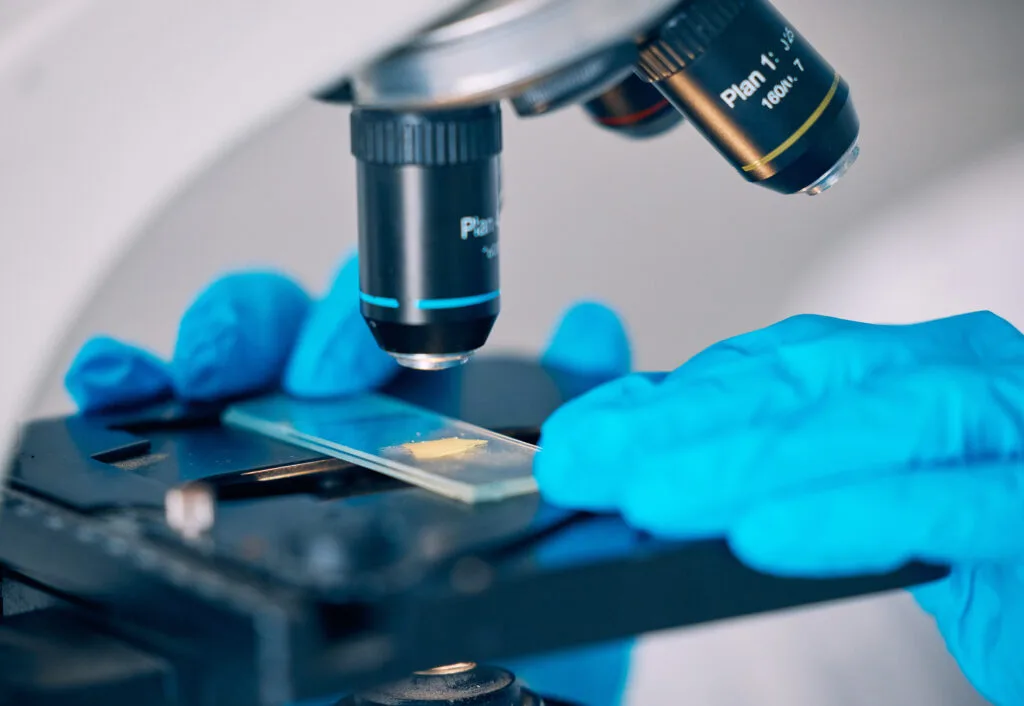
Common Mistakes Buyers Make
Many distributors and labs overlook critical details when purchasing:
- Choosing based only on price.
- Ignoring coating compatibility.
- Not checking the packaging sterility.
- Overlooking labeling convenience
These small oversights can lead to:
- Sample loss
- Repeated testing
- Increased operational costs
FAQ: What Are Microscope Slides Used For?
1. What are microscope slides used for in medical labs?
They are used to hold biological samples such as blood, tissue, and cells for microscopic examination and diagnosis.
2. Are all microscope slides the same?
No. They vary in material, coating, thickness, and surface treatment depending on their application.
3. Why do some slides have a frosted end?
The frosted area allows easy labeling, which is essential in clinical workflows.
4. When should I use a coated microscope slide?
Coated slides are necessary when working with tissue sections or procedures that require strong sample adhesion.
5. Can a microscope slide affect test results?
Yes. Poor-quality slides can cause uneven staining, contamination, or sample loss, affecting accuracy.
Summary
So, what are microscope slides used for? They are far more than simple glass pieces—they are a critical component in ensuring accurate diagnostics, reliable research, and efficient lab operations.
For buyers and distributors, the key is not just understanding their use, but selecting the right type and quality level for specific applications. If you’re sourcing microscope slides for clinical or laboratory use, working with an experienced manufacturer can help you avoid common pitfalls and ensure consistent performance.
To explore a full range of microscope slide options or get expert advice, feel free to connect with Siny Medical for detailed product support and quotations.