In the world of microscopy, where precision is paramount, even the smallest components can significantly impact the accuracy and clarity of results. Among these, the Microscope Cover Glass plays a monumental role. For laboratory personnel and distributors of medical consumables, understanding the nuances of what a cover glass is and how to select the right one is not just a matter of preference—it’s a critical step in ensuring diagnostic and research integrity.
Table of Contents
What is a Microscope Cover Glass?
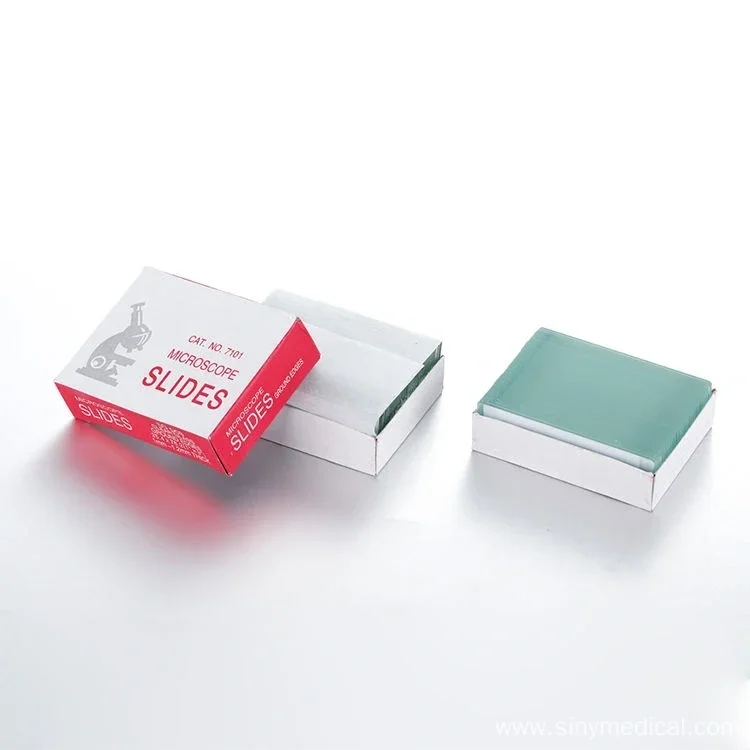
A Microscope Cover Glass (often called a cover slip) is a thin, flat, transparent material placed on top of a specimen mounted on a microscope slide. Its primary roles include:
- Protecting the specimen from contamination or damage.
- Safeguarding the objective lens from direct contact with the specimen.
- Enhancing optical performance by ensuring light travels uniformly through the specimen.
The typical cover glass thickness used in scientific studies is around 0.17 mm, which allows microscopes to deliver clear, distortion-free images. Deviating from this thickness can lead to optical aberrations, especially spherical aberration, causing blurred or hazy visuals.
If you’re wondering why thickness matters, here’s a simple answer: microscope lenses are calibrated for a specific refractive index and glass thickness. Using the wrong thickness means your microscope isn’t functioning as it’s designed to — and that can drastically impact the accuracy of your results.
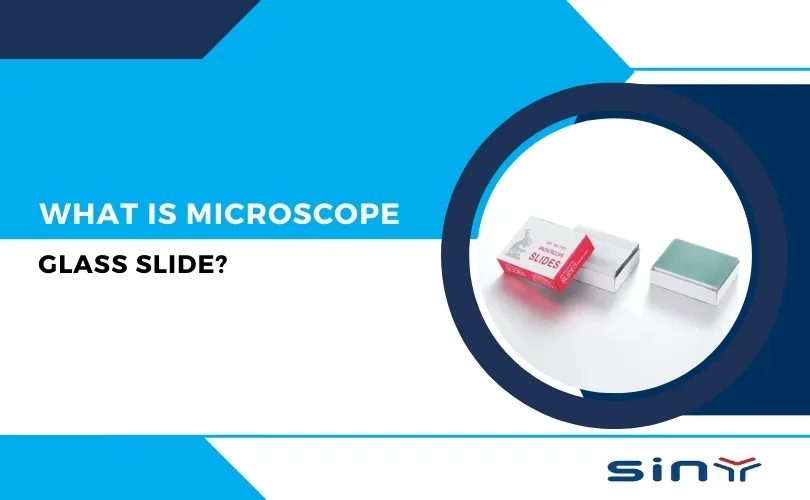
For more insights about the structure and preparation of slides, visit What is Microscope Glass Slide?.
Understanding Microscope Cover Glass Specifications
Microscope cover glasses come in a variety of materials, thicknesses, and sizes — each designed for specific applications. Let’s break down the details.
Materials Used
The most common materials are glass and plastic, but advanced materials exist for specialized needs.
| Material | Properties | Applications |
|---|---|---|
| Standard Glass | High clarity, affordable | Research & educational use |
| Plastic (Polymer) | Durable, unbreakable | Training, schools |
| Fused Quartz / Sapphire | Resistant to heat, UV, and chemicals | High-performance imaging |
| Z Quartz | Excellent UV transparency | Fluorescence & UV microscopy |
For laboratory applications requiring premium optical performance, glass cover slips remain the gold standard. You can explore a wide range of these products at Siny Medical Microscope Slides and Cover Slips.
Cover Glass Thickness and Its Importance
Thickness plays a pivotal role in microscopy. The three standard thickness grades are:
| Grade | Thickness (mm) | Common Use |
|---|---|---|
| #1 | 0.13–0.16 | General microscopy |
| #1.5 | 0.16–0.19 | Research & clinical |
| #2 | 0.19–0.23 | Low magnification or routine lab use |
Most objectives are designed for #1.5 (0.17 mm) cover glass — the sweet spot for sharp and consistent imaging.
Interestingly, using the wrong cover glass can cause up to 80% signal loss in fluorescence imaging! So, yes — even a few micrometers off can make a massive difference.
For laboratories engaged in super-resolution microscopy, #1.5H high-performance cover slips with tight thickness tolerance are often recommended.
Shapes and Sizes
While rectangular and square shapes dominate the market, sizes vary depending on the sample and the slide used. The goal? Ensuring the cover glass fits snugly without overlapping the slide’s edges — which could otherwise obstruct microscope lens movement.
Coated Cover Glasses
Certain microscopy techniques require specialized coatings such as Indium Tin Oxide (ITO) or anti-reflective coatings. These are especially beneficial in fluorescence microscopy and electrical imaging applications.
How to Handle and Apply Microscope Cover Glass
Handling this delicate piece of equipment requires care and precision. Here’s a quick walkthrough:
- Hold by the edges: Avoid touching the flat surfaces — fingerprints can distort light and reduce clarity.
- Lower at an angle: Gently place the cover slip at a 45° angle to reduce trapped air bubbles.
- Use clean tools: Even minor dust particles can alter image quality.
- Use proper mounting media: For biological specimens, use mounting mediums that match the refractive index of the cover glass.
For detailed preparation techniques, check out How to Prepare a Microscope Slide.
Choosing the Right Supplier: Why It Matters
The quality of your microscope cover glass depends heavily on your supplier. A reliable source ensures consistency, precision, and quality — and that’s where Siny Medical shines.
Here’s why choosing the right supplier is crucial:
- Reputation and Certification: Suppliers with ISO 9001 certification maintain strict quality controls.
- Comprehensive Product Range: Siny Medical offers everything from Positive Charged Slides to Frosted End Slides — making them a one-stop solution.
- Technical Expertise: Their team provides guidance to help labs choose products that match their applications perfectly.
- Sustainability Focus: Ethical sourcing and environmentally conscious manufacturing practices are part of their core values.
Need custom sizes or bulk orders? Contact Siny Medical to discuss tailored solutions.
Practices for Microscope Cover Glass Usage
Proper handling and storage can dramatically extend the usability of cover glasses and improve imaging consistency.
- Storage: Keep them in a dry, dust-free environment.
- Cleaning: Pre-cleaned cover slips are convenient, but wiping with a lint-free cloth and ethanol before use ensures perfection.
- Disposal: Follow safe disposal guidelines for broken or used glass. Learn how in How to Dispose of Microscope Slides.
For a more detailed look into glass materials used in slides, visit What Material Are Microscope Glass Slides Made Of?.
Best Practices and a Look Ahead
Mastering the use of the cover glass is a fundamental skill in any laboratory. Adhering to best practices in handling and application can significantly improve the quality of microscopic observations.
Handling Cover Glass
Always handle cover glass by their edges to avoid leaving fingerprints or oils on the surface, which can interfere with imaging. When applying a cover glass, it’s best to lower it at an angle to prevent the formation of air bubbles, which can obstruct the view of the specimen.
Cleaning Cover Glass
Proper cleaning of cover glass is also essential, especially for sensitive applications. While many cover glass come pre-cleaned, a final wipe with a lint-free cloth and a suitable solvent can remove any residual dust or debris.
For detailed instructions on preparing microscope slides, visit How to Prepare a Microscope Slide.
Disposing of Cover Glass
Proper disposal of used cover glass is also important to maintain laboratory safety and hygiene. For guidelines on disposing of microscope slides, check out How to Dispose of Microscope Slides.
Summary
The field of microscopy is constantly evolving, with new techniques and technologies emerging regularly. As imaging technology becomes more advanced, the demand for high-quality, precision-engineered cover glass will only increase. We are already seeing the development of specialized cover slips with unique coatings and materials designed for specific applications, such as live-cell imaging and super-resolution microscopy.
As a forward-thinking distributor or laboratory professional, staying abreast of these developments and partnering with a supplier who is at the forefront of innovation is crucial for staying competitive. At Siny Medical, we are committed to providing our customers with the latest advancements in laboratory consumables, ensuring that you have access to the tools you need to push the boundaries of scientific discovery.
For more information, visit our YouTube Channel and Made-in-China Page.
FAQs
What is the primary purpose of a cover glass?
A cover glass serves several key functions in microscopy. It flattens the specimen for more uniform focus, protects the specimen from dust and accidental contact, and safeguards the microscope’s objective lens from the specimen. Critically, it is also an integral part of the microscope’s optical path, and using the correct thickness is essential for achieving a clear, high-resolution image.
What is the difference between #1, #1.5, and #2 cover glass?
The numbers refer to the thickness of the cover glass. A #1 cover glass has a thickness of 0.13-0.16 mm, a #1.5 is 0.16-0.19 mm, and a #2 is 0.19-0.23 mm. Since most high-power microscope objectives are designed for a 0.17 mm thickness, #1.5 cover slips are the most commonly recommended for research and clinical applications to achieve the best image quality.
Can I reuse cover glass?
While it may be tempting to reuse cover glass to save costs, it is generally not recommended, especially for sensitive applications. Reusing cover glass can lead to cross-contamination between samples and can be difficult to clean thoroughly. For routine educational purposes with non-critical samples, it may be acceptable, but for research and diagnostic work, it is always best to use a new, clean cover glass for each specimen to ensure the integrity of the results.
How do I prevent air bubbles when placing a cover glass?
To avoid trapping air bubbles, hold the cover glass at a 45-degree angle to the slide and touch one edge to the mounting medium. Then, slowly and gently lower the cover slip onto the specimen, allowing the mounting medium to spread evenly and push out any air. If you do get air bubbles, you can sometimes gently tap the cover slip with forceps to encourage them to move to the edge.
Why is choosing a good supplier for cover glass important?
A reliable supplier ensures that you are receiving high-quality, consistent products that meet the required specifications. A good supplier will have stringent quality control measures, offer a range of products to suit different needs, and provide excellent technical support. Partnering with a reputable supplier like Siny Medical gives you peace of mind and contributes to the overall quality and reliability of your laboratory’s work.