

Microscope slides are one of the most basic tools in any laboratory, but choosing the right one is far more important than many buyers initially realize. The performance of a microscope slide directly affects sample clarity, staining quality, specimen adhesion, and even diagnostic accuracy. Whether you operate a pathology laboratory, microbiology lab, educational institution, research center, or clinical testing facility, selecting the right microscope slides can improve workflow efficiency and reduce sample preparation problems.
Today’s market offers a wide range of options, including plain glass slides, frosted slides, adhesive-coated slides, charged slides, and specialty laboratory microscope slides designed for cytology or histology applications. For procurement teams, this variety can quickly become confusing. Understanding material quality, manufacturing precision, coating technology, packaging, and application compatibility is essential before making a purchasing decision.
Table of Contents
- 1 Why Choosing the Right Microscope Slides Matters
- 2 Types of Microscope Slides and Their Applications
- 3 Key Factors to Consider When Selecting Microscope Slides
- 4 How to Choose a Reliable Microscope Slides Supplier
- 5 Common Mistakes Laboratories Make When Buying Microscope Slides
- 6 FAQ About Microscope Slides
- 7 Final Thoughts
Why Choosing the Right Microscope Slides Matters
Many laboratories focus heavily on microscopes and imaging systems, but overlook the importance of the slide itself. In reality, even a high-end microscope cannot compensate for poor slide quality. Uneven thickness, surface contamination, bubbles, scratches, or weak adhesion can negatively affect sample interpretation.
High-quality microscope slides help ensure:
- Better optical transparency
- Consistent staining performance
- Improved tissue or cell adhesion
- Reduced contamination risk
- Smoother automated processing
- Lower breakage rates during transport and handling
For example, pathology laboratories often require charged microscope slides because tissue sections must remain firmly attached during complex staining procedures. Cytology laboratories may prioritize frosted-end slides for easier labeling and sample tracking. Research facilities working with fluorescence microscopy may require low-autofluorescence slides to improve imaging accuracy.
In busy laboratory environments, these small details significantly impact efficiency. A poorly manufactured slide may lead to repeated testing, wasted reagents, or unreliable results. That is why professional laboratories increasingly evaluate microscope slides not only by price, but also by consistency and application suitability.

Types of Microscope Slides and Their Applications
Understanding the different types of microscope slides is the first step toward selecting the best option for your laboratory.
Plain Microscope Slides
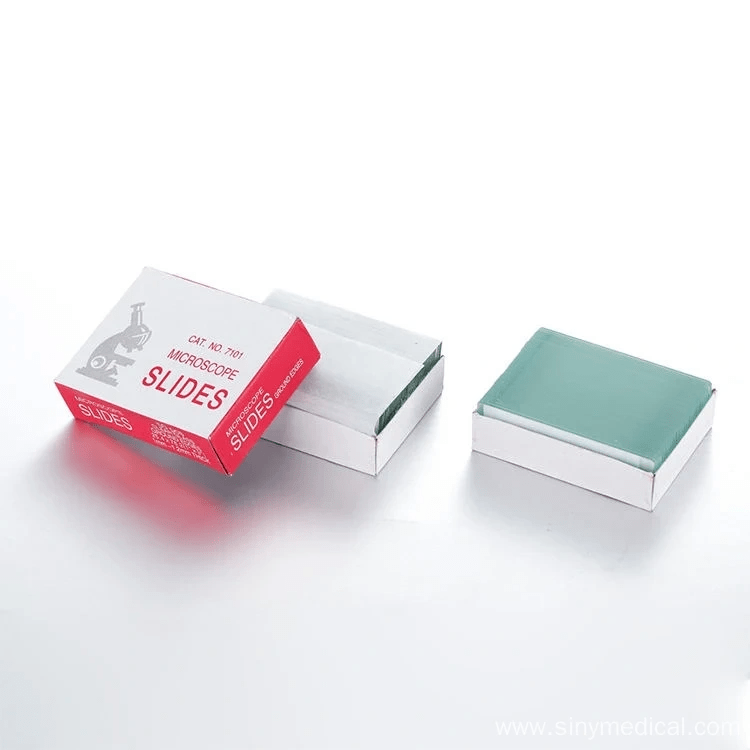
Plain slides are the most commonly used laboratory microscope slides. They feature a smooth glass surface and are widely used for routine specimen observation, microbiology teaching, and basic laboratory procedures.
These slides are cost-effective and suitable for:
- Educational laboratories
- Basic microbiology
- Simple wet mount preparation
- General specimen observation
However, plain slides may not provide sufficient adhesion for advanced staining procedures or long-term tissue preservation.
Frosted Microscope Slides
Frosted slides include a roughened area at one or both ends for easier writing and labeling. These are extremely common in clinical laboratories because technicians can directly mark patient or specimen information on the slide surface.
Advantages include:
- Better sample identification
- Improved workflow organization
- Reduced labeling errors
- Compatibility with automated systems
Many hospitals and pathology laboratories prefer frosted-end microscope slides for daily operations.
Charged Microscope Slides
Charged slides are coated with a positive charge that improves tissue adhesion. These slides are widely used in histology, immunohistochemistry (IHC), and molecular pathology.
They help:
- Prevent tissue loss during staining.
- Improve section retention.
- Support high-temperature antigen retrieval procedures.
For laboratories handling sensitive tissue samples, charged slides are often considered essential rather than optional.
Adhesive-Coated Microscope Slides
Some laboratory microscope slides feature special coatings such as poly-L-lysine or silane to further enhance specimen attachment. These are commonly used in cytology and advanced research applications.
Specialty Microscope Slides
Specialized slides may include:
- Fluorescence slides
- Hydrophobic barrier slides
- Cavity slides
- Diagnostic test slides
These products are designed for highly specific laboratory workflows and should be selected according to testing requirements.

Key Factors to Consider When Selecting Microscope Slides
When evaluating microscope slide suppliers or products, laboratories should look beyond basic pricing. Long-term reliability depends on several critical factors.
Glass Quality and Optical Clarity
High-transparency optical glass provides clearer imaging and reduces visual distortion. Low-quality glass may contain impurities, uneven surfaces, or tiny bubbles that interfere with microscopic observation.
Premium microscope slides usually feature:
- Uniform thickness
- Smooth edges
- Minimal surface defects
- Excellent light transmission
Consistent optical performance is especially important in pathology and research environments.
Slide Dimensions and Thickness
Most standard microscope slide measure 25 × 75 mm, but thickness can vary. Consistent thickness improves compatibility with automated staining and scanning systems.
Laboratories using automated equipment should verify:
- Dimensional tolerances
- Flatness consistency
- Compatibility with slide printers and scanners
Edge Finishing
Poorly finished edges increase the risk of cuts, cracks, and breakage during handling. A professional laboratory microscope slide is typically used:
- Ground edges
- Beveled edges
- Polished corners
These features improve safety and reduce handling damage.
Surface Coating Compatibility
Different applications require different slide surfaces. A microbiology laboratory may not need charged slides, while histology laboratories often rely on advanced coatings.
Before purchasing a microscope slide, laboratories should evaluate:
- Staining protocols
- Sample type
- Temperature exposure
- Adhesion requirements
- Automation compatibility
Choosing the wrong coating can lead to tissue detachment or inconsistent staining performance.
Packaging and Cleanliness
Contamination control is another critical factor. Dust, residues, or moisture can compromise sample quality.
Reliable microscope slide suppliers usually provide:
- Vacuum-sealed packaging
- Dust-free production
- Automated cleaning processes
- Protective carton packaging for shipping
This becomes particularly important for laboratories ordering products internationally.
How to Choose a Reliable Microscope Slides Supplier
The quality of a microscope slide depends heavily on manufacturing standards and supplier reliability. Many buyers focus only on unit price, but unstable quality often creates higher long-term costs.
When selecting a supplier, laboratories should evaluate:
Manufacturing Experience
Experienced manufacturers generally maintain:
- Better process control
- More stable quality consistency
- Stronger export experience
- Better packaging standards
Suppliers with experience in broader laboratory consumables often understand laboratory workflow requirements more comprehensively.
Certifications and Quality Systems
Professional microscope slide manufacturers should ideally operate under international quality systems such as:
- ISO certifications
- CE compliance
- Quality inspection procedures
These standards help ensure production consistency.
Product Range Compatibility
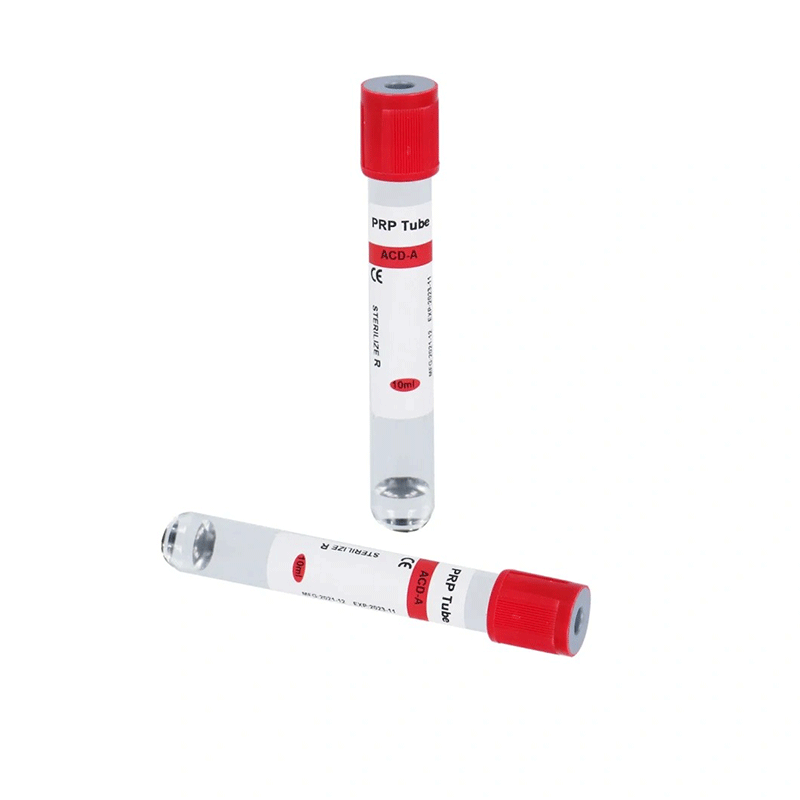
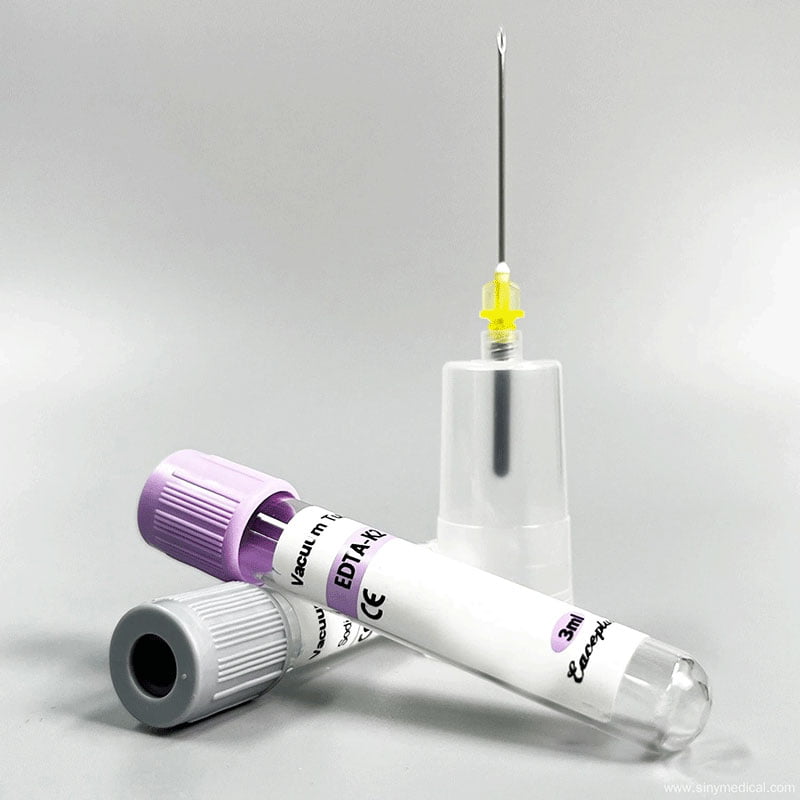
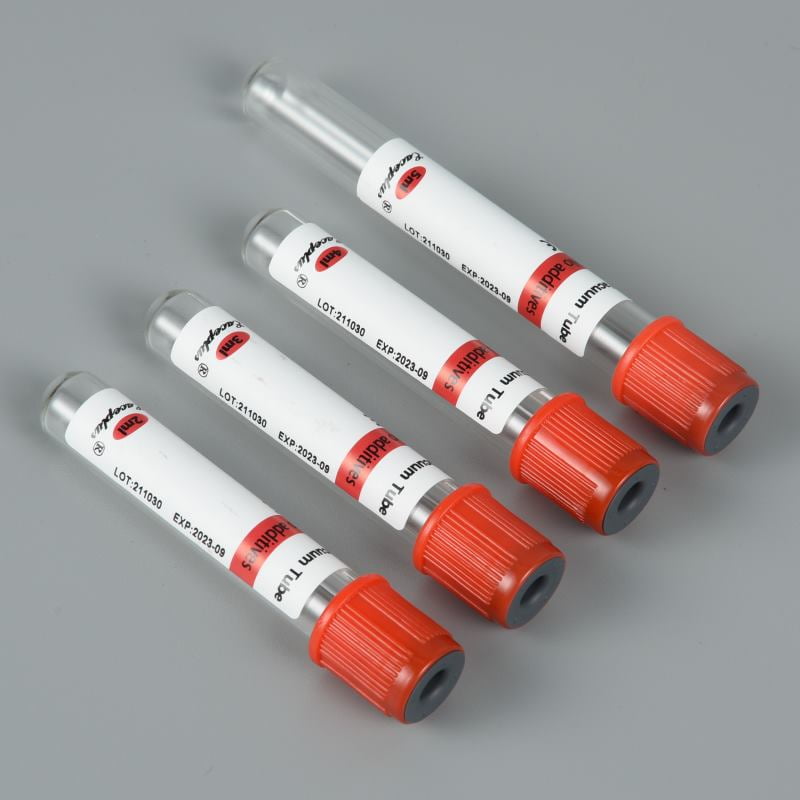
Many laboratories prefer sourcing multiple consumables from one supplier to simplify purchasing and logistics. Companies that manufacture Microscope Slide together with Cover Glasses, Pipette Tips, Petri Dishes, Blood Collection Tubes, and Centrifuge Tubes can often provide better product compatibility and supply stability.
Export and Logistics Capability
For overseas buyers, reliable delivery is just as important as product quality. Procurement teams should evaluate:
- Export packaging
- Shipping experience
- MOQ flexibility
- OEM/private label support
- Technical documentation availability
Laboratories expanding internationally often prefer suppliers capable of supporting long-term procurement planning instead of single shipments.
At Siny Medical, many laboratory clients combine Microscope Slide procurement with other laboratory consumables to improve purchasing efficiency and maintain stable product standards across different departments. For laboratories planning bulk purchases or OEM projects, contacting the supplier directly can also help clarify customization options and packaging requirements before ordering.
Common Mistakes Laboratories Make When Buying Microscope Slides
Even experienced laboratories sometimes encounter procurement problems when purchasing microscope slides.
Choosing Based Only on Price
Extremely low-cost slides may lead to:
- Higher breakage rates
- Poor optical clarity
- Inconsistent dimensions
- Contamination issues
In many cases, repeated testing and wasted samples cost far more than the initial savings.
Ignoring Application Requirements
Different laboratory departments require different slide types. Purchasing universal slides for all applications may create workflow inefficiencies.
Overlooking Automation Compatibility
Modern laboratories increasingly use automated stainers and scanners. Slides that fail dimensional or flatness requirements can jam equipment or reduce scanning accuracy.
Underestimating Packaging Quality
International transportation can easily damage a poorly packaged microscope slide. Strong protective packaging is critical for large-volume procurement.
Failing to Evaluate Long-Term Supply Stability
Consistent product availability is especially important for hospitals, diagnostic laboratories, and distributors. Frequent specification changes or unstable supply can disrupt laboratory operations.
For laboratories seeking long-term cooperation, working with an experienced supplier such as Siny Medical can help reduce procurement uncertainty while ensuring access to related laboratory consumables from a single source.
FAQ About Microscope Slides
What are microscope slides used for?
Microscope slide are used to hold biological samples, tissues, cells, or microorganisms for microscopic examination in laboratories, hospitals, research institutions, and educational facilities.
What is the difference between plain and charged microscope slides?
Plain microscope slides have a smooth surface and are suitable for routine observation. Charged slides contain a special coating that improves tissue adhesion during staining procedures.
Are frosted microscope slides better for laboratories?
Frosted microscope slides are often preferred because they allow easier specimen labeling and help reduce identification errors.
What size are standard microscope slides?
Most standard laboratory microscope slide measure 25 × 75 mm, although specialty sizes are available for specific applications.
How should microscope slides be stored?
Slides should be stored in a clean, dry environment away from dust and moisture. Proper packaging helps prevent contamination and breakage.
Can microscope slides be customized?
Yes. Many manufacturers offer OEM microscope slides with customized labels, packaging, colors, or private branding for distributors and laboratories.
Final Thoughts
Selecting the best microscope slides for your laboratory is not simply about purchasing glass accessories. The right slides improve imaging quality, workflow efficiency, staining reliability, and overall laboratory performance. Understanding the differences between slide types, coatings, manufacturing quality, and supplier capabilities helps laboratories make more informed purchasing decisions.
As laboratory testing standards continue to increase, procurement teams are paying greater attention to product consistency, automation compatibility, and long-term supply reliability. Whether you operate a pathology laboratory, research facility, diagnostic center, or educational institution, investing in high-quality microscope slide can contribute to more stable and professional laboratory operations.