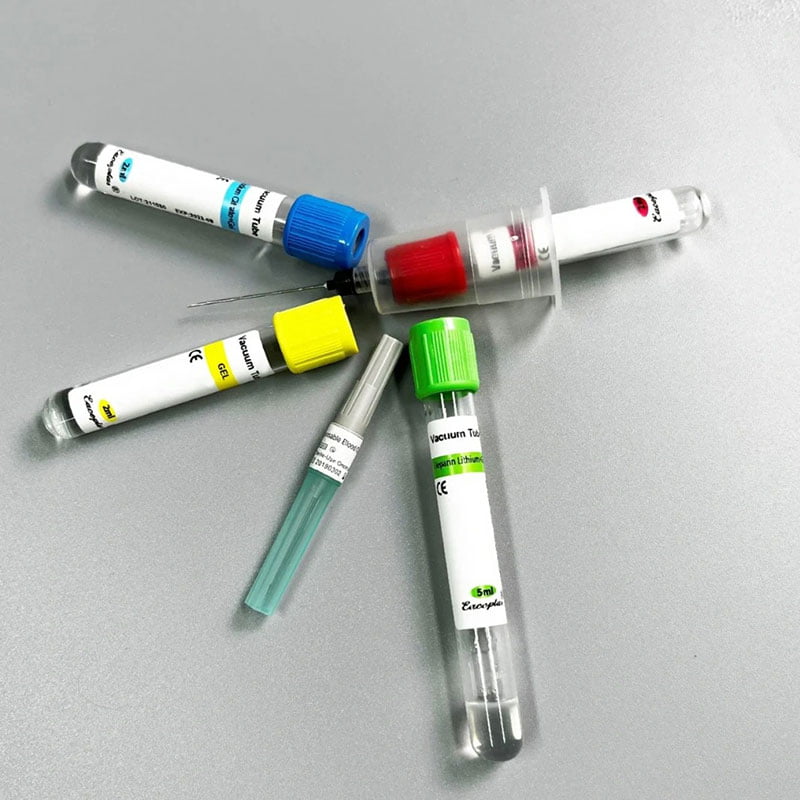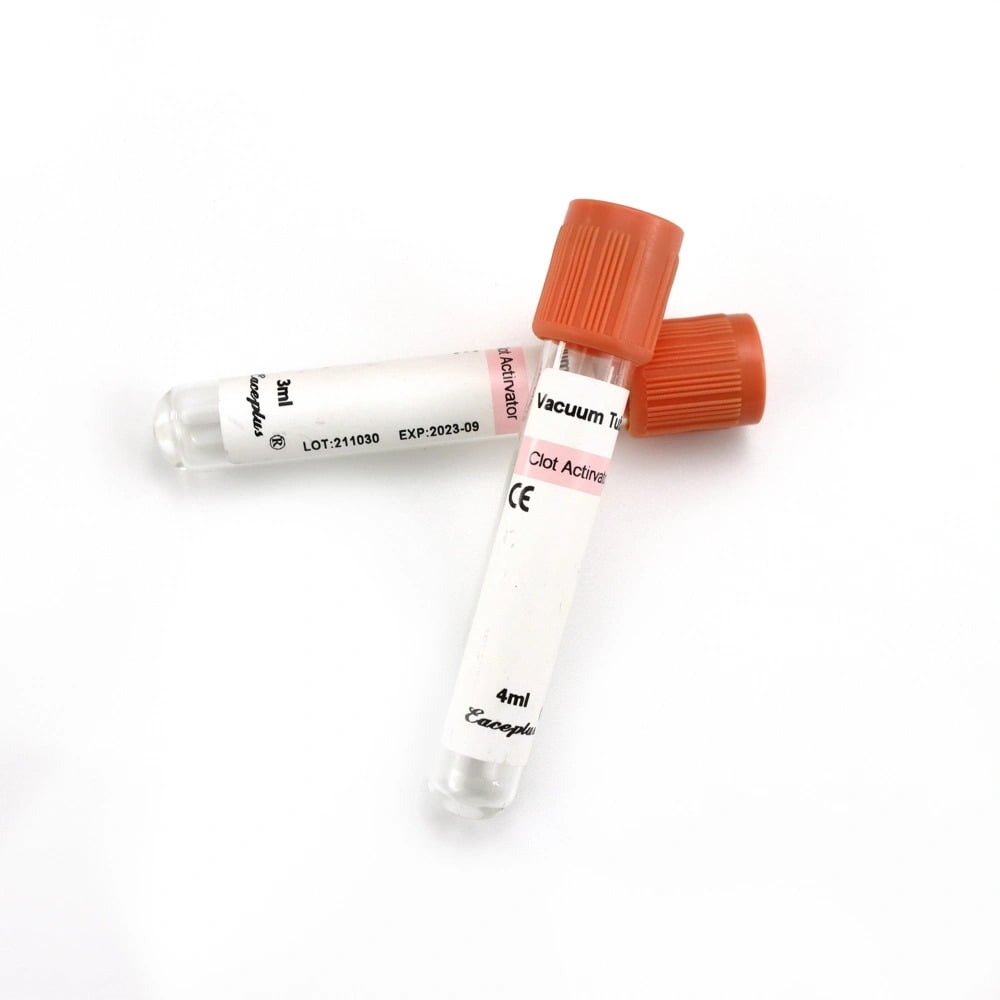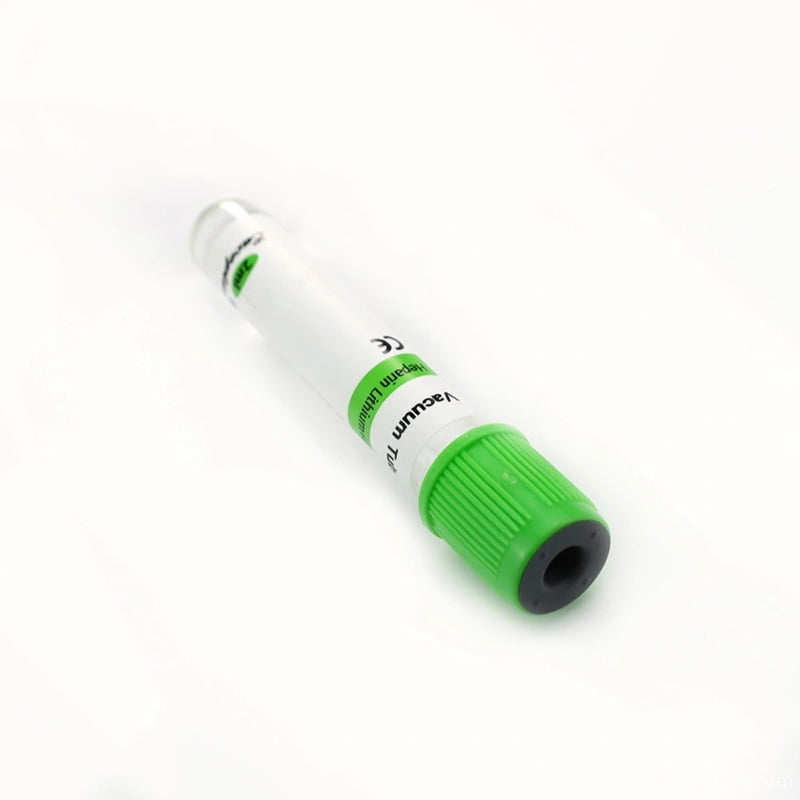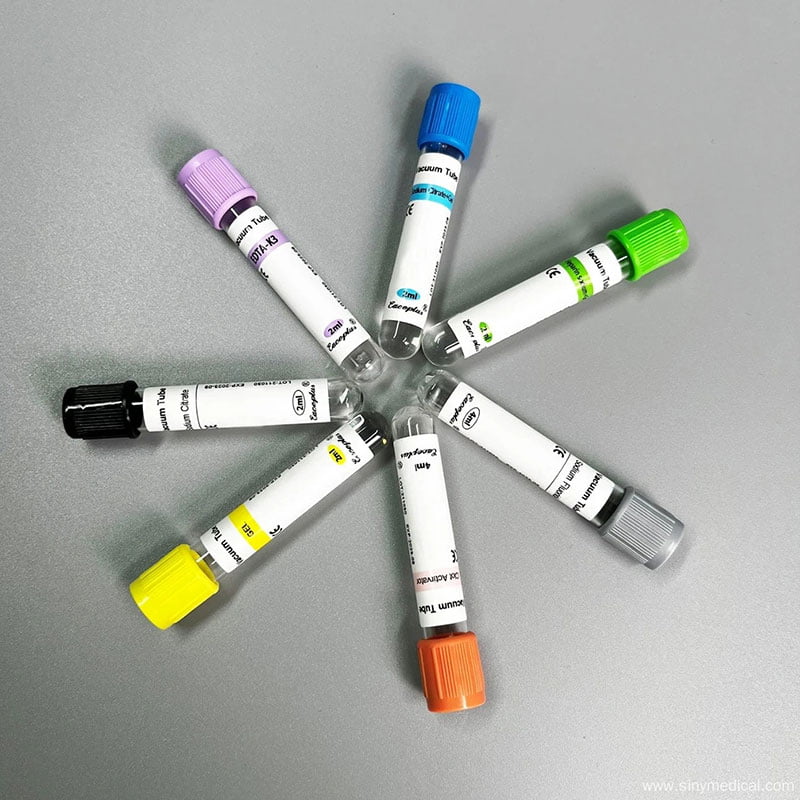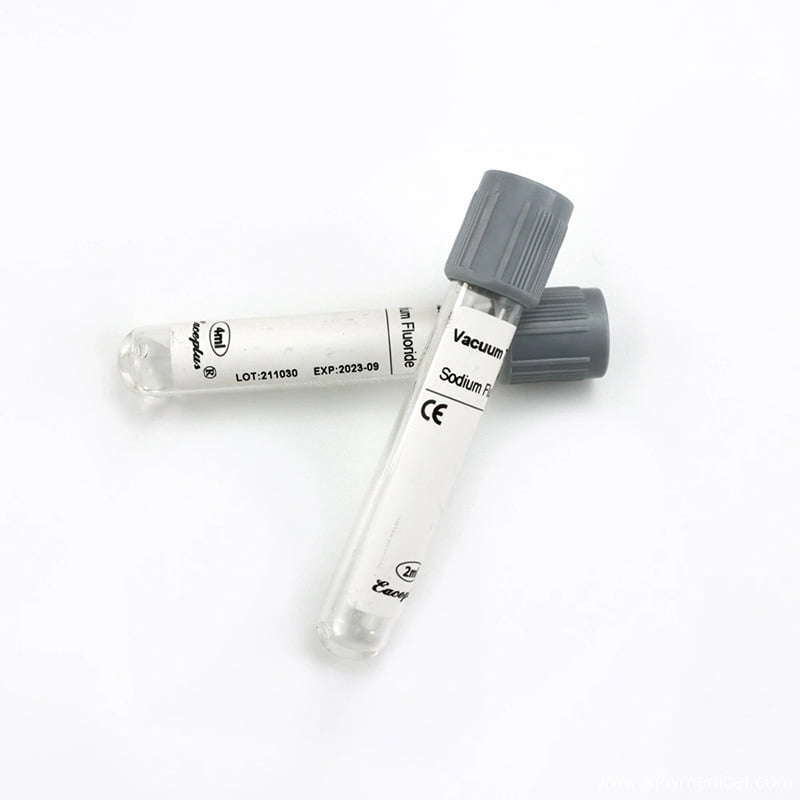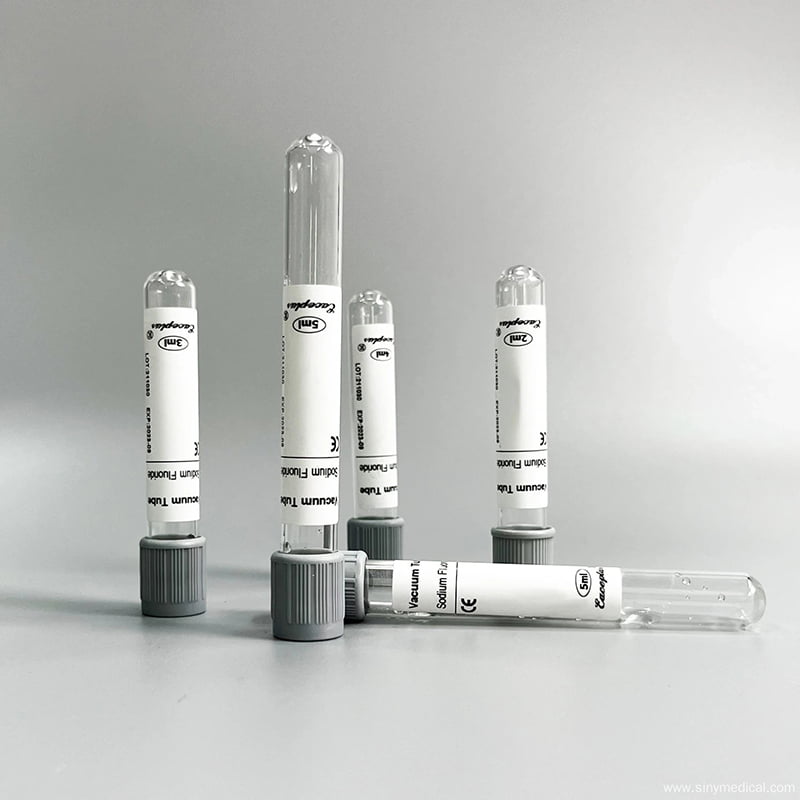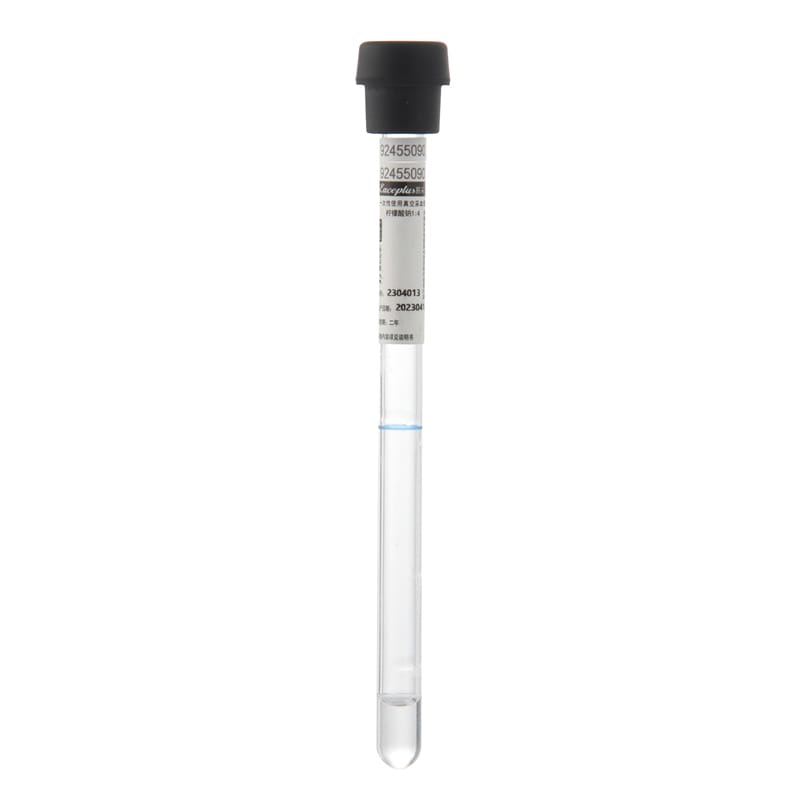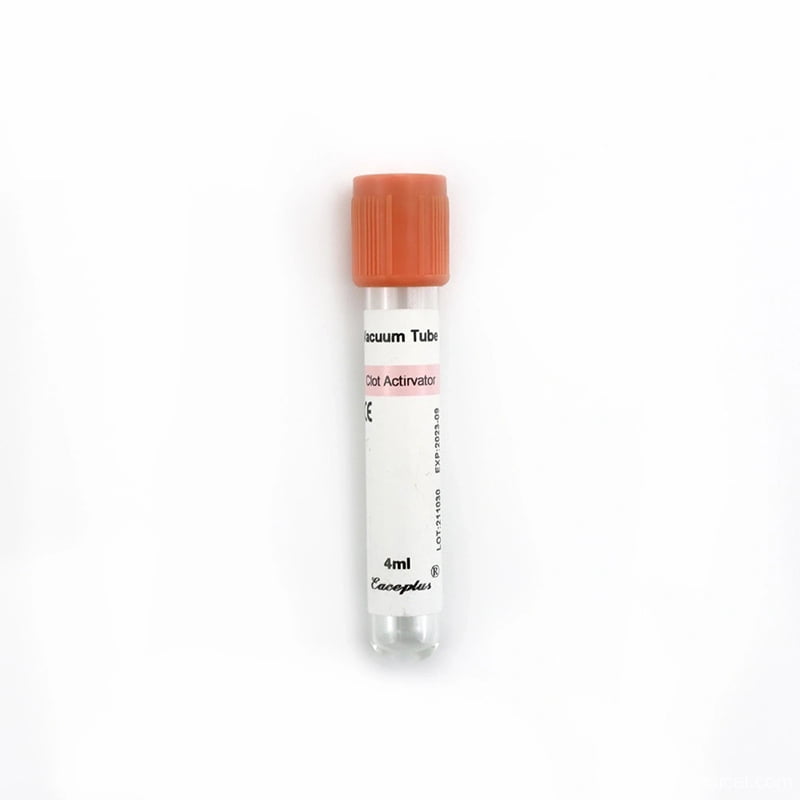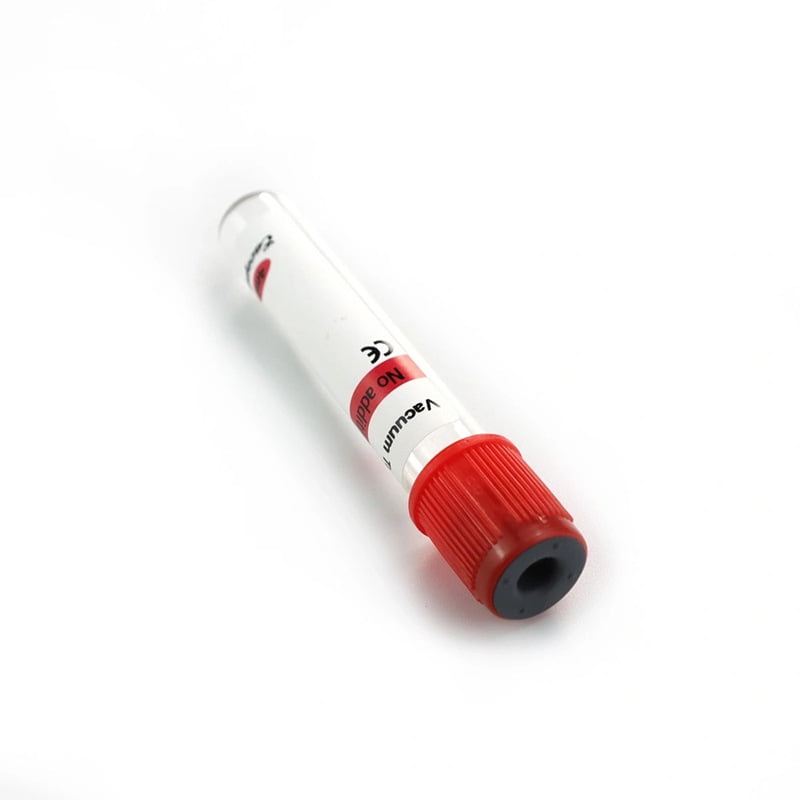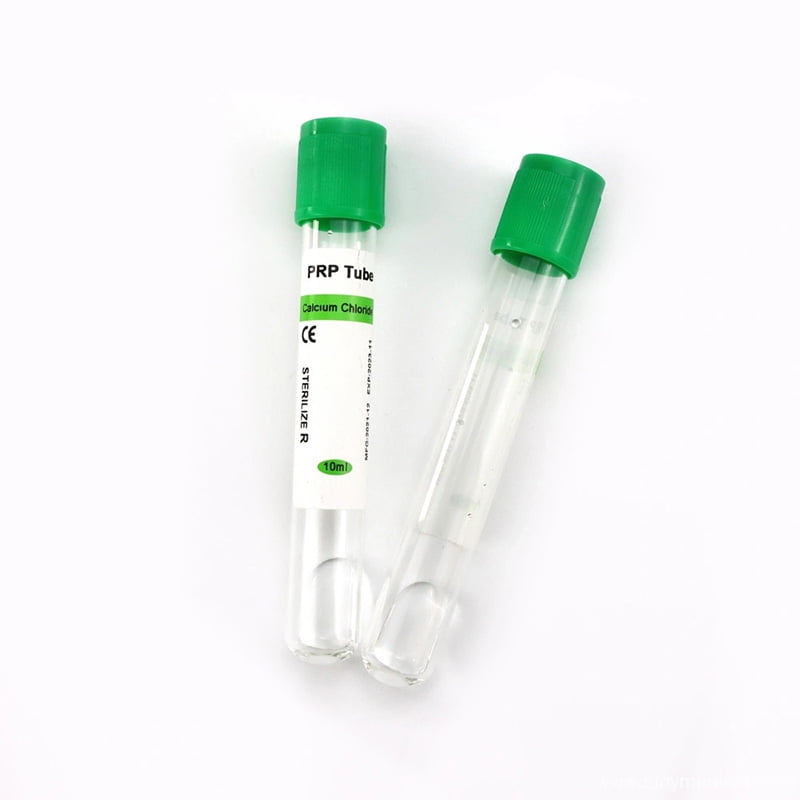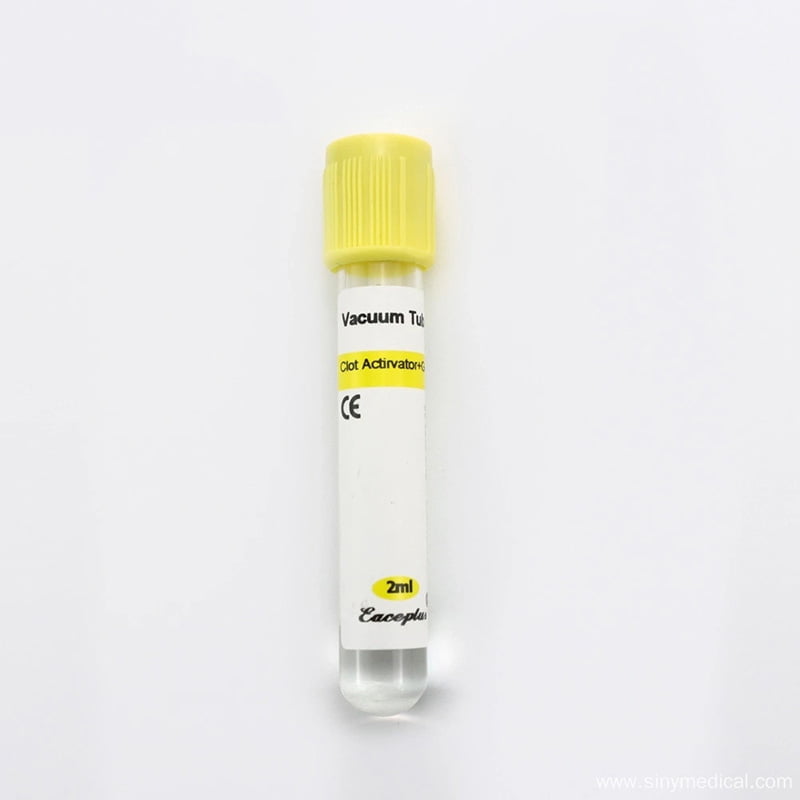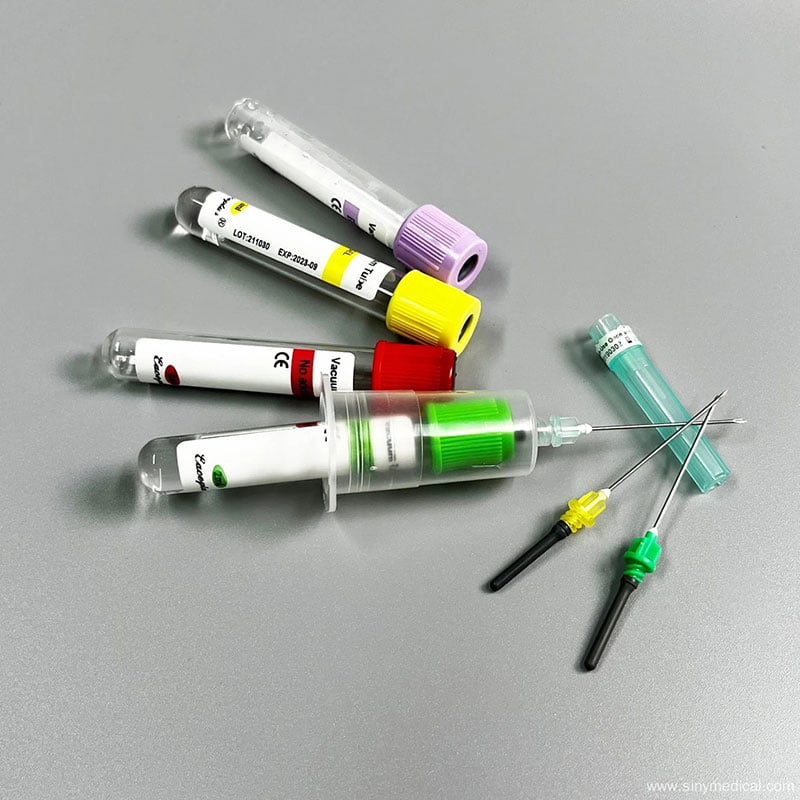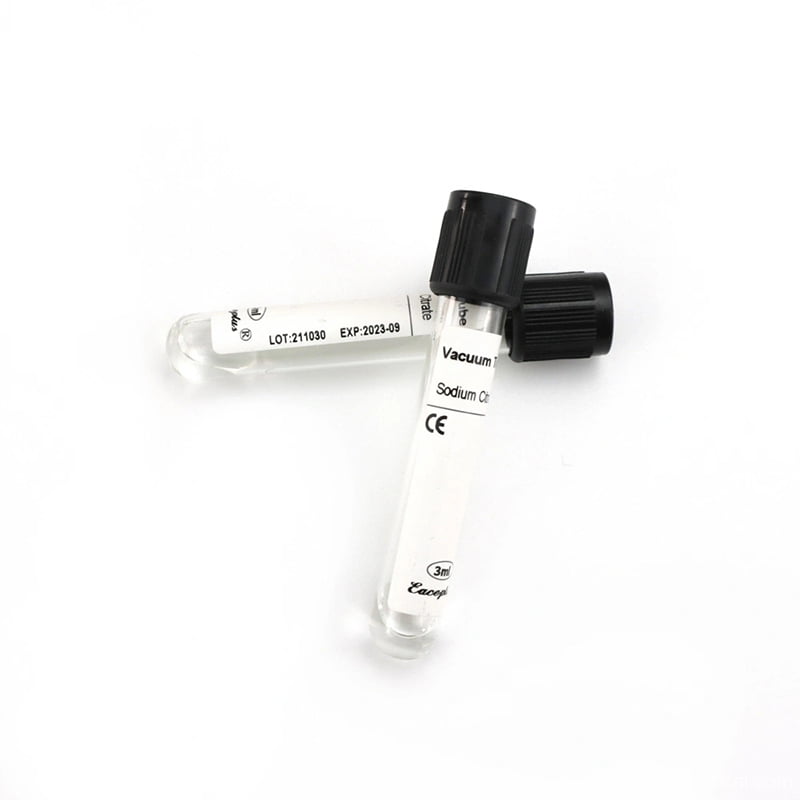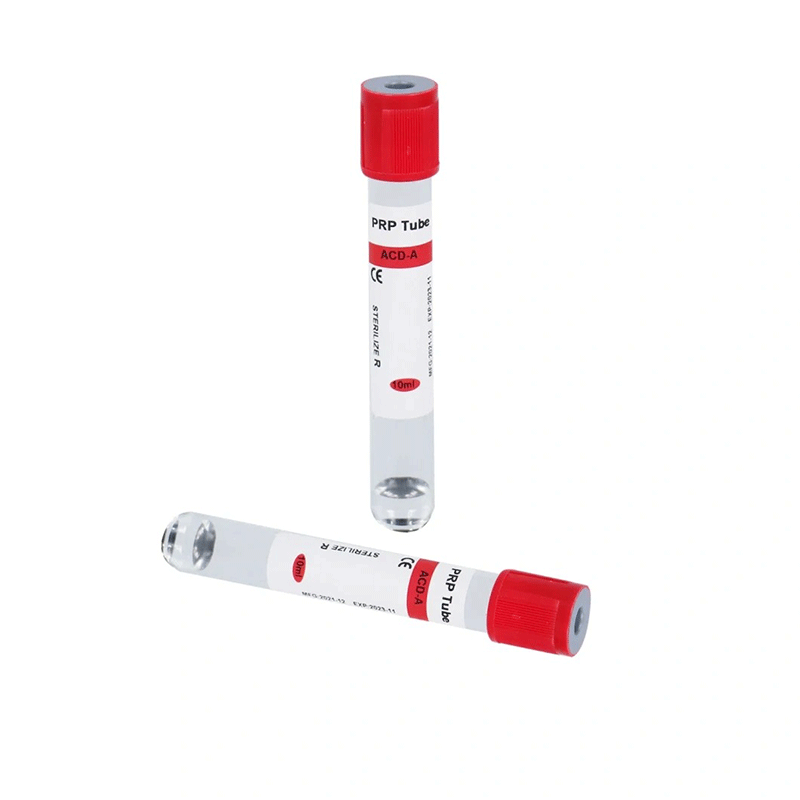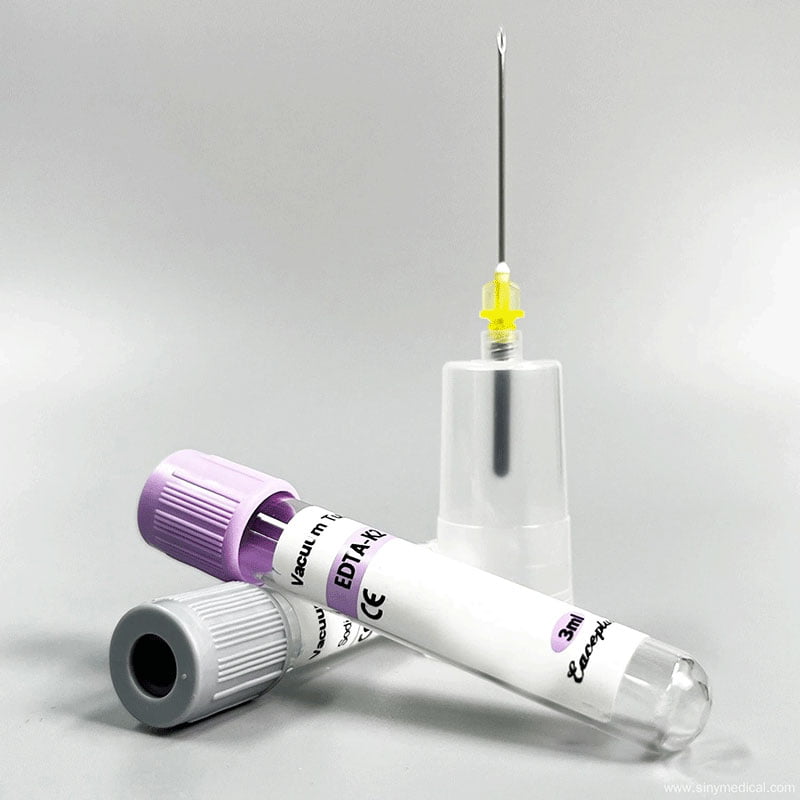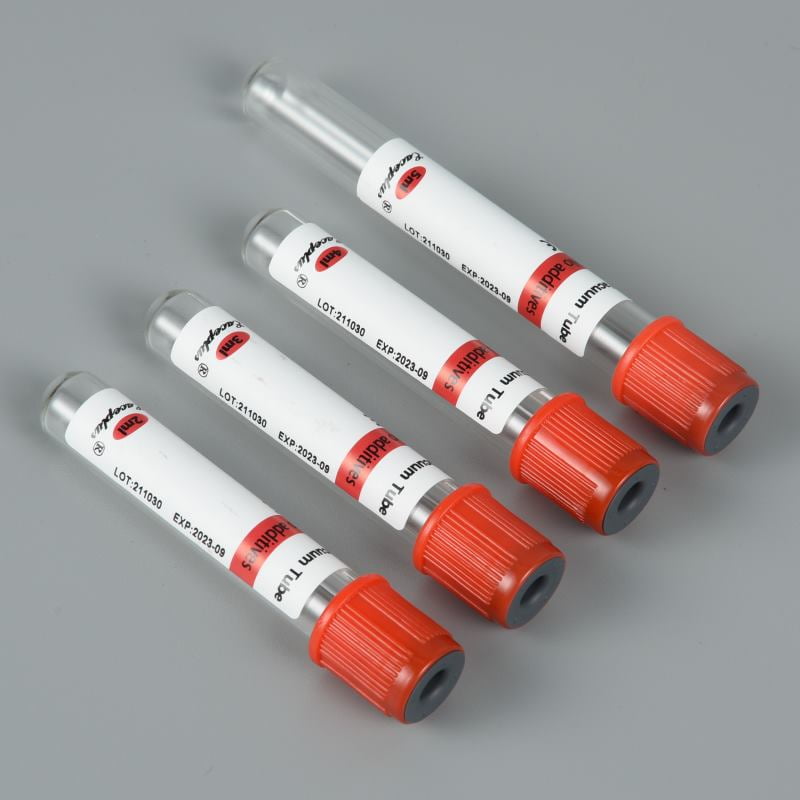
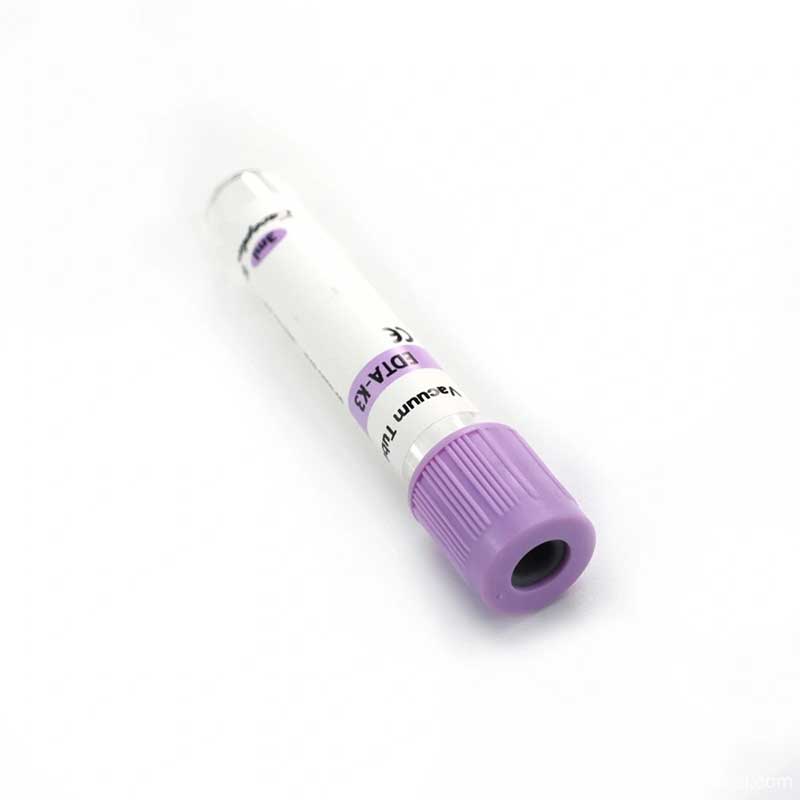

If you’ve ever worked in a laboratory, you already know that understanding what centrifuge tubes are used for is more than just basic knowledge—it directly impacts accuracy, safety, and workflow efficiency. From clinical diagnostics to research labs and PRP preparation, centrifuge tubes play a central role in separating, storing, and processing biological samples.
For procurement professionals and distributors, the challenge is not just understanding their role, but selecting the right type among the numerous options available on the market. In this guide, we’ll break down the real-world uses of centrifuge tubes, how they work, and what to look for when sourcing reliable products like those offered by Siny Medical.
Table of Contents
- 1 What Are Centrifuge Tubes Used For in Laboratory and Clinical Settings?
- 2 How Do Centrifuge Tubes Work? Understanding the Process
- 3 Types of Centrifuge Tubes and Their Applications
- 4 What Are Centrifuge Tubes Used For in Real-World Industries?
- 5 How to Choose the Right Centrifuge Tubes Supplier
- 6 FAQs
- 7 Final Thoughts
What Are Centrifuge Tubes Used For in Laboratory and Clinical Settings?
At their core, manufacturers design centrifuge tubes to hold samples during high-speed rotation, allowing substances of different densities to separate under the influence of centrifugal force. This simple principle supports a wide range of applications.
In practical terms, centrifuge tubes are used for:
- Sample separation – isolating plasma, serum, cells, or proteins
- Precipitation processes – DNA/RNA extraction or protein purification
- Sample storage – short-term or long-term biological storage
- Transport of specimens – especially in clinical and diagnostic labs
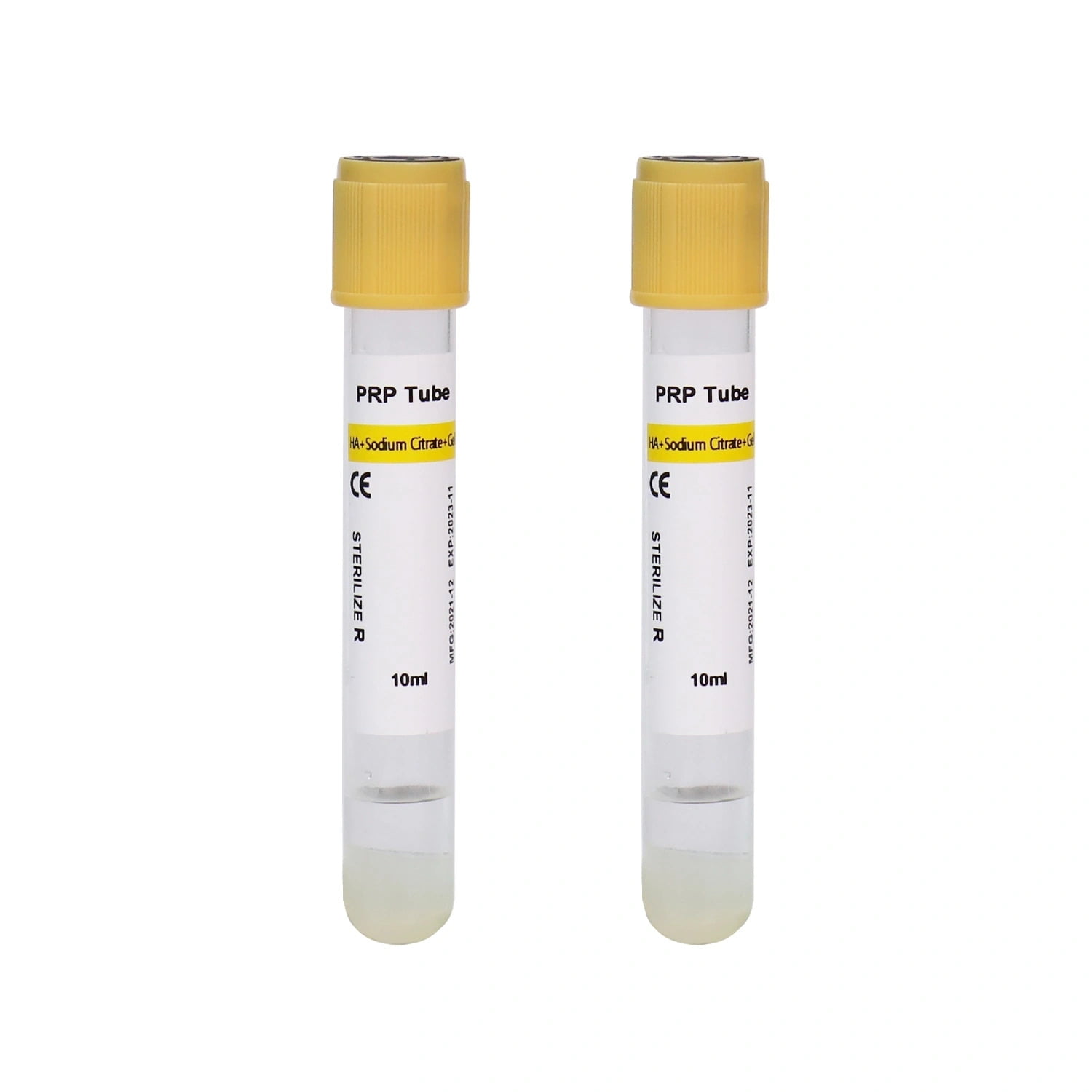
For example, in PRP preparation workflows, centrifuge tubes are critical for separating platelet-rich plasma from whole blood, making tube quality directly linked to final treatment outcomes.
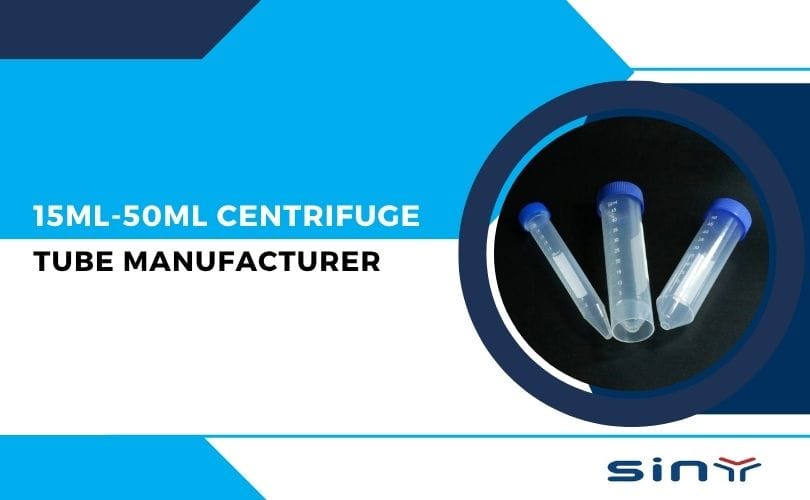
When selecting products, many buyers look at options such as 50ml Conical Centrifuge Tubes or 15ml Sterile Centrifuge Tubes, depending on the volume and application. If you’re comparing suppliers, it’s worth reviewing detailed specifications on platforms like Siny Medical to ensure compatibility with your workflows.
How Do Centrifuge Tubes Work? Understanding the Process
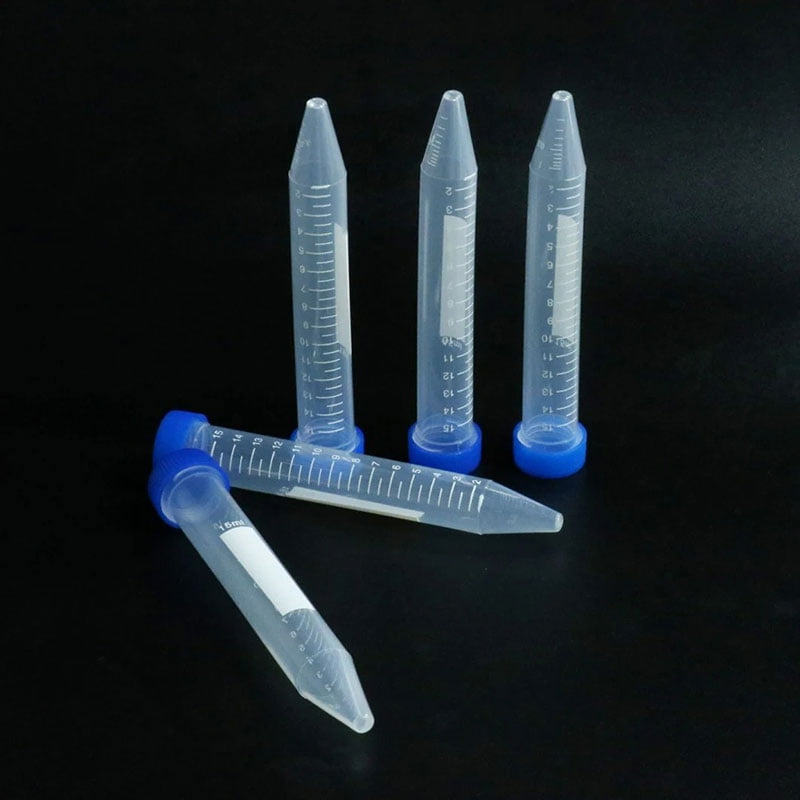
Manufacturers engineer centrifuge tubes to withstand high rotational speeds while maintaining structural integrity. During centrifugation, the centrifuge spins samples at thousands of RPM, causing heavier components to move outward and settle at the bottom.
A typical workflow includes:
- Sample loading – liquid is added to the tube.
- Balancing – tubes are evenly distributed in the centrifuge.
- Spinning – centrifugal force separates components.
- Collection – supernatant and pellet are processed accordingly.
This process is widely used in:
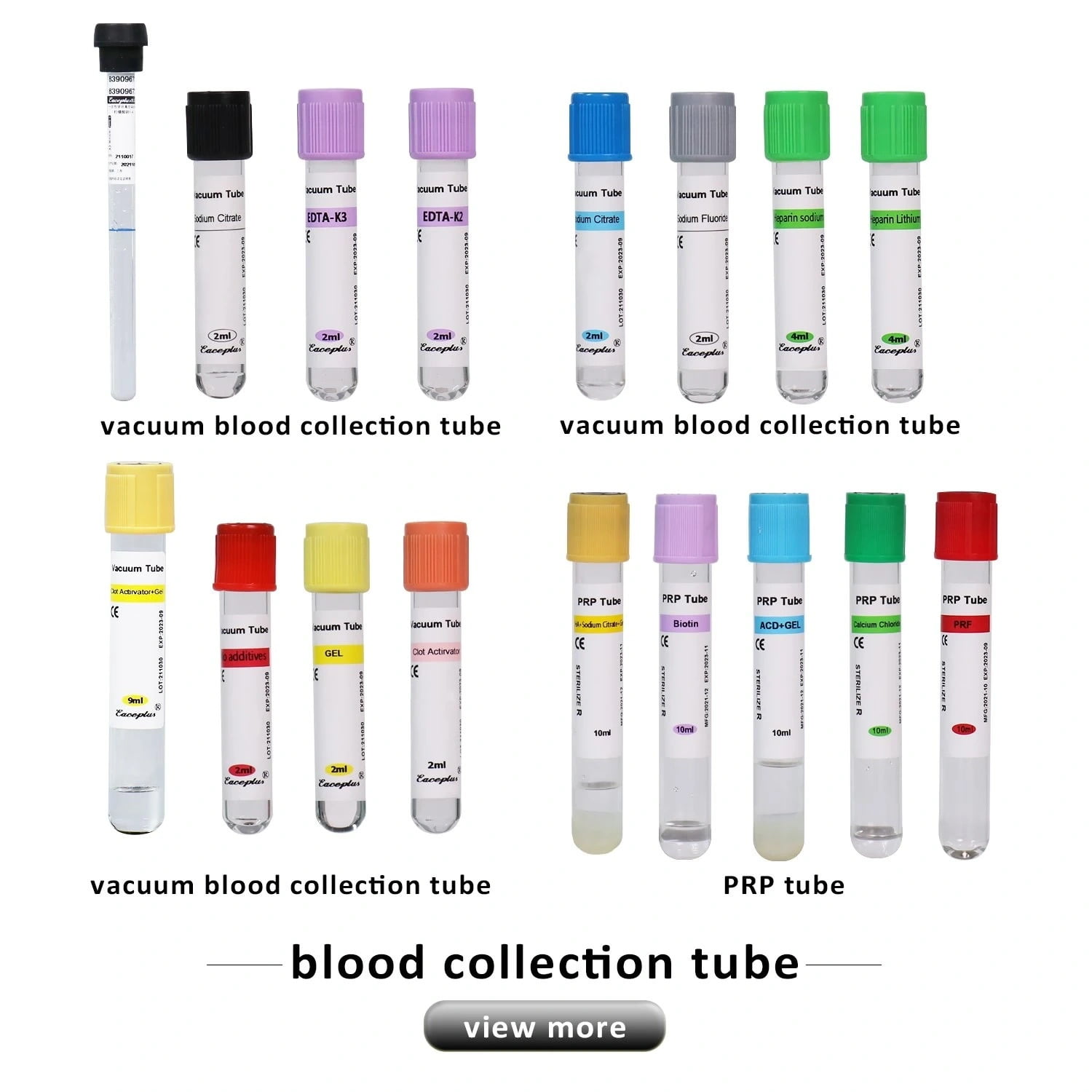
- Blood component separation (plasma, serum)
- Molecular biology workflows (DNA/RNA isolation)
- Microbiology sample preparation
The reliability of this process depends heavily on tube quality—poor sealing or low-grade materials can lead to leakage, contamination, or even breakage during high-speed runs.
Types of Centrifuge Tubes and Their Applications
Understanding what centrifuge tubes are used for also means knowing the different types available, since each serves a specific purpose.
Common categories include:
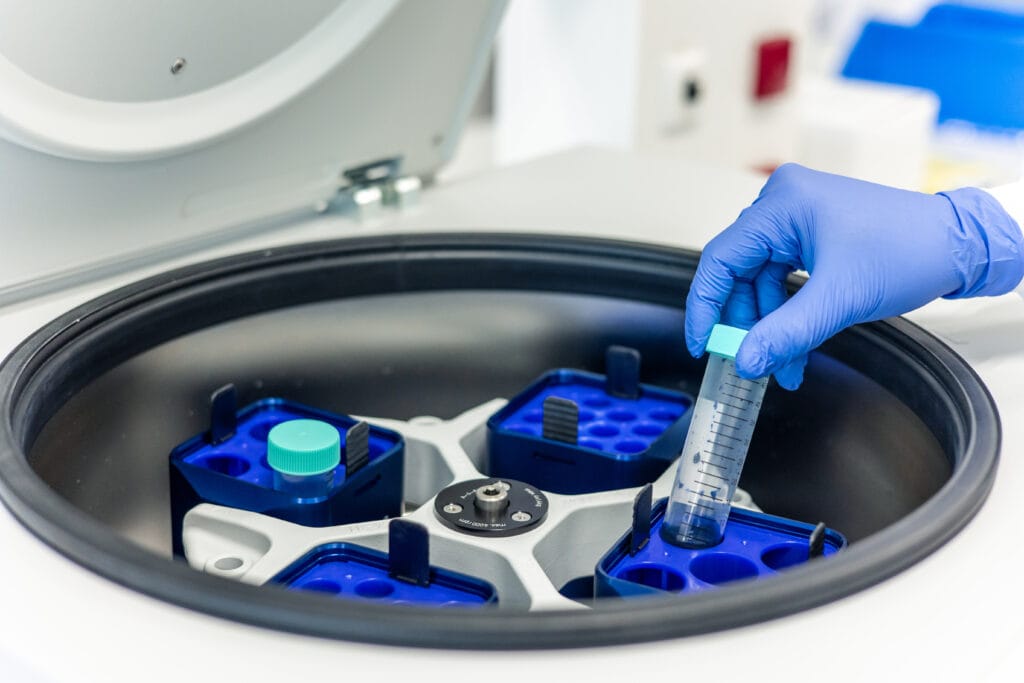
- Conical bottom tubes
Ideal for pellet collection and easy decanting.
Common sizes: 15ml and 50ml - Round bottom tubes
Used in specific centrifuge systems and cell culture applications. - Screw-cap centrifuge tubes
Provide leak-proof sealing for transport and storage. - Sterile vs non-sterile tubes
Sterile versions are essential for clinical, microbiological, or molecular applications.
For buyers, this is where confusion often arises. Choosing between sterile and non-sterile, or selecting the correct material (usually polypropylene), depends on your end use. Reviewing detailed product lines—such as Sterile 50ml Centrifuge Tubes with Screw Cap or Graduated Conical Tubes—can help clarify these decisions.
What Are Centrifuge Tubes Used For in Real-World Industries?
Beyond the lab bench, centrifuge tubes are widely used across multiple industries:
- Clinical diagnostics – blood, urine, and biochemical testing.
- Pharmaceutical research – drug development and compound isolation.
- Biotechnology – cell culture and genetic research.
- Aesthetic medicine – PRP and regenerative therapies.
In PRP applications, for instance, centrifuge tubes must ensure:
- High transparency for layer observation
- Chemical compatibility with anticoagulants
- Reliable sealing during spin cycles
This is why many clinics and distributors increasingly focus on sourcing from manufacturers with stable production standards. Exploring product ranges from suppliers like Siny Medical can give a clearer view of options tailored for both laboratory and clinical use.
How to Choose the Right Centrifuge Tubes Supplier
Understanding what centrifuge tubes are used for is only half the equation—the other half is selecting a supplier that ensures consistent performance.
Key factors to evaluate include:
- Material quality (medical-grade polypropylene)
- Centrifugal resistance (rated RCF limits)
- Sterility assurance (EO sterilization, non-pyrogenic)
- Seal integrity (leak-proof caps)
- Certification (CE, ISO 13485)
A reliable supplier doesn’t just provide products—they provide consistency across batches, technical documentation, and support for regulatory compliance.
If you’re comparing options, it’s worth taking a closer look at suppliers like Siny Medical, especially for bulk procurement or OEM requirements. Even a quick product comparison can help you avoid common sourcing risks.
FAQs
1. What is the main purpose of centrifuge tubes?
Laboratories primarily use them to separate substances of different densities during centrifugation, such as separating plasma from blood or isolating DNA.
2. What sizes of centrifuge tubes are most common?
The most widely used sizes are 15ml and 50ml, suitable for most laboratory and clinical applications.
3. Are centrifuge tubes reusable?
Manufacturers design most centrifuge tubes for single use, especially in clinical environments, to prevent contamination.
4. What material are centrifuge tubes made of?
Manufacturers typically make them from polypropylene, which offers high chemical resistance and durability under centrifugal force.
5. How do I choose the right centrifuge tube supplier?
Focus on product quality, certifications, consistency, and the supplier’s ability to meet your application requirements.
Final Thoughts
So, what are centrifuge tubes used for? In short, they are a fundamental tool for separation, processing, and storage across laboratories, clinics, and research facilities. But beyond their function, the real difference comes down to quality and consistency.
For buyers and distributors, selecting the right supplier is not just a purchasing decision—it’s a decision that affects performance, reliability, and end-user trust. If you’re currently evaluating centrifuge tube options, exploring product details and specifications on Siny Medical is a practical next step to ensure you’re making an informed choice.