| Specification | Description |
|---|---|
| Product Name | Laboratory Specimen Bag |
| Product Category | Specimen Collection and Transport Supplies |
| Product Type | Laboratory Sample Bag |
| Intended Use | Packaging and Transport of Appropriate Laboratory Specimens |
| Applications | Hospitals, Clinical Laboratories, Diagnostic Centers and Healthcare Facilities |
Healthcare laboratories handle numerous specimens every day, including blood samples, urine specimens, swabs, and other diagnostic materials. Proper packaging plays an important role in keeping these samples organized during collection, internal handling, and transportation. Siny Medical offers Laboratory Specimen Bags for buyers seeking suitable packaging solutions for medical and diagnostic sample workflows.
Specimen Transport Bags help healthcare facilities organize appropriate samples before personnel transfer them between collection points, laboratories, and diagnostic departments. Depending on the product design, specimen packaging may support sample identification, containment, and the separation of accompanying documents.
However, not every laboratory sample bag offers the same features. Some products use simple flexible packaging, while others incorporate dedicated closures, separate document compartments, or specialized containment structures. Buyers should therefore verify the finished product’s specifications before selecting it for a particular application.
For hospitals, diagnostic laboratories, and medical distributors, the right specimen bag should match the intended sample container, handling process, and applicable transport requirements. In addition, buyers should consider product dimensions, closure performance, labeling needs, and packaging arrangements.
Siny Medical supplies medical consumables for healthcare institutions and distributors. This product page explains how to evaluate laboratory sample bags and prepare clear purchasing requirements for routine specimen handling.
Laboratory specimen bags support sample organization and handling. However, their suitability depends on the finished product’s construction and the way personnel use it.
Specimen bags provide an additional packaging layer around suitable sample containers.
For example, laboratory personnel may place a properly closed specimen tube inside an appropriate bag before transferring it to another department.
This arrangement can help organize individual specimens or groups of samples.
However, the bag does not replace the primary specimen container. The tube, cup, or other primary receptacle must meet the requirements of the sample and the intended handling process.
Many laboratory sample bags use flexible plastic film because it offers practical handling and storage characteristics.
Nevertheless, different materials and film constructions provide different levels of strength and resistance to damage.
Therefore, buyers should review the actual material specifications rather than assume that every specimen bag uses the same plastic.
The finished bag’s seams, closure, and overall construction also influence its performance.
An appropriate closure helps keep a specimen bag secured during routine handling.
Different product designs may use different closing mechanisms.
However, a closure alone does not guarantee leakproof performance or suitability for regulated specimen transport.
For this reason, buyers should confirm the closure design and any relevant containment requirements before choosing a product.
Facilities should also ensure that the primary sample container remains properly closed.
Clear specimen identification is essential for laboratory workflows.
Healthcare personnel typically use sample labels, request forms, or electronic tracking systems to connect specimens with the correct records.
A suitable bag design should support the facility’s identification process without obscuring important information.
In addition, staff should verify that the specimen label matches the accompanying documentation.
The packaging should not create confusion between different patients or sample types.
Some specimen transport bag designs include a separate compartment for paperwork.
Such arrangements can help keep documents apart from the specimen container.
However, not every sample bag includes this feature.
Therefore, buyers who need a document pocket should identify that requirement clearly and confirm the selected product’s construction.
The product is presented as a laboratory sample bag with OEM/ODM options.
For institutional buyers and medical distributors, customization discussions may involve dimensions, packaging, identification, and other product requirements.
However, the supplier must confirm which features it can provide for a specific order.
A clear specification helps buyers avoid misunderstandings about the final product.
Hospitals and laboratories manage different sample types and handling procedures. Consequently, specimen packaging requirements vary between departments.
Hospitals collect specimens in outpatient clinics, wards, emergency departments, and other clinical areas.
Staff may need to transfer properly packaged samples from collection points to laboratory departments.
Suitable specimen bags can support this workflow.
However, the required packaging depends on the specimen type, primary container, and internal transport procedures.
Diagnostic laboratories receive and process samples from different collection locations.
Appropriate sample packaging can help personnel organize specimens during receiving and sorting.
In addition, consistent packaging requirements may support more efficient specimen handling.
Laboratories should still verify sample identity, container condition, and acceptance requirements when receiving specimens.
Blood collection workflows often involve transporting labeled tubes from collection areas to testing laboratories.
Suitable secondary packaging can support the organization of these tubes during handling.
However, staff must secure the primary collection tubes and follow the facility’s specimen transport procedures.
A specimen bag does not replace a tube rack or other protective packaging when the workflow requires one.
Healthcare facilities may collect urine or other liquid specimens for diagnostic testing.
Properly closed primary containers help reduce the risk of spills.
In addition, suitable secondary packaging may provide an additional containment layer.
However, facilities should not assume that every specimen bag meets a particular liquid containment requirement.
Buyers must verify the selected product’s performance and intended use.
Independent diagnostic centers frequently handle specimens collected from multiple patients.
Appropriate packaging can help staff maintain an organized sample collection and transfer process.
Furthermore, clear identification supports accurate laboratory receiving procedures.
The selected bag should match the center’s sample types and established workflow.
Medical distributors may supply specimen packaging to hospitals, laboratories, and diagnostic centers.
Different customers can have different requirements for dimensions, closure design, identification, and packaging.
Therefore, distributors should gather detailed specifications before selecting products for their customers.
Consistent product information also helps support repeat purchasing.
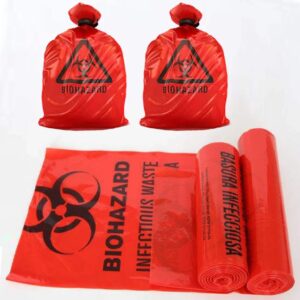
Specimen transport bags and biohazard waste bags may both appear in healthcare environments. However, they serve different purposes.
Laboratory specimen bags support the packaging and handling of samples intended for examination, testing, or analysis.
Their design should match the intended specimen and transport conditions.
For example, a facility may require a bag that accommodates a primary specimen container and its identification information.
However, the required packaging depends on the sample and applicable procedures.
Biohazard waste bags support the collection of designated healthcare waste.
Their primary purpose is waste segregation and disposal handling rather than the transport of samples for diagnostic testing.
Consequently, personnel should not substitute a waste collection bag for specimen packaging without confirming its suitability.
| Feature | Specimen Transport Bags | Biohazard Waste Bags |
|---|---|---|
| Main Purpose | Packaging and Handling Laboratory Samples | Collection of Designated Healthcare Waste |
| Typical Contents | Properly Closed Specimen Containers | Appropriate Healthcare Waste |
| Main Users | Hospitals, Laboratories and Diagnostic Centers | Hospitals, Clinics and Waste Management Services |
| Identification Focus | Specimen and Patient Information | Waste Classification |
| Document Compartment | Available in Some Designs | Not a Typical Requirement |
| Closure Requirements | Depend on Specimen Handling Needs | Depend on Waste Handling Procedures |
| Final Destination | Laboratory Testing or Analysis | Waste Treatment or Disposal |
| Purchasing Priority | Sample Compatibility and Transport Requirements | Waste Category and Collection Requirements |
The key distinction is whether personnel intend to preserve and deliver a sample for testing or collect material for disposal.
Therefore, healthcare facilities should maintain separate purchasing specifications for these product categories.
Healthcare buyers should select specimen packaging according to the sample type, primary container, and intended transport process.
The following considerations can help guide product selection.
First, determine which samples the facility will handle.
Blood tubes, urine containers, swabs, and other specimens may require different packaging arrangements.
For example, a large primary container may need more internal space than a small sample tube.
Therefore, buyers should identify the intended specimen containers before selecting bag dimensions.
Bag dimensions should accommodate the primary container without excessive compression.
An undersized bag may be difficult to close or handle.
Conversely, an unnecessarily large bag may complicate organization.
Buyers should compare the primary container’s dimensions with the available packaging options.
They should also consider whether the workflow requires additional protective materials.
Closure design matters during specimen handling.
Facilities should consider how staff will open, close, and transfer the packaging.
However, not every closure provides the same level of containment.
Therefore, buyers should confirm the selected product’s construction and performance requirements.
Some facilities need to keep accompanying paperwork separate from the specimen container.
A bag with a suitable document compartment may support that workflow.
However, this feature is product-specific.
Buyers should request it explicitly when necessary and confirm its availability before purchasing.
Accurate specimen identification supports laboratory quality management.
Therefore, the selected packaging should work with the facility’s labeling and tracking procedures.
Buyers may need to consider printed information, visibility, or label placement.
However, they should confirm any specific printing or customization requirements with the supplier.
Internal specimen movement and external shipment may involve different packaging requirements.
For example, some biological specimens require a compliant multi-layer packaging system that includes suitable primary and secondary receptacles and outer packaging.
A general-purpose laboratory specimen bag does not automatically satisfy those requirements.
Therefore, buyers should evaluate the intended transport route and applicable regulations before selecting the product.
Hospitals and laboratories often consume specimen bags regularly.
Purchasing teams can estimate demand by reviewing specimen collection volumes, departmental needs, and replacement frequency.
In addition, they should consider storage space and internal distribution.
For distributors, consistent product specifications and packaging information can simplify inventory management.
Buyers interested in OEM or ODM arrangements should prepare a clear product specification.
This may include the intended application, required dimensions, closure expectations, identification needs, and packaging preferences.
The supplier can then assess the requested features.
However, buyers should confirm the final configuration before approving an order.
Proper specimen handling helps maintain sample integrity and supports safe laboratory workflows.
Before use, inspect the packaging for visible damage.
Next, confirm that the primary specimen container is suitable for the sample and securely closed.
Check that the specimen label matches the accompanying information.
Then, place the primary container into appropriate secondary packaging according to the facility’s procedures.
Avoid overfilling the bag or forcing oversized containers inside it.
In addition, personnel should use any required absorbent or protective materials when the specimen and transport conditions call for them.
During transfer, staff should follow the facility’s established specimen handling procedures.
If a specimen container leaks or breaks, personnel should follow the relevant spill response and exposure control procedures.
Finally, laboratory staff should inspect incoming specimens according to their receiving and acceptance requirements.
Keep unused specimen bags in their original packaging in a clean, dry location.
Protect them from sharp objects, physical damage, and unsuitable environmental conditions.
In addition, follow the manufacturer’s labeled storage instructions.
Facilities should organize different packaging types clearly to reduce selection errors.
They are bags used to package and organize appropriate laboratory specimens during handling and transport.
A laboratory sample bag provides an additional packaging layer around suitable specimen containers and may support identification or document handling, depending on its design.
They may accommodate properly closed blood collection tubes when the bag’s dimensions and construction suit the intended workflow.
No. Containment performance depends on the finished product. Buyers should verify any required leakproof characteristics.
No. Some designs include a separate document compartment, while others do not.
No. A specimen bag does not replace a suitable primary receptacle.
Suitable specimen bags may support the handling of properly closed urine containers. However, the selected packaging must match the intended application.
No. Specimen bags support sample handling and transport, while biohazard waste bags serve designated waste collection workflows.
Not automatically. External transport may require specific packaging systems and additional controls.
Buyers can discuss OEM and ODM requirements with the supplier. However, the supplier must confirm the available configurations and production feasibility.
They should review the intended specimen types, dimensions, closure requirements, identification needs, packaging, and customer purchasing volume.
Siny Medical supplies specimen transport bags and other disposable medical consumables for hospitals, clinical laboratories, diagnostic centers, and healthcare distributors. Our laboratory sample bag product range supports buyers seeking appropriate packaging solutions for specimen handling and institutional purchasing. Explore our specimen collection products or contact Siny Medical to discuss your application, required bag features, OEM/ODM requirements, and bulk purchasing needs.
Copyright © 2026 | Ningbo Siny Medical Technology Co., Ltd