| Specification | Description |
|---|---|
| Product Name | 135°C PP Autoclavable Medical Bag |
| Product Category | Autoclavable Medical Bags |
| Material | Polypropylene (PP) |
| Stated Temperature | 135°C |
| Main Function | Containment of Appropriate Materials During Autoclave Processing |
| Typical Applications | Medical Facilities, Laboratories and Sterilization Workflows |
| Target Buyers | Hospitals, Laboratories, Healthcare Facilities and Medical Distributors |
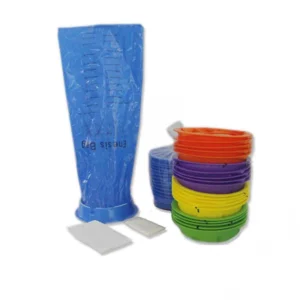
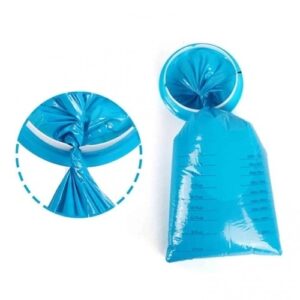
Siny Medical offers the 135°C PP Autoclavable Medical Bag for medical and laboratory applications that involve high-temperature steam processing. The bag uses polypropylene (PP), a material that offers useful thermal resistance for appropriate applications. Its product name specifies a temperature of 135°C.
Autoclavable PP Bags provide a practical containment option for hospitals, laboratories, and research facilities that handle materials requiring controlled steam processing. Unlike ordinary plastic collection bags, products intended for autoclave applications must withstand the conditions of their specified operating environment.
However, a temperature rating alone does not guarantee compatibility with every autoclave cycle. Buyers must also consider exposure duration, load arrangement, and the manufacturer’s operating instructions. Furthermore, facilities should follow their validated procedures when processing materials.
For healthcare purchasing teams, choosing a suitable autoclave bag involves several practical factors. These include material construction, intended contents, equipment compatibility, and handling requirements. A clear understanding of these factors helps buyers select products that fit their daily operations.
Autoclave-compatible bags differ from ordinary disposable bags in their intended operating conditions. In particular, material selection and product construction influence their performance during high-temperature processing.
Polypropylene is a thermoplastic material that manufacturers commonly use in healthcare and laboratory consumables. Suitable PP formulations offer greater heat resistance than many conventional polyethylene films.
As a result, polypropylene can provide a practical material option for certain autoclave applications.
Nevertheless, PP formulations vary in their thermal and mechanical properties. Film construction, seams, and manufacturing methods also affect the finished bag.
Therefore, buyers should evaluate the complete product rather than rely on the material name alone.
The product name specifies a temperature of 135°C, which helps buyers identify its intended high-temperature application.
However, facilities should not interpret this value as a guarantee for every cycle that reaches 135°C. Exposure duration, steam conditions, and load characteristics also influence product suitability.
For example, two autoclave programs may reach the same temperature but use different exposure times or loading conditions.
Therefore, purchasing teams should confirm that the manufacturer’s operating instructions match the facility’s intended process.
Autoclave bags can help contain appropriate materials during controlled steam processing.
They also support organized material handling before and after a suitable cycle.
However, correct loading remains essential. Overfilling a bag or using an unsuitable closure can interfere with steam access to its contents.
For this reason, operators should follow the product instructions and their facility’s established procedures.
An autoclavable medical bag provides a dedicated container for compatible materials.
The bag’s film, seams, and overall construction influence how well it maintains its integrity during handling.
In addition, the contents affect product suitability. Heavy, sharp, or rigid objects may damage a flexible bag.
Therefore, facilities should avoid overloading and should never use an ordinary autoclave bag as a replacement for a puncture-resistant sharps container.
Disposable autoclave bags can simplify material handling in workflows that require single-use containment products.
After an appropriate process, personnel can manage the used bag according to the facility’s waste procedures.
However, steam processing does not automatically make every waste stream suitable for general disposal.
Facilities must consider the waste category and applicable requirements before choosing the final disposal method.
Hospitals, laboratories, and research facilities use steam autoclaves for different purposes. Consequently, they should select containment products according to the materials and processing conditions involved.
Medical laboratories may use suitable autoclavable bags to contain compatible materials before steam processing.
These bags can help personnel organize loads and maintain consistent handling practices.
Before processing, laboratory staff should identify the contents and confirm their suitability for the intended cycle.
For example, certain chemicals and sealed containers require different handling methods. Therefore, personnel should never assume that every laboratory material can enter an autoclave.
Research laboratories often process compatible materials through established steam treatment procedures.
Suitable polypropylene autoclave bags can support these workflows by providing a dedicated containment option.
In addition, consistent bag selection helps staff distinguish high-temperature processing supplies from ordinary waste collection products.
However, each facility should evaluate the bag against its actual operating conditions.
Some healthcare waste streams may undergo validated steam treatment.
In these situations, appropriate autoclavable bags can support the containment and handling of suitable waste.
However, hospitals must classify the waste before selecting a treatment method.
For instance, sharps, chemical waste, and certain pharmaceutical materials may require specialized containment or alternative treatment.
Therefore, waste classification and facility procedures should guide purchasing decisions.
Healthcare research facilities often manage materials that require controlled processing.
Suitable autoclave bags can help staff prepare compatible loads and organize material movement.
Furthermore, clear product identification can reduce confusion between ordinary disposable bags and products intended for high-temperature use.
Facilities should also train personnel to recognize the differences between these products.
Some facilities use autoclavable containment bags during specific steam processing activities.
However, a general autoclavable bag does not automatically function as sterile barrier packaging.
For example, surgical instruments that must remain sterile after processing require an appropriate validated sterile barrier system.
Therefore, buyers should distinguish between bags for material containment and packaging intended to maintain sterility.
Material selection becomes especially important when a facility uses high-temperature steam.
Although ordinary disposable bags work well for many collection tasks, they may not withstand autoclave conditions.
Suitable polypropylene bags offer useful heat resistance for specified processing applications.
However, their actual performance depends on the finished product and the intended cycle.
For this reason, buyers should review the manufacturer’s operating information before introducing a new bag into an established workflow.
Manufacturers commonly use polyethylene (PE) for ordinary disposable collection and waste bags.
Many conventional PE films have lower heat resistance than polypropylene materials intended for high-temperature applications.
Consequently, standard PE bags may soften, deform, or lose integrity under unsuitable autoclave conditions.
Unless a manufacturer specifically identifies a finished PE bag as suitable for the intended process, facilities should not use it as an autoclave bag.
| Feature | Autoclavable PP Bags | Standard PE Bags |
|---|---|---|
| Main Material | Polypropylene | Polyethylene |
| Typical Application | Specified High-Temperature Processing | General Collection and Waste Handling |
| Relative Heat Resistance | Generally Higher | Generally Lower |
| Autoclave Compatibility | Depends on Product and Cycle | Not Assumed Suitable |
| Main Selection Factor | Processing Conditions and Load Compatibility | Collection Requirements |
| Common Buyers | Hospitals, Laboratories and Research Facilities | Healthcare and General Waste Management Buyers |
Overall, the most important distinction is whether the finished bag suits the intended operating conditions.
Therefore, buyers should compare actual product specifications instead of relying solely on material names.
Healthcare and laboratory purchasing teams should consider both technical requirements and daily workflow needs.
The following factors can help buyers select an appropriate product.
First, identify the autoclave programs that the facility uses.
Then, compare their operating conditions with the bag manufacturer’s instructions.
Temperature matters, but exposure duration and load characteristics also influence suitability.
For example, a facility may operate different cycles for different materials. In that case, purchasing personnel should evaluate compatibility for each relevant process.
Bag dimensions should match the intended contents and loading arrangement.
A small bag may not provide enough space for the load. Conversely, an unnecessarily large bag may complicate storage and equipment loading.
Therefore, buyers should consider both the contents and the available chamber space.
Operators should also avoid overfilling bags or arranging them in ways that interfere with steam access.
Film construction and seam integrity affect a bag’s handling performance.
For this reason, purchasing teams should review the finished product’s suitability for the intended materials.
Heavy or rigid contents may create additional mechanical stress.
Furthermore, sharp objects require appropriate puncture-resistant containment rather than an ordinary flexible bag.
Bag closure affects handling and may influence steam access.
For example, an unsuitable seal can prevent steam from reaching the contents or create pressure-related hazards.
Therefore, staff should follow the product instructions and their validated loading procedures.
They should not apply the same closure method to every type of autoclave bag.
Different materials require different processing and waste handling methods.
Before purchasing, facilities should identify the materials that will enter the bags.
For instance, chemical hazards, sharps, and pharmaceutical waste may require separate procedures.
As a result, buyers should confirm that the intended contents match the bag’s designated application.
Hospitals and laboratories often require a regular supply of autoclavable bags.
Purchasing teams can estimate demand by reviewing processing frequency, departmental requirements, and inventory practices.
In addition, they should consider available product configurations and packaging arrangements.
For medical distributors, consistent product identification and clear application information can support repeat purchasing and customer selection.
Correct handling helps facilities maintain safe and consistent processing workflows.
Before use, inspect the bag for visible damage. Next, confirm that the contents suit the intended procedure.
Avoid overloading the bag or placing unsuitable sharp objects directly inside it.
Then, prepare the opening and closure according to the product instructions and the facility’s validated loading method.
During processing, use an approved cycle that matches the product and its contents.
Afterward, follow the sterilizer’s unloading instructions. Hot materials, retained liquids, and escaping steam can cause burns.
Therefore, personnel should allow the load to cool as required and use appropriate protective equipment.
Finally, handle and dispose of processed materials according to their waste classification and applicable requirements.
Store unused autoclavable bags in their original packaging in a clean, dry location.
Keep them away from sharp objects, physical damage, and unsuitable environmental conditions.
In addition, follow the manufacturer’s labeled storage instructions.
Facilities should also separate autoclave-compatible bags from ordinary waste bags to reduce accidental substitution.
They are polypropylene bags intended for specified high-temperature processing applications, including compatible steam autoclave workflows.
The temperature identifies a stated product characteristic. However, buyers must also consider exposure duration, loading conditions, and the manufacturer’s instructions.
No. Polypropylene formulations and bag constructions vary. Therefore, users should choose products specifically intended for the relevant processing conditions.
Polypropylene generally offers higher heat resistance than conventional polyethylene. However, actual performance depends on the finished product.
Hospitals should not assume that ordinary waste bags can withstand autoclave conditions. Instead, they should select products suitable for the intended cycle.
No. The autoclave process provides the treatment. Effective sterilization or decontamination depends on suitable loading and a validated cycle.
Closure requirements depend on the product and process. Therefore, users should follow the relevant instructions to maintain appropriate steam access.
Suitable autoclavable bags may support certain medical waste treatment workflows. However, facilities must first confirm the waste classification and applicable requirements.
An ordinary autoclavable bag should not replace a puncture-resistant sharps container. Sharp objects require appropriate containment.
Not automatically. Instruments that require sterile storage need an appropriate validated sterile barrier system.
Keep them in their original packaging in a clean, dry location. In addition, follow the manufacturer’s storage instructions.
Siny Medical supplies autoclavable PP bags and disposable medical consumables for hospitals, laboratories, research facilities, and healthcare distributors. Our 135°C polypropylene medical bag product supports buyers seeking a suitable containment solution for appropriate high-temperature processing applications. Explore our medical bag range or contact Siny Medical to discuss available product configurations, technical specifications, packaging, and bulk purchasing requirements.
Copyright © 2026 | Ningbo Siny Medical Technology Co., Ltd