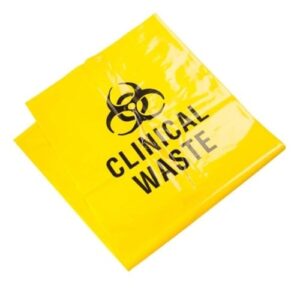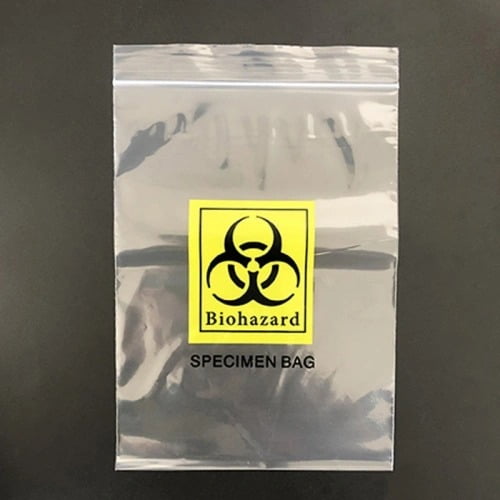
| Specification | Description |
|---|---|
| Product Name | Biohazard Specimen Bag – Specimen Transport Plastic Bag |
| Product Category | Biohazard Specimen Packaging |
| Product Type | Specimen Transport Bag |
| Material | Plastic |
| Intended Use | Packaging and Transport of Appropriate Biological Specimens |
| Applications | Hospitals, Clinical Laboratories, Diagnostic Centers |
Hospitals and diagnostic laboratories handle biological specimens throughout the day. From blood collection tubes to urine containers and diagnostic swabs, each sample needs accurate identification, appropriate containment, and careful handling. Suitable packaging helps healthcare professionals organize specimens as they move between collection areas and testing facilities.
Siny Medical offers the Biohazard Specimen Bag – Specimen Transport Plastic Bag for hospitals, clinical laboratories, diagnostic centers, and medical distributors. This disposable specimen packaging product is intended for the handling and transport of appropriately contained biological samples.
Biohazard Specimen Bags provide an additional packaging layer around primary specimen containers. They can support routine sample organization, help separate specimen containers from surrounding materials, and form part of a facility’s established specimen handling process.
However, not every specimen transport bag offers the same containment performance. Buyers should assess the product’s actual construction, closure, and intended use before selecting it for a particular workflow. In addition, a specimen bag does not replace a properly closed primary receptacle.
For healthcare purchasing teams, the right product should match the specimen type, primary container dimensions, identification procedures, and transport conditions. Understanding these factors helps hospitals and distributors choose packaging that fits their operational needs.
Specimen transport bags support daily laboratory operations by providing a practical packaging format for biological samples. However, the performance of the finished product depends on its design and intended application.
Plastic bags offer a flexible packaging format for appropriate laboratory specimen handling.
Their construction can accommodate different primary container shapes when the selected dimensions are suitable.
For example, a laboratory may use an appropriately sized bag around a closed specimen tube or collection container.
However, plastic materials differ in thickness, flexibility, and mechanical performance.
Therefore, buyers should review the actual product specifications rather than assume all plastic specimen bags provide equivalent protection.
Biological specimen packaging often uses biohazard identification to alert personnel to potentially hazardous contents.
Recognizable labeling can support handling awareness and help staff follow the appropriate procedures.
However, the word biohazard in a product name does not establish that a specific printed symbol or warning label appears on the finished bag.
Buyers who require particular markings should include them in their purchasing specifications.
In addition, the actual specimen classification determines which handling and transport requirements apply.
A specimen bag may serve as secondary packaging when its construction meets the relevant requirements.
The primary receptacle directly contains the biological specimen. Meanwhile, secondary packaging provides an additional containment layer.
For example, a suitable bag may surround a properly closed blood collection tube during a laboratory transfer.
However, buyers should verify whether the selected bag meets the necessary leakproof or other performance requirements.
A general-purpose plastic bag should not automatically be treated as compliant secondary packaging for regulated transport.
Laboratories frequently receive specimens from different departments and collection sites.
Suitable packaging can help personnel organize these samples during collection, transfer, and receiving.
For example, staff may prepare individual specimen containers and place them into the appropriate packaging arrangement.
This approach supports consistent handling procedures.
Nevertheless, personnel must still verify sample identification and maintain traceability throughout the process.
Healthcare facilities use many types of specimen containers.
These include blood collection tubes, urine containers, swab tubes, and other appropriate primary receptacles.
Consequently, purchasing teams should consider the container’s dimensions, shape, and closure.
The selected bag should provide enough usable space for suitable placement and closing.
In addition, buyers should determine whether their workflow requires absorbent materials, protective holders, or outer packaging.
Hospitals and laboratories often need specimen packaging for recurring daily use.
Therefore, buyers should consider the intended applications, product construction, dimensions, and purchasing volume.
Medical distributors may also need consistent product specifications to support repeat orders.
However, purchasing decisions should prioritize the packaging’s suitability rather than rely only on general product descriptions.
Healthcare organizations use specimen packaging across different collection and testing environments. The appropriate packaging arrangement depends on the sample and its intended transport conditions.
Hospitals collect specimens in wards, outpatient clinics, emergency departments, and specialized clinical units.
These samples frequently move to central laboratories for testing.
Suitable specimen transport bags can support the organization of properly closed primary containers during internal transfer.
For example, personnel may use appropriate packaging to separate specimens from unrelated materials during collection rounds.
However, hospital staff should follow their facility’s procedures for containment, labeling, and transport.
Diagnostic laboratories receive specimens from multiple departments and collection locations.
Consistent packaging practices can help personnel manage sample receiving and sorting.
In addition, suitable packaging can support an organized handoff between collection staff and laboratory technicians.
However, laboratories must continue to inspect incoming specimens according to their acceptance criteria.
Packaging does not replace checks for incorrect identification, damaged containers, or leakage.
Blood collection facilities routinely handle labeled specimen tubes.
Suitable specimen bags may provide an additional packaging layer for properly closed tubes.
For example, staff may organize specimens after collection and before transfer to the testing laboratory.
However, a flexible plastic bag does not replace a protective tube holder when the procedure requires one.
Facilities should also consider the number and dimensions of containers placed in each package.
Liquid specimens require careful attention to primary container closure and secondary containment.
An appropriately selected specimen bag may support the handling of closed urine containers or other liquid specimen receptacles.
However, buyers should not assume that every plastic specimen bag is leakproof.
Therefore, facilities should verify the required containment characteristics and use absorbent materials when applicable.
Independent collection centers often transfer specimens to centralized laboratories.
These workflows may involve different primary containers and multiple handling stages.
Consequently, packaging selection should account for container compatibility, identification, and transport conditions.
A consistent packaging process can help staff prepare samples efficiently.
However, external transport may require additional packaging components beyond a specimen bag.
Medical distributors supply specimen packaging products to healthcare institutions.
Their customers may have different container sizes, identification procedures, and transport needs.
Therefore, distributors should gather application details before selecting products for their catalogs.
In addition, consistent specifications can help support inventory management and repeat purchasing.
Although both products may use plastic materials, their intended roles differ.
Specimen transport packaging supports healthcare sample handling. In contrast, ordinary plastic bags serve a broad range of general packaging purposes.
However, a medical product name alone does not prove that a bag meets every laboratory containment or transport requirement.
Specimen bags are intended for workflows involving biological samples.
Their use should fit the facility’s procedures for sample handling, identification, and containment.
Depending on the finished product, additional design features may support particular applications.
However, buyers should verify these features rather than assume that all specimen bags have the same construction.
General-purpose plastic bags support everyday storage and packaging.
They may not be designed or evaluated for biological specimen handling.
Therefore, facilities should not substitute ordinary packaging for a product that must meet defined containment requirements.
| Feature | Biohazard Specimen Bags | Regular Plastic Bags |
|---|---|---|
| Intended Application | Biological Specimen Packaging | General Packaging |
| Healthcare Workflow | Intended for Appropriate Specimen Handling | Not Necessarily Intended for Healthcare |
| Primary Specimen Container | Still Required | Still Required if Used Around a Specimen |
| Biohazard Identification | Depends on Product Configuration | Not Generally a Defining Feature |
| Containment Performance | Must Match Intended Application | Not Established for Specimen Transport |
| Transport Suitability | Depends on Product and Complete Packaging System | Not Assumed Suitable |
| Purchasing Priority | Specimen Compatibility and Handling Requirements | General Packaging Needs |
The key difference is the intended application and the need to evaluate containment requirements.
Therefore, hospitals and laboratories should select packaging according to their specimen handling procedures rather than rely on general plastic bags.
Choosing suitable specimen packaging requires an understanding of the facility’s daily workflow.
Buyers should begin with the specimen type and primary container before evaluating the bag’s construction and dimensions.
First, determine which biological specimens the facility handles.
Examples include blood samples, urine specimens, swabs, and other diagnostic materials.
Different samples may require different containment or handling procedures.
Therefore, purchasing teams should not assume that one specimen bag suits every application.
Next, identify the primary receptacles used by the facility.
Measure their relevant dimensions, including the overall size of the closure.
Then, select packaging that accommodates the containers without excessive pressure or stretching.
In addition, consider whether personnel need to package individual containers or appropriately separated groups.
Closure design affects how personnel prepare and handle specimen packaging.
Different products may use ziplock, adhesive, or other closure mechanisms.
However, this product’s specific closure type should be verified from the actual product information.
Buyers should also distinguish convenient closing from verified leakproof containment.
A closure that is easy to use does not automatically meet a defined transport performance requirement.
Liquid specimens can create additional leakage concerns.
Therefore, facilities should determine whether their procedures require leakproof secondary packaging.
Some transport arrangements also require absorbent material.
Buyers should review the applicable requirements and verify that the selected packaging provides the necessary performance.
Accurate identification is essential for laboratory specimens.
The packaging should support the facility’s labeling and traceability procedures.
For example, buyers may need specific biohazard markings or a suitable way to manage accompanying paperwork.
However, these features depend on the finished product and should form part of the purchasing specification when required.
Internal hospital transfer and external specimen shipment may involve different requirements.
For example, certain biological substances transported externally must follow applicable classification and packing instructions.
These instructions may specify primary receptacles, secondary packaging, outer packaging, and other protective components.
Consequently, a specimen bag alone should not automatically be considered a complete compliant transport system.
Hospitals and laboratories may use specimen bags in substantial quantities.
Purchasing teams can estimate demand by reviewing sample collection volumes, department requirements, and ordering frequency.
In addition, distributors should consider customer applications and inventory planning.
A clearly defined product specification can help reduce purchasing errors and support repeat supply.
Correct handling helps healthcare facilities maintain consistent specimen packaging procedures.
Before use, inspect the bag for visible damage.
Next, confirm that the primary specimen container suits the sample and that personnel have closed it correctly.
Check the specimen identification and accompanying information.
Then, place the primary receptacle into suitable packaging according to the facility’s procedures.
Avoid forcing oversized containers into the bag or placing sharp objects directly against the plastic.
If the application requires absorbent material or additional protective components, include them in the packaging arrangement.
Close the bag according to the manufacturer’s instructions.
During transport, personnel should follow the applicable requirements for handling, temperature control, and documentation.
If a specimen leaks or becomes damaged, staff should follow their facility’s spill response and exposure control procedures.
Finally, receiving personnel should inspect incoming samples according to the laboratory’s acceptance criteria.
Store unused specimen bags in their original packaging in a clean, dry area.
Protect them from sharp objects, physical damage, and unsuitable environmental conditions.
In addition, follow the manufacturer’s labeled storage instructions.
Facilities should keep specimen transport packaging clearly separated from general-purpose bags to reduce selection errors.
They are packaging products intended to support appropriate biological specimen handling and transport workflows.
They help organize and package properly closed primary specimen containers during suitable laboratory handling and transfer.
Not necessarily. Leakproof performance depends on the actual product construction and verified specifications.
They may accommodate properly closed blood collection tubes when the bag’s dimensions and packaging requirements are suitable.
Suitable bags may support properly closed urine containers. However, buyers must verify the applicable containment requirements.
No. Specimen transport bags support sample handling, while medical waste bags serve designated waste collection and disposal workflows.
No. The primary receptacle directly contains the biological specimen.
Not necessarily. Buyers should confirm whether the selected product includes the required markings.
Suitability depends on the specimen classification, complete packaging arrangement, and applicable transport requirements.
Specimen bags are intended for biological sample handling, while ordinary plastic bags serve general packaging purposes.
Distributors should review the intended applications, dimensions, closure design, containment requirements, product construction, and purchasing quantities.
Siny Medical supplies biohazard specimen bags and other disposable laboratory consumables for hospitals, clinical laboratories, diagnostic centers, and medical distributors. Our specimen transport plastic bag product supports buyers seeking practical packaging solutions for appropriate biological sample handling and transfer. Explore our specimen packaging range or contact Siny Medical to discuss product specifications, intended applications, available configurations, and bulk purchasing requirements.
Copyright © 2026 | Ningbo Siny Medical Technology Co., Ltd