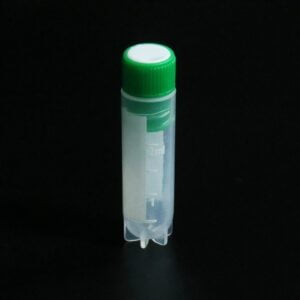
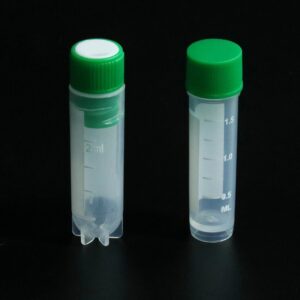
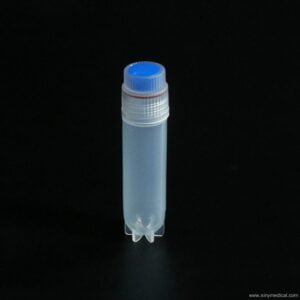
| Product Name | Cryovials Tube |
| Material | PP |
| OEM/ODM | Yes |
| Certificate | CE, ISO |
| Usage | Test Tube |
| Sterile | No-Sterilized |
| Sample | Free |
| Temperature Range | ‘-196~121ºC |
| Service | In the groups we serve: distributors, import traders, government procurement, buying agents, and medical chain stores, we provide one-stop procurement for you to simplify your procurement process. |
Siny Medical supplies Polypropylene Lab Frozen Test Tubes for research laboratories, biotechnology facilities, healthcare institutions, and laboratory consumables distributors. Made from polypropylene (PP), these plastic tubes provide a practical container option for laboratory workflows involving frozen sample storage and specimen organization.
Polypropylene is widely used in laboratory consumables because it combines lightweight construction with resistance to many commonly encountered chemicals. These properties make PP a useful material for sample containers in research and testing environments. Material compatibility, however, depends on the sample composition and handling conditions.
Laboratories often manage specimens across different experiments, testing stages, and storage periods. Using suitable containers helps organize these materials, maintain sample identification, and support efficient retrieval. Consistent container selection can also simplify inventory management when large numbers of samples are involved.
Frozen sample storage requires an established procedure that accounts for specimen characteristics and storage conditions. The appropriate container should be selected according to the laboratory’s intended application and handling requirements.
At Siny Medical, we supply laboratory consumables for professional users and international distributors. We focus on clear product identification, practical purchasing requirements, and efficient supply coordination.
Polypropylene is the defining material of these laboratory frozen test tubes.
PP is a thermoplastic polymer commonly used in laboratory containers. It offers a useful combination of lightweight construction, mechanical flexibility, and resistance to many aqueous solutions and laboratory chemicals.
These characteristics make polypropylene a practical choice for suitable specimen handling and storage workflows. However, chemical resistance depends on factors such as concentration, exposure time, and temperature.
Laboratories should consider the characteristics of their samples when selecting storage containers.
Plastic laboratory tubes provide a convenient alternative to glass containers in many routine workflows.
Compared with glass, polypropylene is generally lighter and does not present the same shattering characteristics. This can make PP containers easier to handle when laboratories work with numerous specimens.
In addition, plastic tubes can support consistent handling procedures across research and testing environments.
Appropriate laboratory practices remain important, especially when containers are used for biological specimens or other sensitive materials.
Laboratory sample storage requires clear identification and systematic organization.
Frozen test tubes can form part of a structured specimen management process. Laboratories may organize containers according to research project, sample category, preparation date, or storage location.
Accurate records help staff locate the correct material and maintain traceability throughout the storage period.
For institutions managing extensive specimen collections, consistent container selection can also support efficient inventory control.
Chemical compatibility is an important factor when selecting laboratory storage tubes.
Polypropylene offers resistance to many aqueous solutions, including a range of acids and bases under appropriate conditions. Nevertheless, it is not universally resistant to every laboratory chemical.
Compatibility can change with concentration, temperature, and exposure duration. Some solvents and other substances may be unsuitable for prolonged contact with PP.
Therefore, laboratories should evaluate the chemical properties of their samples and follow the relevant material compatibility guidance.
Laboratory workflows often involve sample preparation, identification, storage, and retrieval.
Polypropylene frozen test tubes can support suitable specimen storage procedures within these workflows. Their plastic construction provides a practical container option for laboratories that regularly handle research materials.
For example, a research team may organize separate sample portions for different experiments. Clear identification and consistent handling procedures help maintain an orderly workflow.
These considerations are particularly important when multiple departments share laboratory supplies.
Laboratories use plastic storage tubes to manage biological specimens and prepared sample portions.
Depending on the specimen and established procedure, polypropylene containers may be selected for compatible biological sample storage applications.
Appropriate sample identification is essential during preparation and storage. In addition, laboratory personnel should follow procedures that protect specimen integrity and reduce unnecessary handling.
The selected storage method should reflect the characteristics of the biological material.
Research institutions and biotechnology facilities often work with large collections of experimental samples.
These materials may need to be organized by project, testing stage, or preparation date. Polypropylene laboratory tubes provide a container option for suitable sample storage procedures.
Consistent storage practices help researchers retrieve materials efficiently and maintain clear experimental records.
This is particularly useful in facilities where several research teams share laboratory resources.
Aliquoting involves dividing a larger sample into smaller portions for separate storage or use.
This approach allows laboratories to allocate material to different experiments without repeatedly accessing the original sample.
Polypropylene tubes may be used for compatible aliquoting and specimen storage procedures. The required container capacity should match the amount of material used in each portion.
Clear labeling and careful handling help maintain sample identity throughout the process.
Effective inventory management is essential for laboratories handling numerous specimens.
Each sample should be associated with accurate identification records and a defined storage location. This helps laboratory personnel track materials and retrieve them when required.
PP frozen test tubes can be incorporated into organized storage systems alongside suitable labeling and recordkeeping procedures.
Standardized purchasing and handling practices also help institutions manage laboratory consumables more efficiently.
Universities, research centers, biotechnology companies, and healthcare institutions regularly purchase laboratory consumables.
Their requirements vary according to sample types, storage procedures, and purchasing arrangements.
Medical and laboratory distributors also need clearly identified products to serve customers with different operational needs.
Siny Medical supplies polypropylene laboratory tubes for institutional procurement and international distribution.
Polypropylene and glass are widely used in laboratory containers. However, their material properties and handling characteristics differ.
PP offers lightweight construction and resistance to many chemicals. Glass provides different chemical, thermal, and mechanical characteristics that may be preferable for certain procedures.
| Feature | Polypropylene Tubes | Glass Tubes |
|---|---|---|
| Material | Thermoplastic polymer | Glass |
| Weight | Generally lightweight | Generally heavier |
| Breakage Behavior | Does not shatter like glass | Can break or shatter |
| Chemical Resistance | Suitable for many substances, depending on conditions | Depends on glass composition and chemical conditions |
| Handling | Practical for many routine workflows | Requires appropriate glass handling |
| Main Selection Factor | Plastic material compatibility and application | Glass properties and application requirements |
Neither material is universally better. Laboratories should select containers according to their sample composition, handling procedures, and storage requirements.
Both can be used in laboratory workflows, but they are generally selected for different tasks.
Frozen storage tubes are associated with specimen preservation and storage. Microcentrifuge tubes are commonly used for mixing, sample preparation, and centrifugation.
| Feature | Frozen Test Tube | Microcentrifuge Tube |
|---|---|---|
| Primary Application | Sample storage | Sample preparation and processing |
| Typical Workflow | Specimen organization and preservation | Mixing and centrifugation |
| Main Selection Factor | Storage procedure and sample compatibility | Processing method and equipment requirements |
| Sample Management | Supports organized storage | Supports preparation and handling |
| Purchasing Priority | Intended storage application | Required processing performance |
A storage tube should not automatically replace a centrifuge tube. The appropriate container depends on its intended use and performance requirements.
Polypropylene and polyethylene are different thermoplastic polymers used in laboratory consumables.
Both materials offer practical advantages, but their mechanical characteristics, chemical resistance profiles, and temperature-dependent behavior differ.
For example, polypropylene is often selected for laboratory containers that require its particular combination of rigidity and chemical resistance. Polyethylene may be preferable in other applications.
Material selection should reflect the intended sample and handling procedure rather than assuming that all plastic tubes perform identically.
Routine sample handling and frozen specimen storage involve different considerations.
During routine processing, laboratories may prioritize convenient transfer, identification, and preparation. Frozen storage places greater emphasis on the preservation procedure and compatibility between the sample, container, and storage environment.
The container is only one part of this process. Appropriate storage equipment, handling practices, and specimen records are also important.
A well-defined procedure helps laboratories maintain consistent sample management across different projects.
Selecting laboratory storage tubes involves balancing material properties, sample requirements, and operational needs.
Polypropylene provides a useful plastic material option for compatible laboratory workflows. However, the correct product should be chosen according to the intended procedure.
For institutions managing large sample collections, standardized purchasing specifications can simplify inventory planning and reduce ordering errors.
Start by defining how the tubes will be used.
Different research and testing procedures involve different sample characteristics and storage requirements. Therefore, the intended application should guide product selection.
Clear application requirements also help distributors identify suitable laboratory consumables for their customers.
Polypropylene offers resistance to many laboratory chemicals, but compatibility depends on the substances involved.
Buyers should consider sample composition, exposure conditions, and relevant handling procedures.
This is particularly important when laboratories work with chemical reagents or prepared biological materials.
Laboratories should identify the sample quantity required for each storage procedure.
The appropriate capacity depends on specimen volume, aliquoting practices, and inventory needs.
Defining these requirements before purchasing helps institutions select suitable container sizes and maintain consistent supplies.
Frozen specimen storage should follow an established laboratory protocol.
Purchasing teams should consider the intended storage environment, sample characteristics, and handling requirements.
The selected container must be appropriate for the laboratory’s storage procedure.
Accurate sample identification supports organized laboratory operations.
Buyers should consider how containers will be labeled, recorded, and tracked within their facilities.
Consistent identification procedures help reduce sample retrieval errors and support inventory management.
Packaging and supply arrangements are important for institutional purchasing.
Laboratories and distributors should consider expected consumption, inventory levels, and replenishment schedules.
Clear purchasing specifications help maintain consistent product identification and simplify repeat orders.
Professional buyers may require product specifications, labeling information, and supporting documentation.
Requirements depend on the intended application and destination market.
Establishing these needs before ordering helps support efficient procurement and international distribution.
Polypropylene lab frozen test tubes are plastic laboratory containers made from PP and intended for suitable frozen specimen storage workflows.
Polypropylene is lightweight and offers resistance to many commonly encountered chemicals. These properties make it useful for compatible laboratory sample handling and storage applications.
PP tubes may be used for compatible biological sample storage procedures. The appropriate container depends on the specimen and established laboratory protocol.
Polypropylene is a lightweight thermoplastic polymer, while glass has different chemical, thermal, and mechanical properties. The appropriate choice depends on the intended application.
Centrifugation requires a tube specifically suitable for the intended centrifugal force and equipment. Polypropylene material alone does not establish centrifugation compatibility.
No. They are different thermoplastic polymers with different material properties and application considerations.
Consider the intended application, sample compatibility, required capacity, storage procedure, identification needs, and purchasing documentation.
Siny Medical supplies polypropylene laboratory tubes for research institutions, healthcare facilities, and international distributors. Purchasing requirements can be established according to the intended application.
Siny Medical supplies Polypropylene Lab Frozen Test Tubes for research laboratories, biotechnology facilities, healthcare institutions, and international laboratory consumables distributors. Our PP plastic tubes provide a practical container option for suitable specimen storage and laboratory sample management workflows. Contact Siny Medical to discuss your polypropylene laboratory tube requirements, bulk purchasing plans, product documentation, and quotation needs.
Copyright © 2026 | Ningbo Siny Medical Technology Co., Ltd