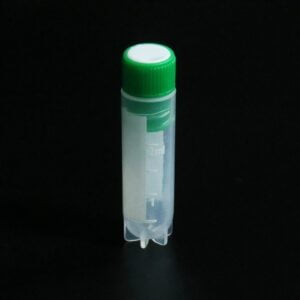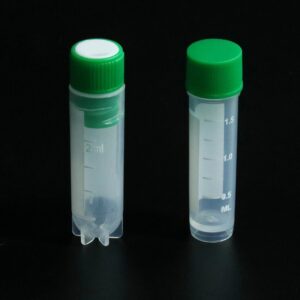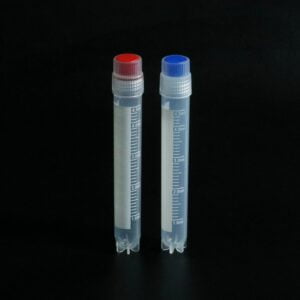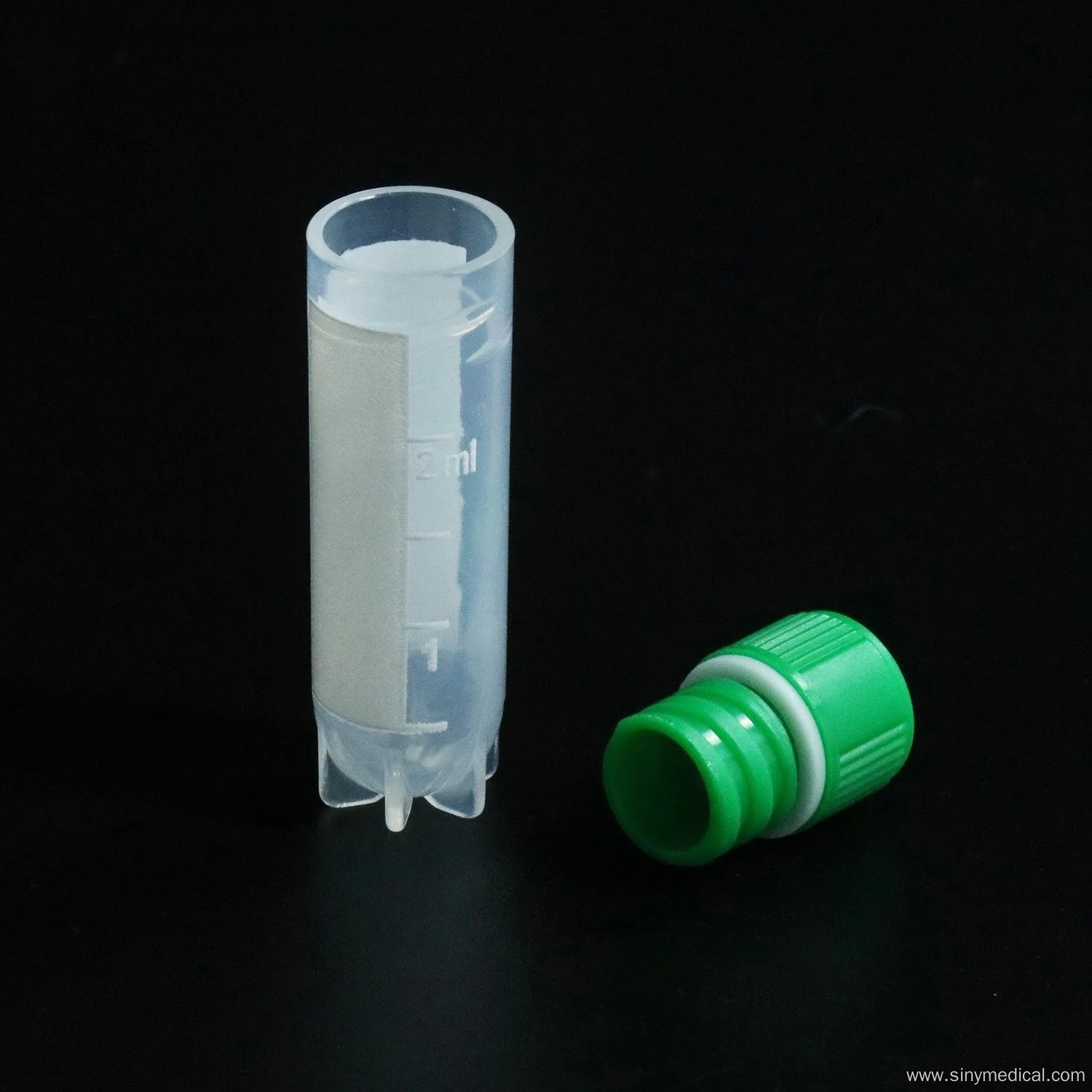
| Product Name | Cryovials Tube |
| Material | PP |
| OEM/ODM | Yes |
| Certificate | CE, ISO |
| Usage | Test Tube |
| Sterile | No-Sterilized |
| Sample | Free |
| Temperature Range | ‘-196~121ºC |
| Service | In the groups we serve: distributors, import traders, government procurement, buying agents, and medical chain stores, we provide one-stop procurement for you to simplify your procurement process. |
Siny Medical supplies Disposable Cryotubes for research laboratories, biotechnology facilities, sample storage centers, and laboratory consumables distributors. These single-use laboratory containers support specimen storage workflows that require a new tube for each intended use.
Laboratories regularly handle biological materials, research specimens, and prepared sample portions. Some samples undergo immediate analysis, while others remain in storage for future testing. Clear container identification helps laboratory teams organize specimens and manage daily operations.
Single-use cryotubes eliminate the need to plan cleaning and reuse for the same container. This distinction matters when laboratories establish handling procedures and calculate consumable requirements. However, effective contamination prevention also requires proper sample preparation, handling techniques, and environmental controls.
Choosing a suitable cryotube involves more than confirming its disposable-use designation. Buyers must also consider sample characteristics, storage conditions, and handling requirements. In addition, the term disposable does not automatically indicate sterility.
As a laboratory consumables supplier, Siny Medical supports institutional buyers and international distributors through clear product identification and practical procurement coordination.
The single-use design defines this cryotube’s intended handling approach.
Laboratory personnel use each disposable container for one intended use rather than repeatedly cleaning and reusing it. This approach supports consistent specimen handling procedures.
Using a new container also removes the need to establish a reprocessing workflow for that tube. Nevertheless, laboratory personnel must continue to follow appropriate contamination control practices.
After use, staff should dispose of the container according to applicable laboratory waste procedures and local requirements.
Cryotubes serve laboratory workflows that involve specimen storage and preservation.
Depending on the intended procedure, laboratories may select these containers for biological materials, research samples, or prepared aliquots.
Sample characteristics determine the appropriate storage conditions. Therefore, purchasing teams should evaluate specimen compatibility before choosing a container.
A clearly defined single-use product category also helps laboratories plan routine consumable purchases.
Research laboratories often process multiple specimens during the same working session.
Assigning a separate container to each sample supports clear identification and organized handling procedures.
Disposable cryotubes provide an option for workflows that require a new sample-contact container for each intended use.
However, preventing contamination also depends on laboratory techniques, handling equipment, and environmental controls.
Accurate identification plays an essential role in laboratory specimen management.
Laboratory teams should connect each container with relevant records, including sample identification, preparation details, and storage location.
Consistent handling procedures help personnel organize specimens and retrieve them efficiently.
For facilities managing extensive sample collections, clear records also support traceability across research projects.
Laboratories purchase disposable cryotubes according to expected consumption rather than repeated-use equipment cycles.
Sample throughput, routine usage, and replenishment schedules influence purchasing decisions.
For example, a laboratory can review its weekly specimen volume to estimate future tube requirements.
This approach helps purchasing teams maintain suitable inventory levels and reduce supply interruptions.
Research laboratories use cryotubes in suitable workflows involving biological specimen storage.
Facilities may prepare specimens for future analysis or preservation. Individual disposable containers can support sample separation when personnel follow established procedures.
The selected storage method must suit both the specimen and the container.
Research institutions and biotechnology facilities regularly manage samples across multiple experiments.
Some materials undergo immediate processing, while others remain in storage for later testing. Single-use containers provide an option for procedures that require a new tube for each intended use.
Consistent product selection also helps laboratories standardize consumable purchasing.
Aliquoting divides a larger sample into smaller portions for separate use or storage.
This approach allows researchers to allocate material to different experiments without repeatedly accessing the original specimen.
Laboratories may incorporate disposable cryotubes into compatible aliquoting workflows when the container capacity and storage characteristics meet their requirements.
Clear labeling helps maintain traceability for each sample portion.
Sample banks and research facilities often maintain extensive specimen collections.
These collections require reliable identification, organized storage locations, and consistent recordkeeping.
Cryotubes can support structured specimen management alongside suitable storage equipment.
For facilities that consume large quantities of disposable containers, accurate usage records also improve inventory planning.
Distributors supply universities, biotechnology companies, research centers, and healthcare institutions with laboratory storage consumables.
Disposable cryotubes represent a distinct purchasing category because they serve single-use workflows.
Clear product descriptions help distributors organize catalogs, prepare quotations, and coordinate repeat orders.
Siny Medical supplies laboratory consumables for institutional procurement and international distribution.
Disposable and reusable containers differ primarily in their intended use and handling requirements.
Laboratories use single-use products once. By contrast, reusable containers support repeated use when their instructions permit it and appropriate reprocessing procedures apply.
| Consideration | Disposable Cryotubes | Reusable Laboratory Containers |
|---|---|---|
| Intended Use | Single use | Repeated use where permitted |
| Reprocessing | No reuse intended | May require validated reprocessing |
| Inventory Planning | Based on expected consumption | Based on reusable stock and replacement needs |
| Routine Handling | Use and dispose according to procedure | Use, reprocess, and maintain as applicable |
| Purchasing Priority | Consumption and replenishment | Service life and maintenance requirements |
Neither approach suits every laboratory workflow.
Purchasing teams should consider specimen requirements, handling procedures, and operational needs before selecting a container.
Disposable and sterile describe two different product characteristics.
The term disposable refers to intended single use. Sterile, meanwhile, describes a defined microbiological condition that an appropriate sterilization process establishes.
These terms do not have the same meaning.
| Feature | Disposable | Sterile |
|---|---|---|
| Describes | Intended use | Microbiological condition |
| Main Meaning | Intended for single use | Meets an applicable sterility requirement |
| Automatically Indicates the Other Property? | No | No |
| Purchasing Consideration | Single-use workflow requirements | Sterility requirements and supporting documentation |
A disposable cryotube does not necessarily meet sterility requirements. Similarly, a sterile designation does not independently establish whether a product supports single or repeated use.
Laboratories that require sterile containers should review appropriate supporting product information.
Cryotubes and microcentrifuge tubes serve different primary laboratory purposes.
Laboratories commonly use cryotubes for specimen storage and preservation. In comparison, microcentrifuge tubes typically support sample preparation, mixing, and centrifugation.
Although these containers may look similar, their intended applications differ.
Laboratory personnel should not use a cryotube for centrifugation without appropriate product-specific performance information.
Cryogenic storage and routine refrigeration involve different preservation conditions.
The appropriate method depends on specimen characteristics, storage equipment, and laboratory protocols.
Specialized low-temperature applications require careful evaluation of container compatibility, particularly when liquid nitrogen storage is involved.
The cryotube designation alone does not establish suitability for every cryogenic storage method.
Laboratory personnel should follow established procedures when handling disposable containers.
After use, the appropriate disposal method depends on the materials inside the tube and applicable waste management requirements.
For example, containers that contact biological or chemical hazards may require specific handling procedures.
Institutions should apply their safety policies and relevant local regulations throughout the disposal process.
Begin by defining the samples and laboratory procedures involved.
Biological materials, research specimens, and prepared aliquots may require different storage conditions.
Clear application requirements help purchasing teams identify suitable container categories.
Sample quantity influences container selection.
Laboratories should determine the nominal capacity required for their procedures and distinguish it from the appropriate filling volume.
This approach helps buyers avoid containers that do not match their intended workflow.
Purchasing teams should establish whether the laboratory requires disposable containers.
A single-use designation influences handling procedures, inventory planning, and waste management.
When an application requires sterility, buyers must evaluate that characteristic separately.
The selected tube must suit the intended storage environment.
Cryogenic procedures vary according to specimen characteristics, equipment, and preservation methods.
For specialized low-temperature applications, buyers should review appropriate product-specific compatibility information.
Many laboratory environments use disposable consumables continuously.
Purchasing teams can estimate demand by reviewing historical usage records, expected sample throughput, and planned research activities.
For example, higher testing volumes may increase the frequency of cryotube orders.
Realistic consumption estimates help laboratories maintain suitable inventory levels.
Bulk purchasing requires consideration of available storage space, expected usage, and replenishment schedules.
Laboratories may also need to account for internal purchasing procedures and inventory tracking systems.
For distributors, accurate product identification supports stock organization and customer order coordination.
Clear purchasing documents help distinguish disposable cryotubes from other laboratory storage containers.
Buyers should identify the required product category, intended application, and relevant selection criteria.
Depending on the destination market, procurement teams may also require product specifications, labeling information, and supporting documentation.
Establishing these requirements before ordering supports efficient purchasing.
A disposable cryotube is a single-use laboratory container for suitable specimen storage workflows.
Laboratories use them in compatible workflows involving specimen storage, sample aliquoting, research materials, and organized sample management.
Not necessarily. Disposable describes intended single use, while sterile refers to a separate microbiological condition. Buyers should verify sterility through appropriate product information.
No. Laboratories should not reuse products designated for single use. Instead, personnel should follow the applicable product instructions and disposal procedures.
Compatibility depends on the specific product and storage method. The cryotube designation alone does not establish suitability for liquid nitrogen applications.
Cryotubes primarily support specimen storage, while microcentrifuge tubes commonly serve preparation and centrifugation workflows. Their intended applications and performance requirements differ.
Laboratories can review historical usage, expected sample throughput, and planned activities. These factors help purchasing teams estimate order quantities and replenishment needs.
Distributors should consider intended applications, capacity requirements, storage compatibility, single-use requirements, inventory planning, and relevant purchasing documentation.
Siny Medical supplies Disposable Cryotubes for research laboratories, biotechnology facilities, sample storage centers, and international laboratory consumables distributors. Our single-use cryotube products offer a container option for suitable laboratory specimen storage workflows. Contact Siny Medical to discuss your disposable cryotube purchasing requirements, bulk supply plans, product documentation, and quotation needs.
Copyright © 2026 | Ningbo Siny Medical Technology Co., Ltd