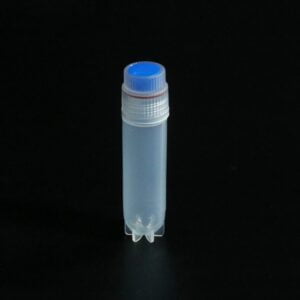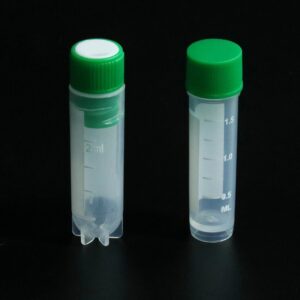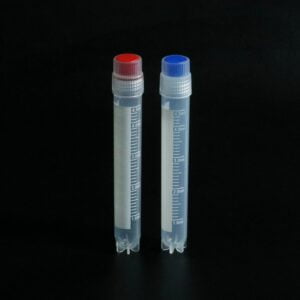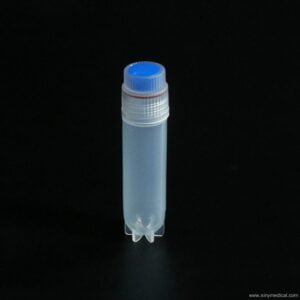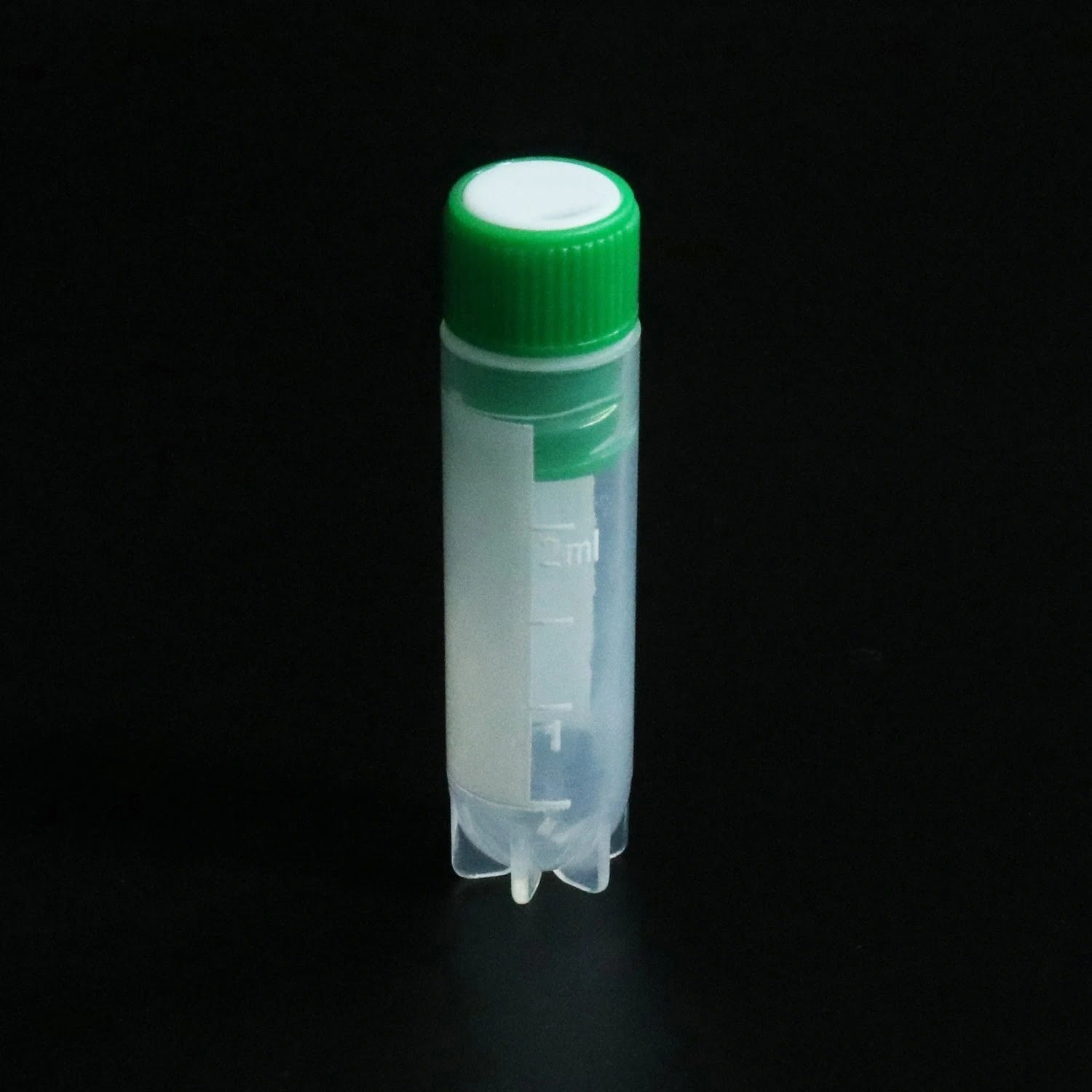


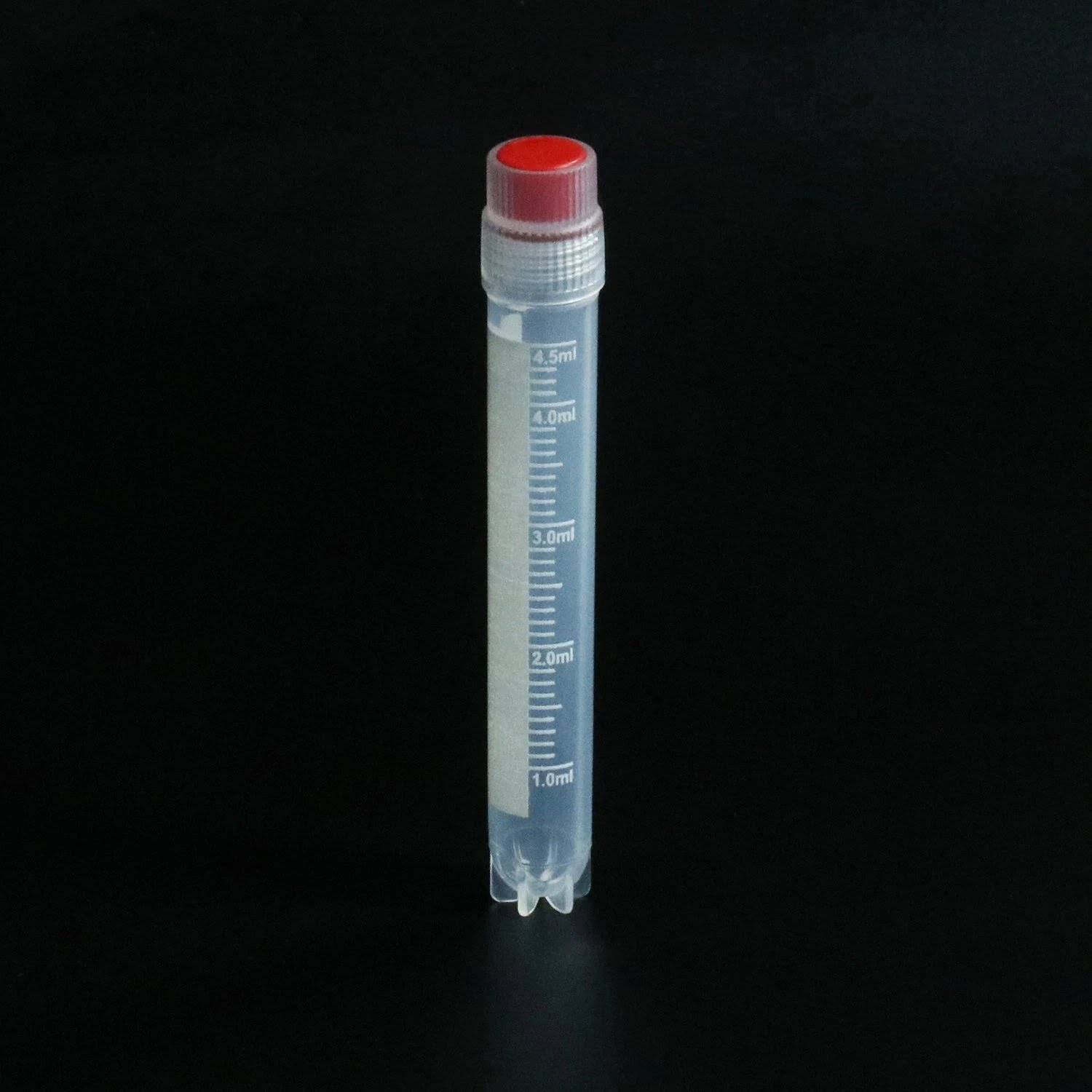
| Product Name | Cryovials Tube |
| Material | PP |
| OEM/ODM | Yes |
| Certificate | CE, ISO |
| Usage | Test Tube |
| Sterile | No-Sterilized |
| Sample | Free |
| Temperature Range | ‘-196~121ºC |
| Service | In the groups we serve: distributors, import traders, government procurement, buying agents, and medical chain stores, we provide one-stop procurement for you to simplify your procurement process. |
Siny Medical supplies the 1ml Sterile Cryogenic Vial for laboratories, research institutions, biotechnology facilities, and medical consumables distributors. Made from plastic and supplied sterile, this small-capacity cryovial provides a practical container option for laboratory sample storage and organization.
With a nominal capacity of 1mL, the vial is well suited to workflows that involve small sample quantities. Laboratories often divide specimens into individual portions for testing, research, and organized storage. A compact sample container helps support these procedures while keeping each specimen separately identified.
The sterile condition is another important feature. It makes the vial relevant to laboratory workflows that require sterile containers for sample handling. When combined with appropriate laboratory practices, sterile consumables can support contamination-control procedures.
Choosing the right cryogenic vial involves more than selecting a capacity. Laboratories also consider the sample type, storage procedure, and compatibility with their existing equipment. These factors help ensure that the selected container matches the intended application.
As a supplier of laboratory consumables, Siny Medical serves professional users and international distributors. We focus on practical product selection, consistent purchasing requirements, and efficient supply coordination.
The 1mL capacity is one of the defining characteristics of this cryogenic vial.
Small-capacity containers are useful for laboratories that handle individual specimens or divide larger samples into smaller portions. They can support organized storage without requiring a larger container for every sample.
For example, researchers may prepare separate aliquots for different experiments or testing stages. This approach helps maintain an organized workflow and reduces repeated handling of the original sample.
When planning sample storage, laboratories should consider the amount of material required for each procedure. Selecting an appropriate container size helps support efficient specimen management.
This cryogenic vial features a plastic construction for laboratory sample storage applications.
Plastic sample containers are widely used in research and laboratory environments because they offer practical handling options for routine workflows. Their lightweight construction can also make them convenient to manage alongside other laboratory consumables.
For laboratories handling multiple specimens, consistent container selection helps simplify sample organization and inventory management.
The appropriate container should always be selected according to the sample type and intended laboratory procedure.
The vial is supplied sterile, making it relevant to laboratory procedures that require sterile sample containers.
Sterile consumables are important in workflows where contamination control is a priority. They provide a suitable starting condition for procedures that require sterile supplies.
However, proper handling remains essential. Laboratory personnel should follow established aseptic techniques when transferring, labeling, and storing specimens.
Using sterile containers together with appropriate laboratory practices helps support consistent sample management.
A 1mL cryovial offers a compact format for managing small sample quantities.
Laboratories often store numerous specimens for research, analysis, or future use. Small-capacity containers can help organize these collections by project, sample type, or testing stage.
Clear labeling and accurate records are important parts of this process. They help laboratory personnel identify samples and retrieve the correct material when needed.
Organized storage also supports inventory control, especially in facilities handling large numbers of individual specimens.
Laboratories use sample containers throughout collection, preparation, storage, and retrieval procedures.
A small-capacity sterile cryovial can be incorporated into suitable workflows that require individual sample containers. Its 1mL capacity supports applications involving relatively small specimen quantities.
Before selecting storage consumables, laboratory teams should consider the intended procedure and the equipment used in their facility.
This helps purchasing teams establish consistent product requirements across departments and research projects.
Cryogenic vials are used in laboratories that manage biological specimens and research materials.
Depending on the laboratory procedure, small-volume containers may be selected for individual sample portions or prepared aliquots.
A 1mL vial is particularly relevant when the required sample quantity is limited. It allows laboratories to organize small portions separately for storage or subsequent analysis.
Proper sample identification and handling remain essential throughout the process.
Research institutions and biotechnology facilities often work with numerous small-volume samples.
These laboratories need containers that support organized specimen management across different projects. A compact sterile vial can be considered when the procedure calls for a small-capacity container.
For example, researchers may organize specimens according to experiment, preparation date, or sample category.
Consistent container selection helps maintain clear inventory records and supports efficient laboratory operations.
Aliquoting is a common laboratory practice that involves dividing a larger sample into smaller portions.
Separate aliquots can be assigned to different experiments or testing stages. This approach may reduce repeated access to the original sample and support organized specimen handling.
A 1mL cryovial provides a container option for small aliquots when the required sample volume is appropriate.
Accurate labeling and careful handling help maintain sample identity during preparation and storage.
Laboratories often maintain collections containing many individual samples.
Effective inventory management requires clear identification, organized storage, and reliable recordkeeping.
Small-capacity cryovials can be used as part of a structured sample management workflow. Each container can be associated with the laboratory’s identification and tracking procedures.
This is particularly useful in research environments where samples must be located and retrieved efficiently.
Universities, hospitals, research centers, and biotechnology companies regularly purchase laboratory consumables.
Their requirements may vary according to the intended procedure, sample volume, and purchasing arrangements.
For distributors, accurate product identification is important when supplying different types of laboratory storage containers.
Siny Medical supplies laboratory consumables for institutional purchasing and international distribution.
Cryogenic vials and microcentrifuge tubes are both familiar laboratory containers. However, they are generally selected for different purposes.
Cryogenic vials are associated with sample storage workflows. Microcentrifuge tubes are commonly used for sample preparation, mixing, and centrifugation.
| Feature | Cryogenic Vial | Microcentrifuge Tube |
|---|---|---|
| Primary Application | Laboratory sample storage | Sample preparation and processing |
| Common Workflow | Specimen organization and storage | Mixing, separation, and centrifugation |
| Sample Management | Used for individual stored samples | Used during laboratory processing |
| Selection Priority | Storage procedure and sample requirements | Processing method and equipment requirements |
| Purchasing Consideration | Capacity and intended storage application | Capacity and processing compatibility |
The appropriate choice depends on the laboratory procedure. A container intended for storage should not automatically replace equipment selected for centrifugation.
Cryogenic vials are available in different capacities to accommodate different sample quantities.
A 1mL vial is useful when laboratories need a small-capacity container. Larger vials may be more appropriate when the required sample volume is greater.
| Consideration | 1mL Cryogenic Vial | Larger Cryogenic Vial |
|---|---|---|
| Nominal Capacity | 1mL | Greater than 1mL |
| Sample Quantity | Small-volume samples | Larger sample quantities |
| Aliquoting | Suitable for small portions | Suitable for larger portions |
| Inventory Planning | Supports small-sample organization | Supports larger-volume storage planning |
| Main Selection Factor | Required small sample volume | Required larger sample volume |
Selecting the right capacity helps laboratories avoid using unnecessarily large containers for small specimens.
They are selected according to different procedural requirements.
Sterile containers are appropriate when the laboratory workflow requires supplies provided in a sterile condition. Non-sterile containers may be suitable for procedures where sterile supplies are not necessary.
The choice should reflect the sample type, contamination-control requirements, and established laboratory procedures.
For laboratories working with sensitive specimens, selecting suitable consumables is an important part of maintaining consistent sample handling practices.
Laboratory storage requirements vary according to the sample and the intended procedure.
Some workflows involve short-term sample organization, while others require longer storage periods or specialized temperature-controlled environments.
The selected container should match the laboratory’s storage method and handling procedures.
For cryogenic applications, equipment selection and safe sample handling are particularly important. Laboratories should follow the applicable storage protocol and product instructions.
Selecting the correct sample container helps laboratories maintain organized workflows.
Capacity, sterile status, and intended application all influence purchasing decisions. In addition, consistent product selection can simplify inventory management and staff procedures.
For institutions purchasing consumables in larger quantities, clearly defined requirements help reduce ordering errors and support efficient supply planning.
The first step is to identify the sample quantity used in the laboratory procedure.
A nominal capacity of 1mL is appropriate for applications that require a small container. Purchasing teams should match container capacity to the intended sample volume and workflow.
This helps avoid unnecessary variation in laboratory supplies.
Different laboratory samples require different handling procedures.
Before purchasing storage containers, laboratory teams should establish the intended sample type and applicable handling requirements.
This allows purchasing decisions to reflect actual laboratory needs rather than capacity alone.
Sterility is an important consideration for many laboratory workflows.
This product is supplied sterile, making it relevant to procedures that require sterile containers.
Purchasing teams should ensure that the selected consumables align with their laboratory’s contamination-control practices.
Laboratories should consider how samples will be prepared, stored, identified, and retrieved.
The selected container should fit the established workflow and storage environment.
Clear procedures help support consistent handling across departments and research projects.
Sample identification is essential when laboratories manage numerous specimens.
Purchasing teams should consider how containers will be labeled and incorporated into existing inventory records.
Consistent identification practices can improve sample traceability and reduce retrieval errors.
Packaging requirements can influence laboratory purchasing and inventory management.
Institutions should consider expected usage, storage arrangements, and replenishment schedules when planning consumables procurement.
For distributors, consistent product identification and purchasing specifications help simplify customer orders.
Professional buyers may require product specifications, labeling information, and supporting documentation for their purchasing procedures.
Requirements vary according to the institution, intended application, and destination market.
Establishing these needs before ordering helps support efficient procurement and supply coordination.
A 1mL sterile cryogenic vial is a small-capacity plastic laboratory container supplied in a sterile condition. It is used in suitable sample storage and specimen management workflows.
They are used for organizing and storing small-volume laboratory samples, including prepared aliquots and research specimens, when compatible with the intended procedure.
A 1mL vial provides a compact option for small sample quantities. Larger containers may be more suitable when the laboratory requires greater storage volume.
Yes. The Siny Medical product is identified as a sterile plastic cryogenic vial.
Cryogenic vials are used in biological sample storage workflows. Suitability depends on the sample type and established laboratory procedure.
Cryogenic vials are commonly selected for sample storage, while microcentrifuge tubes are generally used for sample preparation and centrifugation.
Laboratories should use clear sample identification, accurate inventory records, and consistent handling procedures to support organized storage and retrieval.
Buyers should consider sample volume, sterile requirements, intended application, inventory needs, packaging preferences, and purchasing documentation.
Siny Medical supplies 1ml Sterile Cryogenic Vials for laboratories, research institutions, biotechnology facilities, and international medical consumables distributors. Our plastic 1mL sterile cryovials provide a compact container option for suitable laboratory sample storage workflows. Contact Siny Medical to discuss your laboratory consumables requirements, bulk purchasing plans, product documentation, and quotation needs.
Copyright © 2026 | Ningbo Siny Medical Technology Co., Ltd