| Item | Specification |
|---|---|
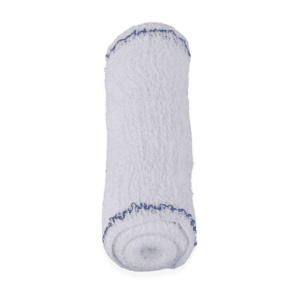
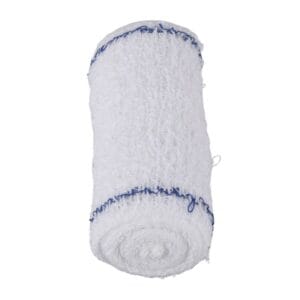
| Product Name | Medical Bandages for Bed Sores |
| Product Type | Medical Dressing Bandage |
| Material | Soft Textile Fabric |
| Structure | Flexible Bandage |
| Main Function | Dressing Retention and Protection |
| Application | Pressure Ulcer Dressing Fixation and Wound Care |
| Usage | External Use |
Medical Bandages for Bed Sores are wound-care supplies intended for dressing coverage, fixation, and skin protection in patients with pressure injuries. They can form part of a broader care plan for areas affected by prolonged pressure or friction.
Bed sores, also called pressure ulcers or pressure injuries, commonly develop over bony areas such as the sacrum, heels, hips, and elbows. Patients with limited mobility may face a higher risk of developing these wounds.
Different pressure injuries require different dressing arrangements. Some need an absorbent wound-contact dressing, while others require a protective cover or secondary bandage to keep the primary dressing in place.
Siny Medical supplies medical bandages for pressure injury care applications. The appropriate product depends on the wound condition, location, dressing requirements, and available material configuration.
A bandage is only one part of pressure injury management. Appropriate pressure relief, skin assessment, and clinical wound care remain essential.
Bandages used in pressure injury care should suit the intended wound-care procedure.
Their physical characteristics influence how they cover, protect, or secure a dressing.
A secondary bandage can help keep a suitable primary dressing in position.
This is particularly important when the dressing covers an area exposed to movement or contact with clothing and bedding.
The bandage should provide the required coverage without creating unnecessary pressure.
Pressure injuries may develop on curved body areas.
A suitable wrapping or fixation material should follow the surrounding body contour without excessive folding.
However, flexibility depends on the product’s construction. Different materials offer different levels of stretch and conformability.
Patients with pressure injuries may have fragile surrounding skin.
Therefore, the selected product should minimize unnecessary friction and mechanical stress during application and removal.
Adhesive products require particular care because repeated removal may damage vulnerable skin.
Pressure injury care products may include gauze, foam, nonwoven materials, or other wound-care constructions.
Their functions differ.
For example, an absorbent primary dressing may manage wound fluid, while a secondary bandage mainly provides fixation.
Buyers should confirm the intended function of each selected configuration rather than assuming that every medical bandage is absorbent.
Pressure injury management depends on the condition of the skin and underlying tissue.
The location, depth, moisture level, and surrounding skin condition all influence dressing selection.
The sacral area is a common location for pressure injuries in patients who spend extended periods in bed.
A suitable dressing may require a shape that follows the lower back and surrounding contours.
Depending on the wound-care plan, a secondary fixation product may help maintain dressing placement.
However, the dressing should not create additional pressure or interfere with regular skin assessment.
The heel is vulnerable to prolonged pressure, especially in patients with limited mobility.
Wound-care products used around the heel should accommodate the area’s shape and avoid unnecessary constriction.
Pressure relief remains especially important.
A bandage cannot replace heel offloading or other measures recommended by healthcare professionals.
Pressure injuries can also occur over the hips and elbows.
These areas may experience friction or movement that affects dressing placement.
A suitable bandage can help secure an appropriate primary dressing when additional fixation is needed.
Pressure injury care is common in hospitals, nursing facilities, and home-care environments.
Bandages and dressings may be used as part of routine wound management.
However, product selection should follow the patient’s care plan rather than a general assumption that one dressing type works for every pressure injury.
Medical products used for bed sores are available in several forms.
Although these products may appear in the same purchasing category, their functions are not identical.
Gauze and general medical wraps may be used for dressing coverage or fixation.
Some gauze products also serve as primary dressings when clinically appropriate.
However, ordinary dry gauze is not automatically the best choice for every pressure injury.
The wound’s moisture needs and the risk of tissue damage during removal should be considered.
Foam dressings are commonly used in selected wound-care applications where cushioning and fluid management are required.
Different foam products vary in thickness, absorbency, backing, and adhesive construction.
Their suitability depends on the wound and product instructions.
Hydrocolloid dressings are another category used in selected wound-care situations.
They interact with wound moisture and may help maintain an appropriate local environment when indicated.
However, they are not suitable for every wound, particularly when infection or other complications require a different approach.
Some wound-care products use adhesive borders, while others require a separate fixation method.
For patients with fragile skin, the removal characteristics of an adhesive product deserve careful consideration.
These configurations are general product categories, not confirmed specifications for every Siny Medical bandage.
Choosing the right product starts with the intended clinical application.
A bandage for securing a dressing may have different requirements from a wound-contact product designed to absorb exudate.
The product should fit the area requiring care.
Different body locations may need different shapes, dimensions, and fixation methods.
The depth of the injury, presence of exudate, surrounding skin condition, and signs of infection can affect dressing selection.
These factors should be assessed by an appropriately qualified healthcare professional.
Material characteristics influence flexibility, absorbency, surface contact, and handling.
Buyers should confirm the construction required for their intended application.
Adhesive fixation may be convenient for certain products.
However, fragile skin may require a different fixation approach.
The product should be selected according to the patient’s skin condition and the manufacturer’s instructions.
Wound-contact products may require specific sterility and packaging arrangements.
These requirements should be confirmed for the selected item.
A general medical bandage should not be assumed sterile simply because it is intended for healthcare use.
Size selection depends on the wound location and the area requiring coverage.
Buyers should confirm the available dimensions before ordering.
Correct application helps protect the wound-care arrangement and surrounding skin.
Before using a product, healthcare professionals should assess the wound and determine whether the selected dressing or bandage is appropriate.
Follow the relevant wound-care protocol for cleaning, primary dressing selection, and application.
When using a secondary bandage, position it carefully over the dressing.
Avoid unnecessary tension, pressure, or friction.
The bandage should remain secure without restricting circulation or creating additional pressure points.
For patients with fragile skin, removal should be especially gentle.
If the product adheres to the surrounding skin, follow its removal instructions rather than pulling aggressively.
Dressings should be reviewed and changed according to the wound condition, product instructions, and clinical care plan.
Increasing pain, spreading redness, unusual drainage, odor, fever, or other signs of deterioration require prompt medical assessment.
Most importantly, pressure injury care must address the underlying pressure.
Regular repositioning, suitable support surfaces, moisture management, nutrition, and other individualized measures may be needed alongside wound dressings.
Keep unused medical bandages and dressings in a clean, dry environment.
Protect them from excessive heat, moisture, direct sunlight, and contamination.
Where possible, retain the original packaging until use.
Before application, inspect the product and packaging for visible damage.
If a sterile configuration is required, confirm that the packaging remains intact and follow the labeled instructions.
Different wound-care products should be clearly identified during storage.
For example, absorbent primary dressings, adhesive fixation products, and general secondary bandages should not be treated as interchangeable.
Reuse should never be assumed. Follow the specific product instructions and applicable infection-control procedures.
They may be used to cover or secure appropriate wound dressings and protect surrounding areas during pressure injury care. Their exact function depends on the product configuration.
No. Pressure injury management requires an appropriate care plan. Dressings may support wound management, but pressure relief and treatment of underlying factors are also essential.
Not necessarily. Foam dressings may provide absorption and cushioning, while a secondary medical bandage mainly helps secure or cover another dressing.
Suitable wound-care products may be used around the heel when clinically indicated. However, effective heel pressure relief remains important.
Some adhesive products may be appropriate, but removal can damage vulnerable skin. The adhesive type and fixation method should match the patient’s needs.
No. Sterility depends on the specific product. Buyers should confirm the required status before ordering.
Important details include the intended application, wound-care requirements, product material, dimensions, fixation method, and packaging needs.
Certain protective dressings may be used within pressure injury prevention protocols for selected patients. However, no bandage guarantees prevention or replaces pressure redistribution and regular skin assessment.
Siny Medical supplies Medical Bandages for Bed Sores for pressure injury dressing coverage, fixation, and related wound-care applications.
Different material constructions, dressing formats, sizes, and packaging options may be considered according to the intended use and confirmed availability.
Because pressure injuries require individualized care, the selected product should match the clinical requirements and the instructions for its intended use.
Contact Siny Medical with your required wound-care product type, dimensions, material preferences, and purchasing quantity to discuss available configurations, samples, packaging, and bulk-order pricing.
Copyright © 2026 | Ningbo Siny Medical Technology Co., Ltd