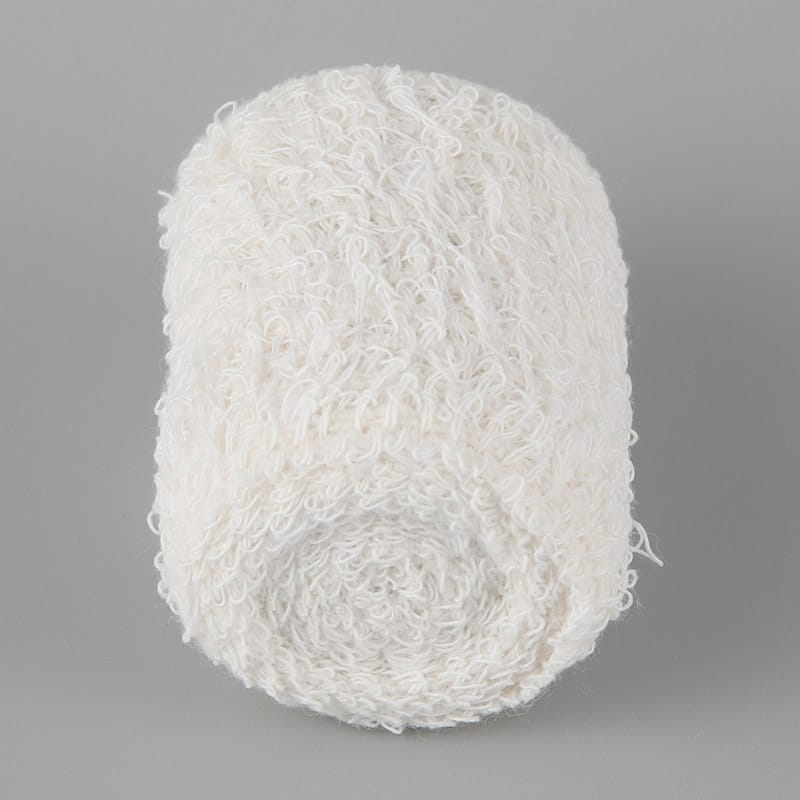


| Item | Specification |
|---|---|
| Product Name | Cotton Sports Tape |
| Product Type | Athletic Sports Tape |
| Backing Material | Cotton Fabric |
| Adhesive Type | Pressure-Sensitive Adhesive |
| Elasticity | Non-Elastic |
| Application | Sports Taping and Joint Support |
| Usage | External Use Only |
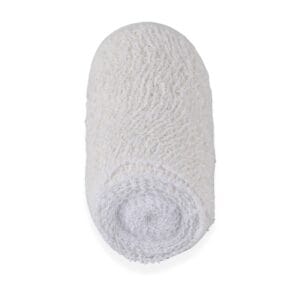
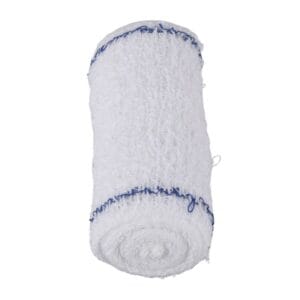
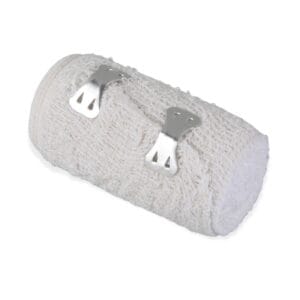
Cotton Athletic Sports Tape is an adhesive tape designed for athletic taping, joint support, and controlled movement during physical activity. It uses a cotton fabric backing and an adhesive surface to help secure the tape around the intended area.
Sports trainers, physiotherapists, and healthcare professionals commonly use athletic taping techniques to provide external support during training, competition, and rehabilitation activities.
Siny Medical supplies cotton sports tape for professional sports and medical applications. The product can support taping procedures where secure placement and appropriate movement control are important.
Different taping methods require different levels of support. Therefore, users should select the appropriate tape configuration and application technique for the intended purpose.
The backing material is an important characteristic of athletic tape.
Cotton fabric provides a textile surface that can conform to body contours when applied correctly. It also offers a practical backing for adhesive taping applications.
The tape’s overall performance depends on the combination of fabric construction, adhesive properties, and application technique.
A cotton backing provides a fabric-based structure for wrapping and securing the tape around the intended area.
The backing should remain consistent during application and normal handling.
However, the flexibility and stretch characteristics depend on the specific product construction. Cotton material alone does not establish whether a tape is rigid or elastic.
The adhesive surface helps hold the tape in position during use.
Suitable adhesion is important for maintaining the intended taping arrangement. However, actual performance depends on skin condition, movement, moisture, and application technique.
Before use, the tape should be checked for visible damage or contamination.
Athletic taping often involves curved or moving body areas, such as ankles and wrists.
The tape should be applied carefully so that it follows the intended body contour without creating unnecessary folds or pressure points.
Proper placement is particularly important when several overlapping strips are required.
Cotton sports tape is commonly associated with athletic support and taping procedures.
The intended application depends on the product’s construction and the technique used.
Athletic trainers may use supportive taping techniques around the ankle during sports activities.
The tape can form part of an external support arrangement. However, it should not replace appropriate medical assessment or treatment when an injury is suspected.
Taping techniques may provide external support around the wrist or selected areas of the hand.
The amount of movement restriction depends on the tape characteristics and application method.
Users should avoid excessive tension that could interfere with circulation or normal sensation.
Athletic tape is often used during organized training sessions and sporting activities.
Trainers may apply tape before activity according to the athlete’s needs and the intended support technique.
The tape should remain comfortable enough for the planned activity while providing the required external support.
Healthcare professionals may incorporate athletic taping into selected rehabilitation programs.
The purpose can include temporary external support or movement guidance.
However, taping is only one component of rehabilitation. It does not replace clinical evaluation, exercise therapy, or other recommended treatment.
Athletic tape and kinesiology tape are sometimes confused because both appear in sports and rehabilitation settings.
However, their construction and intended use can differ.
Rigid athletic tape generally has limited stretch. Practitioners use it in techniques that aim to restrict selected movements or provide firmer external support.
Kinesiology tape contains an elastic structure. It is designed to stretch with body movement and is commonly used in flexible taping applications.
Cotton backing does not automatically identify a product as rigid or elastic.
Therefore, buyers should confirm the tape’s stretch characteristics before selecting it for a specific taping technique.
For applications that require firm movement restriction, the product must have suitable mechanical properties.
For flexible taping methods, an elastic product may be more appropriate.
Neither category guarantees injury prevention or faster recovery. Product selection and application should follow the intended use and professional guidance.
Choosing sports tape involves more than checking the material description.
Several practical characteristics influence product selection.
Different applications may require different tape widths.
Narrower tape can be useful for smaller areas, while wider tape may cover a larger surface with fewer strips.
Roll length also affects the amount of material available for repeated taping.
Buyers should confirm the available dimensions before ordering.
The level of stretch determines how the tape responds to movement.
Some taping techniques require limited elasticity, while others use flexible materials.
The selected product should match the intended application.
Adhesion affects how the tape stays in place.
The adhesive should suit the intended application conditions, but users must also consider skin sensitivity and removal requirements.
No adhesive tape is suitable for every person’s skin.
The cotton fabric should have a consistent appearance and remain free from visible defects.
The tape should also unwind and handle appropriately during application.
Packaging should help protect the tape from dust, contamination, and unsuitable environmental conditions before use.
For regular purchasing, buyers should confirm roll dimensions, packaging quantities, and any labeling requirements.
Correct application is important for both support and comfort.
Before applying athletic tape, check that the skin is clean and dry. Avoid placing adhesive tape directly over open wounds unless the product is specifically intended for that use.
Inspect the skin for irritation, sensitivity, or other conditions that may make adhesive application unsuitable.
Next, position the tape according to the intended taping technique.
Apply only the tension required for the selected method. Excessive tension may create uncomfortable pressure or restrict circulation.
After application, check the area for unusual discomfort, numbness, tingling, or changes in skin color.
If these symptoms occur, remove the tape promptly and seek appropriate professional advice.
The tape should also be removed carefully.
Avoid pulling aggressively against the skin. Instead, support the surrounding skin and remove the adhesive gradually.
If irritation develops, discontinue use.
Athletic tape is not a substitute for medical evaluation when an injury causes significant pain, swelling, instability, or loss of function.
Store unused cotton sports tape in a clean and dry environment.
Avoid excessive heat, moisture, direct sunlight, and contamination.
Keep the adhesive surface protected before use. Dust and unnecessary handling may affect how the tape performs.
Where possible, retain the original packaging until the product is needed.
Before application, check the tape for visible damage, unusual adhesive changes, or contamination.
For facilities that use several types of sports tape, clear labeling can help distinguish products with different widths, backing materials, and stretch characteristics.
This is particularly useful when both rigid and elastic tapes are stored in the same treatment or training area.
It is used in athletic taping applications that require external support or controlled movement. Common areas include ankles, wrists, and other joints, depending on the technique.
Not necessarily. Kinesiology tape is elastic, while athletic tape may be rigid or elastic depending on its construction. The stretch characteristics should be confirmed before use.
Taping may provide external support in selected situations, but it cannot guarantee injury prevention. Appropriate technique, conditioning, equipment, and professional assessment remain important.
Some products are designed for direct skin application. However, users should check the product instructions and consider skin sensitivity before use.
Water resistance depends on the specific adhesive and backing construction. Cotton material alone does not establish waterproof performance.
The appropriate width depends on the body area, taping technique, and intended support. Confirm the available product dimensions before purchasing.
Siny Medical can discuss packaging, labeling, and confirmed OEM/ODM requirements according to the purchasing project.
Siny Medical supplies Cotton Athletic Sports Tape for sports support, athletic taping, and selected professional medical applications.
The appropriate product configuration depends on the intended use, tape dimensions, backing construction, adhesive properties, and stretch requirements.
Different available sizes, packaging arrangements, labeling options, and purchasing quantities can be discussed according to the project.
Contact Siny Medical with your required tape specifications and order quantity for product information, samples, customization options, or bulk-order pricing.
Copyright © 2026 | Ningbo Siny Medical Technology Co., Ltd