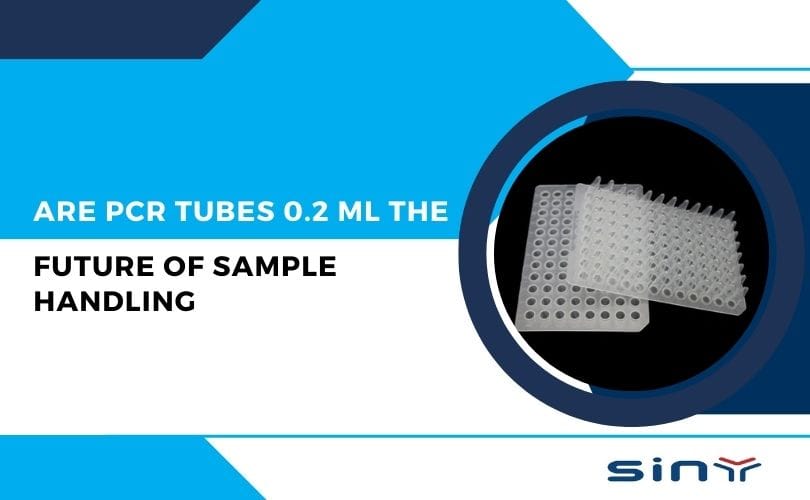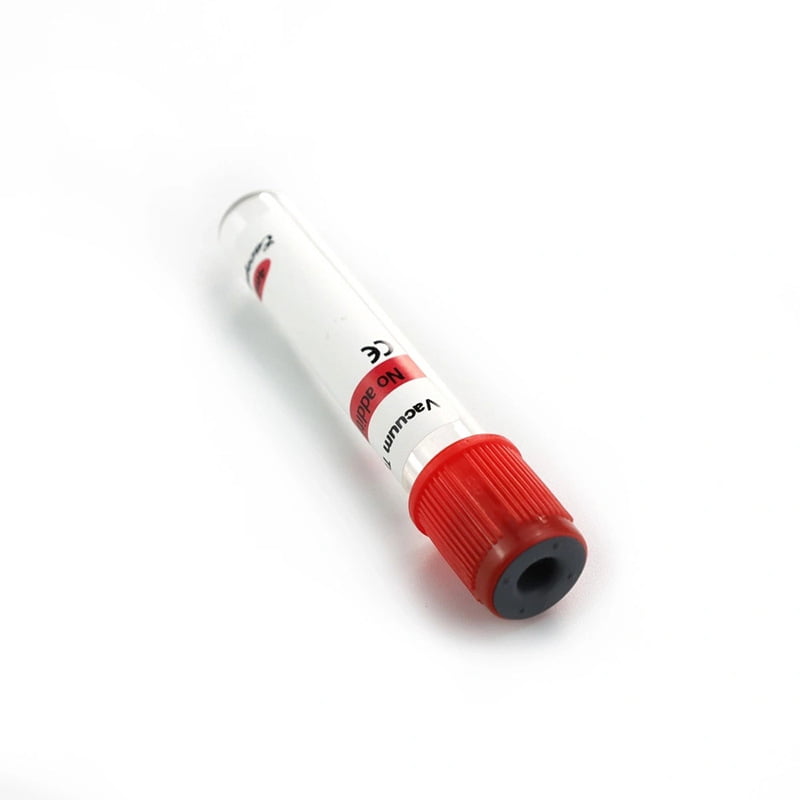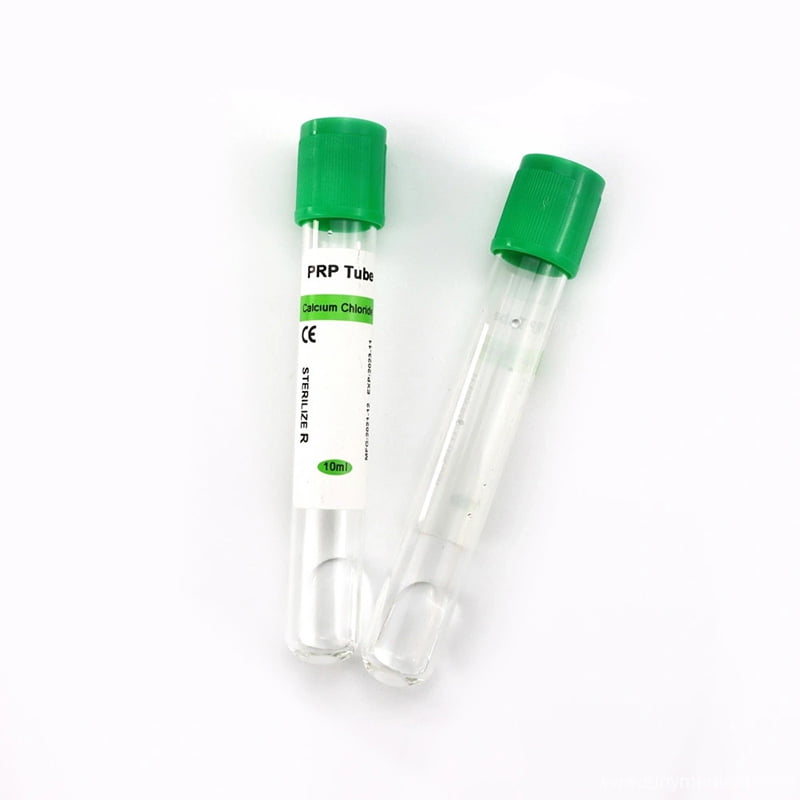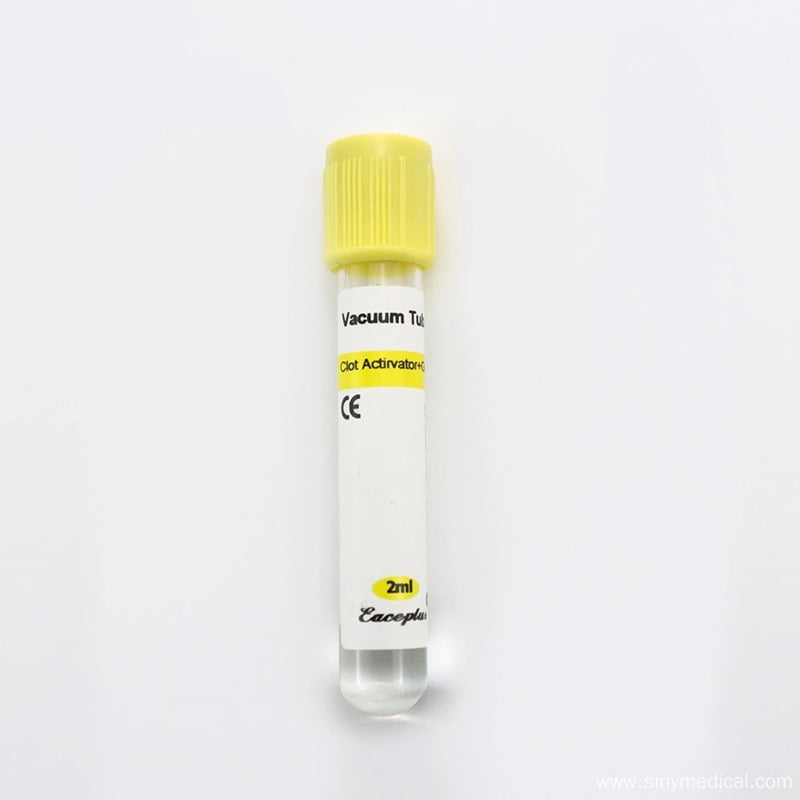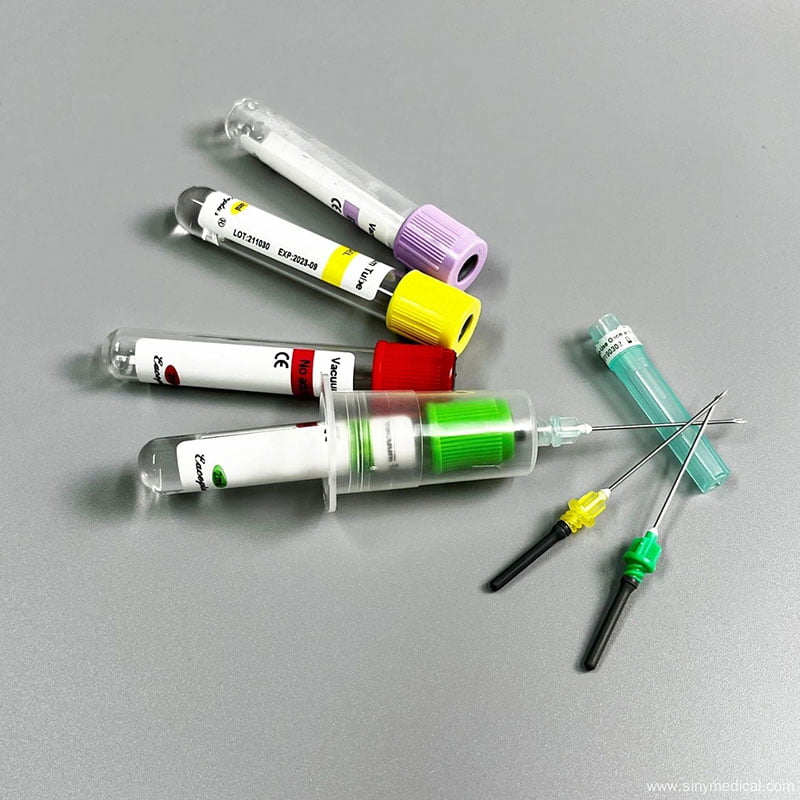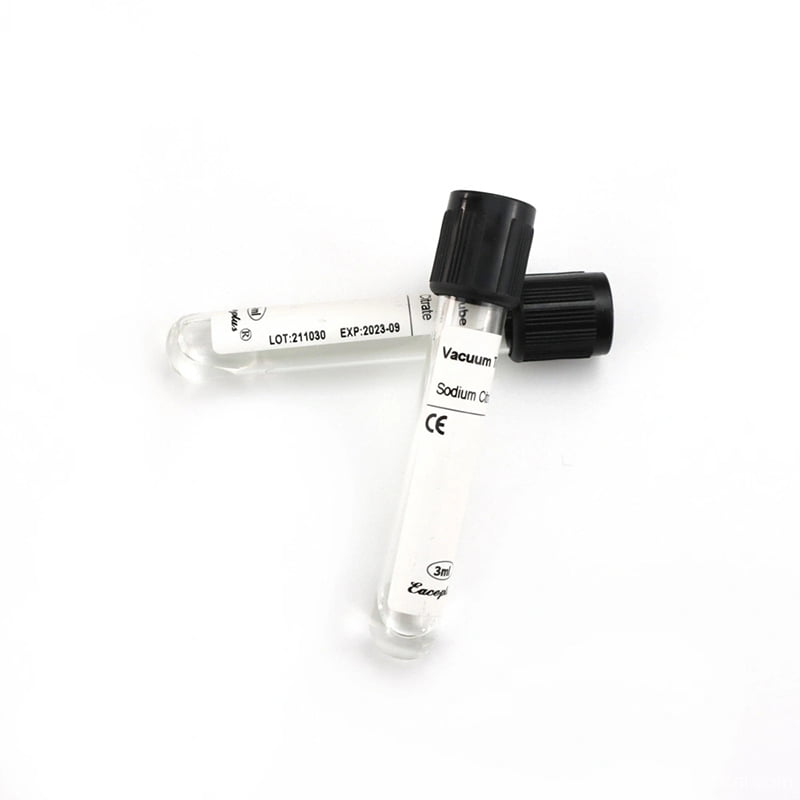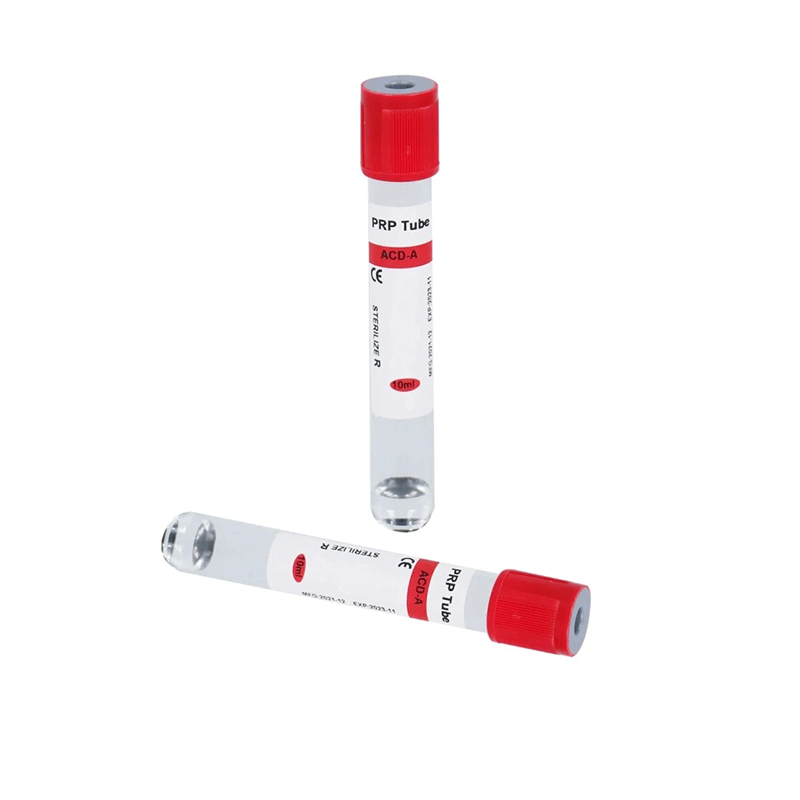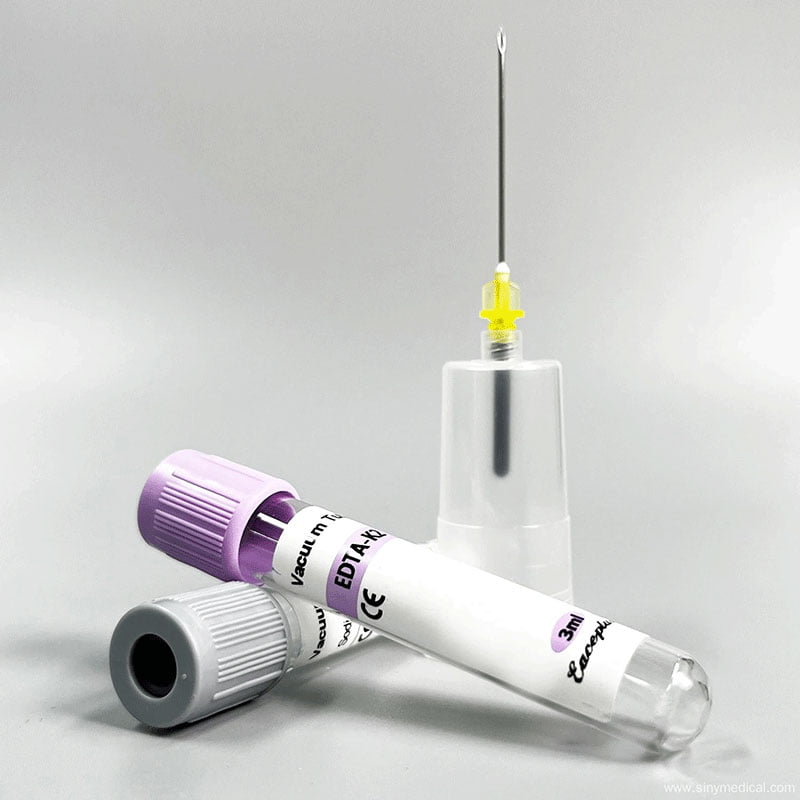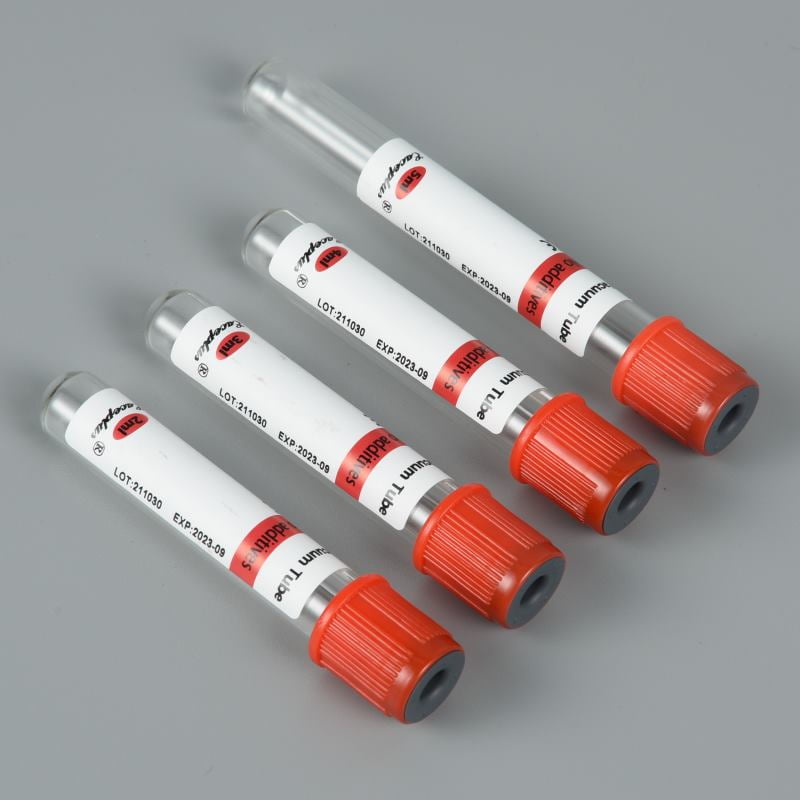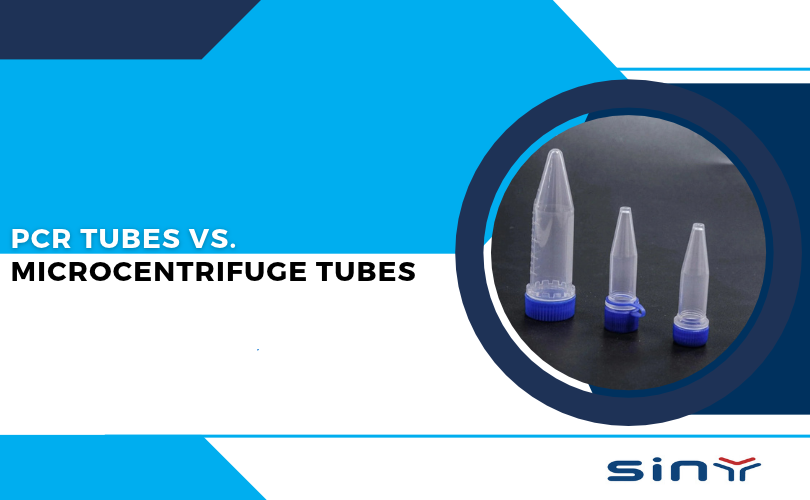
Trying to choose PCR tubes vs. microcentrifuge tubes for your lab? Start with the job the tube will do. PCR tubes hold individual polymerase chain reaction (PCR) mixtures in a thermal cycler. Microcentrifuge tubes hold small samples during preparation, centrifugation, or storage under specified conditions. A lab may use both in the same workflow, with a microcentrifuge tube for the sample or reagent mix and a PCR tube for the reaction itself.
PCR Tubes vs. Microcentrifuge Tubes at a Glance
Many tubes in both categories are made of polypropylene (PP), but they solve different equipment problems. A thin-walled PCR tube transfers heat from the cycler block to the reaction. A microcentrifuge tube designed for spinning must fit the rotor or adapter and withstand the force of the run under documented conditions.
| Buying factor | PCR tubes | Microcentrifuge tubes |
|---|---|---|
| Main use | Thermal cycling for PCR or quantitative PCR (qPCR) | Sample preparation, small-volume centrifugation, and storage under specified conditions |
| Common nominal capacities | 0.1 mL and 0.2 mL. Some systems also accept 0.5 mL tubes | 0.5 mL, 1.5 mL, and 2.0 mL |
| Equipment fit | Thermal cycler block and heated lid | Microcentrifuge rotor or adapter, with clearance under the rotor lid |
| Common closures | Flat or domed caps. Strips may use attached or separate caps | Hinged snap caps or screw caps |
| First specification to verify | Tube profile and compatible cap format | Maximum relative centrifugal force (RCF) under the intended run conditions |
The 0.5 mL size shows why capacity alone can be misleading. Both categories can include a tube labeled 0.5 mL, but the two models are built to fit different equipment. Also distinguish nominal capacity, which identifies the tube size, from working volume, which is the amount of liquid your procedure uses. A 0.2 mL PCR tube may hold a reaction measured in tens of microliters, provided that volume is within the range specified for the instrument and consumable.

How to Choose PCR Tubes for Thermal Cycling and qPCR
Match the tube profile to the thermal cycler
Check the exact thermal cycler model and block configuration before choosing a tube. A short, low-profile 0.2 mL tube and a taller 0.2 mL tube share the same stated capacity. Their height and fit under the heated lid can differ. If the tube sits poorly in the block, it may also make less contact with the well, affecting heat transfer. Use the instrument’s consumables guide to confirm both the well format and the tube profile.
Match the cap to the instrument and assay
For conventional PCR, the instrument guide can help you choose the cap shape and closure it supports. For qPCR, which measures fluorescence during amplification, check the instrument’s optical requirements as well. If the instrument reads through the cap, choose a compatible optical cap. A standard flat cap and an optical flat cap can look alike. The optical specification tells you whether the cap is designed for fluorescence detection.
Check the seal across a few tubes or all positions in a sample strip during your lab’s routine evaluation. Small gaps can allow evaporation, which changes reagent concentrations. This matters especially when a reaction uses very little liquid. A heated lid helps control condensation, and the tube still needs a properly seated cap.
Choose single tubes or strips for the way you work
Single tubes work well for occasional runs and irregular sample counts. Strips help technicians organize and handle several reactions together when the instrument supports them. If your lab orders strips with separate caps, confirm that the caps match the tube series and check whether they are included in the pack. To compare available sizes and formats, browse our PCR tube products.
How to Choose Microcentrifuge Tubes for Sample Preparation
Verify the rotor fit and the RCF rating
Start with the rotor or adapter your team uses. Check that it supports the tube body and leaves room for the closed cap under the rotor lid. Then compare the procedure’s required RCF, expressed as a multiple of gravity (× g), with the rating for the exact tube. Rotor support, fill level, temperature, and the liquid in the tube can affect which rating applies. Use the tube documentation to check the conditions attached to the stated limit.
Some centrifuges display revolutions per minute (rpm). The same rpm can produce a different RCF in a different rotor because the radius varies. If the procedure specifies × g and the centrifuge shows rpm, use the conversion chart or instructions for that rotor.
Choose a closure and shape that suit daily handling
A hinged snap cap makes repeated opening and closing convenient at the bench. A screw cap may suit procedures that specify a threaded closure. For storage or movement between work areas, check the tube’s documented sealing and temperature limits.
A conical interior can help collect a small pellet in a narrow area. Both round and conical interiors are available in 2.0 mL tubes, so check the shape for the exact model. If the tube needs to stand upright on the bench, check for a self-standing base. An external skirt can provide that support around a conical interior.
Consider what technicians do immediately after the spin. If they need to remove liquid while leaving a small pellet behind, check whether they can see the pellet and reach the liquid comfortably with the pipette and tip they already use. With your sample volume, rotor, and closure in mind, compare our microcentrifuge tube options.

Where Each Tube Fits in the Same Workflow
Consider a lab that prepares several PCR reactions from one shared reagent mix. A microcentrifuge tube gives the technician room to combine the mix. The technician then dispenses individual portions into compatible PCR tubes or strips for amplification. If a separate sample aliquot needs to be kept, it goes into a tube rated for the required storage conditions.
Catalog names can blur that distinction. A microcentrifuge tube listed for heat-block use may tolerate the specified heating step, but full thermal cycling also calls for the right block fit, profile, and closure. There is some overlap in the other direction, too. A lab may briefly spin a compatible PCR tube or strip to collect droplets. If your method includes this step, verify that both the tube and centrifuge documentation support the holder and conditions you plan to use.
What to Check Before Placing a Bulk Order
- Write separate specifications for the two items. For the PCR line, record the cycler model, block, tube profile, cap, and reaction volume. For the microcentrifuge line, record the nominal capacity, working volume, closure, rotor or adapter, and required RCF. If you already purchase these items, add the current part numbers to make substitutions easier to review.
- List the purity claims your methods require. Sterility, DNase-free status, and RNase-free status address different requirements. Ask for the documentation relevant to the exact item. If your receiving process calls for a lot-specific certificate, include that requirement when you request a quote.
- Evaluate samples on the equipment you actually use. For PCR consumables, check seating, cap closure, and the lab’s routine assay acceptance criteria. For microcentrifuge tubes, check rotor and rack fit, label readability, and whether technicians can recover the sample after spinning.
Keep the accepted part number and specification sheet with your purchasing records. If a quote lists an alternative, ask for its exact part number and compare the specifications before approving it. At reorder, these records help you spot changes to the cap, profile, or pack before your team opens a new lot.
Frequently Asked Questions
Can I use a regular microcentrifuge tube for PCR?
Use the reaction-vessel format specified for your thermal cycler. A general-purpose microcentrifuge tube can hold a reagent mix during setup. For amplification, the tube geometry and closure need to match the block and heated lid.
Can PCR tubes be spun in a microcentrifuge?
Some PCR tubes and strips support a brief spin in a compatible rotor or adapter. Check the tube and centrifuge documentation for the permitted setup. A short spin to collect droplets and a sample separation can require different holders and force limits.
Are 0.1 mL and 0.2 mL PCR tubes interchangeable?
Only use formats listed for your instrument and block. Even when the liquid would fit in either tube, the tube heights and seating requirements may differ.
Do all flat-cap PCR tubes work for qPCR?
For a qPCR instrument that reads through the cap, check whether the tube-and-cap combination meets its optical requirements. Flat describes the cap’s shape. The instrument guide can identify which optical cap formats it supports.
Does sterile mean DNase-free or RNase-free?
Each claim needs its own documentation. For example, if an RNA workflow requires RNase-free tubes, look for that claim on the datasheet or lot documentation for the exact item.
Should I order 1.5 mL or 2.0 mL microcentrifuge tubes?
Choose the size that accommodates your working volume and fits your rotor and rack. A 2.0 mL tube can give you more room for mixing. Check its RCF rating separately, since it may differ from the rating of a 1.5 mL tube in the same product line.
Can I freeze samples in microcentrifuge tubes?
Check that the specific tube is rated for your storage temperature and other storage conditions. For cryogenic storage, use a cryovial rated for the intended environment.
Choosing Tubes for Your Lab
Match the PCR tube to the thermal cycler, cap, and assay. Match the microcentrifuge tube to the rotor, working volume, and conditions it will encounter during spinning or storage. For bulk sourcing, share your equipment models, tube sizes, and expected quantities when you contact Siny Medical.