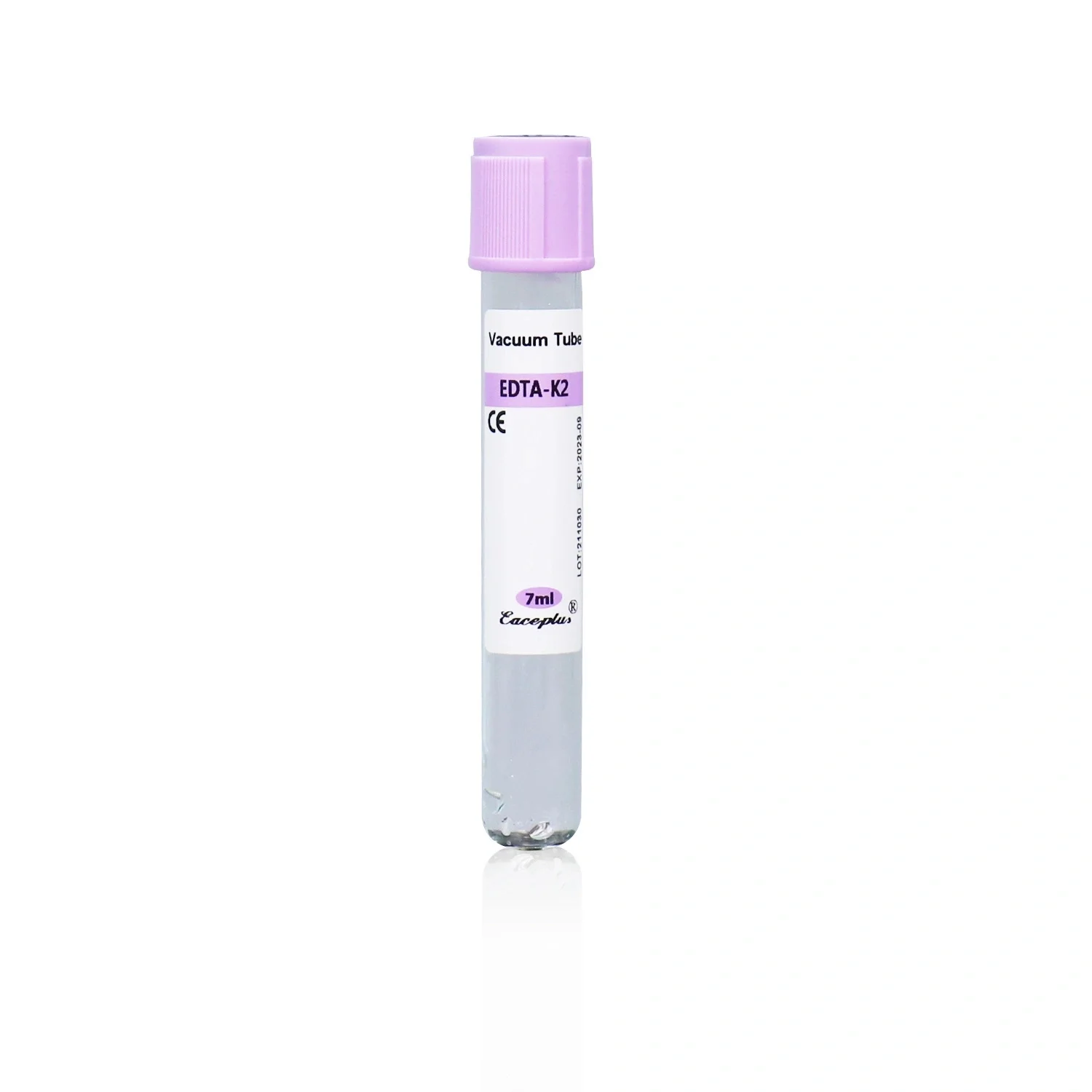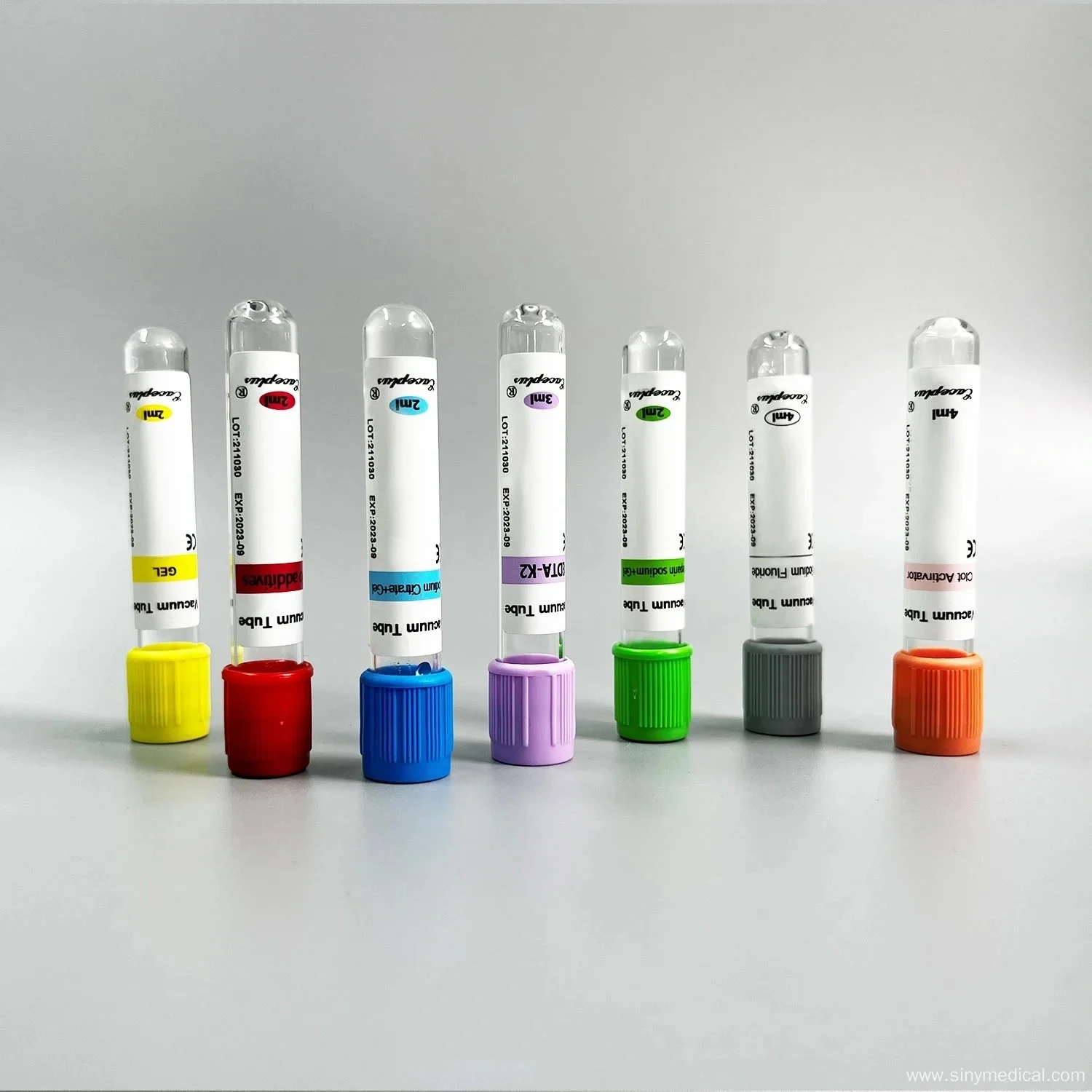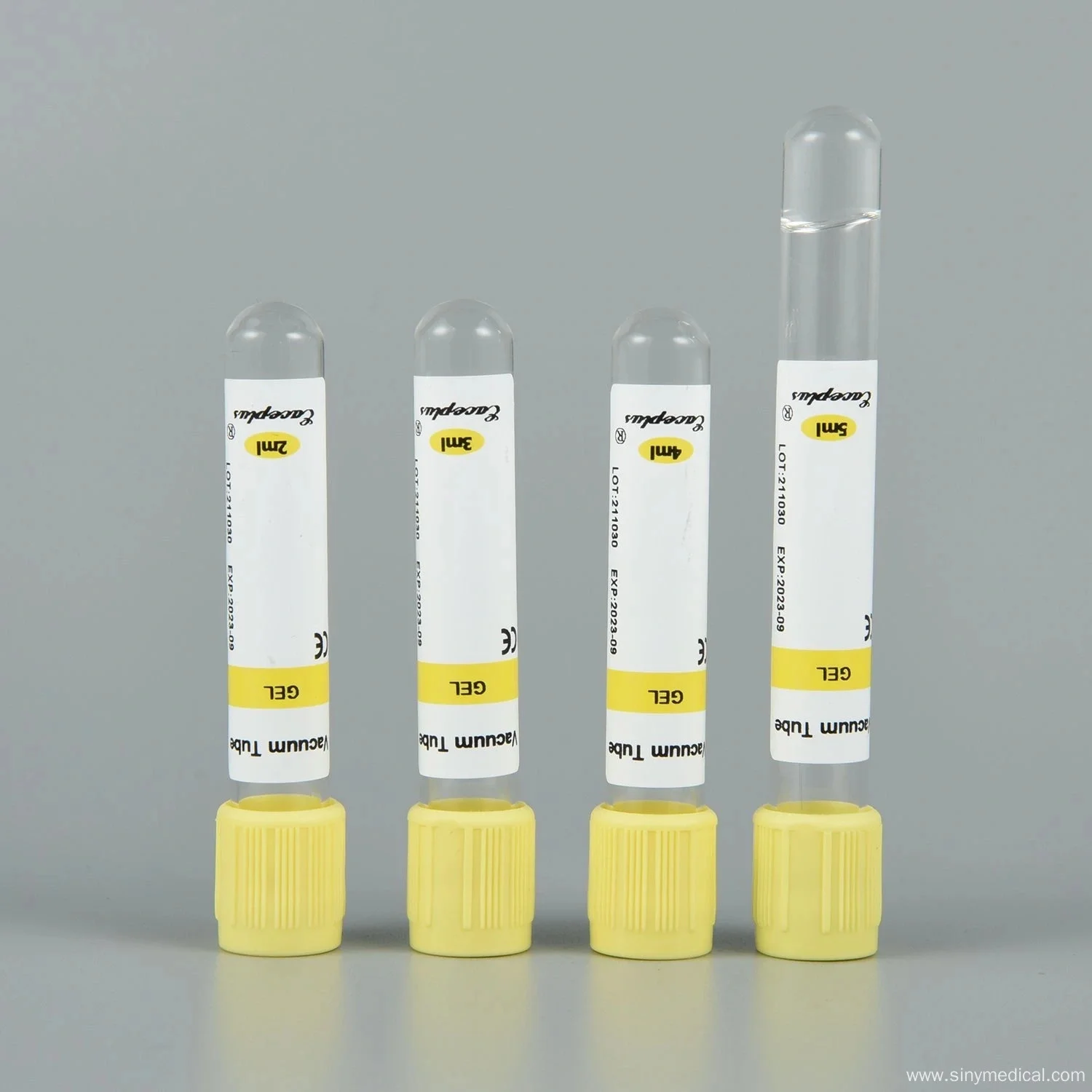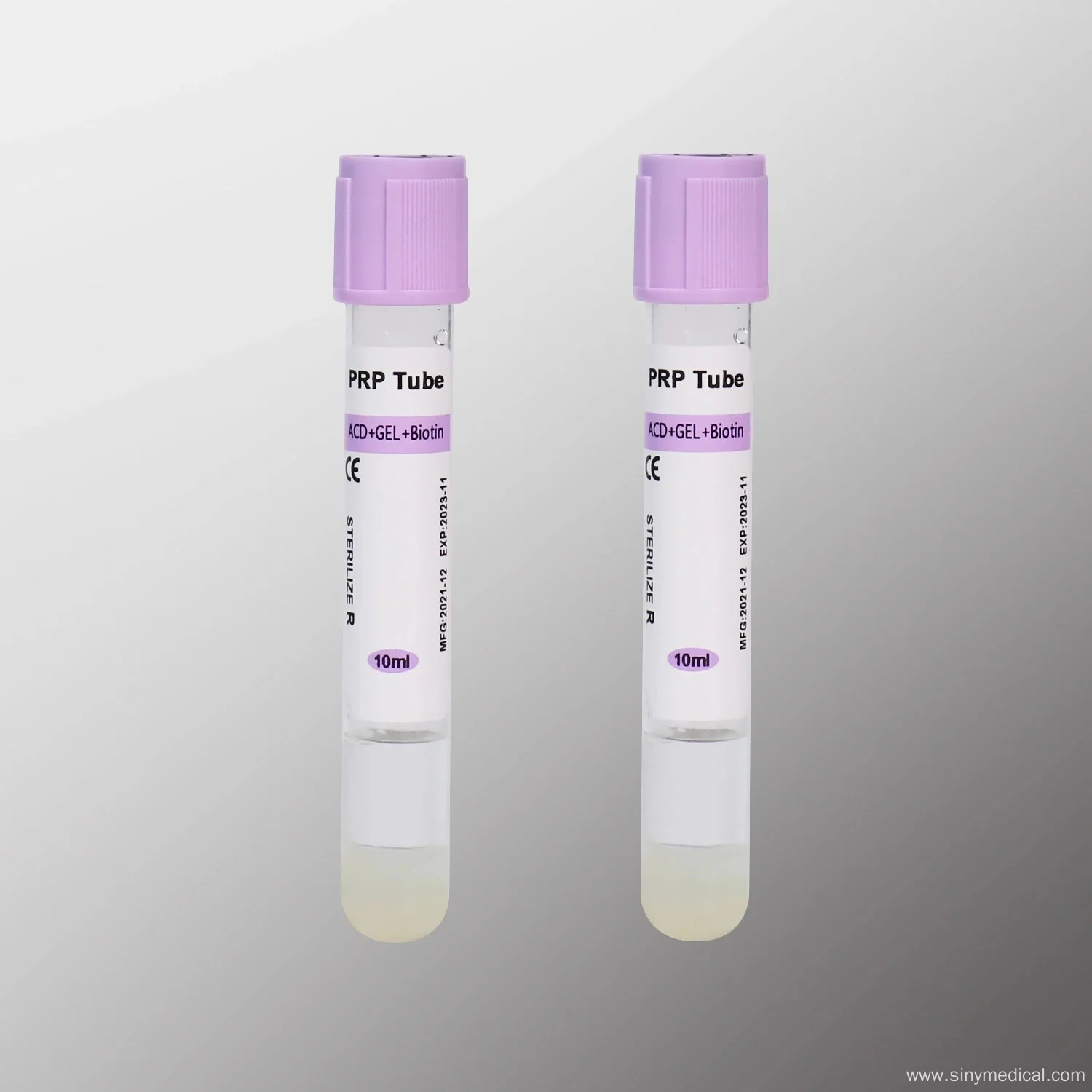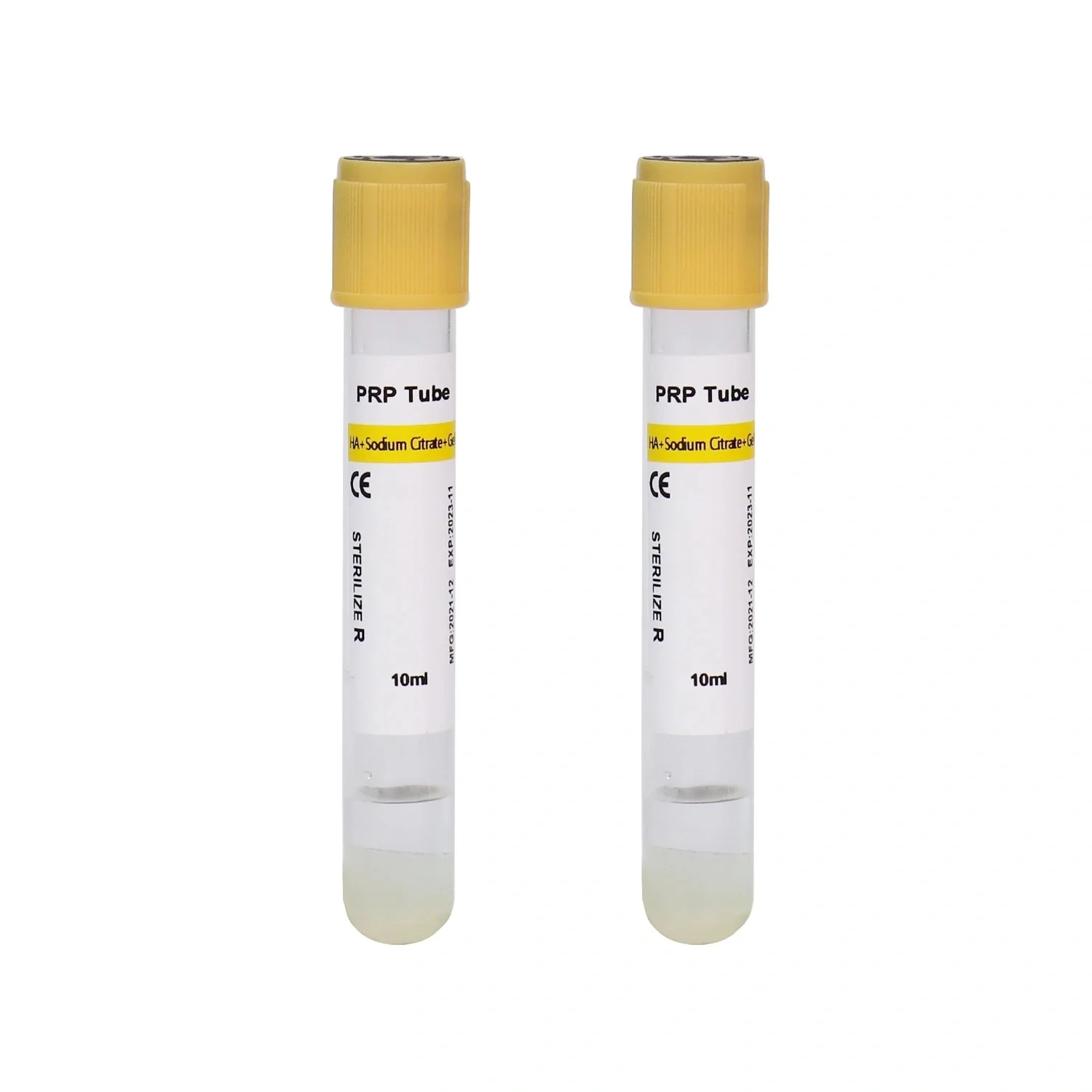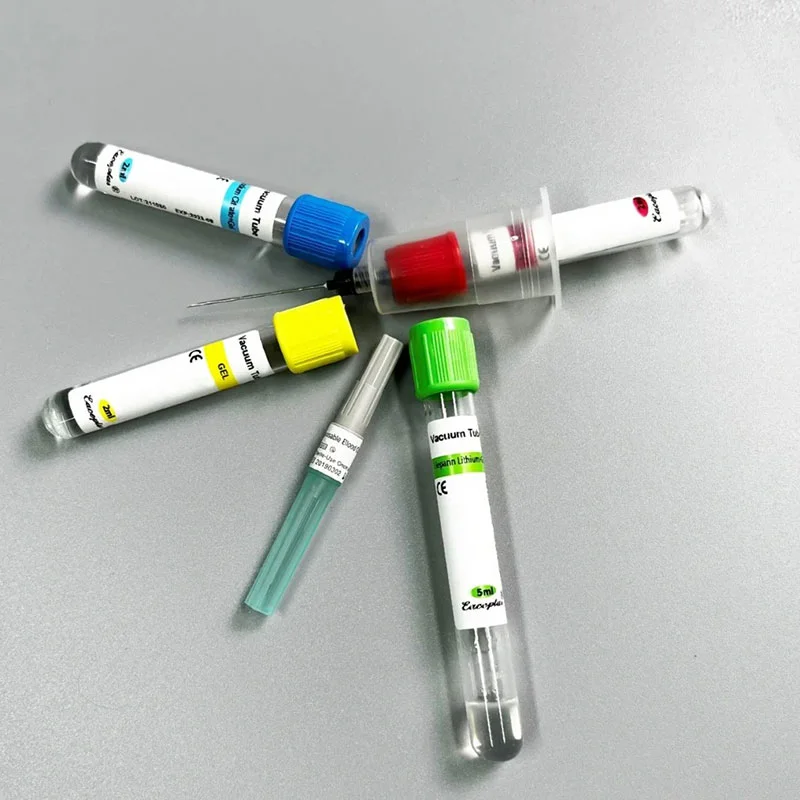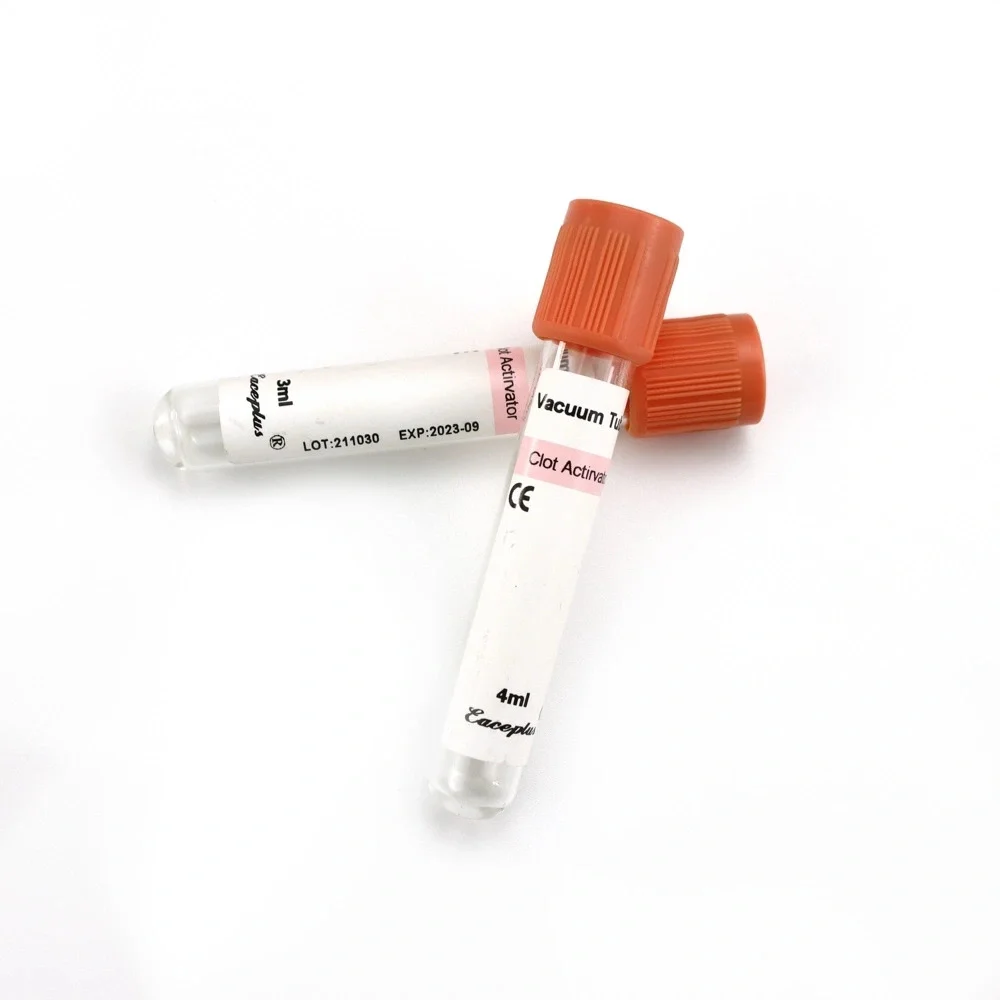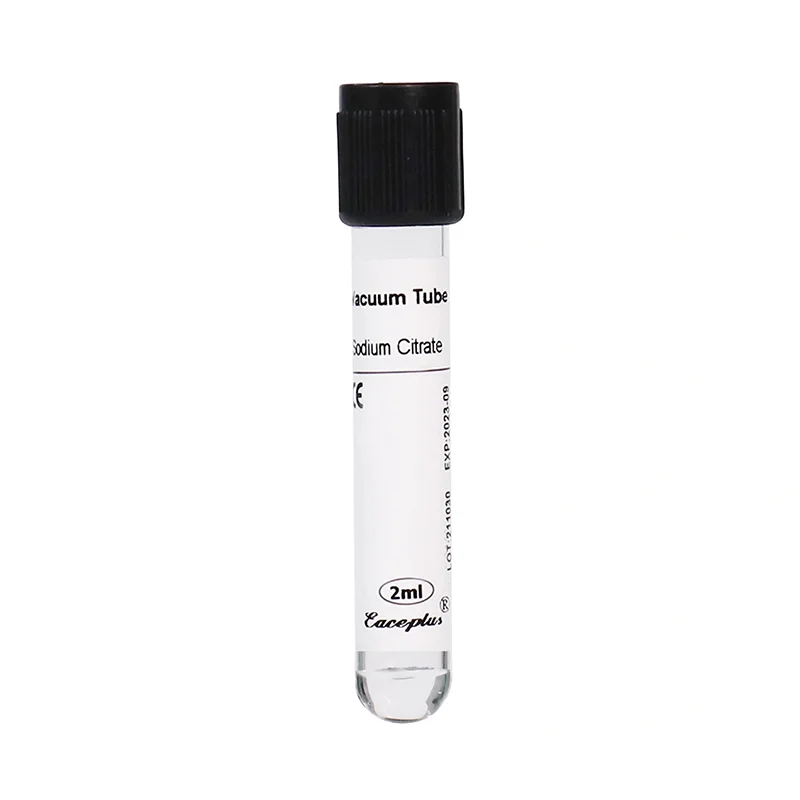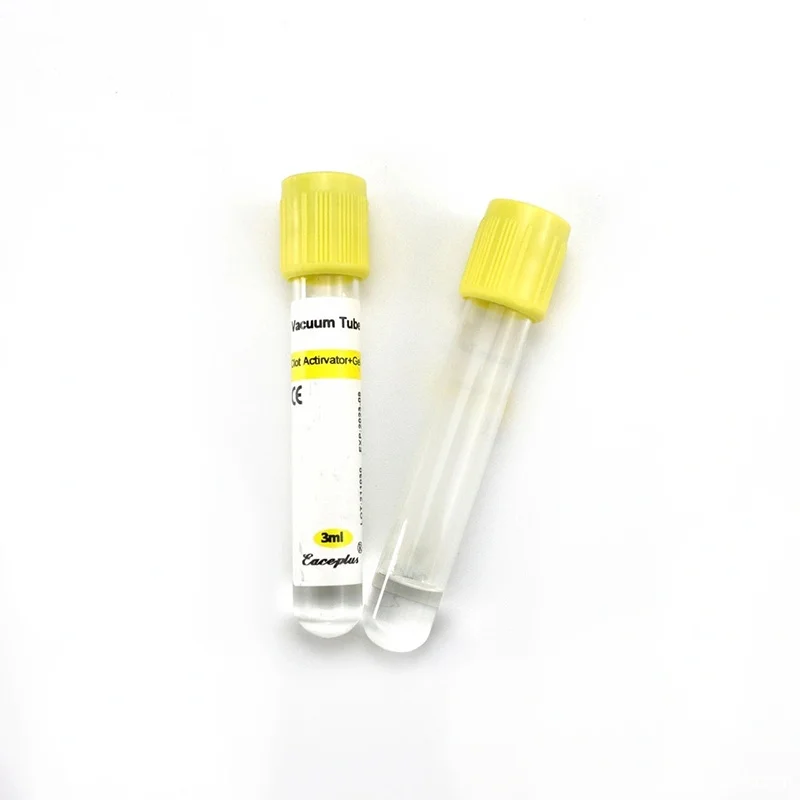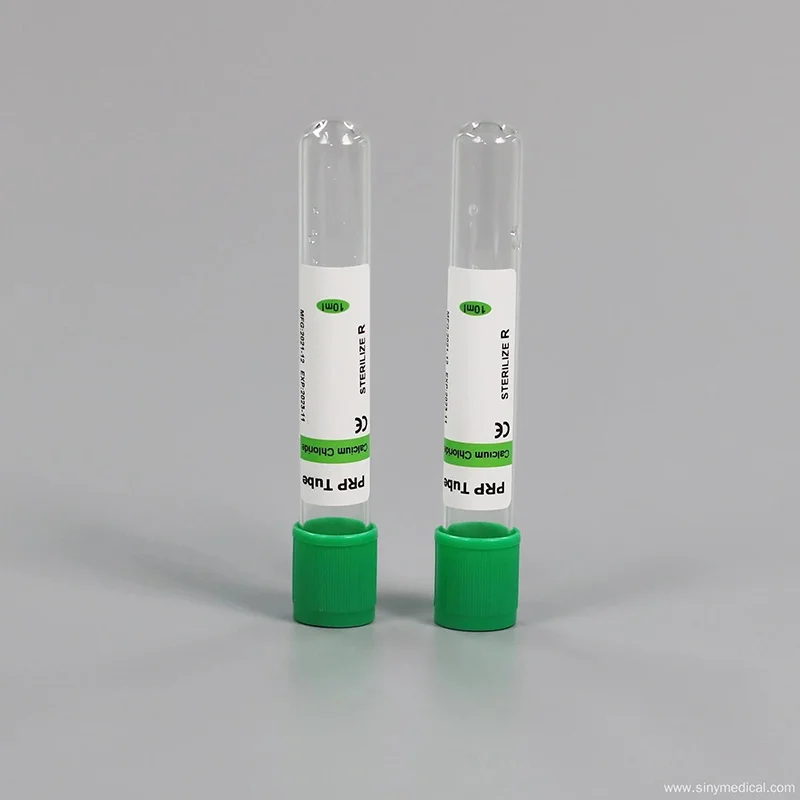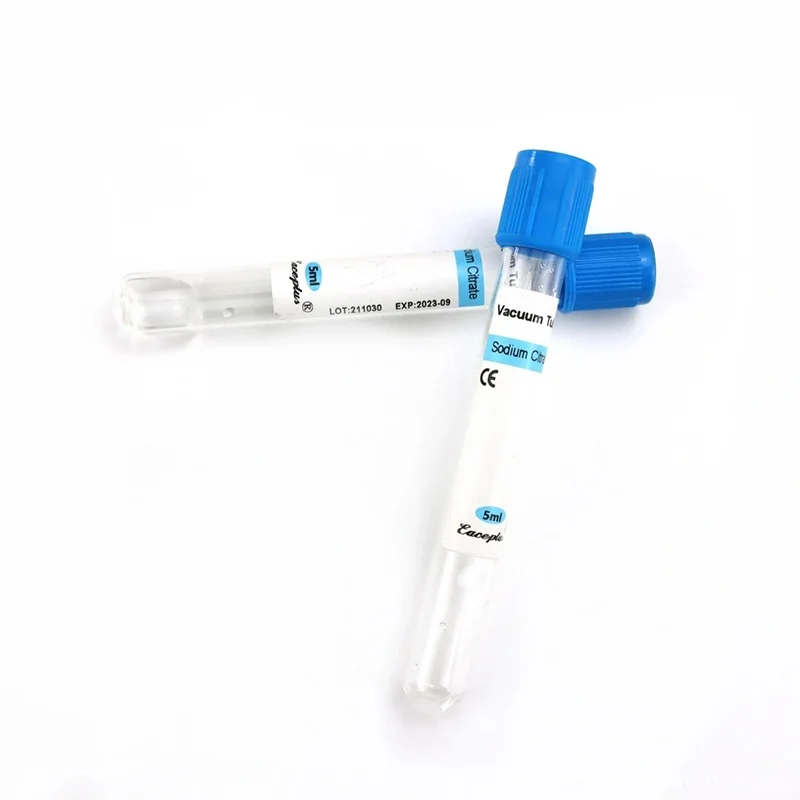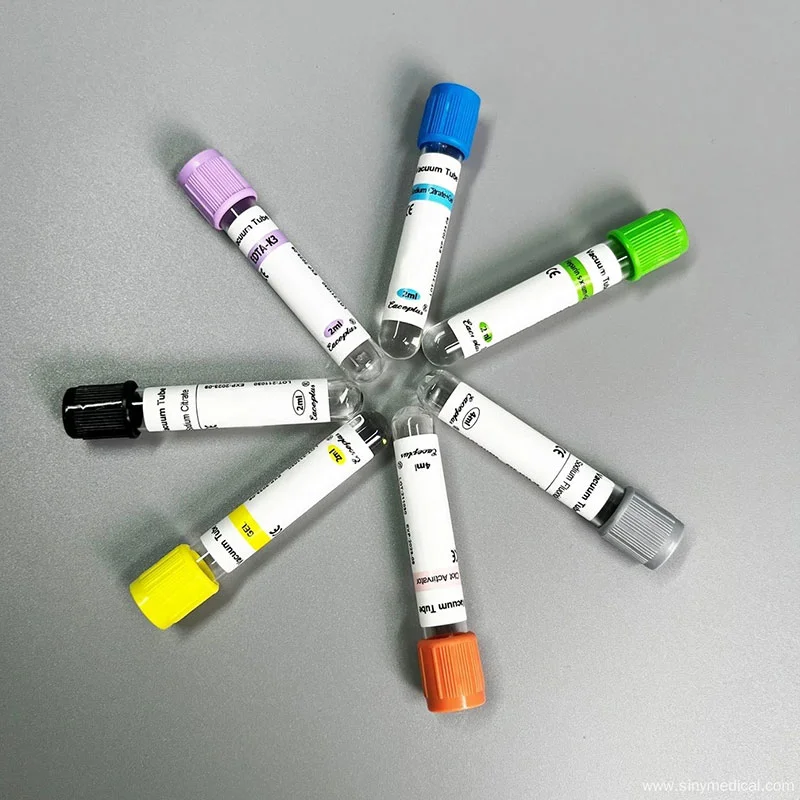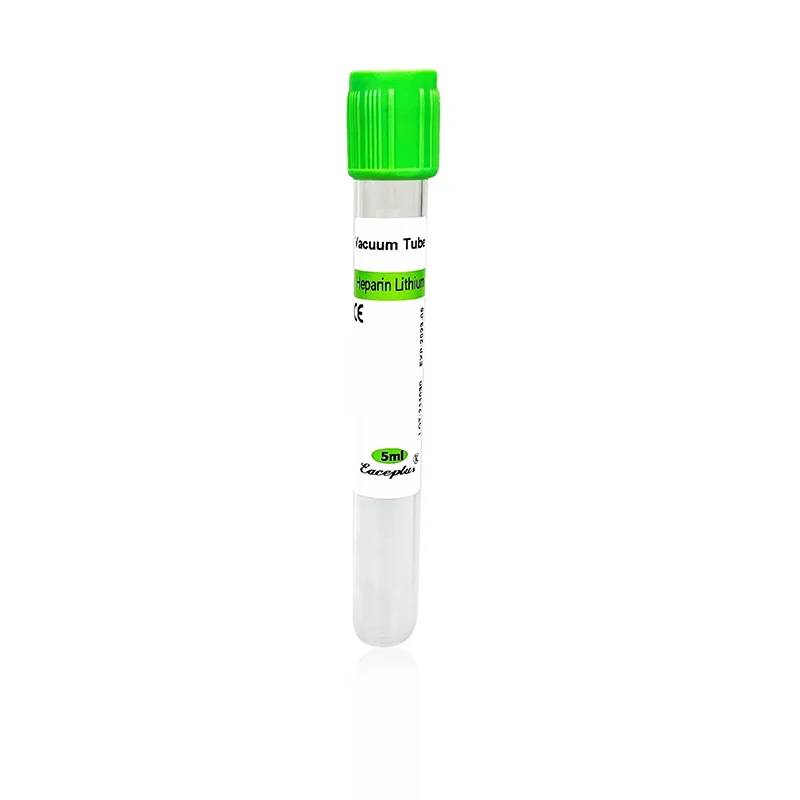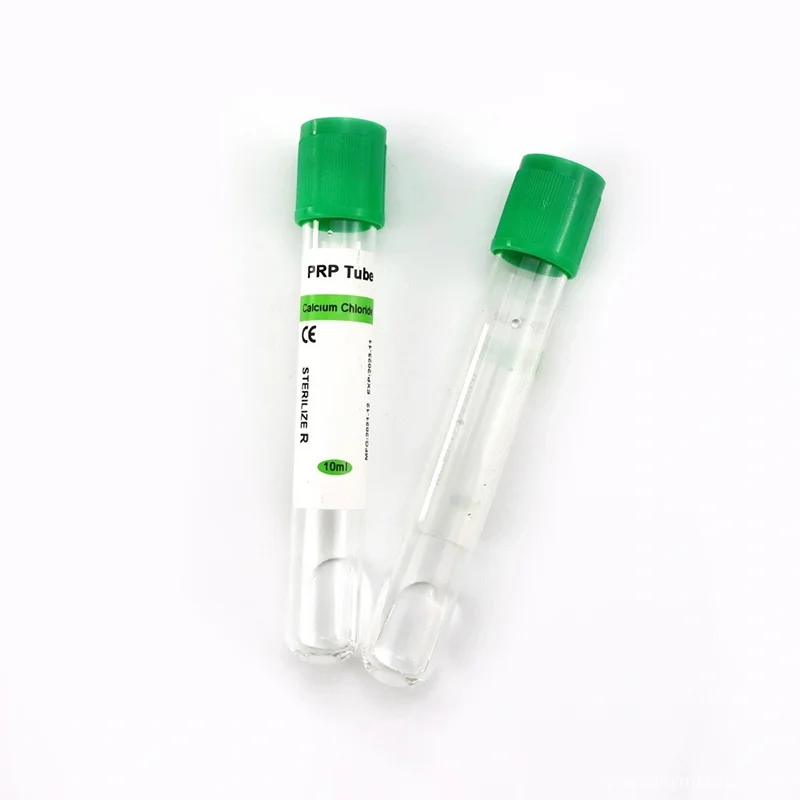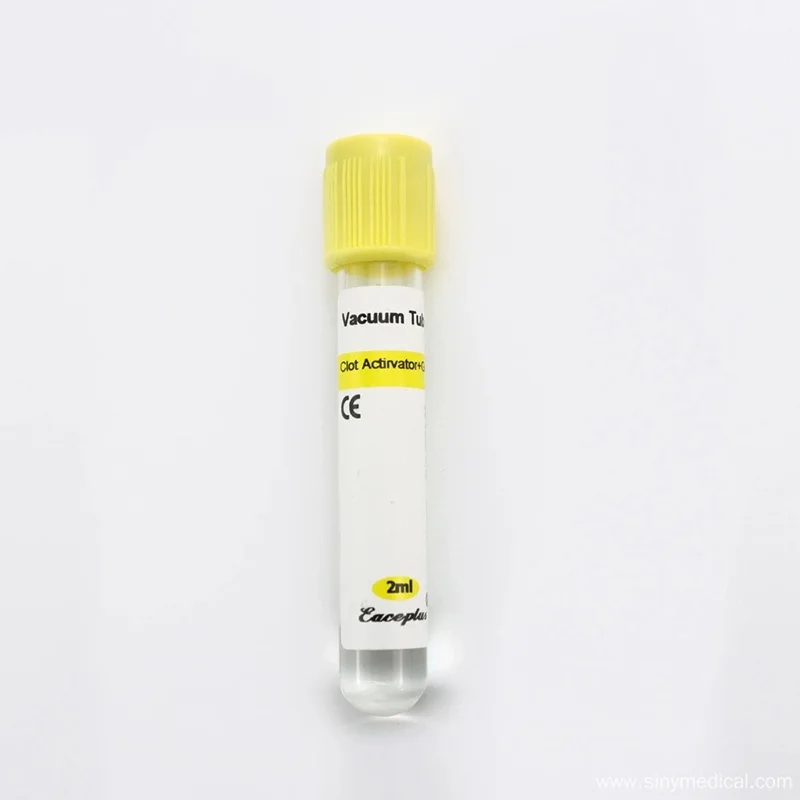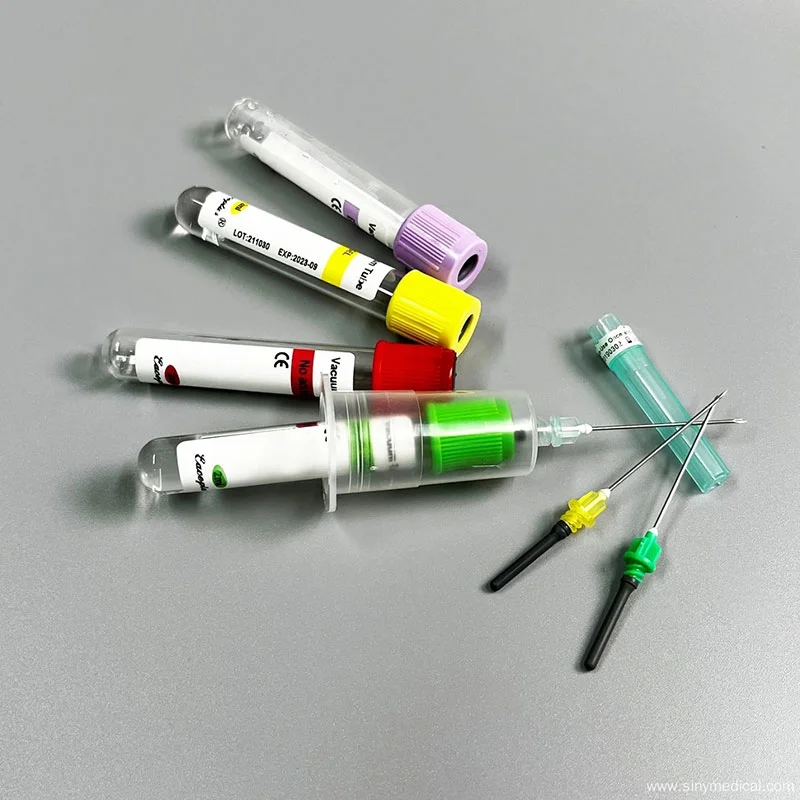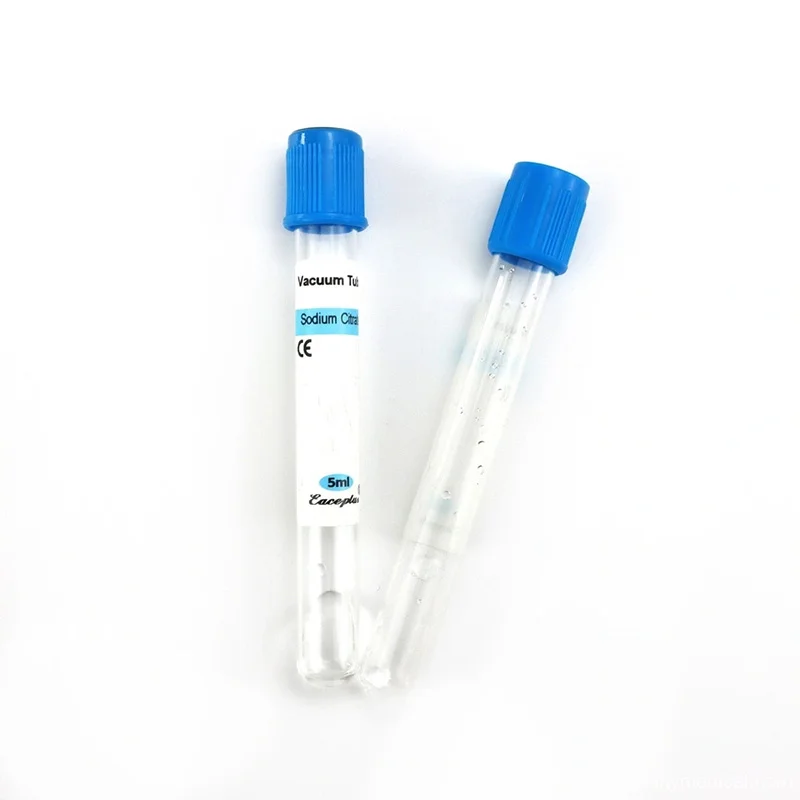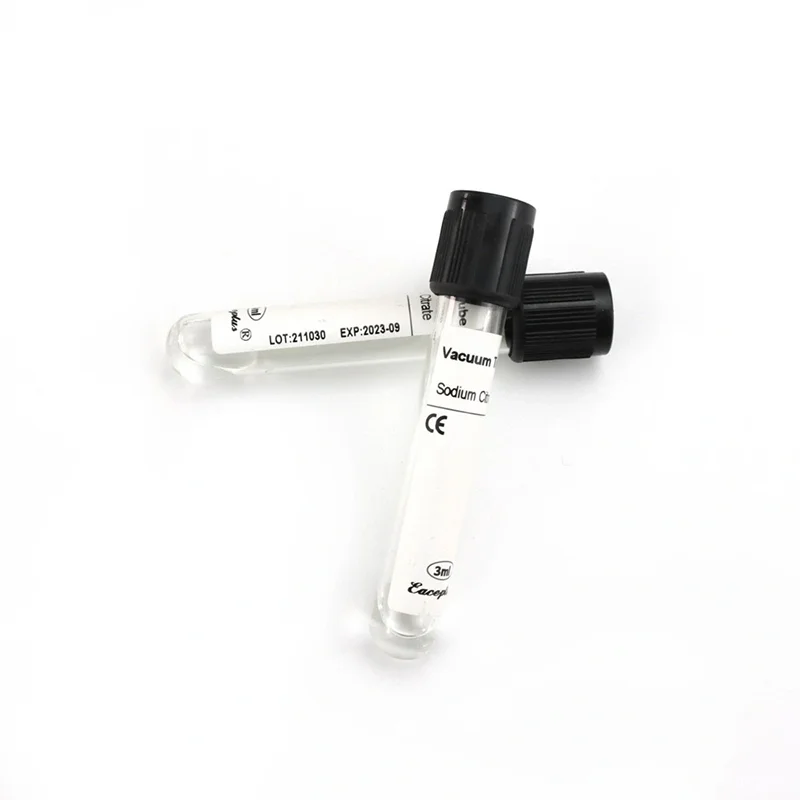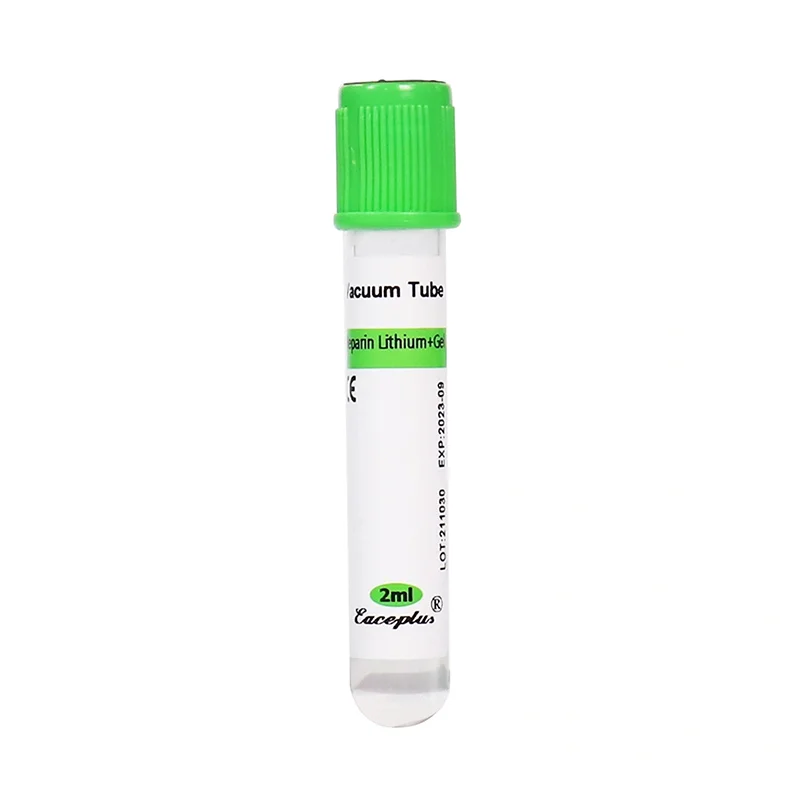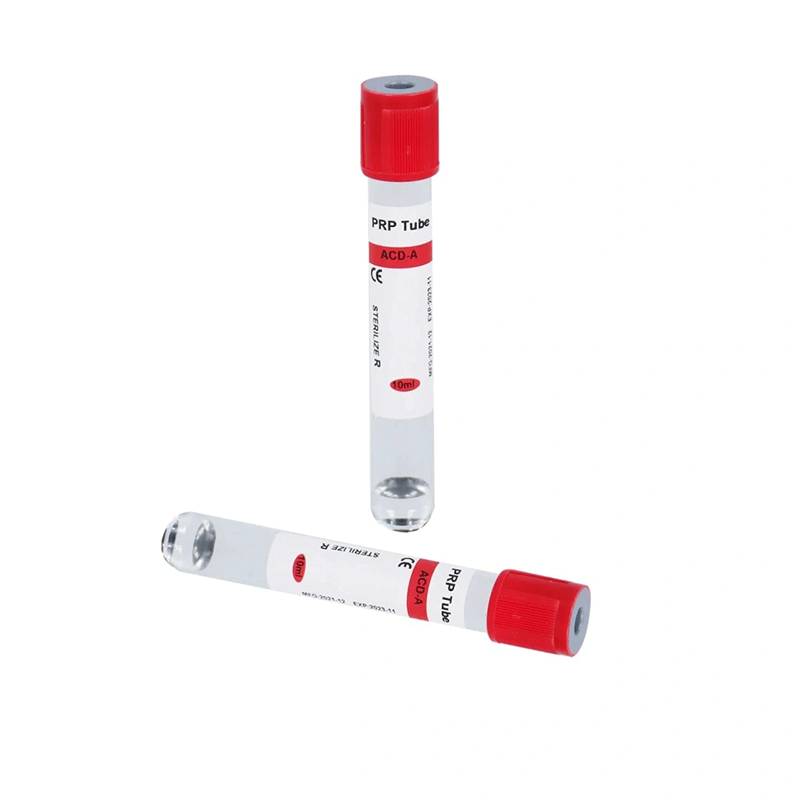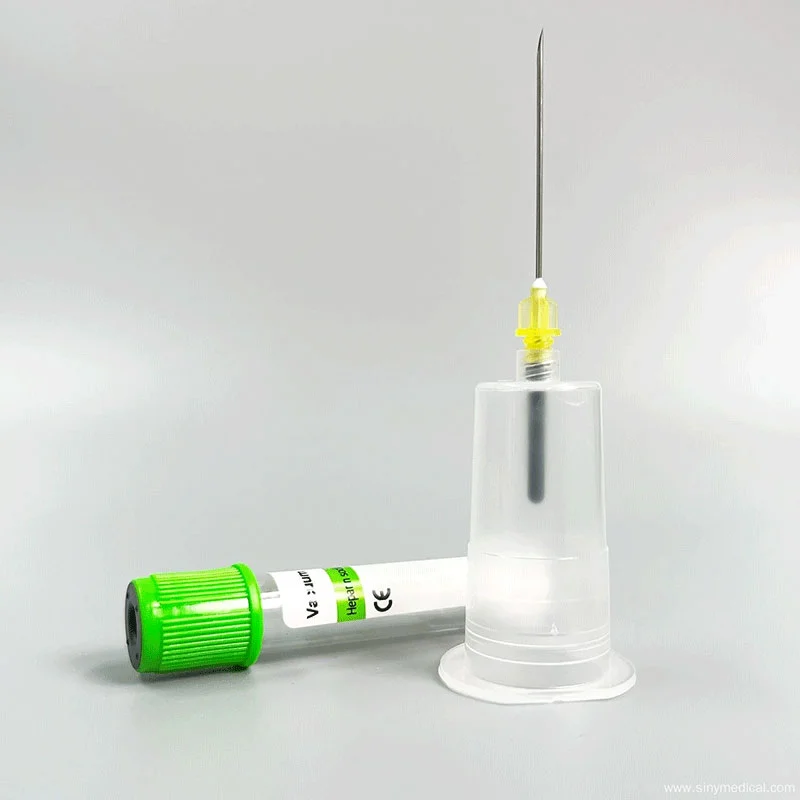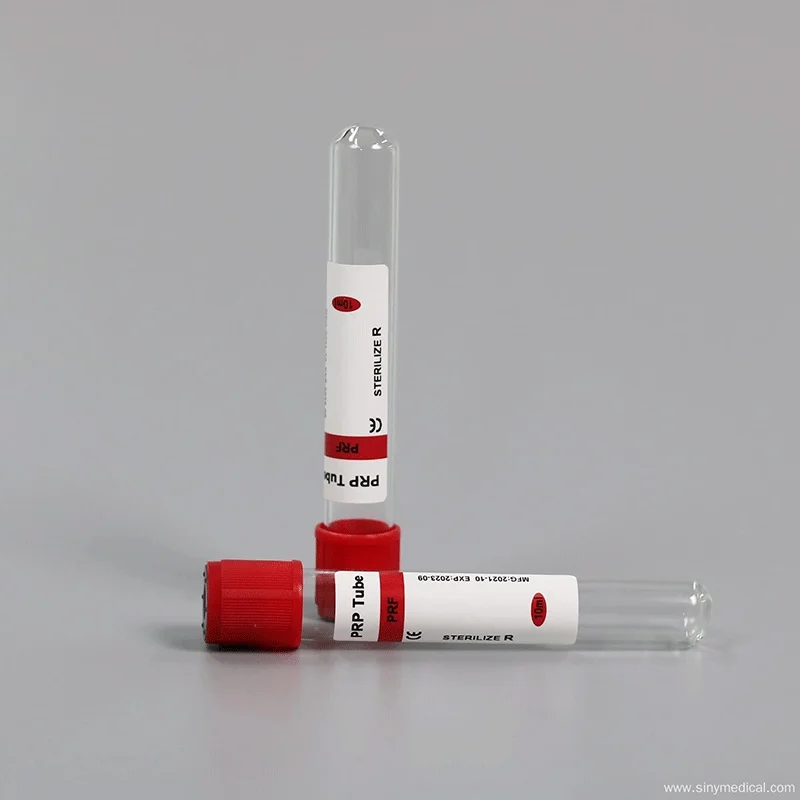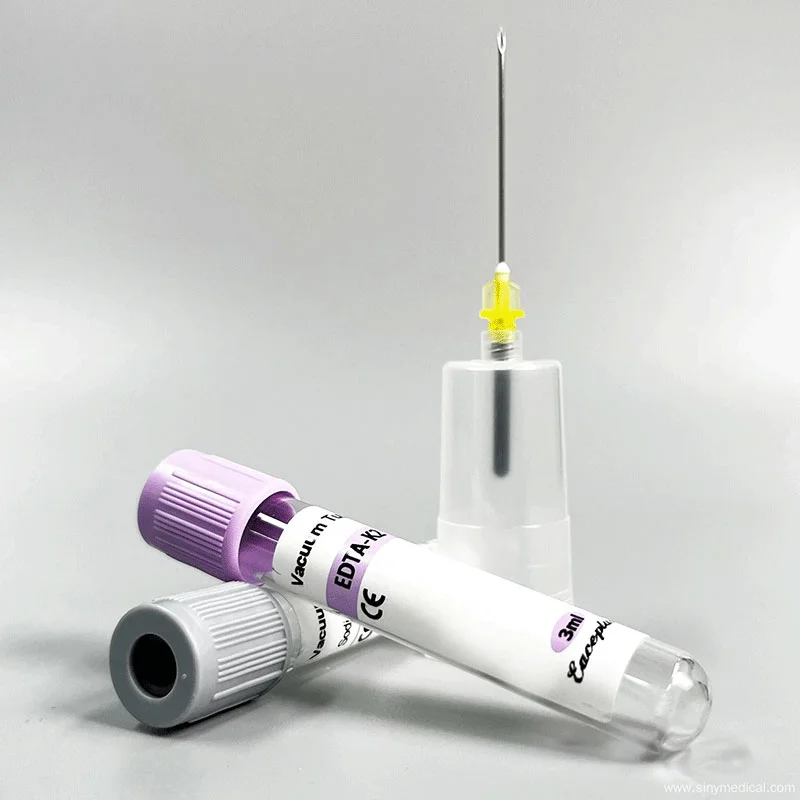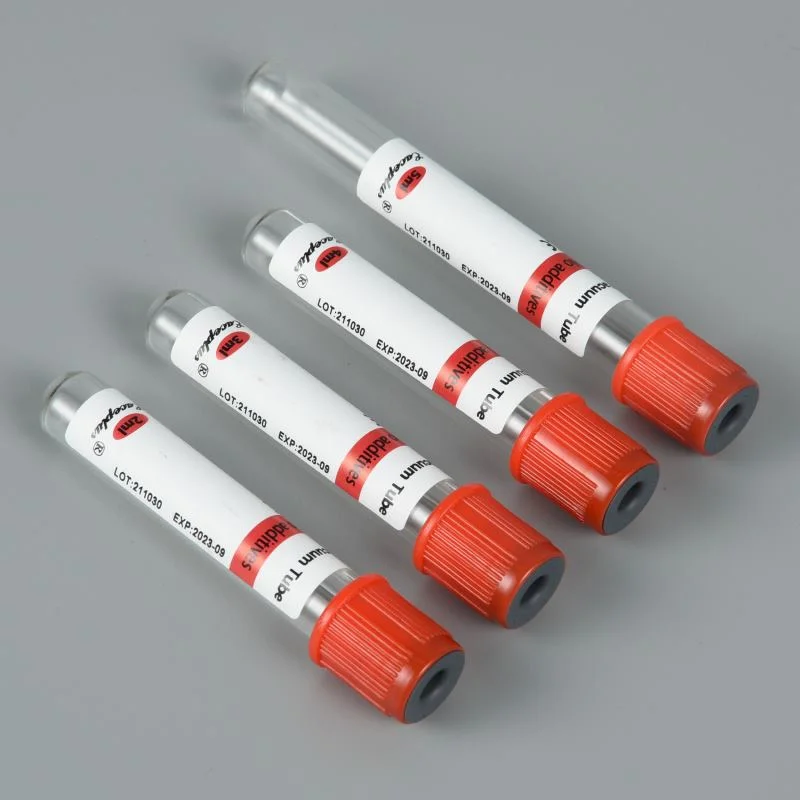
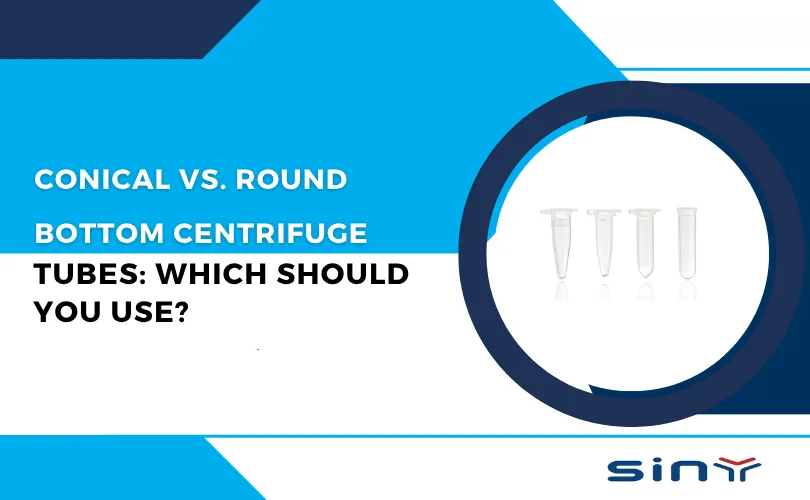
In modern laboratories, choosing the right Conical vs. Round Bottom Centrifuge Tubes is more important than many people realize. Whether you work in clinical diagnostics, molecular biology, pharmaceutical research, or industrial laboratories, centrifuge tube design directly affects sample recovery, centrifugation efficiency, storage convenience, and workflow reliability. Yet many buyers focus only on tube volume or material quality while overlooking one critical factor: the tube bottom shape.
Both conical bottom and round bottom centrifuge tubes are widely used across laboratories, but they are designed for different applications. Selecting the wrong type can lead to sample loss, pellet disruption, inaccurate separation, or difficulties during pipetting and storage. This is especially important for laboratories handling valuable biological samples, PRP preparation, cell cultures, blood components, or microbiological testing.
Today’s laboratory market offers hundreds of centrifuge tube options with different materials, cap designs, sterility levels, and centrifugal resistance ratings. For procurement teams and laboratory managers, understanding the functional differences between tube geometries helps improve workflow efficiency while reducing unnecessary costs.
Table of Contents
- 1 Why Tube Shape Matters in Centrifugation Applications
- 2 When Round Bottom Centrifuge Tubes Are the Better Choice
- 3 Conical vs. Round Bottom Centrifuge Tubes: Key Performance Differences
- 4 How Material Quality Impacts Centrifuge Tube Performance
- 5 Which Centrifuge Tube Should Your Laboratory Choose?
- 6 FAQ About Conical vs. Round Bottom Centrifuge Tubes
- 6.1 What are conical centrifuge tubes mainly used for?
- 6.2 Are round bottom centrifuge tubes better for cell cultures?
- 6.3 Which centrifuge tube provides better sample recovery?
- 6.4 Can both tube types handle high-speed centrifugation?
- 6.5 What material is best for centrifuge tubes?
- 6.6 Are sterile centrifuge tubes necessary?
- 6.7 How do I choose the right centrifuge tube supplier?
- 7 Final Thoughts
Why Tube Shape Matters in Centrifugation Applications
Many users assume that centrifuge tubes only act as containers, but the geometry of the tube significantly influences how particles behave during centrifugation. The bottom design determines how sediments collect, how supernatants separate, and how easily samples can be recovered after spinning.
Conical Bottom Centrifuge Tubes
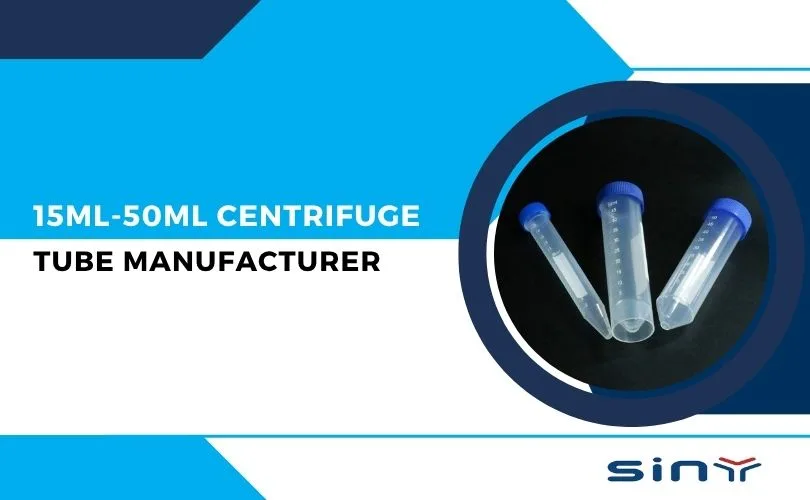
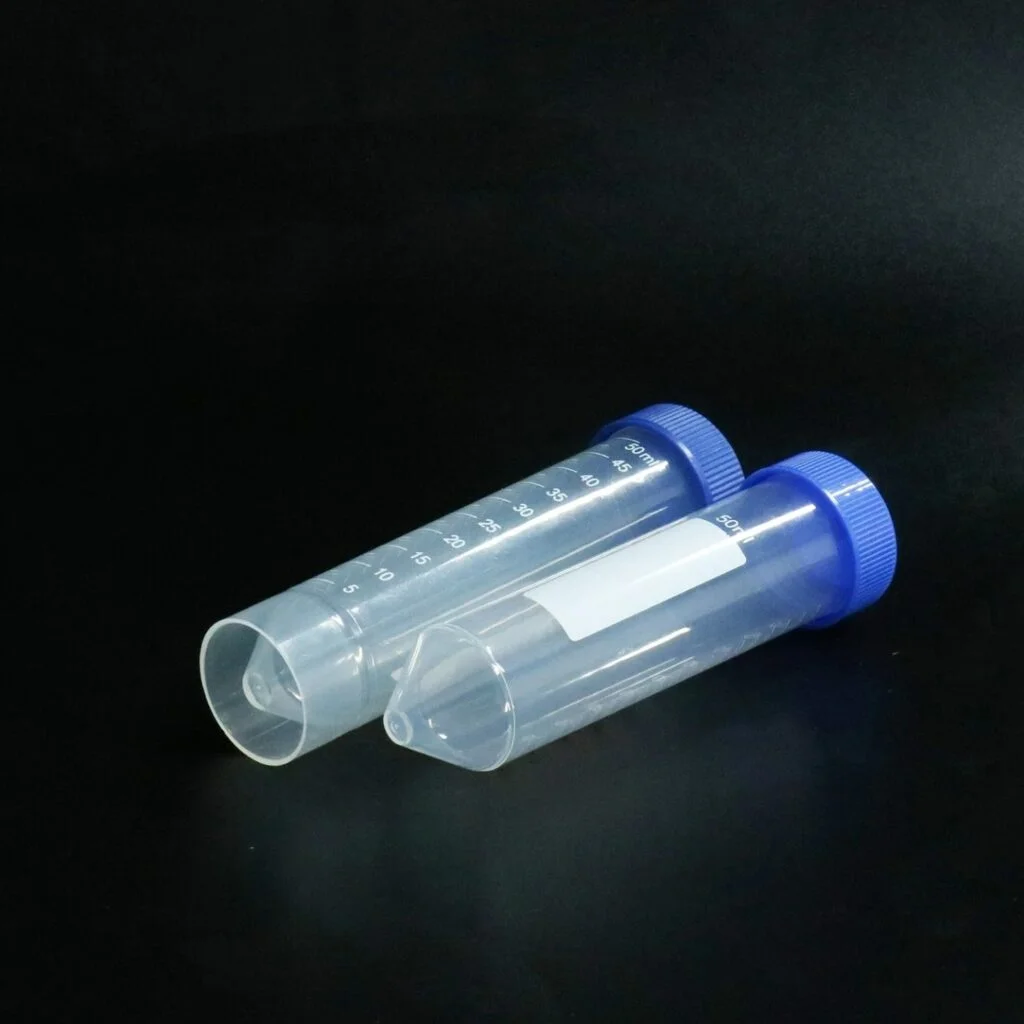
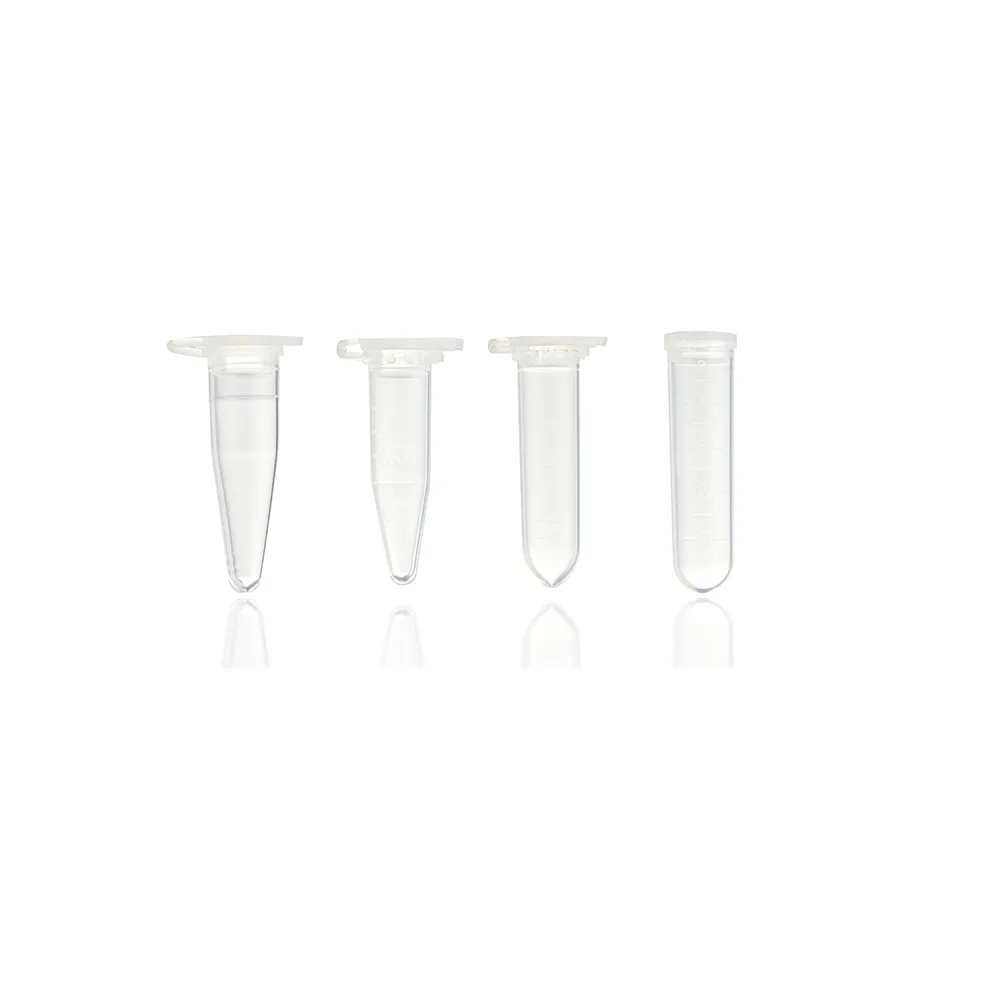
Conical centrifuge tubes feature a tapered bottom that narrows toward a single point. This design allows cells, precipitates, bacteria, or particles to concentrate efficiently at the tip of the tube during centrifugation.
Because the sediment collects in a smaller area, conical tubes are ideal for applications requiring maximum sample recovery. Laboratories frequently use them for:
- Cell harvesting
- DNA/RNA extraction
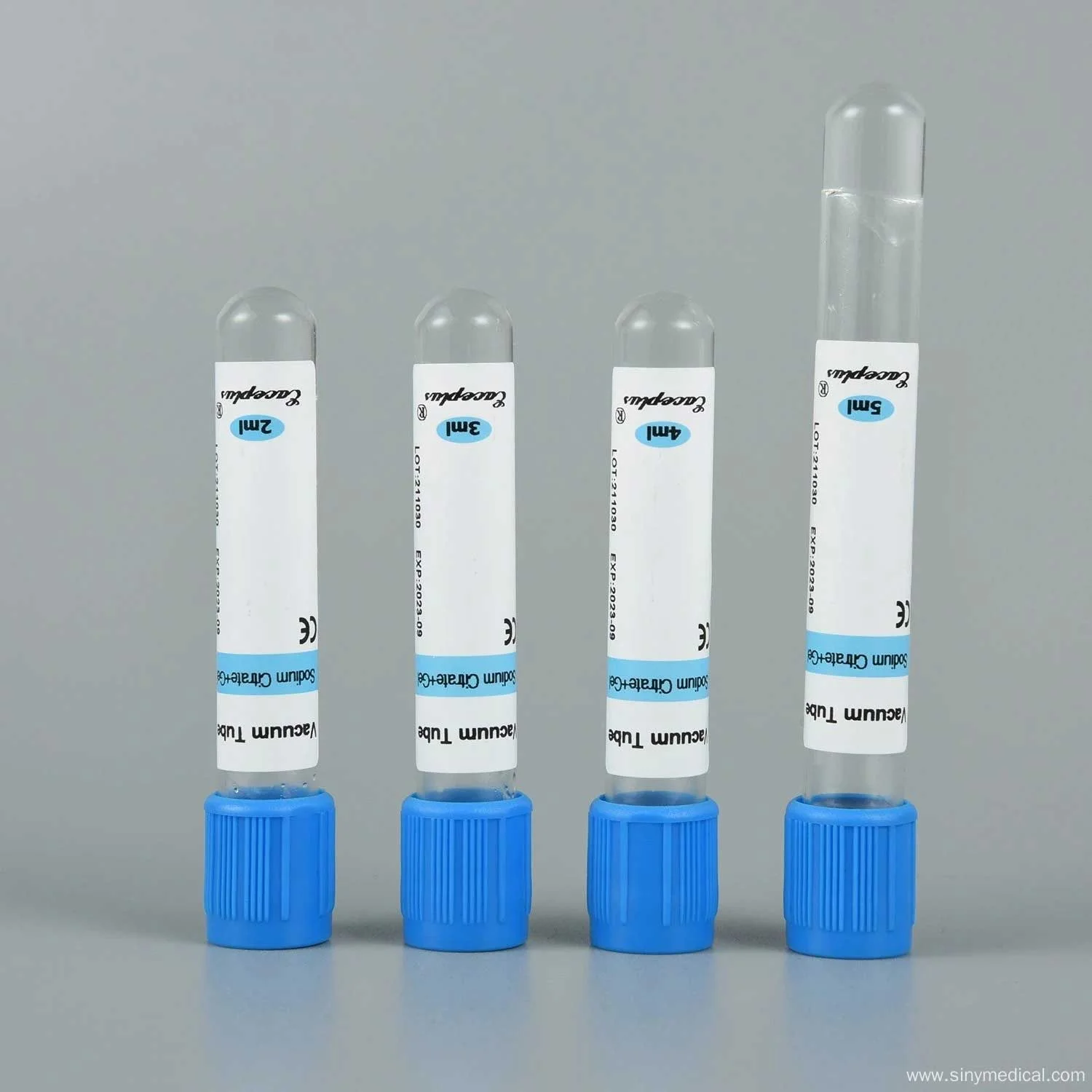
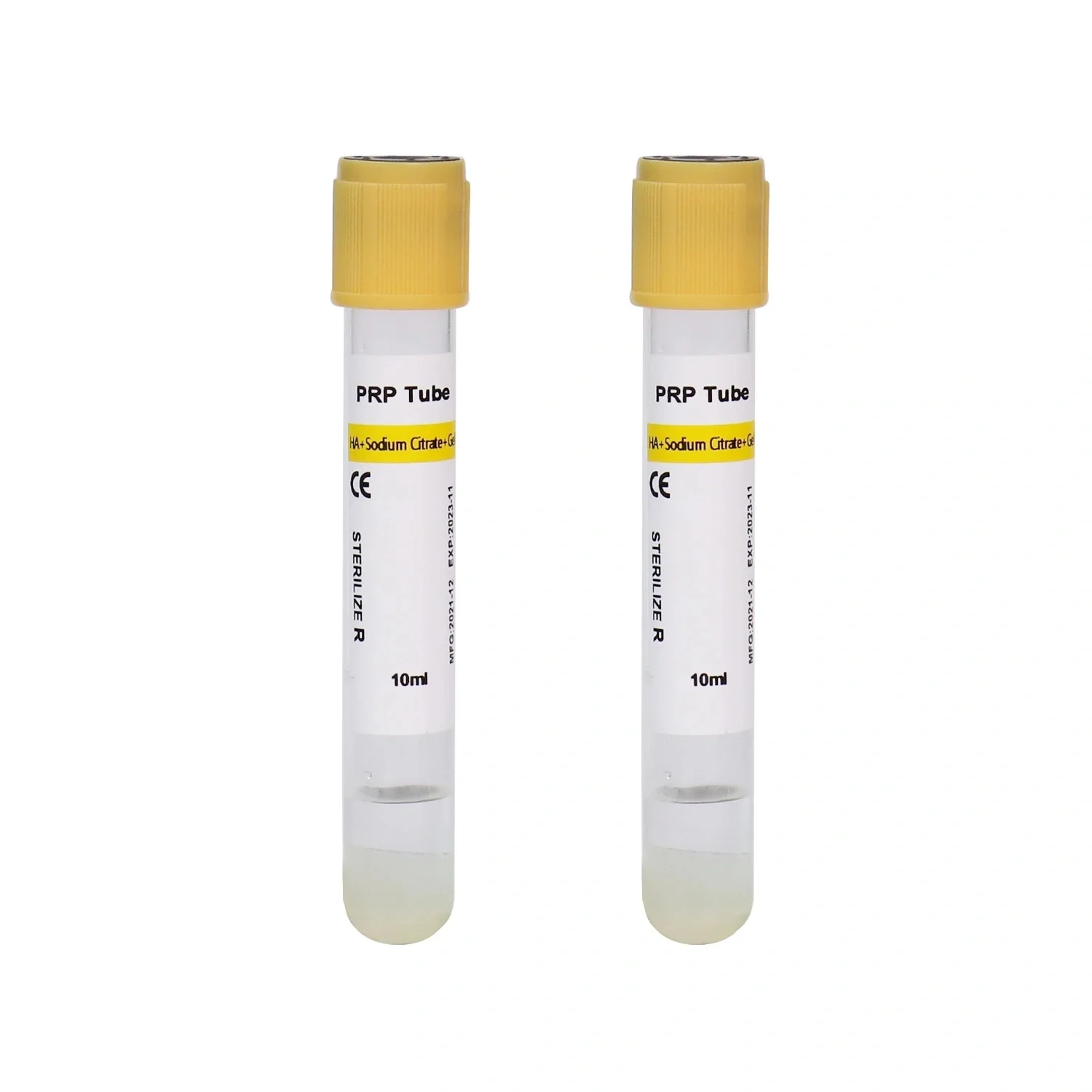
- PRP preparation
- Bacterial pellet collection
- Clinical specimen processing
- Molecular biology workflows
One of the biggest advantages of conical tubes is reduced sample waste. Even small pellets can be clearly visible and easier to resuspend. This becomes particularly valuable when handling limited-volume or high-value biological samples.
For example, in PRP preparation workflows, conical centrifuge tubes help concentrate platelets more effectively after spinning. Similarly, microbiology laboratories often prefer conical tubes because bacterial pellets remain compact and easy to isolate.
Many laboratories purchasing consumables from Siny Medical also combine centrifuge tubes with products such as PRP tubes, specimen containers, and laboratory pipette consumables to streamline laboratory operations.
When Round Bottom Centrifuge Tubes Are the Better Choice
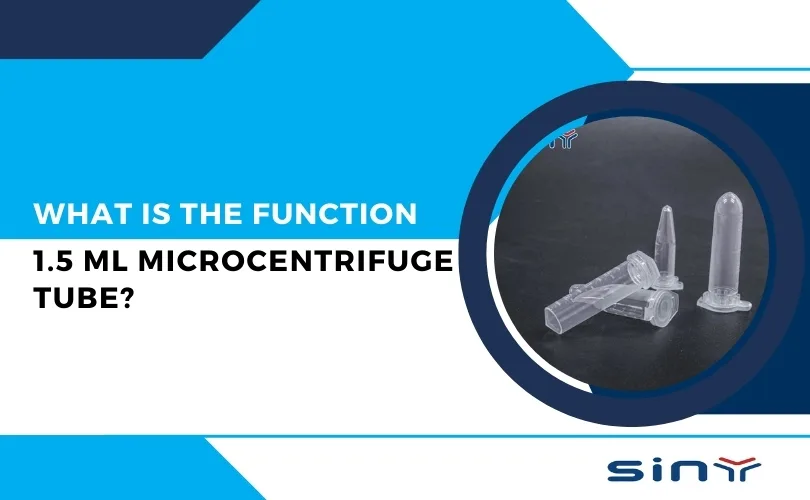
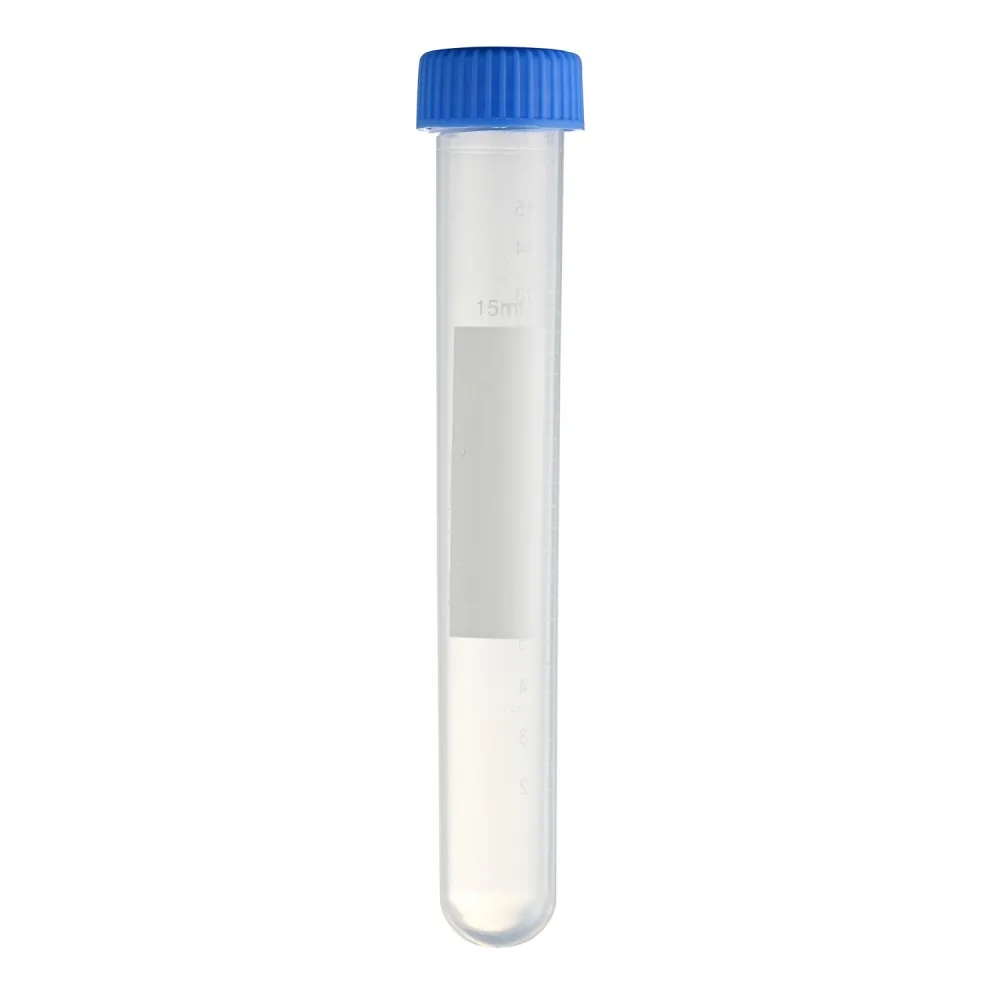
Round bottom centrifuge tubes are designed with a smooth, curved base instead of a pointed tip. While they are less effective for pellet concentration, they offer several advantages in specific laboratory environments.
The rounded design reduces mechanical stress on sensitive samples during centrifugation. This makes round bottom tubes suitable for:
- Suspension cell cultures
- Mixing applications
- Immunology workflows
- Gentle sample processing
- Certain chemical reactions
- Automated laboratory systems
Because the tube lacks sharp internal angles, liquids flow more smoothly during mixing and resuspension. In some applications, especially those involving fragile cells, round bottom tubes may help minimize shear stress and improve sample integrity.
Another advantage is easier cleaning in reusable laboratory environments. Although disposable tubes dominate modern laboratories, some industrial and academic settings still use reusable centrifuge containers for specialized applications.
Round bottom tubes are also commonly found in blood banking, immunohematology, and automated analyzer systems, where complete pellet isolation is not the primary objective.
However, laboratories performing precision pellet recovery usually prefer conical designs because sediments in round bottom tubes spread across a larger surface area after centrifugation.
Conical vs. Round Bottom Centrifuge Tubes: Key Performance Differences
Understanding the practical differences between these two tube types helps laboratories make better purchasing decisions. The choice should depend on workflow goals rather than personal preference.
Sample Recovery Efficiency
Conical tubes outperform round bottom tubes when recovering concentrated pellets. The narrow tip allows particles to collect in one location, making aspiration and resuspension easier.
Round bottom tubes distribute sediment more broadly, which may increase sample loss during pipetting.
Centrifugation Performance
For high-speed centrifugation involving biological particles, conical tubes generally provide more efficient sedimentation. This is why they dominate molecular biology and clinical laboratories.
Round bottom tubes are better suited for gentle processing where sample integrity matters more than compact pellet formation.
Storage Stability
Conical tubes can stand independently when paired with tube racks, but the pointed bottom prevents stable placement on flat surfaces without support.
Round bottom tubes may roll less easily in specialized holders and can be more convenient in some automated systems.
Mixing and Resuspension
Round bottom tubes often provide smoother fluid circulation during mixing. The absence of corners reduces dead zones where materials may accumulate.
This makes them useful for suspension cultures and repeated liquid handling procedures.
Laboratory Workflow Compatibility
Modern laboratories increasingly favor conical centrifuge tubes because they align well with molecular diagnostics, PCR preparation, PRP processing, and microbiological testing.
In contrast, round bottom tubes remain common in niche clinical and analytical workflows where gentle handling is prioritized.
If your laboratory routinely handles centrifugation-intensive procedures, investing in high-quality conical tubes can significantly improve efficiency and sample consistency.
| Feature | Conical Bottom Centrifuge Tubes | Round Bottom Centrifuge Tubes |
| Bottom Shape | Tapered pointed bottom | Smooth curved bottom |
| Main Advantage | Excellent pellet concentration and recovery | Better fluid mixing and gentle sample handling |
| Best For | Cell harvesting, PRP preparation, DNA/RNA extraction, microbiology | Requires racks due to the pointed bottom |
| Pellet Visibility | High visibility due to concentrated sediment | Suspension cultures, immunology, and gentle mixing applications |
| Sample Recovery | Easier and more precise | Moderate recovery efficiency |
| Mixing Performance | Good | Excellent |
| Centrifugation Efficiency | Better for high-speed particle separation | Better for low-stress sample processing |
| Common Laboratory Use | Clinical labs, molecular biology, microbiology | Blood banking, automated analyzers, cell culture |
| Standing Stability | Blood banking, automated analyzers, and cell culture | Often used with holders or specialized systems |
| Recommended For | Laboratories prioritizing accurate separation and minimal sample loss | Laboratories prioritizing gentle handling and fluid dynamics |
How Material Quality Impacts Centrifuge Tube Performance
Beyond bottom shape, tube material plays a major role in durability and laboratory safety. High-quality centrifuge tubes are typically manufactured from polypropylene because of its chemical resistance, transparency, and ability to withstand high centrifugal forces.
Poor-quality tubes may crack, deform, or leak during high-speed centrifugation. This not only risks sample contamination but may also damage expensive centrifuge equipment.
When evaluating centrifuge tubes, laboratories should consider:
- Maximum RCF resistance
- Sterility level
- DNase/RNase-free certification
- Leak-proof cap performance
- Temperature resistance
- Transparency for sample visibility
- Graduation accuracy
For clinical and research laboratories, sterile disposable tubes are often preferred because they reduce cross-contamination risks and simplify workflow management.
At Siny Medical, laboratories can source medical-grade laboratory consumables, including centrifuge tubes, specimen containers, PRP preparation products, and laboratory plastics manufactured for professional laboratory applications.
Choosing reliable suppliers becomes especially important for laboratories operating under ISO, GMP, or clinical quality systems where consumable consistency directly impacts testing reliability.
Which Centrifuge Tube Should Your Laboratory Choose?
The answer ultimately depends on your application requirements.
If your workflow focuses on sediment concentration, pellet recovery, molecular diagnostics, PRP preparation, microbiology, or cell harvesting, conical bottom centrifuge tubes are usually the best choice. Their design improves particle collection and reduces sample loss during recovery.
If your laboratory prioritizes gentle mixing, suspension handling, or specialized automated workflows, round bottom tubes may provide better fluid dynamics and reduced stress on delicate samples.
In many modern laboratories, both tube types are used together for different stages of processing. Procurement teams often benefit from maintaining multiple tube configurations to support diverse applications across departments.
Before purchasing centrifuge consumables, laboratories should evaluate:
- Sample type
- Required centrifugation speed
- Recovery precision
- Automation compatibility
- Sterility requirements
- Tube material quality
- Storage and transport needs
A well-designed centrifuge consumable system improves not only laboratory efficiency but also result consistency and operational safety.
Laboratories looking for reliable laboratory plastics and medical consumables can explore centrifuge tubes and related laboratory products through Siny Medical, where multiple laboratory and clinical consumable categories are available for different testing applications.
FAQ About Conical vs. Round Bottom Centrifuge Tubes
What are conical centrifuge tubes mainly used for?
Conical centrifuge tubes are mainly used for applications requiring pellet formation and sample concentration, such as cell harvesting, PRP preparation, DNA extraction, and microbiology testing.
Are round bottom centrifuge tubes better for cell cultures?
In some suspension cell culture applications, round bottom tubes may help reduce mechanical stress and improve fluid circulation during mixing.
Which centrifuge tube provides better sample recovery?
Conical bottom tubes generally provide better sample recovery because sediments collect in a concentrated point at the tube tip.
Can both tube types handle high-speed centrifugation?
Yes, both types can handle centrifugation if manufactured with appropriate materials and RCF ratings. However, laboratories should always verify manufacturer specifications before use.
What material is best for centrifuge tubes?
Polypropylene is the most widely used material because it offers excellent chemical resistance, temperature tolerance, and durability during centrifugation.
Are sterile centrifuge tubes necessary?
For clinical diagnostics, molecular biology, microbiology, and sensitive laboratory workflows, sterile centrifuge tubes are strongly recommended to minimize contamination risks.
How do I choose the right centrifuge tube supplier?
Laboratories should evaluate manufacturing quality, certifications, sterility standards, consistency, packaging quality, and technical support when selecting a centrifuge tube supplier.
Final Thoughts
Choosing between Conical vs. Round Bottom Centrifuge Tubes is not simply a matter of preference — it directly affects sample handling efficiency, centrifugation accuracy, and overall laboratory workflow performance. Conical tubes are ideal for laboratories focused on pellet recovery and precise sample separation, while round bottom tubes provide advantages for gentle mixing and suspension-based applications.
As laboratory testing standards continue to rise, more laboratories are paying closer attention to consumable quality, tube geometry, sterility, and material consistency. Selecting the right centrifuge tube can help reduce sample loss, improve reproducibility, and support smoother day-to-day operations across clinical, research, and industrial environments.
Whether your laboratory is handling PRP preparation, molecular diagnostics, microbiology testing, or general specimen processing, using reliable laboratory consumables is essential for achieving stable and accurate results. At Siny Medical, laboratories can explore a wide range of centrifuge tubes and related laboratory consumables designed for professional medical and laboratory applications.
Ready to upgrade your laboratory consumables? Siny Medical is a trusted manufacturer offering CE/ISO certified sterile centrifuge tubes with OEM/ODM services. Contact our sales team today at sales@sinymedical.com for a free sample or bulk pricing!