In modern laboratories, precision is everything. Whether you are conducting PCR testing, molecular diagnostics, pharmaceutical research, microbiology studies, or routine clinical analysis, even a tiny contamination event can compromise an entire experiment. This is one of the main reasons scientists increasingly ask: Why use filter pipette tips instead of standard pipette tips?
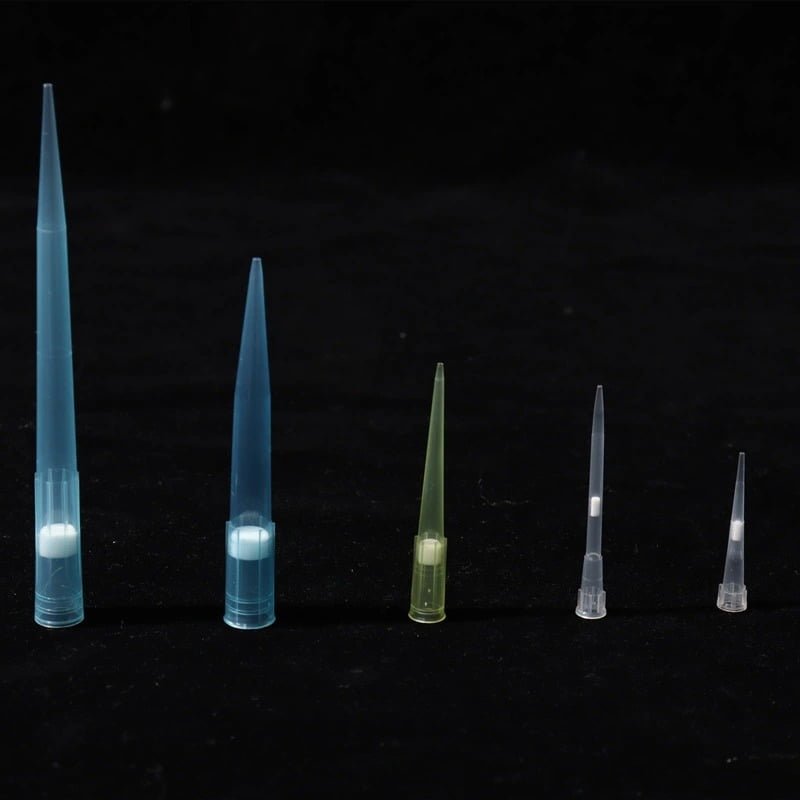
Filter pipette tips contain a specialized porous barrier positioned inside the tip. This small filter plays a critical role in preventing aerosols, liquid droplets, and contaminants from entering the pipette shaft. As laboratories continue to handle valuable samples and highly sensitive assays, filter tips have become a standard tool for maintaining data reliability and protecting laboratory equipment.
Understanding when and why to use filter pipette tips can help laboratories reduce experimental errors, lower maintenance costs, and improve overall workflow quality.
Why Use Filter Pipette Tips in Sensitive Laboratory Applications?
The primary reason laboratories choose filter pipette tips is contamination control.
During pipetting, especially when working with DNA, RNA, proteins, pathogens, or volatile liquids, microscopic aerosols can form inside the pipette tip. These aerosols are often invisible to the naked eye but may contain target molecules or microorganisms capable of contaminating subsequent samples.
Without protection, aerosols can travel into the pipette body and remain there. During future pipetting steps, these contaminants may be released into other samples, leading to false-positive results, inconsistent data, or failed experiments.
Filter pipette tips act as a physical barrier between the sample and the pipette. The filter captures airborne particles and liquid droplets before they can reach the pipette shaft.
This protection becomes particularly important in:
- PCR and qPCR workflows
- Next-generation sequencing (NGS)
- Clinical diagnostics
- Forensic laboratories
- Cell culture applications
- Virology and microbiology testing
- Pharmaceutical quality control
In many regulated laboratories, using filter tips is considered a best practice rather than an optional accessory.
If your laboratory regularly performs contamination-sensitive procedures, selecting high-quality filter pipette tips can significantly improve experimental reliability. For laboratories seeking dependable consumables, Siny Medical offers a range of high-quality filter pipette tips and laboratory plasticware designed to support accurate sample handling.

How Filter Pipette Tips Work to Protect Samples and Pipettes
To fully understand why to use filter pipette tips, it helps to understand their construction.
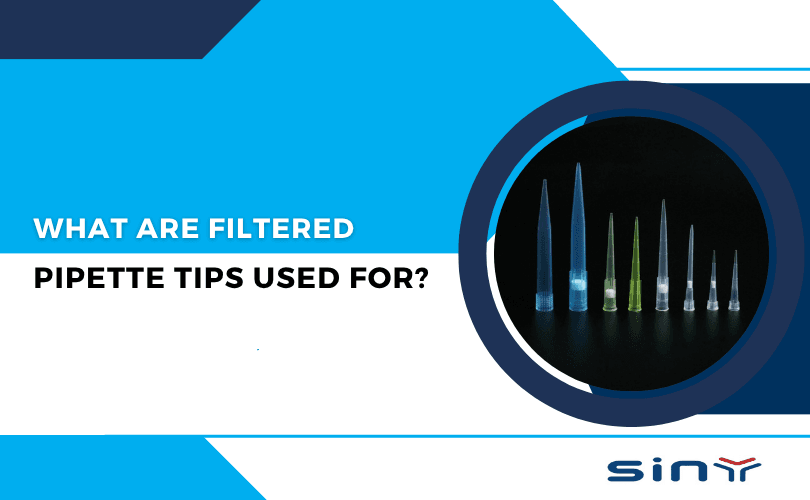
A filter pipette tip contains a hydrophobic or polyethylene filter positioned near the upper section of the tip. Unlike ordinary pipette tips, this filter creates a barrier that blocks unwanted material from entering the pipette.
The protection works in two ways:
Aerosol Prevention
When liquid is aspirated or dispensed rapidly, tiny droplets can become airborne. The filter traps these aerosols before they travel into the pipette.
Liquid Overflow Protection
Accidental over-aspiration sometimes causes liquid to move upward toward the pipette body. The filter helps prevent liquid from reaching internal mechanical components.
This dual protection offers several benefits:
- Reduced risk of cross-contamination
- Improved sample integrity
- Longer pipette lifespan
- Lower equipment maintenance costs
- Increased confidence in test results
For laboratories processing hundreds or thousands of samples per day, these advantages can translate directly into improved productivity and reduced operational risk.
Filter Pipette Tips vs. Standard Pipette Tips: Which Should You Choose?
One of the most common purchasing questions is whether filter tips are always necessary.
The answer depends largely on the application.
| Feature | Filter Pipette Tips | Standard Pipette Tips |
| Aerosol Protection | Excellent | Limited |
| Cross-Contamination Prevention | High | Moderate |
| Pipette Protection | Yes | No |
| PCR Applications | Recommended | Not Ideal |
| Routine Buffer Transfer | Suitable | Suitable |
| Cost | Higher | Lower |
Standard pipette tips remain useful for routine liquid transfers where contamination risk is minimal. Examples include transferring buffers, media preparation, or non-critical laboratory tasks.
However, when working with valuable samples, infectious materials, amplified DNA, RNA, or diagnostic specimens, filter tips often provide a level of protection that justifies the additional cost.
A failed PCR run or contaminated sequencing batch can cost far more than the difference in consumable pricing.
This is why many research institutions and clinical laboratories have adopted filter pipette tips as their standard operating procedure for critical applications.
Why Use Filter Pipette Tips in PCR, Molecular Biology, and Clinical Diagnostics?
Few laboratory environments illustrate the importance of filter tips better than molecular biology.
PCR amplification can generate billions of copies of target DNA. Even a microscopic amount of amplified DNA introduced into a future sample can produce false-positive results.
Filter tips help minimize this risk by preventing aerosolized nucleic acids from entering pipettes and contaminating subsequent reactions.
Common applications include:
PCR and qPCR
Preventing amplicon contamination is essential for accurate amplification and reliable interpretation.
Next-Generation Sequencing
Next-generation sequencing (NGS) workflows often involve precious samples and complex library preparation steps. Contamination can impact sequencing quality and downstream analysis.
Clinical Testing
Diagnostic laboratories handling patient samples require strict contamination control to maintain result accuracy.
Cell and Tissue Research
Filter tips help protect cultures from accidental exposure to contaminants carried through pipetting equipment.
Many accreditation bodies and laboratory quality systems recommend contamination prevention measures throughout sample handling procedures. Using filter pipette tips is one of the simplest and most effective methods available.
If your facility performs molecular diagnostics or life science research, investing in high-quality filter tips can help strengthen quality assurance programs while reducing costly retesting.
How to Select the Best Filter Pipette Tips for Your Laboratory
Not all filter pipette tips are manufactured to the same standard.
When evaluating suppliers, laboratory managers should consider several key factors.
Filter Quality
The filter should effectively block aerosols without restricting airflow or affecting pipetting accuracy.
Material Purity
Premium tips are typically manufactured from virgin polypropylene to ensure chemical resistance and dimensional consistency.
Sterility
Many laboratories require sterile, DNase-free, RNase-free, and endotoxin-free products.
Pipette Compatibility
Ensure the tips fit your pipette models securely and provide consistent sealing performance.
Manufacturing Standards
Look for suppliers that maintain strict quality control and traceable production processes.
Reliable laboratory consumables contribute directly to data quality. Choosing a supplier that understands laboratory requirements can help reduce variability and support long-term operational efficiency.
At Siny Medical, we understand the importance of contamination control and consistent laboratory performance. Our laboratory consumables are designed to support researchers, diagnostic laboratories, and healthcare professionals who demand dependable results.
Common Mistakes Laboratories Make When Using Filter Pipette Tips
Even the best filter tips cannot compensate for improper laboratory technique.
Some common mistakes include:
- Reusing disposable tips
- Selecting incorrect tip volumes
- Using damaged or compressed filters
- Pipetting beyond recommended capacities
- Failing to replace contaminated tips between samples
- Using non-sterile tips for sensitive workflows
Proper training and adherence to standard operating procedures remain essential.
Laboratories that combine high-quality filter pipette tips with strong pipetting practices typically achieve the most consistent and reproducible outcomes.
FAQs
Are filter pipette tips always necessary?
No. For routine liquid handling tasks with minimal contamination risk, standard pipette tips are often sufficient. Filter tips become particularly valuable in PCR, molecular biology, clinical diagnostics, and microbiology applications.
Do filter pipette tips affect pipetting accuracy?
High-quality filter tips are designed to maintain accurate airflow and should not negatively impact precision when used correctly.
Can filter pipette tips prevent all contamination?
No contamination-control method is perfect. However, filter tips significantly reduce aerosol-related contamination and help protect both samples and pipettes.
Are filter pipette tips compatible with all pipettes?
Not always. Compatibility depends on tip design and pipette brand. Laboratories should verify fit and performance before large-scale purchasing.
Why are filter pipette tips more expensive?
Additional manufacturing steps, filter materials, sterility requirements, and quality testing contribute to the higher cost. However, the protection they provide often offsets these costs by reducing failed experiments and equipment maintenance.
Should diagnostic laboratories use filter tips for every sample?
Many clinical and molecular laboratories routinely use filter tips for all patient samples to maintain the highest level of contamination control and result integrity.
Summary
For laboratories focused on accuracy, reproducibility, and contamination prevention, the answer to why use filter pipette tips is straightforward: they protect samples, safeguard pipettes, and help maintain confidence in experimental results. By creating an effective barrier against aerosols and liquid carryover, filter tips play a crucial role in modern research, diagnostics, and quality control workflows.
While standard pipette tips still have their place in routine laboratory work, filter pipette tips offer a significant advantage whenever sample integrity matters most. Choosing high-quality, reliable consumables can reduce costly errors and support long-term laboratory performance.
If you are evaluating filter pipette tips for your laboratory, Siny Medical can provide dependable laboratory consumables tailored to research, clinical, and industrial applications. Contact our team to discuss your requirements and find the right solution for your workflow.