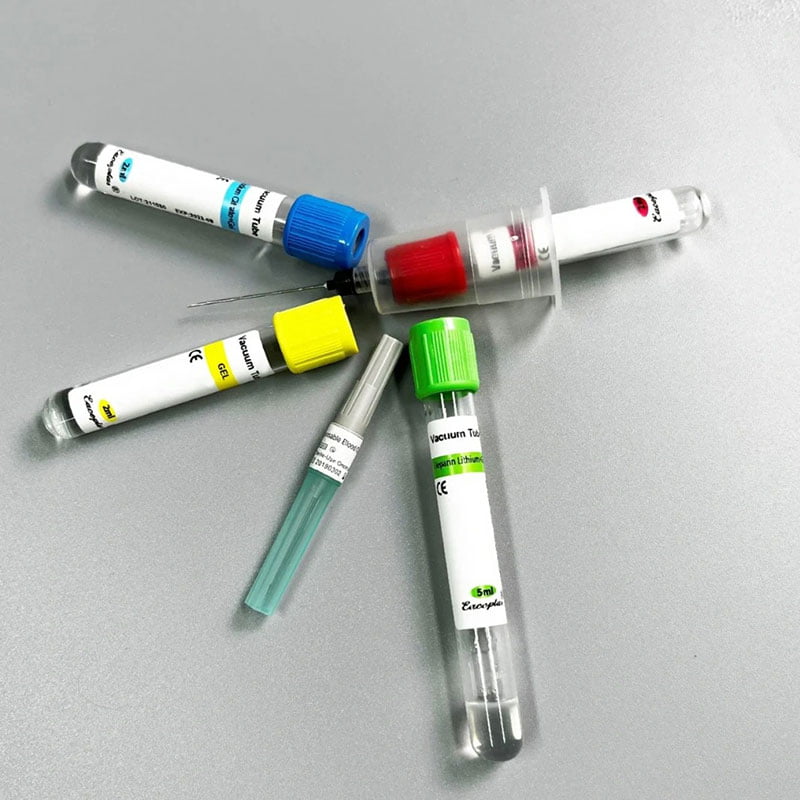
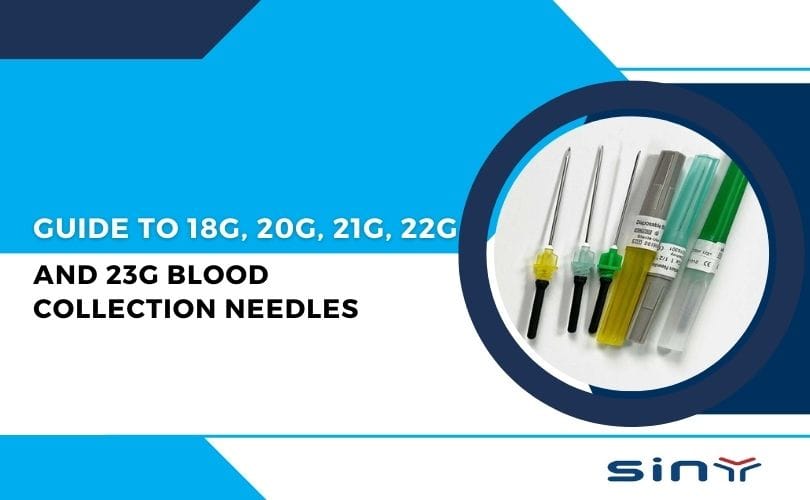
Blood tests play a vital role in diagnosis, monitoring, and treatment planning. Behind every accurate test result lies a small but essential medical device: blood collection needles. These needles, available in multiple sizes—most commonly 18G, 20G, 21G, 22G, and 23G—ensure safe and efficient blood draw procedures for different patient groups and clinical settings.
Choosing the right needle gauge is not only about patient comfort. The decision directly influences vein integrity, blood flow, and sample quality. Healthcare providers rely on trusted manufacturers like SINY Medical, which offers a wide collection of high-quality venipuncture devices, including standard blood collection needles, pen-type needles, and butterfly needles.
This guide explains each needle gauge in depth, their uses, differences, safety considerations, and how medical professionals can select the appropriate needle for different patient types. You will also find helpful internal resources such as how blood collection needles work, differences between standard and specialty needles, and product listings for procurement teams.
Table of Contents
- 1 What Are Blood Collection Needles?
- 2 Understanding Gauge Sizes: 18G to 23G
- 3 Choosing the Right Blood Collection Needle
- 4 Needle Gauge Basics: What Do Numbers Like 18G, 20G, or 23G Mean?
- 5 Types of Blood Collection Needles
- 6 Detailed Guide to Each Gauge Size
- 6.1 18G Blood Collection Needles: When Are They Used?
- 6.2 20G Blood Collection Needles: A Balance of Flow and Comfort
- 6.3 21G Blood Collection Needles: The Most Common Choice Globally
- 6.4 22G Blood Collection Needles: Best for Elderly and Thin Veins
- 6.5 23G Blood Collection Needles: For Pediatric and Delicate Veins
- 6.6 Why High-Quality Blood Collection Needles Matter
- 7 Summary
- 8 FAQs
What Are Blood Collection Needles?
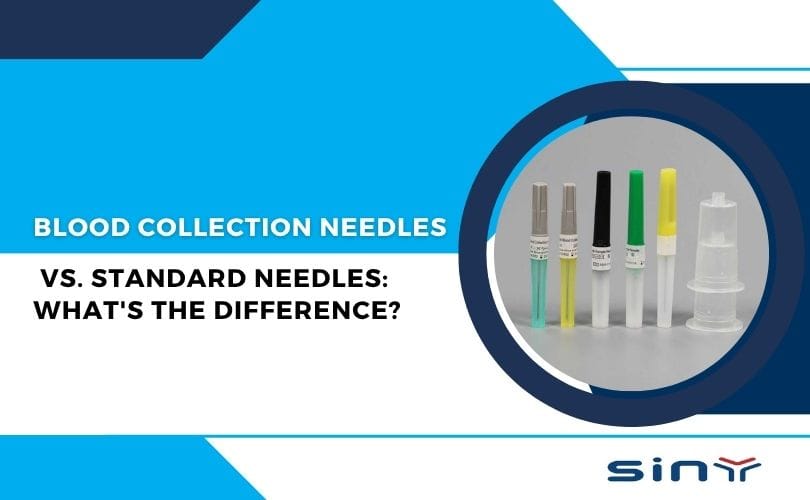
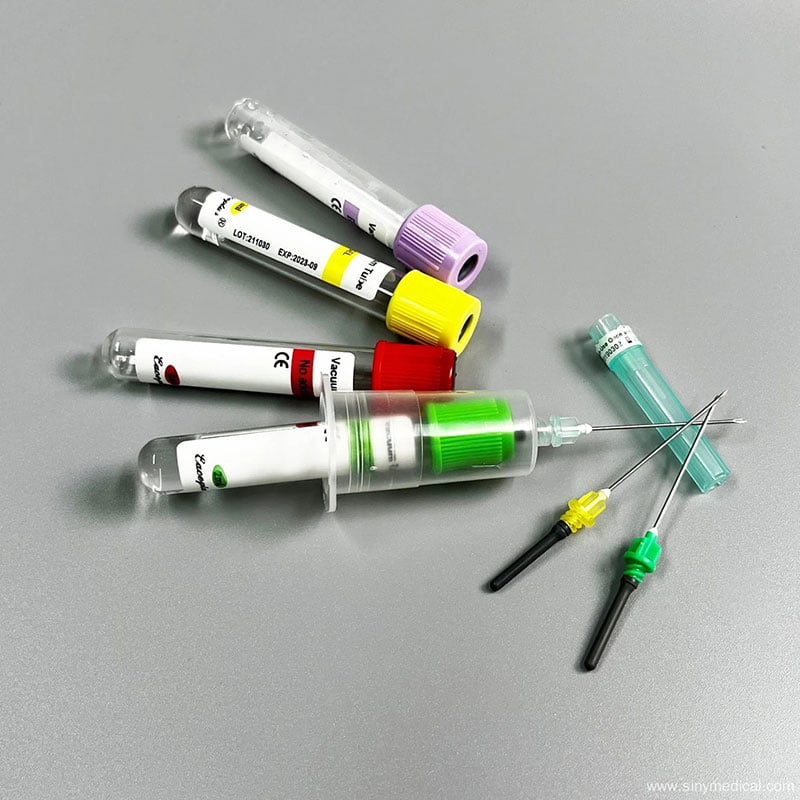
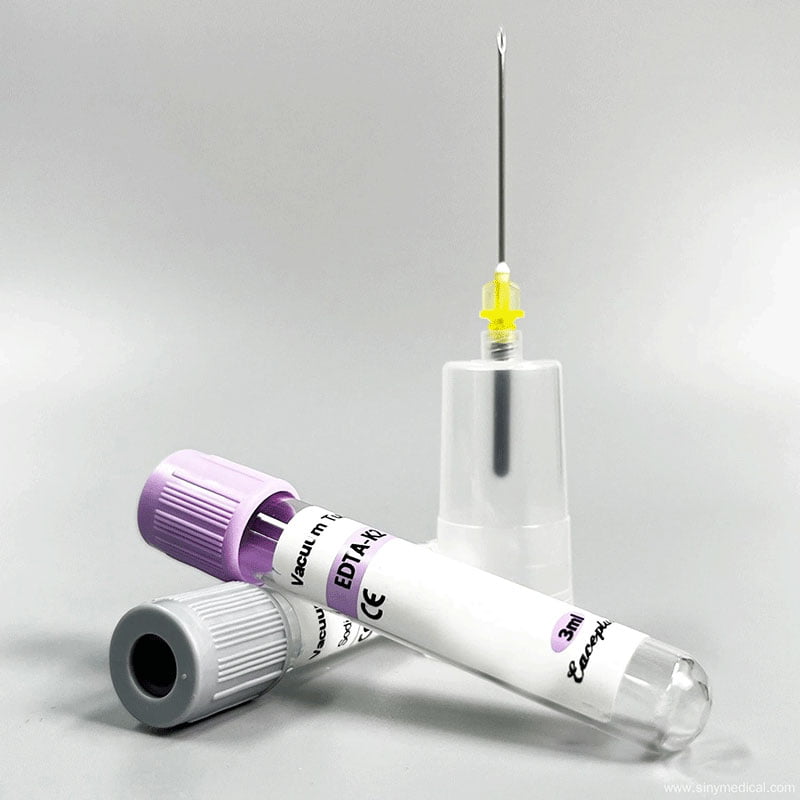
Blood collection needles are sterile, hollow, stainless steel medical devices used for venipuncture. They help draw blood safely for diagnostic testing. Most modern needles come with safety-engineered mechanisms to reduce accidental needle-stick injuries.

Healthcare facilities globally use standardized venipuncture needles designed according to ISO guidelines. Some advanced devices incorporate vacuum technology, protective sheaths, and ergonomic grips.
To understand how they function inside the body, you can explore this detailed technical guide on How Blood Collection Needles Work.
For a historical comparison, lancets—sharp, handheld devices for capillary sampling—are used differently, as described in this reference on blood lancets.
Understanding Gauge Sizes: 18G to 23G
The gauge size of a blood collection needle determines its flow rate and the comfort level of the patient. Here’s a detailed breakdown of the most common sizes:
18G Blood Collection Needles
- Diameter: 1.27 mm
- Uses: Ideal for rapid blood collection in trauma or emergency situations.
- Advantages: High flow rate, suitable for large veins.
- Disadvantages: May cause discomfort due to the larger size.
20G Blood Collection Needles
- Diameter: 0.90 mm
- Uses: Commonly used for routine blood draws in adults.
- Advantages: Balances flow rate and patient comfort.
- Disadvantages: Not suitable for smaller veins or pediatric patients.
21G Blood Collection Needles
- Diameter: 0.82 mm
- Uses: Versatile option for both adults and older children.
- Advantages: Comfortable for most patients, moderate flow rate.
- Disadvantages: Slightly slower flow compared to 18G or 20G.
22G Blood Collection Needles
- Diameter: 0.71 mm
- Uses: Preferred for pediatric patients or individuals with fragile veins.
- Advantages: Minimizes discomfort, suitable for small veins.
- Disadvantages: Slower flow rate, not ideal for large-volume draws.
23G Blood Collection Needles
- Diameter: 0.64 mm
- Uses: Best for delicate procedures or patients with very small veins.
- Advantages: Extremely comfortable, reduces the risk of vein damage.
- Disadvantages: Very slow flow rate, limited to small-volume collections.
Choosing the Right Blood Collection Needle
Selecting the appropriate needle gauge depends on several factors, including the patient’s age, vein size, and the volume of blood required. Here’s a quick guide:
- 18G: Trauma, emergency, or large-volume draws.
- 20G: Routine adult blood collection.
- 21G: General-purpose use for adults and older children.
- 22G: Pediatric or fragile veins.
- 23G: Delicate procedures or very small veins.
For more insights, check out our detailed guide on How Blood Collection Needles Work.
Needle Gauge Basics: What Do Numbers Like 18G, 20G, or 23G Mean?
The gauge number represents the diameter of the needle.
A lower gauge number means a larger diameter, while a higher gauge means a smaller diameter.
| Gauge | Outer Diameter (Approx.) | Needle Size Nature | Common Use Case |
|---|---|---|---|
| 18G | ~1.2 mm | Large | Fast blood collection, transfusion |
| 20G | ~0.9 mm | Medium-Large | Routine collection in adults |
| 21G | ~0.8 mm | Medium | Most common for venipuncture |
| 22G | ~0.7 mm | Medium-Small | Elderly, fragile veins |
| 23G | ~0.6 mm | Small | Pediatric, small veins |
This measurement affects the blood flow rate, insertion comfort, and compatibility with vein size.
Types of Blood Collection Needles
Blood collection needles come in various designs to cater to different needs:
Pen-Type Needles
Pen-type needles are compact and easy to handle, making them ideal for quick blood draws. They are often used in outpatient settings or for self-administered injections. Learn more about Pen-Type Blood Collection Needles.
Butterfly Needles
Butterfly needles, also known as winged infusion sets, are designed for patients with small or fragile veins. They feature flexible wings for better control and comfort. Explore our range of Butterfly Blood Collection Needles.
Standard Needles
Standard needles are the most commonly used type, suitable for a wide range of procedures. They are versatile and cost-effective. Discover the Specifications of Blood Collection Needles.
Detailed Guide to Each Gauge Size
Below is a complete breakdown of 18G, 20G, 21G, 22G, and 23G blood collection needles, including their recommended applications.
18G Blood Collection Needles: When Are They Used?
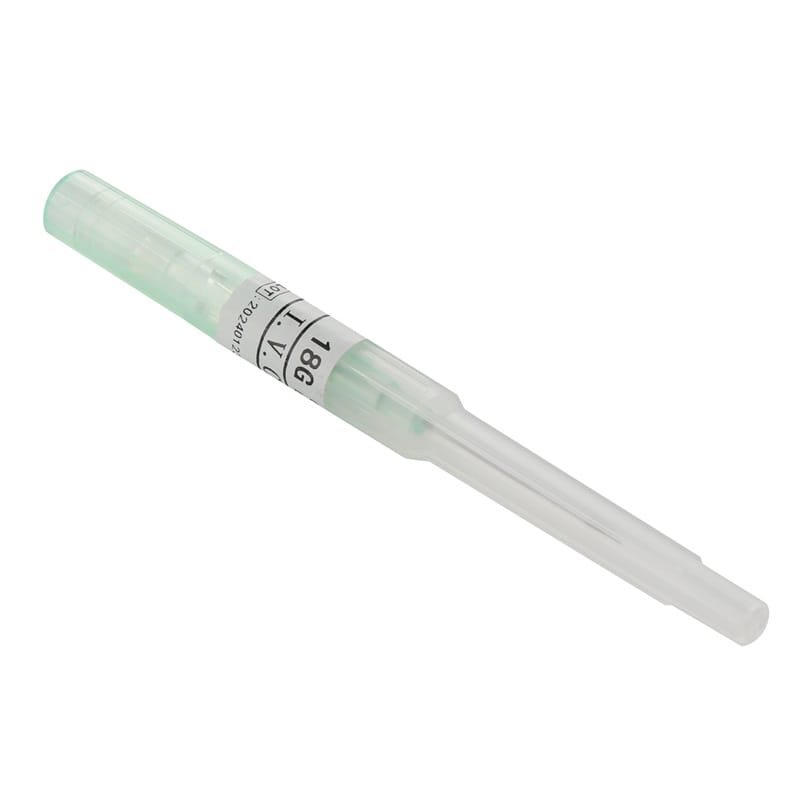
The 18G needle is one of the largest commonly used sizes. It is rarely used for routine venipuncture because of its wider diameter, but it has important specialty applications.
Typical Uses of 18G Needles
Healthcare providers usually choose them when:
- Rapid blood withdrawal is needed
- Large-volume blood collection is required
- Blood donors must be processed quickly
- Trauma or emergency cases demand faster transfusion
The faster flow rate reduces the time needed to collect large blood volumes. However, due to patient discomfort, 18G needles are not preferred for individuals with narrow or delicate veins.
20G Blood Collection Needles: A Balance of Flow and Comfort
A 20G needle is slightly smaller than the 18G version. It still ensures a fast flow rate but offers improved patient comfort, making it suitable for routine venipuncture in adults.
Typical Uses
- General diagnostic testing in hospitals
- Blood donation facilities
- Normal adult veins
- Situations requiring quick sample collection
Clinical staff appreciate the balance between comfort and efficiency, especially in busy diagnostic centers.
21G Blood Collection Needles: The Most Common Choice Globally
Clinicians worldwide agree that the 21G blood collection needle is the ideal size for most adults. This gauge offers the perfect combination of:
- Optimal blood flow
- Minimal discomfort
- Reduced risk of hemolysis
- Reliable sample quality
You can view specifications and available options in SINY Medical’s blood collection needle catalog.
Why 21G Is Preferred
- Suitable for the majority of adult veins
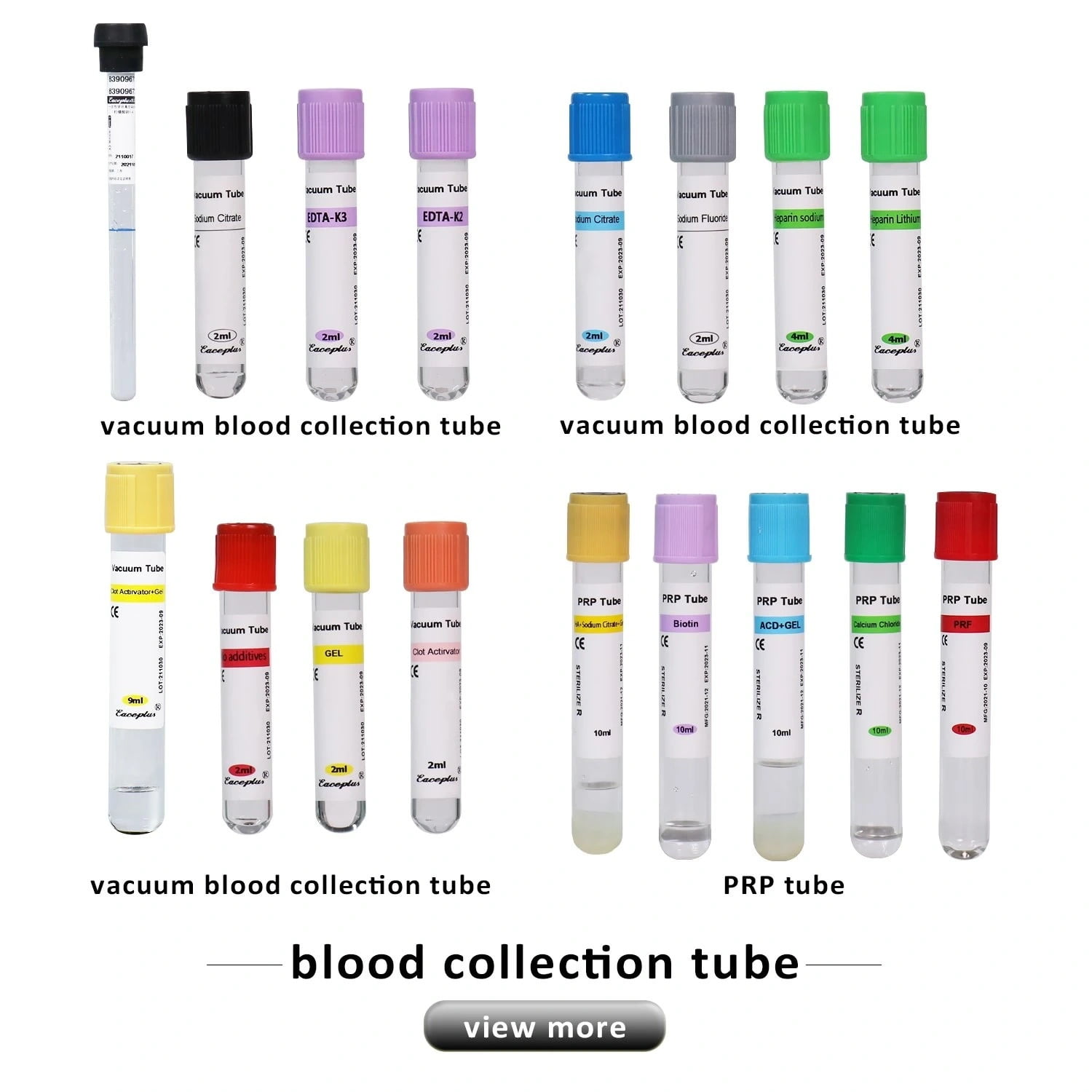
- Compatible with vacuum tubes
- Ensures consistent sample quality
- Reduces clotting or hemolysis risk
Because of these advantages, most training guidelines recommend the 21G for routine venipuncture.
22G Blood Collection Needles: Best for Elderly and Thin Veins
A 22G needle is smaller and therefore ideal for:
- Elderly patients
- Patients with fragile veins
- Oncology patients
- Individuals with difficult wrist or hand veins
Although it provides a slightly slower flow, the narrower diameter helps prevent vein collapse. This gauge is also a preferred option for children older than toddlers.
23G Blood Collection Needles: For Pediatric and Delicate Veins
The 23G gauge is commonly used in pediatrics and extremely delicate veins. Many clinicians pair this gauge with butterfly blood collection needles, which are more flexible and provide controlled insertion.
You can explore butterfly options here:
Butterfly Blood Collection Needles
Best Uses for 23G
- Infants and toddlers
- Very thin or rolling veins
- Patients with compromised vascular health
- Situations requiring slow, careful extraction
Although the flow rate is slower, it significantly enhances patient comfort and reduces trauma.
Why High-Quality Blood Collection Needles Matter
High-quality needles help ensure:
- Smooth venipuncture
- Accurate laboratory results
- Reduced hemolysis
- Greater patient satisfaction
- Lower procedural complications
Lower-grade needles may cause pain, vein trauma, or sample contamination. Quality devices are sharpened precisely and coated for smoother insertion.
Procurement teams can browse available product categories here:
https://www.sinymedical.com/product-category/blood-collection-needle/
Summary
Understanding the differences between 18G, 20G, 21G, 22G, and 23G blood collection needles is crucial for ensuring efficient and comfortable blood draws. Whether you’re dealing with trauma cases, routine collections, or pediatric patients, selecting the right gauge can make all the difference. For high-quality blood collection needles, explore our extensive product range at Siny Medical.
FAQs
1. What is the best gauge for routine blood collection?
The 21G blood collection needle is the best choice for most adult venipuncture procedures because it offers the perfect balance of comfort and flow rate.
2. Are smaller blood collection needles more comfortable?
Yes. Higher gauge blood collection needles such as 22G or 23G are smaller and therefore more comfortable for fragile or pediatric veins.
3. Can using the wrong gauge of blood collection needles affect test results?
Using an improper gauge may increase hemolysis or slow the draw, affecting sample integrity. Therefore, selecting the right blood collection needles is essential for quality results.
4. Are butterfly needles better for children?
Butterfly blood collection needles are preferred for children because they offer better control and reduce vein trauma.