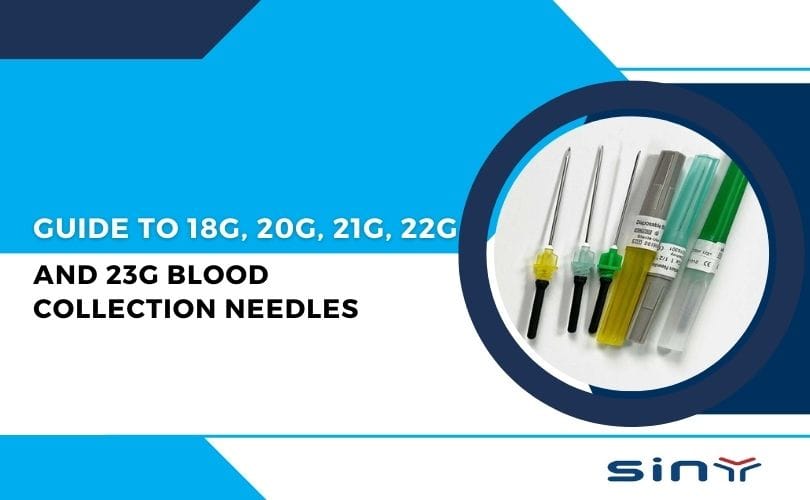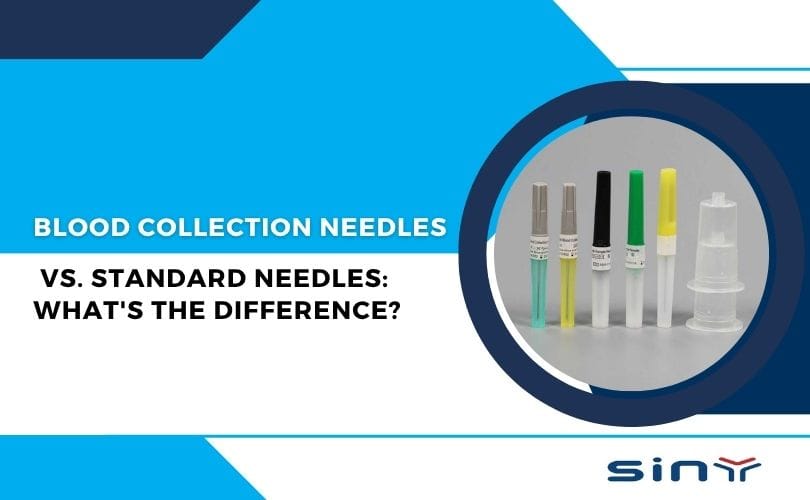
The healthcare industry is experiencing a significant transformation in how blood samples are collected from patients. Medical facilities worldwide are increasingly adopting pen type blood collection needles as their primary tool for venipuncture procedures. This shift represents more than just a preference change—it reflects a comprehensive evolution in patient care standards, healthcare worker safety protocols, and clinical efficiency requirements.
Traditional blood collection methods have served the medical community for decades, but modern healthcare demands require tools that offer superior precision, enhanced safety features, and improved patient comfort. The innovative design of pen type blood collection needles addresses these needs while simultaneously reducing the risk of needlestick injuries and streamlining the entire blood collection process. As hospitals continue to prioritize both patient experience and staff safety, the transition to pen-style devices has become not just beneficial but essential for maintaining competitive healthcare standards.
Understanding why medical institutions are making this switch requires examining multiple factors—from ergonomic advantages and safety improvements to cost-effectiveness and regulatory compliance. This comprehensive exploration reveals how pen type blood collection needles are revolutionizing phlebotomy practices and setting new benchmarks for blood collection procedures across healthcare settings.
Table of Contents
- 1 The Evolution of Blood Collection Technology in Modern Healthcare
- 2 Understanding the Design Superiority of Pen Type Blood Collection Needles
- 3 Enhanced Safety Features Protecting Healthcare Workers
- 4 Improved Patient Comfort and Satisfaction Outcomes
- 5 Clinical Efficiency and Workflow Optimization Benefits
- 6 Comparing Pen Type Needles to Traditional and Butterfly Systems
- 7 Regulatory Compliance and Industry Standards
- 8 Market Momentum and Future Trends in Blood Collection
- 9 Selecting the Right Pen Type Blood Collection Needles: A Procurement Guide
- 10 Summary
- 11 FAQs
- 11.0.1 1. Are pen type needles safer than traditional needles?
- 11.0.2 2. Can pen type needles be used for all patients?
- 11.0.3 3. How do pen type needles improve workflow efficiency?
- 11.0.4 4. Are pen type needles compatible with all blood collection tubes?
- 11.0.5 5. Where can I purchase high-quality pen type needles?
The Evolution of Blood Collection Technology in Modern Healthcare
Blood collection technology has undergone remarkable transformations since the early days of modern medicine. The journey from simple hollow needles to today’s sophisticated pen type blood collection needles reflects decades of research, clinical feedback, and engineering innovation. Early blood collection methods were often painful, inefficient, and posed significant risks to both patients and healthcare workers.

The introduction of vacuum tube systems in the mid-20th century marked a pivotal advancement, allowing for more controlled and sterile sample collection.
As awareness of bloodborne pathogen transmission grew during the 1980s and 1990s, the medical device industry recognized an urgent need for safer blood collection instruments. This recognition sparked intensive research into ergonomic designs that could reduce needlestick injuries while improving collection success rates.
The emergence of pen-style designs represented a breakthrough in addressing these multifaceted challenges. By reimagining the physical form factor of blood collection devices, manufacturers created tools that felt more natural in the hand, offered better angle control, and incorporated advanced safety mechanisms.
Modern blood collection needles now incorporate features that would have seemed futuristic just two decades ago. Automated safety shields, visual indicators, and ergonomic grips have transformed what was once a straightforward but risky procedure into a safer, more reliable process. The pen-style configuration specifically addresses the biomechanical challenges phlebotomists face during thousands of blood draws throughout their careers.
Healthcare facilities that have embraced this technology report substantial improvements across multiple metrics. Success rates for first-attempt venipuncture have increased, patient satisfaction scores have risen, and most significantly, needlestick injury rates have declined.
Understanding the Design Superiority of Pen Type Blood Collection Needles
The superior design of pen type blood collection needles stems from careful consideration of human factors engineering and clinical workflow requirements. Unlike traditional straight needles that require awkward wrist angles and precise manual dexterity, pen-style devices align naturally with the hand’s resting position, reducing muscular strain during repetitive procedures.

Ergonomic advantages are immediately apparent when comparing the two designs. The pen configuration allows phlebotomists to maintain a neutral wrist position throughout the blood draw procedure, significantly reducing the risk of repetitive strain injuries.
Weight distribution represents another critical design element. Pen-style devices typically feature balanced weight that reduces hand fatigue during extended use sessions.
The angle control facilitated by pen-type designs cannot be overstated. Achieving the optimal 15-30 degree insertion angle is intuitive with a pen-style device, as it mirrors the natural writing position most people have practiced since childhood.
Visual alignment features built into many pen-type needles allow phlebotomists to better judge insertion depth and trajectory. Some designs incorporate transparent or semi-transparent housings that provide visual feedback about successful vein access through blood flashback confirmation.
Safety integration represents perhaps the most significant design advantage. Pen type blood collection needles typically incorporate passive or semi-active safety mechanisms that don’t require separate activation steps. The safety shield deploys automatically or with minimal user action, protecting the sharp immediately after withdrawal from the patient.
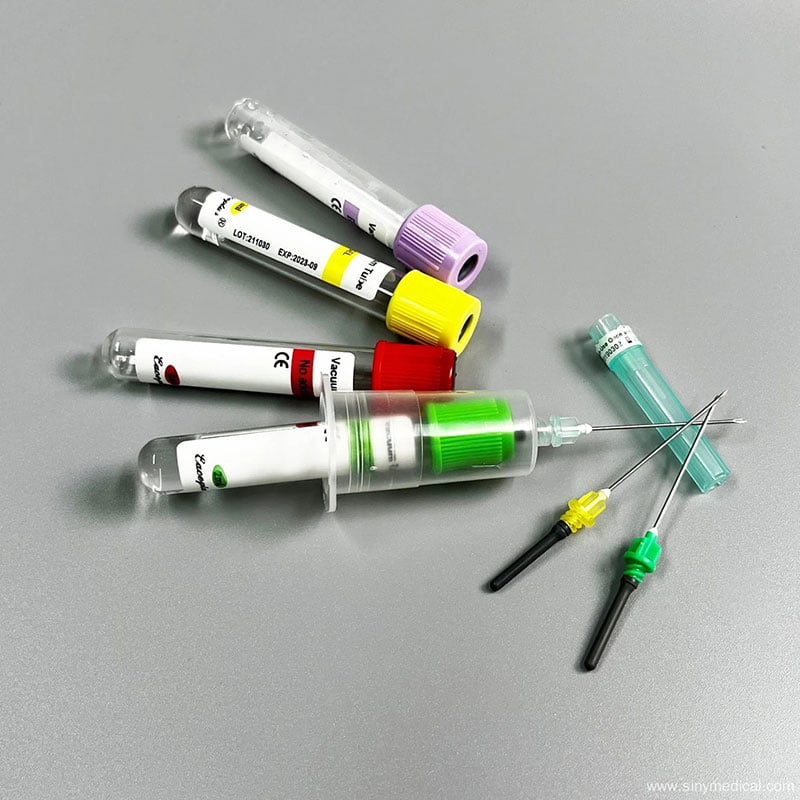
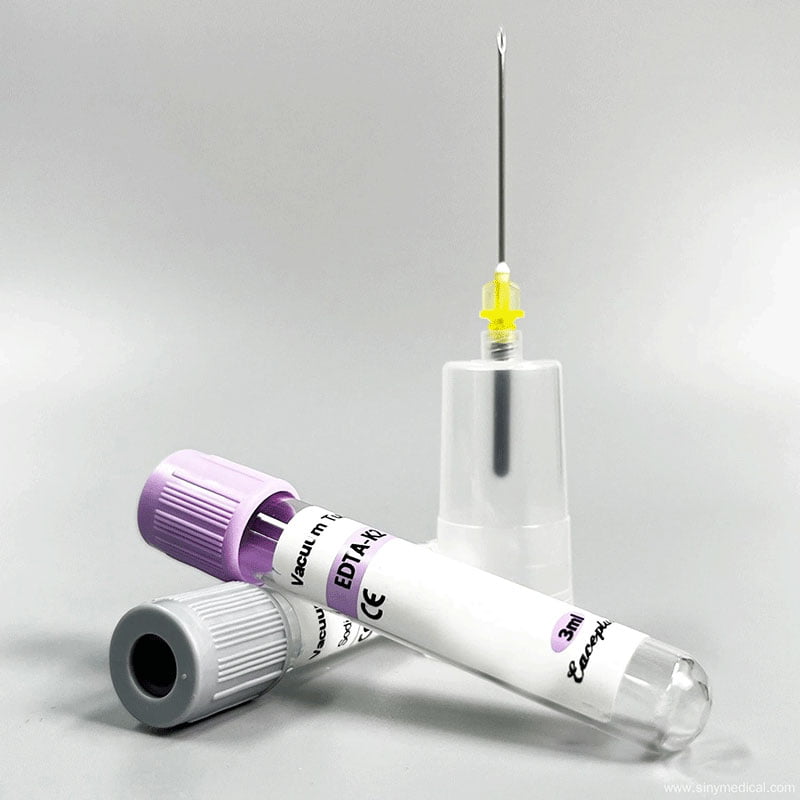
The compatibility of pen-type designs with standard blood collection tubes and vacuum systems ensures seamless integration into existing laboratory workflows.
Enhanced Safety Features Protecting Healthcare Workers
Healthcare worker safety has become a paramount concern in modern hospital settings, particularly regarding exposure to bloodborne pathogens. Pen type blood collection needles address this critical issue through multiple layers of engineered safety features that dramatically reduce needlestick injury risks compared to conventional devices.
Needlestick injuries represent one of the most serious occupational hazards in healthcare, with the Centers for Disease Control and Prevention estimating that healthcare workers in the United States experience approximately 385,000 needlestick and other sharps-related injuries annually.
The automatic safety shield mechanism incorporated into quality pen-type needles provides immediate protection upon withdrawal from the patient’s vein.
Single-handed activation represents another crucial safety advantage. Many pen-type designs allow the phlebotomist to secure the sharp using only the hand holding the device, without requiring the other hand to assist.
The safety features of pen type blood collection needles extend beyond the basic shield mechanism. Many designs incorporate audible or tactile feedback that confirms proper safety activation.
The visual confirmation systems built into transparent safety shields allow for immediate verification of successful deployment without requiring direct handling.
Shield coverage area in well-designed pen-type needles extends beyond just the needle tip to encompass the entire exposed sharp length.
Regulatory compliance represents another dimension of safety feature importance. Many jurisdictions now mandate the use of safety-engineered sharps devices in healthcare settings. Pen type blood collection needles that meet or exceed these regulatory requirements help hospitals maintain compliance with occupational safety regulations and avoid potential penalties or liability issues.
Improved Patient Comfort and Satisfaction Outcomes
Patient experience has become a critical metric in healthcare quality assessment, with satisfaction scores directly impacting hospital reimbursement rates and public perception. The transition to pen type blood collection needles contributes significantly to improved patient comfort during venipuncture procedures, an often-dreaded aspect of medical care.
Anxiety reduction begins before the needle ever touches the patient’s skin. The pen-style design presents a less intimidating visual profile compared to traditional straight needles attached to larger holders.
First-stick success rates improve dramatically with pen-type needles due to their enhanced control characteristics. Successful venipuncture on the first attempt means patients avoid the discomfort and stress of multiple needle insertions.
Needle gauge optimization becomes more practical with pen-type designs. The enhanced control allows phlebotomists to confidently use smaller gauge needles (higher gauge numbers) for routine blood draws, as the precision of the device compensates for the thinner cannula.
The stability during collection provided by well-balanced pen-type needles reduces movement at the insertion site. Even small needle movements can cause discomfort and increase the risk of vein damage or sample hemolysis.
Post-procedure comfort also improves with pen-type needles due to cleaner puncture wounds and reduced tissue trauma. Patients report less residual soreness at the venipuncture site and experience fewer complications such as bruising or prolonged bleeding.
Patient satisfaction surveys consistently show higher approval ratings when pen-type devices are used. Healthcare facilities implementing specification-compliant blood collection needles report measurable improvements in patient experience scores, particularly in questions related to procedure comfort and staff competence.
The communication advantage provided by pen-type needles also enhances patient comfort indirectly. When phlebotomists feel confident in their tools and technique, they communicate that confidence to patients through their demeanor and explanation of the procedure.
Clinical Efficiency and Workflow Optimization Benefits
Healthcare efficiency directly impacts patient outcomes, staff satisfaction, and institutional financial performance. The adoption of pen type blood collection needles creates measurable workflow improvements that benefit every stakeholder in the blood collection process, from phlebotomists to laboratory technicians to hospital administrators.
Time per procedure decreases significantly when using pen-type designs. The intuitive handling reduces fumbling with device components, and the improved first-stick success rates eliminate time spent on repeated venipuncture attempts.
The setup efficiency of pen-type needles contributes to these time savings. Many designs feature streamlined packaging that allows for quick preparation and minimal waste.
Standardization benefits emerge when healthcare facilities commit to pen-type needle systems across all phlebotomy areas. Consistent equipment across inpatient units, outpatient laboratories, and emergency departments reduces training complexity and allows staff to move between departments without learning different systems.
Inventory management simplifies when facilities standardize on pen-type systems. Fewer SKUs to stock and track reduces procurement complexity and minimizes the risk of running out of specific needle types. Centralized purchasing of blood collection needle products from manufacturers creates economies of scale that improve budget predictability.
Quality improvement initiatives benefit from the consistency of pen-type needle performance. Standardized outcomes across different operators reduce variability in specimen quality and patient experience.
The scalability of pen-type needle systems supports institutional growth without proportional increases in complications or quality issues.
Integration with laboratory information systems becomes more seamless when specimen collection uses standardized, reliable equipment.
Staff morale and retention improve in environments with efficient workflows and quality equipment. Phlebotomists appreciate tools that make their jobs easier and protect their safety.
Comparing Pen Type Needles to Traditional and Butterfly Systems
Understanding how pen type blood collection needles compare to alternative systems helps healthcare decision-makers select appropriate devices for their specific clinical environments.
Traditional straight needles with separate holders represent the conventional approach that dominated phlebotomy for decades. These systems require the phlebotomist to screw the needle into the holder, creating a functional but less ergonomic assembly.
The butterfly blood collection needle system offers unique benefits for specific clinical situations. The winged design provides excellent control for difficult venipuncture scenarios such as hand veins, small pediatric vessels, or fragile geriatric access sites. The flexible tubing between the needle and collection tube allows for greater positioning flexibility during challenging blood draws.
Pen type blood collection needles synthesize advantages from both alternative systems while addressing their limitations. The integrated ergonomic design surpasses traditional straight needles for ease of use and reduced operator fatigue.
Application-specific considerations should guide needle selection. Butterfly systems remain preferred for extremely difficult access situations where the tubing flexibility proves crucial.
Training requirements vary across needle types. Traditional systems have the advantage of familiarity among experienced staff but require significant training for new phlebotomists to master the ergonomic challenges.
Cost per procedure calculations should account for all associated expenses, not just device purchase price. Butterfly systems typically cost significantly more per unit, making them impractical for routine use despite their specialized advantages.
Patient perception differences among needle types influence anxiety and satisfaction. The winged appearance of butterfly needles can actually increase anxiety for some patients despite the devices’ gentle performance.
Regulatory Compliance and Industry Standards
Regulatory compliance represents a non-negotiable requirement for medical devices used in healthcare settings. Pen type blood collection needles must meet stringent standards established by regulatory bodies worldwide, ensuring safety, efficacy, and quality across all manufactured units.
FDA clearance in the United States requires manufacturers to demonstrate that their blood collection needles are substantially equivalent to existing devices or meet specific performance criteria through clinical testing. Quality pen-type needle manufacturers maintain current FDA registrations and comply with Good Manufacturing Practice (GMP) requirements that ensure consistent product quality. Healthcare institutions should verify FDA clearance status before purchasing any blood collection device.
CE marking requirements in the European Union mandate conformity with Medical Device Regulation (MDR) standards. These comprehensive requirements address biocompatibility, sterility, packaging integrity, labeling accuracy, and clinical performance. CE-certified pen type needles undergo rigorous evaluation by notified bodies to ensure they meet all applicable Essential Requirements before receiving authorization for European market distribution.
ISO 13485 certification demonstrates that manufacturers maintain quality management systems specifically designed for medical device production. This international standard addresses all aspects of design, production, storage, and distribution, ensuring consistency across manufacturing lots and geographic locations. Healthcare procurement specialists should prioritize suppliers with current ISO 13485 certification as evidence of systematic quality control.
ISO 9001 quality standards provide additional assurance of overall organizational quality management. While less specific to medical devices than ISO 13485, this broader certification indicates commitment to continuous improvement, customer satisfaction, and systematic process management. Reputable manufacturers typically maintain both ISO certifications as complementary quality assurance frameworks.
Market Momentum and Future Trends in Blood Collection
The shift towards Pen Type Blood Collection Needles is not anecdotal; it is a demonstrable global market trend. Market analysis and industry reports confirm that this segment of the medical device market is experiencing robust growth, primarily fueled by hospital adoption.
Market Drivers and Projections
The global market for pen-type blood collection devices is projected to continue its significant expansion, with a strong Compound Annual Growth Rate (CAGR) anticipated over the next decade. Key factors fueling this growth are directly tied to the advantages discussed:
- Increased Prevalence of Chronic Diseases: The rise in chronic conditions like diabetes and cardiovascular disease necessitates frequent, routine blood monitoring and sampling, driving demand for efficient, high-volume collection systems.
- Governmental Safety Regulations: Stricter occupational safety laws in North America and Europe specifically mandate the use of safety-engineered devices to prevent NSIs, accelerating the replacement of traditional needles.
- Focus on Patient-Centric Care: The demand for minimally invasive, less painful procedures is influencing purchasing decisions in healthcare systems that prioritize patient satisfaction scores.
Hospitals as the Leading Segment
Market reports consistently identify the “Hospital” application segment as the largest consumer and primary growth driver for these devices. This dominance is due to several critical factors:
- High Procedure Volume: Hospitals—including their inpatient, outpatient, and emergency departments—perform the highest volume of blood draws, where efficiency gains translate into massive operational savings.
- Sophisticated Infrastructure: Hospitals are typically the first to adopt advanced, safety-engineered technology to protect their large workforce and manage regulatory compliance.
- Integration with Diagnostic Equipment: The vacuum blood collection system, which the pen-type needle facilitates, is perfectly integrated with automated laboratory processing equipment, ensuring a streamlined lab workflow.
For hospitals seeking a reliable, high-volume supplier of these essential devices, exploring a certified manufacturer like Siny Medical is a crucial step in preparing for the future of phlebotomy. We invite you to view the specification of blood collection needle products available, including various gauges and lengths.
Selecting the Right Pen Type Blood Collection Needles: A Procurement Guide
For procurement specialists and hospital administrators, choosing the right blood collection needle is a decision that balances cost, safety, and performance. When evaluating potential products, there are essential quality and design features that should be non-negotiable.
Checklist for Quality and Compliance
When evaluating a supplier like Siny Medical, ensure the products meet these critical international standards:
- Safety Mechanism Reliability: The mechanism must be instant, irreversible, and intuitive. Test the ease of engagement; it should not require a complicated maneuver.
- Sterilization Method: Confirm that the needles are sterilized using Ethylene Oxide (EO) gas or equivalent validated methods, ensuring a sterile, non-pyrogenic product.
- Material Quality: The cannulas should be made of high-quality medical-grade stainless steel (SUS304), and the hub and cap from medical-grade PP/ABS for durability and safety.
- Certifications: The manufacturer and product must possess reputable international certifications, such as CE Marking and ISO certification, confirming compliance with stringent quality and safety standards.
- Gauges and Compatibility: The available range must include all common gauges (e.g., 20G, 21G, 22G, 23G) and be fully compatible with the standard range of blood collection tubes used in your facility.
By prioritizing these features, hospitals ensure they are not only improving safety but also investing in high-quality medical consumables that will deliver reliable, consistent performance.
Summary
The shift to pen type blood collection needles reflects the healthcare industry’s commitment to safety, efficiency, and patient comfort. These innovative devices offer numerous advantages over traditional needles, including advanced safety features, ergonomic design, and improved precision.
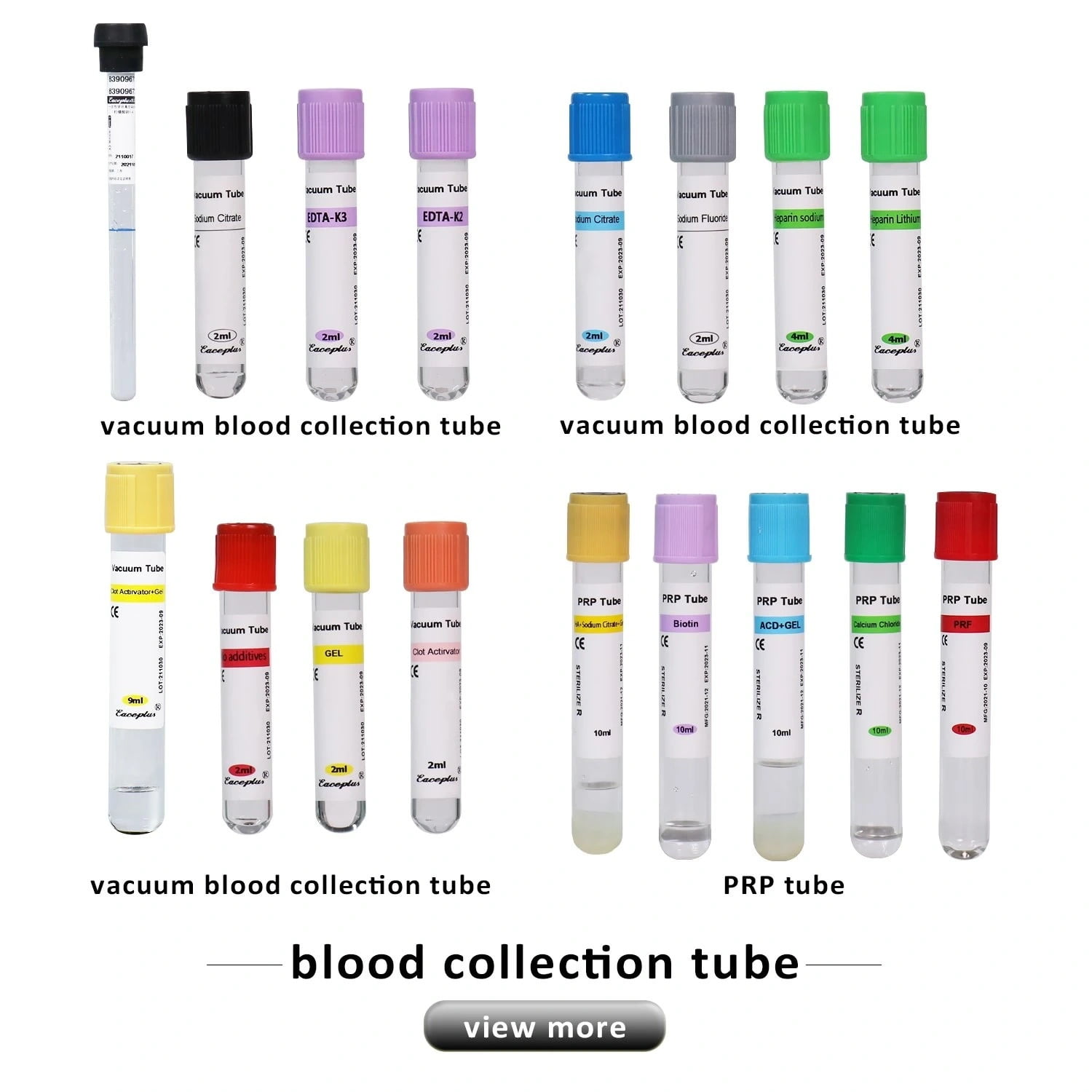
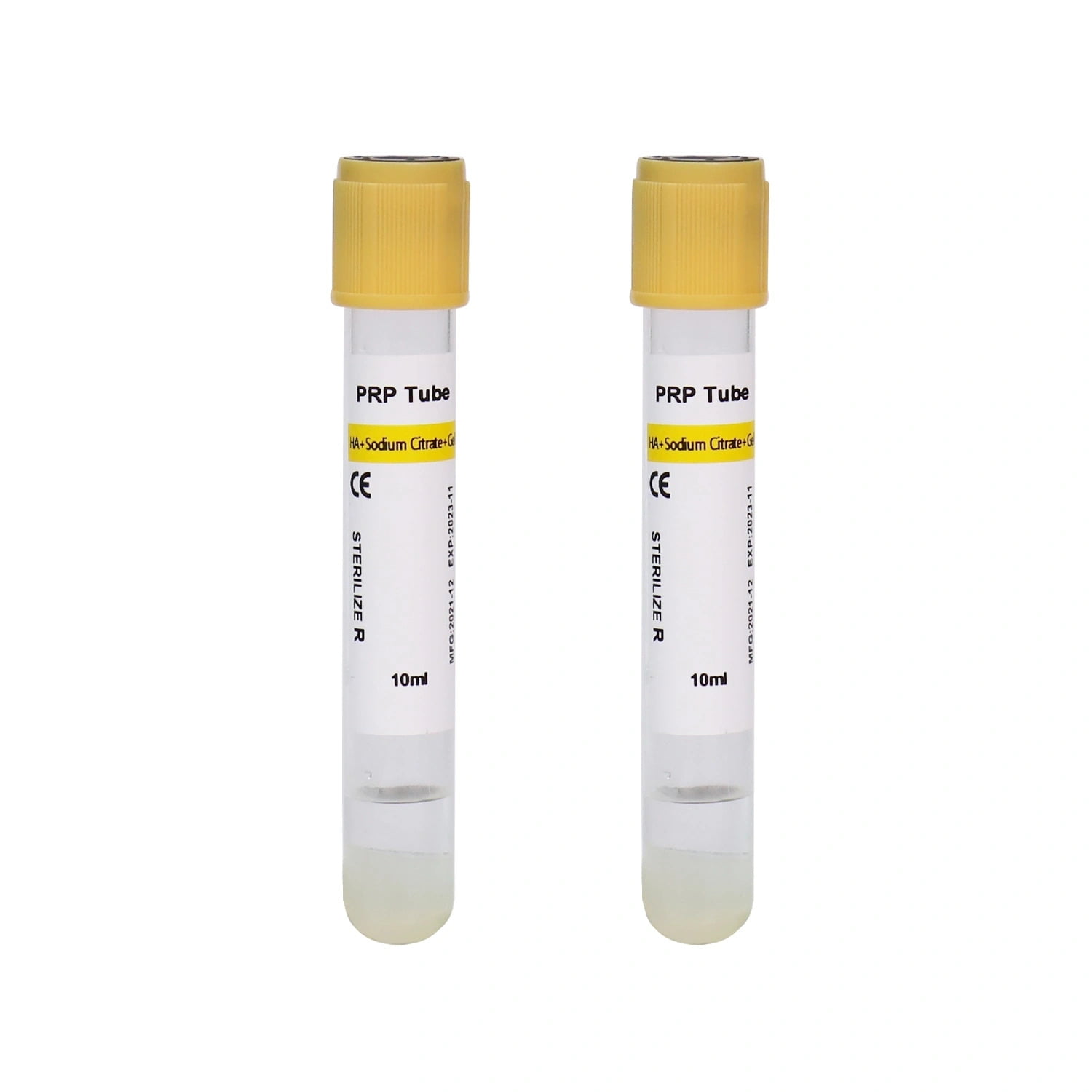
At Siny Medical, we are dedicated to providing high-quality medical devices that meet the evolving needs of healthcare professionals. Explore our range of pen type blood collection needles and blood collection tubes to enhance your phlebotomy process.
For further inquiries, feel free to Contact Siny Medical or visit our YouTube Channel for more insights.
For more information on our products, visit Siny Medical’s Official Website or our Made-in-China Page.
FAQs
1. Are pen type needles safer than traditional needles?
Yes, pen type needles are equipped with advanced safety features that reduce the risk of needlestick injuries.
2. Can pen type needles be used for all patients?
Yes, their ergonomic design makes them suitable for all age groups, including children and the elderly.
3. How do pen type needles improve workflow efficiency?
Their precision and ease of use allow healthcare professionals to complete blood draws more quickly and accurately.
4. Are pen type needles compatible with all blood collection tubes?
Yes, they are compatible with vacuum blood collection tubes, ensuring a seamless process.
5. Where can I purchase high-quality pen type needles?
You can purchase reliable pen type needles from Siny Medical.