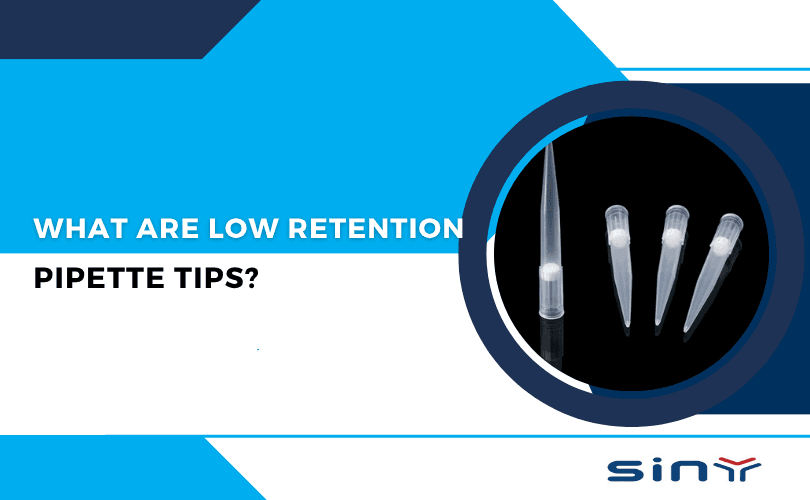
In modern laboratory workflows, precision is everything. Whether you are working with DNA samples, proteins, or sensitive reagents, even a small loss of liquid can significantly impact results. This is where low retention pipette tips come into play. Designed to minimize sample adhesion, these specialized tips are becoming an essential tool in molecular biology, clinical diagnostics, and pharmaceutical research.
If you are sourcing laboratory consumables and trying to choose the right pipette tips, understanding how low retention tips work—and when to use them—can make a real difference in both performance and cost efficiency.
Table of Contents
- 1 What Are Low Retention Pipette Tips and Why Do They Matter?
- 2 How Do Low Retention Pipette Tips Work?
- 3 Applications of Low Retention Pipette Tips in Modern Labs
- 4 Low Retention vs Standard Pipette Tips: What’s the Difference?
- 5 How to Choose the Right Low Retention Pipette Tips
- 6 Why Low Retention Pipette Tips Are Worth the Investment
- 7 FAQ: Low Retention Pipette Tips
- 7.1 1. Are low retention pipette tips necessary for all experiments?
- 7.2 2. Do low retention tips affect pipetting accuracy?
- 7.3 3. Are silicone-coated tips safe for molecular biology?
- 7.4 4. What is the difference between filtered and low retention tips?
- 7.5 5. Can low retention tips reduce reagent costs?
- 8 Final Thoughts
What Are Low Retention Pipette Tips and Why Do They Matter?
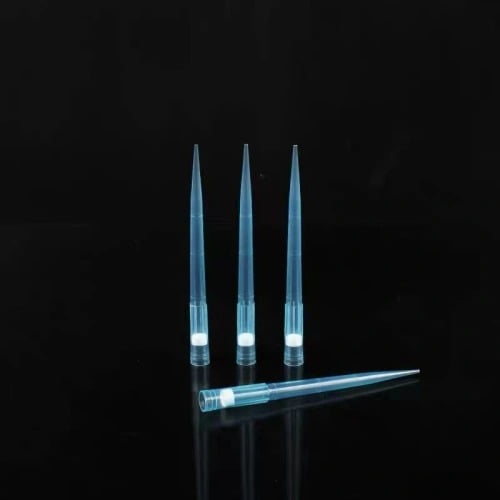
Low retention pipette tips are specially engineered tips designed to reduce liquid residue inside the tip after dispensing. Unlike standard pipette tips, which can retain droplets due to surface tension and material interaction, low retention tips feature modified inner surfaces that allow liquids to flow more completely.
In practical terms, this means:
- More accurate dispensing volumes
- Reduced sample waste
- Improved experimental consistency
This is especially critical when working with:
- Viscous liquids (like glycerol or enzymes)
- Low-volume samples
- Expensive reagents
For laboratories that rely on reproducibility, switching to low retention tips is not just an upgrade—it’s often a necessity. If you’re evaluating suppliers, exploring reliable options through Siny Medical can help ensure consistency across batches and applications.

How Do Low Retention Pipette Tips Work?
The performance of low retention pipette tips comes down to surface science. Standard polypropylene tips naturally attract certain liquids, especially those containing proteins or nucleic acids. Low retention tips address this issue through specialized treatments.
There are typically two main approaches:
1. Surface Modification (Non-silicone)
Modern low retention tips often use polymer modification technology, creating a hydrophobic inner surface that reduces interaction between the liquid and the plastic.
2. Silicone Coating (Traditional Method)
Some older designs use a thin silicone layer to reduce adhesion. However, this approach may introduce contamination risks in sensitive assays.
Because of this, many laboratories now prefer silicone-free low retention pipette tips, especially in PCR and molecular diagnostics.
The result is simple:
Liquids slide off the inner wall more easily, leaving minimal residue and improving dispensing accuracy.
Applications of Low Retention Pipette Tips in Modern Labs
Low retention pipette tips are not necessary for every task—but in certain applications, they can significantly improve outcomes.
Common use cases include:
1. PCR and qPCR workflows
In amplification reactions, even tiny volume inconsistencies can affect results. Low retention tips help ensure that the full sample is transferred.
2. DNA and RNA handling
Nucleic acids tend to bind to plastic surfaces. Using low retention tips minimizes sample loss and improves yield.
3. Protein and enzyme assays
Proteins are particularly prone to sticking to surfaces. Low retention tips reduce adsorption, ensuring better accuracy.
4. Handling viscous liquids
Liquids like glycerol, buffers, and reagents with high viscosity benefit significantly from improved flow characteristics.
For laboratories running high-throughput experiments, the cumulative effect of reduced sample loss can translate into substantial cost savings over time.

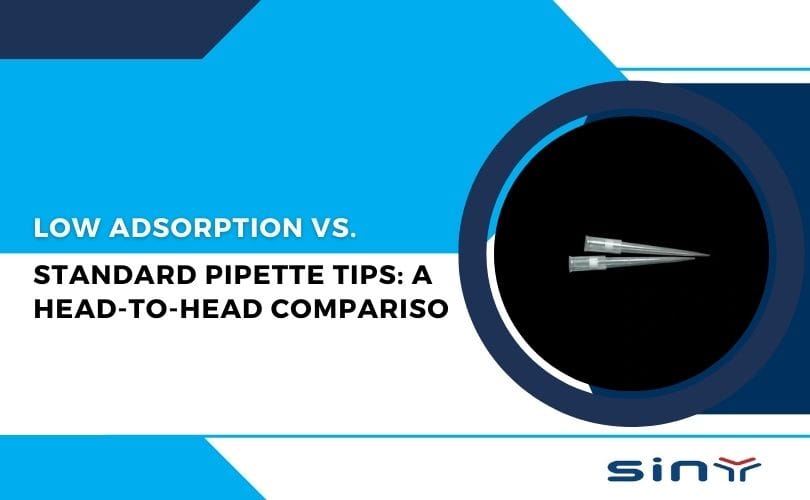
Low Retention vs Standard Pipette Tips: What’s the Difference?
Understanding the difference between standard and low retention pipette tips helps clarify when the upgrade is worthwhile.
Key differences:
- Liquid release
Low retention tips release nearly all liquid; standard tips often leave residue. - Accuracy
Improved precision, especially in small volumes. - Sample recovery
Higher recovery rates for proteins and nucleic acids. - Cost impact
Slightly higher upfront cost, but reduced reagent waste.
That said, not every lab task requires low retention tips. For routine liquid transfer, standard tips may be sufficient. But for critical applications, low retention tips offer a clear advantage.
If you’re comparing options, working with a manufacturer like Siny Medical allows you to evaluate both standard and low retention designs under consistent quality standards.
How to Choose the Right Low Retention Pipette Tips
With many products on the market, selecting the right low retention pipette tips can be challenging. Here are the key factors to consider:
1. Compatibility with pipettes
Ensure the tips fit securely with your pipette brand to avoid leakage or inaccurate aspiration.
2. Material quality
High-quality polypropylene ensures chemical resistance and durability.
3. Sterility options
Depending on your application, you may need:
- Sterile tips
- DNase/RNase-free tips
- Pyrogen-free certification
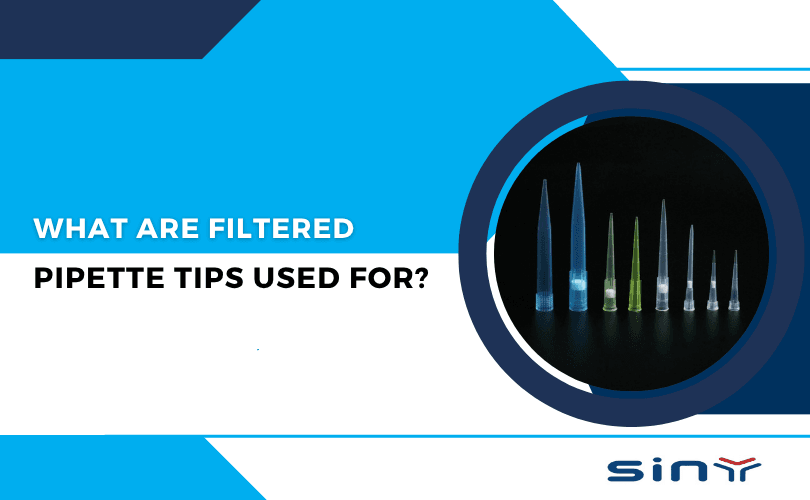
4. Filter vs non-filter tips
Filtered tips are recommended for contamination-sensitive workflows like PCR.
5. Packaging format
Options such as bulk, rack, or refill systems can impact workflow efficiency and storage.
Choosing the right supplier is just as important as choosing the right product. A manufacturer with stable production and quality control—such as Siny Medical—can help ensure consistency, which is critical for laboratory reliability.
Why Low Retention Pipette Tips Are Worth the Investment
At first glance, low retention pipette tips may seem like a minor upgrade. However, when viewed in the context of laboratory efficiency and data accuracy, their value becomes clear.
They help:
- Reduce reagent waste
- Improve reproducibility
- Enhance experimental reliability
For labs working with expensive samples or critical diagnostics, the return on investment is often immediate.
FAQ: Low Retention Pipette Tips
1. Are low retention pipette tips necessary for all experiments?
No. They are most beneficial for sensitive applications like PCR, protein analysis, and low-volume work. For routine tasks, standard tips may be sufficient.
2. Do low retention tips affect pipetting accuracy?
Yes, positively. They reduce liquid residue, leading to more accurate and consistent dispensing.
3. Are silicone-coated tips safe for molecular biology?
They can be used, but many labs prefer silicone-free options to avoid potential contamination risks.
4. What is the difference between filtered and low retention tips?
Filtered tips prevent contamination, while low retention tips improve liquid release. Some products combine both features.
5. Can low retention tips reduce reagent costs?
Yes. By minimizing sample loss, they help reduce the amount of reagents needed over time.
Final Thoughts
Low retention pipette tip are more than just a premium accessory—they are a practical solution for improving laboratory accuracy and efficiency. As experiments become more sensitive and reagents more expensive, the importance of minimizing sample loss continues to grow.
If you are currently evaluating suppliers or upgrading your lab consumables, taking the time to choose the right low retention pipette tip can have a measurable impact on your results. For consistent quality and a wide range of laboratory consumables, exploring solutions from Siny Medical can be a valuable next step.