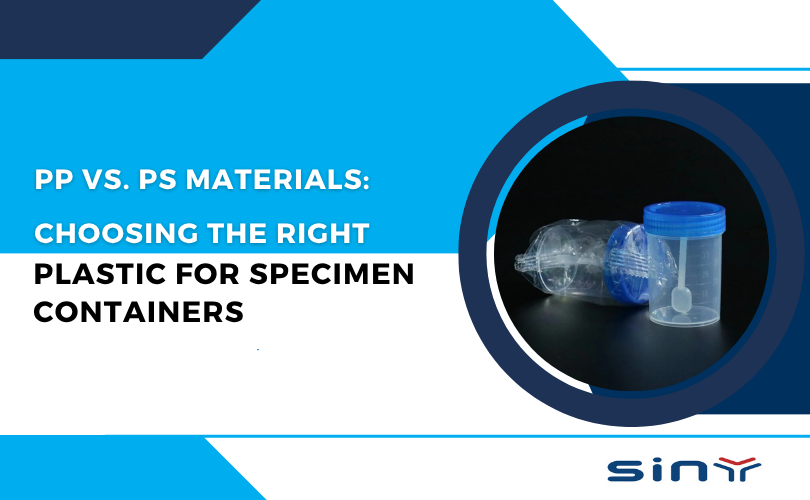
When purchasing specimen containers, many laboratories, hospitals, clinics, and diagnostic centers focus primarily on container size, sterility, or lid design. However, one factor that has a major impact on sample integrity is often overlooked: the plastic material itself.
The debate around PP vs. PS Materials: Choosing the Right Plastic for Specimen Containers is more important than many buyers realize. Polypropylene (PP) and Polystyrene (PS) are two of the most common plastics used in specimen cups, urine containers, stool collection containers, and laboratory sample vessels. Although they may appear similar at first glance, their performance characteristics differ significantly.
Selecting the wrong material can affect sample transportation, storage conditions, chemical compatibility, and even testing accuracy. Understanding the strengths and limitations of each material helps healthcare facilities reduce costs while ensuring reliable specimen collection and transport.
In this guide, we’ll discuss the differences between PP and PS specimen containers and help you determine which option best fits your application.
PP vs. PS Materials: Understanding the Basics
Before comparing performance, it helps to understand what these two materials actually are.
What Is Polypropylene (PP)?
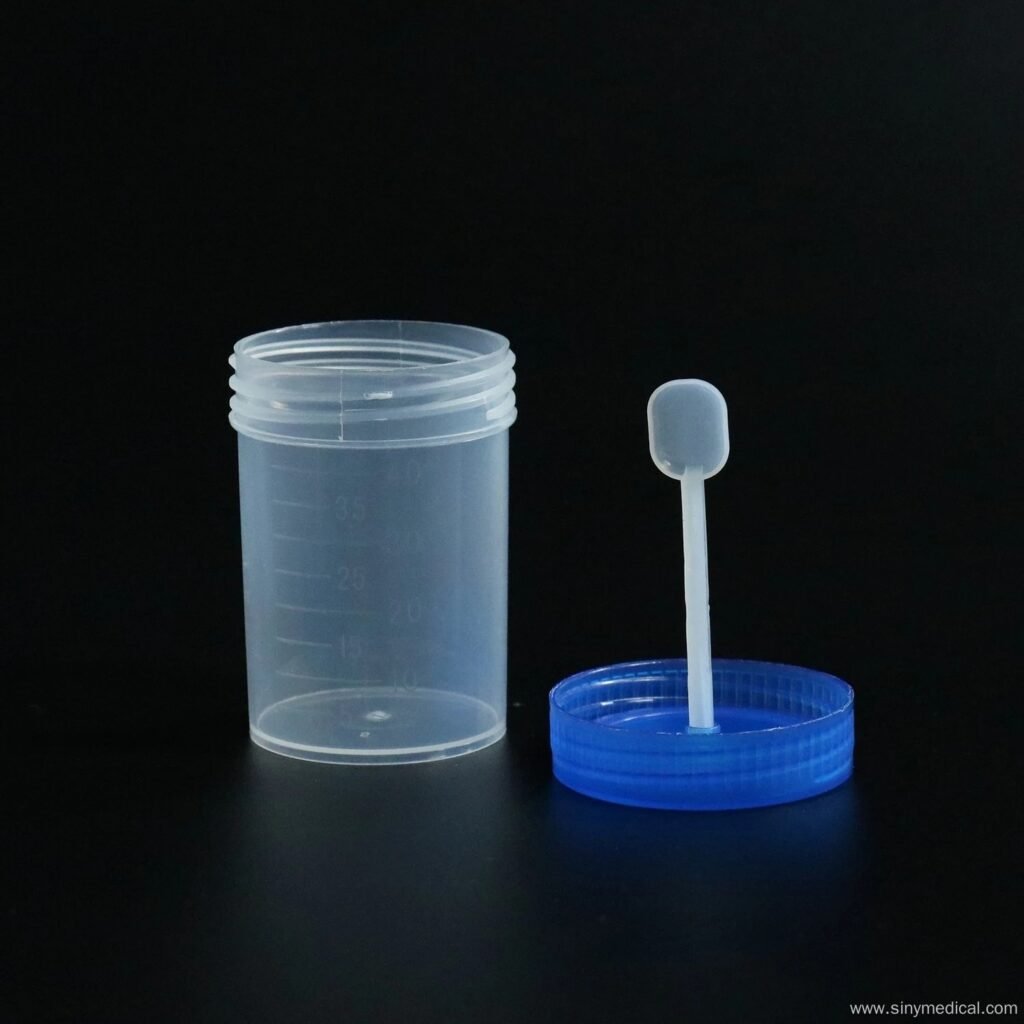
Polypropylene is a thermoplastic polymer widely used in medical consumables, laboratory products, and healthcare packaging.
PP is known for:
- Excellent chemical resistance
- High durability
- Good impact strength
- Strong resistance to cracking
- Ability to withstand higher temperatures
Because of these characteristics, PP is commonly used in:
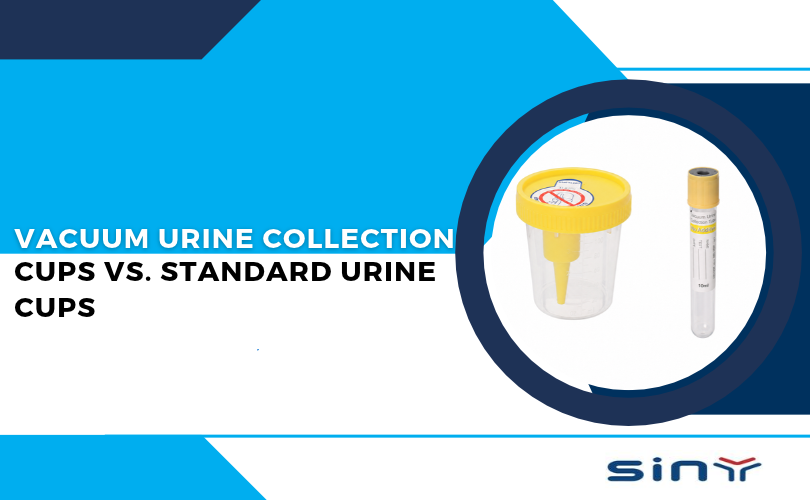
- Urine specimen containers
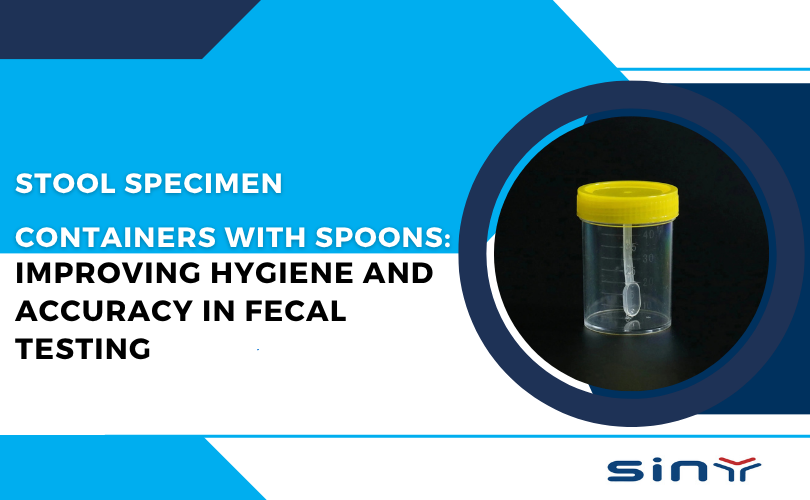
- Fecal specimen containers
- Centrifuge tubes
- Sample transport containers
- Autoclavable laboratory products
What Is Polystyrene (PS)?
Polystyrene is another widely used plastic in laboratory environments.
PS offers:
- High optical clarity
- Smooth surface finish
- Lower manufacturing cost
- Good dimensional stability
Common applications include:
- Petri dishes
- Culture plates
- Laboratory trays
- Disposable testing vessels
- Short-term specimen containers
While PS provides excellent transparency, it generally offers lower durability than polypropylene.

For laboratories handling large sample volumes, understanding these fundamental material differences is often the first step toward choosing the right specimen collection solution.
PP vs. PS Materials: Comparing Performance for Specimen Containers
The most effective way to evaluate specimen container materials is to compare them across key performance categories.
| Property | Polypropylene (PP) | Polystyrene (PS) |
| Impact Resistance | Excellent | Moderate |
| Chemical Resistance | Excellent | Limited |
| Transparency | Semi-transparent | Highly transparent |
| Heat Resistance | High | Lower |
| Crack Resistance | Excellent | Moderate |
| Autoclave Compatibility | Yes | Generally No |
| Long-Term Storage | Excellent | Suitable for Short-Term Use |
| Cost | Slightly Higher | Lower |
Durability and Transportation Safety
Specimen containers often travel through multiple handling stages before reaching the laboratory.
During transport, containers may be:
- Dropped
- Stacked
- Shaken
- Exposed to temperature fluctuations
PP containers perform exceptionally well under these conditions because the material remains flexible and impact-resistant.
PS containers, while rigid and visually attractive, can become brittle under stress and are more susceptible to cracking during rough handling.
For facilities shipping specimens between locations, PP is generally the safer choice.
If your laboratory frequently transports urine, stool, or biological specimens over long distances, selecting a durable PP specimen container can significantly reduce leakage risks.
PP vs. PS Materials for Chemical Resistance and Sample Integrity
One of the most important considerations in specimen collection is chemical compatibility with preservatives and reagents.
Biological samples often contain:
- Proteins
- Salts
- Acids
- Metabolic byproducts
- Preservatives
Certain laboratory workflows may also involve contact with reagents or disinfectants.
Advantages of PP
Polypropylene demonstrates strong resistance to many chemicals commonly encountered in healthcare settings.
Benefits include:
- Better resistance to acids and alkalis
- Reduced risk of material degradation
- Stable performance during extended storage
- Lower likelihood of chemical interaction with specimens
Limitations of PS
Polystyrene is less resistant to aggressive chemicals.
Exposure to certain solvents or laboratory reagents may lead to:
- Surface damage
- Stress cracking
- Reduced container lifespan
For routine specimen collection, PS may perform adequately. However, when samples require extended storage or may encounter chemical preservatives, PP generally provides greater security.
Healthcare providers seeking dependable specimen preservation often prefer polypropylene containers for this reason.
For buyers evaluating specimen cups for clinical diagnostics, understanding chemical compatibility can prevent costly testing errors later in the workflow.
PP vs. PS Materials: Transparency, User Experience, and Laboratory Efficiency
Transparency is another area where material selection can influence daily operations.
Why PS Is Popular
One major advantage of PS is its crystal-clear appearance.
Laboratory personnel can easily:
- Observe specimen volume
- Inspect the sample color
- Detect contamination
- Verify filling levels
This visual clarity makes PS attractive for applications where rapid inspection is important.
Why PP Remains Widely Used
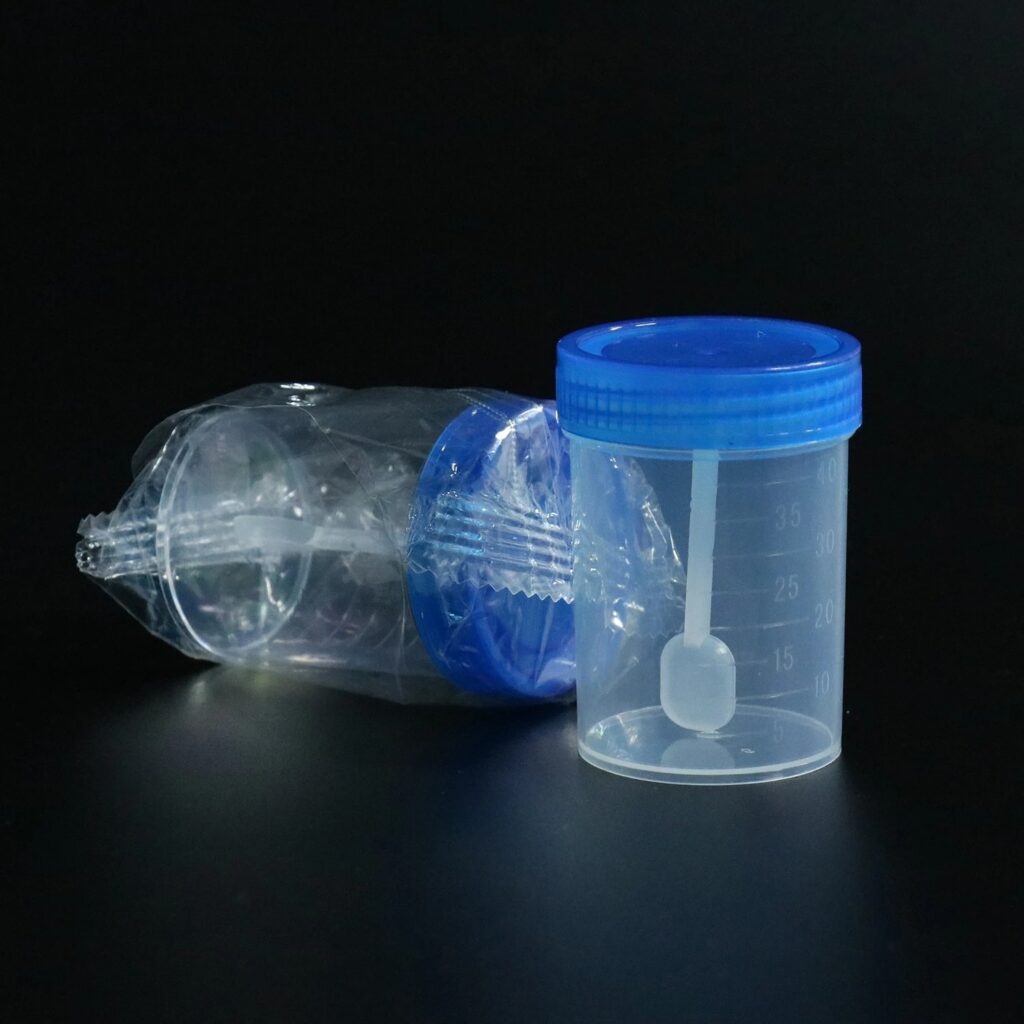
Although PP is not as transparent as PS, modern manufacturing technologies have significantly improved its appearance.
Many high-quality polypropylene specimen containers provide sufficient visibility for routine specimen evaluation while offering superior durability.
In practical laboratory environments, many users find the trade-off worthwhile because enhanced strength often outweighs the slight reduction in transparency.
At Siny Medical, we frequently see hospitals and diagnostic laboratories prioritize leak prevention and transportation reliability over perfect optical clarity when selecting specimen containers.
How to Choose Between PP and PS Specimen Containers
The answer depends largely on your intended application.
Choose PP specimen containers when you need:
- Long-distance sample transportation
- Leak-resistant performance
- Chemical resistance
- Higher durability
- Autoclavable options
- Long-term specimen storage
Choose PS specimen containers when you need:
- Maximum transparency
- Cost-sensitive projects
- Short-term specimen collection
- Visual sample inspection
- Disposable laboratory applications
Many healthcare facilities ultimately use both materials for different workflows.
For example:
- Urine specimen containers may utilize PP for transport durability.
- Laboratory observation containers may utilize PS for visual inspection.
- Stool specimen containers often benefit from PP’s superior chemical resistance.
Rather than asking which material is universally better, a more useful question is which material best supports your specific testing process.
If you’re evaluating specimen collection products for hospitals, laboratories, or diagnostic centers, consulting an experienced manufacturer can help identify the most suitable container design and material combination. Siny Medical offers a variety of PP and PS specimen collection containers tailored to different clinical applications. Our team can assist you in selecting the most appropriate solution for your workflow and budget.
FAQ About PP vs. PS Materials for Specimen Containers
Which material is stronger, PP or PS?
PP is generally stronger and more impact-resistant than PS. It withstands transportation and handling stresses more effectively.
Are PP specimen containers leak-proof?
Leak resistance depends on both the container material and cap design. However, PP’s flexibility and crack resistance often contribute to better overall performance.
Which material offers better transparency?
PS provides higher optical clarity and a glass-like appearance, making it ideal for visual inspection applications.
Can PP specimen containers be autoclaved?
Many polypropylene containers can tolerate autoclave temperatures, making them suitable for certain sterilization processes.
Is PS suitable for urine specimen collection?
Yes. PS can be used for urine specimen collection, especially for short-term handling and observation. However, PP may provide better durability during transport.
Which material is more commonly used in modern specimen containers?
PP has become increasingly popular because of its combination of durability, chemical resistance, and transportation safety. Nevertheless, PS remains widely used where transparency is a priority.
Summary
When evaluating PP vs. PS Materials: Choosing the Right Plastic for Specimen Containers, there is no one-size-fits-all answer. Polypropylene offers superior durability, chemical resistance, and transport reliability, while polystyrene delivers outstanding transparency and cost efficiency.
For hospitals, laboratories, and diagnostic centers handling large numbers of biological samples, material selection should align with real-world workflow requirements rather than simply choosing the least expensive option. By understanding the advantages of each material, buyers can make more informed purchasing decisions, improve specimen integrity, and reduce operational risks.
Whether you need urine specimen containers, stool specimen containers, or other laboratory collection products, choosing the right material is an important step toward reliable diagnostic results. For additional guidance on specimen collection solutions, contact Siny Medical to discuss your specific application requirements.