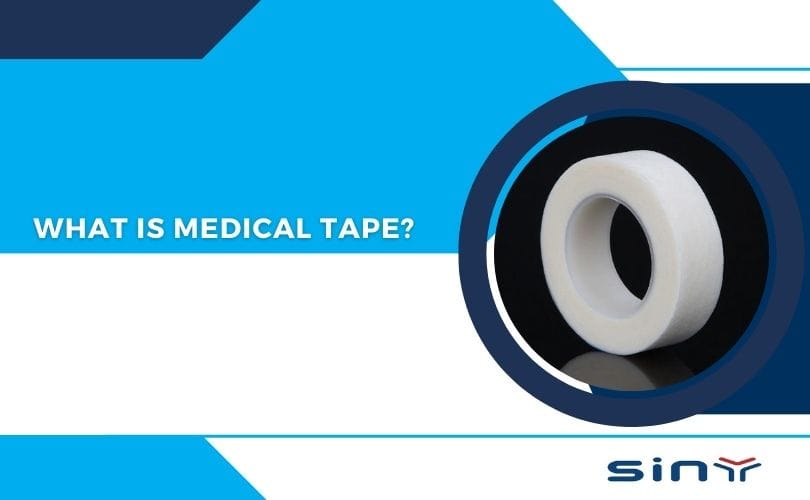
Medical tape is one of the most commonly used yet least discussed products in healthcare. From emergency rooms and operating theaters to home care and sports medicine clinics, medical tape plays a silent but critical role in patient safety and treatment success. When healthcare professionals ask, “What is medical tape?”, they are not simply looking for a definition. They want clarity on performance, skin safety, application methods, and supplier reliability.
At its core, medical tape is a pressure-sensitive adhesive product designed specifically for use on human skin. Its primary purpose is to secure wound dressings, medical devices, tubing, and bandages without damaging the skin or interfering with healing.
For hospitals, distributors, and procurement teams, selecting the right medical tape is not just about price. The wrong tape choice can lead to dressing failure, skin injury, infection risk, and increased workload for nursing staff. That is why understanding how medical tape works, the types available, and how to choose the right one is essential for modern healthcare delivery.
Table of Contents
What Is Medical Tape in Healthcare?
Medical tape refers to a category of medical-grade adhesive tapes designed to attach securely to skin while minimizing trauma during removal. Medical professionals commonly use these tapes to secure gauze, foam dressings, wound pads, IV cannulas, catheters, and monitoring devices.

Unlike ordinary adhesive products, medical tape must meet strict healthcare standards. It needs to remain stable under moisture, heat, and movement while still allowing the skin to breathe. Some medical tapes are sterile for surgical environments, while others are non-sterile for general ward or outpatient use.
The design of medical tape varies depending on its intended application. Medical tapes prioritize breathability, focus on waterproof protection, or engineer specifically for fragile or elderly skin. Modern medical tapes reduce skin stripping and allergic reactions while maintaining dependable fixation, as detailed in the Wikipedia overview of surgical tape.
Why Medical Tape Is Essential in Clinical Settings
Medical tape is used in nearly every healthcare environment because it supports safe, efficient patient care. Without proper fixation, even the most advanced wound dressing or medical device can fail. When a dressing shifts or an IV line becomes dislodged, patient discomfort increases and treatment outcomes suffer.
In wound care, medical tape helps maintain the ideal healing environment by keeping dressings securely in place. In IV therapy, it stabilizes cannulas and allows clinicians to monitor insertion sites. In emergency care, fast-tearing and waterproof medical tape enables rapid response under challenging conditions.
Healthcare facilities that prioritize quality medical tape often experience fewer dressing failures, lower skin injury rates, and smoother workflows. For hospitals and distributors sourcing reliable fixation products, working with an experienced medical bandage supplier such as Siny Medical ensures consistent performance and supply continuity.
Medical Tape Applications
Medical tape is widely used across healthcare settings:
- Wound Care and Post-Operative Dressings: Secures gauze, foam, or film dressings while maintaining appropriate moisture balance.
- IV and Device Fixation: Stabilizes cannulas, catheters, sensors, and drainage tubes; transparent tapes allow visual inspection.
- Orthopedic and Sports Medicine: Supports joints, splints, or strapping for injury prevention and rehabilitation.
- Dermatology and Fragile Skin Care: Gentle tapes reduce skin trauma during repeated dressing changes.
- Emergency and Prehospital Care: Quick-tearing and waterproof tapes for first responders.
Types of Medical Tape and Their Clinical Uses
There is no single “best” medical tape. Each type is designed for specific medical needs, skin conditions, and clinical settings.
Paper and Microporous Medical Tape
Paper-based medical tape is lightweight, breathable, and easy to tear by hand. It is widely used for securing light dressings and gauze, particularly on sensitive skin. Its hypoallergenic properties make it a common choice in pediatric and geriatric care.
Cloth and Fabric Medical Tape
Fabric medical tape offers stronger adhesion and durability. It is commonly used to secure heavier dressings, splints, or orthopedic supports. Cloth tape conforms well to body contours and holds up under movement.
Transparent Film Medical Tape
Transparent medical tape allows clinicians to visually inspect wounds or IV sites without removing the tape. It is waterproof and often used in IV fixation, catheter stabilization, and surgical site protection.
Silicone Medical Tape
Silicone-based medical tape protects fragile or compromised skin. It gently adheres to the skin and allows for easy removal and repositioning, causing minimal trauma. This makes it ideal for long-term patients or repeated dressing changes.
Zinc Oxide and Fixation Tape
Zinc oxide medical tape offers very strong adhesion, making it ideal for secure fixation and strapping. Clinicians frequently use it in orthopedic and sports medicine settings.
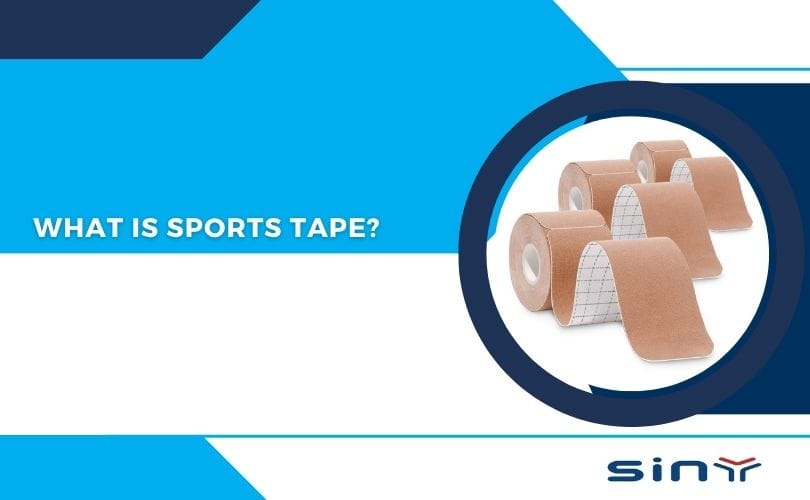
Elastic and Kinesiology Tape
Elastic medical tape supports muscles and joints while allowing a full range of motion. These tapes are popular in rehabilitation and athletic injury prevention.
Healthcare providers can explore a wide selection of professional-grade fixation products through Siny Medical’s medical bandage product category at https://www.sinymedical.com/product-category/medical-bandage/.
Benefits of Medical Tape
Medical tape provides multiple clinical advantages:
- Secure Fixation: Ensures dressings and devices remain in place.
- Patient Comfort: Gentle adhesives reduce skin trauma.
- Visibility and Monitoring: Transparent options allow ongoing assessment without removing the tape.
- Reduced Complications: Proper tape minimizes maceration, allergic reactions, or dressing failure.
- Workflow Efficiency: Easy-to-apply and remove tapes save staff time.
High-quality tape contributes to better patient outcomes and smoother clinical operations. For reliable clinical-grade medical tape, consider products from Siny Medical.
How to Use Medical Tape
- Prepare the Skin: Clean and dry the application area.
- Apply Correctly: Select the appropriate size, avoid excess tension, and ensure full contact with skin.
- Remove Gently: Peel back at a low angle slowly to minimize skin trauma.
- Monitor Skin: Check for irritation, maceration, or allergic reactions during prolonged use.
- Store Properly: A cool, dry environment away from sunlight and humidity preserves tape performance.
Following these best practices ensures safe, effective, and consistent use across clinical settings.
How to Choose the Right Medical Tape Supplier
Selecting the right medical tape is only part of the equation. Choosing a reliable supplier is equally critical. Healthcare providers and distributors should look for suppliers that offer consistent quality, regulatory compliance, and dependable logistics.
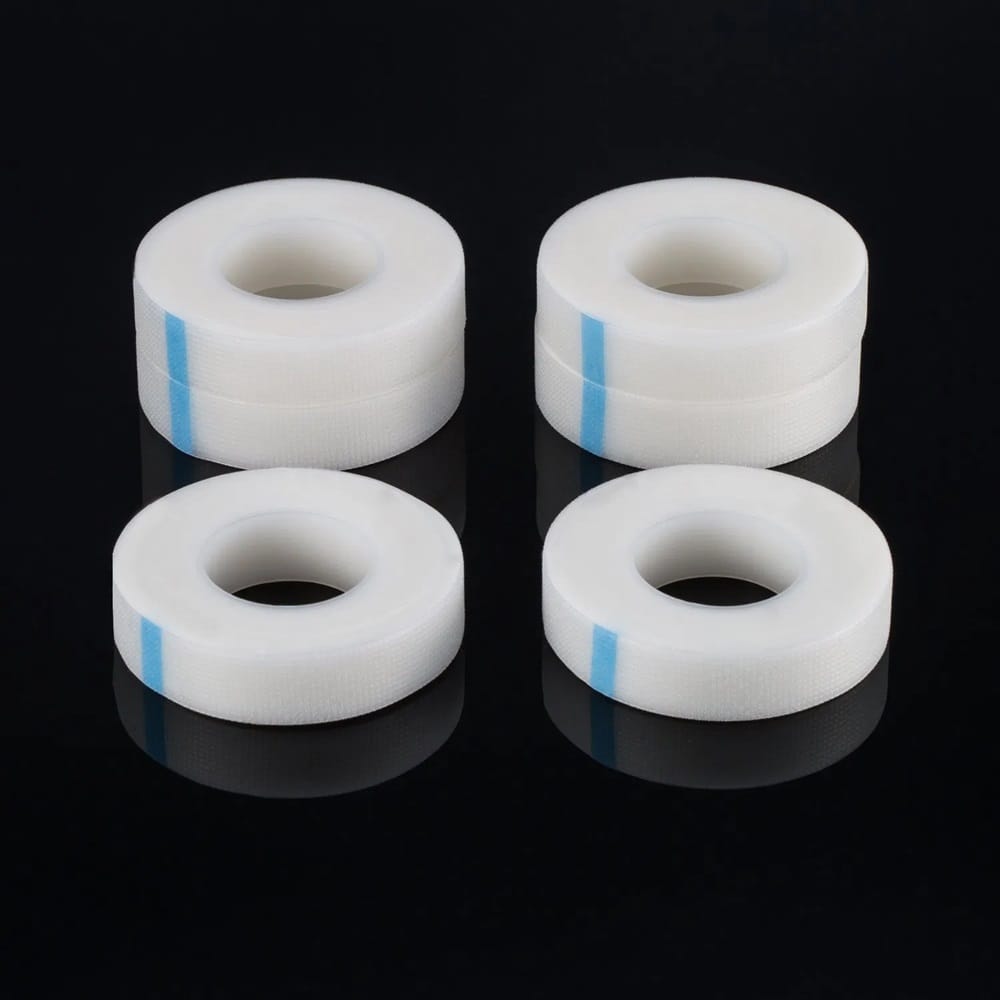
A trustworthy supplier should provide clear product specifications, lot traceability, and relevant certifications. Access to samples and technical support is also valuable, especially when introducing new products into clinical workflows.
Siny Medical supports hospitals, clinics, and distributors with a broad range of fixation and dressing products, including surgical cotton bandages available at.
Procurement teams seeking broader sourcing insights may also find value in Siny Medical’s guidance on choosing reliable medical suppliers, such as their article on.
For international buyers, Siny Medical maintains a verified global presence through platforms like Sinymedical made in china and shares educational content on their official YouTube channel.
Summary
Medical tape may seem like a simple product, but its impact on patient care is significant. Understanding what medical tape is, how it works, and how to choose the right type helps healthcare providers improve outcomes, protect skin, and streamline workflows.
From wound care and IV fixation to sports medicine and emergency response, medical tape supports nearly every aspect of clinical practice. Partnering with a reliable supplier like Siny Medical ensures access to high-quality products, technical support, and consistent supply for long-term success.
For detailed specifications, product samples, or procurement assistance, and connect with the Siny Medical team today.
FAQs
What medical tape is best for sensitive skin?
Medical tape designed for sensitive skin usually includes silicone or microporous paper options. These tapes provide gentle adhesion while reducing the risk of skin irritation and tearing.
Can medical tape be used for both wound care and IV fixation?
Transparent film tape is typically preferred for IV fixation, while cloth or paper tape works better for wound dressings, even though some medical tape types overlap in use.
How long can medical tape safely stay on the skin?
The duration depends on the type of medical tape, skin condition, and clinical situation. Skin should be inspected regularly, especially during prolonged use.
Is waterproof medical tape safe for wounds?
Waterproof medical tape can be safe and effective when used correctly. However, clinicians should monitor for moisture buildup under the tape.
What should buyers ask for when sourcing medical tape?
Buyers should request samples, adhesion data, sterility information if applicable, and certification documents to ensure consistent quality.