An elastic bandage is a versatile medical tool designed to provide support, compression, and stability to injured or strained muscles, joints, and ligaments. It is commonly used in first aid, sports medicine, and post-surgical recovery. Made from materials like cotton, polyester, and latex, elastic bandages are stretchable, allowing them to conform to the body’s contours while maintaining firm pressure. Whether you’re an athlete recovering from a sprain or someone managing chronic swelling, understanding the uses, benefits, and proper application of elastic bandages is essential.
For top-quality medical supplies and bandages, visit Siny Medical, one of the most trusted medical bandage suppliers worldwide.
Table of Contents
- 1 What Is an Elastic Bandage?
- 2 Types of Elastic Bandages
- 3 What Are Elastic Bandages Made Of?
- 4 Functions and Medical Applications
- 5 How to Choose the Right Elastic Bandage
- 6 Materials Used in Elastic Bandages
- 7 Caring for Your Elastic Bandage
- 8 When to Use Elastic Bandages in First Aid
- 9 Real-World Applications
- 10 Summary
- 11 FAQs
What Is an Elastic Bandage?
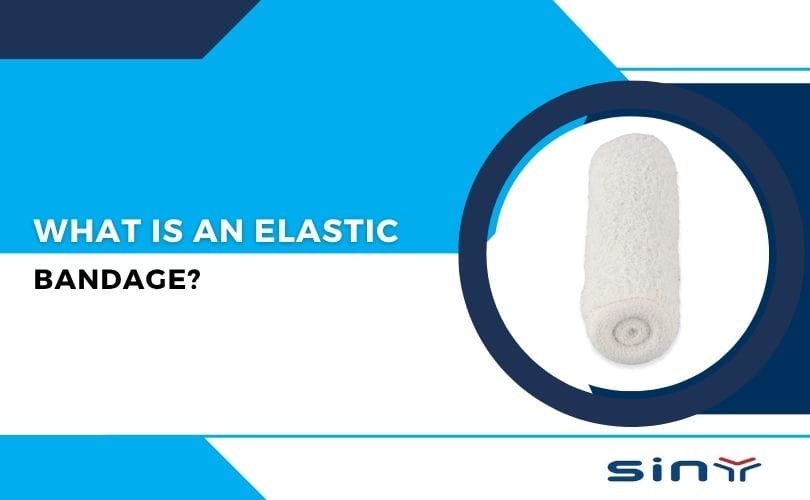
An elastic bandage is a stretchable, woven fabric wrap used to apply pressure, support, and compression to injured body parts. Unlike traditional bandages, elastic bandages are designed to stretch and recover, providing a snug fit without restricting blood flow. They are commonly used for:

- Injury Support: Stabilizing sprains, strains, and fractures.
- Compression Therapy: Reducing swelling and promoting circulation.
- Post-Surgical Care: Supporting healing after procedures.
- Sports Medicine: Preventing injuries during physical activities.
Elastic bandages are available in various widths, lengths, and materials, making them suitable for different parts of the body and specific medical needs. For example, high-elastic bandages are ideal for areas requiring strong compression, while self-adhesive elastic bandages are perfect for ease of use.
According to Siny Medical’s article on medical bandages, elastic bandages are an indispensable part of healthcare for injury management, post-operative care, and circulation improvement.
Types of Elastic Bandages
Elastic bandages come in several types, each designed for specific purposes. Here’s a breakdown of the most common varieties:
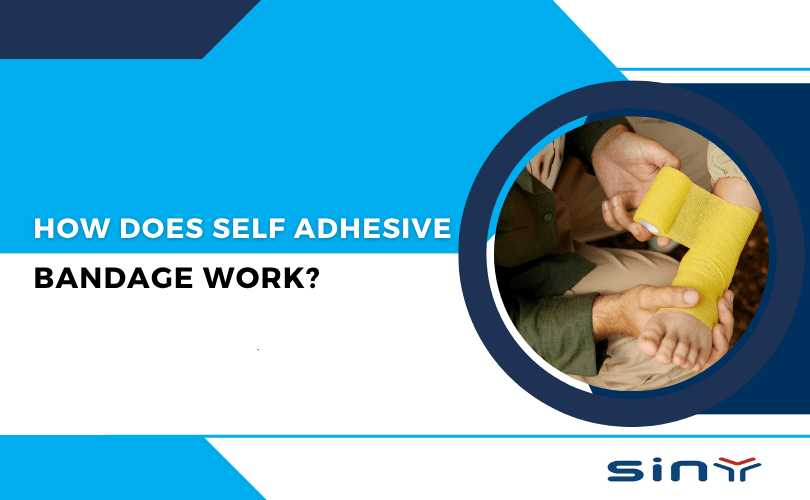
- Self-Adhesive Elastic Bandages: These bandages stick to themselves without requiring clips or pins, making them convenient for quick applications. They are often used for wrapping joints like knees or ankles. Learn more about how to use self-adhesive elastic bandage.
- Cohesive Elastic Bandages: Similar to self-adhesive bandages, cohesive bandages stick to themselves but do not adhere to the skin. They are ideal for securing dressings or providing light compression.
- Compression Bandages: These are designed to apply firm pressure to reduce swelling and improve blood flow. They are commonly used for conditions like lymphedema or venous ulcers.
- Plaster Bandages: Made from materials like plaster of Paris, these bandages are used for immobilizing fractures or creating casts. Explore medical plaster bandage options.
- Elastic Gauze Bandages: These are lightweight and breathable, making them suitable for wrapping wounds or securing dressings.
For a detailed guide on the types of medical bandages and their uses, visit Types of Medical Bandages.
What Are Elastic Bandages Made Of?
The secret behind every elastic bandage lies in its construction. These materials combine comfort, flexibility, and durability:
1. Cotton – Natural, soft, and breathable. It prevents skin irritation and allows air circulation. Cotton helps reduce moisture buildup, making the bandage suitable for long wear.
2. Polyester – A synthetic fiber that adds strength and shape retention. Even after multiple stretches or washes, polyester helps the bandage maintain stability.
3. Elastic Yarns (Spandex or Lycra) – The core element that gives the bandage its elasticity. These fibers allow the bandage to stretch several times its original length and snap back into shape, offering continuous compression.
As shown in Siny Medical’s product lineup, different combinations of these fibers are used to make specialized medical and first-aid bandages.
| Material | Key Function | Benefits |
|---|---|---|
| Cotton | Breathability, softness | Skin-friendly, reduces moisture |
| Polyester | Strength, durability | Maintains shape |
| Elastic yarn (Spandex) | Flexibility, stretch | Consistent pressure and support |
Functions and Medical Applications
Elastic bandages aren’t just for wrapping injuries—they serve multiple critical purposes:
Compression Therapy
Elastic bandages control swelling and bleeding after injuries by applying even pressure. They’re a vital part of the RICE method (Rest, Ice, Compression, Elevation).
Compression:
- Reduces inflammation
- Improves lymphatic drainage
- Accelerates healing
As explained in Siny Medical’s bandage resources, proper compression can drastically improve recovery outcomes.
Support for Muscles and Joints
Elastic bandages act like an external ligament, stabilizing weak or injured joints. They help athletes maintain activity while preventing re-injury.
Common uses:
- Ankle sprains
- Knee support
- Wrist injuries
Fixation of Dressings and Medical Devices
Hospitals often use elastic bandages to secure IV lines, splints, or gauze pads in place. Their flexibility ensures the dressing stays put even over curved body parts.
Circulation Enhancement
For patients with venous insufficiency or leg ulcers, elastic compression improves blood return and prevents blood pooling. This promotes healing and reduces pain.
How to Choose the Right Elastic Bandage
Choosing the correct bandage ensures safety and effectiveness. Here’s what to consider:
Purpose
Decide whether it’s for compression, dressing fixation, or sports support.
Body Area
Use the right width for each body part:
- 1–2 inches: Fingers, wrists
- 3 inches: Ankles, arms
- 4 inches: Knees, calves
- 6 inches: Thighs, chest
Material Sensitivity
Opt for latex-free versions for those allergic to latex.
Reusability
Reusable bandages are ideal for long-term therapy; disposable ones suit sterile environments.
You can explore a full range of medical bandages directly from Siny Medical for hospital and personal use.
Materials Used in Elastic Bandages
The effectiveness of an elastic bandage depends on its material composition. Common materials include:
- Cotton: Breathable and soft, ideal for sensitive skin.
- Polyester: Durable and resistant to wear and tear.
- Latex: Provides excellent elasticity but may cause allergic reactions in some individuals.
- Spandex: Adds stretchability and flexibility to the bandage.
To learn more about the role of materials in medical bandages, visit Understanding the Role of Various Materials.
Caring for Your Elastic Bandage
A reusable elastic bandage lasts longer if cared for properly:
- Hand wash with mild soap and cool water.
- Avoid bleach or harsh detergents.
- Air dry only—no dryers.
- Store clips safely and roll the bandage neatly after drying.
This helps maintain its elasticity and cleanliness for future use.
When to Use Elastic Bandages in First Aid
Elastic bandages are part of nearly every first aid kit. They can be used to:
- Control swelling from sprains or strains
- Immobilize a limb after injury
- Secure ice packs or dressings
- Provide mild compression for muscle soreness
Learn more about their use in first aid and emergency care through Siny Medical’s expert guides.
Real-World Applications
From hospital trauma rooms to marathon tracks, elastic bandages serve a range of roles:
- In Hospitals: Post-surgical compression, wound dressing, venous therapy
- In Sports: Sprain management, muscle support, joint stabilization
- At Home: First aid for minor injuries
- In Veterinary Medicine: Safe wrapping for animal injuries
Summary
An elastic bandage is an essential tool for providing support, compression, and stability to injured or strained body parts. Its versatility, customizable compression, and cost-effectiveness make it a must-have in medical kits, sports medicine, and first aid. Whether you’re recovering from a sprain, managing chronic swelling, or supporting post-surgical healing, elastic bandages offer a practical solution. For high-quality elastic bandages and other medical supplies, explore Siny Medical.
For more insights into medical bandages, check out What is a Medical Bandage? and Medical Bandage Suppliers. Don’t forget to follow us on YouTube and explore our products on Made-in-China.
FAQs
Q1: How do I know if my elastic bandage is too tight?
If you feel tingling, numbness, or your skin turns blue or cold, it’s too tight. Always ensure one finger can slip under the wrap comfortably.
Q2: Can I sleep with an elastic bandage on?
Not recommended. Blood circulation may be restricted during sleep. Remove or loosen it unless advised by a doctor.
Q3: How should I wash my elastic bandage?
Hand wash with mild soap, rinse gently, and air dry. Avoid twisting or machine drying.
Q4: What’s the difference between an elastic bandage and a compression sleeve?
A bandage allows adjustable pressure, while a compression sleeve provides consistent, pre-set pressure—ideal for chronic conditions.
Q5: When should I seek medical help?
If pain, swelling, or bruising worsens within 48 hours, or if there’s visible deformity, consult a healthcare professional.