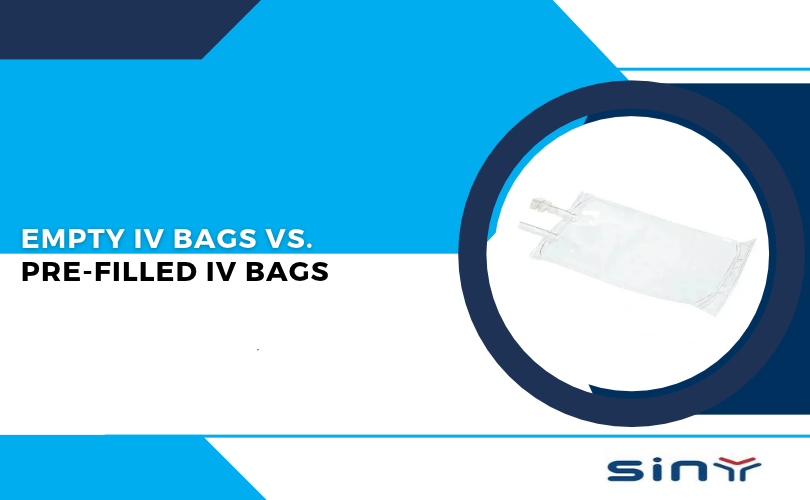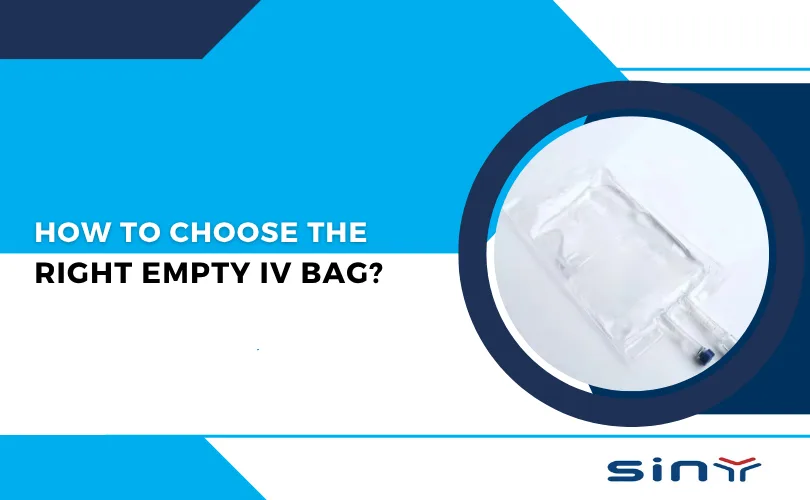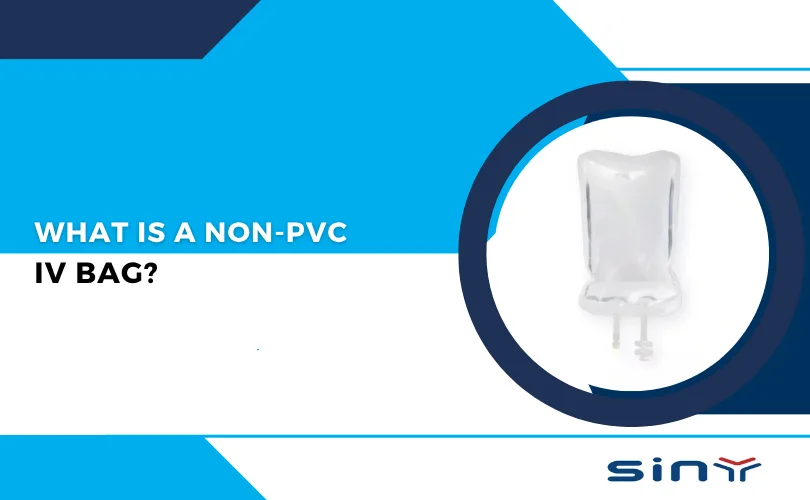
An Empty IV Bag is a flexible medical container supplied without a pre-filled intravenous solution. Depending on its intended use and validated compatibility, it can hold prepared IV fluids or pharmaceutical formulations. These containers are used in hospital pharmacies, pharmaceutical manufacturing, and specialized medical fluid preparation.
Unlike pre-filled infusion bags, empty containers allow qualified professionals to prepare or fill compatible solutions according to specific requirements. This flexibility makes them useful in healthcare settings where formulation, filling processes, and administration methods may vary.
However, not all infusion containers are interchangeable. Their materials, port configurations, sealing methods, and compatibility requirements can differ significantly. Choosing the wrong product may affect preparation efficiency, container integrity, or solution stability.
This guide explains how empty infusion bags work, their main features, common applications, and the factors medical buyers should consider before purchasing.
What Is an Empty IV Bag and How Does It Work?
An empty intravenous bag is an unfilled medical container designed to hold compatible solutions for intravenous administration. Depending on the product, it may be intended for controlled pharmaceutical filling, sterile compounding, or other specified healthcare applications.
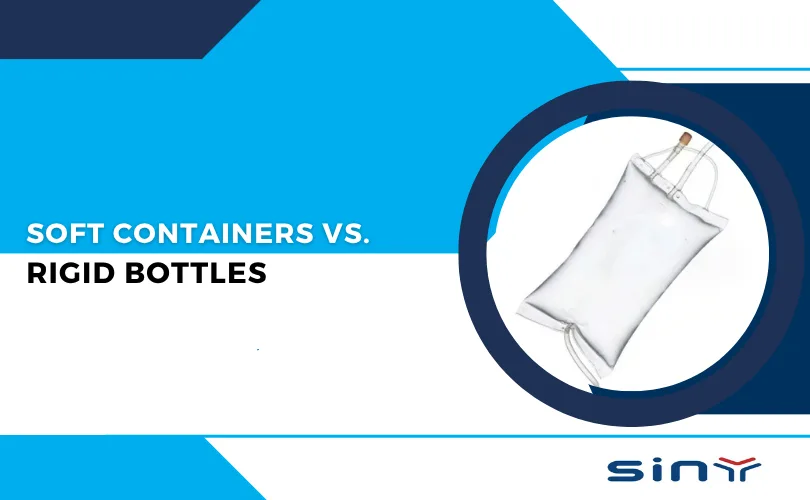
Most flexible infusion bags use a collapsible body made from medical-grade polymer materials. As fluid leaves the container during administration, the bag gradually collapses. This design can support fluid delivery without requiring replacement air to enter the container.
However, the complete administration system, including the tubing and connectors, must be suitable for the intended use.
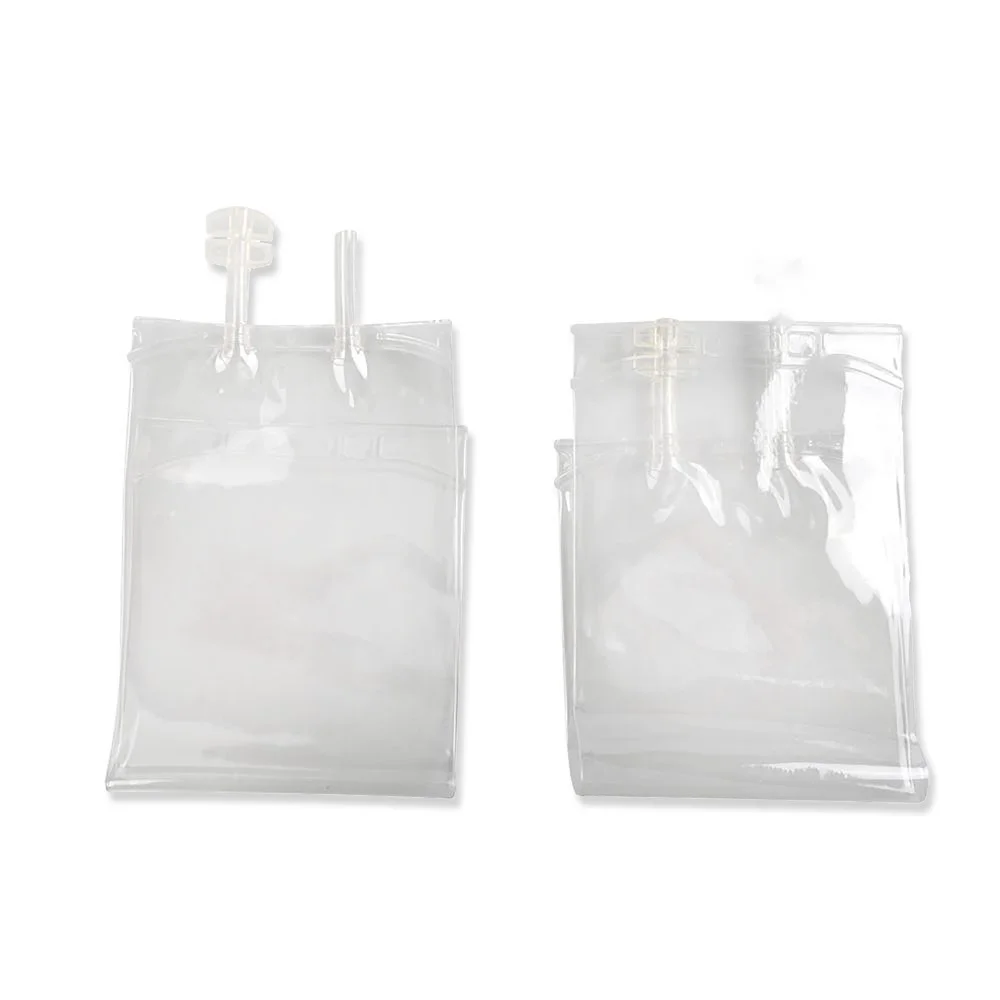
Main Components of an Empty Infusion Bag
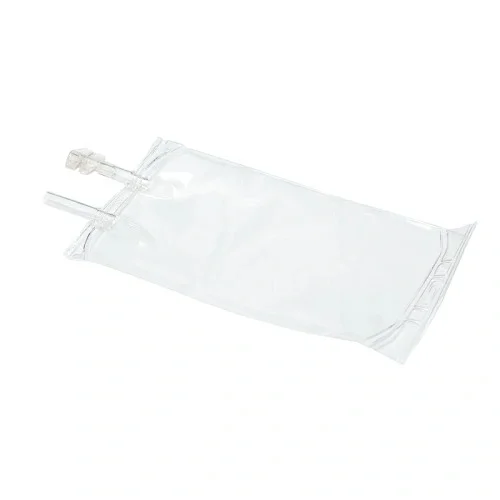
Although designs vary between manufacturers, a typical flexible IV container may include several important components.
Flexible Bag Body
The bag body holds the prepared solution. Its material must provide suitable flexibility, mechanical strength, and compatibility with the intended fluid.
Filling or Injection Port
This access point allows compatible fluids or medication additives to be introduced using an appropriate filling or transfer method. The exact function depends on the container design.
Administration Port
The administration port connects the container to a compatible IV giving set. It must provide a secure connection and support the intended fluid delivery process.
Sealed Edges
Heat-sealed or welded edges help maintain the bag’s integrity. Reliable seals are essential during filling, handling, storage, and administration.
Hanging Hole
Many infusion containers include a reinforced suspension point that allows the bag to hang from an IV stand.
Some designs also feature protective caps, specialized connectors, or additional transfer components.
How Are Empty Infusion Bags Filled?
The filling process depends on the product’s intended use, the formulation, and the preparation environment.
In pharmaceutical manufacturing, manufacturers may fill suitable containers using validated production equipment and controlled processes.
Hospital pharmacies may also use appropriately designed sterile containers when preparing prescribed intravenous medications under applicable sterile compounding requirements.
A typical controlled filling workflow involves selecting a compatible container, preparing the required formulation, transferring the solution through an appropriate connection, and completing the necessary quality checks.
Throughout the process, personnel must follow relevant aseptic procedures, environmental controls, and container-handling requirements.
Importantly, an accessible port does not mean that a container is suitable for unrestricted manual filling, refilling, or every type of medication.
Key Features and Materials of Empty IV Bags
Material selection is one of the most important considerations when evaluating an infusion container. Different polymers offer different levels of flexibility, chemical resistance, and barrier performance.
In addition, port design and seal quality influence how the container performs during preparation and administration.
Common Materials Used in Infusion Bags
PVC has a long history of use in flexible medical packaging. It offers good transparency, flexibility, and cost-effective processing.
Some flexible PVC formulations contain plasticizers such as DEHP to improve flexibility. As awareness of material safety grows, DEHP-free infusion bags have become an important consideration for healthcare buyers, particularly in markets with specific regulatory requirements.
When selecting infusion containers, buyers may also look for latex-free options to reduce potential exposure to natural rubber latex. However, DEHP-free, plasticizer-free, and latex-free describe different material properties and should be verified through the manufacturer’s documentation.
Material compatibility and applicable regulatory requirements should always guide product selection.
Ethylene Vinyl Acetate (EVA)
EVA is a flexible polymer used in selected medical fluid containers, including certain parenteral nutrition bags.
Its material properties can support specialized applications. Nevertheless, suitability depends on the complete container design and the formulation being stored.
Temperature limitations, chemical compatibility, and storage conditions must also be considered.
Polyolefin Materials
Polyolefin-based infusion containers may contain polyethylene (PE), polypropylene (PP), or combinations of related polymers.
These materials provide non-PVC packaging options with different physical and chemical characteristics.
Depending on their composition, some polyolefin systems offer useful chemical resistance and compatibility with particular processing methods.
However, sterilization suitability and drug compatibility must be verified for the finished container.
Multilayer Films
Multilayer infusion bags combine different polymer layers to achieve specific performance characteristics.
For example, certain structures are designed to improve oxygen or moisture barrier properties while maintaining flexibility.
The performance of a multilayer bag depends on its complete film construction, sealing system, and intended application.
Comparison of Common IV Bag Materials
| Material | General Characteristics | Key Considerations |
|---|---|---|
| PVC | Flexible, transparent, widely used | Plasticizer composition, DEHP status, and drug compatibility |
| EVA | Flexible, suitable for selected specialized applications | Formulation compatibility and temperature limitations |
| Polyolefin | Non-PVC material options with varied properties | Film structure, sealing, and processing compatibility |
| Multilayer Film | Combines materials for targeted performance | Barrier properties and formulation stability |
No single material is automatically suitable for every intravenous solution. The correct choice depends on the intended application and supporting compatibility evidence.
Port Configuration and Connection Design
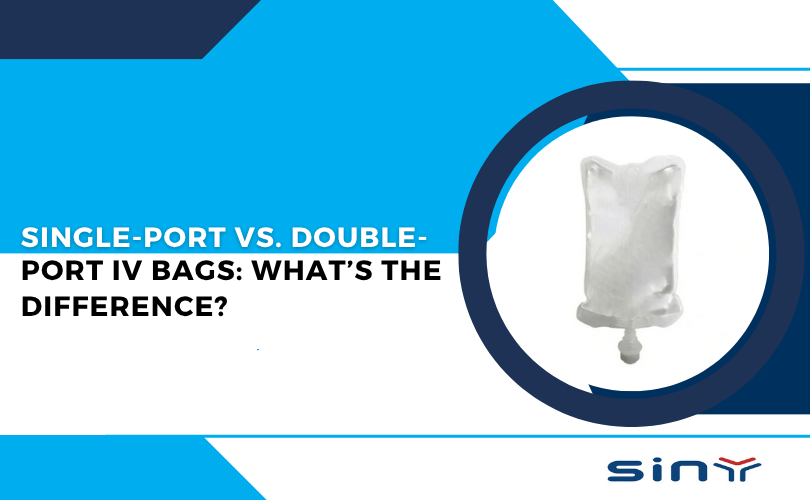
Infusion containers may use single-port, dual-port, or other specialized configurations.
A single-port design provides one access point. A dual-port design provides two separate access points, which may serve different filling or administration functions.
Some products feature Luer Lock connections for compatible syringes or fluid-transfer devices. Others use ports designed for intravenous administration sets.
However, a Luer Lock connection should not be assumed to be present on every infusion bag.
Buyers should confirm the actual port configuration and compatibility with their equipment before purchasing.
Sealing and Container Integrity
Reliable seals help prevent leakage and maintain container integrity throughout the container’s intended use.
Important features include consistent edge sealing, secure port attachment, suitable mechanical strength, and resistance to leakage under specified conditions.
For pharmaceutical applications, container closure integrity may also require product-specific testing and validation.
Common Uses and Applications of Empty IV Bags
Empty infusion containers are used across several healthcare and pharmaceutical environments. Their applications depend on the container’s specified intended use, material compatibility, and filling requirements.
Hospital Pharmacy and Sterile Compounding
Hospital pharmacies may use suitable empty infusion containers to prepare prescribed intravenous formulations.
For example, pharmacists may need to transfer a compatible medication preparation into an appropriately designed container.
In these situations, container selection depends on the formulation, required volume, preparation process, and administration method.
The pharmacy must also evaluate stability, storage conditions, and beyond-use dating according to applicable standards.
A sterile empty container alone does not establish the sterility or stability of the final preparation.
Pharmaceutical Manufacturing and Filling
Pharmaceutical manufacturers may purchase unfilled flexible containers for controlled filling operations.
These containers can form part of a validated packaging system for compatible pharmaceutical solutions.
Manufacturers must consider the interaction between the formulation, container material, filling equipment, and closure system.
For example, an infusion bag may have the correct nominal capacity but still be unsuitable for a particular filling machine or processing method.
Therefore, manufacturers often evaluate samples and technical specifications before selecting a container for production.
Parenteral Nutrition Preparation
Parenteral nutrition provides nutrients intravenously when clinically indicated.
Certain specialized containers are designed for preparing or holding parenteral nutrition formulations.
These mixtures may contain glucose, amino acids, lipids, electrolytes, and other prescribed components.
Because these ingredients have different chemical and stability characteristics, the container must be suitable for the intended formulation.
In particular, lipid-containing preparations may require additional consideration of material compatibility, oxygen exposure, and storage conditions.
Not every standard infusion bag is appropriate for parenteral nutrition.
Specialized Medical Fluid Preparation
Some healthcare facilities require flexible containers for specialized medication preparation or controlled fluid transfer.
These applications may involve compatible intravenous admixtures or other authorized medical preparations.
However, an infusion container should not automatically be used for blood products, irrigation solutions, enteral feeding, or laboratory applications.
Each use has distinct technical and regulatory requirements.
Medical Distribution and OEM Supply
Medical distributors and OEM buyers may source empty infusion bags for healthcare facilities, pharmaceutical packaging projects, or regional medical supply networks.
For these customers, purchasing decisions often involve more than the bag itself.
They may need consistent product configurations, suitable packaging, clear labeling, and reliable technical documentation.
A well-defined product specification helps distributors match customer requirements and reduce compatibility problems.
How to Choose the Right Empty IV Bag
Selecting an appropriate Empty IV Bag requires careful consideration of its intended use, materials, connections, and quality requirements.
For hospitals, pharmaceutical companies, and medical distributors, the following factors provide a practical purchasing framework.
Identify the Intended Application
Start by determining how the container will be used.
Is it intended for hospital pharmacy compounding, pharmaceutical manufacturing, parenteral nutrition, or another specified application?
Different uses may require different materials, port configurations, processing methods, and documentation.
Clearly defining the application helps buyers narrow down suitable product options.
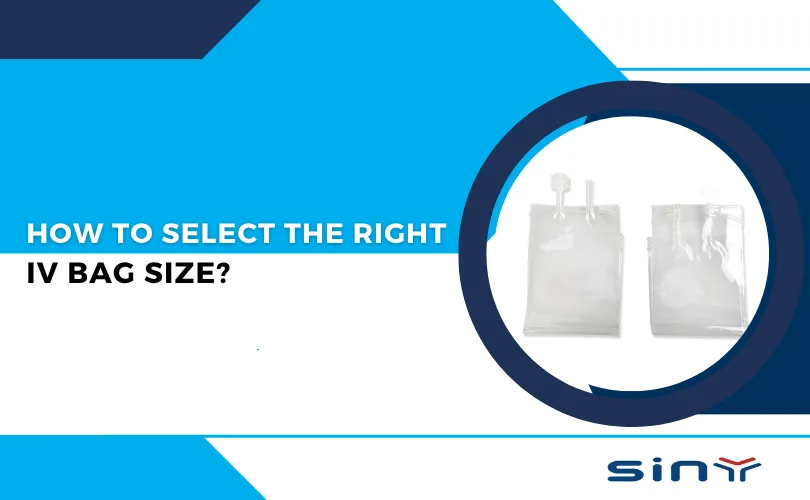
Select the Appropriate Capacity
Infusion bags are available in different nominal volumes, depending on the manufacturer and product design.
When selecting a size, buyers should distinguish between three important measurements:
- Nominal capacity: The volume used to identify the product size.
- Recommended filling volume: The filling range specified for the intended application.
- Maximum validated filling volume: The upper filling limit supported by relevant product information, where applicable.
These values are not necessarily identical.
For example, a buyer should not assume that a container can safely accommodate any volume simply because its flexible body can expand.
Evaluate Material Compatibility
The container material must be suitable for the intended solution.
Potential compatibility concerns include drug adsorption, chemical interactions, extractables and leachables, and changes in formulation stability.
Some preparations may also require specific oxygen or moisture barrier properties.
Therefore, buyers should request relevant technical information rather than rely only on general descriptions such as PVC or non-PVC.
Confirm Port Compatibility
The port configuration must match the filling process and administration equipment.
For instance, a pharmaceutical filling operation may require a particular connection design, while a hospital pharmacy may use a different transfer system.
Buyers should verify port dimensions, connection types, and intended functions using the manufacturer’s product information.
Where practical, testing samples with the intended equipment can help identify compatibility issues before bulk purchasing.
Check Sterility and Processing Requirements
Empty infusion containers may be supplied sterile or under another specified supply condition.
Buyers should confirm the actual sterility status, packaging configuration, and applicable processing requirements.
They should also determine whether the container is compatible with the intended filling or sterilization process.
A container supplied sterile is not automatically suitable for terminal sterilization after filling.
Review Documentation Before Bulk Purchasing
For medical distributors and pharmaceutical buyers, product documentation is an important part of supplier evaluation.
Depending on the application, relevant information may include material specifications, instructions for use, applicable quality records, and product testing information.
Regulatory requirements can also vary between destination markets.
Empty IV Bag Purchasing Checklist
| Purchasing Factor | What Buyers Should Confirm |
|---|---|
| Intended Application | Suitable use and filling process |
| Capacity | Nominal volume and supported filling range |
| Material | Film composition, solution compatibility, and relevant material declarations |
| Port Configuration | Connection type and equipment compatibility |
| Supply Condition | Sterility status and packaging |
| Container Integrity | Relevant seal and leakage testing |
| Processing Requirements | Compatibility with intended production methods |
| Documentation | Applicable specifications and quality information |
| Bulk Supply | Packaging configuration and purchasing requirements |
Using a structured checklist makes supplier comparisons easier and helps reduce the risk of ordering unsuitable products.
Storage, Handling, and Quality Considerations
Proper storage and handling help maintain the condition of empty medical containers before filling.
Even a suitable infusion bag may become unusable if its packaging is damaged or if it is stored outside the manufacturer’s recommended conditions.
Storage Before Filling
Empty infusion containers should be stored according to their labeling and product-specific instructions.
In general, facilities should protect packaged containers from physical damage, contamination, and unsuitable environmental conditions.
Temperature, humidity, light exposure, and storage duration may affect certain materials or packaging systems.
Therefore, buyers should follow the stated shelf life and recommended storage conditions.
Inspection Before Use
Before filling, qualified personnel should inspect the container according to the manufacturer’s instructions and applicable facility procedures.
Important checks may include:
- Packaging integrity and visible damage.
- Bag surface and edge condition.
- Port and connector integrity.
- Product labeling and expiration information.
- Any visible defects that could affect intended use.
Containers with damaged sterile packaging, visible leakage, or unacceptable defects should not be used.
Handling After Filling
Once a container has been filled, the preparation must be handled according to its formulation-specific requirements.
Storage duration depends on the solution, preparation conditions, compatibility evidence, and applicable pharmaceutical standards.
The shelf life of an unused empty container does not determine the shelf life or beyond-use date of a filled preparation.
Similarly, disposable infusion containers should not be reused contrary to their intended-use instructions.
Maintaining Consistent Product Quality
For healthcare facilities and pharmaceutical operations, consistency between production batches is important.
Container dimensions, materials, port configurations, and packaging should match the agreed product specifications.
When introducing a new container into an existing workflow, facilities may need to review product documentation and perform appropriate compatibility checks.
These measures help ensure that the selected container remains suitable for its intended application.
Frequently Asked Questions About Empty IV Bags
1. What is an empty IV bag used for?
An empty infusion bag is used to hold compatible intravenous solutions after appropriate filling or preparation. Applications may include hospital pharmacy compounding, pharmaceutical manufacturing, and selected parenteral nutrition preparations.
2. What is the difference between an empty IV bag and a pre-filled IV bag?
An empty infusion bag is supplied without a solution, while a pre-filled bag already contains a prepared fluid or formulation. Their filling, storage, handling, and quality requirements may differ.
3. Are all empty IV bags sterile?
No. Sterility depends on the specific product and its supply condition. Buyers should confirm the manufacturer’s labeling, packaging, and relevant sterilization information before use.
4. What materials are commonly used for infusion bags?
Common materials include PVC, EVA, polyolefin-based polymers, and multilayer films. Their suitability depends on the formulation, intended processing method, and compatibility requirements.
5. Can empty infusion bags hold any medication?
No. Some medications may interact with container materials or require specialized packaging. Compatibility and stability must be evaluated before use.
6. What is the difference between single-port and dual-port IV bags?
Single-port containers have one access point, while dual-port designs provide two separate ports. Their exact functions depend on the product configuration and intended application.
7. Can disposable empty infusion bags be reused?
Disposable infusion bags are generally intended for single use. Reusing them may compromise container integrity or introduce contamination risks. Always follow the manufacturer’s instructions.
8. What should distributors check before purchasing empty IV bags in bulk?
Distributors should confirm the intended use, material, capacity, port design, supply condition, packaging, and technical documentation. Product samples can also help evaluate compatibility before placing larger orders.
Choose Suitable Empty IV Bags from Siny Medical
Selecting the right infusion container requires more than comparing prices or nominal volumes. Material compatibility, port design, intended use, and reliable product specifications all influence purchasing decisions. At Siny Medical, we supply empty intravenous bags for medical distributors, healthcare facilities, and professional purchasing needs. We understand that different applications require careful consideration of container materials, connection designs, and product compatibility. Explore our product range at Siny Medical or contact our team to discuss your requirements and bulk purchasing needs.