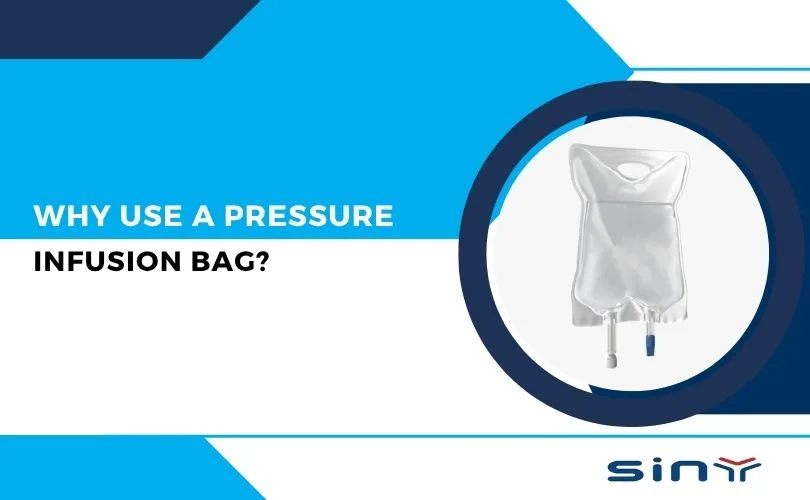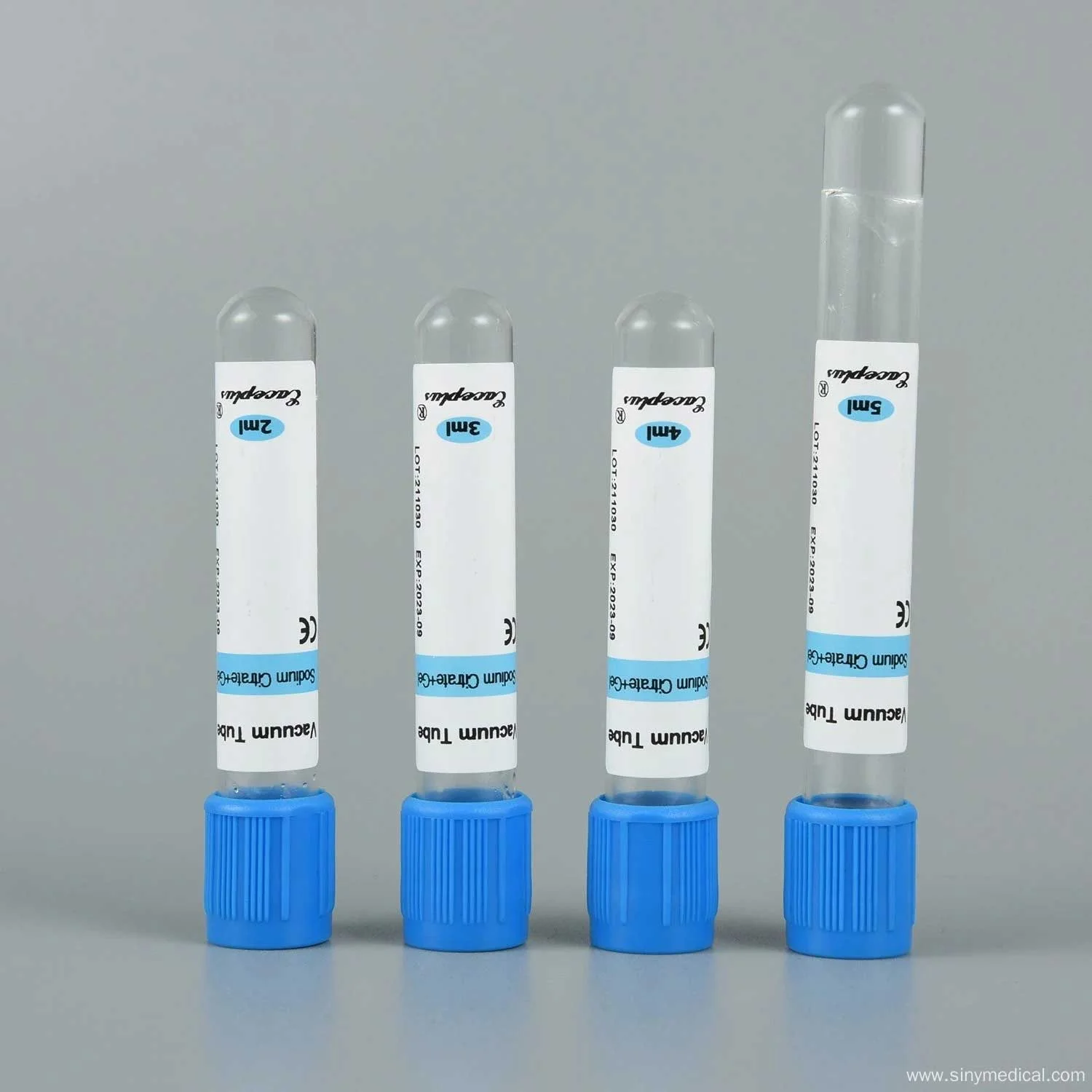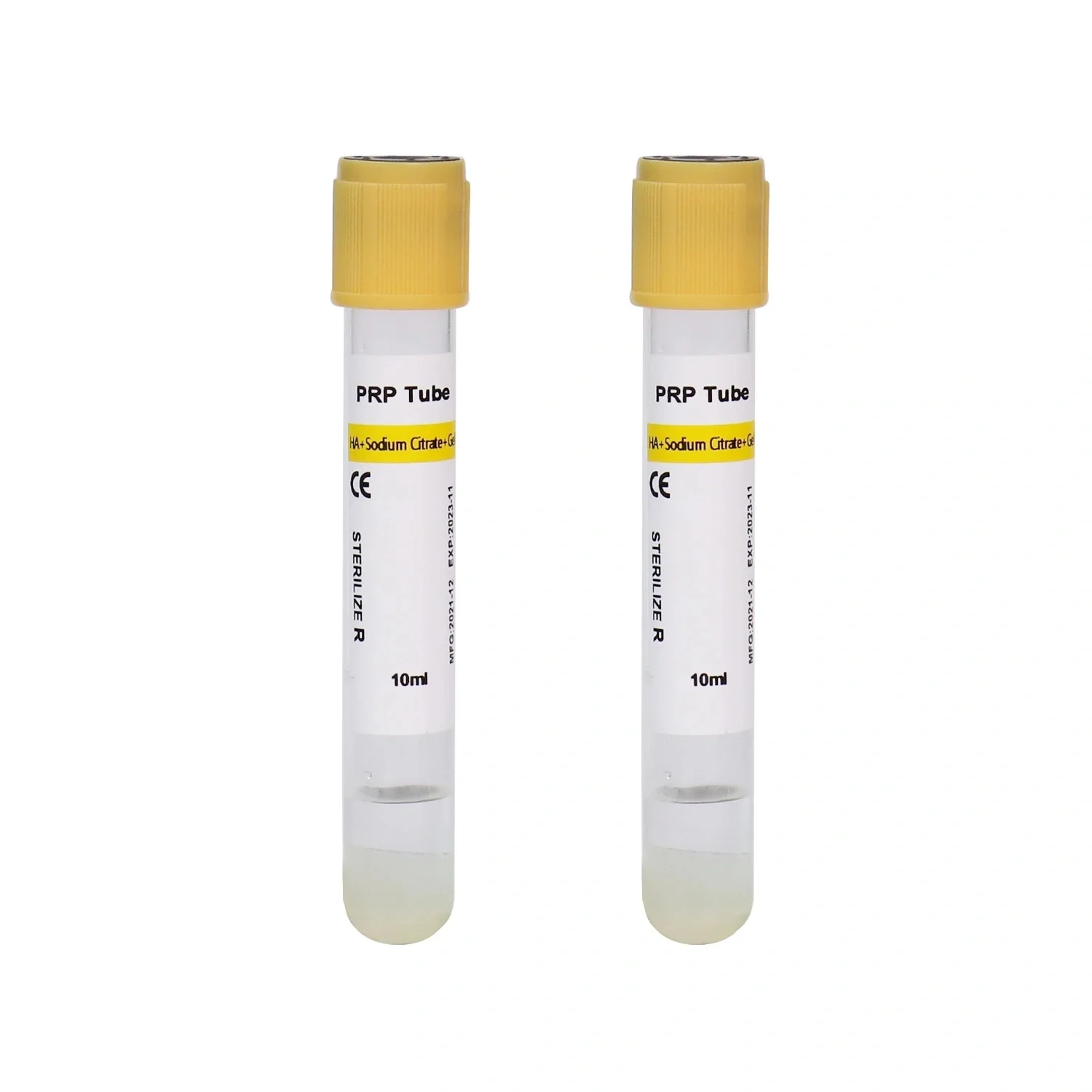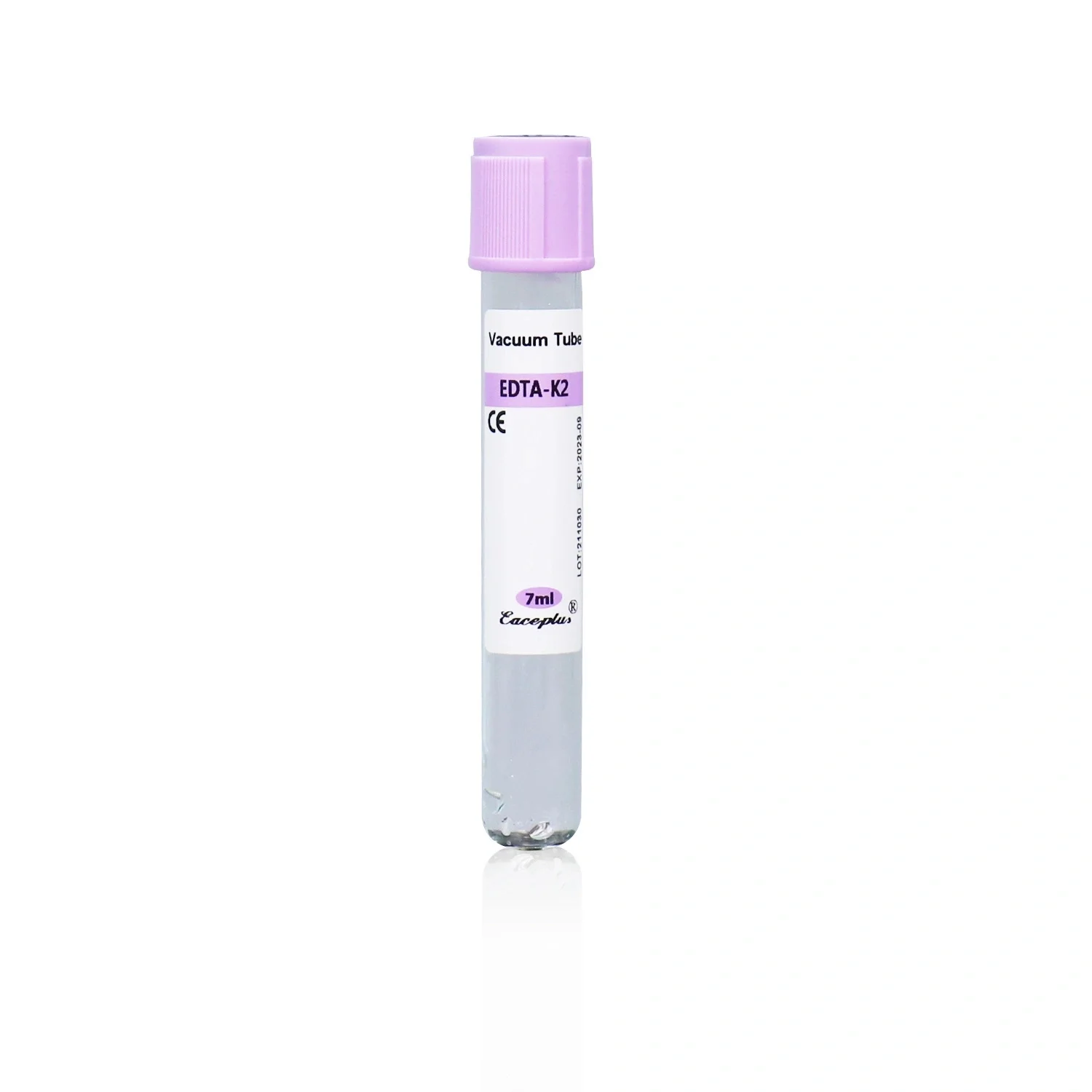
Choosing an IV bag is not simply a matter of selecting the largest or most commonly stocked option. For hospitals, pharmaceutical companies, medical distributors, compounding facilities, and healthcare suppliers, bag capacity can affect medication preparation, fluid management, inventory planning, storage, and purchasing efficiency.
So, how do you select the right IV bag size when capacities range from 50 mL to 3000 mL?
Start with the intended application. Smaller 50 mL and 100 mL bags are commonly associated with small-volume medication preparation and infusion. Mid-range capacities such as 250 mL and 500 mL provide greater flexibility for medication dilution and general fluid applications, while 1000 mL bags cover many larger-volume fluid requirements. Capacities above 1000 mL are generally selected for more specialized filling and fluid-handling applications.
For procurement teams, however, choosing individual sizes is only half the job. The more useful question is: Which combination of IV bag sizes matches actual customer or facility demand?
Table of Contents
- 1 How to Select the Right IV Bag Size Based on Application
- 2 50 mL and 100 mL IV Bags for Small-Volume and Medication Applications
- 3 250 mL and 500 mL IV Bags: Flexible Mid-Range Choices
- 4 1000 mL to 3000 mL IV Bags for Larger-Volume Requirements
- 5 How to Select the Right IV Bag Size Mix for Procurement
- 6 FAQ About IV Bag Sizes
- 6.1 How do I choose the right IV bag size?
- 6.2 What are the most common IV bag sizes?
- 6.3 What size IV bag is used for medication or antibiotic infusion?
- 6.4 Are 50 mL IV bags only used for pediatric applications?
- 6.5 Should a buyer choose 500 mL or 1000 mL IV bags?
- 6.6 What are 2000 mL and 3000 mL IV bags used for?
- 6.7 How should a distributor decide which IV bag sizes to stock?
- 6.8 Can I source multiple IV bag sizes from one manufacturer?
- 7 Build Your IV Bag Purchasing Strategy Around Real Demand
How to Select the Right IV Bag Size Based on Application
There is no universal IV bag capacity suitable for every clinical or pharmaceutical setting. The appropriate container size depends on the intended fill volume, solution or medication, patient population, administration requirements, institutional protocols, and filling process.
For purchasing purposes, the available sizes can be viewed in several practical groups:
| IV Bag Size | Purchasing Position | Typical Application Direction |
|---|---|---|
| 50 mL | Very small-volume option | Medication preparation, pediatric and other small-volume requirements |
| 100 mL | Common small-volume option | Medication dilution and intermittent infusion applications |
| 250 mL | Small-to-medium volume | Moderate drug dilution and fluid requirements |
| 500 mL | Flexible mid-range option | Routine fluid and broader clinical applications |
| 1000 mL | Standard larger-volume option | Hydration, fluid replacement, and general fluid applications |
| 1500–3000 mL | Specialized high-capacity option | Large-volume preparation, pharmaceutical filling, and specialized fluid handling |
These categories are intended as purchasing guidance rather than fixed clinical rules. The volume administered to a patient depends on the prescribed treatment, solution composition, drug formulation, infusion rate, and applicable clinical protocol.
This distinction is particularly important for buyers.
A children’s hospital may consume smaller capacities differently from a general inpatient facility. A pharmaceutical filling company may choose empty IV bags according to its finished product portfolio. A distributor, meanwhile, may need a wider range because its customers serve several different healthcare markets.
The best IV bag size is therefore the one that fits the intended workflow—not simply the capacity with the highest overall market demand.
For organizations sourcing several capacities under one product range, Siny Medical supplies empty IV bags from 50 mL to 3000 mL, helping buyers cover both standard and specialized volume requirements.
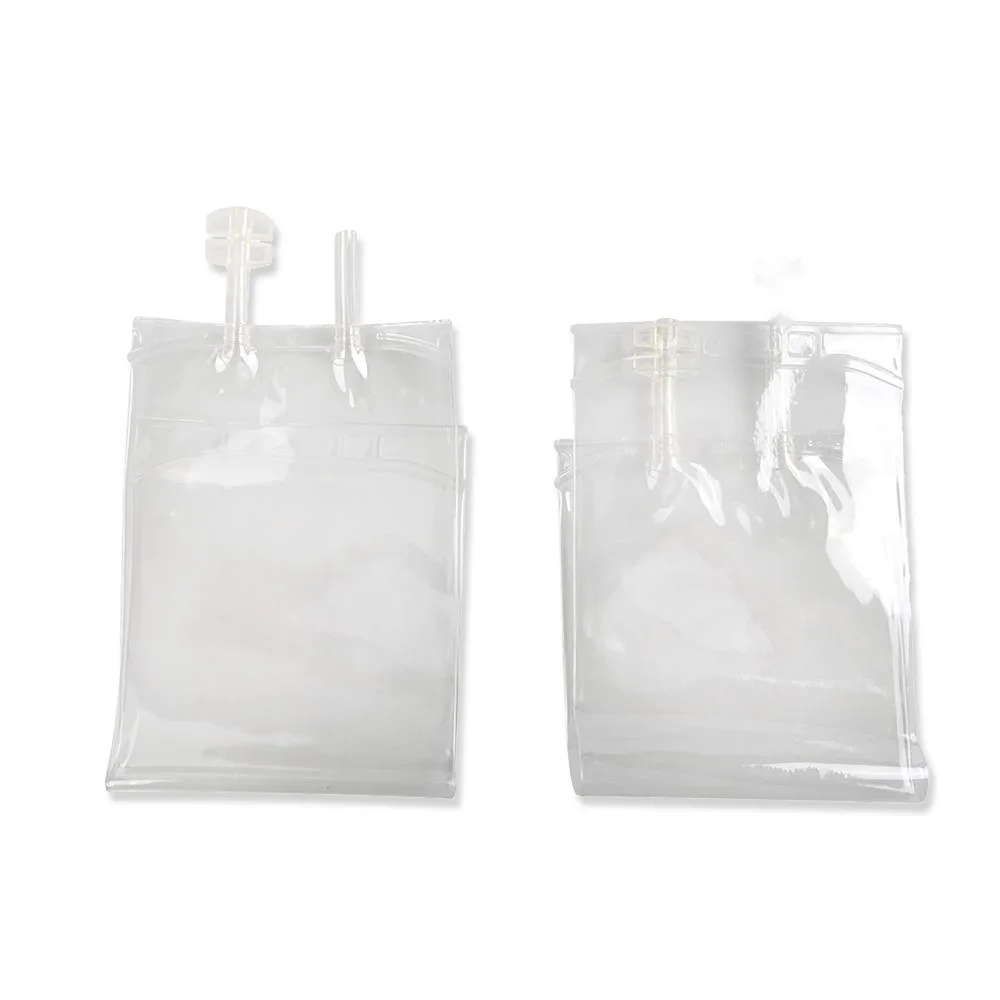
50 mL and 100 mL IV Bags for Small-Volume and Medication Applications
At the smaller end of the range, 50 mL and 100 mL IV bags are useful when the intended preparation does not require the capacity of a 500 mL or 1000 mL container.
These smaller formats are particularly relevant to medication-focused facilities, pediatric departments, compounding centers, and pharmaceutical filling operations.
50 mL IV Bags
A 50 mL IV bag provides a compact option for relatively small solution volumes. Depending on the medication, formulation, and institutional protocol, this capacity may be selected for small-volume medication preparation and controlled infusion applications.
Smaller containers can also be valuable in pediatric environments, where careful fluid management is particularly important. This does not mean that 50 mL is automatically the appropriate volume for a pediatric patient. Rather, having smaller bag formats available gives healthcare facilities more flexibility when treatment protocols call for lower solution volumes.
From a procurement perspective, 50 mL bags deserve more attention when customers include:
- children’s hospitals and pediatric departments;
- compounding and medication preparation facilities;
- specialty and outpatient clinics;
- pharmaceutical filling operations producing small-volume products;
- healthcare facilities with frequent small-volume medication requirements.
For a general medical distributor, 50 mL may not need to be stocked at the same level as the most frequently requested standard capacities. Its inventory priority should depend on the customer base.
100 mL IV Bags
The 100 mL IV bag offers additional capacity while remaining compact enough for many medication-related applications.
Depending on the medication instructions and institutional procedures, 100 mL bags may be selected for intravenous medication preparation, including certain intermittent and antibiotic infusion workflows.
This makes the size particularly relevant to hospitals and facilities with frequent medication-infusion demand.
From an inventory perspective, 100 mL also provides a useful bridge between specialized 50 mL requirements and larger 250–500 mL containers. When only a relatively small fill volume is required, selecting a more appropriately sized container can also simplify handling and storage compared with unnecessarily large formats.
For buyers serving pediatric departments, infusion centers, compounding facilities, or medication-focused hospitals, 50 mL and 100 mL bags generally deserve a higher purchasing priority than they would in a fluid-focused supply program.
250 mL and 500 mL IV Bags: Flexible Mid-Range Choices
Between small-volume bags and 1000 mL containers sits an important middle range: 250 mL and 500 mL IV bags.
These capacities are useful because they are not limited to one narrow purchasing scenario. They can support medication-related requirements as well as general fluid applications, depending on the solution and clinical protocol.
When Does a 250 mL IV Bag Make Sense?
A 250 mL bag provides more capacity than a 50 mL or 100 mL format without moving directly into the larger 500–1000 mL range.
It can be considered when the intended preparation requires a moderate solution volume or when a pharmaceutical product is designed around an intermediate fill size.
From an inventory perspective, 250 mL fills an important gap. Without this option, buyers may find themselves relying on containers that provide considerably more capacity than a particular preparation requires.
This makes 250 mL especially useful for distributors looking to build a broad IV bag range rather than concentrating on only small and large formats.
Why Is the 500 mL IV Bag an Important Core Size?
The 500 mL IV bag provides a versatile medium-volume option for general clinical and fluid applications.
It offers substantially more capacity than 100 mL and 250 mL bags while remaining smaller than the standard 1000 mL format. This makes it useful for facilities handling a variety of fluid requirements rather than focusing primarily on small-volume medication preparation.
For general hospitals and medical distributors, 500 mL can therefore function as an important core inventory size.
Think of 250 mL and 500 mL containers as the flexibility layer in an IV bag purchasing plan:
50–100 mL → small-volume demand
250–500 mL → flexible intermediate demand
1000 mL → larger-volume demand
This structure is especially useful for distributors because their customers rarely share identical consumption patterns.
Sourcing multiple capacities from the same product range can also simplify purchasing. Siny Medical offers different size IV bags from 50 mL to 3000 mL, allowing distributors, healthcare suppliers, and pharmaceutical buyers to combine several capacity requirements in one sourcing program.
1000 mL to 3000 mL IV Bags for Larger-Volume Requirements
When an application requires more solution capacity, buyers typically move toward 1000 mL IV bags or specialized containers above 1000 mL.
The purchasing logic at this end of the range is different from that of 50 mL and 100 mL bags. Instead of small-volume medication preparation, the focus shifts toward general fluid requirements, larger fill volumes, and specialized professional applications.
1000 mL IV Bags
The 1000 mL bag is a widely recognized larger-volume format and is commonly associated with hydration, fluid replacement, and other general fluid-management applications.
For hospitals and medical distributors, this makes 1000 mL an important inventory size where there is regular demand for larger-volume fluid products.
Procurement teams should still avoid assuming that the largest standard bag should automatically receive the highest purchasing allocation.
A facility specializing in outpatient medication infusion, for example, may consume far more 100 mL and 250 mL containers than 1000 mL bags. A general inpatient hospital may show the opposite pattern.
Historical consumption should therefore determine purchasing priority.
When Are 1500 mL, 2000 mL, and 3000 mL Bags Needed?
Once capacity moves beyond 1000 mL, the application becomes more specialized.
Large containers from 1500 mL to 3000 mL may be considered for high-volume solution preparation, pharmaceutical filling, compounding, or other professional fluid-handling applications where greater container capacity is required.
Certain large-volume healthcare applications may also require specialized bags, but suitability depends on much more than nominal capacity. Bag material, port design, compatibility, sterilization method, filling conditions, and the intended solution all need to be considered.
For that reason, buyers should not treat a 2000 mL or 3000 mL bag simply as a larger version of a standard 1000 mL IV bag.
They are better viewed as specialized capacity options selected around a defined application.
If your filling or distribution program requires capacities beyond the conventional 1000 mL range, Siny Medical can supply empty IV bags in capacities up to 3000 mL for professional purchasing requirements.
How to Select the Right IV Bag Size Mix for Procurement
Understanding individual capacities is useful, but procurement teams ultimately need to decide how much inventory to allocate to each size.
There is no reliable universal percentage such as “30% 100 mL + 40% 500 mL + 30% 1000 mL.” A purchasing ratio that works for one hospital or distributor may create unnecessary inventory for another.
A better method is to classify demand by customer and application.
Pediatric and Medication-Focused Facilities
Purchasing emphasis: 50 mL → 100 mL → 250 mL
Children’s hospitals, outpatient infusion facilities, compounding centers, and medication-focused customers generally justify a stronger inventory position in smaller capacities.
500 mL and 1000 mL formats may still be required, but their purchasing priority should reflect actual fluid demand rather than simply following general market trends.
General Hospitals
Purchasing emphasis: 100 mL → 250 mL → 500 mL → 1000 mL
General hospitals usually require a broader size portfolio.
Smaller capacities can support medication-related workflows, while 500 mL and 1000 mL bags cover a wider range of routine fluid requirements. The exact ratio should be adjusted using departmental consumption and purchasing records.
Medical Distributors
Purchasing emphasis: broad core inventory + demand-based specialty sizes
For distributors, product breadth is often important.
100 mL, 250 mL, 500 mL, and 1000 mL can form the core capacity range, while 50 mL and sizes above 1000 mL can be adjusted according to regional demand, customer contracts, and historical sales.
A distributor serving mainly hospitals may have a very different size mix from one supplying pharmaceutical and compounding customers.
Pharmaceutical and OEM Filling Operations
Purchasing emphasis: project-specific
Pharmaceutical manufacturers should build purchasing ratios around intended fill volume and product specifications rather than general hospital consumption.
Bag material, port configuration, sterilization requirements, filling equipment, solution compatibility, packaging, and annual production volume may all influence the final choice.
IV Bag Procurement Priority Matrix
The following matrix provides a practical starting point rather than a fixed purchasing formula:
| Buyer Profile | 50–100 mL | 250–500 mL | 1000 mL | 1500–3000 mL |
| Pediatric / Medication Focus | High | Medium | Low–Medium | Low |
| General Hospital | Medium | High | High | Demand-Based |
| Medical Distributor | Medium | High | High | Demand-Based |
| Pharmaceutical / OEM | Project-Based | Project-Based | Project-Based | Project-Based |
Once this initial mix has been established, purchasing teams should compare it against actual consumption.
Ask:
- Which capacities turn over fastest?
- Which sizes repeatedly run short?
- Which bags remain in inventory longer than expected?
- Are new customers creating demand for additional capacities?
- Are specialized sizes being stocked without confirmed demand?
The answers provide a much stronger basis for the next order than a generic industry percentage.
That is the practical answer to how to select the right IV bag size: match capacity to application first, then match inventory allocation to real consumption.
FAQ About IV Bag Sizes
How do I choose the right IV bag size?
Start with the intended fill volume and application. Smaller 50–100 mL bags are commonly selected for small-volume medication-related requirements, while 250–500 mL bags provide greater flexibility across medication and fluid applications. A 1000 mL bag covers many larger-volume requirements, while capacities above 1000 mL are generally selected for specialized applications. Procurement teams should then adjust their inventory mix using actual consumption data.
What are the most common IV bag sizes?
Common capacities include 50 mL, 100 mL, 250 mL, 500 mL, and 1000 mL. Larger formats such as 1500 mL, 2000 mL, and 3000 mL are also available for specialized professional and pharmaceutical applications.
What size IV bag is used for medication or antibiotic infusion?
Smaller capacities such as 50 mL and 100 mL are commonly associated with medication-infusion workflows, while 250 mL may be selected when a larger solution volume is required. The appropriate volume depends on the medication, formulation instructions, prescribed treatment, and institutional protocol.
Are 50 mL IV bags only used for pediatric applications?
No. Pediatric care is one important area where smaller capacities can be useful, but 50 mL bags can also support other small-volume medication preparation and pharmaceutical filling requirements.
Should a buyer choose 500 mL or 1000 mL IV bags?
Many hospitals and distributors maintain both sizes. A 500 mL bag provides a flexible medium-volume option, while a 1000 mL bag provides greater capacity for larger-volume fluid applications. Purchasing priority should depend on actual customer or departmental consumption.
What are 2000 mL and 3000 mL IV bags used for?
These larger containers are generally selected when a professional application requires greater solution capacity, such as specialized fluid preparation, pharmaceutical filling, compounding, or other high-volume fluid-handling processes. Buyers should confirm that the bag material, ports, sterilization method, and overall design are suitable for the intended application.
How should a distributor decide which IV bag sizes to stock?
Start with customer type and historical sales. Medication-focused customers may create stronger demand for smaller capacities, while general hospitals may require more 500 mL and 1000 mL products. Specialized sizes should generally be stocked according to confirmed demand rather than simply ordering every capacity in equal quantities.
Can I source multiple IV bag sizes from one manufacturer?
Yes. Purchasing several capacities from one manufacturer can simplify supplier management, packaging coordination, product specifications, and bulk ordering. Buyers should confirm the available capacities, materials, port configurations, sterilization options, and other requirements before ordering.
Build Your IV Bag Purchasing Strategy Around Real Demand
The right IV bag purchasing strategy is not about finding one capacity that works for everything.
50 mL and 100 mL bags help cover small-volume medication and specialized requirements. 250 mL and 500 mL bags provide flexibility across a wider range of applications. 1000 mL bags address many larger-volume fluid requirements, while 1500–3000 mL containers extend the range for specialized filling and fluid-handling programs.
More importantly, these sizes do not need to be purchased in equal quantities.
Hospitals should look at departmental consumption. Distributors should examine customer profiles and historical turnover. Pharmaceutical buyers should start with fill volume and technical requirements. As actual demand changes, the purchasing ratio should change with it.
Siny Medical supplies empty IV bags from 50 mL to 3000 mL for hospitals, medical distributors, compounding facilities, pharmaceutical companies, and OEM buyers.
If you are building a mixed-size purchasing program, explore the Siny Medical IV bag range or contact us to discuss your required capacities, bag materials, port configurations, order quantities, and OEM requirements.