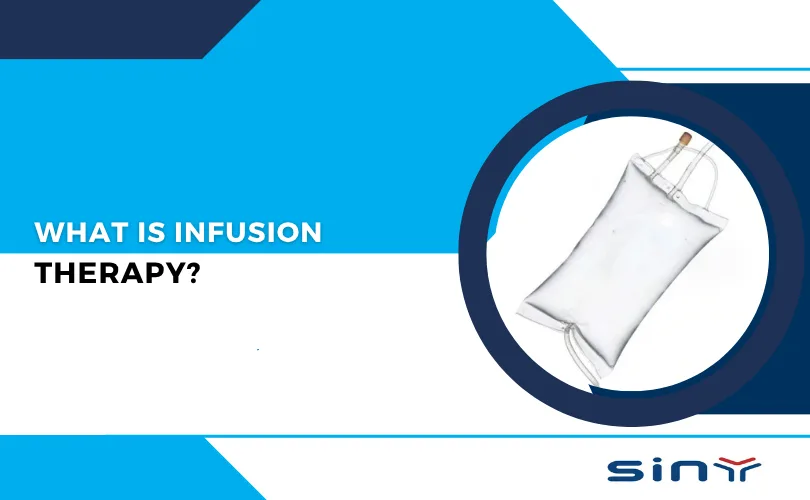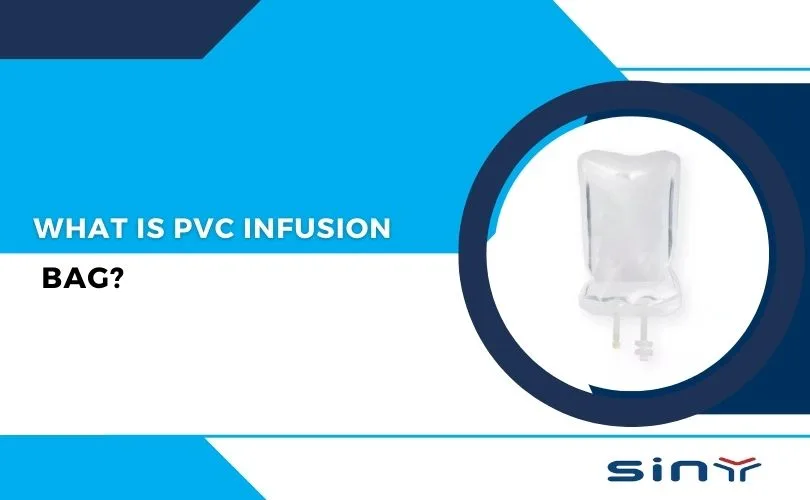
When sourcing intravenous fluid containers, buyers often compare bag material, capacity, sterilization method, packaging, and solution compatibility. However, another structural detail deserves just as much attention: the number and design of the ports.
The difference between Single-Port vs. Double-Port IV Bags may seem straightforward. One has a single access point, while the other has two. In actual use, the difference is more about how the bag will be filled, prepared, accessed, and connected to an IV administration set.
A single-port IV bag concentrates access through one primary port. Depending on its design, this port may support administration alone or more than one function. A double-port IV bag provides two access points, allowing different operations to be separated when the application requires it.
For hospitals, pharmaceutical companies, medical distributors, and OEM buyers, understanding these differences can make product selection much easier. The right port configuration should fit the way the IV bag will be manufactured, prepared, and used.
Table of Contents
- 1 What Does an IV Bag Port Actually Do?
- 2 How Do Single-Port and Double-Port IV Bags Work?
- 3 Single-Port vs. Double-Port IV Bags: Key Differences
- 4 Which IV Bag Port Configuration Should You Choose?
- 5 What Else Should Buyers Check When Sourcing IV Bags?
- 6 FAQ About Single-Port and Double-Port IV Bags
- 6.1 1. What is the main difference between a single-port and double-port IV bag?
- 6.2 2. Does a single-port IV bag only allow infusion?
- 6.3 3. What are the two ports on a double-port IV bag used for?
- 6.4 4. Does a single-port IV bag cost less than a double-port IV bag?
- 6.5 5. What should pharmaceutical buyers check when sourcing empty IV bags?
- 6.6 6. What information should I provide when sourcing IV bags?
- 7 Choosing the Right IV Bag for Your Application
What Does an IV Bag Port Actually Do?
An IV bag port is an access point between the solution inside the flexible container and the equipment or device used during filling, preparation, or administration.
Depending on the bag design, a port may be intended for filling, adding a compatible medication, connecting an IV administration set, or supporting more than one of these functions.
This is why port configuration should always be evaluated together with the intended application.
What Is a Single-Port IV Bag?
A single-port IV bag has one primary access point.
In some designs, the port is mainly intended for connection to an IV administration set. In others, one access system can support more than one step in the preparation and administration process.
Single-port configurations can be practical for applications where a separate second access point is unnecessary. Certain ready-to-administer or premixed solutions, for example, may use a single protected administration connection because additional manipulation of the container is not part of the intended workflow.
Using one port can also simplify the overall container structure by reducing the number of separate port and closure components. For high-volume manufacturing projects, this may be relevant when evaluating production complexity, component use, and overall packaging cost.
A single-port design is therefore not necessarily less functional. Instead, it concentrates the required access functions into a simpler port configuration.

What Is a Double-Port IV Bag?
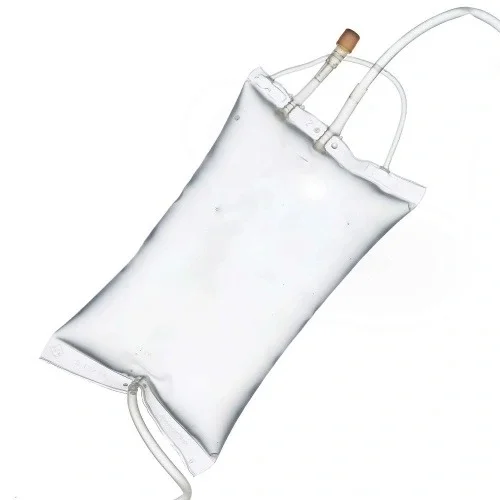
A double-port IV bag, also called a dual-port IV bag, provides two access points.
A common design separates administration from another operation. For example, one port may be intended for connection to the IV administration set, while the second may provide access for filling or the addition of a compatible medication.
This physical separation can make different handling steps easier to distinguish. When the two ports are designed for different functions, one access point can remain dedicated to administration while the other is used during preparation, filling, or medication addition.
Other configurations are also possible. Some dual-port systems use ports with similar functions rather than assigning one fixed purpose to each port.
For this reason, buyers should confirm the function, connection method, and intended use of each port instead of assuming that every double-port bag uses the same interface design.

How Do Single-Port and Double-Port IV Bags Work?
The practical difference becomes clearer when the entire IV bag workflow is considered.
A bag may pass through several stages before the solution reaches the patient. Depending on the application, these can include manufacturing, filling, sealing, sterilization, storage, preparation, medication addition, and final administration.
With a single-port IV bag, these requirements are managed through one access system. If the bag contains a ready-to-administer solution, the main requirement may simply be a protected connection that can be accessed by the appropriate administration set.
Other single-port designs may allow the same access system to perform more than one function. This consolidated structure can reduce the number of separate components required on the container and may simplify production for applications that do not need independent access points.
A double-port IV bag provides two separate access points. This becomes useful when different stages of handling are easier to manage independently.
For example, one port may remain protected for final administration while another is used during filling or preparation. In another configuration, a dedicated injection or additive site may allow a compatible medication to be introduced without using the administration port.
Separating these functions can create a clearer workflow. Staff can use the appropriate access point for a specific task rather than relying on the same port for multiple operations.
The exact workflow still depends on the bag design. Therefore, buyers should confirm how each port is intended to be accessed before integrating the bag into a filling or administration process.
Single-Port vs. Double-Port IV Bags: Key Differences
For procurement teams, comparing port numbers alone provides limited information. A more useful comparison looks at how each configuration affects container structure and handling.
| Comparison Point | Single-Port IV Bag | Double-Port IV Bag |
|---|---|---|
| Number of Access Points | One primary access point | Two access points |
| Port Functions | One port may support one or multiple functions depending on design | Different functions can be separated between two ports |
| Medication Addition | Depends on the specific port design | May use a separate additive or injection access point |
| Administration | Uses the primary port when designed for IV set connection | May use a dedicated administration port |
| Container Structure | Fewer separate port components | Additional access point provides greater separation of functions |
| Handling Workflow | Access is consolidated through one port | Different operations can be handled through separate access points |
| Filling Considerations | Must match the intended filling method and port structure | May provide separate filling access depending on configuration |
| Typical Selection Logic | Useful when one access system covers the required operations | Useful when preparation and administration benefit from separate access |
These differences become particularly relevant when the same type of IV bag is considered for different applications.
A hospital purchasing a finished infusion product has different requirements from a pharmaceutical manufacturer sourcing empty IV bags for a filling line. A medical distributor may focus on compatibility with commonly used IV sets, while an OEM project may require a particular port structure to match existing equipment or processes.
Port configuration should therefore be selected according to what the container needs to do throughout its actual use cycle.

Which IV Bag Port Configuration Should You Choose?
The most practical starting point is one question:
What needs to happen to the bag between filling and final administration?
If the application mainly requires a protected administration connection and there is no practical need for a second access point, a single-port configuration may be sufficient.
Its simpler structure can also be relevant for large-volume projects where minimizing unnecessary components and keeping the container design straightforward are important considerations.
However, the manufacturer still needs to consider filling, sealing, sterilization, and administration requirements. A bag with fewer ports does not automatically mean every part of the production process will be simpler.
A double-port configuration becomes more useful when different operations need their own access points.
For example, one port can remain dedicated to administration while another provides access for filling, preparation, or medication addition, depending on the design. Keeping these access points separate can make the intended role of each port clearer during handling.
This can be particularly useful for pharmaceutical filling operations, hospital pharmacies, compounding environments, and other professional applications where the container may require additional preparation before administration.
The second port should still serve a practical purpose. Adding another access point without a corresponding workflow requirement offers little benefit.
For procurement teams, a useful approach is therefore to map the complete process first—filling, preparation, medication addition if required, and administration—and then choose the port arrangement that supports those steps most efficiently.
What Else Should Buyers Check When Sourcing IV Bags?
Port configuration is important, but it is only one part of the complete IV container system. Several other factors should be evaluated before bulk purchasing.
Material and Solution Compatibility
IV bags may be produced from PVC or different non-PVC film systems. The appropriate material depends on the intended application and solution.
The solution remains in contact with the container during storage, transportation, and use. Buyers should therefore consider chemical compatibility, barrier properties, transparency, flexibility, storage conditions, and the intended sterilization process.
Solution characteristics also matter. Formulation, concentration, storage period, bag film, closure components, and port materials can all influence compatibility.
For pharmaceutical projects, the complete container and solution system should be evaluated for the intended application rather than selecting the bag material in isolation.
Port, IV Set, and Filling Compatibility
The administration port must work with the intended IV administration equipment.
This is especially important when bags and IV sets are sourced separately. Port construction, connection method, closure design, sealing behavior, and the intended method of access should all be confirmed during product evaluation.
For empty IV bags, filling compatibility deserves equal attention.
Buyers should consider how the bag will be filled, how access points are used during production, how the container will be closed or sealed, and whether the port configuration matches the filling equipment and manufacturing process.
A bag that works well during administration still needs to perform reliably throughout the earlier stages of production.
Sterilization, Packaging, and Customization
Sterilization requirements depend on the bag material, port system, production process, intended contents, and application.
The bag, ports, closures, and packaging should therefore be considered as one complete system rather than as independent components.
For bulk procurement, buyers may also need to confirm packaging configuration, labeling requirements, documentation, and other market-specific requirements.
Customization can be another important consideration. Different projects may require different bag capacities, film structures, port configurations, printing, packaging, or OEM specifications.
Providing the supplier with information about the intended application at the beginning of the sourcing process makes it easier to determine an appropriate configuration and reduces the risk of compatibility problems later.
FAQ About Single-Port and Double-Port IV Bags
1. What is the main difference between a single-port and double-port IV bag?
A single-port IV bag has one primary access point, while a double-port bag has two. A single-port design consolidates access, whereas a double-port design can provide separate access points for different operations.
2. Does a single-port IV bag only allow infusion?
Not necessarily. The function depends on the port design. Some single-port systems are mainly intended for administration, while others may support more than one function through the same access point.
3. What are the two ports on a double-port IV bag used for?
In many designs, one port is intended for administration and the second provides access for filling, medication addition, or another preparation step. The exact configuration varies, so buyers should confirm the intended function of each port with the manufacturer.
4. Does a single-port IV bag cost less than a double-port IV bag?
Not always. A single-port design uses fewer separate port components and may offer structural or manufacturing efficiencies in some projects. However, final cost also depends on the bag material, port construction, manufacturing process, sterilization, packaging, order quantity, and customization requirements.
5. What should pharmaceutical buyers check when sourcing empty IV bags?
Buyers should evaluate the bag material, solution compatibility, port configuration, filling process, sterilization requirements, storage conditions, packaging, and required documentation. The bag should be assessed as part of the complete container system for the intended application.
6. What information should I provide when sourcing IV bags?
Useful information includes the intended application, solution type, required capacity, preferred bag material, port configuration, filling process, sterilization requirements, packaging needs, expected order quantity, and any applicable documentation or regulatory requirements.
Choosing the Right IV Bag for Your Application
The practical difference between the two port configurations comes down to how access to the IV container needs to be managed from filling through final administration.
A single-port design offers a consolidated structure with fewer separate port components. This can be practical when one access system supports all required operations. A double-port design provides two access points, allowing preparation and administration functions to be separated when the application calls for it.
For pharmaceutical manufacturers, medical distributors, hospitals, and other procurement teams, the most effective selection process is to consider port configuration alongside bag material, solution compatibility, filling equipment, administration equipment, sterilization requirements, packaging, and intended use.
Siny Medical supplies IV bag solutions for medical and pharmaceutical applications. If you are sourcing single-port or double-port IV bags for bulk purchasing, pharmaceutical filling, distribution, or an OEM project, visit the Siny Medical IV Bag product page or contact us with your application requirements to discuss a suitable IV bag configuration.