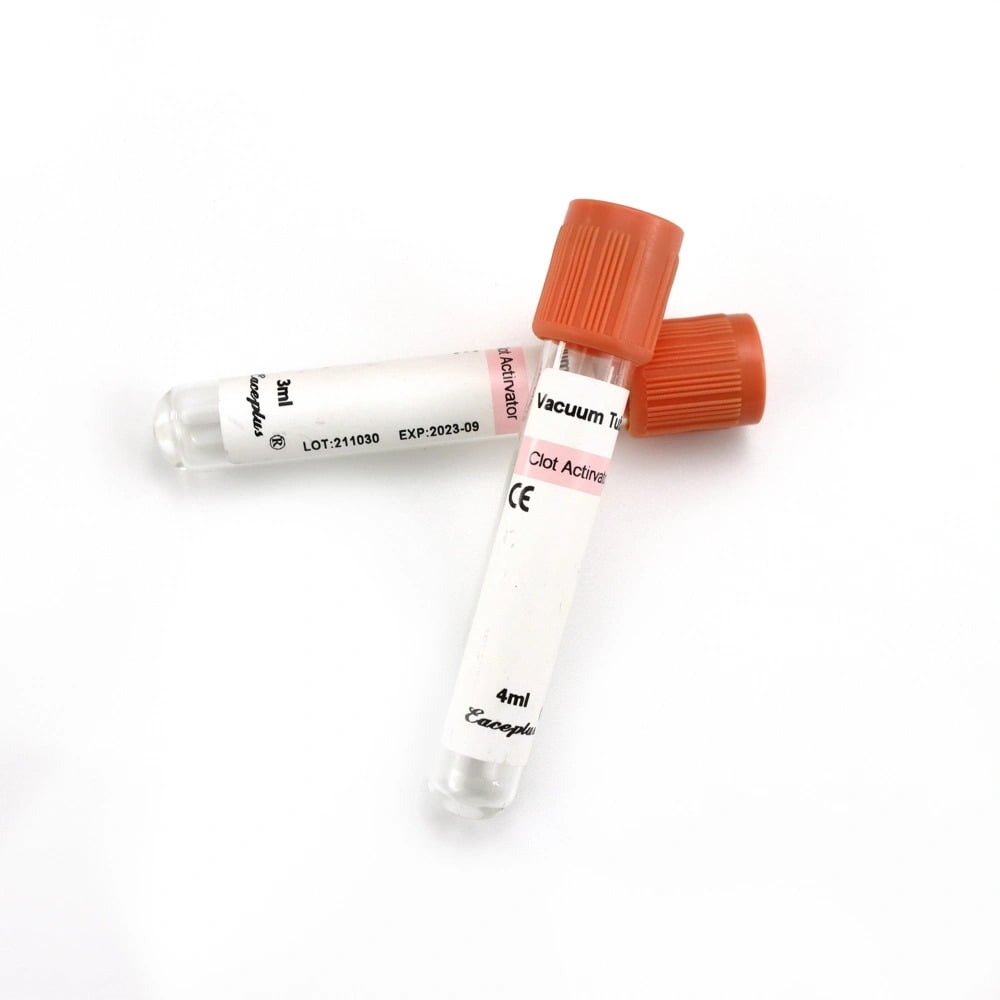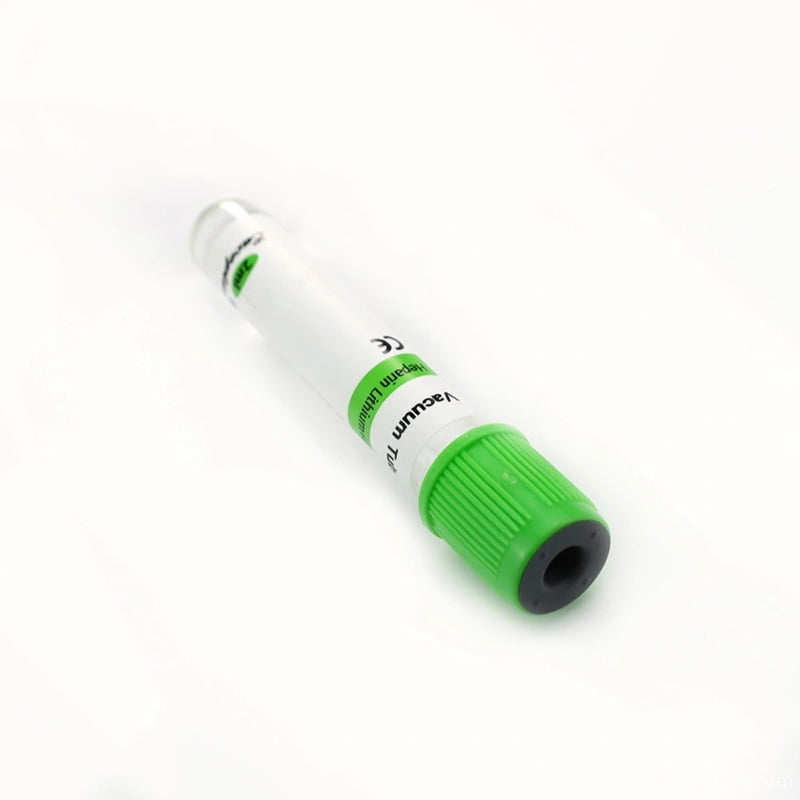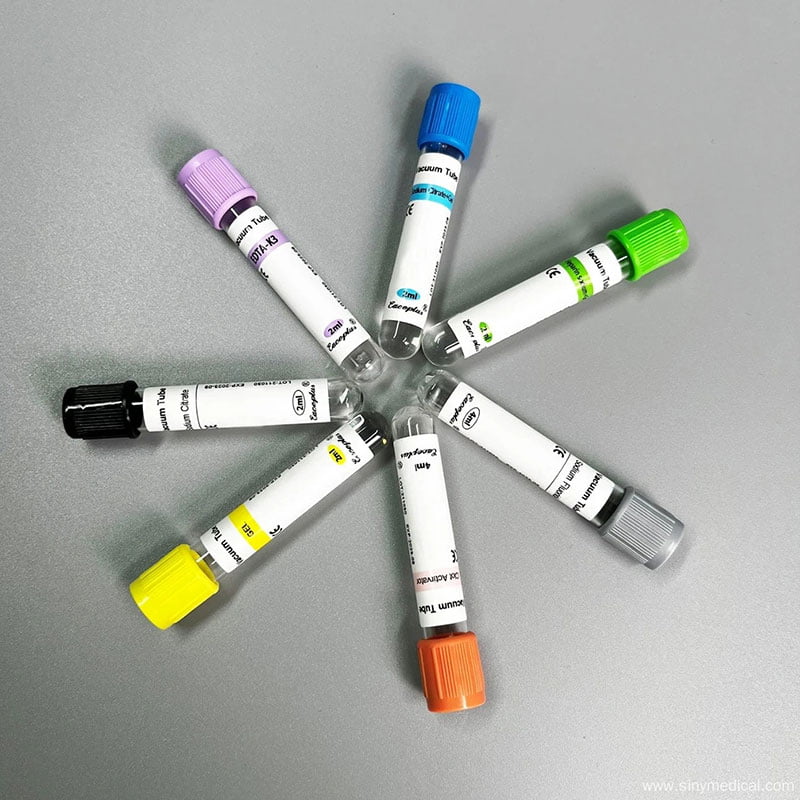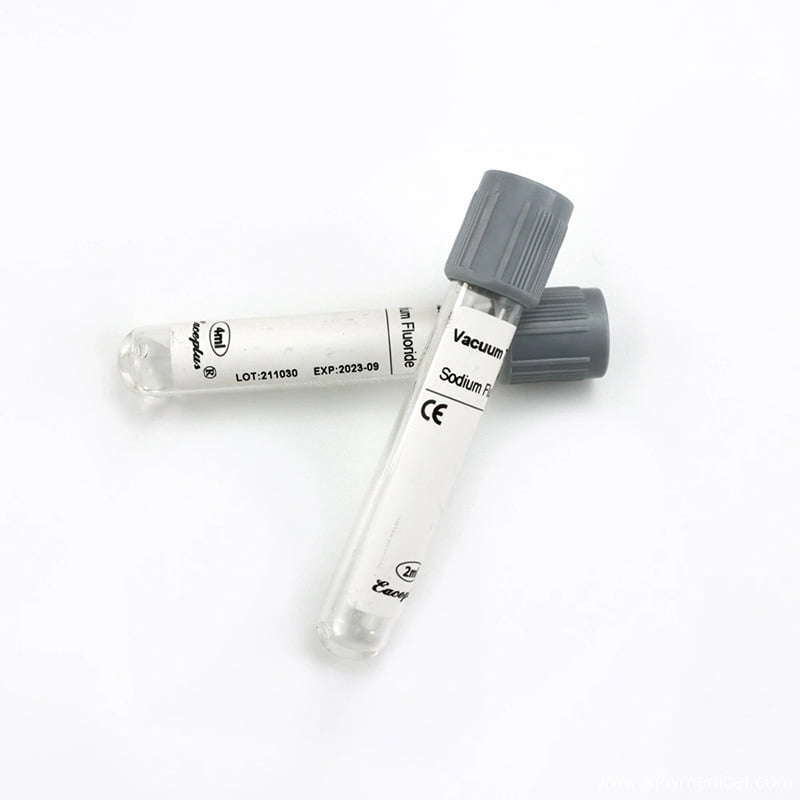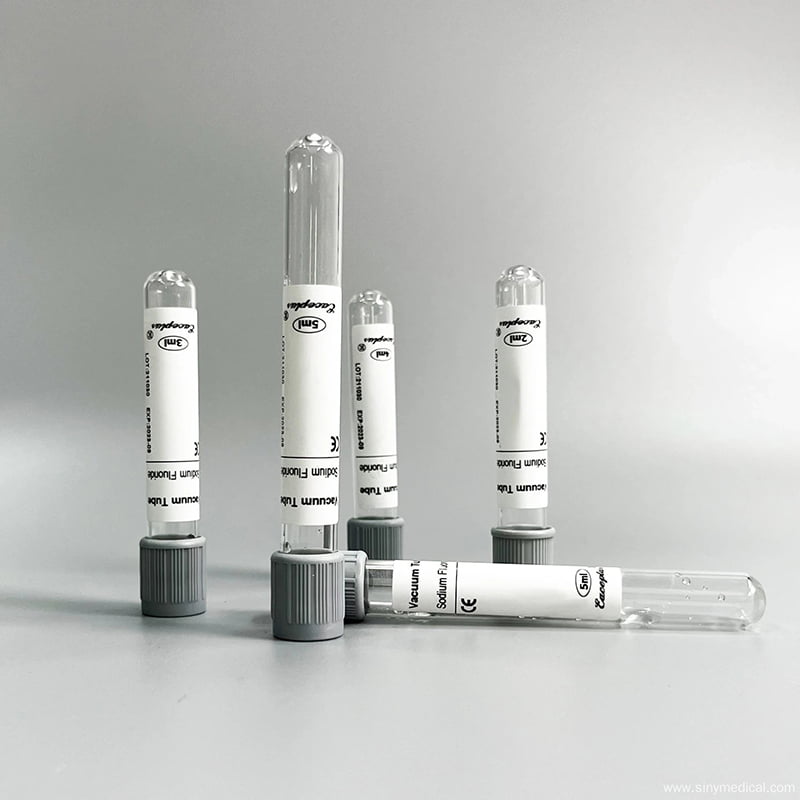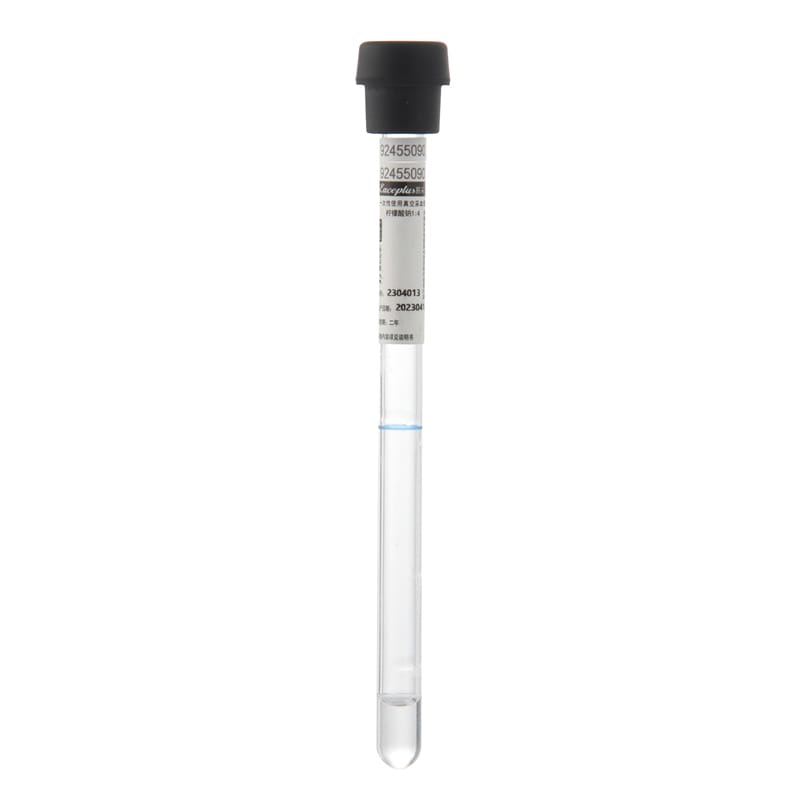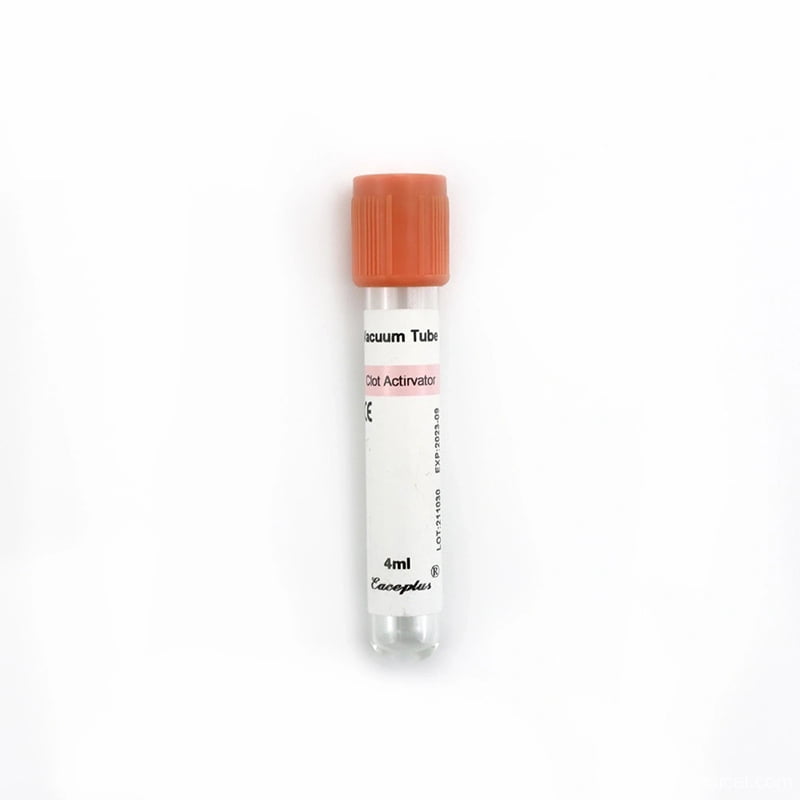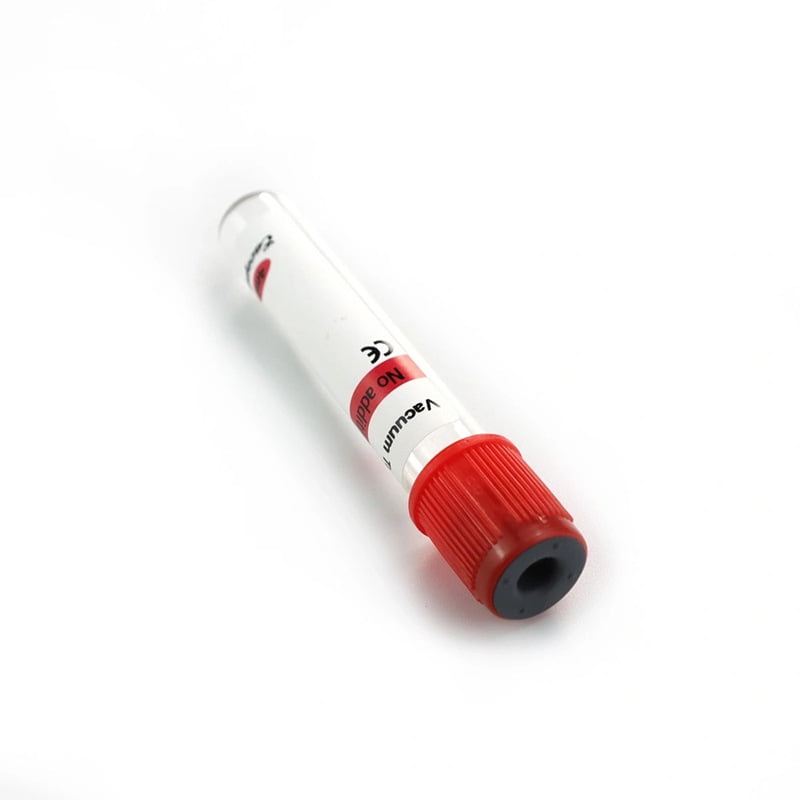
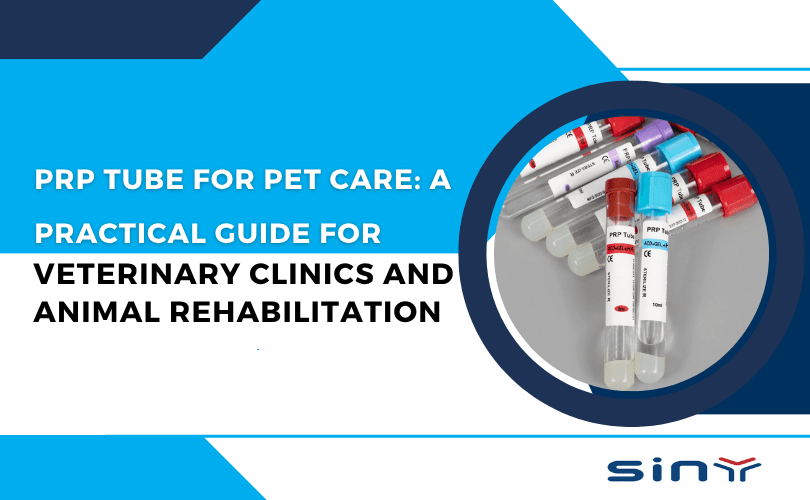
Platelet-rich plasma therapy has become one of the fastest-growing treatment approaches in modern veterinary medicine. As regenerative medicine expands beyond human healthcare, more veterinary clinics are using PRP Tube for Pet Care systems to support recovery in dogs, horses, cats, and other companion animals. From orthopedic injuries to post-surgical rehabilitation, PRP therapy is now commonly integrated into daily veterinary practice.
At the same time, many buyers entering the veterinary PRP market quickly discover that not all PRP tubes perform the same way. Some systems provide cleaner plasma separation and stable platelet concentration, while others may produce inconsistent results that complicate treatment procedures. For clinics, distributors, and procurement teams, understanding how veterinary PRP tubes work is becoming increasingly important when evaluating suppliers and selecting products for long-term use.
Unlike highly promotional product pages, the goal of this guide is to explain the real considerations behind veterinary PRP preparation, including tube structure, anticoagulants, centrifugation compatibility, and practical clinical applications.
Table of Contents
- 1 Why PRP Therapy Is Becoming Popular in Veterinary Medicine
- 2 What Makes a PRP Tube Different in Veterinary Applications?
- 3 How to Choose the Right PRP Tube for Veterinary Clinics
- 4 Common Veterinary Uses for PRP Therapy
- 5 Why Veterinary Buyers Are Paying More Attention to PRP Tube Quality
- 6 FAQ About PRP Tube for Pet Care
- 6.1 What is a PRP tube used for in veterinary medicine?
- 6.2 Which animals commonly receive PRP therapy?
- 6.3 What anticoagulant is commonly used in veterinary PRP tubes?
- 6.4 Are gel PRP tubes better for veterinary applications?
- 6.5 Why is centrifuge compatibility important?
- 6.6 Can low-quality PRP tubes affect treatment preparation?
- 7 Final Thoughts
Why PRP Therapy Is Becoming Popular in Veterinary Medicine
Veterinary PRP therapy has gained significant attention because it offers a minimally invasive approach to tissue support and rehabilitation. Instead of relying entirely on pharmaceuticals or surgical intervention, veterinarians can use concentrated platelets derived from the animal’s own blood to assist with recovery management.
In pet care environments, PRP therapy is commonly associated with:
- Joint support treatments
- Tendon and ligament injuries
- Post-operative recovery
- Osteoarthritis management
- Sports injury rehabilitation
- Wound care
- Veterinary dental procedures
Working dogs and athletic horses are among the most frequent recipients of PRP therapy due to the physical demands placed on their joints and connective tissues. However, smaller companion animals such as dogs and cats are also increasingly receiving PRP-based treatments in rehabilitation clinics.
One reason for this growing demand is that many pet owners are actively seeking alternatives that may help reduce recovery time and improve mobility outcomes. As a result, veterinary practices are investing more heavily in PRP preparation systems that deliver stable and repeatable results.
The quality of the preparation process matters greatly in these treatments. Even small variations in centrifugation or plasma separation can affect platelet concentration and overall consistency. Because of this, veterinary clinics are paying closer attention to the design and manufacturing quality of the PRP tubes they use.
What Makes a PRP Tube Different in Veterinary Applications?
Although veterinary PRP systems are based on the same core principle as human PRP therapy, animal blood characteristics create unique challenges during preparation. Different species may require different centrifugation speeds, anticoagulant formulations, and plasma handling techniques.
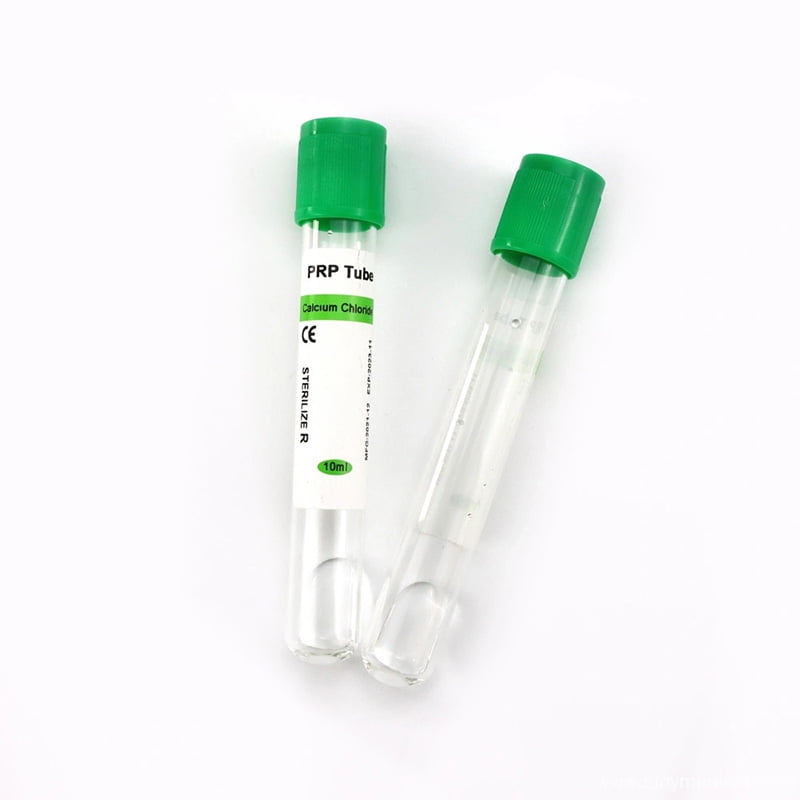
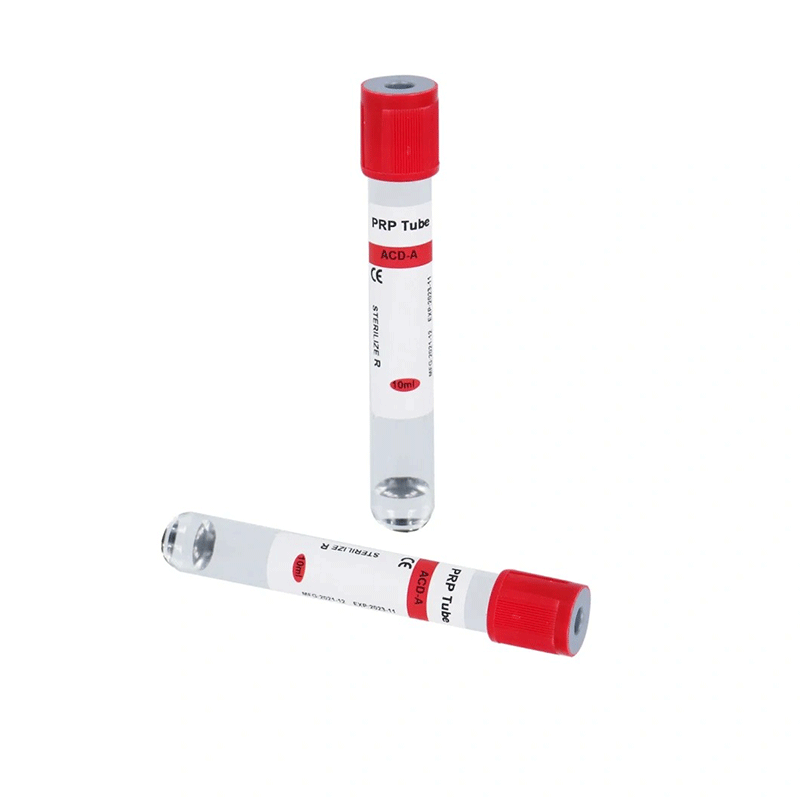
A standard PRP Tube for Pet Care is designed to:
- Collect whole blood safely.
- Prevent premature clotting.
- Separate plasma from red blood cells.
- Preserve platelet activity during centrifugation.
- Allow efficient extraction of platelet-rich plasma.
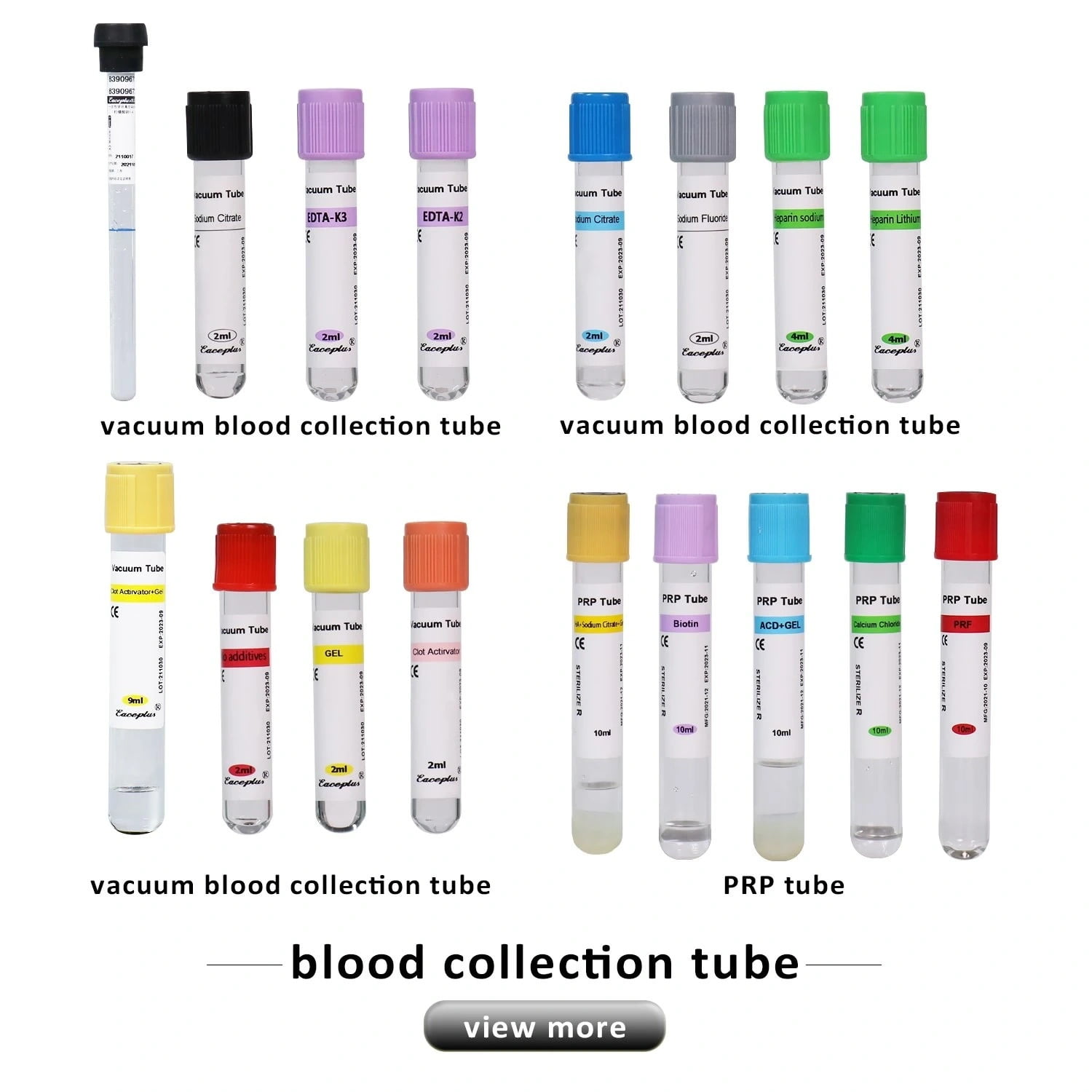
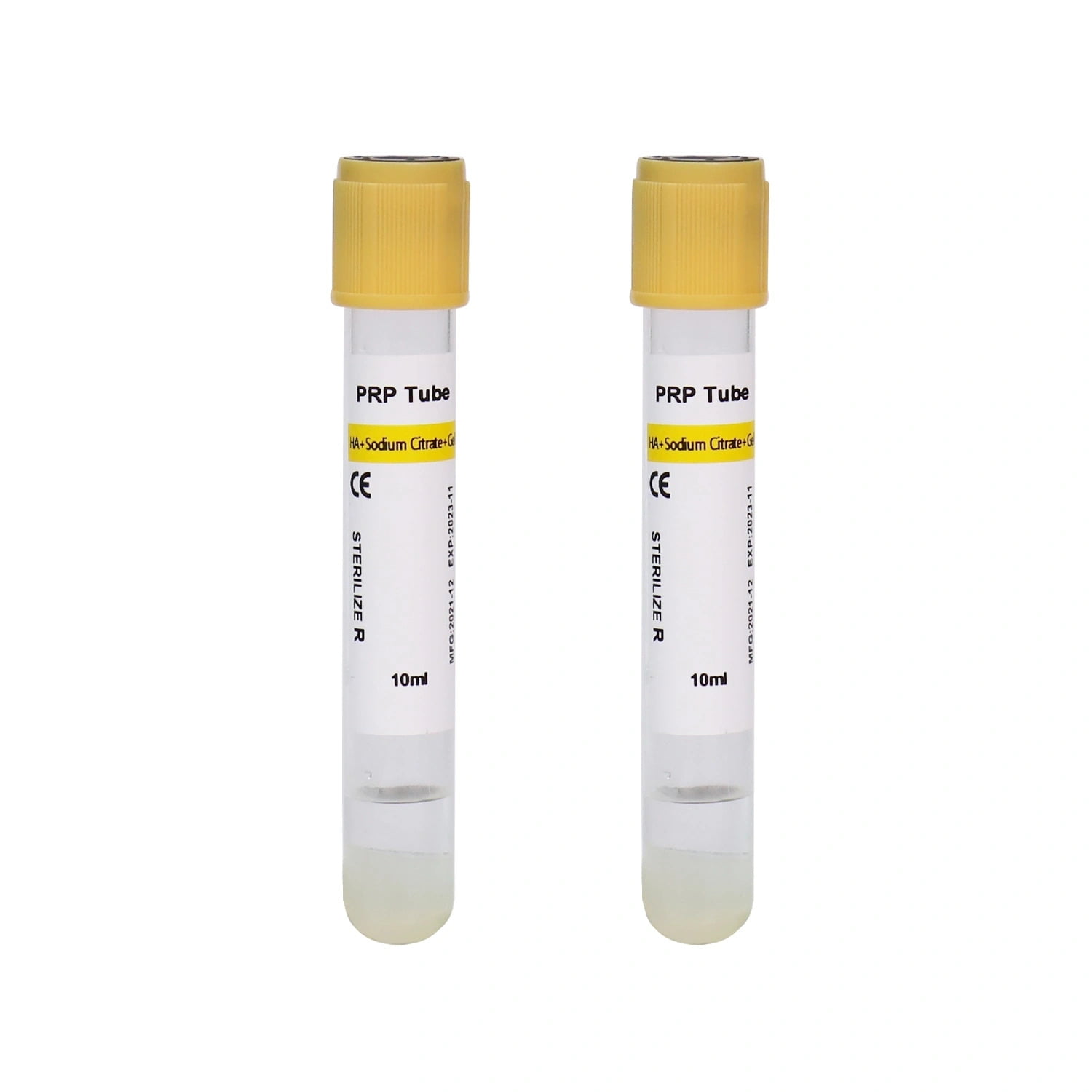
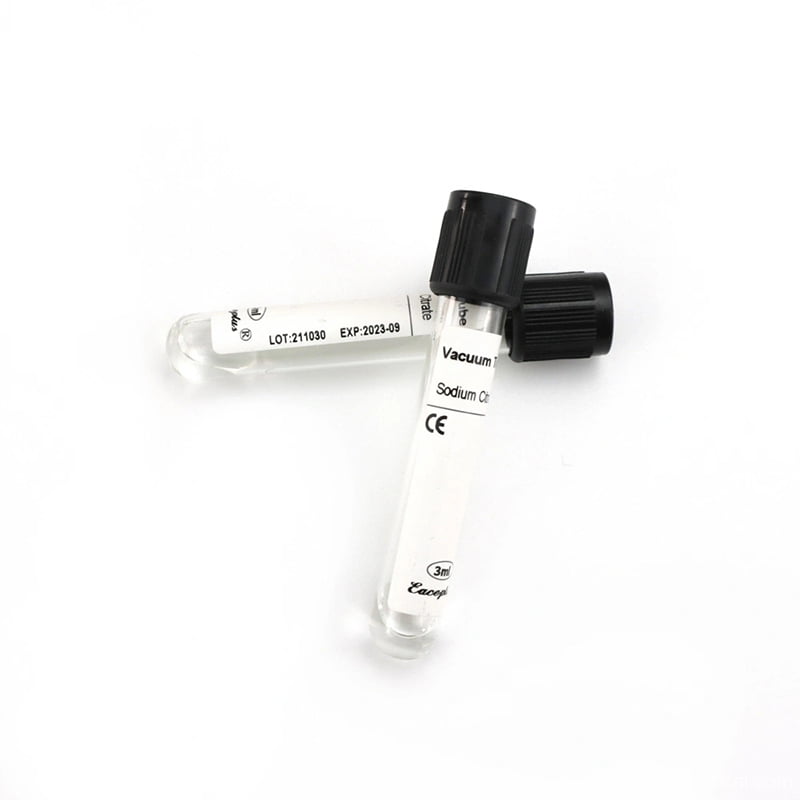
Most veterinary PRP tubes contain anticoagulants such as sodium citrate or ACD-A. These additives help maintain blood stability during the separation process. Some tubes also include separation gel, which forms a physical barrier between plasma and cellular components after centrifugation.
In veterinary medicine, tube performance is especially important because:
- Animal blood composition varies significantly between species.
- Veterinary procedures often require flexible centrifuge protocols.
- Stress during blood collection may influence clotting behavior.
- Plasma yield requirements differ between treatments.
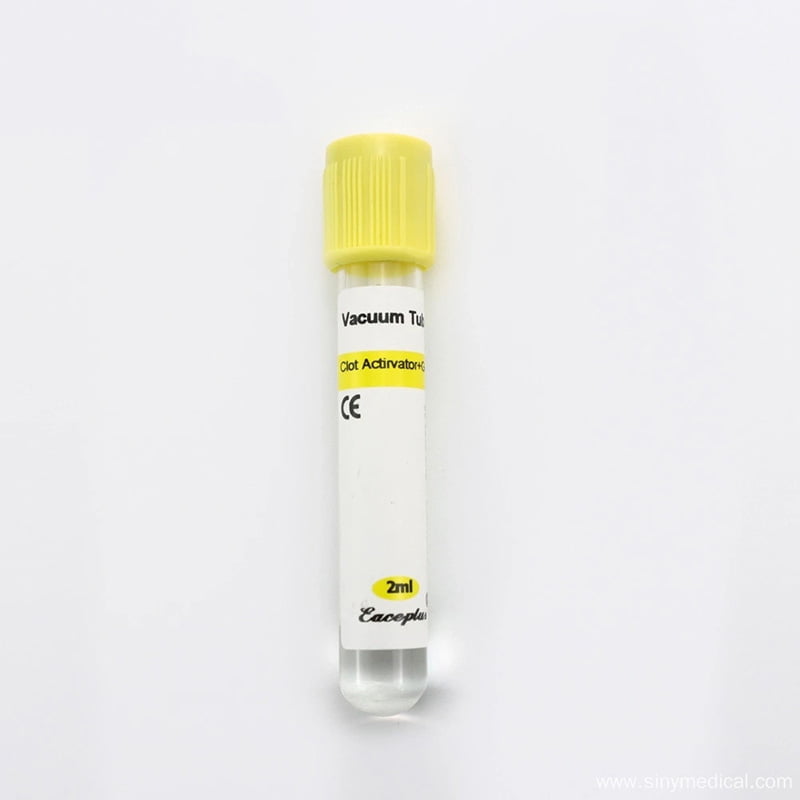
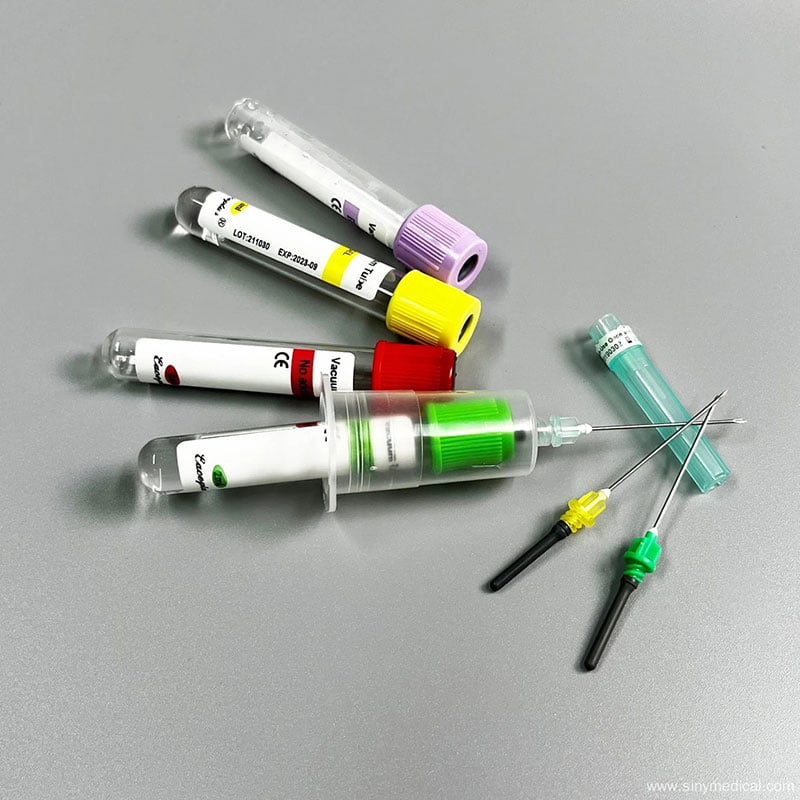
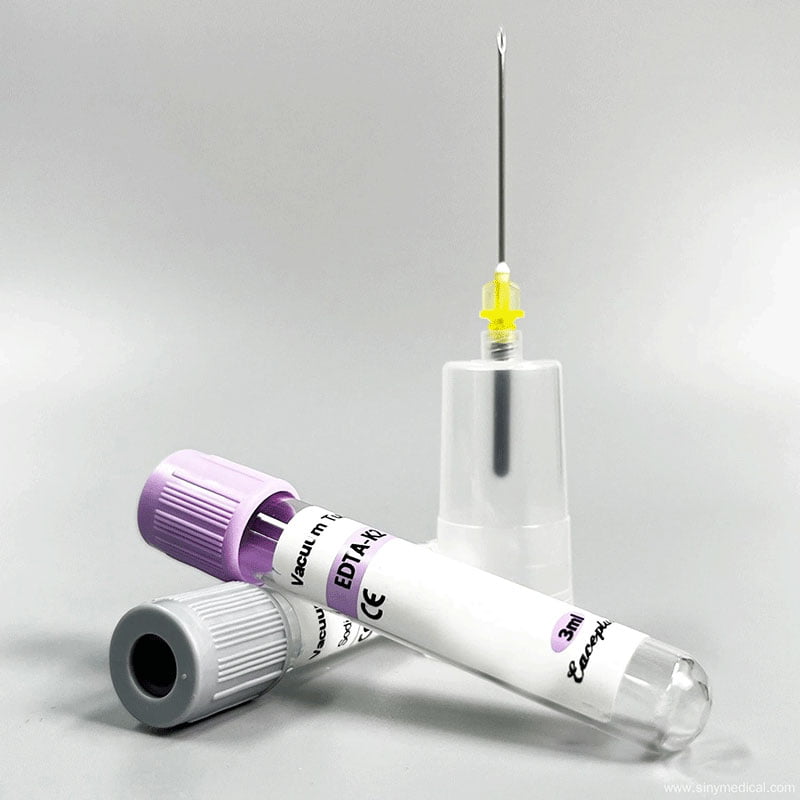
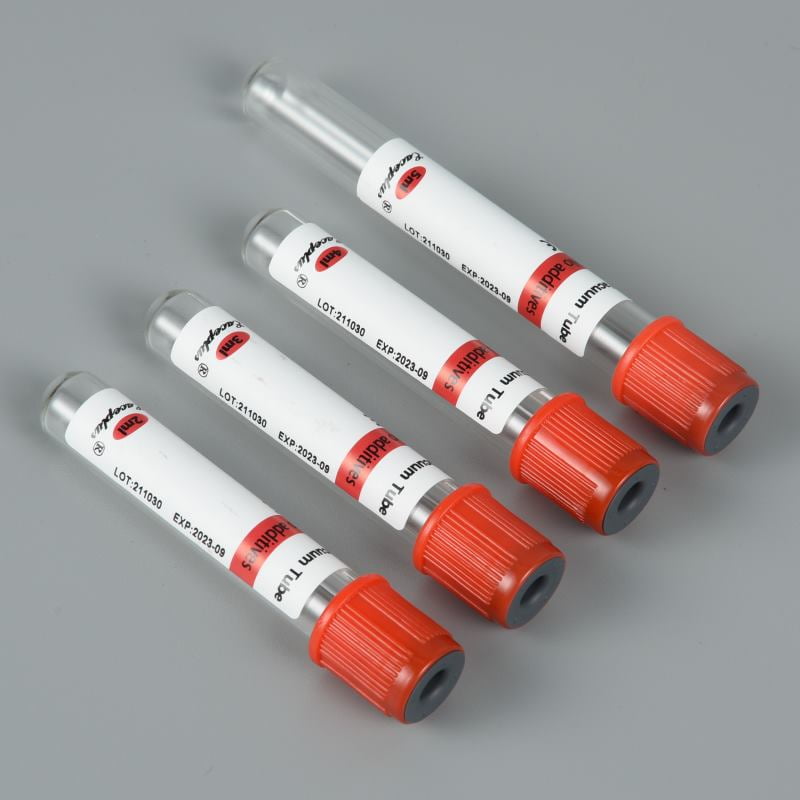
For example, equine applications often involve larger blood volumes compared to canine procedures. Some clinics, therefore, prefer larger-capacity vacuum blood collection tubes or PRP systems designed specifically for orthopedic and sports medicine applications.
Tube material can also affect handling. PET tubes are lightweight and resistant to breakage during transportation, while glass tubes are still preferred in some clinics for compatibility with certain centrifuge systems.
These details may seem minor, but in daily veterinary workflows, they can significantly influence preparation efficiency and treatment consistency.

How to Choose the Right PRP Tube for Veterinary Clinics
With so many products available on the market, veterinary buyers often focus first on pricing. However, experienced clinics usually evaluate several technical factors before selecting a PRP system.
Anticoagulant Stability
The anticoagulant inside the tube directly affects platelet preservation during processing. Sodium citrate remains one of the most widely used options because of its reliable anticoagulation performance. ACD-A systems are also popular in advanced PRP preparation protocols because they may help maintain platelet integrity during longer preparation procedures.
Different veterinary clinics may prefer different formulations depending on:
- Treatment type
- Species
- Centrifuge protocol
- Desired platelet concentration
Separation Performance
One of the most important factors in veterinary PRP preparation is the ability to separate plasma cleanly from red blood cells. Poor separation may lead to contamination that reduces preparation quality.
High-quality separation gel systems often improve:
- Plasma clarity
- Extraction convenience
- Layer visibility after centrifugation
- Workflow consistency
This becomes especially valuable in busy veterinary clinics where technicians handle multiple cases throughout the day.
Vacuum Consistency
Stable vacuum pressure is essential for accurate blood collection volume. Inconsistent vacuum levels can affect additive ratios and ultimately change centrifugation results.
Clinics performing frequent PRP procedures generally prefer tubes manufactured under controlled quality systems to reduce variability between batches.
Sterility and Manufacturing Quality
Veterinary professionals increasingly expect consumables to meet medical-grade production standards. Sterility validation, clean manufacturing environments, and consistent additive control all contribute to safer clinical handling.
Products manufactured under recognized quality systems such as ISO 13485 are often preferred in international veterinary markets.
Centrifuge Compatibility
Not all PRP tubes behave the same way under centrifugation. Tube balance, structural durability, and cap sealing performance all affect operational safety.
Clinics should always verify that their selected PRP tubes are compatible with their centrifuge equipment and recommended spinning protocols.
Common Veterinary Uses for PRP Therapy
The role of PRP in veterinary medicine continues to expand as more clinics adopt regenerative treatment approaches.
Canine Orthopedic Rehabilitation
Dogs receiving PRP therapy are often treated for:
- Hip dysplasia
- Cruciate ligament injuries
- Tendon strain
- Arthritis-related mobility issues
Large breeds and aging dogs are among the most common candidates for PRP-assisted rehabilitation programs.
Equine Sports Medicine
Horses represent one of the largest veterinary PRP markets worldwide. Equine specialists frequently use PRP therapy in tendon and ligament recovery programs because performance horses are highly vulnerable to musculoskeletal injuries.
Reliable PRP preparation becomes especially important in these applications because treatment quality can directly affect recovery management plans.
Post-Surgical Recovery Support
Some veterinary surgeons integrate PRP therapy into post-operative care protocols. PRP may be used after:
- Orthopedic surgery
- Dental extraction
- Soft tissue repair procedures
The goal is generally to support tissue recovery and rehabilitation management.
Veterinary Dentistry
PRP applications are also becoming more common in veterinary oral surgery. Dental specialists sometimes use platelet-rich plasma during periodontal procedures or extraction-related treatments.
Why Veterinary Buyers Are Paying More Attention to PRP Tube Quality
A few years ago, many veterinary buyers viewed PRP tubes as relatively simple consumables. Today, purchasing decisions have become far more technical.
Several industry trends are driving this change.
First, veterinary clinics are becoming more experienced with regenerative medicine. As practitioners gain experience, they begin to recognize how preparation quality influences treatment consistency.
Second, pet owners now expect higher standards of care. Many animal hospitals compete directly on rehabilitation quality and advanced treatment capabilities.
Third, distributors are seeing increased demand for reliable consumables rather than low-cost alternatives with unstable performance.
Because of this shift, veterinary buyers are increasingly evaluating:
- Manufacturing consistency
- Sterility standards
- Platelet recovery performance
- Tube durability
- Separation quality
- Supplier reliability
Rather than choosing products solely based on price, many clinics now focus on long-term operational stability and predictable preparation outcomes.
Manufacturers with experience in blood collection systems and medical consumables are often better positioned to support veterinary PRP applications because they understand the importance of vacuum stability, additive control, and centrifugation performance.
Some suppliers, including Siny Medical, are also expanding their focus on veterinary and regenerative medicine consumables as demand in the pet healthcare industry continues to grow.
FAQ About PRP Tube for Pet Care
What is a PRP tube used for in veterinary medicine?
A veterinary PRP tube is used to collect and process animal blood in order to prepare platelet-rich plasma for regenerative therapy and rehabilitation procedures.
Which animals commonly receive PRP therapy?
Dogs and horses are the most common PRP therapy patients, although some clinics also use PRP for cats and other companion animals.
What anticoagulant is commonly used in veterinary PRP tubes?
Sodium citrate and ACD-A are among the most commonly used anticoagulants because they help prevent clotting during centrifugation.
Are gel PRP tubes better for veterinary applications?
Gel PRP tubes may improve plasma separation and make platelet-rich plasma extraction easier during clinical procedures.
Why is centrifuge compatibility important?
Different centrifuge systems operate at different speeds and balancing conditions. Using compatible PRP tubes helps improve safety and separation consistency.
Can low-quality PRP tubes affect treatment preparation?
Yes. Inconsistent vacuum pressure, unstable additives, or poor separation performance may affect plasma quality and preparation repeatability.
Final Thoughts
As regenerative medicine becomes more widely adopted in veterinary healthcare, PRP preparation systems are playing a larger role in clinical workflows. Choosing the right PRP Tube for Pet Care involves more than simply selecting a low-cost consumable. Veterinary clinics increasingly value consistency, sterility, centrifugation stability, and reliable plasma separation because these factors influence day-to-day treatment preparation.
For distributors and veterinary professionals alike, understanding the technical differences between PRP tube systems can help improve purchasing decisions and support more stable long-term clinical performance.
Looking for a reliable manufacturer of veterinary PRP tubes? Contact Siny Medical today for bulk pricing, OEM services, and high-quality blood collection solutions tailored for your clinic or distribution network.