Platelet-Rich Fibrin (PRF) has become one of the most widely discussed technologies in regenerative medicine. From dental surgery and facial aesthetics to hair restoration and orthopedics, PRF is now used in a growing number of treatments because it is prepared from the patient’s own blood and contains concentrated healing components. As more clinics adopt regenerative therapies, many professionals and distributors are asking the same question: how is PRF prepared?
Unlike traditional platelet concentrates, PRF is produced without anticoagulants, allowing a natural fibrin matrix to form during centrifugation. This fibrin network contains platelets, leukocytes, cytokines, and growth factors that may support tissue healing and regeneration over time.
Although the preparation process looks simple on the surface, achieving stable PRF requires proper timing, suitable centrifugation settings, and compatible PRF tubes. In this guide, we will explain the complete PRF preparation process, the science behind it, common preparation methods, and the factors that influence PRF quality.
Table of Contents
- 1 What Is PRF and Why Is It Important?
- 2 How Is PRF Prepared? Step-by-Step Process
- 3 Why Centrifugation Settings Matter in PRF Preparation
- 4 What Happens Inside the PRF Tube During Preparation?
- 5 Common Mistakes During PRF Preparation
- 6 Different Types of PRF Used Today
- 7 Why PRF Continues Growing in Regenerative Medicine
- 8 FAQs
- 9 Final Thoughts
What Is PRF and Why Is It Important?
Before discussing how is PRF prepared, it helps to understand what PRF actually is and why it has become so popular in modern medicine.
PRF stands for Platelet-Rich Fibrin. It is considered a second-generation platelet concentrate developed after PRP (Platelet-Rich Plasma). The key difference is that PRF preparation does not use anticoagulants or synthetic additives.
Because coagulation occurs naturally, a fibrin scaffold forms during centrifugation. This fibrin matrix can gradually release growth factors instead of releasing them all at once. Many clinicians believe this slow-release effect may help improve tissue regeneration and wound healing.
Today, PRF is commonly used in:
- Dental implant procedures
- Bone grafting
- Facial rejuvenation
- Hair restoration
- Sports medicine
- Orthopedic treatments
- Soft tissue healing
Another reason PRF continues gaining attention is its relatively simple preparation method. Since the material comes directly from the patient’s blood, many practitioners view it as a more natural regenerative option compared with synthetic fillers or laboratory-produced biomaterials.

How Is PRF Prepared? Step-by-Step Process
The preparation of PRF usually follows several important steps. Timing and handling are critical because blood begins clotting almost immediately after collection.
Step 1: Blood Collection
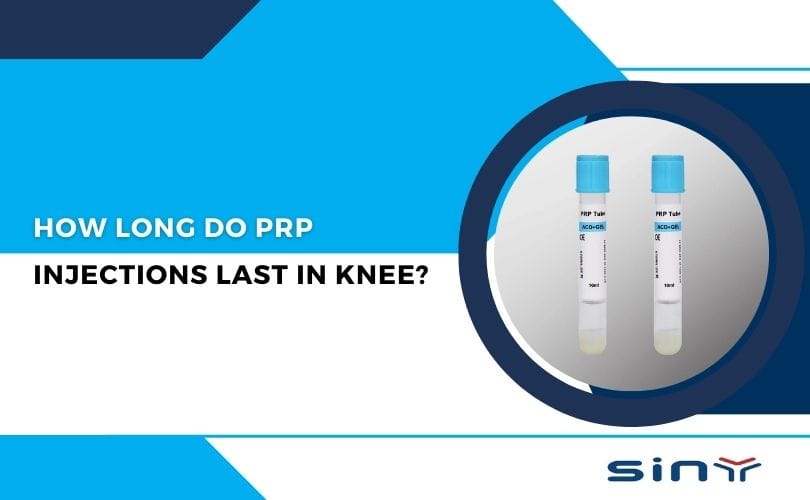
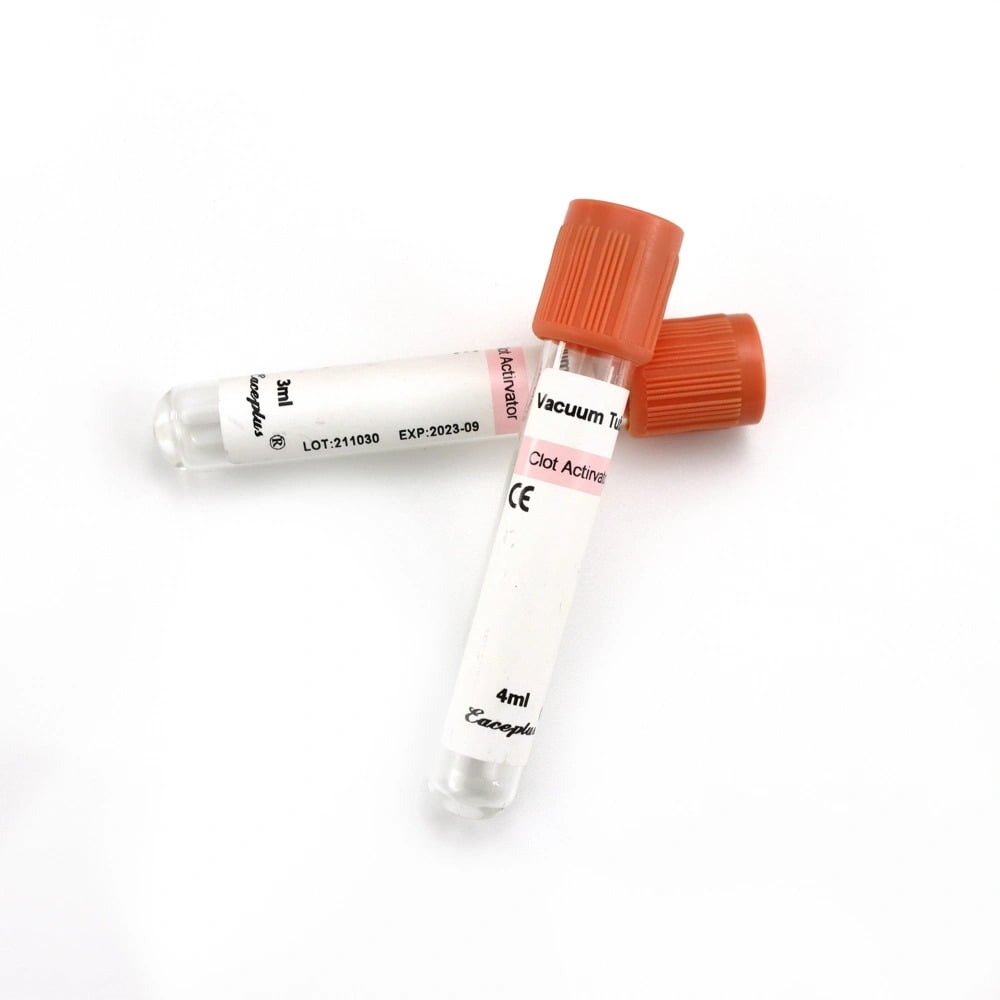
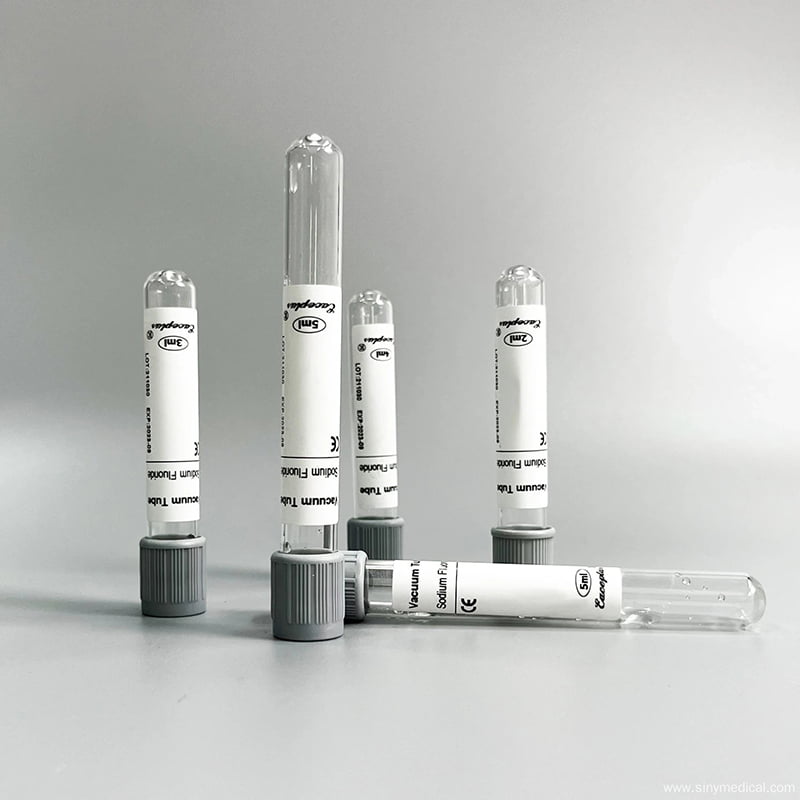
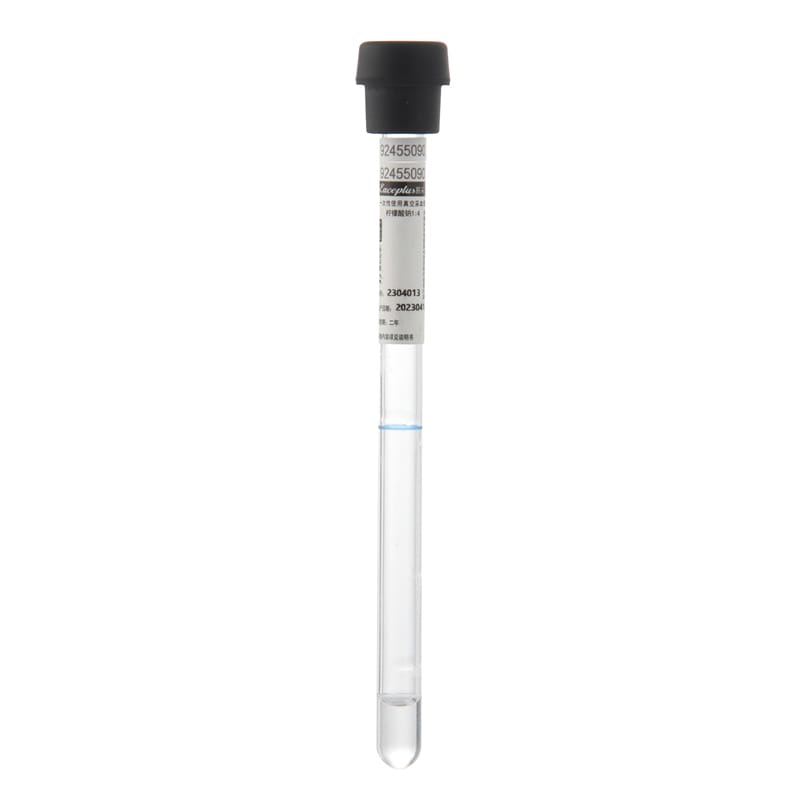
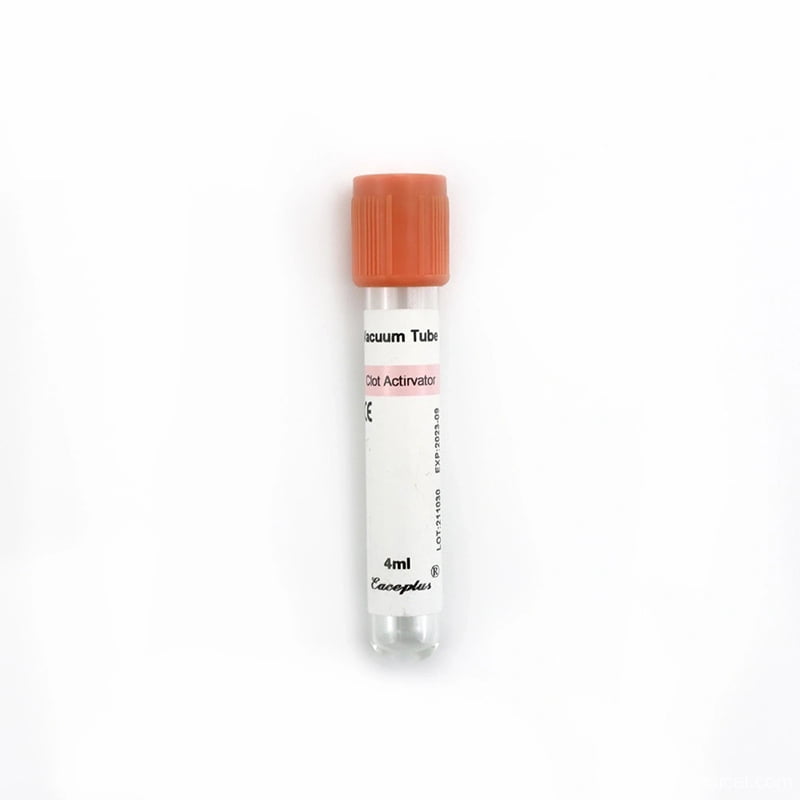
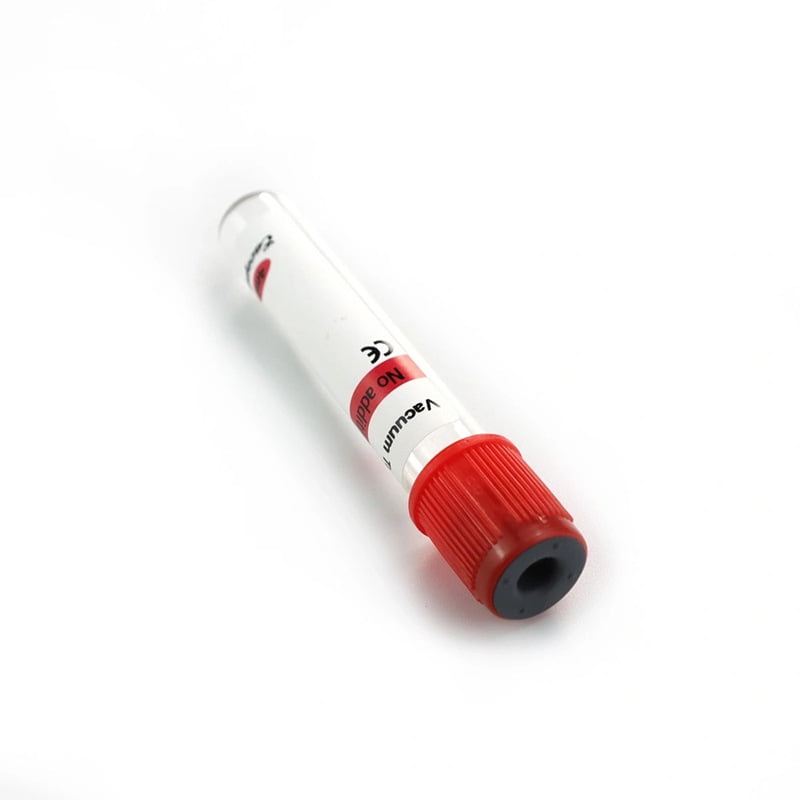
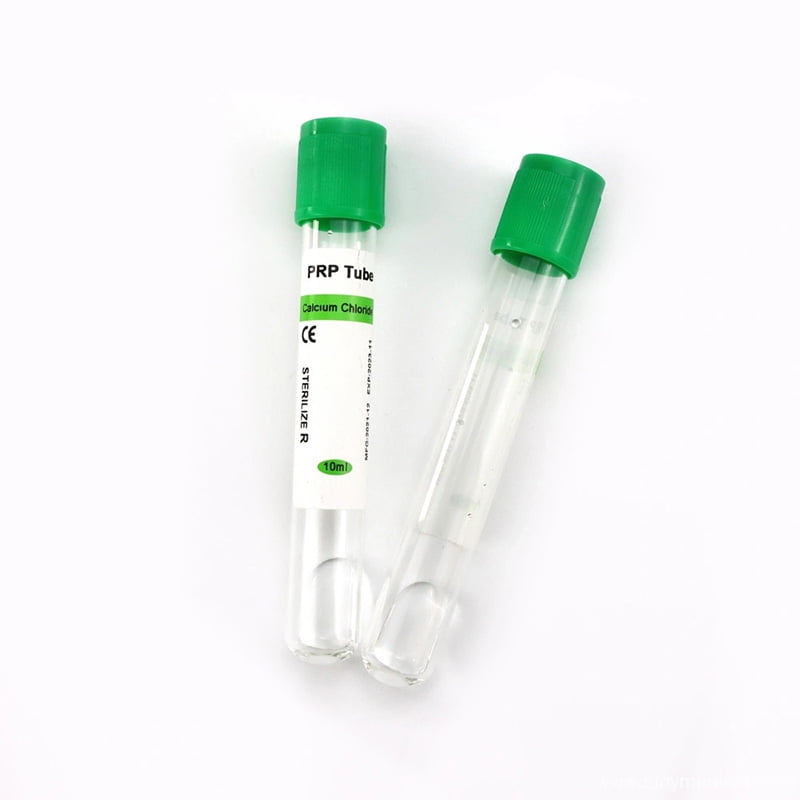
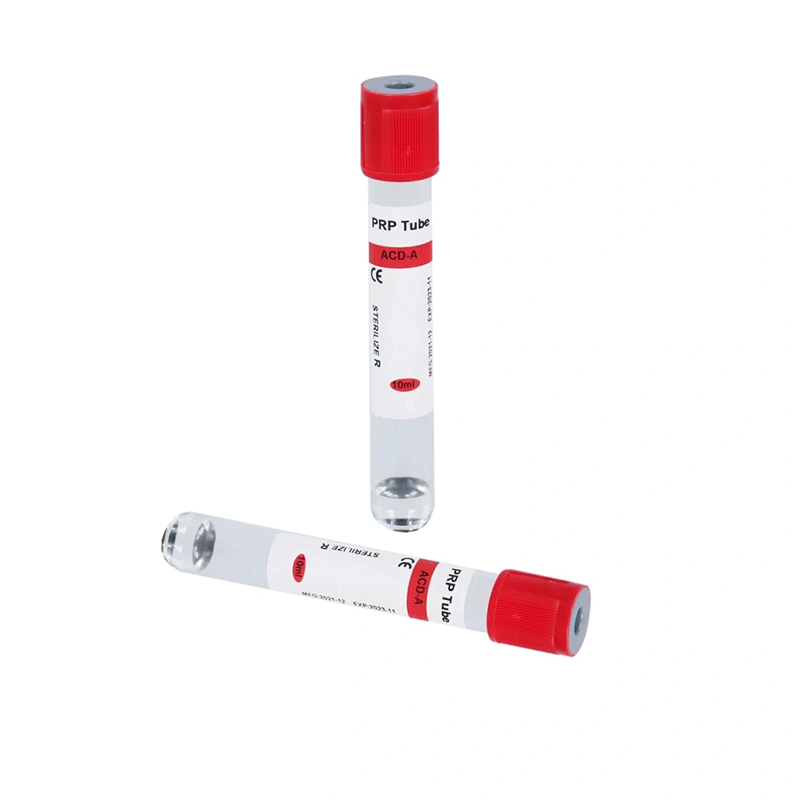
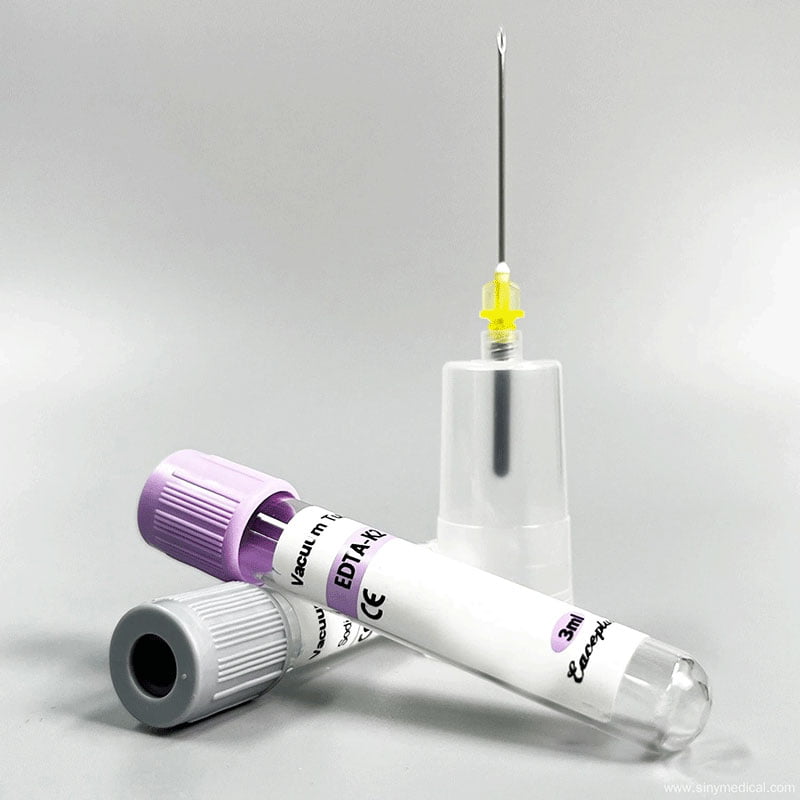
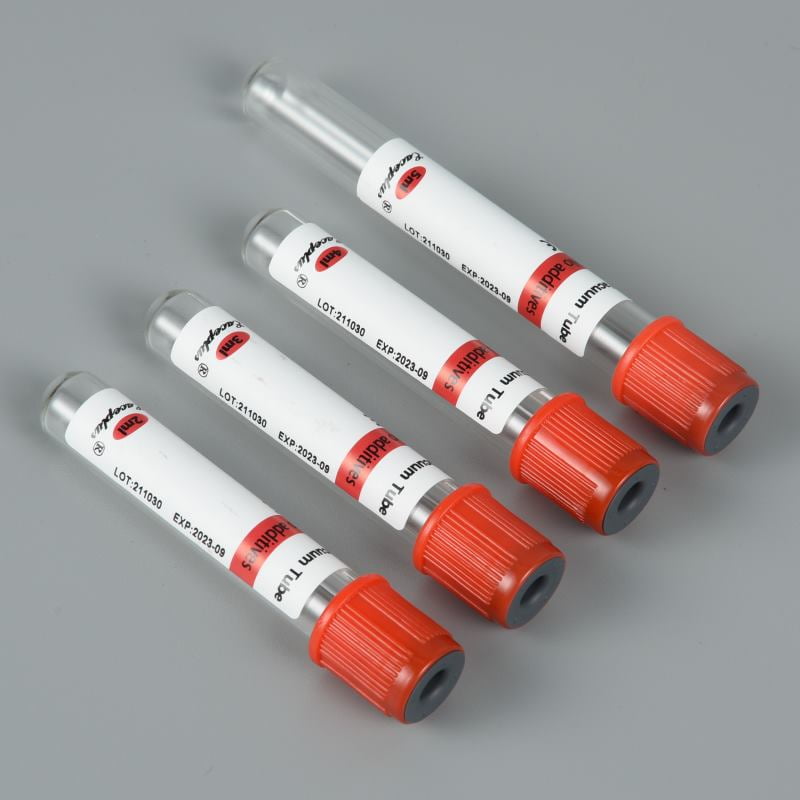
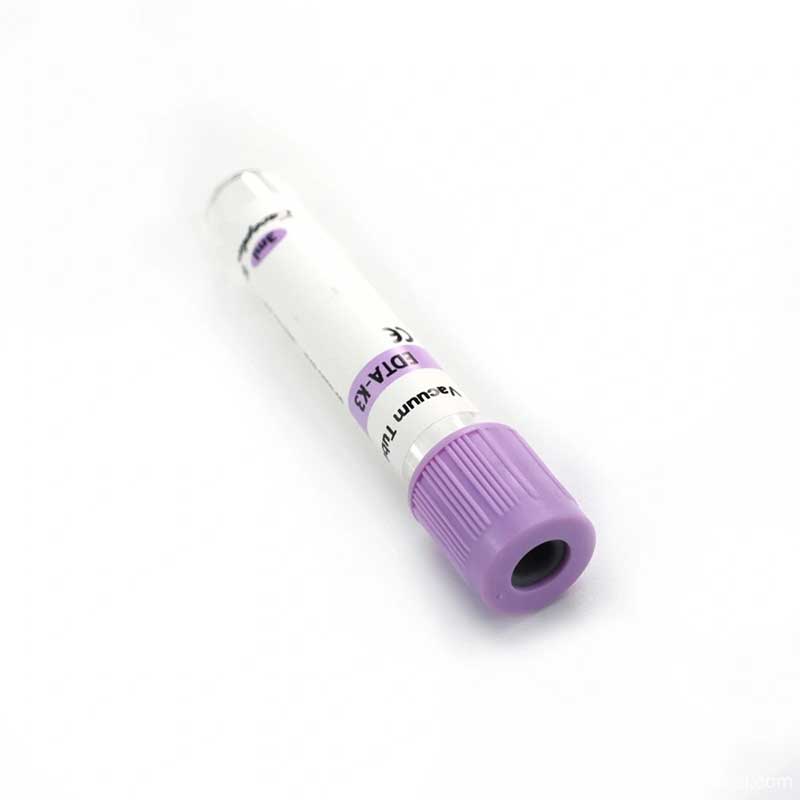
The first stage involves drawing venous blood into specialized PRF tubes.
Unlike PRP tubes, PRF tubes generally do not contain anticoagulants. This means the blood starts forming fibrin naturally once it enters the tube. Because of this, clinicians usually move quickly from blood collection to centrifugation.
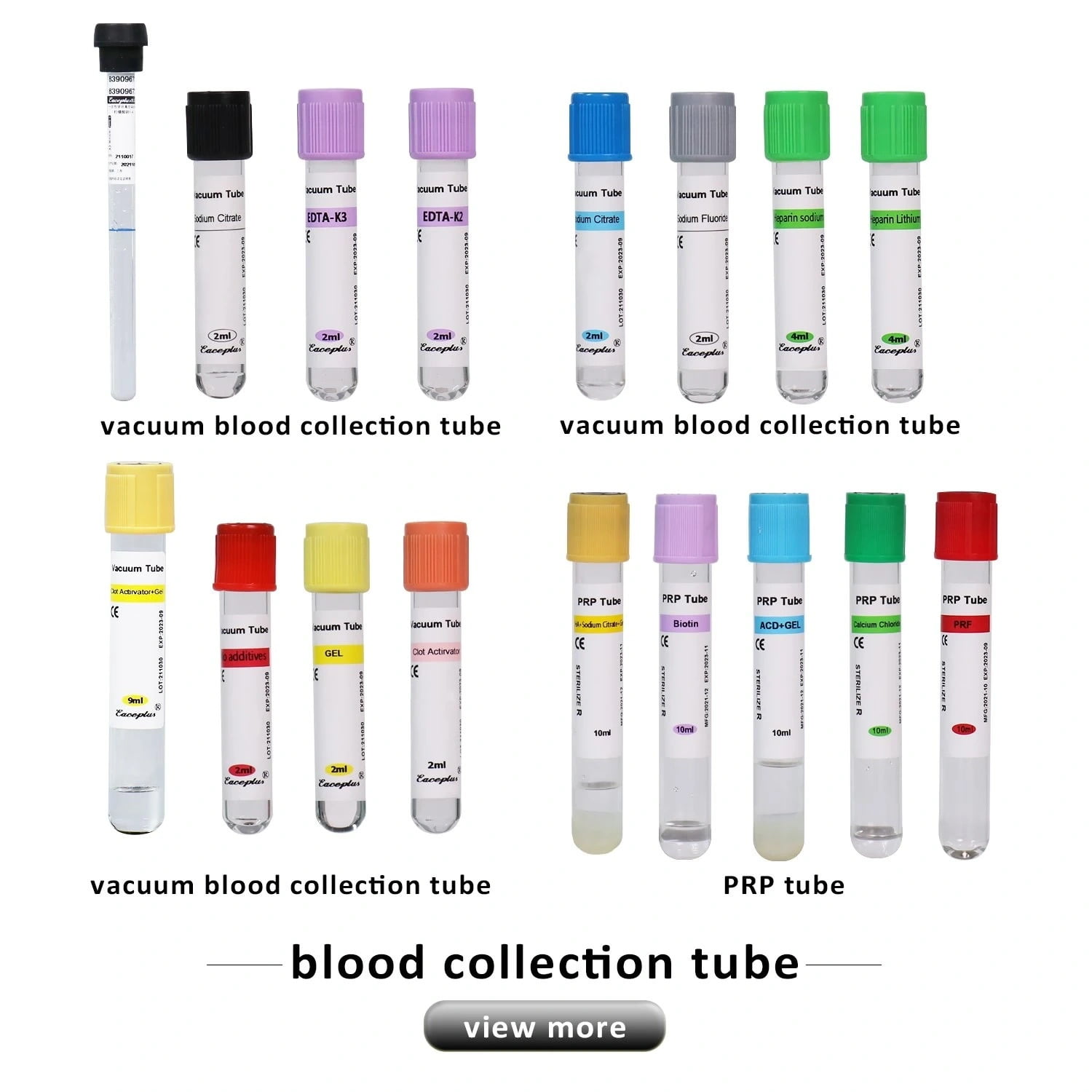
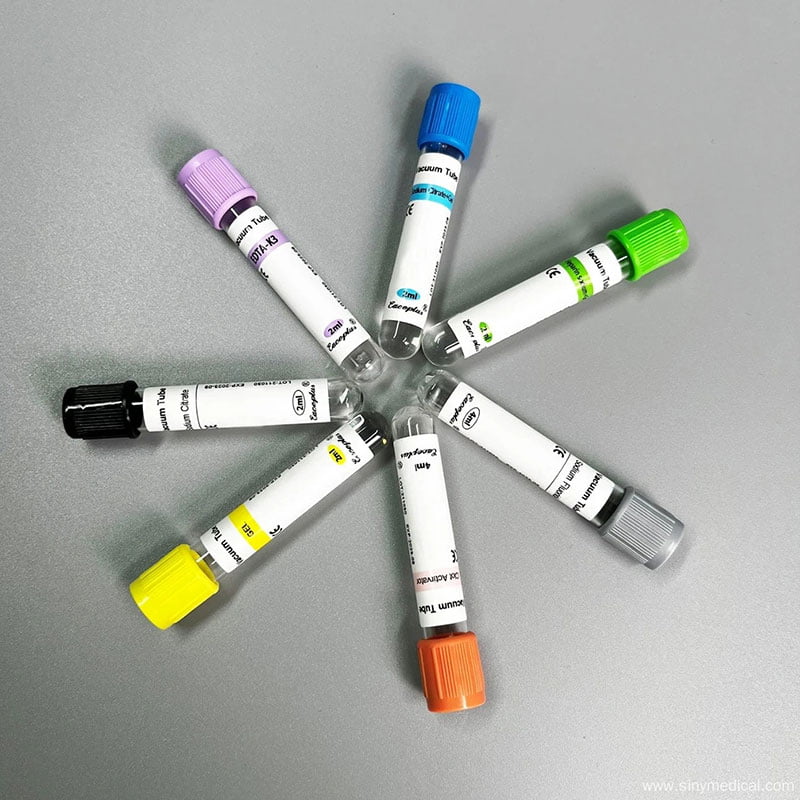
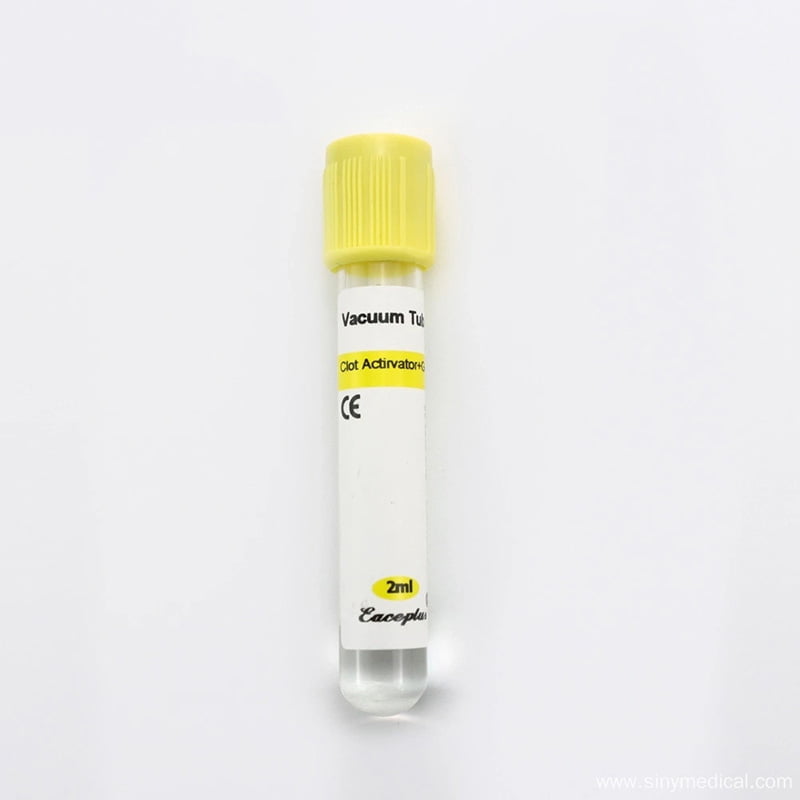
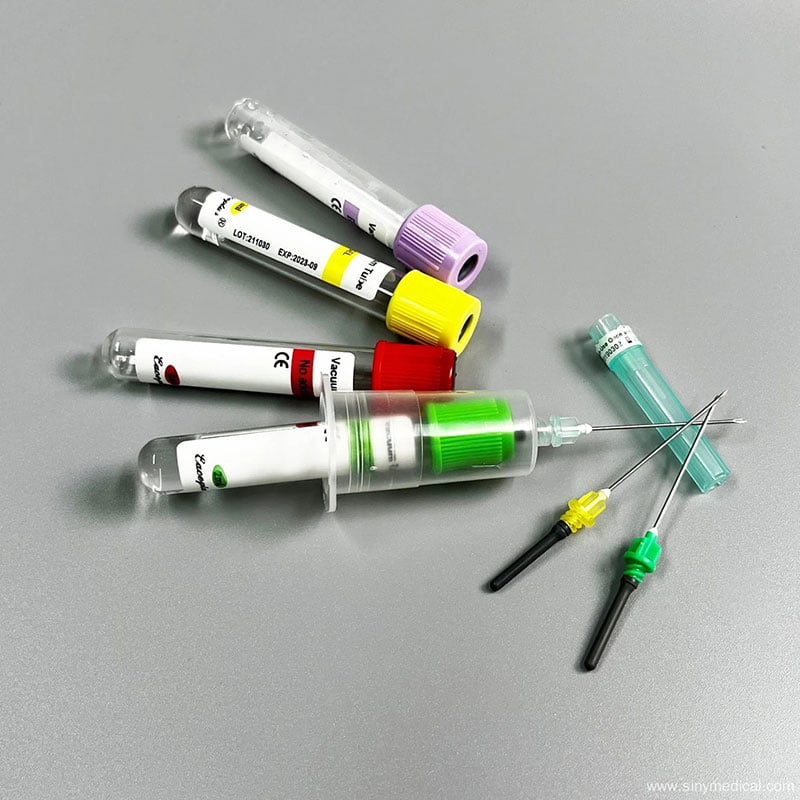
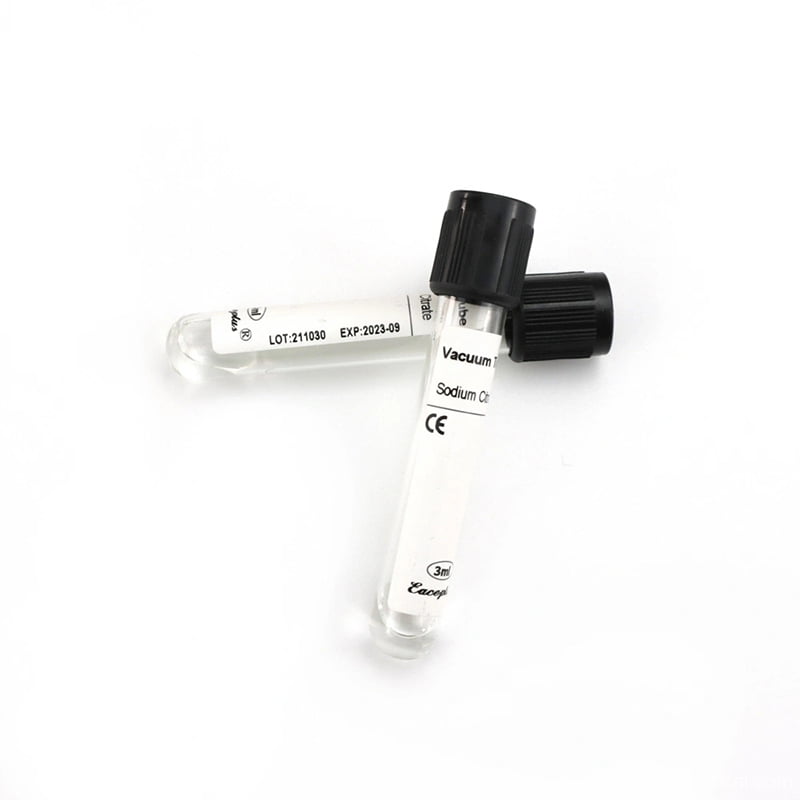
The type of tube used can influence the preparation process. Clinics may use:
- Glass PRF tubes
- Silica-coated tubes
- Plastic-free PRF tubes
The goal during this stage is to preserve platelet activity while allowing controlled fibrin formation.
Step 2: Immediate Centrifugation
After blood collection, the tubes are placed into a centrifuge as quickly as possible.
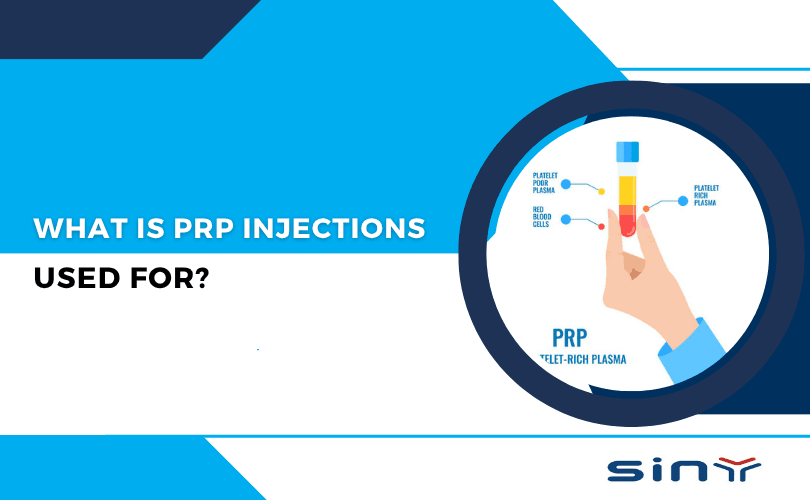
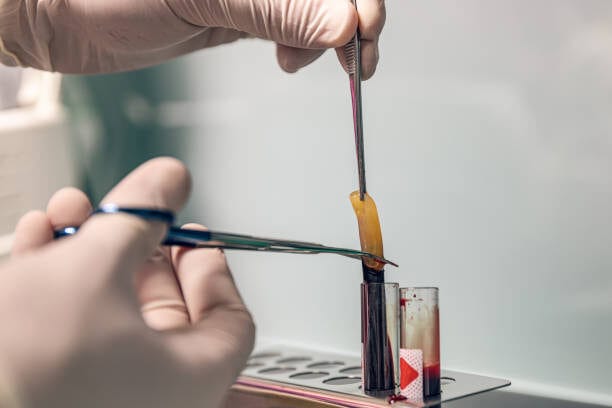
Centrifugation separates blood components based on density. During spinning, red blood cells settle toward the bottom while fibrin, platelets, and leukocytes accumulate in the middle layer.
Most PRF preparations produce three visible layers:
- Red blood cells are at the bottom.
- PRF clot in the middle.
- Platelet-poor plasma at the top.
The middle fibrin clot is the main material used in regenerative treatments.
Why Centrifugation Settings Matter in PRF Preparation
One of the most important factors in understanding how is PRF prepared is the centrifugation protocol.
Different centrifugation speeds and spin times can produce different forms of PRF. Lower centrifugal force may preserve more leukocytes and growth factors, while higher speeds may create denser fibrin structures.
Standard PRF
Traditional PRF protocols usually create a solid fibrin membrane that can be used in:
- Dental surgery
- Bone augmentation
- Tissue regeneration
A-PRF (Advanced PRF)
A-PRF uses lower centrifugation speeds and longer spin times. This approach may increase the concentration of regenerative cells within the fibrin matrix.
I-PRF (Injectable PRF)
Injectable PRF is produced using very low-speed centrifugation. The material remains liquid for several minutes before clotting, allowing it to be injected directly into tissue.
I-PRF is commonly used in:
- Hair restoration
- Facial aesthetics
- Skin rejuvenation
- Combination treatments with microneedling
Because these preparation methods vary, clinicians often choose different PRF tubes and centrifuge systems depending on the intended treatment.
If you want to learn more about different PRF tube types used in regenerative medicine, Siny Medical provides educational product information covering common PRF preparation systems and applications.

What Happens Inside the PRF Tube During Preparation?
The science behind PRF preparation is centered around natural coagulation.
When blood enters a PRF tube without anticoagulants, platelets begin activating almost immediately. During centrifugation, fibrin proteins polymerize and form a three-dimensional network.
This fibrin structure traps:
- Platelets
- Leukocytes
- Cytokines
- Growth factors
Over time, the fibrin matrix gradually releases biological signals that may support healing and tissue repair.
Compared with PRP, PRF often contains a more organized fibrin architecture. Many clinicians believe this structure may help improve cell migration and prolong growth factor release.
The preparation environment can also affect the final PRF quality. Factors such as:
- Tube material
- Centrifuge calibration
- Vacuum consistency
- Blood handling speed
may all influence fibrin formation and platelet distribution.
This is one reason why clinics often pay close attention to the quality and compatibility of PRF consumables rather than selecting generic laboratory tubes.
Common Mistakes During PRF Preparation
Even though the process is relatively straightforward, several mistakes can affect PRF quality.
Delayed Processing
One of the most common issues is waiting too long before centrifugation. Since no anticoagulant is present, clotting begins immediately after blood collection.
A delay of only a few minutes may alter fibrin structure and reduce preparation consistency.
Incorrect Centrifugation Parameters
Using the wrong spin speed or centrifugation duration may lead to:
- Poor fibrin formation
- Lower platelet concentration
- Inconsistent PRF layers
Different PRF protocols require different settings.
Poor Tube Compatibility
Not all blood collection tubes are designed for PRF preparation. Tube material and internal surface properties can influence clot activation and fibrin polymerization.
Improper Handling
Excessive shaking, delayed transport, or incorrect balancing in the centrifuge may negatively affect PRF quality.
Clinics that frequently perform regenerative procedures often standardize their preparation workflow to improve consistency and reduce variability between treatments.
Different Types of PRF Used Today
As regenerative medicine evolves, PRF technology has expanded into several variations.
Leukocyte-PRF (L-PRF)
Clinicians use it widely in oral surgery and periodontal procedures because it contains higher concentrations of leukocytes.
Injectable PRF (I-PRF)
A liquid form of PRF is commonly used for injectable regenerative therapies.
Advanced PRF (A-PRF)
Prepared with low-speed centrifugation to potentially improve growth factor release.
Each protocol has slightly different preparation requirements, which is why clinicians often select specific PRF tubes based on their treatment goals.
For educational reference, some regenerative medicine suppliers, such as Siny Medical, also provide detailed information on PRF tube categories, including A-PRF and I-PRF systems.
Why PRF Continues Growing in Regenerative Medicine
PRF continues gaining popularity because it aligns with the broader trend toward biologic and minimally manipulated therapies.
Clinicians appreciate that PRF:
- Uses autologous blood
- Requires minimal additives
- It is relatively simple to prepare
- Can be used chairside
- Supports multiple treatment applications
Researchers are also continuing to study how centrifugation protocols, fibrin structure, and platelet concentration influence regenerative outcomes.
As technology improves, newer PRF systems are focusing on:
- Lower-speed centrifugation concepts
- Better growth factor preservation
- More predictable fibrin architecture
- Improved preparation consistency
Because of this, the demand for specialized PRF consumables and compatible centrifugation systems continues to increase worldwide.
FAQs
How long does PRF preparation take?
Most PRF preparation procedures take around 10–20 minutes, including blood collection and centrifugation.
Does PRF contain anticoagulants?
No. PRF is specifically prepared without anticoagulants to allow natural fibrin formation.
What is the difference between PRF and PRP preparation?
PRP preparation uses anticoagulants to prevent clotting, while PRF preparation relies on natural coagulation during centrifugation.
Why must PRF be centrifuged immediately?
Blood starts clotting almost immediately after collection. Delayed centrifugation may affect fibrin structure and platelet concentration.
Can PRF be injected?
Yes. Injectable PRF (I-PRF) remains liquid temporarily after centrifugation, allowing clinicians to inject it before clotting occurs.
What types of tubes are used for PRF preparation?
Common options include glass PRF tubes and specialized low-speed PRF tubes.
Is PRF preparation difficult?
The preparation process itself is relatively simple, but achieving consistent results requires proper timing, centrifugation settings, and suitable consumables.
Final Thoughts
Understanding how is PRF prepared is important for clinics, distributors, and professionals involved in regenerative medicine. Although the process appears straightforward, PRF quality depends on several interconnected factors, including blood handling, centrifugation protocols, and tube compatibility.
As PRF applications continue expanding across dentistry, aesthetics, orthopedics, and hair restoration, preparation consistency has become increasingly important. Choosing appropriate PRF systems and following standardized preparation methods can help improve workflow stability and treatment reliability.
For readers interested in learning more about PRF consumables, regenerative medicine tubes, and related preparation systems, the Siny Medical website provides additional educational resources and product references related to PRF applications.