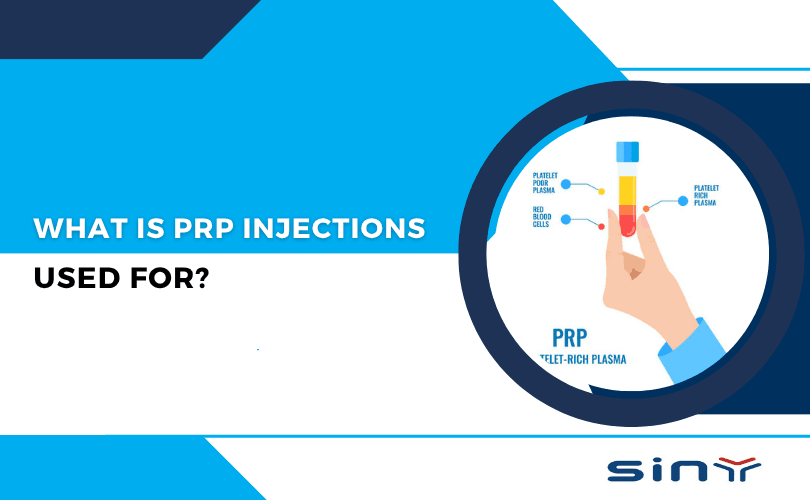
When people search for what is PRP injections used for, they are usually looking for more than just a definition—they want to understand how this therapy works, where it is applied, and whether it is worth investing in. In clinical practice, PRP (Platelet-Rich Plasma) injections are widely used for tissue regeneration, pain relief, and aesthetic improvement, making them one of the most versatile biologic treatments today.
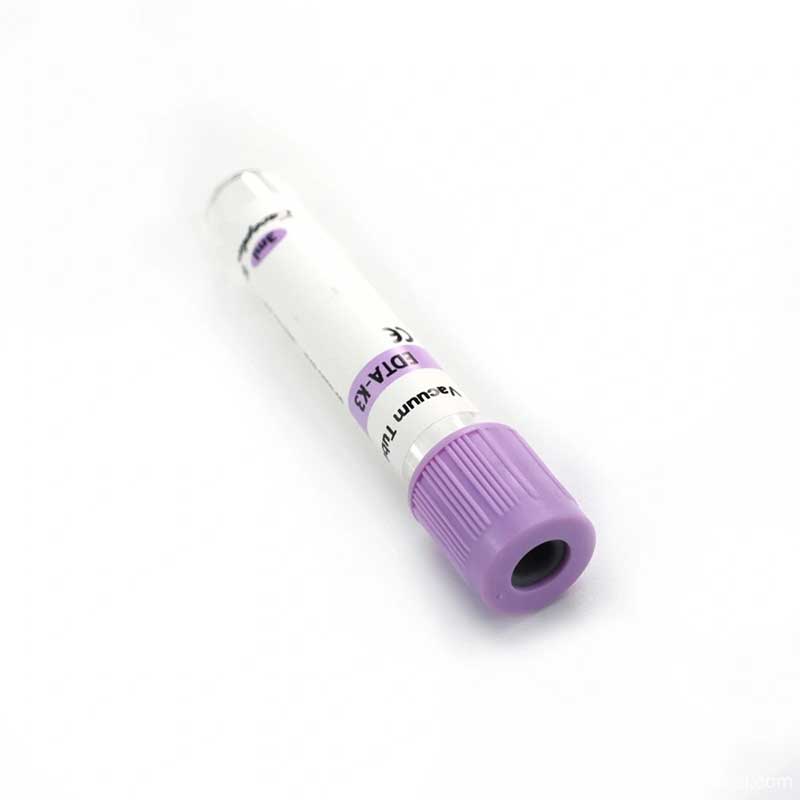
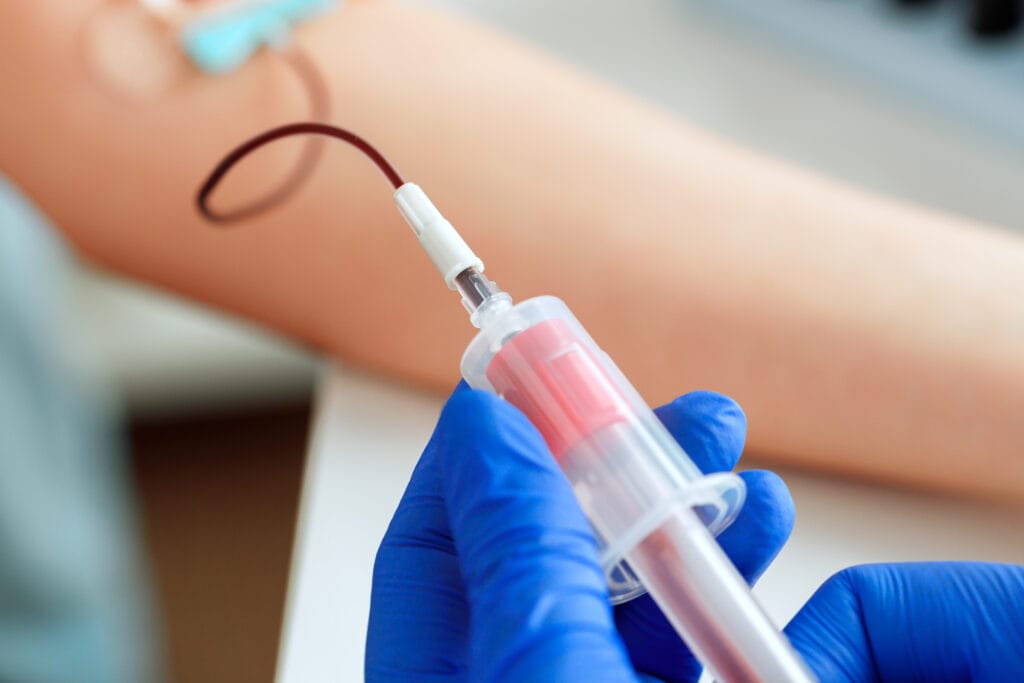
From orthopedic injuries to hair restoration and skin rejuvenation, PRP therapy has expanded rapidly across multiple medical fields. However, one detail is often overlooked: the consistency and effectiveness of PRP treatments depend not only on technique but also on how the plasma is prepared—especially the quality of PRP tubes used during collection and centrifugation.
Table of Contents
- 1 What Is PRP Injections Used For in Orthopedic and Sports Medicine?
- 2 What Is PRP Injections Used For in Aesthetic and Dermatology Treatments?
- 3 What Is PRP Injections Used For in Hair Restoration?
- 4 What Is PRP Injections Used For in Dentistry and Wound Healing?
- 5 Why PRP Preparation Matters More Than You Think
- 6 FAQ: What Is PRP Injections Used For?
- 7 Final Thoughts
What Is PRP Injections Used For in Orthopedic and Sports Medicine?
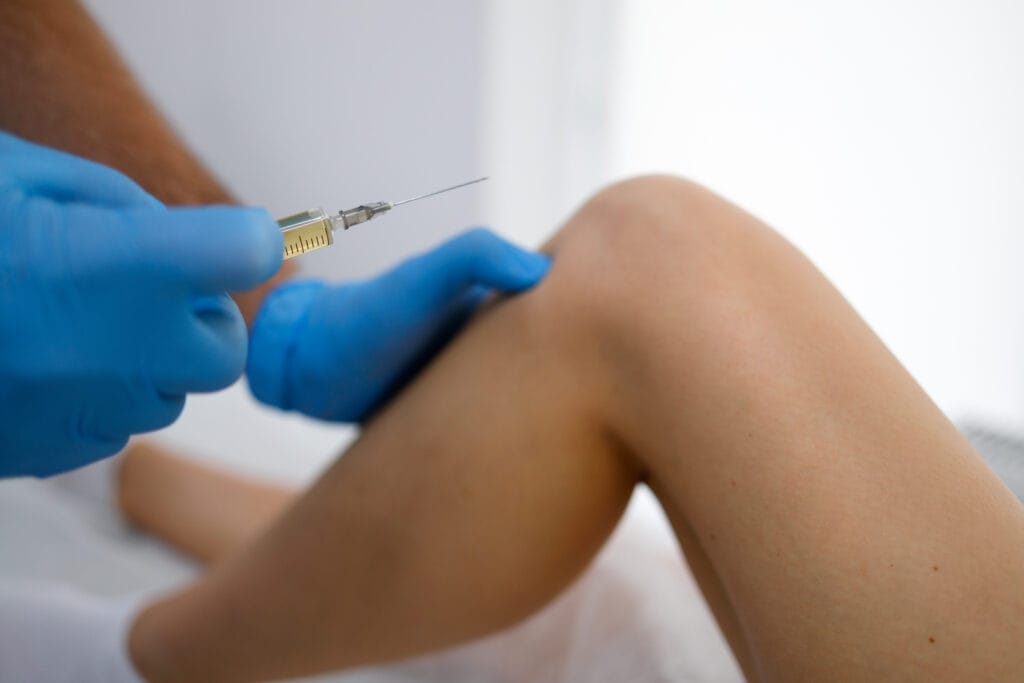
One of the most established answers to what is PRP injections used for lies in orthopedic applications. PRP is commonly used to treat:
- Tendon injuries (e.g., tennis elbow, Achilles tendinitis)
- Ligament sprains
- Osteoarthritis (especially knee joints)
- Muscle injuries
The reason PRP works in these cases is its high concentration of growth factors, which promote tissue repair and reduce inflammation. Unlike corticosteroid injections that mainly suppress symptoms, PRP supports the body’s natural healing process.
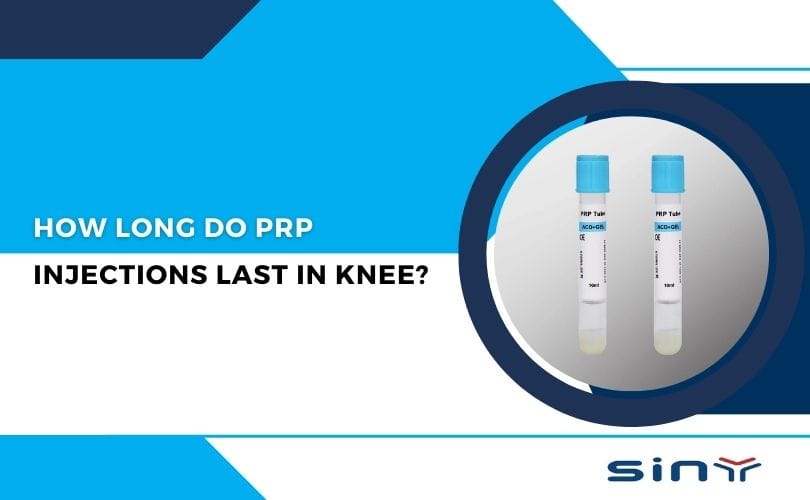
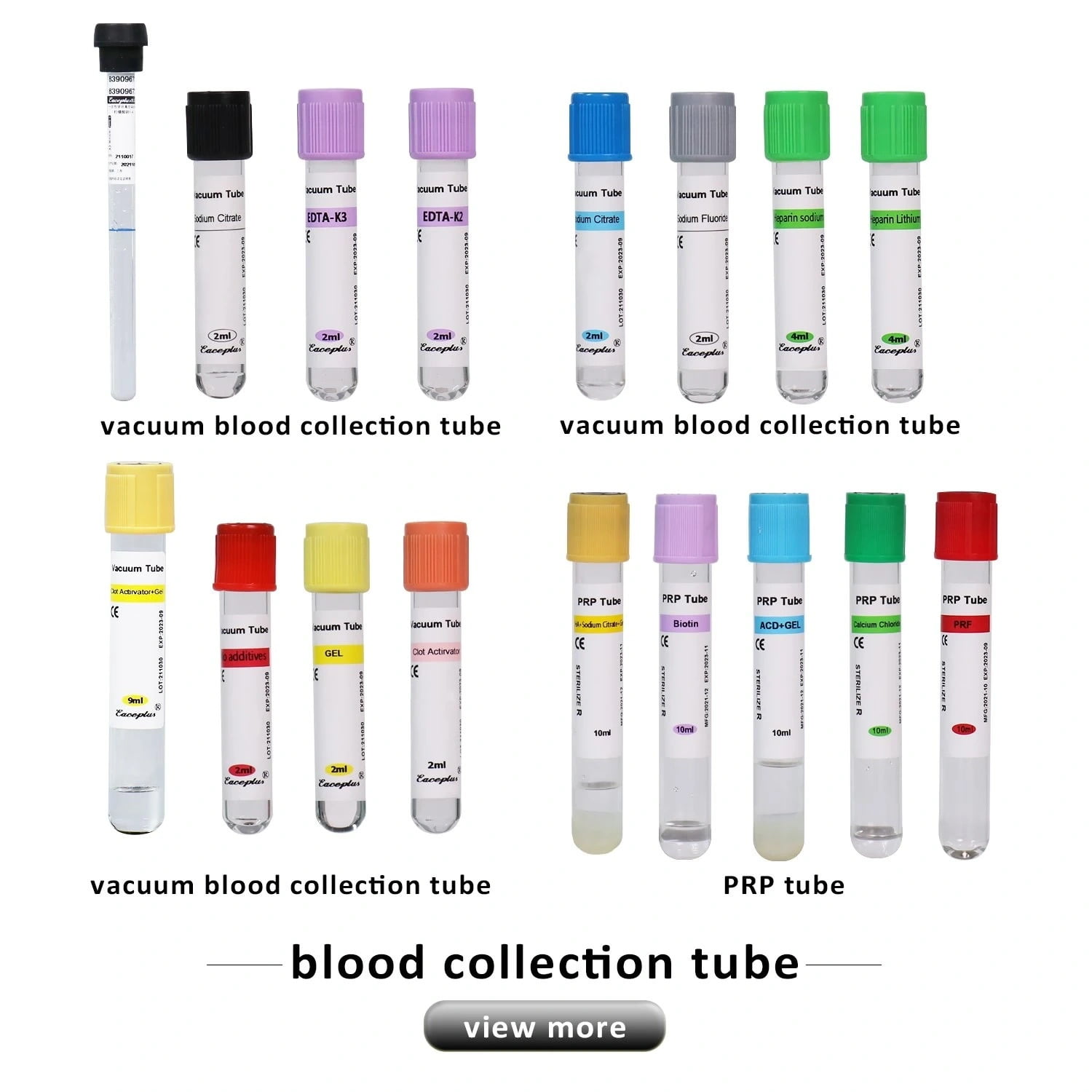
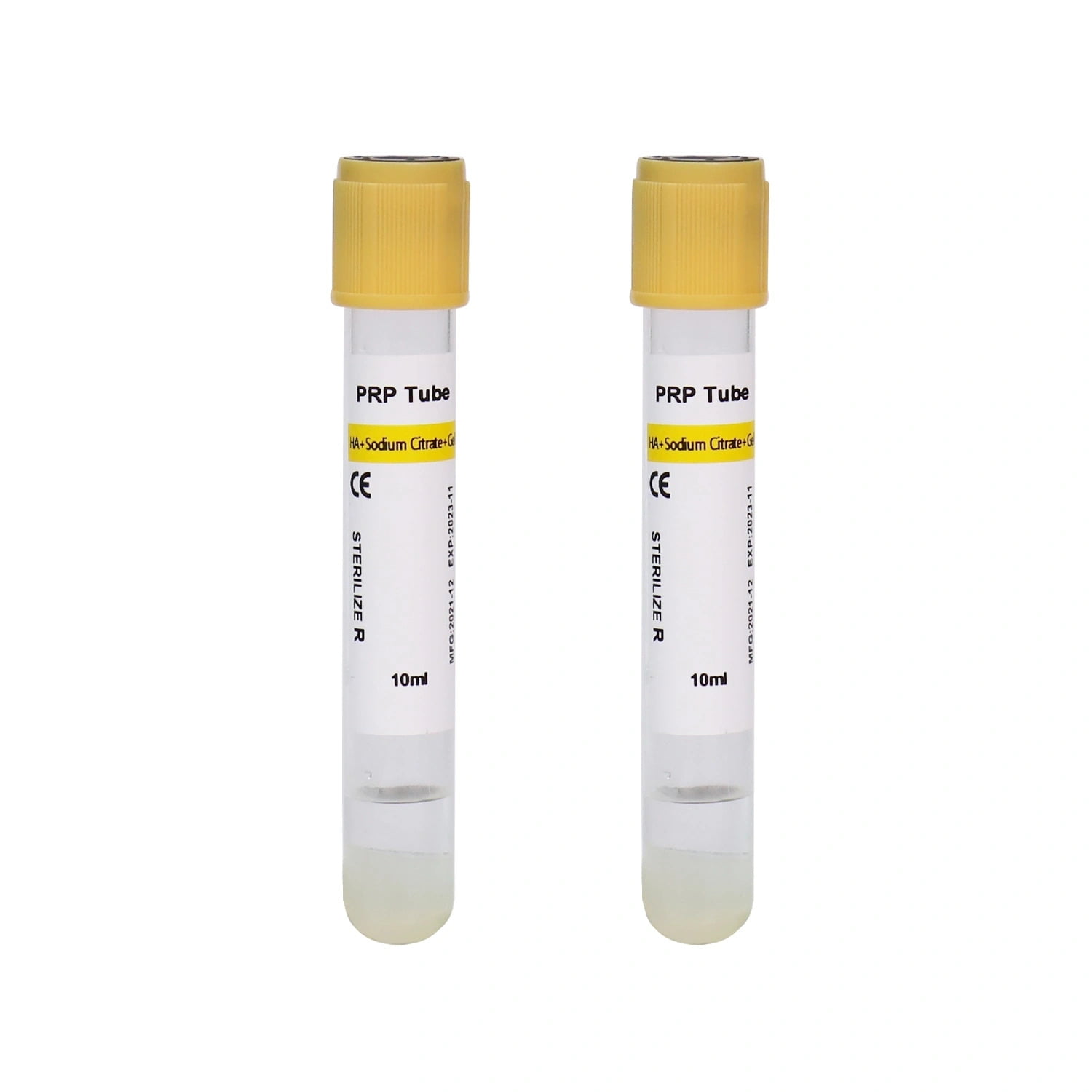
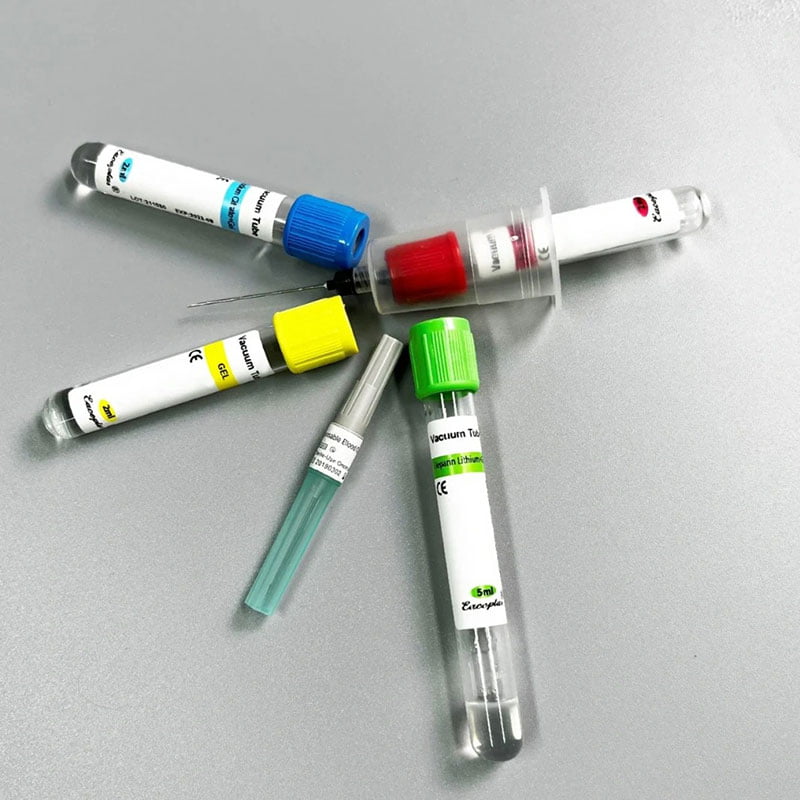
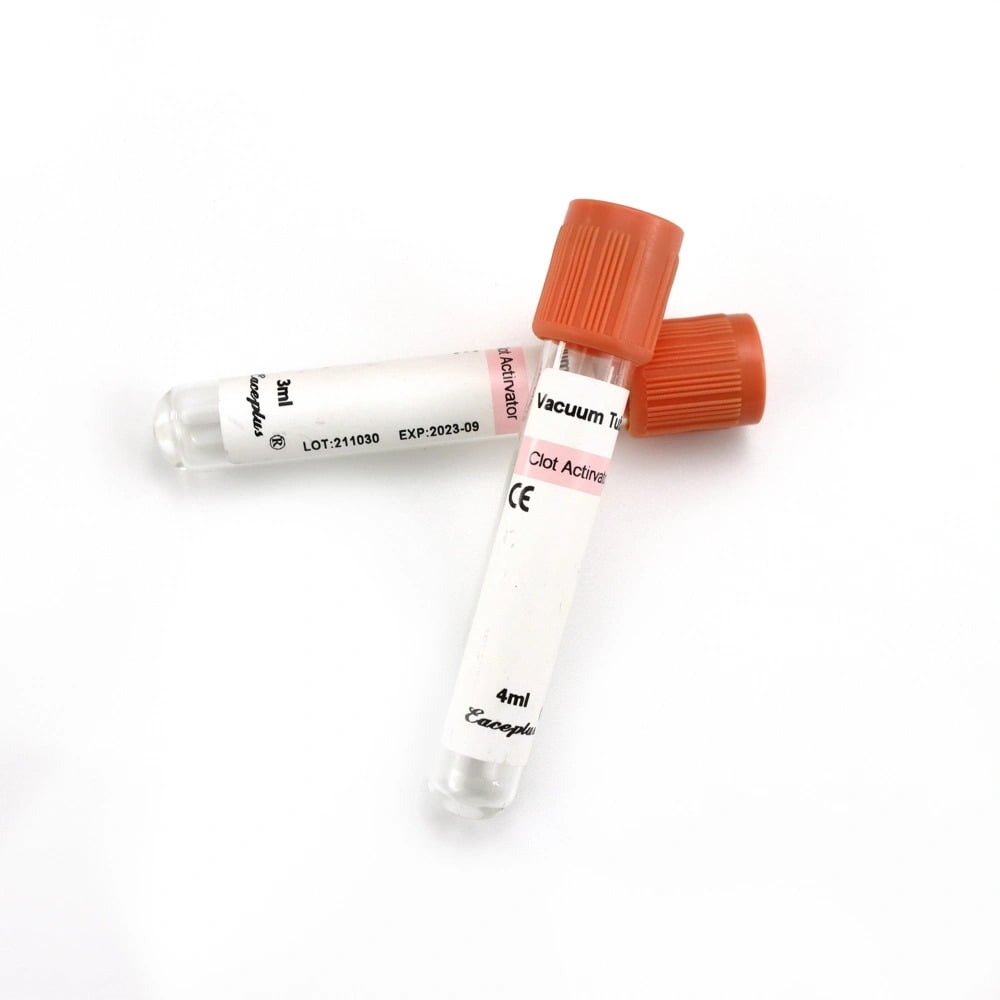
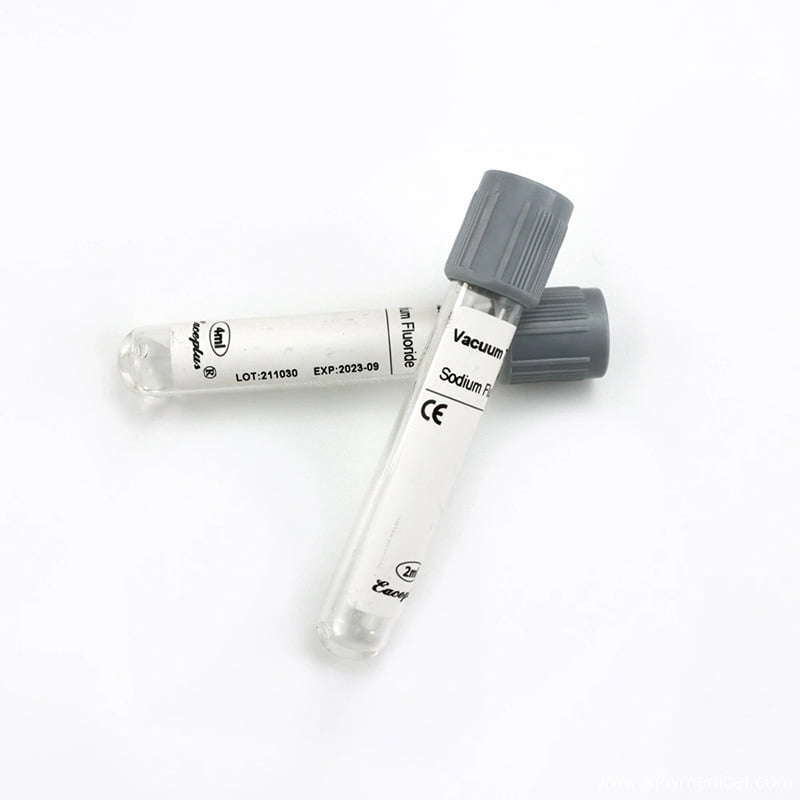
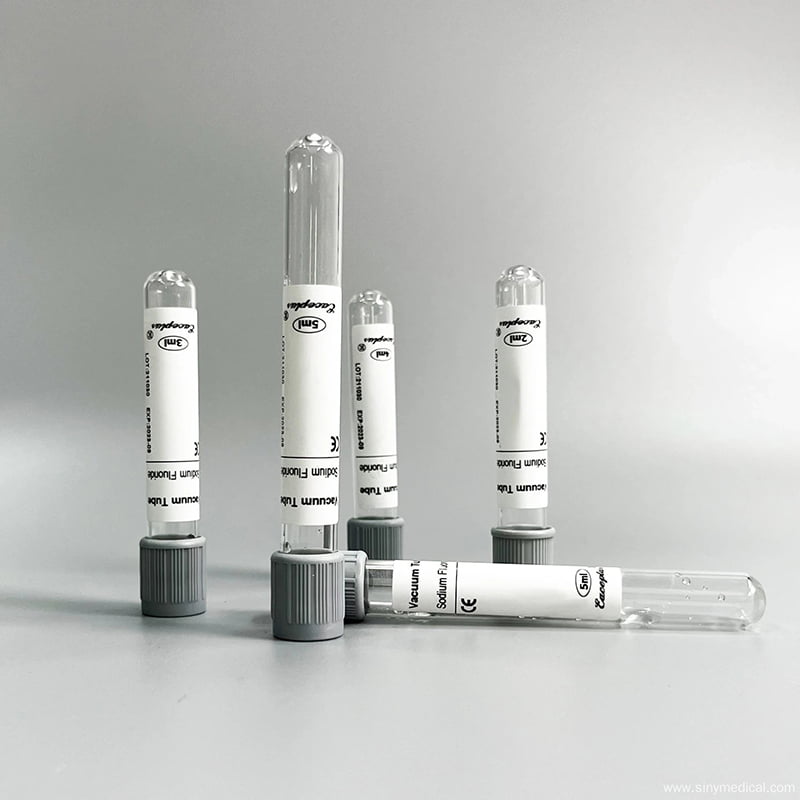
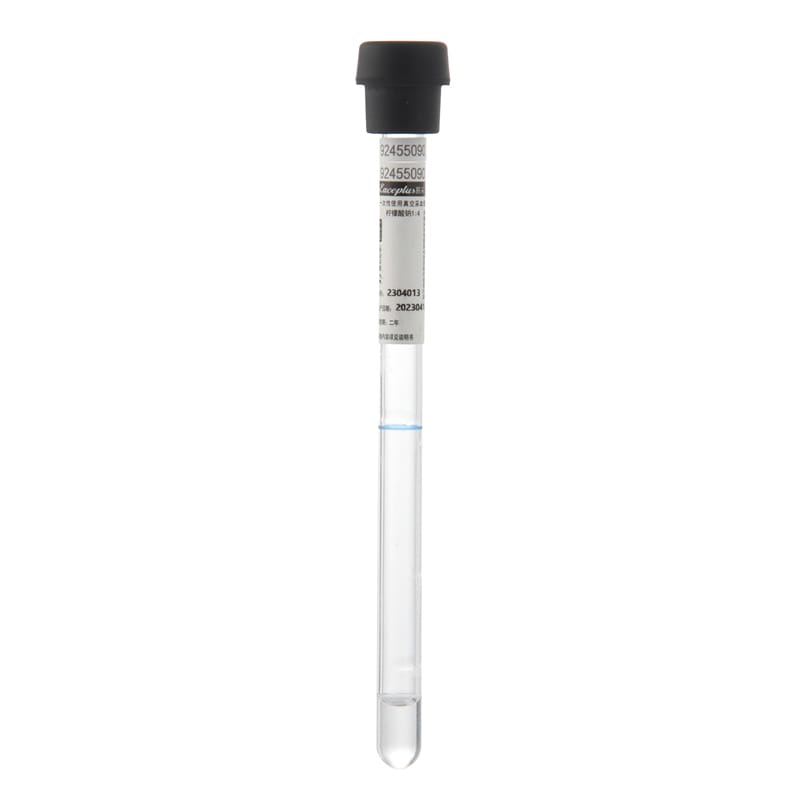
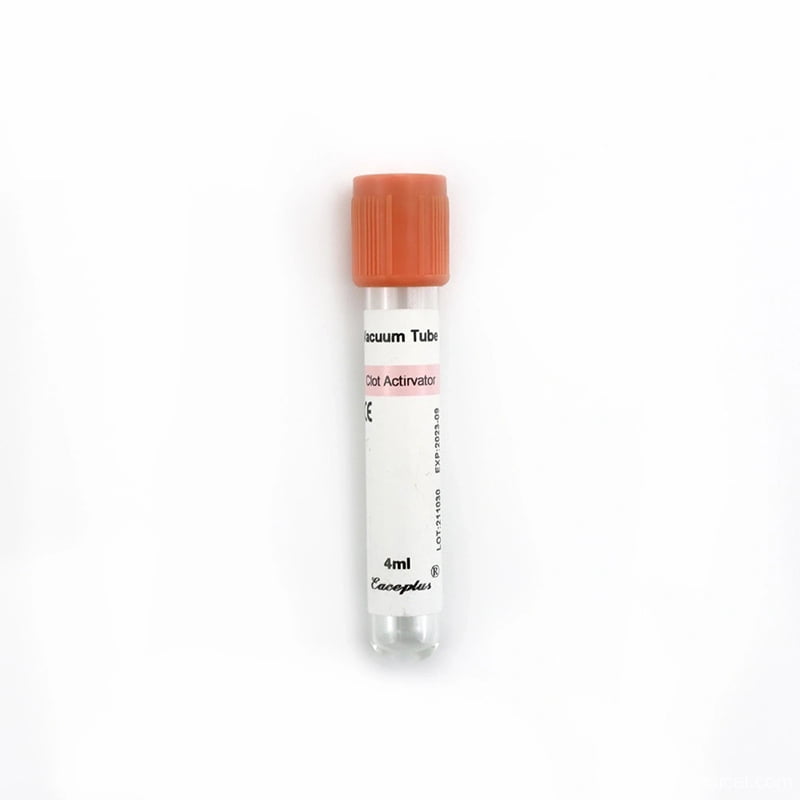
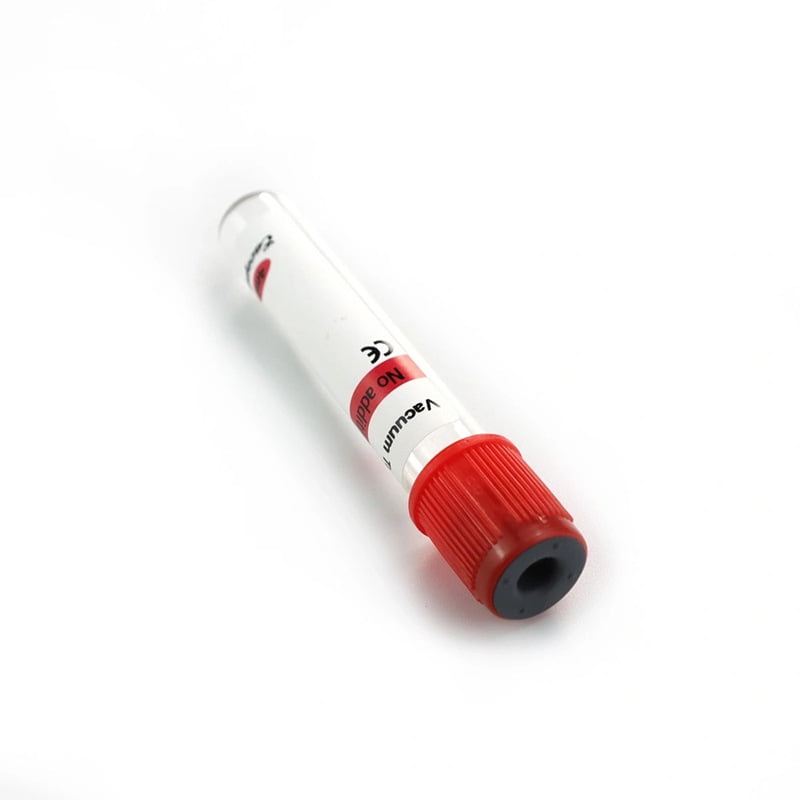
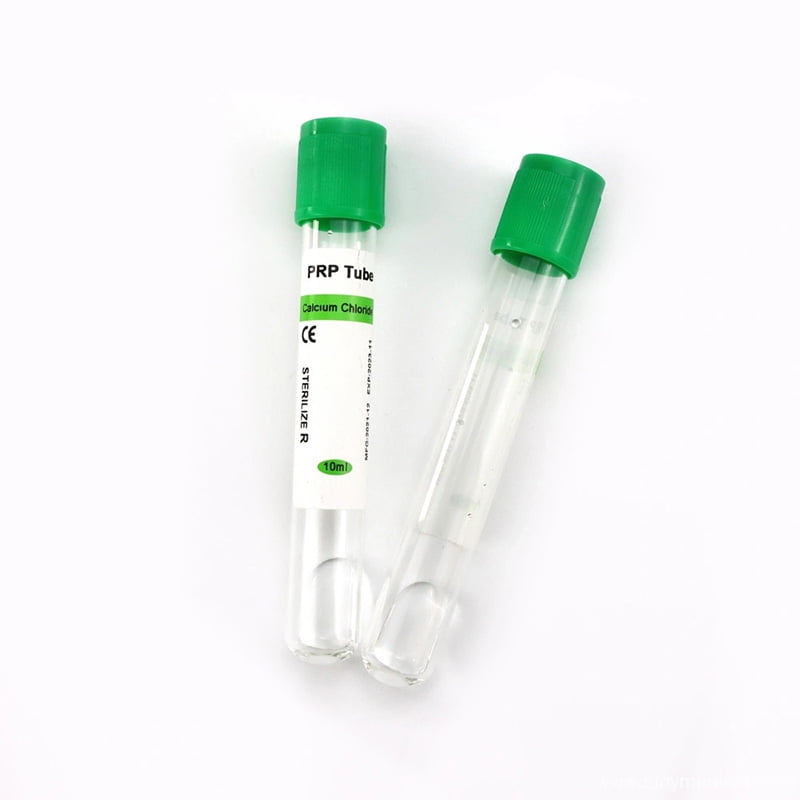
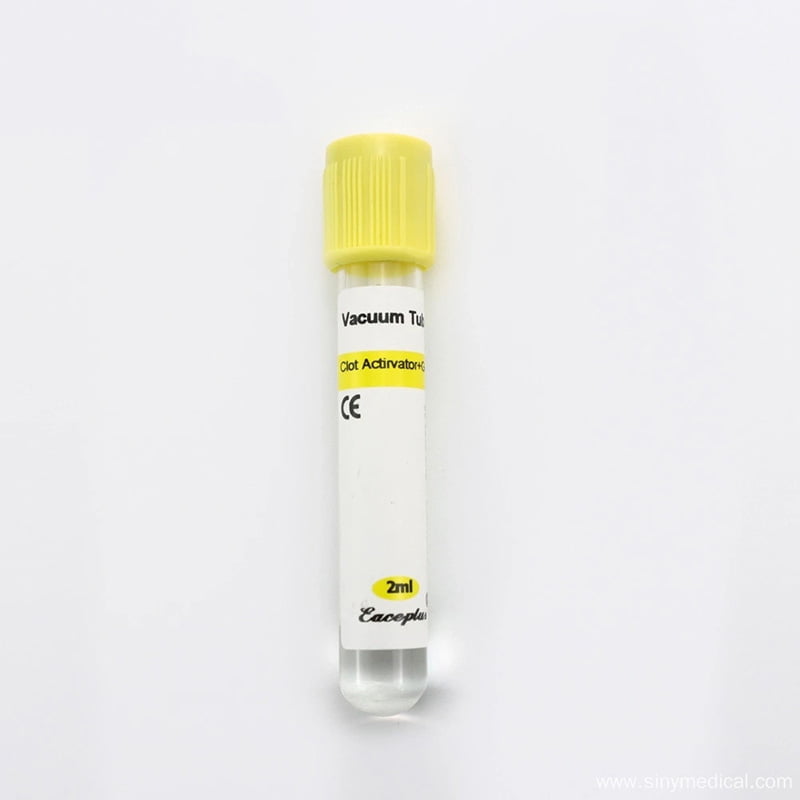
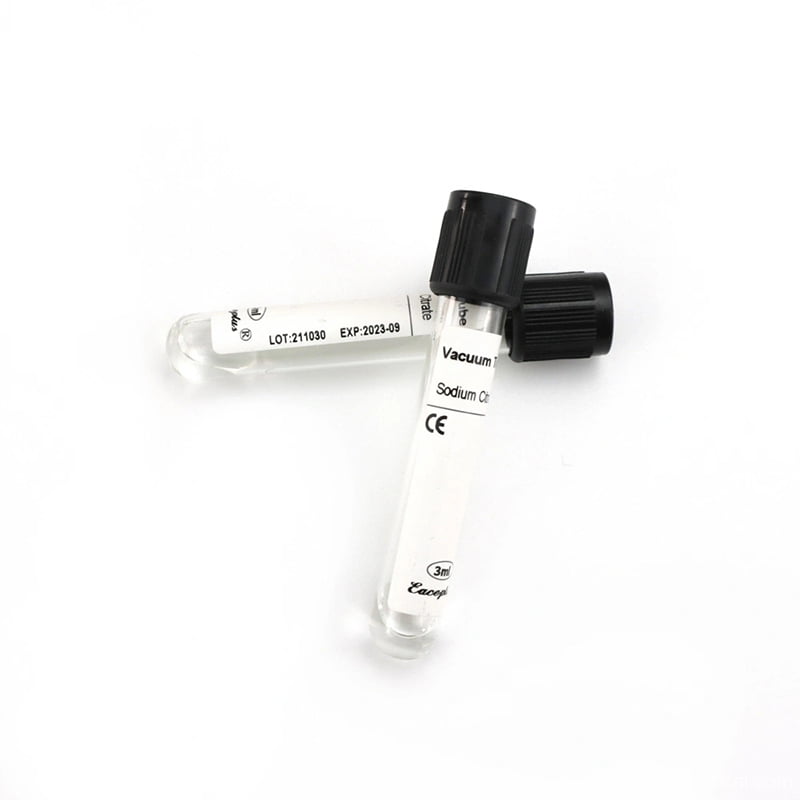
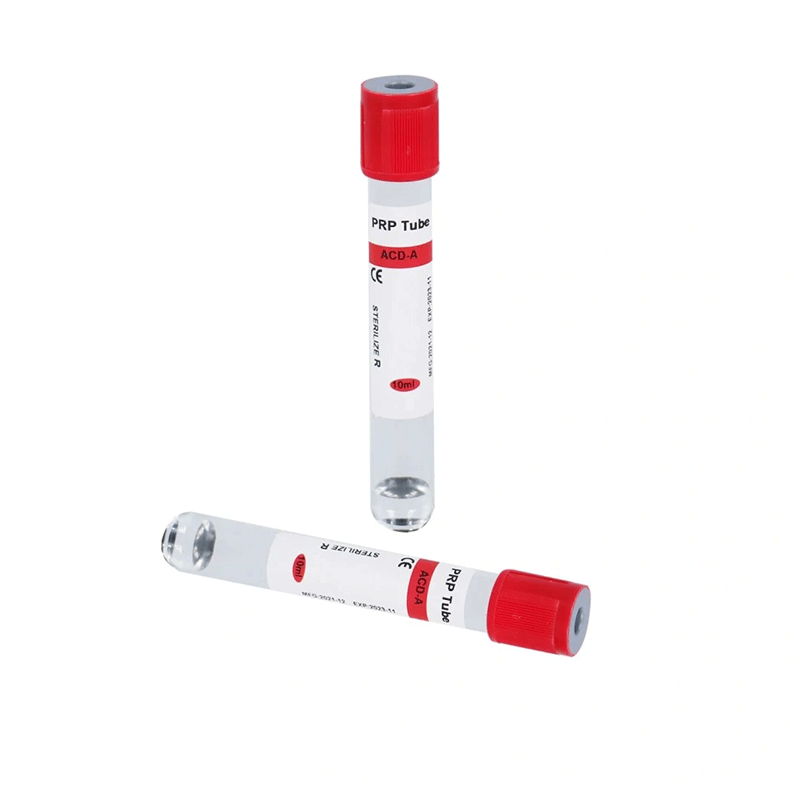
For clinics offering these treatments, achieving consistent platelet concentration is essential. This is where properly designed products such as PRP Tube (ACD + Gel) or Sodium Citrate PRP Tubes become critical, as they help maintain platelet integrity during centrifugation.
What Is PRP Injections Used For in Aesthetic and Dermatology Treatments?
Another major area where people ask what is PRP injections used for is aesthetic medicine. PRP is widely used for:
- Facial rejuvenation
- Acne scar improvement
- Skin texture and elasticity enhancement
- Anti-aging treatments
PRP stimulates collagen production and improves microcirculation, leading to gradual but natural-looking skin improvement. Because it uses autologous blood, the risk of allergic reactions is minimal.
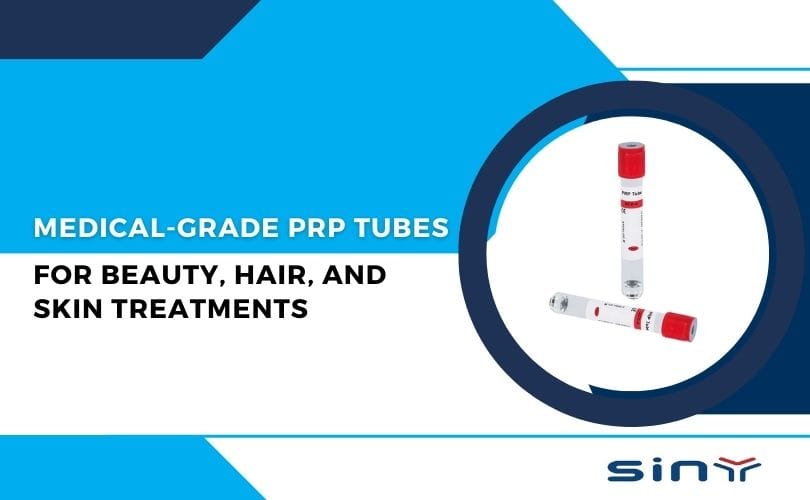
However, in aesthetic applications, purity of plasma and separation clarity are extremely important. Poor-quality tubes may lead to red blood cell contamination, which can affect both results and patient satisfaction.
What Is PRP Injections Used For in Hair Restoration?
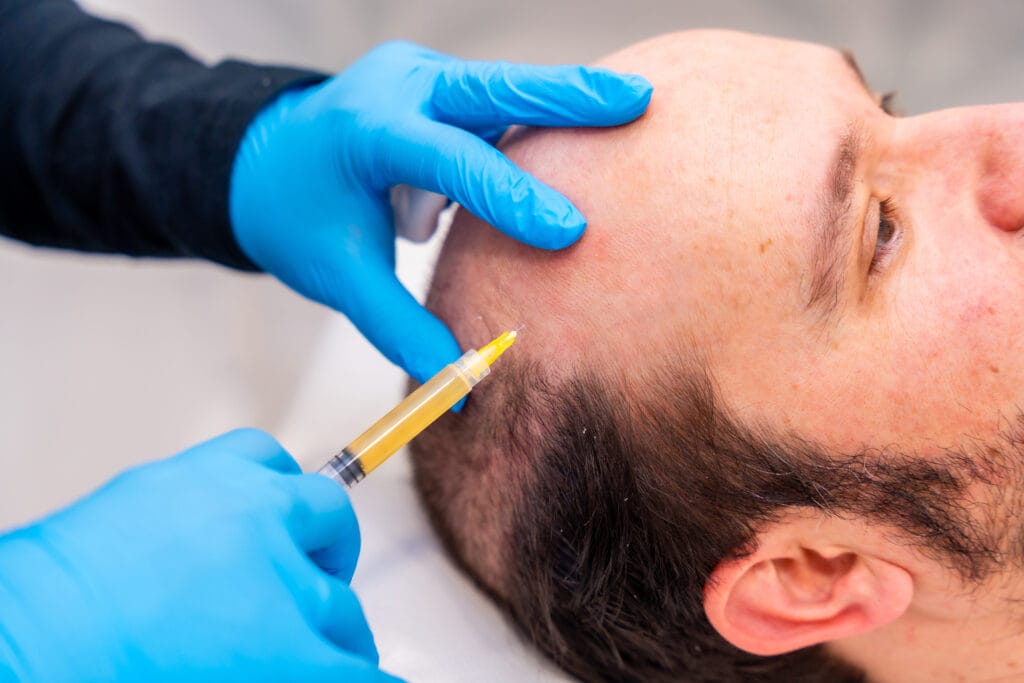
Hair restoration is one of the fastest-growing uses of PRP therapy. When discussing what is PRP injections used for, hair loss treatment often comes up first in patient-driven searches.
PRP injections are commonly used to:
- Treat androgenetic alopecia.
- Strengthen weak hair follicles.
- Improve scalp circulation.
- Extend the hair growth phase.
Growth factors released from platelets stimulate dormant follicles, leading to thicker and healthier hair over time.
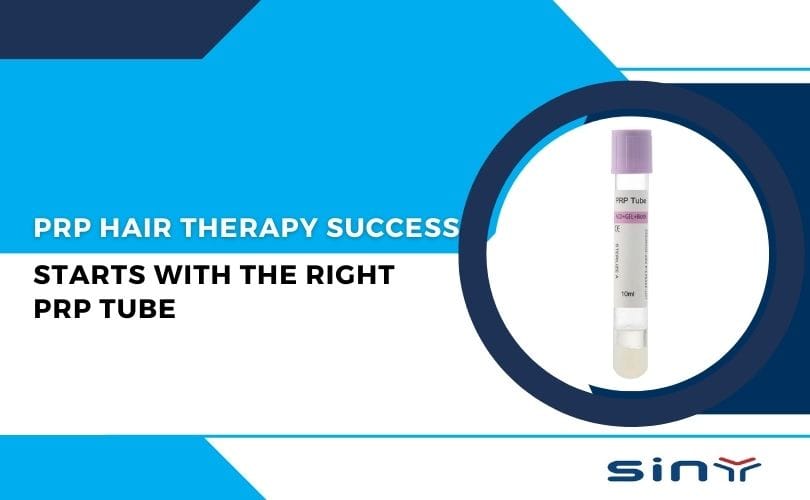
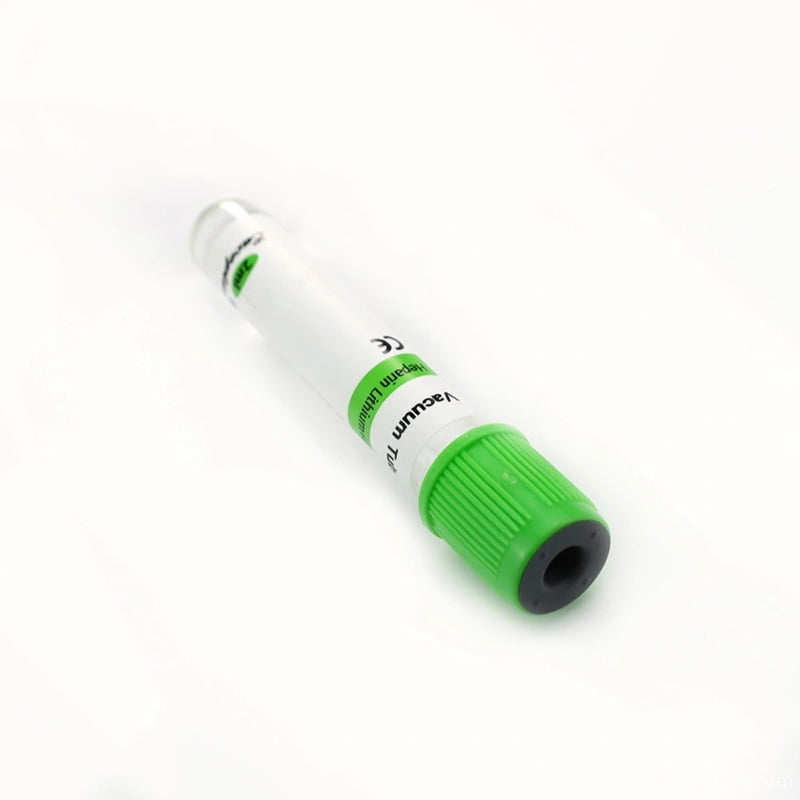
In this application, consistency is everything. Variability in platelet concentration or activation can lead to uneven results. Clinics that achieve better outcomes often rely on standardized preparation systems, including PRP Tubes with Biotin.
For distributors or clinics entering the hair restoration market, selecting reliable PRP preparation tools is not just a technical choice—it directly impacts patient outcomes. You can reach out to Siny Medical for product guidance based on your treatment protocols.
What Is PRP Injections Used For in Dentistry and Wound Healing?
Beyond aesthetics and orthopedics, PRP also plays an important role in:
- Dental implant procedures.
- Bone grafting.
- Post-surgical healing.
- Chronic wound management.
PRP accelerates tissue regeneration by enhancing angiogenesis (new blood vessel formation) and reducing healing time. In dental applications, it is often combined with biomaterials to improve integration and recovery.
These procedures require highly controlled PRP preparation, as contamination or inconsistent plasma quality can affect clinical outcomes. Products like PRF/PRP hybrid tubes or advanced separator systems are increasingly used to improve reliability.
If you’re setting up or optimizing PRP therapy services, choosing stable and clinically reliable preparation systems can make a noticeable difference. You can explore more options or contact Siny Medical to evaluate suitable configurations for your application.
Why PRP Preparation Matters More Than You Think
Across all these applications, one key insight stands out: while many discussions focus on what is PRP injections used for, fewer address how PRP quality is actually determined.
In reality, treatment effectiveness depends on:
- Platelet concentration
- Anticoagulant stability
- Centrifugation compatibility
- Separation efficiency
Even small inconsistencies during preparation can lead to significant variations in results.
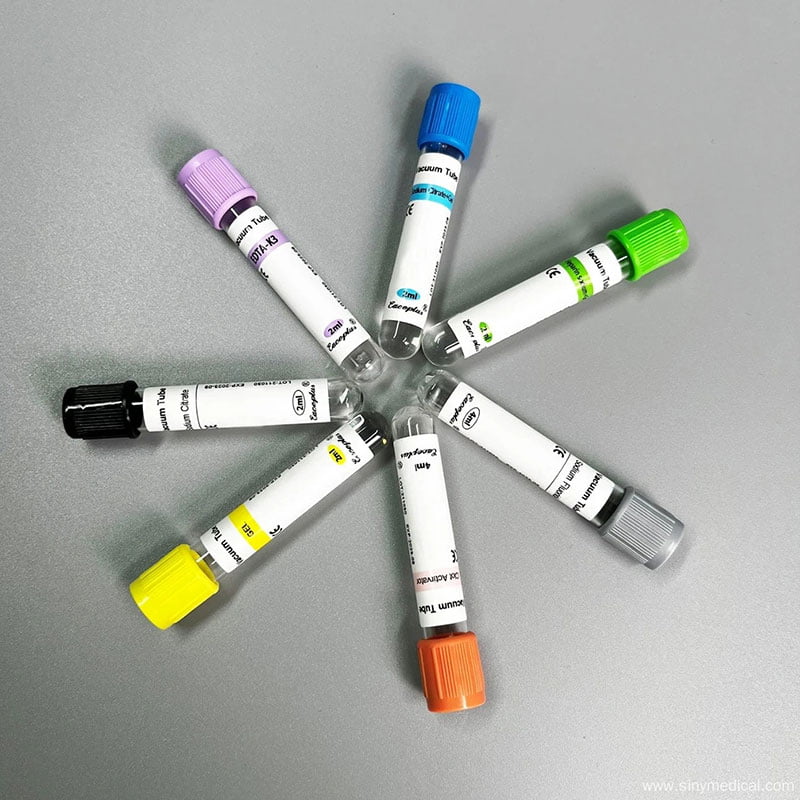
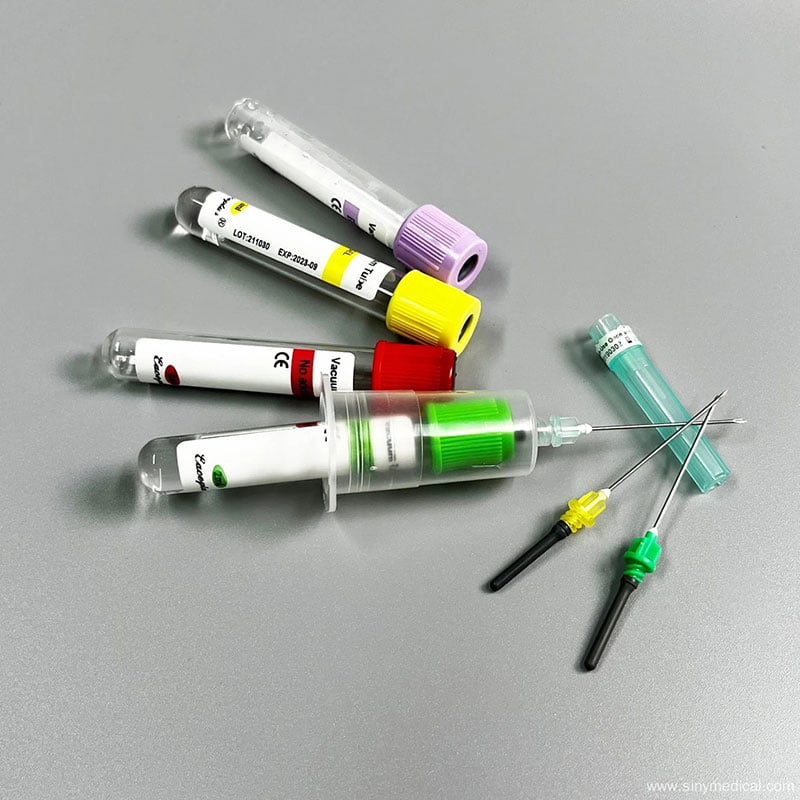
That’s why experienced clinics and distributors increasingly prioritize standardized PRP tube systems rather than treating them as interchangeable consumables.
If you’re comparing suppliers, it’s worth evaluating not just price but also technical design, material quality, and clinical consistency. For tailored recommendations, you can contact Siny Medical directly.
FAQ: What Is PRP Injections Used For?
1. What is PRP injections mainly used for?
PRP injections are mainly used for tissue regeneration, including orthopedic injuries, skin rejuvenation, hair restoration, and wound healing.
2. Are PRP injections safe?
Yes, PRP is generally considered safe because it uses the patient’s own blood. However, proper preparation and sterile handling are essential.
3. How long does it take to see results?
Results vary depending on the application:
- Hair restoration: 2–3 months
- Skin treatments: a few weeks
- Orthopedic conditions: several weeks to months
4. Does PRP work for everyone?
Not always. Effectiveness depends on patient condition, treatment protocol, and PRP quality.
5. Why does PRP preparation quality matter?
Because platelet concentration and purity directly affect treatment outcomes. Poor preparation can reduce effectiveness.
Final Thoughts
Understanding what is PRP injections used for is only the first step. As PRP therapy continues to expand across medical and aesthetic fields, the focus is gradually shifting from “whether it works” to “how to make it work consistently.”
For clinics, distributors, and buyers, this means paying closer attention to the preparation process—especially the quality and design of PRP tubes. Choosing the right system is not just a supply decision, but a clinical one that directly impacts results.
If you’re looking to optimize your PRP workflow or explore suitable product options, Siny Medical offers a range of solutions designed for different treatment applications.