| Item | Specification |
|---|---|
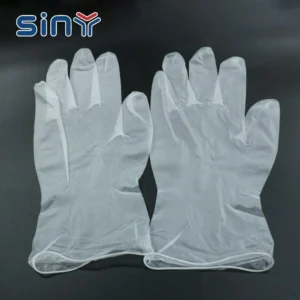
| Product Name | Sterile Latex Powdered Powder Free Medical Surgical Gloves |
| Product Type | Surgical Gloves |
| Material | Natural Rubber Latex |
| Sterility | Sterile |
| Powder Options | Powdered / Powder-Free |
| Intended Use | Surgical Procedures |
| Main Feature | Elastic Fit and Protective Barrier |
| Intended Users | Surgeons and Operating Room Personnel |
Siny Medical Sterile Latex Powdered Powder Free Medical Surgical Gloves are designed for surgical hand protection in hospitals and operating rooms. Made from natural rubber latex, these gloves combine material elasticity with the protective barrier required for appropriate surgical procedures. The product range includes powdered and powder-free configurations, with selection depending on clinical requirements and the regulations of the destination market.
Natural rubber latex has long been used in surgical glove manufacturing because it offers flexibility, elastic recovery, and a close-fitting feel. These properties help healthcare professionals maintain controlled hand movements when handling instruments and performing procedures that require tactile sensitivity.
Powdered and powder-free gloves differ primarily in their donning characteristics and the presence of glove powder. Historically, powder was used to make gloves easier to put on. However, medical glove powder has been associated with significant patient and healthcare worker risks, leading to restrictions and bans in certain markets.
At Siny Medical, we supply medical gloves and disposable healthcare consumables for hospitals, clinics, and distributors. Our sterile latex surgical glove range supports healthcare buyers evaluating material suitability, glove fit, packaging, and the appropriate powder configuration for their markets.
Latex surgical gloves are designed to provide a physical barrier while allowing the hand movement required during surgical procedures. Their suitability depends on material properties, sterile handling, fit, and product integrity.
Natural rubber latex offers elasticity and flexibility. It stretches with hand movements and can conform closely to the fingers and palm.
These characteristics support dexterity during procedures that require precise instrument handling. Latex also provides elastic recovery, helping the glove maintain a close fit during movement.
However, latex contains natural rubber proteins that may cause allergic reactions in susceptible individuals. Hospitals should consider latex allergy policies when selecting gloves for healthcare personnel and patients.
Where natural rubber latex exposure is unsuitable, an appropriate latex-free surgical glove should be selected.
Sterile surgical gloves form part of the protective equipment used during procedures requiring aseptic technique.
Their purpose is to provide a physical barrier while supporting sterile handling practices. Packaging and correct donning help preserve the sterile condition until use.
However, sterile gloves do not replace surgical hand preparation or other infection prevention measures.
During surgery, glove integrity remains important. Punctures, tears, and incorrect handling can compromise the barrier, making timely glove replacement necessary.
Powdered surgical gloves historically used donning powder to reduce friction during application.
Powder-free gloves avoid intentionally added donning powder in the finished product. Their donning characteristics depend on the glove’s manufacturing process and surface treatment.
The distinction matters because glove powder can expose patients and healthcare workers to additional risks.
In the United States, powdered surgeon’s gloves have been banned since January 18, 2017. As a result, powdered configurations must not be presented as suitable for the U.S. medical market.
For healthcare procurement, powder-free surgical gloves are generally the more appropriate starting point, subject to the product’s intended use and market requirements.
Surgical gloves should fit closely without restricting hand movement.
A properly fitted glove supports instrument handling and reduces excess material around the fingers. Conversely, an unsuitable size may interfere with comfort or control.
Latex elasticity can help accommodate natural hand movements, although comfort also depends on glove dimensions and design.
Hospitals should select sizes according to their surgical teams’ requirements.
Surgical gloves help separate the wearer’s hands from materials encountered during medical procedures.
Nevertheless, no surgical glove is puncture-proof or suitable for every chemical exposure.
Sharp instruments, excessive stretching, and mechanical damage can compromise glove integrity.
Healthcare personnel should replace gloves when damage is suspected and follow the facility’s procedures for managing exposure risks.
Understanding the difference between powdered and powder-free surgical gloves is important for hospitals and medical distributors.
Although both configurations use latex as the primary material, the presence of powder changes their handling characteristics and risk considerations.
Historically, manufacturers added powder to surgical gloves to make donning easier.
The powder reduced friction between the glove and the skin, particularly when hands were difficult to insert into the glove.
However, powder can create additional exposure concerns. It may carry latex allergens and contribute to respiratory or inflammatory reactions.
When glove powder enters surgical sites, it can also create complications involving tissue inflammation and other adverse responses.
These risks have led to regulatory restrictions and prohibitions.
Consequently, powdered surgical gloves are not an appropriate option in markets where their sale or use is prohibited.
Powder-free surgical gloves are manufactured without intentionally added donning powder in the finished product.
Different manufacturing approaches can help improve donning characteristics without relying on powder.
This makes powder-free gloves an important option for modern surgical environments.
However, powder-free latex gloves still contain natural rubber latex. They are not automatically suitable for individuals with latex allergies.
Material selection and powder status should therefore be evaluated separately.
| Feature | Powdered Latex Surgical Gloves | Powder-Free Latex Surgical Gloves |
|---|---|---|
| Material | Natural Rubber Latex | Natural Rubber Latex |
| Donning Powder | Present | No Intentionally Added Donning Powder |
| Traditional Donning Method | Powder Reduces Friction | Surface Treatment or Manufacturing Design |
| Latex Allergy Consideration | Latex Exposure and Powder-Related Risks | Latex Exposure Remains |
| Surgical Use | Restricted or Prohibited in Some Markets | Commonly Preferred Configuration |
| U.S. Medical Market | Banned | Permitted Subject to Applicable Requirements |
| Purchasing Priority | Market Legality and Exposure Risks | Fit, Sterility, Performance and Supply |
The powder-free configuration avoids the risks specifically associated with intentionally added glove powder. Nevertheless, hospitals must still evaluate latex allergy risks and the suitability of the finished glove.
Sterile latex surgical gloves are used in healthcare procedures where an appropriate sterile barrier and controlled hand movement are important.
The selected configuration must meet the clinical and regulatory requirements of the intended market.
General surgical procedures require careful instrument handling and sterile technique.
Latex surgical gloves can provide flexibility and a close-fitting feel during these tasks.
Powder-free sterile configurations are commonly selected in markets that restrict powdered medical gloves.
Surgical personnel must still follow appropriate hand preparation, donning, and glove replacement procedures.
Operating room personnel use surgical gloves when participating in procedures that require sterile hand protection.
Fit, material elasticity, and barrier integrity are important considerations.
Latex gloves may support controlled movements during instrument handling.
However, glove selection should account for the procedure and the facility’s latex allergy management policies.
Different surgical specialties may place different demands on gloves.
Some procedures emphasize tactile sensitivity, while others involve prolonged instrument handling.
Latex elasticity may support hand movement across these applications.
Nevertheless, the selected product must meet the requirements of the procedure, including sterility and appropriate barrier performance.
Medical training programs use surgical gloves when teaching aseptic technique and instrument handling.
Students learn how to select the correct size, open sterile packaging, and put on gloves without contaminating the outer surface.
Training also includes recognizing damaged gloves and removing them safely.
Powder-free configurations help avoid the additional risks associated with glove powder.
Hospitals purchase surgical gloves in multiple sizes to support different members of the surgical team.
Medical distributors also consider material, powder status, packaging, shelf life, and market requirements.
For powdered configurations, destination-market restrictions are especially important.
Purchasing decisions should prioritize safe, appropriate products rather than treating powdered and powder-free versions as interchangeable alternatives.
Selecting surgical gloves involves more than choosing a material.
Hospitals and distributors should evaluate powder status, sterile packaging, fit, latex allergy risks, and the requirements of the intended market.
Powder status is a critical purchasing consideration.
Powder-free surgical gloves avoid intentionally added donning powder and are the preferred choice in many modern healthcare settings.
The U.S. FDA prohibits powdered surgeon’s gloves, powdered patient examination gloves, and absorbable powder for lubricating surgeon’s gloves.
For international purchasing, distributors must assess the applicable requirements of each destination market.
A product offered in one region should not automatically be considered suitable for another.
Natural rubber latex can cause allergic reactions in susceptible individuals.
Healthcare facilities should maintain appropriate policies for managing latex exposure among staff and patients.
Powder-free latex gloves eliminate intentionally added donning powder, but they do not eliminate latex allergens.
For users with latex allergy, an appropriate latex-free surgical glove is necessary.
Correct sizing supports comfort and controlled hand movement.
A glove that is too tight may restrict movement. An oversized glove may leave excess material around the fingertips.
Hospitals should consider the hand dimensions of their surgical teams and use appropriate sizing guidance.
Maintaining a suitable range of sizes also helps purchasing teams plan inventory.
Sterile surgical gloves require packaging that protects the product before use.
Healthcare buyers should consider package integrity, labeling, storage requirements, and shelf life.
Operating room personnel should inspect packaging before opening and follow the facility’s sterile donning procedures.
Compromised sterile packaging should not be used for sterile procedures.
Surgical glove performance includes physical strength, dimensions, and barrier integrity.
Hospitals may review relevant technical information when evaluating products.
Thickness alone does not determine durability, comfort, or resistance to puncture.
A suitable glove should balance protection with the dexterity required for its intended procedure.
Hospitals need a consistent supply of surgical gloves in suitable sizes and configurations.
Purchasing teams should consider usage patterns, storage capacity, packaging requirements, and inventory rotation.
Distributors should also assess destination-market restrictions before selecting products for export.
These steps support more reliable procurement and reduce the risk of unsuitable stock.
Correct handling helps maintain the sterile condition and supports infection prevention practices.
Before use, select the appropriate glove size and inspect the sterile packaging.
Follow the healthcare facility’s surgical hand preparation procedures before donning gloves.
Open the package carefully and avoid touching the outer glove surface with contaminated hands or objects.
During surgery, replace gloves when damage occurs or when the procedure requires a change.
Gloves should not be washed, disinfected, or reused as a substitute for appropriate replacement.
After use, remove gloves carefully to reduce contact with potentially contaminated surfaces.
Perform hand hygiene according to the facility’s procedures and dispose of used gloves in the appropriate waste stream.
Keep unused surgical gloves in their original packaging.
Store them according to the labeled conditions, away from excessive heat, direct sunlight, and sources of physical damage.
Natural rubber latex may deteriorate under unsuitable environmental conditions.
Hospitals should follow shelf-life requirements and use appropriate inventory rotation practices.
Before sterile use, inspect the package for damage or other signs of compromised integrity.
They are surgical gloves made from natural rubber latex and supplied in a sterile condition for appropriate surgical procedures.
Powdered gloves contain donning powder, while powder-free gloves do not contain intentionally added donning powder in the finished product.
Powder was historically used to reduce friction and make gloves easier to put on.
No. The FDA ban on powdered surgeon’s gloves took effect on January 18, 2017.
Powder-free gloves avoid powder-related exposure, but they still contain natural rubber latex. Individuals with latex allergy should use appropriate latex-free alternatives.
This product range is described as sterile. Sterile packaging and correct handling are important for maintaining that condition before use.
Latex offers elasticity, a close-fitting feel, and flexibility that can support controlled hand movements during surgery.
No. Single-use surgical gloves should be discarded after use according to the healthcare facility’s procedures.
No. Sharp instruments and mechanical stress can damage surgical gloves, regardless of material.
Keep them in their original packaging under the labeled storage conditions and protect them from excessive heat, sunlight, and damage.
Siny Medical supplies sterile latex surgical gloves for hospitals, surgical departments, and medical supply distributors. Our range includes powdered and powder-free configurations for markets where the respective products are legally permitted, with powder-free options supporting modern surgical purchasing requirements. Explore our medical glove products or contact Siny Medical to discuss suitable configurations, available sizes, packaging, and bulk purchasing requirements.
Copyright © 2026 | Ningbo Siny Medical Technology Co., Ltd