
| Item | Specification |
|---|---|
| Product Name | Medical Supply PVC Gloves Exam Glove |
| Product Category | Medical Examination Gloves |
| Material | Polyvinyl Chloride (PVC / Vinyl) |
| Usage | Disposable / Single Use |
| Main Function | Hand Barrier for Appropriate Examination Tasks |
| Natural Latex Content | No Natural Rubber Latex Proteins |
| Common Applications | Patient Examinations and Suitable Clinical Tasks |
| Target Buyers | Hospitals, Clinics and Medical Distributors |
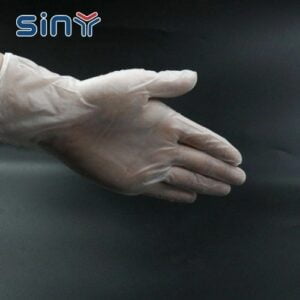
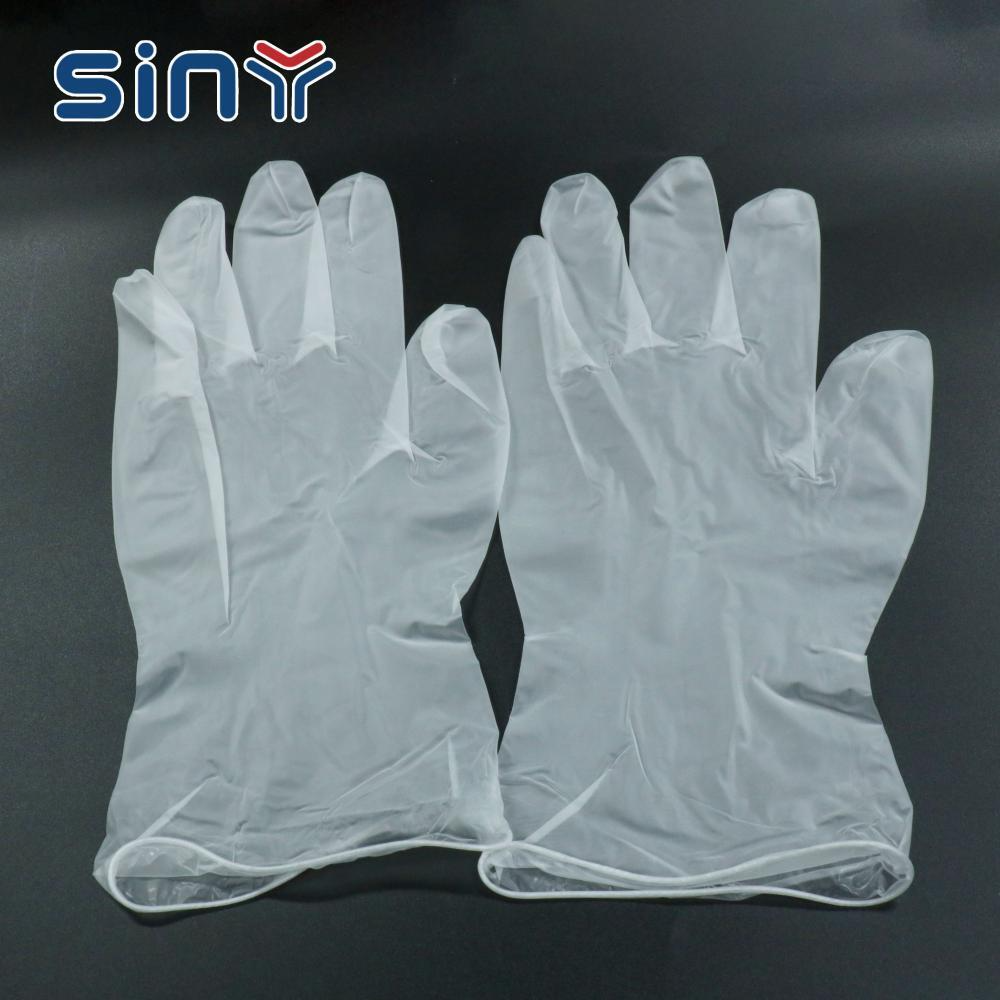
Siny Medical Medical Supply PVC Gloves Exam Glove products are designed for disposable hand protection during routine medical examinations and suitable patient care activities. Made from polyvinyl chloride (PVC), commonly known as vinyl, these examination gloves provide a practical barrier for healthcare professionals performing appropriate clinical tasks.
PVC Medical Examination Gloves are an option for hospitals and clinics seeking lightweight, single-use gloves for routine patient contact. Their synthetic material does not contain natural rubber latex proteins, making them an alternative to latex gloves in healthcare environments where natural latex exposure is a concern.
Vinyl examination gloves have different physical characteristics from nitrile and latex gloves. In particular, PVC generally offers less elasticity and a looser fit. As a result, healthcare buyers should consider the expected exposure, required dexterity, and glove fit before selecting a product.
At Siny Medical, we supply disposable medical gloves and healthcare consumables for hospitals, outpatient clinics, and medical distributors. Our PVC examination glove range supports buyers seeking practical hand protection for appropriate clinical applications and regular purchasing requirements.
PVC examination gloves combine synthetic vinyl material with convenient single-use construction. Their main characteristics include basic liquid barrier protection, lightweight handling, and the absence of natural rubber latex proteins.
PVC is a synthetic polymer used to manufacture disposable vinyl gloves.
Unlike natural rubber latex, PVC does not contain natural latex proteins. This makes vinyl an alternative material for healthcare facilities seeking to reduce natural rubber latex exposure.
PVC formulations are designed to provide flexibility for ordinary hand movements. However, vinyl generally has lower elasticity than nitrile or natural latex.
Therefore, PVC gloves may not conform as closely to the hand as more elastic glove materials.
For suitable examination tasks, they can still provide practical coverage and comfortable handling when properly sized.
Medical examination gloves are intended for single use.
During clinical activities, glove surfaces may contact potentially contaminated materials. Replacing gloves between patients and when required by the task helps reduce the risk of transferring contamination.
Disposable gloves should not be washed, disinfected, or reused as a substitute for a fresh pair.
In addition, glove use does not replace hand hygiene. Healthcare personnel should follow appropriate hand hygiene procedures before and after glove use.
Intact vinyl examination gloves provide a physical barrier against water and certain water-based liquids.
This can help reduce direct skin contact during appropriate routine examinations and patient care activities.
However, barrier performance depends on glove integrity, material formulation, and exposure conditions.
PVC gloves are not puncture-proof. They also should not be assumed suitable for all chemicals or hazardous substances.
For tasks involving significant exposure to bodily fluids, sharp instruments, or chemical agents, healthcare facilities should select gloves with appropriate documented performance.
Disposable PVC gloves are generally lightweight and suitable for selected short-duration tasks.
Their construction allows routine hand movements, such as handling examination instruments or preparing certain medical supplies.
However, comfort depends on glove size and design.
A glove that is too tight may restrict movement. Meanwhile, an oversized glove can leave excess material around the fingertips.
Correct sizing helps users perform routine clinical tasks more comfortably.
Natural rubber latex contains proteins that may cause allergic reactions in susceptible individuals.
PVC is manufactured from synthetic material and does not contain these natural latex proteins.
As a result, vinyl gloves can be considered when a healthcare facility wishes to avoid natural rubber latex.
Nevertheless, other glove ingredients may cause irritation or sensitivity in some users.
Healthcare buyers should therefore consider individual requirements alongside the intended application.
Hospitals and clinics use disposable examination gloves throughout the working day.
Frequent glove changes are necessary when moving between patients or tasks that require fresh hand protection.
PVC examination gloves can support this workflow when their barrier characteristics are appropriate.
Proper glove removal, disposal, and hand hygiene remain essential parts of infection prevention practices.
Vinyl examination gloves are used for suitable clinical activities where disposable hand protection is required.
However, they should be selected according to the procedure and expected exposure rather than used as universal replacements for other medical glove types.
Healthcare professionals wear examination gloves during patient assessments when hand protection is indicated.
Suitable PVC examination gloves can help reduce direct contact with potentially contaminated materials during selected low-risk examinations.
Their lightweight construction supports ordinary hand movements.
However, procedures involving higher mechanical demands or greater exposure risks may require gloves with different performance characteristics.
Outpatient clinics perform frequent patient examinations and routine clinical tasks.
Disposable examination gloves are an important part of maintaining appropriate hand protection during these activities.
PVC gloves may be considered where their intended use and barrier properties match the procedure.
Correct sizing and convenient access to replacement gloves can also support daily clinical workflows.
Certain patient care activities require gloves to reduce direct contact with bodily fluids or contaminated surfaces.
Vinyl examination gloves may be suitable for selected tasks where their protective characteristics are sufficient.
However, the expected exposure should determine glove selection.
Healthcare personnel should replace gloves between patients and follow the facility’s infection prevention procedures.
Healthcare facilities regularly handle examination equipment, containers, and other medical supplies.
Disposable PVC gloves may be appropriate for selected support activities where basic hand coverage is needed.
However, handling sharp objects or hazardous materials may require additional protective equipment.
The selected glove should always match the task.
Medical training programs teach students how to select and use examination gloves correctly.
PVC examination gloves may be used during suitable training activities.
Students should learn how to put on gloves, avoid contamination, and remove used gloves safely.
Training should also explain why different clinical procedures may require different glove materials.
Healthcare buyers often compare PVC, nitrile, and latex before choosing examination gloves.
Although all three materials are used in disposable glove manufacturing, they have different characteristics.
PVC gloves are made from polyvinyl chloride.
They are generally less elastic than nitrile or latex gloves and may provide a looser fit.
For appropriate low-risk clinical activities, vinyl examination gloves can offer practical disposable hand protection.
However, they may be less suitable for procedures requiring a close fit or greater mechanical performance.
Nitrile gloves are made from synthetic rubber.
They generally provide better elasticity and a closer fit than conventional PVC gloves.
Nitrile is widely used for medical examination applications because suitable products can support a broad range of clinical tasks.
However, performance varies by product. Chemical resistance also depends on the specific substance and exposure conditions.
Natural latex gloves are known for their elasticity and close-fitting characteristics.
They can support tasks requiring controlled finger movement.
However, natural rubber latex proteins may cause allergic reactions in susceptible individuals.
For healthcare facilities seeking to avoid natural latex exposure, suitable synthetic alternatives may be preferred.
| Feature | PVC / Vinyl Gloves | Nitrile Gloves | Latex Gloves |
|---|---|---|---|
| Main Material | Polyvinyl Chloride | Synthetic Nitrile Rubber | Natural Rubber Latex |
| Natural Latex Proteins | Absent | Absent | Present |
| Elasticity | Generally Lower | Good | High |
| Typical Fit | Often Looser | Closer Fit | Closer Fit |
| Liquid Barrier | When Intact | When Intact | When Intact |
| Mechanical Performance | Depends on Product | Depends on Product | Depends on Product |
| Common Selection Factor | Suitable Routine Tasks | Broader Clinical Requirements | Elasticity and Latex Allergy |
The correct choice depends on the clinical procedure, expected exposure, and glove performance requirements.
Hospitals and medical distributors should evaluate examination gloves according to clinical requirements, fit, barrier performance, and purchasing needs.
A structured selection process helps buyers choose products that are appropriate for their intended applications.
First, identify the tasks for which examination gloves are required.
Routine examinations, patient care, and clinical support activities may involve different exposure conditions.
PVC examination gloves can be considered for suitable low-risk tasks.
However, they should not automatically replace nitrile gloves when greater elasticity or different barrier performance is necessary.
Likewise, routine examination gloves should not replace sterile surgical gloves during procedures requiring surgical hand protection.
Correct sizing supports comfortable hand movement.
A suitable glove should provide secure coverage without excessive tightness or loose material.
Because PVC has lower elastic recovery than latex, sizing is especially important.
Healthcare buyers should consider the hand sizes of their personnel and evaluate fit during typical tasks.
Maintaining an appropriate range of sizes also supports inventory planning.
Barrier integrity is an important purchasing consideration.
Hospitals should consider the expected contact with biological materials, water-based liquids, and other substances.
For appropriate routine tasks, suitable PVC examination gloves may provide the required protection.
However, higher-risk procedures may require gloves with different physical or barrier properties.
Buyers should assess the actual product rather than relying on the material name alone.
PVC does not contain natural rubber latex proteins.
This makes it an alternative for healthcare facilities seeking to reduce natural latex exposure.
However, individuals may still experience sensitivity to other ingredients.
Material selection should therefore reflect both workplace policies and user requirements.
Packaging affects how examination gloves are stored and distributed.
Hospitals should consider package integrity, storage conditions, shelf life, and ease of access.
The selected packaging should support efficient use without compromising product quality.
Medical distributors may also need to consider carton quantities and transport arrangements.
Disposable examination gloves are regularly consumed in healthcare environments.
Purchasing teams should estimate demand according to patient volume, departmental activities, and glove replacement practices.
They should also consider size distribution and available storage space.
For distributors, customer requirements and delivery planning can influence order quantities.
A reliable inventory system helps healthcare facilities maintain suitable glove supplies.
Correct handling supports glove integrity and infection prevention.
Before use, select the appropriate glove size and inspect the product for visible damage.
Perform hand hygiene according to the healthcare facility’s procedures.
Put on gloves before beginning the task for which they are required.
During use, replace gloves if they become torn, damaged, or otherwise unsuitable for continued use.
Gloves should also be changed between patients and whenever required by the clinical workflow.
Disposable PVC examination gloves should not be washed or reused.
After completing the task, remove the gloves carefully to reduce contact with potentially contaminated outer surfaces.
Dispose of used gloves according to the facility’s waste management procedures.
Finally, perform hand hygiene.
Keep unused PVC examination gloves in their original packaging.
Store them away from excessive heat, direct sunlight, and conditions that may affect material integrity.
Avoid crushing cartons or exposing packaging to unnecessary moisture.
Follow the labeled storage conditions and shelf life.
Appropriate inventory rotation helps maintain product quality before use.
They are disposable examination gloves made from polyvinyl chloride, commonly known as vinyl, for appropriate clinical hand protection.
Yes. Vinyl examination gloves are commonly manufactured from PVC material.
PVC is a synthetic material that does not contain natural rubber latex proteins.
They are used for suitable routine medical examinations, selected patient care activities, and appropriate clinical support tasks.
Sterile status depends on the specific product. Disposable examination gloves are not automatically sterile.
Intact vinyl gloves provide a barrier against water and certain water-based liquids. However, they are not suitable for every chemical exposure.
PVC generally has lower elasticity and a looser fit. Nitrile typically provides better elastic recovery and is used in a wider range of clinical applications.
Routine PVC examination gloves should not replace sterile surgical gloves during procedures requiring surgical hand protection.
No. Disposable examination gloves are designed for single use and should be discarded after the intended task.
Keep them in their original packaging and follow the labeled storage instructions, avoiding excessive heat, sunlight, and physical damage.
Siny Medical supplies PVC medical examination gloves for hospitals, outpatient clinics, healthcare facilities, and medical supply distributors. Our disposable vinyl glove range supports buyers seeking practical single-use hand protection for appropriate routine clinical activities. Explore our medical glove products or contact Siny Medical to discuss available configurations, sizing, packaging, and bulk purchasing requirements.
Copyright © 2026 | Ningbo Siny Medical Technology Co., Ltd