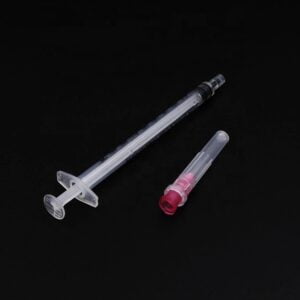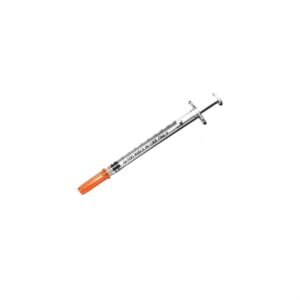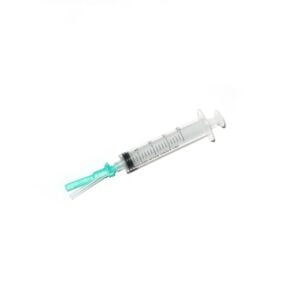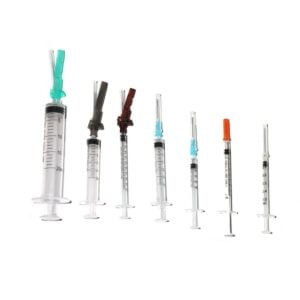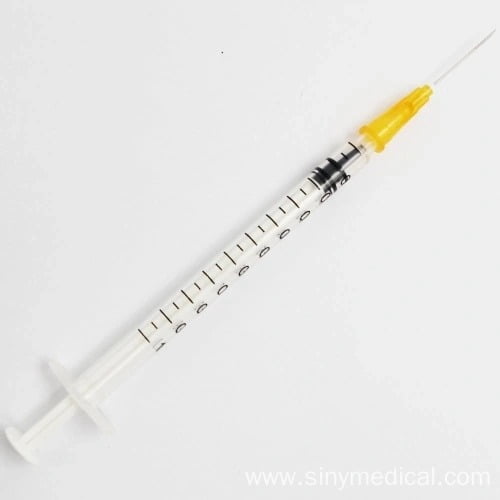
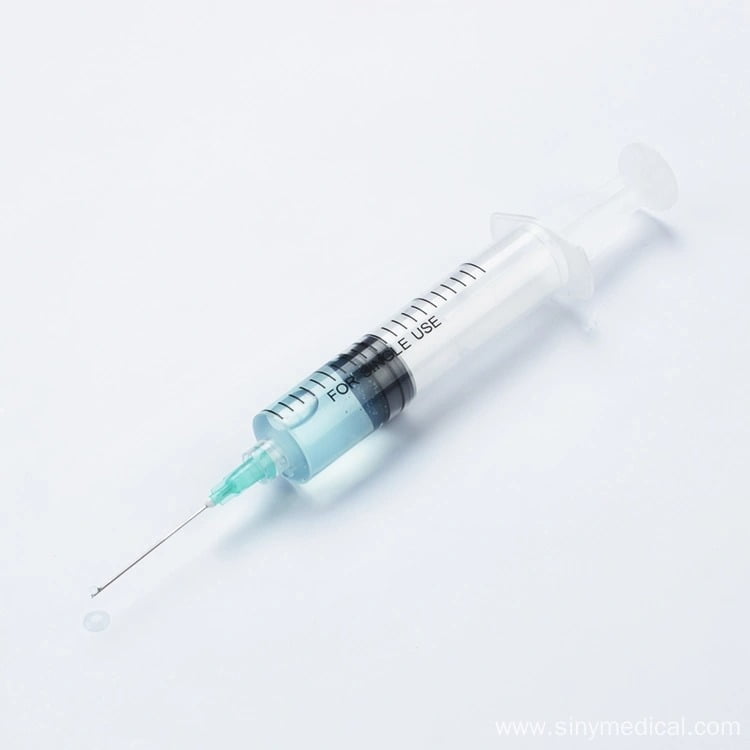
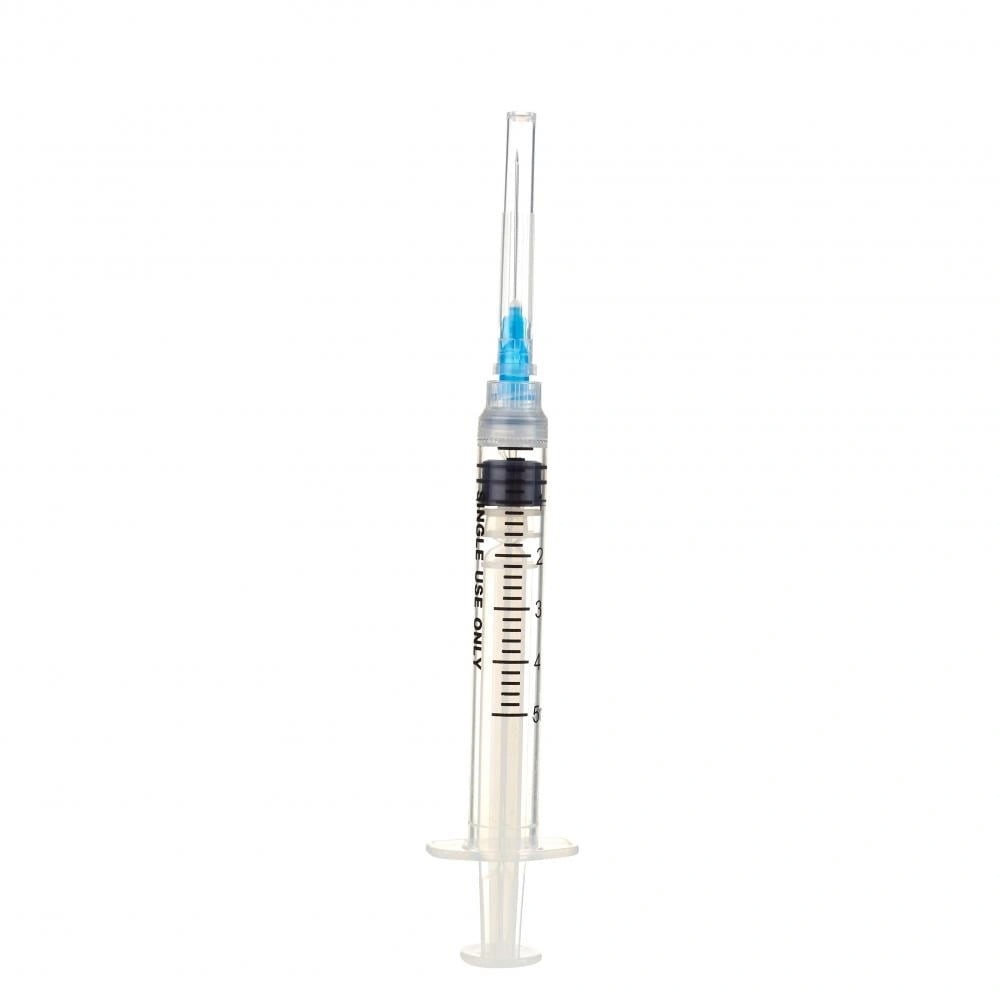
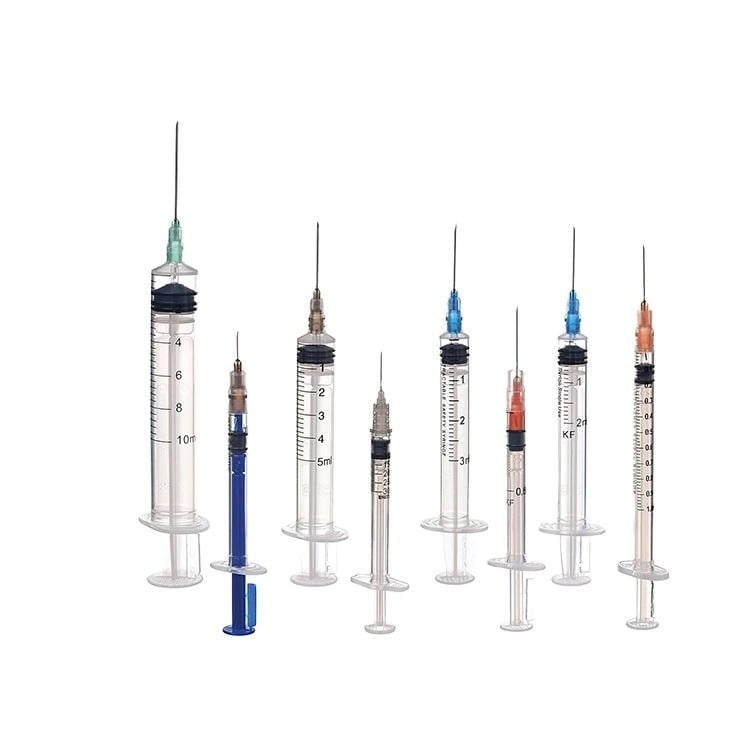
| Product Name | Disposable Safe Syringes |
| Material | PVC,PP |
| OEM/ODM | Yes |
| Certificate | ISO |
| Usage | Hospital |
| Sterile | Ethylene Oxide Sterilization |
| Sample | Free |
| Service | In the groups we serve: distributors, import traders, government procurement, buying agents, and medical chain stores, we provide one-stop procurement for you to simplify your procurement process. |
A Disposable Medical Hypodermic Safety Syringe is a medical injection device designed to support safer injection practices and help reduce the risk of accidental needlestick injuries. Unlike conventional disposable syringes, safety syringes belong to a product category that incorporates additional protective design considerations for needle handling and post-use safety.
Needlestick injuries remain an important occupational safety concern in healthcare environments. Healthcare professionals may encounter risks during injection preparation, needle withdrawal, handling, and disposal. Choosing appropriate injection devices, together with following established safety procedures, helps healthcare facilities address these risks.
Hypodermic safety syringes are relevant to hospitals, clinics, outpatient facilities, and other medical institutions that require disposable injection products.
For healthcare procurement teams and medical distributors, understanding the construction, protective design, and operating requirements of safety syringes is important when evaluating suitable products.
Sinymedical supplies disposable medical syringes for professional healthcare buyers. We support hospitals, clinics, medical distributors, and international customers with product information and bulk purchasing coordination.
The defining purpose of a safety syringe is to incorporate protective design features intended to reduce the risk of accidental needlestick injuries.
Conventional disposable syringes primarily focus on liquid drawing and administration. Safety syringes add another design consideration: how the needle is handled during the procedure and after use.
Depending on the product design, protective features may operate during injection, immediately after needle withdrawal, or during post-use handling.
When evaluating a safety syringe, healthcare buyers should consider:
These characteristics help distinguish safety-oriented injection devices from conventional disposable syringes.
A hypodermic syringe is designed for medical procedures involving the administration of liquids through a needle.
Its general construction may include a barrel, plunger, needle assembly, and other components depending on the product design.
In a safety syringe, additional protective components may be incorporated into the assembly.
The main functional elements may include:
The actual component arrangement and materials vary between products. Buyers should refer to the relevant product specifications when evaluating a particular model.
Safety syringes are developed to address risks associated with accidental contact with used needles.
Such injuries can occur during different stages of clinical procedures, particularly when healthcare professionals handle or dispose of injection devices.
An appropriate safety design can help reduce these risks by providing an additional protective feature.
However, a conventional needle cap and an integrated safety mechanism serve different purposes. A needle cap generally protects the needle before use, while an integrated safety mechanism is designed to provide additional protection against accidental needlestick injuries during or after the procedure.
Healthcare facilities should evaluate the actual protective design and its operating instructions before selecting a product.
Disposable safety syringes are intended for single-use medical applications.
Using a new syringe for each procedure helps support infection prevention practices and reduces the risk of cross-contamination associated with syringe reuse.
After use, healthcare professionals should follow the applicable product instructions and sharps disposal procedures.
Where an integrated safety mechanism is provided, it should be activated according to the manufacturer’s instructions.
A safety feature does not replace proper clinical handling, staff training, or appropriate medical waste management.
Safety syringes and conventional disposable syringes share the same basic purpose of liquid administration, but they differ in their approach to needle-related protection.
A conventional syringe is primarily designed for injection and liquid handling. A safety syringe incorporates additional protective design features intended to reduce the risk of accidental needlestick injuries.
| Comparison | Safety Syringe | Standard Disposable Syringe |
|---|---|---|
| Main Purpose | Injection with additional safety considerations | Conventional liquid administration |
| Product Design | Includes safety-oriented design features | Conventional syringe construction |
| Needle Protection | Depends on the integrated safety design | Depends on standard needle protection and handling |
| Post-Use Handling | May include an additional protective operation | Requires appropriate needle handling and disposal |
| Selection Consideration | Protective mechanism and activation procedure | Syringe construction and clinical requirements |
Healthcare facilities need to manage needlestick risks as part of their occupational safety and infection prevention practices.
Safety syringes provide another option when evaluating injection devices for clinical use.
Their protective design may help reduce exposure risks associated with accidental needle injuries, depending on the mechanism and correct operation.
When comparing products, healthcare buyers should evaluate the actual protective mechanism rather than rely on the general product category alone.
Different safety syringes use different approaches to needle protection. Understanding these designs helps procurement teams evaluate products more accurately.
Retractable Needle Design
Some safety syringes use a mechanism that retracts the needle after injection. Depending on the design, the needle moves into the syringe body or another protective area.
Needle Shield Design
Other designs use a protective shield that moves over the needle after use. This helps reduce direct contact with the used needle during subsequent handling.
Needle-Disabling Design
Certain safety syringes incorporate mechanisms that disable the needle or prevent conventional reuse after administration.
These mechanisms serve related safety objectives, but their structures and operating procedures are different.
Importantly, these are general industry design categories, not a confirmation that the Sinymedical product incorporates all or any particular one of them. Buyers should confirm the actual mechanism through product specifications and instructions for use.
Hospitals perform a wide range of injection procedures across different medical departments.
Safety syringes may be considered for suitable clinical applications where additional needle-related protection is part of the facility’s injection safety requirements.
Healthcare professionals should select the appropriate product according to the intended procedure, syringe specifications, and protective design.
Outpatient clinics and medical centers require disposable injection devices for different healthcare services.
Safety-oriented syringe designs provide another option for facilities seeking to incorporate additional needlestick prevention measures into their clinical practices.
Staff should receive appropriate training on product handling and any applicable safety mechanism activation procedures.
Vaccination and other injection services involve the handling of hypodermic needles across different healthcare settings.
Safety syringes may be considered where their configuration and specifications are suitable for the intended procedure.
Healthcare professionals should confirm the syringe capacity, needle characteristics, and safety mechanism before use.
Medical procurement teams evaluate injection devices according to clinical requirements, staff safety considerations, and product documentation.
When purchasing disposable safety syringes, buyers should review the protective design, operating instructions, needle configuration, and applicable regulatory documentation.
Clear product specifications help healthcare organizations compare different syringe categories and select suitable products.
Medical distributors supply disposable injection devices to hospitals, clinics, and other healthcare organizations.
Safety syringes represent a specialized category within the disposable medical consumables market.
For distributors, understanding the differences between conventional syringes and safety-oriented designs helps organize product catalogs and communicate product characteristics to customers.
Sinymedical supports professional buyers with product information and bulk purchasing coordination.
The first step is to understand how the safety mechanism operates.
Different safety syringes may use retractable needles, protective shields, or other needle-disabling designs.
Buyers should confirm:
These details help healthcare facilities determine whether a product matches their clinical workflow and staff training requirements.
The syringe capacity and needle configuration should match the intended medical procedure.
Important purchasing considerations include:
These specifications should be confirmed through the actual product documentation rather than assumed from the general safety syringe category.
A safety mechanism should be practical for healthcare professionals to operate during routine procedures.
Buyers should review the activation process and determine whether the mechanism is compatible with existing clinical workflows.
Relevant evaluation points include:
Staff training is also important to ensure that protective features are used correctly.
The syringe body, plunger, needle assembly, and safety components work together to support the overall operation of the product.
When evaluating a safety syringe, procurement teams should consider:
These factors help buyers assess whether a product meets their purchasing requirements.
Before confirming an order, professional buyers should request the relevant product documentation.
Depending on purchasing requirements, this may include:
Reviewing these details helps healthcare organizations establish clear purchasing requirements and maintain accurate product records.
Hospitals and healthcare organizations purchase safety syringes according to their clinical applications and occupational safety requirements.
When evaluating different products, procurement teams should confirm the safety mechanism, syringe specifications, needle configuration, and relevant technical documentation.
Siny Medical supports professional healthcare buyers with product information and purchasing coordination.
Maintaining clear product descriptions helps healthcare organizations distinguish conventional syringes from safety-oriented products.
A purchasing record may include:
| Purchasing Information | Purpose |
|---|---|
| Product Category | Identify the medical safety syringe |
| Syringe Capacity | Record the required volume |
| Needle Configuration | Confirm the intended needle specifications |
| Safety Mechanism | Identify the protective design |
| Sterilization Information | Maintain relevant product records |
| Product Documentation | Organize technical information |
| Order Quantity | Record purchasing requirements |
This approach helps procurement teams maintain accurate product information and simplifies communication with suppliers.
Medical distributors may purchase disposable medical safety syringes for supply to hospitals, clinics, and healthcare suppliers.
Before requesting a quotation, buyers should specify their required syringe configuration, safety mechanism, needle specifications, estimated quantity, and documentation requirements.
Providing these details helps suppliers understand purchasing requirements and prepare appropriate quotations.
For distributors and healthcare organizations with recurring purchasing requirements, maintaining consistent product specifications helps simplify repeat orders.
Purchasing teams should review previous orders, current requirements, and relevant product documentation before confirming new purchases.
Sinymedical supports international medical distributors and healthcare buyers with product information and bulk supply coordination.
A disposable medical hypodermic safety syringe is a single-use injection device designed with additional protective features intended to reduce the risk of accidental needlestick injuries.
A standard syringe is primarily designed for liquid administration. A safety syringe incorporates additional protective design features intended to reduce needle-related injury risks during or after use.
Common industry designs include retractable needles, protective needle shields, and needle-disabling mechanisms. The actual mechanism varies between products.
No. Some safety syringes use retractable needle designs, while others use protective shields or different safety mechanisms. Buyers should check the specific product design.
Safety syringes are designed to help reduce the risk of accidental needlestick injuries among healthcare professionals and others handling injection devices.
No. Disposable safety syringes are intended for single use. Healthcare professionals should follow the product instructions and applicable sharps disposal procedures after each procedure.
Buyers should evaluate the safety mechanism, syringe capacity, needle configuration, product construction, sterilization information, instructions for use, and applicable regulatory documentation.
Yes. Sinymedical supports professional healthcare buyers with product information and bulk purchasing coordination. Distributors can discuss their required product specifications, estimated quantities, and documentation needs with our sales team.
Sinymedical supplies disposable medical syringes for hospitals, clinics, healthcare organizations, and international medical distributors. We support professional customers with product information and bulk purchasing coordination. Contact Sinymedical to discuss your disposable medical safety syringe requirements and purchasing arrangements.
Copyright © 2026 | Ningbo Siny Medical Technology Co., Ltd