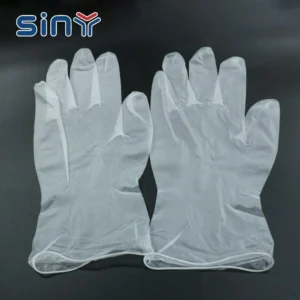
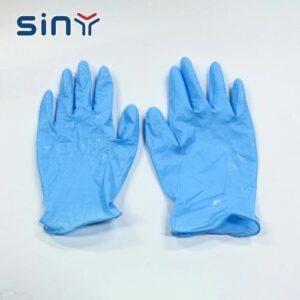
| Item | Specification |
|---|---|
| Product Name | Safety Gloves Medical Gloves Hospital Surgical Glove |
| Product Type | Medical Surgical Gloves |
| Common Material | Natural Rubber Latex |
| Intended Application | Hospital Surgical Procedures |
| Main Function | Protective Hand Barrier |
| Intended Users | Surgical and Healthcare Personnel |
| Design Considerations | Fit, Flexibility, Grip and Barrier Integrity |
Siny Medical Safety Gloves Medical Gloves Hospital Surgical Glove products are intended to support hand protection during appropriate surgical procedures and hospital activities. Medical surgical gloves provide a physical barrier between healthcare professionals’ hands and materials encountered during clinical work, making them an important part of infection prevention practices.
In hospitals, glove selection affects more than basic hand coverage. Surgeons and operating room personnel need gloves that fit properly, allow controlled finger movement, and support the safe handling of medical instruments. At the same time, the selected product must meet the requirements of the procedure, including the necessary barrier and sterile conditions.
Natural rubber latex is a commonly used material for surgical gloves because it offers elasticity and a close-fitting feel. Other medical glove materials are also available for different clinical needs, including situations where latex exposure is unsuitable.
At Siny Medical, we supply medical gloves and disposable healthcare consumables for hospitals, clinics, and medical distributors. Our surgical glove range supports healthcare purchasing teams seeking practical hand protection products for their operating environments.
Hospital surgical gloves must balance hand protection with the movement and handling requirements of clinical procedures. Their performance depends on the glove material, dimensions, fit, construction, and appropriate use.
The primary function of a surgical glove is to provide a physical barrier between the wearer’s hands and potentially contaminated materials.
During medical procedures, healthcare professionals may encounter blood, body fluids, and other substances. Appropriate gloves help reduce direct contact with these materials.
However, gloves do not provide complete protection against every exposure. Punctures, tears, improper handling, and unsuitable material selection can compromise the barrier.
Healthcare personnel should follow the facility’s infection prevention procedures and replace gloves whenever their integrity is in doubt.
Surgical procedures often require controlled movements of the fingers, palm, and wrist.
A suitable glove should allow healthcare professionals to manipulate instruments without unnecessary restriction.
Material elasticity contributes to flexibility. Natural rubber latex, for example, is widely used in surgical glove manufacturing because it can conform closely to the hand.
Nevertheless, overall comfort and movement also depend on glove dimensions and construction.
Glove sizing is important for both comfort and practical handling.
A glove that is too tight may restrict movement and create unnecessary pressure on the hand. An oversized glove may leave loose material around the fingers, making instrument handling less convenient.
An appropriate fit helps support controlled movement during medical procedures.
Hospitals should select sizes according to the requirements of their healthcare personnel and the manufacturer’s sizing guidance.
Healthcare professionals regularly handle instruments, medical devices, and other equipment while wearing gloves.
A suitable glove should support secure handling without interfering with the intended task.
Grip performance depends on material properties, glove surface, fit, moisture, and the instruments being used.
Some medical gloves use textured surfaces to improve handling characteristics, while others have different surface finishes.
The appropriate configuration depends on the intended procedure.
The cuff is an important part of surgical glove design.
It provides coverage around the wrist and helps the glove remain positioned during normal hand movements.
Cuff dimensions and construction can influence comfort and interaction with surgical clothing.
Healthcare facilities should consider these characteristics when selecting gloves for their operating rooms.
Disposable medical gloves are intended for single use.
Replacing gloves between appropriate procedures and whenever contamination or damage occurs helps reduce unintended transfer of materials.
Gloves should not be washed or disinfected for reuse unless a product is specifically designed and validated for such processing.
For routine single-use surgical gloves, disposal after use is the appropriate practice.
Medical surgical gloves support a range of hospital procedures where suitable hand protection and controlled instrument handling are required.
The specific glove must match the intended clinical activity, including any applicable sterile requirements.
Operating rooms require carefully selected protective consumables.
Surgical gloves help provide a barrier during procedures involving direct contact with instruments, tissues, and other materials.
For operations requiring sterile technique, healthcare personnel must use sterile surgical gloves and follow established aseptic procedures.
Correct glove use is only one part of surgical infection prevention. Hand preparation, appropriate clothing, and careful instrument handling remain essential.
General surgery involves a variety of procedures that require dexterity and hand protection.
A suitable surgical glove supports controlled movements while maintaining an appropriate physical barrier.
Comfortable sizing is particularly important when personnel need to perform repetitive or precise tasks.
The selected product should meet the requirements of the procedure rather than being chosen solely on the basis of material.
Different surgical specialties may have different glove requirements.
Some procedures place greater emphasis on tactile sensitivity, while others involve more demanding instrument handling.
Glove construction, thickness, grip, and fit may influence suitability for these tasks.
Hospitals should evaluate the product according to the working conditions of each department.
Surgical assistants and other operating room personnel may require gloves during appropriate procedures.
The selected glove should support the tasks performed by each member of the surgical team.
For sterile activities, maintaining the sterile condition is essential.
Personnel should follow the facility’s procedures for donning, changing, and removing gloves.
Medical training programs use gloves when teaching instrument handling and infection prevention practices.
Students learn how to select suitable sizes, apply gloves correctly, and recognize potential contamination.
When practicing sterile procedures, training should include appropriate sterile gloves and aseptic donning techniques.
Proper disposal is also an important part of medical glove training.
Hospitals use several types of medical gloves, but surgical and examination gloves serve different purposes.
Understanding this distinction helps purchasing teams avoid selecting products that do not match the intended application.
Surgical gloves are intended for surgical procedures.
They are selected according to requirements for surgical hand protection, fit, barrier integrity, and sterile use.
Examination gloves are commonly used during patient examinations and other appropriate clinical tasks.
Although both categories provide a physical barrier, they should not be treated as interchangeable.
Sterile technique is an essential part of many surgical procedures.
Gloves used in these procedures must have the appropriate sterile status.
Examination gloves may be supplied in sterile or non-sterile configurations, depending on the product.
Therefore, the intended procedure should determine the required glove category and sterile condition.
Surgical procedures frequently involve precise instrument handling.
Surgical glove designs commonly emphasize close fit and controlled hand movement.
Examination gloves also require suitable sizing, but their design priorities may differ according to their intended use.
Actual performance depends on the individual product.
| Feature | Surgical Gloves | Examination Gloves |
|---|---|---|
| Intended Use | Surgical Procedures | Patient Examinations and Clinical Tasks |
| Sterile Requirement | Sterile for Sterile Surgery | Sterile or Non-Sterile Depending on Application |
| Fit | Designed for Surgical Handling | Designed for Examination Tasks |
| Main Consideration | Surgical Barrier and Dexterity | Appropriate Clinical Protection |
| Selection Basis | Surgical Procedure Requirements | Examination or Clinical Workflow |
Hospitals should select the glove category that matches the intended medical procedure.
Hospitals and distributors should evaluate surgical gloves according to clinical requirements, user comfort, product performance, and supply needs.
A structured purchasing process can help healthcare facilities select suitable products and maintain consistent inventory.
The first step is to determine where and how the gloves will be used.
Operating rooms, surgical departments, and examination areas may have different requirements.
Surgical procedures requiring sterile technique need appropriate sterile surgical gloves.
Purchasing teams should avoid treating a general medical glove designation as proof that a product is suitable for every procedure.
Medical gloves can be made from natural rubber latex or synthetic materials.
Latex is commonly selected for its elasticity and close-fitting characteristics.
However, natural rubber latex contains proteins that can cause allergic reactions in susceptible individuals.
Synthetic alternatives may be more appropriate where latex exposure must be avoided.
Material selection should reflect the healthcare facility’s policies and the intended clinical use.
Correct sizing helps support comfort and instrument control.
Hospitals should consider the hand dimensions of their healthcare personnel when planning purchases.
A suitable size should allow movement without excessive tightness or loose material.
When evaluating a new product, user feedback can help identify fit and handling preferences.
Purchasing teams should also consider consumption patterns when determining the quantities required in each size.
Barrier integrity is an important consideration for medical gloves.
Hospitals may evaluate relevant technical characteristics, including physical strength and resistance to defects.
However, no glove should be described as completely puncture-proof or universally protective.
The appropriate performance requirements depend on the procedure and expected exposure conditions.
Packaging affects how gloves are stored, distributed, and accessed.
For sterile surgical procedures, the packaging must support maintenance of the sterile condition until use.
Hospitals should also consider package integrity, shelf life, and storage instructions.
Convenient packaging can support workflow efficiency, but it must not compromise product suitability.
Powder-free medical gloves are widely preferred in modern healthcare environments.
Powdered surgeon’s gloves are prohibited in the United States because of risks associated with glove powder.
Hospitals and distributors should select glove configurations that comply with the requirements of their destination markets.
Powder-free status does not eliminate natural rubber latex allergy risks when the glove material is latex.
Hospitals often require regular supplies of medical gloves in different sizes and configurations.
Purchasing teams should consider expected consumption, storage capacity, delivery planning, and inventory rotation.
Distributors may also need to evaluate the requirements of different customer groups and destination markets.
A consistent purchasing process helps healthcare facilities maintain appropriate supplies without overlooking clinical requirements.
Correct handling is important for maintaining glove integrity and supporting infection prevention practices.
Before use, select the appropriate glove type and size for the intended procedure.
Inspect the gloves and packaging for visible damage.
For sterile procedures, follow the facility’s surgical hand preparation and sterile donning procedures.
Avoid unnecessary contact with contaminated surfaces while wearing gloves.
During use, replace gloves when they become damaged or when the procedure requires a change.
Gloves should not replace hand hygiene. Healthcare personnel must follow appropriate hand hygiene procedures before and after glove use.
After the procedure, remove gloves carefully to reduce contact with potentially contaminated surfaces.
Dispose of used gloves according to the facility’s waste management requirements.
Keep unused medical gloves in their original protective packaging.
Store them according to the product labeling and protect them from excessive heat, direct sunlight, and physical damage.
For latex-containing products, unsuitable storage conditions can contribute to material deterioration.
Hospitals should follow the labeled shelf life and use appropriate inventory rotation practices.
Before use, inspect packaging and product condition.
Hospital surgical gloves are medical gloves intended for surgical procedures where appropriate hand protection and controlled instrument handling are required.
They are used during appropriate surgical procedures to provide a physical barrier between healthcare personnel’s hands and materials encountered during the operation.
Surgical gloves are intended for surgical procedures, while examination gloves are used for patient examinations and other appropriate clinical tasks.
No. Medical gloves have different intended uses. Surgical procedures require gloves appropriate for the specific surgical application.
Sterile surgical procedures require sterile surgical gloves. The glove’s sterile status must match the intended procedure.
Natural rubber latex and synthetic materials are commonly used, depending on the glove design and intended application.
No. Individuals with natural rubber latex allergy should use an appropriate latex-free alternative.
No. Surgical gloves can be damaged by sharp instruments or mechanical stress.
No. Single-use surgical gloves should be discarded after use according to the healthcare facility’s procedures.
Store unused gloves in their original packaging under the labeled conditions, away from excessive heat, sunlight, and physical damage.
Siny Medical supplies hospital surgical gloves and other disposable medical consumables for hospitals, surgical departments, and healthcare distributors. Our medical glove range supports purchasing teams seeking suitable hand protection products for different clinical requirements. Explore our medical glove products or contact Siny Medical to discuss available configurations, sizing, packaging, and bulk purchasing needs.
Copyright © 2026 | Ningbo Siny Medical Technology Co., Ltd