
| Item | Specification |
|---|---|
| Product Name | Disposable Nitrile Gloves Waterproof Examination Glove |
| Product Type | Medical Examination Gloves |
| Material | Nitrile Rubber |
| Usage | Disposable / Single Use |
| Main Feature | Waterproof Liquid Barrier |
| Latex Content | Not Made with Natural Rubber Latex |
| Intended Application | Medical Examinations and Healthcare Tasks |
| Intended Users | Healthcare Professionals and Laboratory Personnel |
| Design Considerations | Fit, Flexibility, Grip and Barrier Integrity |
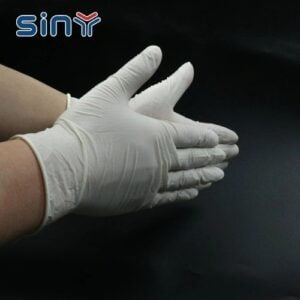
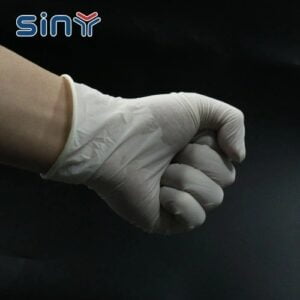
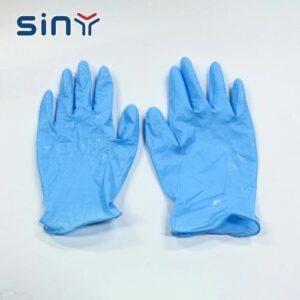
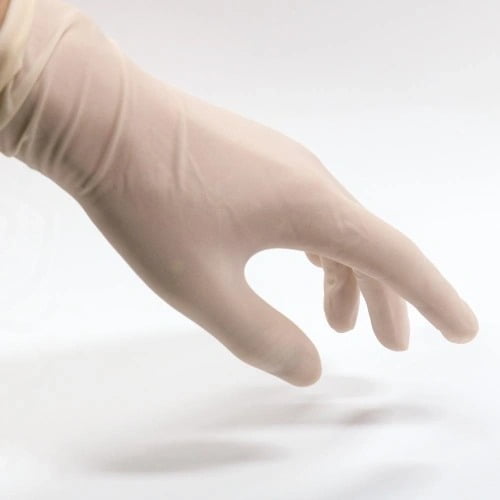
Siny Medical Disposable Nitrile Gloves Waterproof Examination Glove products are designed for single-use hand protection during medical examinations, patient care, and other appropriate healthcare activities. Made from synthetic nitrile rubber, these gloves provide a flexible, water-resistant barrier while offering an alternative to natural rubber latex gloves.
Disposable Nitrile Examination Gloves are widely used in healthcare environments where personnel need to reduce direct contact with bodily fluids, water-based liquids, and potentially contaminated surfaces. Their synthetic rubber construction supports practical hand movement during routine medical tasks, including patient examinations, specimen handling, and clinical equipment preparation.
One important advantage of nitrile is that it is not made from natural rubber latex. This makes nitrile examination gloves a useful option for healthcare facilities managing natural rubber latex allergies. However, some individuals may still experience sensitivity to chemical additives used in glove manufacturing.
At Siny Medical, we supply disposable medical gloves and other healthcare consumables for hospitals, clinics, laboratories, and medical distributors. Our nitrile examination glove range supports healthcare buyers seeking practical hand protection products for routine clinical operations and bulk purchasing.
Nitrile examination gloves combine synthetic rubber material with the convenience of single-use protective equipment. Their suitability depends on barrier integrity, fit, flexibility, and the conditions in which they are used.
Nitrile rubber is a synthetic elastomer commonly used in disposable medical examination gloves.
Unlike natural rubber latex, nitrile does not contain natural latex proteins. This makes it a practical material option for healthcare environments where latex avoidance is important.
Nitrile gloves can provide a flexible fit that supports routine hand movements during clinical procedures. Their physical characteristics depend on the rubber formulation, glove thickness, and manufacturing design.
The material is also used in many protective glove applications because of its resistance to certain oils and chemicals. However, chemical resistance varies significantly depending on the substance, concentration, temperature, and exposure time.
For medical examinations, the most important considerations remain appropriate barrier protection, comfort, and suitability for the intended task.
Waterproof examination gloves help prevent direct contact between the wearer’s skin and water or common water-based liquids when the glove material is intact.
This barrier is useful during patient care, cleaning-related healthcare tasks, and handling materials that may contain moisture.
However, waterproof performance should not be confused with universal chemical resistance.
Some chemicals can permeate glove material without causing visible damage. Others may weaken the glove after prolonged contact.
For tasks involving disinfectants, solvents, or laboratory chemicals, healthcare facilities should select gloves according to the specific exposure conditions and relevant chemical resistance information.
Natural rubber latex allergies are an important consideration in healthcare glove selection.
Nitrile examination gloves offer an alternative because the base material does not contain natural rubber latex.
This can support facilities seeking to reduce latex exposure among healthcare professionals and patients.
However, nitrile gloves are not necessarily free from all potential allergens. Certain rubber accelerators and other manufacturing additives can cause contact reactions in susceptible individuals.
Hospitals should consider individual sensitivity and select suitable products for their personnel.
Medical examinations often involve repeated hand movements, instrument handling, and contact with small objects.
A properly fitted nitrile glove should allow users to move their fingers comfortably without excessive tightness or loose material.
Nitrile can provide flexibility while maintaining a practical protective barrier.
Correct sizing is particularly important during tasks requiring fingertip control.
Gloves that are too small may restrict movement, while oversized gloves can interfere with grip and handling.
Healthcare facilities should maintain suitable glove sizes for different users.
Healthcare professionals frequently handle examination instruments, specimen containers, and other medical supplies.
A secure grip helps users perform these tasks efficiently.
Grip performance depends on glove material, surface design, fit, and whether the glove is exposed to moisture.
Some nitrile examination gloves feature textured fingertips or other textured areas, while others use a smoother surface.
The appropriate design depends on the intended clinical application and handling requirements.
Disposable nitrile examination gloves are designed for one-time use.
After contact with potentially contaminated materials, used gloves should be removed and discarded according to the healthcare facility’s procedures.
Single-use design helps support infection prevention practices by reducing the risks associated with inappropriate glove reuse.
Gloves should also be replaced when damaged, contaminated, or when moving between tasks that require a fresh pair.
Importantly, wearing gloves does not replace hand hygiene.
Disposable nitrile gloves are used across healthcare and laboratory environments where appropriate hand protection is necessary.
Their applications range from routine patient examinations to handling certain medical materials and performing selected support tasks.
Hospitals and clinics use examination gloves during a variety of patient care activities.
These may include physical examinations, appropriate specimen collection tasks, and contact with potentially contaminated surfaces.
Nitrile gloves provide a practical barrier while allowing healthcare personnel to perform routine hand movements.
The glove selected should match the procedure’s requirements, including whether sterile or non-sterile protection is necessary.
For invasive or surgical procedures requiring sterile surgical gloves, routine examination gloves should not be used as substitutes.
Patient examinations often involve direct contact between healthcare personnel and patients.
Disposable examination gloves help reduce direct exposure to bodily fluids and other materials when gloves are indicated by infection prevention practices.
Their flexible construction supports tasks such as handling medical instruments and assisting with appropriate patient care activities.
Gloves should be changed between patients and whenever required by the clinical workflow.
Healthcare professionals must also follow appropriate hand hygiene procedures before and after glove use.
Medical laboratories use protective gloves when handling specimens, containers, and other materials.
Nitrile gloves are commonly selected because they provide a synthetic rubber barrier and avoid natural latex proteins.
They may be appropriate for routine specimen handling and selected laboratory procedures.
However, laboratories should evaluate glove suitability according to the materials being handled.
Chemical resistance requirements can differ significantly between laboratory tasks.
Dental personnel frequently wear examination gloves during appropriate patient care and equipment handling activities.
A suitable nitrile glove supports hand movement while helping reduce direct contact with potentially contaminated materials.
Correct sizing and practical grip are important when working with small dental instruments.
Glove changes and hand hygiene should follow the dental facility’s infection prevention procedures.
Some healthcare support activities involve contact with moisture, cleaning materials, or potentially contaminated surfaces.
Nitrile examination gloves may be appropriate for selected tasks when their protective characteristics match the expected exposure.
However, concentrated cleaning chemicals and disinfectants may require gloves with specific chemical resistance properties.
Facilities should select protective equipment according to the task rather than assuming every nitrile glove provides the same protection.
Medical distributors supply examination gloves to hospitals, clinics, laboratories, and other healthcare customers.
Different buyers may prioritize different characteristics, including material, size availability, packaging, and intended use.
A clear understanding of these requirements helps distributors select suitable products for their customers.
Consistent inventory planning is also important because examination gloves are frequently consumed medical supplies.
Medical examination gloves are commonly manufactured from nitrile, natural rubber latex, or vinyl materials.
Each material has different characteristics, making it important to select gloves according to the intended application.
Nitrile gloves are made from synthetic rubber.
They provide a natural latex-free material option and are widely used for routine medical examinations.
Their flexibility, barrier characteristics, and resistance to selected substances make them useful across different healthcare environments.
However, actual performance depends on the specific product and exposure conditions.
Natural rubber latex gloves are known for their elasticity and close-fitting feel.
They can provide comfortable hand movement during medical tasks.
However, latex proteins may cause allergic reactions in susceptible individuals.
Healthcare facilities managing latex exposure may prefer suitable synthetic alternatives.
Vinyl gloves are generally made from polyvinyl chloride-based materials.
They may be used for selected tasks where their barrier and handling characteristics are appropriate.
Compared with nitrile and latex, vinyl gloves can differ in fit, elasticity, and resistance to mechanical stress.
The selected product should meet the requirements of the intended activity.
| Feature | Nitrile Gloves | Latex Gloves | Vinyl Gloves |
|---|---|---|---|
| Main Material | Synthetic Nitrile Rubber | Natural Rubber Latex | PVC-Based Material |
| Natural Latex Proteins | Absent | Present | Absent |
| Flexibility | Good, Depending on Design | High Elasticity | Generally Less Elastic |
| Liquid Barrier | Yes, When Intact | Yes, When Intact | Yes, When Intact |
| Chemical Resistance | Substance-Dependent | Substance-Dependent | Substance-Dependent |
| Main Consideration | Fit and Application Suitability | Latex Allergy | Fit and Barrier Requirements |
| Common Use | Medical Examinations | Medical Examinations | Selected Clinical Tasks |
No single glove material is best for every application. Healthcare facilities should consider the expected exposure, user requirements, and product performance before purchasing.
Hospitals, clinics, and distributors should evaluate disposable examination gloves through a practical purchasing process.
Material suitability, fit, barrier performance, and inventory requirements all influence the decision.
Correct sizing supports comfort and practical hand movement.
A suitable examination glove should fit securely without restricting normal finger movement.
Gloves that are too tight may cause discomfort and unnecessary material tension. Oversized gloves may leave loose material around the fingertips.
Healthcare purchasing teams should consider the size requirements of their personnel.
When evaluating a new glove product, user feedback can help assess comfort and handling performance.
Barrier integrity is one of the most important characteristics of examination gloves.
Healthcare facilities should consider the expected contact with bodily fluids, water-based liquids, and potentially contaminated materials.
Physical strength and resistance to defects are relevant purchasing considerations.
However, a waterproof glove is not necessarily suitable for every chemical exposure.
For chemical handling, glove selection should reflect the specific substances and working conditions.
Nitrile gloves provide an alternative to natural rubber latex gloves.
This can be particularly useful in healthcare facilities that seek to reduce natural latex exposure.
However, some users may be sensitive to chemical additives found in certain nitrile glove formulations.
Healthcare facilities should consider these factors when selecting gloves for personnel with known sensitivities.
Examination gloves are intended for appropriate clinical examination and patient care tasks.
They should not automatically be substituted for surgical gloves.
Procedures requiring sterile surgical gloves need products intended for that application.
Similarly, tasks involving hazardous chemicals may require specialized protective gloves.
The correct glove is the one that meets the actual requirements of the procedure.
Packaging influences how examination gloves are stored, distributed, and accessed.
Hospitals should consider package protection, shelf life, storage conditions, and practical dispensing requirements.
The packaging format should support efficient use without unnecessary product damage or contamination.
Healthcare distributors may also consider carton quantities and transport requirements when planning supply.
Disposable examination gloves are regularly consumed in healthcare environments.
Hospitals and clinics should estimate demand based on patient volume, departmental activities, and glove-changing practices.
Purchasing teams should also consider size distribution to avoid shortages of commonly used sizes.
Medical distributors may evaluate order quantities, packaging arrangements, and delivery schedules.
A reliable inventory plan helps healthcare facilities maintain appropriate supplies for daily operations.
Proper glove handling supports infection prevention practices and helps maintain product integrity.
Before use, select a suitable glove size and inspect the glove for visible damage.
Perform hand hygiene according to the healthcare facility’s procedures.
Put on gloves before the task for which they are required, and avoid unnecessary contact with unrelated surfaces.
During use, replace gloves whenever they become torn, damaged, or contaminated in a way that requires a change.
Gloves should also be changed between patients and between tasks when required by infection prevention procedures.
Do not wash or disinfect disposable examination gloves for reuse.
After use, remove gloves carefully to reduce contact with potentially contaminated outer surfaces.
Dispose of used gloves according to the facility’s waste management requirements and perform hand hygiene.
Store unused nitrile examination gloves in their original packaging.
Keep them away from excessive heat, direct sunlight, and conditions that may affect material integrity.
Follow the storage conditions and shelf life stated on the product labeling.
Avoid placing heavy objects on glove packaging or exposing cartons to unnecessary moisture.
Appropriate storage and inventory rotation help maintain product quality before use.
They are single-use medical examination gloves made from synthetic nitrile rubber and intended for appropriate clinical hand protection.
Intact nitrile gloves provide a barrier against water and common water-based liquids. However, they are not suitable for every chemical exposure and can lose protection if damaged.
Nitrile rubber is a synthetic material that does not contain natural rubber latex proteins.
Nitrile gloves are a common alternative for people avoiding natural rubber latex. However, certain chemical additives may cause reactions in susceptible individuals.
Disposable nitrile examination gloves can be manufactured in sterile or non-sterile configurations. The required sterile status depends on the intended procedure.
Nitrile is a synthetic rubber material without natural latex proteins, while latex is a natural rubber material known for its elasticity.
Routine examination gloves should not replace surgical gloves during procedures requiring sterile surgical hand protection.
Nitrile can resist certain chemicals, but suitability depends on the substance, concentration, temperature, and exposure duration.
No. Disposable examination gloves are designed for single use and should be discarded after the intended task.
Keep gloves in their original packaging and follow the labeled storage conditions, protecting them from excessive heat, sunlight, and physical damage.
Siny Medical supplies disposable nitrile examination gloves for hospitals, clinics, laboratories, and medical supply distributors. Our medical glove range supports healthcare buyers seeking synthetic rubber hand protection for routine clinical tasks and appropriate liquid exposure conditions. Explore our medical glove products or contact Siny Medical to discuss available sizes, product configurations, packaging options, and bulk purchasing requirements.
Copyright © 2026 | Ningbo Siny Medical Technology Co., Ltd