| Item | Specification |
|---|---|
| Product Name | PVC Gloves Disposable Medical Examination Household Gloves |
| Product Category | Disposable PVC Gloves |
| Material | Polyvinyl Chloride (PVC / Vinyl) |
| Usage | Single Use |
| Natural Latex Content | No Natural Rubber Latex Proteins |
| Potential Applications | Appropriate Medical Examination and Household Tasks |
| Main Characteristics | Lightweight, Flexible, Basic Liquid Barrier |
| Target Buyers | Healthcare Facilities, Medical Distributors, Household Supply Distributors |
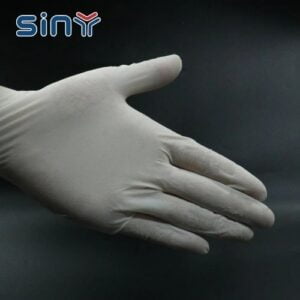
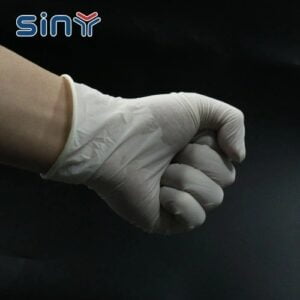
Siny Medical PVC Gloves Disposable Medical Examination Household Gloves are single-use protective gloves made from polyvinyl chloride (PVC), commonly known as vinyl. They provide practical hand coverage for suitable medical examination, household, and general handling activities, depending on the product’s intended use and protective characteristics.
Disposable PVC Gloves for Medical and Household Use offer a lightweight alternative to traditional natural rubber latex gloves. PVC is a synthetic material that does not contain natural rubber latex proteins. In addition, intact vinyl gloves provide a physical barrier against water and certain water-based materials during appropriate tasks.
However, medical examination and household activities do not always require the same level of protection. Healthcare procedures may involve contact with biological materials, while household tasks can involve cleaning products, moisture, or everyday surface contamination. Therefore, glove selection should reflect the actual working conditions rather than the material name alone.
Compared with nitrile and natural latex, PVC generally has lower elasticity. This can affect fit, fingertip control, and suitability for demanding tasks.
At Siny Medical, we supply disposable gloves and medical consumables for hospitals, clinics, distributors, and commercial buyers. Our PVC glove range supports customers seeking practical single-use hand protection for applications that match the selected product’s intended purpose.
PVC gloves combine synthetic vinyl material with lightweight construction and convenient single-use handling. Their suitability depends on the expected exposure, required fit, and specific application.
Polyvinyl chloride is a synthetic polymer used to manufacture disposable vinyl gloves.
Unlike natural rubber latex, PVC does not contain natural rubber latex proteins. This makes it a material alternative for workplaces and users seeking to avoid latex exposure.
PVC gloves are manufactured with formulations that provide flexibility for routine hand movements.
However, vinyl generally stretches less than nitrile or natural latex. As a result, PVC gloves may feel looser around the fingers and palm.
For suitable light-duty tasks, this can still provide practical hand coverage. Activities requiring a close fit or precise handling may benefit from a different glove material.
Disposable PVC gloves are intended for one-time use.
Their single-use construction supports workplaces where gloves need to be changed frequently.
For example, users may need a fresh pair when moving between separate cleaning tasks or handling different materials.
In healthcare environments, glove replacement is especially important when moving between patients or activities that require fresh hand protection.
Disposable gloves should not be washed, disinfected, or reused as a substitute for a new pair.
Intact vinyl gloves provide a physical barrier against water and certain water-based liquids.
This helps reduce direct skin contact during suitable handling and cleaning activities.
However, liquid resistance depends on the glove’s formulation, thickness, condition, and exposure duration.
PVC gloves should not be considered universally chemical-resistant. Some household cleaners, solvents, and concentrated disinfectants may require specialized protective gloves.
Likewise, disposable vinyl gloves are not puncture-proof.
PVC gloves generally provide lightweight coverage for short-duration tasks.
Their construction allows ordinary movements such as holding containers, handling selected supplies, and performing routine household activities.
However, comfort depends on correct sizing.
Gloves that are too tight may restrict movement. Meanwhile, oversized gloves can leave loose material around the fingertips.
Therefore, buyers should consider the user’s hand size and the level of dexterity required.
PVC is made from synthetic material rather than natural rubber latex.
Consequently, vinyl gloves do not contain natural rubber latex proteins.
This makes them an option for individuals or workplaces seeking to avoid natural latex exposure.
Nevertheless, latex-free does not mean completely free from the possibility of irritation or sensitivity.
Other glove ingredients may affect individual tolerance. Users with known sensitivities should select suitable products.
Frequent glove changes are common in healthcare, cleaning, and household environments.
Disposable PVC gloves allow users to replace hand protection when the task requires it.
However, proper removal is important. The outer glove surface may become contaminated during use.
After removing the gloves, users should dispose of them according to the materials encountered and follow appropriate hand hygiene practices.
Disposable vinyl gloves can support different activities when their protective characteristics match the intended use.
However, medical examination gloves and general household gloves should not automatically be treated as interchangeable.
Healthcare professionals use examination gloves during patient assessments when hand protection is indicated.
PVC gloves specifically intended for medical examination use may be suitable for selected routine clinical tasks.
Their disposable construction supports timely glove replacement between patients.
However, procedures involving significant exposure to bodily fluids, sharp instruments, or demanding mechanical conditions may require gloves with different performance characteristics.
Healthcare facilities should select gloves according to the procedure’s requirements.
Some patient care activities require a protective barrier between healthcare personnel and potentially contaminated materials.
Suitable vinyl examination gloves may be used for selected low-risk activities.
For example, appropriate gloves can provide hand coverage during certain routine care or support tasks.
Nevertheless, the expected exposure should determine glove selection.
General-purpose household PVC gloves should not automatically replace medical examination gloves.
Disposable PVC gloves may be used for selected light household cleaning tasks.
They can help reduce direct contact with water, moisture, and certain mild cleaning materials.
For example, suitable gloves may be useful when wiping surfaces or performing routine housekeeping activities.
However, concentrated cleaning chemicals may require gloves with documented chemical resistance.
Users should consider the cleaning product’s instructions before selecting protective gloves.
Vinyl gloves can provide temporary hand coverage during appropriate everyday tasks.
These may include handling selected non-hazardous materials or completing short-duration activities where users prefer a disposable barrier.
Their lightweight construction makes them convenient for tasks that involve frequent glove changes.
However, they are not suitable substitutes for cut-resistant, heat-resistant, or heavy-duty work gloves.
Commercial facilities may use disposable gloves during selected housekeeping and support activities.
PVC gloves can provide basic coverage when the expected exposure is limited and the product is appropriate for the task.
Their single-use design supports glove replacement between different work areas.
However, workplaces should evaluate chemical compatibility and mechanical risks before selecting vinyl gloves.
Disposable gloves are regularly purchased by medical and general supply distributors.
Some customers require examination-grade products, while others need gloves for household or commercial handling.
These applications should be evaluated separately.
Distributors should consider intended use, material characteristics, size availability, packaging, and expected consumption when planning orders.
Although medical examination gloves and household gloves may use similar materials, their intended purposes can differ.
Understanding these differences helps buyers select suitable products and avoid inappropriate substitutions.
Medical examination gloves are intended for appropriate patient examinations and clinical tasks.
They are selected according to the relevant medical application and required protective performance.
Healthcare personnel may encounter biological materials and potentially contaminated surfaces during these activities.
Therefore, medical buyers should choose gloves specifically intended for the clinical procedures involved.
Household PVC gloves are commonly used for suitable everyday handling and light cleaning activities.
Their main purpose is to provide temporary hand coverage during tasks where basic protection is sufficient.
However, household activities can involve different hazards.
For example, cleaning chemicals, sharp objects, and hot surfaces may require specialized protective gloves.
A general-purpose disposable glove is not suitable for every household task.
| Feature | Medical Examination Gloves | Household Disposable PVC Gloves |
|---|---|---|
| Main Purpose | Appropriate Clinical Hand Protection | Everyday Handling and Light Cleaning |
| Typical Users | Healthcare Personnel | Household and Commercial Users |
| Expected Exposure | Depends on Clinical Procedure | Depends on Household Task |
| Intended Use | Medical Examination Applications | General-Purpose Activities |
| Sterility | Depends on Specific Product | Not Assumed |
| Selection Priority | Clinical Suitability and Barrier Performance | Task Suitability and Material Compatibility |
| Interchangeability | Must Match Medical Requirements | Not Automatically Suitable for Medical Use |
The correct glove should match the intended application, regardless of whether it is made from PVC, nitrile, or latex.
PVC, nitrile, and latex are widely used materials in disposable glove manufacturing.
However, their elasticity, fit, and performance characteristics differ.
PVC gloves are made from polyvinyl chloride.
They generally offer lower elasticity than nitrile and natural latex gloves.
As a result, vinyl gloves may provide a looser fit.
For suitable light-duty tasks, they can offer practical disposable hand coverage.
However, more demanding activities may require gloves with different material properties.
Nitrile gloves are manufactured from synthetic rubber.
They generally offer better elastic recovery and a closer fit than conventional PVC gloves.
Suitable nitrile products are widely used in healthcare and other protective applications.
However, chemical resistance varies according to the specific glove and substance involved.
Nitrile should not be considered universally protective against every chemical.
Natural rubber latex is known for its elasticity and close-fitting feel.
It can support controlled finger movements during tasks requiring dexterity.
However, natural latex proteins may cause allergic reactions in susceptible individuals.
For workplaces seeking to avoid natural rubber latex, suitable synthetic alternatives may be preferable.
| Feature | PVC / Vinyl | Nitrile | Natural Latex |
|---|---|---|---|
| Material | Polyvinyl Chloride | Synthetic Rubber | Natural Rubber |
| Natural Latex Proteins | Absent | Absent | Present |
| Elasticity | Generally Lower | Good | High |
| Typical Fit | Often Looser | Closer Fit | Closer Fit |
| Basic Liquid Barrier | When Intact | When Intact | When Intact |
| Chemical Resistance | Substance-Dependent | Substance-Dependent | Substance-Dependent |
| Common Consideration | Suitable Light-Duty Tasks | Fit and Protective Requirements | Elasticity and Latex Allergy |
Material selection should reflect the task, expected exposure, and required performance.
Hospitals, distributors, and household supply buyers should evaluate disposable gloves according to the actual application.
A structured purchasing process helps ensure that the selected product provides appropriate protection and practical handling.
First, determine whether the gloves are required for medical examinations, household cleaning, or general handling.
Each application may involve different risks.
Medical examinations require gloves specifically intended for the relevant clinical tasks.
Household cleaning may involve contact with water or chemical products.
Therefore, buyers should not select gloves solely because they are labeled disposable or made from PVC.
PVC is a lightweight synthetic material that does not contain natural rubber latex proteins.
However, it generally has lower elasticity than nitrile and latex.
This can affect fit and handling.
For tasks requiring greater dexterity or different mechanical performance, another material may be more suitable.
Buyers should consider the working conditions before choosing vinyl gloves.
Correct sizing supports comfort and practical movement.
A suitable glove should cover the hand without excessive tightness or loose material.
Because PVC has limited elastic recovery compared with natural latex, size selection can noticeably affect fit.
Buyers should consider the hand sizes of their intended users.
For workplaces purchasing large quantities, maintaining an appropriate range of sizes is also important.
Intact PVC gloves provide a barrier against water and certain water-based materials.
However, household cleaners and clinical substances can have different compatibility requirements.
For example, a glove suitable for brief contact with water may not be suitable for prolonged exposure to a concentrated cleaning agent.
Buyers should evaluate the specific substances involved and the expected duration of contact.
For hazardous chemicals, documented glove compatibility is essential.
Not every disposable PVC glove is intended for medical examination.
Healthcare buyers should confirm that the selected product is suitable for the relevant clinical application.
In addition, disposable and sterile describe different characteristics.
A single-use glove is not automatically sterile.
Sterile surgical procedures require appropriate sterile surgical gloves rather than general-purpose vinyl gloves.
Disposable gloves are frequently consumed in healthcare and household supply environments.
Purchasing teams should estimate demand according to the number of users, task frequency, and glove replacement practices.
They should also consider size distribution, storage space, and packaging preferences.
For distributors, customer requirements and delivery planning may influence order quantities.
A practical inventory system helps maintain suitable supplies while reducing unnecessary stock accumulation.
Correct handling helps maintain glove integrity and supports appropriate hygiene.
Before use, select the correct glove type and size for the intended task.
Inspect the gloves for visible damage.
Put on gloves with clean, dry hands when appropriate for the activity.
During use, replace gloves whenever they become torn, damaged, or contaminated in a way that requires a change.
For medical activities, follow the facility’s infection prevention procedures and change gloves between patients.
Disposable gloves should not be washed or reused.
After completing the task, remove the gloves carefully to avoid unnecessary contact with potentially contaminated outer surfaces.
Dispose of used gloves according to the materials encountered and the applicable waste management procedures.
Finally, perform appropriate hand hygiene.
Store unused PVC gloves in their original packaging.
Keep them away from excessive heat, direct sunlight, and conditions that may affect material integrity.
Avoid crushing cartons or exposing packaging to unnecessary moisture.
Follow the labeled storage conditions and shelf life.
Proper inventory rotation helps maintain product quality before use.
Disposable PVC gloves are single-use protective gloves made from polyvinyl chloride, commonly known as vinyl.
PVC gloves specifically intended for medical examination use may be suitable for appropriate clinical tasks. General-purpose household gloves should not automatically be substituted.
They may be suitable for selected light cleaning tasks. However, chemical compatibility depends on the specific glove and cleaning product.
Yes. Disposable vinyl gloves are commonly manufactured from PVC material.
PVC is a synthetic material that does not contain natural rubber latex proteins.
Intact PVC gloves provide a barrier against water and certain water-based liquids. However, they are not universally resistant to chemicals.
PVC generally has lower elasticity and a looser fit. Nitrile typically offers better elastic recovery and is used in a broader range of protective applications.
Not necessarily. Sterile status depends on the specific product. Disposable gloves are not automatically sterile.
No. Household gloves should not automatically replace gloves specifically intended for medical examination use.
No. Disposable PVC gloves are intended for single use and should be discarded after the task.
Keep them in their original packaging and follow the labeled storage instructions, avoiding excessive heat, sunlight, and physical damage.
Siny Medical supplies disposable PVC gloves for appropriate medical examination, household, and general handling applications. Our vinyl glove range supports hospitals, clinics, commercial buyers, and medical supply distributors seeking practical single-use hand protection. Explore our disposable glove products or contact Siny Medical to discuss available configurations, sizing, packaging, and bulk purchasing requirements.
Copyright © 2026 | Ningbo Siny Medical Technology Co., Ltd