| Item | Specification |
|---|---|
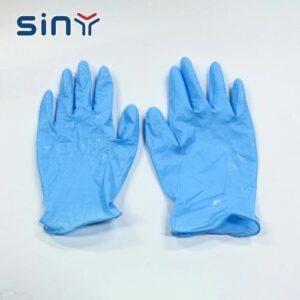
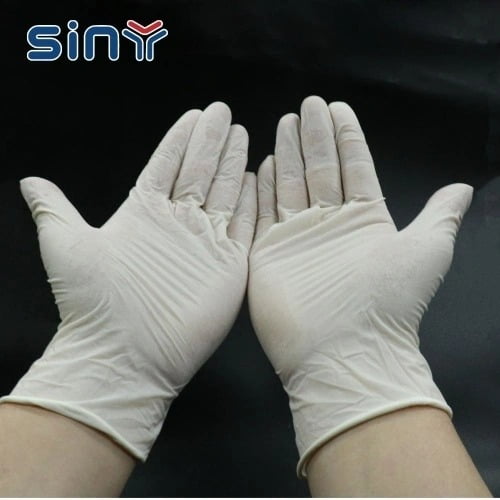
| Product Name | Surgical Sterile Heavy Duty Orthopedic Medical Gloves |
| Product Type | Orthopedic Surgical Gloves |
| Material | Natural Rubber Latex — Common Material Reference |
| Sterility | Sterile |
| Design | Heavy-Duty Surgical Glove |
| Intended Use | Orthopedic Surgical Procedures |
| Intended Users | Surgeons and Operating Room Personnel |
| Key Considerations | Barrier Integrity, Durability, Grip and Dexterity |
Siny Medical Surgical Sterile Heavy Duty Orthopedic Medical Gloves are designed for orthopedic surgical procedures where hand protection, durability, and controlled instrument handling are important. These sterile, heavy-duty surgical gloves are intended for use in operating rooms and other appropriate surgical environments.
Orthopedic surgery can involve repeated contact with surgical instruments, bone surfaces, and specialized equipment. Compared with many routine surgical tasks, these procedures may place different mechanical demands on gloves. Choosing suitable hand protection is therefore an important part of operating room preparation.
Heavy-duty orthopedic gloves are designed with these demanding working conditions in mind. Their construction emphasizes durability while maintaining the flexibility and fit needed for surgical movements. Natural rubber latex is commonly used in this category because of its elasticity and close-fitting characteristics, although actual glove material and performance depend on the specific product.
At Siny Medical, we supply medical gloves and disposable surgical consumables for hospitals, operating rooms, and healthcare distributors. Our orthopedic glove range supports purchasing teams seeking sterile hand protection for demanding surgical applications.
Orthopedic surgical gloves differ from general-purpose medical gloves in their intended application and emphasis on mechanical protection. A suitable design must balance durability, hand movement, and the barrier requirements of the procedure.
Orthopedic surgery may involve contact with rigid instruments, rough surfaces, and equipment that places stress on glove material.
Heavy-duty surgical gloves are designed to address demanding handling conditions. Their construction may differ from standard surgical gloves in material thickness, reinforcement, or other design characteristics.
However, the term heavy duty does not establish a specific thickness or puncture-resistance rating.
Actual mechanical performance depends on the glove’s material, design, and tested characteristics.
A heavier construction may offer practical advantages in certain procedures, but it can also influence tactile sensitivity. Hospitals should therefore consider the balance between protection and handling performance.
Sterility is an essential consideration for gloves used during sterile surgical procedures.
Sterile orthopedic gloves are intended for use as part of an aseptic surgical workflow. Their packaging and handling must help maintain the sterile condition until use.
Before donning, operating room personnel should inspect the package and follow the facility’s sterile preparation procedures.
A sterile glove does not replace surgical hand antisepsis or other infection prevention measures.
Correct donning, appropriate use, and timely replacement remain necessary throughout the procedure.
Natural rubber latex is a commonly used material in surgical glove manufacturing.
Its elasticity allows gloves to conform closely to the hand while supporting finger and wrist movement. These characteristics can be valuable during procedures that involve gripping and manipulating surgical instruments.
Latex also provides a familiar tactile feel for many healthcare professionals.
However, natural rubber latex contains proteins that may cause allergic reactions in susceptible individuals.
Hospitals must consider the needs of both personnel and patients when selecting latex-containing surgical products.
Orthopedic procedures often involve instruments that require a secure grip and controlled force.
A suitable glove should allow the wearer to hold instruments comfortably without excessive slipping or restriction.
Grip performance depends on several factors, including glove surface, fit, moisture, and instrument design.
Some surgical gloves use textured surfaces to support handling, although surface texture varies between products.
For orthopedic purchasing, grip should be evaluated together with dexterity and material durability.
Glove fit is particularly important during lengthy or physically demanding procedures.
An excessively tight glove may restrict movement and create discomfort. An oversized glove can leave loose material around the fingers, making precise handling more difficult.
A properly selected size helps support comfortable movement and instrument control.
Surgical teams should use the manufacturer’s sizing guidance and assess fit during product evaluation.
Surgical gloves provide a physical barrier between the wearer’s hands and materials encountered during a procedure.
Nevertheless, glove integrity can be affected by punctures, tears, abrasion, and prolonged mechanical stress.
Heavy-duty construction should not be interpreted as puncture-proof protection.
Personnel should inspect gloves when damage is suspected and replace them according to the surgical protocol.
For procedures with elevated exposure risks, the surgical team may also consider appropriate double-gloving practices.
Orthopedic gloves are intended for procedures where the combination of sterile technique, instrument handling, and mechanical demands requires careful glove selection.
The specific product must be appropriate for the surgical procedure and the healthcare facility’s requirements.
Orthopedic operating rooms use specialized instruments and equipment for procedures involving bones, joints, and surrounding tissues.
Sterile heavy-duty gloves may be selected when the surgical team requires a glove designed for demanding handling conditions.
During these procedures, barrier integrity and freedom of movement remain important.
The choice of glove should support the surgical technique without creating unnecessary restrictions.
Fracture fixation procedures may involve handling plates, screws, wires, and other orthopedic instruments.
These activities can place mechanical stress on surgical gloves.
Heavy-duty glove designs may be considered when the surgical team wants a more robust glove configuration.
However, glove selection should account for the actual procedure and instrument handling requirements.
Joint replacement procedures involve specialized instruments and repeated handling tasks.
Surgeons may need to alternate between controlled fine movements and more forceful instrument manipulation.
A suitable orthopedic glove should support both dexterity and practical durability.
Hospitals should assess glove comfort, fit, and mechanical performance when selecting products for these procedures.
Trauma surgery can involve complex operating conditions and demanding instrument use.
Sterile orthopedic gloves may form part of the protective equipment selected for these environments.
However, gloves must be used alongside appropriate surgical precautions.
They cannot eliminate injuries caused by sharp instruments or prevent every form of exposure.
Training programs may use orthopedic surgical gloves during supervised practical exercises.
Trainees can learn proper sterile donning, glove inspection, instrument handling, and replacement procedures.
Training should also emphasize that heavy-duty gloves are not puncture-proof.
Correct technique remains essential when handling sharp or rigid surgical equipment.
Heavy-duty orthopedic gloves and standard surgical gloves share the purpose of providing a protective barrier during appropriate procedures.
However, their design priorities may differ.
Standard surgical gloves are designed for surgical procedures requiring suitable fit, barrier performance, and hand movement.
Heavy-duty orthopedic gloves place additional emphasis on demanding instrument handling conditions.
Their construction may be more robust, depending on the product design.
However, performance should be evaluated using actual technical data rather than assuming every heavy-duty glove has greater puncture resistance.
A thinner glove design may offer a different tactile experience from a heavier construction.
This distinction can matter during procedures requiring delicate manipulation.
Orthopedic surgeons may need both controlled fingertip movement and a secure grip during forceful instrument handling.
Therefore, the ideal glove depends on the procedure rather than thickness alone.
Surgical procedures can require prolonged glove use.
Fit, flexibility, and hand movement influence comfort during these periods.
A heavy-duty glove should provide an appropriate balance between material construction and wearing comfort.
Hospitals may benefit from user evaluations before introducing a new glove design.
| Feature | Heavy-Duty Orthopedic Gloves | Standard Surgical Gloves |
|---|---|---|
| Main Application | Demanding orthopedic procedures | General surgical procedures |
| Design Priority | Durability and instrument handling | General surgical dexterity and protection |
| Mechanical Construction | Heavy-duty design | Standard surgical design |
| Sterile Use | Sterile configuration | Sterile configuration when specified |
| Tactile Feel | Depends on construction and fit | Depends on construction and fit |
| Puncture Resistance | Requires product-specific performance data | Requires product-specific performance data |
| Selection Basis | Orthopedic workflow requirements | General surgical requirements |
Neither glove type is automatically appropriate for every surgical task. The final selection should reflect the procedure, user preferences, and documented product performance.
Hospitals and distributors should consider the specific demands of orthopedic procedures before selecting surgical gloves.
The purchasing process should cover protection, comfort, sterility, and supply requirements.
Orthopedic procedures can place considerable mechanical demands on glove materials.
Purchasing teams should review relevant product performance information, including physical strength and barrier integrity.
Thickness may be one consideration, but it should not be used as the sole measure of durability.
A thicker glove does not automatically provide superior resistance to every type of puncture or tear.
Hospitals should evaluate the product according to its intended application.
Surgical gloves must allow controlled instrument handling.
During orthopedic procedures, surgeons may use instruments requiring both precision and applied force.
A suitable glove should provide practical movement without excessive restriction.
Grip, fit, and tactile sensitivity can be assessed through appropriate product evaluation.
Feedback from operating room personnel is valuable when selecting gloves for routine purchasing.
Correct sizing helps maintain comfort and controlled hand movement.
Hospitals should consider the size requirements of different surgical team members.
Gloves that are too tight may cause discomfort, while oversized gloves can interfere with instrument handling.
Using the manufacturer’s sizing guidance supports a more consistent selection process.
Purchasing teams can also review historical consumption to determine the most frequently required sizes.
Natural rubber latex is widely used in surgical glove manufacturing because of its elasticity.
However, latex allergies must be considered when selecting products for healthcare use.
Facilities should follow their policies for managing latex exposure among personnel and patients.
Where latex is unsuitable, a surgical glove made from an appropriate alternative material should be selected.
Sterile gloves require packaging that maintains the product’s sterile condition until use.
Healthcare buyers should assess package integrity, labeling, shelf life, and handling requirements.
Operating room personnel must follow the appropriate sterile opening and donning procedures.
Damaged or compromised sterile packaging should not be used for a sterile procedure.
Orthopedic departments may have different glove consumption patterns from other hospital units.
Purchasing teams should consider the number of procedures, expected glove changes, required sizes, and inventory turnover.
Distributors may also evaluate packaging configurations and delivery requirements.
Reliable supply planning helps hospitals maintain appropriate consumable availability without compromising product selection.
Proper handling helps preserve glove integrity and supports surgical infection prevention practices.
Before use, inspect the sterile package and select the appropriate glove size.
Follow the facility’s surgical hand preparation and sterile donning procedures.
Avoid unnecessary contact with surfaces that could compromise the sterile condition.
During surgery, pay attention to potential glove damage, particularly when handling sharp instruments or rough equipment.
Replace gloves whenever a puncture, tear, or other loss of integrity is suspected.
For procedures involving elevated exposure risks, follow the facility’s policies concerning glove changes and double gloving.
After use, remove gloves carefully and dispose of them according to the healthcare facility’s waste management procedures.
Store unused surgical gloves in their original packaging under the conditions stated on the product label.
Protect them from excessive heat, direct sunlight, moisture, and physical damage.
For latex-containing gloves, unsuitable storage conditions can contribute to material deterioration.
Use appropriate inventory rotation practices and observe the labeled shelf life.
Inspect packaging integrity before sterile use.
They are surgical gloves designed for demanding orthopedic procedures, with an emphasis on durability, fit, and instrument handling.
Orthopedic procedures may involve rigid instruments, rough surfaces, and repeated mechanical contact. Heavy-duty glove designs address these demanding handling conditions.
Yes. This product is described as a sterile surgical glove intended for appropriate sterile surgical applications.
Some heavy-duty designs use a more substantial construction, but actual thickness varies between products. Thickness alone does not determine puncture resistance.
No. Surgical gloves can still be punctured or torn, particularly when exposed to sharp instruments or excessive mechanical stress.
Natural rubber latex is a common material because of its elasticity and close-fitting characteristics. Alternative materials are also used in surgical glove manufacturing.
Latex-containing gloves may cause allergic reactions in susceptible individuals. Healthcare facilities should select appropriate alternatives when latex exposure is unsuitable.
Not automatically. Double gloving is a separate protective practice, and its use should follow the surgical team’s procedure and facility policies.
Keep them in their original packaging, protect them from unsuitable environmental conditions, and follow the labeled storage instructions.
Important factors include sterile status, mechanical performance, fit, dexterity, material suitability, packaging, and reliable supply.
Siny Medical supplies sterile heavy-duty orthopedic surgical gloves for hospitals, orthopedic operating rooms, and medical supply distributors. Our surgical consumable range supports healthcare facilities seeking suitable hand protection for demanding surgical procedures. Explore our medical glove products or contact Siny Medical to discuss available sizes, material options, packaging configurations, and bulk purchasing requirements.
Copyright © 2026 | Ningbo Siny Medical Technology Co., Ltd